Taoist Yoga – Taoist Qigong – Tao Yi – Tao Yin

I teach a variety of exercise sets that offer a wide education of Taoist Yoga and/or Taoist Qigong
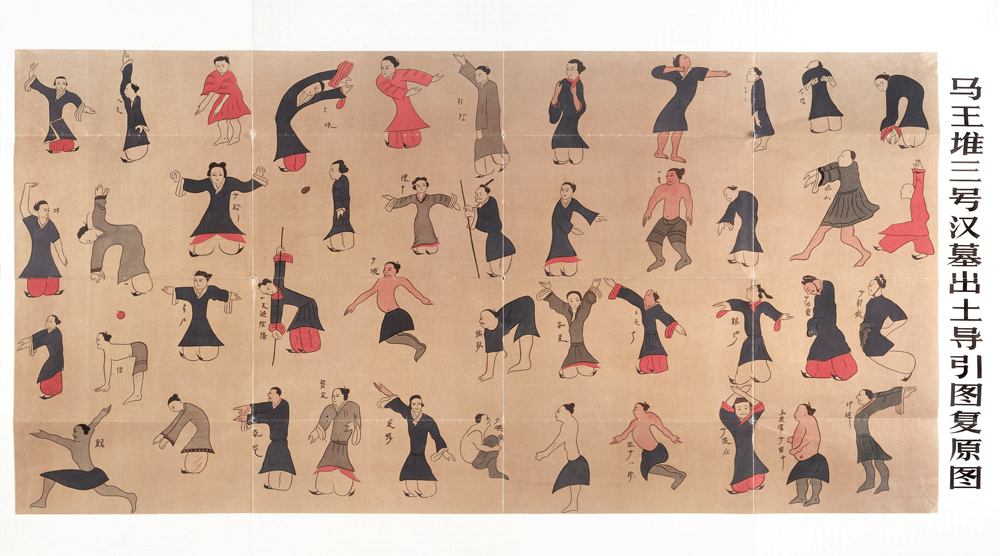
Dao-yin-chart.png


Sanskrit, Chinese and Korean terminology:
Qi, Chi or Gi = air, energy or breath
Gong or Kung = work or effort
Qigong = energy or breath work
Yoga = to join or unite
Tao Yin / Tao Yi = guide the Qi, stretch the body (sometimes referred to as Taoist Yoga)

The origins of Yoga, Qigong and other eastern mind, body and spiritual practices date back thousands of years. Tao Yin is quite possibly a root of Qigong and was practiced in Chinese Taoist monasteries for health and spiritual cultivation. From my research spanning over 35 years, I have found these practices are all greatly intertwined. What I currently find most important is that these methods have passed the test of time and proved their benefits to the human condition on many levels.

The human body is made up of bones, muscles, and organs among other components. Veins, arteries and capillaries carry blood and nutrients throughout to all of the systems and components. Additionally, 12 major energy medians carry the body’s energy, “life force” also known as “Qi”. One’s Qi is stored in the lower Dan Tien. Daily emotional imbalances accumulate tension and stress gradually affecting all of the body’s systems. Each discomfort, nuisance, irritation or grudge continues to tighten and squeeze the flow of the life force. This is where “dis-ease” claims its foothold.

Taoist Yoga, Taoist Qigong breathing exercises, Tao Yi and Tao Yin can adjust the brainwaves to the Alpha state where the mind is relaxed and the body chemistry changes and promotes natural healing. Relaxing of the deep skeletal muscles, working outward. Release of tension accumulated within the muscles, organs and nerves. Whereas conventional physical exercise can deplete energy, Qigong helps to replenish your natural energy.

Benefits of Qigong exercises:
■ Boosts the immune system
■ Reduces stress, anxiety, depression, mood swings
■ Lowers blood pressure
■ Increase the body’s natural healing process
■ Lungs increase their capacity
■ Promotes better respiration and circulation
■ Enhanced self-awareness
■ Helps to change the body’s chemistry for the better
■ Most exercises are performed standing or sitting; a few are performed on the ground but are easily adaptable.
■ Exercises can be practiced almost anywhere requiring no special apparatus, clothing, mats, music, etc. Some of the prior can be used to complement the exercises.

__________

The 8 Pieces of Brocade
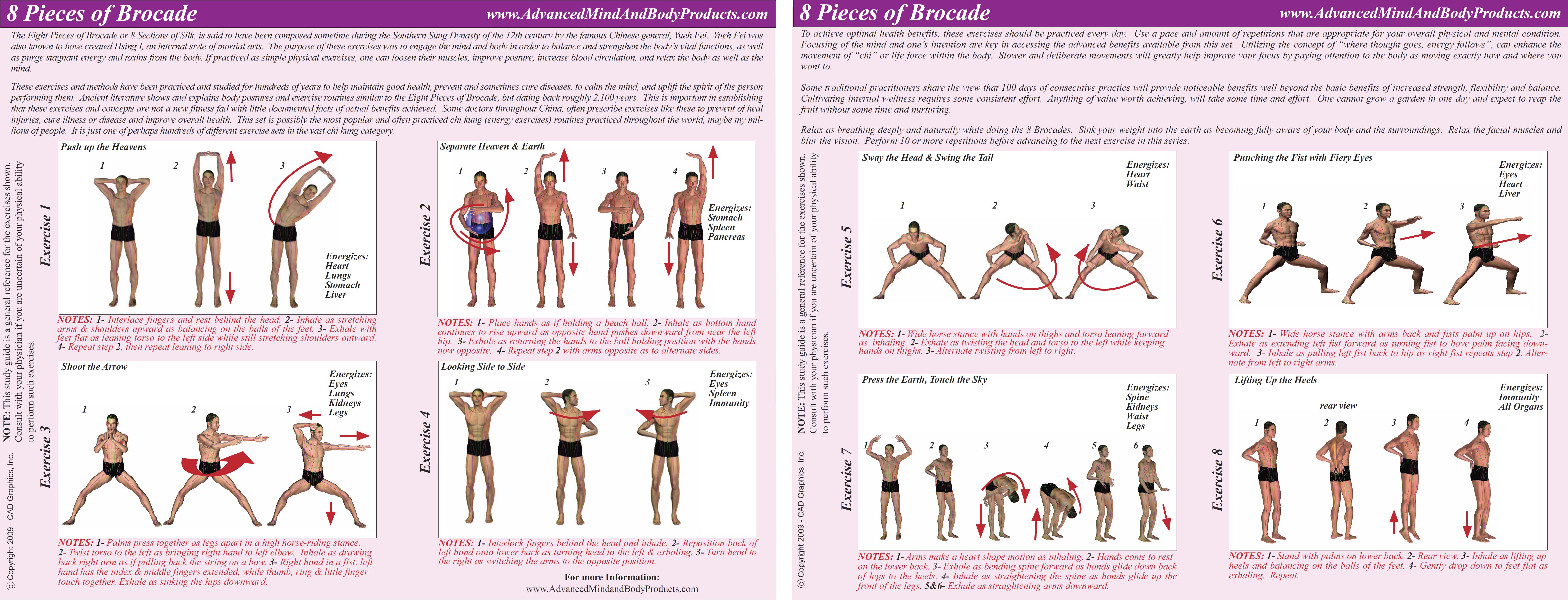
8 brocade double (low res).jpg

The 8 Pieces of Brocade is a gentle exercise set that is relaxing and energizing at the same time, with each set of movements designed to activate and cleanse the Dan Tien and particular acupuncture meridians. Training can benefit every internal and external muscle of the body (over 625), all joints and internal organs of the body. The circulatory, respiratory and nervous systems will perform better with proper instruction.

__________

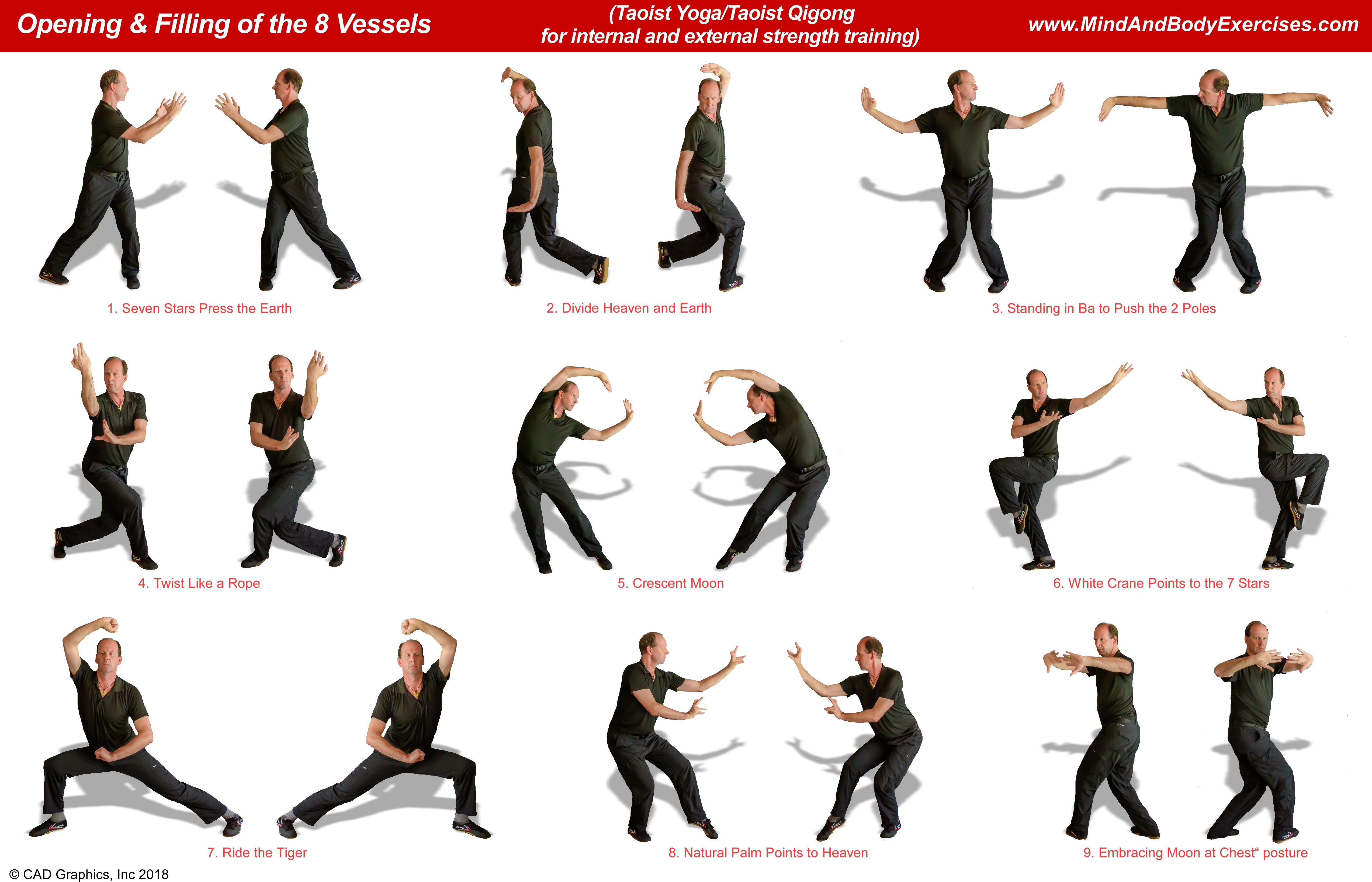
Opening & Filling the 8 Vessels
8 Vessels-Pal Gye1-cutouts.jpg

One method of opening the 9 Gates & Filling of the 8 Vessels, is with the practice of Ship Pal Gye or Ship Par Gay, which is a Korean version of Chinese Shaolin Lohan Qigong, meaning “18 chi movements” or what were supposedly the original 18 drills that Bodhidharma introduced to the Shaolin monks. It is reputed to be the basis for the Shaolin Kung Fu, which in turn, greatly influenced the developments of all branches of Asian fighting arts. For the martial arts student it is essential to appreciate that Lohan Qigong is not just another Chinese exercise to be introduced to the West; it is possibly the original ‘blueprint’ for Shaolin Kung Fu, from which the more familiar Karate, Aikido, Jujitsu, Taekwondo, Tai Chi, Hsing I, Baguazhang, etc. systems evolved or drew inspiration. There are at least 8 Pal Gye sets taught within this system, forming a comprehensive system of progressively more advanced techniques towards gaining mastery of ones Qi (chi), or vital energy.

__________

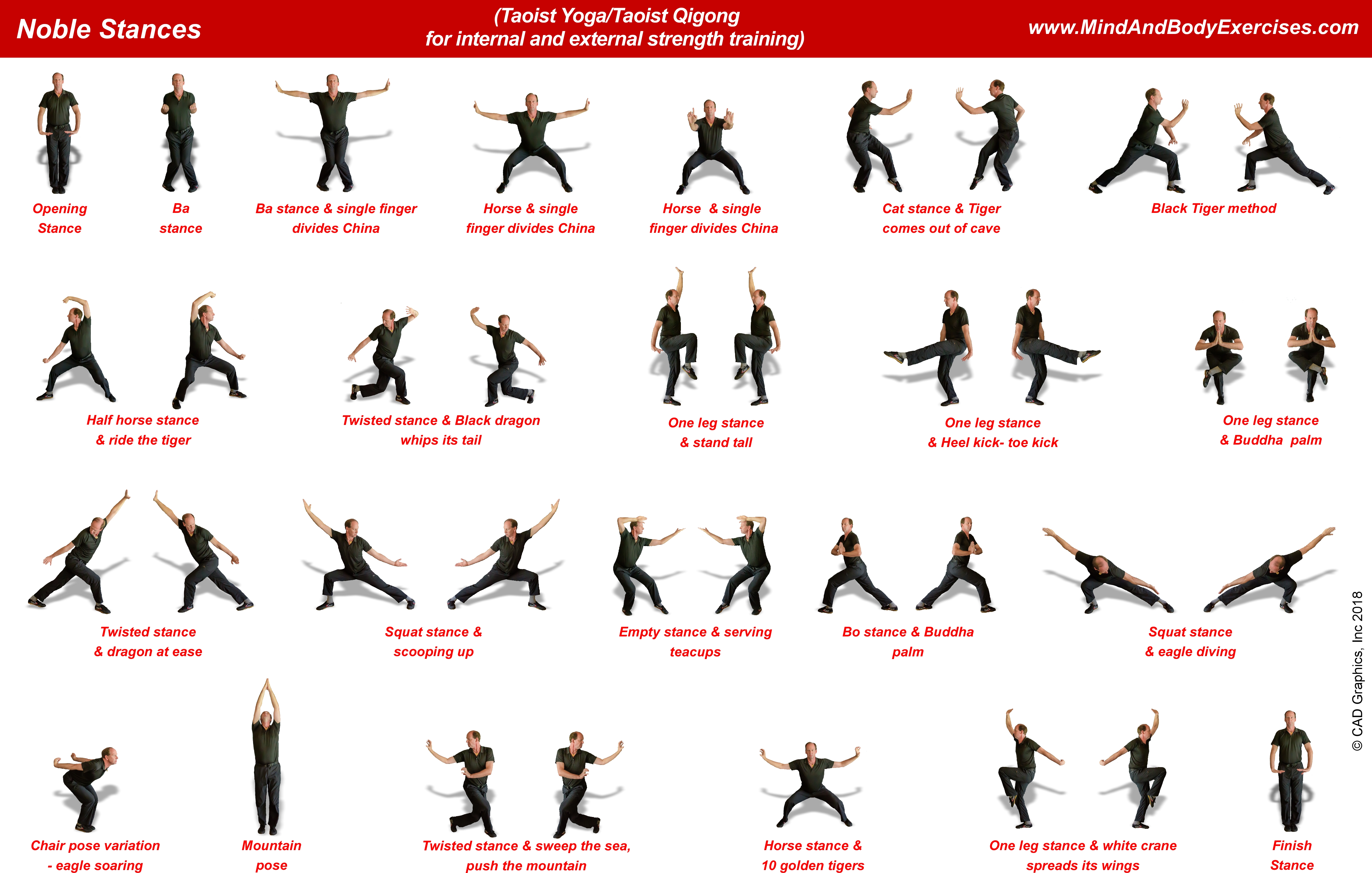
Noble Stances
Noble stances.jpg

Noble stances are a combination of various stances from different styles of Chinese martial arts. Stances, in this case, meaning correct placement of the feet, knees, hips, and arm positions relative to ones center of gravity. Executing static positions and holding the particular body positions for anyway from a few seconds to several minutes reaps many benefits foremost being able to cultivate a strong and healthy core. Some of these Qigong practices require practitioners to hold the postures for a duration of time in order to pressurize the energy that flows through 12 Energy Meridians and 8 Extraordinary Vessels. This method encourages practitioners to build proper structure and posture, allowing them to stand in the positions longer and to increase and store more energy in their body.
5 (1-hour) sessions recommended to achieve some level of proficiency
Classes held within the Wekiva Neighborhood of Longwood, FL or a negotiated location

contact info@MindAndBodyExercises.com for more information.
Music for Better Health

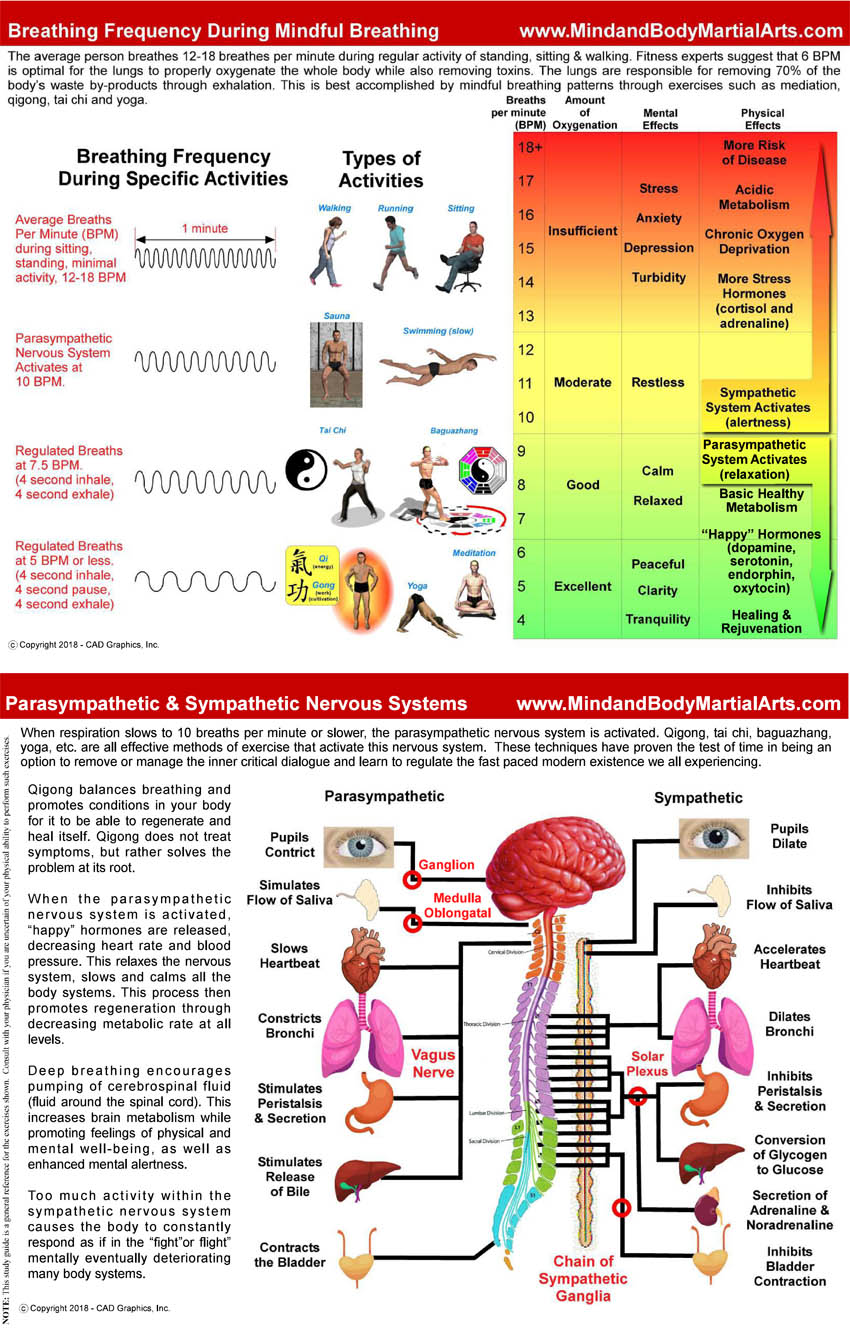
The average person breathes 12-18 breathes per minute (BPM) during regular activity of standing, sitting & walking. Fitness experts suggest that 6 BPM is optimal for the lungs to properly oxygenate the whole body while also removing toxins. The lungs are responsible for removing 70% of the body’s waste by-products through exhalation. This is best accomplished by mindful breathing patterns through exercises such as mediation, Qigong, Tai Chi and Yoga.

When soft and peaceful music is used with the prior exercises, one can effectively slow and match their breathing pattern to the 4/4 tempo. Regulated breaths taking 4 seconds to inhale, a 4 second pause, and then 4 seconds to inhale results in 5 BPM.  When respiration slows to 10 breaths per minute or slower, the parasympathetic nervous system is activated. Qigong, Tai Chi, Baguazhang, Yoga, etc. are all effective methods of exercise that activate this nervous system. These techniques have proven the test of time in being an option to remove or manage the inner critical dialogue and learn to regulate the fast paced modern existence we all experiencing.

Breathing Frequency During Mindful Breathing-2up.jpg

The links below, take you the sites of Jason Campbell whom is a musician and master level martial arts instructor:

Video clip from the musician

More info from the musician

Most people breathe too shallow and too quickly!

Much recent research has linked stress to poor breathing habits and consequently many ailments. Many modern chronic conditions can be traced back to insufficient cell oxygenation otherwise known as cell hypoxia. Poor oxygenation is linked to many modern chronic conditions such as asthma, COPD, obesity, diabetes, insomnia and cancer.

Breathing is one of the few bodily rhythms that we can consciously adjust, along with sleep and elimination. All of these rhythms directly affect our body’s delicate blood chemistry. However, our breath is the root power in bringing oxygen (Qi) into our body to nourish it down to the cellular level.

Faster breathing is necessary when experiencing truly stressful situations, like being chased by an animal, running from a fire or similar life-threatening situations. However, continued breathing at this pace for an extended period of time puts accumulative stress on all of the body’s systems. Hormones such as Cortisol flood the blood stream as the endocrine system adjusts to the extra strain.

Excessive Cortisol levels cause the immune system to weaken, shrink vital organs and decrease muscle mass. In the “anti-aging field”, Cortisol is known as the “death hormone” because it’s associated with poor health and disease.


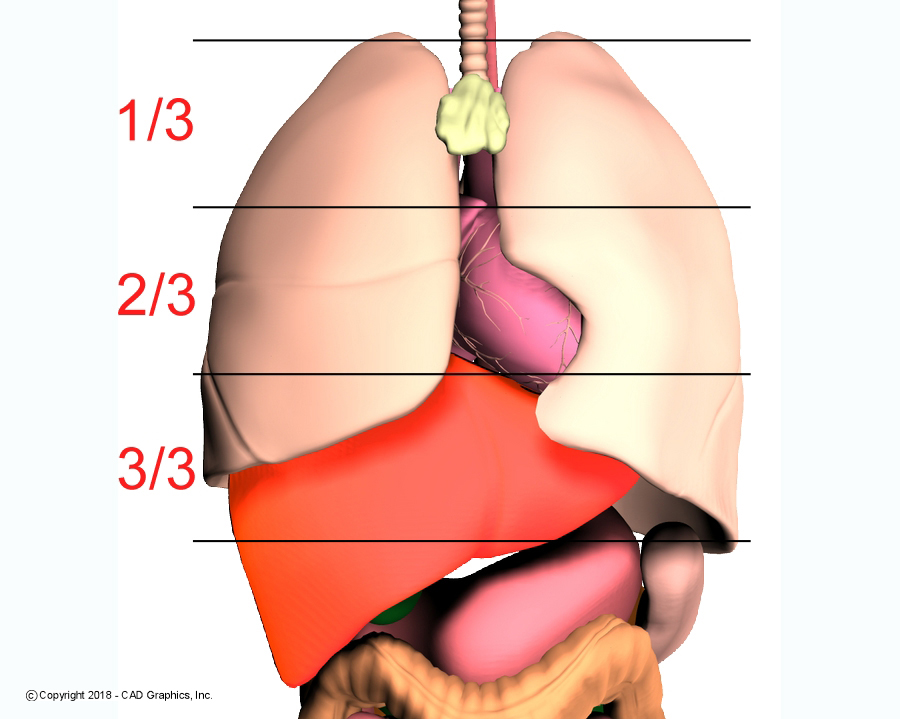
Lungs graphic

Most humans are breathing on the average, with normal activity about 12-18 breaths per minute (BPM). This amounts to very shallow breaths, using primary the top 1/3 of the lung’s capacity. Shallow chest breathing fills only the upper portion of the lungs. This reduces the ability to effectively oxygenate the circulation system. This “over-breathing” and “under-inhaling” causes an imbalance in oxygen/carbon dioxide gas exchange. This further leads to a ripple effect of other chemical (and hormonal) imbalances.

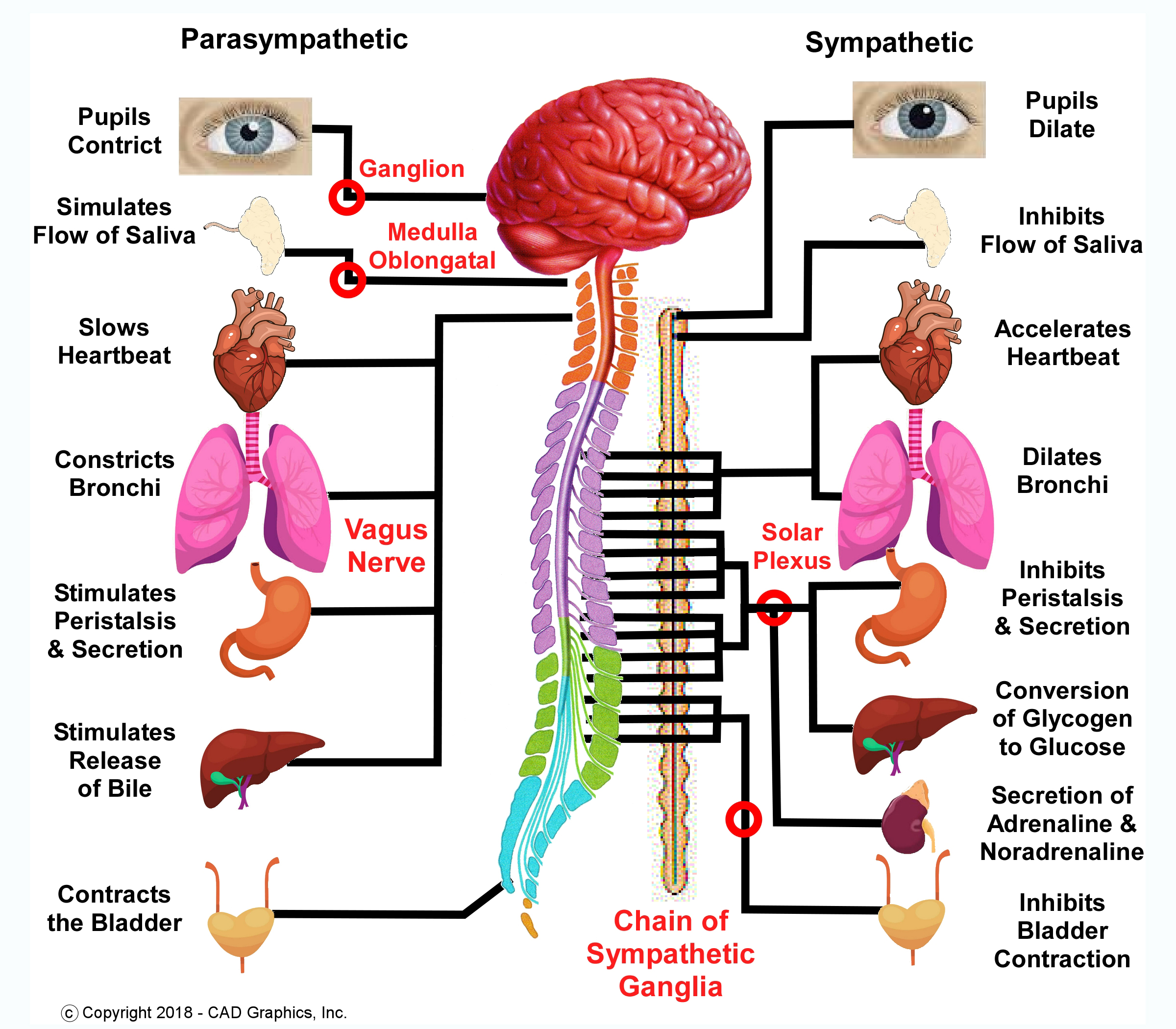
When the parasympathetic nervous system is activated (10 BPM or less), “happy” hormones such as Dopamine and Oxytocin are released, decreasing heart rate and blood pressure. This relaxes the nervous system, slows and calms all the body systems. This process then promotes regeneration through decreasing metabolic rate at all levels.

Parasympathetic Nervous System-graphic.jpg

Deep breathing encourages pumping of cerebrospinal fluid (fluid around the spinal cord). This increases brain metabolism while promoting feelings of physical and mental well-being, as well as enhanced mental alertness.

Fitness experts suggest that 6 BPM is optimal for the lungs to properly oxygenate the whole body while also removing toxins. The lungs are responsible for removing 70% of the body’s waste by-products through exhalation. This is best accomplished by mindful breathing patterns through exercises such as mediation, Qigong, Tai Chi and yoga.

Qigong exercises balance breathing and promotes conditions in your body for it to be able to regenerate and heal itself. Qigong does not treat symptoms, but rather solves the problem at its root. Qigong, Tai Chi and yoga are all considered low-impact exercise allowing people at all levels of fitness to gain benefits from these practices.

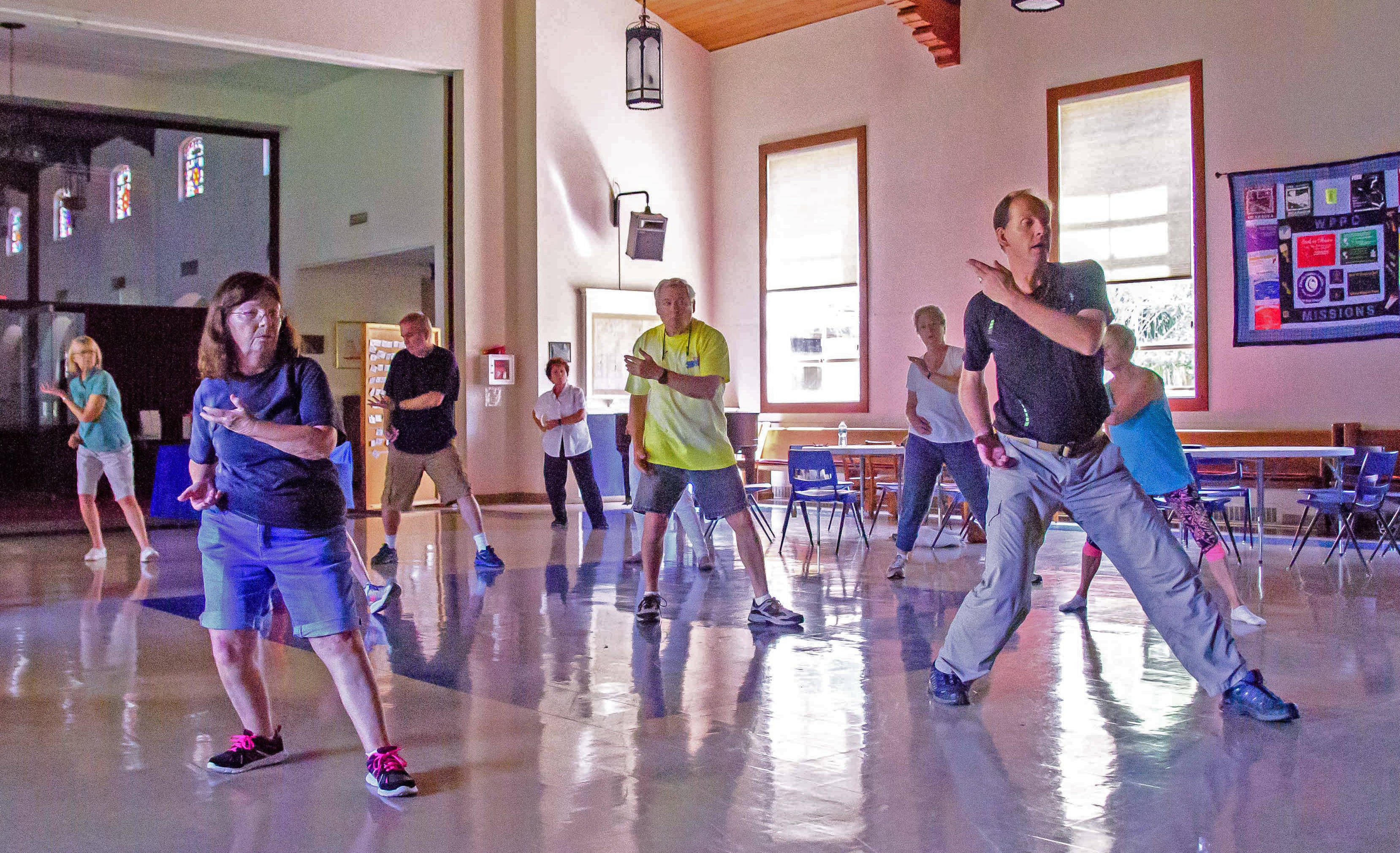
810_3464.jpg

Jim Moltzan has been teaching Qigong, Tai Chi, Taoist Yoga, martial arts and various other alternative methods of fitness for over 35 years. Contact at http://www.MindAndBodyExercises.com


Physician, heal thyself

Exercise and thought management can work to fix our health – physically as well as mentally. But you have to do the work. Nobody else is going to do it for you. 50, 100, 1000 repetitions of a specific exercise, executed 2 to 3 times a day, 5-7 days a week, for weeks or months….until YOU fix your issues. Yes, it can require much time, but so can trips to the doctor, therapist or hospital and often the problem still doesn’t improve much. Your time is so valuable but the also the money and effort spent on managing your health issues.

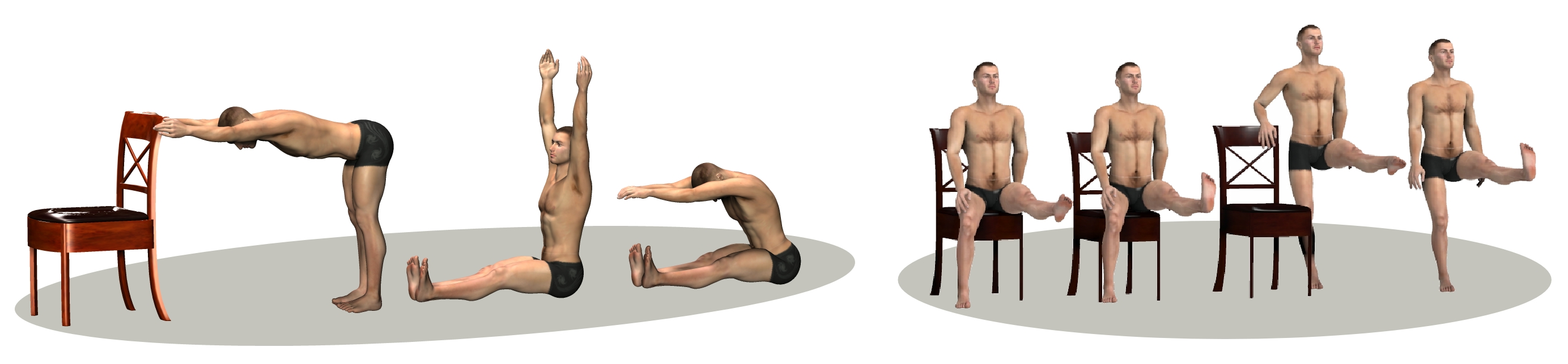
Back & Knee exercises

I know Qigong, Tai Chi & Baguazhang exercise methods work because I have used them to fix my own physical issues many times over 37 years.  Additionally, I have worked with and helped many people with a wide range of ailments such as:  knee, back, shoulder, neck pain – stress, headaches, stroke patients, hernia, arthritis, and various other issues.

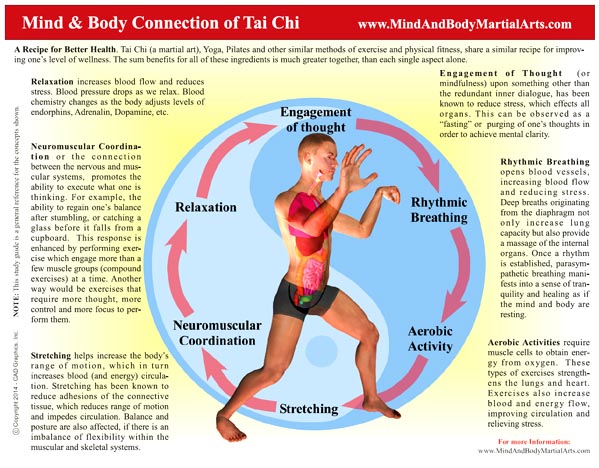
Mind & Body Connection of Tai Chi (page1)

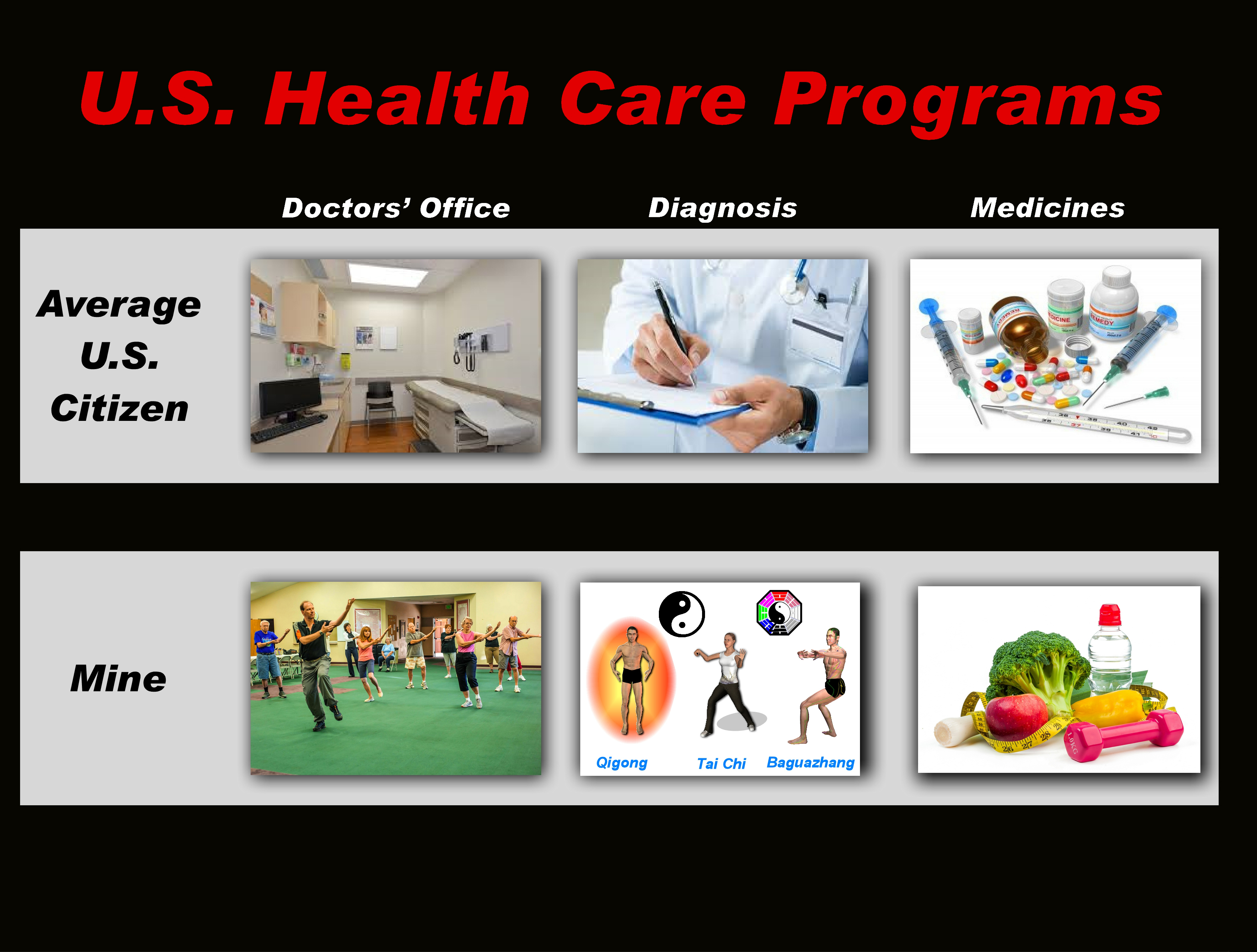
Not all injuries or illnesses can be fixed with ancient time-proven (alternative methods to some) such as Tai Chi or Qigong, but isn’t it worth looking into before one commits to surgery, other invasive methods or medications with long term side-effects? No one will take as much of an interest in your well being than you can. You can be more of YOUR health care program.

Health Care program

I am eagerly pursuing new avenues and network connections to grow a community of like-minded individuals who have an open perspective to improve their mind, body and spirit to their fullest potential. Classes, lectures, seminars and demonstrations are all opportunities that I offer to showcase this valuable library of health related methods.

More information can be found at my website at http://www.MindAndBodyMartialArts.com or contacting me directly at info@MindAndBodyMartialArts.com