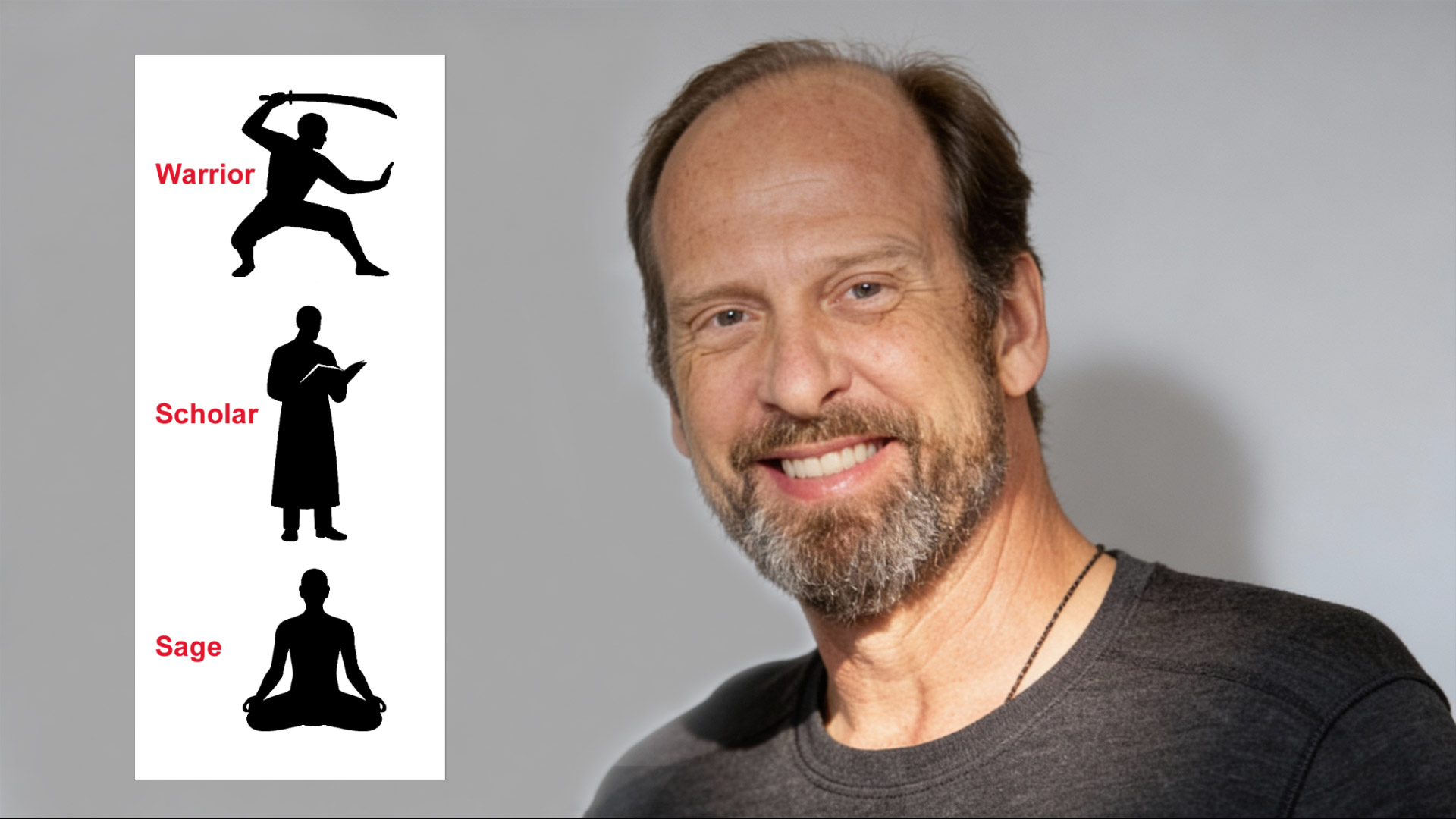
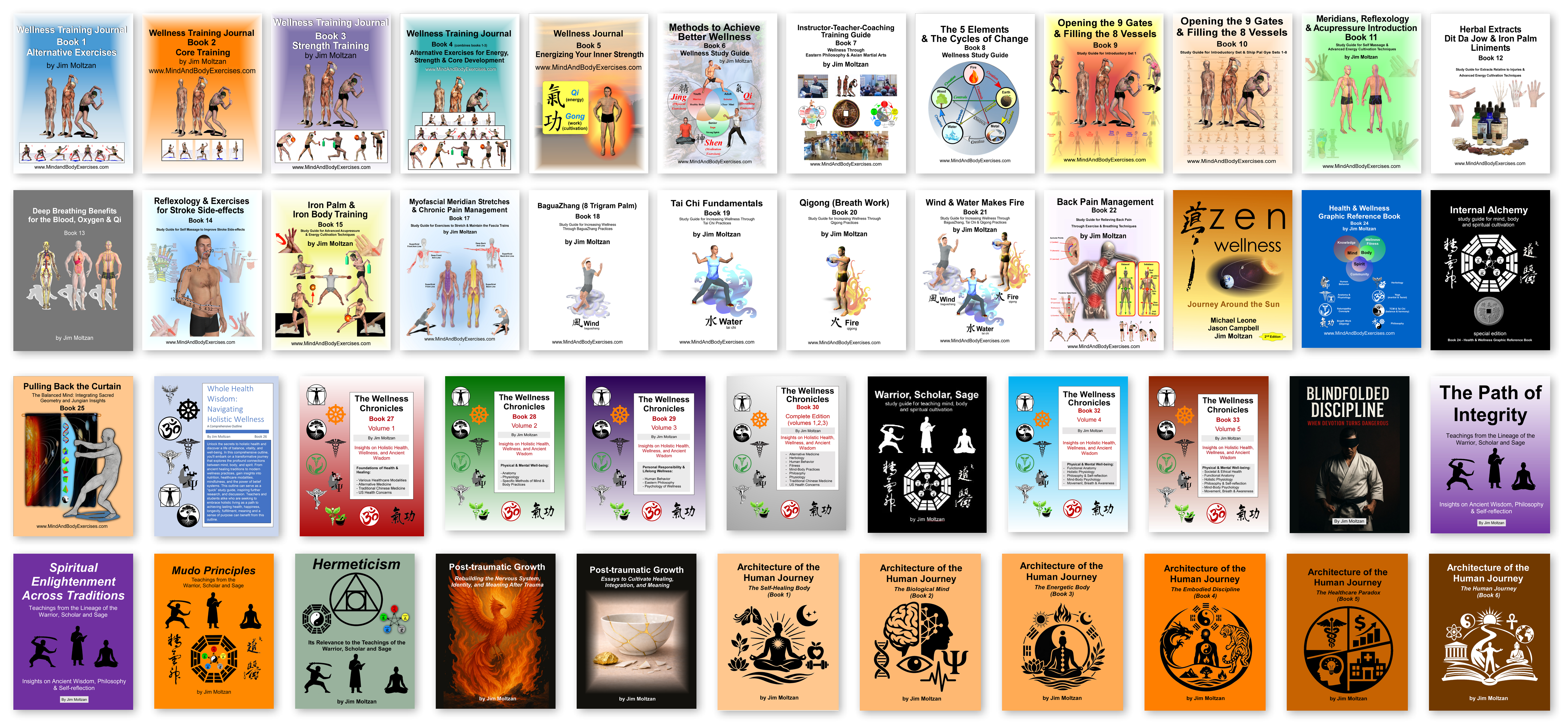
Introducing a New Series: The Architecture of the Human Journey

In a world saturated with fragmented advice on health, fitness, and personal development, there remains a need for something more complete, structured, integrated, and grounded in both lived experience and timeless principles.

Over the course of several decades of study, practice, and teaching across the fields of holistic health, martial arts, and human development, a unifying framework has gradually taken shape. This framework does not isolate the body from the mind, nor the mind from the spirit. Instead, it recognizes that human growth unfolds through the dynamic interaction of multiple systems of physical, biological, energetic, behavioral, and philosophical.

It is from this perspective that a new six-part book series emerges:

The Architecture of the Human Journey

This series is not simply a collection of books. It is a structured exploration of what it means to develop as a human being: physically, mentally, energetically, and ethically within the realities of modern life.

Each volume builds upon the others, forming a progressive pathway toward greater awareness, resilience, and self-mastery.

Book 1: The Self-Healing Body

The journey begins with the body—not as a machine to be pushed or punished, but as a living system designed for adaptation, repair, and resilience.

The Self-Healing Body explores the foundational principles of movement, posture, breathing, and recovery. It challenges the modern tendency toward inactivity and over-reliance on external interventions, instead emphasizing the body’s innate capacity to restore balance when given the proper conditions.

Readers are guided toward a deeper understanding of how daily habits of sitting, standing, walking, breathing shape long-term health outcomes. The message is clear: the body is not broken; it is often simply underused, misused, or misunderstood.

Book 2: The Biological Mind

If the body is the foundation, the mind is the regulator.

The Biological Mind examines how thoughts, emotions, stress responses, and neurological patterns influence both behavior and physiology. Rather than viewing the mind as something abstract or separate, this book presents it as a biological system, deeply connected to the nervous system, hormones, and physical health.

Topics include stress conditioning, attention, perception, and the ways in which modern environments can dysregulate natural mental processes. Readers are encouraged to recognize how their internal dialogue and external inputs shape their lived experience.

Book 3: The Energetic Body

Beyond the physical and biological lies a more subtle, yet equally important dimension: the energetic system.

The Energetic Body draws from Traditional Chinese Medicine, Daoist practices, and internal martial arts to explore concepts such as qi, meridians, breath, and internal flow. While often overlooked in Western models, these systems have guided health and movement practices for thousands of years.

This volume bridges the gap between ancient insight and modern understanding, offering practical ways to cultivate energy through breathwork, posture, and intentional movement.

Book 4: Embodied Discipline

Knowledge without application remains incomplete.

Embodied Discipline focuses on the integration of body, mind, and energy through consistent practice. It is here that theory becomes lived experience. Discipline is reframed not as rigid control, but as the steady cultivation of habits that align with one’s values and goals.

Drawing from martial arts training, this book explores how structure, repetition, and intentional challenges build not only physical capacity, but mental clarity and emotional resilience.

Book 5: The Healthcare Paradox

Modern healthcare offers remarkable advancements, yet widespread chronic illness continues to rise.

The Healthcare Paradox examines this contradiction. It explores how systems designed to treat disease often overlook the foundational behaviors that prevent it. Nutrition, movement, stress, environment, and personal responsibility all play a role, yet are frequently underemphasized.

This book does not reject modern medicine but rather places it within a broader context. One that encourages individuals to become active participants in their own health rather than passive recipients of care.

Book 6: The Human Journey

The final volume steps back to consider the broader question: What is all of this for?

The Human Journey explores meaning, purpose, relationships, and the realities of growth over a lifetime. It integrates the lessons of the previous volumes into a larger philosophical perspective, drawing from both Eastern and Western traditions.

It recognizes that strength, clarity, and health are not ends in themselves, but tools that support a more meaningful and connected life.

A Complete Framework for Modern Living

Taken together, these six books form a cohesive system:

  • The body provides structure
  • The mind provides direction
  • The energy system provides flow
  • Discipline provides integration
  • Awareness of systems provides context
  • Meaning provides purpose

This is the architecture – not of a building, but of a life.

In a time when information is abundant, but wisdom is scattered, The Architecture of the Human Journey offers a way to reconnect the pieces. It invites readers not just to learn, but to observe, reflect, and ultimately take responsibility for their own development.

This is not a quick fix or a temporary program. It is a long-term approach to living with greater awareness, strength, and integrity.

The journey is ongoing. The architecture is yours to build.

Acupressure and Holistic Health

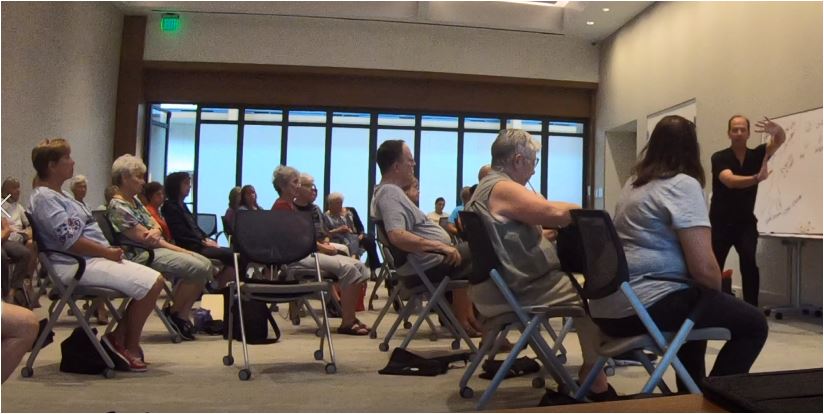
The video presents an in-depth discussion and practical demonstration, focusing on the importance of hand health, self-care, and Traditional Chinese Medicine (TCM) principles applied to modern wellness practices. Starting with a critique of the current American healthcare system, I contrast “sick care” with “self-care,” emphasizing personal responsibility in maintaining health through exercise, nutrition, and mindfulness. I introduced foundational concepts, such as the Five Pillars (physical movement, diet, sleep, stress management, and social interaction) and the principles of Yin and Yang, explaining their scientific roots in geometry and balance.

I elaborate on the Chinese philosophy of the Five Elements theory (fire, earth, metal, water, wood), correlating them with organs and bodily systems, and explain the concept of meridians, or energy pathways throughout the body that traditional Chinese medicine targets to enhance health. The core practical component of the video focuses on hand exercises designed to strengthen grip, improve circulation, stimulate nerve endings, and activate energy flow through the meridians ending in the fingers. These exercises involve various techniques such as clapping, pinching, twisting, and massaging different parts of the hand and wrist.

I highlight the significance of grip strength especially in fall prevention and overall mobility in older adults, explaining how consistent practice can improve hand function and nervous system responsiveness. I also discuss cross-body movements and their cognitive benefits, drawing parallels to neurological therapies and developmental exercises like crawling, which engage both hemispheres of the brain.

Towards the end, I briefly touch on broader practices such as Tai Chi, Qigong, and reflexology, stressing their role in holistic health. I advocate using accessible tools like golf balls for foot massage to stimulate nerve endings and share practical advice on managing neuropathy and maintaining organ health through movement and energy balance. Throughout, I encourage self-awareness, gradual progression, and integrating these exercises into regular routines for preventive health.

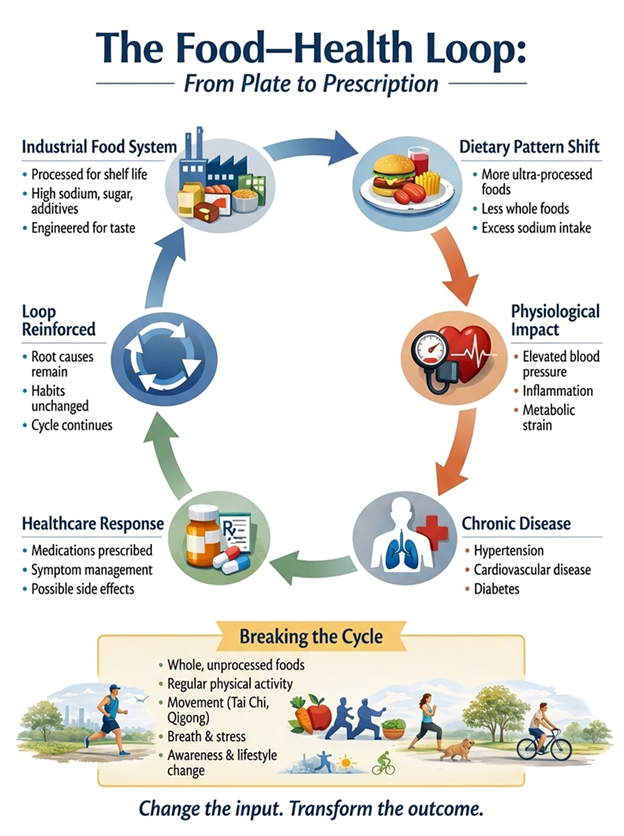
Modern Healthcare Critique: I am somewhat critical of the U.S. healthcare system as reactive “sick care” rather than proactive health maintenance. I highlight that patients often receive prescriptions without addressing root causes like lifestyle or diet, which underscores a systemic issue driven by time constraints and financial incentives. This insight calls for a paradigm shift toward self-care and prevention.

Holistic Health Framework: The Five Pillars framework integrates physical, mental, and social health components, demonstrating the interconnectedness of well-being. By grounding this in Chinese philosophy, we can bridge ancient wisdom and modern health science, by striving to cultivate balanced living, requiring attention to multiple lifestyle factors simultaneously rather than isolated interventions.

Yin-Yang as Science: By explaining Yin-Yang through geometry and mathematics, I demystify what is often perceived as esoteric. This positions traditional Chinese medicine as a system based on observation, balance, and natural laws, reinforcing its credibility and potential integration with Western practices.

Hand Health and Meridian Stimulation: The hand exercises stimulate both physical and energetic systems, by strengthening muscles and tendons while activating nerve endings and meridian pathways. This dual approach enhances circulation, neural function, and energy flow, which is crucial for maintaining dexterity, preventing injury, and promoting healing, especially as people age.

Cross-Body Movements and Brain Health: Movements that cross the body’s midline engage both hemispheres of the brain, enhancing neural connectivity and cognitive function. This insight aligns with rehabilitation techniques for stroke patients and supports the use of such exercises in maintaining brain health and preventing cognitive decline.

Reflexology and Accessible Therapy: I emphasize practical, low-cost ways to stimulate nerve endings and improve energy flow, such as rolling a golf ball under the foot. This highlights the value of self-administered therapies for neuropathy and general well-being and the importance of engaging physically with one’s body.

Self-Care as Empowerment: A recurring theme is the empowerment that comes from taking ownership of one’s health through simple, consistent practices. By understanding how the body’s energy and nervous systems work, individuals can proactively manage their health, reducing reliance on medical interventions and improving quality of life.

Highlights

  • Critique of modern American healthcare as “sick care” and emphasis on the need for self-care.
  • Introduction of the Five Pillars of health rooted in Chinese philosophy: exercise, diet, sleep, stress management, and social interaction.
  • Explanation of Yin and Yang as a scientific geometric principle representing balance and opposites.
  • Overview of the Five Elements theory correlating elements with organs and bodily functions.
  • Demonstration of hand exercises to improve grip strength, circulation, and energy flow through meridians.
  • Discussion of cross-body movements and their role in cognitive stimulation and brain health.
  • Practical advice on foot reflexology and nerve stimulation using simple tools like golf balls.

This comprehensive approach combining philosophy, science, practical exercise, and self-awareness provide a holistic blueprint for health maintenance that transcends conventional medical models.

Build Stronger Bones – University Club Holistic Health Discussion 12-12-2024

This video lecture offers a comprehensive exploration of bone health within the broader framework of holistic wellness. It connects the anatomy and physiology of bones to lifestyle factors, emphasizing the intricate links between physical, mental, and spiritual health. Starting with a review of prior wellness topics such as balance, breathing, and acupressure meridians, I strived to situate bone health in a systems view, explaining how weak bones affect balance and mobility. Key causes of bone weakening, such as sedentary lifestyle, poor diet, hormonal changes, genetics, stress, and insufficient vitamin D, are examined in detail.

The lecture highlights the importance of regular exercise, including weight-bearing activities, Tai Chi, yoga, and functional fitness, to stimulate bone remodeling and maintain strength across the lifespan. Additionally, it addresses the role of calcium, vitamin D, and supplements, as well as medical interventions like acupuncture and TENS (Transcutaneous Electrical Nerve Stimulation) for pain management. I spoke of integrating traditional Chinese medicine concepts, stress benefits, and mindful breathing into the discussion, reinforcing a holistic view of health. Practical tips for maintaining bone integrity, improving balance, and avoiding falls are offered along with a call for consistent, varied physical activity as the cornerstone of healthy aging. The video finishes with a Q&A style wrap-up that stresses individual variability and the importance of personalized healthcare guidance.

Interconnectedness of Systems: The presentation emphasizes that bone health is not isolated but deeply intertwined with muscular, neurological, and even spiritual health. For example, weak bones increase fall risk, which can cascade into fractures and loss of mobility, illustrating the systemic nature of health challenges. The concept of yin and yang underscores the balance between internal wellness and external fitness, highlighting that physical strength alone is insufficient without emotional and mental well-being. This integrated approach reflects contemporary holistic health paradigms.

Vitamin D’s Crucial Role and Sunlight Exposure: A significant insight is the critical role of vitamin D in calcium absorption and bone integrity. I highlighted how modern lifestyles have evolved our indoor activities, sunscreen use, geographic latitude, and seasonal changes, contributing to widespread vitamin D deficiency. This deficiency links to multiple conditions including osteoporosis, osteomalacia, rickets, and compromised immunity. The discussion about timing and duration of sun exposure elucidates practical strategies to optimize vitamin D without risking skin damage, encouraging mindful balance.

Exercise as a Primary Modulator of Bone Strength: Wolf’s Law explains how mechanical strain on bones via muscle tension prompts remodeling and strengthening. The presentation breaks down exercise types, from gentle Tai Chi to rigorous weight training and their suitability across age groups, stressing the importance of consistency and variety. I caution that overly repetitive or limited-exercise regimens may enhance one skill set but neglect others (e.g., flexibility, cardiovascular health), advocating for a multi-dimensional fitness approach. Use of weighted vests, wrist weights, and grip exercises further illustrates how progressive tension can be tailored to individual capacity.

Balance and Grip Strength are Vital for Injury Prevention: Falls are a leading cause of fractures in older adults; thus, balance training and grip strength are crucial preventive measures. The lecture connects muscle strength, proprioception, and neuromuscular coordination as key to maintaining postural stability. Grip strength matters not only for daily function but also as an indicator of overall health and balance recovery capability during falls, making it a practical focus area for exercise programs.

Holistic Fitness and Organ Health through Movement: Unlike traditional fitness focused solely on muscles and cardiovascular systems, the talk introduces the idea that practices like Tai Chi and yoga actively stimulate internal organs by promoting diaphragmatic movement and circulation. This ‘soft fitness’ concept aligns with traditional Chinese medicine, promoting blood flow and nervous system activation via acupressure meridians. This insight expands the definition of fitness towards holistic bodily integration and organ vitality.

Complementary Modalities for Pain and Bone Health: The acceptance and use of acupuncture, acupressure, and TENS units are discussed as effective tools for pain relief without drugs, especially for arthritis and bone-related discomfort. While these do not cure structural issues, their value in managing symptoms and enabling movement enhances quality of life. The lecture also discusses complexities around calcium supplements and pharmaceuticals, emphasizing nutritional balance and caution due to potential side effects like kidney stones or brittle bones.

Stress Hormones Impact Bone Remodeling: Chronic stress elevates cortisol levels, which negatively affects bone formation and increases breakdown, illustrating the biochemical pathways connecting emotional health and bone physiology. The analogy to a microwave running empty underscores how unrelenting stress can burn out the system. Incorporating stress management, mindful breathing, and spiritual awareness into daily practice is thus integral to sustaining bone health, emphasizing mind-body unity in disease prevention and health promotion.

Highlights

  • Holistic health views bones as interconnected with muscles, organs, and energy meridians.
  • Vitamin D deficiency is widespread and profoundly impacts bone strength and immunity.
  • Weight-bearing exercise and diverse physical activity stimulate bone remodeling at any age.
  • Balance, grip strength, and neuromuscular coordination are critical for fall and injury prevention.
  • Soft movement practices like Tai Chi and yoga engage muscles and organs for whole-body wellness.
  • Acupuncture and TENS offer non-pharmaceutical options for managing bone-related pain.
  • Stress and mental health considerably affect bone physiology via hormonal pathways like cortisol.

I feel that this discussion offers an in-depth, well-rounded discussion on bone health, rooting it firmly in a holistic wellness model. It broadens the narrative beyond simple calcium intake or exercise regimens, weaving in mental health, stress, spirituality, and modern lifestyle factors. Practical, evidence-backed advice coupled with traditional medicine knowledge and personal anecdotes make it accessible. Viewers are encouraged to adopt a varied, consistent exercise routine, mind their nutrition and sunlight exposure, manage stress, and consider complementary therapies to maintain strong bones and overall vitality through aging.

Cupping Therapy vs. Bruising

Understanding Practice, Physiology, and Misconceptions

In today’s wellness landscape, cupping therapy has re-emerged as a widely used modality for relieving pain, improving circulation, and supporting holistic healing. Despite its growing popularity, many people unfamiliar with Traditional Chinese Medicine (TCM) often confuse the distinct circular marks left by cupping with bruises from injury. Though they appear similar, the mechanisms, meanings, and physiological effects are fundamentally different. This article provides a thorough understanding of cupping therapy, its roots in TCM, its interpretation through the lens of Western science, and how it compares to traumatic bruising, to clarify misconceptions and deepen appreciation for this ancient practice.

What Is Cupping Therapy?

Cupping is a technique that involves placing specially designed cups (glass, silicone, bamboo, or plastic) onto the skin to create suction. The suction pulls the skin and superficial tissue upward, promoting blood flow, stimulating lymphatic drainage, and mobilizing stagnation.

In Traditional Chinese Medicine (TCM), cupping is used to:


– Move stagnant qi and blood


– Expel pathogenic factors (wind, cold, damp)


– Open the meridians and facilitate energy flow


– Relieve pain, tightness, and toxicity


– Strengthen organ function by targeting specific meridian points

The Western Physiological View: How Cupping Works

Western medicine traditionally lacked a framework for cupping, but increasing interest has revealed several plausible mechanisms:

  1. Increased Local Blood Flow – Suction draws blood to the surface, improving microcirculation (Lowe, 2017).


2. Fascial Decompression – Cupping lifts and separates skin, fascia, and underlying muscles, similar to myofascial release.


3. Neurovascular and Pain Modulation – Stimulation triggers responses through the Gate Control Theory of Pain (Teut et al., 2018).


4. Controlled Inflammatory Response – Mild trauma initiates a low-grade inflammatory response (Furhad et al., 2023)


5. Lymphatic Drainage – The pressure differential helps clear toxins and reduce swelling.


6. Parasympathetic Nervous System Activation – Can reduce stress and activate rest-and-digest mode (Harvard Health Publishing, 2016).

Types of Cupping

– Dry Cupping: Standard suction without bloodletting


– Wet Cupping (Hijama): Involves superficial pricking after suction


– Fire Cupping: Traditional method using heat to create vacuum inside the cup


– Gliding (Massage) Cupping: Cups are moved across oiled skin for deep tissue stimulation

Understanding Bruising from Injury

A bruise (contusion) results from accidental trauma to soft tissue, leading to rupture of capillaries and pooling of blood under the skin. This causes pain, swelling, discoloration, and inflammation. Unlike the controlled effect of cupping, bruising often involves deeper tissue damage.

Comparison: Cupping Marks vs. Bruises

Cupping Marks vs. Bruises:


– Cause: Suction-induced capillary rupture vs. blunt trauma

– Intentional: Yes vs. No


– Purpose: Healing vs. Accidental


– Appearance: Uniform circles vs. irregular, color-changing marks


– Pain: Minimal vs. often painful


– Duration: 3–10 days vs. 1–3 weeks

Final Thoughts: Healing vs. Harm

Cupping is not a bruise in the conventional sense. It’s a controlled, purposeful therapy used to stimulate the body’s self-healing mechanisms. While cupping marks may resemble bruises visually, their nature, origin, and physiological impact are completely different. Understanding these differences demystifies this ancient therapy and makes it more approachable for those seeking holistic healing.

⚖️ Side-by-Side Comparison: Cupping Marks vs. Bruises

AspectCupping MarksBruises (Injury)
CauseSuction-induced capillary ruptureBlunt trauma to tissues
Intentional?Yes – therapeuticNo – accidental
PurposeDetox, release stagnation, promote healingNone – consequence of trauma
AppearanceUniform, circular, reddish-purpleIrregular, color changes over time
Pain LevelMinimal to noneTender or painful, often with swelling
Color PatternDark → fade graduallyRed → purple → green → yellow
Duration3–10 days1–3 weeks, depending on severity
Associated SymptomsRelief, improved mobility, relaxationInflammation, soreness, potential joint restriction

References:

Furhad, S., Sina, R. E., & Bokhari, A. A. (2023, October 30). Cupping therapy. StatPearls – NCBI Bookshelf. https://www.ncbi.nlm.nih.gov/books/NBK538253/

Harvard Health Publishing. (2016). What exactly is cupping? Harvard Health Blog. https://www.health.harvard.edu/blog/what-exactly-is-cupping-2016093010402

Johannes, L. (2012, November 12). Centuries-Old art of cupping may bring some pain relief. WSJ. https://www.wsj.com/articles/SB10001424127887324073504578114970824081566

Lowe, D. T. (2017). Cupping therapy: An analysis of the effects of suction on skin and the possible influence on human health. Complementary Therapies in Clinical Practice, 29, 162–168. https://doi.org/10.1016/j.ctcp.2017.09.008

Teut, M., Ullmann, A., Ortiz, M., Rotter, G., Binting, S., Cree, M., Lotz, F., Roll, S., & Brinkhaus, B. (2018). Pulsatile dry cupping in chronic low back pain – a randomized three-armed controlled clinical trial. BMC Complementary and Alternative Medicine, 18(1). https://doi.org/10.1186/s12906-018-2187-8

Physiological Effects of Cervical Rotation on the Vagus Nerve

Although the vagus nerve is not directly stretched or compressed during normal cervical rotation, turning the head to the left produces well-documented functional effects on vagal tone. The vagus travels through the carotid sheath along with the internal jugular vein and carotid artery, all of which are influenced by head position. When the head rotates left, the right carotid sheath experiences mild elongation while the left side shortens, altering the tension patterns of the surrounding fascia and connective tissues. Studies show that cranial nerves, including the vagus, transmit mechanical forces through their perineural sheaths, meaning that changes in cervical fascial tension can influence the nerve’s functional environment without producing harmful compression (Wilke et al., 2017). Additionally, rotation modifies the hemodynamics of the internal jugular vein, subtly shifting the pressure dynamics adjacent to the vagus nerve (Zhou et al., 2022).

Head rotation also affects autonomic balance through the carotid sinus baroreceptors, which are located bilaterally along the internal carotid artery. These mechanosensitive receptors respond to tissue deformation during rotation, increasing afferent signals to the nucleus tractus solitarius (NTS) in the brainstem. The NTS integrates baroreceptor input and modulates parasympathetic output through the vagus nerve (Chapleau & Abboud, 2020). As a result, turning the head to the left can modestly increase vagal activity, leading to decreased sympathetic tone, mild reductions in heart rate, and an overall calming effect. This mechanism explains why some individuals experience relaxation, lightheadedness, or parasympathetic settling during slow, sustained cervical rotation.

These modern findings complement traditional practices in Tai Chi, Qigong, and Dao Yin, where gentle head turning is used to regulate internal balance and calm the mind. Cervical rotation influences both the fascial network and the autonomic nervous system, creating a physiological basis for classical teachings on opening meridians, regulating Qi in the upper Jiao, and settling the shen (spirit or consciousness). When practiced with coordinated breathing, head rotation enhances respiratory sinus arrhythmia and further strengthens vagal tone, aligning ancient somatic wisdom with contemporary neurophysiology. Thus, the simple act of turning the head becomes a multidimensional practice of neurological, physiological, and energetic, that harmonizes the mind-body system.

1. Vagus Nerve + Carotid Sheath + Effects of Head Turning

When the head rotates to the left:

  • The right carotid sheath (containing the vagus nerve, internal jugular vein, and carotid artery) becomes slightly elongated, increasing fascial tension around the right vagus nerve.
  • The left carotid sheath slightly shortens, reducing tension.
  • The carotid sinus on the left side may be gently stimulated as the tissues shift and rotate, activating baroreceptors.
  • Baroreceptor firing sends signals to the nucleus tractus solitarius (NTS) in the brainstem, which in turn increases parasympathetic (vagal) output and slightly decreases sympathetic tone.
  • The internal jugular vein, which lies directly adjacent to the vagus nerve, experiences flow changes during rotation—altering the mechanical environment of the vagus nerve without compressing it.

This creates a functional parasympathetic adjustment, not a structural change.

(Garner et al., 2023)

2. Tai Chi / Qigong / Dao Yin Interpretation

In traditional Tai Chi, Qigong, and Dao Yin systems, turning the head is never just a mechanical action, but rather it is an autonomic, energetic, and fascial balancing maneuver. Modern neurophysiology now helps explain why ancient practitioners described head turning as calming, centering, and “opening the channels.”

A. Cervical Spiraling Opens the Upper Jiao

Gentle rotational movements lengthen one side of the neck while softening the other. In TCM terms, this affects:

  • Lung meridian (Taiyin)
  • Large intestine meridian (Yangming)
  • Stomach/Spleen fascia
  • Upper Jiao Qi dynamics

In modern terms, this mirrors changes in:

  • Vagal tension
  • Baroreflex sensitivity
  • Jugular flow
  • Cervical proprioceptive input to the brainstem

This produces an immediate calming effect, what modern clinicians call increased vagal tone, and what classical teachers called settling the shen.

B. Head Turning + Breath = Amplified Parasympathetic Response

When the head turns left while breathing slowly, three systems synchronize:

  1. Vagal afferent signaling (mechanically modulated via carotid sinus)
  2. Respiratory sinus arrhythmia (slow diaphragmatic breathing increases vagal firing)
  3. Cervical proprioception (upper spine movement reduces sympathetic output)

This synergy explains why Qigong forms such as:

  • “Looking Left and Gazing Right”
  • Ba Duan Jin #7 “Punching with Steady Eyes”
  • Dao Yin head/neck spirals

are profoundly relaxing and centering.

Ancient language: “Qi descends, Shen becomes clear.”
Modern language: “Vagal tone rises, prefrontal cortex stabilizes.”

C. The Brainstem Connects the Energetic & Physiological Models

The vagus nerve’s nuclei:

  • NTS (sensory integration)
  • Dorsal motor nucleus
  • Nucleus ambiguus

are directly influenced by cervical rotation.

This provides the bridge between:

  • Energetic models: opening channels, balancing Yin/Yang of the neck
  • Neurophysiology: altering baroreflex input to stabilize heart rate, calm limbic reactivity

This is why even subtle head turning in Tai Chi or meditation immediately shifts internal state. It is both energetic and neurological.

References:

Chapleau, M. W., & Abboud, F. M. (2020). Autonomic regulation and baroreflex mechanisms. Comprehensive Physiology, 10(2), 675–702. https://doi.org/10.1002/cphy.c190015

Garner, D. H., Kortz, M. W., & Baker, S. (2023, March 11). Anatomy, head and neck: carotid sheath. StatPearls – NCBI Bookshelf. https://www.ncbi.nlm.nih.gov/books/NBK519577/

Wilke, J., Schleip, R., Yucesoy, C. A., & Banzer, W. (2017). Not merely a protective packing organ? A review of fascia and its force transmission capacity. Journal of Applied Physiology, 124(1), 234–244. https://doi.org/10.1152/japplphysiol.00565.2017

Zhou, J., Khatri, M., & Hasan, D. M. (2022). Internal jugular venous dynamics during head rotation: Implications for cervical vascular flow. Journal of Vascular Research, 59(4), 215–226. https://doi.org/10.1159/000524993