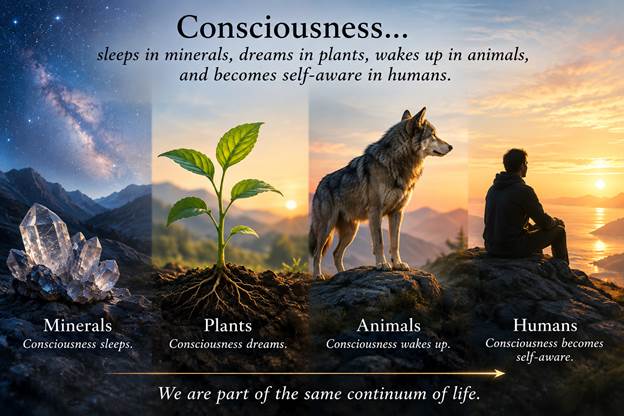
Inherent Human Traits – Biological Foundations and Cultural Expressions

Human behavior reflects a dynamic interplay between biological predispositions and environmental influences. While cultural and individual factors shape the expression of personality and behavior, certain traits appear to be deeply rooted in human nature. Traits such as curiosity, altruism, fear, social connection, aggression, empathy, competitiveness, and the desire for control reveal evolutionary origins that supported survival and adaptation. Understanding these intrinsic tendencies provides valuable insight into both the shared human condition and the diversity of modern expression.

Curiosity and the Drive to Explore

Curiosity is among the most fundamental human motivations, underpinning learning and innovation. Neuroscientific research identifies dopaminergic activity in the brain’s reward circuits, particularly the striatum and hippocampus, as key drivers of exploratory behavior and intrinsic motivation (Gruber et al., 2014). From an evolutionary perspective, curiosity increased the likelihood of discovering resources and understanding environmental threats, which in turn enhanced survival. In modern society, curiosity fuels scientific advancement, creativity, and lifelong learning, representing an adaptive mechanism for both individual and cultural evolution (Kidd & Hayden, 2015).

Altruism and Cooperation

Altruism, or prosocial behavior that benefits others even at personal cost, has been a critical component of human social evolution. Theories of reciprocal altruism suggest that cooperative behavior evolved because individuals who supported one another gained long-term survival advantages (Trivers, 1971). Neuroscience further supports this view, helping behaviors activate reward regions of the brain, reinforcing social cooperation (Moll et al., 2006). Today, altruism manifests in charitable acts, community involvement, and empathetic caregiving, underscoring the deep interdependence of human societies.

Fear and Caution as Adaptive Mechanisms

Fear, though often perceived negatively, serves as an essential biological safeguard. The amygdala is a key brain structure for emotional processing, which plays a central role in detecting threats and initiating the fight-or-flight response (LeDoux, 2014). This reflexive system enabled early humans to avoid predators and hazards, directly contributing to survival. In modern contexts, the same mechanisms underlie anxiety and risk aversion. While excessive fear can impair well-being, appropriate caution remains an adaptive function in decision-making and personal safety.

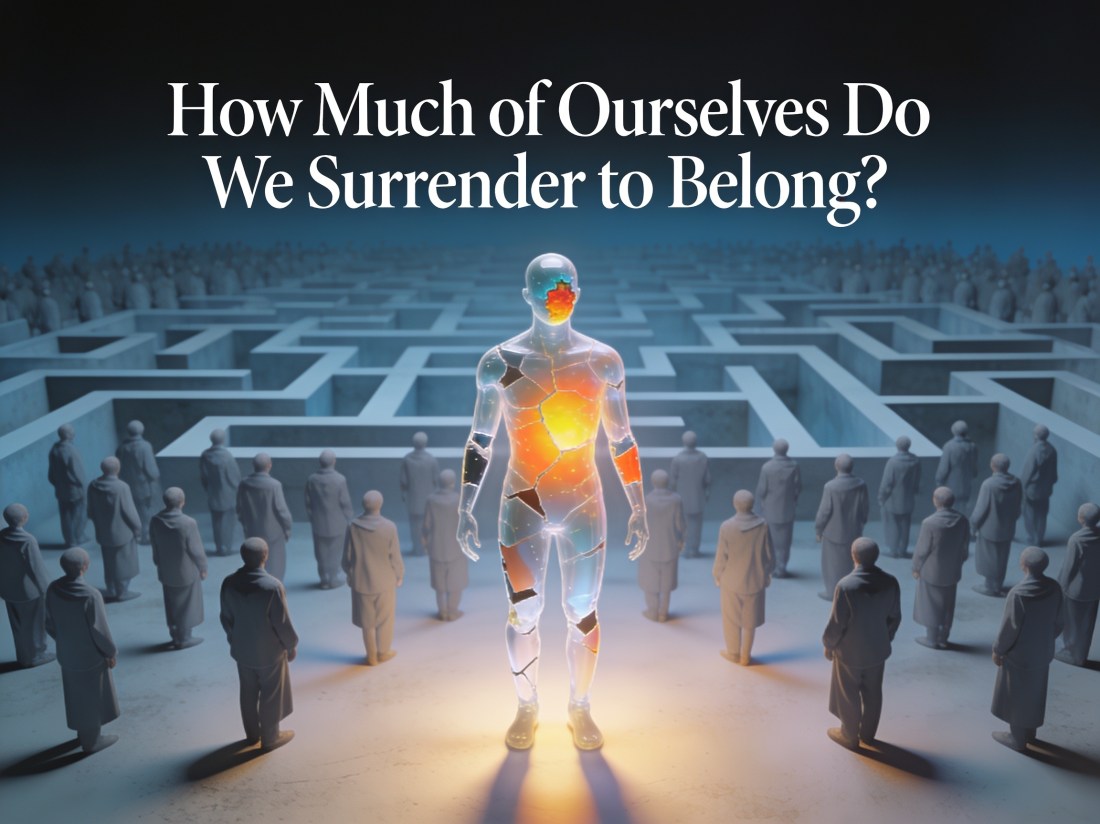
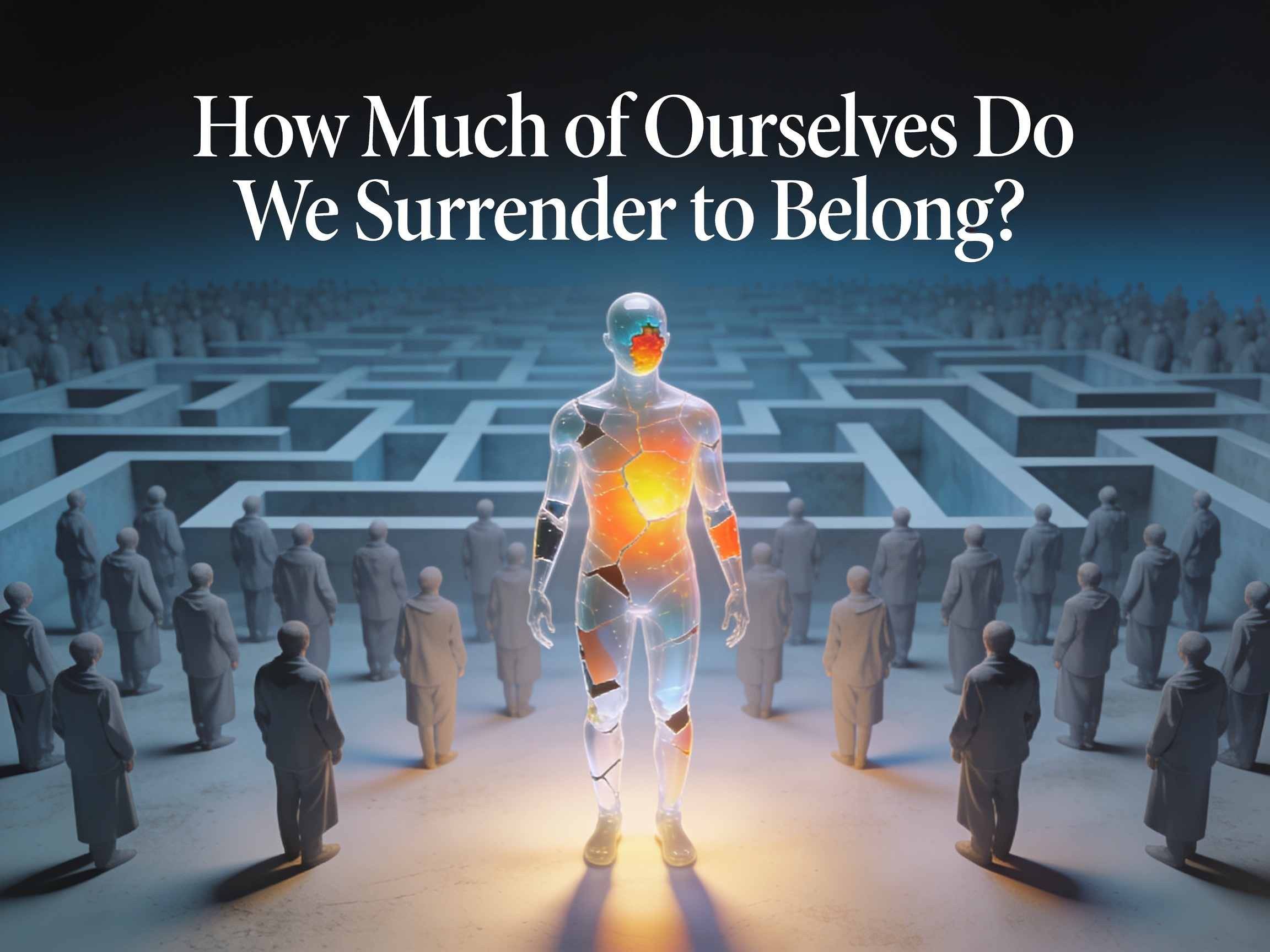
Social Connection and the Need to Belong

Humans are inherently social beings whose survival once depended on belonging to cooperative groups. Baumeister and Leary’s (1995) seminal “belongingness hypothesis” posits that the desire for meaningful relationships is a fundamental human motivation. Social bonds reduce stress, promote physical health, and increase lifespan through neurobiological pathways involving oxytocin and serotonin (Heinrichs et al., 2009). Conversely, loneliness has been linked to increased inflammation and mortality risk (Holt-Lunstad et al., 2015). The drive for connection continues to shape human behavior, from family structures to virtual communities, demonstrating its evolutionary and psychological significance.

Aggression and the Duality of Protection and Conflict

Aggression, often viewed as destructive, is another evolutionary inheritance. In ancestral environments, assertive or aggressive behavior could secure territory, resources, and protection for kin. Evolutionary psychology suggests that controlled aggression was adaptive when balanced by social cooperation (Archer, 2009). Modern societies, however, channel this trait into structured domains such as sports, competition, and leadership, reflecting humanity’s capacity to sublimate primal drives into socially acceptable outlets.

Empathy and Emotional Intelligence

Empathy, the capacity to perceive and share others’ emotions, underlies social harmony and moral behavior. It is neurologically supported by mirror neuron systems that activate when one observes another’s actions or emotions (Decety & Jackson, 2006). From an evolutionary lens, empathy promotes group cohesion and caregiving, especially toward offspring and vulnerable members. In modern psychological contexts, empathy forms a cornerstone of emotional intelligence, leadership, and therapeutic practices, illustrating its enduring role in social and ethical development.

Competitiveness and the Pursuit of Status

Competitiveness has roots in sexual and natural selection. Individuals who displayed resourcefulness, skill, or social dominance were more likely to secure mates and resources (Buss, 1989). In contemporary contexts, competitiveness often manifests through achievement-oriented behavior in education, business, and athletics. While excessive competitiveness can lead to stress or conflict, moderate forms drive progress, innovation, and self-improvement, indicating its adaptive duality.

Desire for Control and Predictability

The human desire for control stems from a need for predictability and autonomy in one’s environment. Psychological studies show that a sense of control reduces stress and enhances motivation (Skinner, 1996). In early human history, predictability in the environment increased survival odds, while loss of control evoked anxiety and caution. In the modern world, control manifests in planning, decision-making, and self-regulation, all key factors in well-being and resilience.

Energy-conservation Bias

Another fundamental human tendency is laziness, more accurately described as an energy-conservation bias. Evolutionarily, conserving effort was a survival mechanism—early humans who expended less energy between foraging or hunting bouts were more likely to endure periods of scarcity (Pontzer, 2015). Modern neuroscience supports this, showing that both mental and physical effort are processed as metabolic “costs” by the brain, which instinctively seeks efficiency (Shadmehr et al., 2016). Thus, the inclination to rest, avoid unnecessary exertion, or even procrastinate reflects an ancient biological economy rather than moral weakness. Without this instinct, humans might indeed remain standing or moving continuously—yet the capacity to rest and recharge is part of what sustains endurance, creativity, and survival.

Conclusion

Human nature is shaped by evolutionary pressures that have embedded certain behavioral traits into our biological and psychological framework. While these tendencies of curiosity, altruism, fear, connection, aggression, empathy, competitiveness, and control, all originated as survival mechanisms, they continue to shape modern society in nuanced ways. Recognizing these traits not as fixed determinants but as potentials allows individuals to cultivate balance: curiosity tempered by wisdom, competitiveness balanced by compassion, and caution harmonized with courage. Through awareness and self-reflection, humanity can transform its primal instincts into instruments for progress and harmony.

References:

Archer, John. (2009). The nature of human aggression. International journal of law and psychiatry. 32. 202-8. 10.1016/j.ijlp.2009.04.001.

Baumeister, R. F., & Leary, M. R. (1995). The need to belong: Desire for interpersonal attachments as a fundamental human motivation. Psychological Bulletin, 117(3), 497–529. https://doi.org/10.1037/0033-2909.117.3.497

Buss, D. M. (1989). Conflict between the sexes: Strategic interference and the evocation of anger and upset. Journal of Personality and Social Psychology, 56(5), 735–747. https://doi.org/10.1037/0022-3514.56.5.735

Decety, J., & Jackson, P. L. (2006). A social–neuroscience perspective on empathy. Current Directions in Psychological Science, 15(2), 54–58. https://doi.org/10.1111/j.0963-7214.2006.00406.x

Gruber, M. J., Gelman, B. D., & Ranganath, C. (2014). States of curiosity modulate hippocampus-dependent learning via the dopaminergic circuit. Neuron, 84(2), 486–496. https://doi.org/10.1016/j.neuron.2014.08.060

Heinrichs, M., von Dawans, B., & Domes, G. (2009). Oxytocin, vasopressin, and human social behavior. Frontiers in Neuroendocrinology, 30(4), 548–557. https://doi.org/10.1016/j.yfrne.2009.05.005

Holt-Lunstad, J., Smith, T. B., Baker, M., Harris, T., & Stephenson, D. (2015). Loneliness and social isolation as risk factors for mortality: A meta-analytic review. Perspectives on Psychological Science, 10(2), 227–237. https://doi.org/10.1177/1745691614568352

Kidd, C., & Hayden, B. Y. (2015). The psychology and neuroscience of curiosity. Neuron, 88(3), 449–460. https://doi.org/10.1016/j.neuron.2015.09.010

LeDoux, J. E. (2014). Coming to terms with fear. Proceedings of the National Academy of Sciences, 111(8), 2871–2878. https://doi.org/10.1073/pnas.1400335111

Moll, J., Krueger, F., Zahn, R., Pardini, M., de Oliveira-Souza, R., & Grafman, J. (2006). Human fronto–mesolimbic networks guide decisions about charitable donation. Proceedings of the National Academy of Sciences, 103(42), 15623–15628. https://doi.org/10.1073/pnas.0604475103

Pontzer, H. (2015). Constrained total energy expenditure and the evolutionary biology of energy balance. Exercise and Sport Sciences Reviews, 43(3), 110–116. https://doi.org/10.1249/JES.0000000000000048

Shadmehr, R., Huang, H. J., & Ahmed, A. A. (2016). A representation of effort in decision-making and motor control. Current Biology, 26(14), 1929–1934. https://doi.org/10.1016/j.cub.2016.05.065

Skinner, E. A. (1996). A guide to constructs of control. Journal of Personality and Social Psychology, 71(3), 549–570. https://doi.org/10.1037/0022-3514.71.3.549

Trivers, R. L. (1971). The evolution of reciprocal altruism. Quarterly Review of Biology, 46(1), 35–57. https://doi.org/10.1086/406755

Seeing Clearly: Self-Cultivation and the Pursuit of True Nature

A Holistic Perspective on Mind–Body Awareness

The goal of many mind–body practices is not simply improved flexibility, strength, or relaxation. At a deeper level, these systems aim to refine perception itself. They seek to help the individual more clearly see their true nature, better understand the nature of reality, and perhaps most challenging of all, begin to see themselves as others experience them.

This is not a casual endeavor. It requires deliberate self-cultivation through the body, the breath, and the mind. Across traditions, from the teachings of Laozi to the psychological insights of Carl Jung, the message remains consistent: clarity is not given, it is cultivated.

The Problem: Distorted Self-Perception

Human perception is rarely objective. Most individuals operate within layers of conditioning shaped by upbringing, culture, emotional experience, and cognitive bias. These filters influence how we interpret both ourselves and the world around us.

Modern psychology identifies several mechanisms that contribute to this distortion. The self-serving bias leads individuals to interpret events in ways that protect their self-image, while the blind spot bias prevents people from recognizing their own biases (Pronin et al., 2002). Jung (1968) described this phenomenon through the concept of the shadow, the unconscious aspects of the personality that remain hidden from conscious awareness.

From a physiological perspective, perception is also influenced by the state of the nervous system. Chronic stress, poor breathing patterns, and physical tension can alter emotional regulation and cognitive clarity (Porges, 2011). In Traditional Chinese Medicine (TCM), this would be described as a disturbance of the Shen, the aspect of mind and spirit responsible for clarity and awareness.

Embodied Awareness

Mind–body systems begin with the body because the body provides immediate, honest feedback. Unlike thought, which can rationalize or distort, physical experience reveals truth directly.

Practices such as Tai Chi, Qigong, Dao Yin, yoga, and structured stance training develop:

  • Postural awareness
  • Balance and coordination
  • Sensitivity to tension and restriction
  • Breath-body integration

Through these methods, individuals begin to notice patterns that were previously unconscious. Tightness in the shoulders, shallow breathing, or instability in posture often correlate with emotional and psychological states.

This process enhances interoception, the ability to sense internal bodily states, which is strongly associated with emotional regulation and self-awareness (Craig, 2009).

The Bridge: Breath and the Nervous System

Breathing practices serve as a critical bridge between body and mind.

Slow, controlled breathing, particularly through the nose, has measurable physiological effects. It increases nitric oxide production, supports vascular function, and promotes parasympathetic nervous system activation, which is associated with relaxation and recovery (Porges, 2011).

From a holistic perspective, breath regulation is a method of accessing what can be described as the body’s inner pharmacy. Rather than relying solely on external interventions, individuals learn to influence internal chemistry through conscious regulation.

In practical terms, this leads to:

  • Reduced stress reactivity
  • Improved emotional stability
  • Greater clarity of thought

The Mind: Observation and Deconstruction

As physical and physiological awareness increases, attention naturally turns inward toward the mind.

Meditative and reflective practices reveal several key insights:

  • Thoughts are continuous and often repetitive
  • Emotional responses arise automatically
  • Identity is frequently tied to patterns rather than objective reality

In both Eastern philosophy and Western psychology, this process involves recognizing the difference between awareness and the contents of awareness.

Jung referred to this as part of the individuation process, where unconscious material becomes integrated into conscious awareness (Jung, 1968). Similarly, contemplative traditions emphasize the importance of observing thought without immediate identification.

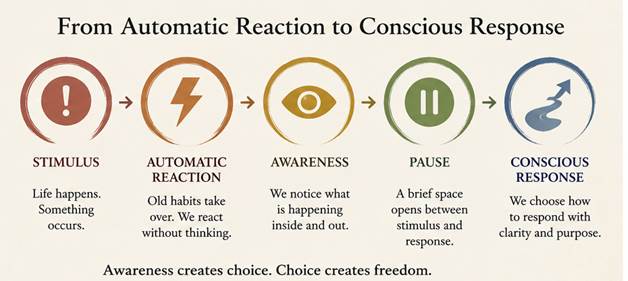
Over time, this reduces reactivity and increases the capacity for deliberate response.

Seeing Oneself Through the Eyes of Others

One of the most difficult aspects of self-cultivation is recognizing the gap between self-perception and how others experience us.

Individuals often believe they are calm, kind, or disciplined, yet their tone, posture, or behavior may communicate something entirely different. This discrepancy is explored in psychology through models such as the Johari Window, which highlights the existence of blind spots in self-awareness.

Mind–body practices help bridge this gap by:

  • Increasing sensitivity to internal states before they manifest externally
  • Reducing impulsive reactions
  • Encouraging openness to feedback

As awareness deepens, feedback from others becomes less threatening and more informative, allowing for continued refinement of perception and behavior.

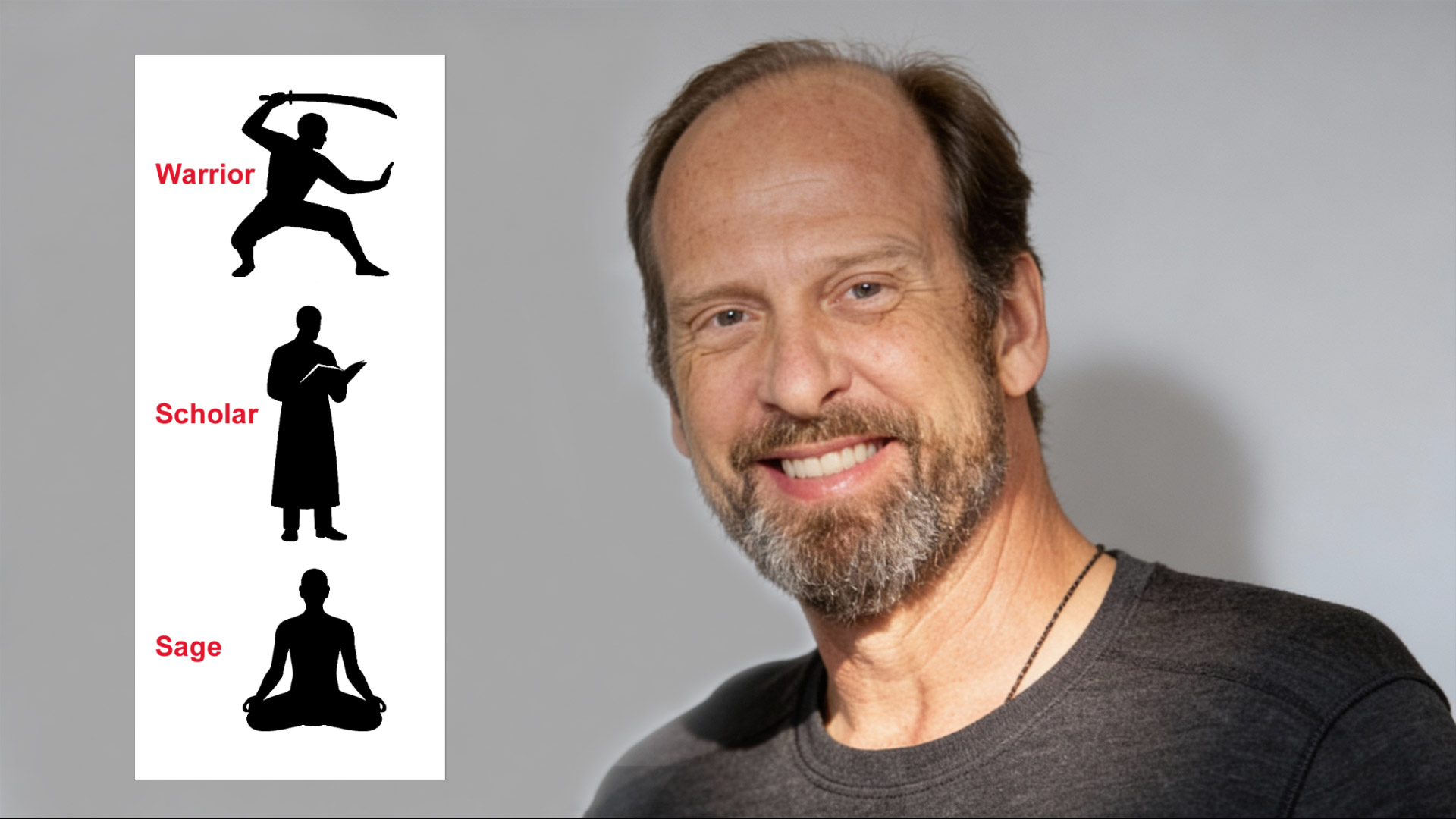
This process can be understood through three integrated dimensions:

The Warrior: Embodied Truth

The Warrior trains the body and confronts physical reality directly. There is no illusion in maintaining a stance, controlling breath under stress, or sustaining effort over time.

The Scholar: Cognitive Understanding

The Scholar studies patterns, philosophy, and psychology. Knowledge provides frameworks for interpreting experience but must be grounded in practice.

The Sage: Direct Perception

The Sage observes without distortion. Through sustained practice, perception becomes less clouded by bias, emotion, and conditioning.

Together, these three aspects form a complete system of self-cultivation, integrating action, understanding, and awareness.

The Outcome: Alignment and Clarity

As these practices are developed consistently, several changes begin to emerge:

  • Greater alignment between thoughts, words, and actions
  • Reduced internal conflict
  • Increased emotional regulation
  • Enhanced empathy and understanding of others

From a psychological perspective, this reflects increased self-efficacy (Bandura, 1997) and movement toward self-actualization (Maslow, 1943).

The individual becomes less reactive and more responsive, less fragmented and more integrated.

The Deeper Realization

There is a paradox at the heart of this process.

Initially, the goal is to discover one’s true self. However, as awareness deepens, the concept of a fixed, unchanging self begins to dissolve. What is revealed instead is a dynamic process of experience—constantly shifting, influenced by both internal and external conditions.

This realization is echoed across traditions. It does not diminish the importance of self-cultivation; rather, it refines it.

The clearer one sees, the less there is to defend, and the more there is to understand.

In conclusion, most people attempt to change their external circumstances without first addressing the distortions in their own perception. Mind–body practices reverse this process by beginning within.

Through training the body, regulating the breath, and observing the mind, individuals develop the capacity to see more clearly. This clarity leads to more appropriate action, improved relationships, and a greater sense of alignment with both self and environment.

Ultimately, self-cultivation is not about becoming something new. It is about removing what obscures what is already present.

References

Bandura, A. (1997). Self-efficacy: The exercise of control. W.H. Freeman.

Craig, A. D. (2009). How do you feel—now? The anterior insula and human awareness. Nature Reviews Neuroscience, 10(1), 59–70. https://doi.org/10.1038/nrn2555

Jung, C. G. (1968). The archetypes and the collective unconscious (2nd ed.). Princeton University Press.

Maslow, A. H. (1943). A theory of human motivation. Psychological Review, 50(4), 370–396. https://doi.org/10.1037/h0054346

Porges, S. W. (2011). The polyvagal theory: Neurophysiological foundations of emotions, attachment, communication, and self-regulation. W.W. Norton & Company.

Pronin, E., Lin, D. Y., & Ross, L. (2002). The bias blind spot: Perceptions of bias in self versus others. Personality and Social Psychology Bulletin, 28(3), 369–381. https://doi.org/10.1177/0146167202286008

Designing a Meaningful Life Through Conscious Self-Cultivation

A Holistic Perspective on Presence, Purpose, and Human Development

Modern life often leaves many people feeling mentally overstimulated, emotionally fatigued, physically depleted, and spiritually disconnected. Despite technological convenience, endless entertainment, and unprecedented access to information, countless individuals still find themselves asking a deeper question: Why do I feel unfulfilled?

Many people move through life trapped in cycles of stress, distraction, obligation, and unconscious routine. They work, consume, react, and repeat, while rarely pausing long enough to examine whether the life they are building is actually aligned with who they truly are. In many ways, modern culture conditions people toward productivity and external validation, yet neglects the cultivation of internal balance, meaning, and self-awareness.

Interestingly, modern psychological theories regarding meaning, motivation, and personal development often parallel principles that have existed for centuries within Eastern philosophy, Traditional Chinese Medicine (TCM), Taoist thought, and martial arts training systems. Whether described as self-actualization, self-efficacy, flow states, or harmonizing yin and yang, the central theme remains remarkably similar: human beings flourish when they consciously participate in their own development.

Rather than viewing life as something that merely happens to us, we may benefit from viewing life as a continual process of cultivation, refinement, adaptation, and conscious participation.

The Human Being as a Work in Progress

Within many Eastern philosophies, the individual is not viewed as a fixed identity, but as an evolving process. Taoist traditions often emphasize alignment with the Dao, continual adaptation, and harmonization between the internal and external worlds. Likewise, many martial arts systems teach that mastery is never truly completed, but continually refined through discipline, humility, awareness, and lived experience.

Modern psychological frameworks increasingly support this same perspective. Stanford Life Design researchers Dave Evans and Bill Burnett propose that meaningful living does not emerge from discovering one singular purpose, but rather through experimentation, curiosity, adaptation, and intentional engagement with life (Evans & Burnett, 2024).

This mirrors the Taoist understanding that growth is dynamic rather than static. The individual evolves through cycles of challenge, reflection, success, failure, adaptation, and renewal. Much like the transformation of yin into yang and yang into yin, life itself is in constant motion.

Many individuals become psychologically trapped because they believe they must discover one perfect identity, career, passion, or life purpose. However, this rigid mindset often creates anxiety, paralysis, and disappointment. Human beings contain multiple potentials, interests, talents, and developmental possibilities.

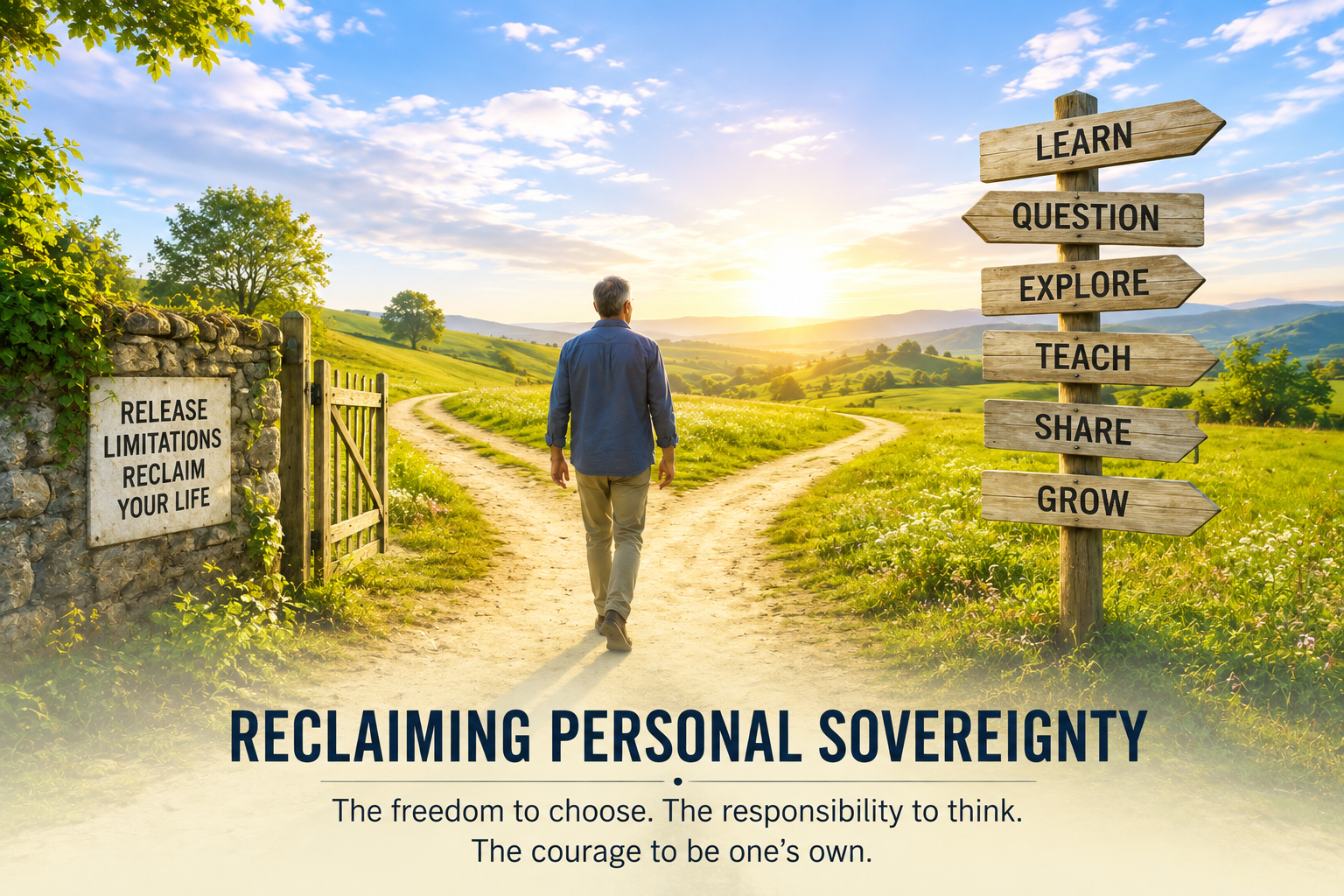
The goal is not necessarily to “find yourself,” but rather to consciously cultivate yourself.

Importantly, self-efficacy is not built through wishful thinking or motivational slogans alone. It develops through direct experience, disciplined effort, adaptation, and repeated exposure to challenge.

This principle has long existed within traditional martial arts and internal cultivation systems. Confidence is not merely spoken into existence. It is earned progressively through training, discomfort, repetition, and gradual mastery. A student develops confidence not by avoiding adversity, but by learning they can endure and adapt to it.

This process closely resembles what many Taoist and martial systems describe as strengthening the mind, refining intention (Yi), and cultivating resilience through embodied experience.

In many ways, modern society unintentionally weakens self-efficacy by promoting excessive convenience, distraction, dependency, and external validation. Yet meaningful development often requires voluntary discomfort, responsibility, and direct engagement with life.

Self-Determination and Human Fulfillment

Self-Determination Theory further expands upon human motivation by suggesting that psychological well-being is strongly influenced by three essential needs: autonomy, competence, and relatedness (Deci & Ryan, 2000).

These principles correlate remarkably well with holistic and Eastern models of human development.

Autonomy

Autonomy reflects the need to feel agency over one’s own life and decisions. In Taoist philosophy, this resembles alignment with one’s authentic nature rather than blindly conforming to external pressures or social conditioning.

Competence

Competence develops through meaningful challenge, disciplined practice, and gradual mastery. This principle is deeply embedded within martial arts, qigong, meditation, and traditional systems of self-cultivation.

Relatedness

Human beings are inherently relational creatures. Meaningful connection, mentorship, community, and shared purpose contribute significantly to emotional and psychological well-being.

When these three dimensions become neglected, individuals often experience anxiety, emptiness, burnout, alienation, or loss of purpose.

Maslow’s Hierarchy and the Journey Toward Self-Transcendence

Psychologist Abraham Maslow proposed that human development progresses through stages of need fulfillment, beginning with physiological survival and eventually progressing toward self-actualization and transcendence (Maslow, 1943).

This developmental model also parallels many Eastern systems of cultivation.

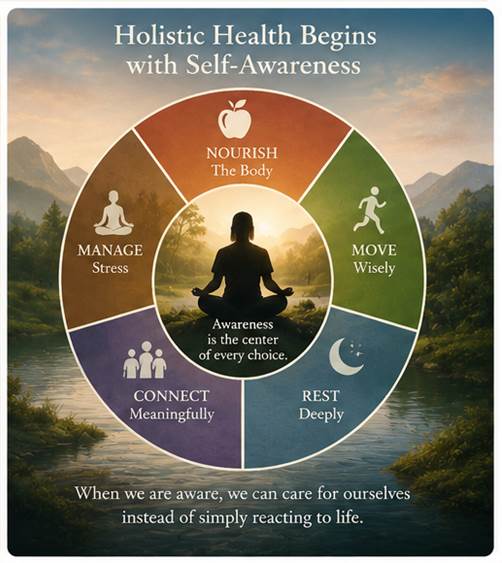
At the foundational level, one must stabilize the physical body through proper sleep, nutrition, movement, breathing, and regulation of stress. Without physical stability, higher levels of psychological and spiritual development become difficult to sustain.

As stability develops, attention naturally shifts toward:

  • safety and security
  • social connection
  • confidence and competence
  • meaning and contribution
  • wisdom and transcendence

Traditional Taoist systems similarly emphasize that refinement begins with the body, progresses through energy and mind, and eventually develops into deeper states of awareness and integration.

This progression is often reflected through the traditional framework of Jing, Qi, and Shen:

  • Jing relates to foundational vitality and physical essence
  • Qi reflects functional energy and life force
  • Shen reflects consciousness, awareness, and spirit

Human flourishing is therefore not merely psychological. It is physiological, emotional, relational, behavioral, and spiritual simultaneously.

Transactional Living vs. Flow States

Much of modern culture conditions individuals into a highly transactional state of consciousness. Productivity, deadlines, social status, financial pressure, digital stimulation, and endless tasks dominate attention.

People become trapped in what may be described as “future-oriented survival mode,” rarely fully present within the immediate experience of life itself.

Psychologist Mihaly Csikszentmihalyi described optimal states of deep engagement as flow states, moments in which action, awareness, and presence become fully integrated (Csikszentmihalyi, 1990).

Eastern traditions have explored similar states for centuries through meditation, martial arts, qigong, calligraphy, tea ceremony, and contemplative practice.

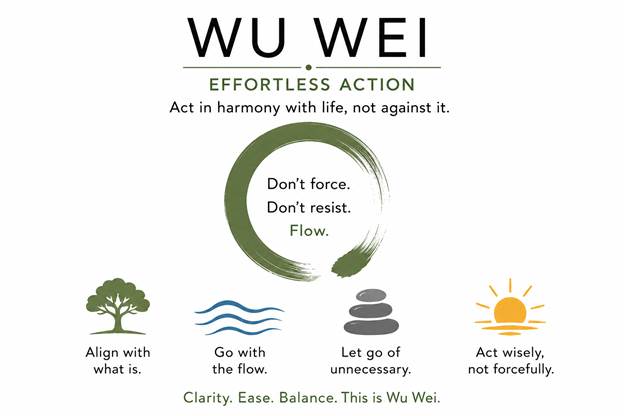
The Taoist concept of wu wei, often translated as “effortless action,” reflects a condition in which the individual becomes deeply aligned with the present moment rather than psychologically fragmented by excessive striving and internal resistance.

Flow states are not necessarily dramatic or mystical experiences. They may emerge during:

  • tai chi practice
  • gardening
  • writing
  • meaningful conversation
  • artistic expression
  • breathing exercises
  • walking in nature
  • mindful movement
  • prayer or meditation

These moments reconnect individuals to embodiment, awareness, and presence.

Meaning Exists Within Particular Moments

Modern culture often encourages individuals to search for one grand purpose or singular life mission. Yet meaning frequently emerges through small, deeply human moments.

A sunrise.
A shared meal.
A sincere conversation.
A moment of forgiveness.
A familiar song.
The feeling of stillness after meditation.
The rhythm of breathing during qigong practice.

Meaning is often discovered not through constant achievement, but through conscious presence.

Many people overlook these moments because the nervous system has become conditioned toward overstimulation, distraction, urgency, and continual psychological noise.

Taoist philosophy frequently reminds us that profound truth often exists within simplicity. The extraordinary is hidden within the ordinary.

Community, Belonging, and Human Becoming

Human development rarely occurs in complete isolation. Throughout history, meaningful communities, mentorship, shared ritual, and collective purpose have played central roles in psychological resilience and personal transformation.

Healthy communities do more than exchange information or transactional benefit. They support growth, accountability, encouragement, and becoming.

Unfortunately, modern society often creates superficial connection while simultaneously increasing loneliness and fragmentation.

Authentic human connection requires vulnerability, presence, listening, and genuine engagement. It requires moving beyond performance and social masks.

In both Eastern philosophy and modern psychology, relationships significantly influence emotional regulation, identity formation, and overall well-being.

The nervous system itself is relational.

Radical Acceptance and Alignment With Reality

One of the most difficult but transformative principles within both psychology and Eastern philosophy is radical acceptance.

Taoist teachings emphasize alignment with reality rather than continual resistance against it. Suffering often increases when individuals refuse to accept impermanence, uncertainty, aging, loss, or change.

Acceptance does not mean passivity or resignation. Rather, it means beginning from truth instead of denial.

Only when individuals honestly acknowledge where they are physically, emotionally, mentally, and spiritually can meaningful change begin.

This mirrors the martial arts principle that effective response begins with accurate awareness rather than fantasy or ego.

In conclusion, a meaningful life is not something purchased, downloaded, or externally granted. It is cultivated gradually through awareness, disciplined action, embodied presence, meaningful relationships, adaptation, and intentional participation in one’s own development.

Modern psychology increasingly validates principles long understood within Eastern philosophy and holistic systems of self-cultivation:

  • presence matters
  • embodiment matters
  • meaning matters
  • relationships matter
  • responsibility matters
  • conscious living matters

Human beings flourish when thought, behavior, physiology, values, and purpose become increasingly aligned.

The journey toward meaning rarely requires detonating one’s entire life. More often, it begins with small moments of awareness:

  • breathing more consciously
  • noticing beauty
  • moving the body
  • cultivating gratitude
  • reducing distraction
  • serving others
  • practicing stillness
  • engaging life with greater intentionality

In many ways, the path toward meaning is less about becoming someone entirely new and more about remembering what it means to become fully human.

References

Bandura, A. (1997). Self-efficacy: The exercise of control. W.H. Freeman.

Csikszentmihalyi, M. (1990). Flow: The psychology of optimal experience. Harper & Row.

Deci, E. L., & Ryan, R. M. (2000). The “what” and “why” of goal pursuits: Human needs and the self-determination of behavior. Psychological Inquiry, 11(4), 227–268. https://doi.org/10.1207/S15327965PLI1104_01

Evans, D., & Burnett, B. (2024). How to live a meaningful life. Knopf.

Maslow, A. H. (1943). A theory of human motivation. Psychological Review, 50(4), 370–396. https://doi.org/10.1037/h0054346

Stanford Life Design Lab. (n.d.). Designing your life. Stanford Life Design Lab

Consciousness Hygiene

Consciousness hygiene is not a formal scientific term, but it is increasingly used in psychology, philosophy, meditation traditions, and holistic health to describe the deliberate management and care of one’s mental and perceptual environment, much like physical hygiene refers to caring for the body.

In simple terms:

Consciousness hygiene = practices that keep the mind clear, balanced, and resilient.

It involves being mindful about what enters, circulates within, and exits the mind.

For anyone with a background in holistic health, martial arts, and Eastern philosophy, the concept aligns very closely with principles found in Daoist cultivation, Buddhist mindfulness, and Stoic philosophy, even though the modern term itself is relatively new.

1. The Basic Idea: The Mind Also Needs Hygiene

Just as the body requires:

  • clean food
  • clean air
  • movement
  • rest

The mind requires similar care.

Without intentional care, the mind becomes cluttered with:

  • excessive information
  • emotional residue
  • negative conditioning
  • media overload
  • stress loops

Modern psychology often refers to this as cognitive load or mental contamination. In a holistic sense, consciousness hygiene asks:

  • What are you feeding your mind?
  • What thoughts are you repeating?
  • What emotional states are you cultivating?

2. Three Levels of Consciousness Hygiene

Many thinkers describe it in three stages.

Level 1 – Input Hygiene (Mental Diet)

What enters your awareness.

Examples include:

  • news consumption
  • social media
  • conversations
  • music and entertainment
  • reading material

Research shows that excessive exposure to negative media increases anxiety, stress hormones, and perceived threat levels (Garfin, Silver, & Holman, 2020).

In practical terms:

Mental input shapes emotional output.

This aligns strongly with the martial arts idea of guarding the gates of perception.

Level 2 – Internal Processing (Thought Management)

What the mind does with incoming information.

This includes:

  • rumination
  • interpretation
  • emotional amplification
  • belief formation

Cognitive psychology shows that humans tend toward negativity bias, meaning the brain naturally prioritizes threat-related information (Baumeister et al., 2001).

Consciousness hygiene therefore includes:

  • reframing thoughts
  • observing internal dialogue
  • preventing mental spirals

In meditation traditions, this is simply watching the mind without attachment.

Level 3 – Output Hygiene (Behavior and Expression)

What leaves the mind and enters the world.

Examples include:

  • speech
  • emotional reactions
  • actions
  • habits

If the mind is cluttered with anger or fear, those emotions leak into behavior.

Healthy consciousness hygiene leads to:

  • clearer thinking
  • calmer reactions
  • intentional behavior

3. Ancient Traditions Already Practiced It

Although the phrase is modern, the practice is ancient.

Taoism

Taoist cultivation emphasized:

  • regulating thoughts
  • calming emotional turbulence
  • circulating qi

Practices such as Dao Yin, breath regulation, and quiet sitting were methods of clearing the mind.

Buddhism

Buddhist teachings describe mental purification.

Meditation trains awareness to observe:

  • craving
  • aversion
  • delusion

These are considered pollutants of consciousness.

Stoicism

Stoic philosophers like Epictetus and Marcus Aurelius emphasized controlling:

  • perceptions
  • judgments
  • emotional reactions

Their view:

Disturbance comes not from events, but from the judgments we make about them.

This is essentially cognitive hygiene.

4. Modern Psychological Parallels

Modern research touches the same concept using different terminology.

Relevant areas include:

  • Mindfulness training
  • Cognitive behavioral therapy (CBT)
  • Stress inoculation
  • Emotional regulation

Mindfulness practices, for example, have been shown to reduce stress and improve emotional regulation (Kabat-Zinn, 2003).

5. Practical Examples of Consciousness Hygiene

Daily practices might include:

Mental Diet

Limiting exposure to:

  • sensational news
  • toxic social media
  • constant information flow

Breath and Body Regulation

Practices such as:

  • meditation
  • Tai Chi
  • Qigong
  • controlled breathing

These calm the autonomic nervous system and reduce stress.

Tai Chi and qigong, these practices are actually classic methods of consciousness hygiene, even though they are often described as physical exercise.

Emotional Debriefing

Reflecting on the day:

  • What triggered me?
  • What did I learn?
  • What should I release?

Mental Stillness

Moments of quiet:

  • meditation
  • walking in nature
  • silent reflection

These clear cognitive overload.

6. Why Consciousness Hygiene Matters Today

Modern humans are exposed to more information in a single day than people centuries ago experienced in weeks.

Without conscious filtering, this leads to:

  • chronic stress
  • anxiety
  • attention fragmentation
  • emotional reactivity

Therefore, consciousness hygiene is becoming increasingly important.

It is essentially self-defense for the mind.

7. A Simple Definition

A concise way to describe it is:

Consciousness hygiene is the intentional practice of protecting, regulating, and refining the contents of one’s awareness.

It includes:

  • managing mental inputs
  • regulating internal thoughts
  • cultivating healthy emotional states

In many ways, Tai Chi, breathwork (managed breathing), and Dao Yin are forms of consciousness hygiene.

The slow movement, breath coordination, and attention training all serve to clean the mind while regulating the nervous system.

References

Baumeister, R. F., Bratslavsky, E., Finkenauer, C., & Vohs, K. D. (2001). Bad is stronger than good. Review of General Psychology, 5(4), 323–370. https://doi.org/10.1037/1089-2680.5.4.323

Garfin, D. R., Silver, R. C., & Holman, E. A. (2020). The novel coronavirus (COVID-2019) outbreak: Amplification of public health consequences by media exposure. Health Psychology, 39(5), 355–357. https://doi.org/10.1037/hea0000875

Kabat-Zinn, J. (2003). Mindfulness-based interventions in context: Past, present, and future. Clinical Psychology: Science and Practice, 10(2), 144–156. https://doi.org/10.1093/clipsy.bpg016

The Perception of Decline – Has Society Lost Its Moral Compass?

It is difficult not to feel that society has been on a downward trajectory for decades. With age, experience, and a broader view of human behavior, patterns begin to emerge that were once invisible. What once appeared stable and trustworthy can begin to show cracks. Professions that were historically held in high regard, such as medicine, law, education, law enforcement, and clergy, now seem increasingly associated with scandal, ethical lapses, and questionable conduct.

To be clear, this is not an indictment of the majority. Most individuals within these professions still operate with integrity and a sincere desire to serve. Yet the perception remains that something has shifted, that the moral compass guiding society is no longer as steady as it once was.

This raises an important question. Are we truly in moral decline, or are we simply seeing more clearly?

A Timeless Concern

The belief that society is deteriorating is not unique to the modern era. Throughout history, thinkers have expressed concern about the erosion of values and virtue. Socrates criticized the moral direction of Athenian youth, while Confucius lamented the loss of social harmony and ethical conduct in his time. Even during the decline of the Roman Empire, writers pointed to corruption, excess, and the weakening of civic responsibility as signs of societal decay (Grant, 1990).

This recurring narrative suggests that the perception of decline may be, at least in part, a function of awareness. As individuals mature, they become more attuned to inconsistency, hypocrisy, and systemic flaws. What once went unnoticed now becomes difficult to ignore.

The Amplification Effect of Modern Media

One of the most significant differences between past and present is the role of media. In today’s world, information travels instantly and globally. Ethical failures that would have once remained local are now broadcast widely, often repeatedly. This creates what can be described as an amplification effect.

Research in media psychology has shown that repeated exposure to negative news can distort perception, leading individuals to believe that negative behaviors are more common than they actually are (Soroka et al., 2019). This does not mean that corruption does not exist. It clearly does. However, its visibility has increased exponentially, which can create the impression that it is more pervasive than it truly is.

Declining Trust in Institutions

At the same time, there is evidence to support the notion that trust in institutions has declined. Longitudinal surveys have shown decreasing public confidence in major societal institutions, including government, healthcare, and organized religion (Pew Research Center, 2022). This erosion of trust can foster skepticism and cynicism, further reinforcing the belief that moral standards are slipping.

However, declining trust does not necessarily equate to declining morality at the individual level. It may instead reflect growing dissatisfaction with large, complex systems that feel increasingly disconnected from the people they serve.

Everyday Ethics and the Expectation of Selfishness

A common sentiment is that the average person today would be unlikely to return a lost wallet or act in a selfless manner. Interestingly, empirical research challenges this assumption. A large-scale field experiment conducted across multiple countries found that rates of honest behavior, such as returning lost wallets, were higher than most people predicted (Cohn et al., 2019).

This suggests that while ethical behavior persists, our expectations of others may have shifted. We have become conditioned to anticipate selfishness, and when honesty does appear, it is perceived as exceptional rather than normal.

The Role of Negativity Bias

Part of this perception can be explained by what psychologists refer to as negativity bias. Humans are naturally inclined to pay more attention to negative information than positive information. From an evolutionary standpoint, this bias enhanced survival by making individuals more alert to threats (Baumeister et al., 2001).

In a modern context, however, this bias can lead to a distorted view of reality. Acts of kindness, honesty, and cooperation often go unnoticed, while instances of corruption or wrongdoing dominate attention and memory.

Are We Losing Our Humanity?

This brings us to a deeper philosophical question. If we are increasingly driven by impulse, self-interest, and short-term gain, are we becoming no different than animals operating on instinct?

Human beings possess both instinctual drives and the capacity for higher-order thinking. The distinction lies in our ability to observe, reflect, and choose our actions consciously. Philosophical traditions such as Virtue Ethics emphasize the cultivation of character, while Stoicism teaches that although we cannot control external events, we retain full control over our responses to them (Pigliucci, 2017).

From this perspective, the state of society becomes secondary to the conduct of the individual. Regardless of external conditions, one retains the ability to act with integrity, honesty, and compassion.

A Holistic Perspective: Responsibility Over Reaction

From a holistic standpoint, the question is not simply where society is headed, but how each individual contributes to that direction. Culture is not an abstract force. It is the cumulative result of individual behaviors repeated over time.

If there is a perceived decline in moral standards, the most meaningful response is not resignation, but responsibility. The choice to act with integrity, to return the lost wallet, to help another person without expectation, becomes more significant in an environment where such actions appear less common.

In this sense, times of perceived moral uncertainty present an opportunity. When integrity becomes less visible, it also becomes more impactful.

Conclusion

History suggests that humanity does not move in a straight line of progress or decline. Rather, it oscillates between higher and lower expressions of human nature. While modern society faces unique challenges, it also offers unprecedented opportunities for awareness, reflection, and growth.

The moral compass of society may feel unsteady, but it has not disappeared. It exists within individuals, shaped by daily choices and reinforced through consistent action.

The question is not only where society is headed, but what role each of us will play in determining that direction.

References

Baumeister, R. F., Bratslavsky, E., Finkenauer, C., & Vohs, K. D. (2001). Bad is stronger than good. Review of General Psychology, 5(4), 323–370. https://doi.org/10.1037/1089-2680.5.4.323

Cohn, A., Maréchal, M. A., Tannenbaum, D., & Zünd, C. L. (2019). Civic honesty around the globe. Science, 365(6448), 70–73. https://doi.org/10.1126/science.aau8712

Grant, M. (1990). The fall of the Roman Empire. Scribner. https://archive.org/details/fallofromanempir0000gran_y8b7

Pew Research Center. (2022). Public trust in government: 1958–2022. https://www.pewresearch.org

Pigliucci, M. (2017). How to be a Stoic: Using ancient philosophy to live a modern life. Basic Books.

Soroka, S., Fournier, P., & Nir, L. (2019). Cross-national evidence of a negativity bias in psychophysiological reactions to news. Proceedings of the National Academy of Sciences, 116(38), 18888–18892. https://doi.org/10.1073/pnas.1908369116