Energy Vampires and Energy Suns

A Research-Supported Perspective on Human Energetic Influence

Human beings continuously influence one another through subtle behavioral, emotional, and physiological exchanges. Although the phrases “energy vampire” and “energy sun” originate from popular psychology, research from social neuroscience, organizational studies, and communication science supports the underlying concepts. These metaphors capture two recognizable interpersonal patterns. Some individuals leave others feeling depleted, tense, or emotionally burdened. Others create an atmosphere of ease, motivation, and uplift. Scientific findings show that these effects are not imagined. The emotional tone of individuals spreads through groups, shapes perceptions of social environments, influences health, and even alters network-level performance.

Emotional Contagion as the Foundation of Energetic Influence

One of the most robust frameworks supporting these ideas is emotional contagion, the automatic transmission of mood between individuals. Hatfield, Cacioppo, and Rapson (1994) demonstrated that people unconsciously mimic facial expressions, posture, vocal tone, and behavioral cues. These physical micro-responses alter the observer’s own emotional state. When someone with chronic negativity enters a room, others may mirror their tension or irritability. When someone with warmth or enthusiasm enters, others tend to “catch” that energy instead.

Laboratory and field studies confirm this spreading effect. Group emotional tone shifts in measurable ways based on the mood of a single individual (Barsade, 2002). Even incidental exposure to positive or negative emotional expressions influences subsequent behavior. For instance, Kramer et al. (2014) found that altering the emotional content of social media feeds changed the emotional tone of users’ own posts. This suggests that emotional contagion is so fundamental that it occurs in digital environments without direct face-to-face interaction.

These findings support the core distinction between “energy vampires” and “energy suns.” The former transmits emotional states that narrow cognitive flexibility and elevate tension. The latter transmits states that promote openness, collaboration, and psychological ease.

Positive and Negative Energizers in Organizational Research

Within organizational psychology, there exists a well-developed framework that parallels this conceptual language. Researchers studying positive relational energy have identified individuals known as positive energizers. These people elevate motivation, creativity, and performance among peers (Cameron, 2012). Positive energizers are consistently described as supportive, trustworthy, solution oriented, and meaning oriented. They communicate hope, strength, and possibility. Teams with a high concentration of positive energizers demonstrate better job satisfaction, higher collaboration, and stronger organizational commitment.

Negative energizers are the opposite. They are sometimes referred to as “black holes” due to their draining effect (Baker, 2020). Their communication style often includes cynicism, complaint, emotional volatility, or self-focused interaction. Research mapping organizational networks shows that individuals who are widely perceived as negative energizers reduce the quality of teamwork and the performance of those around them. Notably, relational energy has been found to be more predictive of employee performance than information flow or hierarchical position (Cameron, 2012). In other words, how someone makes others feel is more important than how much technical authority they possess.

This research provides direct empirical support for distinguishing between “energy vampires” and “energy suns” in group dynamics.

Social Relationships, Stress Physiology, and Health

The effects of draining or nourishing individuals extend beyond mood. They influence physiology. Social isolation and chronically negative relationships are strongly associated with elevated stress hormones, heightened inflammation, and increased risk of depression and mortality (Holt-Lunstad et al., 2015). Conversely, emotionally supportive relationships act as buffers against stress. For example, women who received a brief supportive gesture from their romantic partners before a stressful task showed significantly reduced cortisol responses during the task (Grewen et al., 2003).

Physiological synchrony also occurs within relationships. Partners’ cortisol levels often rise and fall together, demonstrating a biochemical form of emotional contagion (Liu et al., 2013). A highly reactive or negative individual can elevate the stress physiology of those around them. A calm and emotionally regulated person can have the opposite effect.

These findings again support the idea that “energy vampires” consume psychological and physiological resources, while “energy suns” replenish them.

Social Networks and Life Satisfaction

Large-scale studies show that the structure and emotional quality of one’s social network predict well-being. People with more positive, frequent social contacts report greater life satisfaction, better cognitive functioning, and healthier aging (Litwin & Shiovitz-Ezra, 2011). Negative social ties predict stress, emotional exhaustion, and lower resilience.

Energy Vampire vs. Energy Sun: Comparison

CategoryEnergy VampireEnergy Sun
General ImpactDrains emotional resources; leaves others feeling heavy or tenseReplenishes emotional resources; leaves others feeling uplifted and clear
Emotional ContagionSpreads negativity, irritability, or fearSpreads calm, optimism, and emotional ease
Communication StyleDominates conversations; complains; criticizes; focuses on problemsCommunicates supportively; encourages; listens with presence; focuses on solutions
Effect on Group DynamicsReduces cohesion; causes withdrawal and decreased creativityIncreases cohesion; enhances engagement and creativity
Physiological InfluenceElevates stress responses; contributes to tension and emotional fatigueLowers stress; promotes relaxation and psychological safety
Behavioral PatternsSeeks attention or validation; projects blame; emotionally reactiveShares credit; takes responsibility; maintains emotional steadiness
Social Network OutcomeCreates toxic or draining relational patterns; weakens moraleCreates nourishing networks; strengthens morale and resilience
Resulting EnvironmentHeavy, tense, unmotivated atmosphereWarm, collaborative, energized atmosphere

While the terminology of “energy vampire” is metaphorical, the pattern aligns with empirically observed toxic social exchanges, characterized by constant criticism, excessive neediness, hostility, or emotional unpredictability. These relationships create cognitive load and drain psychological resources. The opposite pattern, nourishing and emotionally attuned relationships, aligns with “energy sun” qualities that brighten and stabilize group interactions.

The metaphors of “energy vampires” and “energy suns” are vivid representations of patterns strongly supported by scientific research. Emotional contagion explains how individuals transmit their inner states to others. Organizational studies show that positive or negative energizers dramatically influence group performance and satisfaction. Social neuroscience demonstrates that supportive or hostile interactions directly influence stress physiology. Network studies confirm that emotionally nourishing relationships consistently predict well-being and resilience.

In holistic health, psychology, and social dynamics, these insights converge into a simple but powerful truth. Individuals who enter a room have the capacity to uplift or deplete the collective environment. Recognizing these patterns allows people to cultivate protective boundaries, encourage energizing relationships, and consciously embody the qualities that make them an “energy sun” in the lives of others.

References:

Baker, W., Cross, R., & Wooten, M. (2003). Positive organizational network analysis and energizing relationships. In K. S. Cameron, J. E. Dutton, & R. E. Quinn (Eds.), Positive Organizational Scholarship: Foundations of a New Discipline (pp. 328–342). San Francisco, CA: Berrett-Koehler.

Barsade, S. G. (2002). The ripple effect: Emotional contagion and its influence on group behavior. Administrative Science Quarterly, 47(4), 644–675. https://doi.org/10.2307/3094912

Cameron, K. S. (2012). Positive leadership: Strategies for extraordinary performance. Berrett-Koehler.

Grewen, K. M., Anderson, B. J., Girdler, S. S., & Light, K. C. (2003). Warm partner contact is related to lower cardiovascular reactivity. Behavioral Medicine, 29(3), 123–130. https://doi.org/10.1080/08964280309596065

Hatfield, E., Cacioppo, J. T., & Rapson, R. L. (1994). Emotional contagion. Cambridge University Press.

Holt-Lunstad, J., Smith, T., Baker, M., Harris, T., & Stephenson, D. (2015). Loneliness and social isolation as risk factors for mortality. Perspectives on Psychological Science, 10(2), 227–237. https://doi.org/10.1177/1745691614568352

Kramer, A. D. I., Guillory, J. E., & Hancock, J. T. (2014). Experimental evidence of massive-scale emotional contagion through social networks. Proceedings of the National Academy of Sciences, 111(24), 8788–8790. https://doi.org/10.1073/pnas.1320040111

Litwin, H., & Shiovitz-Ezra, S. (2011). Social network type and subjective well-being in later life. The Gerontologist, 51(3), 379–388. https://doi.org/10.1093/geront/gnq094

Liu, S., Rovine, M. J., Klein, L. C., & Almeida, D. M. (2013). Synchrony of diurnal cortisol pattern in couples. Journal of Family Psychology, 27(4), 579–588. https://doi.org/10.1037/a0033735

Hormetic Stress, Strategic Trauma, and Post Traumatic Growth

A Neurophysiological and Holistic Framework for Adaptive Human Development

Human development is not formed solely through comfort and stability. Across biology, psychology, and philosophy, a consistent principle emerges: properly dosed challenge strengthens living systems. This principle is expressed biologically through hormesis, psychologically through adaptive stress exposure, and existentially through post traumatic growth (PTG). While trauma is traditionally framed as inherently damaging, modern research demonstrates that under specific conditions, adversity can catalyze resilience, meaning, and higher levels of functioning (Tedeschi & Calhoun, 2004; Southwick et al., 2014). This essay explores the interrelationship between hormetic stress, strategic trauma, and post traumatic growth as a unified framework for conscious adaptation at the physiological, psychological, and behavioral levels.

Hormetic Stress: The Biological Language of Adaptation

Hormesis refers to the phenomenon where low to moderate doses of stress stimulate beneficial adaptive responses, while excessive doses cause damage (Mattson, 2008; Calabrese & Baldwin, 2003). This dose dependent stress response is observable across multiple biological systems including cellular repair, mitochondrial function, immune regulation, metabolic efficiency, and neuroplasticity.

Common hormetic stressors include:

• Physical exercise
• Intermittent fasting
• Thermal exposure (heat and cold)
• Hypoxic training
• Cognitive challenge

At the cellular level, hormetic stress activates transcription factors such as Nrf2, FOXO, and PGC-1α, which upregulate antioxidant defenses, mitochondrial biogenesis, and metabolic efficiency (Mattson, 2012). In the nervous system, moderate stress enhances brain derived neurotrophic factor (BDNF), which supports synaptic plasticity, learning, and emotional regulation (Cotman & Berchtold, 2002).

From a Traditional Chinese Medicine and martial cultivation perspective, these hormetic mechanisms mirror the progressive strengthening of jing (essence), qi (vital energy), and shen (consciousness) through controlled physical strain, breath discipline, and mental focus. What modern biology describes as cellular stress adaptation, Eastern systems describe as refinement of vital substance and spirit.

Strategic Trauma Versus Unbuffered Trauma

Not all stress is equal, and not all trauma is adaptive. A critical distinction must be made between unstructured traumatic overwhelm and strategic or titrated trauma exposure.

Unbuffered Trauma

Unbuffered trauma occurs when an individual is exposed to overwhelming threat without safety, agency, preparation, or recovery opportunity. This type of exposure dysregulates the hypothalamic pituitary adrenal (HPA) axis, elevates chronic cortisol, disrupts hippocampal memory encoding, and sensitizes the amygdala toward persistent hypervigilance (McEwen, 2007; van der Kolk, 2014). The result is often:

• Post traumatic stress disorder
• Affective instability
• Somatic symptoms
• Dissociation
• Learned helplessness

Strategic Trauma Exposure

Strategic trauma is fundamentally different. It involves controlled exposure to challenge, paired with:

• Voluntary engagement
• Predictable boundaries
• Meaningful framing
• Recovery integration

This distinction is supported by stress inoculation theory, which demonstrates that moderate stress exposure builds future resilience by training cognitive appraisal systems and autonomic recovery capacity (Meichenbaum, 2007; Southwick & Charney, 2012).

Examples of strategic trauma include:

• Structured martial training, yoga, qigong
• Intense athletic conditioning
• Therapeutic exposure therapy
• Vision quests and rites of passage
• Cold water immersion
• Breath retention protocols

In these environments, stress is not endured passively. It is metabolized through agency, training, and narrative meaning. Neurobiologically, this transforms threat perception from amygdala dominance into prefrontal mediated regulation, strengthening executive control over fear circuitry (Arnsten, 2009).

Post Traumatic Growth: Beyond Recovery

Post traumatic growth is not the absence of suffering. It is the reconstruction of identity, values, and meaning following disruption of core assumptions (Tedeschi & Calhoun, 2004). PTG differs from resilience. Resilience returns a person to baseline functioning. PTG elevates a person above prior psychological functioning.

Five consistent dimensions of PTG have been identified:

  1. Increased appreciation for life
  2. Enhanced personal strength
  3. Improved relationships
  4. Recognition of new possibilities
  5. Spiritual or existential transformation

These domains align closely with holistic frameworks of body, mind, and spirit development. Importantly, PTG does not arise from the trauma itself. It emerges from how the trauma is processed, integrated, and narrated (Joseph & Linley, 2006).

Neuroplasticity plays a central role. Trauma destabilizes existing neural networks. Growth emerges during the reorganization phase, especially when narrative meaning making, somatic regulation, and social connection are present (van der Kolk, 2014; Porges, 2011).

The Role of the Nervous System in Adaptive Stress Integration

The autonomic nervous system determines whether stress becomes destructive or transformative. According to polyvagal theory, physiological safety enables the body to shift from defensive survival states into social engagement and recovery pathways (Porges, 2011).

Strategic stress fosters:

• Faster vagal recovery
• Greater heart rate variability
• Reduced cortisol reactivity
• Increased emotional regulation

Practices such as breath control, Tai Chi, Dao Yin, meditation, and stance training directly stimulate vagal tone and proprioceptive integration. Through repeated exposure to physical and respiratory challenge with controlled regulation, the nervous system learns that stress does not equal danger. It becomes a signal for focused adaptation.

Meaning as the Catalyst of Growth

Trauma alone does not produce wisdom. Meaning transforms suffering into developmental coherence. Viktor Frankl demonstrated that individuals who interpreted suffering through purpose exhibited greater psychological endurance and recovery capacity (Frankl, 1959).

Meaning functions neurologically by:

• Regulating the default mode network
• Organizing autobiographical memory
• Anchoring identity coherence
• Reducing existential threat reactivity

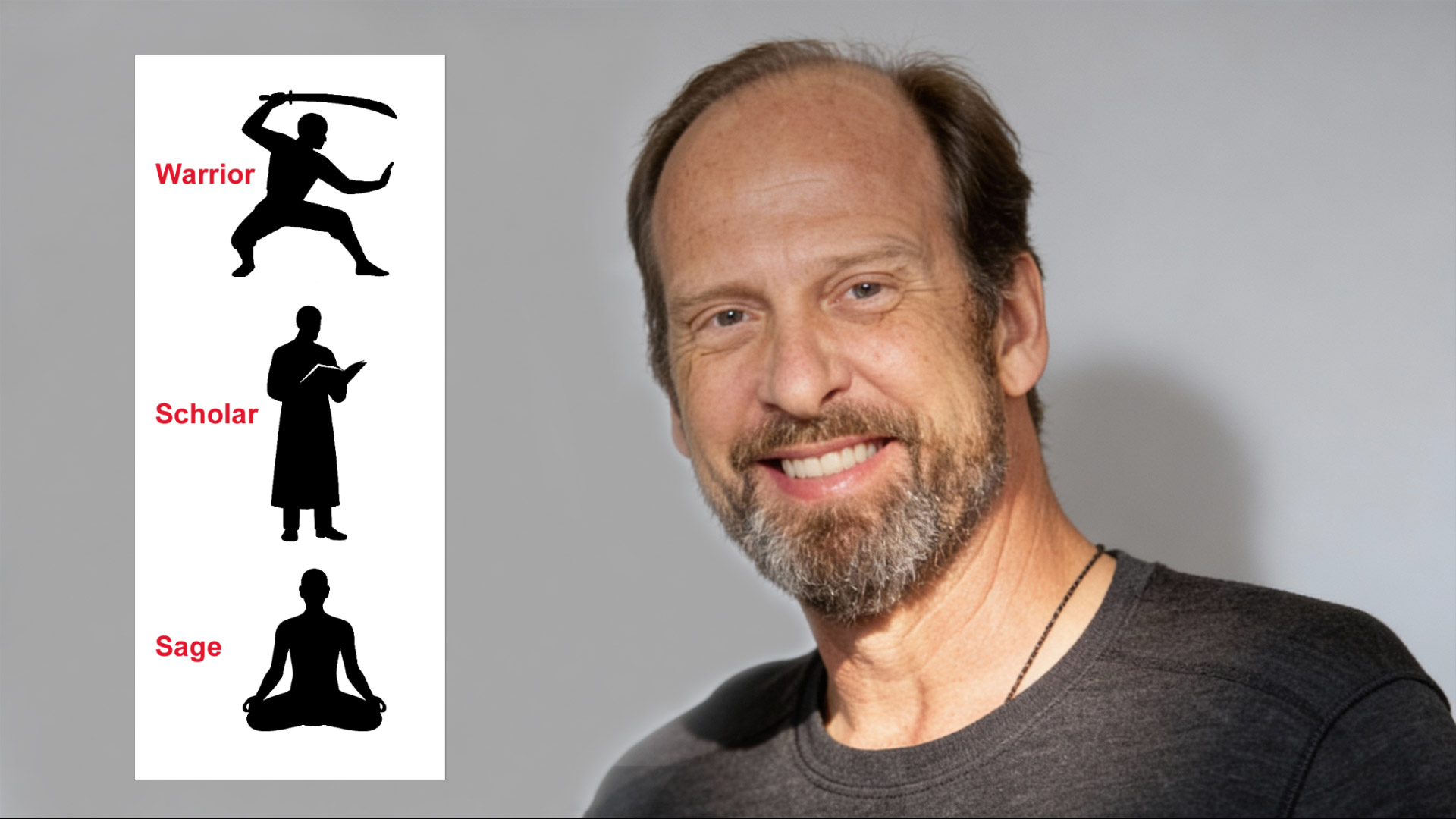
From the Warrior Scholar Sage model, meaning is not philosophical abstraction. It is a behaviorally embodied compass that directs effort into service, mastery, and ethical restraint. Without meaning, stress degenerates into pathology. With meaning, stress refines character.

Physical Systems as Trauma Integration Engines

Modern trauma research confirms what martial and somatic traditions have long taught: trauma is stored not only in memory but in the musculature, fascia, posture, and breath patterns (van der Kolk, 2014). Controlled physical stress restores integration through:

• Load bearing and skeletal feedback
• Fascial hydration through movement
• Intra abdominal pressure regulation
• Respiratory rhythm stabilization

Standing meditation, heavy stance work, and slow eccentric strength training impose mechanical hormetic stress that recalibrates proprioceptive accuracy and embodied confidence. This restores the individual’s relationship with gravity, space, effort, and self trust.

Strategic Suffering and the Misunderstood Role of Discomfort

Contemporary culture increasingly equates well-being with comfort. This misguided model weakens adaptive capacity. Discomfort is not the enemy of health. It is the training ground of resilience. What matters is dose, recovery, and interpretation.

Strategic suffering trains:

• Delayed gratification
• Impulse regulation
• Emotional tolerance
• Focus under pressure
• Psychological endurance

When suffering is voluntary, time limited, and purpose driven, it engrains self-respect rather than helplessness. This distinction explains why two individuals may endure similar stressors yet diverge entirely in outcome.

Integration of Hormesis, Strategic Trauma, and PTG

When viewed as a unified developmental sequence:

This triadic model reflects the ancient transformation archetype of descent, refinement, and return of Joseph Campbell’s Hero’s Journey (2014). It also aligns with neurobiological models of allostatic adaptation, somatic integration, and narrative restructuring.

Clinical and Educational Implications

This framework has direct application to:

• Trauma informed physical training
• Veteran rehabilitation
• Addiction recovery
• Youth development
• Leadership education
• Martial instruction
• Somatic psychotherapy

Rather than minimizing stress, the goal becomes teaching individuals how to engage with stress skillfully, recover efficiently, and integrate meaningfully.

Hormetic stress teaches the body to adapt. Strategic trauma teaches the mind to regulate. Post traumatic growth teaches the soul how to transform. When these three forces are understood as complementary rather than contradictory, trauma becomes neither romanticized nor feared. It becomes raw developmental material.

True growth does not come from avoiding adversity, nor from drowning in it, but from meeting it with structure, meaning, regulation, and skill. This is the timeless engine of human evolution.

References:

Arnsten, A. F. T. (2009). Stress signalling pathways that impair prefrontal cortex structure and function. Nature Reviews Neuroscience, 10(6), 410–422. https://doi.org/10.1038/nrn2648

Calabrese, E. J., & Baldwin, L. A. (2003). Toxicology rethinks its central belief. Nature, 421, 691–692. https://doi.org/10.1038/421691a

Campbell, J. (2014). The hero’s journey. New World Library.

Cotman, C. W., & Berchtold, N. C. (2002). Exercise: A behavioral intervention to enhance brain health and plasticity. Trends in Neurosciences, 25(6), 295–301. https://doi.org/10.1016/S0166-2236(02)02143-4

Frankl, V. E. (1959). Man’s search for meaning. Beacon Press.

Joseph, S., & Linley, P. A. (2006). Growth following adversity: Theoretical perspectives and implications for clinical practice. Clinical Psychology Review, 26(8), 1041–1053. https://doi.org/10.1016/j.cpr.2005.12.006

Mattson, M. P. (2008). Hormesis defined. Ageing Research Reviews, 7(1), 1–7. https://doi.org/10.1016/j.arr.2007.08.007

Mattson M. P. (2012). Energy intake and exercise as determinants of brain health and vulnerability to injury and disease. Cell metabolism16(6), 706–722. https://doi.org/10.1016/j.cmet.2012.08.012

McEwen, B. S. (2007). Physiology and neurobiology of stress and adaptation. Physiological Reviews, 87(3), 873–904. https://doi.org/10.1152/physrev.00041.2006

Meichenbaum, D. (2007). Stress inoculation training: A preventative and treatment approach. Pergamon Press.

Porges, S. W. (2011). The polyvagal theory: Neurophysiological foundations of emotions, attachment, communication, and self regulation. W. W. Norton.

Southwick, S. M., & Charney, D. S. (2012). Resilience: The science of mastering life’s greatest challenges. Cambridge University Press. https://doi.org/10.1017/CBO9781139013857

Southwick, S. M., Bonanno, G. A., Masten, A. S., Panter Brick, C., & Yehuda, R. (2014). Resilience definitions, theory, and challenges. European Journal of Psychotraumatology, 5, 25338. https://doi.org/10.3402/ejpt.v5.25338

Tedeschi, R. G., & Calhoun, L. G. (2004). Posttraumatic growth: Conceptual foundations and empirical evidence. Psychological Inquiry, 15(1), 1–18. https://doi.org/10.1207/s15327965pli1501_01

van der Kolk, B. A. (2014). The body keeps the score. Viking.

Three Treasures plus Emptiness

In Taoist cultivation theory, the “Three Treasures” (sān bǎo) of jīng, qì and shén describe successive refinements of being: from bodily substance to energy to spirit. Alongside and underpinning this transformative process is the principle of , often translated “emptiness”, “void”, or “hollow openness”. Xū is not mere nothingness, but a dynamic receptive ground that allows emergence, transformation, and return. This essay explicates the meaning of xū, its relation to the Three Treasures, and how classical Taoist texts articulate this interplay.

The Three Treasures: Jīng, Qì and Shén

The Three Treasures are central in Taoist internal alchemy (nèi dān) as the raw materials and vehicles of transformation.

TreasureChineseKey meaningRole in cultivation
Essence精 (jīng)The dense, material‐vital substance (including inherited vitality, reproductive substance) (Bartek, 2024)Reserved, refined and conserved; the “root” of life and alchemical process.
Vital energy / breath氣 ()The dynamic life‐force, movement, breath, transformation of substance into energy (Bartek, 2024)Circulates, refines essence into spirit; bridges body and spirit.
Spirit / consciousness神 (shén)The refined, luminous aspect of awareness, spirit, mind, divine seed (Pregadio, 2009)The outcome of refinement; the luminous presence and the vehicle of transcendence.

In internal‐alchemy texts such as the Wuzhen Pian attributed to Zhang Boduan, the Three Treasures are explicitly cited as the ingredients of the internal elixir:

Thus, the alchemist’s work is to refine jīng → qì → shén and finally to integrate with the Way (道).

Definition and nuance

The Chinese character 虛 () conveys “emptiness”, “voidness”, “hollowness”, “open space”, “vacancy”, but importantly also “receptivity”, “openness”, “ungrasped potential”. In Taoist texts, xū is often the invisible space or still ground that allows form, movement, being, and return.

For example, in the classic Tao Te Ching by Laozi, Chapter 11 states:

And Chapter 16:

Thus xū is both origin and destination. It is the silent ground from which being arises and to which it returns.

Xū in internal alchemy

In internal alchemy (nèi dān), xū becomes the “vessel” or “cauldron” within the practitioner, as an inner space, body‐mind field of openness, into which essence, energy and spirit are guided. According to scholarship:

Hence, xū is the operative “space” in which the refinement jīng → qì → shén occurs, and into which shén finally dissolves.

Relationship of Xū to the Three Treasures

Here is how xū operates at each stage of the alchemical process:

Transformation stageRole of XūImplication for cultivation
jīng → qìThe practitioner first quiets distractions, reserves essence, cultivates stillness—creating an inner emptiness (xū) so that jīng does not scatter.Cultivating “emptied receptivity”: less sensory input, fewer desires, conserving jīng.
qì → shénEnergy (qì) flows within the “empty vessel” (xū), unimpeded by conceptual/motional turbulence; this allows qì to transform into shén.Cultivation shifts to subtle awareness, opening to spirit, refining vital energy in the void.
shén → Return to XūAt completion, the refined shén merges into emptiness (xū), dissolving the individual self into universal ground (道). The Three Treasures originate from xū and return to xū.The goal: abiding in xū as “Spirit and Emptiness united as one”.

In other words:

xū is neither an added “fourth treasure” nor merely an absence, but the field of transformation and integration of the Three Treasures. Without xū: jīng stagnates, qì scatters, shén remains bound. With xū: alchemy is possible, transformation flows, transcendence becomes attainable.

Classical Source Quotations

Here are selected quotations with Chinese original and annotated translation:

  1. From Tao Te Ching, Ch. 11
    • “Thirty spokes join at one hub; yet it is the emptiness therein that gives the wheel its use. Kneading clay to form a vessel; yet it is the emptiness therein that makes the vessel useful…” (Dao De Jing [Tao Te Ching], by Lao Zi [Lao Tzu] in Side-by-Side Translation: Chapter 11, n.d.)
  1. From Tao Te Ching, Ch. 16
    • “Attain complete emptiness; hold fast to stillness. The myriad beings all arise – I watch their return. The myriad things flourish and each returns to its root. Returning to the root is called stillness. Stillness is called returning to destiny. Returning to destiny is called the Constant. Knowing the Constant is called clarity…” (Garofalo, n.d.)
  2. From Wuzhen Pian
    • Though specific lines are metaphorical and sparse, one commentary notes: “The body contains the essential components. These Three Treasures are jīng, qì and shén.”  (Wikipedia contributors, 2025)
    • And that this text visualizes the human body as a cauldron refining the Three Treasures. (Wuzhen Pian 悟真篇 Also Known as “Essay on the [Immediate] Awakening to Truth”, “Chapters on Awakening to Perfection” – UBC Library Open Collections, n.d.)
  3. Scholarly exegesis: “The first stage involves replenishing essence, breath and spirit … and the final is returning to emptiness.” (Golden Elixir Press, n.d.)
  4. Interpretation of the Three Treasures in Chinese culture: “The ancient Daoists believed that man exists inseparably between heaven and earth and that there is a mutual relationship between these three (heaven, earth, man) …” in relation to jīng, qì, shén. (Bartek, 2024)

Summary

  • The Three Treasures (jīng, qì, shén) chart an inner alchemical journey: the body’s essence → refined energy → luminous spirit.
  • Xū (emptiness) is not a fourth treasure but the primordial field within which the alchemical transformation occurs and to which it ultimately returns.
  • Cultivation involves first creating receptivity and emptiness (xū) to conserve essence, then refining energy in the vessel of emptiness, and finally abiding in emptiness as spirit dissolves into the Way.
  • The classical Taoist tradition (via Laozi’s Tao Te Ching and texts like Wuzhen Pian) illustrates this with metaphors of wheel hubs, vessels, cauldrons, and return to root.
  • Practically, meditation and Qigong aim to “clear the vessel”, “quiet the hub”, “walk the empty path” so that the Three Treasures can operate in harmony.

References:

Bartek. (2024, June 28). Jing, Qi, Shen – Die drei Schätze. Path of Dao. https://path-of-dao-qigong.ch/en/jing-qi-shen/

Dao De Jing [Tao Te ching], by Lao Zi [Lao Tzu] in Side-by-Side Translation: Chapter 11. (n.d.). YellowBridge. https://www.yellowbridge.com/onlinelit/daodejing11.php?utm_source=chatgpt.com

Garofalo, M. P. (n.d.). Dao de Jing, Laozi, Chapter 16. https://mpgtaijiquan.blogspot.com/2015/05/dao-de-jing-laozi-chapter-16.html?utm_source=chatgpt.com

Golden Elixir Press. (n.d.). Foundations of Internal Alchemy — A slideshow. Scribd. https://www.scribd.com/document/99535352/Foundations-of-Internal-Alchemy-A-Slideshow?utm_source=chatgpt.com

Pregadio, F. (2009). Awakening to Reality: The “Regulated Verses” of the Wuzhen pian, a Taoist Classic of Internal Alchemy. In Golden Elixir Press. https://www.goldenelixir.com/files/Introduction_to_Awakening_to_Reality.pdf?utm_source=chatgpt.com

The Project Gutenberg eBook of Dao de Jing, by Lao Zi. (n.d.). https://www.gutenberg.org/files/49965/49965-h/49965-h.htm?utm_source=chatgpt.com

Tao Te Ching by Lao Tzu – Verse 11 – Three translations. (2021, November 30). Vishy’s Blog. https://vishytheknight.wordpress.com/2021/11/30/tao-te-ching-by-lao-tzu-verse-11-three-translations/?utm_source=chatgpt.com

Wikipedia contributors. (2025, October 1). Wuzhen pian. Wikipedia. https://en.wikipedia.org/wiki/Wuzhen_pian?utm_source=chatgpt.com

Wuzhen pian 悟真篇 also known as “Essay on the [Immediate] Awakening to Truth”, “Chapters on Awakening to Perfection” – UBC Library Open Collections. (n.d.). https://open.library.ubc.ca/cIRcle/collections/ubccommunityandpartnerspublicati/52387/items/1.0416054?utm_source=chatgpt.com

How Humans Synchronize Physiology and Emotion in Shared Spaces

Entrainment, Emotional Contagion, and Co-Regulation

Human beings are inherently social organisms whose internal states are shaped by the people and environments around them. Modern affective neuroscience, psychology, and physiology increasingly show that when individuals share a space, their emotional expressions, nervous system activity, behavioral rhythms, and even biological oscillations begin to align. This subtle but powerful process has been described through three interconnected mechanisms: entrainment, emotional contagion, and co-regulation. Together, these processes help explain why the emotional “tone” of a room shifts when a certain person enters, how stress can spread through groups, and why calm individuals can stabilize others.

1. Entrainment: Synchronizing Rhythms and Biological Oscillations

Entrainment refers to the process by which two or more independent rhythmic systems become synchronized through interaction. Originally a physics term (Huygens’ discovery that pendulum clocks synchronize when placed near each other), entrainment is now recognized as a central phenomenon in human physiology and social behavior.

1.1 Physiological Entrainment

Human biological systems such as heart rate, breathing, neural oscillations, and circadian rhythms, are sensitive to the rhythms of others. When people interact, especially face-to-face, their internal states often fall into alignment. This synchronization can occur through respiration, posture, vocal patterns, or subtle movement cues.

Research shows that:

  • Breathing rhythms spontaneously synchronize during shared tasks, cooperative work, or group chanting and singing (Vickhoff et al., 2013).
  • Heart rate variability (HRV) and autonomic activity entrain between individuals during emotionally meaningful or coordinated interactions (Palumbo et al., 2017).
  • Brainwave patterns can synchronize between people who are making eye contact, cooperating, or experiencing shared emotions (Dumas et al., 2010).

This form of entrainment provides a nonverbal channel of communication that shapes how individuals relate and how groups function.

1.2 Social and Behavioral Entrainment

Humans also entrain on behavioral levels. Vocal tone, speech pace, posture, and gestures subtly influence and mirror each other in dyadic interactions. This is often unconscious and facilitates social bonding.

Bernieri and Rosenthal (1991) found that the degree of interpersonal coordination, sometimes called “interactional synchrony,” is strongly associated with perceptions of empathy, rapport, and cooperation.

2. Emotional Contagion: The Spread of Affect Through Social Networks

While entrainment focuses on rhythmic alignment, emotional contagion describes the spread of emotional states from one person to another. It occurs rapidly, automatically, and often outside conscious awareness.

Emotional contagion works through two primary mechanisms:

2.1 Mimicry and Feedback Loops

Humans instinctively mimic facial expressions, vocal patterns, and body language. This mimicry activates mirror-neuron and limbic circuits that generate similar feelings in the observer. Hatfield, Cacioppo, and Rapson (1994) demonstrated that people unconsciously imitate emotional expressions within milliseconds, leading their own physiological state to shift toward the emotion they are observing.

This means:

  • An anxious person can elevate others’ heart rates and muscle tension.
  • A relaxed or smiling person can reduce group stress levels.
  • A hostile or negative presence may shift the emotional climate of an entire room.

2.2 Group-Level Emotional Transmission

Emotional contagion also spreads through groups. Barsade (2002) showed that a single individual’s positive or negative mood significantly influences group cooperation, conflict, decision-making, and performance. This group-level emotional transmission occurs even when people believe they are not being influenced.

In organizational settings, research shows that leaders’ emotional expressions strongly predict team emotions, stress levels, and motivation (Sy, Côté, & Saavedra, 2005). This explains why “energy vampires” (chronically negative individuals) can drain a room, while “positive energizers” can elevate it.

3. Co-Regulation: Interpersonal Stabilization of the Nervous System

Co-regulation is a concept rooted in attachment theory and polyvagal theory. It refers to the process by which two people regulate each other’s emotional and physiological states through relational cues such as tone of voice, eye contact, posture, and presence.

3.1 The Polyvagal Basis of Co-Regulation

Stephen Porges’ polyvagal theory emphasizes that the human autonomic nervous system evolved to require social safety signals for stable functioning. According to Porges (2011), the vagus nerve and the social engagement system continuously scan the environment for threat or safety. The presence of a calm, attuned individual can activate safety pathways, lowering sympathetic arousal.

Co-regulation occurs when:

  • A calm person helps another down-regulate stress.
  • A dysregulated individual triggers sympathetic activation in others.
  • A pair or group maintains collective stability through mutual attunement.

Parents and infants co-regulate naturally, but adults also rely on interpersonal cues to stabilize their internal states.

3.2 Co-Regulation in Adult Relationships and Groups

Siegel (2012) describes co-regulation as a cornerstone of interpersonal neurobiology: humans maintain their emotional equilibrium largely through connection with others. In group settings, such as workplaces, classrooms, or family systems, members’ nervous systems are constantly responding to each other’s cues.

Co-regulation is especially strong under conditions of:

  • Shared attention
  • Physical proximity
  • Eye contact
  • Rhythmic interaction (e.g., conversation, movement, music)
  • Emotional vulnerability or resonance

This explains why certain people feel grounding and others feel destabilizing.

4. How These Processes Interact in Real-World Settings

Although entrainment, emotional contagion, and co-regulation are often studied separately, in real life they operate simultaneously. When individuals enter a shared environment:

  1. Rhythmic patterns align (entrainment).
  2. Emotional expressions spread (emotional contagion).
  3. Autonomic states mutually regulate (co-regulation).

4.1 The Emotional Climate of a Room

Consider a meeting where one person enters feeling stressed:

  • Their breathing rate and vocal tension increase.
  • Others begin matching these cues (entrainment).
  • Within minutes, anxiety spreads (emotional contagion).
  • The group’s autonomic tone shifts toward sympathetic activation (co-regulation).

By contrast, the presence of a grounded, calm individual can entrain the group toward slower breathing and more regulated states, spreading emotional stability.

4.2 Health and Well-Being Implications

Positive co-regulation has been shown to:

  • Improve stress recovery (Messina et al., 2021)
  • Increase prosocial behavior.
  • Enhance learning environments.
  • Strengthen group cohesion and interpersonal trust.

Negative emotional contagion, conversely, is associated with:

  • Increased cortisol
  • Impaired cognitive performance
  • Defensive communication
  • Reduced social safety

Thus, the emotional composition of a room has measurable physiological consequences.

5. Implications for Leadership, Teaching, Therapy, and Everyday Life

These processes are essential to fields such as psychotherapy, education, leadership, and martial arts instruction, areas highly relevant to my own professional work.

Entrainment, Emotional Contagion and Co-regulation

ConceptDefinitionPrimary MechanismsPhysiological EffectsSocial/Behavioral Outcomes
EntrainmentSynchronization of rhythms between people (breath, movement, heart rate, neural oscillations).Breath alignment, shared pace, vocal rhythm, movement synchrony.HRV alignment, respiratory matching, neural rhythm coupling.Greater rapport, cooperation, cohesion, reduced tension.
Emotional ContagionAutomatic spread of emotion from one individual to another.Facial mimicry, limbic resonance, tone matching, mirror neurons.Shifts in cortisol, arousal, autonomic activation matching observed emotion.Group mood shifts, leader influence effects, emotional climate changes.
Co-RegulationMutual stabilization of nervous systems through safety cues from others.Eye contact, prosody, posture, attunement, presence.Down-regulated sympathetic activity, increased vagal tone, calm restorative states.Trust, emotional safety, improved learning and communication, conflict reduction.
Where They OverlapAll three shape interpersonal physiology and emotion.Rhythmic, emotional, and autonomic alignment interact.Shared arousal states; collective regulation.A stable or unstable “room-wide” emotional atmosphere.

5.1 Leaders and Teachers

Leaders who maintain emotional regulation can set the tone for entire groups. Research in organizational behavior demonstrates that emotionally positive leaders measurably improve team performance and resilience through emotional contagion and co-regulation (Barsade & Gibson, 2007).

5.2 Therapists and Healers

Therapists use vocal tone, body language, and attuned presence to co-regulate clients’ nervous systems. Safety cues support trauma recovery by enabling the client to access regulated autonomic states (Schore, 2021).

5.3 Everyday Relationships

Couples, friends, and families are constantly co-regulating. A dysregulated household breeds chronic stress, whereas emotionally stable members can serve as regulatory anchors for others.

Humans are wired for connection, and our nervous systems continuously respond to the rhythms, emotions, and physiological states of those around us. Entrainment allows biological rhythms to synchronize. Emotional contagion transmits affective states through mimicry and neural resonance. Co-regulation provides interpersonal stability that supports health and emotional well-being.

Understanding these processes helps explain why some individuals elevate a room while others destabilize it, why certain relationships feel grounding, and how human beings are always shaping one another even in silence. In recognizing this dynamic, people can deliberately cultivate a presence that promotes harmony, safety, and collective well-being.

References:

Barsade, S. G. (2002). The ripple effect: Emotional contagion and its influence on group behavior. Administrative Science Quarterly, 47(4), 644–675. https://doi.org/10.2307/3094912

Barsade, S. G., & Gibson, D. E. (2007). Why does affect matter in organizations? Academy of Management Perspectives, 21(1), 36–59. https://doi.org/10.5465/amp.2007.24286163

Bernieri, F. J., & Rosenthal, R. (1991). Interpersonal coordination: Behavior matching and interactional synchrony. In R. S. Feldman & B. Rimé (Eds.), Fundamentals of nonverbal behavior (pp. 401–432). Cambridge University Press.

Dumas, G., Nadel, J., Soussignan, R., Martinerie, J., & Garnero, L. (2010). Inter-brain synchronization during social interaction. PLoS ONE, 5(8), e12166. https://doi.org/10.1371/journal.pone.0012166

Hatfield, E., Cacioppo, J. T., & Rapson, R. L. (1994). Emotional contagion. Cambridge University Press.

Messina, I., Calvo, V., Mastria, S., & Harvey, A. (2021). Interpersonal emotion regulation: A review of foundational frameworks and research directions. Frontiers in Psychology, 12, 636919. https://doi.org/10.3389/fpsyg.2021.636919

Palumbo, R. V., et al. (2017). Interpersonal autonomic physiology: A systematic review of the literature. Personality and Social Psychology Review, 21(2), 99–141. https://doi.org/10.1177/1088868316628405

Porges, S. W. (2011). The polyvagal theory: Neurophysiological foundations of emotions, attachment, communication, and self-regulation. W. W. Norton.

Schore, A. N. (2021). Right brain psychotherapy. W. W. Norton.

Siegel, D. J. (2012). The developing mind: How relationships and the brain interact to shape who we are (2nd ed.). Guilford Press.

Sy, T., Côté, S., & Saavedra, R. (2005). The contagious leader: Impact of the leader’s mood on the mood of group members. Journal of Applied Psychology, 90(2), 295–305. https://doi.org/10.1037/0021-9010.90.2.295

Vickhoff, B., et al. (2013). Music structure determines heart rate variability of singers. Frontiers in Psychology, 4, 334. https://doi.org/10.3389/fpsyg.2013.00334

Why Remaining Still Sets Us Behind

The universe is a system of ceaseless motion cosmically, biologically, psychologically, and spiritually. Nothing in existence remains static. Galaxies rotate, atoms vibrate, seasons cycle, and human bodies grow, age, and decay. To remain unchanged in such a dynamic reality is not neutrality; it is regression. This essay explores the philosophical, scientific, and spiritual foundations of this principle, arguing that choosing stagnation puts one “behind” in a world that continually evolves. Growth physically, mentally, and spiritually, is not merely beneficial but essential for aligning with the fundamental nature of existence.

The Physical Universe: Motion as a Cosmic Law

Physics confirms that stillness is an illusion. The Earth rotates on its axis at approximately 1,670 km/h (1,037 mph) and orbits the sun at nearly 107,000 km/h (66,000 mph) (Urrutia & Howell, 2025). At a deeper level, quantum mechanics reveals that particles fluctuate constantly, never truly at rest (Griffiths & Schroeter, 2018). This means that even if a person attempts to “remain still,” they exist within an environment of perpetual motion.

In Hermetic philosophy, this is reflected in the Principle of Vibration: “nothing rests; everything moves; everything vibrates” (Three Initiates, 1908/2011). Thus, when human beings choose personal stagnation, they fall out of harmony with the energetic structure of the cosmos.

Biological Reality: Stagnation Equals Decline

Human biology mirrors this universal motion. Muscles atrophy without movement. Neural pathways prune without stimulation. The body is a dynamic biochemical ecosystem in which regular movement, challenge, and adaptation maintain vitality.

Research shows that physical inactivity accelerates aging, metabolic dysregulation, and cognitive decline (Booth et al., 2017). Neuroplasticity, the brain’s ability to change, depends on continual stimulation and learning (Pascual-Leone et al., 2015). Even at the cellular level, life is characterized by turnover, repair, and transformation.

Therefore, biological systems demonstrate clearly:

Psychological Growth: The Mind Evolves or Contracts

Psychologically, stagnation leads to rigidity, fear, and diminished adaptability. Cognitive schemas or mental frameworks that guide perception, require updating as conditions change. When they are not renewed, individuals fall into outdated patterns, biases, and maladaptive behaviors (Beck, 2011).

From a developmental standpoint, humans require novelty, challenge, and reflection to maintain mental flexibility and emotional resilience (Kashdan & Rottenberg, 2010). Choosing not to grow mentally or emotionally allows entropy, or disorder and rigidity, to dominate the psyche.

In this sense, stagnation is not benign; it is an inward collapse.

Spiritual Traditions: Transformation as a Sacred Imperative

Every major spiritual and philosophical system promotes growth as a requirement for alignment with higher principles.

  • Taoism emphasizes flow, transformation, and the dangers of stagnation (Laozi, trans. 2008).
  • Buddhism teaches impermanence (anicca), asserting that clinging to static states causes suffering (Rahula, 1974).
  • Christianity encourages believers to “be transformed by the renewing of your mind” (Romans 12:2, New International Version).
  • Hermeticism describes spiritual ascent as a continual refinement from lower to higher states of being (Evola, 1995).

The classical frameworks of jing → qi → shen, along with more modern constructs of somatic calibration, iterative self-cultivation, and transmutation, reflect this same upward arc:

Dynamic Stillness vs. Passive Inertia

It is important to clarify that spiritual stillness does not contradict growth. Meditation, breathwork, and contemplative practices produce dynamic stillness: an inner clarity within movement, not an absence of movement. This stillness is alignment, not stagnation.

Passive inertia, however, is avoidance, denial, and resistance. One clarifies; the other decays.

To remain unchanged in a universe defined by motion is to drift backward. The cosmos evolves, the body transforms, and consciousness expands when nurtured. Stagnation is not a neutral state but a misalignment with the fabric of existence. Growth in the physical, mental, and spiritual, is the only path that harmonizes the human being with the ever-unfolding nature of reality. To live fully is to evolve continuously.

References:

Beck, J. S., PhD. (2011). Cognitive Behavior therapy. In Aaron T. Beck, Cognitive Behavior therapy (2nd ed.). THE GUILFORD PRESS. https://img3.reoveme.com/m/be38edbbfc79330a.pdf

Booth, F. W., Roberts, C. K., & Laye, M. J. (2017). Lack of exercise is a major cause of chronic diseases. Comprehensive Physiology, 2(2), 1143–1211. https://doi.org/10.1002/cphy.c110025

Griffiths, D. J., & Schroeter, D. F. (2018). Introduction to Quantum Mechanics. In Reed College, Reed College (Third edition). Cambridge University Press. https://api.pageplace.de/preview/DT0400.9781108103145_A45553844/preview-9781108103145_A45553844.pdf

Kashdan, T. B., & Rottenberg, J. (2010). Psychological flexibility as a fundamental component of health. Clinical Psychology Review, 30(7), 865–878. https://doi.org/10.1016/j.cpr.2010.03.001

Evola, J. (1995). The Hermetic tradition: Symbols and teachings. Inner Traditions.

Laozi. (2008). Tao Te Ching (D. C. Lau, Trans.). Penguin Classics. (Original work published ca. 4th century BCE)

Pascual-Leone, A., Amedi, A., Fregni, F., & Merabet, L. B. (2015). The plastic human brain cortex. Annual Review of Neuroscience, 28, 377–401. https://doi.org/10.1146/annurev.neuro.27.070203.144216

Rahula, W. (1974). What the Buddha taught. Grove Press. https://archive.org/details/whatbuddhataught00walp

Three Initiates. (2011). The Kybalion. Penguin. (Original work published 1908)

Urrutia, D. E., & Howell, E. (2025, February 27). How fast is Earth moving? Space. https://www.space.com/33527-how-fast-is-earth-moving.html