Coffee is bad for you, but studies show that it might be good for you.
Cow’s milk is good for humans, unless you read the studies that say it is not so much.
Moderate alcohol consumption is good for you, unless you find the medical studies that say it is not.
Sun exposure is bad for the skin, but good for vitamin D production, immunity and bone health, until one develops skin cancer.
Cigarette smoking was at one time, recommended by doctors to help promote health and relieve stress.
The list goes on and on. Which “science” do we choose to believe? Well, whichever science that supports our own individual beliefs, viewpoints and agendas.
Maybe the truth of the science lies in that all things are relative, yin and yang in all things for those that understand that life is constantly changing and often there are no absolutes. Maybe all of the above are good in moderation, but not so much when in excess or abuse.
Media and science…kind of like oil and water. I feel these days, that media reports on what they feel the American public should know. News outlets use to be somewhat neutral. Currently, most don’t even try to be neutral but rather tout what direction their reports lean towards. Fox News, Prager U and others, makes no qualms about being quite to the right, whereas CNN, MSNBC and New York Times reports leaning quite to the left. So, who should and shouldn’t report on what leads us to 1st amendment discussions about who determines what is truth and misinformation. Seems like there are now multiple truths these days depending upon the source and the agenda in play. Universal truths that everyone can agree upon, like water is wet, the sun rises in the east and that humans are mortals will still be debated given an audience and someone willing to debate these facts.
What is true for everyone (not your truth or my truth silliness) is that we need to be more active, eat healthier, sleep better, stress less, develop self-discipline. These are the key components to maintaining a strong mind, body, immune system, and outlook on life.
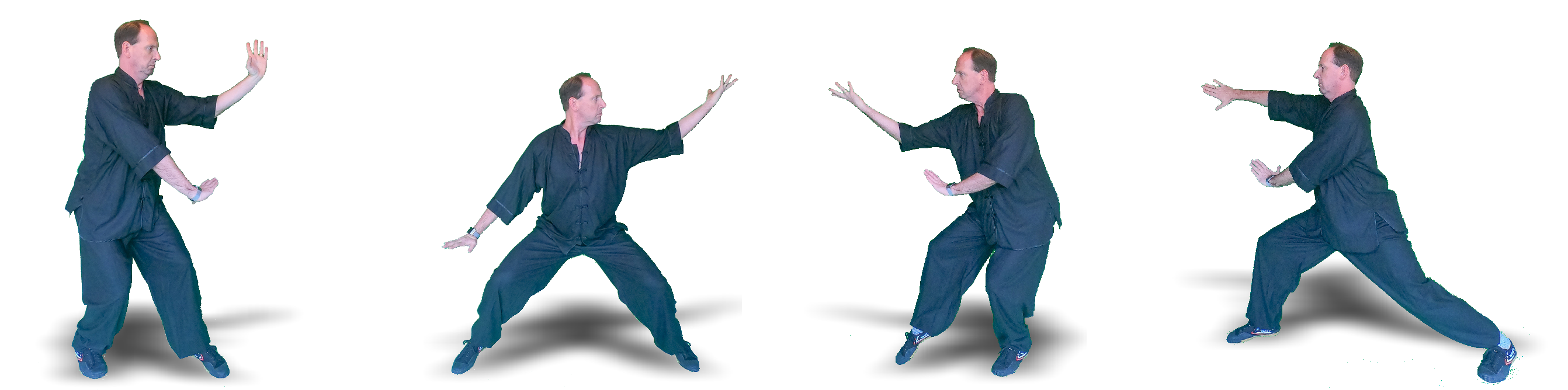
I write often about topics that affect our health and well-being. Additionally, I teach and offer lecture about qigong, tai chi, baguazhang, and yoga.
consistent activity is a key factor in reducing disease
If we are led to believe that the US has the most wealth, the best doctors, the best healthcare, the best vaccines – then why did the US experience the highest rate of COVID-19 cases as well as associated deaths? Because the answers lies beyond the US being the best (far from it) when it comes to personal responsibility for health and well-being. Most in the US look to the broken healthcare system for sick-care after becoming sick or injured than looking to themselves to prevent acquiring disease, illness and injury. True is true; do your own research to see which countries fare the best in overall quality of life, and relative health. The US is far from the top, but by far spends the most money on sick-care.
An amazing amount of health issues can be reduced by simply exercising consistently (Exercise: 7 Benefits of Regular Physical Activity, 2021). Many issues such as stress, sleep disorders, and cardiovascular issues are reduced by exercising a few times per week. Find a method of exercise that works for you.
Known benefits of regular exercise include:
reduce your risk of a heart attack.
manage your weight better.
have a lower blood cholesterol level.
lower the risk of type 2 diabetes and some cancers.
have lower blood pressure.
have stronger bones, muscles and joints and lower risk of developing osteoporosis.
lower your risk of falls.
Walk, run, swim, weight train, yoga, tai chi, martial arts, dance – just do something everyday! Or every other day, 2 times a week, whatever! Get your body moving. Give your mind something positive to focus upon.
We all know what stress is, but how does it manifest and what can we do to manage it?
If we are to grow a garden, do we try to nourish the seeds in a healthy, safe and nutritional environment? Or do we just plant the seeds in sand in a mostly dark place where no one checks to see how they are sprouting? Well, metaphorically, this is how our nation cultivates our youth with little or no education in health, nutrition, fitness, stress management and accountability. No wonder why teenage depression and suicide has skyrocketed in the last few years. And no wonder our nation is a nation of overweight children soon to be obese and sickly adults. We need to move past the politics and cultural correctness of not addressing the American diet and lifestyle choices of being the root causes of obesity that lead to disease and health issues in our country.
For children and adolescents aged 2-19 years in 2017-2018:
The prevalence of obesity was 19.3% and affected about 14.4 million children and adolescents.
Obesity prevalence was 13.4% among 2- to 5-year-olds, 20.3% among 6- to 11-year-olds, and 21.2% among 12- to 19-year-olds. Childhood obesity is also more common among certain populations.
Obesity prevalence was 25.6% among Hispanic children, 24.2% among non-Hispanic Black children, 16.1% among non-Hispanic White children, and 8.7% among non-Hispanic Asian children.
Credit: Derek Thompson, The Atlantic; data from the CDC.
Anxiety and depression affects many children
7.1% of children aged 3-17 years (approximately 4.4 million) have diagnosed anxiety.
3.2% of children aged 3-17 years (approximately 1.9 million) have diagnosed depression.
Anxiety and depression have increased over time
“Ever having been diagnosed with either anxiety or depression” among children aged 6-17 years increased from 5.4% in 2003 to 8% in 2007 and to 8.4% in 2011–2012.
“Ever having been diagnosed with anxiety” among children aged 6-17 years increased from 5.5% in 2007 to 6.4% in 2011–2012.
“Ever having been diagnosed with depression” among children aged 6-17 years did not change between 2007 (4.7%) and 2011–2012 (4.9%).
In years past, recess and physical education (PE) were part of the school day from kindergarten through elementary school. High school students had PE every school day until graduation. Regular exercise has been known and proven to help manage stress and maintain better health and mental well being. Currently, many schools require only 1 credit of PE over 4 years of high school and often offer it as an online course. Today if students are not involved in school or extracurricular sports, few make the time or commitment to stay physically active. Unhealthy kids quickly turn into unhealthy adults. The health of our people is directly affecting the safety of our nation. For the sake of our youth and ultimately our country, put PE and maybe health education back into the school system, as a priority and not just a minimal requirement.
I can help. I have almost 40 years worth of experience in practicing and teaching others to take control of their health and well-being. For more information, contact Jim Moltzan at 407-234-0119 or www.MindAndBodyExercises.com
In the words of Dr. Jerome Adams from 2020, the former surgeon general of the United States, “You know what will make you and your community healthier but still, you choose not to do it.” He goes on to state that 7 out of 10 of 18-24-year olds are ineligible for military service due to the following:
they cannot pass the physical
cannot meet educational requirements
have a criminal history
In years past, recess and physical education were part of the school day from kindergarten through elementary school. High school students had PE every school day until graduation. Today if students are not involved in school or extracurricular sports, few make the time or commitment to stay physically active. Unhealthy kids quickly turn into unhealthy adults. The health of our people is directly affecting the safety of our nation.
Ask an average citizen in the US if their health and their family’s is a priority and the response will be something like, “Of course our health is my top priority and we have the healthiest country in the world!” No, not true for both statements based upon data from seemingly reputable data outlets. The Bloomberg Global Health Index for 2020, ranked the US #35 in the world for overall quality of health but ranks #1 for healthcare spending. The US spends more than $3.4 trillion annually on health care, more than any other country. Made obvious from the data is that investing more money in healthcare, does not necessarily make a country or the person healthier. Money does not change our health. We need to improve life expectancy and other indicators of health with better education along with a change in mindset. If someone has great healthcare coverage but eats junk food every day, does not exercise regularly and has a negative outlook, they will probably experience health issues sooner than later.
As a nation, we eat an extremely high amount of low-quality junk food and then sit for hours per day. We hope to efficiently digest low quality food that will eventually often cause illnesses and even death. More than 36.3% of youth aged 2-19 eat fast food on a given day.This is complicated even more so with the sedentary lifestyle and laissez-faire attitude towards individuals accepting responsibility for their own health. Americans meeting the CDC guideline for aerobic and muscle strengthening exercises is only 23.2% as of 2018.These factors help contribute to the increase of obesity over the last 60 years. Obesity is a key factor in many health issues based on data from the Center for Disease Control (CDC) and other reputable sources. In 2017–2018, the age-adjusted prevalence of obesity in adults was 42.4%. Stats for kids (not shown) are just as appalling. These numbers are truly pathetic. Further issues to discuss would be how many manage their nutrition by monitoring their intake of sugar, salt, trans fat, alcohol, and other consumables? What about managing stress and emotional health? The US economy needs our citizens to support the fast-food industry and consequently gives the health care industry an overabundance of its own customers. It seems as if the US wants its people to be healthy enough to work, but not too healthy as to put the fast-food and healthcare providers out of business. This is our reality that many choose to deny.
The leading causes of death in the US are all very much influenced by our diet, our sedentary lifestyle, lack of exercise and excessive sitting. Also contributing is our attitude towards managing stress or lack thereof. Thinking that more is always better or if we are not stressed, we are not doing enough. Heart disease, cancer, diabetes, and respiratory issues are all leading causes of death by far. Each of these ailments can be much less if we made it a priority to do so.
Another health issue is our obsession with following the news and the mental stress that can develop from it. Media in the US, love it or hate it, usually focuses mostly on reporting politics, crime and mostly the negative aspects of our society. The phrase “If it bleeds it leads” shows America’s fascination with negative news. This year so far has been mostly the tragedy of Covid19. The media, the government, the entertainment industry and healthcare leaders fail to promote personal responsibility for the individuals’ own actions relative to diet, exercise and lifestyle, and how that can affect on a much broader level the health of our nation. Instead the strong focus is mostly upon wearing masks and social distancing as a way to make an unhealthy nation, somehow immune to disease and illnesses that affect most those that have multiple health issues to begin with. Please understand that even typically well and health conscious people do get sick also. Athletes and health enthusiasts can get sick too. However, people that are active usually recover faster though.
We need to honestly look at the root causes for our health issues, instead of looking to politics or others to blame for our own personal accountability. Blaming others will not make us healthier. We are where we are, because of our choices. I love pizza but I should not be eating it every day of the week. Soda or sugary drinks with every meal? Some TV viewing is fine but 4-7 hours a day is a bit much no? Sitting for 8 or more hours a day negatively affects our metabolic health. We need to own our individual health and well-being.
Our actions support the data that we do not truly put exercise, nutrition and stress as high priorities deserving more action than mere conversation. Healthy living and habits are a choice and a mindset that we as Americans as a whole, fail terribly at practicing. It does not need to be this way. There are things that can move us forward to become a healthier nation.
The 5 Pillars of Health
Eating healthier can be achieved by managing less intake of junk foods, sugar, and salt, as well as reasonable amounts of alcohol. More fruit and vegetables are healthier snacks that have many nutritional rewards. Become more active by getting up and off the couch, stepping away from the PC, TV, smartphone, and other electronic addictions. Better sleep is a major immune system booster and can be earned by being more active during the day. Relieve stress through exercise, meditation, or breathing deeper and more deliberately, or take more breaks from the news and social media. Be nice to others because what you put out, you receive back. Basically, get moving more, eat healthier foods, sleep better, stress less and be a nicer person. Enjoy life but know your limits and take all things in moderation.
Fryar, Cheryl, et al. Fast Food Intake Among Children and Adolescents in the United States, 2015–2018, NCHS Data Brief No. 375, August 2020, www.cdc.gov/nchs/products/databriefs/db375.htm
Hales, Craig, et al. Prevalence of Obesity and Severe Obesity Among Adults: United States, 2017–2018, NCHS Data Brief No. 360, February 2020. www.cdc.gov/nchs/products/databriefs/db360.htm
You should sit in meditation for twenty minutes every day unless you’re too busy. Then you should sit for an hour.” Or “If you have time to breathe, you have time to meditate.” These are great quotes to ponder but regardless, meditation is an active practice that will not happen if I (we) do not make it happen.
I think many people confuse religion with philosophy. My understanding of religion is that it is a belief system based upon faith or what cannot be seen. Whereas philosophy is generally a rational investigation of truths. With this being said, I don’t think I would even enter into the conversation of how meditation is not religion, but rather a tool that could enhance one’s religious beliefs or other aspects of their life, unless they had an openness to begin with. I have found that trying to convince someone of something usually doesn’t achieve the desired results.
Insight meditation is also known as Vipassana and is known to be the oldest of Buddhist meditation practices coming directly from the Satipatthana Sutta which is the “Discourse on the Establishing of Awareness” attributed to the Buddha himself. Vipassana meditation is a direct but gradual training of self-awareness or mindfulness usually over a period of years. During practice, a student’s attention is focused inward towards an intense contemplation of particular aspects of one’s existence. The meditator trains to be more and more self-aware of their own flowing life experience.
Put aside time on your schedule to practice Vipassana meditation. Find a quiet room or space within or near your home. Sit upright but comfortably and relaxed in a sturdy chair. Relax and clsoe your eyes. Make your breathing deeper and longer with a 4-second pause between each inhale an exhale. Move your attention away from your breathing and onto other observations of your thoughts. Relax your neck and shoulders and work your way down your torso using just enough muscular tension to hold your body upright. Experience going through a progression from physical awareness to mental awareness and then to an emotional release to become present in the moment. Once you are comfortable with the physical awareness of your body, move on to becoming aware of your senses and what is occurring in your immediate environment inside and out. Listen closely to maybe hear the A/C or heater turning off, bringing your focus maybe to the refrigerator now humming away in the background of your awareness. Each time a distraction presents itself, acknowledge it and then become aware of the next sound. If there is no sound, move onto feeling the touch of your body in the chair or your feet on the floor. Then another thought will appear, like how long have I been sitting here, the room is warm, or what time of day is it? All trivial thoughts within your inner dialogue that you can continue to acknowledge and then let fade away. Slowly open your eyes to the room appearing slightly brighter and sharper. You will feel refreshed and calm thereafter.




 United Martial Arts Association