Convalescence

Excerpt from: Principles and Practice of Phytotherapy, by Kerry Bone

Convalescence

It is ironic that at the very time that healthcare has to deal with so much chronic and debilitating disease it has abandoned the best strategic approach inherited from tradition. In the past it was taken for granted that any illness would require a decent period of recovery after it had passed, a period of recuperation, of convalescence, without which recurrence was possible or likely. For the really debilitating diseases convalescent care was the primary treatment, reaching its apogee in the many European sanatoria for tuberculosis patients.

Convalescence fell out of favour as powerful modern drugs emerged. It appeared that penicillin and the steroid anti-inflammatories produced so dramatic a resolution of the old killer diseases, including tuberculosis, that all the time spent convalescing was no longer necessary. Then, as healthcare provision became generally more effective and public expectations increased, pressure on hospital facilities led to shorter stays, whilst the increasing angst of the modern working rhythm has conspired to ensure that most people now could not consider time off to convalesce after a bout of flu. That this means they are more likely to get another bout the next year is a cruel irony.

A good convalescence is a marvellous thing. It rounds off an illness and gives it meaning; it makes the sufferer stronger for having had the illness. In a way no vaccination could do, it arms and strengthens the immune defences and provides real protection against recurrence, possibly forever. It is probably the only strategy that will allow real recovery from debilitating disease, fatigue syndromes, recurrent infections and states of compromised immunity. It is the therapeutic recognition that healing, like the growth of children, is almost inevitable but that it needs to be allowed to proceed. Convalescence needs time, one of the hardest commodities now to find.

There are four essential features of convalescence, in general agreed through history, though with many cultural embellishments.

Rest

This is by far the most important element. It should include maximum sleep, as physiologically this is the body’s time for repair. In the early stages of vigorous convalescence almost constant sleep should be encouraged (as in the former ‘sleep clinics’). Thereafter it should be promoted as much as possible. Rest also means less activity: if work has to be done it should be in brief bouts, switching frequently between different activities (‘change is as good as a rest’). Patients should be encouraged to pace themselves, to go to bed early, sleep late and not to volunteer for any work that is not absolutely necessary. As much as anything rest becomes a mental priority: all other considerations are secondary. That hour of more sleep is more important than a film on TV, a late-night conversation or night out.

Exercise

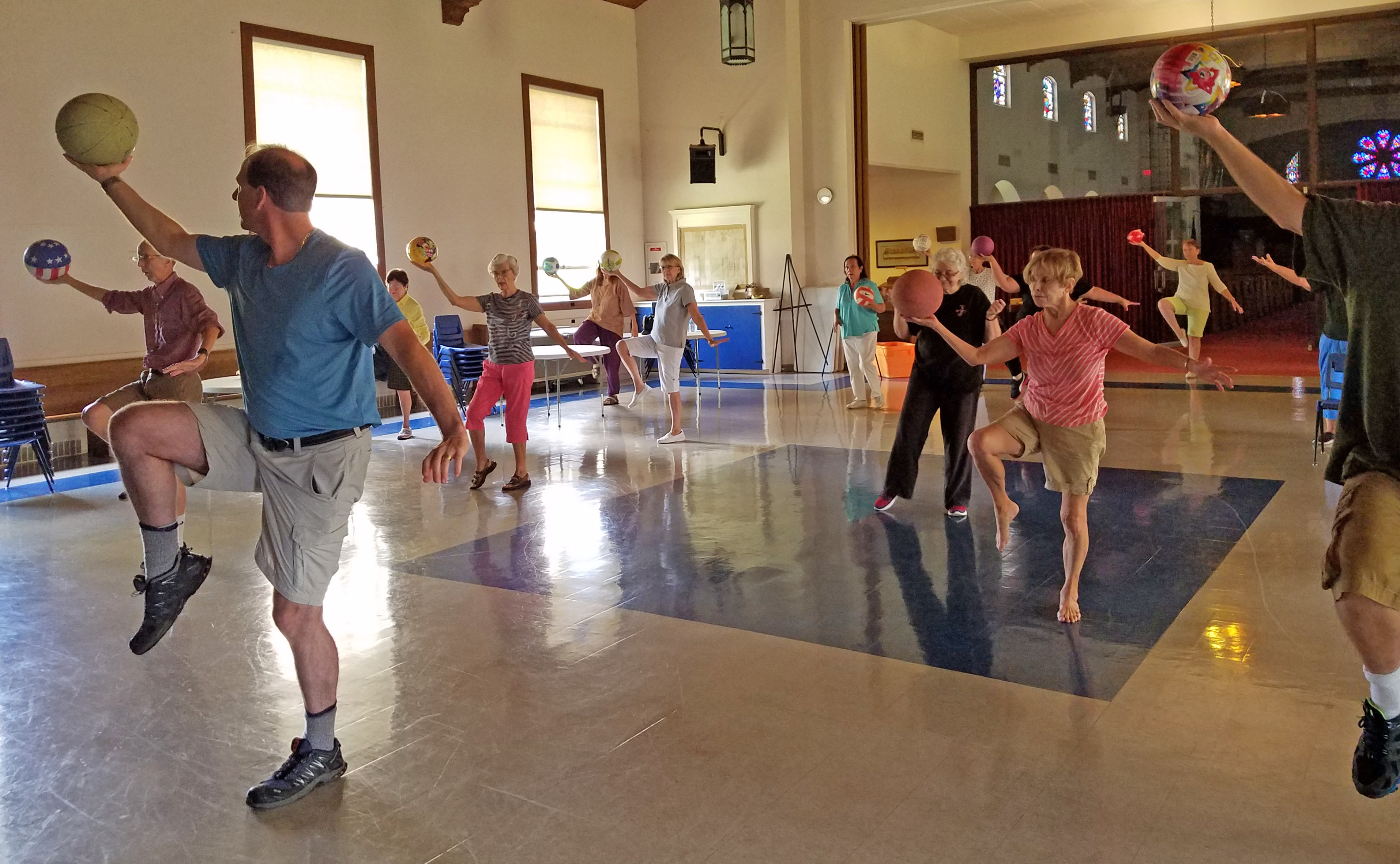
This is the flipside and necessary adjunct to rest, the equivalent to ‘turning the engine over’, to prevent congestion and stagnation. Essentially the body needs to be taken to aerobic exercise (defined for these purposes as any activity producing a pulse rate of between approximately 60–80% of 220 minus one’s age, e.g. 108–144 for a 40-year-old) at least briefly each day. Using the pulse rate to set exercise levels has the advantage of being self-adjusting: the very debilitated will reach high pulse rates with minimal activity. Nevertheless, caution is required. The debilitated will have very little stamina and even a minute may be too long. If exercise is followed by more fatigue, it is too much. Rather, one should build up to being able to undertake aerobic activity for up to 15 minutes each day. The main benefit of the aerobic mode is that it quickly dissipates sympathetic-adrenergic effects on the body (‘adrenaline’), constantly generated during the day in response to perceived stressors, and the enemy of convalescence. Timing one’s exercise for the evening will encourage better sleep that night.

Diet

The principle of the convalescent diet is that it should simply nourish. It should not stimulate or impose demands. Subject to individual dispositions, a convalescent diet is based on vegetables, especially root vegetables, cereals and pulses (if tolerated), fish and eggs, as the most easily assimilated protein sources, and chicken and other fowl if acceptable (chicken stock and soup remain one of the most universal and puzzling convalescent recommendations of history!). There should be no stimulants, caffeine, nicotine, alcohol or sugar, little dairy food and a minimum of convenience foods and food additives. Patients should thus be encouraged to take a simple peasant diet, sharing also with the peasant a simple respect for the food, taking time over it, building their daily rhythm around it.

Medication

It is obviously important to maintain treatment during convalescence: herbal or conventional. However, there is also a key contribution to the measures above in herbal traditions. It was accepted that rest, exercise and diet alone might not be sufficient to bring about recovery. A range of herbal remedies have been directed to facilitating the process, to drive recovery. Many of these are the tonics listed earlier. If recovery is from febrile disease, sustaining warming remedies like Achillea (yarrow), Angelica archangelica (common angelica), Cinnamonum zeylanicum (Ceylon cinnamon), Cardamomum (cardamom) or Foeniculum (sweet fennel) might be indicated. Recovery from low-grade assault on the immune system, chronic viral or fungal infections, conditions marked by swollen lymph glands, persistent sore throats or catarrhal states would need Echinacea, Picrorrhiza or Baptisia tinctoria (wild indigo). Digestion is often in need of support, whether from cooling bitters or warming aromatic digestives. Cleansing should be managed, above all, by gentle eliminatives.

For the phytotherapist convalescence is often the main strategy in making headway in chronic debilitated conditions such as a fatigue syndrome or persistent low-grade infections. Often these problems start with an infection early in life – a glandular fever or infectious mononucleosis, perhaps. The phytotherapist might suggest to the patient that the task is to go back and complete the convalescence from the original illness. The remedies available are probably

Bone, Kerry; Mills, Simon. Principles and Practice of Phytotherapy (pp. 86-87). Elsevier Health Sciences. Kindle Edition.

___________

I write often about topics that affect our health and well-being. Additionally, I teach and offer lecture about qigong, tai chi, baguazhang, and yoga.

For more info, contact Jim Moltzan at info@mindandbodyexercises.com, 407-234-0119 or through my site at http://www.mindandbodyexercises.com

www.Amazon.com/author/jimmoltzan

Witch Hazel – a Brief Review of This Herb and its Uses

Witch Hazel:

Common names for Witch Hazel are common witch hazel, Southern witch hazel, and witch-hazel. Having the scientific name of hamamelis virginiana. Hamamelis comes from the Greek word “hama” meaning “at the same time” and melon, which refers to the fact that this plant can have both fruit and flower appearing at the same time. Witch hazel is in the Hamamelidaceae family of shrubs or small trees and is deciduous, meaning it loses its leaves in winter. Witch hazel however, may grow to 15-20 feet tall. This plant is native to eastern North America and can be found growing along woodland areas and along stream banks from Canada to Mexico (Hamamelis Virginiana (Common Witchhazel, Common Witch Hazel, Southern Witch Hazel, Witch Hazel, Witch-Hazel) | North Carolina Extension Gardener Plant Toolbox, n.d.).

Early European settlers witnessed Native Americans using witch hazel to find water from underground sources. This led to the practice of using a “divining rod” to find water where the dowsing end of the forked branch would bend downward when underground water was detected by the dowser (American Witchhazel, n.d.).

Brief introduction to the traditional and present medicinal use of this herb:

Medicinal uses of witch hazel include topical treatment for bruises, eczema, hemorrhoids, dermatitis, varicose veins, and inflamed swellings. As an antioxidant, it can be helpful for anti-aging and anti-wrinkling of the skin. Human experiments have shown suppression of UVB mediated sunburn with topical application of lotions containing witch hazel. Application of leaf extract topically produces a noticeable reduction in both skin temperature and vasoconstrictive activity. Hamamelis concentrate demonstrated significant antiviral activity against herpes simplex virus type 1 in vitro (Marciano, n.d.).

Specific Pharmacodynamics associated with this herb:

Witch Hazel is an osmotic dehydrating agent that with lubricating and hygroscopic (readily absorbs moisture) properties. It causes plasma osmolality, which leads to the movement of water from the extravascular spaces into the plasma via osmosis. (A.E.R. Witch Hazel Actions, Administration, Pharmacology, n.d.).

Specific Pharmacokinetics associated with this herb:

Witch hazel is absorbed readily from the GI tract. Metabolism occurs mainly in the liver and is excreted in the urine as an unchanged drug (A.E.R. Witch Hazel Actions, Administration, Pharmacology, n.d.).

Toxicology and Potential Adverse reactions associated with this herb:

Toxicity: Witch hazel if taken internally, it should be for the shortest time possible.

Hydrolysable tannins which can be broken down readily by acid, alkali or certain enzymes can yield gallic or ellagic acid, and ultimately pyrogallol which is antiseptic, caustic and hepatotoxic.

Contraindications: Relative internal use due to hydrolyzable tannins.

Interactions: Tannins when extracted in hot water, can produce alkaloids from plants, drugs, metals, minerals, proteins, salicylates, iodine, and B vitamins, consequently, reducing, blocking or slowing their absorption. The drug-tannin reaction may interfere with dosing, if sources from the two compounds are combined in a solution before administration (Marciano, n.d.).

References:

Hamamelis virginiana (Common Witchhazel, Common Witch Hazel, Southern Witch Hazel, Witch Hazel, Witch-Hazel) | North Carolina Extension Gardener Plant Toolbox. (n.d.). NC State University. Retrieved February 10, 2022, from https://plants.ces.ncsu.edu/plants/hamamelis-virginiana/

American Witchhazel. (n.d.). United States Department of Agriculture. Retrieved February 10, 2022, from https://www.fs.fed.us/wildflowers/plant-of-the-week/hamamelis_virginiana.shtml

Marciano, M. (n.d.). Hamamelis virginiana. The Naturopathic Herbalist. Retrieved February 10, 2022, from https://thenaturopathicherbalist.com/2015/09/25/hamamelis-virginiana/

A.E.R. Witch Hazel Actions, Administration, Pharmacology. (n.d.). Ndrugs. Retrieved February 10, 2022, from https://www.ndrugs.com/?s=a.e.r.%20witch%20hazel&t=actions

Photo credit:

Williams, H. C. (n.d.). Leaves [Photograph]. NC State University. https://plants.ces.ncsu.edu/plants/hamamelis-virginiana

_____________________

I write often about topics that affect our health and well-being. Additionally, I teach and offer lecture about qigong, tai chi, baguazhang, and yoga.

For more info, contact Jim Moltzan at info@mindandbodyexercises.com, 407-234-0119 or through my site at http://www.mindandbodyexercises.com

www.Amazon.com/author/jimmoltzan

Mind & Body Exercises – the Original CrossFit Training

Before there was Crossfit, there was isometric, aerobic and anaerobic training. Before there was functional training, martial arts utilized exercises that were performance as well as fitness and wellness. Before organized martial arts, there was qigong and its parent of yoga, where exercises were focused on achieving a balanced relationship between the mind, body and self-awareness (spiritual). Many modern exercise and wellness concepts, draw from ancient knowledge and understanding of how humans coexist within nature and not separate from it.

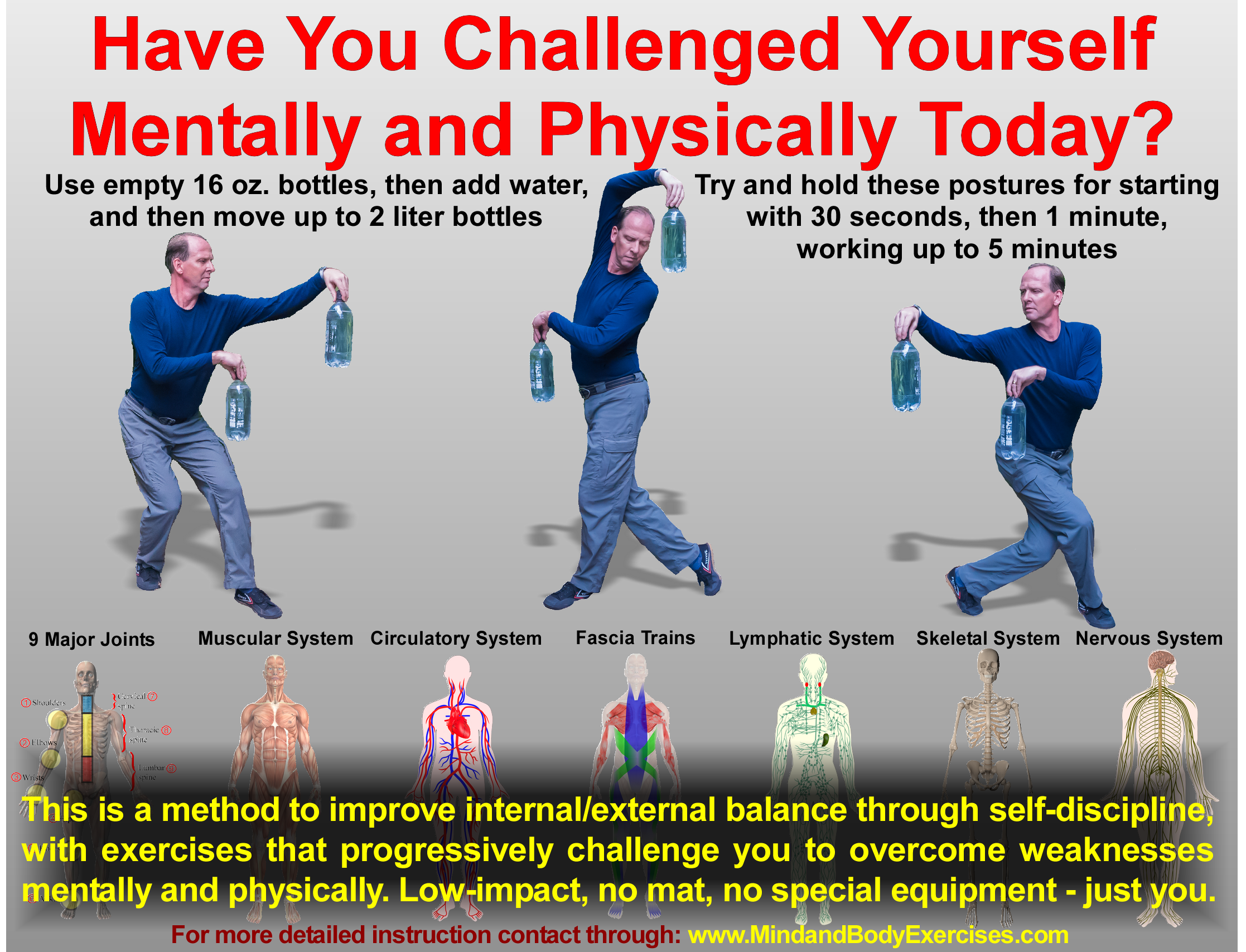
Good health of the lower back starts with good posture. The following set of exercises develop strength, increase muscular range of motion and to a lesser degree – flexibility. Strength in the back, hips and abdomen, provide a strong cage that houses the internal organs. Flexibility in these areas helps to maintain good blood circulation to the organs and lower body. Unique to this set of exercises is the body postures combined with holding a weighted object and the extra awareness required to hold it while also maintaining the correct body alignments. By holding the bottle at the top using only the fingertips, the nervous system is engaged throughout the whole body. Try to hold the static positions or perform moving exercises from 20 seconds to longer intervals such as 1, 2, 5 minutes or longer, to achieve advanced levels of development physically and mentally. Holding positions generally develops strength where as repetitive movements develop flexibility and endurance. Relax the body into the positions in spite of any tension in the muscles. Deep and relaxed breathing is essential while performing these exercises.

Advanced levels of physical and mental strength can be achieved by holding these positions for longer periods of time. Start slowly by holding on one side for a few seconds and then switching to the opposite side. Your determination will increase by trying to hold the bottles up without allowing them to drop from your fingertips. Also, holding the postures longer without failure, will dramatically increase mental strength and tolerance to pain and stress. After diligent practice, over a few months of continuous training, 1-5 minutes can be an obtain able amount of time to hold the bottles and body positions without taking a break from switching to the opposite side. Another variation of these exercises would be to adjust the amount of weight or water in the bottles. Begin with a near empty 16 ounce bottle. Eventually, add more water working up to a 2 liter soda bottle over a few months time.

I write often about topics that affect our health and well-being. Additionally, I teach and offer lecture about qigong, tai chi, baguazhang, and yoga.

For more info, contact Jim Moltzan at info@mindandbodyexercises.com, 407-234-0119 or through my site at http://www.mindandbodyexercises.com

www.Amazon.com/author/jimmoltzan
Cultural and Ethical Considerations in Mind-Body Medicine

I have previously discussed herbs and some of the ways that people self-prescribe with no real education in herbs, or their consumption based upon individual constitution rather than general acceptance of an herb as being healthy for all. I see this as taking the sweet of the benefits from these herbs, but not taking the sour or learning the background or implications of using particular herbs. Basically, taking the culture at a superficial level for personal gain – cultural appropriation.

Watering-down or cultural exploitation of yoga is an easy target as a big player in this controversial topic. Meditation practices have become diluted from spiritual or self-awareness practices from yoga and its relative qigong counterpart. With more attention towards stress management through mindfulness and mindful breathing or breathwork, many will have an attraction towards these practices without having any spiritual connection to these methods.

The watering-down of ancient practices

Living in this time of great technology advances and access to an almost unlimited supply of online information for healthcare and almost every other topic, has its own issues of pros and cons. With great knowledge, comes great responsibility or a similar cliché from pop-culture. A large percentage of people in the US have access to watch YouTube or other online outlets to view and learn about acupuncture and other Traditional Chinese Medicine methods, massage, yoga, Ayurveda and many other worldwide traditional mind and body practices.

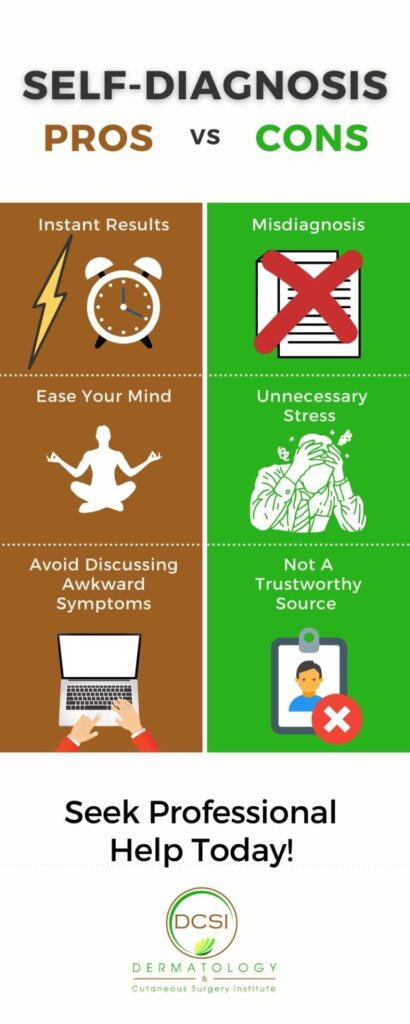
With this access many can not only become more knowledgeable but can also often self-prescribe, self-diagnose, and self-administer many of these methods with no real academic nor clinical education. Where we may enjoy the benefits of this access, we must realize that some will abuse this knowledge or interpret it incorrectly and use it themselves or pass it on to others, in the hope of helping others or profiting for their own benefit. If qualified, educated people post this knowledge and information for others to view and/or study, how can some people complain that others are then using this knowledge as cultural appropriation? With most freedoms, there is a cost in order to have and maintain them.

References:

Eichhorn, T., Greten, H. J., & Efferth, T. (2011). Self-medication with nutritional supplements and herbal over-thecounter products. Natural Products and Bioprospecting, 1(2), 62–70. https://doi.org/10.1007/s13659-011-0029-1

https://www.ayurvedanama.org/articles/2021/3/18/the-dangers-of-self-medicating-with-herbs

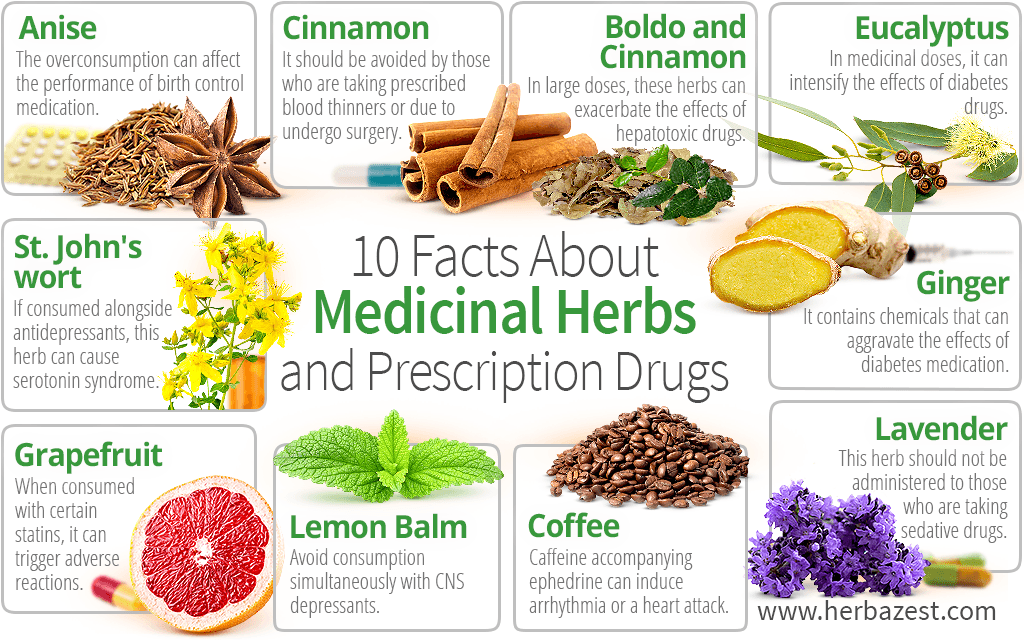
https://www.herbazest.com/wellness-articles/10-facts-about-medicinal-herbs-and-prescription-drugs

_______________________

I write often about topics that affect our health and well-being. Additionally, I teach and offer lecture about qigong, tai chi, baguazhang, and yoga.

For more info, contact Jim Moltzan at info@mindandbodyexercises.com, 407-234-0119 or through my site at http://www.mindandbodyexercises.com

www.Amazon.com/author/jimmoltzan

The Circadian Rhythm Affects Physiological Functions

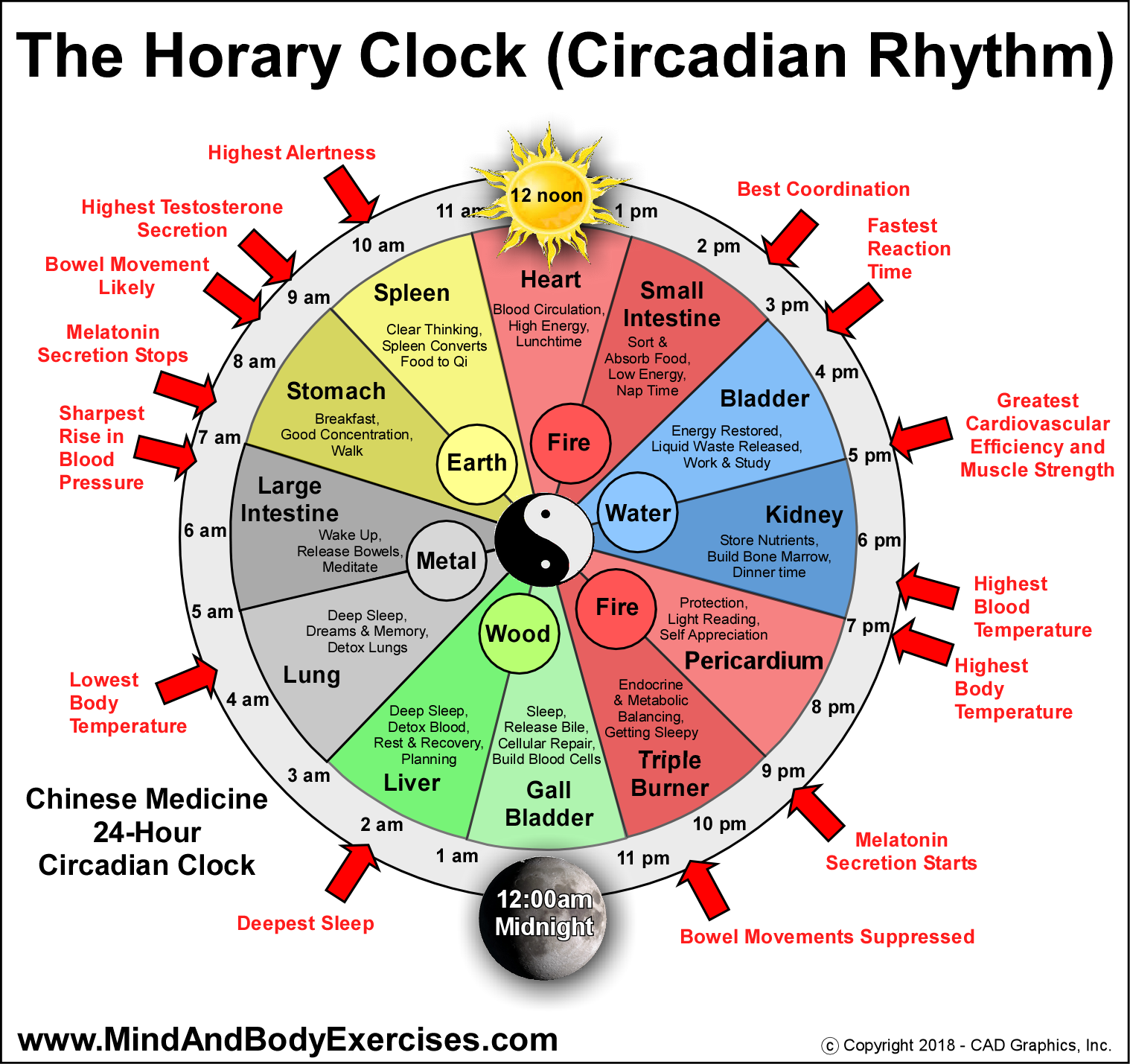
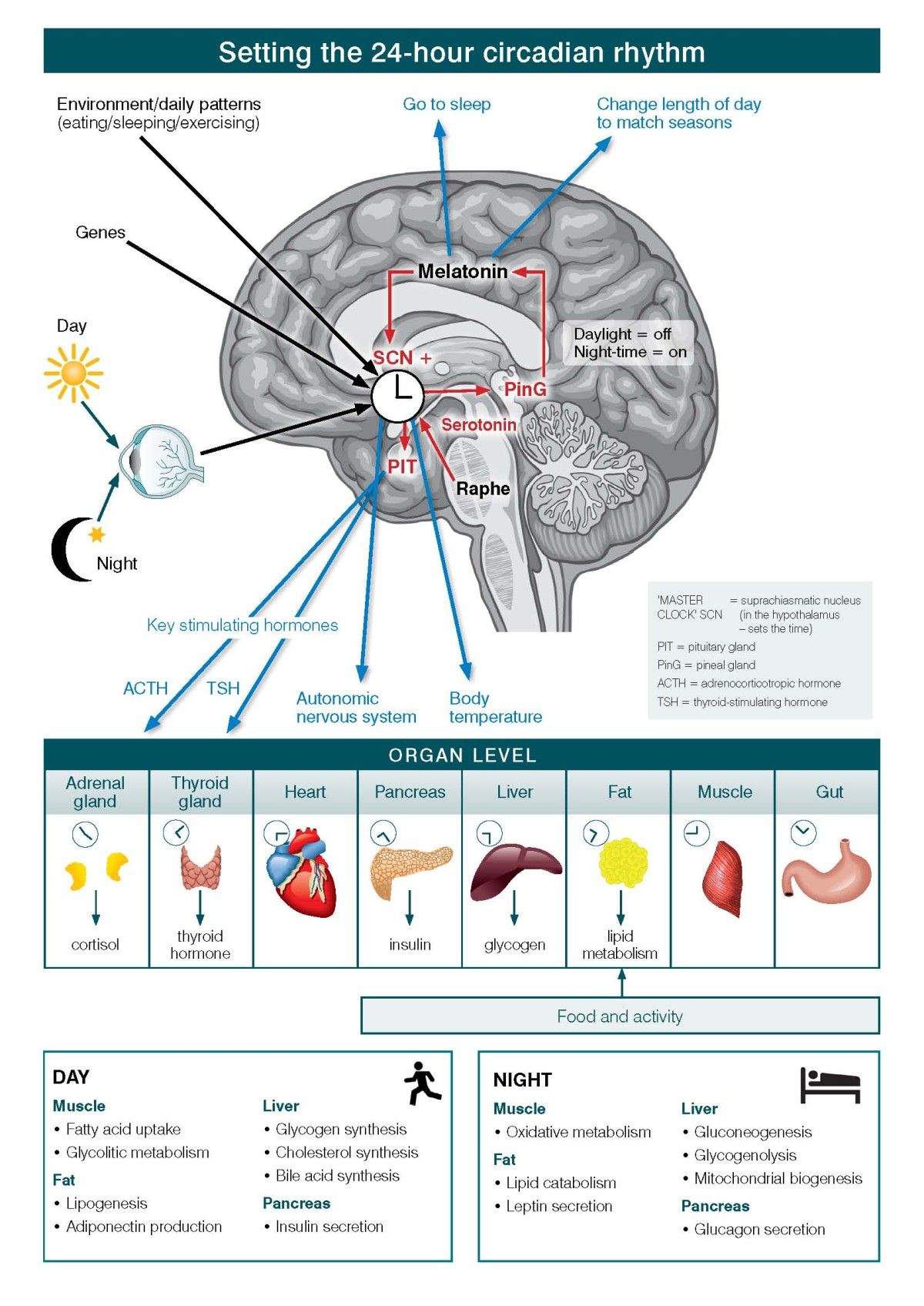
It is easy to see how the time of the day affects us. If you pay attention to it you will see the pattern. During a 24-hour period, our body, energy and emotions change. Knowing this pattern makes daily life much easier. This pattern is known as the Horary Cycle or Circadian Rhythm.

Harmonizing our habits with this cycle would look something like this… From 5-7am, the large intestine is most active. This is the time of the sharpest rise in blood pressure. It’s best to take a few deep breaths before rising out of bed. Once out of bed, evacuate our bowels and sit to meditate. From 7-9am, the stomach is most active. The melatonin secretion stops. This is a good time to eat breakfast, take a walk and digest the morning’s meal. From 9-11am, the spleen is most active. Highest testosterone secretion of the day. This is the best time for concentration and planning. By starting our day with this schedule we would maximize both our time and productivity.

Between the hours of 11am and 1pm, the heart is most active. The body is at its most coordinated by noon. This is the best time to exercise, work and to eat our main meal. From 1-3pm, the small intestine is active. This is a low energy time of the day. Absorbing nutrients, short nap and work is best. From 3-5pm, the bladder is most active. This is the fasted reaction time of the day. Walking, working and studying are most beneficial. The kidneys are most active between 5-7pm. This is when we enjoy the greatest cardiovascular efficiency and muscle strength, highest blood temperature and highest body temperature. Exercise, outdoor activities and a light meal is best. This schedule would regulate the energy throughout the day.

The evening should be reserved for rejuvenation and recovery from the day’s activities. From 7-9pm, the pericardium or ‘master of the heart’ is active. Light reading, massaging the feet and body. The Triple Burner or Triple Heater is at high tide from 9-11pm. The body begins to release melatonin and suppresses bowel movement. Calm socializing and relaxing with friends and family is best.

It is best to be fast asleep by 11pm. From 11pm to 1am, the gall bladder is most active. Releasing bile, cellular repair and blood cell renewal. From 1-3 am, the liver is most active. Deep sleep and liver/blood detox begins. From 3-5 am the lungs are most active. Deep sleep, dreams and lung detox. This is when most people tend to snore the most. Keeping to this schedule would ensure optimal health of the mind, body and spirit.

The Horary Clock (Circadian Rhythm) – 24 Hour Qi Flow Though the Meridians

Understanding how the human body works and interacts within nature, along with self-awareness are the basis of Traditional Chinese medicine.

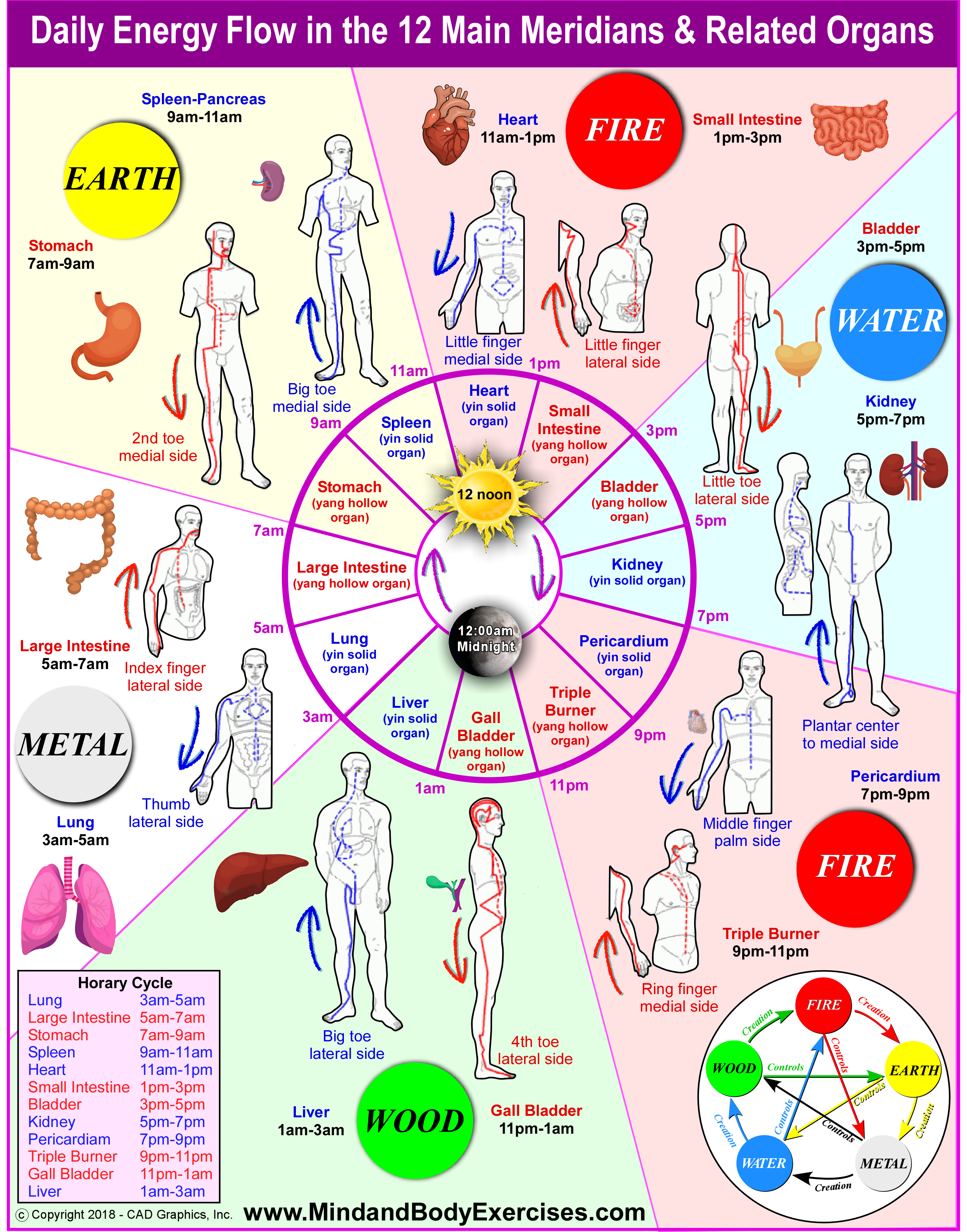
The graphic shows what is known as the Horary cycle or the Circadian Clock. As Qi (energy) makes its way through the meridians, each meridian in turn with its associated organ, has a two-hour period during which it is at maximum energy. The Horary Effect is recognizable by measurable increases of Qi within an organ system and meridian during its time of maximum energy.

Harmonizing Habits:
5-7am – Wake Up, Move Bowels, Meditate
7-9am – Sex, Breakfast, Walk, Digest
9-11am – Work, Best Concentration
11am-1pm – Eat Main Meal of Day, Walk
1-3pm – Absorb Food, Short Nap, Work
3-5pm – Work or Study

5-7pm – Exercise, Light Dinner
7-9pm – Light Reading, Massage Feet
9-11pm – Calm Socializing, Flirting, Sex
11pm-1am – Go to Sleep, Cellular Repair
1-3am – Deep Sleep, Detox Liver & Blood
3-5am – Deep Sleep, Detox Lungs

References:

Reddy, S. (2022, March 23). Why Permanent Daylight-Saving Time Is Bad for Your Health, Sleep Scientists Say. WSJ. https://www.wsj.com/articles/why-permanent-daylight-saving-time-is-bad-for-your-health-sleep-scientists-say-11648002326?mod=Searchresults_pos2&page=1

https://www.google.com/url?sa=i&url=https%3A%2F%2Fcommons.wikimedia.org%2Fwiki%2FFile%3AThe_master_circadian_clock_in_the_human_brain.jpg&psig=AOvVaw3TSBGxCBA6-sRuo0ptw5Nv&ust=1649364016576000&source=images&cd=vfe&ved=0CAoQjRxqFwoTCMio_falgPcCFQAAAAAdAAAAABAr

Leone, M., Campbell, J., & Moltzan, J. (2022, July 26). Journey Around the Sun-2nd Edition (Health and Wellness Study Guides Using Eastern Practices From Martial Arts, Yoga and Qigong). CAD Graphics.

___________

I write often about topics that affect our health and well-being. Additionally, I teach and offer lecture about qigong, tai chi, baguazhang, and yoga.

For more info, contact Jim Moltzan at info@mindandbodyexercises.com, 407-234-0119 or through my site at http://www.mindandbodyexercises.com

www.Amazon.com/author/jimmoltzan