How to Build Strong Bones

Often people seek Western medicine (also known as allopathic or biomedicine) and its strong usage of pharmaceuticals to manage bone density and relative ailments of osteopenia and osteoporosis. I have discussed in other posts about the link to how the autonomic nervous system manages stress, blood chemistry and relative physiological organ functions. However, this post will address more on how a root cause of all types of disease and illness, being the lack of physical weight-bearing activities.
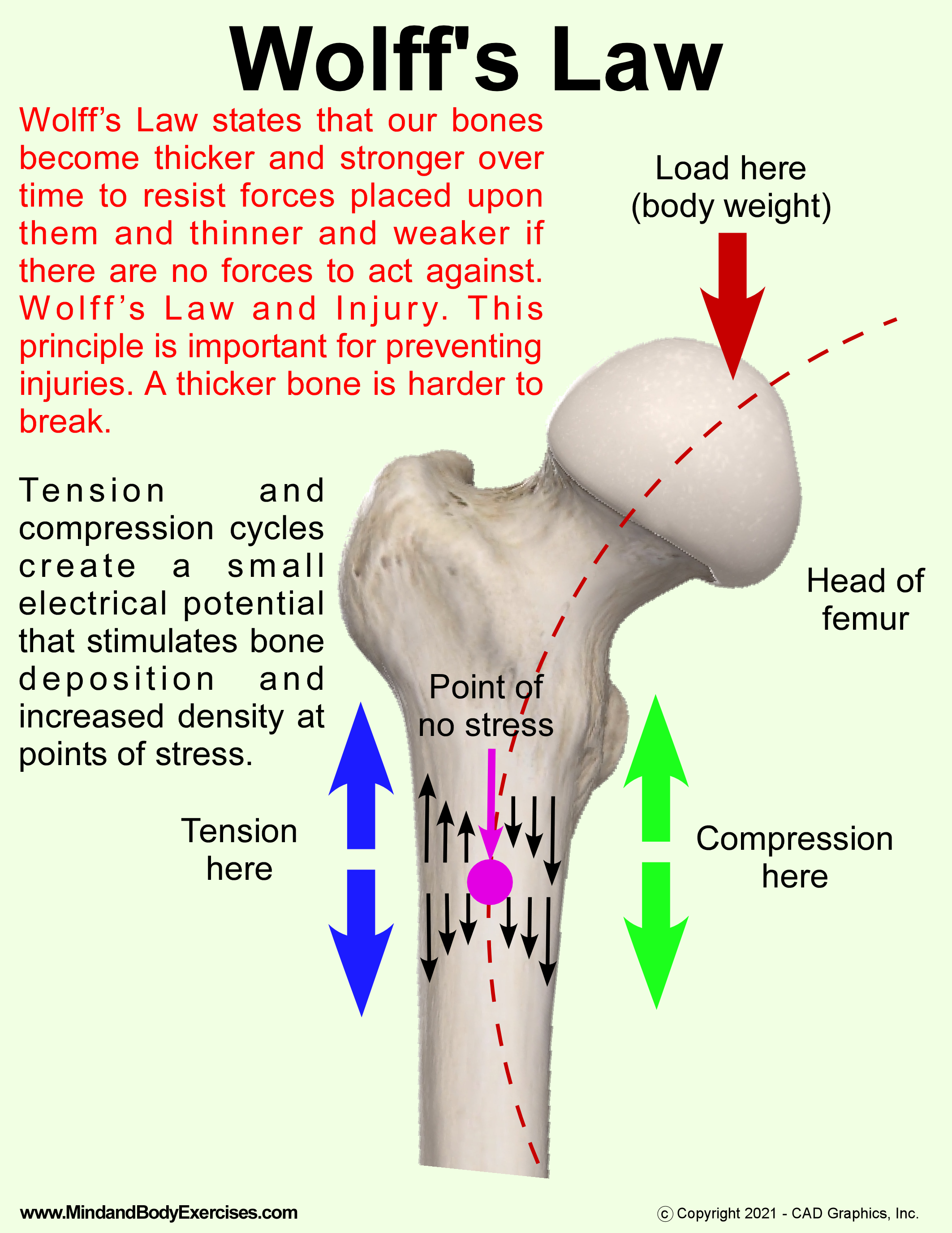
The joints of our body are composed of two or more bones joining together, along with the muscles, tendons, cartilage, synovium and ligaments that hold the whole structure together. The shape of our bones reflect the forces applied to them. For example, small bumps, ridges and other features on the surface of our bones are the attachment sites for tendons. When muscles are put under more load through activities, stress or exercises, the corresponding attachment sites enlarge to withstand the increased forces. Bones that are under more stress become thicker and stronger, while in contrast bones that are not subjected to ordinary stresses tend to become weaker, thin and more brittle. Wolff’s law, developed by anatomist & surgeon Julius Wolff in the 19th century, states that “bone in a healthy person or animal will adapt to the loads under which it is placed.”
By engaging our bones with strategic trauma exercise methods (or specific stress without injury) that can be regulated by the individual to make bones stronger and prevent osteopenia and/or osteoporosis. These types of exercises fall into 3 different categories of tension, impact and vibration exercises. Ironically, while some of these methods improve bone and muscular strength, they sometimes can cause pain and injury to the same joints that the individual might be trying to strengthen. Fox example, jumping rope, hiking and tennis might cause more injury to a 60+ than the benefits that might be gained from these practices.

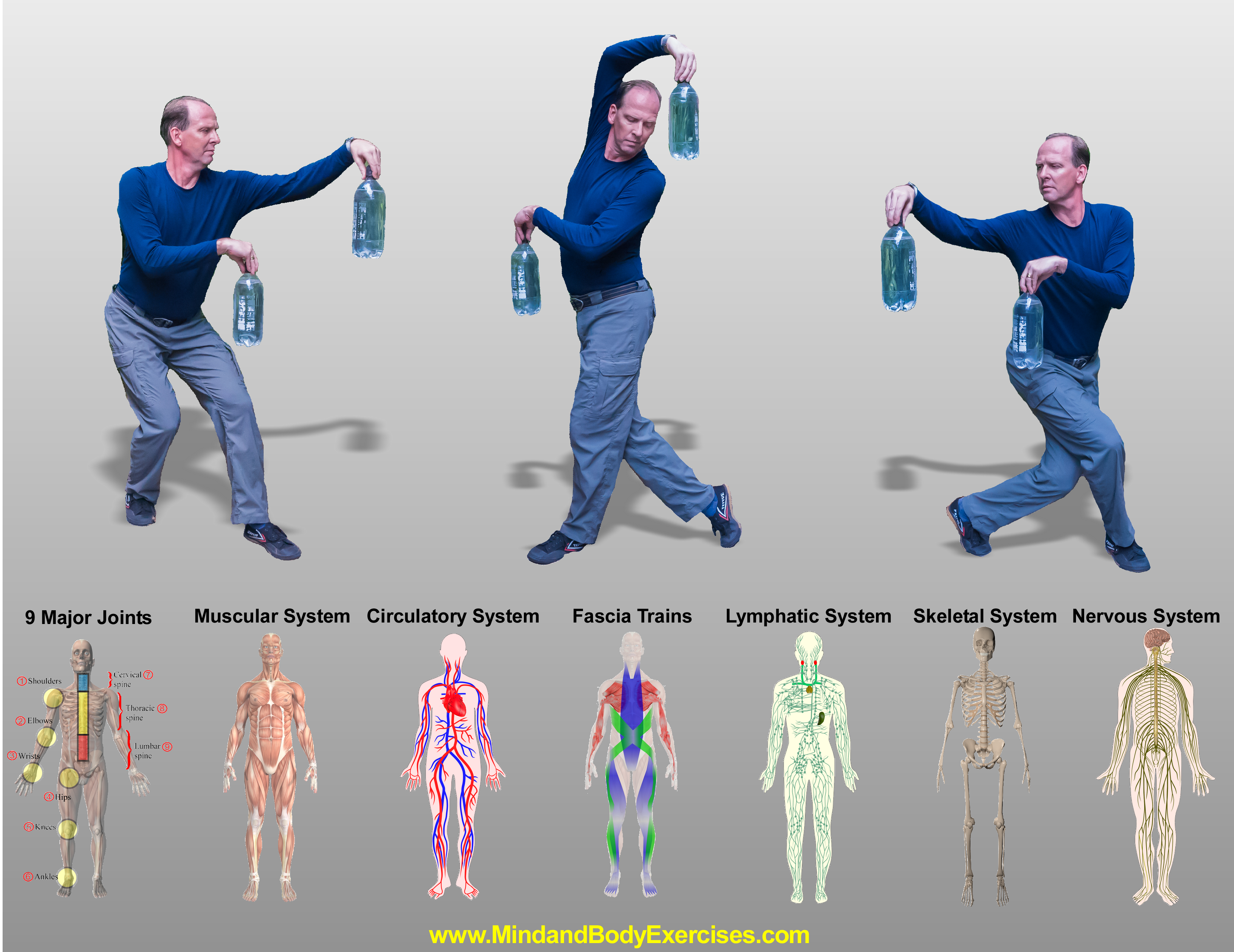
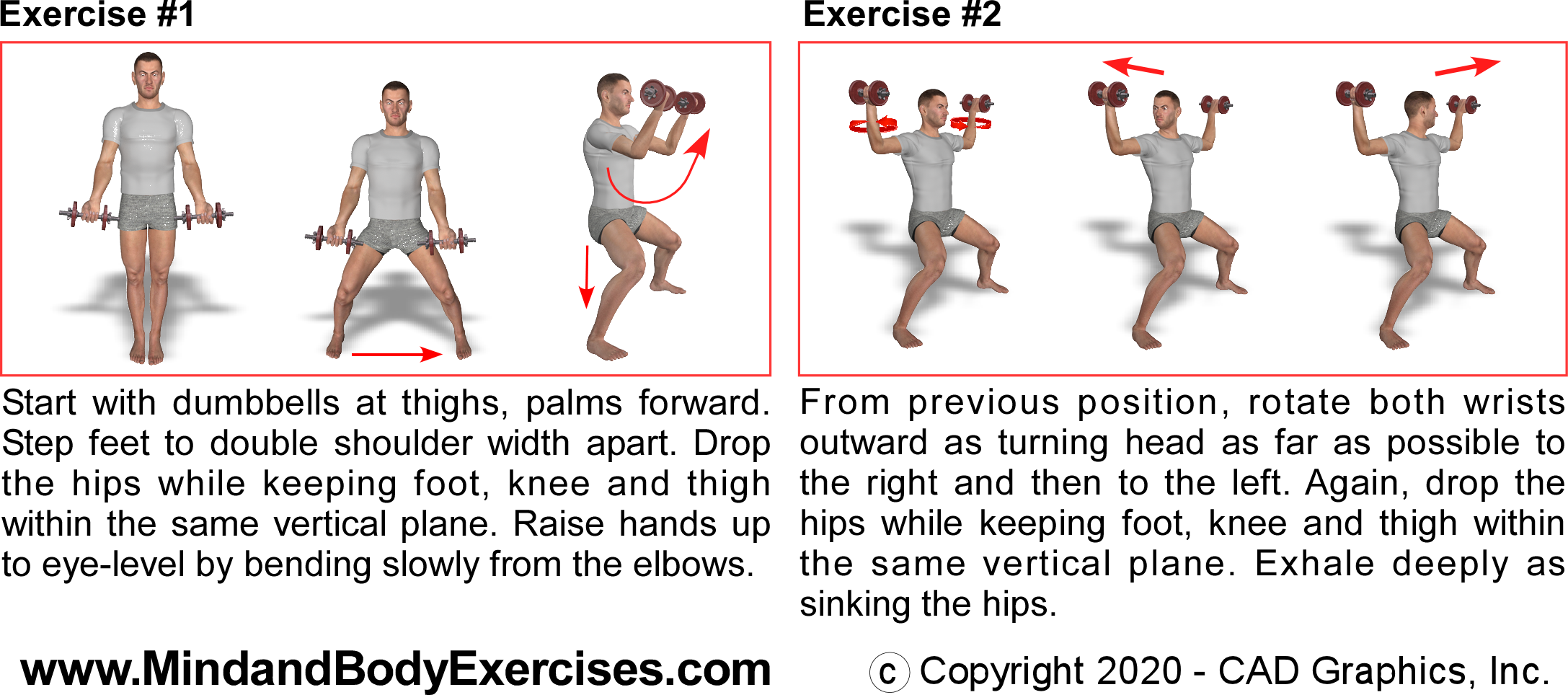
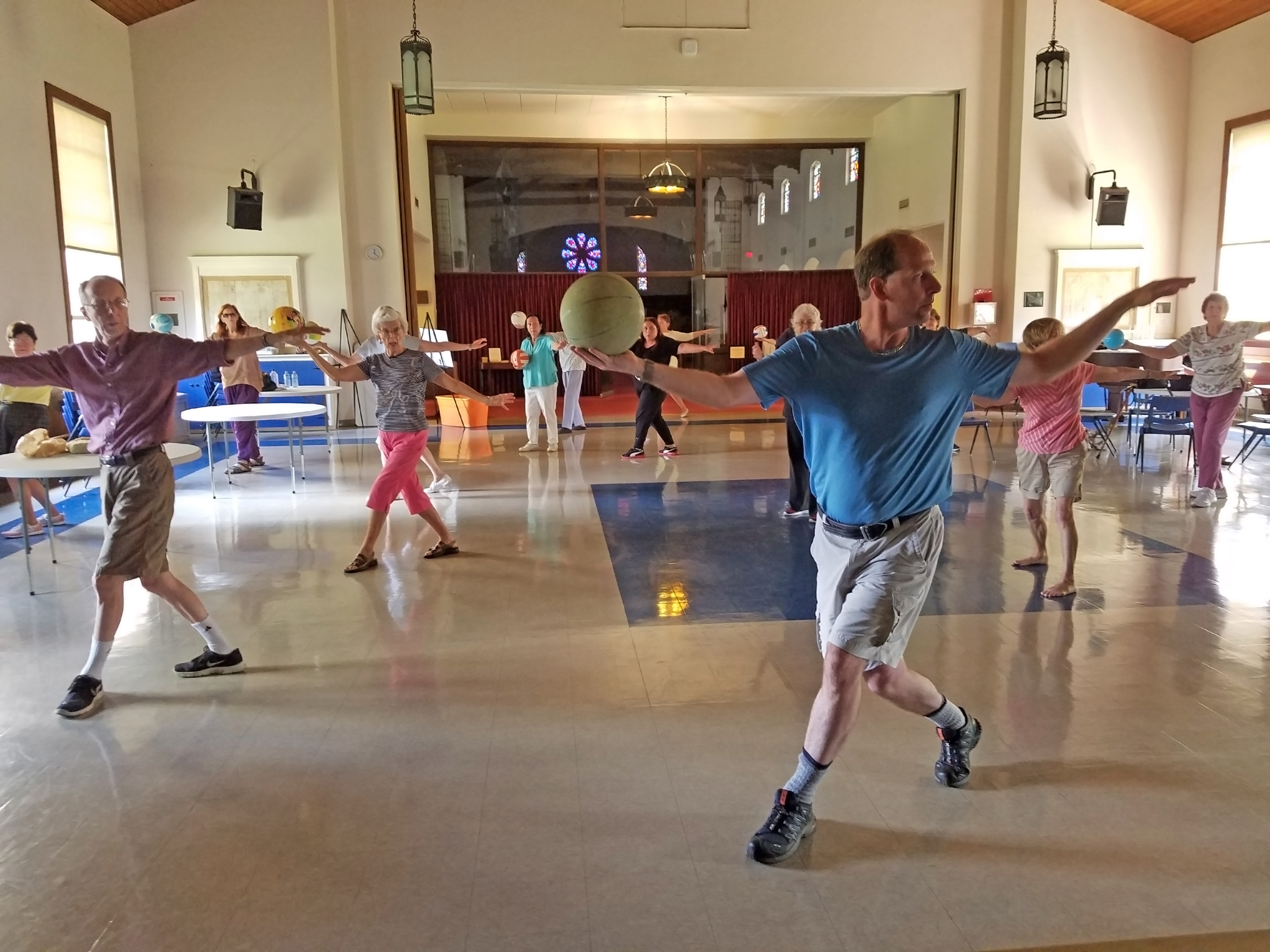
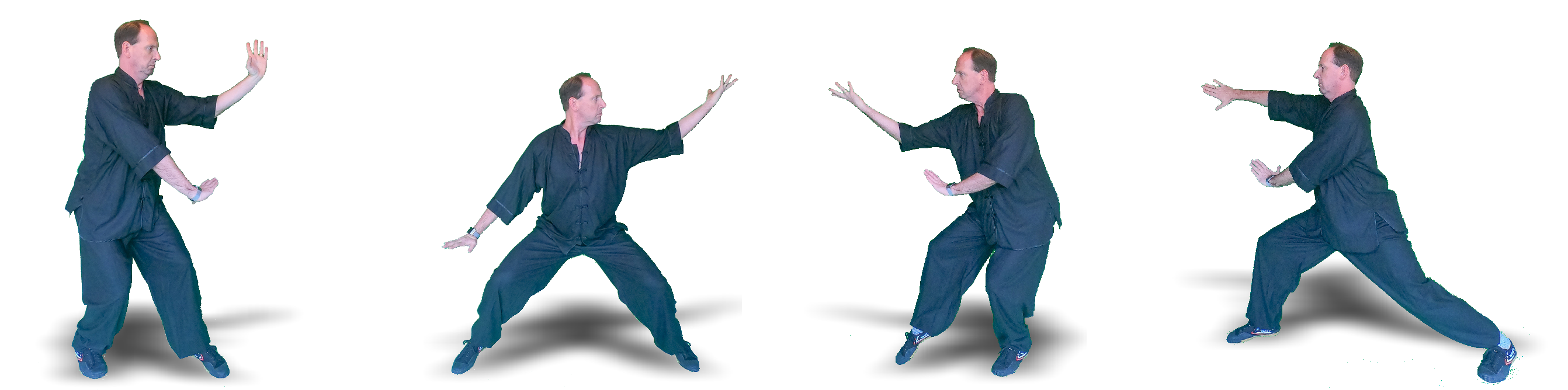
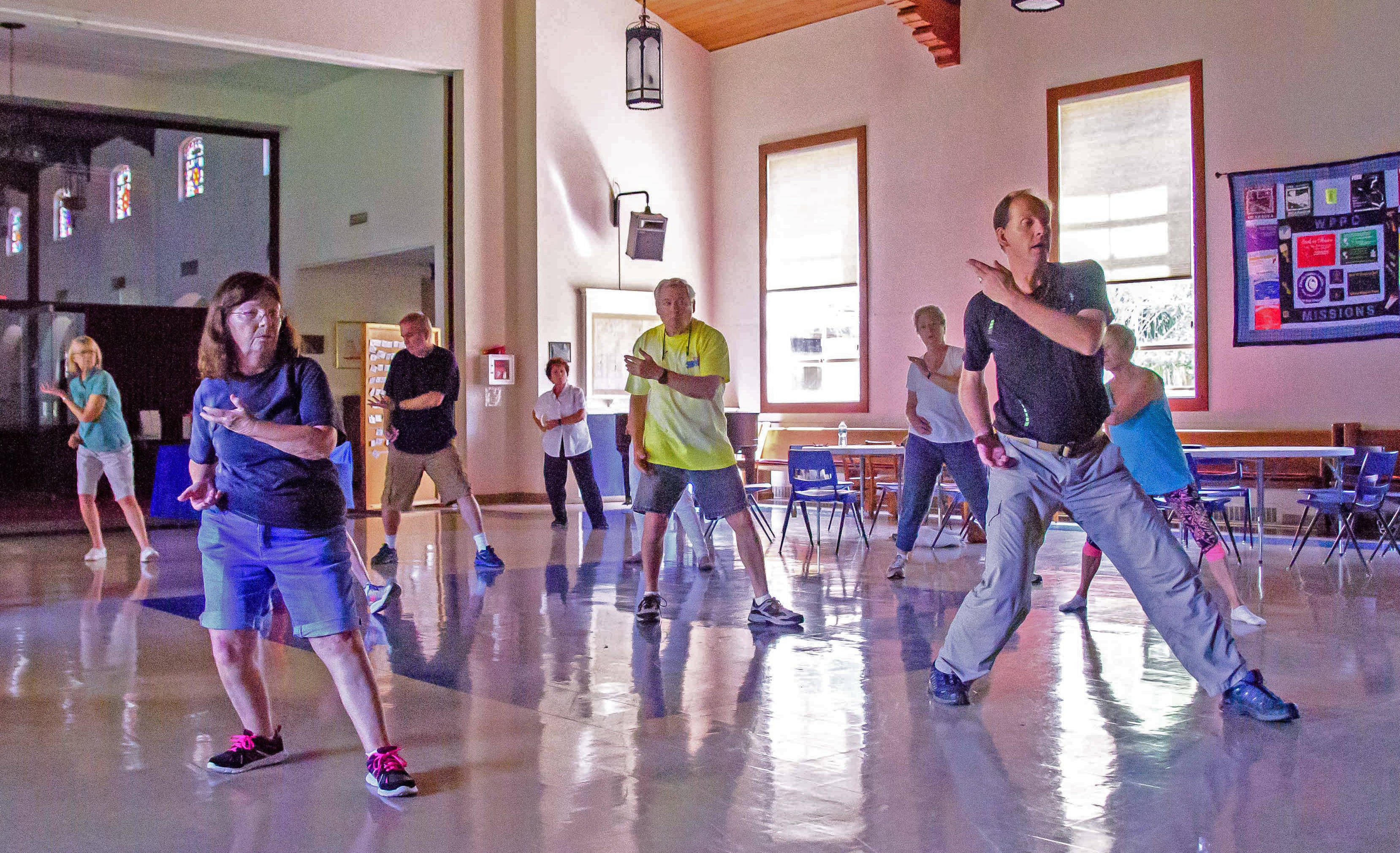
Regular weight-bearing exercise is an important component for maintaining healthy bone structure. Avid weight lifters often have thick bones with very prominent ridges. Non-athletes or those who have little to moderate amounts of physical activity will find weight-bearing activities are imperative for stimulating normal bone metabolism of maintenance as well as maintaining bone strength. Below are some examples of weight-bearing exercises that require very little equipment beyond ones own body weight. Proper instruction is recommended over learning from a graphic, book or video. Contact me for further information.
_______________

Be more active, eat healthier, sleep better, stress less these are the key components to maintaining a strong immune system.

I am currently offering lectures and classes for group, small group & private instruction in Wekiva, Longwood and Winter Park.Mind and Body Exercises on Google: https://posts.gle/aD47Qo

I also have hundreds of FREE education video classes, lectures and seminars available on my YouTube channel at: https://www.youtube.com/c/MindandBodyExercises

Mind and Body Exercises on Google: https://posts.gle/aD47Qo

Jim Moltzan

407-234-0119

www.MindAndBodyExercises.com

www.Amazon.com/author/jimmoltzan

What is Health?

“Health is more than the absence of disease symptoms. The true goal is sustainable balance, as recognized by chiropractors and other holistically oriented health practitioners.”

Micozzi, Marc S.. Fundamentals of Complementary, Alternative, and Integrative Medicine – E-Book (p. 544). Elsevier Health Sciences. Kindle Edition.

“The low-grade viral or fungal infections, the persistent catarrhal state, recurrent headaches or migraines, allergies, skin and arthritic disease and other chronic inflammatory diseases, stress problems and anxiety neuroses and cancer are all marked by a failure to cope or adequately to defend. One perspective on this development is that modern medicine has so effectively neutered the acute disease, especially in the too frequent use of antibiotics and anti-inflammatories, that most people in developed countries have never had to muster their defenses. Life is also much easier in these societies and there is generally less rigorous testing of physiological functions.”

Bone, Kerry; Mills, Simon. Principles and Practice of Phytotherapy (p. 85). Elsevier Health Sciences. Kindle Edition.

_______________

I write often about topics that affect our health and well-being. Additionally, I teach and offer lecture about qigong, tai chi, baguazhang, and yoga.

For more info, contact Jim Moltzan at info@mindandbodyexercises.com, 407-234-0119 or through my site at http://www.mindandbodyexercises.com

www.Amazon.com/author/jimmoltzan
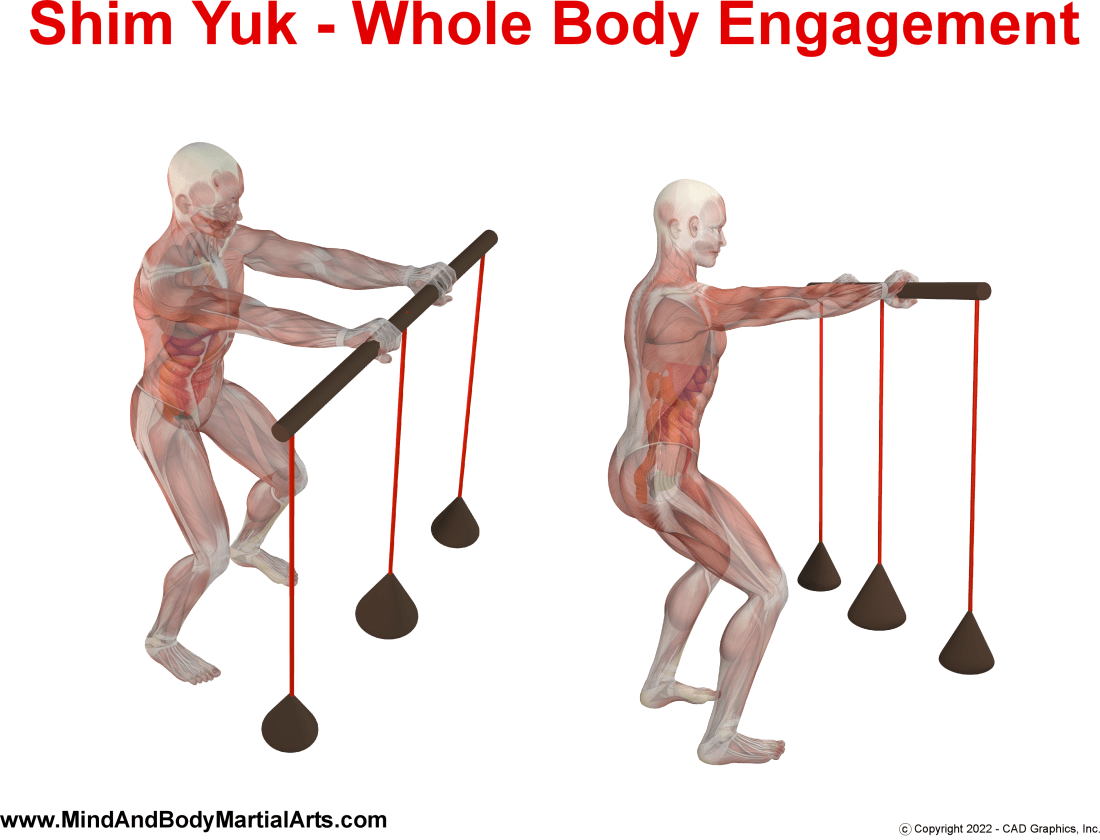
Not Your Basic Wrist Roller Exercise (Shim Yuk)

Shim Yuk – A practice to engage the mind and body

Health and fitness enthusiasts often are on the search for the next best fitness gadget to take them to the next challenge or maybe just increase variety in their routine. For hundreds of years and probably more, martial arts has offered a wide spectrum of what is today marketed as flow-yoga, Cross Fit, function training, high intensity training (HIT) and others. Usage of simple apparatus that can be obtained from Home Depot or other retailers can offer unlimited options to achieve whatever fitness levels are desired, without ridiculous membership fees or equipment costs. An example of how our culture still thinks that we can buy our way to wellness, is paying $1500-$3000 for a stationary exercise bike when $50 worth of odds and ends can do the job (and often better). Either way, YOU have to do the work to achieve YOUR fitness, wellness and relative happiness.

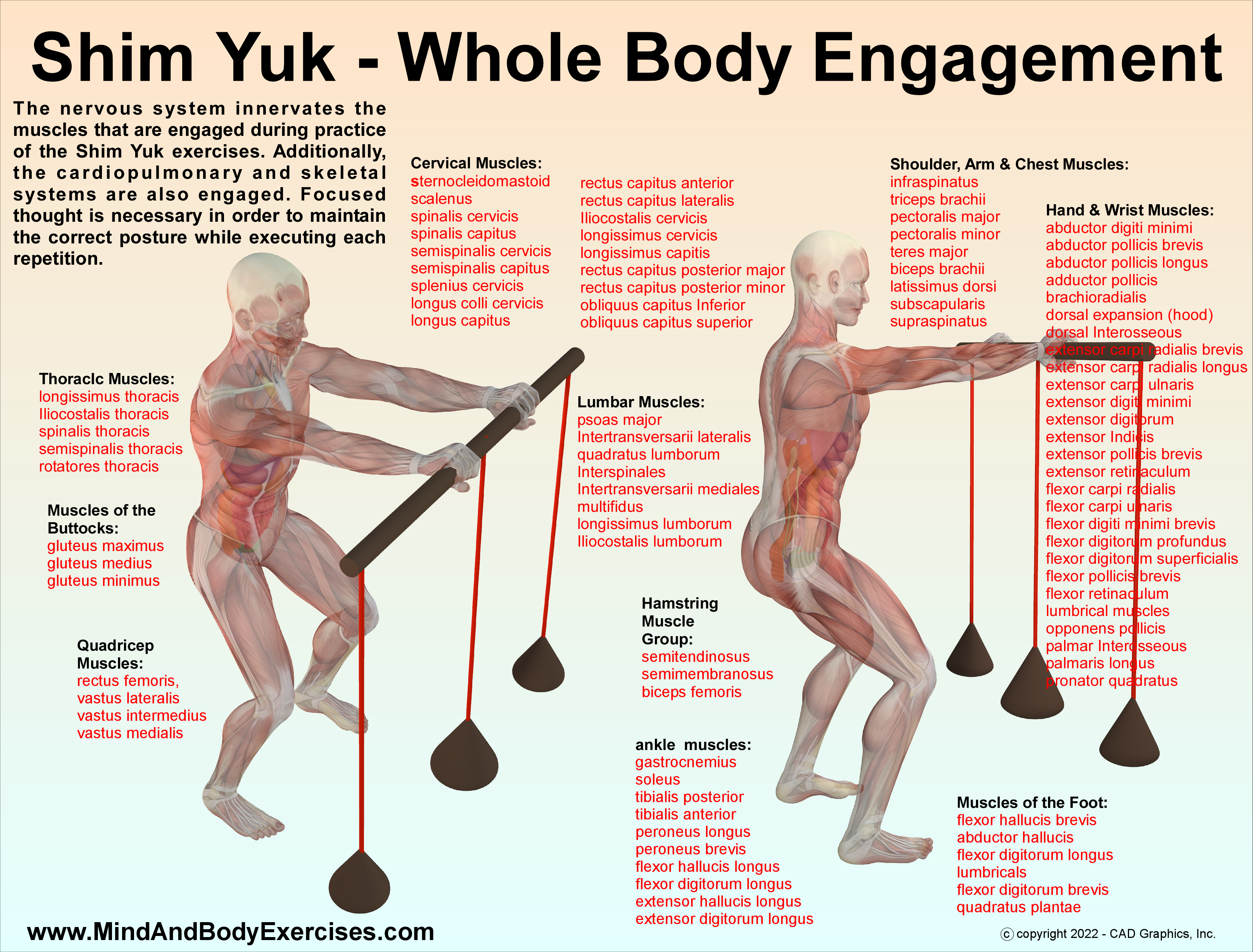
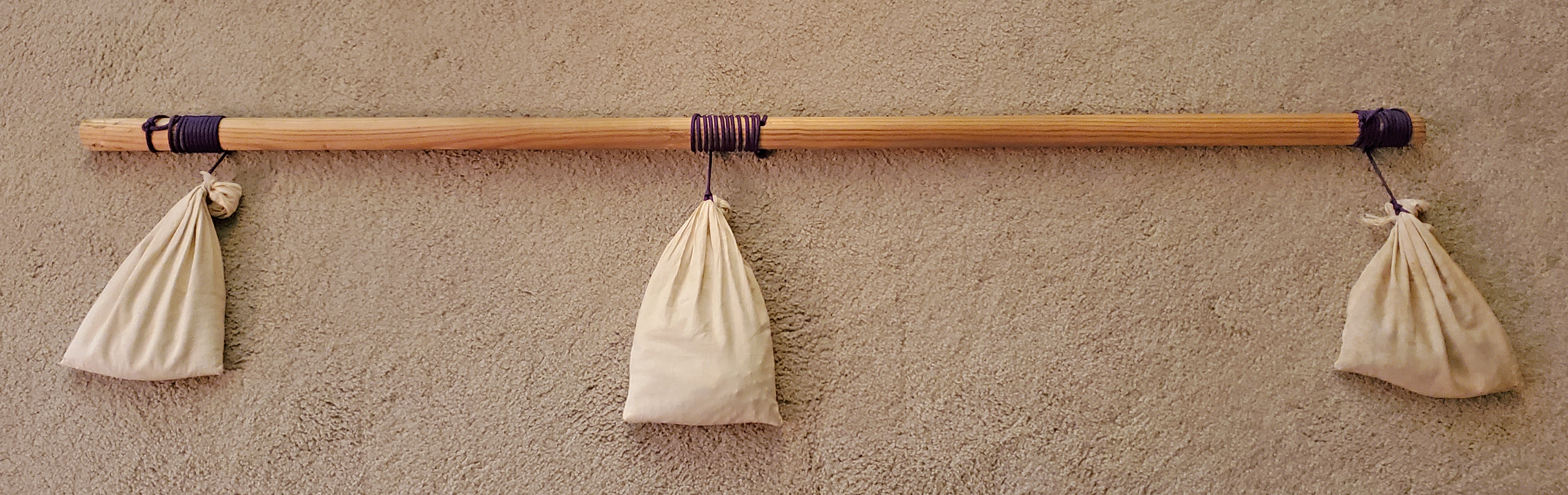
Unique to this exercise called “Shim Yuk”, is the body posture combined with holding a weighted object and the extra awareness required to hold it stable while also maintaining the correct body alignments. By holding the pole level, moving only the hands and wrists, the fascia trains, the nervous, muscular and skeletal systems are all engaged throughout the entire body. Theories abound regarding the activation of our inherit ability to heal our own illnesses, also known as “vis medicatrix”. Exercises like this, engage our mind, body and spirit thereby, helping to engage “the healing power of nature”.

Developing a strong grip is directly relative to preventing falls.

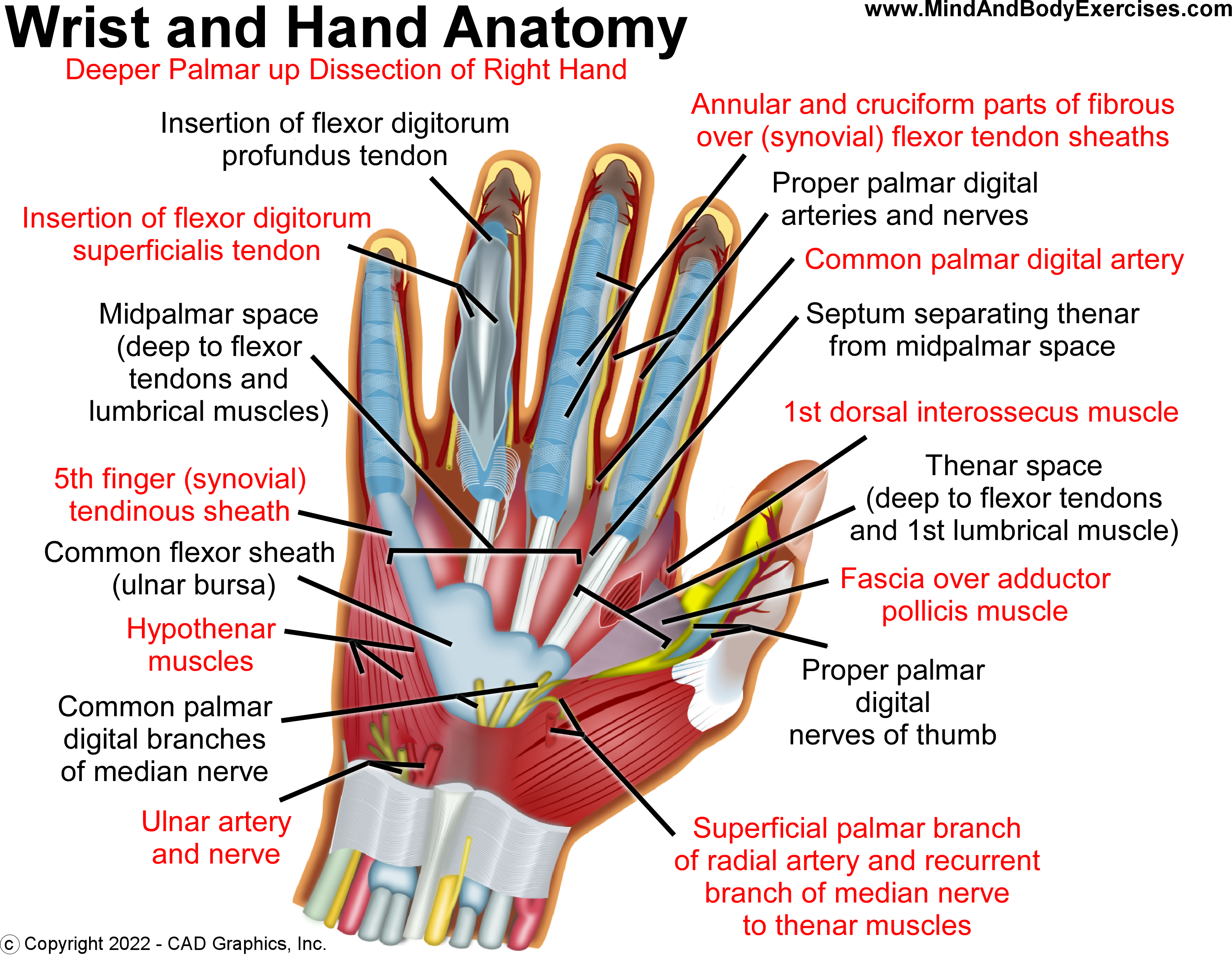
The strength of ones grip when they begin to lose their balance, can be the difference between free-falling to the ground and potential bone fracture, or catching ones balance by grabbing a rail or other stationary structure. Shim Yuk practice definitely goes way beyond being just a hand/wrist strengthening exercise. However, this exercise will produce phenomenal hand and wrist strength if practiced diligently.

Try to hold the static position while performing the wrist exercise, from 1, 2, 3, etc. consecutive repetitions. Holding the stance generally develops overall strength where as repetitive rolling develops stamina, endurance and determination. Relax the body into the positions in spite of any tension in the muscles. Deep and relaxed breathing is essential while performing this exercise.

From my experience of over 40 years of martial arts, fitness and wellness training and teaching, I have seen some amazing benefits coming from shim yuk practice. For those in fairly good shape, one can develop an amazing amount of strength in the wrists, forearms, shoulders, lower back and the legs. I have also trained individuals that have had more serious issues such as cerebral palsy, knee injuries, severe trauma to the spine and hip and other ailments that have shown great improvement.

Strong bones prevent fractures from falls, osteopenia and osteoporosis

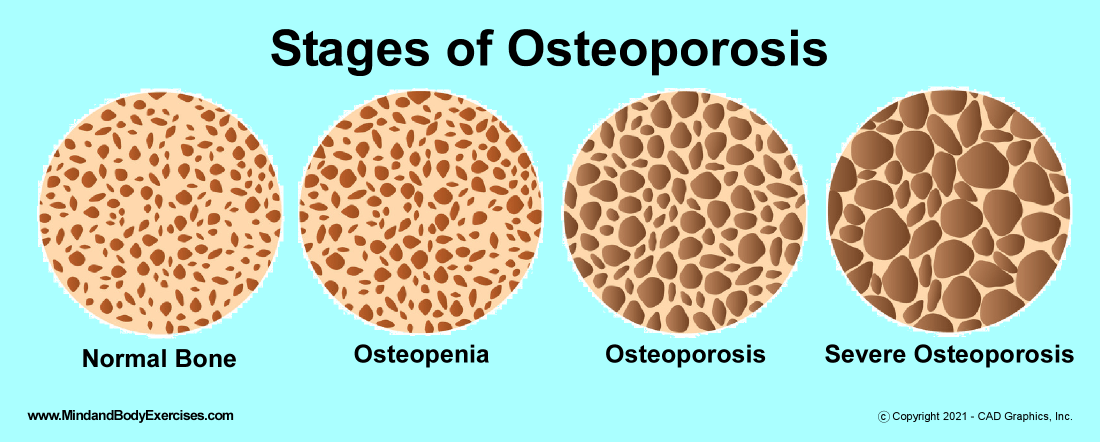
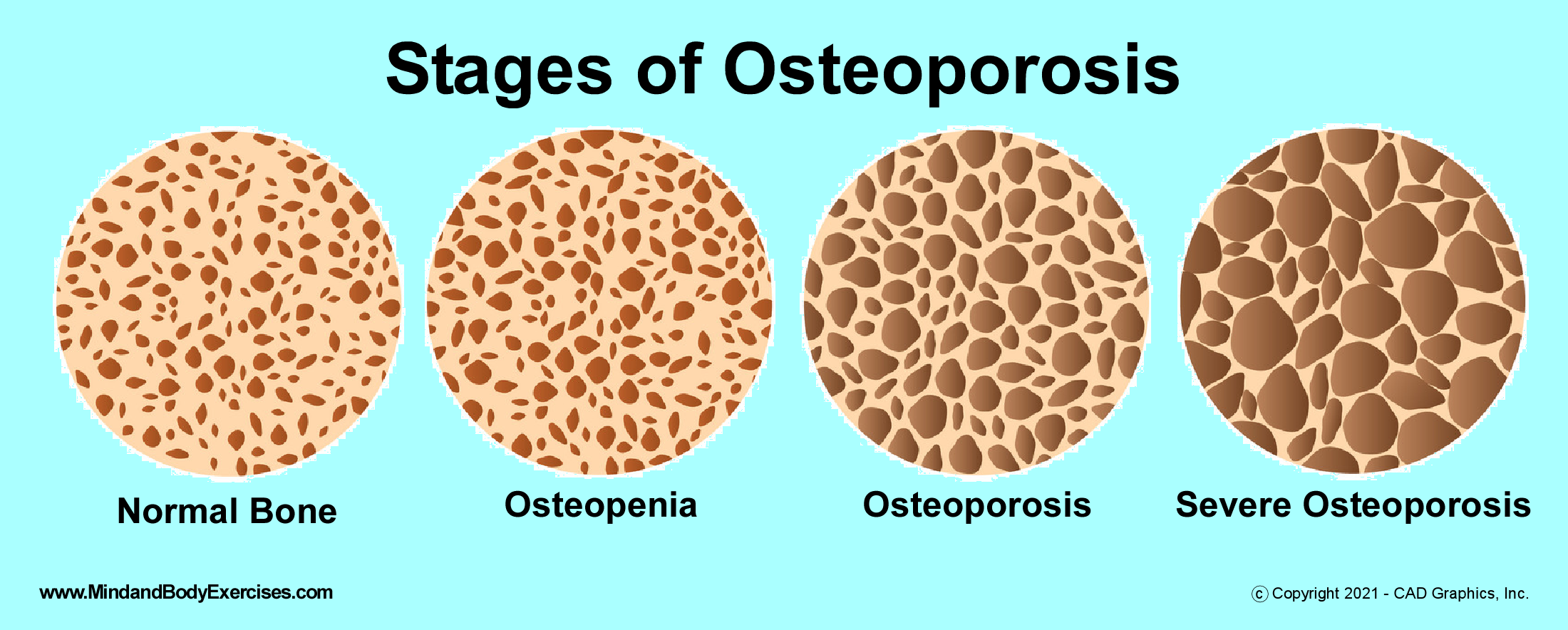
Shim Yuk practice strengthens muscles which consequently strengthens bones, which helps to prevent osteopenia (bone loss) and osteoporosis (severe bone density loss). Wolff’s Law states that bones become stronger and thicker over time to resist forces placed upon them and weaker and thinner if there are no forces to act against. This principle is important for preventing injuries. Thicker bones are harder to break.

Learning from information on the internet, from video or books can be good. However, to truly get proper instruction, in-person training is usually the best method. Contact me if you have a desire to learn this methods correctly.

______________

I write often about topics that affect our health and well-being. Additionally, I teach and offer lecture about qigong, tai chi, baguazhang, and yoga. I also have hundreds of FREE education video classes, lectures and seminars available on my YouTube channel at:

https://www.youtube.com/c/MindandBodyExercises

Mind and Body Exercises on Google: https://posts.gle/aD47Qo

Jim Moltzan

407-234-0119

www.MindAndBodyExercises.com

www.Amazon.com/author/jimmoltzan
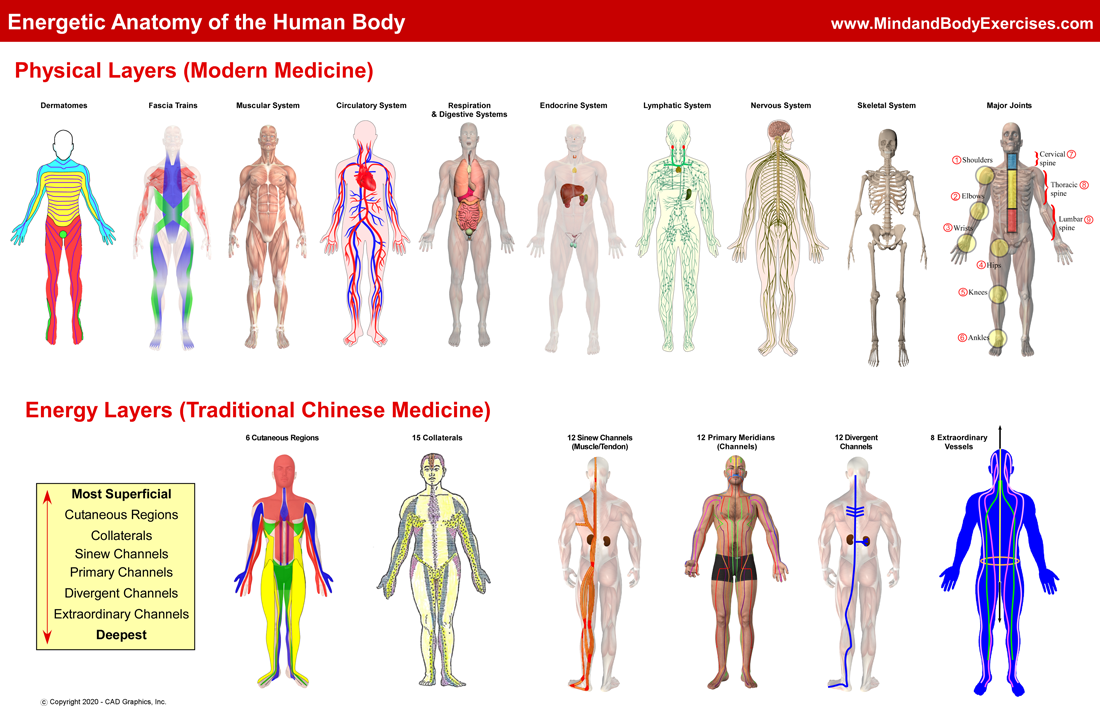
The 3 Healthcare Systems in the US

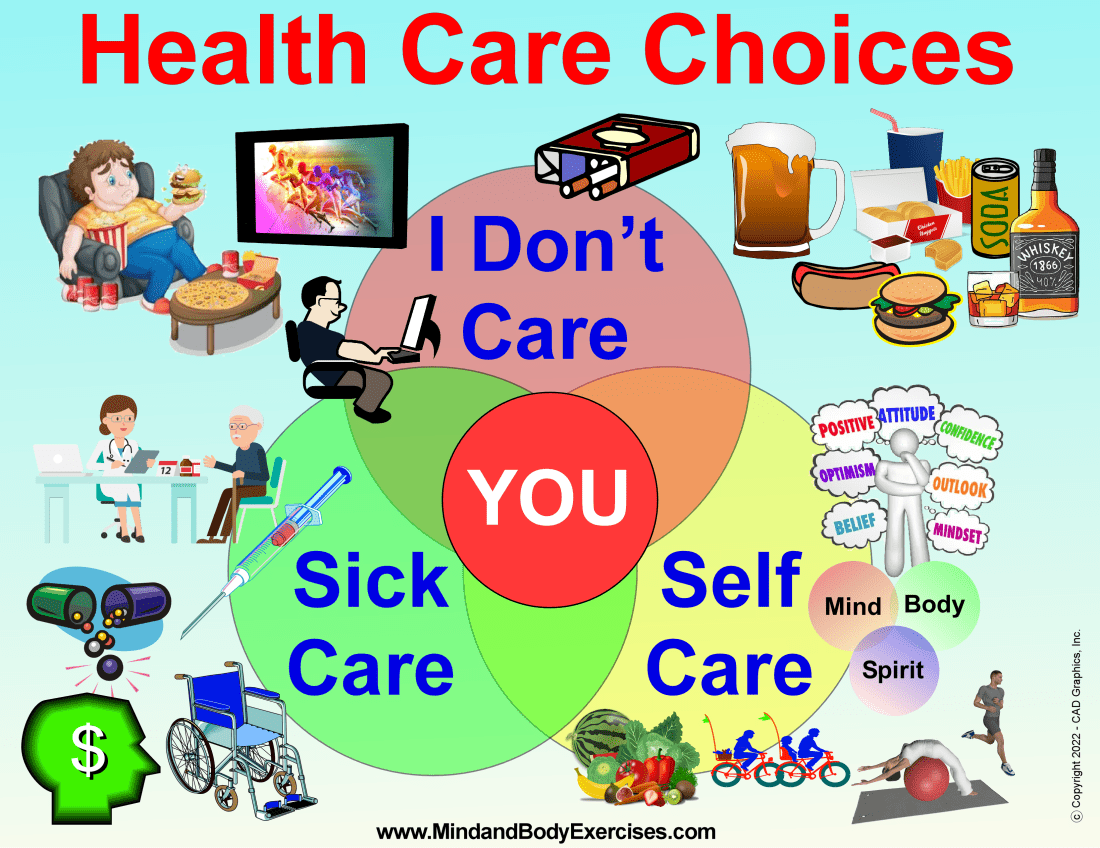
The 3 Healthcare Systems in the US:

1 – “Health-care” which is truly “sick-care”

2 – “Self-care”

3 – “I Don’t Care”

Be more active, eat healthier, sleep better, stress less these are the key components to maintaining a strong immune system.

I am currently offering lectures and classes for group, small group & private instruction in Wekiva, Longwood and Winter Park.Mind and Body Exercises on Google: https://posts.gle/aD47Qo

I also have hundreds of FREE education video classes, lectures and seminars available on my YouTube channel at: https://www.youtube.com/c/MindandBodyExercises

Mind and Body Exercises on Google: https://posts.gle/aD47Qo

Jim Moltzan

407-234-0119

www.MindAndBodyExercises.com

www.Amazon.com/author/jimmoltzan
_______