How to Increase Hand Grip Strength – No Gym Required

Most people do not exercise, only about 25% of the US population. Of those that do, very few exercise for specific outcomes beyond building muscle strength, cardiovascular health and maybe some light stretching for flexibility and range of motion. What about exercising for breath control, vestibular balance (inner ear), symmetry of left/right. top/bottom, inside/outside, coordination, mobility of the fingers and toes? Most people just don’t put attention to these areas until they start to have issues and then they might look into addressing these imbalances. Very important but often neglected is hand grip strength. When the hand grip is weak, people are less likely to hold onto weights during weight training, so they begin to avoid this type of exercise. A weak grip affects the ability to grab onto something stable when losing one’s balance or falling. A weak grip makes it harder for someone to be independent as they become more and more insecure in themselves and depend more upon others to lift groceries, grandchildren and typical everyday tasks. The below exercise are free, simple albeit effective for those committed to the time and effort required to gain the benefits. Start with a few repetitions, eventually building up to sets of 100 or more. These exercises are safe when practiced correctly with the toes, knees and hips always lined up one atop another with no sideways stress on the knee joints.

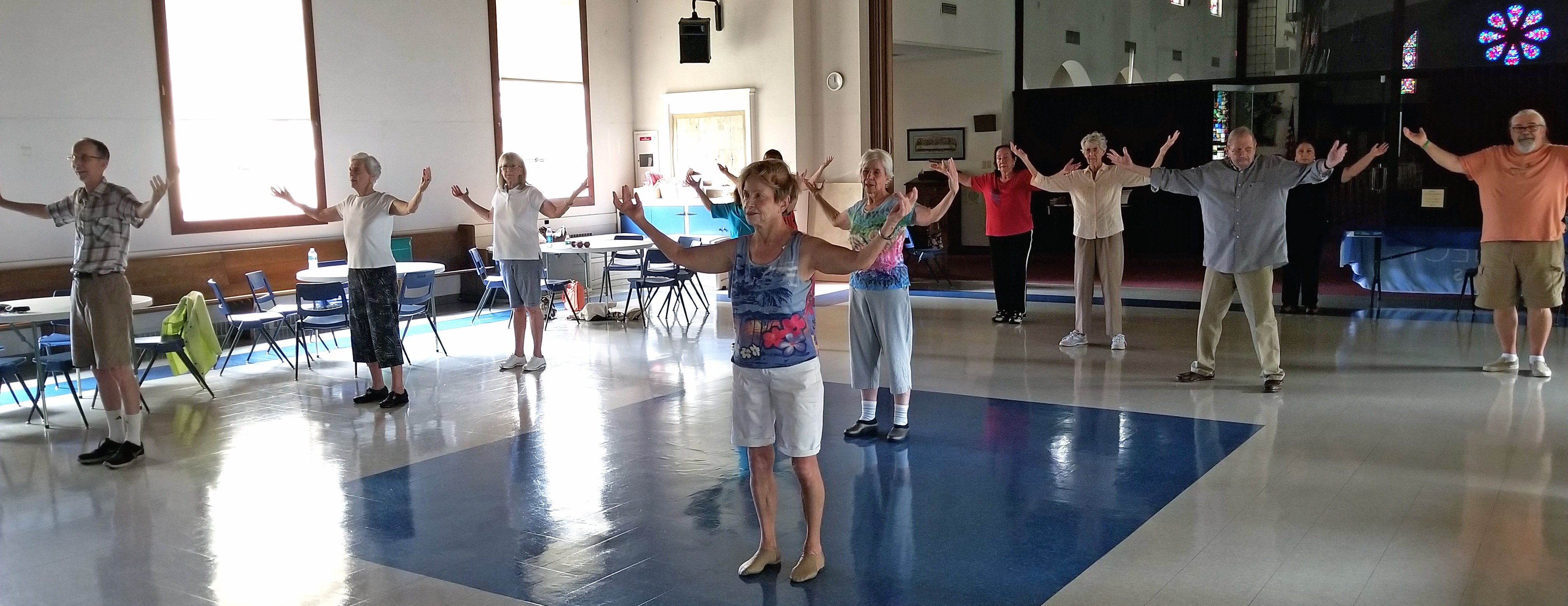
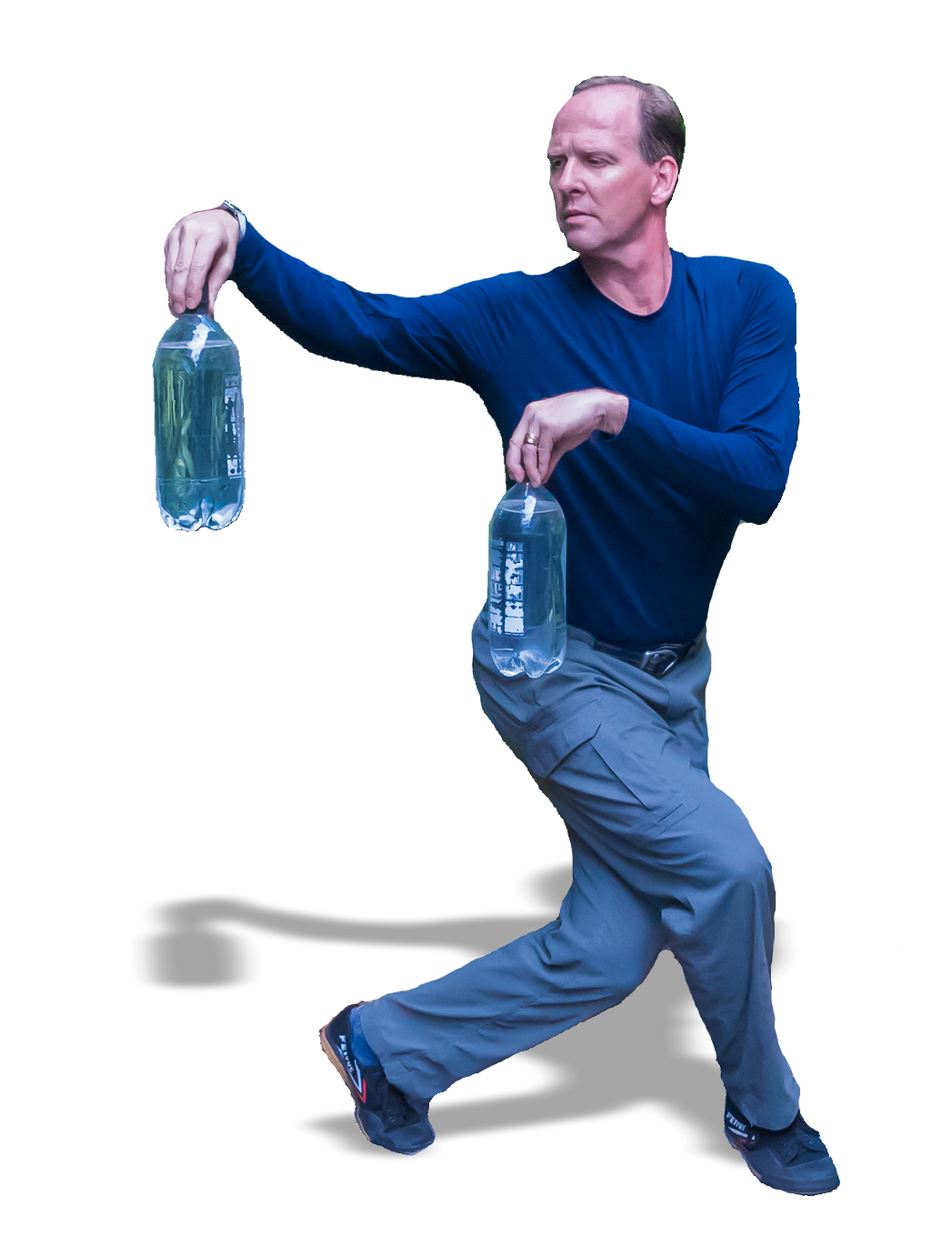
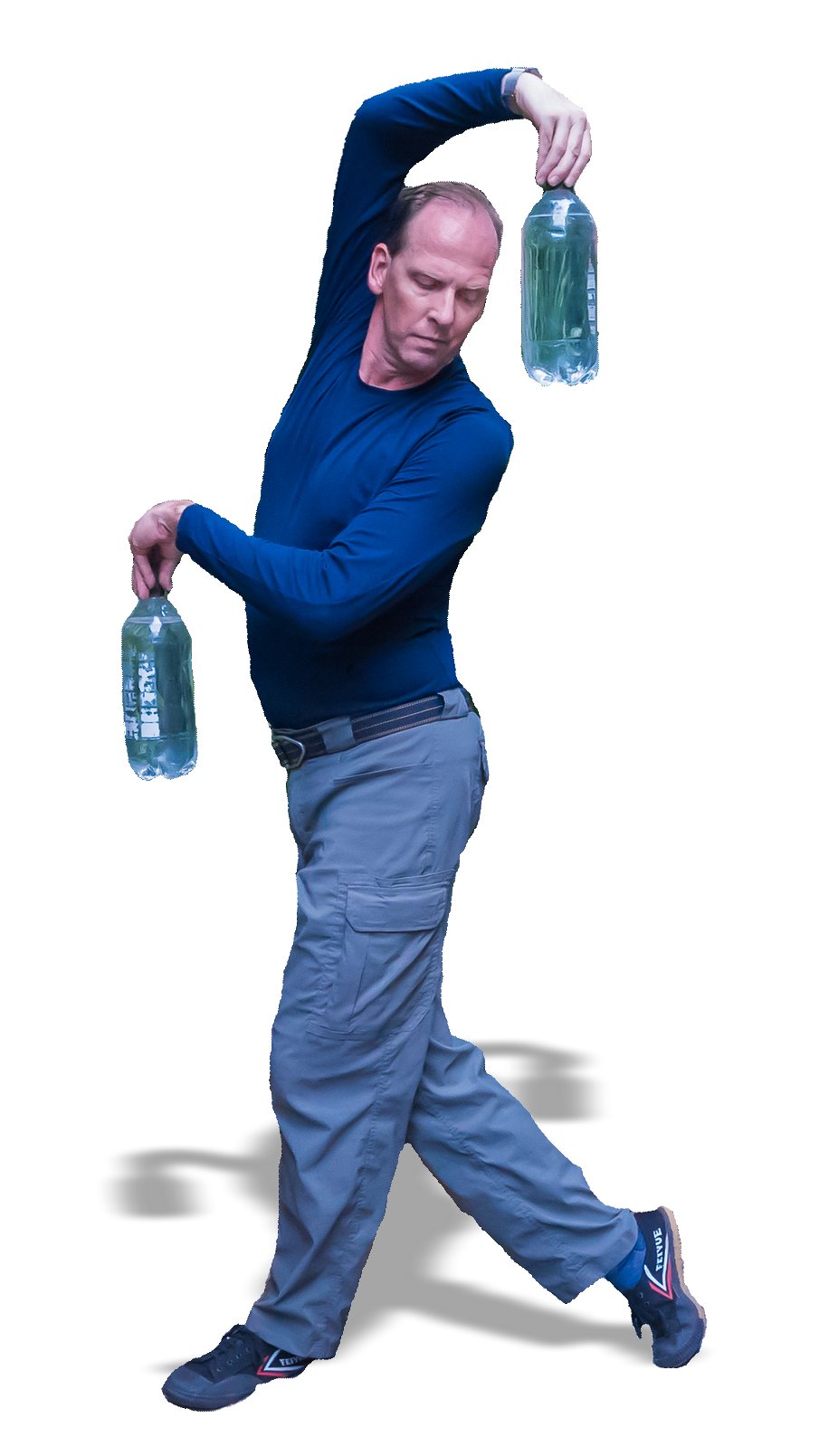
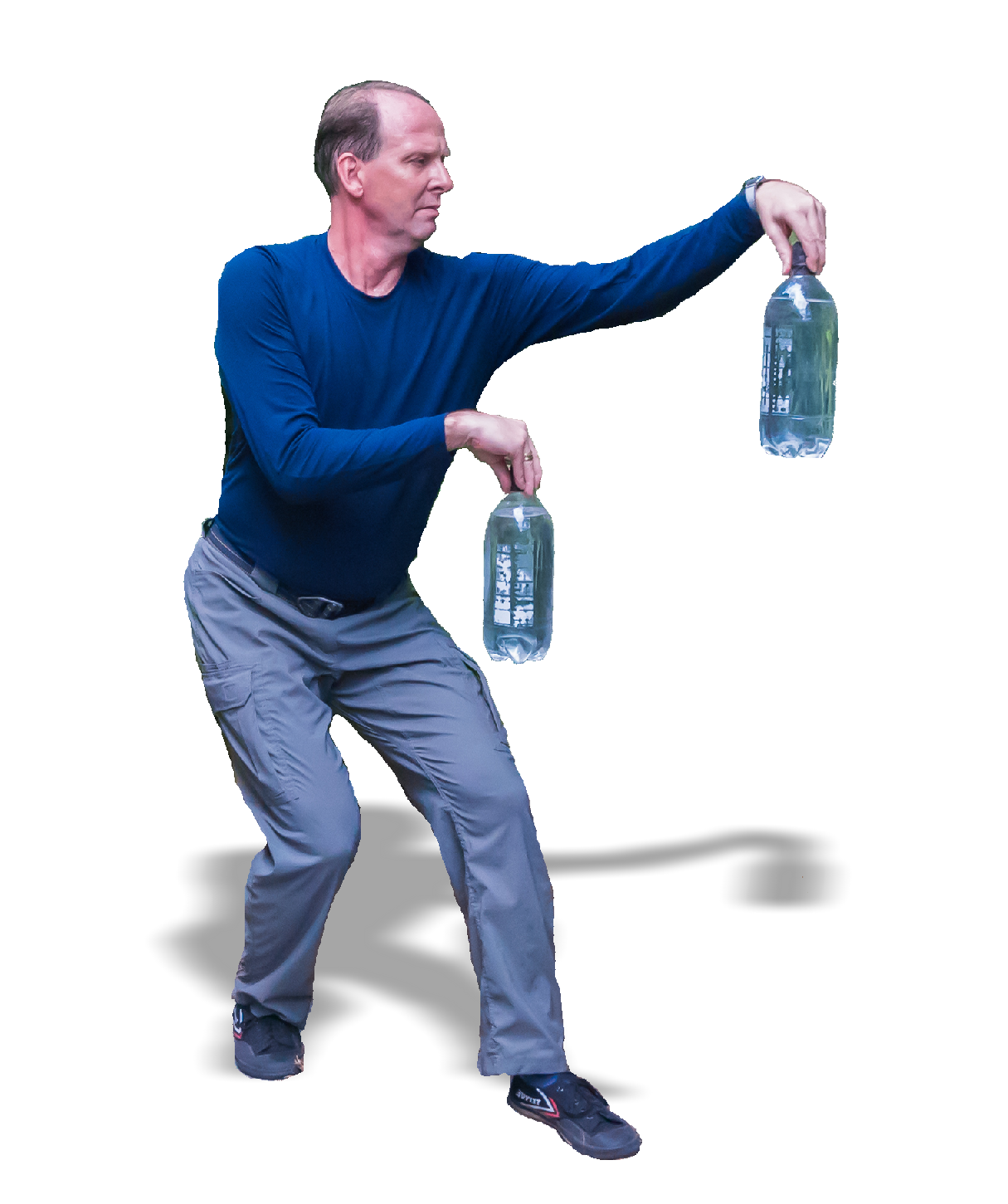
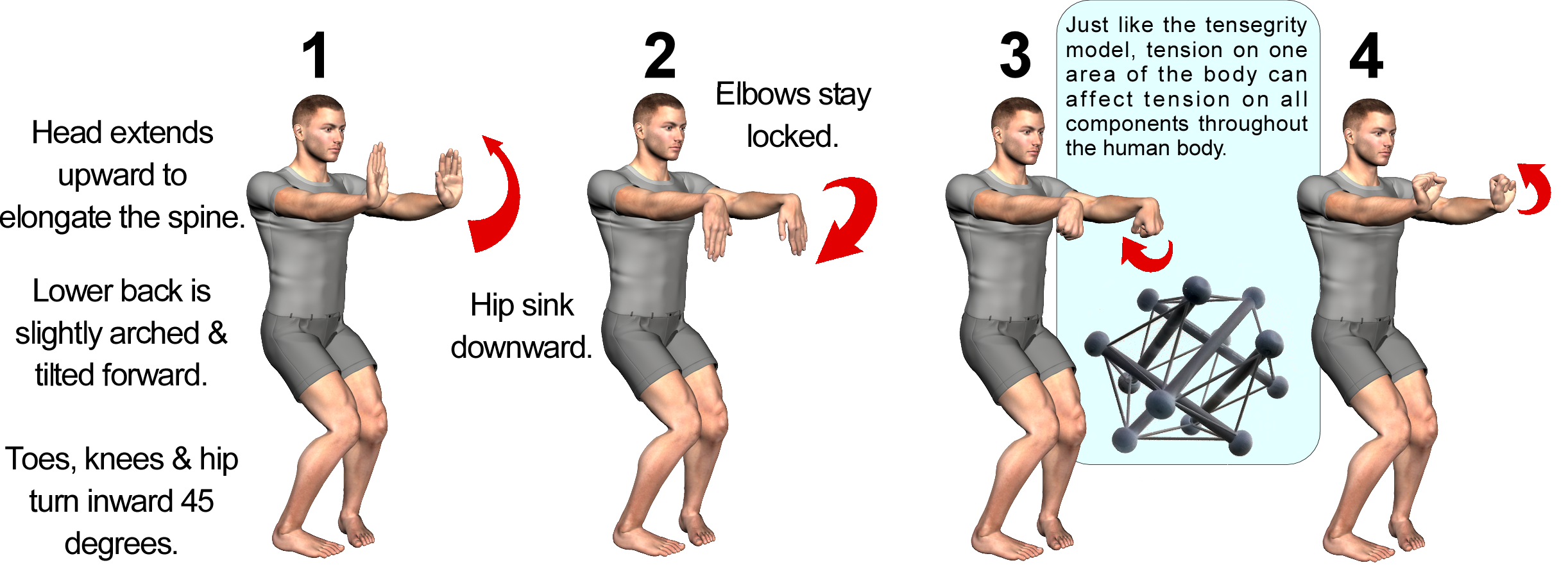
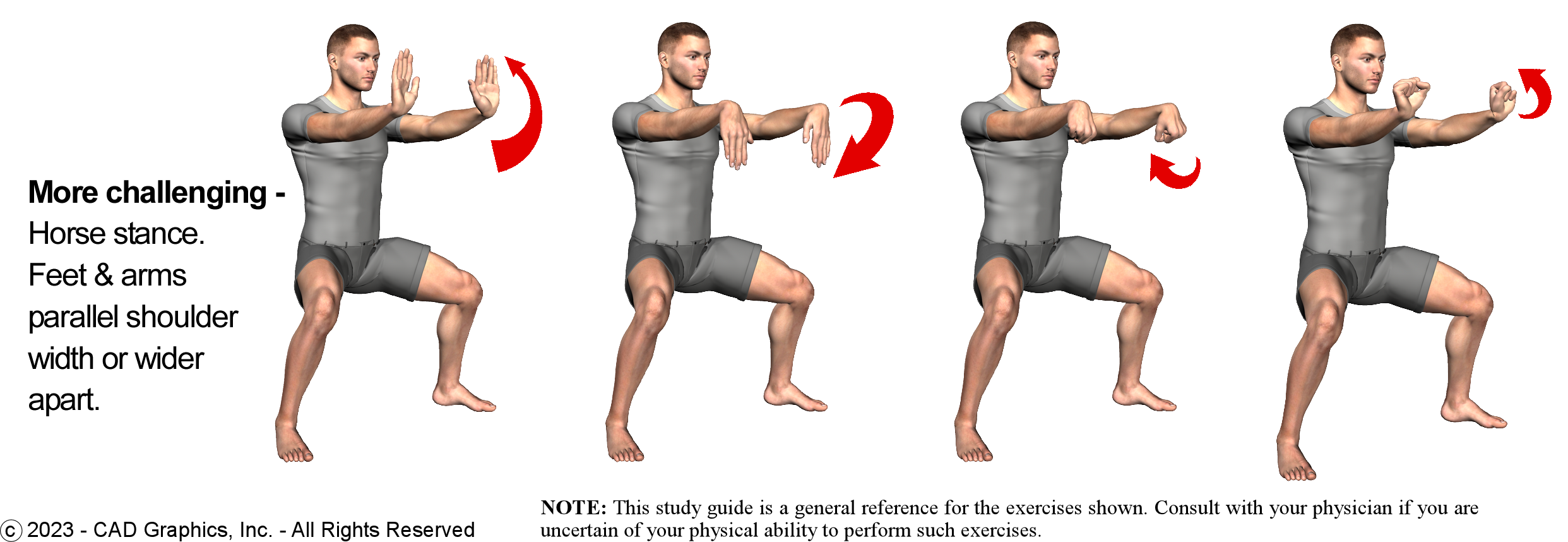
Unique to these exercises, is the body posture combined with the correct hand and arm positions, and the extra awareness required to keep the lower body stable while also maintaining the correct body alignments. By squeezing the hands into fist and then opening them moving only the hands and wrists, the fascia trains, the nervous, muscular and skeletal systems are all engaged throughout the entire body. Try to hold the static position while performing the wrist exercise, from steps 1, 2, 3, 4 and back to 1 for consecutive repetitions. Holding the stance generally develops overall strength where as repetitive wrist positions develops stamina, endurance and determination. Relax the body into the positions in spite of any tension in the muscles. Deep and relaxed breathing is essential while performing this exercise. Try 10x each, building to 20x, 30x, 100x 300x. Yes, this is achievable gradually over time and with much effort.
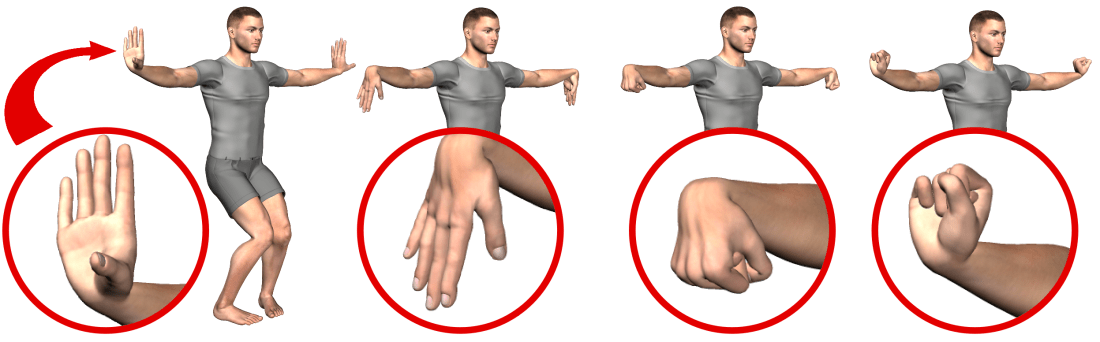
Variation #1; Arms to the sides, engage the muscles of the pectoral, shoulders, and upper back at different angles increasing strength in many directions.
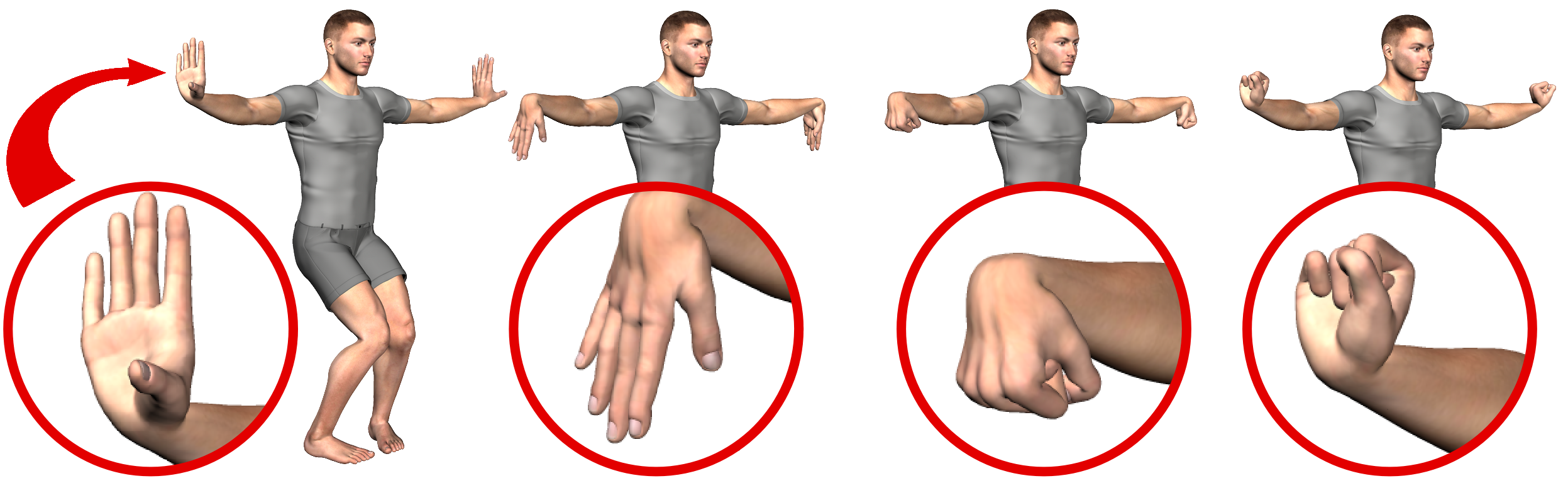
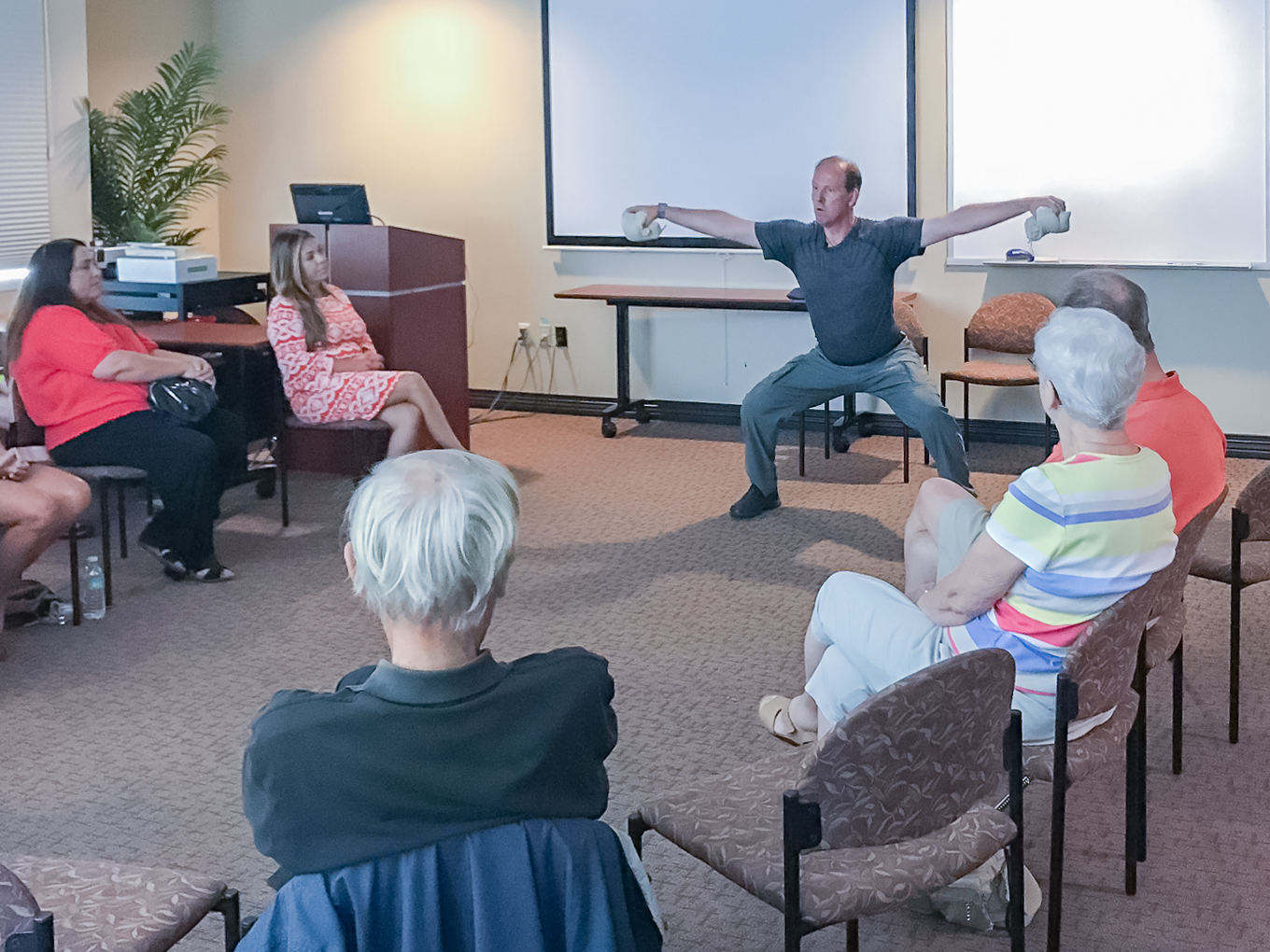
Variation #2; Using either/both of the above arm directions, sink the hips into a horse stance. High , medium and low positions of the hips will greatly increase the difficulty and strength building benefits of this exercise set. Additionally, attempting to stay in this lower body position in spite of the cramping, pain and discomfort, this is a method to develop strength of the nervous system due to so many innervated muscles being engaged at the same time. In energetic practices from martial arts, daoyin and yoga, this practice is called “burning of the chong mai” in reference to the thrusting energy vessel (meridian) that extends from the base of the tailbone upwards towards the top of the head.
I write often about topics that affect our health and well-being. Additionally, I teach and offer lecture about qigong, tai chi, baguazhang, and yoga. I also have hundreds of FREE education video classes, lectures and seminars available on my YouTube channel at:https://www.youtube.com/c/MindandBodyExercisesMind and Body Exercises on Google: https://posts.gle/aD47QoJim Moltzan407-234-0119www.MindAndBodyExercises.comwww.Amazon.com/author/jimmoltzan
Assuming Responsibility for your Healthcare (sickcare) Decisions

The predominant medical system in the US is the allopathic model. I have found from personal experience that this system works usually quite well for diagnostics, trauma, conditions requiring surgical intervention, as well as treatments for prolonging life.

Where I feel our allopathic model falls short is encouraging prevention of illnesses and avoidable conditions, treating certain types of chronic conditions, and providing quality of life in spite of prolonging it. A wise doctor I visited once told me that a way to make a decision to have or not have a procedure, was to determine if you have more good days or more bad days, within a particular time frame. His next question was, are you willing to live with the outcome if the results are not 100% successful and possibly giving side-effects that are worse than the original issues?

I think many people put all of their trust and faith into their doctor’s opinions or suggestions without doing much research of their own. Therefore, they lack the information to better determine what is best for their individual conditions.  When confronted with a serious condition, they feel they lack medical knowledge and therefore options beyond what their doctor might suggest. When things don’t go well with the treatments, procedures, surgeries, etc., they can’t always understand that doctors are human and don’t always make the best decisions in spite of trying their best to do so. 

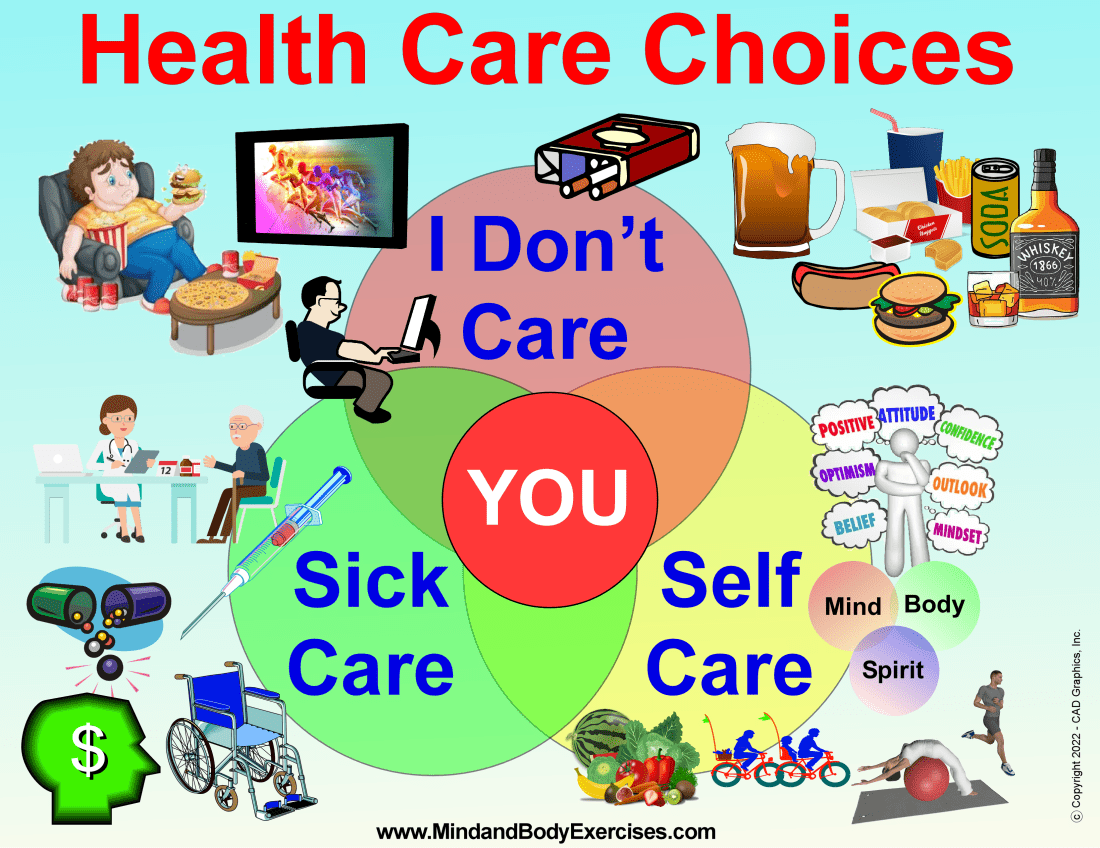
I think if people would take more responsibility towards their knowledge of healthcare and their own health status prior to finding themselves in critical situations, we would have a much different healthcare system. The CDC reported the top causes of death in the US as of 2019 were heart disease, cancer, and unintended injuries1. Overall, the risks of the top 10 causes of death all can be lowered with lifestyle choices of diet, exercise, and management of stress. A John Hopkins report of 2018 reported that medical errors was the 3rd highest cause of death in the US2. My point in noting these statistics is that if the total number of these illnesses and errors was much less, then there would be less people having to deal with these critical types of decisions with or without their doctor’s input. I am aware that this is really an unrealistic expectation as the numbers go up every year. However, if doctors are to be held to such a high standard of perfection, why shouldn’t the individual have similar accountability for their own level of self-care?

Obviously, some situations warrant a decision at the moment, regardless of how the person got to the point of immediate concern.  In this type of event, I would hope that the healthcare professionals involved would have much relative knowledge and medical experience at this point to exercise wisdom in making the correct decisions. From there the patient needs to decide whether to trust in what they know to be true and accurate and/or to have faith in what is unknown and unseen.

References:

1 https://www.cdc.gov/nchs/products/databriefs/db395.htm

2https://www.hopkinsmedicine.org/news/media/releases/study_suggests_medical_errors_now_third_leading_cause_of_death_in_the_us

I write often about topics that affect our health and well-being. Additionally, I teach and offer lecture about qigong, tai chi, baguazhang, and yoga. I also have hundreds of FREE education video classes, lectures and seminars available on my YouTube channel at:https://www.youtube.com/c/MindandBodyExercisesMind and Body Exercises on Google: https://posts.gle/aD47Qo

Jim Moltzan

407-234-0119

www.MindAndBodyExercises.comwww.Amazon.com/author/jimmoltzan
Box Breathing: A Method to Manage Stress

So much inner conflict, anxiety, depression, PTSD. We have tools to combat this that don’t include pharmaceuticals, therapy or other harsh interventions. Americans have been conditioned (operant conditioning, B.F. Skinner) to rely upon others for their own well-being, health and happiness. Happiness comes from within. Most figure this out at some time in their life. Never for some.

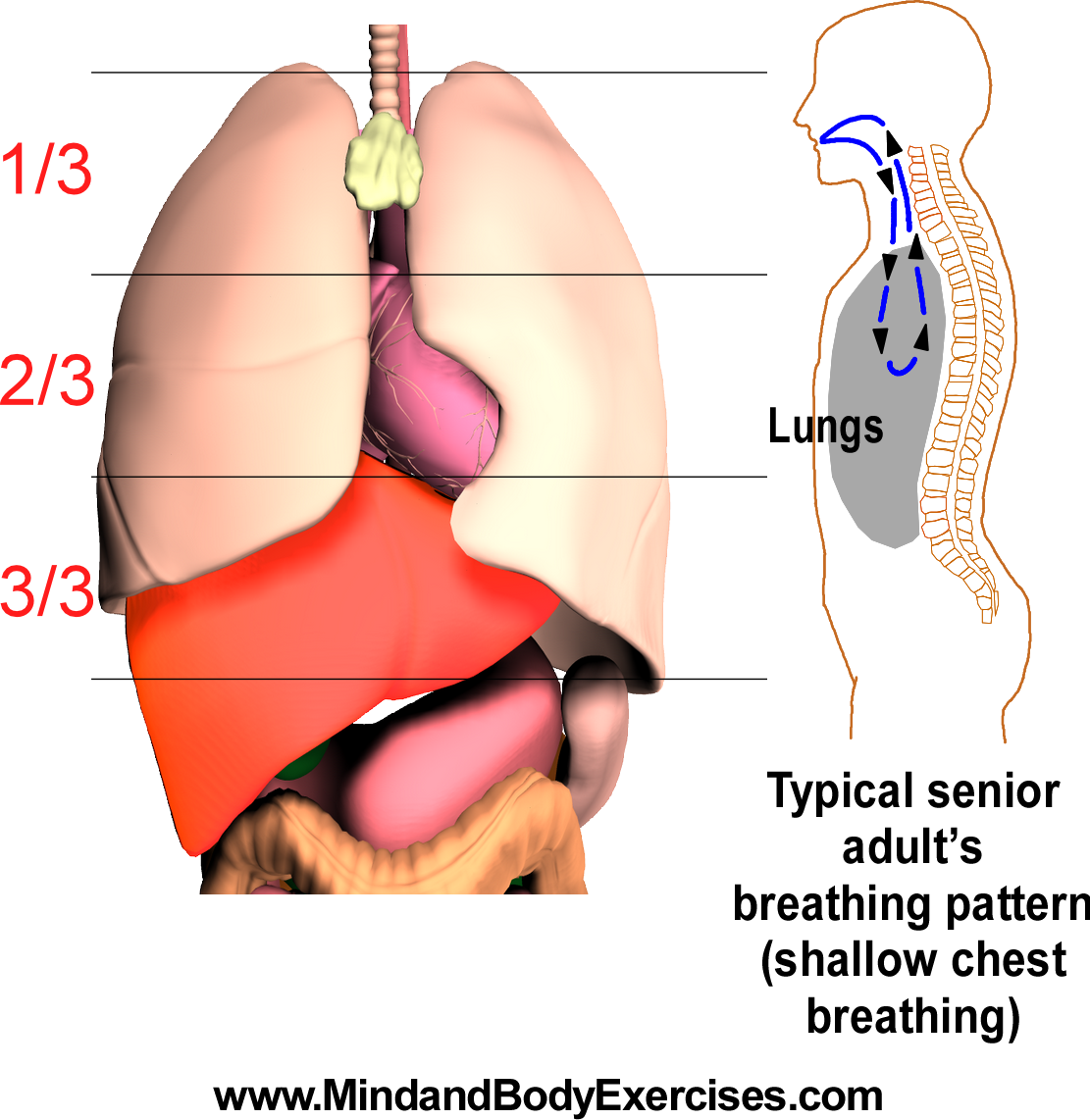
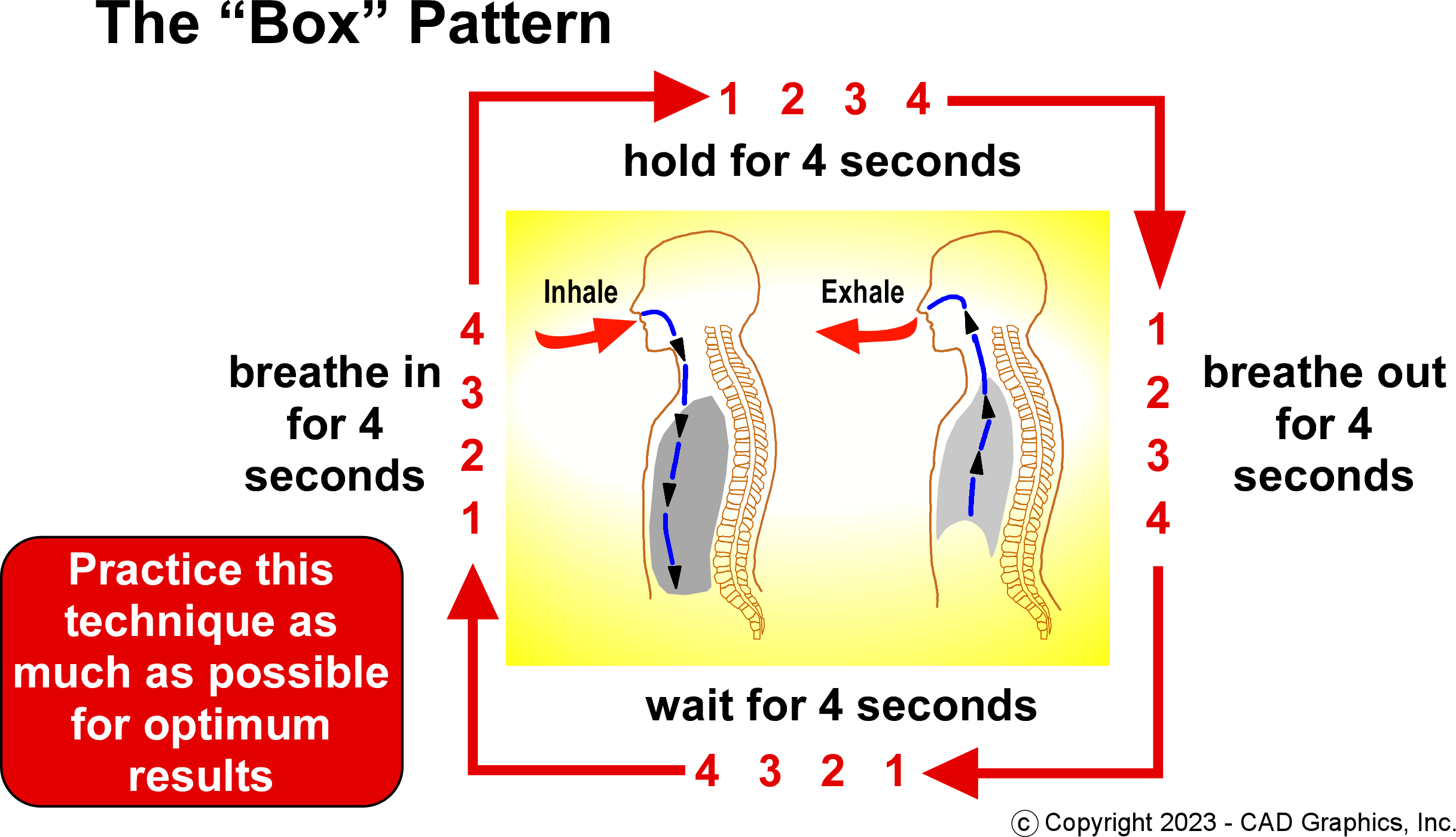
Learning to manage our own breath, leads to managing our emotions, which affects our blood chemistry, relative organ function and overall health. Box breathing and other methods cost nothing but time, effort and a realization that our nation’s healthcare crises can be improved when people take responsibilities for their own health and relative outcomes.

From a report from the White House:

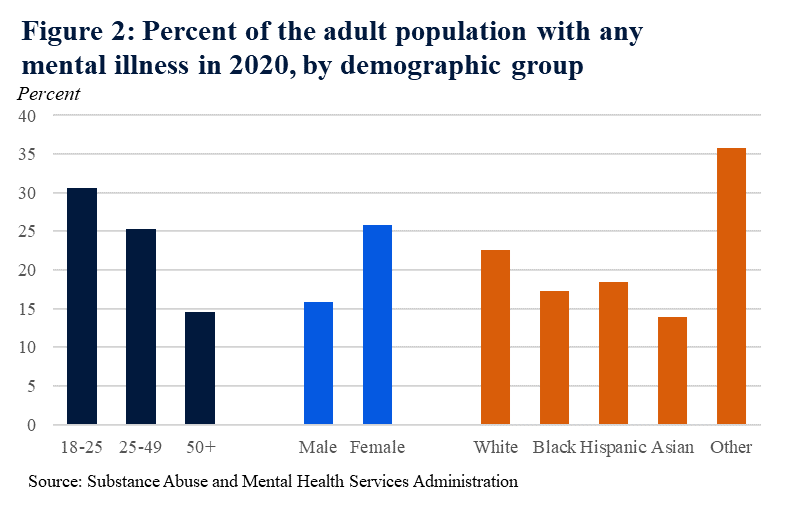
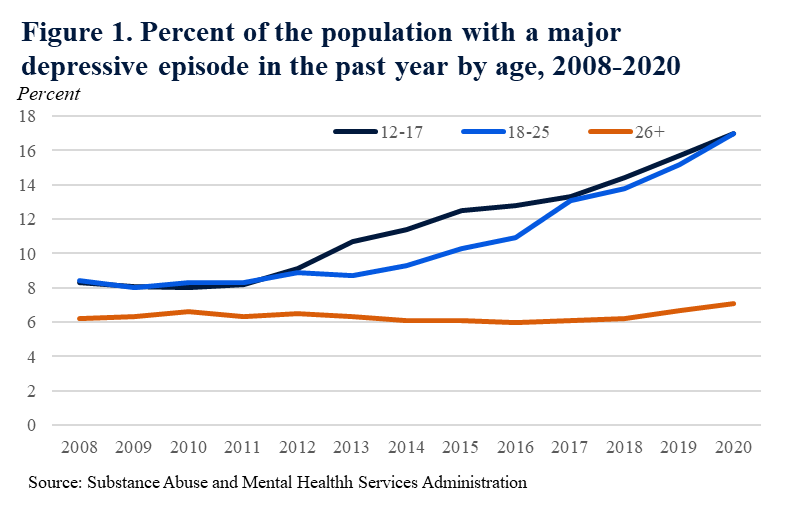
“There are several indications that Americans were experiencing a mental health crisis prior to the pandemic. Between 2008 and 2019, the percentage of adolescents (ages 12 to 17) that reported having experienced at least one major depressive episode in the past year increased nearly 90 percent, from 8.3 percent in 2008 to 15.7 percent in 2019, while the percentage of young adults (ages 18 to 25) reporting at least one major depressive episode in the past year increased a similar 81 percent from 8.4 percent in 2008 to 15.2 percent in 2019 (Figure 1). Over roughly the same period, suicide death rates among individuals 10 to 24 years of age increased 47 percent. Although rates of depression were highest among adolescents and young adults, more broadly in 2019, over one in five adults age 18 or older were classified as having a mental illness, and more than 13.1 million (or 5 percent) of adults had disorders that were classified as serious because they substantially interfered with or limited one or more major life activities. Rates of mental illness were highest among those age 18 to 25, females, and those reporting their race as other, as shown in Figure 2.

Among children age 3-17, the most commonly diagnosed mental disorders from 2013 to 2019 were ADHD (9.8 percent), anxiety (9.4 percent), behavioral problems (8.9 percent), and depression (4.4 percent). These disorders often begin in early childhood: approximately one in six U.S. children age 2-8 had a diagnosed mental, behavioral or developmental disorder.”

Deeper breathing is a key component to having a long and healthy life. Through focused and deliberate breathing methods, many positive mental and physical benefits can be achieved. Box breathing is a technique to slow one’s breathing rate per minute (BPM). Slower BPM allows precise self-regulation of the parasympathetic nervous system, also referred to as the or the “rest and digest” response or the sympathetic nervous system also known as “flight or fight” response. Both of these responses regulate our blood chemistry which can affect emotions as well as organ function. This technique needs to practice regularly and often in order to gain the benefits of deep and regulated breathing. One time will not do much.

____________

____________

____________

Tai chi, qigong, martial arts, meditation, yoga and some other exercise curriculum often offer box breathing techniques and many others. I have been practicing, studying and teaching these methods for almost 40 years with incredible results for myself and the hundreds of others that I have shared this knowledge with.

Reference:

https://www.whitehouse.gov/cea/written-materials/2022/05/31/reducing-the-economic-burden-of-unmet-mental-health-needs/

I write often about topics that affect our health and well-being. Additionally, I teach and offer lecture about qigong, tai chi, baguazhang, and yoga. I also have hundreds of FREE education video classes, lectures and seminars available on my YouTube channel at:https://www.youtube.com/c/MindandBodyExercisesMind and Body Exercises on Google: https://posts.gle/aD47Qo

Jim Moltzan

407-234-0119

www.MindAndBodyExercises.comwww.Amazon.com/author/jimmoltzan
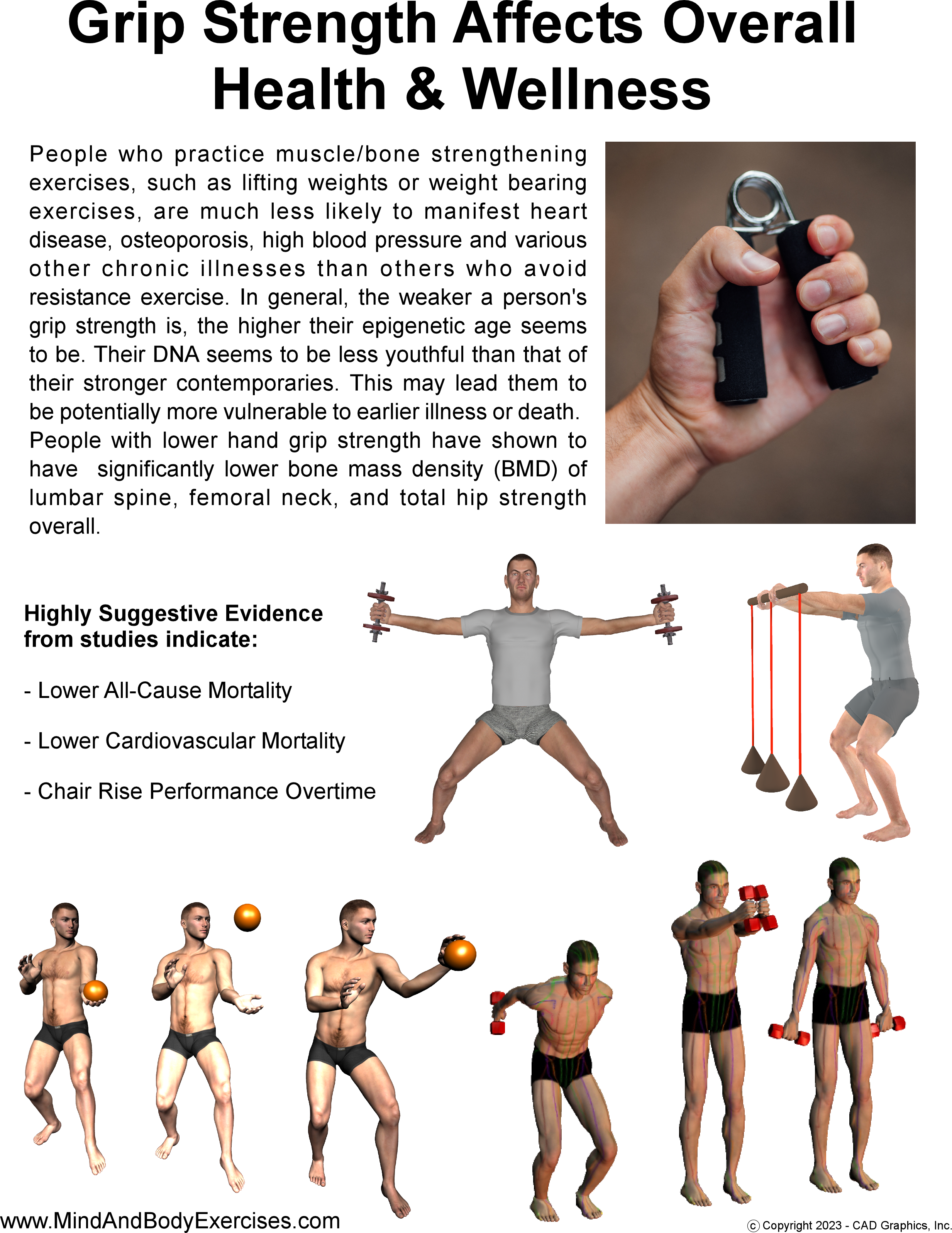
Grip Strength Affects Overall Health & Wellness

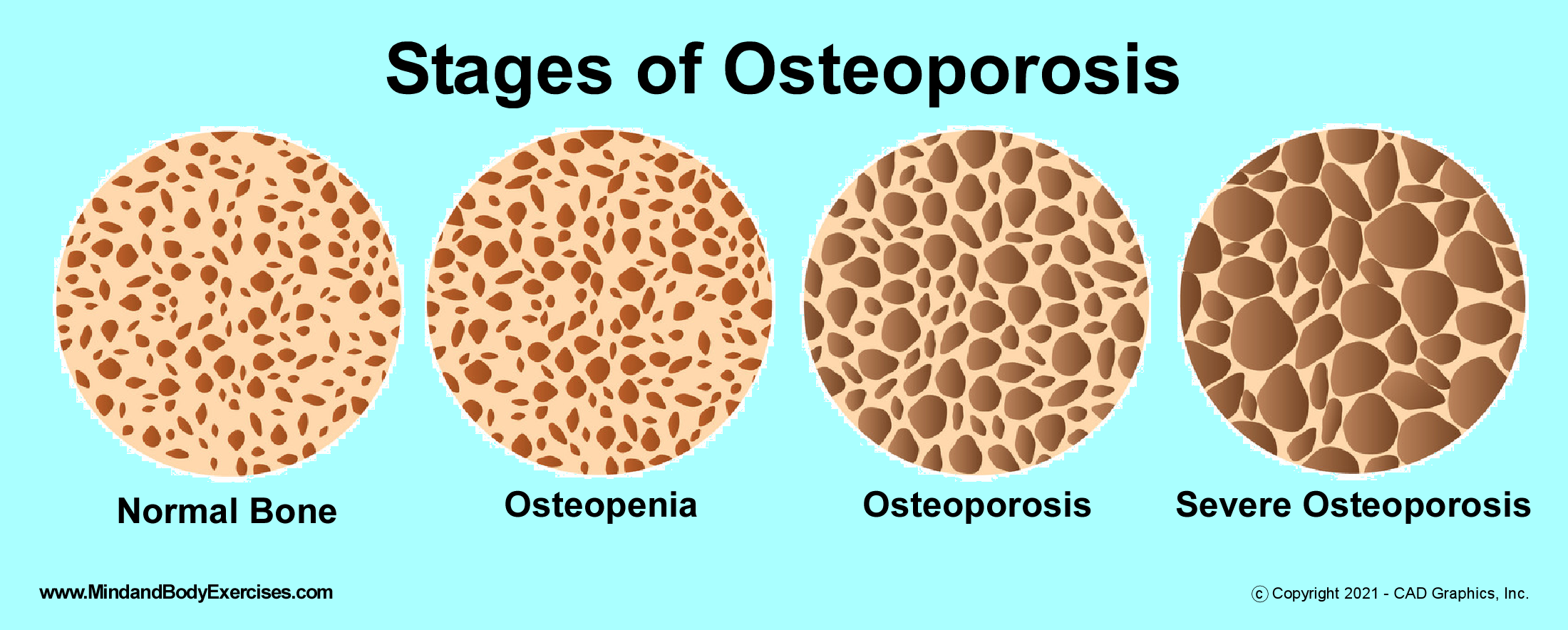
Weight-bearing exercises can help prevent osteoporosis by stimulating bone growth and increasing bone density. This is because weight-bearing exercises put stress on your bones, which signals your body to build more bone tissue to handle the stress.

When you perform weight-bearing exercises like walking, running, and weightlifting, the weight and impact of these exercises on your bones stimulate the bone-forming cells called osteoblasts. These cells create new bone tissue, which can help increase bone density and prevent osteoporosis.

Additionally, weight-bearing exercises help to maintain muscle mass and strength, which is also important for preventing osteoporosis. Strong muscles help to support your bones and reduce the risk of falls and fractures.

It’s important to note that not all exercises are weight-bearing. Non-weight-bearing exercises like swimming and cycling, for example, don’t provide the same impact on your bones as weight-bearing exercises. Therefore, incorporating weight-bearing exercises into your exercise routine can be an effective way to prevent osteoporosis. However, it’s always a good idea to talk to your doctor or a qualified fitness professional before starting any new exercise program.

Tai chi, qigong, yoga and various other exercises from martial arts offer weight-bearing, and often low impact exercises. These systems have a wide spectrum of these types of exercise within their respective curriculum, for which I have been studying, practicing and teaching for almost 40 years, with truly amazing results.

I write often about topics that affect our health and well-being. Additionally, I teach and offer lecture about qigong, tai chi, baguazhang, and yoga. I also have hundreds of FREE education video classes, lectures and seminars available on my YouTube channel at:https://www.youtube.com/c/MindandBodyExercisesMind and Body Exercises on Google: https://posts.gle/aD47Qo

Jim Moltzan

407-234-0119

www.MindAndBodyExercises.comwww.Amazon.com/author/jimmoltzan
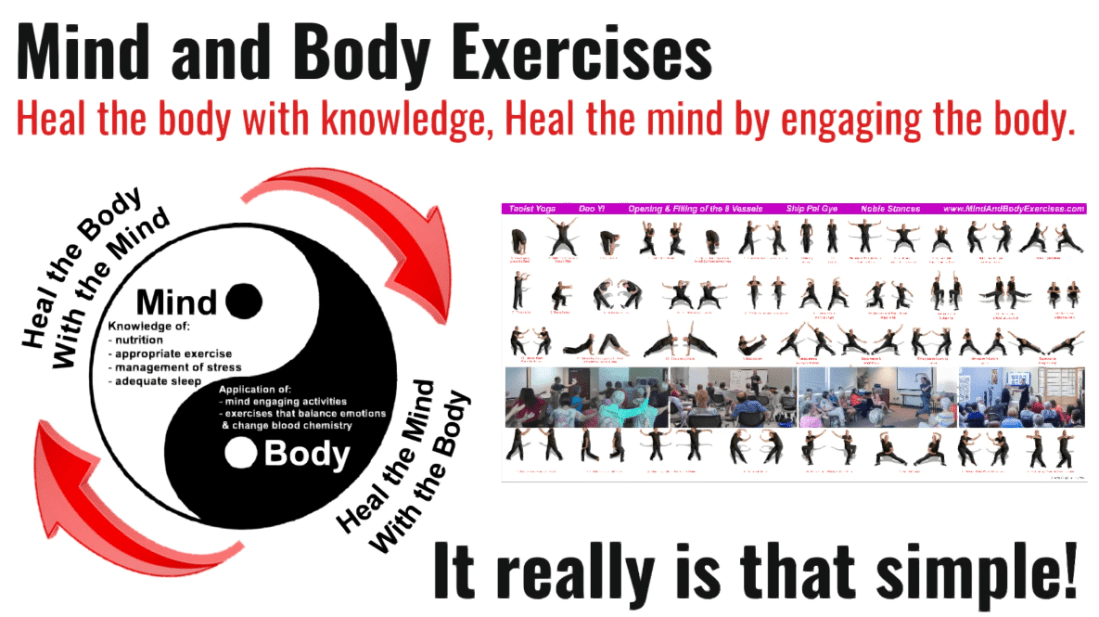
Mind and Body Exercises – Heal the Body With the Mind, Heal the Mind by Engaging the Body

Remember the Indiana Jones movies, where he found his father’s diary which had clues to his search for the Holy Grail?

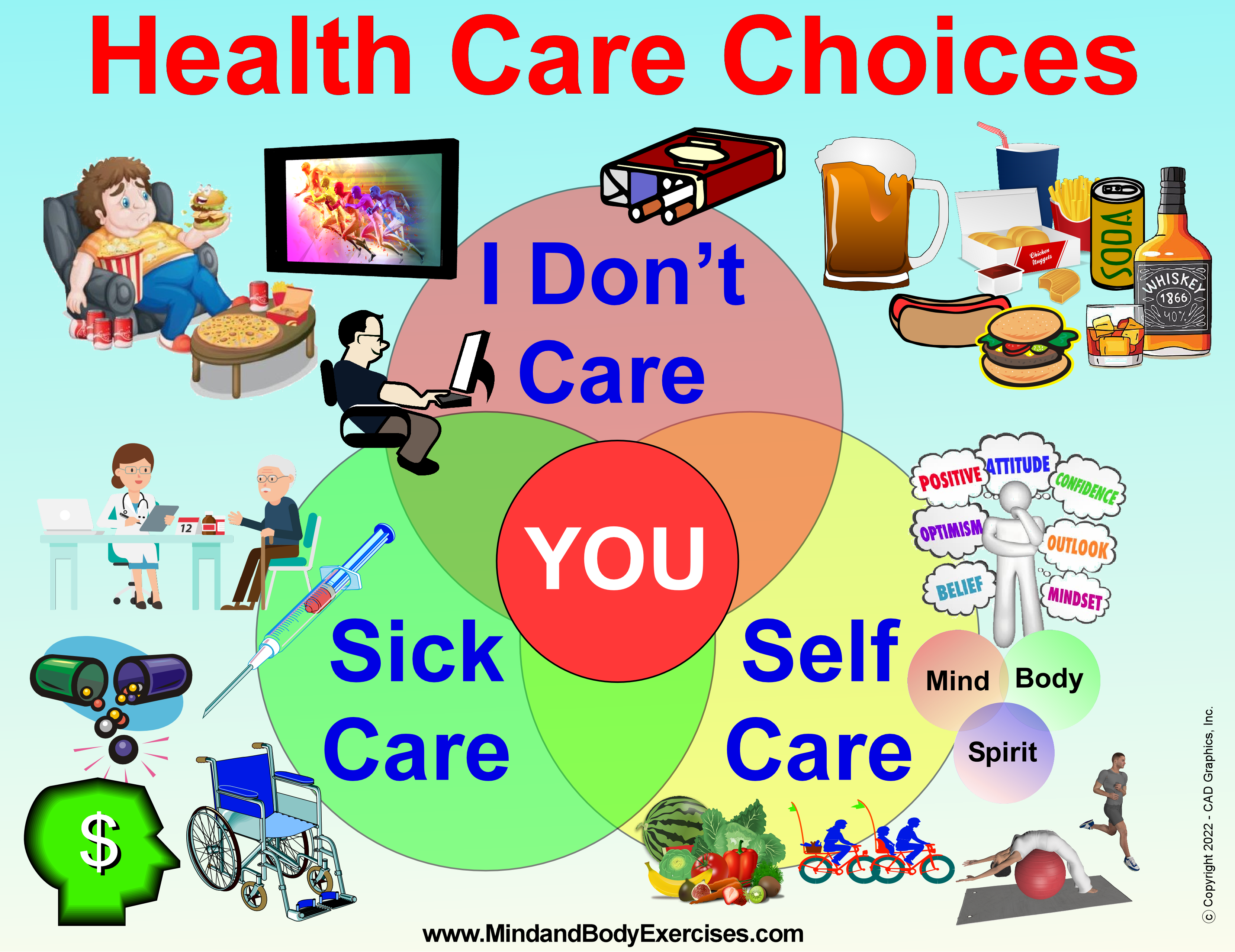
Well, I have been searching for over 40 years for the Holy Grail of health, wellness, fitness and self-awareness. I have been producing graphics to depict what I believe to be the key components of health and happiness.

Find my graphics and/or booklets on my website or Amazon at:

www.MindAndBodyExercises.com

https://www.amazon.com/author/jimmoltzan
I write often about topics that affect our health and well-being. Additionally, I teach and offer lecture about qigong, tai chi, baguazhang, and yoga. I also have hundreds of FREE education video classes, lectures and seminars available on my YouTube channel at:https://www.youtube.com/c/MindandBodyExercisesMind and Body Exercises on Google: https://posts.gle/aD47Qo

Jim Moltzan407-234-0119

www.MindAndBodyExercises.comwww.Amazon.com/author/jimmoltzan