I write often about topics that affect our health and well-being. Additionally, I teach and offer lecture about qigong, tai chi, baguazhang, and yoga. I also have hundreds of FREE education video classes, lectures and seminars available on my YouTube channel at:https://www.youtube.com/c/MindandBodyExercisesMind and Body Exercises on Google: https://posts.gle/aD47Qo
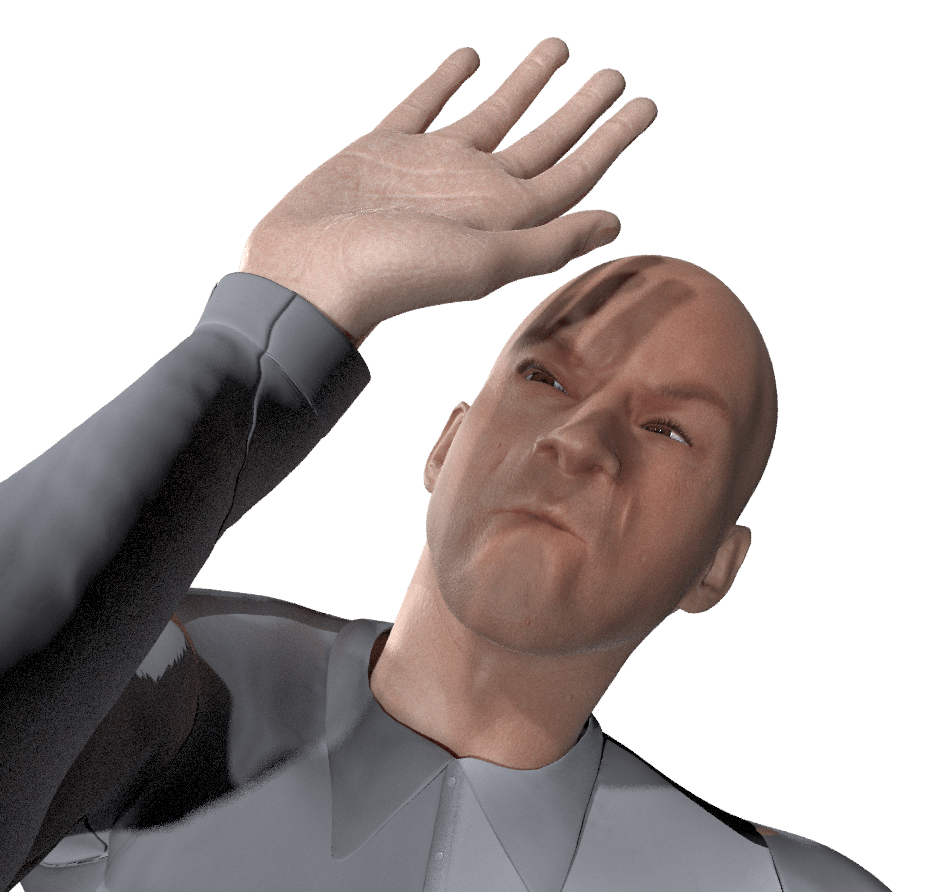
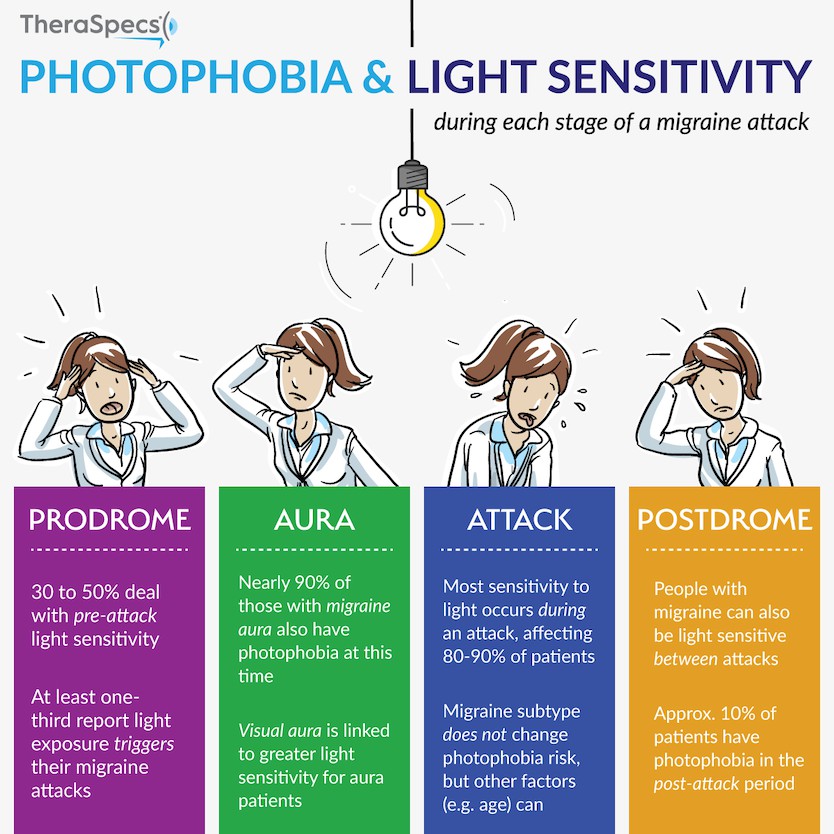
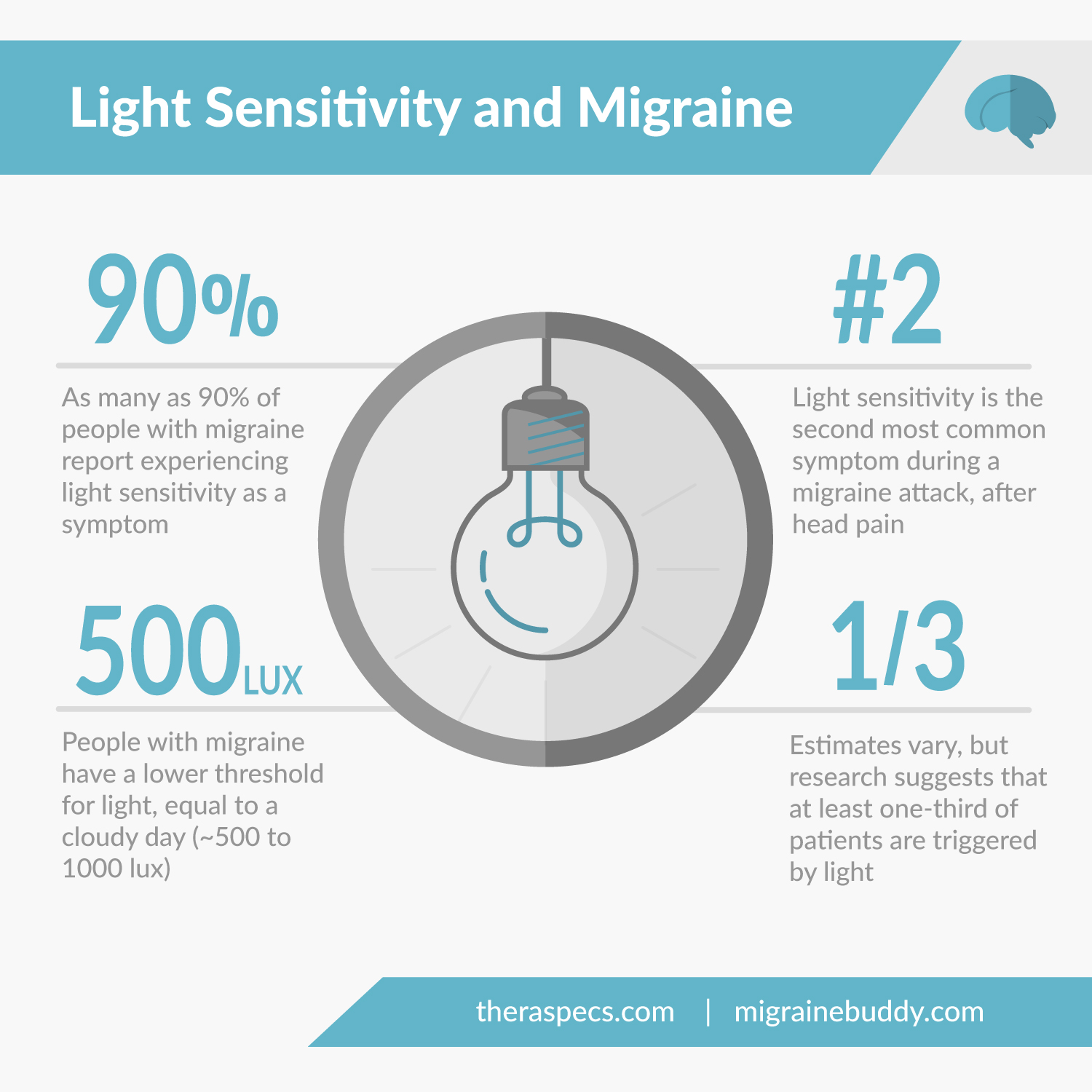
Bright light can be a triggering factor for migraine headaches in some individuals. The underlying physiological mechanisms are not fully understood, but several theories have been proposed to explain this relationship.
One theory suggests that the visual cortex, the part of the brain responsible for processing visual information, becomes hyperexcitable during a migraine attack. Bright light, particularly certain wavelengths such as blue light, can stimulate the visual cortex and lead to an overstimulation of the neurons, triggering a migraine episode.
Another theory focuses on the role of the trigeminal nerve, a major cranial nerve involved in migraine pathology. It is believed that exposure to bright light can cause the trigeminal nerve to release certain neuropeptides, such as calcitonin gene-related peptide (CGRP), which are known to be involved in migraine pain signaling. The release of these substances may trigger inflammation and dilation of blood vessels in the brain, leading to a migraine headache.
Additionally, people with migraines often have heightened sensitivity to light, a condition known as photophobia. This sensitivity can cause discomfort and pain when exposed to bright light, making it a potential trigger for migraine attacks.
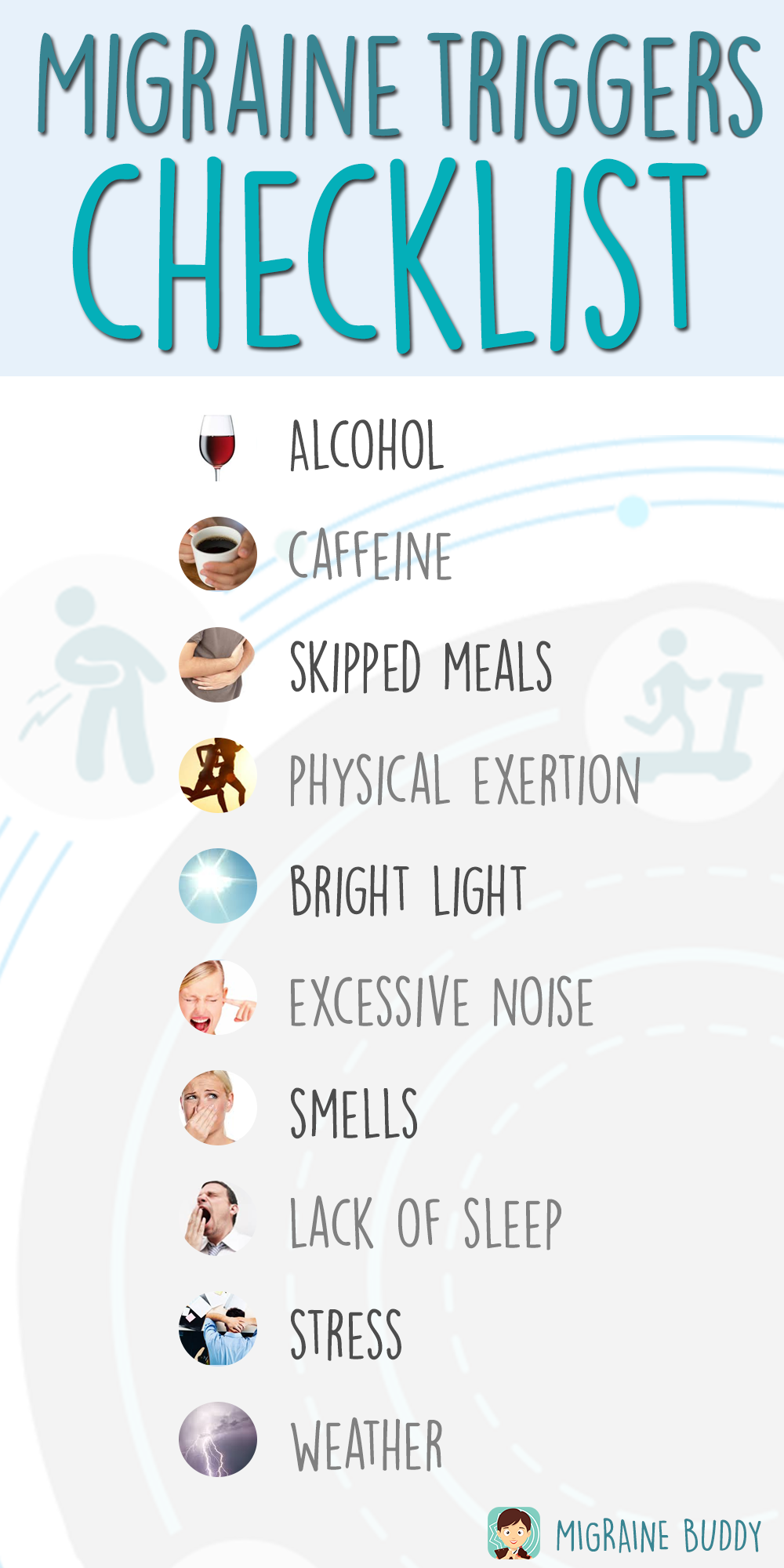
It is important to note that not all individuals with migraines are sensitive to bright light, and triggers can vary widely among individuals. Migraine triggers can also include other factors such as stress, certain foods, hormonal changes, lack of sleep, and environmental factors. Therefore, the relationship between bright light and migraines can be complex and may vary from person to person.
If you experience migraines triggered by bright light, it can be helpful to manage your environment by wearing sunglasses, using tinted lenses, or reducing exposure to bright screens or lights when possible. Consulting with a healthcare professional or a headache specialist can also provide personalized advice and treatment options for managing migraines.
Personally, I have managed headaches for many years varying from migraines, stress-related and triggered from allergies to food and environment. I am not a medical doctor nor claim to be. However, I have found that with the physical and mental practices of qigong/yoga, tai chi, martial arts, meditation and other mind & body practices, I can not only prevent debilitating headaches, but be more self-aware so as not to contribute to the triggering of such ailments. Acupressure has also brought me much benefit for myself as well as my clients as well (see my graphic below).
I write often about topics that affect our health and well-being. Additionally, I teach and offer lecture about qigong, tai chi, baguazhang, and yoga. I also have hundreds of FREE education video classes, lectures and seminars available on my YouTube channel at:
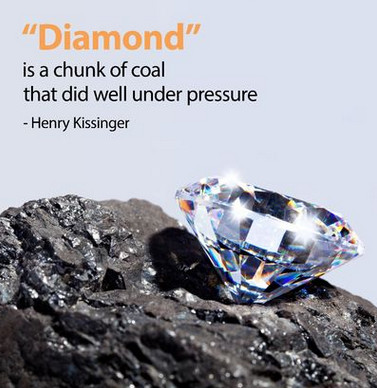
Humans are like a lump of coal (or carbon), where if put under enough pressure, we may transform into a diamond. I understand that it takes many years, perhaps millions of years for this transformation to happen. As humans we have only about 70-80’s years on average to make our transformation come about, so best to start as soon as possible. I speak of this diamond metaphorically, in regards to each of us being on our own journey to find purpose and meaning in our lives. The diamond is what emerges from the dark and dirty coal, as we strive to find the inner genius, beauty, perfection and acceptance within our selves.
We all have our own unique set of circumstances with relative trials and tribulations. How we manage these issues are key to our health and happiness. Managing our thoughts, emotions and actions can often be attained from managing our physical body through exercise and deliberate wellness and fitness methods. Qigong (yoga), tai chi, meditation and other methods can offer lifelong benefits to the mind, body and spirit. These practices are paths to become your diamond from the rough of the world.
The process of transforming coal into a diamond takes an incredibly long time—millions to billions of years. Both coal and diamonds are made up of carbon, but the key difference lies in their formation and the conditions under which they are created.
Coal forms from plant material that accumulates in swampy environments over millions of years. Through the process of burial and geological transformation, the organic material undergoes compaction and chemical changes, resulting in the formation of coal. This process typically takes millions of years.
On the other hand, diamonds are formed deep within the Earth’s mantle, where high pressure and temperature conditions exist. These conditions cause carbon atoms to arrange in a crystal lattice structure, forming diamonds. This process occurs at depths of around 150 to 200 kilometers (93 to 124 miles) and requires immense pressure and temperatures of approximately 1,000 to 1,300 degrees Celsius (1,832 to 2,372 degrees Fahrenheit). The time required for diamond formation can range from hundreds of millions to billions of years.
Therefore, the transformation of coal into a diamond is an extremely slow and geologically long process, occurring over millions to billions of years under specific conditions deep within the Earth.
Life is a challenge. Nothing worth achieving comes for free. Gifts and rewards are most valuable when earned. Change your coal into diamonds.
I write often about topics that affect our health and well-being. Additionally, I teach and offer lecture about qigong, tai chi, baguazhang, and yoga. I also have hundreds of FREE education video classes, lectures and seminars available on my YouTube channel at:
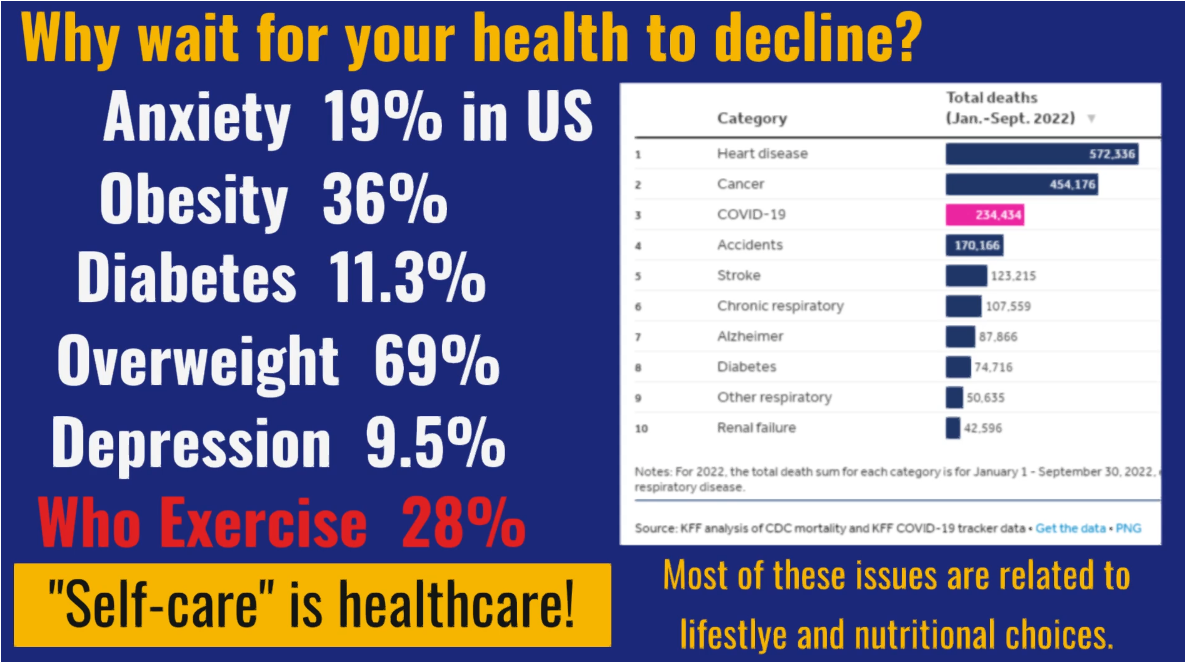
Depression, anxiety, PTSD, OCD, ADHD, suicide, and many other mental ailments are all serious health concerns. And also buzzwords for politicians and media attention that many feel are talked about, but never addressed. If you follow the news and mainstream media you might be led to believe that pharmaceuticals are the only treatment for mental health issues. There seems to be very little discussion regarding use of exercise (recess and PE for kids) and management of stress through breathing techniques. Both of these methods are readily available for free and span socioeconomic factors as well. Most people don’t need much space to walk, run, swim or practice calisthenics exercises. Breathing techniques are easily taught and practiced once someone is educated. A national healthcare system based on lifestyle habits of proper diet and regular exercise would be less expensive that the $4.3 trillion dollars that was spent on “sickcare” in 2021. “Selfcare” teaches people to be responsible for their own health and doesn’t help to bring profits to pharma corps, hospital chains and other facets of the healthcare industrial complex. So what should we do? Become educated to what your health is truly about…and it should not be to make other people wealthy from you not being healthy, well and fit.
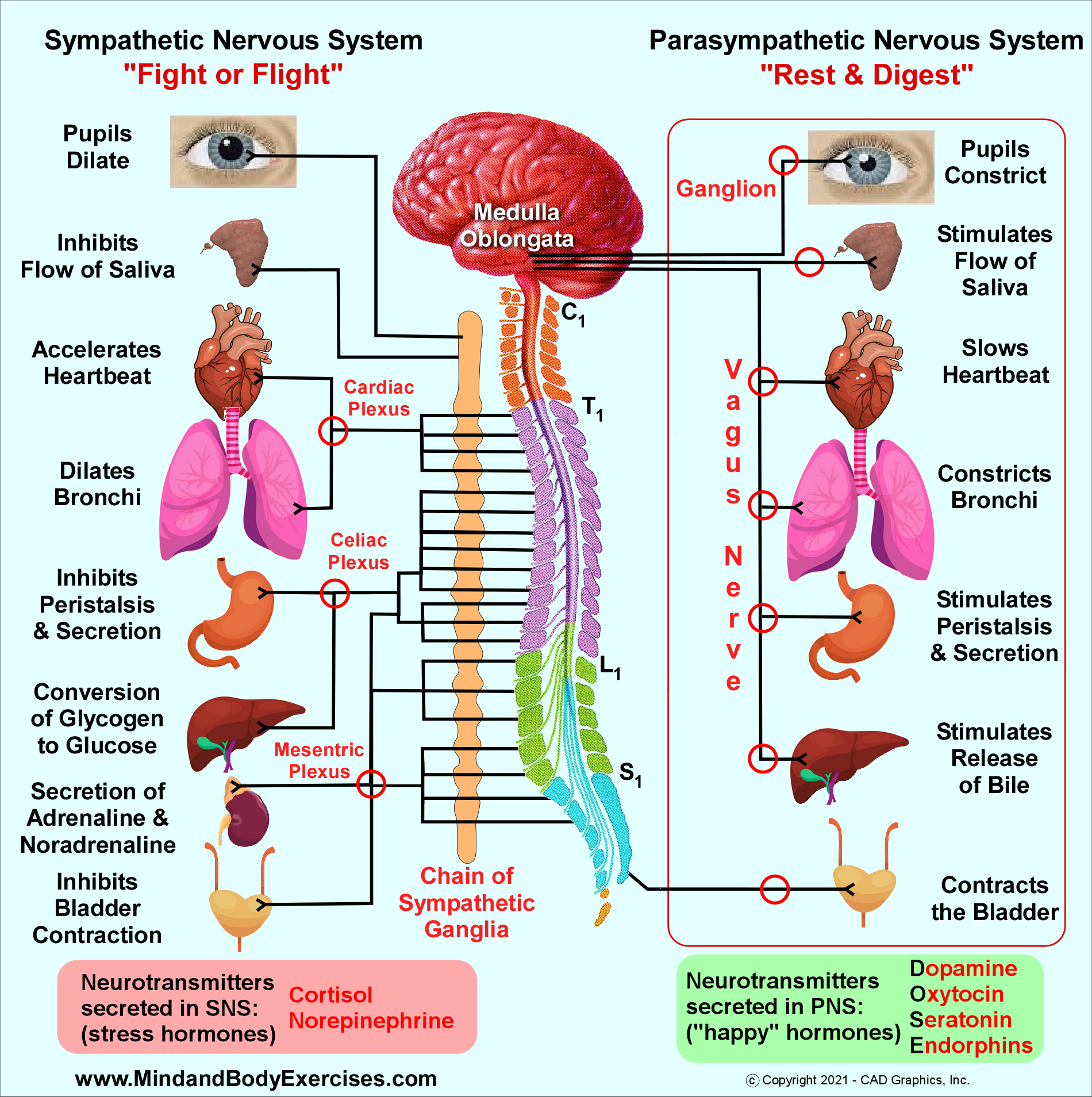
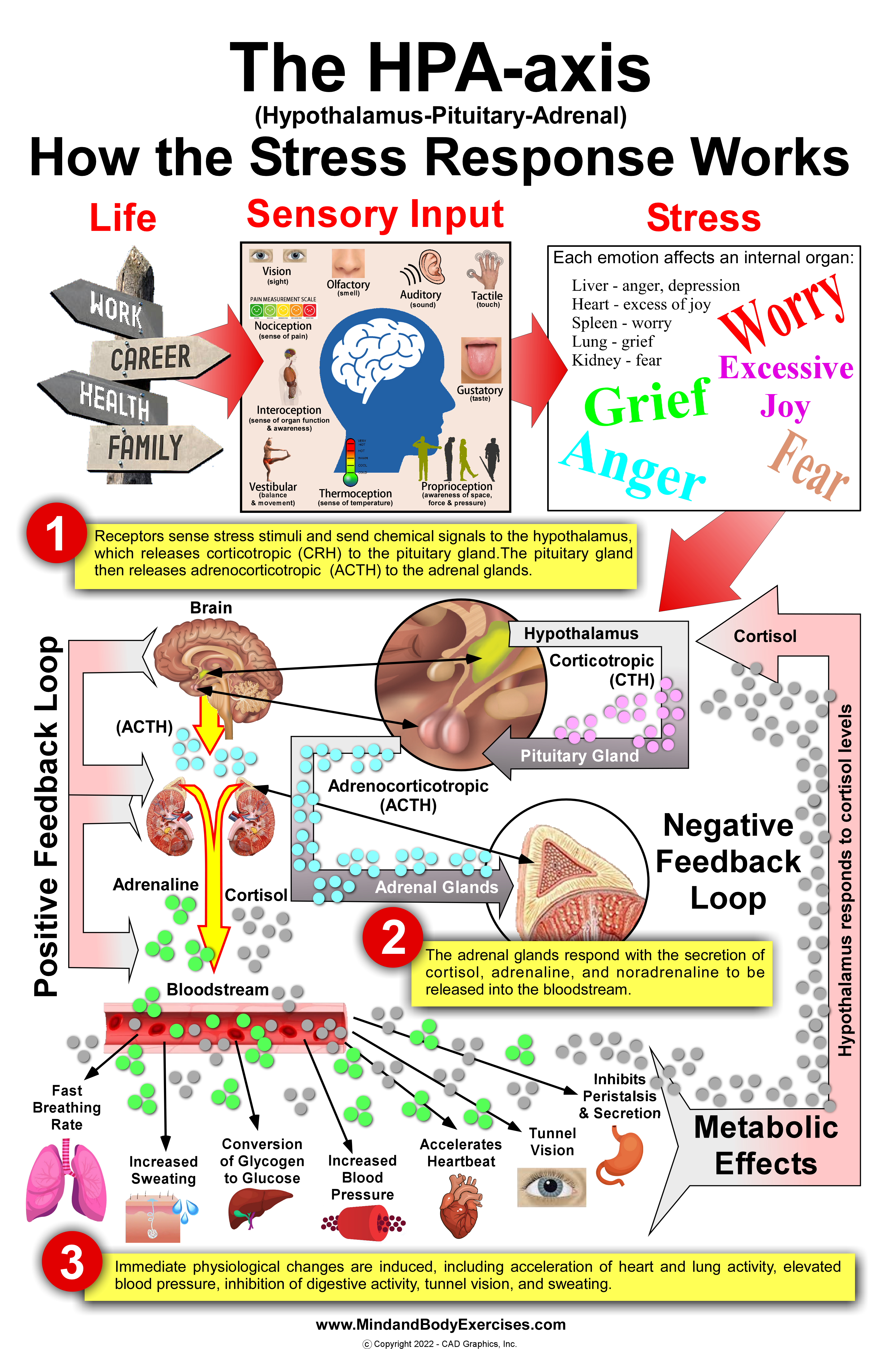
The autonomic nervous systems, specifically the sympathetic (SNS, fight or flight) and parasympathetic (PNS, rest and digest) nervous systems play an integral role with the human immune system. The interaction between these two mechanisms is how the human mind and body reacts to everyday stress and sometimes traumatic stressful events.
Emotional states directly influence respiration rate which affect organ function and consequently the immune system’s ability to fight off disease and illness. When our breathing patterns change so does our blood chemistry. Our emotions reveal themselves in various breathing patterns. Emotions of anger, fear, and anxiety result in quick, shallow breaths. Grief causes us to breathe spasmodically. Boredom leads to shallow breathing, while sadness and depression produces shallow and inconsistent breathing.
Stress can be defined as an individual’s consciousness and body’s response to tension or pressure in regard to specific events or changes in one’s environment. Increased breathing rate is necessary when experiencing truly stressful situations, like being chased by an animal, running from a fire or similar life-threatening situations. However, continued breathing at this pace for an extended period of time puts accumulative stress on all of the body’s systems. It is also worth stating that not all stress is considered bad in that good things can arise from experiencing stress and coping with it (Tripathy 2018).This is actually how one can strengthen their own immune system by learning how to manage their own stresses.
Stress has become known as one of the main factors contributing to the top causes of human death. Heart disease, cancer, unintentional accidents, respiratory ailments, cirrhosis of the liver and suicide are the most common causes that all share a strong connection to stress. Deliberate management of the SNS by regulating respiration rate and volume has been proven through medical research to lower stress (Hartz-Seeley 2014).
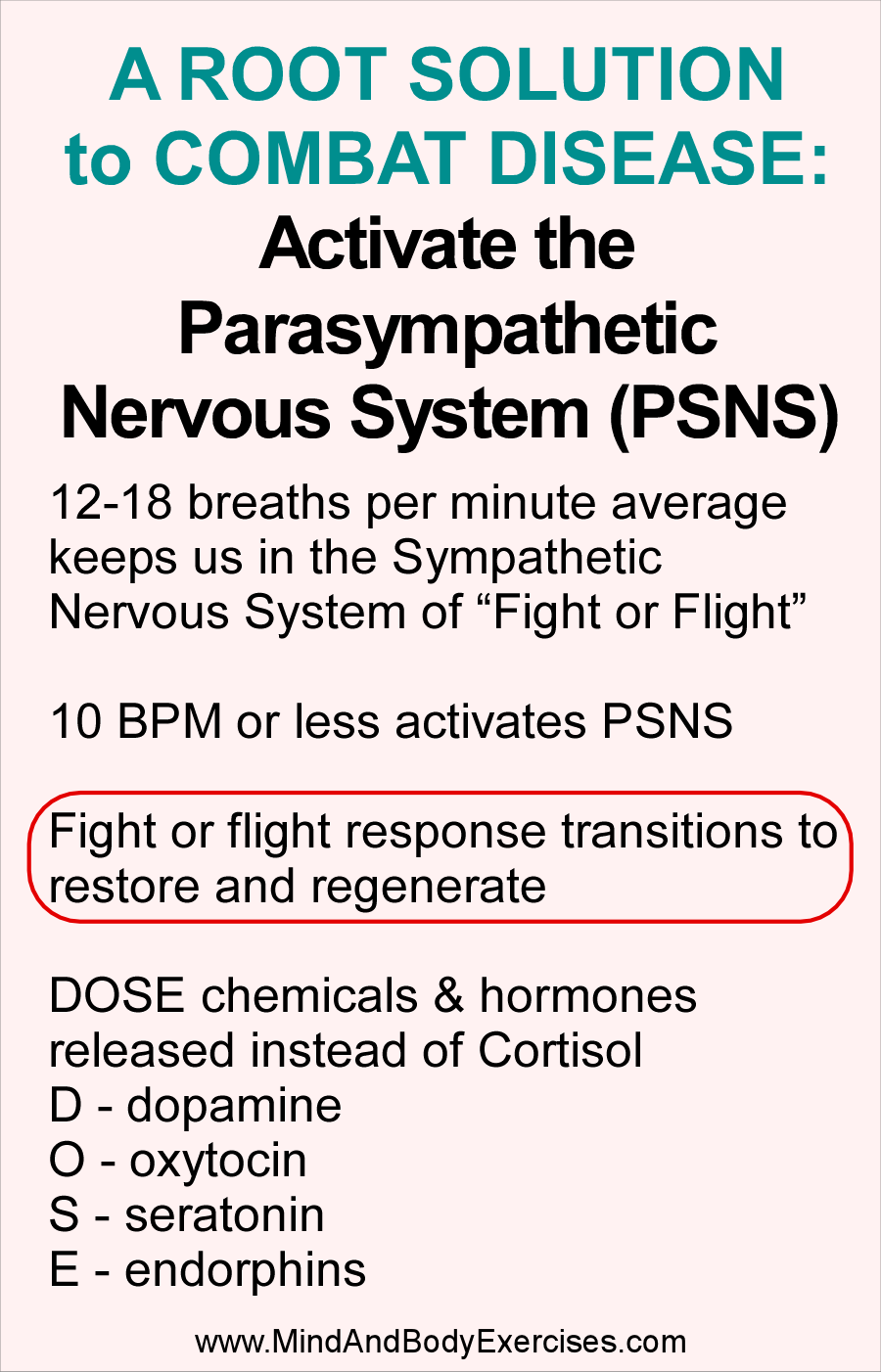
The average person breathes 12-18 breaths per minute (BPM) during regular activity of standing, sitting & walking, consequently engaging the sympathetic nervous system. Constant duration in the SNS dumps neurotransmitters of cortisol and norepinephrine into the blood stream putting the vital organs in a state of constant high alert and stress which weakens the immune system. Health and fitness experts suggest that 6 BPM is optimal for the lungs to properly oxygenate the whole body, balance the blood chemistry and also remove toxins. The lungs are responsible for removing 70% of the body’s waste by-products through exhalation. Deeper breathing is a key component to having a long and healthy life. Through focused and deliberate breathing methods, many positive mental and physical benefits can be achieved. This is more easily accomplished through mindful breathing patterns from exercises such as meditation, qigong, tai chi and yoga (Russo et al, 2017).
I have been successful in the past decades, in managing my own stress along with accompanying headaches, anxiety, digestive issues, blood pressure levels and other ailments. When and if I begin to feel ill, fatigued or even flu-like symptoms, my course of action is to practice some tai chi and yoga, followed by a healthy meal and a good night’s rest. Based upon all of this information and my own experiences, I definitely think that our immune system is greatly affected by our nutrition, exercise/activities, thought patterns and lifestyle choices.
Russo, M. A., Santarelli, D. M., & O’Rourke, D. (2017). The physiological effects of slow breathing in the healthy human. Breathe (Sheffield, England), 13(4), 298–309. https://doi.org/10.1183/20734735.009817
________________
I write often about topics that affect our health and well-being. Additionally, I teach and offer lecture about qigong, tai chi, baguazhang, and yoga. I also have hundreds of FREE education video classes, lectures and seminars available on my YouTube channel at:








 United Martial Arts Association