Rough Initiations – Rites of Passage

Rough initiations is another term for rites of passage, which can be ceremonial events that mark important transitions in an individual’s life. A rough initiation refers to the challenging aspects of an initiation process or symbolic ritual. These events often involve the change of one’s social status, roles, or responsibilities within a family, group or community. Initiations are a common element within rites of passage, taking various forms or presentations. Challenges may involve physical and/or psychological challenges of endurance, meant to push an individual to achieve their full potential, capacity or limits. By overcoming these challenges, the individual can demonstrate their willingness and qualifications to accept new roles or responsibilities within a particular group or community. Rough initiations are integral to various cultures and traditions around the world, where they are often designed specifically to assess an individual’s strength, fortitude, courage, resilience, and loyalty to a group or community. Details and particulars for rough initiations vary widely, but most have the underlying purpose of facilitating personal growth, strengthening of social bonds, and promoting a sense of identity and worth within the group.

I don’t think that our current American culture offers much in the way of positive reinforcement of any real “coming of age” initiations or rites of passage. Common American initiations over the years have typically been the introductions of smoking cigarettes, drinking of alcohol, driving our first automobile, graduation from high school, and religious ceremonies of confirmation, bar/bat mitzvahs and other initiations that usher the individual into adulthood. Some of these previous examples other than the religious ones, can on some level be loosely interpreted as Francis Weller defined initiation, as “a contained encounter with death.” Upon further reading of Francis Weller’s Rough Initiations, what first started to catch my attention is that not everyone experiences things quite the same way. For what may be traumatic for one individual might be trivial or an inconvenience for another. My understanding of trauma beyond the actual definition of events that our done to someone mentally and physically that manifest suffering to the individual, is that trauma most often comes at us unwelcomed, unannounced and usually free of a monetary charge. Initiations (rough or otherwise) on the other hand, are often welcomed, announced well ahead of time, seen as acceptance into adulthood, and for some there may be a monetary reward or financial fee in order for the initiation to be held. Trauma is firsthand experiences or witnessing of physical injury/violence, abusive/toxic environments, death of a loved one, etc. Modern day rough initiations might be seen in religious ceremonies, the first hunt/fishing, cold/hot plunge, an intense mountain hike, college all-nighter, fasting, isolation, sleep deprivation and other tests that may challenge someone to perform at higher levels of physical activity and mental discipline. Basically, trauma comes to us, whereas we may pursue rough initiations, or so I have come to understand. We are all quite literally wired differently in regard to our own physiological nervous system, that often helps us to interpret stimuli as either positive or negative to mental, physical, and spiritual well-being. I do think that other cultures, may still hold their initiations of upmost importance, as I have come to learn more about that of indigenous peoples throughout the world.
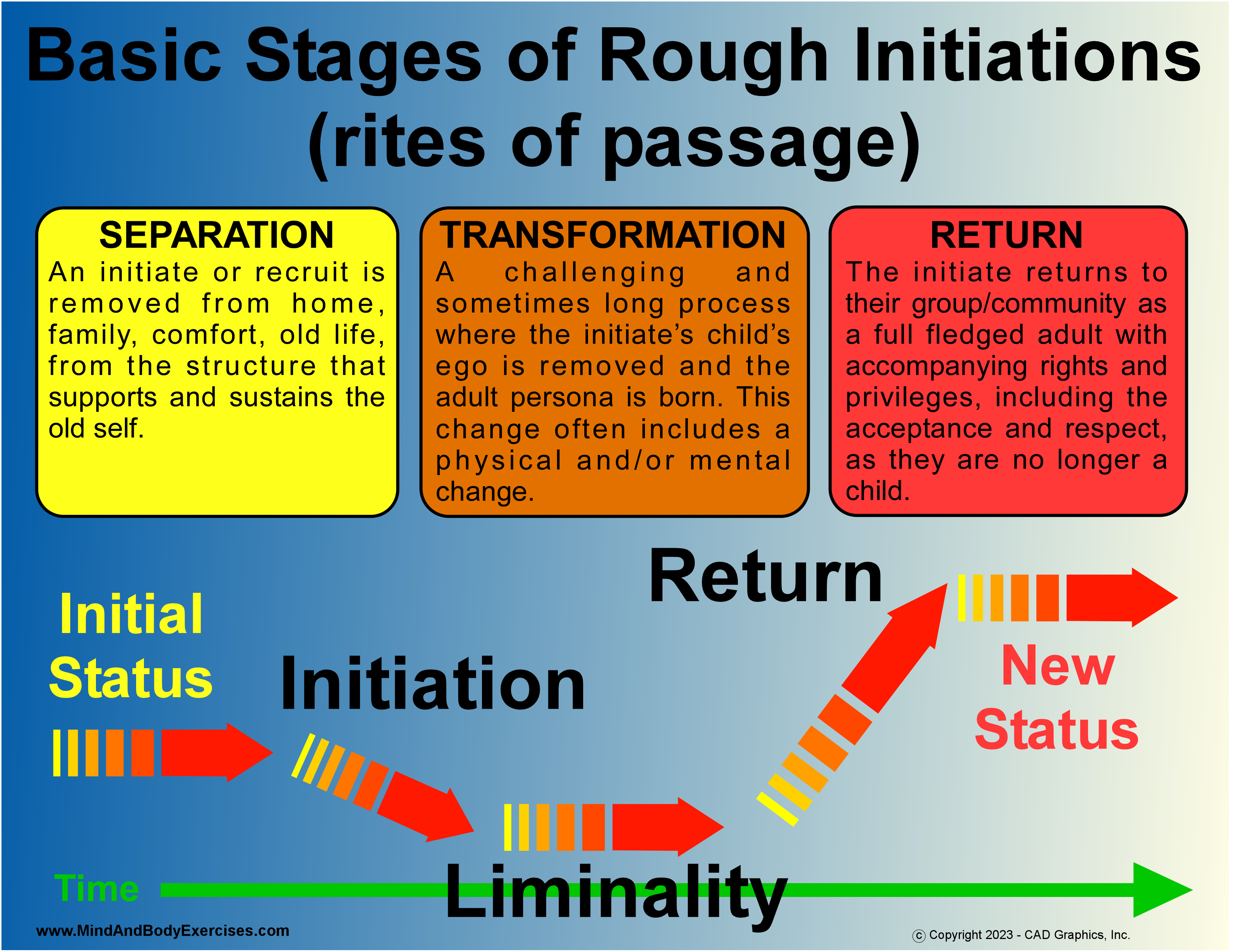
This is not a new concept as we can see examples from ancient times, where groups such as the Spartans, Romans, Vikings, Samurai, Mongols, the Knights Templar, Benedictines, Franciscans, Native Indigenous people worldwide, secret societies, and perhaps many others have had their own particular initiations and rites of passage. In more modern times, rough initiations can still be found in various presentations, although they may not be as common or standardized as some traditional cultural practices. Here are some examples:

  1. Cultural or Social Initiations: Cultures, subcultures or social groups can have initiation rituals that require symbolic actions or engaging in challenging tasks that can range from endurance challenges to symbolic acts designed to demonstrate loyalty to the values of a group.
  2. Fraternity/Sorority Hazing: Many organizations discourage, restrict and even ban hazing, however some fraternities and sororities still include initiation rituals that can be physically or emotionally challenging.
  3. Sports Initiations: College and professional sports may have initiation rituals that involve rookies undergoing tasks or challenges, or participation in team-building events in order to demonstrate their commitment or loyalty to their team.
  4. Military Training: Military basic training involves physically and mentally challenging tasks needed to prepare recruits for the demanding risks they may encounter in their roles as soldiers. Initiation activities may include intense physical fitness routines, such as “hell week,” and other psychological stress events that help to build discipline, resilience and camaraderie.
  5. Specialized Training Programs: Elite military units, law enforcement agencies, first responder emergency teams and others may require their members to participate in stressful training which may be considered as extremely rough initiations, to ensure they are prepared for life and death situations.

Authors in the book and movie industry have played an enormous role in promoting this whole concept of rough initiations as can be seen in a seemingly endless stream of titles such as Star Wars, Harry Potter, Narnia, The Matrix and many, many others. Challenging initiations can help to cultivate a sense of belonging, camaraderie and commitment, however there is a nuanced relationship between beneficial rites of passage and detrimental hazing practices. Many organizations now deliberately discourage or restrict activities that can potentially put individuals at physical or mental risk, compromising their overall well-being. Most would agree that responsible and respectable initiation processes should focus on the individual’s personal growth, social connections, and instilling a positive sense of belonging.
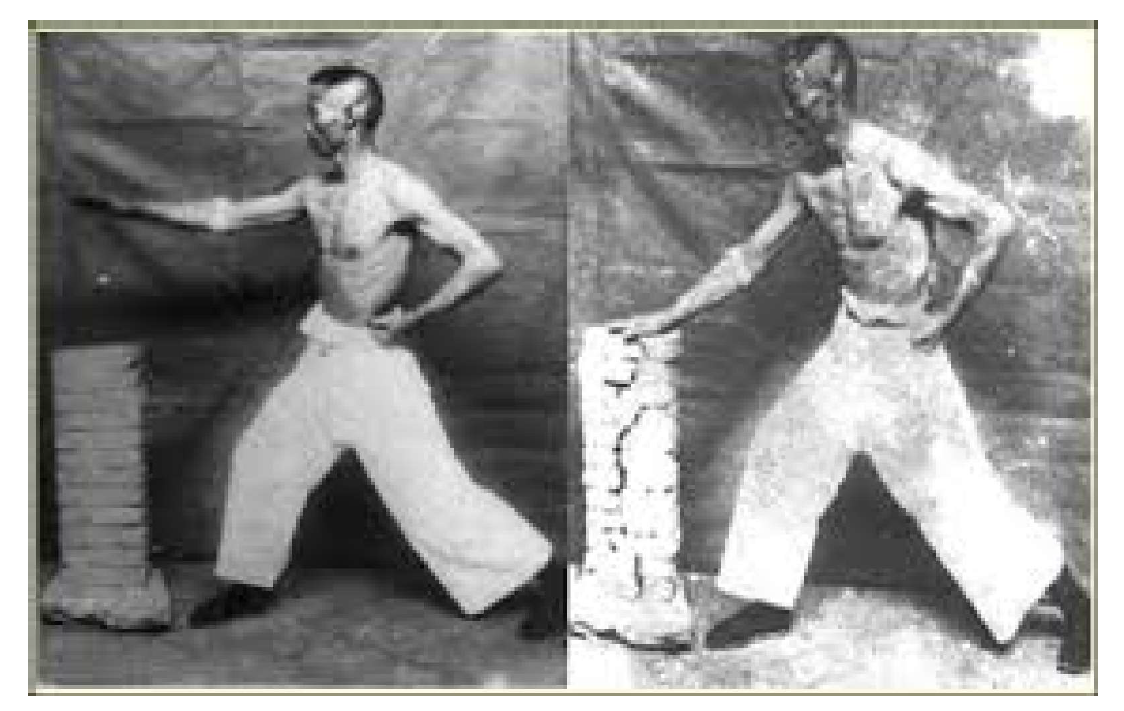
Reading Rough Initiations brought some memories back from my first years in my martial arts (cult)ure and having experienced many initiations. I refer to it as such because at this time of the early 1980’s, American and Eastern cultures from China and Korea did not exactly assimilate well with each other in the conservative Midwest. One person’s culture can very well be seen as another’s cult. This can be quite apparent as seen today regarding one’s religious, philosophical, and sometimes political beliefs. Even facets in pop culture, social issues and sports can reflect this divide between perspectives of what trends seem to have their own culture. With the former being said, the martial arts community of years past was often viewed as having its own unique culture as demonstrated in its traditions, rituals, and ceremonies. My lineage did indeed focus beyond the basic goal of self-defense, due to the deep Taoist and Buddhist roots of my teachers. I was not quite aware of this before my first introductions, but I would soon learn that most martial arts systems are indeed rooted in having a series of initiations or tests, designed to bring an individual at least from being physically and mentally weak to that of enhanced physical and mental strength, and for those interested in cultivating higher spiritual awareness. I too have sought out rough initiations or “voluntary suffering” in what I would later learn to be called strategic trauma. Intense exercise, meditation, fasting, sensory deprivation, isolation and other methods of self-cultivation can be considered types of self-induced strategic trauma. “Iron palm” training is one such method of self-induced trauma that I did willfully partake in. Mental, physical and self-awareness benefits can be achieved from skillfully hitting bags of dried beans, and then applying medicinal herbs and acupressure techniques thereafter to promote healing. I think when others recognize an individual for having accepted these challenges either on their own volition or with the guidance, encouragement, and assistance from others, these events are now transformed into initiations. We as a group, consisting of my teachers, peers, and later my students under my guidance, did heavily invest in Weller’s five variables of initiations that are the same used to heal individual trauma. These variables are community, ritual, the sacred, time and place. These components can help stabilize and anchor our inner dialogue, when either coping with traumatic life-changing events or self-cultivation.
References:

Writings. (n.d.). Francis Weller. https://www.francisweller.net/writings.html

Hewitt, D. (2021, November 27). 18 Memorable Coming of Age Rituals from History. History Collection. https://historycollection.com/18-memorable-coming-of-age-rituals-from-history/

__________________

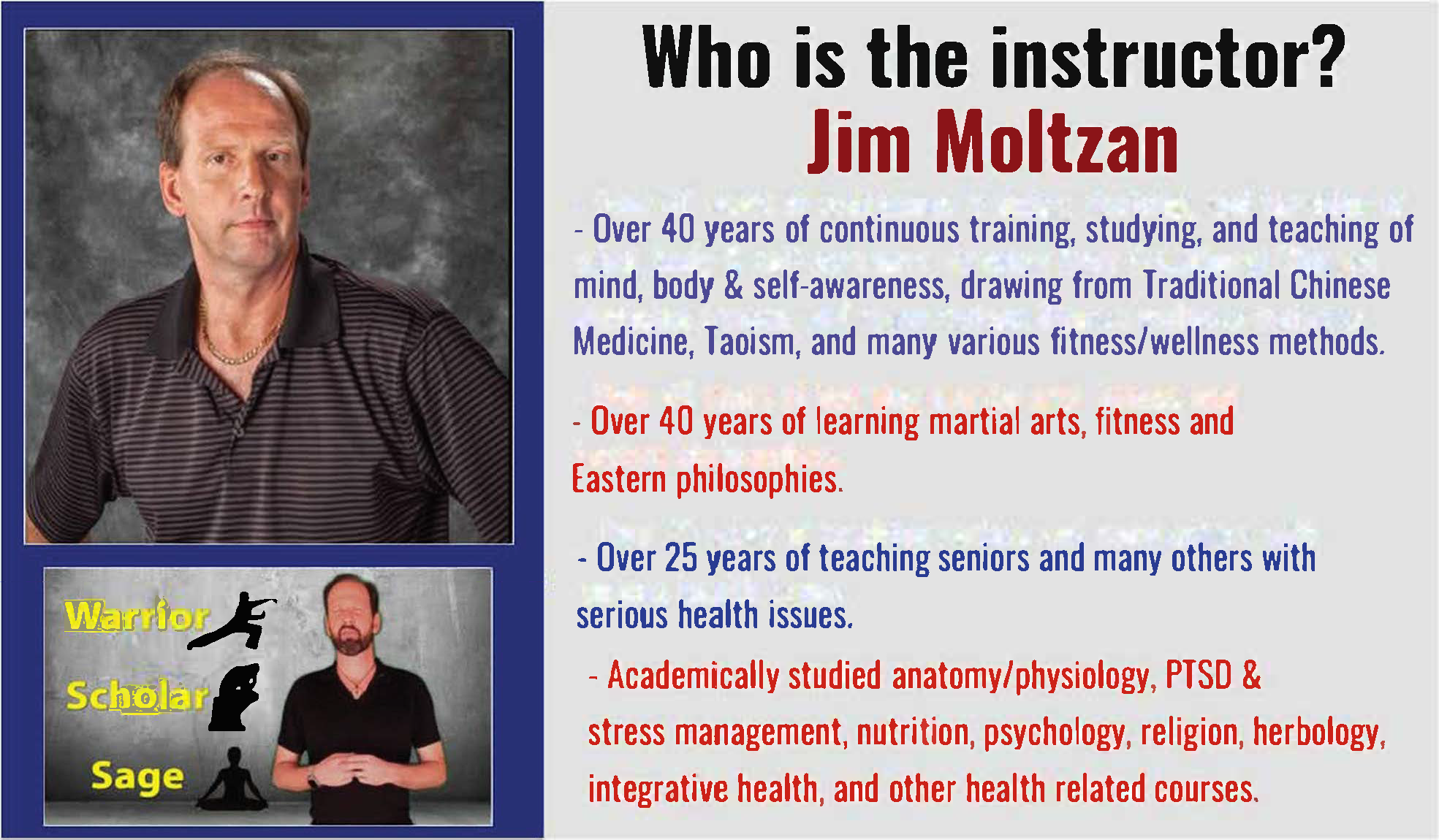
I teach and offer lectures about holistic health, stress management, qigong, tai chi, baguazhang, meditation, phytotherapy (herbs), music for healing, self-massage, and Daoyin (yoga).

I look forward to further sharing more of my message by partnering with hospitals, wellness centers, VA centers, schools on all levels, businesses and individuals that see the value in building a stronger nation through building a healthier population. I also have hundreds of FREE education video classes, lectures and seminars available on my YouTube channel at:

https://www.youtube.com/c/MindandBodyExercises

www.MindAndBodyExercises.com

www.Amazon.com/author/jimmoltzan

Mind and Body Exercises on Google: https://posts.gle/aD47Qo

Jim Moltzan

407-234-0119

The 12 Steps of the Hero’s Journey – Why is this relative to us?

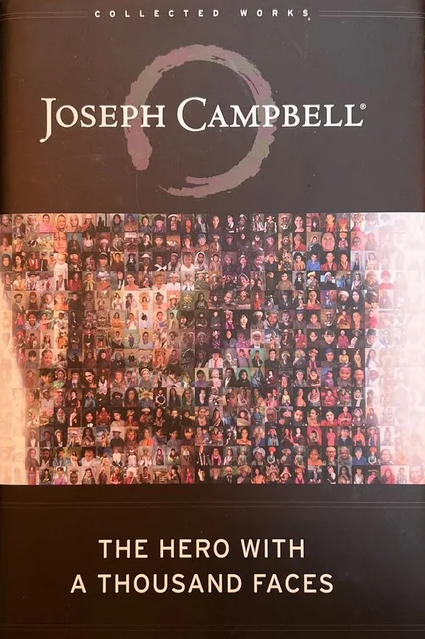
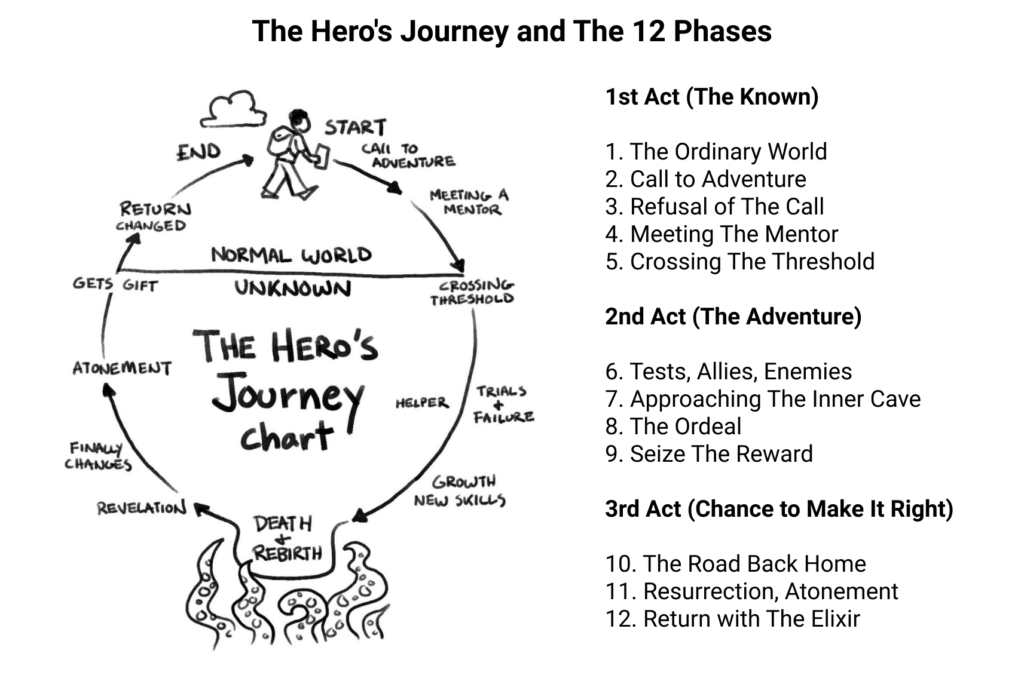
The concept of the “Hero’s Journey” comes from Joseph Campbell who was a writer, mythologist, and lecturer. Campbell introduced this idea in his book “The Hero with a Thousand Faces,” which was published in 1949. The theme underlying in the Hero’s Journey is that many myths, stories and legends, from differing cultures throughout the world and throughout history follow a similar pattern or structure. Psychologist Carl Jung referred to this innate relationship as the collective unconscious. The Hero’s Journey consists of roughly 12 distinct stages for a “chosen one” to navigate. Specific details may vary from culture to culture, but the overall structure remains fairly consistent. Examples would be that of Gilgamesh (Sumerian/Babylonian Mythology), King Arthur (Arthurian Legends), The Odyssey and Jason and the Argonauts (Greek Mythology), The Ramayana (Hindu Mythology), Sun Wukong (Journey to the West – Chinese Mythology), Inanna’s Descent to the Underworld (Sumerian Mythology), and Siegfried, the dragon slayer (Germanic mythology).

This structure of storytelling has also been popularized by modern authors of books and movies such as Lord of the Rings, Harry Potter, The Hunger Games and maybe most widely known of “Star Wars“. George Lucas of Star Wars was inspired by Campbell’s writings, but the two did not meet until well after Lucas had already produced his famous movies. I think that if we look carefully and reflect inward, we may be able to also see the pattern of the hero’s journey in each of our own lives. Why is this important? Because seeing our lives from this perspective can help to add clarity and focus to the unique meaning and purpose that we all possess but are not always aware of.

I find Sam Keen and Anne Valley Fox’s Your Mythic Journey published in 1973, to be quite relevant to current cultural and societal issues. Specifically, that of myths being defined as lies or something opposite of being factual. I too used to think of myths as lies or mere stories to entertain us, until becoming educated otherwise to this stigma. Keen elaborates that myths are a strict set of interconnected stories, customs, rituals, and rites, that serve to inform us while providing a sense of meaning, purpose, and direction to an individual, a family, a community, or culture. Keen expresses that telling of myths, ancient as well as modern have fallen to the wayside due to advances in technologies and the evolution of cultures and societies. When particular things can be seen as “good,” there is always the other opposite or contrasting perspective of there existing some amount of “bad.” While technology might be a factor in people choosing to not write their stories down as much as in years ago or choose to commit them to memory, because they know that they can always just go look them up on the internet. The other side of this coin is that modern technology has opened up the ability for more people to access other nations’ information bases and various cultures’ stories, myths, and knowledge, literally from the comfort and convenience of their own homes. In years past if someone cared to pursue learning about a particular culture, they might very well be best informed if they were to travel across the oceans to find a source that was willing to share. Today we just pick up our smartphone to travel in our thoughts to the other side of the world.

I have been immersed in a Taoist lifestyle for over 40 years, both from my martial arts and Traditional Chinese Medicine (TCM) background and study of this philosophy. With this in mind, I am drawn to see the yin and yang or the balance and contrast, in all things. This concept of yin and yang dates back thousands of years where Taoism has its origins around 500 BCE. Perhaps Taoism came about from the passing of myths to one another, or some myths may have come about from those having studied Taoism. Or maybe both are true, a debate for another discussion. Keen’s words have yin and yang written deep throughout them, as he hints that the contrast between heroes and enemies, is what gives meaning to either side.

Keen later goes on to speak of the inner voices of our ancestors and those around us, that often run through our minds. I have come to know this as our inner dialogue, and when not in check, referred to as the “monkey mind” that is constantly and incessantly jumping from one thought or story to another. Organizing our stories and our myths in our own mind is the challenge. These stories can offer us purpose and meaning to each of us in our own individual and unique ways in spite of standing on the shoulders of those who came before us with their stories and myths. Current popular culture in the US seems somewhat focused upon people needing to come to some realization of “their truth” as opposed to what Keen speaks of as “their story.” Can various different people having the same experience have different truths? I think not, but they can definitely have different stories of their own unique experience. An underlying theme that Keen speaks of is the need for someone to stand in the shoes of another, if they are to truly understand another’s story, whether in their myths, culture, traditions, symbols, etc.

I find Keen’s comments about how few people really know the depth of their own thoughts and imaginations quite accurate. I see more people concerned with what is going on within the virtual computer-generated and online social worlds outside of themselves, rather than understanding what is happening within their own minds. Some people can claim to know about driving a race car in virtual reality when they actually only know how to drive a standard vehicle in the physical world. Learning to understand and differentiate our public and private selves or “discovering our many selves” as Keen states, is a bit of foreshadowing of what I read later as some strong Carl Jung influences of personas, and archetypes as well as Sigmund Freud’s concepts of the id and ego.

The 12 steps of the hero’s journey:

  1. The Ordinary World
    The hero, uneasy, uncomfortable or unaware, is introduced sympathetically so the audience can identify with the situation or dilemma. The hero is shown against a background of environment, heredity, and personal history. Some kind of polarity in the hero’s life is pulling in different directions and causing stress.
  2. The call to adventure
    Something shakes up the situation, either from external pressures or from something rising up from deep within, so the hero must face the beginnings of change.
  3. Refusal of the call
    The hero feels the fear of the unknown and tries to turn away from the adventure, however briefly. Alternately, another character may express the uncertainty and danger ahead.
  4. Meeting with the mentor
    The hero comes across a seasoned traveler of the worlds who gives him or her training, equipment, or advice that will help on the journey. Or the hero reaches within to a source of courage and wisdom.
  5. Crossing the threshold
    At the end of Act One, the hero commits to leaving the Ordinary World and entering a new region or condition with unfamiliar rules and values.
  6. Tests, allies, and enemies
    The hero is tested and sorts out allegiances in the Special World.
  7. Approach
    The hero and newfound allies prepare for the major challenge in the Special world.
  8. The ordeal
    Near the middle of the story, the hero enters a central space in the Special World and confronts death or faces his or her greatest fear. Out of the moment of death comes a new life.
  9. The reward
    The hero takes possession of the treasure won by facing death. There may be celebration, but there is also danger of losing the treasure again.
  10. The road back
    About three-fourths of the way through the story, the hero is driven to complete the adventure, leaving the Special World to be sure the treasure is brought home. Often a chase scene signals the urgency and danger of the mission.
  11. The resurrection
    At the climax, the hero is severely tested once more on the threshold of home. He or she is purified by a last sacrifice, another moment of death and rebirth, but on a higher and more complete level. By the hero’s action, the polarities that were in conflict at the beginning are finally resolved.
  12. Return with the elixir
    The hero returns home or continues the journey, bearing some element of the treasure that has the power to transform the world as the hero has been transformed.

I feel that we are all pursuing a hero’s journey on some level as we all manage and cope with our daily trials and tribulations. However, it is up to the individual to reach some inner clarity and cultivation of character to better understand how this concept applies to their story.

References:

Campbell, J. (1949). The hero with a thousand faces. Pantheon Books.

Keen, S. (1989). Your Mythic Journey: Finding Meaning in Your Life Through Writing and Storytelling. TarcherPerigee.

____________________________

I teach and offer lectures about holistic health, stress management, qigong, tai chi, baguazhang, meditation, phytotherapy (herbs), music for healing, self-massage, and Daoyin (yoga).

I look forward to further sharing more of my message by partnering with hospitals, wellness centers, VA centers, schools on all levels, businesses and individuals that see the value in building a stronger nation through building a healthier population. I also have hundreds of FREE education video classes, lectures and seminars available on my YouTube channel at:

https://www.youtube.com/c/MindandBodyExercises

www.MindAndBodyExercises.com

www.Amazon.com/author/jimmoltzan

Mind and Body Exercises on Google: https://posts.gle/aD47Qo

Jim Moltzan

407-234-0119
Purpose and Meaning – From Chaos to Calling, Discovering Your Reason for Being

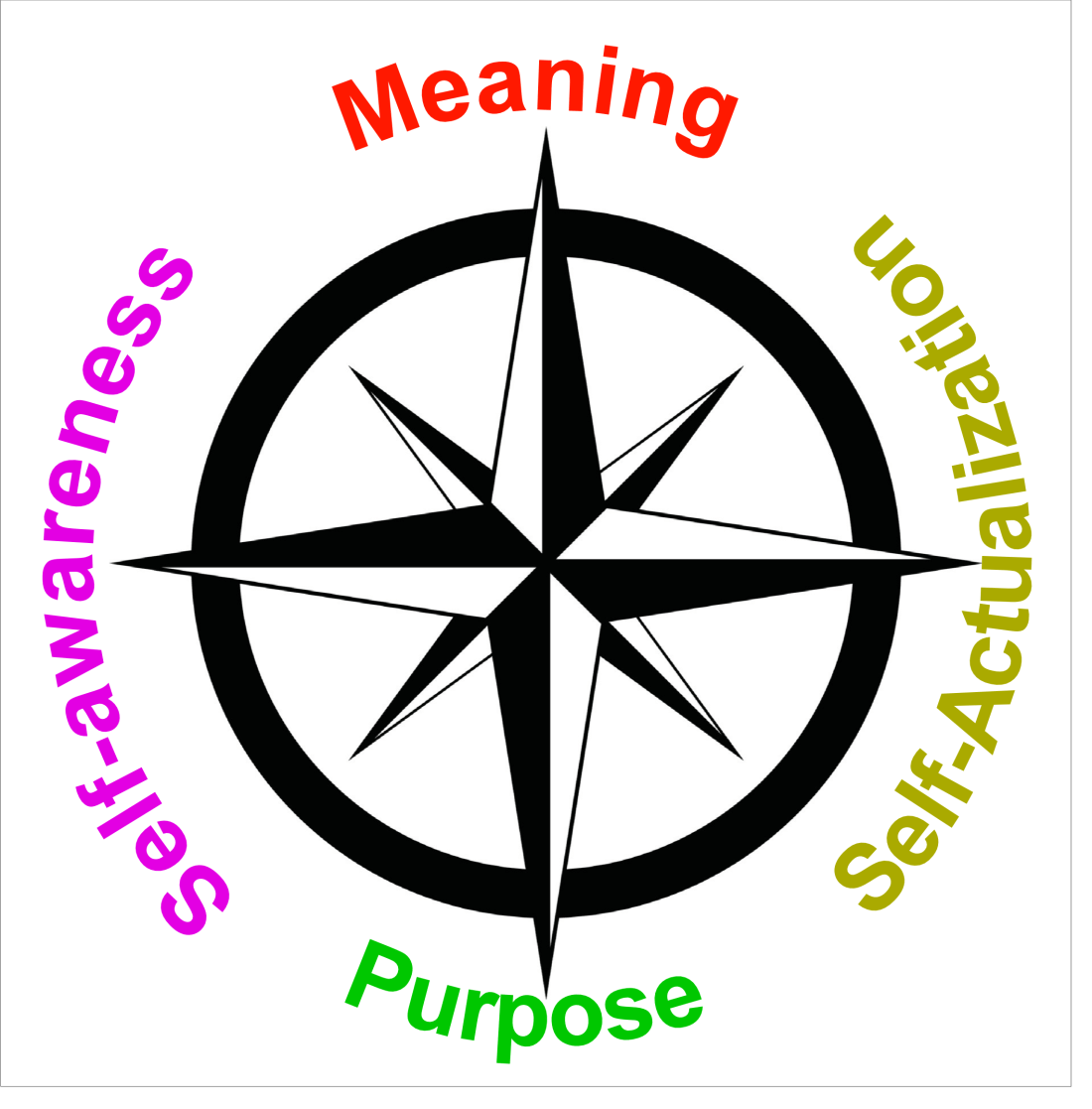
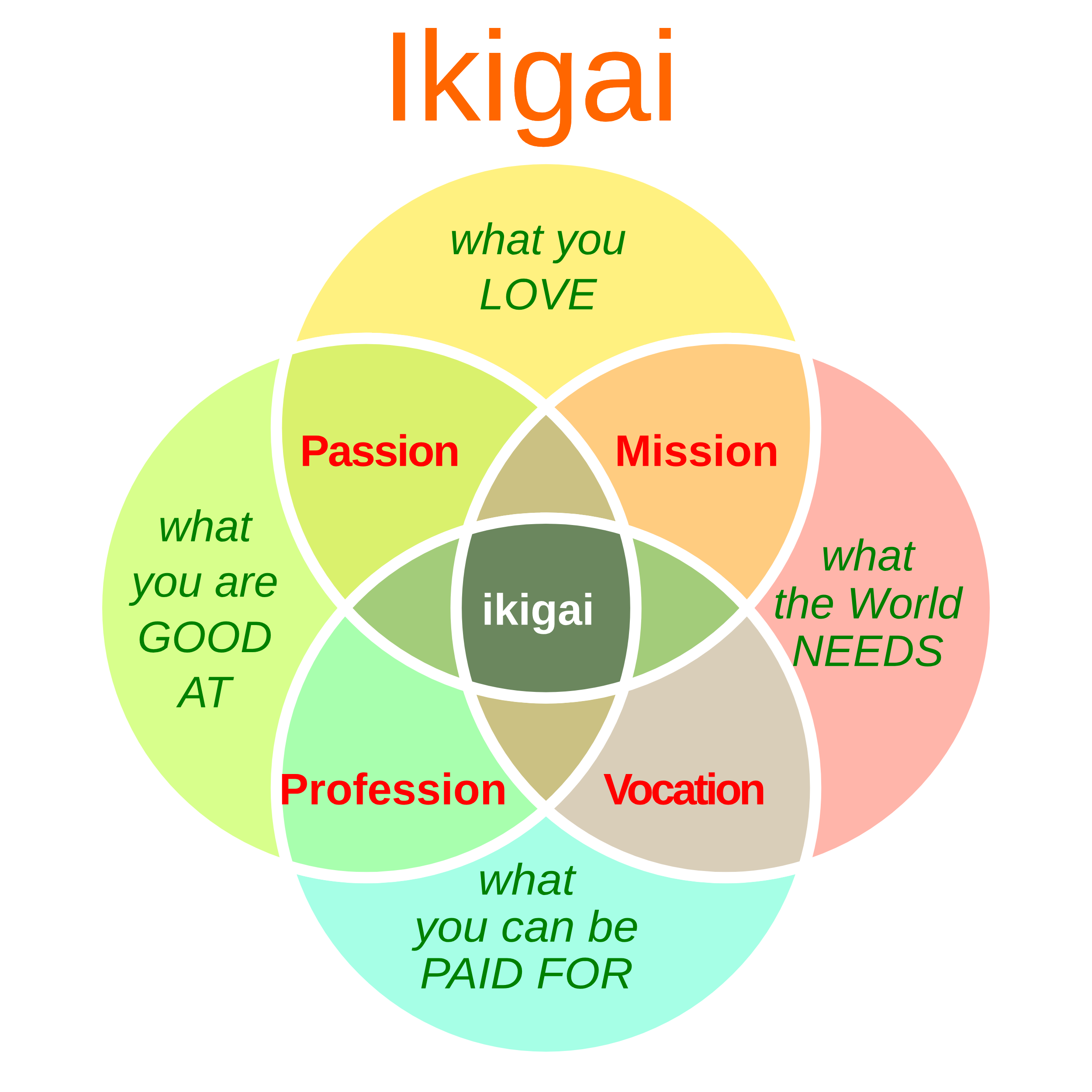
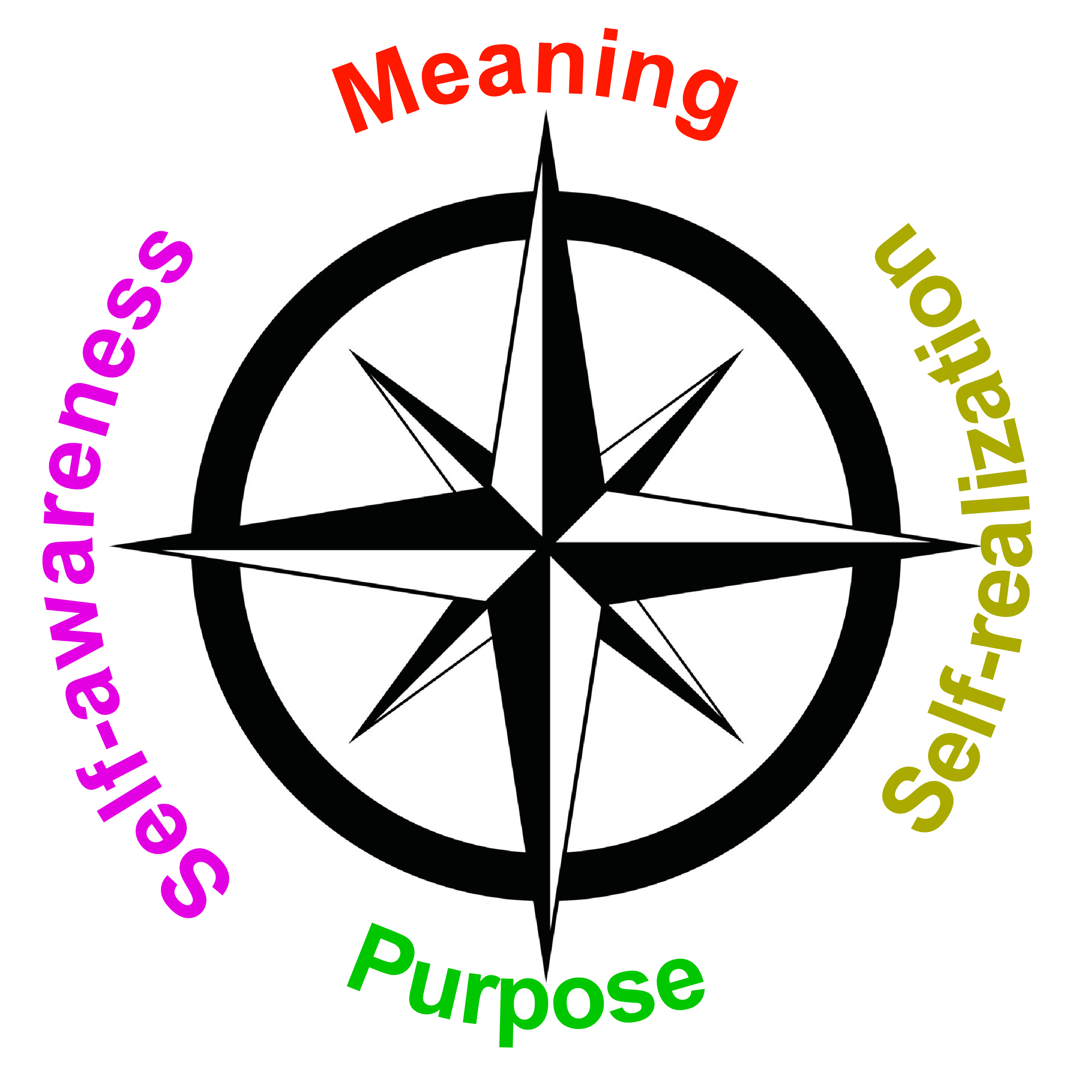
Ikigai is the Japanese term for striving to achieve a balance of differing concepts of purpose, meaning, self-awareness and self-realization (I will use the acronym of PMSS), while also being able to earn a living from occupations that are rooted in these concepts. Other names for this concept may be finding one’s bliss, calling or inner genius. These four concepts of PMSS are similar, albeit different in their definitions. When we have these components within are psyche, we have a reason to be, a reason to get up out of bed each day, a direction that we can see will benefit our lives and those around us. Without these components, we see chaos, confusion, pain and suffering. Some do know and realize their purpose early in life, although most do not. Many Americans seem to have lost their sense of purpose and meaning. Some may never have known their purpose in the first place, let alone later in their lives. We often see retirees having a loss of purpose once they step away from careers that mostly defined who they were in the workplace, at their homes and within the family hierarchy. Some lose their purpose when a spouse or loved one passes away. Some people in these latter categories, look to volunteering and public service as ways to revive their meaning and purpose. Gaining as understanding of these concepts sooner than later is better not just for the individual, but communities and society as a whole. This sense of PMSS is not something that one can purchase at a store or read about and determine from first thoughts or insights on this topic, as time, life experiences, desire and self-reflection all help to shape one’s PMSS.

Each of the elements of PMSS can offer philosophical and psychological aspects. Here are some summaries of each:

  1. Purpose:
    • Purpose refers to the reason why something exists or is done, the desired outcome or the intention behind an action.
    • In the context of having a purpose, personal purpose involves a person having an understanding of their reason for being, and what gives their life a sense of drive and direction.
  2. Meaning:
    • Meaning is the worth, value or significance that a particular thing holds, often determined from the influence, connection or impact that it has on other things in its surroundings.
    • In the context of having a personal meaning, this concept is the relative awareness, understanding and interpretation of one’s own experiences, actions, and relationships, that influence an individual’s sense of usefulness, satisfaction and fulfillment.
  3. Self-Awareness:
    • Self-awareness is the conscious knowledge of an individual’s own being, which may includes one’s own character, emotions, desires and intents, usually involving one’s ability to reflect upon oneself in order to better understand one’s own thoughts and behaviors.
    • In the Context of having a personal self-awareness, this concept would involve recognizing and acknowledging personal strengths, weaknesses, values, desires, and aspirations.
  4. Self-Realization:
    • Self-realization is the process of pursuing one’s full potential by becoming the best version of oneself, while also achieving a state of personal actualization and fulfillment.
    • In the context of pursuing self-realization, this is closely related to finding and living in harmony with one’s purpose and meaning through one’s life experiences, often including cultivation of personal growth, self-discovery, and the pursuit of authenticity.

In summary, purpose and meaning are key components to achieving self-awareness and self-realization. Developing a better sense of self-awareness can lead to a better understanding of one’s purpose. Self-realization involves the continuous process of living in harmony with that purpose, while finding meaning in one’s life journey. These four different concepts are interconnected and deeply individual, often shaped by one’s own individual experiences, values, and beliefs. Practices such as meditation, yoga, qigong, tai chi and others can often help serve as a conduit to a better understanding of how one’s mind, body and self-awareness are interconnected.

__________________

I teach and offer lectures about holistic health, stress management, qigong, tai chi, baguazhang, meditation, phytotherapy (herbs), music for healing, self-massage, and Daoyin (yoga).

I look forward to further sharing more of my message by partnering with hospitals, wellness centers, VA centers, schools on all levels, businesses and individuals that see the value in building a stronger nation through building a healthier population. I also have hundreds of FREE education video classes, lectures and seminars available on my YouTube channel at:

https://www.youtube.com/c/MindandBodyExercises

www.MindAndBodyExercises.com

www.Amazon.com/author/jimmoltzan

Mind and Body Exercises on Google: https://posts.gle/aD47Qo

Jim Moltzan

407-234-0119
What Are The Key Elements to Happiness? A Harvard Study Adds Insights

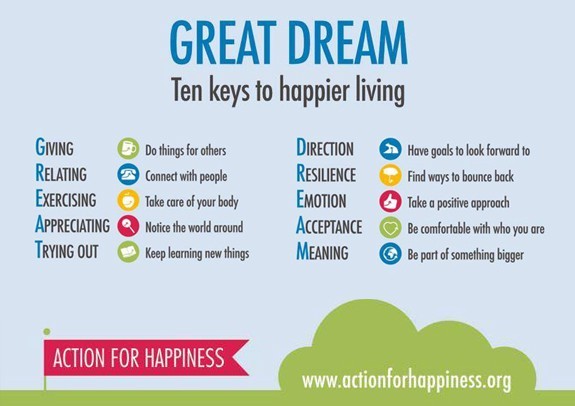
Having a loving family, supportive friends, good health, and having a sense of purpose, are these not what are truly at the root of most people’s happiness? So, then why do we struggle so much to find our happiness through other means, when we know the answer is found in what I have already mentioned? I think many people are in a state of what is currently a popular term of cognitive dissonance, or a inner mental conflict of knowing what is true but choose to believe and behave otherwise to the facts. Most of us know that happiness comes from within, but still look to find it or buy it at some retail store or car dealer down the road. Americans’ happiness has been in a state of decline for many decades now, where many people have a lack of faith or spirituality, have less sense of purpose/meaning, less deeper connections to family and friends, and even less loyalty and pride in the workplace. Many people prefer living a false reality through social media or interactions entirely through the internet. Open your eyes and take an honest look around and see where we are truly residing. However, there is hope though. We just need to do the work. Read further below.

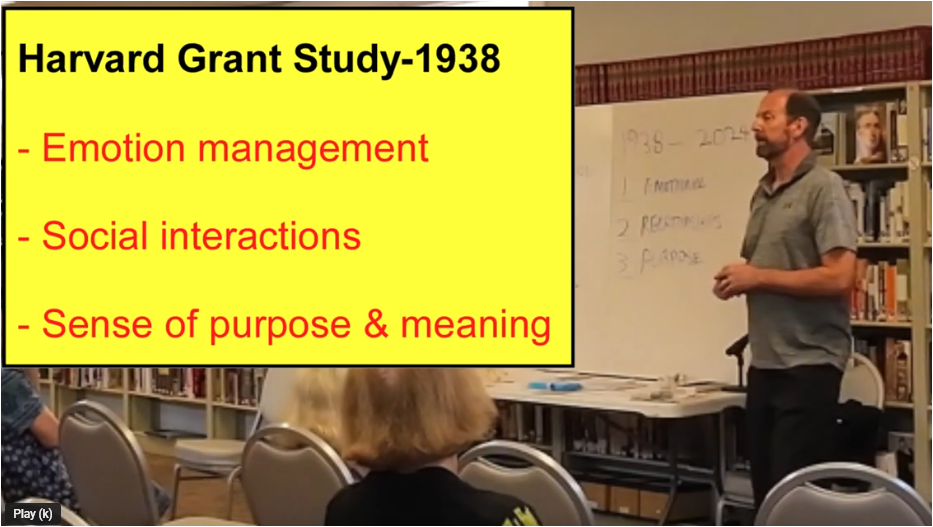
The Harvard Study of Adult Development (aka the Grant/Glueck Study) is an ongoing longitudinal study having started in 1938 with 724 men, with women added in some years later. The goal of the study was to track the participants’ physical and mental health, along with their social and emotional interactions and development over the span of their lives. Now 80 years later, the study is still offering insights into what are the key elements that participants found to have provided happiness throughout their lives. The original study began with a group of 268 Harvard sophomore men, and then later expanded to include a second cohort of 456 inner-city young men from Boston. Many of the men from both groups would go off to fight in WWII, where consequently not all of the soldiers were able to return back home alive.

Key findings:

  • Relationships are key to happiness and well-being. Individuals who pursue and maintain strong social ties are more often happier and healthier than those who are more isolated.
  • Mental and physical health are synergistically entwined. People with good mental health are more prone to be in good physical condition.
  • Stress management is essential for long term health and wellness. Having healthy coping mechanisms helps with better health and longevity.
  • No “one size fits all” approach worked for all. Everyone is uniquely individual in how certain aspects or behaviors of health maintenance may work for some but not necessarily others.
  • Expression and experiencing of positive emotions. Emotions and expressions of gratitude, thankfulness, compassion and empathy are thought to heavily influence health and happiness.

And there it is, some scientific data that has been tracked and passed the test of time. Maybe nothing revolutionary is found in the study, that we often take for granted every day. Family, friends, good health, and a sense of purpose and/or faith in something greater than the individual. All is really needed is the desire, effort and time to make these key elements a reality to the user. Start or join an in-person club or group, call or visit friends and loved ones, mend broken relationships, volunteer, spark new conversations and relationships where appropriate. Get moving! Walk, run, swim, yoga, tai chi, hike. Get your blood moving. Try to be at least 51% positive, as much as possible. Find the things that make you want to wake up every day and get out of the bed, the house, your head. There is a whole world out there that you can be part of and not just an observer from a distance.

Reference:

Msudlifemed. (2019, February 16). Harvard Study of Adult Development- Relationships, Resilience, and Happiness (Healthy Aging). MSU Denver Lifestyle Medicine Resource Hub. https://msudlifemed.wordpress.com/2019/02/16/harvard-study-of-adult-development-relationships-resilience-and-happiness/

___________

I teach and offer lectures about holistic health, stress management, qigong, tai chi, baguazhang, meditation, phytotherapy (herbs), music for healing, self-massage, and Daoyin (yoga).

I look forward to further sharing more of my message by partnering with hospitals, wellness centers, VA centers, schools on all levels, businesses and individuals that see the value in building a stronger nation through building a healthier population. I also have hundreds of FREE education video classes, lectures and seminars available on my YouTube channel at:

https://www.youtube.com/c/MindandBodyExercises

www.MindAndBodyExercises.com

www.Amazon.com/author/jimmoltzan

Mind and Body Exercises on Google: https://posts.gle/aD47Qo

Jim Moltzan

407-234-0119
Gratitude Attitude

The holidays often provide us a reminder for us to be grateful for we have within our lives, as well as what we don’t have. Shouldn’t we try to be grateful though, regardless of what time of the year it is?

We all live a certain amount of time, which will be different for everyone, where we engage and/or are exposed to a large amount of happiness as well as sadness in our lives. Good times as well as bad times, or maybe looked at as a constant ebb and flow of peaks and valleys. I feel that I have a high amount of gratitude for my life, for which I equate to having come to my own realization for what is most important in my life. These things being my own gifts of my mind, body, and spirit along with those family and friends that share in my life. I think as we all become older these things become more apparent and of higher priority as we may realize that time is somewhat limited. Consequently, my mindfulness strategy is to strive to maintain these factors with the goal of not having regrets for not doing so, when it is my eventual time to pass onto the next phase of whatever comes hereafter.  With consistent daily practice of methods such as the “loving-kindness,” “living deeply” and “embracing life” focused meditations, I feel confident in increasing my level of gratitude that I express as well as experience.

I think it does help quite a bit to understand the psychophysiology that affects our mind and body as we process gratitude. I have come to understand that all emotions elicit a response from particular areas of the brain and the autonomic nervous system (ANS) and more specifically the limbic system and relative components of the amygdala, anterior cingulate cortex, and the hypothalamus. These regulatory mechanisms of the ANS produce a variety of appearance changes that are related to specific emotions, such as reactions of skin coloration, moisture and secretions, protrusions, and appearance of eyes (Cacioppo & Tassinary, 2016, p.448). I think that gratitude is perceived as a more positive emotion like joy or happiness, rather than a negative or threat-reactive emotion like fear or anger. I would then propose that an individual experiencing gratitude would also simultaneously experience their pupils constricting, facial reddening, dryness of the palmar regions of the hands and soles of the feet, tears secretion and perhaps lack or increase in piloerection as these are all functions of the parasympathetic nervous system (PNS) in reciprocity with the sympathetic nervous system (SNS) (Cacioppo & Tassinary, 2016, p.455).

A 2022 study published in the Nephrology Nursing Journal reports on how nurses that care for sufferers of chronic kidney disease (CKD), are often highly emotionally stressed and often themselves suffer health issues of burnout. Researchers in Canada hoped to recruit up to 35 nephrology nurses to participate, but eventually had 13 with 12 nurses actually completing the study program. Nurse participants needed to work in an academic urban regional renal care program, of which were at 10 hospital-based facilities and one at a community-based facility. Participants were recruited via emails, posters, and educational in-services. Nurses were required to be of at least 18 years of age or older, speak English, and work within the renal care program. Anyone that was experiencing untreated severe depression/mental health illness was to be excluded from participating in this study. Once having attended a brief screening process, volunteers that met the inclusion/exclusion criteria were given a letter of information and asked to provide their signed, informed consent. The nurses had agreed to participate in an 8-week Mindful Self-compassion (MSC) research-tested program that integrated the skills of mindfulness, with the intent of practicing specific methods they would cultivate skills in self-compassion to nurture self-kindness, a better sense of common humanity, and mindfulness where they could better manage difficult thoughts in a more balanced perspective instead of reacting with an avoidance or fight/flight response. For each of the 8 weeks a different theme was focused upon. The first week was aimed at discovering mindful self-compassion, the second week was practicing mindfulness, the third week was practice Loving-Kindness meditations and so on, where week eight focused upon embracing your life. The last week was highly important in that along with the culmination of the study, participants were educated on ways to cultivate gratitude, self-appreciation, and happiness.  Also, they learned ways to transform one’s mind’s away from natural negativity bias, while actively embracing the negative and positive aspects within one’s life and inner self. At the end of the study, researchers reported that the participating nurses’ self-compassion scores increased with a statistically significant difference between the before and immediately after intervention time points. Similar improvements were reported in the self-kindness, common humanity, and mindfulness aspects, where self-judgment, isolation, and over-identification had decreased (Crandall et al., 2022).

A way to practice gratitude is to write a letter to one’s younger self. This can help to put into perspective what we as individuals have accomplished, while knowing there is more work to be done. As we write this letter we can contemplate if we will ultimately become either a warning or an inspiration to those in our lives and around our presence. I believe that if we take time to look at ourselves from this perspective, we can actually change our beliefs, views, actions and consequently our emotions as we move forward.

References:

Cacioppo, J. T., Tassinary, L. G., & Berntson, G. G. (2016). Handbook of Psychophysiology. Pgs. 448, 455. Cambridge University Press. Kindle Edition.

Crandall, J., Harwood, L., Wilson, B., & Morano, C. (2022). Mindful Self-Compassion Training and Nephrology Nurses’ Self-Reported Levels of Self-Compassion, Burnout, and Resilience: A Mixed Methods Study. Nephrology Nursing Journal, 49(5), 405–417. https://doi.org/10.37526/1526-744x.2022.49.5.405

____________________

I teach and offer lectures about holistic health, stress management, qigong, tai chi, baguazhang, meditation, phytotherapy (herbs), music for healing, self-massage, and Daoyin (yoga).

I look forward to further sharing more of my message by partnering with hospitals, wellness centers, VA centers, schools on all levels, businesses and individuals that see the value in building a stronger nation through building a healthier population. I also have hundreds of FREE education video classes, lectures and seminars available on my YouTube channel at:

https://www.youtube.com/c/MindandBodyExercises

www.MindAndBodyExercises.com

www.Amazon.com/author/jimmoltzan

Mind and Body Exercises on Google: https://posts.gle/aD47Qo

Jim Moltzan

407-234-0119