Sculpting Wellness: The Transformative Power of Mindful Physical Activities

I have found the phrase “heal the body with the mind, heal the mind with the body” to be a root concept of learning how to tap into our innate ability to become mindful of our thoughts, emotions, and actions.
I have been on the mind, body, and spiritual path for over 40 years having started with martial arts, qigong, and other Eastern methods when I was 16 years of age. Consequently, I highly recommend any methods that encourage the practitioner to actively engage the physical body with cognitive thought processes simultaneously. These types of activities include martial arts, which may or may not have components of qigong and/or meditation, yoga, Pilates. Other seemingly less-exercise activities of drawing, painting, playing a musical instrument, wood-working and other skillful activities require the individual to deliberately think about their exact body positioning. I have found (and personally practiced) all of these methods with either slow or fast breathing patterns that can put the practitioner in a meditative or mindful state of self-awareness.
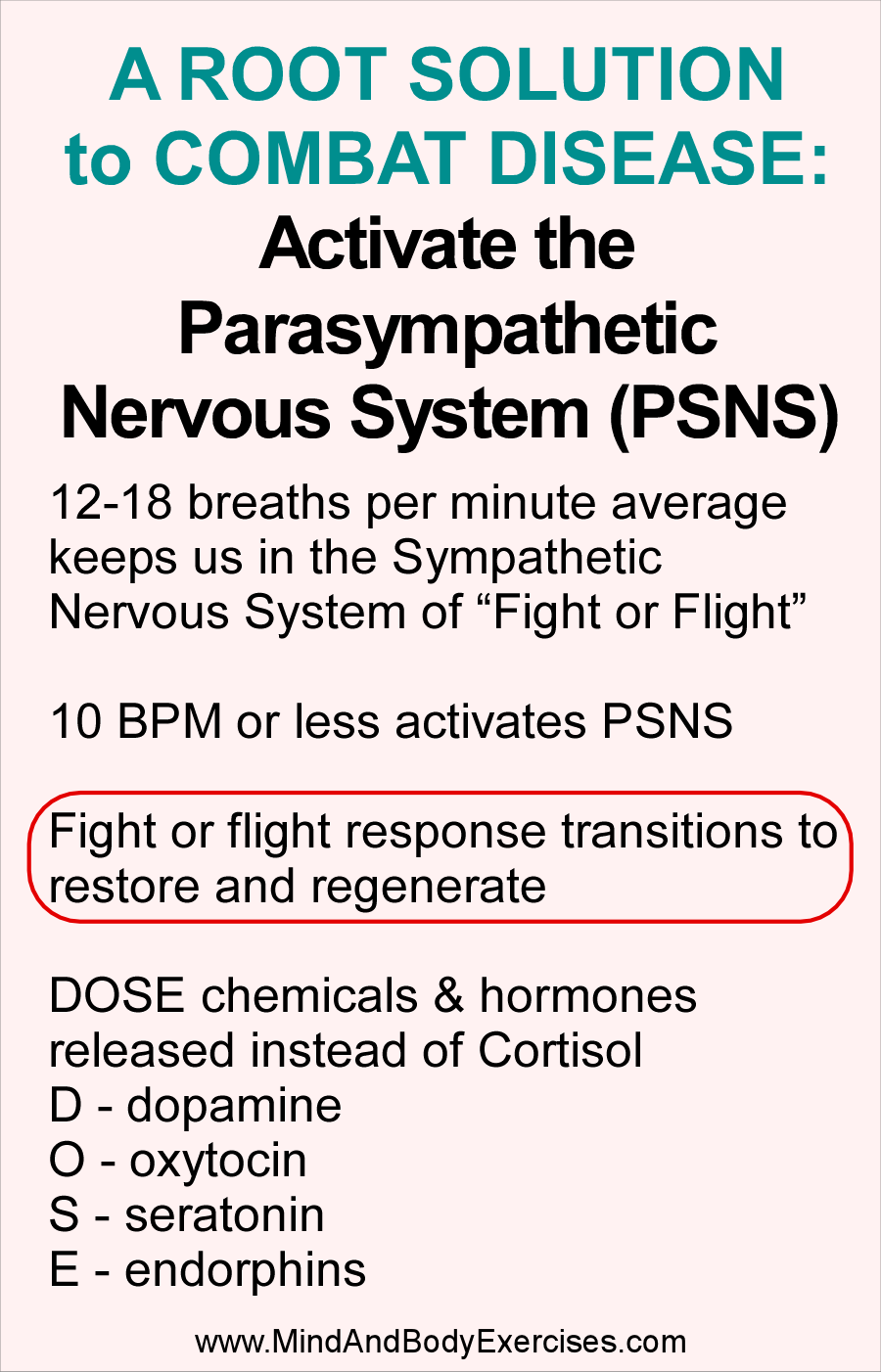
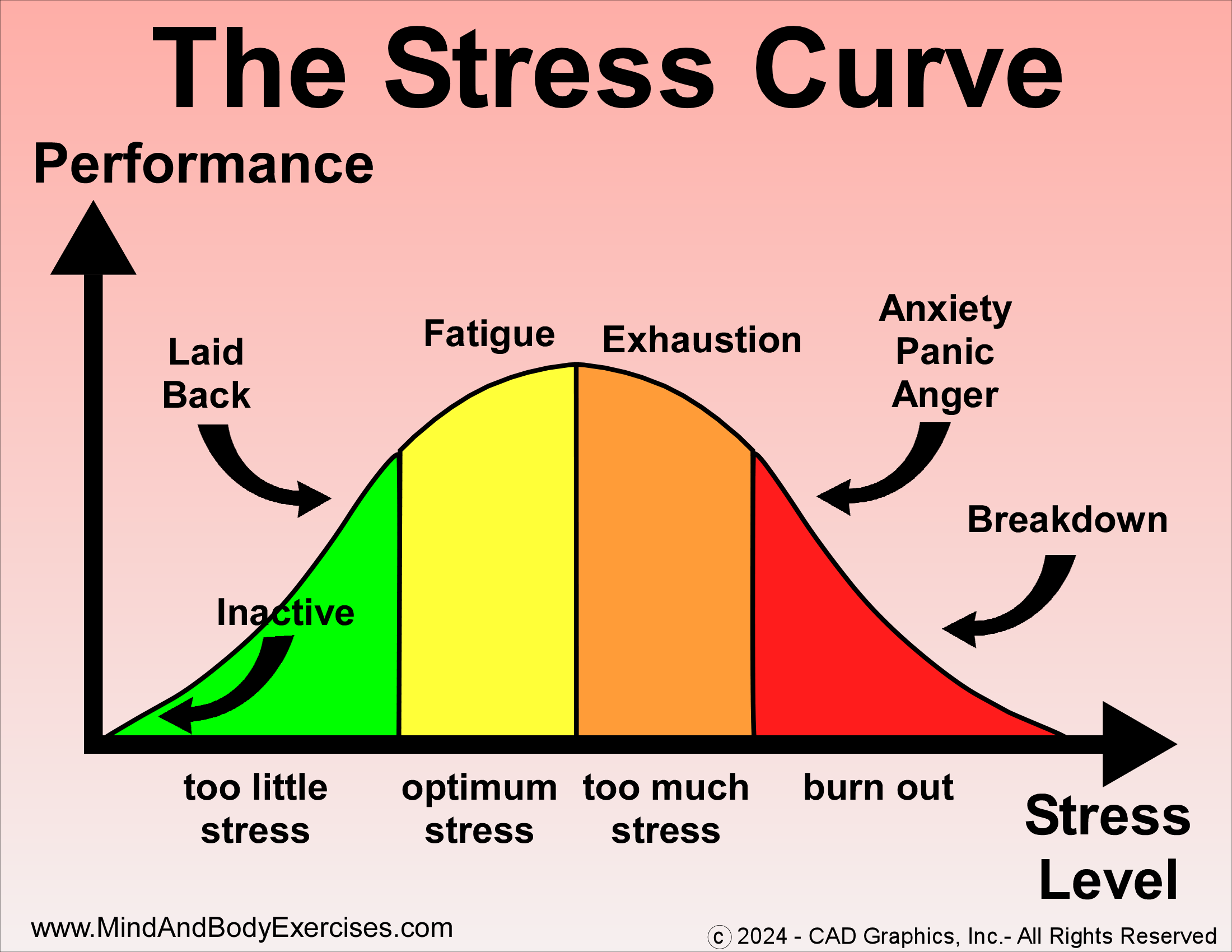
I have learned that the thought processes that are involved with the holding of physical postures along with regulated and managed breathing, regardless of the prior mentioned methods, engages specific muscle groups while simultaneously engaging the nervous systems. Either the parasympathetic nervous system (rest and digest response) is engaged with slow rhythmic breathing or the sympathetic nervous system (fight or flight response) with a more rapid rhythmic breathing cadence. Either of these processes can change the blood chemistry to promote healing on different levels.
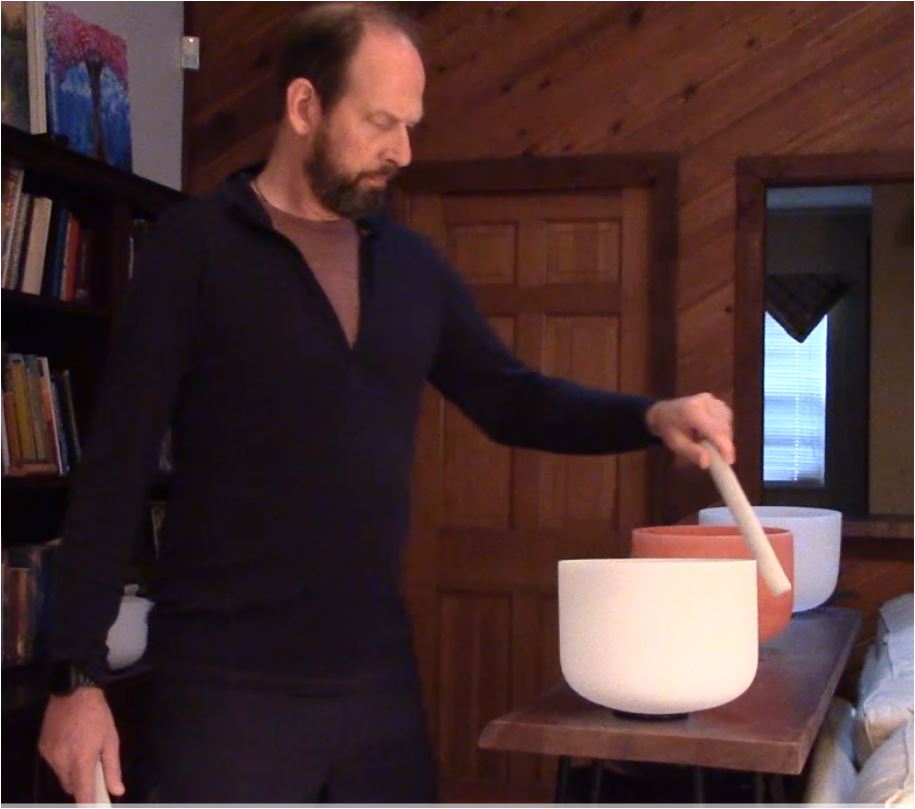
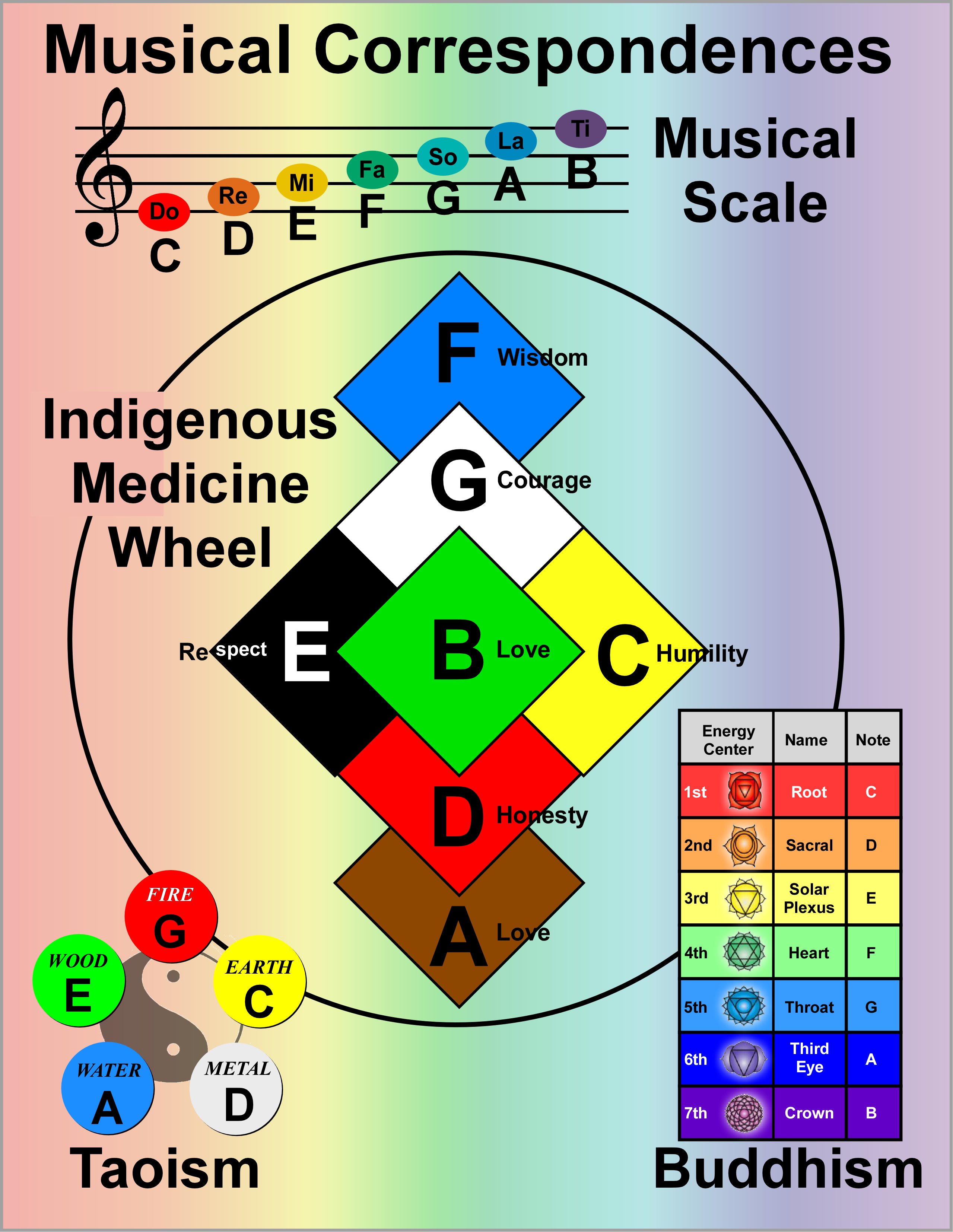
I have also learned to practice qigong, tai chi and other martial arts exercises with specific music consisting of bells, chimes, and other percussion instruments with the exact purpose of slowing (or sometimes increasing) the heart and breathing rate in order to enter into a meditative state of being and higher self-awareness. Music is another means to tap into regulation of our nervous systems by way of the auditory and even tactile senses. Think for example the difference of how your body feels when listening to hard rock versus that of calming sounds of rain, waterfalls, birds, the wind, etc.
__________________

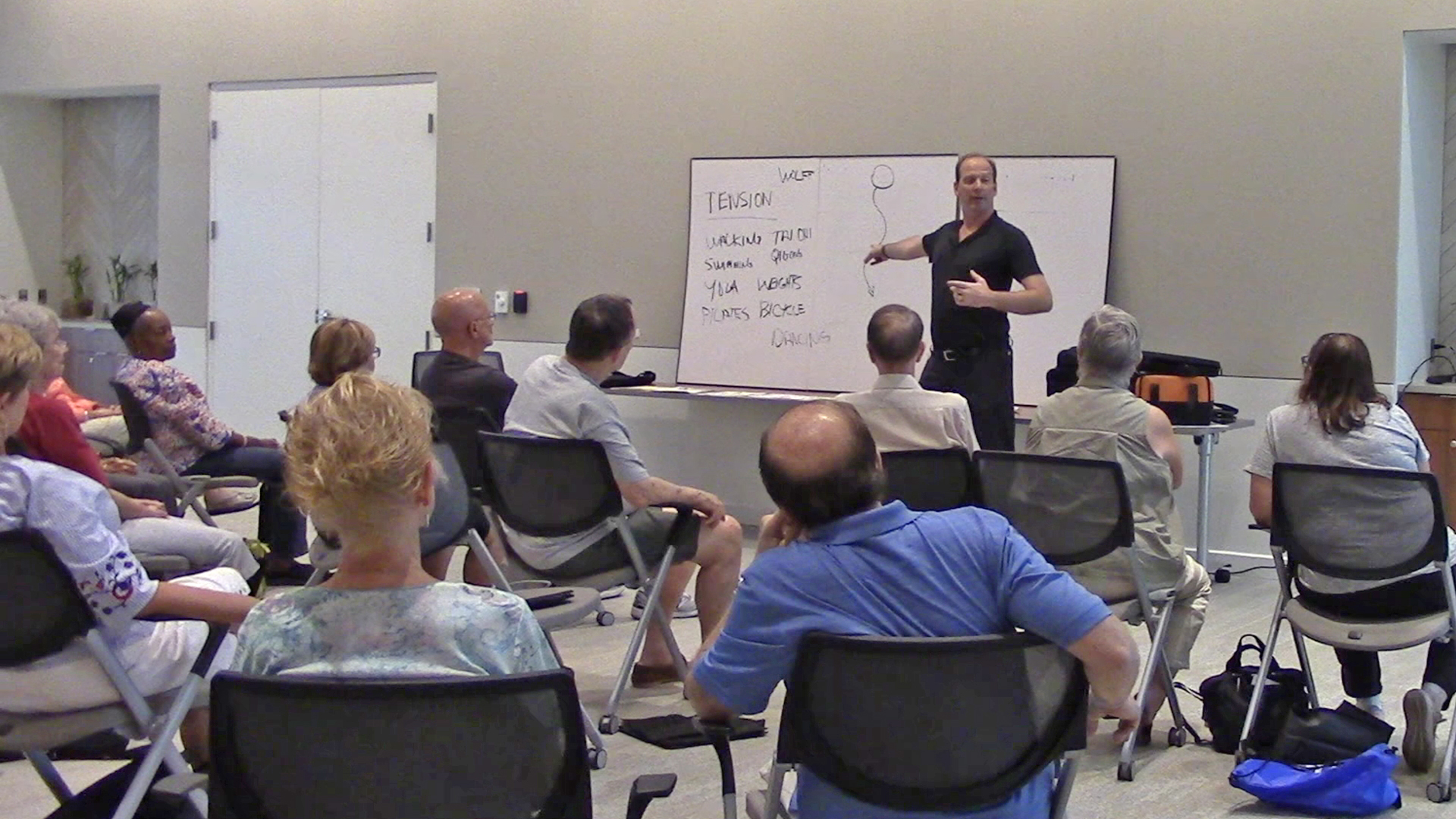
I teach and offer lectures about holistic health, stress management, qigong, tai chi, baguazhang, meditation, phytotherapy (herbs), music for healing, self-massage, and Daoyin (yoga).

I look forward to further sharing more of my message by partnering with hospitals, wellness centers, VA centers, schools on all levels, businesses and individuals that see the value in building a stronger nation through building a healthier population. I also have hundreds of FREE education video classes, lectures and seminars available on my YouTube channel at:

https://www.youtube.com/c/MindandBodyExercises

www.MindAndBodyExercises.com

www.Amazon.com/author/jimmoltzan

Mind and Body Exercises on Google: https://posts.gle/aD47Qo

Jim Moltzan

407-234-0119

Philosophy or Religion? Buddhism, Taoism, and Confucianism – a brief comparison of the 3 systems

There is often debate as to what is a philosophy, versus that which is a religion. I have come to understand that there are fundamental differences between the two, that are rooted in the goals, nature, and methods of each system. Religion seems to focus mostly on spiritual awareness through understanding and moral guidance, whereas philosophy embodies more broad topics such as science, logic, politics, and art. Philosophy looks to find truth in empirical and logical evidence, while religion usually accepts faith as valid evidence. Philosophy can be a broader, and more general field, where religion usually involves specific sets of beliefs and practices within a group. Philosophical aspects often appear within religions and consequently philosophical discussions about religious topics. The relationship between philosophy and religion can be complementary, where each can offer a unique perspective of the human experience. I write about this topic as I have found that individuals who have some type of relationship with either a life philosophy or religion, often have a stronger sense of purpose, meaning and gratitude beyond themselves. This often leads to a healthier and happier life. Also, association with a religion in while aligning with a philosophical system need not be mutually exclusive to one another. In various parts of the world where people are free to worship and live as they may, one can be a Christian, Buddhist and Taoist if they so choose.

Buddhism, Taoism, and Confucianism are three of the most commonly practiced belief systems that are often labeled as philosophies, religions or even sometimes as both. The following is a summary of their origins and tenets:

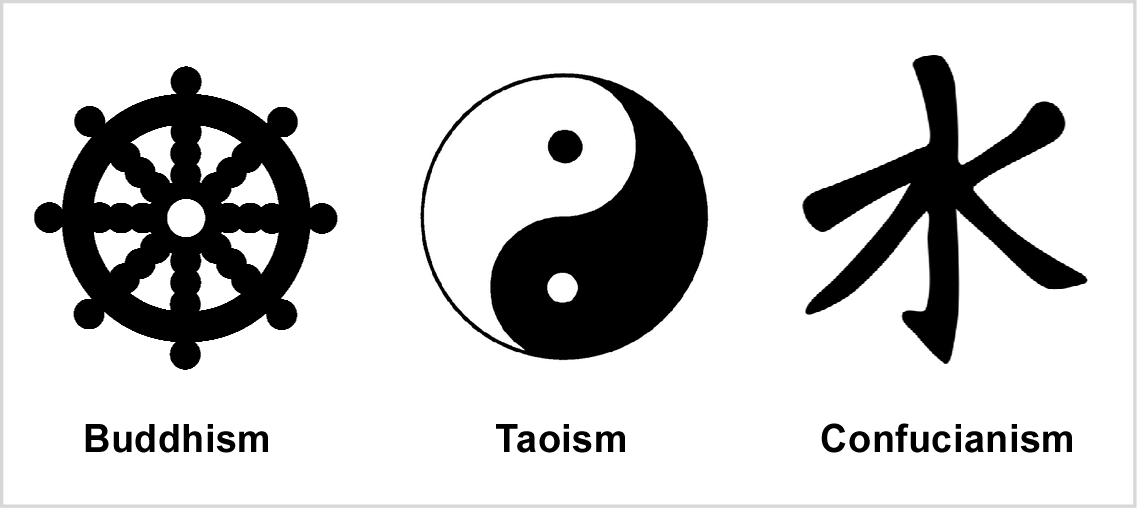
The 8-spoked wheel is often seen as a symbol for Buddhism.

Origin:

  • Buddhism was founded in the 6th century BCE by Buddha (563-483 BCE), also named Siddhartha Gautama, in ancient India which is today Nepal.
  • Siddhartha was a prince who gave up his privileged life in order to better understand the nature of human suffering and to seek enlightenment or nirvana.

Core Tenets:

  • The Four Noble Truths define the nature of suffering and a path to reduce its presence:
    • The Truth of Suffering (Dukkha): Buddhism acknowledges the existence of suffering and dissatisfaction in life. This suffering can be physical, emotional, or mental.
    • The Truth of the Cause of Suffering (Samudaya): Buddhism asserts that the root cause of suffering is craving or attachment (tanha) to things that are impermanent. This attachment leads to suffering because everything in the world is subject to change and eventual loss.
    • The Truth of the Cessation of Suffering (Nirodha): Buddhism teaches that it is possible to end suffering by letting go of attachment and craving. When one ceases to cling to impermanent things, suffering can be extinguished.
    • The Truth of the Path to the Cessation of Suffering (Magga): Buddhism offers a practical path called the Eightfold Path that leads to the cessation of suffering. This path consists of ethical and mental practices, such as right understanding, right intention, right speech, right action, right livelihood, right effort, right mindfulness, and right concentration.
  • The Eight-fold Path provides a guide towards ethical and mental development needed to achieve enlightenment (Nirvana):
    • Right views
    • Right aspirations
    • Right speech
    • Right conduct
    • Right livelihood
    • Right endeavor
    • Right mindfulness
    • Right meditation

Goal:

  • The ultimate goal in Buddhism is to attain Nirvana, where there is a state of liberation from the continuous cycle of birth, death, and rebirth also known as Samsara.
The taijitsu is often associated with Taoism and its concept of yin & yang.

Origin:

  • Taoism, or sometimes Daoism, thought to have originated from Lao Tzu and his foundational text of the Tao Te Ching (The Way and Its Power), in China in the 6th century BCE.

Core Tenets:

  • Main focus is upon trying to live in accordance to the Tao (the Way), which is thought to be the indefinable, fundamental force that unites all and everything in the universe.
  • Another main principle is that of Wu Wei (effortless action), where one strives to live in harmony within the natural flow of the Tao rather than be subject to it.
  • Ying & yang focuses upon the unity and duality inherent in all seeming opposites, such as: night-day, male-female, good-evil, positive-negative, etc.

Goal:

  • Taoist philosophy strives to have the individual exist in a state of balance and harmony with the Tao, in order to align within the natural order of things, rather than imposing one’s own will upon nature and the universe as a whole.
The Chinese character for water is often associated with Confucianism.

Origin:

  • Confucianism originated in China and was founded by Confucius (also known as Kong Fuzi) (551-479 BCE).
  • Confucius was primarily concerned with understanding of social order and its issues of ethics, morality, and the proper conduct of people living in society.

Core Tenets:

  • Sacred texts of the Wu Ching (Five Classics) include the I Ching (Book of Changes), the Lun-Yu (The Analects)
  • Emphasis is upon a moral code of:
    • Li: A code of moral/social conduct
    • Jen: Compassion/benevolence towards others
    • Yi: Righteousness
    • Te: Virtue
    • Xiao: Filial piety
  • The importance of social harmony and the cultivation of moral character through education and self-cultivation.
  • Emphasis upon the “Golden Rule” of “do not do unto others what you would not desire yourself.”

Goal:

  • Confucianism focuses upon establishing and maintaining a harmoniously functioning, well-ordered society through the virtuous persons who can fulfill their roles and responsibilities for the greater good of all.

From my research, there is no historical evidence that supports that the founders of Buddhism (Siddhartha Gautama), Taoism (Lao Tzu), and Confucianism (Confucius) had ever met one another, crossed paths or had interactions during their lifetimes. All three of these individuals had lived in different times and places. Based upon the geographical distances as well as cultural differences between them, it is quite unlikely that these founders could have shared any direct experiences or even knowledge of each other’s existence.

These traditions often share some of the same philosophical ideas. Similarities in philosophical topics cultivated by these systems are most likely due to common exploration of universal ethical and existential questions during their times, rather than direct interactions or encounters among the founders. These systems do also have unique differences in their goals, teachings, methods, traditions, and approaches to life.

Comparisons between the three systems:

  • Basic Goals:
    • Buddhism: understanding the self.
    • Taoism: understanding the self in relation to all else.
    • Confucianism: understanding the self and the relationship to society.
  • Geographic Origins:
    • Buddhism: India
    • Taoism: China
    • Confucianism: China
  • Founders:
    • Buddhism: Siddhartha Gautama (Buddha)
    • Taoism: Often associated with Lao Tzu
    • Confucianism: Confucius
  • Central Concepts:
    • Buddhism: Four Noble Truths, Eightfold Path, nirvana
    • Taoism: Tao, wu wei, yin & yang
    • Confucianism: Li, Jen, Te, Yi, Xiao
  • Ultimate Goal:
    • Buddhism: Nirvana
    • Taoism: Harmony with the Tao
    • Confucianism: Social harmony through moral character and cultivation
  • Perspective on Life:
    • Buddhism: reduce suffering, detach from desires.
    • Taoism: alignment and harmony with the Tao
    • Confucianism: ethical conduct and social responsibilities

________________________

I teach and offer lectures about holistic health, stress management, qigong, tai chi, baguazhang, meditation, phytotherapy (herbs), music for healing, self-massage, and Daoyin (yoga).

I look forward to further sharing more of my message by partnering with hospitals, wellness centers, VA centers, schools on all levels, businesses and individuals that see the value in building a stronger nation through building a healthier population. I also have hundreds of FREE education video classes, lectures and seminars available on my YouTube channel at:

https://www.youtube.com/c/MindandBodyExercises

www.MindAndBodyExercises.com

www.Amazon.com/author/jimmoltzan

Mind and Body Exercises on Google: https://posts.gle/aD47Qo

Jim Moltzan

407-234-0119
Why do insurance companies cover pharmaceuticals and surgeries, but seldom cover non-invasive nor cheaper interventions?

Oh please, come on now… we all know there is no profit in treating healthy individuals. No business by definition will operate at a loss, let alone a lesser profit when so much money is left sitting on the table. Companies cannot stay in business for too long if they do not continue to grow from existing and new customers. Often people with chronic ailments are customers of drugs for the duration of their life span. US healthcare (truly sick-care) is a profit-driven system where it benefits from people remaining sick enough to require daily meds, but well enough to function in society. This is blatantly obvious where every fall medical experts warn us of the impeding “flu season” and a need to get vaccinated once again. Why not suggest instead or addition to this, that people take better care of themselves, get more sunlight (vitamin D) and exercise more? This is the time of year when temps drop, people bundle-up and cover their exposed skin or stay indoors more and thereby become even more Vitamin D deficient than they are normally anyway. Poor diet choices help fuel this deficiency also. Any qualified medical expert knows this and also know that Vitamin D levels are directly relevant to the immune system’s ability to function properly.

Similarly, look how difficult it is to find insurance policies that cover hearing aids, eyeglasses or dental treatments, as if these are not major health issues that often dictate our everyday tasks and responsibilities. If you need to be able to see better, hear better or eat properly, the former are all basic health requirements. Insurance companies need not cover these because they know most people will spend their own money regardless of if they can afford such luxuries as glasses, hearing aids or healthy teeth and gums.

So, how does this relate to the insurance companies? Insurance coverage decisions are a reflection of the current healthcare system’s business strategy, that is often in a state of constant change and adjustment. In today’s US health climate, there is a strong emphasis on pharmaceutical interventions and surgery in lieu of lifestyle modifications. Insurance coverage decisions regarding treatments with pharmaceuticals and surgeries are influenced by various factors of claimed cost-effectiveness, clinical evidence, medical guidelines, and the choices of pharmacy benefit managers who quite often base decisions upon profit over treatment effectiveness. It is important to note that insurance coverage decisions may not always coincide with individual preferences or beliefs towards certain treatments.

Surgical procedures may be covered if are seen as necessary, while chiropractic or physical therapy coverage varies based on upon perceived effectiveness of the specific condition being treated. I have had firsthand experience with this exact situation on many occasions. Nasacort for allergies is $26-36 or Flonase $14-21 with insurance, both covered but also offered me side-effects of anxiety and jitteriness. Over time, my body became accustomed to these medications and were no longer effective, but the side-effects remained. Insurance doesn’t cover herbs or supplements which I found to be quite effective for managing seasonal allergies. The cost for a microdiscectomy on a herniated disc can range between $20,000 and $50,000 which would be covered, but rest for a few weeks followed by chiropractic treatments at about $100 per session – 5 total, were not. Yoga sessions at $20 a class for about 20 classes, not covered. Both of these methods worked for those that I knew could fare better from options other than surgery. An osteopathic surgeon looked at me and shook his head in bewilderment when I declined to have a covered knee surgery procedure ($5000-$30000) for something I was able to manage through appropriate exercise, free of cost other than time and effort on my part. Some sufferers have no option but to have surgery or use pharmaceuticals, especially if they have suffered some type of traumatic injury.

Most of us know that chiropractic and appropriate exercises such as stretching, yoga and others are viable and effective methods of managing chronic pains. We also mostly know that insurance companies will not be covering these treatments because they generate little or no profit to their bottom lines. We know this but go along with it (cognitive dissonance) because most of us feel that we are helpless (learned helplessness) against a system that favors profits over patients. However, there is hope as we all have the ability to make our own decisions regarding our own health and well-being. I have personally trained and/or helped many of my students over the years to better manage chronic issues with their knees, lower back, neck, shoulders, headaches, allergies, anxiety, depression, PTSD and other ailments, through appropriate exercise and lifestyle modifications. Anecdotal experiences and academic studies abound if one cares to do a bit of research. I encourage all to perform their due diligence when it comes to pursuing and treatment, whether pharmaceuticals, surgery, chiropractic, herbs, physical exercise or any other methods of healthcare/self-care.

Several factors influence insurance companies’ decisions on coverage, including but not limited to the following:

  1. Regulatory approval of pharmaceuticals and surgical procedures – specific medicines and surgeries should go through a rigorous approval process by regulatory agencies, which can hopefully offer credibility to their usage in medical treatment. However, there has been an erosion in public trust towards regulatory agencies in recent years, as it has been proven that many are actually paid to perform research by the same companies that fall under their regulation.
  2. Clinical evidence – pharmaceuticals and surgical procedures often have established clinical evidence demonstrating their effectiveness in treating certain conditions, however as stated previously some research studies are funded by pharmaceutical companies leading to a conflict of interest. Some companies seek out specific academic institutions or scientist that agree with their particular goals (Jureidini, 2022).
  3. Quick fixes or a pill for all our ills – pharmaceuticals and surgeries can often offer relatively quick relief from symptoms, which may be desirable to both patients and healthcare providers. Time-consuming and effort to modify one’s lifestyle can require more time in order to gain significant results.
  4. Patient compliance – a certain percentage of patients might find it difficult or challenging to commit to making and managing lifestyle changes. Consequently, this makes pharmaceuticals and/or surgeries more practical, reliable and seemingly better options for particular patients.

There does seem to be a small but growing acknowledgement of the importance of lifestyle choices and relative modifications, such as managing a more nutritious diet, regular and consistent exercise, and taking some preventative measures towards various health conditions. Particular insurance providers might cover preventive services or programs focused upon encouraging healthier lifestyles. As this field of preventive medicine continues to evolve, there may be some amount of increased emphasis on adding some lifestyle interventions into healthcare coverage. In the meantime, realize that we truly are the architects of our own health, happiness and well-being.

Reference:

https://www.forbes.com/sites/sallypipes/2023/10/16/this-healthcare-reform-could-finally-bring-democrats-and-republicans-together/?sh=2b4ceb5b43cb

Jureidini, J. (2022, March 16). The illusion of evidence based medicine. The BMJ. https://www.bmj.com/content/376/bmj.o702

________________________

I teach and offer lectures about holistic health, stress management, qigong, tai chi, baguazhang, meditation, phytotherapy (herbs), music for healing, self-massage, and Daoyin (yoga).

I look forward to further sharing more of my message by partnering with hospitals, wellness centers, VA centers, schools on all levels, businesses and individuals that see the value in building a stronger nation through building a healthier population. I also have hundreds of FREE education video classes, lectures and seminars available on my YouTube channel at:

https://www.youtube.com/c/MindandBodyExercises

www.MindAndBodyExercises.com

www.Amazon.com/author/jimmoltzan

Mind and Body Exercises on Google: https://posts.gle/aD47Qo

Jim Moltzan

407-234-0119

The Overview Effect, a Cosmic Perspective of Just How Minute Humanity is

Author Frank White first introduced the “overview effect” in his 1987 book “The Overview Effect: Space Exploration and Human Evolution”. White had interviews with dozens of astronauts regarding their time in space, finding that many of them had experienced an alteration of their consciousness upon viewing the Earth from such a unique and distant perspective. White explained that the overview effect as being a “state of cognitive dissonance” where astronauts are faced with recognizing the reality of their existence as being a small part of a immense and interconnected universe. This immediate understanding can manifest into various cognitive changes such as:

  • A sense of astonishment, sublime and wonder: Some astronauts have commented about being overwhelmed by seeing the beauty, as well as fragility of the Earth when viewed from outer space.
  • An increased sense of interconnectedness: Some interviewed astronauts have reported experiencing feeling a deeper connection to all life on Earth as they have come to view humanity as but a single species instead of separate races, countries, or groups.
  • A re-calibration of priorities: Those astronauts that have experienced this effect have commented that they often feel a newfound appreciation for the importance of being good stewards of our environment, as well as nations needing to work together for the benefit of the Earth as a whole.

Coincidentally, television space traveler William Shatner of Star Trek fame, did travel in 2021 into space with the invitation from Blue Origin and Amazon’s Jeff Bezos. Shatner too did experience this phenomenon of overwhelming emotion and realization that the Earth, as most of us know it, is not all that we think it is, as sometimes being the center of the universe. Instead, Shatner and others have come to truly see the Earth as a small part of the universe.

As space travel and exploration becomes more feasible as a reality for non-traditional astronauts, travel off-planet may be another method to achieve some level of ego death. This paradigm shift could possibly lead to a more caring, peaceful and perhaps sustainable future for all of humanity. Ego death is a realization that someone comes to understand that they are not truly the things that they may identified with. Examples of this would be the brilliant doctor who becomes injured and must surrender their control to another to possibly save their life. In this discussion of the overview effect, an individual who sees the Earth in perspective to the rest of the universe, might experience their own ego death as they become humbled by seeing the brilliance of the universe.

To think that this on Earth is all that there is, I find to be quite narrow-minded as well as narcissistic. While standing on the Earth and gazing up at the night sky with no surrounding light pollution, have you never felt a similar type of overview effect upon seeing literally an infinite number of stars?

References:

The Overview Effect: Space Exploration and Human Evolution, 3rd Edition. (2014, December). ProtoView. https://link.gale.com/apps/doc/A392254156/AONE?u=vol_vsc&sid=ebsco&xid=acfa7be9

Koren, M. (2023). Seeing Earth from Space Will Change You. Atlantic Monthly331(1), 22–25.

Meijer, Dirk. (2014). The Universe as a Cyclic Organized Information System: John Wheeler’s World Revisited. NeuroQuantology. 13. 10.14704/nq.2015.13.1.798.

_____________________

I teach and offer lectures about holistic health, stress management, qigong, tai chi, baguazhang, meditation, phytotherapy (herbs), music for healing, self-massage, and Daoyin (yoga).

I look forward to further sharing more of my message by partnering with hospitals, wellness centers, VA centers, schools on all levels, businesses and individuals that see the value in building a stronger nation through building a healthier population. I also have hundreds of FREE education video classes, lectures and seminars available on my YouTube channel at:

https://www.youtube.com/c/MindandBodyExercises

www.MindAndBodyExercises.com

www.Amazon.com/author/jimmoltzan

Mind and Body Exercises on Google: https://posts.gle/aD47Qo

Jim Moltzan

407-234-0119
Post-traumatic Growth (PTG), General Adaptation Syndrome (GAS), and Learned Helplessness

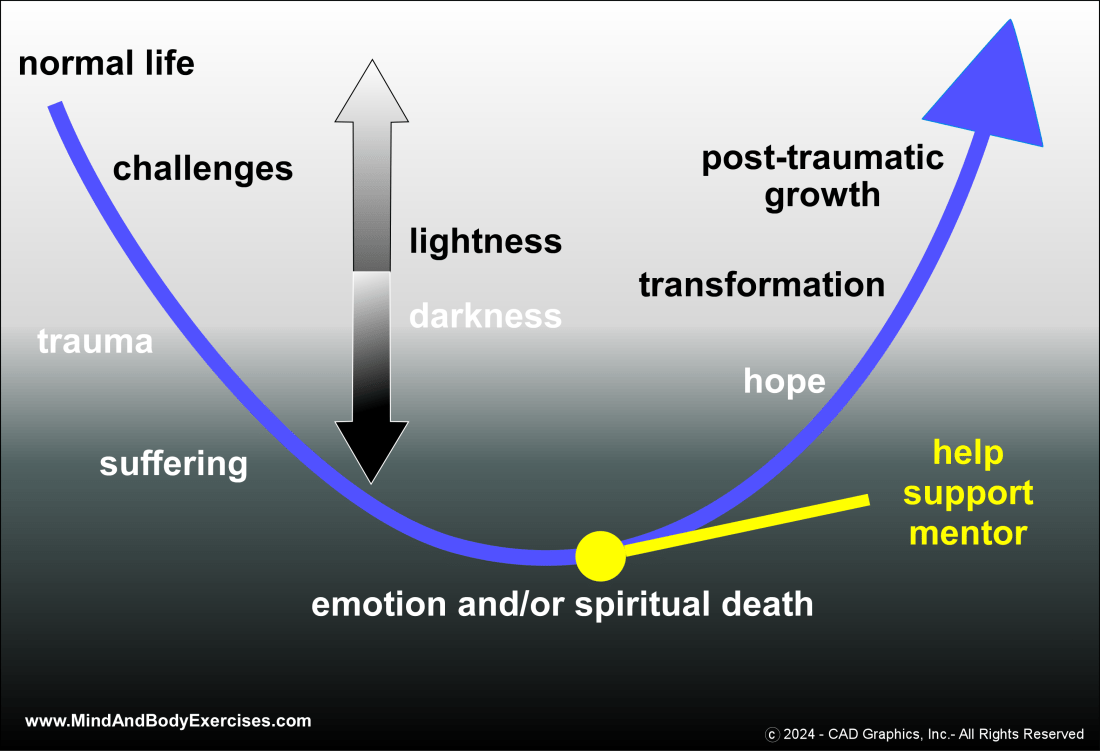
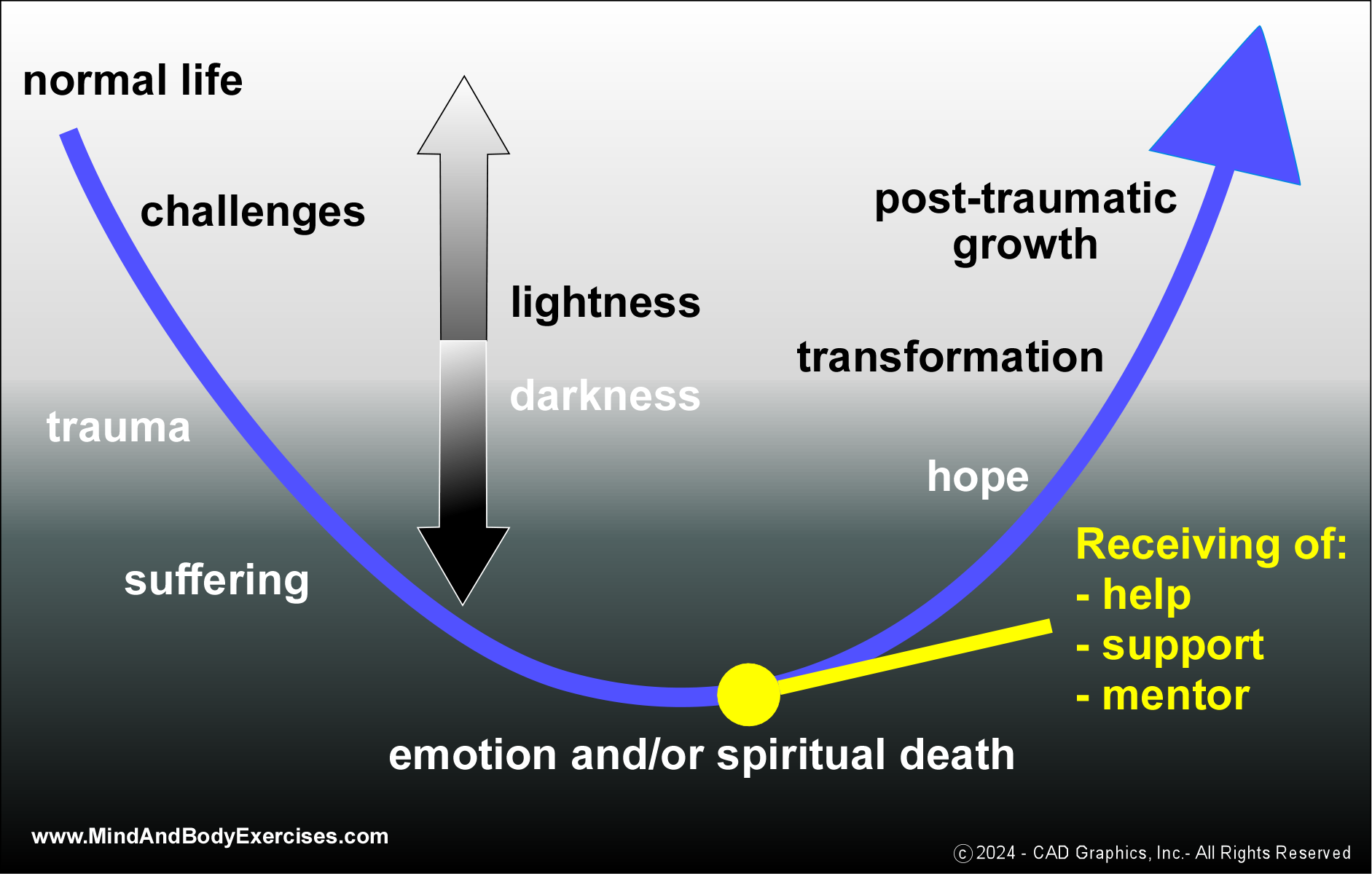
Post-traumatic growth (PTG) is the term for what happens when someone who struggles psychologically from past trauma and adversity or post-traumatic stress disorder (PTSD), comes to experience positive, and maybe even transformative changes in their mindset and behavior. Over time, a survivor’s focus shifts away from their trauma, moving toward a new purposeful narrative that may include possibilities for a better future. A key factor for PTG is the ability for the sufferer to create an emotional distance from the traumatic event and realize that it doesn’t define who they are.

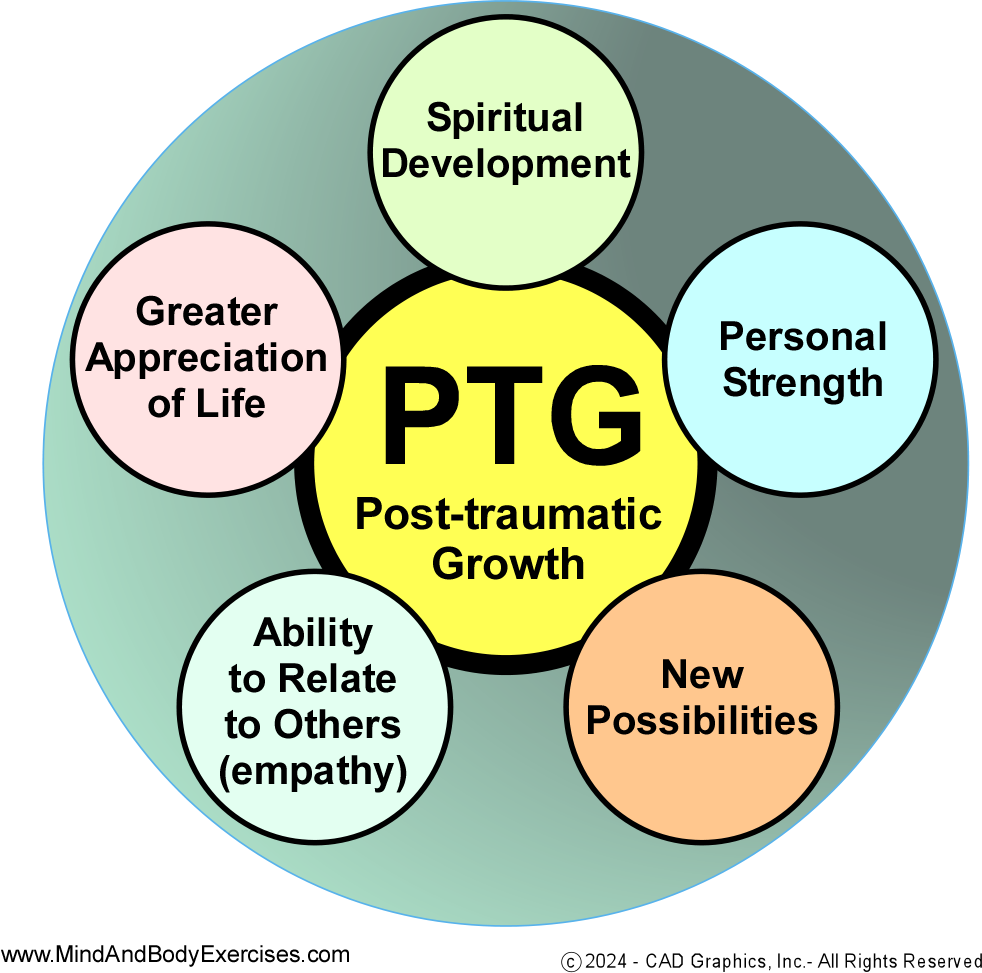
Potential benefits may include:


(1) A sprouting of personal strength
(2) An ability to relate to others more deeply
(3) An openness to new possibilities and maybe even greater opportunities
(4) A greater appreciation of life
(5) Spiritual and existential change


It is important to note that not everyone who experiences PTSD can or will also experience post-traumatic growth. Those who respond to trauma by assuming control, manage much better.

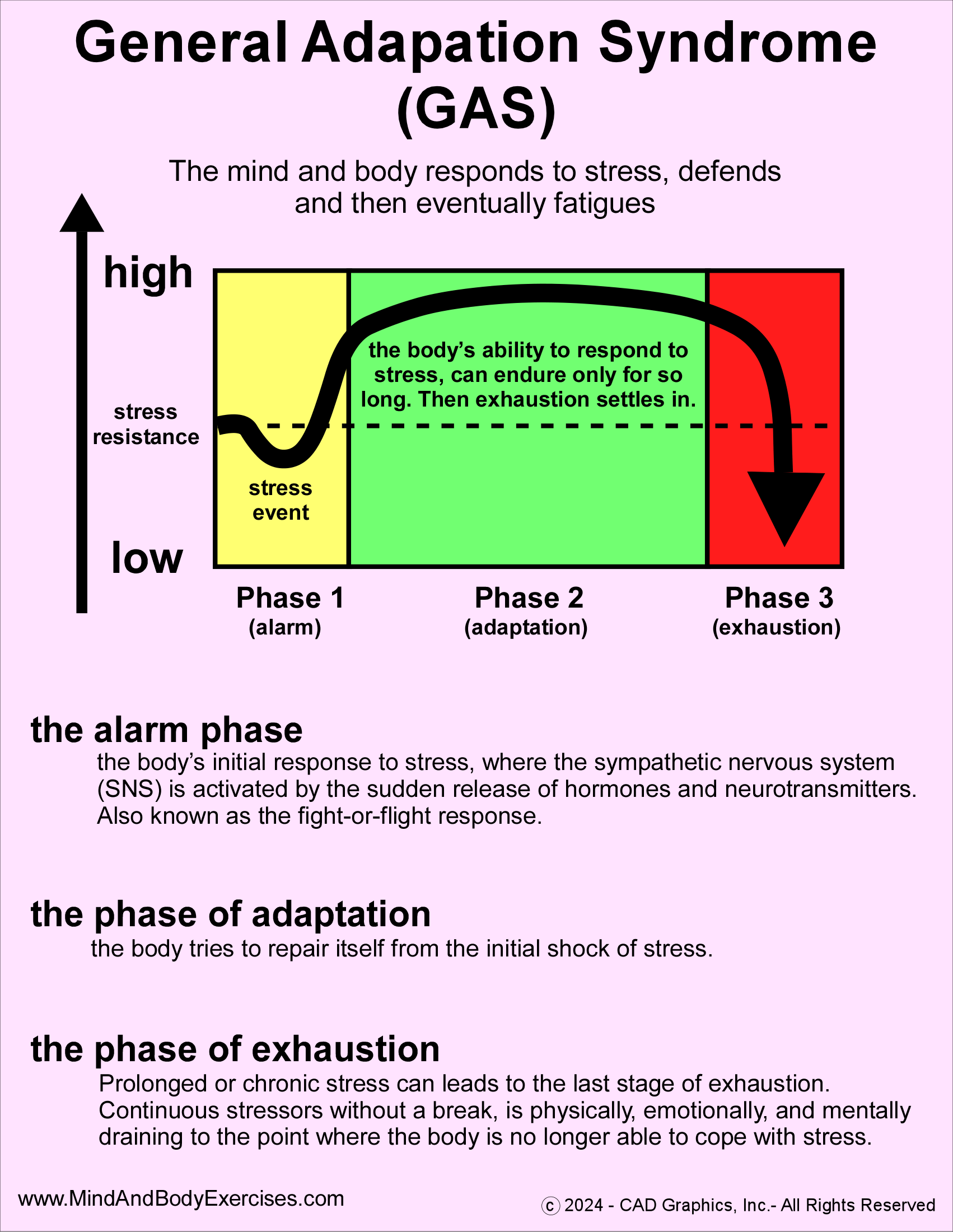
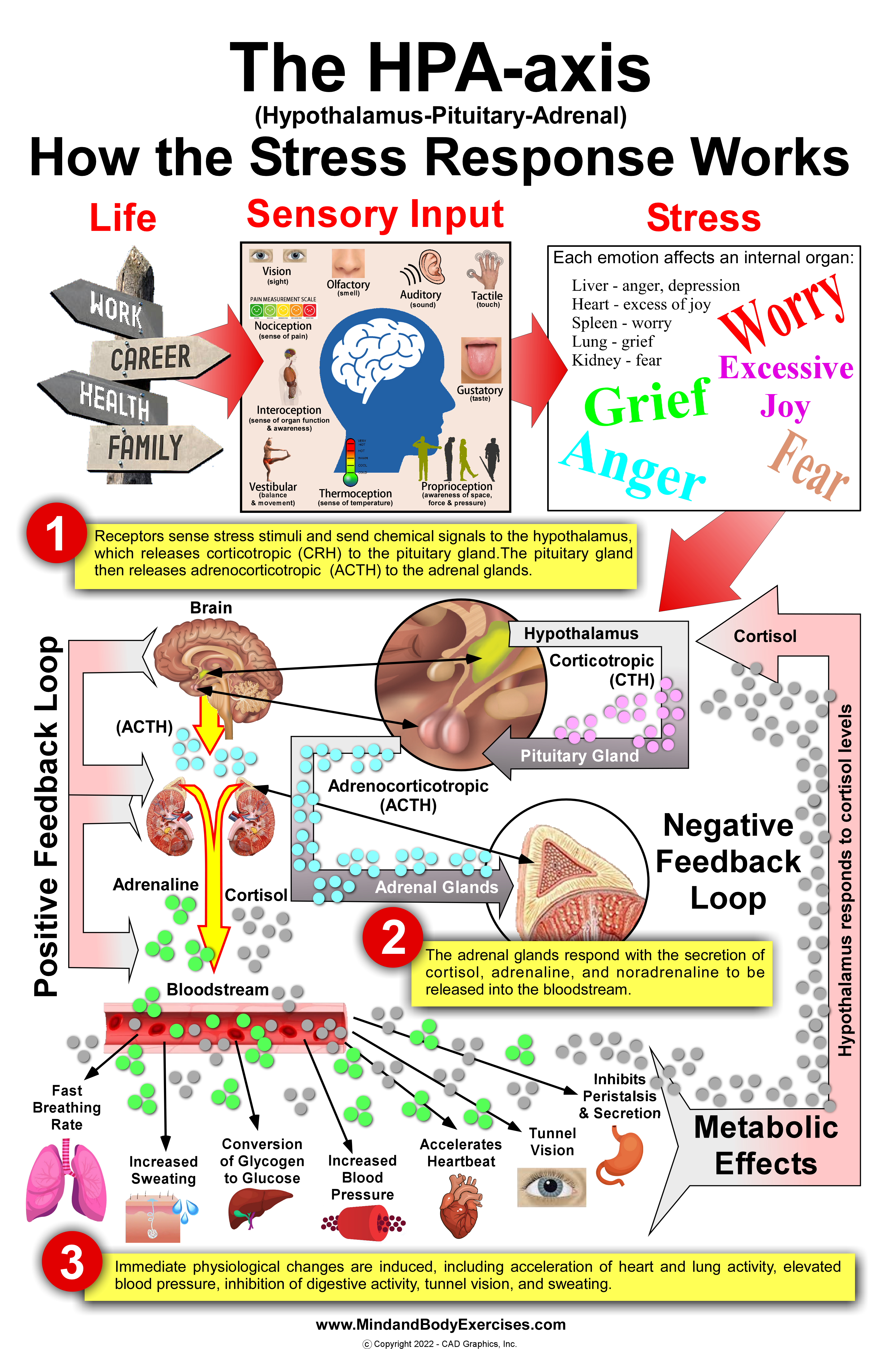
Contrasting PTG is that of “learned helplessness” where a person acquires an altered state of being, that can occur after a person has experienced a stressful situation once or repeatedly. The individual comes to believe that they are unable to control or change their negative situation or future circumstances. Eventually, the person stops trying to change their conditions, even when opportunities for positive change become available. This thought process puts extra wear and tear on the nervous system, as the HPA-axis is constantly engaged in order to cope with and manage the inner stresses on the psyche. This can further lead to the general adaption syndrome (GAS) were the body sees the continued heightened level of stress as the new norm, and consequently psychophysiological mechanisms become affected. 

After reading The Body Keeps the Score: Brain, Mind, and Body in the Healing of Trauma, I have a better idea of how mental wounds can heal or stay fresh, active and continue to live on in a sufferer’s mind. Over my past years as a martial artist, tai chi and yoga teacher, almost all of my teachers (masters in their respective fields of expertise) spoke of how the mind protects the body, as conversely and more often synergistically, the body protects the mind. The mechanisms that control our physiology that are affected and managed by are nervous system, embody this exact relationship between our mind and body. What really embraced my attention was the concept that if our being is not able to react and take some level of control over a traumatic situation, we may well be caught in a never-ending loop of reliving the original trauma, often leading to the learned helplessness that I spoke of earlier. Our nervous system, along with our mind, body and spirit will continue to perceive the original trauma as present threat until reprogrammed to be otherwise.

I was taught and encouraged to teach others also, that in a self-defense or other traumatic situation, a victim will almost always fair better emotionally and mentally if they try to defend themselves against a would-be attacker. In spite of the obvious potential for becoming injured, killed or otherwise, a victim at a particular time or place, need not accept that they will forever be a victim. I know this to be true from the hundreds of students that made their way to our schools and pursued self-defense instruction and classes, often after already having experienced some type of personal abuse, crime, or assault. However, at the time of my interaction with such individuals I was not following any scientific data nor studies, but rather my firsthand observations and conversations I had with many of my students. More recent research on my part, has led me to various studies of how yoga has been studied and implemented in the treatments of symptoms from traumatic events, such as fear, anxiety, depression, and post-traumatic stress disorder (PTSD) (Macy et al., 2015). Additionally, other research has been studied regarding specifically how self-defense training can be used as an intervention as a psychotherapeutic treatment for traumatic events (Rosenblum & Taska, 2014). Yoga, qigong, tai chi, martial arts and other mind-body practices have proven the test of time for hundreds if not thousands of years within other cultures. Hopefully, are scientific and medical communities will continue to pursue their due diligence to confirm how beneficial these methods can be for those in need within our fast-paced and often stressful lifestyles.

References:

Van der Kolk, B. A. (2014). The Body Keeps the Score: Brain, Mind, and Body in the Healing of Trauma. Viking.

Macy, R. J., Jones, E., Graham, L. M., & Roach, L. (2015, December 9). Yoga for Trauma and Related Mental Health Problems: A Meta-Review With Clinical and Service Recommendations. Trauma, Violence, &Amp; Abuse, 19(1), 35–57. https://doi.org/10.1177/1524838015620834

Rosenblum, G. D., & Taska, L. S. (2014, March). Self-Defense Training as Clinical Intervention for Survivors of Trauma. Violence Against Women, 20(3), 293–308. https://doi.org/10.1177/1077801214526048

____________

I teach and offer lectures about holistic health, stress management, qigong, tai chi, baguazhang, meditation, phytotherapy (herbs), music for healing, self-massage, and Daoyin (yoga).

I look forward to further sharing more of my message by partnering with hospitals, wellness centers, VA centers, schools on all levels, businesses and individuals that see the value in building a stronger nation through building a healthier population. I also have hundreds of FREE education video classes, lectures and seminars available on my YouTube channel at:

https://www.youtube.com/c/MindandBodyExercises

www.MindAndBodyExercises.com

www.Amazon.com/author/jimmoltzan

Mind and Body Exercises on Google: https://posts.gle/aD47Qo

Jim Moltzan

407-234-0119