Is Mindfulness the Same as Paying Attention?

I used to think that mindfulness was just the latest buzzword for the health and wellness industry. A few years ago, I would have defined mindfulness more simply as “paying attention”. However, I have come to understand this term to have more depth and complexity than merely paying attention. Having been involved in meditation and many mind, body and spiritual practices for almost 4 decades, I have come to understand that paying attention is most often what someone else requires or expects from someone. Mindfulness however, originates from within the individual as they themselves are responsible for becoming aware of their own thoughts, emotions, and actions.
A study from 2022 at the University of Queensland reported that mindfulness training improved the psychological well-being of management students. This training was delivered via online methods. Participants chose to use one of two methods of training to manage mindfulness. The first method was Mindfulness-Based Stress Reduction (MBSR) consisting of mindfulness meditation, yoga, delivered weekly through 45 minutes of educational videos. Participants were requested to practice methods for 30 minutes per day, five days per week over the course of eight weeks. Those that chose physical exercise as a method to manage mindfulness could pick their own method of exercise. Participants in the exercise group were also requested to practice their exercise methods for 30 minutes per day, five days per week over the course of eight weeks. The exercise group also watched videos but theirs focused on physical health, fitness, nutrition, physiology, etc. instead of mindfulness topics. The researchers concluded that the participants that completed the mindfulness training as instructed, when compared with the physical exercise participants, online mindfulness training can noticeably increase how often people experience states of mindfulness. This study further reported that mindfulness training can help students develop a sense of authenticity or the ability to see themselves more neutrally or unbiasedly, mostly by way of increased self-awareness (Kay et al., 2022).

The four categories of psychophysiological relationships are outcomes, markers, concomitants, and invariants (Cacioppo et al., 2016). Mindfulness methods can help practitioners to become more aware of their thoughts, emotions, and perceptions happening in the present moment, often leading to more positive outcomes in their life. By practicing mindfulness, individuals can increase concomitants or the relationship of cause and effect when the physiological stress response is reduced, leading to increased well-being and happiness. Other studies have reported that mindfulness can affect psychophysiological stress markers such as heart rate variability (HRV) and brain activity patterns that can increase better autonomic nervous system regulation and cardiovascular health. It can also reduce cortisol levels, which can have an effect on lowering stress levels (Aguilar et al., 2021).

References:

Kay, A. A., & Young, T. (2022). Distanced from Others, Connected to Self: Online Mindfulness Training Fosters Psychological Well-Being by Cultivating Authenticity. Academy of Management Learning & Education, 21(2), 261–281. https://doi.org/10.5465/amle.2020.0316

Cacioppo, J. T., Tassinary, L. G., & Berntson, G. G. (2016). Handbook of Psychophysiology. p.10-, Cambridge University Press. Kindle Edition.

Aguilar, R. C., Stoffel, M., Hernández, C., Rahn, S., Moessner, M., Steinhilber, B., & Ditzen, B. (2021). Effects of a mindfulness‐based intervention on mindfulness, stress, salivary alpha‐amylase and cortisol in everyday life. Psychophysiology, 58(12), 1–12. https://doi.org/10.1111/psyp.13937

______________________

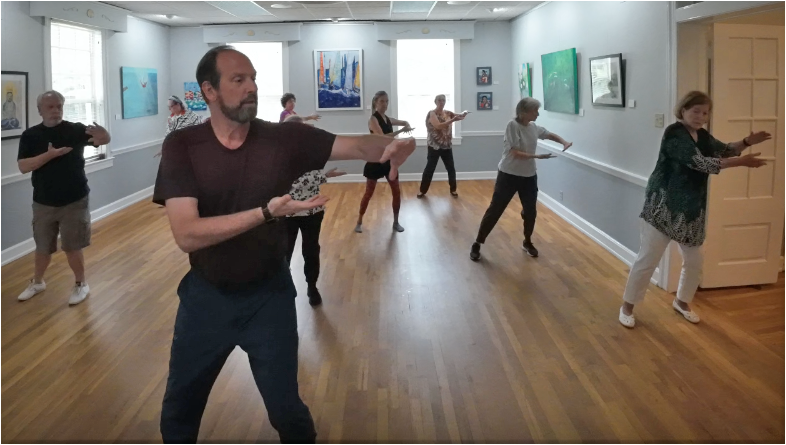
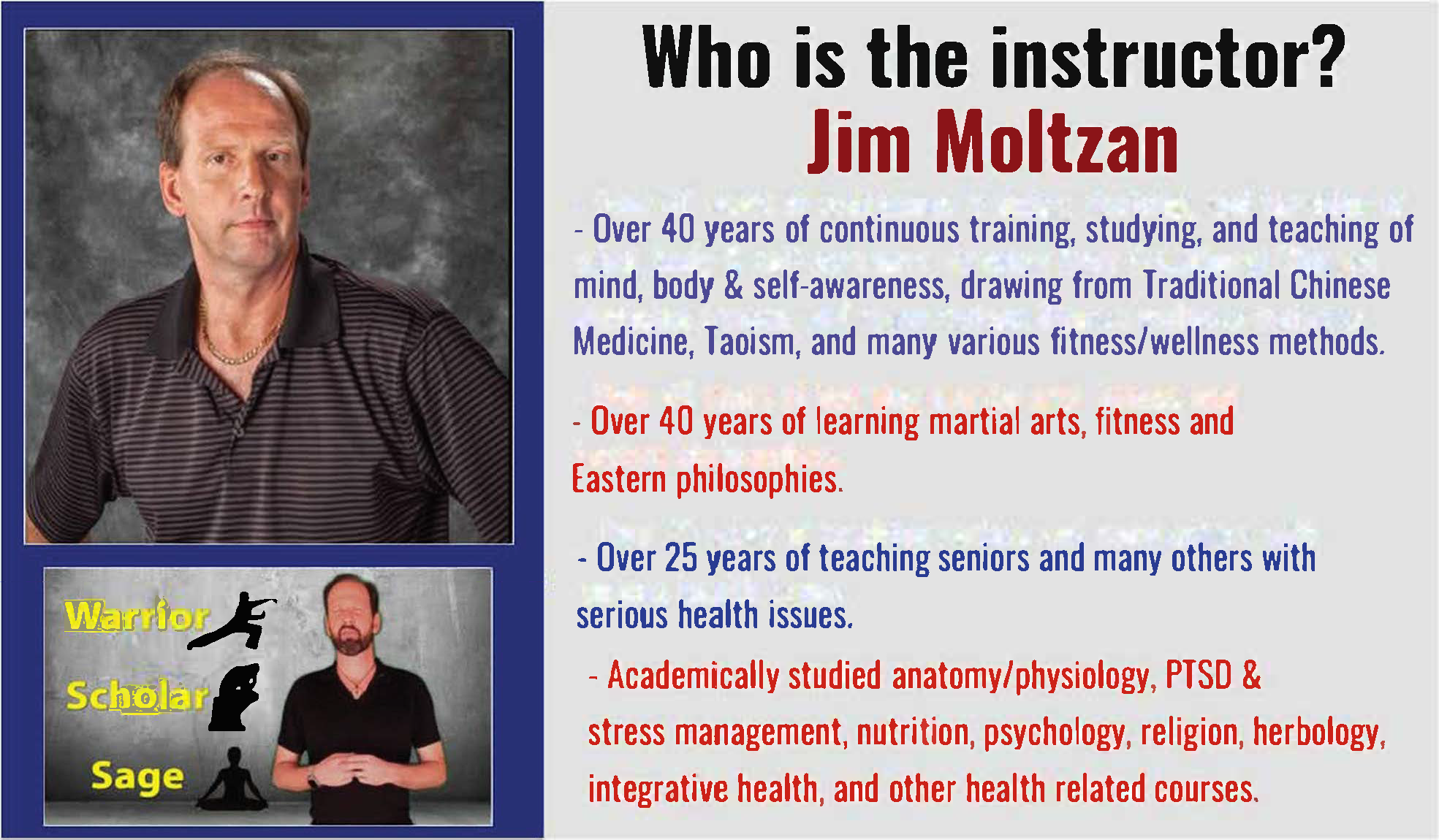
I teach and offer lectures about holistic health, stress management, qigong, tai chi, baguazhang, meditation, phytotherapy (herbs), music for healing, self-massage, and Daoyin (yoga).

I look forward to further sharing more of my message by partnering with hospitals, wellness centers, VA centers, schools on all levels, businesses and individuals that see the value in building a stronger nation through building a healthier population. I also have hundreds of FREE education video classes, lectures and seminars available on my YouTube channel at:

https://www.youtube.com/c/MindandBodyExercises

www.MindAndBodyExercises.com

www.Amazon.com/author/jimmoltzan

Mind and Body Exercises on Google: https://posts.gle/aD47Qo

Jim Moltzan

407-234-0119
Difficult Times Sometimes Bring About Good Changes

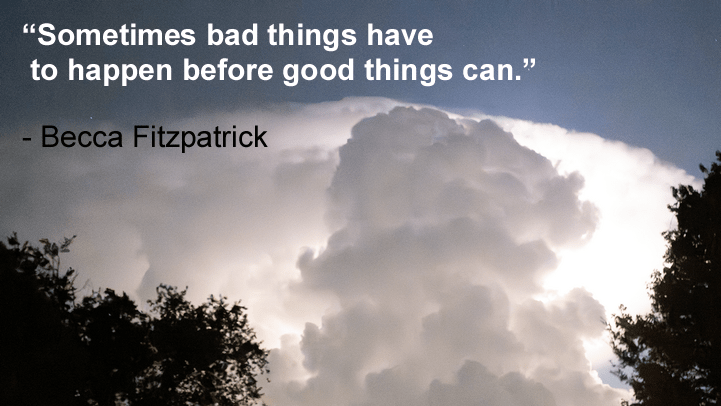
“Sometimes bad things have to happen before good things can.”

– Becca Fitzpatrick

https://psychologycompass.com/blog/point-of-view/

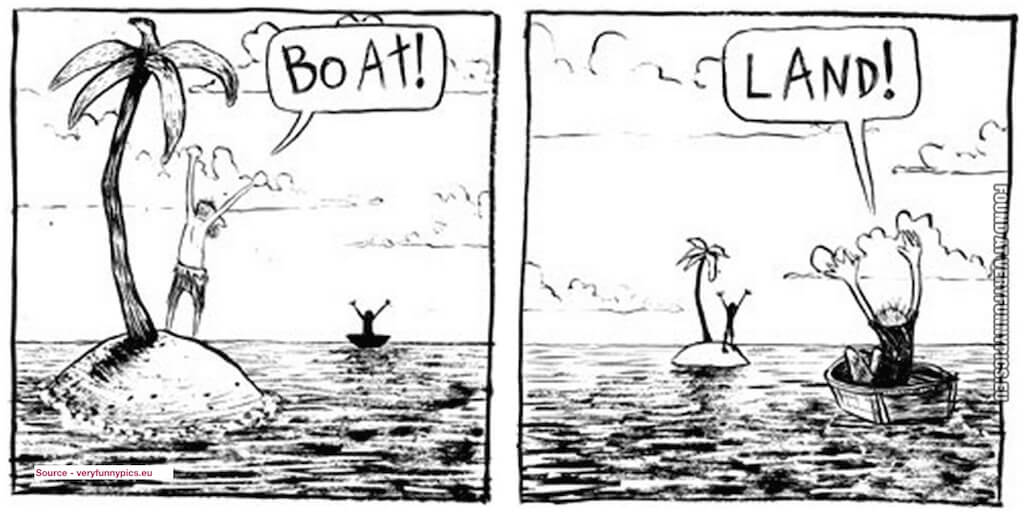
In spite of bad circumstances, good things may emerge. For example, the recent COVID-19 pandemic did actually produce some positive results for some people. For others, not so much. I think this concept requires a greater understanding of the bigger picture of how the pandemic has brought some level of clarity, meaning and purpose into many individuals’ lives, in spite of having affected so many in a negative way. Some people lost their lives, while others more “fortunate” lost their businesses, jobs, homes and friends. Others made vast amounts of income by acting upon opportunities. This leads me back to the dichotomy of yin and yang, that is found in almost all things. In order to appreciate the “good” in anything, we need to also see the “bad” in order to understand the contrast. While some people were quite traumatized by lockdowns, mandates, isolation, job loss and the illness itself, others thrived while working from home and around their family and loved ones. Some used this time to re-invent themselves, cook and eat healthier at home, exercise more and other positive events and realizations that might have never come about.

Conversely some people ate less healthy, exercised less, and acquired mental ailments of depression, anxiety, and others. I bring this back to the realization that I have discussed before that everyone perceives stress, pain, suffering and trauma differently in relation to their own availability of coping mechanisms. I think it takes a certain level of wisdom to be able to see the good and bad in all things, while also choosing to see the good in people in spite of their attempts to prove otherwise. The COVID-19 pandemic gave many more than ample opportunities to tone their personal social skills while trying to keep their relative stressors in check. There will almost always be good and bad in all things. It is our choice how we choose to see things and act upon them accordingly.

________________

I teach and offer lectures about holistic health, stress management, qigong, tai chi, baguazhang, meditation, phytotherapy (herbs), music for healing, self-massage, and Daoyin (yoga).

I look forward to further sharing more of my message by partnering with hospitals, wellness centers, VA centers, schools on all levels, businesses and individuals that see the value in building a stronger nation through building a healthier population. I also have hundreds of FREE education video classes, lectures and seminars available on my YouTube channel at:

https://www.youtube.com/c/MindandBodyExercises

www.MindAndBodyExercises.com

www.Amazon.com/author/jimmoltzan

Mind and Body Exercises on Google: https://posts.gle/aD47Qo

Jim Moltzan

407-234-0119
We Actually Need Some Stress in Our Lives

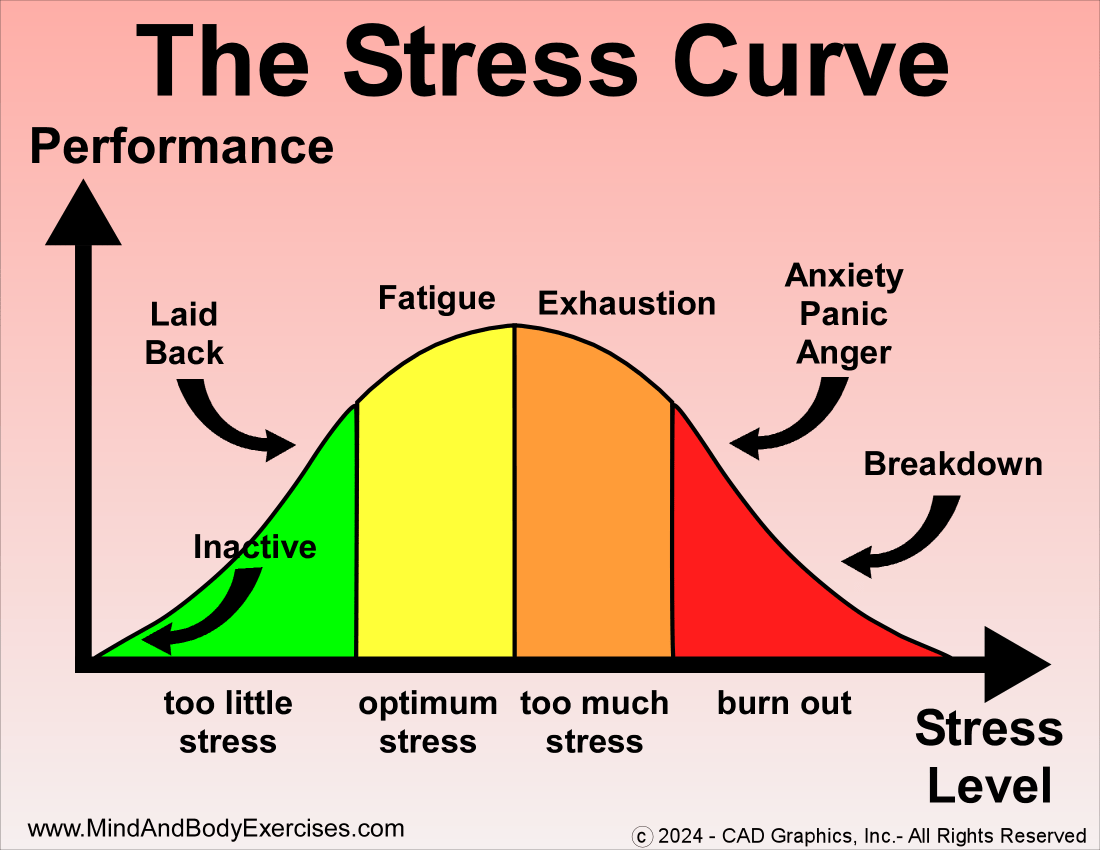
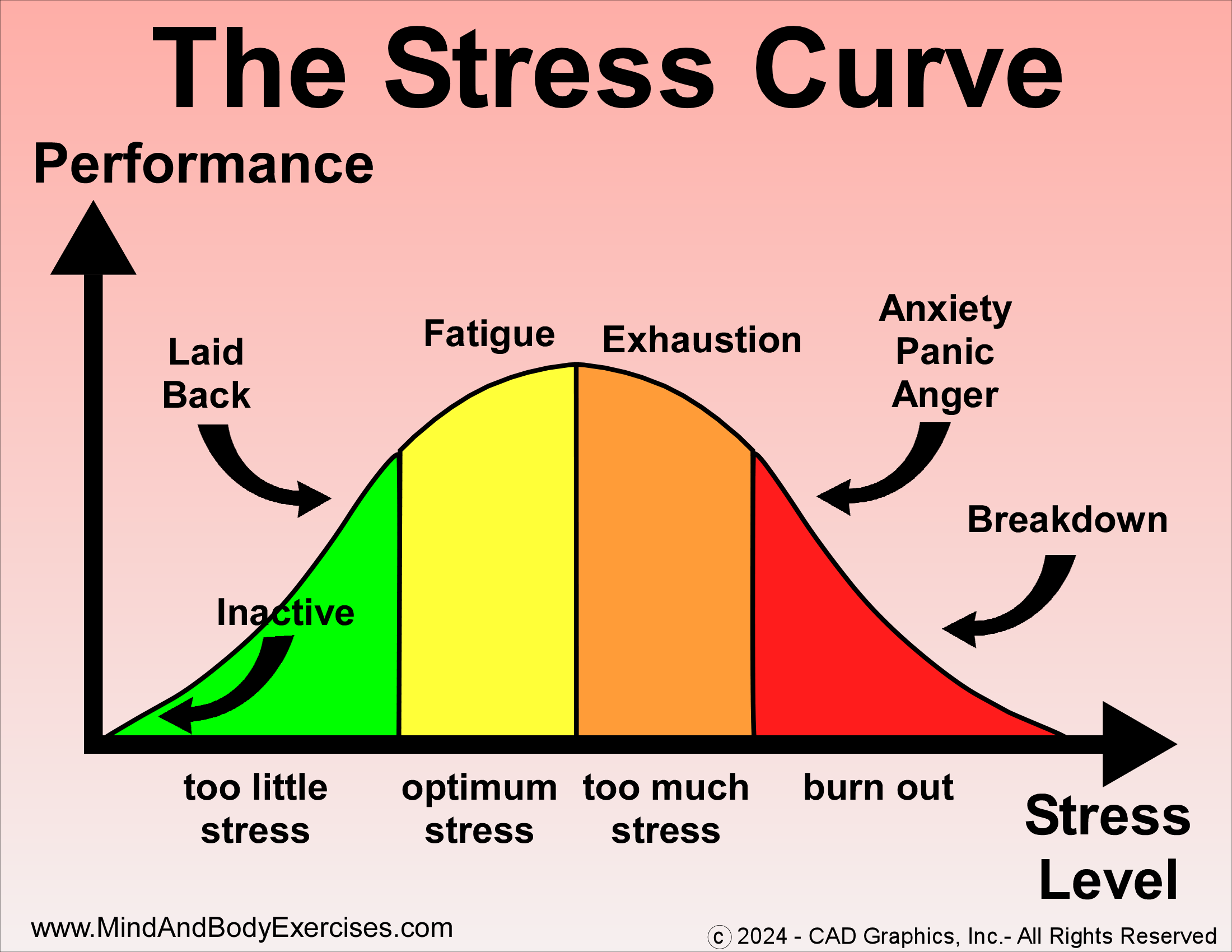
I don’t believe that it is possible to not have any stressors, whether from mental circumstances or acute/chronic pain, as these are part of life. Good stress (eustress) and bad stress (distress) are what offers us contrast between suffering and happiness (Zabat-Zinn, pg. 303, 2013). It is highly important that we all have a means to minimize or release our inner suffering from internal and external stressors. Yoga and other meditative breathing practices that engage the mind and body are truly profound in being able to not only help reduce pain in the body through strengthening and stretching it, but also simultaneously modulate the nervous system and relative responses to that pain.

Physical pain in our bodies can cause not only the regional discomfort, but also associated emotional pain. I am certain that almost everyone has experienced some type of physical injury, where shortly afterwards they may not be the most pleasant person to be around. In contrast, when we exercise, we often get sore muscles and some relative pain and/or discomfort. So, in both cases of injury and exercise, we can only do so much to alleviate the physical pain. However, we can make a decision as to how much emotional suffering we attach to our physical pain. As Jon Kabat-Zinn states that we can realize that we often have a range of options for managing physical pain, even very intense pain, other than only being automatically overwhelmed by the pain (Zabat-Zinn, pg. 361, 2013).

As life experience accumulates, we are able to better determine what pain in our body is telling us, whether it is a response to physical trauma, disease, illness, and other circumstances such as work and exercise. I think as we age, most people will have quite a buffet of physical pains that will be experienced. I personally have dealt with lower back pain off and on for many years. In spite of my discomfort, I usually would not share this with others around me preferring to keep my ailments and relative issues to myself (aversion). In hindsight, keeping my pain to myself probably manifested into some level of mental stress. I do think though, that whatever emotional pain from physical stressor I may have had, it was possibly cancelled out or minimized from the joy or sense of purpose from being with others at the time. Even though I had back pain, I would still be practicing sports and activities with my two kids. It is quite amazing what we can do and accomplish even with much pain, when we set our priorities and goals beyond ourselves.

Reference:

Kabat-Zinn, Jon. (2013) Full Catastrophe Living (Revised Edition) (p. 361). Random House Publishing Group. Kindle Edition.

_______________

I teach and offer lectures about holistic health, stress management, qigong, tai chi, baguazhang, meditation, phytotherapy (herbs), music for healing, self-massage, and Daoyin (yoga).

I look forward to further sharing more of my message by partnering with hospitals, wellness centers, VA centers, schools on all levels, businesses and individuals that see the value in building a stronger nation through building a healthier population. I also have hundreds of FREE education video classes, lectures and seminars available on my YouTube channel at:

https://www.youtube.com/c/MindandBodyExercises

www.MindAndBodyExercises.com

www.Amazon.com/author/jimmoltzan

Mind and Body Exercises on Google: https://posts.gle/aD47Qo

Jim Moltzan

407-234-0119