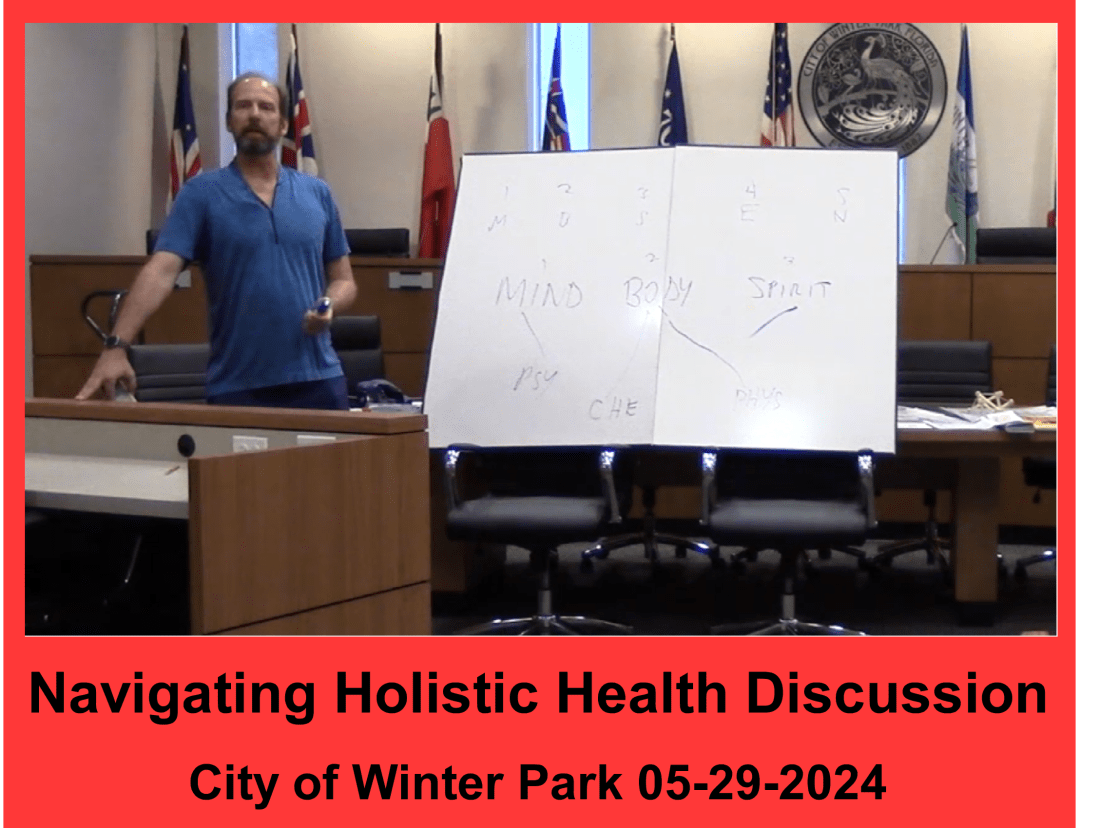
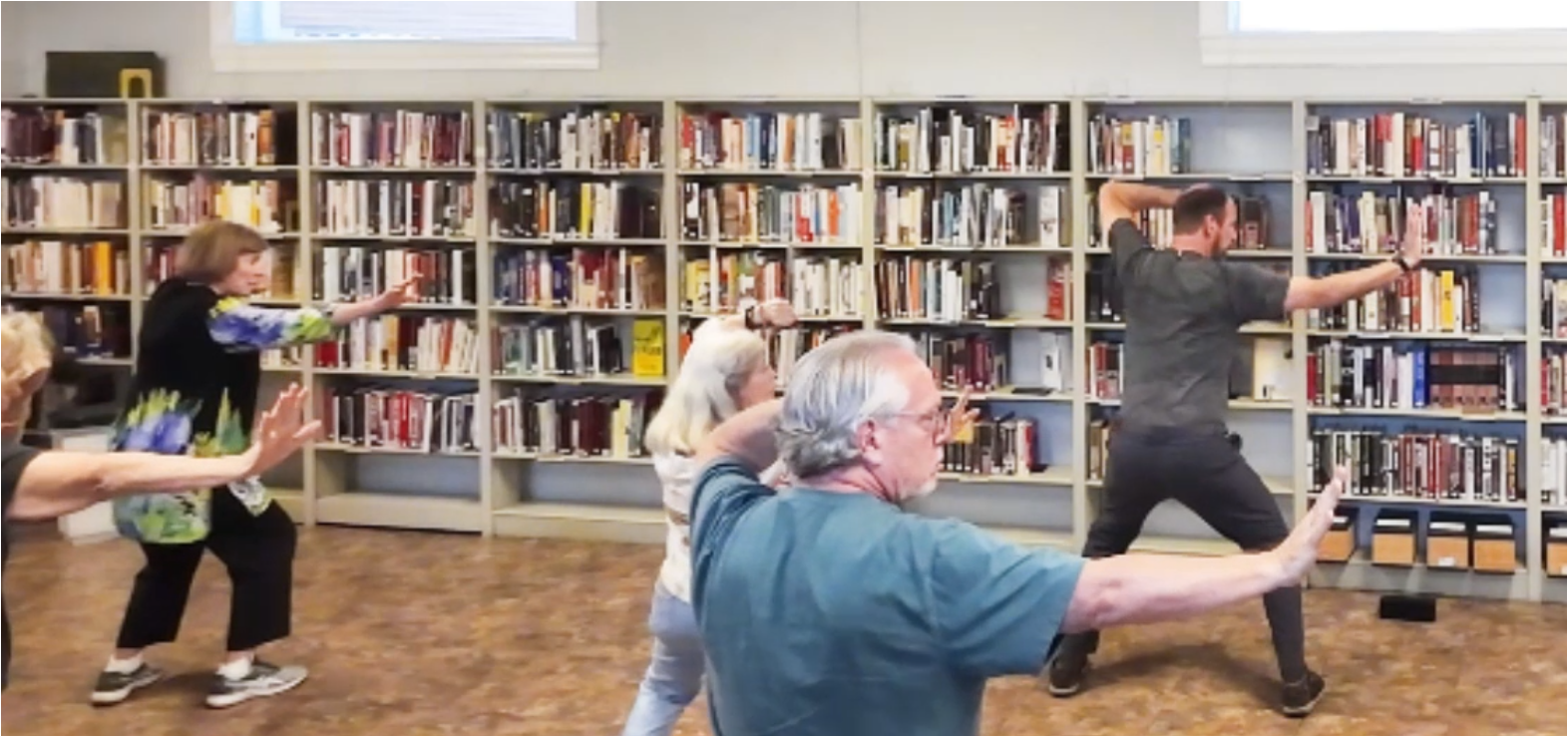
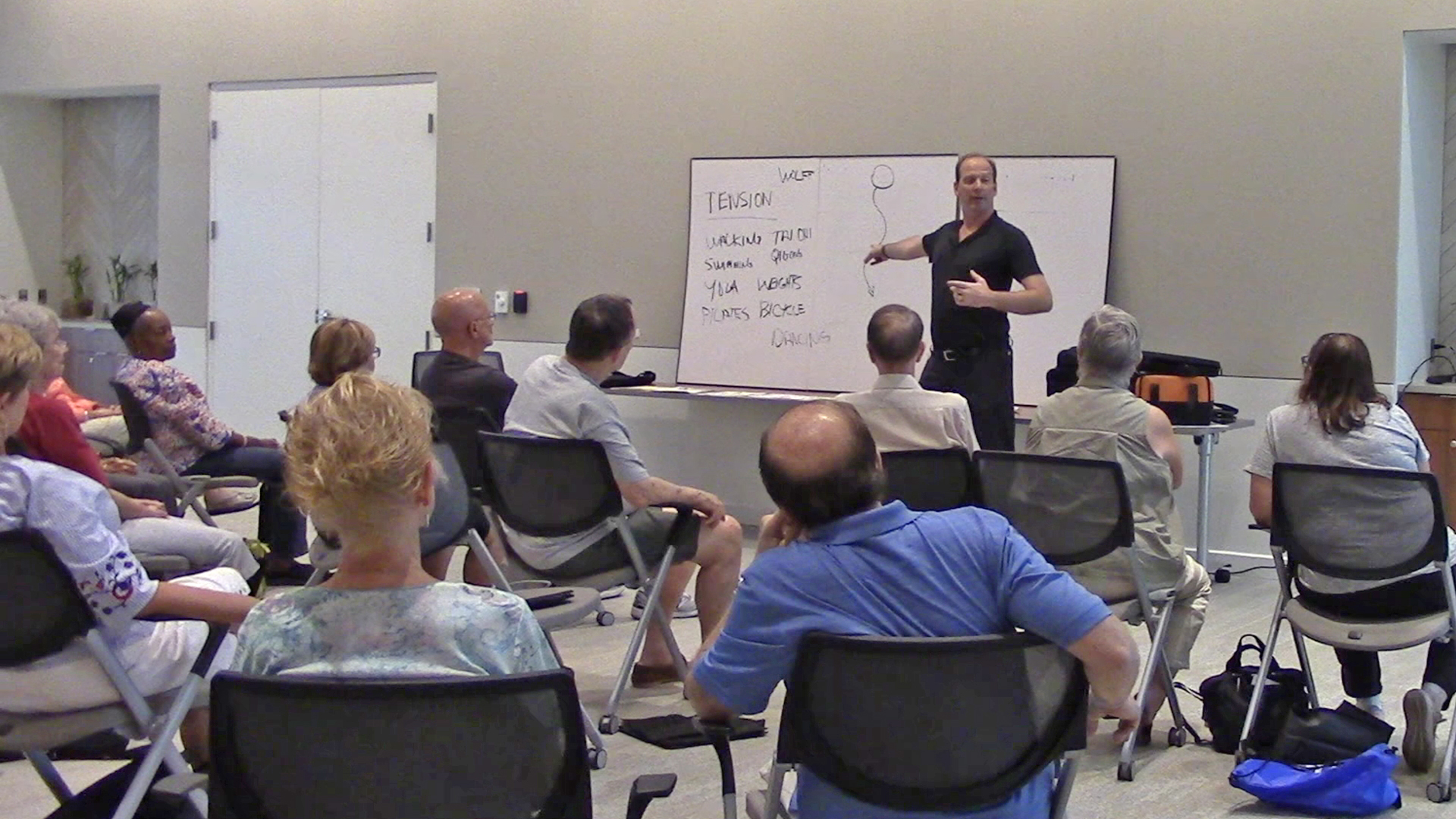
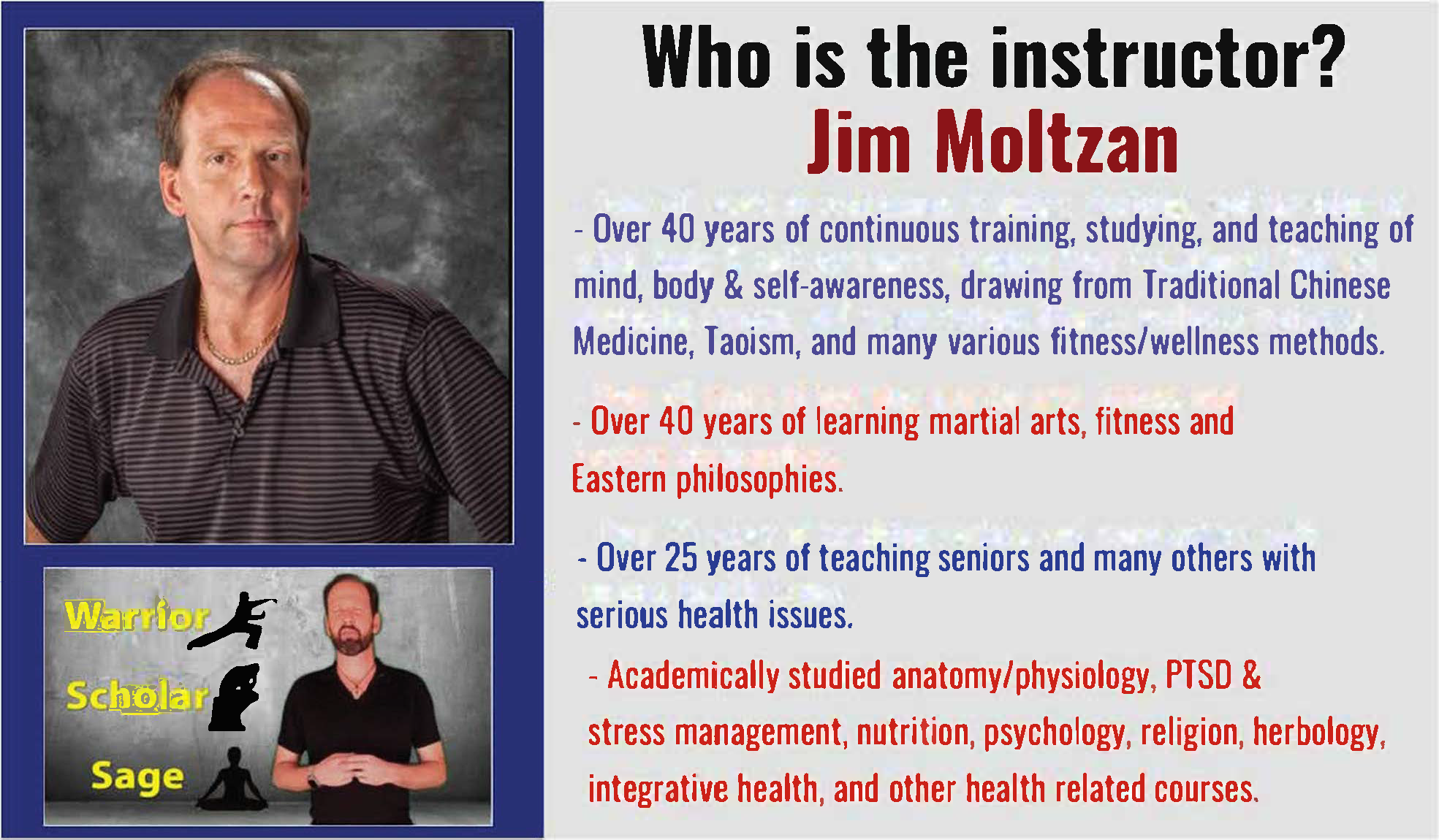
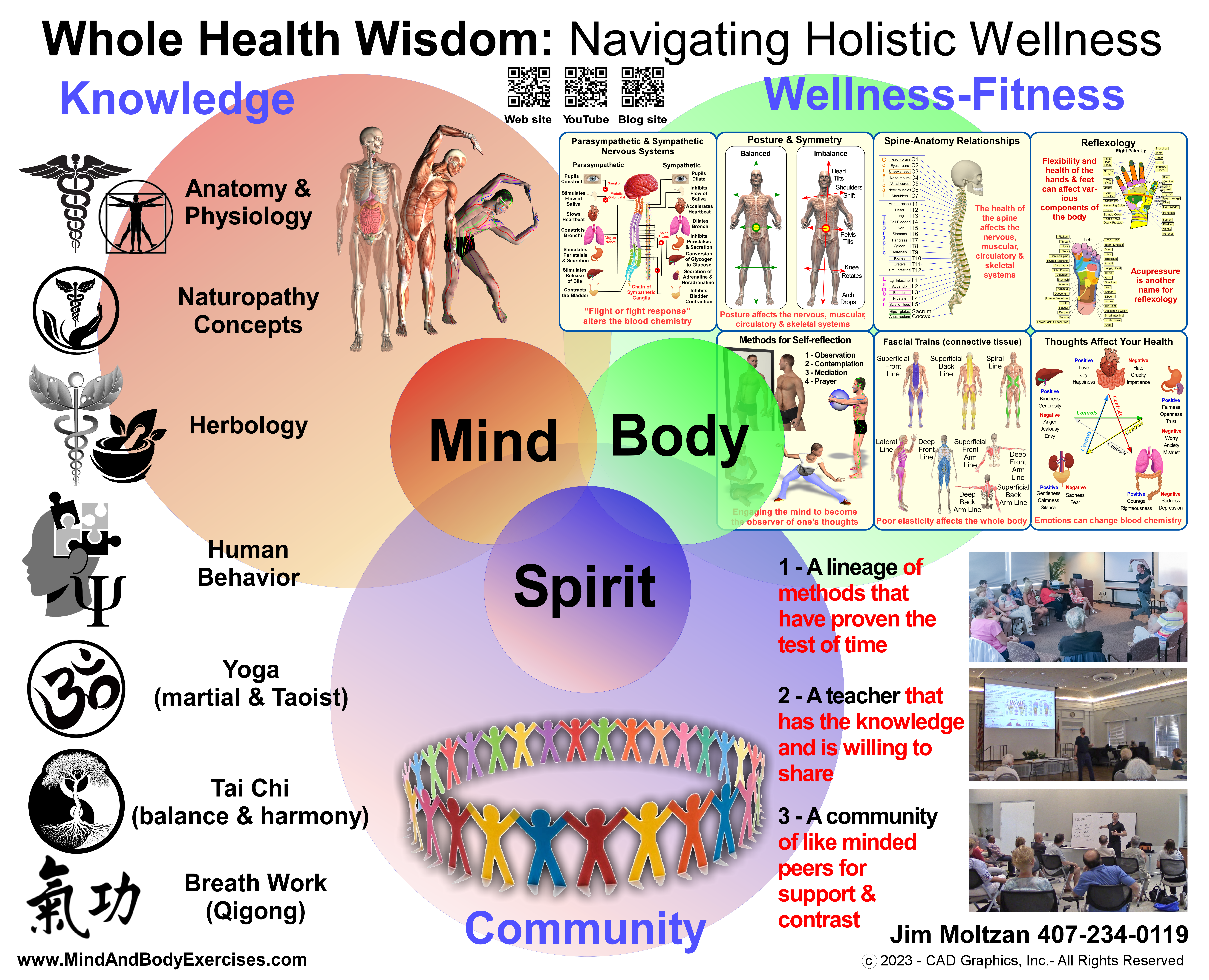
I teach and offer lectures about holistic health, stress management, qigong, tai chi, baguazhang, meditation, phytotherapy (herbs), music for healing, self-massage, and Daoyin (yoga).
Please contact me if you, your business, organization, or group, might be interested in hosting me to speak on a wide spectrum of topics relative to better health, wellness, and fitness.
I look forward to further sharing more of my message by partnering with hospitals, wellness centers, VA centers, schools on all levels, businesses and individuals that see the value in building a stronger nation through building a healthier population. I also have hundreds of FREE education video classes, lectures and seminars available on my YouTube channel at:
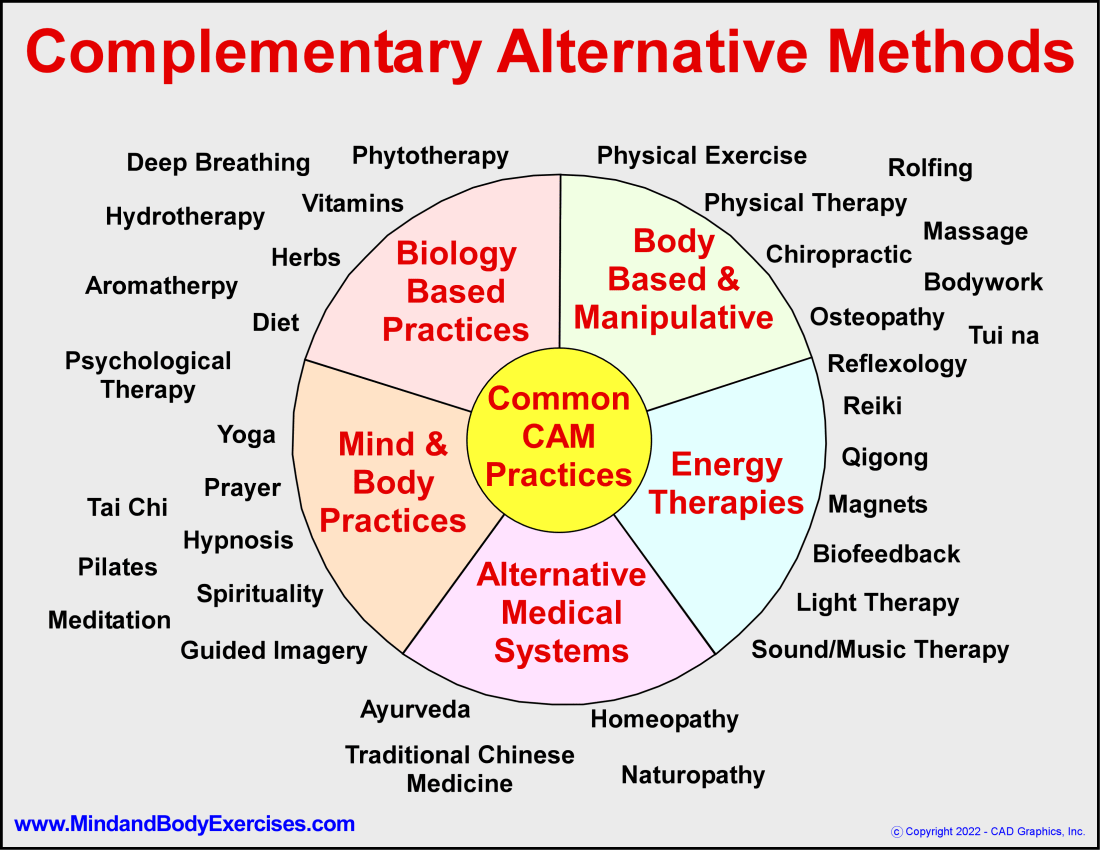
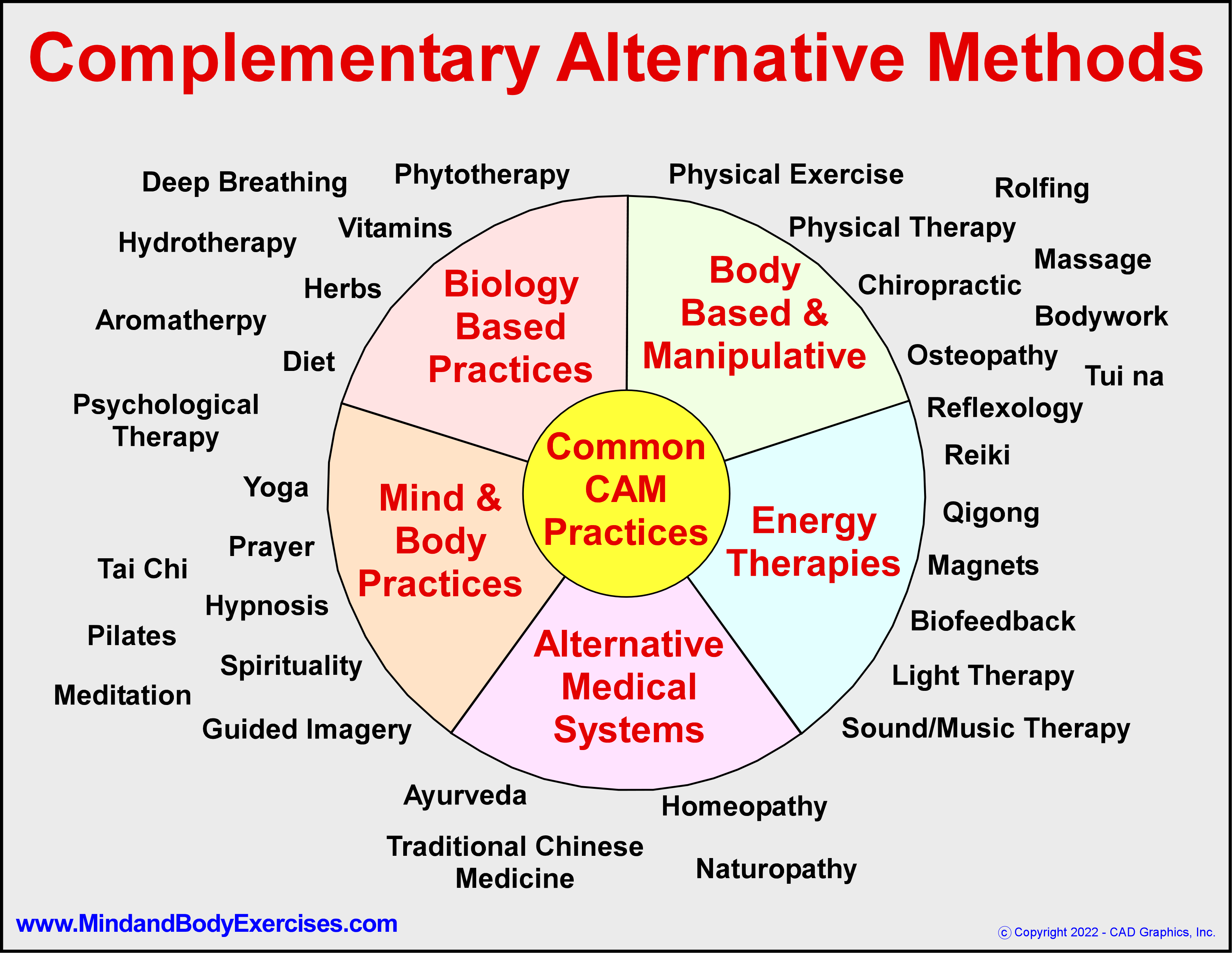
I think a root component of science is to define, label, and categorize all things that may or may not exist. Hence, the more we learn and discover, the more we label and divide. With this being said, I think that the terms complementary, alternative, and integrative are perfect terms to offset those of allopathic, biomedical, modern, or Western practice. Traditional healers, Ayurvedic Medicine, Traditional Chinese Medicine (TCM), homeopathy, and naturopathy, all of which, while debatable have been proven over the test of time to be safe and effective for many ailments and health issues. Perhaps these modalities are deserving of a more appropriate label as “traditional effective non-pharmaceutical medical care” or something similar.
I do take issue with the often-used terms of “Western” and “modern,” as these are somewhat self-serving. Western to what? Modern compared to what? Both of the latter are using insects and calling it something new as entomotherapy (Siddiqui et al., 2023) despite it being a method used for thousands of years. My point is that the lines between all of these medical modalities have become somewhat blurred over time and when used in particular circumstances. For traumatic physical injuries, such as those from vehicle or industrial accidents, injuries from gunshots, or other physical violence, Western allopathic medicine is the superior modality. For chronic issues and preventative interventions, I think not so much. Sometimes strong pharmaceuticals are necessary to manage the pain from an injury and/or lifesaving surgery. However, a patient could be weaned off strong meds and even replaced with non-pharmaceutical or less invasive follow-up therapies, depending upon the patient’s unique circumstances. Overall, I think that the US medical healthcare system is more of a “sick-care” program that is profit-driven and focuses on treating symptoms or after-the-fact conditions. Complimentary, Alternative or Integrative Health treatments often focus on preventative or less-invasive methods that often do not generate much profit to be more fully utilized by allopathic healthcare providers.
Very few insurances provide coverage for treatments outside of the biomedical modality. I have been personally impacted by this issue with family members and myself, all regarding having suffered from lower back and knee pain. Surgical procedures may be covered if are seen as necessary, while chiropractic or physical therapy coverage varies based on upon perceived effectiveness of the specific condition being treated. The cost for a microdiscectomy on a herniated disc can range between $20,000 and $50,000 which would be covered, but rest for a few weeks followed by chiropractic treatments at about $100 per session – 5 total, were not. Yoga sessions at $20 a class for about 20 classes, are not covered. Eventually, both chiropractic and yoga worked for my family members. For my injured knee, an osteopathic surgeon looked at me and shook his head in bewilderment when I declined to have a covered knee surgery procedure ($5000-$30000). I was able to manage the repair of my issue through appropriate exercise, free of cost other than time and effort on my part. Some sufferers have no option but to have surgery or use pharmaceuticals, especially if they have suffered some type of traumatic injury. For others, it is worth looking into non-invasive treatments first before committing to a surgery that may or not offer long-term positive results.
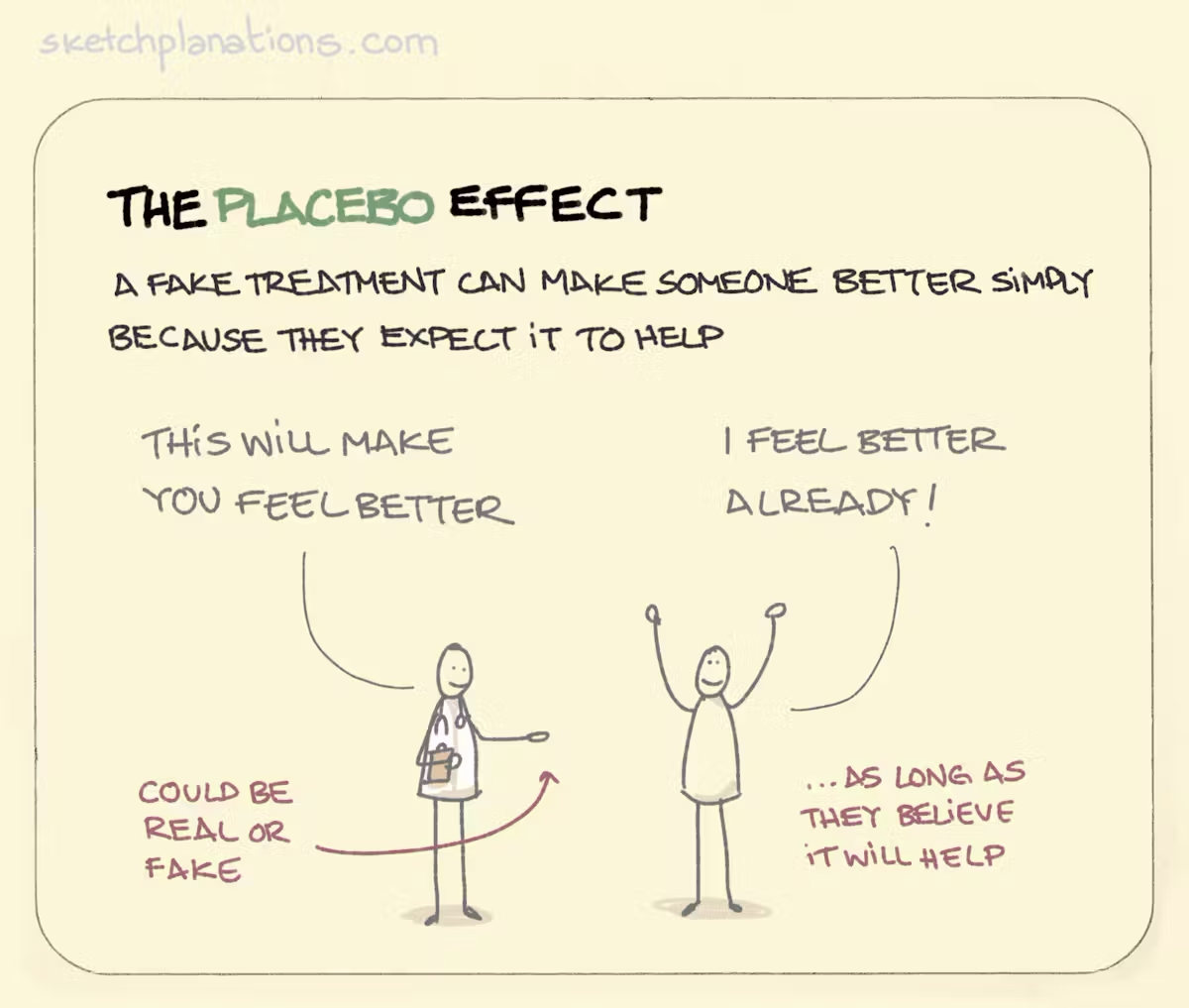
Some Western healthcare professionals will defer to why complementary, alternative, or integrative health methods sometimes are quite effective due to the placebo effect. However, I have found that the placebo effect is quite relative to allopathic medicine as well as other methods of alternative medicine. I have found that many allopathic medical professionals often look down upon alternative medicine and/or traditional methods as offering effectiveness by relying mostly upon the placebo effect. Ironically, the US healthcare system relies quite heavily on this perception that medical pharmaceuticals can fix many ailments. The power of suggestion plays a major part in alleviating pain and suffering. Roughly, between 10-90% of the efficacy of prescriptions comes down to the placebo effect. Factors such as trust in the doctor that prescribes the medication, and specific details regarding the medicine, such as its brand, price, name, and place of origin can all affect a patient’s potential belief in the medicine helping to improve their aliment (Meissner et al., 2011). While we keep hearing “follow the science”, science seems to show that the placebo effect is truly a real component of the US healthcare system.
Meissner, K., Kohls, N., & Colloca, L. (2011). Introduction to placebo effects in medicine: mechanisms and clinical implications. Philosophical transactions of the Royal Society of London. Series B, Biological sciences, 366(1572), 1783–1789. https://doi.org/10.1098/rstb.2010.0414
I teach and offer lectures about holistic health, stress management, qigong, tai chi, baguazhang, meditation, phytotherapy (herbs), music for healing, self-massage, and Daoyin (yoga).
I look forward to further sharing more of my message by partnering with hospitals, wellness centers, VA centers, schools on all levels, businesses and individuals that see the value in building a stronger nation through building a healthier population. I also have hundreds of FREE education video classes, lectures and seminars available on my YouTube channel at:
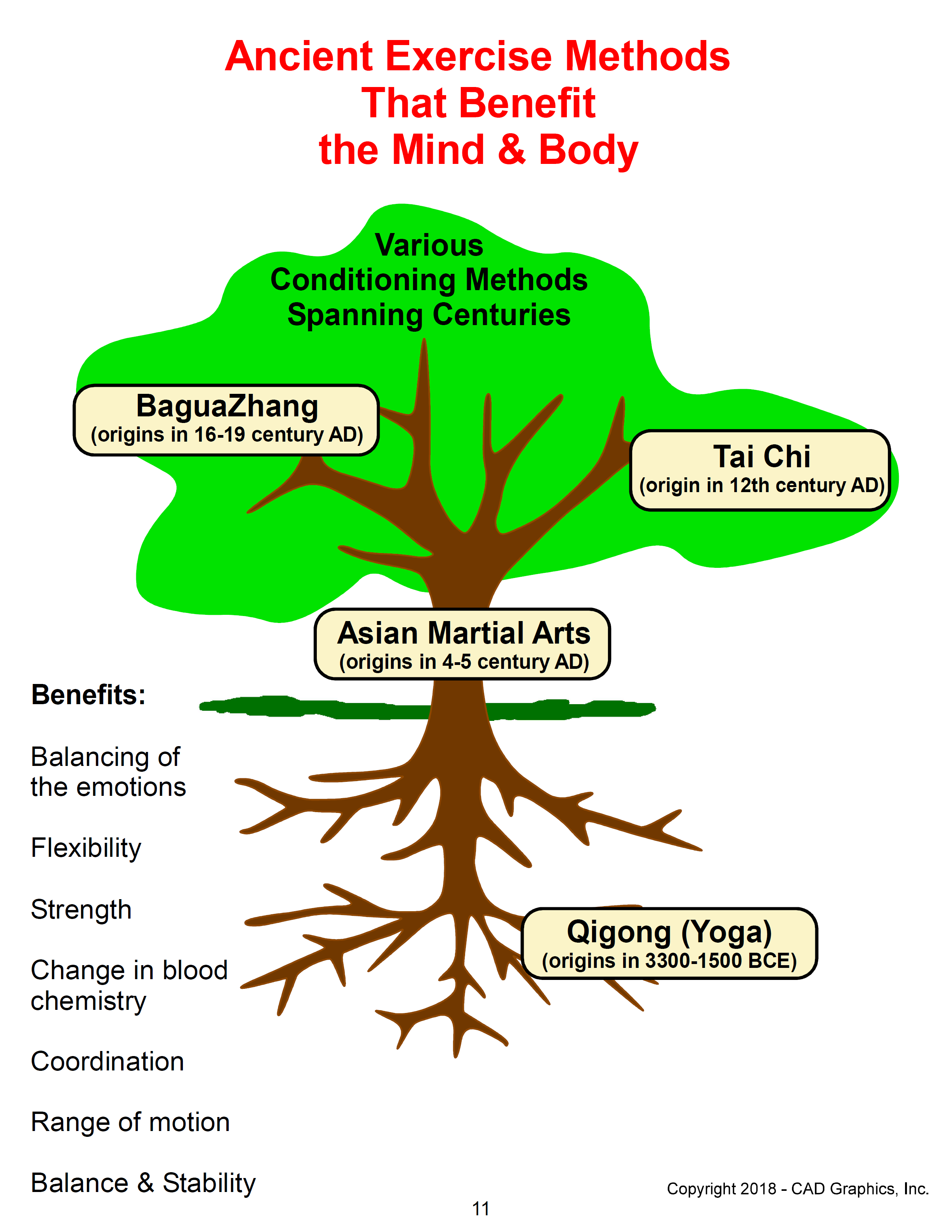
The origin and roots of Tai Chi, are based on written information, oral interpretations, and word of mouth. Also, many of the practitioners often went by different names and spellings there of. This presented information is by no means complete nor precise but is offered as a basic understanding of the origin of these ancient methods.
Many history scholars and martial arts enthusiasts have spent much time and effort debating the details of the origins. While it might be interesting for some, it is suggested not to lose the meaning behind the knowledge and the practice methods. To become a walking encyclopedia of information, but having no true understanding of the methods can lead to a somewhat imbalanced understanding of Tai Chi. More in-depth understanding can come from actual physical practice, mental understanding, self-awareness as well as spiritual cultivation.
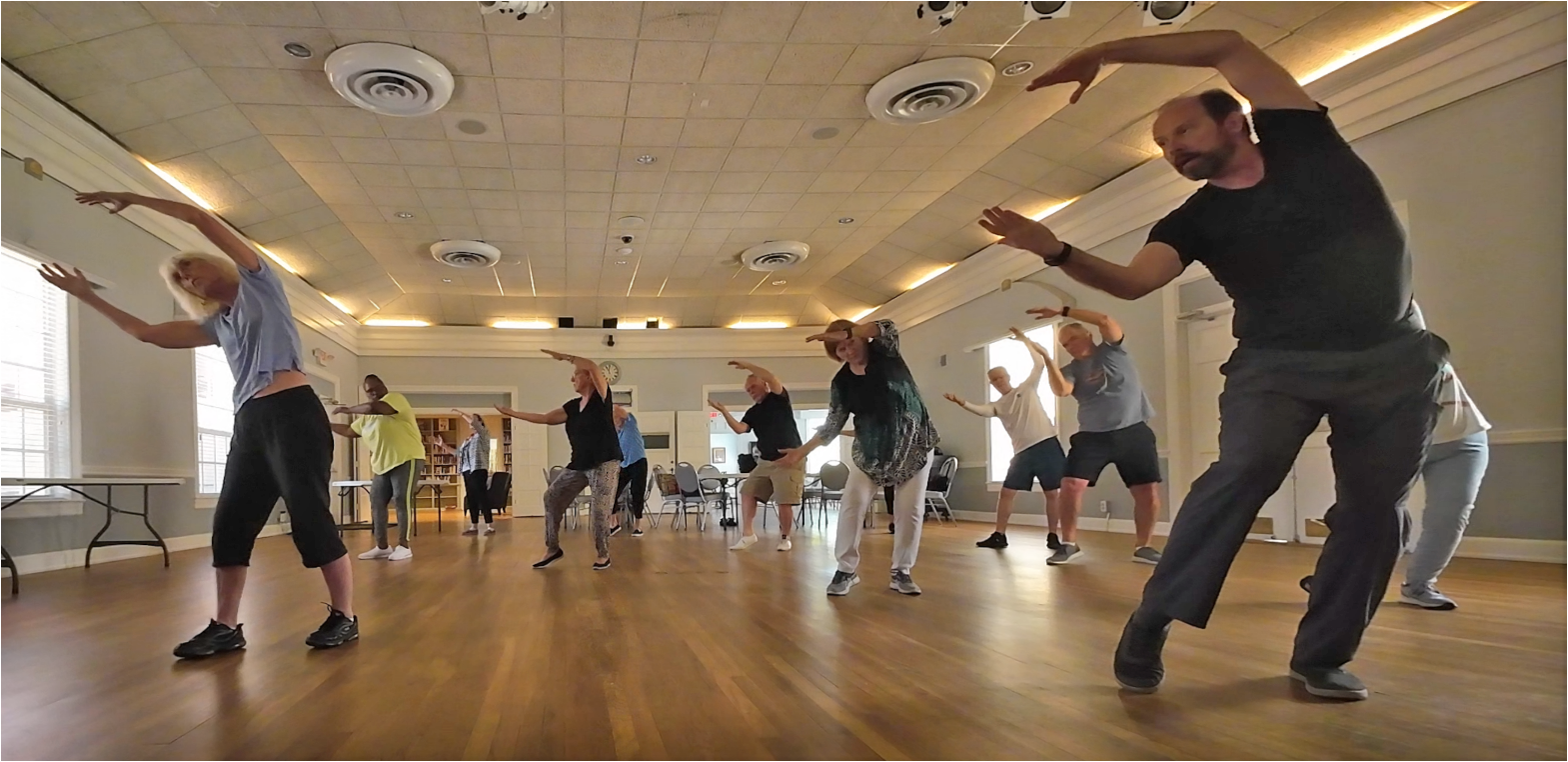
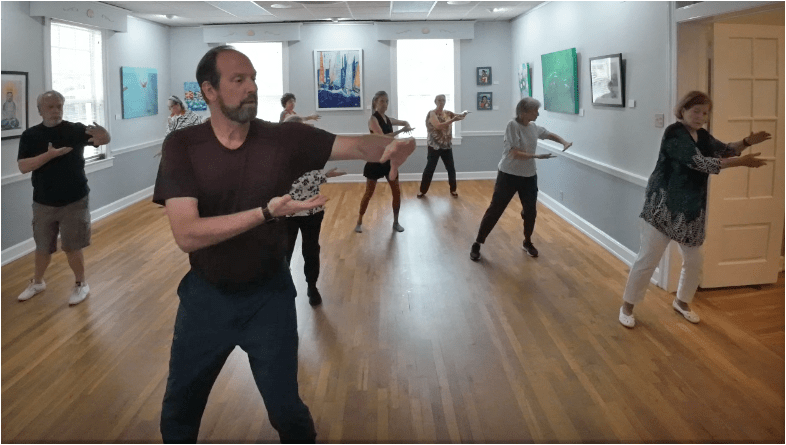
Tai Chi is an ancient Chinese martial art, that is practiced as a graceful form of martial arts, low-impact exercise, and moving meditation. It involves a series of movements performed in a slow, smooth, and focused manner with accompanied Qigong (mindful breathing exercises). Tai Chi, also called Taiji, Tai Chi Chuan or Taiji Quan, on the fitness level, is a self-paced system of gentle physical exercises and stretching. Each exercise or posture flows into the next without pausing, ensuring that the body is in constant motion. Tai chi is similar yet different from Yoga which is another type of meditative exercise and practice. Tai Chi and Yoga include various physical postures, deep breathing techniques, and often along with meditation. Tai Chi is sometime referred to as “Yoga in motion”.
Tai Chi has many different types or styles. Each style emphasizes various Tai Chi principles and methods. There are also variations within each style. Some styles or teachers focus more on health benefits, history, or philosophy, while others might focus on the martial arts aspects of Tai Chi.
History: Chen, Yang, Wu, and other Tai Chi Styles There are differing theories as to the true origins of Tai Chi. Tai chi is a type of moving qigong, which has roots in yoga. Some believe Chen Wangting to be the original founder of Tai Chi and the Chen style. Chen style is practiced typically with explosive movements including jumps, kicks, and strikes. Slow, graceful movements are alternated with quick, forceful ones. Low, strong stances develop strength, stability, and agility. Silk reeling is spiraling movements that flow from the feet to the hands, which is the foundation of Chen-style Tai Chi. Chen style can provide a good cardiovascular workout but requires more athleticism and physical coordination than some of the other styles of Tai Chi. All styles can be adjusted by the practitioner.
From the Chen Style came the most popular and practiced Yang style, with its founder Yang Lu Ch’an. It is thought that Yang learned his system from the Chen family while working as a servant in their village and secretly observing their training and practice routines. In 1850, the Imperial family hired Yang Lu Ch’an to teach his modified, less athletic adaptation to their elite palace guards. The Yang style improves flexibility by expanding and contracting the body using exaggerated movements and practices slowly and gracefully.
The Yang Style ultimately produced the Wu Style, another popular style of Tai Chi founded by Wu Ch’uan Yu. This military officer cadet trained under Yang Lu Ch’an, the founder of the Yang style and martial arts instructor of the Chinese Imperial Guards. Wu style is unique in its focus on the body leaning forward and backward rather than remaining centered, as one does in the other styles of Tai Chi. The back leg serves as a counterbalance, allowing for added extension without losing stability and balance. Wu style uses a medium stance, with movements being smaller and more compact than those used in Yang style.
Beyond these three original styles came others such as the Hao, Sun & Li styles. There are then the many variations or sub-styles that emanate from the original family styles. There is also the Wudang style from Wudang Mountain which is also thought to be the original style, originating from the Daoist monk Chang San Feng.
I teach and offer lectures about holistic health, stress management, qigong, tai chi, baguazhang, meditation, phytotherapy (herbs), music for healing, self-massage, and Daoyin (yoga).
I look forward to further sharing more of my message by partnering with hospitals, wellness centers, VA centers, schools on all levels, businesses and individuals that see the value in building a stronger nation through building a healthier population. I also have hundreds of FREE education video classes, lectures and seminars available on my YouTube channel at:



 United Martial Arts Association