You can choose a ready guide in some celestial voice
If you choose not to decide, you still have made a choice
You can choose from phantom fears and kindness that can kill
I will choose a path that’s clear, I will choose Free will
-Rush
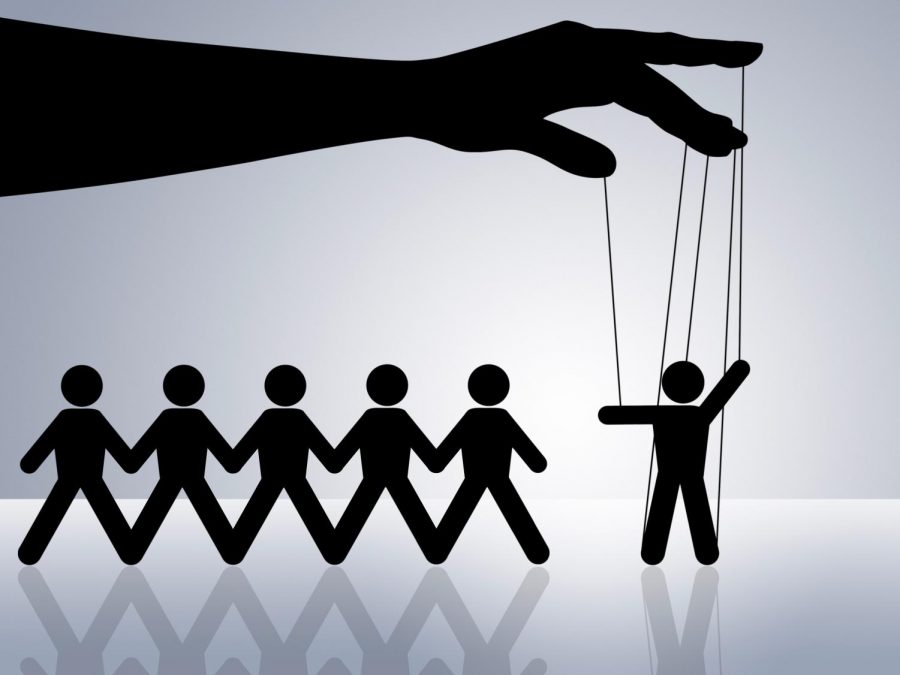
Free will is defined as “the assertion that our choices and actions are not caused by antecedent events, but emerge spontaneously from the mind” (Ettinger, 2018). Freewill is a topic that I have delved into many times throughout my life. When I was much younger, immature, and naive, I found it easier to relinquish my free will and blame or even empower others or other circumstances to determine my actions. With time and real-life experiences of our own choice, we hopefully acquire life knowledge and/or wisdom. Over my lifetime and relatively gained experiences, I have come to learn that we are very much in control of our own thoughts, emotions, and actions. This is not to say, that as part of the human condition, we are not subject to others, our environment, and other circumstances that present themselves. Obviously, some people may not have this control due to illness, injury, or other congenital issues.
I have heard an explanation of free will, as that our lives can be viewed from the perspective that we are all on airplanes. We choose to travel in specific directions, towards a specific destination. Once we are on a particular plane that we choose, we are somewhat free to move about the cabin, albeit relative to what we can accomplish within the vessel we willingly entered into. So, while we may have free will, we still may be limited by our resources of time, finances, status, location, and other natural resources. Along with free will comes the consequences of cause and effect. I may be free to play in the Florida sun all day, but I will inevitably suffer the consequences of sunburn and heat exhaustion. I am free to shout “fire” in a crowded movie theatre, but again I am subject to the consequences of my actions if there is no fire.
I have read articles on free will that address more the physiological aspects of how humans behave, rather than the circumstances that might determine why we behave a particular way. An example would be where test participants have predictable reactions during a controlled experiment, which attempts to show that the participants had no free will. The experiment demonstrated that brain activity before the physical action of pushing a button was responsible for the choice of when and which button to push (Ettinger, 2018). Not mentioned, were other details of the experiment, such as if the participants were made aware of the purpose of the experiment and if they were able to retry the experiment after knowing so. Both variables might have changed the outcome of the experiment.
(Braun, 2018)
I think the concept of free will can branch out into many different directions such as mental diseases, habits, or addictions and their relationship to free will. Relative to drug addiction, perhaps an addict’s free will can be seen as weakened due to the chemical interactions with their physiology which can affect thoughts, emotions, and relative actions (Monterosso & Schwartz 2020). Or even the belief that we have free will to not believe that we have free will, can be debated and discussed. Additionally, if we have free will to choose only between given options, do we really have free will to choose other options (Reeve & Middlebrooks, 2021)? Similar to the concept of “Sophie’s Choice” where no outcome is preferable over the other, or maybe the “lesser of two evils” as many feel we experience with politics, healthcare, as well as societal and cultural issues.
References:
Ettinger, R. H. (2018). Psychology: The Science of Behavior (6th ed.). BVT Publishing.
Monterosso, J. R., & Schwartz, B. (2020). Addiction science and the perception of freewill. Journal for the Theory of Social Behaviour, 50(3), 373–390.
Reeve, D., & Middlebrooks, D. (2021). MISUNDERSTANDING FREEWILL: (Which We Don’t Have). Skeptic (Altadena, CA), 26(4), 54.
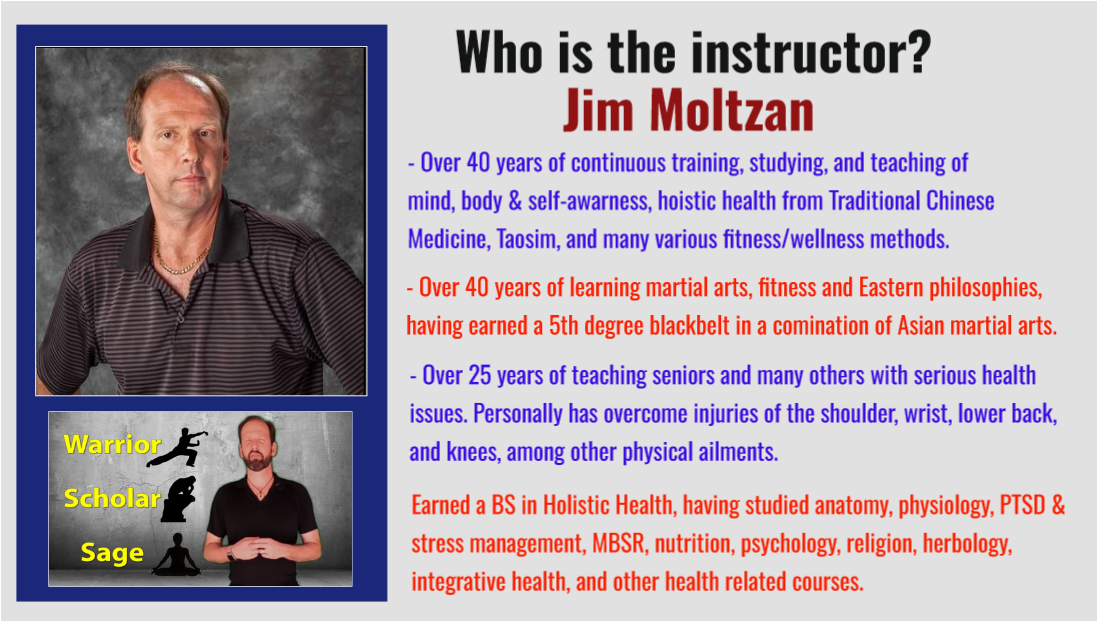
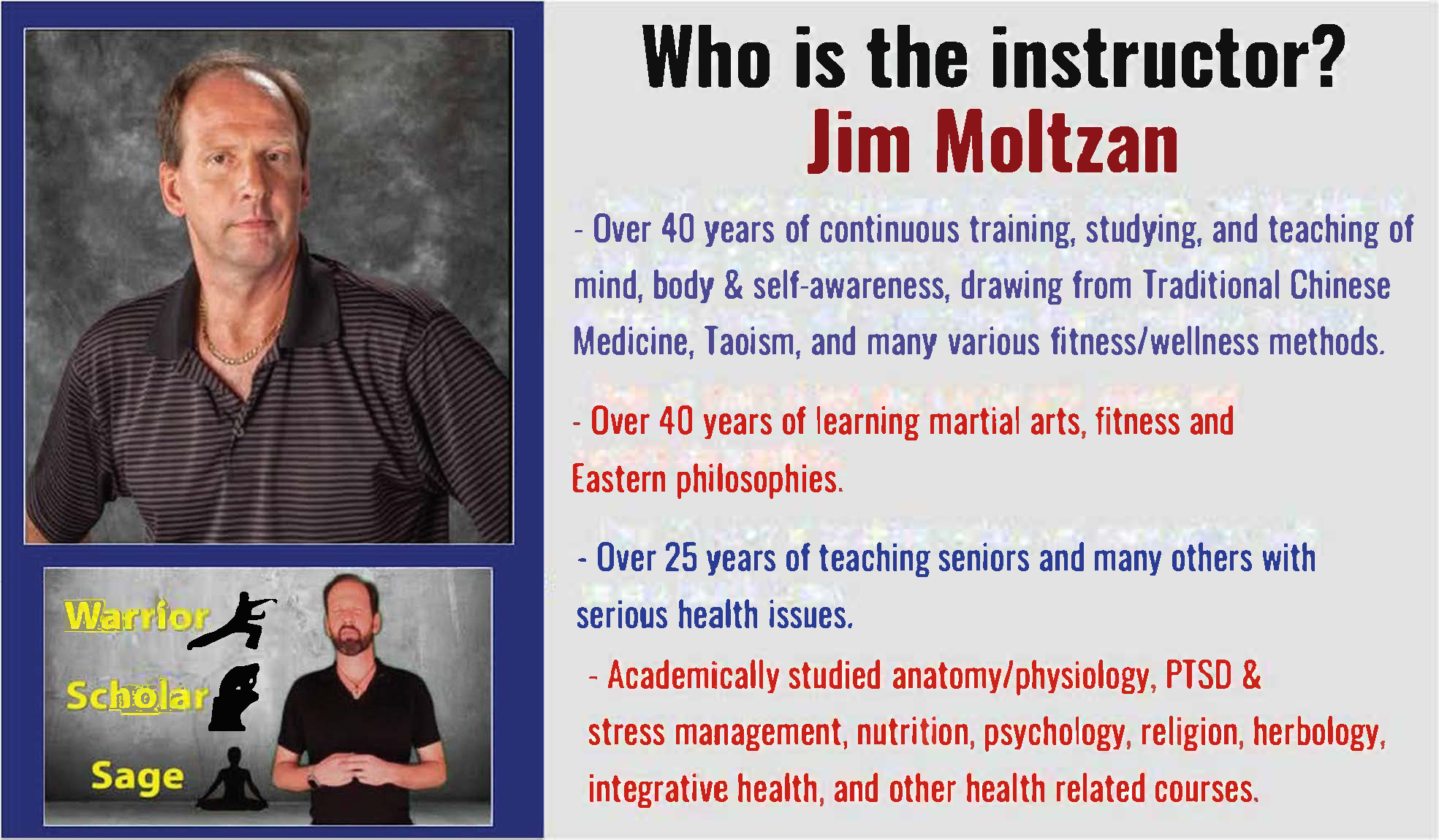
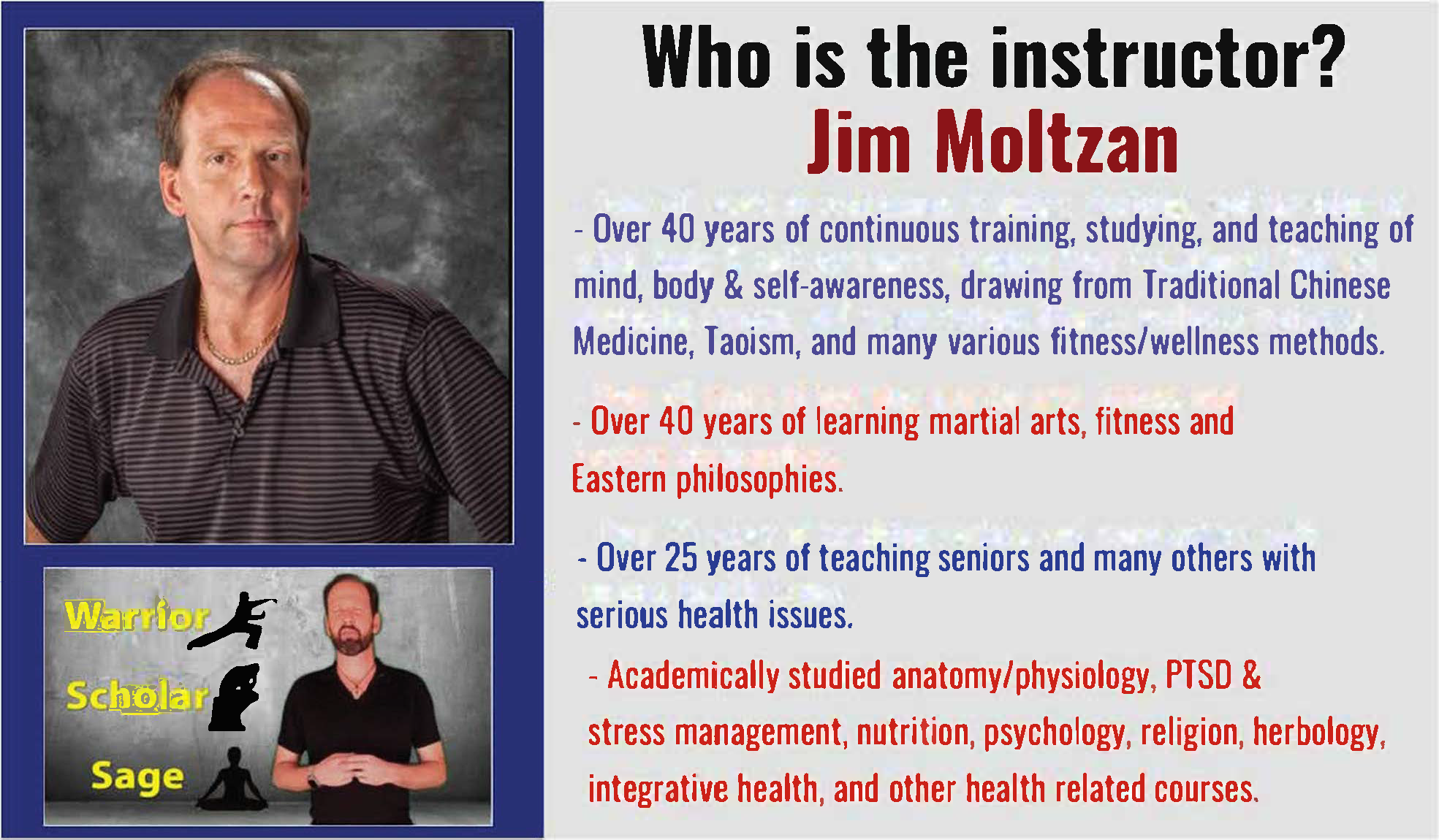
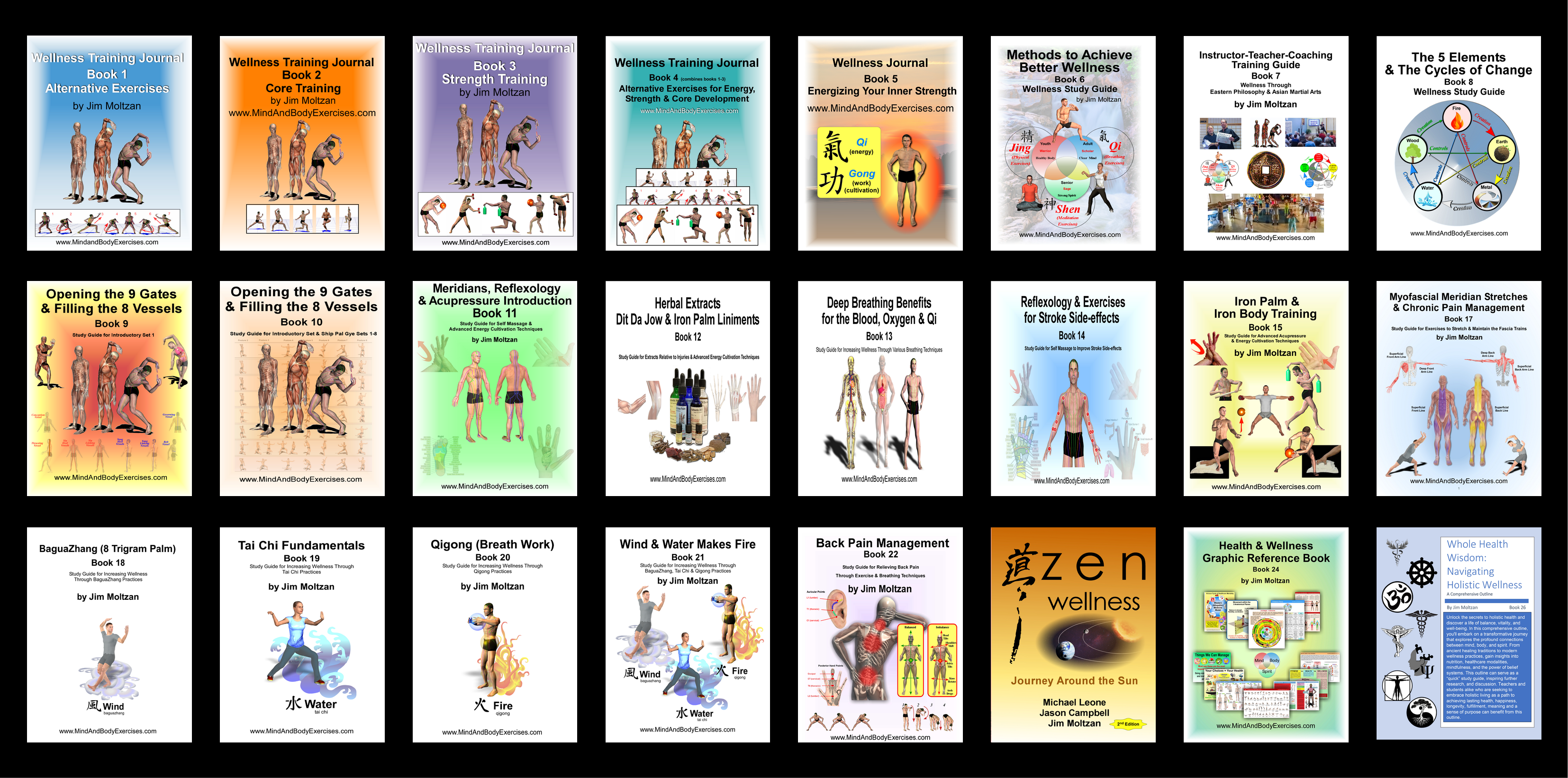
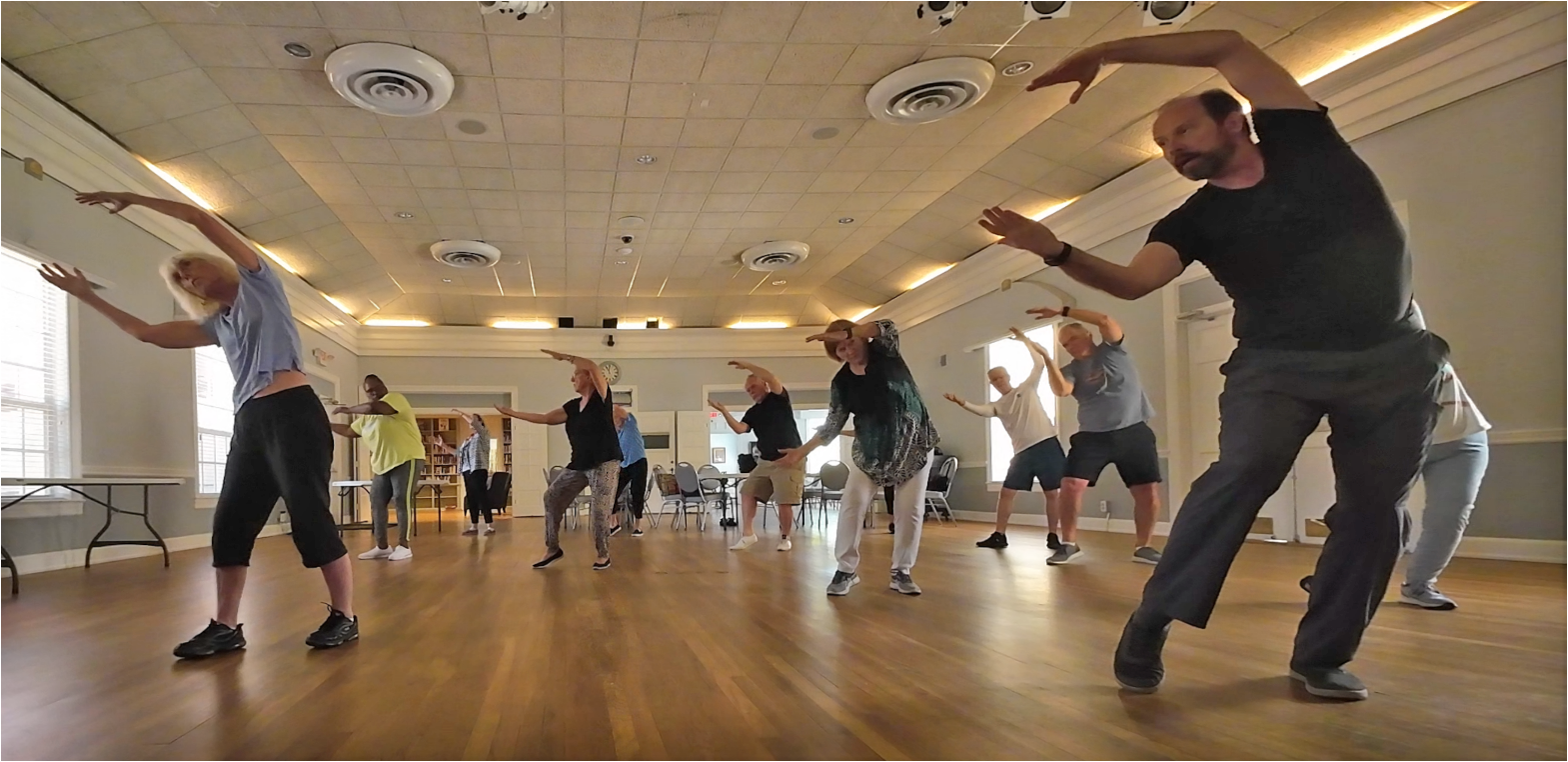
I teach and offer lectures about holistic health, physical fitness, stress management, human behavior, meditation, phytotherapy (herbs), music for healing, self-massage (acupressure), Daoyin (yoga), qigong, tai chi, and baguazhang.
Please contact me if you, your business, organization, or group, might be interested in hosting me to speak on a wide spectrum of topics relative to better health, fitness, and well-being.
I look forward to further sharing more of my message by partnering with hospitals, wellness centers, VA centers, schools on all levels, businesses, and individuals who see the value in building a stronger nation through building a healthier population.
I also have hundreds of FREE education video classes, lectures, and seminars available on my YouTube channel at:
Definitely! I have seen this occurring many times over my 60 years. Very evident in today’s events, is that of social media. Innovators such as Mark Zuckerberg (Facebook), Jack Dorsey (Twitter), Elon Musk (Twitter now X, Tesla, Space X), and others have been at the forefront of using modern technology and social media to help evolve cultures worldwide. History will later determine if these innovations have been positive or negative additions to our societies. Innovators are individuals who bring discoveries or inventions to awareness, usage, and acceptance within particular groups (Conerly, 2021). Social media was nonexistent before the usage of smartphones became mainstream and now is often viewed globally as a necessity. Some societies have suggested that cellphone accessibility has become a basic right as a means to communicate and gather information (Writer, 2009). Currently, social media can be considered as low as well as popular culture, as its usage transcends almost all levels of social status.
I think there are many examples all throughout history, with religious or spiritual figures such as Jesus Christ, Siddhartha Gautama (Buddha), Mohammed, Confucius, and Lao Tzu. These individuals literally defined new perspectives on culture, for which religion or spirituality is but one subgroup of culture within a society. I have found that one person’s culture may be seen as another’s cult. These figures are often debated and even labeled as either cultural or cult leaders (Conerly, 2021). All of these spiritual leaders affected the values and beliefs of their relative groups for many years after their lives. This can be readily seen in many ways, but more specifically in the many symbols associated with each of these cultures.
I think that for culture to change, it needs to become a ripple effect starting with one individual or one event that is the spark. Like a fire, where the wood, gas, fuel, etc. has the potential to become fuel, a fire cannot grow until the spark ignites the fuel and may remain dormant. Jesus Christ was a spark, but if he had no followers, it would have just been his beliefs and teachings. I think of the old cliche, if a tree falls but nobody hears it, did it indeed produce a sound? The debate produces circular logic where perhaps no one answer is correct or absolute.
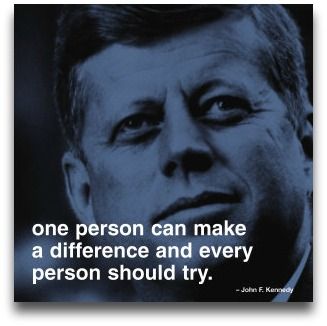
Sometimes making a difference does not have to be seen as changing society or culture, but rather an individual. Drew Dudley explained the “lollipop moment” as an event, conversation, or experience that fundamentally changes another person for the betterment of their life (TEDx Talks, 2010). I have been part of a healthcare subculture, (and even sometimes a counterculture) as a teacher of holistic health practices, tai chi, and qigong for over 40 years. I have effectively taught or conversed with thousands of individuals. A large percentage of my students have been senior adults, who have aged and consequently passed away. I have been invited to numerous funerals or celebrations of life, by members of their families. I was personally told by some of these members how I had had a profound effect on their loved one’s health, but also their happiness and quality of life. This has come through not only from my instruction but also from the social setting in which I am a catalyst. It is in these moments of self-realization that I confirm my true meaning and purpose of being a teacher and sometimes a healer.
To speak a bit more spiritually and philosophically, I have found that we earn our life, through our service to others. What holds some people back from sharing the importance of these lollipop moments with others, I feel is a humbleness to not want to draw attention to oneself. In our current society, there exists so much egocentrism where many seek to be something different, something bigger or better than the rest. We can experience some level of ego-death, where we can realize that the universe does not exist for us, but rather we exist as a small part of the universe. To relate this back to the question of one person being able to make a difference to change society or culture? Yes, we all can have this ability, albeit some with better or less success. One step at a time, one person at a time, and one day at a time.
I teach and offer lectures about holistic health, stress management, qigong, tai chi, baguazhang, meditation, phytotherapy (herbs), music for healing, self-massage, and Daoyin (yoga).
Please contact me if you, your business, organization, or group, might be interested in hosting me to speak on a wide spectrum of topics relative to better health, wellness, and fitness.
I look forward to further sharing more of my message by partnering with hospitals, wellness centers, VA centers, schools on all levels, businesses, and individuals who see the value in building a stronger nation through building a healthier population. I also have hundreds of FREE education video classes, lectures, and seminars available on my YouTube channel at:
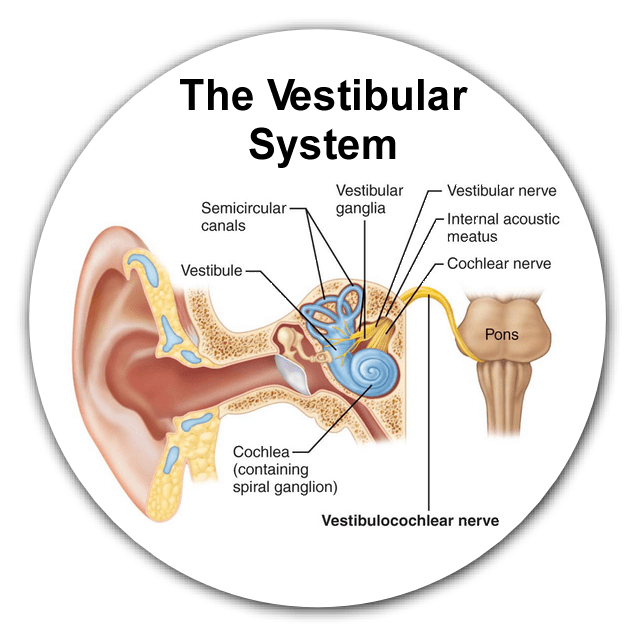
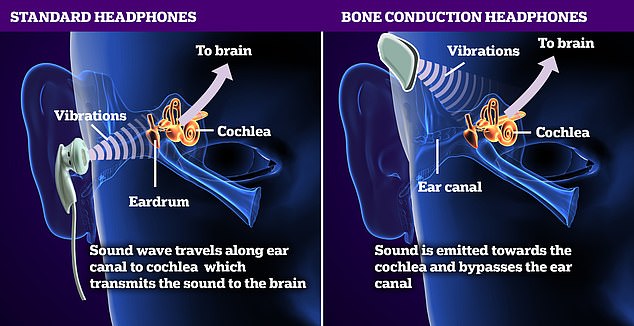
In typical traditional hearing, sound waves move through the air, reaching the ear canal and then causing the eardrum to vibrate. Bone conduction, on the other hand, is a physiological mechanism by which sound waves are transmitted to the inner ear by vibrations of the bones within the skull. These vibrations are then transmitted by way of the middle ear bones (ossicles) to the inner ear, where they are transformed into electrical signals that the brain perceives as sound.
With bone conduction, sound waves take a detour from the outer and middle ear and directly stimulate the inner ear. This scenario can occur when vibrations from a vibrating object or even more specifically from bone conduction headphones, are attached or placed upon the bones of the skull. Bone conduction technology is utilized for various health-related applications such as for hearing aids. This technology can be highly beneficial for people with particular types of hearing loss or for environments where traditional headphones may not be as appropriate, such as underwater communication or scenarios requiring awareness of ambient sounds.
I propose that this concept of bone conduction might be related to the perception of sounds originating from within the body, such as sounds produced by muscles, bones, and joints. However, specific sounds that one may hear when moving their bodies about, during physical exercise or other activities may actually come about due to different physiological mechanisms. Sounds such as snap, crackle, and pop (just like the old Rice Crispie cereal catchphrase) are more commonly due to the movement of joints and their release of gas bubbles within the synovial fluid that is known to lubricate the joints. The sound of a particular joint “popping” may be the result of the release of nitrogen gas from within the synovial fluid, when pressure changes come about during joint movement. While these sounds may not always directly related to bone conduction in the sense of transmission of sound waves through to the inner ear bones, they do involve the mechanical aspects of bone and joint movement. Bone conduction as explained here previously, usually refers to the transmission of external sounds through the bones of the skull to the inner ear, as opposed to sounds generated from within the body.
However, I draw some attention to this phenomenon as being more apparent when practicing specific exercises from activities such as yoga, Pilates, tai chi, qigong, and perhaps others. These methods usually require a heightened sense of self-awareness, where an individual can become quite sensitive to interoception. Interoception is the ability to sense internal signals from one’s own body, such as when we are hungry, when our heart is beating fast, or when we need to use the toilet. Having this level of self-awareness sensitivity may provide opportunities to “hear” their digestive system working, muscles, fascia, and bones repositioning, and even hear their own heartbeat as if it were outside of their physical body. In summary, the sounds we hear during exercise are probably more related to joint physiology, mechanics, and fluid dynamics, than due to the bone conduction of external sounds being transmitted to within our heads.
I teach and offer lectures about holistic health, stress management, qigong, tai chi, baguazhang, meditation, phytotherapy (herbs), music for healing, self-massage, and Daoyin (yoga).
Please contact me if you, your business, organization, or group, might be interested in hosting me to speak on a wide spectrum of topics relative to better health, wellness, and fitness.
I look forward to further sharing more of my message by partnering with hospitals, wellness centers, VA centers, schools on all levels, businesses, and individuals who see the value in building a stronger nation through building a healthier population. I also have hundreds of FREE education video classes, lectures, and seminars available on my YouTube channel at:
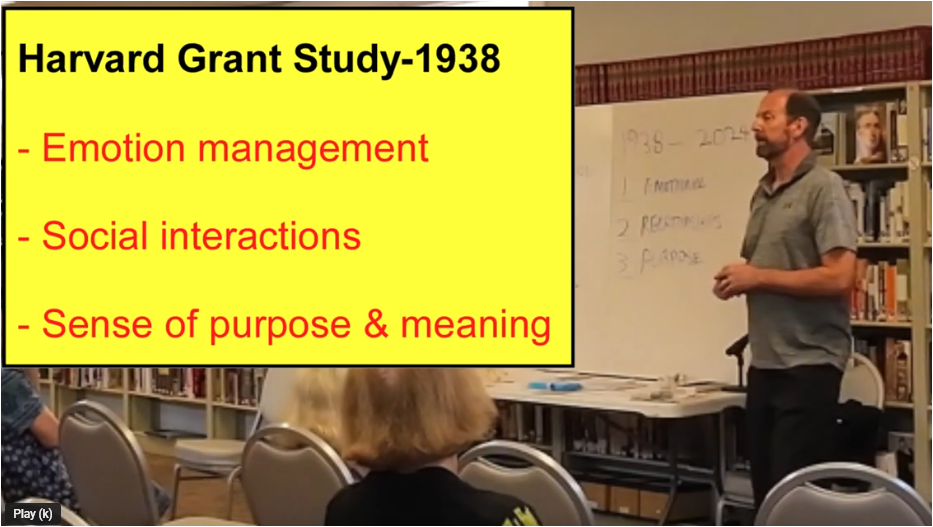
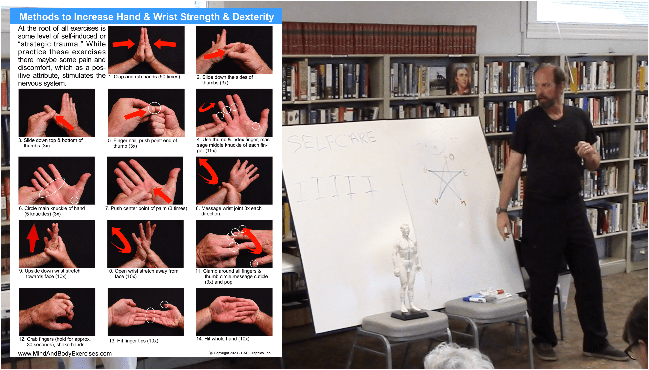
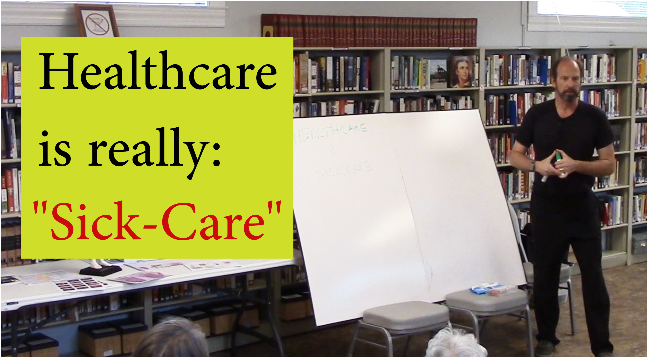
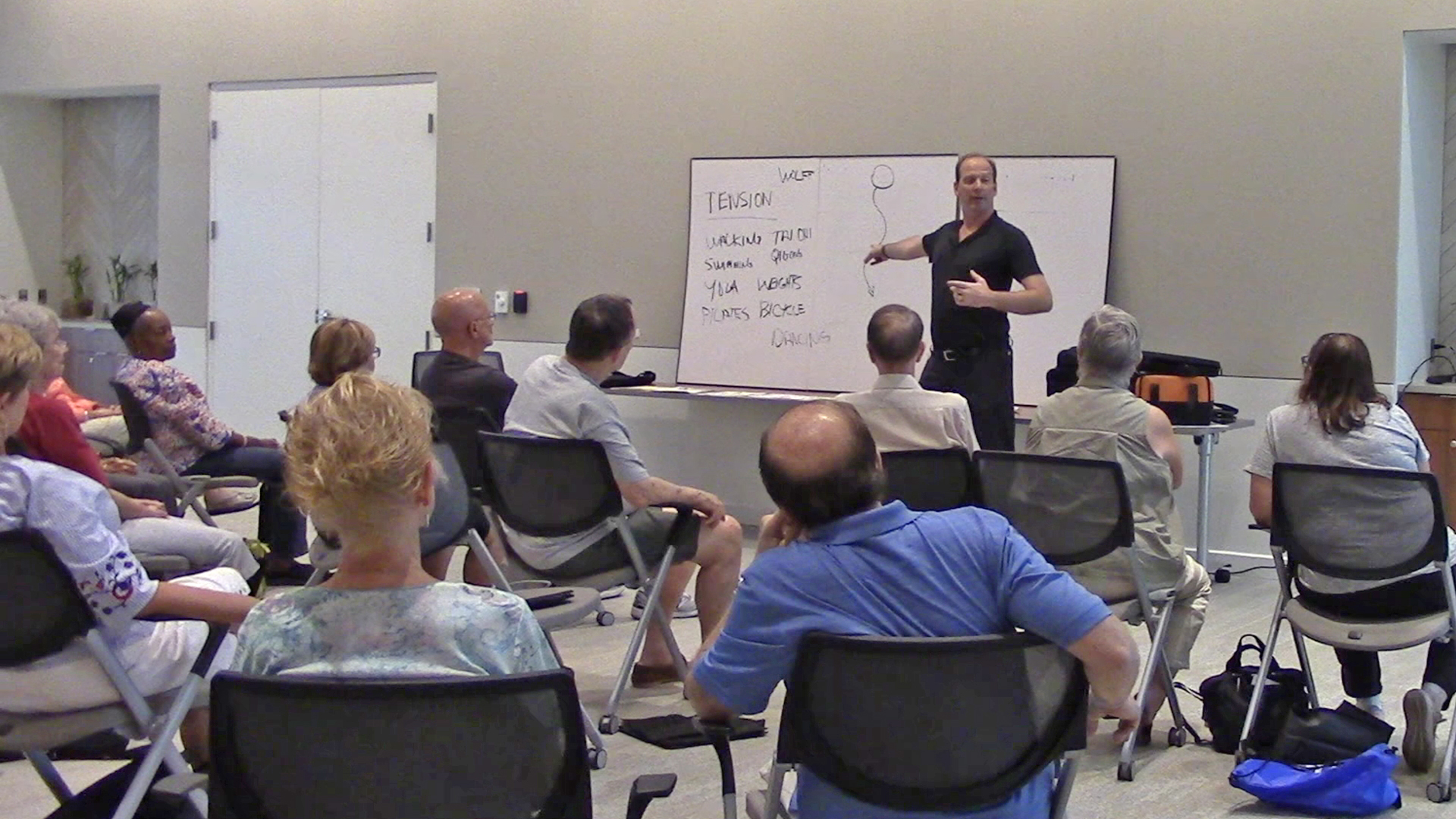
View my public discussion last week at the University Club of Winter Park.
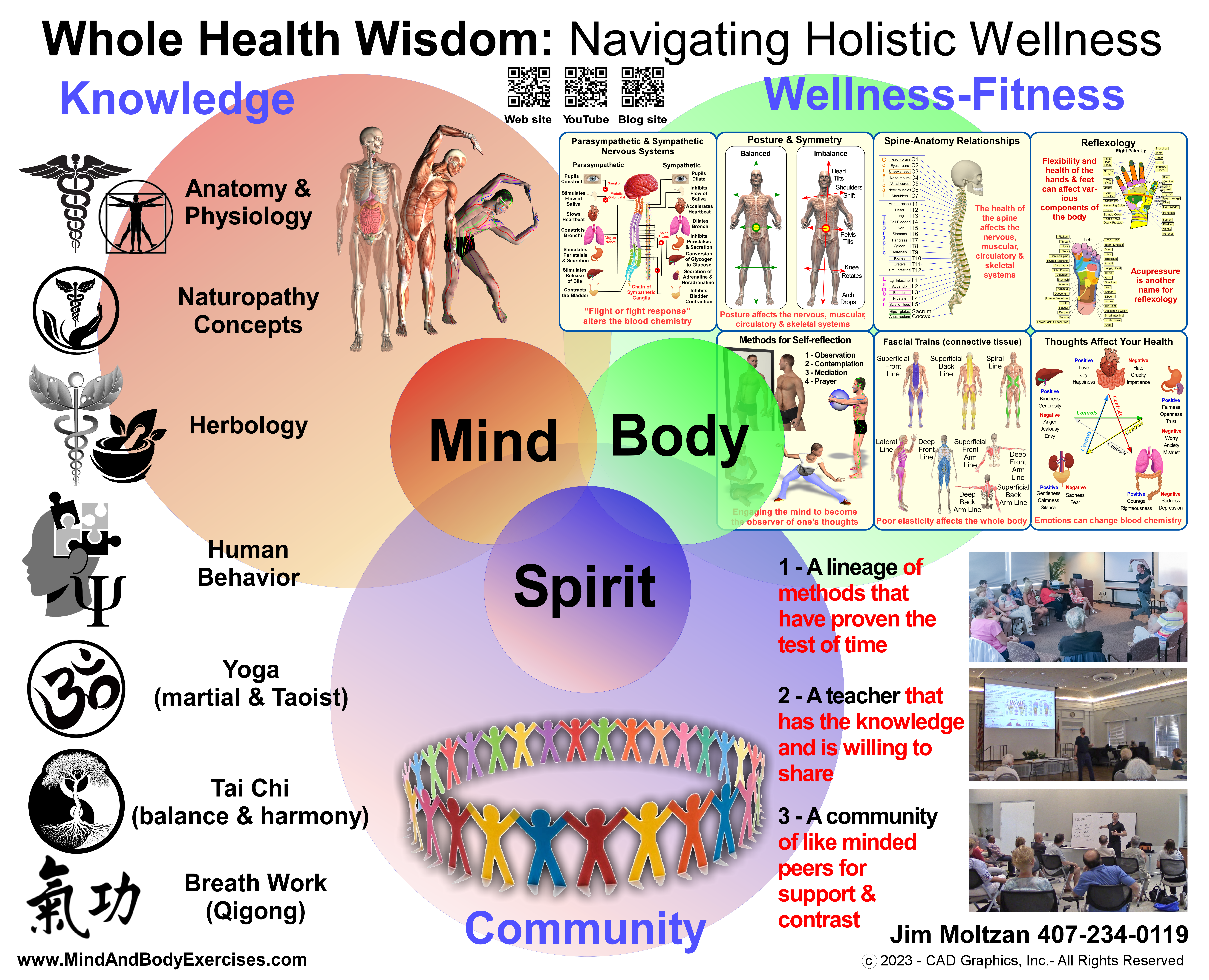
This discussion covered many topics, such as:
– healthcare vs. “sick-care”
– specific exercises for the fingers, hands, and wrists, for increased grip strength as well as better blood circulation in these areas
– reflexology (acupressure)
– the Three Treasures of mind, body, and spirit
– 3, 5, 7 pillars of health
– yin & yang concepts of balance & harmony
– Traditional Chinese Medicine (TCM), the 5 elements & organ functions
– cross crawl theory and how it affects neural plasticity
– blood “shunting” during exercise and rest
My goal is to present an education for holistic health to increase longevity and quality of life (heathspan), that brings awareness to these time-proven methods. With an intent to de-mystify and simplify explanations, hopefully, more people can come to realize that we are all accountable for our own well-being.
Contact me at info@mindandbodyexercises.com to schedule an event at your location.
See something, say something, right? Do something!
Our teenage youths have been in distress now and for many years past. So much talk, but so little action. I am trying to do something, and it is time-proven and with a clear plan and direction.
Reducing daily stress experienced by high school students is possible through Mindfulness-based Stress Reduction (MBSR) techniques. I believe this to be accurate, as I have practiced and taught many stress management techniques for over 40 years to adults of all ages.
The goal of my proposed intervention is to reduce the typical daily stress that teenagers experience regularly on the individual level, while in high school. Daily stress often leads to mental health ailments of anxiety, depression, impaired focus, and lack of quality sleep. The target audience for this intervention is high school students, 14-18 years of age. Promoting focusing on mental health and well-being is crucial for overall health. This will be accomplished by myself or a qualified professional guiding participants through the various stages of change within the Transtheoretical Model (TTM) to encourage the practices of mindfulness-based stress reduction (MBSR). MBSR therapy is a meditation strategy that is used to help with stress management, sleep disorders, depression, anxiety, hypertension, chronic pain, cancer, diabetes mellitus, and other disorders (Kabat-Zinn, 2013).
MBSR techniques have little risk and can increase the agency that individuals have in managing mood swings and physical pain, as well as enhancing the quality of their own lives (Niazi & Niazi, 2011). Research from recent studies supports that some college students who practiced mindfulness along with their coursework, reported cognitive and wellbeing benefits, when practicing for as little as five minutes twice a week, dependent upon the specific type of mindfulness method implemented (O’Hare & Gemelli, 2023).
The Transtheoretical Model (TTM) will be utilized with this intervention. TTM encompasses more than one health-related behavior theory, which to me seems that TTM offers a more comprehensive strategy to help individuals to better understand and manage stressors within their daily life. Within TTM there are four key constructs that are thought to produce significant behavioral changes. The constructs are:
• Stages of changes
• Decisions balance
• Self/Efficacy/Temptations
• Processes of change
The first construct of TTM suggests that there are stages of change where precontemplation, contemplation, preparation, action, and maintenance all affect human behavior. The second construct of decision balance suggests that when there are more pros than cons for a certain behavior, an individual will either move forward or backward within the stages. The third construct encourages a “can-do” attitude, where an individual may gain confidence and feel that they have more control and agency in their decisions. The fourth construct delves more into the details of experiential versus behavioral changes (Simons-Morton & Lodyga, 2021) where a person moves from the “thinking” state to a more active “doing” state of being. Overall, the TTM will help me to show participants how mindfulness-based stress reduction techniques can help students move from the “contemplation” stage to “action” by highlighting its effectiveness in stress reduction and management.
This intervention can be implemented by first contacting a local high school’s administration to explain the goals and benefits of sponsoring such an event. Once the administration agrees to support, promote, and manage the registration of students for a group setting workshop (intervention), a trained and/or qualified professional will come to the school’s auditorium after school finishes on a predetermined day. They can then present an initial 10-minute introduction of the potential goals and benefits to the students. Using a whiteboard and handwriting a few notes and health statistics from the Center for Disease Control (CDC) and the American Heart Association (AHA) will help draw their focus. My message that can be conveyed, is how as young adults, they can individually have self-efficacy over their thoughts, emotions, and relative coping mechanisms for managing stress. A major portion of this presentation will be explaining in some detail what the TTM is and how it is related to stress management. Another major component of this presentation will be an explanation of the methods and benefits of MBSR.
The professional will then ask those students interested in participating further in this intervention to answer only to themselves by signing a contract of commitment form to attend 3 10-minute sessions for a total of 8 weeks. There will be no consequence if the student decides not to continue, however, they will not receive any credit or reward upon completion if they do not attend. Sessions will be just after school ends, giving the students 5-10 minutes to get to the auditorium. Parent’s knowledge and support of their children’s participation are key components needed to reinforce their child’s commitment to accept the challenge of doing some type of task or activity that will potentially affect not only the individual but the whole family’s well-being. I would also invite and encourage parents to attend the sessions if they are available to do so.
My intervention can address the key constructs of TTM throughout the presentation. More specifically, the stages of change will need to be targeted as follows:
Precontemplation – In this stage, participants may not yet recognize a need to reduce stress or might not view it as an important priority. If they were in the room and attending my presentation, they are already past precontemplation, or else they would not have made the effort to come to the event.
Contemplation – With a goal of raising awareness of current teen health issues, I seek to motivate and inspire individuals to think more about becoming equipped to manage the impact stress has on their health and well-being, I will offer information regarding the benefits of mindfulness techniques to reduce stress, thereby affecting and improving overall health and well-being.
Preparation – In this stage I will be explaining how we will need to take action and how this group will be readied, in order to achieve a greater sense of agency over individual stress management. I will provide resources such as guided meditation apps or YouTube classes that can help support their practice.
Action – The phase of action is where participants will actively engage in MBSR exercises. Each session will review and build upon prior sessions. I will be encouraging them to practice regularly and offer other strategies to overcome potential hurdles and maintain motivation. Setting reminders on their phones and finding quiet places for meditation will help reinforce their self-practice.
Maintenance – In this phase, individuals will have successfully adopted mindfulness techniques into their daily routine and are most likely experiencing the benefits of having less stress. I can offer further strategies to help maintain their practice and prevent relapse, such as further opportunities for learning and growth through other techniques and resources. After this intervention concludes, there will be a follow-up survey one month after the event to determine if participants are still engaged in practicing the self-regulation techniques that they learned.
The construct of decision balance will be addressed and discussed at each session, as participants will be reviewing the pros and cons of returning for future sessions. If they feel that they are improving their stress management, they will be inclined and more self-motivated to continue.
The construct of self-efficacy of individuals will most likely increase as participants move through the stages of change.
For the construct of the processes of change, I would not going to go into much detail to the whole group. I feel that this construct, while important may be a bit more complex than what will already have been covered up to this point as far as human behavior is concerned. A slide will be available in the presentation, and I can offer further explanations as necessary.
The intended outcome of the intervention will be to hopefully have the participants be able to better recognize and manage stressful experiences, whether from events such as tests, time management, social interactions, and other activities that often manifest into stress.
Please contact me if you, your school, your business, your organization, or your group, might be interested in hosting me to speak on a wide spectrum of topics relative to better health, wellness, and fitness.
Kabat-Zinn, J. (2013) Full Catastrophe Living (Revised Edition) (pp. 77-78, 351). Random House Publishing Group. Kindle Edition.
Niazi, A. K., & Niazi, S. K. (2011). Mindfulness-based stress reduction: A non-pharmacological approach for chronic illnesses. North American Journal of Medical Sciences, 3(1), 20. https://doi.org/10.4297/najms.2011.320
O’Hare, A. J., & Gemelli, Z. T. (2023). The effects of short interventions of focused-attention vs. self-compassion mindfulness meditation on undergraduate students: Evidence from self-report, classroom performance, and ERPs. PLoS ONE, 17(1), 1–20. https://doi.org/10.1371/journal.pone.0278826
Simons-Morton, B., & Lodyga, M. (2021). Behavior theory in public health practice and research. Jones & Bartlett Learning.
I teach and offer lectures about holistic health, stress management, qigong, tai chi, baguazhang, meditation, phytotherapy (herbs), music for healing, self-massage, and Daoyin (yoga).
Please contact me if you, your business, organization, or group, might be interested in hosting me to speak on a wide spectrum of topics relative to better health, wellness, and fitness.
I look forward to further sharing more of my message by partnering with hospitals, wellness centers, VA centers, schools on all levels, businesses and individuals that see the value in building a stronger nation through building a healthier population. I also have hundreds of FREE education video classes, lectures and seminars available on my YouTube channel at:





 United Martial Arts Association