Do Recreational Sports and Religions Exist in Separate Domains?

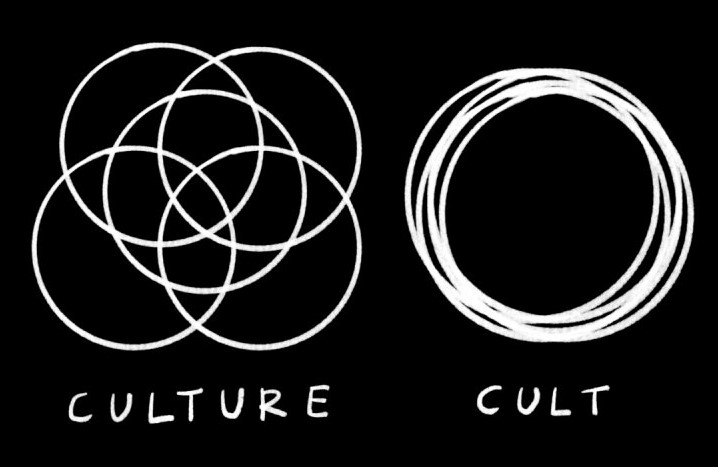
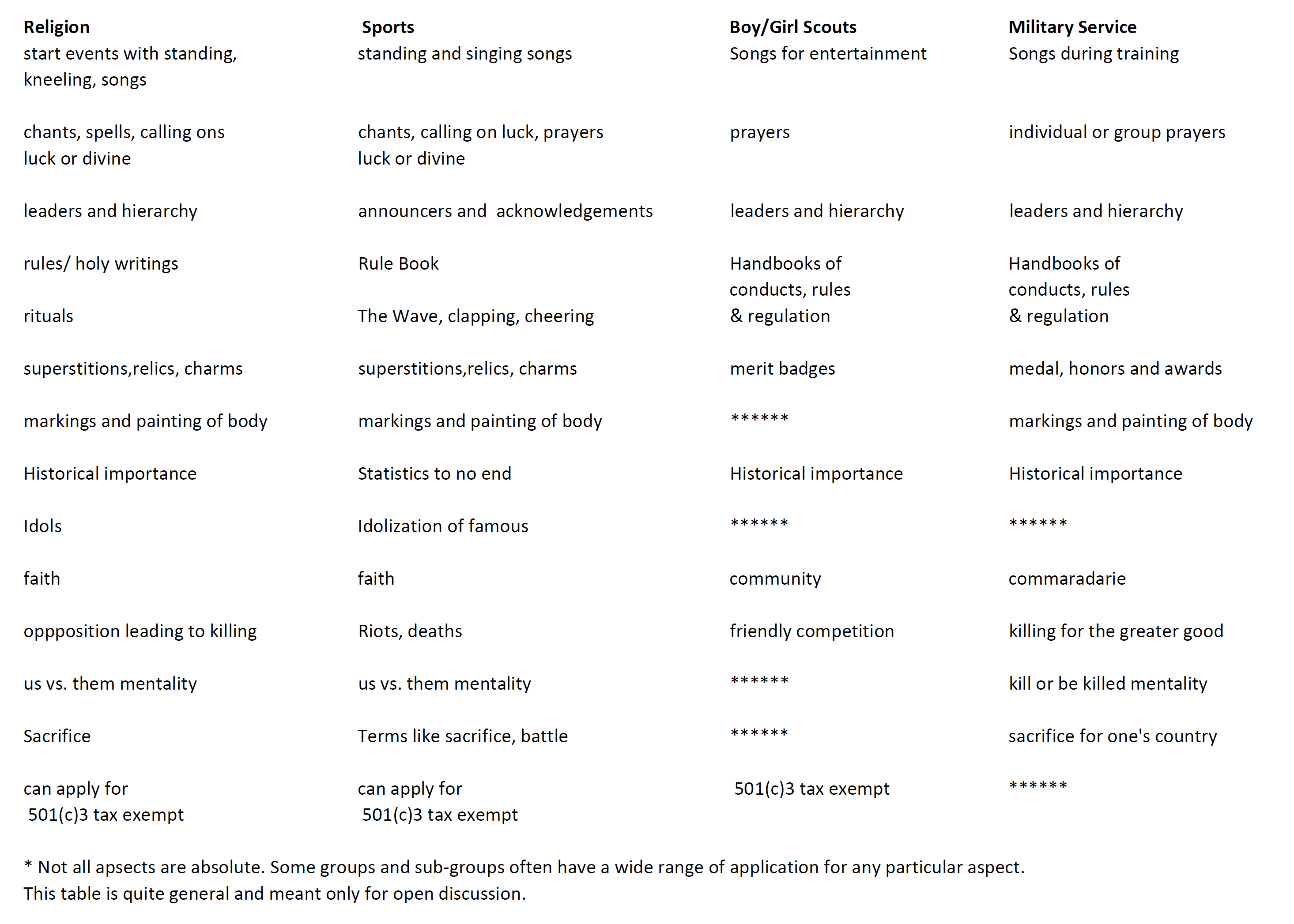
Americans do love their sports, as do many other nations and their populations across the world. America has about 29% of the population considered as avid fans and 46% as casual fans (Statista, 2023). Another source reports that Americans consider themselves sports fans in general at 63% versus Europeans at 69% (YPulse, 2023). I surmise that there are many other studies and reports on this topic that will sway far and wide depending upon the researchers and intent for the studies. I think this is important to note due to the question of separation between sports and religion. Additionally, I do think that many Americans feel that they do not have to have an affiliation to sports or religion, where the two can very much be mutually exclusive of each other. Or, where either of these two elements of American culture are related in ways that would make the others incompatible or null to the other. Many do not want to see their own involvement in sports, on any level to be labeled as a religious relationship. However, when analyzed for specific similarities in components of various religions, such as rituals, initiations, use of symbols, conformity to the group and groupthink, superstitions, adherence to uniforms/clothing/hairstyle, and particular jargon, sports fans often have all these boxes checked. So do many branches of the military in the US and worldwide. Many of these facets exist in liminal groups of particular sects and brotherhoods (Kottak, 2019). Ironically, these components are often the same criteria that are evaluated in labeling particular groups as cults or cult-like. “Culture” is often used for more positive contexts. “Cult” is a word that gathers a much more negative response. Being labeled as a cult can have significant consequences for any religious institution, sports team/group, or various other groups and their members, even in countries that are openly committed to religious freedom and freedom of speech (Peretz, et al., 2021).
This topic of recreational activities and religions strikes a nerve with me as I have had firsthand experience and knowledge, in participation within various groups that have received the “cult” label. Church groups (Christianity, Taoism, Scientology), sports teams/groups/fans (baseball, football, cheerleading, rowing), and fitness trends (martial arts, yoga, Falun gong) have all been labeled to outsiders of these groups as cults on some levels large and small. Consequently, I have come to understand that one person’s culture is another person’s cult. Similarly, one person’s sport may be seen as religious to others not in that group.
I do think that a benefit and disadvantage of modern society is the need to assign a label to every single thing, big and small, animate and inanimate, real or imagined, etc. While striving to have clear definitions for all things, we often fail in the realization that not everything is either black or white, or absolute. Rather, all things are in a constant state of flux and/or change, relative to their unique set of circumstances at a given time and place. People in Salem were labeled as witches and burned to death a few hundred years ago. Religious groups worldwide still to this day kill one another to prove who is more righteous. While the US does have its many problems, fortunately, we do have these sometimes-considered pesky little words of the 1st amendment that allow us the right to express ourselves rather in speech, freedom to worship, or freedom to be fanatical in sports and recreation activities as long as it does not infringe upon another’s rights.
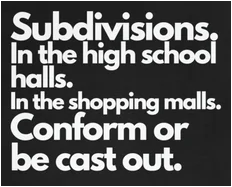
Someone may enjoy watching or participating in sports activities but does not necessarily need to be a fan(atic). Similarly again, not all religions need to be labeled as cults, nor are all cults religious. Much grey area as everyone is free to have their own perspectives on these issues here in the US, for now at least. Some places elsewhere in the world cannot even openly engage in this conversation. Sports and religion, despite their similarities, serve different roles in society and culture. Therefore, I agree that religion and recreation can be separated.

References:

Statista. (2023, May 4). Sports fans share in the U.S. 2023. https://www.statista.com/statistics/300148/interest-nfl-football-age-canada/

YPulse. (2023, June 15). NA vs WE: Who Are the Bigger Sports Fans?  – YPulse. https://www.ypulse.com/article/2022/05/19/we-na-vs-we-who-are-the-bigger-sports-fans/

Kottak, C. P. (2019). Mirror for Humanity: A Concise Introduction to Cultural Anthropology.

Peretz, E., & Fox, J. A. (2021). Religious Discrimination against Groups Perceived as Cults in Europe and the West. Politics, Religion & Ideology, volume 22, no. 3-4, pages 415–435. https://doi.org/10.1080/21567689.2021.1969921
US Youth Experiencing Adult Health Issues at Earlier Ages

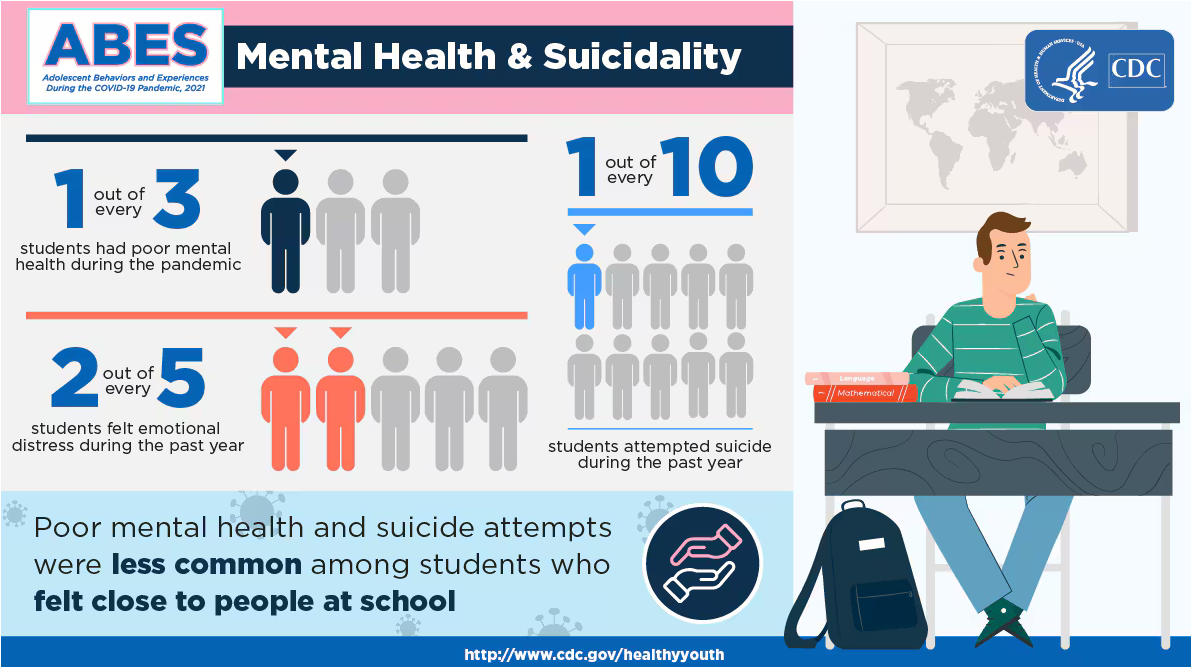
Here are some summaries of factors that are leading the US younger population to be experiencing major health issues of obesity, diabetes, anxiety, depression, suicide, and other issues, typically considered as adult issues in years past:

Obesity

  • Childhood obesity is a serious and growing problem in the United States. It affects almost 20% of children and teens ages 2 to 19.
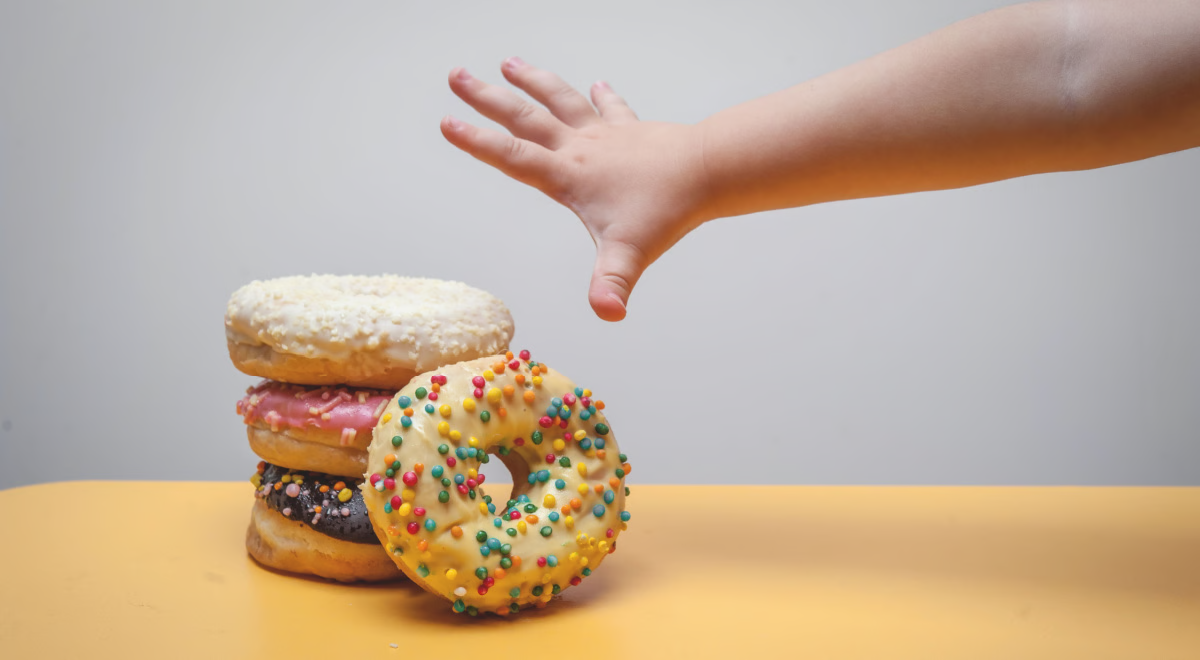
  • Increased consumption of processed foods and sugary drinks: The rise of fast food, sugary drinks, and processed snacks has contributed to a significant increase in calorie intake and a decrease in nutrient intake among young people.
  • Decreased physical activity: The increased prevalence of sedentary lifestyles, due to factors such as television, video games, and computer use, has led to a decrease in physical activity among young people.
  • Marketing of unhealthy foods: Children and adolescents are bombarded with advertisements for unhealthy foods, which can influence their dietary choices.
(Joyner, 2023)

Diabetes

  • Genetic predisposition: Type 2 diabetes has a strong genetic component, and a family history of the disease increases the risk of developing it.
  • Obesity: Obesity is a major risk factor for type 2 diabetes.
  • Unhealthy diet: A diet that is high in processed foods, sugary drinks, and red meat can increase the risk of developing type 2 diabetes.
  • Lack of physical activity: Physical activity helps to control blood sugar levels and can reduce the risk of developing type 2 diabetes.

Anxiety and depression

  • Increased academic pressure: Young people today face a lot of pressure to succeed in school, which can lead to stress and anxiety.
  • Social media: Social media can be a source of both positive and negative social interactions. For some young people, social media can lead to feelings of isolation, inadequacy, and anxiety.
  • Cyberbullying: Cyberbullying is a growing problem that can have a serious impact on the mental health of young people.
  • Fear of violence: Young people today are more likely to be exposed to violence, both in their communities and in the media. This exposure can lead to feelings of fear, anxiety, and stress.

Suicide

  • Mental health disorders: Mental health disorders are a major risk factor for suicide.
  • Substance abuse: Substance abuse is another major risk factor for suicide.
  • Exposure to violence: Young people who are exposed to violence are more likely to attempt suicide.
  • Lack of access to mental health care: Many young people who need mental health care do not receive it, which can increase their risk of suicide.

Other issues

  • Sleep deprivation: Young people today are more likely to be sleep deprived, which can lead to a variety of health problems, including obesity, diabetes, anxiety, and depression.
  • Exposure to environmental toxins: Young people are more likely to be exposed to environmental toxins, such as lead and air pollution, which can have a negative impact on their health.
  • Lack of access to healthy food: Many young people do not have access to healthy food, which can lead to a variety of health problems, including obesity, diabetes, and heart disease.

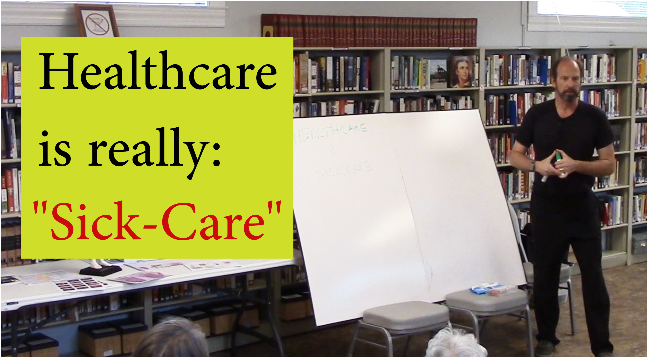
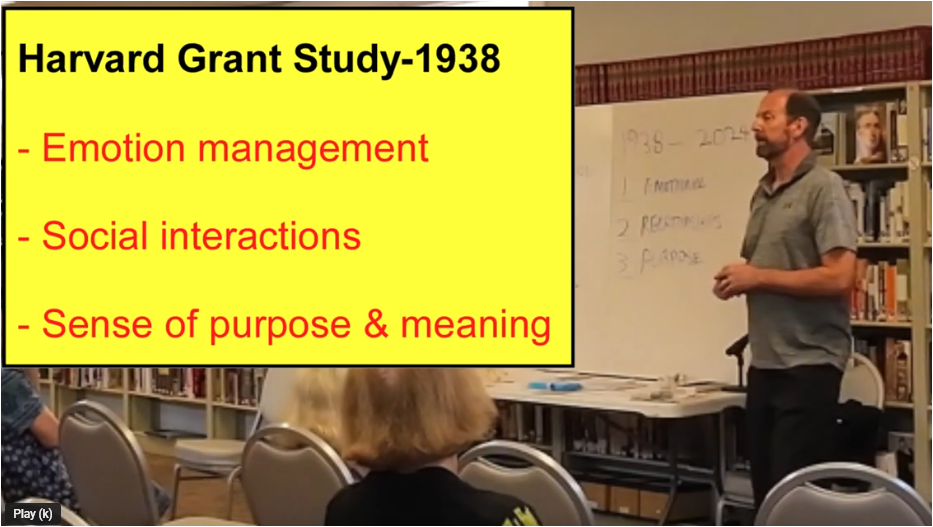
These are just some of the factors that are leading the US younger population to be experiencing major health issues. It is important to address these issues to promote the health and well-being of young people. I think that we are way past thinking and talking about these issues as maybe being a concern, and rather look at them as a harbinger of what is soon to come. More doing and less pondering. Just below is the link to my YouTube video, introducing a strategy to help address this issue of combating youth mental and physical decline:

References:

Infographics | DASH | CDC. (n.d.). https://www.cdc.gov/healthyyouth/multimedia/infographics_posters/infographics.htm

Covert, D., & Fraire, M. G. (2019). The role of anxiety for youth experiencing suicide-related behaviors. Children’s Health Care, 48(4), 351–371. https://doi.org/10.1080/02739615.2019.1630284

Chen, M., Padmapriya, N., Chua, X. H., Escobosa, L. L. T., Tay, A. E., Tai, B. C., Petrunoff, N., & Müller-Riemenschneider, F. (2024). Screen viewing patterns and their association with mental wellbeing and psychological distress: a cross-sectional study amongst university students. BMC Public Health, 24(1), 1–12. https://doi.org/10.1186/s12889-024-19608-1

Dalton, E. D., Hammen, C. L., Brennan, P. A., & Najman, J. M. (2016). Pathways maintaining physical health problems from childhood to young adulthood: The role of stress and mood. Psychology & health31(11), 1255–1271. https://doi.org/10.1080/08870446.2016.1204448

Jones, L. C., Mrug, S., Elliott, M. N., Toomey, S. L., Tortolero, S., & Schuster, M. A. (2017). Chronic Physical Health Conditions and Emotional Problems From Early Adolescence Through Midadolescence. Academic pediatrics17(6), 649–655. https://doi.org/10.1016/j.acap.2017.02.002

Joyner, J. (2023, December 9). CDC updates tool to help treat childhood obesity. Healthnews. https://healthnews.com/news/cdc-updates-tool-to-help-treat-childhood-obesity/

Scheiner, C., Grashoff, J., Kleindienst, N., & Buerger, A. (2022). Mental disorders at the beginning of adolescence: Prevalence estimates in a sample aged 11-14 years. Public health in practice (Oxford, England)4, 100348. https://doi.org/10.1016/j.puhip.2022.100348

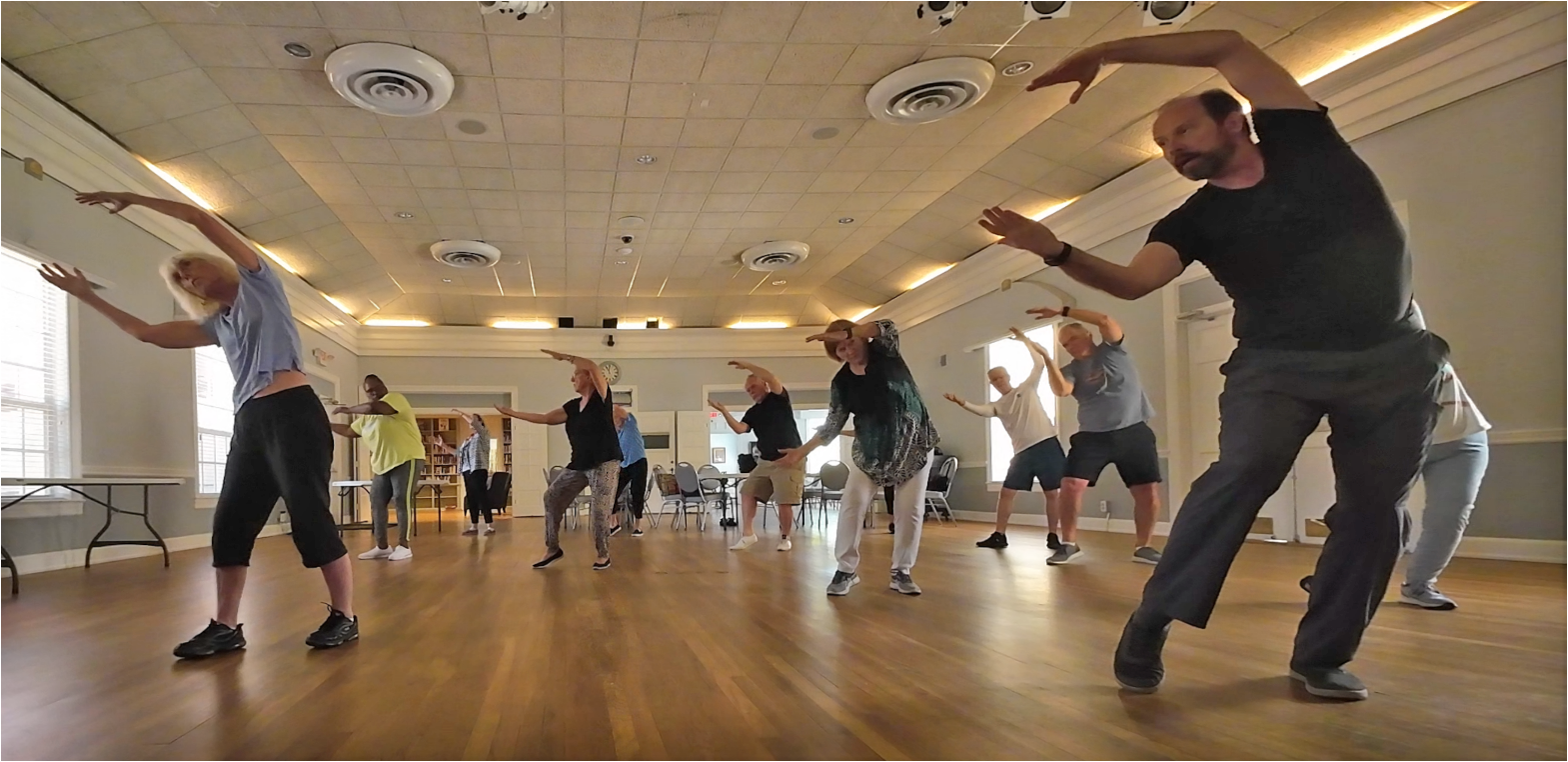
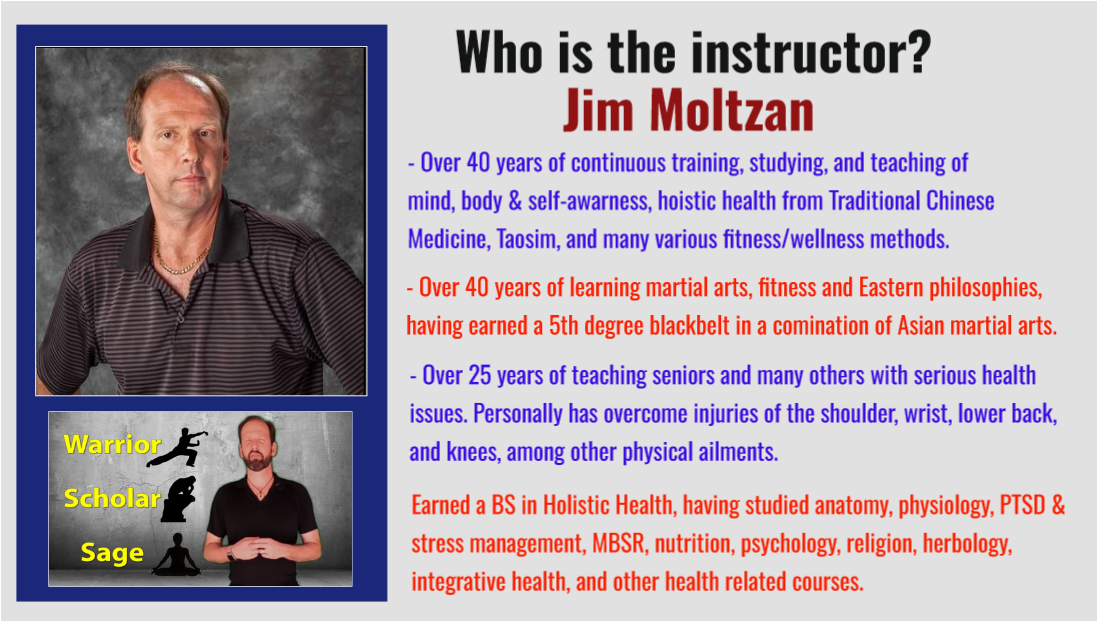
I teach and offer lectures about holistic health, physical fitness, stress management, human behavior, meditation, phytotherapy (herbs), music for healing, self-massage (acupressure), Daoyin (yoga), qigong, tai chi, and baguazhang.

Please contact me if you, your business, organization, or group, might be interested in hosting me to speak on a wide spectrum of topics relative to better health, fitness, and well-being.

I look forward to further sharing more of my message by partnering with hospitals, wellness centers, VA centers, schools on all levels, businesses, and individuals who see the value in building a stronger nation through building a healthier population.

I also have hundreds of FREE education video classes, lectures, and seminars available on my YouTube channel at:

https://www.youtube.com/c/MindandBodyExercises

Many of my publications can be found on Amazon at:

http://www.Amazon.com/author/jimmoltzan

My holistic health blog is available at:

https://mindandbodyexercises.wordpress.com/

http://www.MindAndBodyExercises.com

Mind and Body Exercises on Google: https://posts.gle/aD47Qo

Jim Moltzan

407-234-0119

Is Deception Permissible in Research Studies, if it Serves the Greater Good?

I think that the topic of the usage of deception is quite controversial due to the ambiguity and vast opportunities for interpretation of what is considered “harmful” to an individual. What circumstances may seem as safe and harmless to one person, may be devastating or debilitating to others. Who exactly is the arbitrator of these decisions and what makes them qualified? If we have learned one thing over the last few years, it may be that not everyone seems to view science from the same perspective. We can hope that those who administer research studies have their ethics and moral compass pointing in the right direction, but history has demonstrated the contrary in previous studies such as the Little Albert Experiment (infant behavior study), the Milgram Experiment (electric shocks as punishment), the Stanford Prison Experiment (participants took on the roles of guards or prisoners) and the now infamous Tuskegee Syphilis Study which involved the denial of syphilis treatment to African-American males in Alabama from 1932 until 1972.

Back in the 1920’s, I don’t think there was as much of a concern over the ethics of studies with children such as the “The Little Albert Experiment” where a young infant was conditioned to fear specific animals (Cheezy, 2010). I can only speak from my personal experience of having parents who were born in the 30’s and raised me in the 60’s and 70’s, where corporal punishment was often the norm at home and in some schools. Corporal punishment has been used in both secular and religious educational systems in many societies in past centuries, up until recently (Baron, 2005). What was considered an acceptable method of treating children years ago is no longer. I am pretty confident that while this type of experiment and relative study was acceptable at the time, today this would be considered child abuse and/or child endangerment.

I think even though some experiments from the past or current day, can be considered unethical despite the rewards of such studies. This is where the common debate of “just because we can do something, should we” might continue (Epstein, 2022). To go down a bit of a darker path consider the following. Even though people perform evil actions or questionable behavior, whether as the researcher or the participant, how does the science advance to recognize or prevent such actions? Experimentation and studies are a necessary, evil determined by current culture, society, and our current morality police.

I would hope that today, researchers would have more of a plan to effectively and thoroughly defuse whatever fear or anxiety that would be introduced to the participants from the experiment. Additionally, this study seems quite weak in that there was only one child participant. Perhaps more participants would broaden the sample of the study. Other criteria such as age, gender and prior exposure to animals or sounds would play a role in the outcome of this type of experimentation. Different breeds of whatever animal species could also affect the outcomes, as a large Doberman Pincher might be a bit more aggressive towards a child than say a diminutive Teacup Terrier.

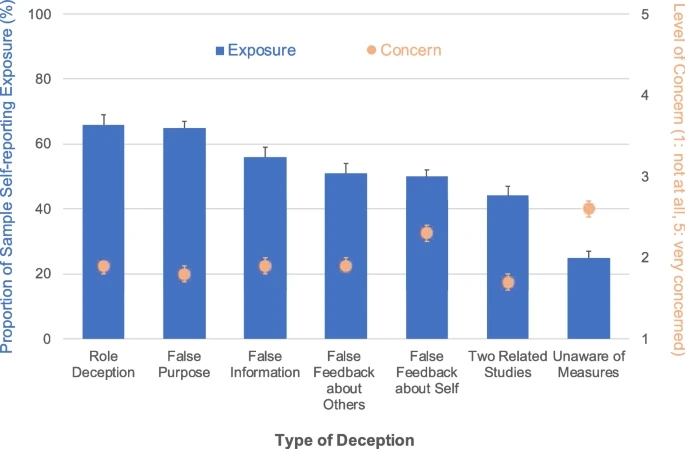
Rahwan, Z., Fasolo, B. & Hauser, O.P. Deception about study purpose does not affect participant behavior. Sci Rep 12, 19302 (2022). https://doi.org/10.1038/s41598-022-21972-0

I think we often personally justify some level of deception if it appears to be for the greater good of humanity, society, nature, or other select demographics. However, when it comes to us or someone close to us, becoming the object of such deception for the greater good, do we still look at the deception as acceptable? Realizing that allowing some transparency will possibly taint the results, I feel that there needs to be some level of honesty, preferably beforehand and definitely afterward if we are to expect and respect people to be future participants in any studies or experiments. Otherwise, people will continue to lose trust in those administering the research studies and make their own adjustments as perceived necessary or simply choose not to participate to begin with. These options seem readily apparent in the current day as some parents feel that their children were unwilling participants in their children’s education, having been severely interrupted or compromised during the COVID-19 pandemic. This event could be viewed as a mass case study or research experiment where there may have been no clear plan or protocols in place previously to determine what may be considered deceptive, harmful, or maybe even abusive to those involved. I feel that much time and further research will help us to better determine if the deception was justified and at what cost mentally and physically.

References:

Baron, J. H. (2005). Corporal punishment of children in England and the United States: current issues. The Mount Sinai Journal of Medicine, New York72(1), 45–46.

Cheezy, John. “The Little Albert Experiment.” YouTube, YouTube, 1 June 2010,https://www.youtube.com/watch?v=9hBfnXACsOI

Epstein, D. (2022, June 4). Medical Futility: Just Because We Can Do Something. . .Should We? SoMeDocs: Doctors on Social Media. Retrieved September 29, 2022, from https://doctorsonsocialmedia.com/medical-futility-just-because-we-can-do-something-should-we/

Rahwan, Z., Fasolo, B. & Hauser, O.P. Deception about study purpose does not affect participant behavior. Sci Rep 12, 19302 (2022). https://doi.org/10.1038/s41598-022-21972-0

I teach and offer lectures about holistic health, physical fitness, stress management, human behavior, meditation, phytotherapy (herbs), music for healing, self-massage (acupressure), Daoyin (yoga), qigong, tai chi, and baguazhang.

Please contact me if you, your business, organization, or group, might be interested in hosting me to speak on a wide spectrum of topics relative to better health, fitness, and well-being.

I look forward to further sharing more of my message by partnering with hospitals, wellness centers, VA centers, schools on all levels, businesses, and individuals who see the value in building a stronger nation through building a healthier population.

I also have hundreds of FREE education video classes, lectures, and seminars available on my YouTube channel at:

https://www.youtube.com/c/MindandBodyExercises

Many of my publications can be found on Amazon at:

http://www.Amazon.com/author/jimmoltzan

My holistic health blog is available at:

https://mindandbodyexercises.wordpress.com/

http://www.MindAndBodyExercises.com

Mind and Body Exercises on Google: https://posts.gle/aD47Qo

Jim Moltzan

407-234-0119

Most Have Choices, but Don’t Like the Options

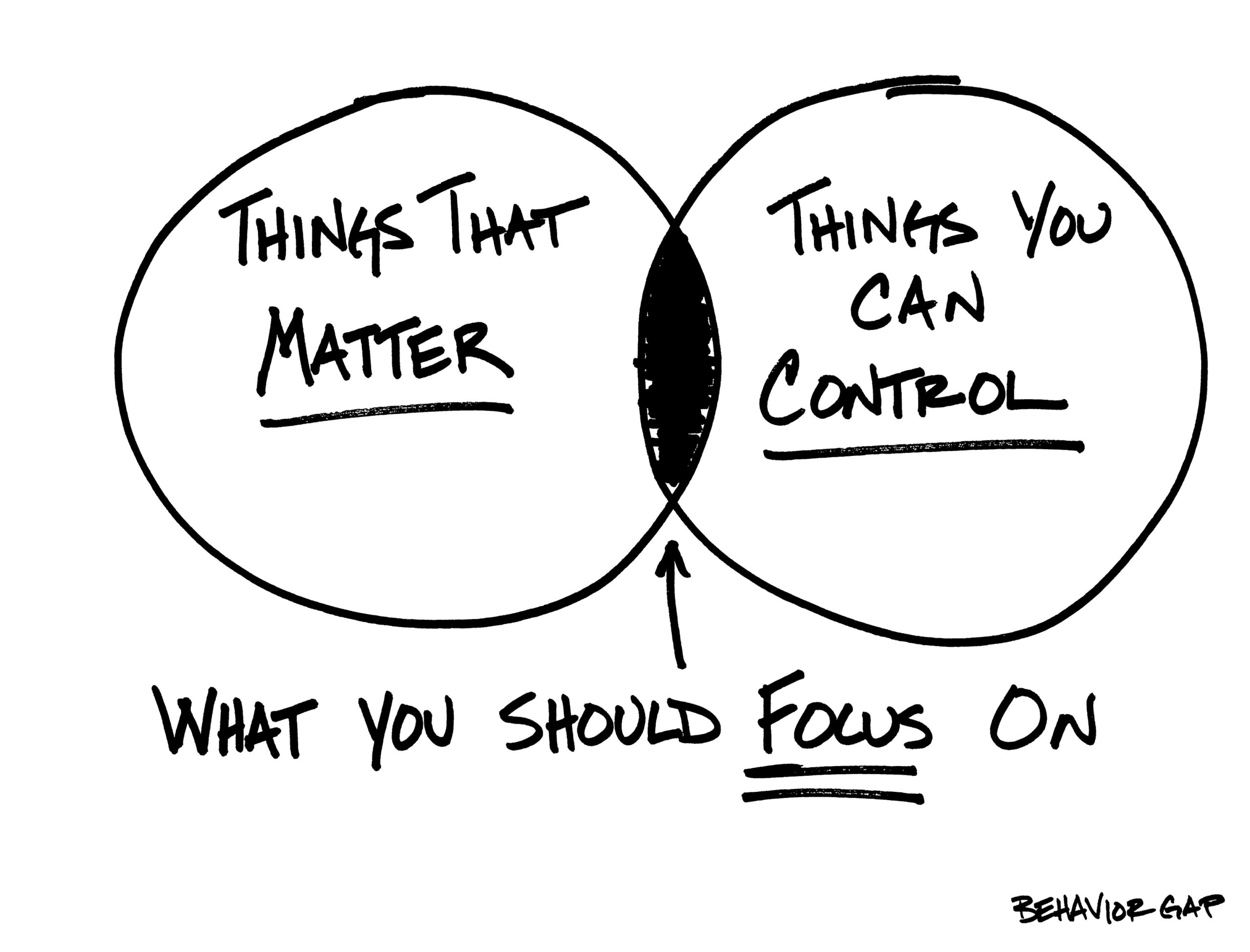
Often people feel that they have no choices regarding their own health. This is true for some people, but mostly I see people having choices that they don’t like. An individual may have little control or lose their ability to take personal responsibility for their own health, due to that individual’s unique set of circumstances. Children are often subject to the habits and actions of their parents until they learn about nutrition, fitness, and wellness. Those who suffer from mental illness or are injured may be unable to take control of their own health, where others or government agencies are needed to intervene. Those in prisons are also not really in much control of what they consume, physical activity, and violence that may affect their health and well-being. Some individuals have their own unique socioeconomic factors that may affect or lead to their inability to have proper nutrition or access to healthcare and fitness options. I think this is where society needs to make a distinction between providing help to those who cannot take care of themselves and those who choose not to take care of themselves.

We live in a time where behavior contradictions abound. Such as taking the time and effort to buy and prepare their own foods of a healthier variety; fast food is often cheaper and tastes better they may justify. Or people will have no budget for nutritious foods or a gym membership but will visit Starbucks daily for $5.00+ sugar-loaded coffee drinks. Despite this current mentality, some with little resources still may find time to walk, run, swim, practice calisthenics, or watch free YouTube exercise classes for almost every type of exercise method. These options are available for free, but many choose not to exercise or pursue a healthy diet. We as a society need to get past looking at health and well-being as a luxury, privilege, or commodity. Rather we can see health, fitness, and wellness as basic life skills that need to be taught at the grade school level, so we can become a better nation. Become healthy.

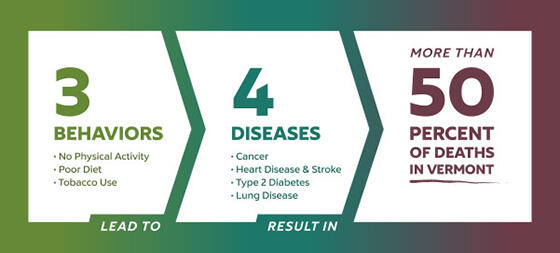
From a holistic health point of view, everything influences and affects healthy or unhealthy behaviors. What we think, what we eat, and how we move, are what I see as the root components of our health and wellbeing. Everything else basically branches off from these factors. If I must pick one aspect of behavior that is most important, I will highlight personal responsibility. Over many decades, our American society has gradually eroded from people feeling and being responsible for their own health and well-being, to that where many people feel that it is the government, their doctors, their employers, and everyone else’s responsibility to keep the individual healthy.  The state of Vermont has implemented a program called the Vermont 3-4-50, which offers the potential for people to become more self-empowered to seek out the resources to become better educated regarding better nutrition, physical activity, and mental health (HealthVermont, 2019). The program seems to be based on politicians, employers, and schools all promoting the program. The key component here is that schools need to play a major role in teaching the youth how to live a healthy lifestyle. It is so cliché, but the youth of today are indeed the leaders of tomorrow. There has been much media attention in the last year on how the recent generation, or Gen Z, is now being labeled as the “anxious” or “depressed” generation. This program and mindset are exactly what is needed not just for Gen Z but for people of all ages. Hopefully, the 3-4-50 program can spread more awareness and become implemented on a national level.  

Make good choices. Be wise in your decisions, as your life and those you care about are most affected by your thoughts and actions.

Reference: HealthVermont. (2019, July 1). 3-4-50 Vermont: Standing together to reduce chronic disease [Video]. YouTube. https://www.youtube.com/watch?v=GGlv0aC86HU

I teach and offer lectures about holistic health, physical fitness, stress management, human behavior, meditation, phytotherapy (herbs), music for healing, self-massage (acupressure), Daoyin (yoga), qigong, tai chi, and baguazhang.

Please contact me if you, your business, organization, or group, might be interested in hosting me to speak on a wide spectrum of topics relative to better health, fitness, and well-being.

I look forward to further sharing more of my message by partnering with hospitals, wellness centers, VA centers, schools on all levels, businesses, and individuals who see the value in building a stronger nation through building a healthier population.

I also have hundreds of FREE education video classes, lectures, and seminars available on my YouTube channel at:

https://www.youtube.com/c/MindandBodyExercises

Many of my publications can be found on Amazon at:

http://www.Amazon.com/author/jimmoltzan

My holistic health blog is available at:

https://mindandbodyexercises.wordpress.com/

http://www.MindAndBodyExercises.com

Mind and Body Exercises on Google: https://posts.gle/aD47Qo

Jim Moltzan

407-234-0119