The Complex Dependency on Petroleum in America and the Start of the Anthropocene

The Anthropocene is a term for a geological epoch following the Holocene, dating from the starting point of significant human impact on Earth up to the present day. Some people may see this as having begun with the colonization of the Americas around 1610 or with the years of the Industrial Revolution around 1760-1840. The 1940s and 1950s brought the “Great Acceleration” with major technological advances with nuclear weapons and the use of petroleum products.

In recent years, there has been an increased interest among Americans to reduce the use of petroleum-based products. A desire to minimize climate change and other environmental concerns has driven this shift. Many concerned citizens, activists, and politicians, advocate for reducing the nation’s dependence on petroleum, looking for a future where alternative sources of energy may replace fossil fuels. While this goal is commendable, it often ignores the deeply embedded role that petroleum and its based products play in almost every aspect of daily life. Way beyond fueling combustion vehicles and equipment of many types, petroleum is fundamental to the production of countless products that Americans and the rest of the world use daily. Consequently, reducing petroleum use is more complex than it appears, and to ignore this reality may be, in many ways, delusional.
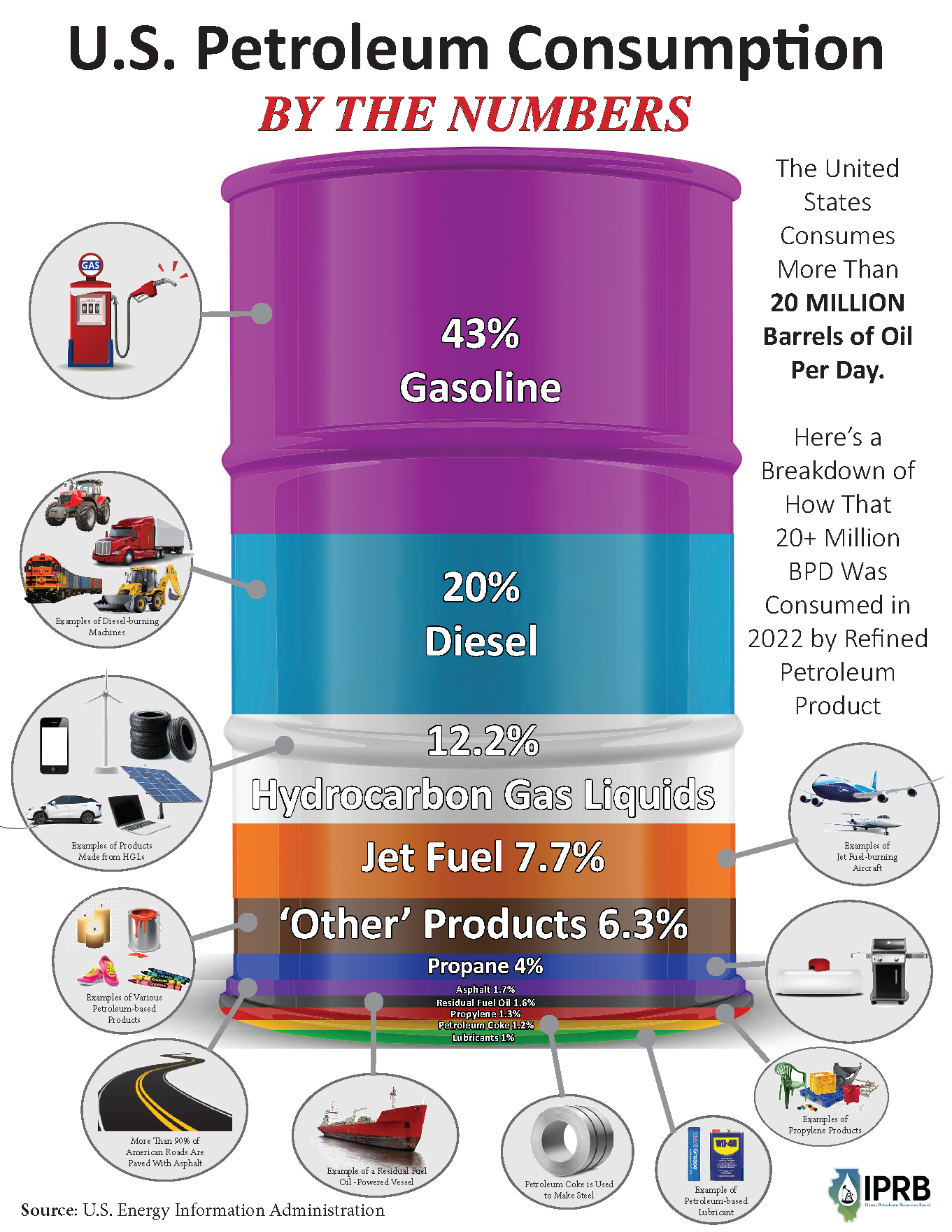
One of the most commonly seen and experienced uses of petroleum is in transportation. Gasoline and diesel power are still the majority of vehicles on the road despite the rise of electric cars and hybrid vehicles. Gas combustion engines remain the primary method of transportation for most Americans. The infrastructure supporting these gas vehicles is also dependent upon petroleum. Roads are paved with asphalt, which is a petroleum byproduct, as vehicles themselves run on tires made from petroleum-derived materials. Even with a focused push toward electric transportation, roads, and tires remain essential to everyday living, along with countless other petroleum-based components.
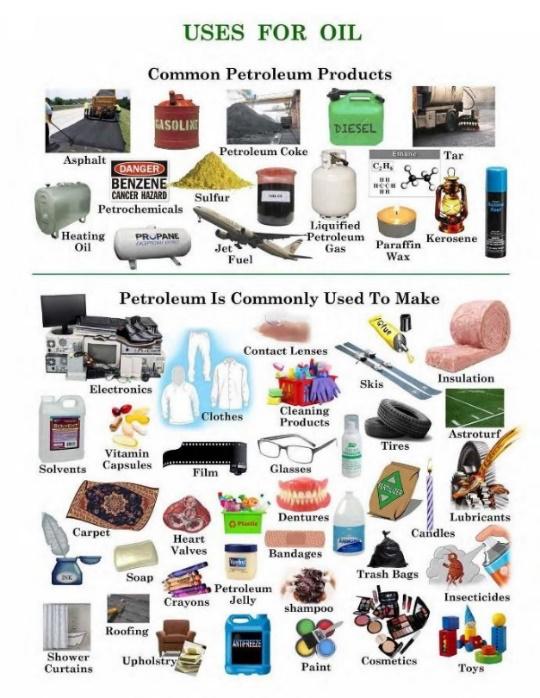
Beyond transportation, petroleum’s contribution to consumer goods is far-reaching. Many Americans might not know that much of the clothing they wear consists of synthetic fabrics like polyester and nylon, which are both made from petroleum. The decades-old popularity of athletic and leisurewear, known for its comfort and durability, further binds the average consumer to petroleum-based products. The dependency doesn’t end there. Plastic packaging, found in almost every store, business, office, and household, is made from petroleum. From food containers to household and industrial cleaning supplies, petroleum-based plastics make daily life more convenient, despite their environmental impact. Single-use plastics such as grocery bags, fast-food containers, and water bottles are common examples of how petroleum has become embedded into our daily routines.
Petroleum is also vital to the healthcare and pharmaceutical industries. Plastics are fundamental for the packaging of healthcare products, cosmetics, pharmaceuticals, and medical devices. Various synthetic drugs depend on petrochemicals for their production, and plastic-based medical equipment and instruments are vital to maintaining sterile environments in hospitals and clinics. Healthcare as we know it, would not exist without the use of petroleum-based products. American society’s dependency on this resource is far more complex than simply putting gas in a car.
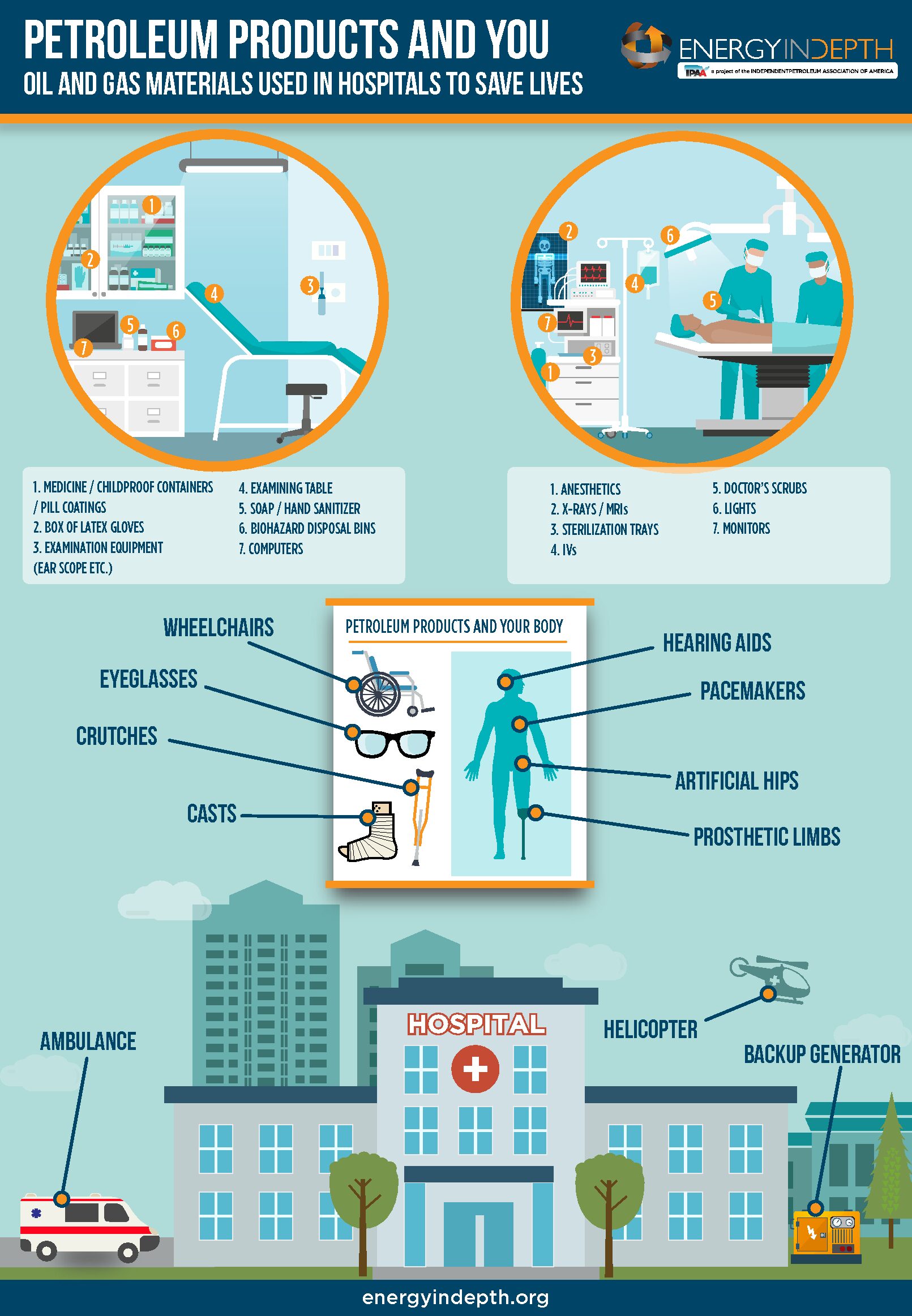
Petroleum’s importance also extends into the technology sector. From smartphones to computers, electronics are filled with various components made from petroleum-based plastics. Household and office wiring use insulation materials, necessary for transmitting electricity and data, which also come from petroleum. This technology in electronics is used by activists to spread awareness about climate change, ironically using petroleum products in their design and functionality. This creates quite a paradox where there is a desire to eliminate petroleum use, but where one of the fastest-growing sectors of the economy, technology, remains deeply intertwined with it.

Understanding this complex network of petroleum dependencies, the ongoing demonization of petroleum companies by some individuals, activists, and politicians seems somewhat disconnected from reality. Petroleum extraction and its usage indeed have significant environmental consequences. However, the idea that we can simply eliminate petroleum from our lives without enduring major disruptions and/or changes to our daily routines, technological advancements, and healthcare systems is quite unrealistic. The thrust to demonize petroleum companies often disregards the benefits petroleum provides in many various sectors of society, extending well beyond just transportation and energy.

Renewable energy sources have increased and hopefully will continue to grow, however, the transition away from petroleum will be a long and expensive evolution. Actions that will reduce petroleum use should be based on valid information and on the reality that petroleum plays an irreplaceable role in many critical industries. Instead of focusing only on eliminating petroleum, perhaps a more balanced approach is needed. Advocacy actions should bring to light the need to reduce unnecessary wasteful petroleum consumption while also acknowledging its key applications in areas like public healthcare and technology.

To completely abandon petroleum is somewhat delusional. The transition toward a more sustainable future will require significant changes in habits, infrastructure, manufacturing, and attitudes. It will also require a more broad view of petroleum, where its environmental impacts are managed through logic, innovation, and compromise. Instead of demonizing petroleum in its entirety, actions should focus on lessening the environmental footprint of its extraction and use, while simultaneously encouraging the development of realistic alternatives.

In conclusion, the push to reduce petroleum use in America is understandable and necessary for addressing climate change as well as other environmental concerns. However, the reality is that petroleum is deeply rooted in the fabric of modern life. From the vehicle we drive to the clothes and shoes we wear, the healthcare we receive, and the technology we are reliant on and often addicted to, petroleum touches almost every aspect of society. Moving away from petroleum will be a very complicated and gradual evolutionary process, requiring foresight, logic, innovation, balance, and a realistic understanding of its current function in our daily lives. The path to a sustainable future must address both the need for change and the reality of our current dependence on petroleum.

References:

Malhi, Y., Environmental Change Institute, School of Geography and the Environment, & University of Oxford. (2017). The concept of the anthropocene. In Annual Review of Environment and Resources (p. 25.1-25.28). http://www.zeeli.pro.br/wp-content/uploads/2018/04/2017-MALHI-The-concept_of_the_anthrop.pdf

Petroleum products – Illinois Petroleum Resources Board. (2023, September 27). Illinois Petroleum Resources Board. https://iprb.org/industry-facts/petroleum-products/

McDaniel, W. (2024, May 14). Fact Sheet: Everyday Products & Uses — COGA. COGA. https://www.coga.org/factsheets/everyday-products-uses

I teach and offer lectures about holistic health, physical fitness, stress management, human behavior, meditation, phytotherapy (herbs), music for healing, self-massage (acupressure), Daoyin (yoga), qigong, tai chi, and baguazhang.

Please contact me if you, your business, organization, or group, might be interested in hosting me to speak on a wide spectrum of topics relative to better health, fitness, and well-being.

I look forward to further sharing more of my message by partnering with hospitals, wellness centers, VA centers, schools on all levels, businesses, and individuals who see the value in building a stronger nation through building a healthier population.

I also have hundreds of FREE education video classes, lectures, and seminars available on my YouTube channel at:

https://www.youtube.com/c/MindandBodyExercises

Many of my publications can be found on Amazon at:

www.Amazon.com/author/jimmoltzan

My holistic health blog is available at:

https://mindandbodyexercises.wordpress.com/

www.MindAndBodyExercises.com

Mind and Body Exercises on Google: https://posts.gle/aD47Qo

Jim Moltzan
“A pill for every ill.” Thank or Blame, Rockefeller and Carnegie for Monopolizing Western Medicine?

Western allopathic medicine with its use of pharmaceuticals, surgery and other invasive treatments are truly technological amazing feats. Especially for treatments for traumatic injuries, genetic disorders and other specific he ailments. But are pharmaceuticals and surgery necessary or the best option for every cough, sneeze, wheeze, ache or pain? There are other options available such as diet and lifestyle choices, exercise, herbs and other seemingly “alternative” methods. Some of these options have been used for thousands of years, standing the test of time. However, many in the US favor Western allopathic (biomedicine) and often have never heard of, been informed or educated to specific alternative or traditional healthcare (self-care) treatments and methods. This is not by mere happenstance but more likely from a carefully orchestrated marketing plan initiated around the early 1900’s by extremely wealthy businessmen John D. Rockerfeller and Andrew Carnegie.

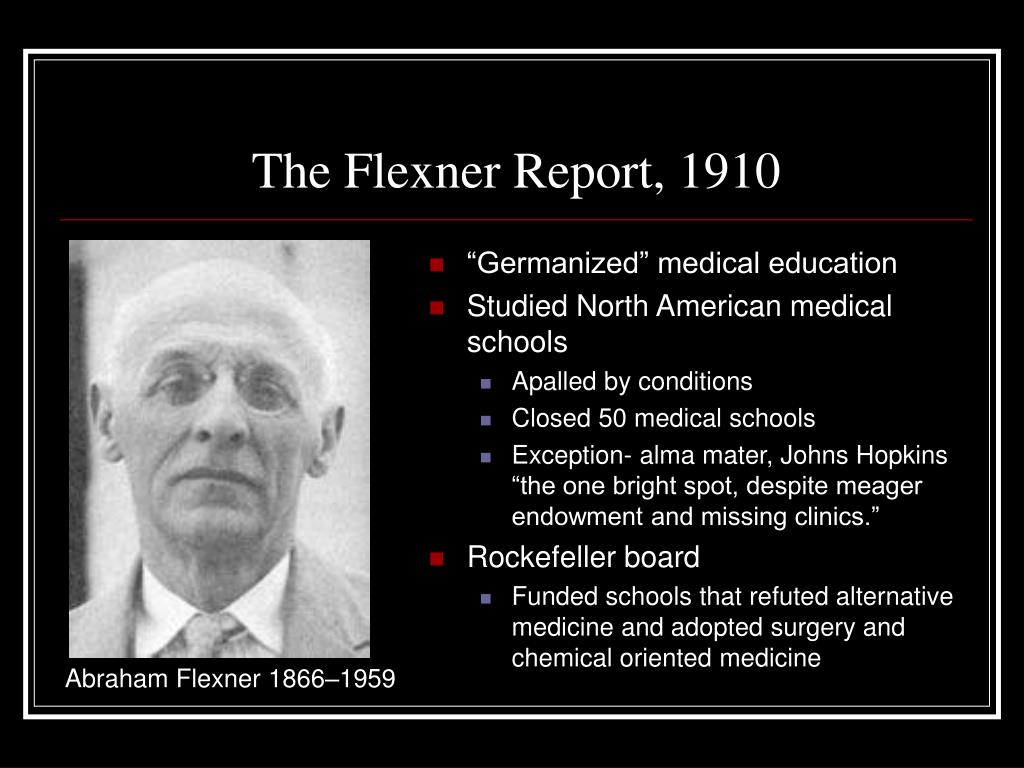
The influence of Carnegie and Rockefeller on Western medicine played a large role in shifting the focus away from traditional medical practices toward more scientific, evidence-based medicine. Carnegie and Rockefeller, two of America’s most prominent industrialists, wielded significant influence over the development and implementation of Western allopathic or biomedicine medicine. Their impact, while enormous, was a complex relationship of positive and negative consequences. The Flexner Report was funded in 1910 by the Rockefeller Foundation and authored by Abraham Flexner which helped to reform medical education and care in the United States, thereby leading to higher standards and a more rigorous, scientifically based medical curriculum.


Standardization of Medical Education: Both Carnegie and Rockefeller were greatly involved in funding the Flexner Report, a revolutionary study that led to the standardization of medical education in the United States. This resulted in a consequential improvement in the quality of medical training and relative patient care. The reforms that came about from this report helped to reduce the prevalence of unproven or harmful treatments.

Advancement of Medical Research: Their philanthropic support established research institutions and funded new methods of medical research. This support influenced many medical advancements.

Improved Public Health: Rockefeller’s philanthropy impacted treatments for diseases through The Rockefeller Foundation, founded in 1913, such as yellow fever and hookworm, greatly improving public health and reducing mortality rates. Also, the foundation supported the development of public health schools, including the Harvard School of Public Health and the Johns Hopkins Bloomberg School of Public Health.

Scientific Rigor: The increased focus on scientific research and evidence-based practices led to major advancements in medical knowledge and treatment efficacy.

Public Health Improvements: Public health initiatives and medical research helped to eradicate and manage many infectious diseases.

Suppression of Alternative Medicine: The standardization of medical education under the Flexner Report, while helping to improve overall medical treatment and relative quality, also led to much stifling of alternative medical practices. This consequently impacted the exploration of diverse healing modalities and potential benefits from such treatments.

Marginalization of Traditional Practices: Many traditional and holistic practices that were deeply embedded in various cultures, were disregarded or labeled as quackery or ineffective. Practices that lacked scientific validation, despite potentially being effective, were often dismissed, as Western medicine became more dominant.

Closure of Alternative Medical Schools: Schools that did not meet the new rigorous standards were closed. This included institutions that taught naturopathy, homeopathy, and other alternative medical practices.

Focus on Profit: Critics believe that the intimate relationship between the pharmaceutical industry and Rockefeller’s philanthropy created a system that prioritizes profit over patient well-being. This profit-based healthcare system is thought to have influenced the direction of medical research and drug development since its inception over one hundred years ago.

Disparities in Healthcare: While Rockefeller and Carnegie’s philanthropic efforts are notable, some are more critical in seeing their roles as having purposely or inadvertently contributed to healthcare disparities. Critics focus on the closure of many African American medical schools following the Flexner Report, which led to limiting opportunities for Black physicians and impacting healthcare access within Black communities.

Medical Monopolies: The rise of a more standardized medical system led to the formation of medical monopolies, reducing the diversity of medical treatments and approaches.

Pharmaceutical Focus: The focus on pharmaceutical treatment solutions and surgical interventions often takes precedence over other potentially effective traditional therapies, such as herbal medicine and other holistic approaches.

The Flexner Report led to the closure of a wide variety of medical schools, in particular those that focused on alternative medical practices, for-profit proprietary schools, and Black medical schools. The long-term ramifications included the consolidation of medical education under a more scientifically rigorous, allopathic (biomedicine) model, but it also contributed to the gradual erosion of medical diversity, helping to bring about more racial and gender disparities in medical training. Out of approximately 155 medical schools in existence at the time, over 50% (more than 80 schools) were closed within the decade following the report’s publication. The schools affected can be categorized into different types based on their fields of study and student populations:

Alternative Medical Schools:

Homeopathic and Alternative Medicine: These schools were specifically targeted by the Flexner Report because they did not align with the allopathic or conventional medicine model, which the report strongly favored. Homeopathic and alternative schools either converted to follow allopathic principles or ceased to remain open.

Naturopathic and Osteopathic Schools: Some osteopathic schools remained operating by aligning their curricula more closely with the scientific, evidence-based model that the Flexner Report promoted. Naturopathic schools faced an eventual decline.

Proprietary Schools (For-Profit Schools):

A large amount of the schools closed were proprietary, also referred to as “for-profit institutions.” These schools often required less rigorous admissions standards, less equiped laboratory facilities, and less access to teaching hospitals. These would include some medical schools that taught natural remedies, herbal medicine, homeopathy and other alternative practices. Many alternative or non-allopathic medical schools were shut down after being deemed insufficiently scientific by the Flexner standards.

Black Medical Schools:

Access to Medical Education: With the onset of fewer medical schools accessible to Black students, opportunities to pursue medical education and careers in medicine were more severely reduced within the Black demographic at the time. This in turn, increased healthcare disparities within Black communities, both in the immediate aftermath and in the years that followed the report.

Long-Term Impact: The ripple effect of these closures continues today to affect the diversity within the medical profession and the quality of healthcare in underserved communities. Out of the seven Black medical schools that existed at the time, only two survived after the report. Those would have been Howard University College of Medicine (Washington, D.C.) and Meharry Medical College (Nashville, Tennessee).

Five Black medical schools that were closed included:

  • Leonard Medical School at Shaw University (Raleigh, NC)
  • Flint Medical College at New Orleans University (New Orleans, LA)
  • Knoxville College Medical Department (Knoxville, TN)
  • Louisville National Medical College (Louisville, KY)
  • University of West Tennessee College of Medicine and Surgery (Memphis, TN)

The Flexner report quite heavily criticized these schools for lacking adequate faculty, funding, and facilities, leading to the closure of most Black medical schools. This consequently had a damaging impact on the number of Black physicians, increasing racial disparities in healthcare.

Women’s Medical Schools:

Many medical schools for women also endured closure after the Flexner Report. Women’s schools had already been facing discrimination, but the report further limited their operations by requiring them to have the same scientific standards as the other male institutions, while not taking into account the limited support, resources and funding available to them. Smaller women’s medical colleges either closed or merged with coeducational institutions in order to survive. The Woman’s Medical College of Pennsylvania would go on to survive due to eventual reforms.

Introduction of Petroleum Products into Healthcare:

Petroleum products have had a major impact on pharmaceutical production and implementation. The rise of the petroleum industry, in which figures like John D. Rockefeller played a central role, facilitated the development of various synthetic chemicals and pharmaceuticals. Here are several significant ways in which petroleum products influenced the pharmaceutical industry:

Development of Synthetic Drugs

  1. Raw Materials: Petroleum products provide raw materials for the production of many drugs. Petrochemicals, refined from petroleum, have become essential building blocks in pharmaceutical chemistry.
  2. Cost and Efficiency: The ease and availability of petroleum-based raw materials made the production of synthetic drugs more cost-effective and efficient, enabling the manufacturing of pharmaceuticals on a large scale.
  3. Innovation: The ability to create synthetic chemical compounds has led to the discovery and development of new pharmaceutical drugs that were previously impossible to produce utilizing natural sources alone.

Expansion of the Pharmaceutical Industry

  1. Growth of Big Pharma: The development of synthetic drugs and the ability to mass-produce them has greatly aided the growth of major pharmaceutical companies. These companies have often invested in research and development, thereby further advancing the field of medicine.
  2. Increased Accessibility: The grand-scale production of pharmaceuticals has made drugs more accessible to a broader population, sometimes enhancing public health improvements. Other times, not so much as when particular drugs are recalled or banned due to lack of efficacy and/or discovery of detrimental longterm side effects.

Impact on Drug Manufacturing

  1. Solvents and Excipients: Petroleum-derived solvents and excipients are crucial in the production of many pharmaceuticals. These substances play a major role in the processing and stabilization of active pharmaceutical ingredients (APIs).
  2. Packaging Materials: Petroleum products are used to make plastics and other materials for pharmaceutical packaging. This has helped to improve the transportation, storage, transportation, and shelf-life of medications.

Examples of Petroleum-Influenced Pharmaceuticals

  1. Antibiotics: Penicillin, an antibiotic, has benefited from petrochemical solvents and various industrial processes developed through the petroleum industry.
  2. Aspirin: The large-scale synthesis of aspirin was due to advances in chemical engineering and the availability of petrochemical raw materials.

Conclusion

The impact of Andrew Carnegie and John D. Rockefeller on Western allopathic medicine is multifaceted. While their contributions to medical research, education, and public health are undeniable, their influence also shaped the direction of medicine in ways that had both positive and negative consequences. It is important to recognize that, although Carnegie and Rockefeller advanced Western allopathic medicine by promoting scientific rigor and public health initiatives, they also contributed to the decline of many traditional medical practices. The shift toward a more scientific approach brought numerous benefits but also led to the marginalization of traditional and holistic methods once considered effective and safe. Moreover, the Flexner Report backed by their funding, had long-lasting detrimental effects on Black medical schools, which in turn affected the training of Black physicians and healthcare in Black communities. This dual influence critically shaped their legacies within the medical field.

References:

Andrew Carnegie and John D. Rockefeller’s Influence on Medicine:

  • Brown, E. R. (1979). Rockefeller Medicine Men: Medicine and Capitalism in America. This book discusses the influence of the Rockefeller Foundation on American medicine, including its role in the establishment of medical research institutions and public health initiatives.
  • Flexner, A. (1910). Medical Education in the United States and Canada: A Report to the Carnegie Foundation for the Advancement of Teaching. The original Flexner Report, commissioned by the Carnegie Foundation, played a central role in the reform of medical education, including the closure of many medical schools.
  • Marks, H. M. (1997). The Progress of Experiment: Science and Therapeutic Reform in the United States, 1900-1990. This book explores how the philanthropic efforts of individuals like Rockefeller shaped the modernization of medicine through scientific research and public health reforms.

Impact of the Flexner Report on Black Medical Schools:

  • Savitt, T. L. (2002). “Abraham Flexner and the Black Medical Schools.” Journal of the National Medical Association, 94(3), 246-257. This article specifically addresses the impact of the Flexner Report on Black medical schools and how it led to the closure of most Black medical institutions, exacerbating racial disparities in medical education.
  • Byrd, W. M., & Clayton, L. A. (2000). An American Health Dilemma: A Medical History of African Americans and the Problem of Race (Vol. 1). Routledge. This book provides an in-depth history of the challenges faced by Black medical professionals and institutions, including the long-term effects of the Flexner Report.

Marginalization of Traditional Medical Practices:

  • Hirschkorn, K. A. (2006). “Exclusive Versus Everyday Forms of Professional Medical Knowledge: Legitimacy Claims in Conventional and Alternative Medicine.” Sociology of Health & Illness, 28(5), 533-557. This article discusses how the rise of evidence-based medicine marginalized alternative and traditional medical practices in favor of standardized scientific approaches.
  • Whorton, J. C. (2002). Nature Cures: The History of Alternative Medicine in America. This book provides historical context for how alternative and traditional medical practices, such as homeopathy and naturopathy, were sidelined by the rise of scientific medicine promoted by figures like Carnegie and Rockefeller.

Petroleum’s Role in Pharmaceutical Development:

  • Torrance, A. W. (1998). “From Coal to Oil: The Role of the Petrochemical Industry in Medicine.” Chemical Heritage Magazine. This article explores how the rise of the petroleum industry contributed to advancements in synthetic chemistry, which was crucial for pharmaceutical development.
  • Hounshell, D. A., & Smith, J. K. (1988). Science and Corporate Strategy: DuPont R&D, 1902-1980. This book examines how major chemical companies like DuPont, using petroleum products, played a crucial role in developing synthetic chemicals for pharmaceuticals.
  • Sneader, W. (2005). Drug Discovery: A History. This comprehensive history of pharmaceuticals includes details on how the availability of petrochemical raw materials revolutionized drug manufacturing.

I teach and offer lectures about holistic health, physical fitness, stress management, human behavior, meditation, phytotherapy (herbs), music for healing, self-massage (acupressure), Daoyin (yoga), qigong, tai chi, and baguazhang.

Please contact me if you, your business, organization, or group, might be interested in hosting me to speak on a wide spectrum of topics relative to better health, fitness, and well-being.

I look forward to further sharing more of my message by partnering with hospitals, wellness centers, VA centers, schools on all levels, businesses, and individuals who see the value in building a stronger nation through building a healthier population.

I also have hundreds of FREE education video classes, lectures, and seminars available on my YouTube channel at:

https://www.youtube.com/c/MindandBodyExercises

Many of my publications can be found on Amazon at:

http://www.Amazon.com/author/jimmoltzan

My holistic health blog is available at:

https://mindandbodyexercises.wordpress.com/

http://www.MindAndBodyExercises.com

Mind and Body Exercises on Google: https://posts.gle/aD47Qo

Jim Moltzan

407-234-0119

Be Brave Enough to Suck at Something New

By putting oneself through voluntary stressful activities over time and with diligent practice, one can better cope with involuntary stressors in everyday life. One does not have to become great at the activities, but rather better by putting in the focus, time, and effort. Becoming better and mindful of the activity are the goals of self-cultivation that may lead to self-realization. I have come to understand that in order to practice self-cultivation certain components need to become apparent to the practitioner:

  • Regulation of the emotions (to create space between thoughts and relative feelings/emotions)
  • Closing, minimalizing, or becoming less distracted by the 5 senses of vision, sound, taste, touch, and smell (to bring about tranquility)
  • Become aware of being in the present moment (interrupt the pattern of the daily mundane tasks and chores)
  • Live with methods of self-cultivation in your daily practices, as opposed to waiting for the perfect time, place and environment in order to become present.

Depending upon various practices and activities, an individual can strive to achieve these facets of self-cultivation.

The Impact of New Challenges on Eustress, Brain Development, and Mental Well-Being

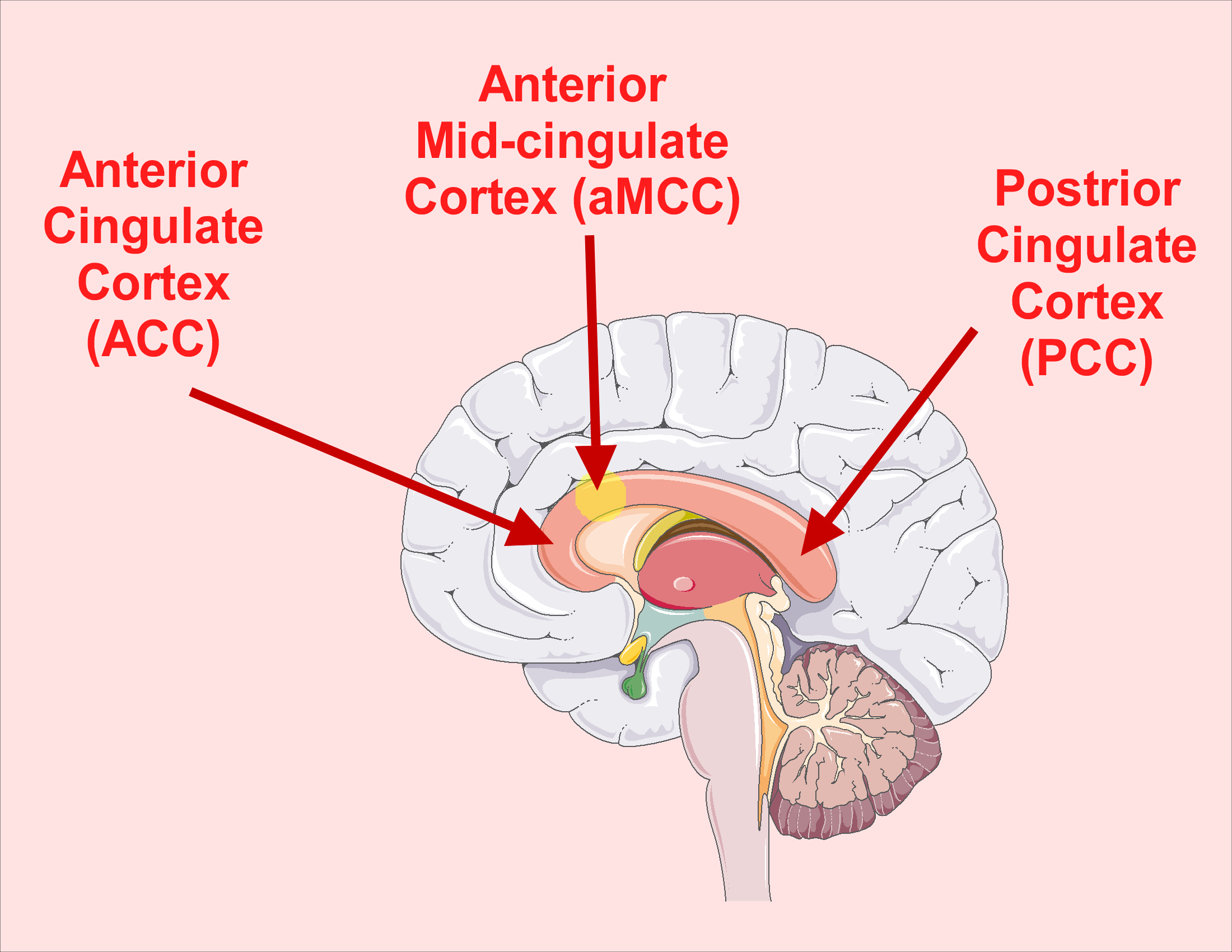
Pursuing new challenges, usually skillful methods such as learning to play a musical instrument, singing, dancing, earning a new degree, practicing tai chi or yoga, learning another language, or engaging in creative arts like painting or sculpting, has profound effects on both physical and mental well-being. These activities stimulate cognitive functions, contribute to brain growth, and promote the release of “good” neurotransmitters, which influence a wide range of physiological and psychological processes. One key outcome of these challenges is the experience of eustress, or positive stress, which enhances performance, resilience, and brain development. In particular, activities that involve learning and personal growth have been shown to increase the size of the anterior mid-cingulate cortex (aMCC) and stimulate beneficial changes in the brain and body.

Eustress and Its Role in Well-Being

Eustress is a form of stress that stimulates motivation and enhances performance. Unlike distress, which can be overwhelming and harmful, eustress promotes mental clarity, emotional satisfaction, and resilience. When engaging in new challenges, the brain responds by increasing arousal and focus, which leads to the release of certain hormones and neurotransmitters that support cognitive and emotional regulation. This “positive stress” creates a cycle in which effort and reward are reinforced, helping individuals build greater resilience over time.

For example, learning to play an instrument or practicing yoga requires sustained focus, which triggers a release of adrenaline and norepinephrine from the locus coeruleus in the brain and the adrenal glands just above each kidney. These hormones sharpen focus, increase heart rate, and enhance physical readiness. This initial physiological response primes the body for action, while mental engagement leads to emotional satisfaction as the individual experiences mastery over a new skill.

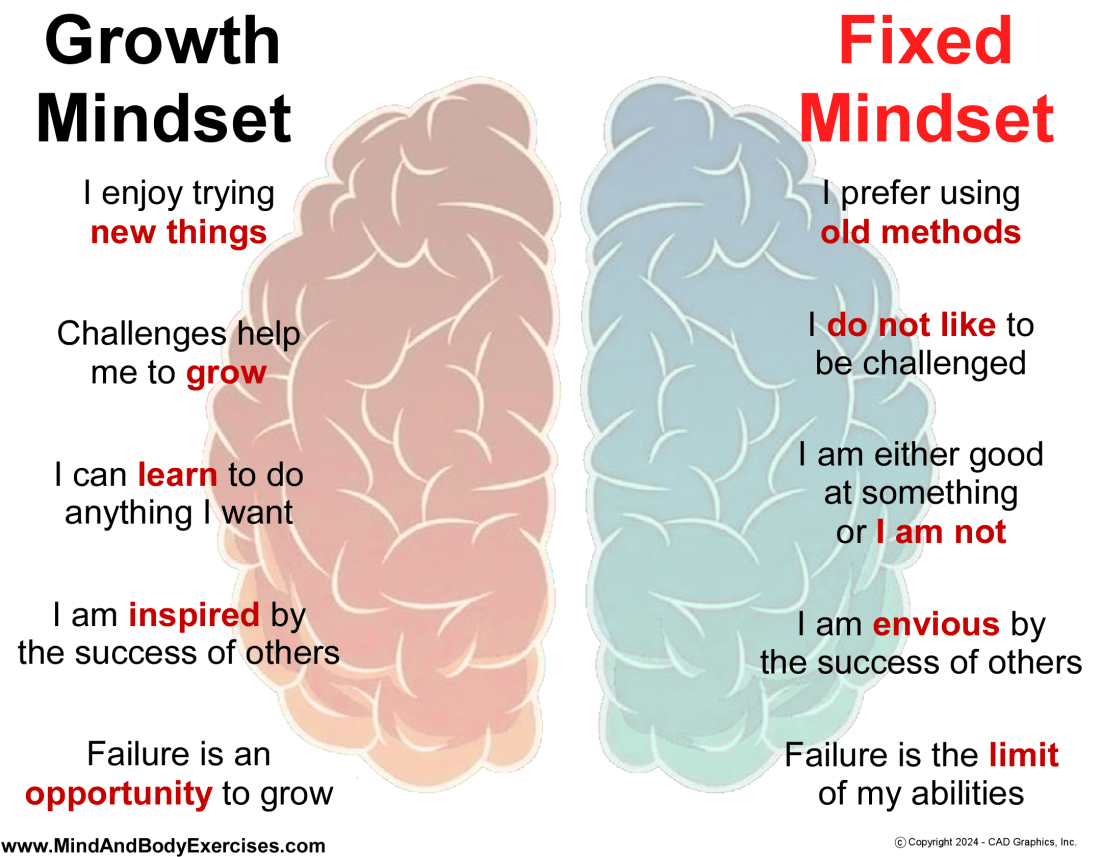
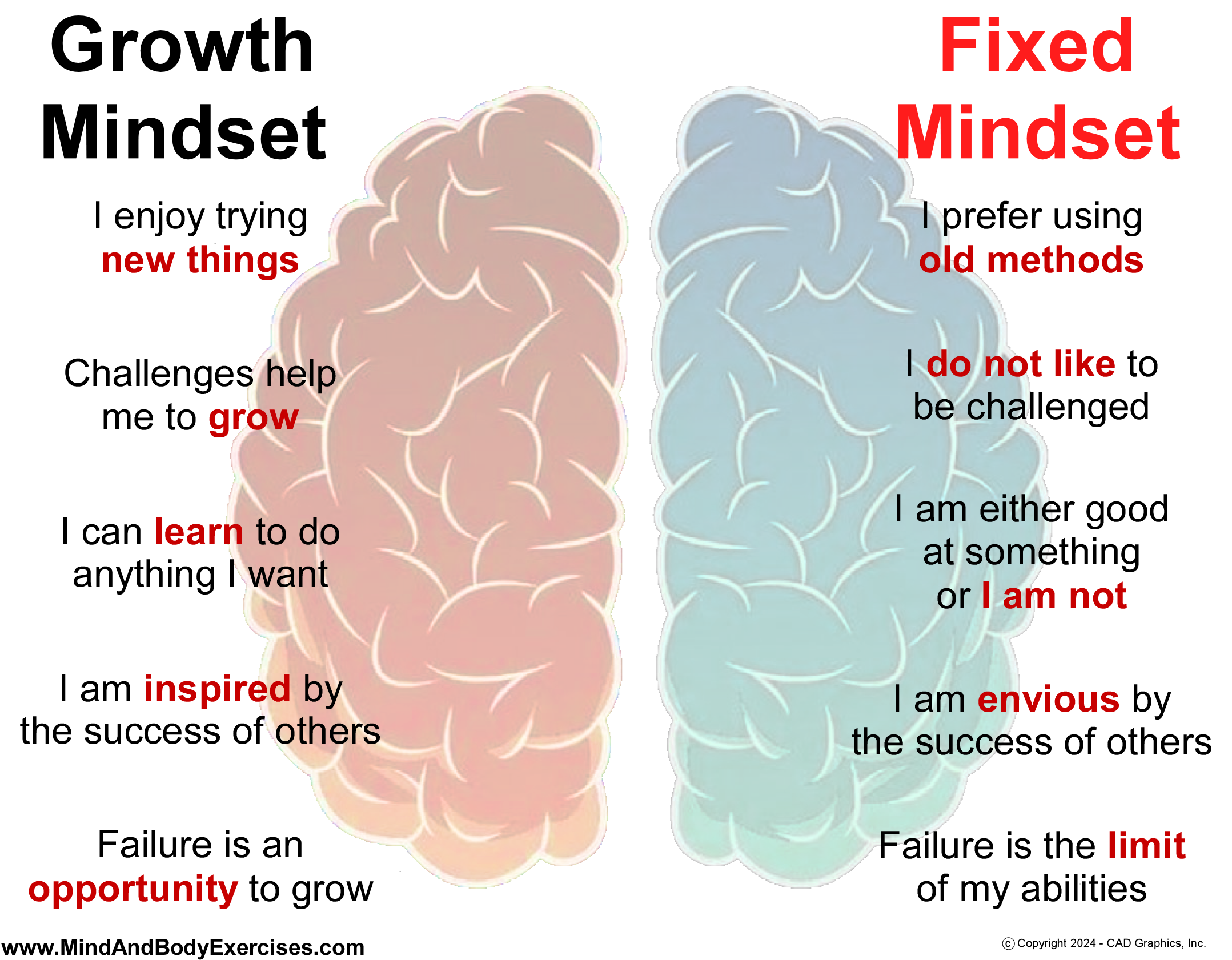
In the long term, eustress fosters a growth mindset—a belief that abilities can improve with effort and persistence. This mindset encourages individuals to pursue even greater challenges, further enhancing cognitive flexibility, problem-solving ability, and overall mental well-being.

Brain Development and the Anterior Mid-Cingulate Cortex

One of the key regions of the brain involved in processing new challenges is the anterior mid-cingulate cortex (aMCC). The aMCC is located within the cingulate gyrus and is involved in cognitive control, motivation, error processing, and emotional regulation. It is particularly active when individuals engage in tasks that require effort, attention, and decision-making—such as learning a new instrument, mastering yoga postures, or solving academic problems. Research shows that the aMCC grows in response to sustained mental effort, with increased volume and thickness in this region linked to improved cognitive performance.

As individuals challenge themselves to learn new tasks, such as those that require fine motor skills, sustained attention, or problem-solving, the aMCC helps process errors, monitor performance, and regulate the allocation of cognitive resources. This leads to improved task performance over time and a greater sense of accomplishment. Moreover, activities that demand attention and effort promote neuroplasticity, allowing the brain to reorganize and strengthen neural connections in the aMCC and other related regions.

Neurotransmitters: Production and Impact on Brain and Body

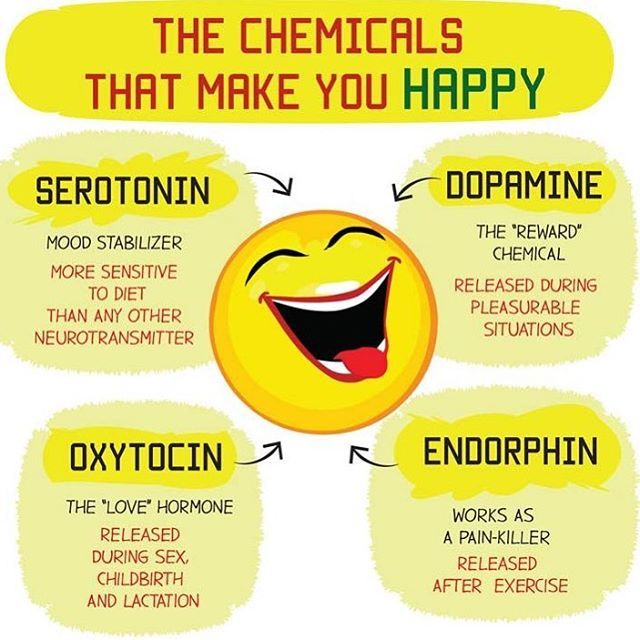
Engaging in new challenges triggers the release of key neurotransmitters—dopamine, serotonin, endorphins, and GABA—which regulate mood, motivation, emotional balance, and physical well-being. Understanding where these neurotransmitters are produced in the brain and body, and the areas they affect, sheds light on their powerful influence on mental and physical health.

  • GABA (Gamma-Aminobutyric Acid): GABA is a neurotransmitter that inhibits neural activity, promoting calmness and reducing anxiety. It is produced in the brain by GABAergic neurons and is particularly active in the cerebral cortex and hippocampus. Practices such as meditation, yoga, and tai chi enhance GABA production, which helps to regulate the body’s response to stress and promotes relaxation. GABA inhibits excessive neural activity in the amygdala, reducing anxiety and improving emotional control
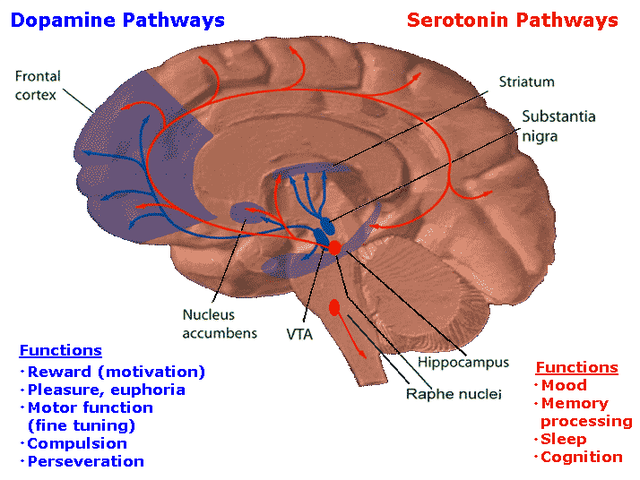
  • Dopamine: Produced primarily in the substantia nigra and ventral tegmental area (VTA) in the brain, dopamine plays a crucial role in motivation, reward, and the pursuit of pleasure. It is released in response to activities that offer a sense of accomplishment or learning, such as completing a difficult task or mastering a new skill. Dopamine acts on the nucleus accumbens and prefrontal cortex, enhancing focus, goal-directed behavior, and anticipation of rewards. It also influences motor control via its actions on the basal ganglia, particularly during activities that require fine motor skills like playing a musical instrument or practicing tai chi.

  • Serotonin: This neurotransmitter is produced in the raphe nuclei, located in the brainstem, and is widely distributed throughout the brain. Serotonin regulates mood, anxiety, and emotional well-being. Practices such as yoga, tai chi, and other mindfulness activities stimulate serotonin production, which acts on the amygdala (responsible for emotional processing), the hippocampus (involved in memory formation), and the prefrontal cortex (critical for higher-order thinking and decision-making). Increased serotonin helps reduce anxiety, stabilize mood, and improve emotional resilience.

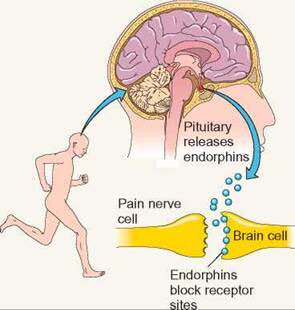
  • Endorphins: Produced in the pituitary gland and hypothalamus, endorphins act as natural painkillers and are released during physical activity, including yoga, tai chi, and other forms of exercise. These chemicals bind to opioid receptors in the brain and spinal cord, reducing pain perception and promoting a sense of euphoria. Endorphins also interact with areas of the brain involved in emotional regulation, such as the limbic system and the prefrontal cortex, contributing to feelings of relaxation and well-being.

Enhancing Cognitive Functions and Neuroplasticity

Challenging activities like learning to play an instrument, earning a degree, or engaging in creative pursuits stimulate the brain’s neuroplasticity—the ability to reorganize itself by forming new neural connections. This process strengthens cognitive functions like memory, attention, and problem-solving, while also promoting the growth of new neurons (neurogenesis).

For example, playing a musical instrument engages multiple brain regions, including the motor cortex (for hand movements), the auditory cortex (for processing sound), and the prefrontal cortex (for planning and decision-making). As the brain coordinates these functions, new neural connections form between these regions, enhancing cognitive flexibility and executive function. Similarly, activities like painting or sculpting stimulate the visual cortex and areas involved in creativity and spatial reasoning, such as the parietal lobe, leading to improved creative problem-solving skills and greater cognitive resilience.

Physiological Benefits of Physical and Mental Challenges

Engaging in new physical and mental challenges has a wide range of benefits for both the brain and body. Practices like tai chi and yoga not only improve physical health by enhancing balance, coordination, and flexibility, but they also promote mind-body integration, which has significant cognitive and emotional benefits. These activities stimulate the parasympathetic nervous system, which promotes relaxation, reduces cortisol levels (the stress hormone), and improves immune function.

Mentally engaging activities, such as earning a new degree or learning to paint, stimulate neural circuits that enhance cognitive function, while also promoting the production of neurotransmitters that regulate mood and emotional well-being. The combination of mental effort and physical relaxation leads to a holistic sense of well-being, with improvements in both mental clarity and physical health.

Conclusion

Pursuing new challenges, whether physical, intellectual, or creative, triggers a cascade of positive effects in the brain and body. The experience of eustress fosters resilience, motivation, and personal growth, while activities that engage the brain leading to neuroplasticity and cognitive enhancement. Key brain regions, such as the anterior mid-cingulate cortex, grow in response to new challenges, while neurotransmitters like dopamine, serotonin, endorphins, and GABA promote emotional balance and well-being. Through these mechanisms, challenging ourselves with new pursuits enhances both our physical and mental health, allowing us to thrive and achieve greater fulfillment in life. Overall, it doesn’t really matter if the individual becomes great or even good in their pursuit of skillful methods. What is more important is the intent and effort puts towards the activity itself which becomes a conduit to self-cultivation and hopefully self-realization.

References: Eustress and Positive Stress:

  • Selye, H. (1974). Stress without distress. New York: Harper & Row.
  • Nelson, D. L., & Simmons, B. L. (2003). Eustress: An elusive construct, an engaging pursuit. In P. L. Perrewe & D. C. Ganster (Eds.), Research in Occupational Stress and Well Being (Vol. 3, pp. 265-322). Emerald Group Publishing Limited. doi: 10.1016/S1479-3555(03)03007-5

Neuroplasticity and Learning:

  • Doidge, N. (2007). The Brain That Changes Itself: Stories of Personal Triumph from the Frontiers of Brain Science. Viking.
  • Puderbaugh, M., & Emmady, P. D. (2022). Neuroplasticity. StatPearls. Available at: https://www.ncbi.nlm.nih.gov/books/NBK557834/
  • Zatorre, R. J., & Schlaug, G. (2009). Music and the brain: advances in cognitive neuroscience. Annals of the New York Academy of Sciences, 1060(1), 231-241. doi: 10.1196/annals.1360.017

Anterior Mid-Cingulate Cortex (aMCC) and Cognitive Control:

  • Shackman, A. J., Salomons, T. V., Slagter, H. A., Fox, A. S., Winter, J. J., & Davidson, R. J. (2011). The integration of negative affect, pain and cognitive control in the cingulate cortex. Nature Reviews Neuroscience, 12(3), 154-167. doi: 10.1038/nrn2994
  • Posner, M. I., & Rothbart, M. K. (2007). Research on attention networks as a model for the integration of psychological science. Annual Review of Psychology, 58, 1-23. doi: 10.1146/annurev.psych.58.110405.085516

Dopamine Production and Function:

  • Wise, R. A. (2004). Dopamine, learning and motivation. Nature Reviews Neuroscience, 5(6), 483-494. doi: 10.1038/nrn1406
  • Schultz, W. (1998). Predictive reward signal of dopamine neurons. Journal of Neurophysiology, 80(1), 1-27. doi: 10.1152/jn.1998.80.1.1

Serotonin and Emotional Regulation:

  • Fisher, P. M., Meltzer, C. C., Ziolko, S. K., Price, J. C., & Hariri, A. R. (2006). Capacity for 5-HT1A-mediated autoregulation predicts amygdala reactivity. Nature Neuroscience, 9(11), 1362-1363. doi: 10.1038/nn1785
  • Berger, M., Gray, J. A., & Roth, B. L. (2009). The expanded biology of serotonin. Annual Review of Medicine, 60, 355-366. doi: 10.1146/annurev.med.60.042307.110802

Endorphins and Exercise:

  • Boecker, H., Sprenger, T., Spilker, M. E., Henriksen, G., Koppenhoefer, M., Wagner, K. J., … & Tolle, T. R. (2008). The runner’s high: Opioidergic mechanisms in the human brain. Cerebral Cortex, 18(11), 2523-2531. doi: 10.1093/cercor/bhn013
  • Raichlen, D. A., & Polk, J. D. (2013). Linking brains and brawn: exercise and the evolution of human neurobiology. Proceedings of the Royal Society B: Biological Sciences, 280(1750), 20122250. doi: 10.1098/rspb.2012.2250

GABA and Stress Reduction:

  • Watanabe, M., Maemura, K., Kanbara, K., Tamayama, T., & Hayasaki, H. (2002). GABA and GABA receptors in the central nervous system and other organs. International Review of Cytology, 213, 1-47. doi: 10.1016/S0074-7696(02)13011-7
  • Streeter, C. C., Jensen, J. E., Perlmutter, R. M., Cabral, H. J., Tian, H., Terhune, D. B., … & Renshaw, P. F. (2007). Yoga Asana sessions increase brain GABA levels: a pilot study. Journal of Alternative and Complementary Medicine, 13(4), 419-426. doi: 10.1089/acm.2007.6338

I teach and offer lectures about holistic health, physical fitness, stress management, human behavior, meditation, phytotherapy (herbs), music for healing, self-massage (acupressure), Daoyin (yoga), qigong, tai chi, and baguazhang.

Please contact me if you, your business, organization, or group, might be interested in hosting me to speak on a wide spectrum of topics relative to better health, fitness, and well-being.

I look forward to further sharing more of my message by partnering with hospitals, wellness centers, VA centers, schools on all levels, businesses, and individuals who see the value in building a stronger nation through building a healthier population.

I also have hundreds of FREE education video classes, lectures, and seminars available on my YouTube channel at:

https://www.youtube.com/c/MindandBodyExercises

Many of my publications can be found on Amazon at:

http://www.Amazon.com/author/jimmoltzan

My holistic health blog is available at:

https://mindandbodyexercises.wordpress.com/

http://www.MindAndBodyExercises.com

Mind and Body Exercises on Google: https://posts.gle/aD47Qo

Jim Moltzan

407-234-0119

Balancing Mind, Body & Spirit

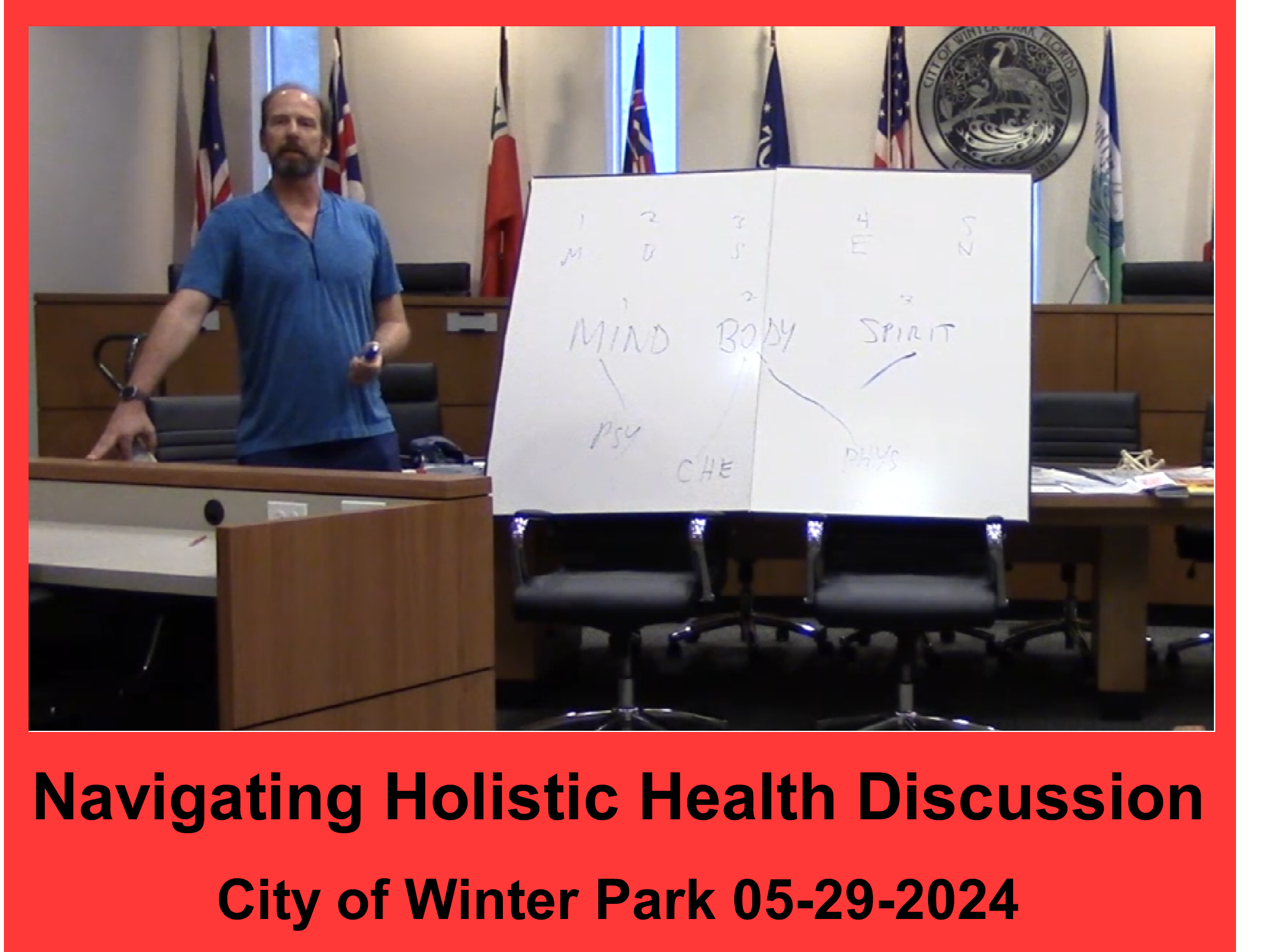
Last week I led a discussion on improving balance (mental, physical, and spiritual awareness) at the University Club of Winter Park, I would gladly speak again at other locations if anyone cares to reach out to me. Below is a brief summary of the topics that were discussed.

https://youtu.be/ayivzXu-TKI?si=9iD0vtEUf1KoCbTr

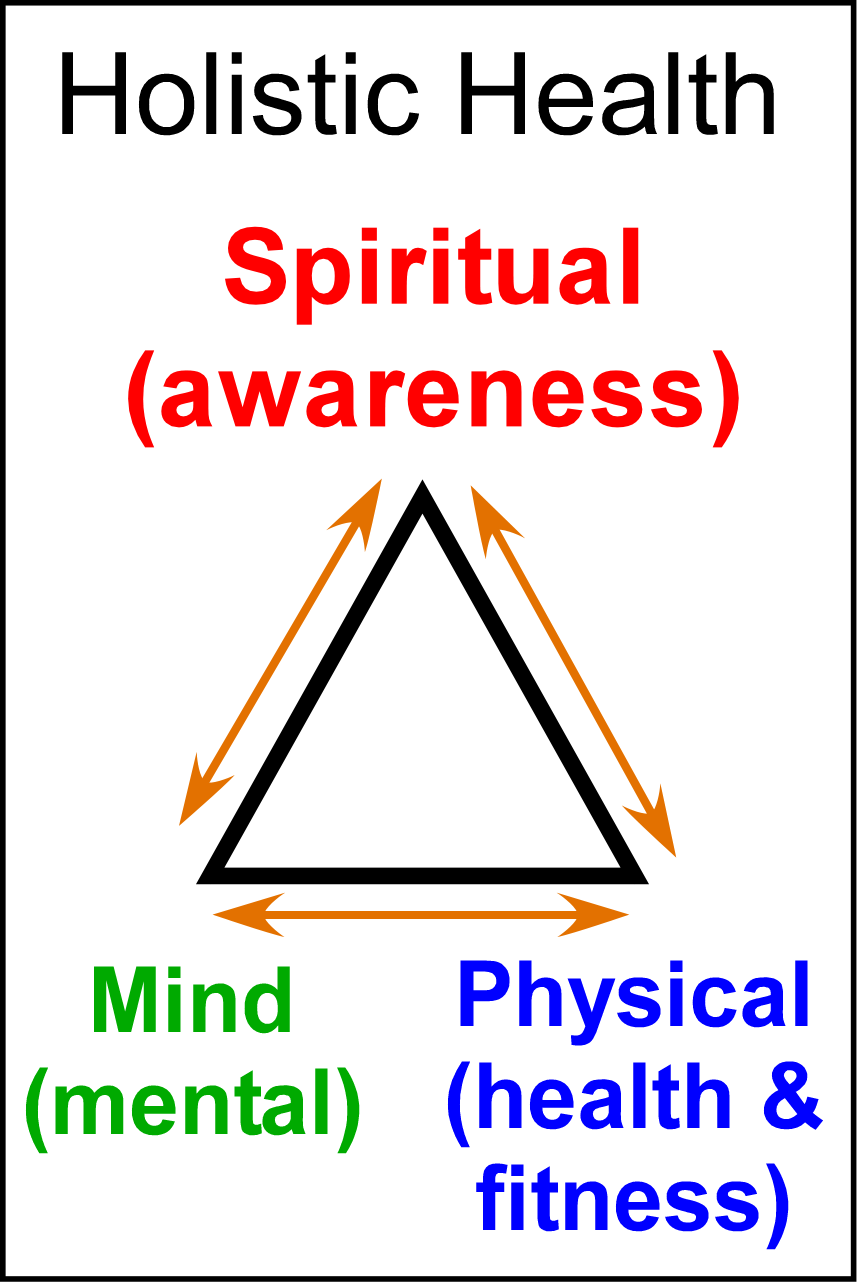
This video was a discussion about holistic health, which is a way of looking at the whole person, including the physical, mental, and spiritual aspects. Harmony is achieved when the physical, mental, and spiritual aspects are in balance. These components are all deeply interconnected. If you are physically balanced, you are more likely to feel mentally balanced. If you are mentally balanced, you are more likely to be able to connect with your spirituality.

The following main components of balance:

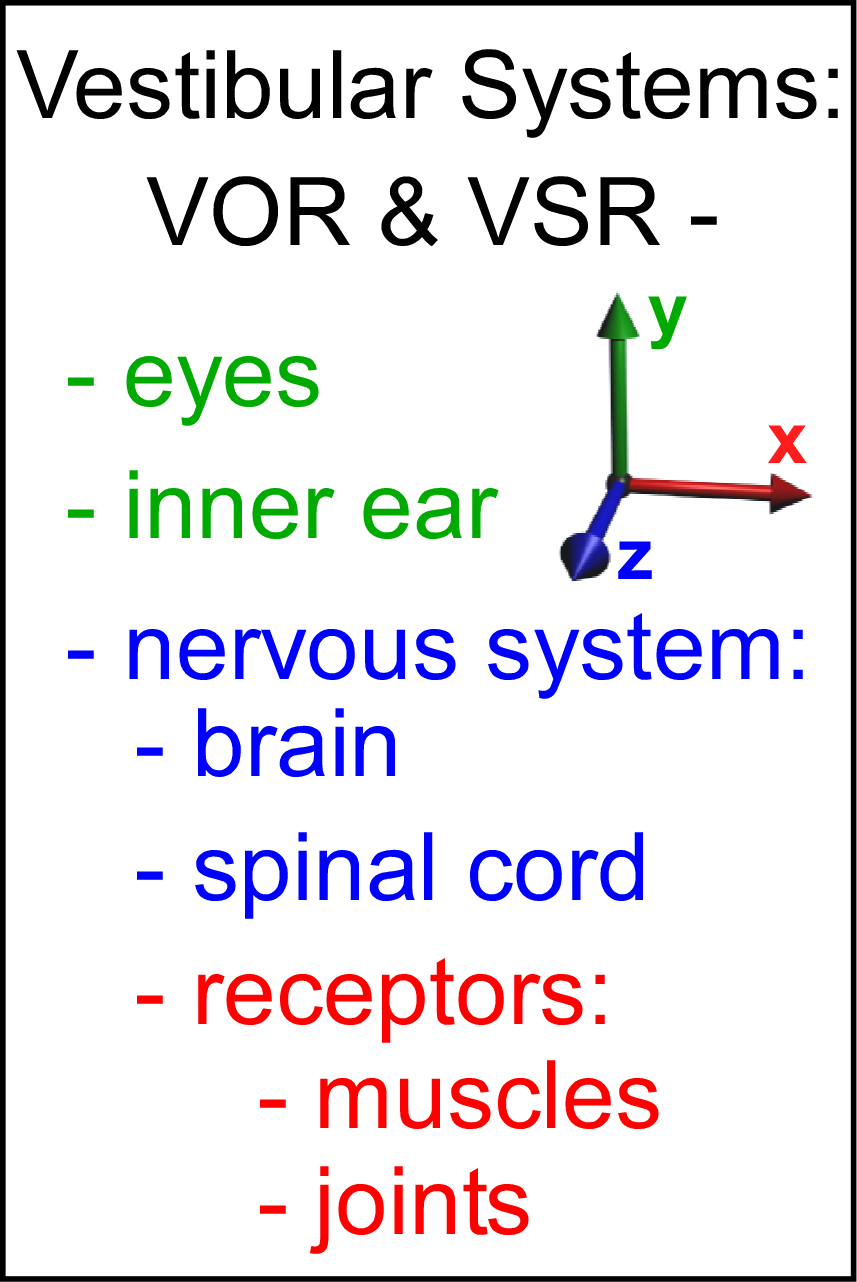
  • Physical balance: This refers to the ability to maintain your equilibrium. It is important for many activities, such as walking, running, and playing sports.
  • Mental balance: This refers to the ability to manage your thoughts and emotions. It is important for your overall well-being and for your ability to cope with stress.
  • Spiritual balance: This refers to your sense of connection to something larger than yourself. It can be a connection to nature, to other people, or to a higher power.

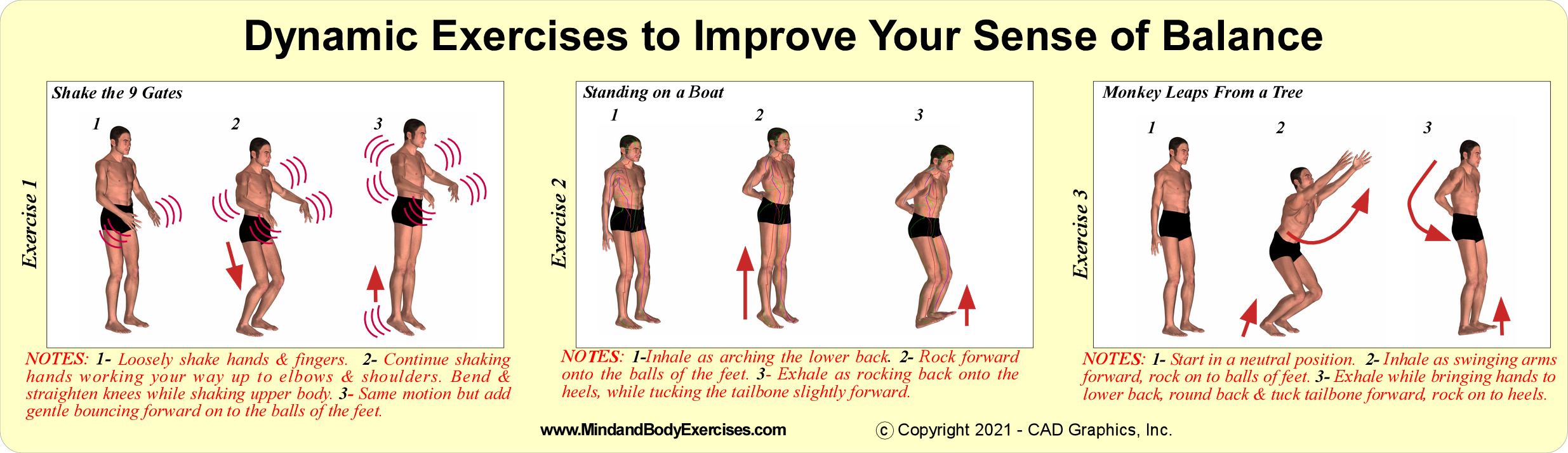
I offered some tips on how to improve balance. These tips include:

  • Doing balance exercises regularly. There are many different balance exercises that you can do, such as practicing tai chi, qigong, yoga, pilates, standing on one leg, or even walking on uneven surfaces.
  • Practicing mindfulness. Mindfulness is the practice of paying attention to the present moment without judgment. It can help you to reduce stress and improve your mental balance.  

____________

I teach and offer lectures about holistic health, physical fitness, stress management, human behavior, meditation, phytotherapy (herbs), music for healing, self-massage (acupressure), Daoyin (yoga), qigong, tai chi, and baguazhang.

Please contact me if you, your business, organization, or group, might be interested in hosting me to speak on a wide spectrum of topics relative to better health, fitness, and well-being.

I look forward to further sharing more of my message by partnering with hospitals, wellness centers, VA centers, schools on all levels, businesses, and individuals who see the value in building a stronger nation through building a healthier population.

I also have hundreds of FREE education video classes, lectures, and seminars available on my YouTube channel at:

https://www.youtube.com/c/MindandBodyExercises

Many of my publications can be found on Amazon at:

www.Amazon.com/author/jimmoltzan

My holistic health blog is available at:

https://mindandbodyexercises.wordpress.com/

www.MindAndBodyExercises.com

Mind and Body Exercises on Google: https://posts.gle/aD47Qo

Jim Moltzan
Earn a Good Night’s Rest – Sleep Hygiene (part 2)

(Part 2 of 2)

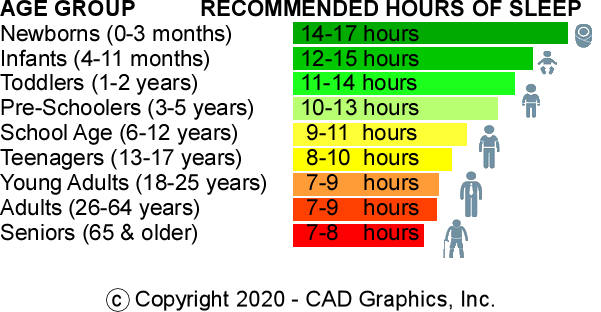
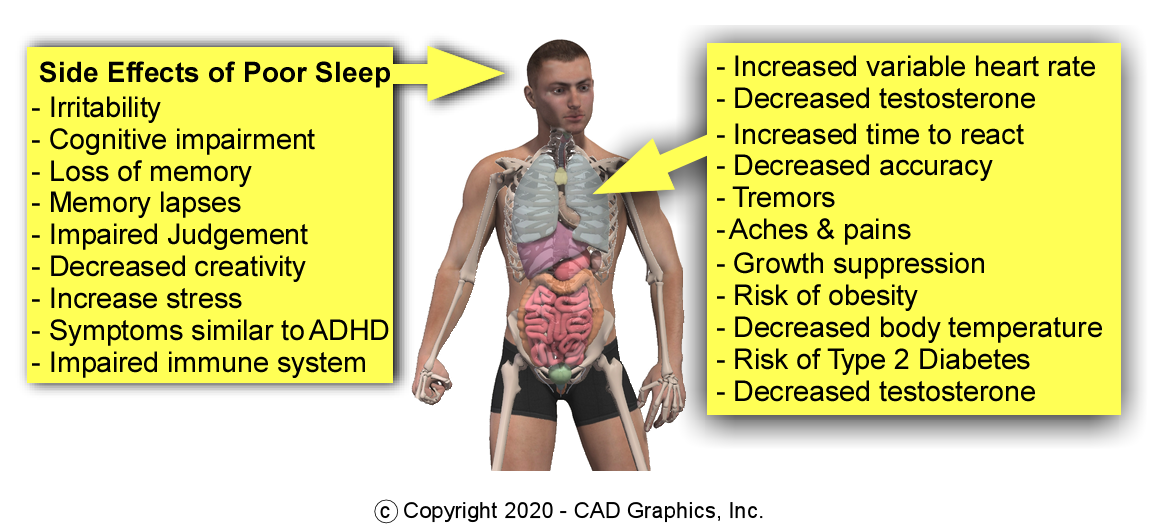
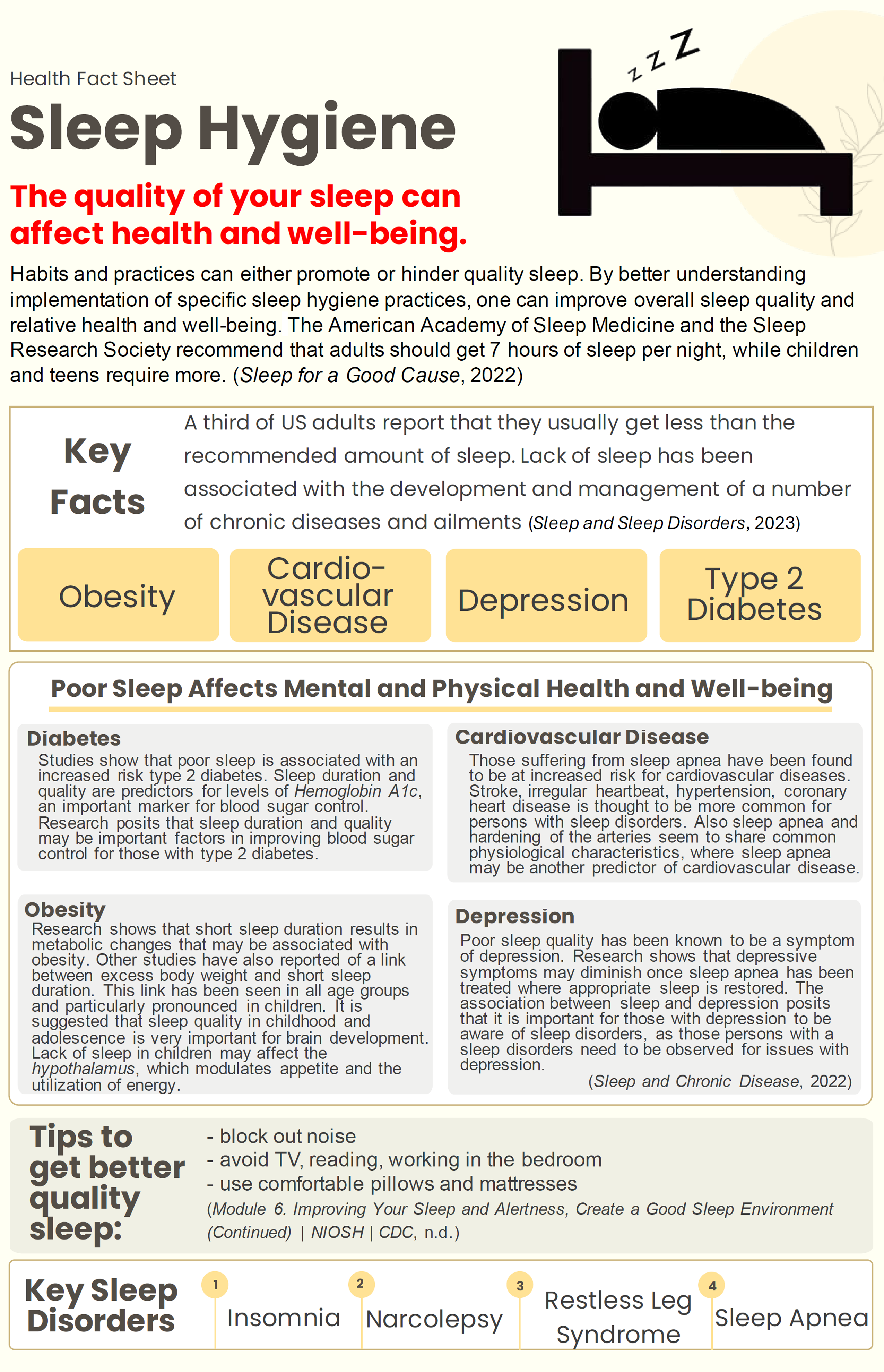
The quality of your sleep can affect your health and well-being. Habits and practices can either promote or hinder quality sleep. By better understanding the implementation of specific sleep hygiene practices, one can improve overall sleep quality and relative health and well-being. The American Academy of Sleep Medicine and the Sleep Research Society recommend that adults should get 7 hours of sleep per night, while children and teens require more. A third of US adults report that they usually get less than the recommended amount of sleep. Lack of sleep has been
associated with the development and management of several chronic diseases and ailments such as obesity, depression, diabetes, and cardiovascular diseases (Sleep and Sleep Disorders, 2023).

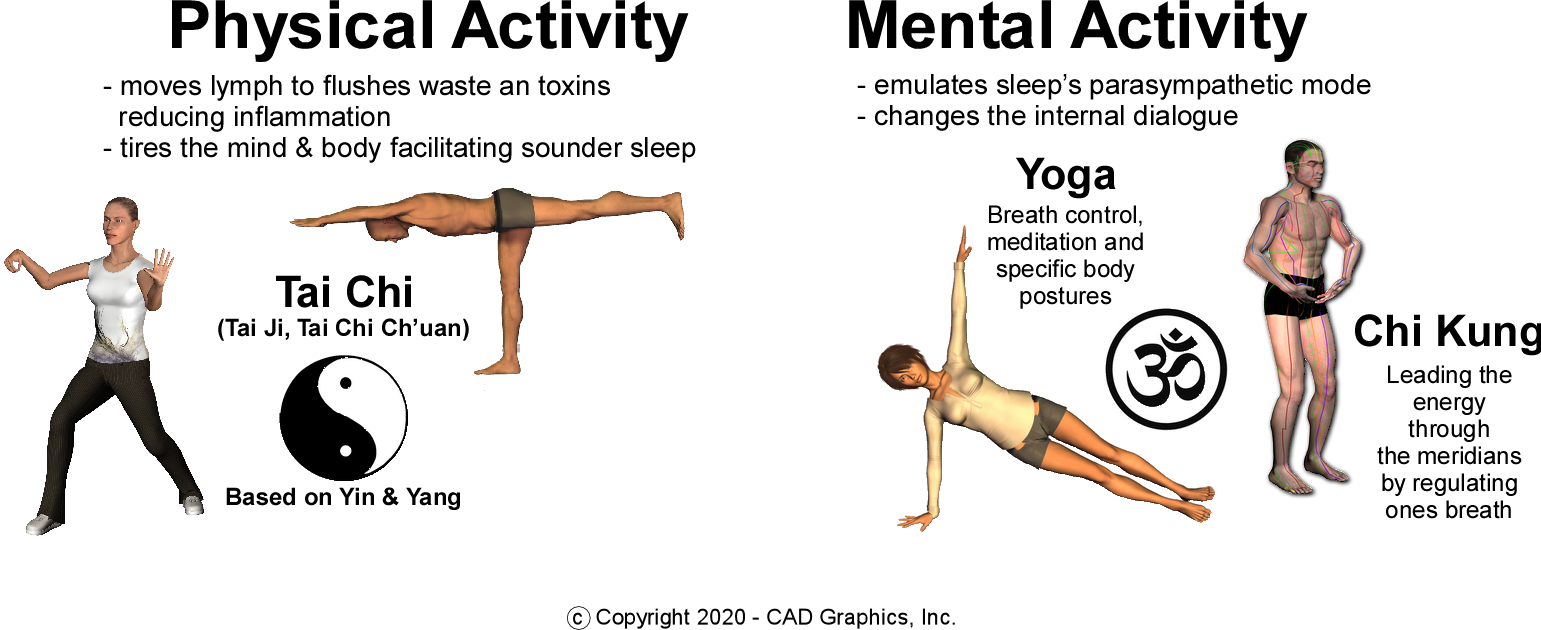
I have studied and practiced many sleep methods/behaviors and their relationship with exercise, meditation, and other mind/body practices. What we do or don’t do during our waking hours can determine the quality of our sleep at night. Conversely, how well we sleep, and duration can affect the quality of our waking hours also. Practicing stress relieving exercises and behaviors during the day such as yoga, mindful breathing, meditation, and tai chi, (A Prescription for Tai Chi? A UCLA Researcher Works to Position This Ancient Mind-body Practice Into Mainstream Medicine Nationwide. – Document – Gale General OneFile, 2024) and many other physical exercise methods, can help the mind and body to better process information and rejuvenate during the sleep stages. Mental output and activity often become stressful when we try to work, manage family duties, solve finances, and manage hundreds of other daily tasks. A good night’s rest is most often earned by what we eat, what we think, and what types of physical activity/exercise we practice throughout the day. This is what I have learned and experienced from my own anecdotal experiences.

Diabetes – Studies show that poor sleep is associated with an increased risk of type 2 diabetes. Sleep duration and quality are predictors for levels of Hemoglobin A1c, an important marker for blood sugar control. Research posits that sleep duration and quality may be important factors in improving blood sugar control for those with type 2 diabetes.

Obesity – Research shows that short sleep duration results in metabolic changes that may be associated with obesity. Other studies have also reported a link between excess body weight and short sleep duration. This link has been seen in all age groups and is particularly pronounced in children. It is suggested that sleep quality in childhood and adolescence is very important for brain development. Lack of sleep in children may affect the hypothalamus, which modulates appetite and the utilization of energy.

Cardiovascular Disease – Those suffering from sleep apnea are at increased risk for cardiovascular diseases. Stroke, irregular heartbeat, hypertension, and coronary heart disease are thought to be more common for persons with sleep disorders. Also sleep apnea and hardening of the arteries seem to share common physiological characteristics, whereas sleep apnea may be another predictor of cardiovascular disease.

Depression – Poor sleep quality has been known to be a symptom of depression. Research shows that depressive
symptoms may diminish once sleep apnea has been treated where appropriate sleep is restored. The association between sleep and depression posits that it is important for those with depression to be aware of sleep disorders, as those persons with sleep disorders need to be observed for issues with depression (Sleep and Chronic Disease, 2022).

Key Sleep Disorders:

  • Insomnia
  • Narcolepsy
  • Sleep Apnea
  • Restless Leg Syndrome

I found this topic of sleep hygiene to be very expansive. I have listed below behaviors that can be implemented to help ensure more sleep duration and better quality.

  • Refrain from eating or drinking much within 3 hours before bedtime.
  • Reduce consuming caffeinated or alcoholic drinks later in the day.
  • Eliminate afternoon naps after 3 p.m. if you usually sleep well during the night.
  • Perform some type of exercise every day.
  • Exercise or physical activity engaged close to bedtime can make it more difficult for some to fall asleep.
  • Follow a consistent schedule to help relax before sleep; shower, bathe, listen to music, read, etc.
  • Go to sleep when you are tired and try to rise at the same time each morning.
  • Reduce viewing lighted screens, such as TV, computer, or smartphone before going to bed.
  • Keep the bedroom quiet, cool, and dark.
  • Use a sleeping mask, earplugs, or a fan, to block light and reduce sounds.
  • Keep stimulus away from you and your bed. Accessing your phone, TV, or food while in bed can make it more difficult to fall asleep while in bed (Sleep and Your Health | Office on Women’s Health, n.d.)

References:

A Prescription for Tai Chi? A UCLA researcher works to position this ancient mind-body practice into mainstream medicine nationwide. (2024, March). Healthy Years, 21(3), 1+. https://link.gale.com/apps/doc/A783577598/ITOF?u=vol_vsc&sid=bookmark-ITOF&xid=07847cf8

Module 6. Improving your Sleep and Alertness, Create a Good Sleep Environment (Continued) | NIOSH | CDC. (n.d.). https://www.cdc.gov/niosh/work-hour-training-for-nurses/longhours/mod6/03.html

Sleep for a good cause. (2022, July 28). Centers for Disease Control and Prevention. https://www.cdc.gov/diabetes/library/features/diabetes-sleep.html

Sleep and sleep disorders. (2023, March 23). Centers for Disease Control and Prevention. https://www.cdc.gov/sleep/index.html

Sleep and your health | Office on Women’s Health. (n.d.). https://www.womenshealth.gov/mental-health/good-mental-health/sleep-and-your-health

I teach and offer lectures about holistic health, physical fitness, stress management, human behavior, meditation, phytotherapy (herbs), music for healing, self-massage (acupressure), Daoyin (yoga), qigong, tai chi, and baguazhang.

Please contact me if you, your business, organization, or group, might be interested in hosting me to speak on a wide spectrum of topics relative to better health, fitness, and well-being.

I look forward to further sharing more of my message by partnering with hospitals, wellness centers, VA centers, schools on all levels, businesses, and individuals who see the value in building a stronger nation through building a healthier population.

I also have hundreds of FREE education video classes, lectures, and seminars available on my YouTube channel at:

https://www.youtube.com/c/MindandBodyExercises

Many of my publications can be found on Amazon at:

http://www.Amazon.com/author/jimmoltzan

My holistic health blog is available at:

https://mindandbodyexercises.wordpress.com/

http://www.MindAndBodyExercises.com

Mind and Body Exercises on Google: https://posts.gle/aD47Qo

Jim Moltzan

407-234-0119