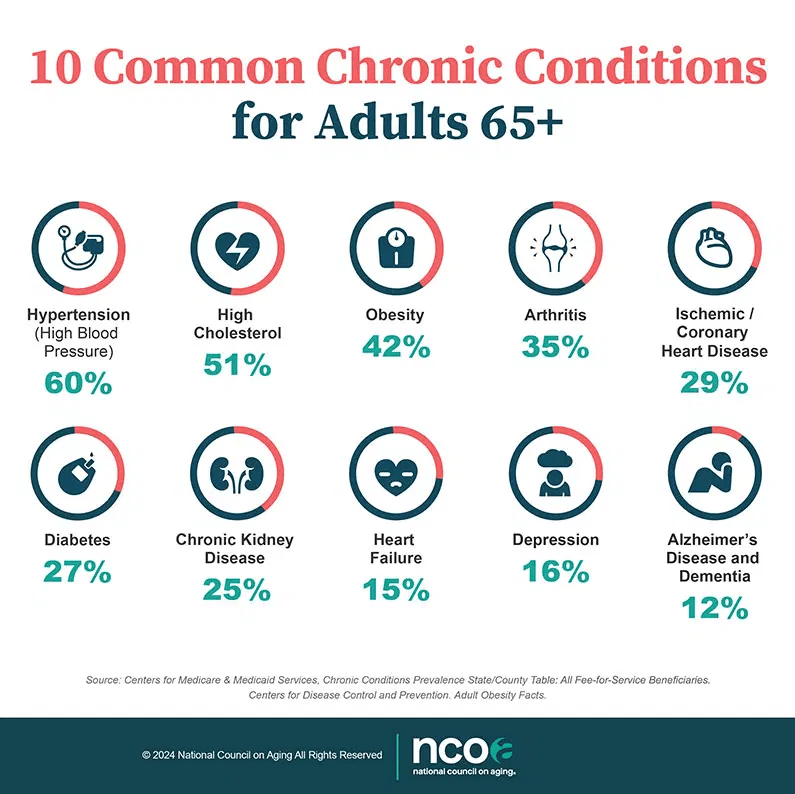
Health and Wellness Issues Have Worsened in Recent Decades

People in the US are experiencing many mental and physical diseases, ailments, and chronic conditions that were not nearly as prominent in years past. Many diseases and issues previously experienced by adults, are now seen in children. Some experts believe there is a definite link between our food, lack of physical activity, chemicals, other lifestyle choices, and the state of poor health in the US.
https://www.ncoa.org/article/the-top-10-most-common-chronic-conditions-in-older-adults/

General Prevalence:

  • Approximately 60 million adults (23.08%) in the U.S. experienced a mental illness in the past year, and nearly 13 million adults (5.04%) reported serious thoughts of suicide ​NAMIMental Health America.
  • Among youth aged 12-17, one in five experienced at least one major depressive episode, with over 56% not receiving any treatment ​Mental Health America.

Specific Disorders:

  • Anxiety Disorders: Affect 19.1% of U.S. adults ​NAMI.
  • Major Depressive Disorder: Approximately 8.3% of adults experience a major depressive episode ​NAMI.
  • Bipolar Disorder: Affects about 2.8% of the population ​NAMI.
  • Substance Use Disorders:
  • Over 45 million adults (17.82%) and 2.3 million youth (8.95%) are experiencing substance use disorders Mental Health America.

Barriers to Treatment:

  • The ratio of people to mental health providers is concerning, with around 340 individuals for every provider in many areas ​Mental Health America.
  1. Chronic Conditions:
    • Obesity: Over 42% of U.S. adults are classified as obese​ National Institute of Mental Health. This condition is linked to various other health issues, including diabetes and heart disease.
    • Cardiovascular Diseases: Conditions like hypertension and heart disease remain prevalent, contributing to high morbidity and mortality rates ​National Institute of Mental Health.
  2. Diabetes:
  3. Respiratory Conditions:
  4. Musculoskeletal Disorders:
  1. Prevalence of Mental Health Conditions:
    • Approximately 1 in 5 children (19%) aged 3-17 years has a diagnosed mental, emotional, or behavioral disorder ​CDCNAMI.
    • Mental health issues, including anxiety and depression, are particularly prominent, with anxiety disorders affecting 9.4% and major depressive episodes affecting 7.8% of this age group​PediatricsAmerican Psychological Association.
    • Developmental Disorders: Conditions such as ADHD and autism spectrum disorder are becoming more commonly diagnosed. Approximately 9.4% of children aged 2-17 have been diagnosed with ADHD, while around 1 in 36 children are diagnosed with autism​ HHS.govCDC.
  2. Suicidal Thoughts and Behaviors:
    • In 2023, 29% of high school students reported experiencing persistent feelings of sadness or hopelessness, and 14% reported seriously considering suicide​ CDCPediatrics.
    • Among LGBTQ+ youth, rates of suicidal ideation are alarmingly high, with 20% having attempted suicide ​CDCAmerican Psychological Association.
  3. Impact of Socioeconomic Factors:
    • Factors such as food insecurity, housing instability, and exposure to community violence contribute significantly to mental health challenges ​PediatricsAmerican Psychological Association. Structural racism also plays a critical role, particularly affecting Indigenous and Black children, who face higher rates of mental health issues and trauma ​Pediatrics.
  4. Access to Treatment:
    • Despite the high prevalence of mental health conditions, many children lack access to necessary care. For instance, 50.6% of youth aged 6-17 with mental health disorders received treatment​NAMI. There are significant disparities based on socioeconomic status and race​ PediatricsAmerican Psychological Association.
  5. Improvements and Challenges:
    • Some improvements have been noted recently, such as a decrease in persistent sadness among students overall, but increases in experiences of bullying and school safety concerns have been observed ​CDC. The ongoing challenges underscore the need for more comprehensive support systems in schools and communities ​PediatricsNAMI.
  1. Obesity: Childhood obesity is a significant concern, affecting approximately 19.7% of children aged 2 to 19 years as of 2020. This prevalence is higher among Hispanic (26.2%) and Black (24.8%) children compared to their White (16.6%) and Asian (9.0%) counterparts​ CDC. The annual medical costs related to obesity for U.S. children is estimated to be $1.3 billion CDC.
  2. Asthma: Approximately 7.5% of children in the U.S. have asthma, making it one of the most common chronic respiratory diseases. Asthma rates have been shown to vary with socioeconomic status, with children from lower-income families more likely to be affected​ CDC.
  3. Allergies: Allergic conditions, including food allergies and allergic rhinitis (hay fever), are prevalent among children. It’s estimated that 8% of children have food allergies, with increases seen in recent years​ CDC.
  4. Diabetes: The prevalence of diagnosed diabetes (both Type 1 and Type 2) among children is around 1.5%. There has been a notable increase in Type 2 diabetes, attributed to rising obesity rates​ CDC.
  5. Sleep Disorders: Conditions such as sleep apnea affect an estimated 2% to 5% of children, often linked to obesity and resulting in various physical and mental health issues​ CDC.
  6. Vision and Hearing Impairments: Around 5% of children have some form of visual impairment, while 1.4% experience hearing loss​ CDC.
  7. Injuries: Unintentional injuries remain a leading cause of morbidity among children, with thousands of emergency department visits annually related to accidents​ CDC.

The combined rise in mental health issues and chronic physical conditions points to a pressing health crisis in the U.S. The COVID-19 pandemic has exacerbated these challenges, leading to increased stress, anxiety, and social isolation, which further complicate access to care and treatment​

Mental Health America. It’s crucial for healthcare systems and policymakers to address these issues, focusing on improving access to mental health resources and integrating physical health strategies to support overall well-being.

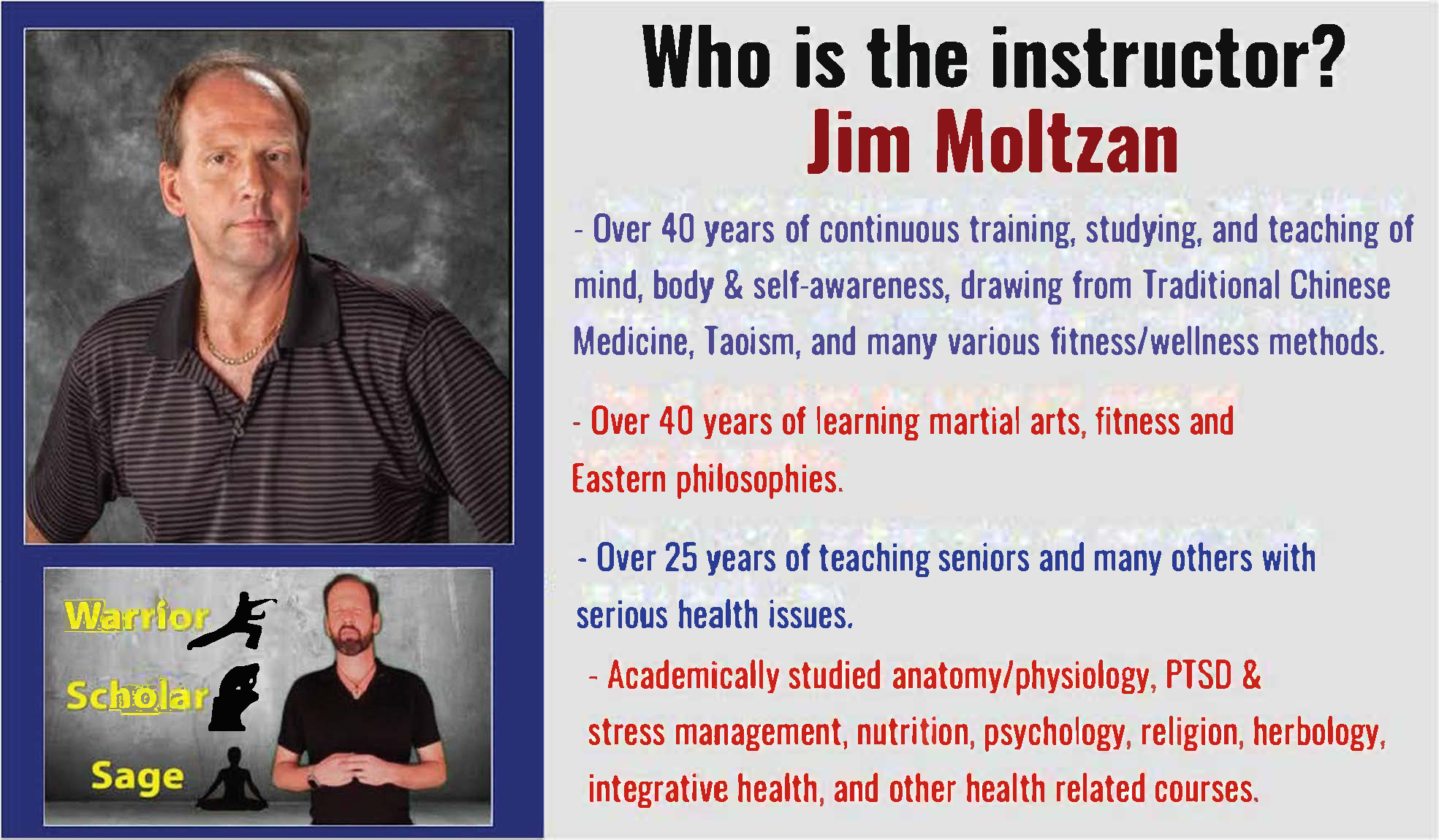
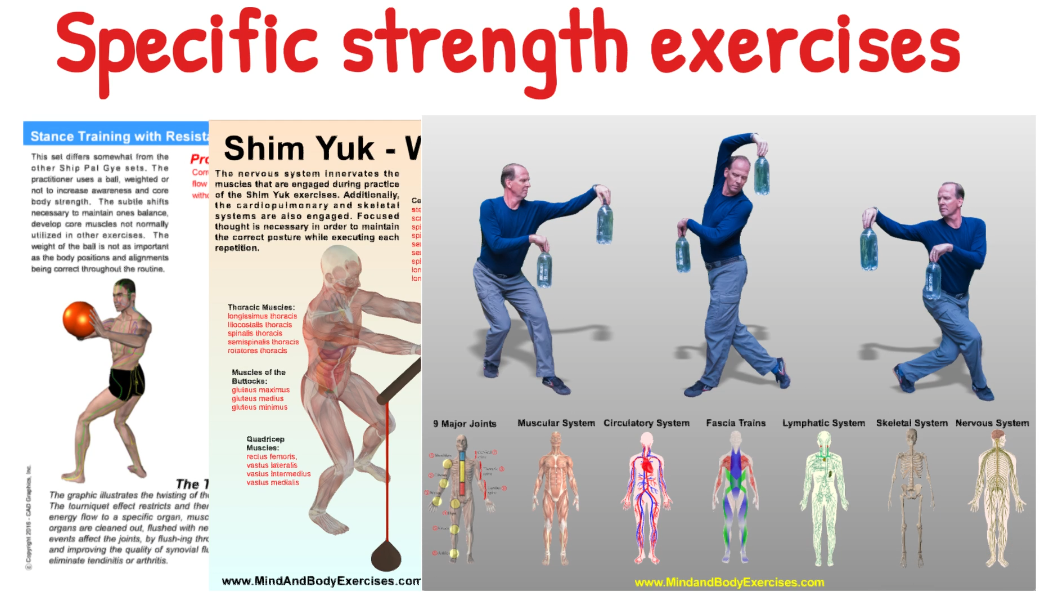
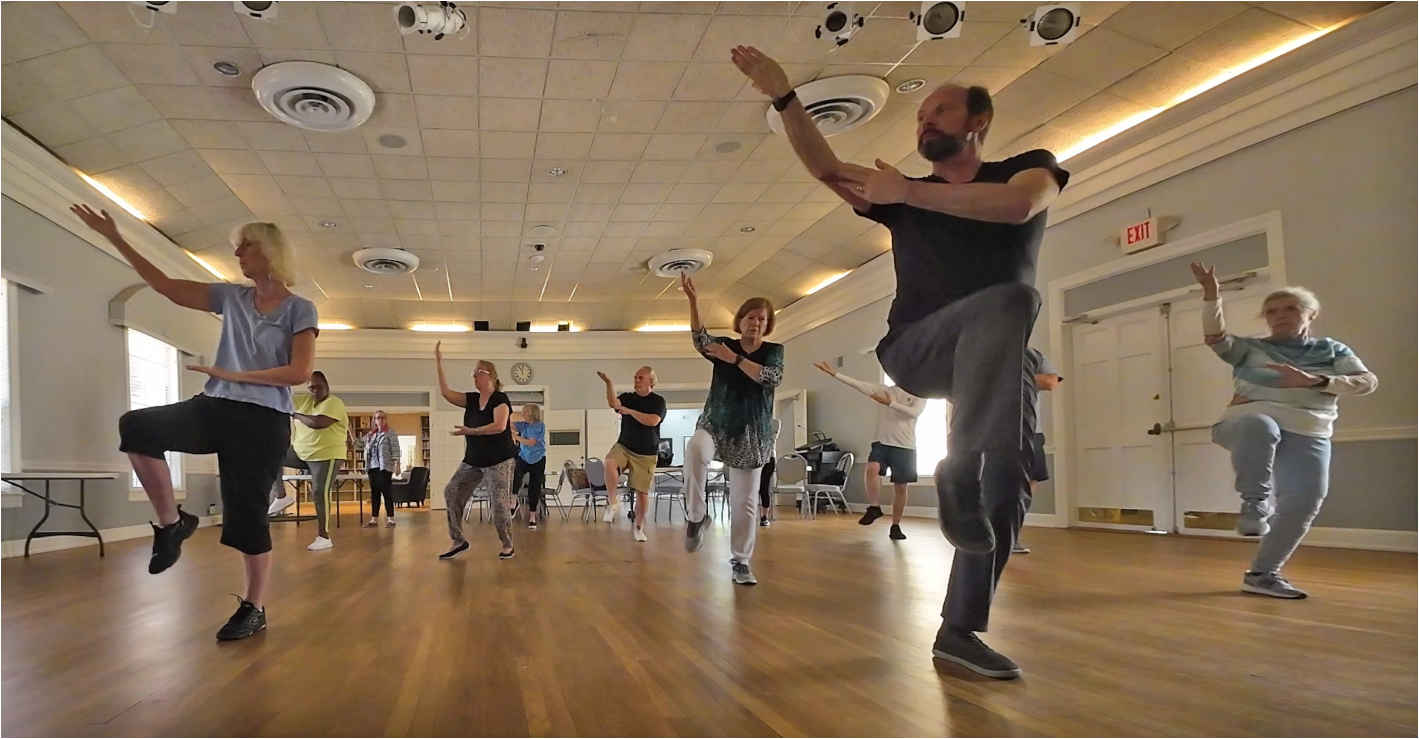
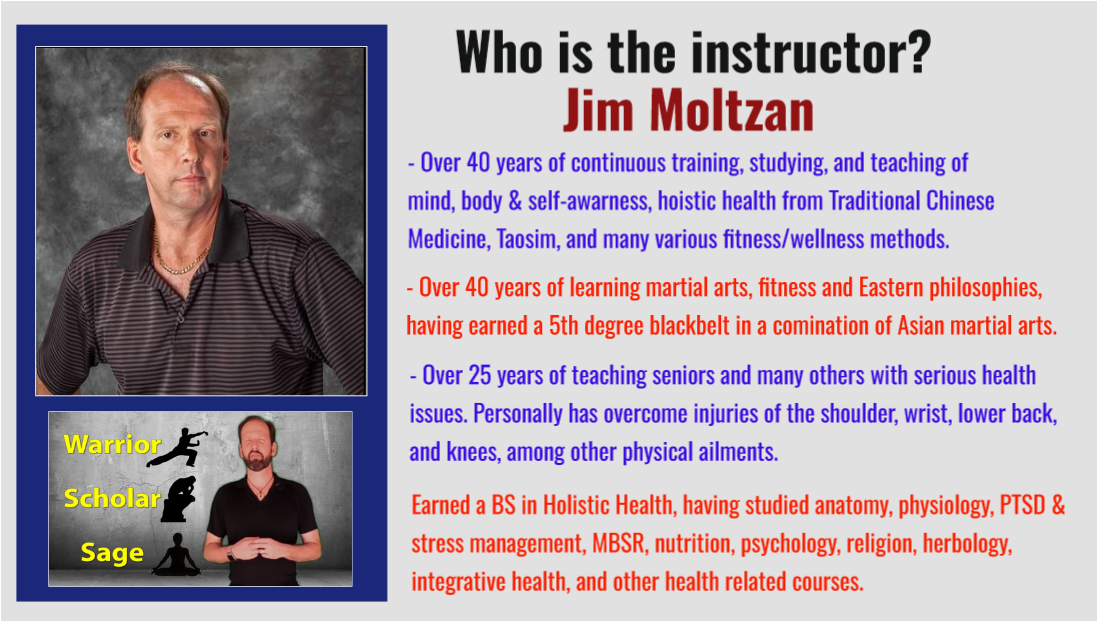
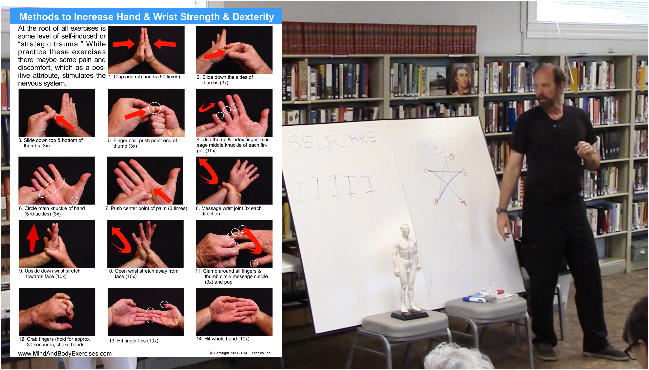
I teach and offer lectures about holistic health, physical fitness, stress management, human behavior, meditation, phytotherapy (herbs), music for healing, self-massage (acupressure), Daoyin (yoga), qigong, tai chi, and baguazhang.

Please contact me if you, your business, organization, or group might be interested in hosting me to speak on a wide range of topics related to better health, fitness, and well-being.

I look forward to further sharing my message by partnering with hospitals, wellness centers, VA centers, schools on all levels, businesses, and individuals who see the value in building a stronger nation through a healthier population.

I also have hundreds of FREE education video classes, lectures, and seminars available on my YouTube channel at:

https://www.youtube.com/c/MindandBodyExercises

Many of my publications can be found on Amazon at:

http://www.Amazon.com/author/jimmoltzan

My holistic health blog is available at:

https://mindandbodyexercises.wordpress.com/

http://www.MindAndBodyExercises.com

Mind and Body Exercises on Google: https://posts.gle/aD47Qo

Jim Moltzan
Seasonal Affective Disorder (SAD)

What is Seasonal Affective Disorder?

Seasonal affection disorder (SAD) is defined as a subtype of depression, where an individual experiences chronic major depression that follows a seasonal pattern. SAD most often occurs during the winter months. The exact cause of SAD is unknown but is thought to probably manifest from hormone and neurotransmitter dysfunction affecting the nervous and psychic-emotional systems of the human body (Piotrowski, 2022).

Theories of What Causes SAD

Research points towards the winter form of SAD, involving the hormone melatonin, which is a substance secreted by the brain’s pineal gland. Melatonin affects mood and energy levels as well as helps to regulate sleep-wake cycles. Studies reflect too much, or prolonger secretion of melatonin may promote SAD (Ettinger, 2018).

Melatonin as well as serotonin systems are influenced by the earth’s daily dark-light cycle also known as photoperiodism. SAD can thereby be related to seasonal disturbances in the earth’s dark-light cycle and its relative effect on individuals (Ettinger, 2018).

Key Symptoms of SAD

  • Seasonal patterns of experiencing of a depressed mood that may include feelings of sadness, emptiness, or tearfulness
  • A lack of interest or pleasure in most activities for most of the day
  • Significant loss or gain of bodyweight
  • Insomnia (inability to sleep) or hypersomnia (excessive sleep)
  • Psychomotor agitation or psychomotor retardation
  • Loss of energy (fatigue)
  • Feelings of worthlessness or inappropriate guilt
  • Diminished ability to think or concentrate
  • Recurrent thoughts of death or suicide ideation (Piotrowski, 2022)

Who Suffers From SAD?

  • Research shows that people living in northern climates are more likely to be affected by SAD than people living at other latitudes.
  • Most persons who will experience this problem will be in their twenties and thirties.
  • Individuals typically experience depression as the amount of daylight decreases with the advancing of the winter season.
  • Women are two to four times more likely than men to develop SAD.
  • Rates for newly diagnosed with SAD tend to decrease during the fifties and decrease dramatically after age sixty-five (Piotrowski, 2022).
  • SAD affects 0.5 to 3 percent of individuals in the general population. It affects 10-20% of people with major depressive disorder and about 25% of those with bipolar disorder (Seasonal Affective Disorder: MedlinePlus Genetics, n.d.)

Treatment Options

Phototherapy or light therapy is the dominant treatment for those affected by this disorder. Exposure to light can be difficult for some people as each may have unique circumstances in relation to their environment, schedules and careers which may help to limit access to light (Piotrowski, 2022).

Phototherapy involves sitting in front of a specific type of therapeutic light source for anywhere from thirty to ninety minutes. This treatment is usually done in the morning each day. Serotoninergic antidepressant medication is sometimes used along with phototherapy (Piotrowski, 2022).

Cognitive behavioral therapy is another type of treatment where thought patterns are modified to manage SAD. There are also light visors having a light source built into the brim that can help those with this disorder (Piotrowski, 2022).

References:

Biard,G. (2008), CC BY-SA 3.0, https://commons.wikimedia.org/w/index.php?curid=10095047

Ettinger, R. H. (2018). Psychology: The Science of Behavior (6th ed.). BVT Publishing.

Francis, G. (2019), http://www.PacificProDigital.com, CC BY-SA 4.0, https://commons.wikimedia.org/w/index.php?curid=81371623

Piotrowski, N. A. . P. D., & Prerost, F. J. . P. D. (2022). Seasonal affective disorder. Magill’s Medical Guide (Online Edition).

Seasonal affective disorder: MedlinePlus Genetics. (n.d.). https://medlineplus.gov/genetics/condition/seasonal-affective-disorder/

I teach and offer lectures about holistic health, physical fitness, stress management, human behavior, meditation, phytotherapy (herbs), music for healing, self-massage (acupressure), Daoyin (yoga), qigong, tai chi, and baguazhang.

Please contact me if you, your business, organization, or group, might be interested in hosting me to speak on a wide spectrum of topics relative to better health, fitness, and well-being.

I look forward to further sharing more of my message by partnering with hospitals, wellness centers, VA centers, schools on all levels, businesses, and individuals who see the value in building a stronger nation through building a healthier population.

I also have hundreds of FREE education video classes, lectures, and seminars available on my YouTube channel at:

https://www.youtube.com/c/MindandBodyExercises

Many of my publications can be found on Amazon at:

http://www.Amazon.com/author/jimmoltzan

My holistic health blog is available at:

https://mindandbodyexercises.wordpress.com/

http://www.MindAndBodyExercises.com

Mind and Body Exercises on Google: https://posts.gle/aD47Qo

Jim Moltzan
407-234-0119

Perspectives on Managing Stress

Johann Wolfgang von Goethe (1749-1832), the German author of Faust and other literary works, once wrote:

“Things which matter most must never be at the mercy of things which matter least.”

We need to have our priorities in proper order for our own individual goals and responsibilities. It is easy to become caught up in trivial issues that have no real impact on the more important issues that may actually affect our health and well-being. My understanding of stress is an excess of focused attention to a particular issue that may become a detriment to one’s health and well-being of their mind, body, or spiritual awareness. This extra attention can make its way into our thoughts through our senses of sight, hearing, touch, smell, and taste. As our sensory organs receive potential negative input, and relay signals to the brain, our nervous system will make adjustments to the various organ systems and chemistry of the blood throughout our bodies. Stress hormones affect the organs and overall health of the individual leading us back to a potential vicious circle of our health affecting our thoughts and emotions and causing more stress back throughout the body.

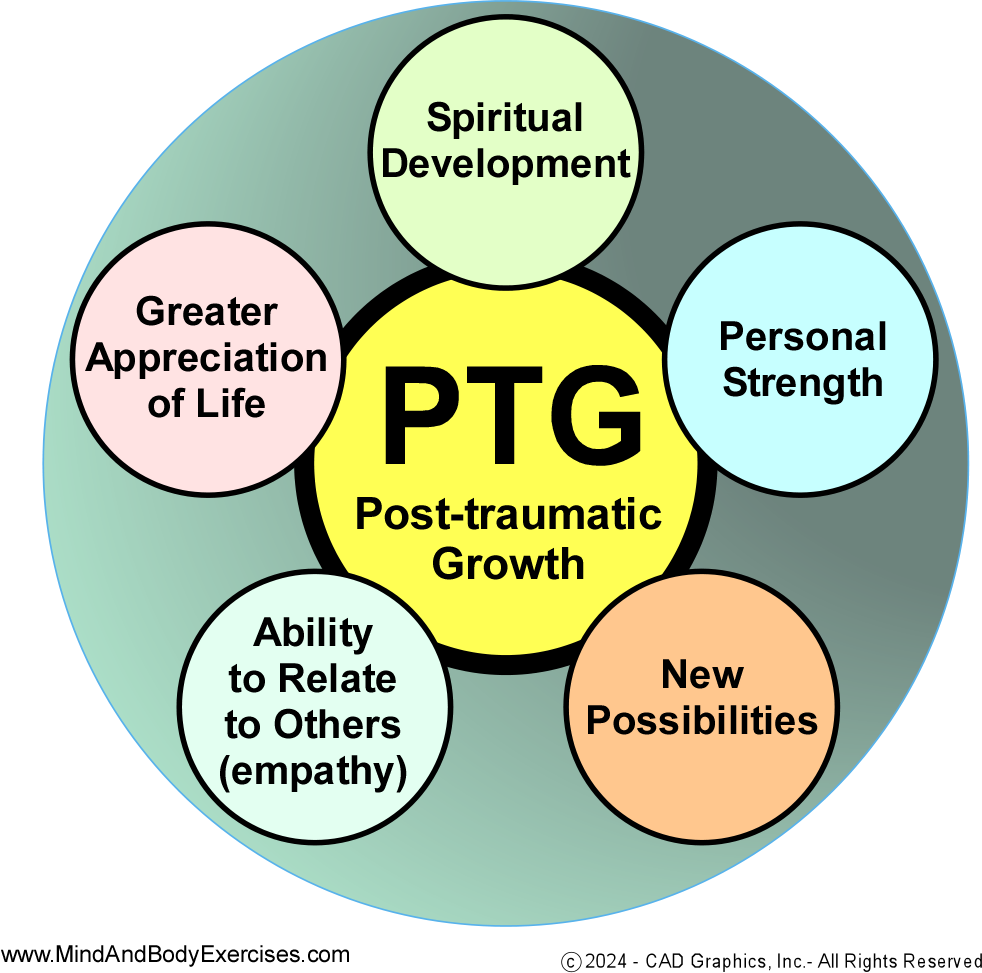
Some stress is actually needed for us to be able to manage the ups and downs we encounter in daily life. I have come to understand that everyone manages stress with their own unique skill set of coping mechanisms and available resources. What is quite stressful for one person may be a minor inconvenience for others. Similarly, when someone experiences some type of traumatic event, they may later experience post-traumatic stress disorder (PTSD), whereas another individual with different coping skills may come to experience post-traumatic growth (PTG). PTG is the term for what may happen when a person who struggles psychologically from trauma and adversity, may come to experience positive, transformative changes in their behavior and mindset (Collier, 2016). Either way, I think that most people try not to be stressed or traumatized, but when they do experience either, there is a wide variety of self-regulation skills that one can access. I have been introduced to various theories such as self-efficacy theory (SET) and self-determination theory (SDT) where individuals can be active participants in how they manage their own thoughts, emotions, and relative actions (Simons-Morton & Lodyga, 2021).

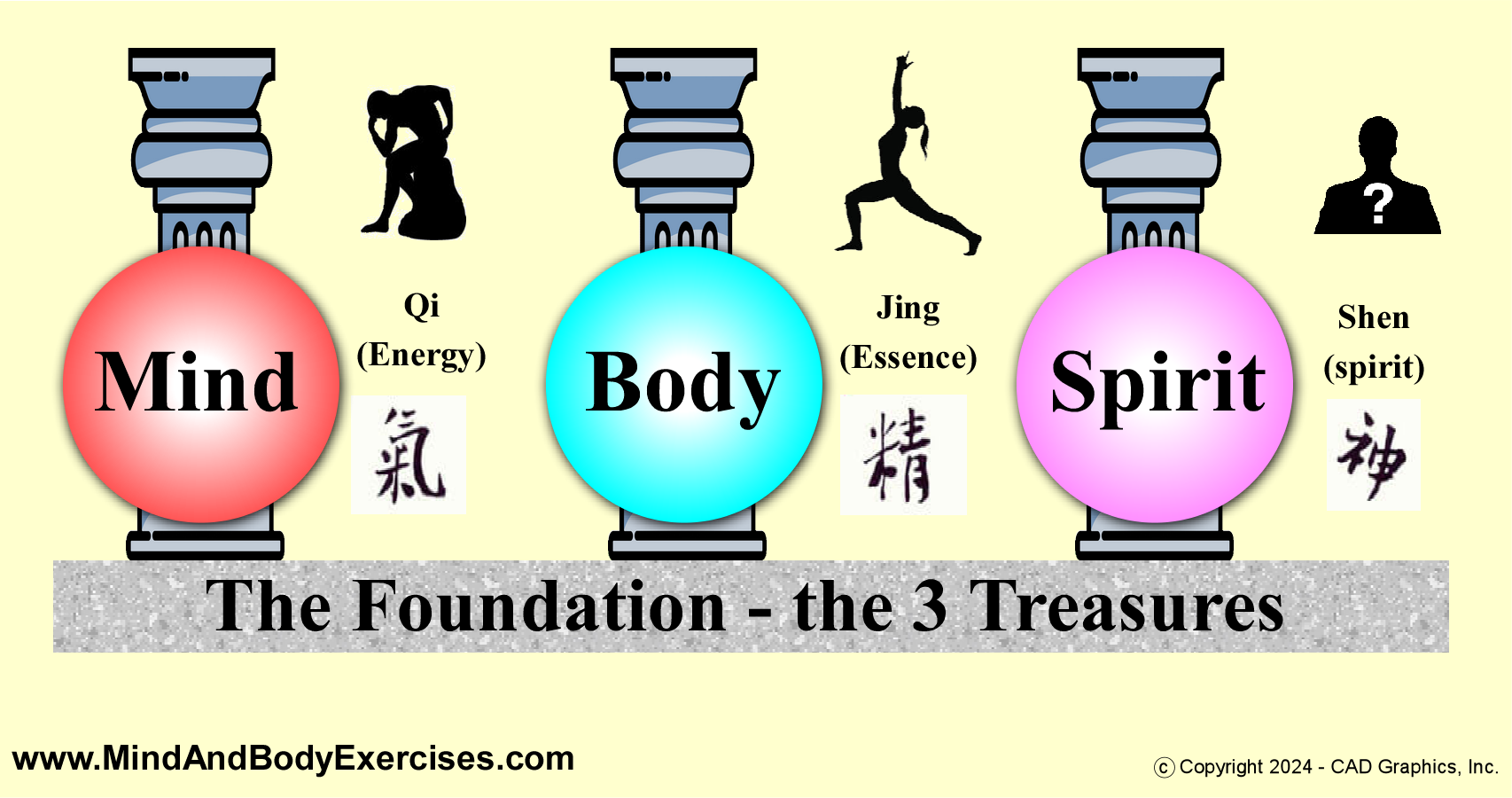
I think everyone has stress on some level in their daily lives. However, I have been fortunate to figure out at an early age that the most important things in my life is my mind, body and spiritual awareness. Once I learned that this is a universal truth that is hard to debate, I realized that everything is connected to the balance and well-being of our physical body, our mental understanding, and an awareness of a higher power along with a sense of purpose or life direction. With the prior being said, I still do experience the daily mundane stresses of tasks, work-related circumstances, interactions with people, studying for this course and a host of other issues many others deal with also. However, I realize that I am the one controlling my thoughts, emotions, and actions, and consequently, I determine how much or how little stress I allow to manifest in my life.

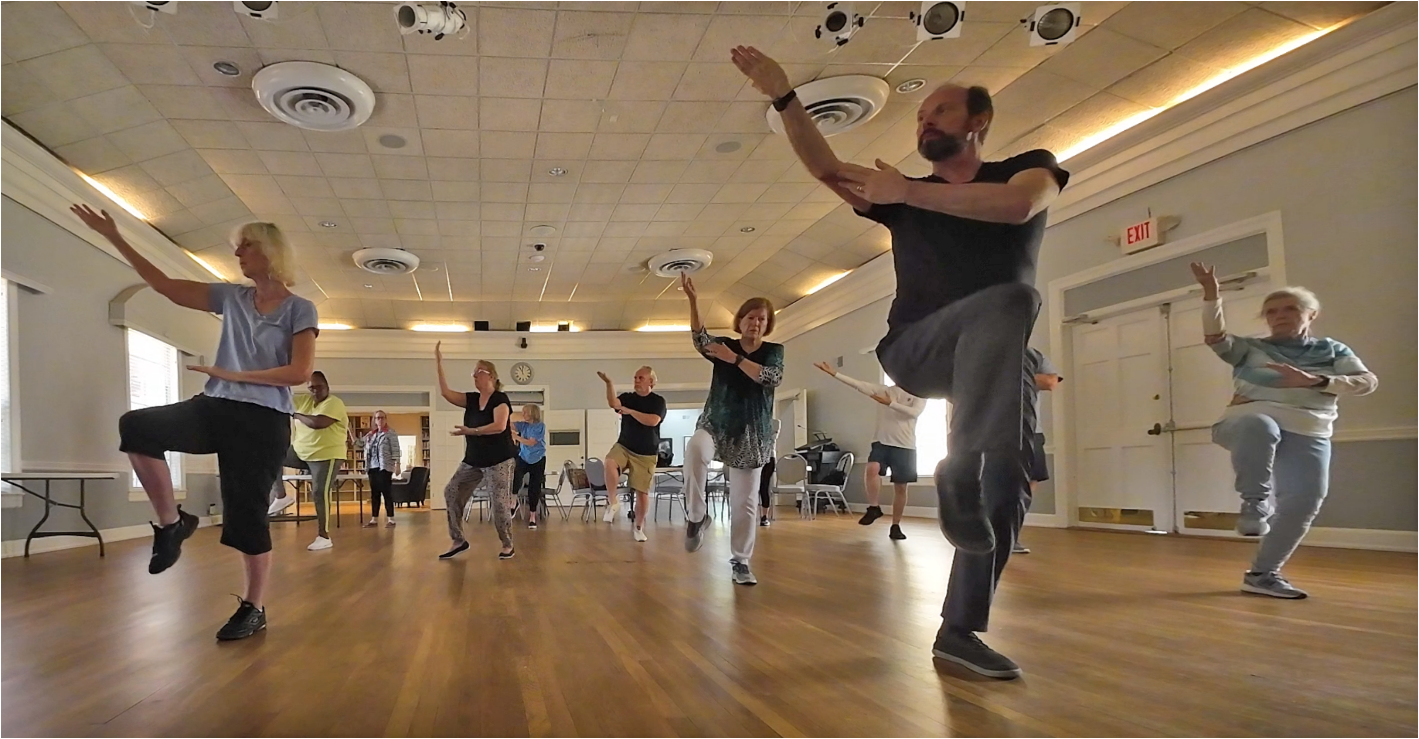
I am currently managing my stress by monitoring my diet and appropriate nutrition, exercising consistently by practicing of sitting, standing, and moving meditation methods like tai chi, qigong, and other martial arts, as well as some resistance/weight training, and cardiovascular exercises, while trying to get about 7-8 hours of sleep. I have studied and practiced many sleep methods/behaviors and their relationship with exercise, meditation, and other mind/body practices. What we do or don’t do during our waking hours can determine the quality of our sleep at night. Conversely, how well we sleep, and duration can affect the quality of our waking hours also. Practicing stress relieving exercises and behaviors during the day such as yoga, mindful breathing, meditation, tai chi, (A Prescription for Tai Chi? A UCLA Researcher Works to Position This Ancient Mind-body Practice Into Mainstream Medicine Nationwide. – Document – Gale General OneFile, 2024) and many other physical exercise methods, can help the mind and body to better process information and rejuvenate during the sleep stages. Mental output and activity often become stressful when we try to work, manage family duties, solve finances, and manage hundreds of other daily tasks. A good night’s rest is most often earned by what we eat, what we think, and what types of physical activity/exercise we practice throughout the day. This is what I have learned and experienced from my own anecdotal experiences.

References:

Collier, L. (2016). Growth after trauma. https://www.apa.org. https://www.apa.org/monitor/2016/11/growth-trauma

Simons-Morton, Bruce; Lodyga, Marc. (2021) Behavior Theory in Public Health Practice and Research. Jones & Bartlett Learning. Kindle Edition. 

A Prescription for Tai Chi? A UCLA researcher works to position this ancient mind-body practice into mainstream medicine nationwide. (2024, March). Healthy Years, 21(3), 1+. https://link.gale.com/apps/doc/A783577598/ITOF?u=vol_vsc&sid=bookmark-ITOF&xid=07847cf8

I teach and offer lectures about holistic health, physical fitness, stress management, human behavior, meditation, phytotherapy (herbs), music for healing, self-massage (acupressure), Daoyin (yoga), qigong, tai chi, and baguazhang.

Please contact me if you, your business, organization, or group might be interested in hosting me to speak on a wide range of topics related to better health, fitness, and well-being.

I look forward to further sharing my message by partnering with hospitals, wellness centers, VA centers, schools on all levels, businesses, and individuals who see the value in building a stronger nation through a healthier population.

I also have hundreds of FREE education video classes, lectures, and seminars available on my YouTube channel at:

https://www.youtube.com/c/MindandBodyExercises

Many of my publications can be found on Amazon at:

http://www.Amazon.com/author/jimmoltzan

My holistic health blog is available at:

https://mindandbodyexercises.wordpress.com/

http://www.MindAndBodyExercises.com

Mind and Body Exercises on Google: https://posts.gle/aD47Qo

Jim Moltzan
407-234-0119

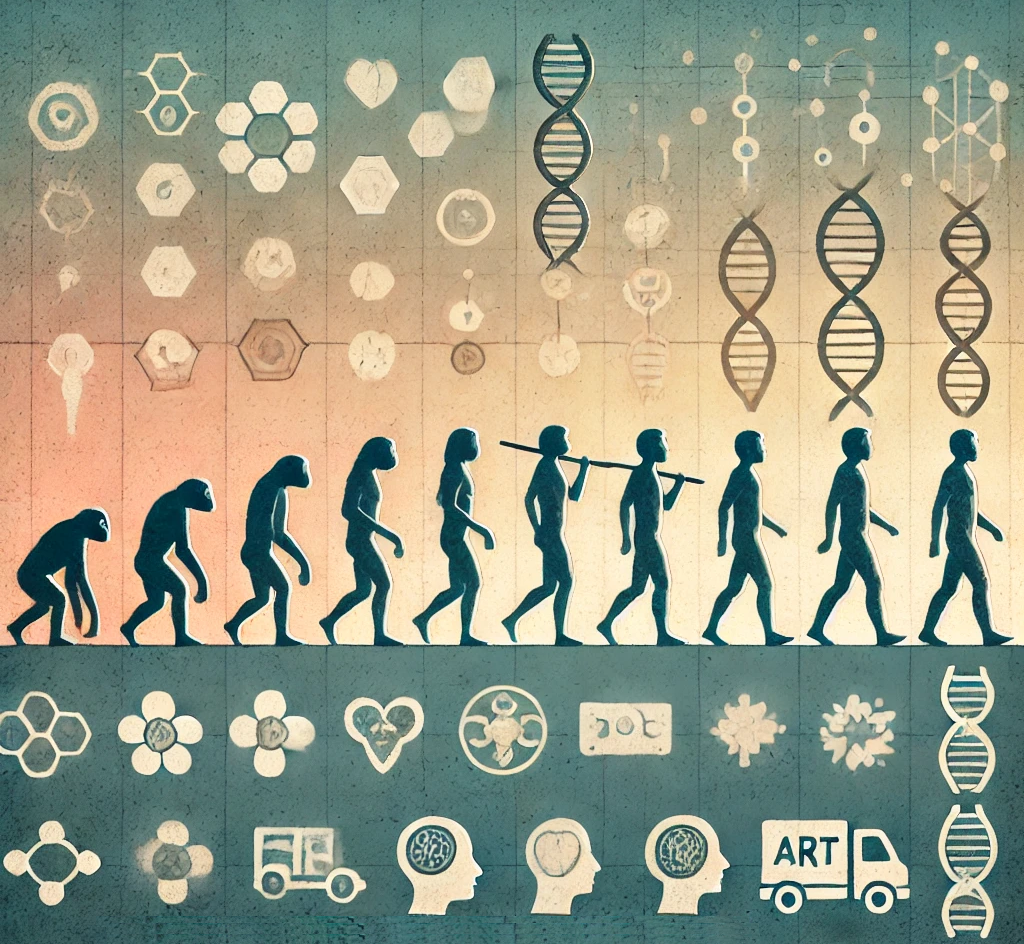
Evolutionary Psychology in Modern Life: Health, Behavior, and Society

References

Buss, D. M., Larsen, R. J., Westen, D., & Semmelroth, J. (1992). Sex Differences in Jealousy: Evolution, Physiology, and Psychology. Psychological Science, 3(4), 251–255. http://www.jstor.org/stable/40062797

Gluckman, Peter; Beedle, Alan; Buklijas, Tatjana; Low, Felicia; Hanson, Mark. (2016) Principles of Evolutionary Medicine (p. 261-284). OUP Oxford. Kindle Edition.

Gluckman, Peter; Beedle, Alan; Buklijas, Tatjana; Low, Felicia; Hanson, Mark. (2016) Principles of Evolutionary Medicine (pp. 324-325). OUP Oxford. Kindle Edition.

Richard Hickman. (2016). Reflections on Art Making and Evolutionary Psychology. The Journal of Aesthetic Education, 50(3), 1–12. https://doi.org/10.5406/jaesteduc.50.3.0001 Saad, G. (2006). Applying Evolutionary Psychology in Understanding the Darwinian Roots of Consumption Phenomena. Managerial and Decision Economics, 27(2/3), 189–201. http://www.jstor.org/stable/25151431

I teach and offer lectures about holistic health, physical fitness, stress management, human behavior, meditation, phytotherapy (herbs), music for healing, self-massage (acupressure), Daoyin (yoga), qigong, tai chi, and baguazhang.

Please contact me if you, your business, organization, or group might be interested in hosting me to speak on a wide range of topics related to better health, fitness, and well-being.

I look forward to further sharing my message by partnering with hospitals, wellness centers, VA centers, schools on all levels, businesses, and individuals who see the value in building a stronger nation through a healthier population.

I also have hundreds of FREE education video classes, lectures, and seminars available on my YouTube channel at:

https://www.youtube.com/c/MindandBodyExercises

Many of my publications can be found on Amazon at:

http://www.Amazon.com/author/jimmoltzan

My holistic health blog is available at:

https://mindandbodyexercises.wordpress.com/

http://www.MindAndBodyExercises.com

Mind and Body Exercises on Google: https://posts.gle/aD47Qo

Jim Moltzan

How Career and Income Define Respect in American Society

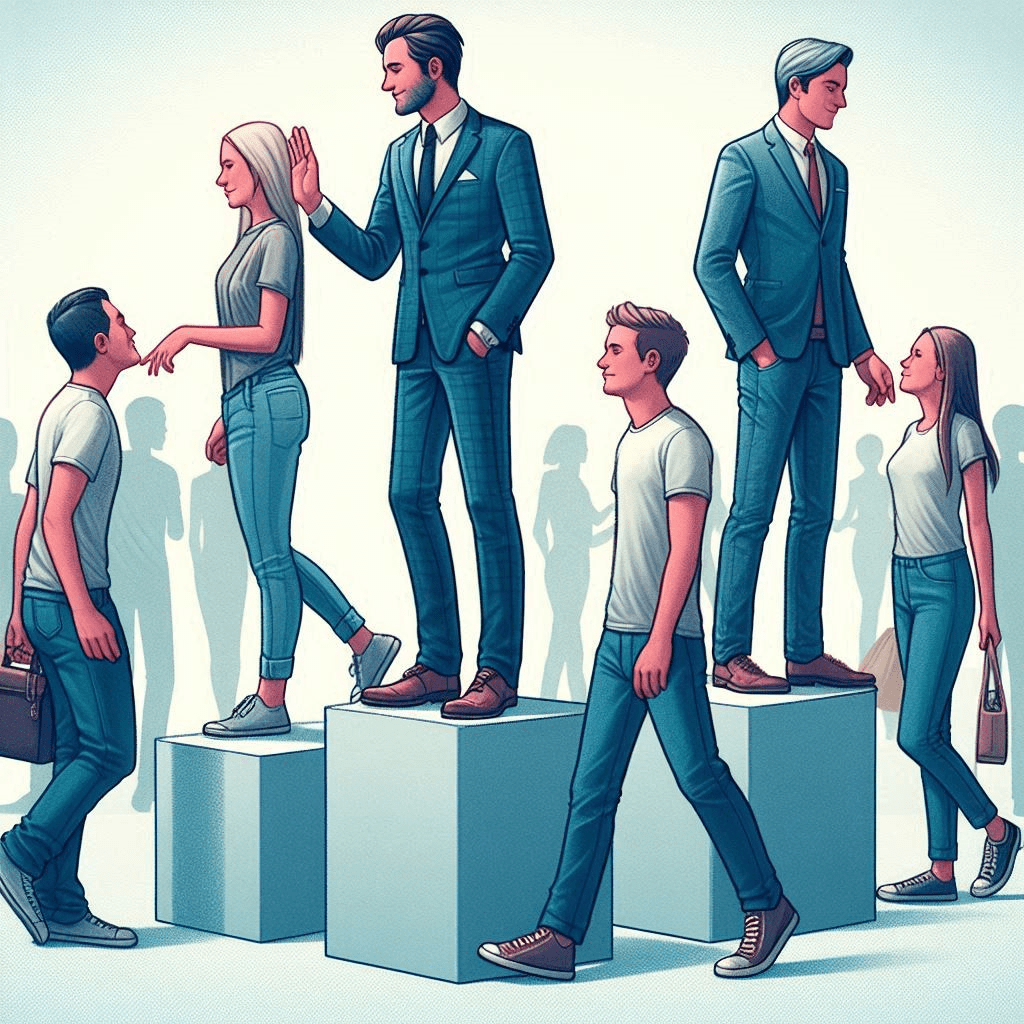
“What do you do for a living?” Isn’t this a typical icebreaker that many Americans use when first meeting someone? For many, this question can carry hidden judgments about education. income and social status. Are you a soldier, a doctor, a lawyer, a judge, a firefighter, a teacher, a law enforcement officer, an athlete, or a celebrity deserving more respect than others due to your level of contributions to society? Or a janitor, garbage collector, starving but aspiring artist, stay-at-home parent, and other professions or callings that maybe don’t garner much respect? Does the retired general or surgeon still expect others to jump to their requests, once they are no longer “in service?” I used to command… I used to manage…

Historically, career choice has often defined an individual’s identity, leading to feelings of invisibility or inadequacy when career titles are lost, changed, or unachieved. This pressure is magnified by America’s long-standing tendency to measure respect towards another based on their socioeconomic status. Psychologist Carl Jung proposed decades ago the concept of personas, which helps to shed light on this behavior. Jung theorized that personas are a type of social mask we wear in society to fulfill various roles that align with expectations for a particular social environment. In the context of the workplace, one’s professional roles become personas that they inhabit. When at home or in other social circles, one’s persona may change to fit the situation, circumstances and environment. The manager at work may also be the caring, understanding but disciplined parent at home. Likewise, the firefighter might also be a great cook or confident to others in need. When people ask, “What do you do?” they’re often asking about the persona or mask you wear in society, expecting a concise answer that reflects status or identity. However, for those in transition such as laid-off workers, retirees, or stay-at-home parents, answering this question can become challenging as their personas shift, blur or dissolve. These individuals may struggle to accept their current selves with their former, socially validated personas, which can lead to psychological issues, such as identity crises and feelings of inadequacy. due to feeling “unmoored” or disconnected from a former identity.

This career-centric perspective, sometimes referred to as “workism,” is deep-seated in American culture. It may have roots in the Protestant work ethic, which values hard or complex work as a measure of morality and worth. The result is a societal obsession with careers that often substitute family, community, and religion as the primary marker of value. In the US, socioeconomic status is quite often related to job titles and income, meaning that the “What do you do?” question also functions as a shortcut for determining respect and the perceived value of a person. This respect, or lack thereof, can create social friction, where those without distinguished titles feel slighted.

To reduce the unhealthy dependence on a career path as identity, experts suggest reframing the question or focusing on aspects of life outside and beyond one’s career. Jung’s approach would encourage developing a deeper understanding of one’s self beyond the persona, encouraging individuals to explore other aspects of their identities that are not dependent on professional success and/or recognition. Questions like, “What do you enjoy?” or “What are you passionate about?” may spark more meaningful conversations about who a person is, without linking the value of their character to their economic or social standing.

The American perspective on work and its complex culture has been slowly evolving. Younger generations are adopting a more open, less judgmental approach to non-traditional career paths. However, the stigma of defining oneself by a job title still lingers, leading to challenges in self-worth, especially when careers are in flux, disrupted, or ended for various reasons. As people move beyond “work enmeshment”— an unhealthy co-dependence on career identity — and begin to separate their self-value from their professional personas, they can cultivate new ways to contribute and find purpose. This might involve creative endeavors, personal growth, volunteering, or other areas of interest.

One valuable lesson I learned years ago from martial arts training is that “one must learn before they can earn,” along with the reminder that “happiness comes from within, not from mere recognition from others.”

I teach and offer lectures about holistic health, physical fitness, stress management, human behavior, meditation, phytotherapy (herbs), music for healing, self-massage (acupressure), Daoyin (yoga), qigong, tai chi, and baguazhang.

Please contact me if you, your business, organization, or group might be interested in hosting me to speak on a wide range of topics related to better health, fitness, and well-being.

I look forward to further sharing my message by partnering with hospitals, wellness centers, VA centers, schools on all levels, businesses, and individuals who see the value in building a stronger nation through a healthier population.

I also have hundreds of FREE education video classes, lectures, and seminars available on my YouTube channel at:

https://www.youtube.com/c/MindandBodyExercises

Many of my publications can be found on Amazon at:

http://www.Amazon.com/author/jimmoltzan

My holistic health blog is available at:

https://mindandbodyexercises.wordpress.com/

http://www.MindAndBodyExercises.com

Mind and Body Exercises on Google: https://posts.gle/aD47Qo

Jim Moltzan

407-234-0119