The Nature of Well-being: Insights and Biases in Recent Studies

I think that legitimate research studies can help support a particular perspective. However, we can often find studies that support our own beliefs, viewpoints, and agendas.

Recently I read an article titled Spending Time In Nature Is Good for You. New Research Explains Why, published at Healthline.com by Chantelle Pattemore, reports why spending time in nature is beneficial to our mental and physical well-being and specifically why (Pattemore, 2022).
This article was based on another article reporting new research coming from the University of Tokyo, where researchers found at least 10 new mechanisms that can positively affect mental and physical health (Huynh et al., 2022). These would include satisfactive, formative cohesive, and transcendent. Satisfactive would be a feeling that one’s needs and expectations are satisfied by way of interactions with nature. Formative would be where following interactions with nature, factors of attitude, behaviors, mood, and values change either instantly or over a short duration of time. Cohesive is the growth of significant human relationships through activities engaging with nature. Transcendent refers to obtaining spiritual or religious benefits after interacting with nature (Pattemore, 2022). This particular article references the observational research having come from a systematic review and analysis of 301 relevant peer-reviewed pieces of literature from 62 different countries. Most of the studies included and focused on local communities, followed by tourists, indigenous communities, farmers, fishers, and business owners (Huynh et al., 2022).

I feel that there definitely was the potential for research bias as the studies that were reviewed were mostly from Europe, Asia, and North America. Obviously, there are other regions of the world where people not only live near or within nature but may more or less embrace doing so depending upon many variables. Studies from Europe comprised 42.1% of articles, Asia comprised 21.7% of articles and North America comprised 18.5% of articles reviewed. Central and South America offered 6.5% of articles, Africa had 5.8% of articles, and Oceania had 5.4% of articles reviewed. Additionally, the studies focused on various locations of particular cultural ecosystem services (CESs) within each country. CESs are also referred to as the non-material or “intangible contributions” to well-being that nature provides. The reviewed studies focused on CESs from urban and semiurban ecosystems (26.2% of articles), forests and woodlands (20.2% of articles), inland water (12.5% of articles), and coastal areas (8.9% of articles) (Huynh et al., 2022).

I think that if the majority of the studies reviewed came from regions that are directly located near nature, such as coastal areas, mountainous areas, locations near some type of body of water, wooded areas, and others, people will probably have reasons why they think they receive benefits from the nature available in these types of areas. Conversely, I think that if the studies reviewed came from people dwelling happily within city buildings, separate from plant life or areas with less access to nature, they might be more inclined to report that they are not as concerned with access to nature. For this reason, I think this article might be considered as reviewing a captive audience knowing that people living close to nature are going to report positively about the benefits of doing so.

I do feel that this article has merit overall based on the reviewed data, but I actually find myself biased in favor of the results. I have lived within areas where I had much, as well as little easy access to nature and therefore have the benefit of being able to draw a comparison for myself as to what is better for my health and well-being. Another individual may find that living in a mostly concrete and metal environment, that offers them income and other resources, that may contribute to their own peace and satisfaction, is better for their own health and well-being. In conclusion, while I think that legitimate research studies can help support our own beliefs, viewpoints, and agendas particular perspective, there are often just as many studies that support contradictory viewpoints.

References:

Pattemore, C. (2022, August 5). Spending Time In Nature Is Good for You. New Research Explains Why. Healthline. Retrieved September 10, 2022, from https://www.healthline.com/health-news/spending-time-in-nature-is-good-for-you-new-research-explains-why

Huynh, L. T. M., Gasparatos, A., Su, J., Dam Lam, R., Grant, E. I., & Fukushi, K. (2022, August 5). Linking the nonmaterial dimensions of human-nature relations and human well-being through cultural ecosystem services. Science Advances, 8(31). https://doi.org/10.1126/sciadv.abn8042

I teach and offer lectures about holistic health, physical fitness, stress management, human behavior, meditation, phytotherapy (herbs), music for healing, self-massage (acupressure), Daoyin (yoga), qigong, tai chi, and baguazhang.

Please contact me if you, your business, organization, or group, might be interested in hosting me to speak on a wide spectrum of topics relative to better health, fitness, and well-being.

I look forward to further sharing more of my message by partnering with hospitals, wellness centers, VA centers, schools on all levels, businesses, and individuals who see the value in building a stronger nation through building a healthier population.

I also have hundreds of FREE education video classes, lectures, and seminars available on my YouTube channel at:

https://www.youtube.com/c/MindandBodyExercises

Many of my publications can be found on Amazon at:

http://www.Amazon.com/author/jimmoltzan

My holistic health blog is available at:

https://mindandbodyexercises.wordpress.com/

http://www.MindAndBodyExercises.com

Mind and Body Exercises on Google: https://posts.gle/aD47Qo

Jim Moltzan

407-234-0119
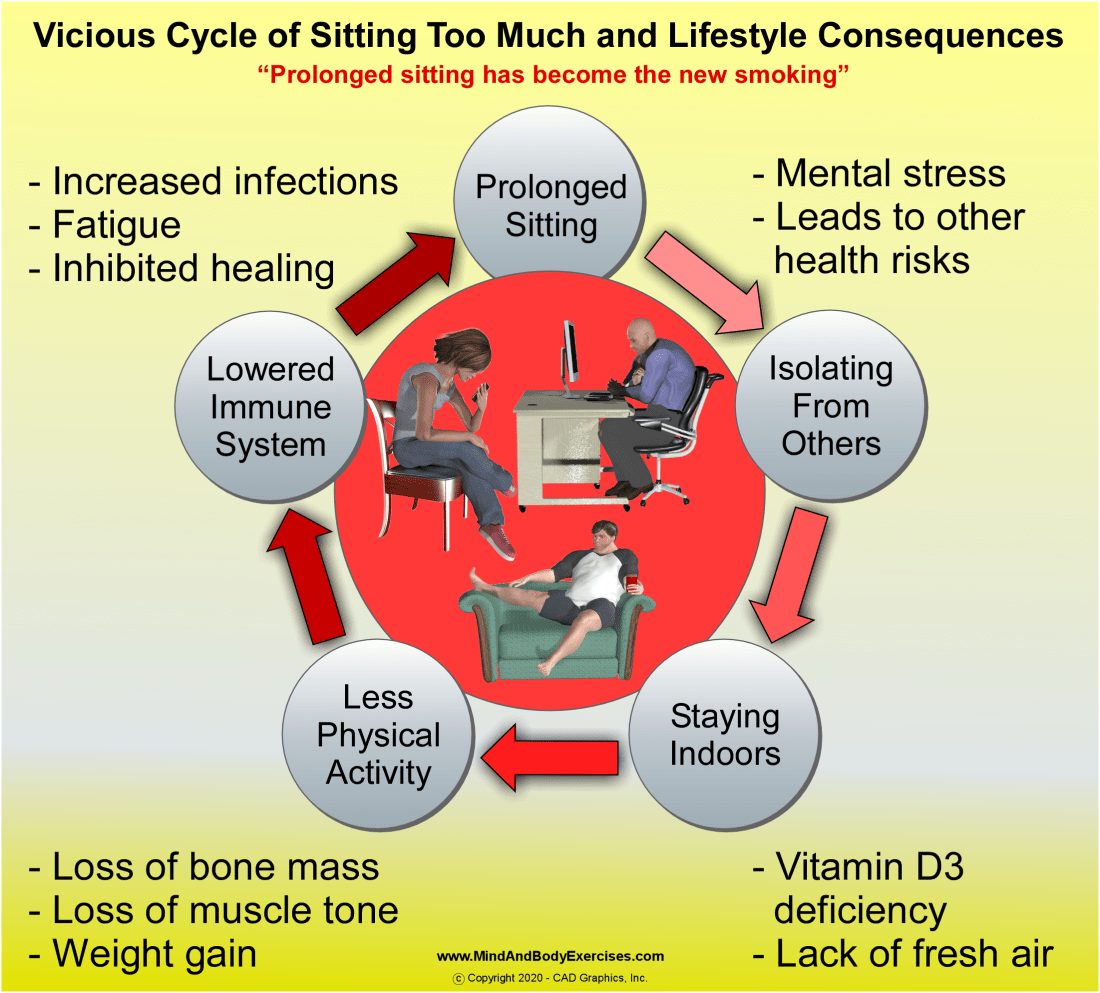
Prolonged Sitting is the “New Smoking”

View my recent discussion on the detrimental effects of prolonged sitting. I detail the health risks associated with prolonged sitting, such as heart disease, diabetes, and cancer. I also talked about the importance of finding activities that you enjoy and that will help you to stay active.

Health risks associated with prolonged sitting:

  • Heart disease: Prolonged sitting can lead to several cardiovascular problems, including high blood pressure, high cholesterol, and heart disease.
  • Diabetes: Prolonged sitting can increase your risk of developing type 2 diabetes.
  • Cancer: Prolonged sitting has been linked to an increased risk of several types of cancer, including colon cancer and breast cancer.
  • Prolonged sitting can also lead to several other health problems, such as obesity, back pain, and depression.

I suggest several activities, such as walking, biking, swimming, tai chi, qigong, and yoga. I also emphasize the importance of finding activities that are appropriate for your fitness level and that you can do regularly.

Finally, I offered some tips on how to reduce the amount of time you spend sitting. These tips include getting up and moving around every 30 minutes, taking the stairs instead of the elevator, and using a standing desk.

I teach and offer lectures about holistic health, physical fitness, stress management, human behavior, meditation, phytotherapy (herbs), music for healing, self-massage (acupressure), Daoyin (yoga), qigong, tai chi, and baguazhang.

Please contact me if you, your business, organization, or group, might be interested in hosting me to speak on a wide spectrum of topics relative to better health, fitness, and well-being.

I look forward to further sharing more of my message by partnering with hospitals, wellness centers, VA centers, schools on all levels, businesses, and individuals who see the value in building a stronger nation through building a healthier population.

I also have hundreds of FREE education video classes, lectures, and seminars available on my YouTube channel at:

https://www.youtube.com/c/MindandBodyExercises

Many of my publications can be found on Amazon at:

www.Amazon.com/author/jimmoltzan

My holistic health blog is available at:

https://mindandbodyexercises.wordpress.com/

www.MindAndBodyExercises.com

Mind and Body Exercises on Google: https://posts.gle/aD47Qo

Jim Moltzan

Balancing Mind, Body & Spirit Awareness – a graphical presentation

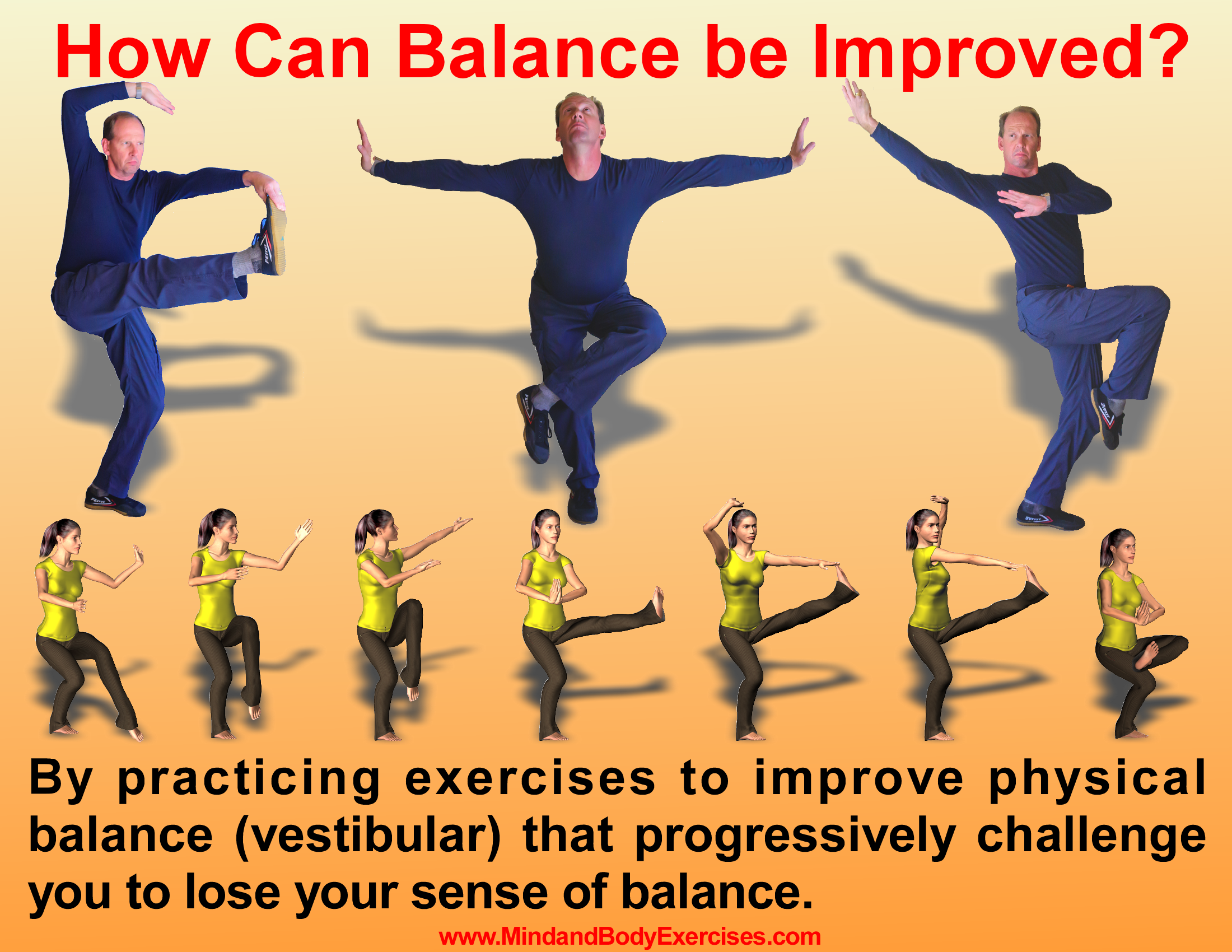
This is a graphical summary of my recent public discussion emphasizing the interconnectedness of physical, mental, and spiritual health in maintaining balance. A large portion of my discussion touched upon vestibular balance and how to prevent falls not just by cleaning up your walkways, but by increasing one’s ability to manage their center of gravity, increase leg strength, improving range of motion and the need to become more self-aware of one’s attention, one’s physical body as well as surrounding envirnment.

The role of knowledge, intelligence, and cognitive processes in balance.

The connection between beliefs, morals, values, and spiritual awareness.

The impact of mental health and emotional well-being on balance.

The concept of “deep roots” and their connection to physical balance.

The influence of diet, medications, and lifestyle choices on balance.

The potential negative effects of recreational drug use.

The importance of environmental factors and injury prevention.    

The relationship between the feet and overall health, including the concept of “death begins in the big toe.”

The importance of sleep hygiene and quality sleep for overall health.

The use of technology, such as LED lights, and its potential impact on sleep and well-being.

The role of the feet in overall balance and stability.

The impact of injuries and falls on balance, particularly the “fracture cascade.”

The importance of maintaining physical fitness and strength for balance.

Engaging in regular physical activity, such as tai chi or yoga.

Improving posture and body alignment.

Being mindful of surroundings and potential hazards.

Practicing deep breathing exercises to regulate the nervous system.

Use “3 points of contact” when standing, sitting, climbing, hiking, etc. for a more stable structure.

Understand that the human body is very similar to a tree with roots (lower body), trunk (middle or core), and branches and leaves (arms and hands).

Become more self-aware that you have a purpose, a calling, bliss or “ikigai,” a Japanese term for a sense of purpose and meaning that can affect others beyond the self.

One has to put in the time and effort to achieve anything of value. One can be non-active, proactive, or reactive, depending upon their attitude, goals, and resources. Physical exercises to improve balance can consist of a combination of static, dynamic, and locomotive movements and methods.

I teach and offer lectures about holistic health, physical fitness, stress management, human behavior, meditation, phytotherapy (herbs), music for healing, self-massage (acupressure), Daoyin (yoga), qigong, tai chi, and baguazhang.

Please contact me if you, your business, organization, or group, might be interested in hosting me to speak on a wide spectrum of topics relative to better health, fitness, and well-being.

I look forward to further sharing more of my message by partnering with hospitals, wellness centers, VA centers, schools on all levels, businesses, and individuals who see the value in building a stronger nation through building a healthier population.

I also have hundreds of FREE education video classes, lectures, and seminars available on my YouTube channel at:

https://www.youtube.com/c/MindandBodyExercises

Many of my publications can be found on Amazon at:

www.Amazon.com/author/jimmoltzan

My holistic health blog is available at:

https://mindandbodyexercises.wordpress.com/

www.MindAndBodyExercises.com

Mind and Body Exercises on Google: https://posts.gle/aD47Qo

Jim Moltzan

Petroleum is Essential to Making Many Pharmaceuticals

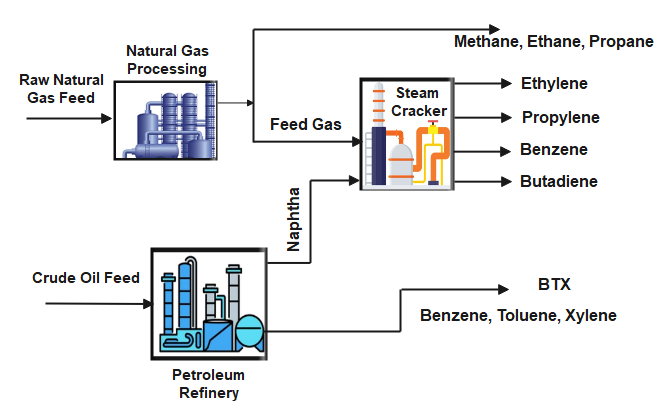
Americans love their vehicles and the independence they offer to go wherever and whenever they please. Americans also enjoy their use of pharmaceuticals with “a pill for every ill” mentality. Some people think that we should eliminate or reduce our dependence on both petroleum and pharmaceuticals, while others embrace the need for more. Ironically, petroleum-based chemical compounds are essential in the synthesis of many pharmaceuticals that milions of Americans rely upon for daily life. Many medicinal compounds are derived from petrochemicals, which are produced from the refining of crude oil and natural gas. Most of these chemicals are toxic and/or poisonous depending upon the concentration. As in many things, too much or too little can be dangerous. Even drinking too much water (water intoxication) or breathing too much oxygen (hyperventilation syndrome) can have detrimental side effects. So while many people may support reduction or even elimination of petroleum, ironically some people’s lives may actually depend upon the petroleum industries’ continued usage to produce pharmaceuticals.

Here are some examples of the most common petroleum-based chemical compounds and their usage in the synthesis of pharmaceuticals:

  • Benzene is a fundamental building block in the production of numerous pharmaceutical compounds.
    • Uses: Benzene derivatives are used to produce analgesics, antihistamines, and other drugs. For example:
      • Aspirin (acetylsalicylic acid) production involves benzene derivatives as starting materials.
      • Phenylbutazone, a non-steroidal anti-inflammatory drug (NSAID), is derived from benzene.
    • Intermediate Compounds:
      • Aniline: A benzene derivative used in the production of paracetamol (acetaminophen).
      • Phenol: Often used in the synthesis of antiseptics and disinfectants, phenol is also a precursor in the production of various pharmaceuticals.
  • Ethylene and propylene are the simplest alkenes and are derived from petroleum cracking.
    • Uses: These compounds are used to create solvents, intermediates, and active pharmaceutical ingredients (APIs). For example:
      • Polyethylene glycol (PEG): Widely used as a solvent and stabilizer in pharmaceuticals.
      • Ethylene oxide: Used in the production of antibiotics, including azithromycin.
    • Intermediate Compounds:
      • Ethylene glycol: Used in the synthesis of certain antibiotics and antifreeze proteins.
      • Propylene glycol: Used as a solvent in oral, injectable, and topical pharmaceutical formulations.
  • Toluene, like benzene, is an aromatic hydrocarbon derived from petroleum.
    • Uses: Toluene derivatives are key in synthesizing a wide range of pharmaceuticals, including antiseptics, sedatives, and analgesics.
      • Synthesis of diazepam (Valium), a benzodiazepine used for anxiety and seizures, involves toluene-based intermediates.
    • Intermediate Compounds:
      • Benzaldehyde: Used in the synthesis of sedatives and antipsychotics.
      • Benzoic acid: A precursor for numerous drugs, including antimicrobial agents and antifungals.
  • Xylene is an aromatic hydrocarbon derived from petroleum refining.
    • Uses: Xylene is used in the manufacture of a variety of drugs, especially in the creation of pharmaceutical intermediates and solvents.
      • Phthalic anhydride, a derivative of xylene, is used in the production of certain plasticizers and pharmaceutical excipients.
  • Methanol, often derived from methane, is a component of natural gas, and is a crucial feedstock in the pharmaceutical industry.
    • Uses: Methanol is a precursor to formaldehyde, which is used in the synthesis of various antibiotics, vaccines, and vitamins.
      • Vitamin A and E production often require methanol as a solvent.
    • Intermediate Compounds:
      • Formaldehyde: Used in vaccines and sterilization processes, as well as in the synthesis of many organic compounds.
  • Ethylene oxide and propylene oxide, are both derived from petrochemical processes and are used as alkylating agents.
    • Uses: These compounds are fundamental for creating certain antibiotics, chemotherapeutic agents, and other therapeutic drugs.
      • Cyclophosphamide and chlorambucil, both chemotherapy drugs, are synthesized using alkylating agents.
  • Isoprene, a component of natural rubber, can be synthesized from petrochemical processes.
    • Uses: Isoprene derivatives are used in the production of various drugs, including cardiovascular medications and biologics.
      • Digoxin, a drug used to treat heart conditions, requires isoprene-based chemistry.
  • Acetylene, refined from petrochemicals, is used in the synthesis of various pharmaceuticals.
    • Uses: Acetylene-based compounds are critical in creating anesthetics and certain antibiotics.
      • Local anesthetics such as lidocaine are produced from acetylene derivatives.
  • Isopropanol (isopropyl alcohol) is a petroleum-derived solvent used extensively in the pharmaceutical industry as well as in the consumer market.
    • Uses: It is used in drug formulations, as a sterilization agent, and as a solvent in the production of active ingredients.
  • Paraffins (alkanes), derived from petroleum refining, are used in ointments, creams, and as bases in many topical pharmaceuticals.
    • Uses: They serve as carriers for active ingredients and stabilizers in various medicinal formulations.

Conclusion

Petroleum-based chemical compounds, including benzene derivatives, toluene, xylene, ethylene, propylene, and various alcohols and solvents, are crucial in the synthesis, formulation, and production of many pharmaceuticals despite being toxic and poisonous chemicals. These compounds not only provide the raw materials needed for drug development but also enable the mass production of medications that are viewed by many as essential for modern healthcare. I provide this information so that people can hopefully be better informed as to what they are putting into their bodies. Whether these compounds and their potential risks may be argued as acceptible or detrimental is up to the individual to determine.

References:

Benzene Derivatives

  • Ghatak, S. (2019). Pharmaceutical Chemistry: Therapeutic Aspects of Biomacromolecules. This book covers benzene’s role as a key starting material in the synthesis of drugs like aspirin and acetaminophen.
  • Goldman, L., & Schafer, A. I. (2015). Goldman-Cecil Medicine (25th ed.). This reference discusses benzene derivatives in the context of analgesics, such as aspirin and phenylbutazone.

Ethylene and Propylene Derivatives

  • Miller, R. W., & Freund, H. A. (1999). “Ethylene and Propylene in Pharmaceutical Production.” Journal of Industrial Chemistry. This paper explores how ethylene and propylene are used in pharmaceutical solvents like polyethylene glycol.
  • The Merck Index: An Encyclopedia of Chemicals, Drugs, and Biologicals. The entry on polyethylene glycol and propylene glycol confirms their roles as solvents and excipients.

Toluene Derivatives

  • Clarke, E. C. W., & Amador, R. V. (2010). Introduction to Pharmaceutical Chemical Synthesis. This book highlights the role of toluene in synthesizing diazepam and other benzodiazepines.
  • Kirk-Othmer Encyclopedia of Chemical Technology. The entry on toluene discusses its use in producing pharmaceutical intermediates like benzoic acid and benzaldehyde.

Xylene Derivatives

  • Pavia, D. L., Lampman, G. M., & Kriz, G. S. (2015). Introduction to Organic Laboratory Techniques: A Microscale Approach. This book mentions xylene’s role in pharmaceutical chemistry, including phthalic anhydride’s use as an intermediate.
  • Morrison, R. T., & Boyd, R. N. (2011). Organic Chemistry. This textbook explores xylene derivatives used in pharmaceutical synthesis.

Methanol

  • Lichtenthaler, F. W. (2006). “Carbohydrates as Organic Raw Materials.” Carbohydrate Research. This article discusses the importance of methanol in pharmaceutical synthesis, especially for vitamin production.
  • Ansell, M. F. (2005). Comprehensive Organic Synthesis (Vol. 1)*. This text includes the role of methanol as a solvent and its derivation from petrochemical sources.

Alkylating Agents

  • Roberts, J. D., & Caserio, M. C. (1977). Basic Principles of Organic Chemistry. This foundational textbook discusses the use of ethylene oxide and propylene oxide as alkylating agents in chemotherapy drug production.
  • Weiss, R. B., & Harlow, G. J. (2000). Alkylating Agents in Cancer Treatment. This article focuses on how alkylating agents derived from petrochemicals are crucial for drugs like cyclophosphamide.

Isoprene Derivatives

  • Saito, S., & Ohyama, T. (1995). “Isoprene and Its Applications.” Advanced Materials Research. This article highlights the use of isoprene derivatives in cardiovascular drugs such as digoxin.
  • Kirk-Othmer Encyclopedia of Chemical Technology. The entry on isoprene explains its importance in the production of pharmaceuticals and biologics.

Acetylene Derivatives

  • Sundberg, R. J. (1996). Comprehensive Heterocyclic Chemistry III. This reference provides detailed information about acetylene’s use in producing local anesthetics like lidocaine.
  • Hoch, F. L. (2003). “Acetylene Chemistry: Synthesis and Applications.” Journal of Chemical Education. This paper explains how acetylene derivatives are employed in synthesizing anesthetics.

Petroleum-based Alcohols

  • Knox, S. (2011). Solvents and Cosolvents in Pharmaceutical Applications. This book covers the role of isopropyl alcohol as a solvent and sterilization agent in pharmaceutical production.
  • Dunn, W. (2005). Handbook of Solvents in Pharmaceutical Chemistry. This text includes isopropanol and its derivation from petrochemical sources for drug formulation.

Paraffins and Paraffin Derivatives

  • Gennaro, A. R. (2000). Remington: The Science and Practice of Pharmacy (20th ed.). This reference discusses the use of paraffins in topical formulations and as carriers for active ingredients.
  • Kirk-Othmer Encyclopedia of Chemical Technology. The section on paraffins details their role in pharmaceutical ointments and creams.

I teach and offer lectures about holistic health, physical fitness, stress management, human behavior, meditation, phytotherapy (herbs), music for healing, self-massage (acupressure), Daoyin (yoga), qigong, tai chi, and baguazhang.

Please contact me if you, your business, organization, or group, might be interested in hosting me to speak on a wide spectrum of topics relative to better health, fitness, and well-being.

I look forward to further sharing more of my message by partnering with hospitals, wellness centers, VA centers, schools on all levels, businesses, and individuals who see the value in building a stronger nation through building a healthier population.

I also have hundreds of FREE education video classes, lectures, and seminars available on my YouTube channel at:

https://www.youtube.com/c/MindandBodyExercises

Many of my publications can be found on Amazon at:

http://www.Amazon.com/author/jimmoltzan

My holistic health blog is available at:

https://mindandbodyexercises.wordpress.com/

http://www.MindAndBodyExercises.com

Mind and Body Exercises on Google: https://posts.gle/aD47Qo

Jim Moltzan

407-234-0119