Muscles Aren’t Everything: Why Your Organs Need Exercise Too

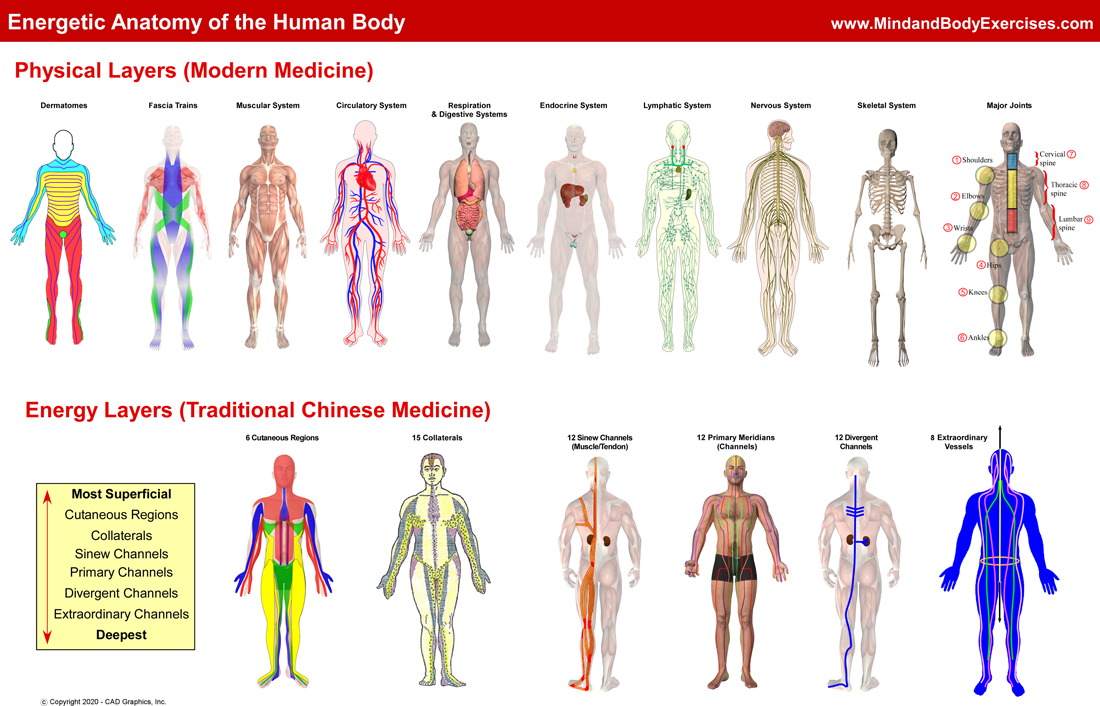
Most popular physical exercise methods (running, walking, weights, swimming, etc.) are designed to engage the musculoskeletal and cardiovascular systems, through movement of the arms and legs. However, the internal organs, composed of specialized similar cellular tissues, can also benefit indirectly from physical activity. How and why it makes sense to “exercise” the internal organs is a topic for deeper discussion.
1. Indirect Engagement of Internal Organs Through Physical Activity

  • Cardiovascular System: Aerobic exercises such as running, walking, and swimming help increase blood circulation, deliver oxygen and nutrients to internal organs, and remove waste products more efficiently.
  • Respiratory System: Deep breathing during exercise engages and strengthens the diaphragm, improving lung capacity.
  • Digestive System: Physical activity stimulates peristalsis (the rhythmic contraction of digestive muscles), improving digestion and potentially reducing issues like constipation.
  • Lymphatic System: Movements that engage large muscle groups, increase lymphatic flow, which is critical for immune function and detoxification.
2. Why Exercise Internal Organs?

  • Internal organs, like muscles, rely on regular stimulation to maintain optimal function. Physical exercise promotes:
    • Improved cellular metabolism and regeneration.
    • Enhanced detoxification processes involving the liver and kidneys.
    • Maintenance of healthy organ size and function, especially in the heart and lungs.

3. Direct Stimulation of Organs

While many popular exercises don’t directly target internal organs, some practices focus on this concept:

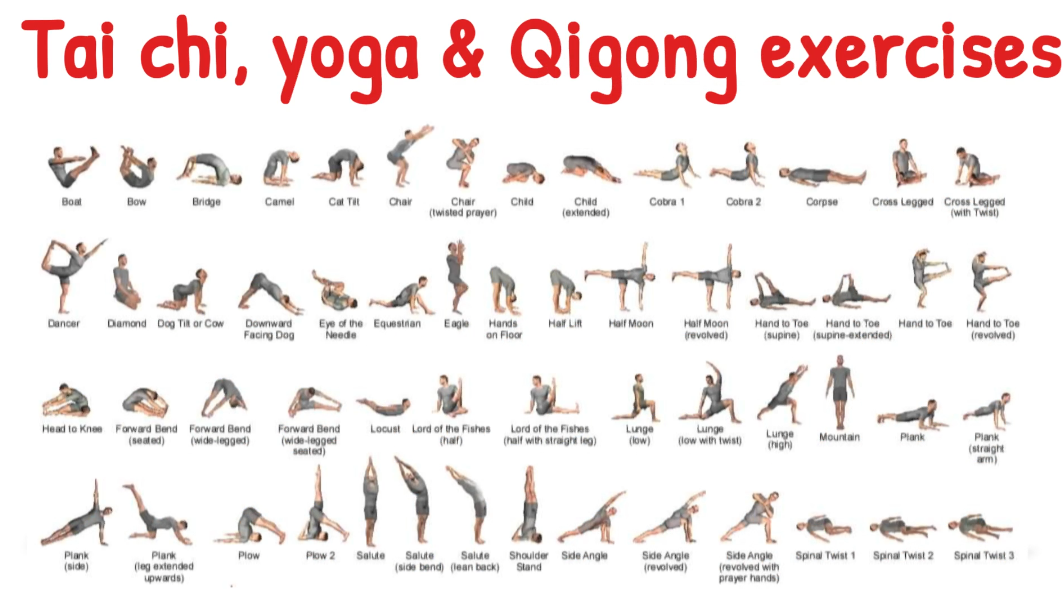
  • Abdominal breathing or Pranayama: Directly engages the diaphragm, stimulating internal organs, and improving their function.
  • Torso-twisting poses From yoga, Pilates, and some martial arts: These poses gently compress and release organs like the liver and kidneys, thought to stimulate their function.
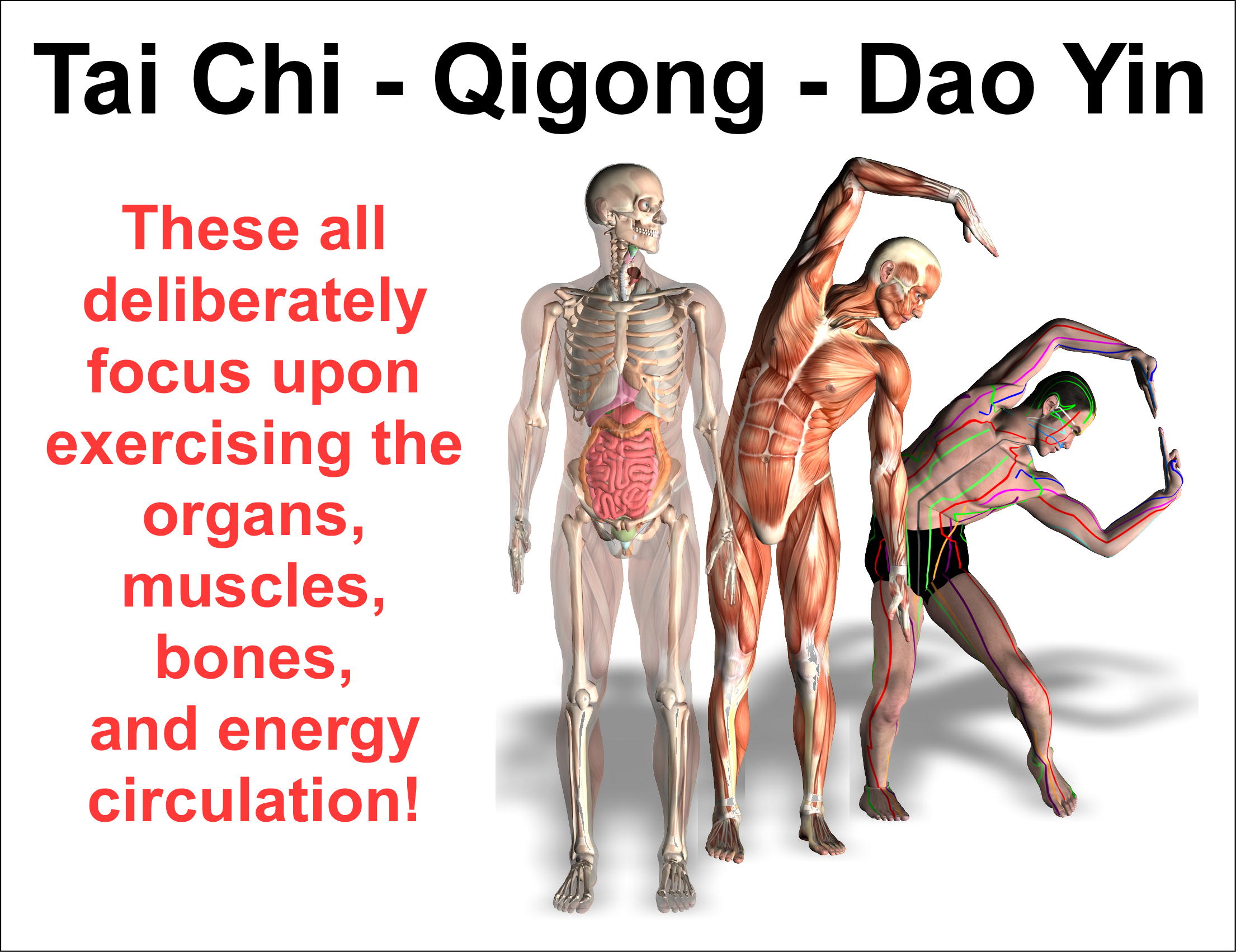
  • Qigong or Tai Chi: These methods at their root. emphasize mindful movement of the breath and torso, resulting in an increase of internal energy flow, believed to “massage” internal organs.
4. Specific Targeting of Organs

  • Hydration and Nutrition: Essential for organ health, as they provide the components for cell repair and energy.
  • Stress Management: Techniques such as deep breathing, and meditation reduce the impact of stress hormones on organs like the heart, lungs, stomach and adrenal glands.
  • Interoception Practices: Awareness of internal organs and bodily functions and their relative signals can lead to better care and prevent strain on specific organs.

What I have suggested aligns with holistic practices that seek to treat the body as one interconnected system. We can broaden the definition of “exercise” to include practices that target internal organs, where we can promote a deeper level of health and vitality.
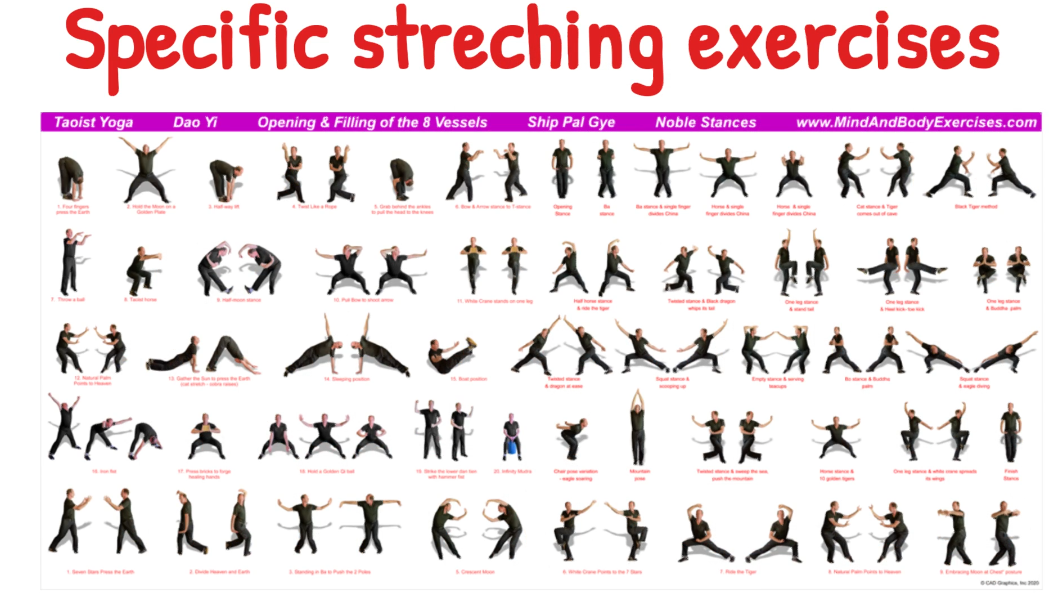
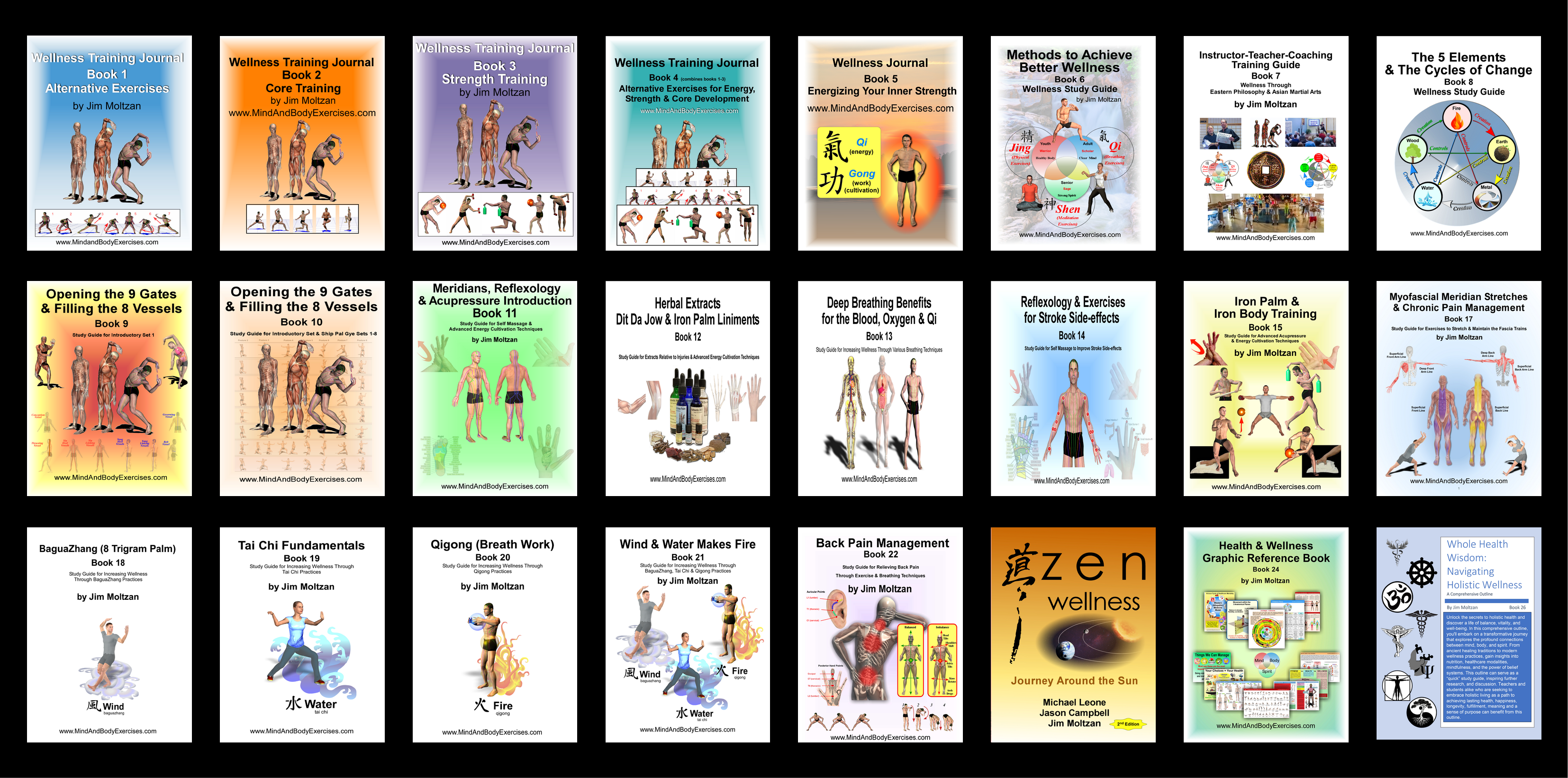
I teach and offer lectures about holistic health, physical fitness, stress management, human behavior, meditation, phytotherapy (herbs), music for healing, self-massage (acupressure), Daoyin (yoga), qigong, tai chi, and baguazhang.

Please contact me if you, your business, organization, or group, might be interested in hosting me to speak on a wide spectrum of topics relative to better health, fitness, and well-being.

I look forward to further sharing more of my message by partnering with hospitals, wellness centers, VA centers, schools on all levels, businesses, and individuals who see the value in building a stronger nation through building a healthier population.

I also have hundreds of FREE education video classes, lectures, and seminars available on my YouTube channel at:

https://www.youtube.com/c/MindandBodyExercises

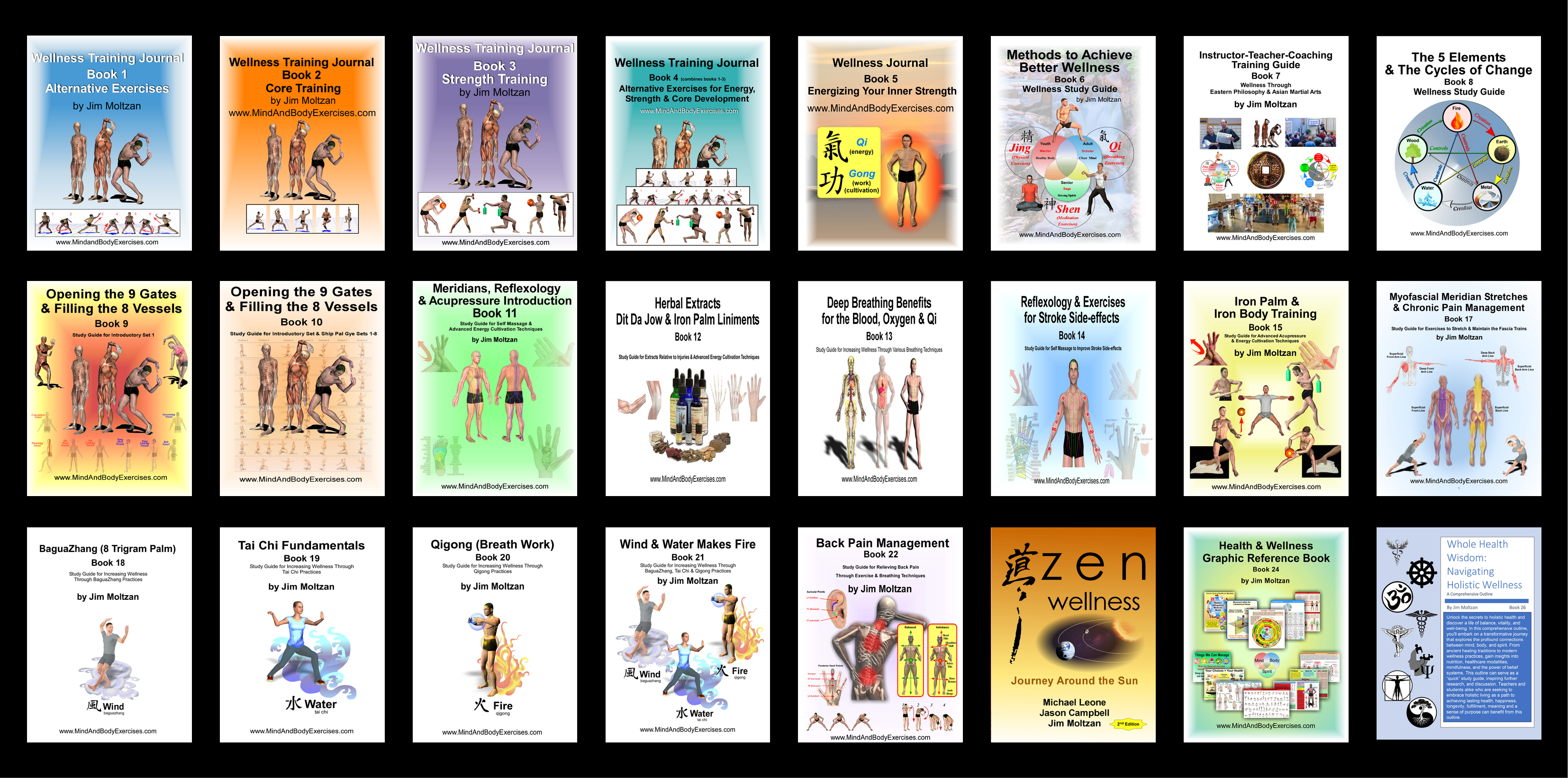
Many of my publications can be found on Amazon at:

http://www.Amazon.com/author/jimmoltzan

My holistic health blog is available at:

https://mindandbodyexercises.wordpress.com/

http://www.MindAndBodyExercises.com

Mind and Body Exercises on Google: https://posts.gle/aD47Qo

Jim Moltzan

407-234-0119

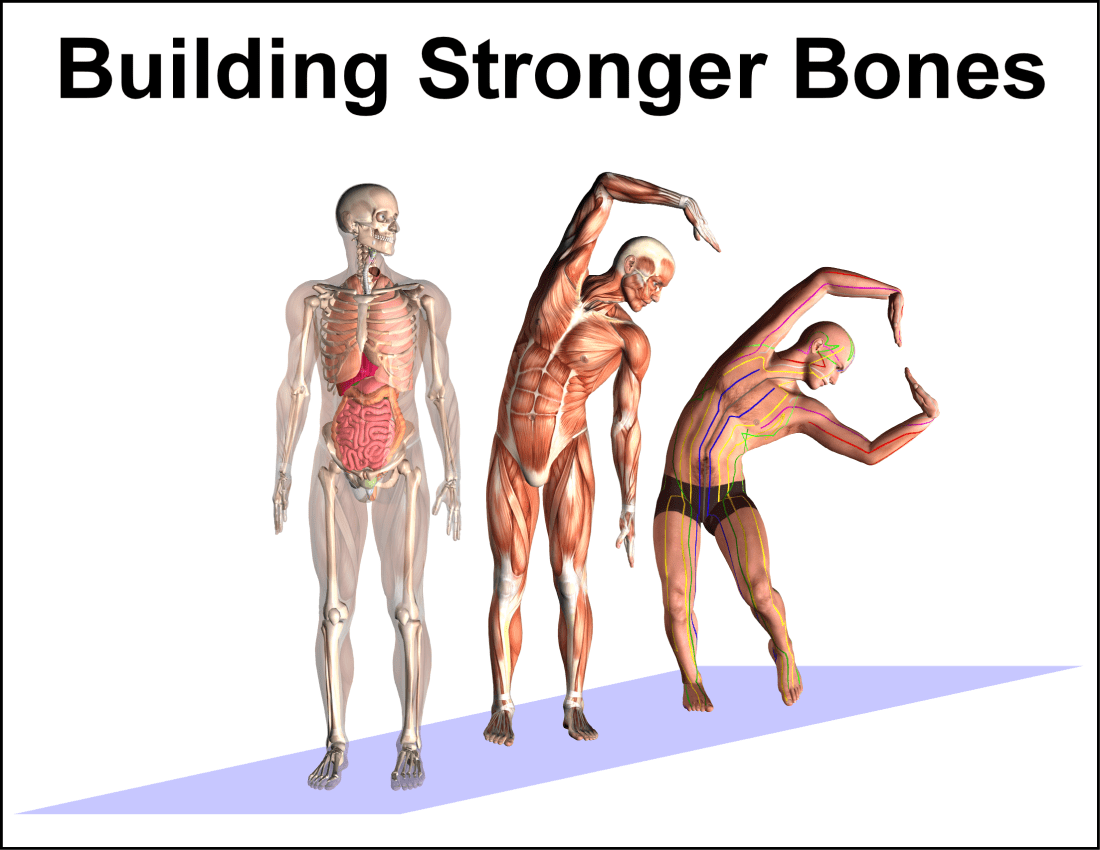
Building Stronger Bones

This month I wrapped up my series of 6 discussions regarding “self-care.”

Specific topics addressed were that of:

what is holistic health?

– management of hands and wrists using acupressure/reflexology

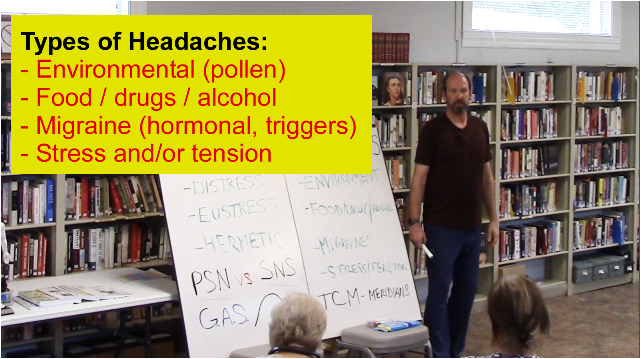
– management of various types of stress and headaches

– understanding how the vestibular balance systems work

– how to breathe deeper and more efficiently affecting

– why is bone density a serious issue and how to improve it

I have many more topics to discuss regarding better physical health, mental wellness, and having meaning/purpose in our lives. Tai chi and qigong are a big part of my curriculum, but I also earned a BS degree in holistic health in addition to my over 40 years of “hands-on” learning, practicing, and teaching. Contact me if you are interested in me speaking at your place of business, group, or other public setting.

All 6 discussions can be found on my YouTube page, by clicking on the image below.

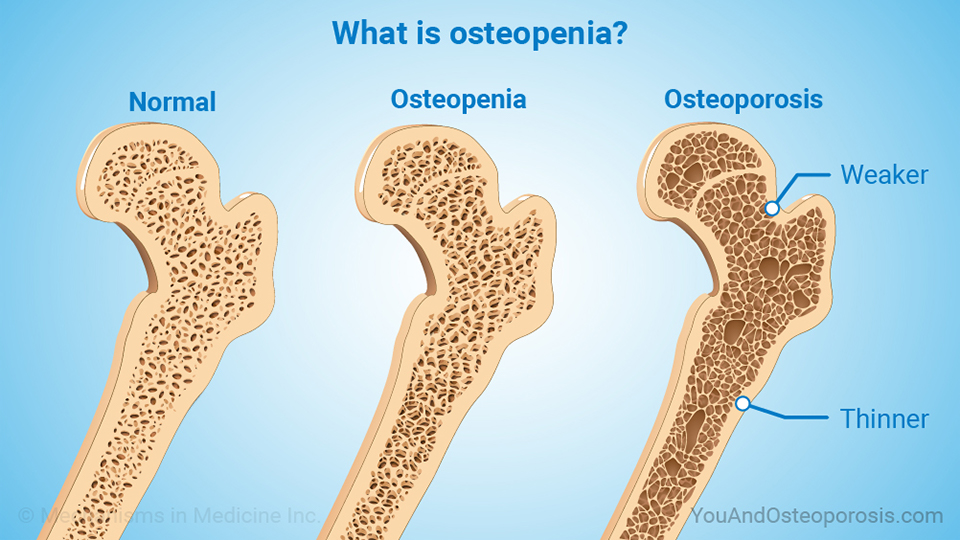
Here is a summary of the topics I discussed regarding osteopenia and osteoporosis, which are conditions related to bone density and strength, which affect millions of people, particularly as they age. Here’s a detailed breakdown:

  • Osteopenia: This is the early stage of bone loss, where bone mineral density (BMD) is lower than normal but not low enough to be classified as osteoporosis. It is often a precursor to osteoporosis and indicates weakening bones.
  • Osteoporosis: This is a more severe bone condition characterized by significant bone loss, making bones brittle and more susceptible to fractures. In osteoporosis, bones become porous, with decreased density and structural integrity.

Both osteopenia and osteoporosis are caused by an imbalance between bone resorption (the process of bone breakdown) and bone formation. Factors contributing to this include:

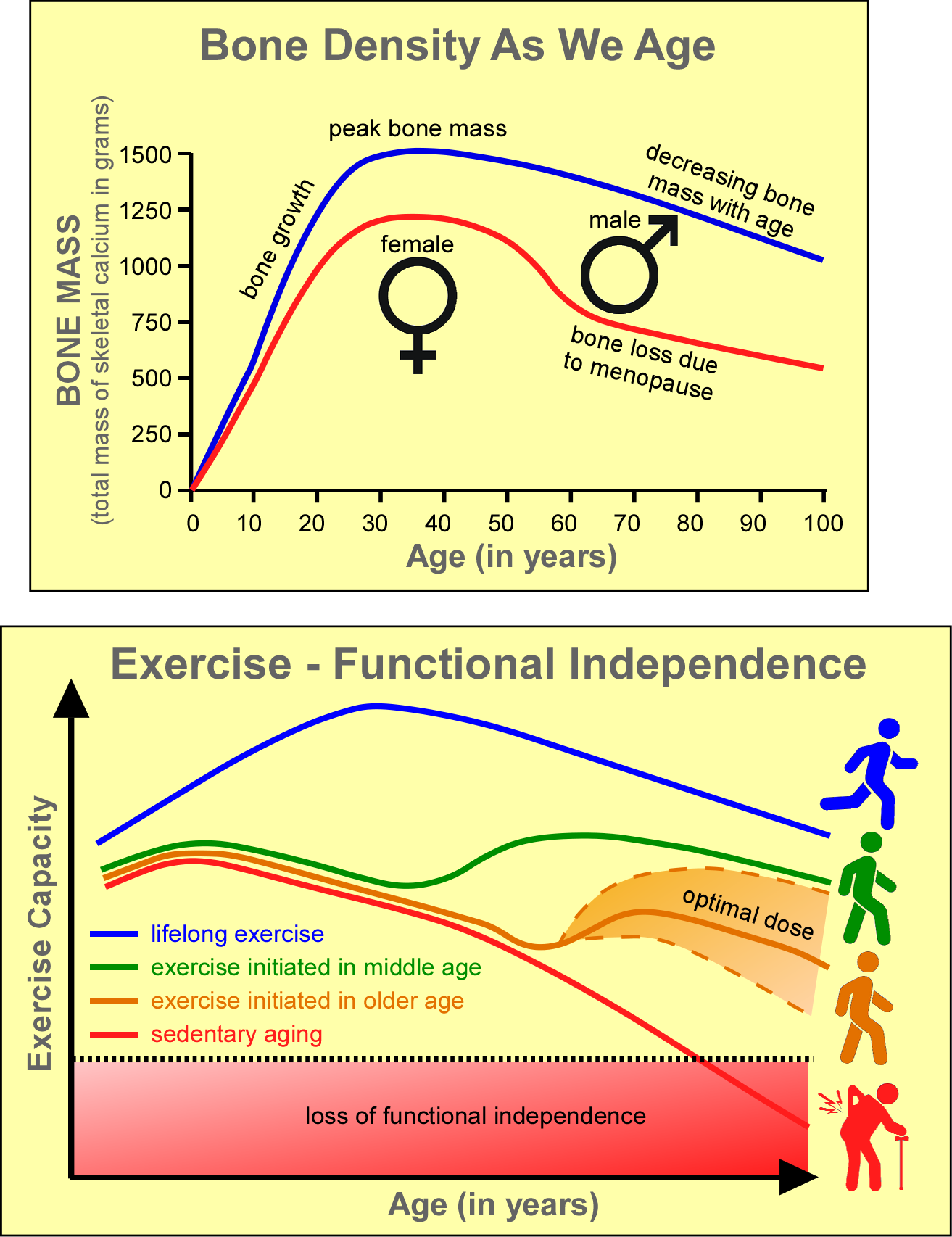
  • Aging: Bone mass typically peaks in a person’s 20s or 30s and declines with age, particularly in postmenopausal women due to decreased estrogen levels.
  • Hormonal changes: Lowered levels of hormones such as estrogen in women and testosterone in men can contribute to decreased bone density.
  • Genetics: A family history of osteoporosis can increase the risk.
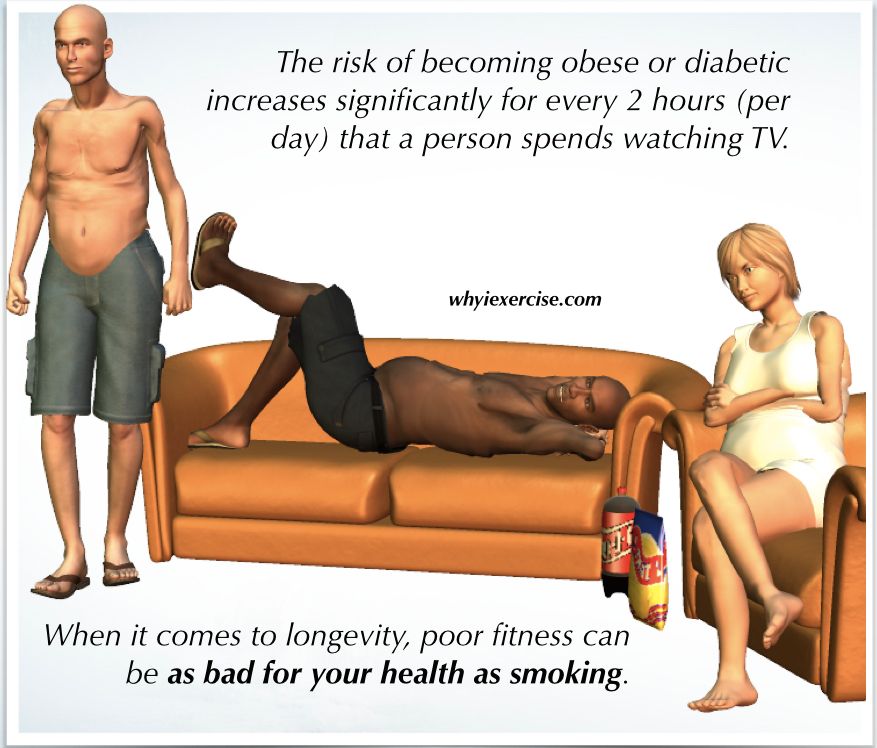
  • Sedentary lifestyle: Lack of physical activity, particularly weight-bearing and resistance exercises, can contribute to weaker bones.
  • Poor nutrition: Low intake of calcium, vitamin D, and other nutrients crucial for bone health can lead to bone density loss.
  • Smoking and excessive alcohol consumption: Both are associated with decreased bone density.
  • Certain medications: Long-term use of corticosteroids and some other medications may contribute to bone loss.
  • Fractures: The most serious consequence, particularly in the hips, spine, and wrists, can result in decreased mobility and increased mortality in older adults.
  • Height loss: Often due to fractures in the vertebrae leading to compression.
  • Back pain: Resulting from collapsed or fractured vertebrae.
  • Kyphosis (spinal curvature): In severe cases of osteoporosis, the spine may curve forward.
  • Weight-bearing exercises: These include activities like walking, jogging, dancing, and stair climbing. They help stimulate bone formation by putting stress on the bones.
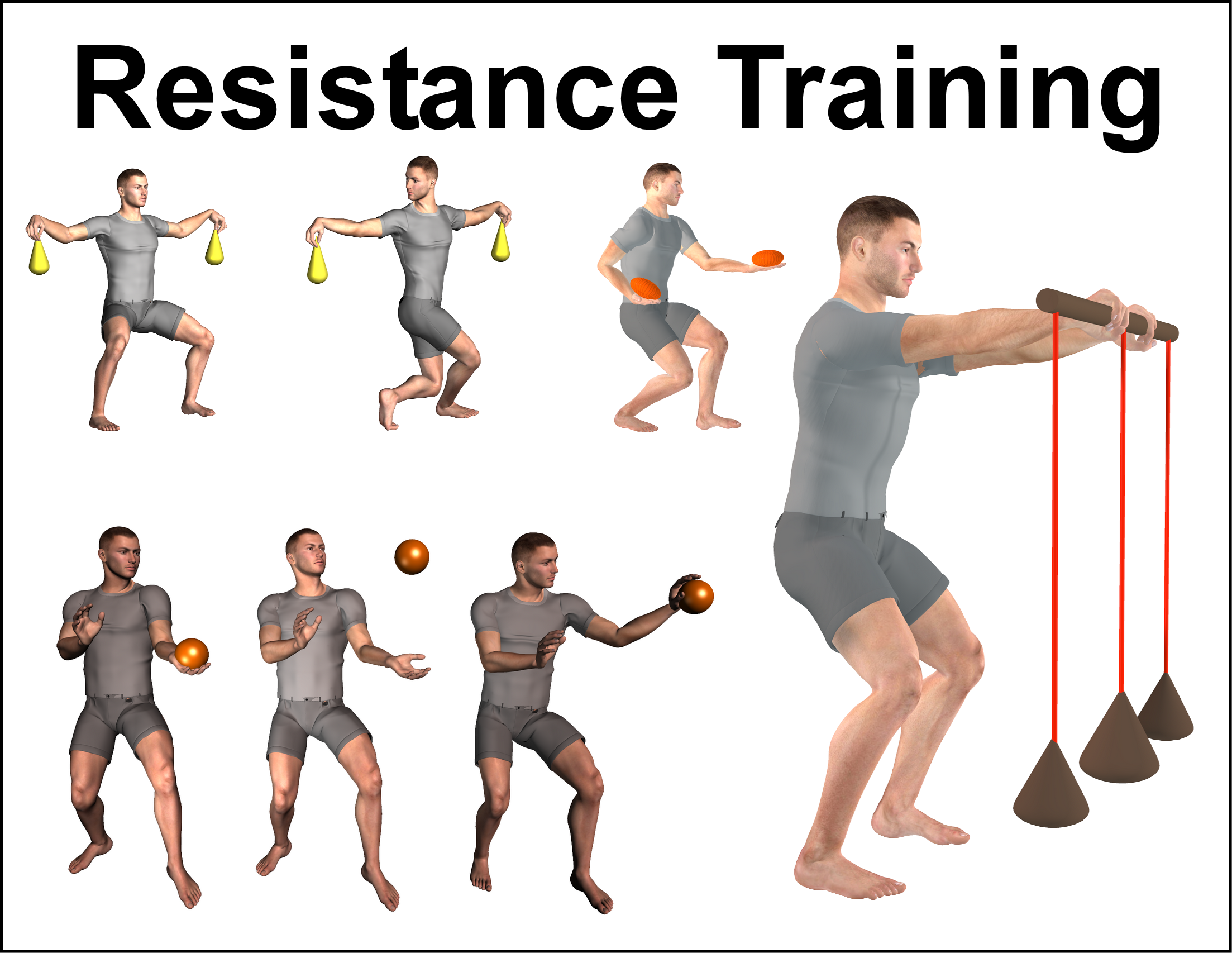
  • Resistance training: Lifting weights or using resistance bands helps build muscle mass and improves bone density. Exercises targeting the hips, spine, and wrists are particularly beneficial for bone health.
  • Balance training: Tai chi, yoga, and Pilates are excellent for improving balance and flexibility, reducing the risk of falls that can lead to fractures.
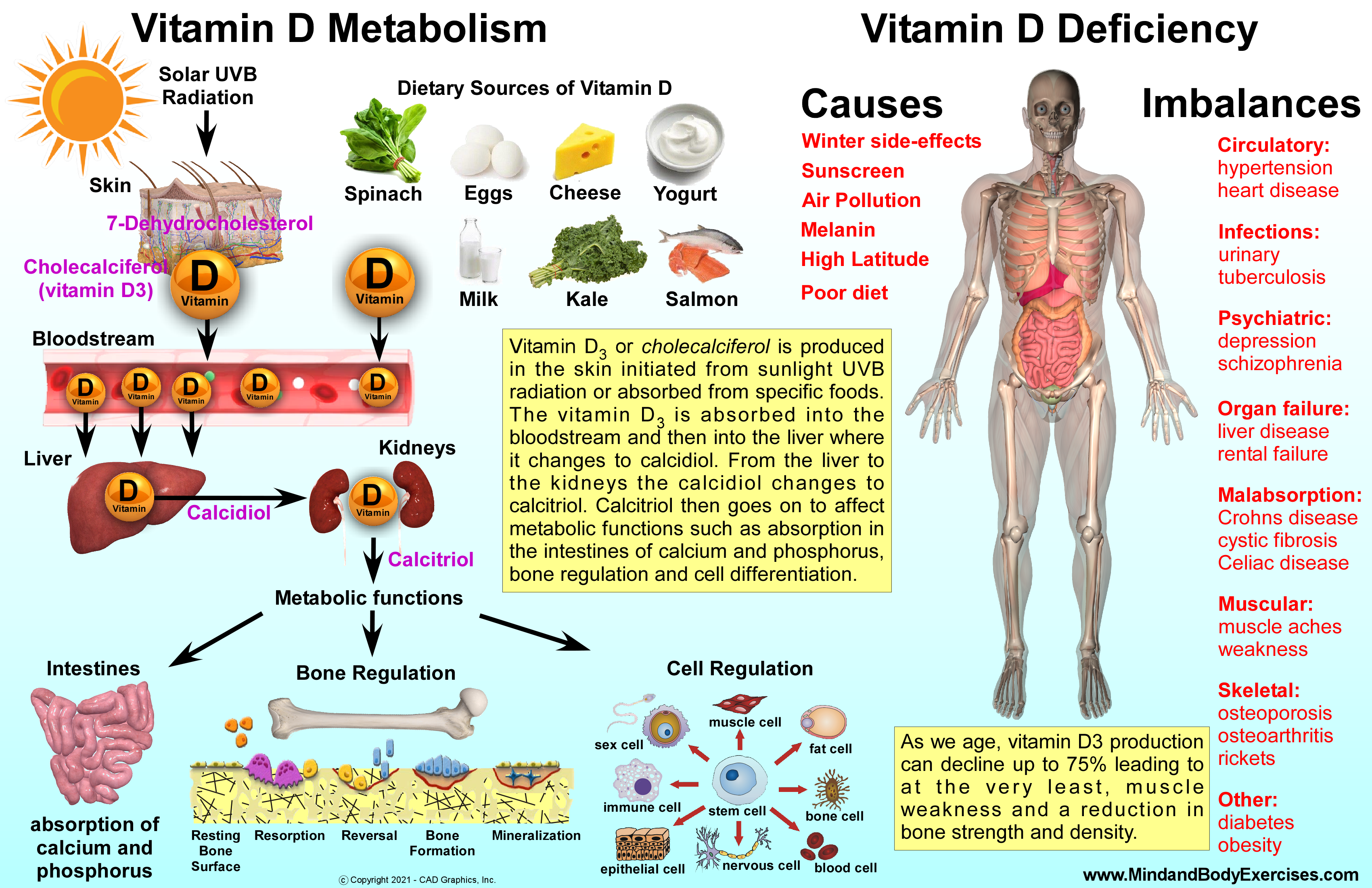
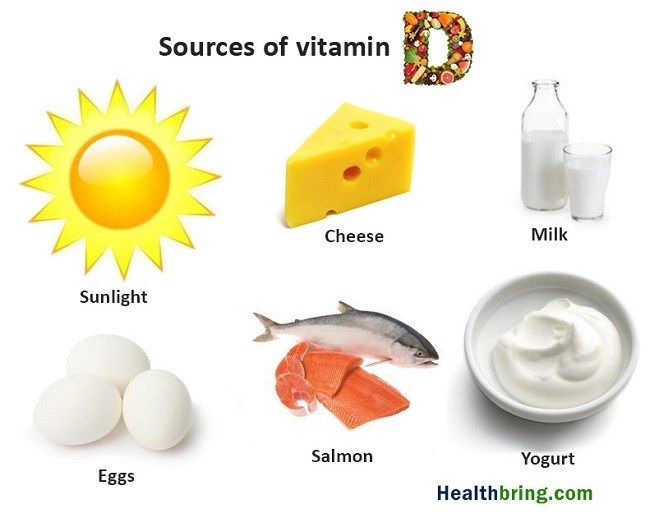
  • Vitamin D: Essential for calcium absorption, vitamin D can be synthesized through exposure to sunlight. About 15-30 minutes of sun exposure several times a week on the face, arms, or legs (without sunscreen) is often enough, depending on skin type, location, and weather.
  • Supplementation: In cases where adequate sun exposure is not possible, supplements are often recommended. The typical dosage is around 600-800 IU per day for adults, though higher doses may be needed for those with deficiencies.
  • Calcium: Adequate calcium intake is crucial for maintaining bone density. The recommended intake is about 1,000-1,200 mg per day, depending on age and gender. Calcium-rich foods include dairy products (milk, cheese, yogurt), leafy greens (kale, broccoli), almonds, tofu, and fortified foods.
  • Magnesium: Magnesium helps convert vitamin D into its active form, allowing for better calcium absorption. Sources include nuts, seeds, legumes, and whole grains.
  • Protein: Adequate protein intake is essential for bone and muscle health. High-protein diets have been associated with improved bone density.
  • Other Nutrients:
    • Vitamin K: Found in leafy greens, helps regulate calcium and promotes bone health.
    • Omega-3 Fatty Acids: Found in fish like salmon and flaxseeds, these can help reduce bone loss.
  • Bisphosphonates: These drugs slow down bone resorption and help to maintain or increase bone density.
  • Hormone Therapy: Estrogen replacement therapy can be beneficial for postmenopausal women to slow bone loss.
  • Denosumab: A monoclonal antibody that reduces bone resorption.
  • Calcitonin: A hormone that helps regulate calcium levels and bone metabolism.
  • Parathyroid hormone analogs: These can help stimulate bone formation in severe cases of osteoporosis.
  • Quit smoking: Smoking accelerates bone loss, so quitting is important for bone health.
  • Limit alcohol: Excessive alcohol interferes with calcium balance and bone formation.
  • Fall prevention: Maintaining good balance and a safe living environment can help prevent falls that might lead to fractures.
  • Bone density scans: These scans can help monitor your bone health and assess your risk of fractures.
  • Regular medical check-ups: Consult your doctor for personalized advice and to discuss any concerns.

Osteopenia and osteoporosis are conditions that reflect the progressive weakening of bones, leading to increased risk of fractures. Managing these conditions involves a combination of strength training, resistance exercises, adequate sun exposure, proper nutrition (especially with calcium and vitamin D), and sometimes medication. Regular physical activity, especially weight-bearing and resistance exercises, can help strengthen bones, while proper diet and lifestyle choices support bone health and overall well-being.

I teach and offer lectures about holistic health, physical fitness, stress management, human behavior, meditation, phytotherapy (herbs), music for healing, self-massage (acupressure), Daoyin (yoga), qigong, tai chi, and baguazhang.

Please contact me if you, your business, organization, or group, might be interested in hosting me to speak on a wide spectrum of topics relative to better health, fitness, and well-being.

I look forward to further sharing more of my message by partnering with hospitals, wellness centers, VA centers, schools on all levels, businesses, and individuals who see the value in building a stronger nation through building a healthier population.

I also have hundreds of FREE education video classes, lectures, and seminars available on my YouTube channel at:

https://www.youtube.com/c/MindandBodyExercises

Many of my publications can be found on Amazon at:

http://www.Amazon.com/author/jimmoltzan

My holistic health blog is available at:

https://mindandbodyexercises.wordpress.com/

http://www.MindAndBodyExercises.com

Mind and Body Exercises on Google: https://posts.gle/aD47Qo

Jim Moltzan

407-234-0119
Are you Superstitious? Perhaps Operant Conditioning is in Play

Operant conditioning entails learning relationships between behavior and its consequences of reinforcement or punishment. Operant responses are usually voluntary, such as verbal behavior, thinking and/or physical actions. In operant conditioning experiments, the researcher associates a particular response by closely following correspondences to that response with reinforcement or punishment (Ettinger, 2018). 

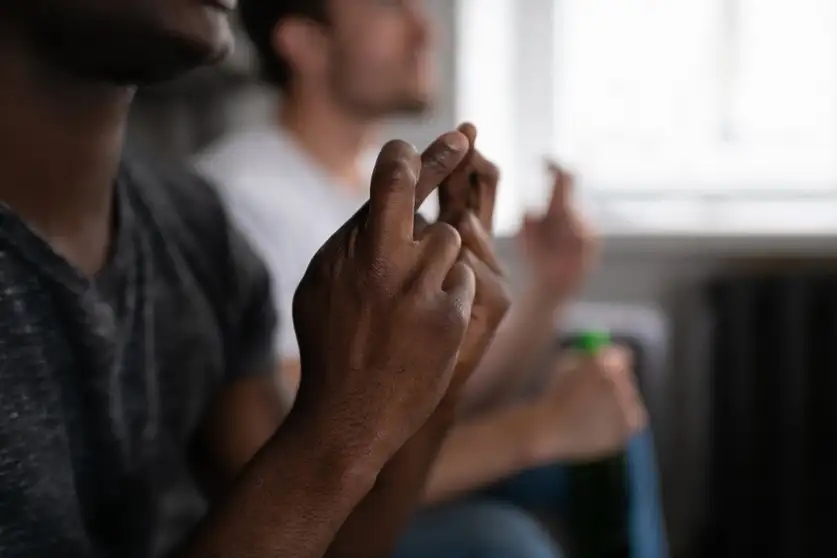
Superstition may be defined as an irrational belief that can lead to the practice of various rituals, where a random occurrence is related with a positive outcome. The practice of the ritual is then thought to increase the positive outcome by again repeating the behavior. Some may see superstition as rooted in a mismatched correlation between cause and effect, where there is a tendency to interpret outcomes in line with our pre-existing beliefs. We often see this behavior in sporting activities, where a chance action or inaction, could lead to a point or goal for a particular percentage of the time. For example, actions of a baseball batter tapping home plate with their bat, loosening, and retightening their gloves and then hitting a homerun, are likely to be repeated. Not that these actions actually have any effect, but simply because of the coincidental reinforcement (What Is the Evolutionary Reason for Superstitious Behaviour? 2021).

(What Is the Evolutionary Reason for Superstitious Behaviour?, 2021)

Behavior learned through reinforcement usually involves a straightforward process linking cause to effect.  However, with superstitious behavior, we perform an irrelevant action that happens to accompany the behavior that is being reinforced. Now that irrelevant action or the superstitious behavior, itself becomes reinforced (Krauss Whitbourne, 2014).

I think this cause-and-effect superstitious behavior can be often seen in many other common rituals that we often execute without much engaged thought. Ironically, some superstitions actually have some logical explanation or history behind them. An example would be not walking under a ladder because it could be potentially dangerous if something fell off of the ladder and onto someone’s head. Or not opening an umbrella indoors, because it was designed to be open outdoors and clear from hitting potential objects upon opening (Kolitz, 2020).

References:

Ettinger, R. H. (2018). Psychology: The Science of Behavior (6th ed.). BVT Publishing.

Kolitz, D. (2020, March 30). Which Superstitions Are Based on Facts? Gizmodo. Retrieved October 5, 2022, from https://gizmodo.com/which-superstitions-are-based-on-fact-1841261680

Krauss Whitbourne, S. (2014, October 14). Why We’re So Superstitious. Psychology Today. Retrieved October 5, 2022, from https://www.psychologytoday.com/us/blog/fulfillment-any-age/201410/why-were-so-superstitious

What is the Evolut3ionary Reason for Superstitious Behaviour? (2021, August 18). New Scientist. Retrieved October 5, 2022, from https://www.newscientist.com/lastword/mg25133482-900-what-is-the-evolutionary-reason-for-superstitious-behaviour/#:%7E:text=A%20superstition%20is%20an%20irrational,likelihood%20of%20repeating%20the%20behaviour.

What is the evolutionary reason for superstitious behaviour? (2021, August 18). New Scientist. https://www.newscientist.com/lastword/mg25133482-900-what-is-the-evolutionary-reason-for-superstitious-behaviour/

I teach and offer lectures about holistic health, physical fitness, stress management, human behavior, meditation, phytotherapy (herbs), music for healing, self-massage (acupressure), Daoyin (yoga), qigong, tai chi, and baguazhang.

Please contact me if you, your business, organization, or group, might be interested in hosting me to speak on a wide spectrum of topics relative to better health, fitness, and well-being.

I look forward to further sharing more of my message by partnering with hospitals, wellness centers, VA centers, schools on all levels, businesses, and individuals who see the value in building a stronger nation through building a healthier population.

I also have hundreds of FREE education video classes, lectures, and seminars available on my YouTube channel at:

https://www.youtube.com/c/MindandBodyExercises

Many of my publications can be found on Amazon at:

http://www.Amazon.com/author/jimmoltzan

My holistic health blog is available at:

https://mindandbodyexercises.wordpress.com/

http://www.MindAndBodyExercises.com

Mind and Body Exercises on Google: https://posts.gle/aD47Qo

Jim Moltzan

407-234-0119
Reiki and its Acceptance in the US Healthcare System

American culture and society have greatly become more polarized on many issues. I see there is much more of a divide over the last 40 years between religions, spirituality, and secular practices. Reiki is a Japanese energy-based healing technique that uses an individual’s energy force to help reduce stress, and anxiety and encourage relaxation not only for themselves but also for others. The method uses gentle touch and placement for healing and tries to improve balance in the body. Reiki has become more accepted and understood in some regions in recent years and consequently, more hospitals in the US. I found a few sources that indicated that Reiki is more accepted and offered in more progressive areas of the US, such as New England (Miles, 2019) the West Coast, and New York (McKnight, 2023).  In other areas such as the Midwest, the Rust Belt, and the South, not so much. There is much more work and education that needs to transpire before Reiki will be truly accepted as mainstream by the US population.

However, Reiki practice for some that are religious, may make sense and coincide with their belief in the power of prayer. For those who are spiritual, Reiki offers a non-religious option to connect to the divine or something greater than the self. For the secular, the basic premise of self-regulation through meditation and modulation of the nervous system (Miles, 2008) through managed breath control makes sense when applied to the Reiki concepts. With more studies, exposure, and education all three of these groups may embrace Reiki more in years to come.

I live in Orlando, Florida which has been typically labeled as being in the so-called “Bible-belt.” This is a bit of an issue in that there are many people here, moving to or retiring here specifically to engage in the religious resources of many churches located throughout Florida. Not too much of a coincidence is that one of the largest healthcare providers in the US is Advent Health, which is a Seventh-day Adventist non-profit healthcare system headquartered in Central Florida. This particular religion does not support Eastern philosophy (Roman & Roman, 2022), making it extremely difficult to offer yoga, tai chi, qigong, Reiki, and other methods to its patients and the general public. I have tried hard over the last 30 years to work with their community outreach and senior wellness departments, where I have provided some lectures on bone health, balance, and stress management. I was instructed to keep my presentations on tai chi and qigong, within the guidelines of exercise and mindfulness breathing exercises. Administrators preferred for me not to get into spirituality, religion, or metaphysical concepts that may not coincide with the corporation’s Christian mission, shared vision, or common values. When these healthcare providers do offer yoga or tai chi classes, they are usually just teaching physical exercises. From what I have found, Reiki is not offered much in Orlando except through private practitioners. This may change in years to come as I plan to become more involved in teaching holistic health seminars, for which Reiki will be a topic of my discussions.

Most people are aware that allopathic medicine is a very powerful and profit-driven model that generates about 4.1 trillion dollars per year in products, services, and employment (American Medical Association & American Medical Association, 2024). Anything that is free to learn/practice or empowers the individual to take control of their own health, is often labeled as pseudo-science or alternative, regardless of if other cultures have seen the benefits as legitimate, safe, and effective for thousands of years. “Safe and effective” often has a different meaning in the US where politics and profits often determine safety and efficacy. As the US continues to be more diverse in its assimilation of other cultures, we will continue to see more traditional healthcare practices come to be accepted in the US. Look how long it has taken for acupuncture, yoga, massage, Pilates, and other methods to achieve acceptance in the US. True knowledge lives on regardless of the day-to-day, year-to-year flippancy of a nation’s viewpoints.  If Reiki continues to offer benefits, studies will continue forward and hopefully eventually align with allopathic medicine, which would greatly broaden the acceptance within the general population.

One area of my concern with the potential for healing through Reiki practices is the potential karmic implications that may come about while attempting to help others. If someone is trying to heal by serving as a conduit to the Reiki energy, this is somewhat different than attempting to heal as a source of energy instead. It is my understanding from my own practices and study of Eastern cultures that often peoples’ ailments, whether mental or physical, are manifestations of their own actions and circumstances.  As a healer, one needs to be aware that many life lessons are meant to be learned, experienced, solved, and mastered firsthand. If not for the individual’s own life lessons, but so as not to diminish the energy of other people. An example of this type of scenario is seen typically in the healthcare or first responder professions, where an individual may have good intent in helping another person, but that person often does not change their behavior or circumstances to avoid ailments or events, only to repeat them over and over again. The healer, helper, supporter, etc., often drains themselves physically, mentally, and spiritually while the patient, victim, or person in need becomes somewhat of an energy vampire consuming others’ energy and good intentions.

References:

Miles, P. (2019, September 16). Reiki in hospitals: An update by Pamela Miles, medical reiki master. https://reikiinmedicine.org/. https://reikiinmedicine.org/clinical-practice/reiki-in-hospitals-an-update/

McKnight, J. (2023, April 1). Full list of hospitals that use Reiki in the US. Planet Meditate. https://planetmeditate.com/full-list-hospitals-that-use-reiki-us/

Miles, (2008). (p.198) Reiki, A Comprehensive Guide, Penguin Publishing Group. Kindle Edition. Roman, A., & Roman, A. (2022, February 24). Yoga, Zumba, Les Mills, Te Fiti the Goddess of Creation, Disney Magic and the New 8 Laws of Health are all part of AdventHealth | Advent Messenger. Advent Messenger. http://adventmessenger.org/yoga-zumba-les-mills-te-fiti-the-goddess-of-creation-disney-magic-and-the-new-8-laws-of-health-are-all-part-of-adventhealth/

American Medical Association & American Medical Association. (2024, April 25). Trends in health care spending. American Medical Association. https://www.ama-assn.org/about/research/trends-health-care-spending

I teach and offer lectures about holistic health, physical fitness, stress management, human behavior, meditation, phytotherapy (herbs), music for healing, self-massage (acupressure), Daoyin (yoga), qigong, tai chi, and baguazhang.

Please contact me if you, your business, organization, or group, might be interested in hosting me to speak on a wide spectrum of topics relative to better health, fitness, and well-being.

I look forward to further sharing more of my message by partnering with hospitals, wellness centers, VA centers, schools on all levels, businesses, and individuals who see the value in building a stronger nation through building a healthier population.

I also have hundreds of FREE education video classes, lectures, and seminars available on my YouTube channel at:

https://www.youtube.com/c/MindandBodyExercises

Many of my publications can be found on Amazon at:

www.Amazon.com/author/jimmoltzan

My holistic health blog is available at:

https://mindandbodyexercises.wordpress.com/

www.MindAndBodyExercises.com

Mind and Body Exercises on Google: https://posts.gle/aD47Qo

Jim Moltzan

Dreams and Death, is There a Correlation?

Have you ever suddenly awoken from an intense dream where you questioned if it was just an abstract experience or one that may have a deeper and more profound meaning? Or maybe a repeat of another dream that seems to reoccur? Maybe even where deceased individuals close to you come to “visit” to offer words of support, closure, or invaluable insights?

The dream event is indicative of a momentary state of diminished faculties. It may be quite possible that dreams involving the deceased may be symptomatic of grief, however, this explanation may not hold true for all dream visitations. It is believed that the dream state allows a separation from our senses. Sleep can be viewed as a way of quieting the senses, so that nothing is conveyed to the heart, allowing the veil of the afterlife to be raised up (Kovelant, 2007).

Some may view a visitation dream as a component of the grieving process but diminishing the experience of the dreamer as possibly being temporarily not normal due to a tragedy. Religions such as Islam and more specifically Sufism, the esoteric form of Islam, have quite different viewpoints on dreams. Dreams come from a spiritual or mystical belief. Sufism sees that some dreams, specifically “visitation dreams” are where the dead seem to return or appear in dreams, to interact with us. Whether the perceived visitation of the deceased that appears in one’s dreams is produced by the dreamer, the deceased, both, or neither, remains yet to be determined (Kovelant, 2007).

In many various Indigenous cultures, dreams are seen as a bridge between the physical and spiritual worlds. Among some Native American tribes, dreams are perceived as a conduit through which the spirits of ancestors can communicate with the living. These dreams are not simply symbolic but are thought to carry messages and guidance from the deceased, who may still remain connected to the physical lives of their loved ones even after passing on to the next phase of spiritual existence.

Día de los Muertos (Day of the Dead), is a celebration that is believed in Mexican culture to be a time when the spirits of the deceased can return to the world of the living. The celebration itself can be seen as a conscious invitation for these spirits to visit. Dreams experienced during this period are often interpreted as actual interactions with the deceased. These dreams are often interpreted as guidance, blessings, support or comfort, and reassurance from those who have passed on.

Chinese culture believes that dreams including the deceased can offer other insights. Recurring dreams might highlight unresolved issues or a need to engage in specific rituals to help the deceased rest in peace. Their belief is that the deceased might appear to the living in dreams to help resolve unfinished tasks or to provide guidance to their living relatives.

Western cultures often seem to approach dreams with a more psychological perspective. Psychologists Sigmund Freud and Carl Jung offered insights into dreams in the early and mid-1900s, where the deceased are often seen as manifestations of an individual’s unconscious mind. From this perspective, dreams where the deceased comes to visit, might represent the dreamer’s inner thoughts and emotions as opposed to an actual spiritual encounter. Within this framework, many people may find meaning in these dreams. Some may see these types of dreams as a method to process grief and continue a connection with loved ones who have since passed away.

I have experienced visitation dreams a few times, where close family members or dear friends came to me in my dreams shortly after their passing. I might have attributed these events to coping mechanisms or coincidences in dealing with death and the grieving process. However, I don’t believe this to be the case due to my finding out that other living family or friends had experienced very similar dreams at almost the same time, from the same deceased individuals.

Reference:

Kovelant, K. (2007). Peering through the Veil: Death, Dreams and the Afterlife in Sufi Thought. Journal of Spirituality & Paranormal Studies30, 148–156.

I teach and offer lectures about holistic health, physical fitness, stress management, human behavior, meditation, phytotherapy (herbs), music for healing, self-massage (acupressure), Daoyin (yoga), qigong, tai chi, and baguazhang.

Please contact me if you, your business, organization, or group, might be interested in hosting me to speak on a wide spectrum of topics relative to better health, fitness, and well-being.

I look forward to further sharing more of my message by partnering with hospitals, wellness centers, VA centers, schools on all levels, businesses, and individuals who see the value in building a stronger nation through building a healthier population.

I also have hundreds of FREE education video classes, lectures, and seminars available on my YouTube channel at:

https://www.youtube.com/c/MindandBodyExercises

Many of my publications can be found on Amazon at:

http://www.Amazon.com/author/jimmoltzan

My holistic health blog is available at:

https://mindandbodyexercises.wordpress.com/

http://www.MindAndBodyExercises.com

Mind and Body Exercises on Google: https://posts.gle/aD47Qo

Jim Moltzan

407-234-0119