

As someone who has spent over four decades practicing, studying, and teaching martial arts and holistic health, I have witnessed firsthand the gradual erosion of authenticity and deception in traditional practices, particularly in the United States. With a Bachelor of Science in Holistic Health and formal studies in psychology, sociology, PTSD, physiopsychology, religion, philosophy, Eastern thought, and the U.S. healthcare system, I have sought to understand why deception in professional and educational settings is so prevalent.
Beyond martial arts, my experience includes 20 years at a high level within a highly insular, strongly hierarchical, and ideologically rigid organization that fostered a deeply immersive and echo-chamber environment. Within this structure, dogmatic teachings were reinforced, and critical inquiry was often discouraged. These insights have given me firsthand exposure to the power of groupthink, social conditioning, and blind trust in authority, leading me to question why even highly educated professionals, those who pride themselves on knowledge and integrity, can fall for deceptive practices, sometimes unknowingly, sometimes willingly.

The answer lies in a mix of psychological phenomena, social conditioning, and systemic complacency, all of which contribute to the uncritical acceptance of misinformation and misrepresented traditions.
How Deception Manifests in Professional Circles
The Bait-and-Switch Model
A classic example of deception is called the “bait-and-switch” model, orthe practice of marketing one thing while delivering something entirely different.
In martial arts, particularly tai chi, many instructors advertise lineage-based training but actually teach a mix of simplified qigong movements that lack the biomechanical structure, martial application, and philosophical depth of true tai chi. This bait-and-switch is not always done with malice, sometimes, these instructors were themselves misled.
The same pattern occurs in healthcare, education, and professional training programs. A wellness coach may be certified in “tai chi” after a weekend workshop that teaches nothing more than generic breathing exercises. A doctor might recommend a therapeutic method without investigating its legitimacy, relying solely on institutional backing.
Why does this happen? Because highly educated individuals are just as susceptible to deception as anyone else, sometimes even more so.
Understanding how misinformation spreads among professionals requires a closer examination of the psychological mechanisms at play. Many assume that education alone is enough to safeguard against deception, but the reality is more complex. The intersection of cognitive biases, institutional structures, and social pressures creates an environment where even well-meaning professionals may unknowingly perpetuate falsehoods.
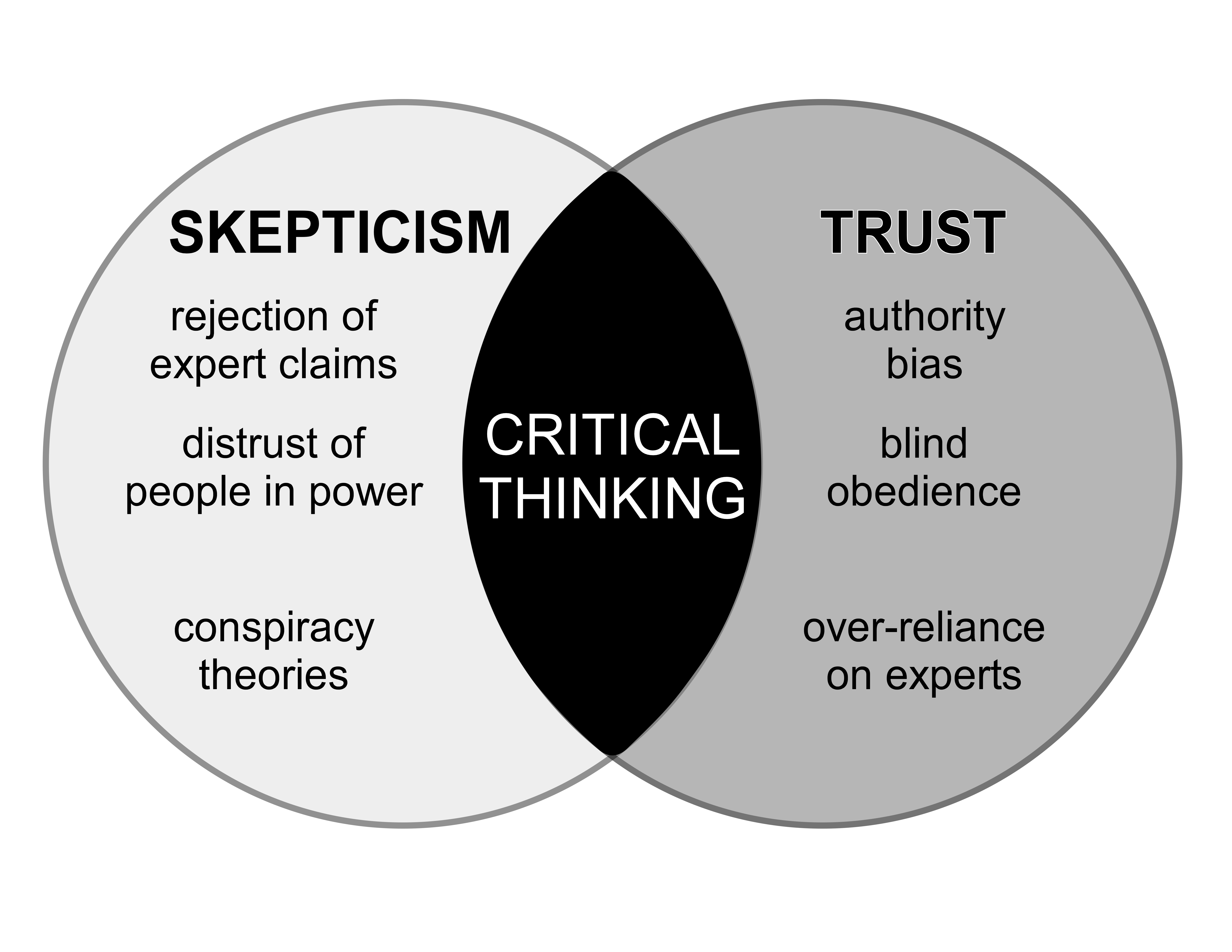
Psychological Mechanisms That Enable Deception
1. Groupthink and Echo Chambers
Groupthink occurs when individuals prioritize group cohesion over critical thinking. In professional circles, questioning widely accepted practices can be socially and professionally risky. If an institution, hospital, or wellness center endorses a particular method, many professionals will blindly accept it rather than challenge its legitimacy.
Similarly, echo chambers are where people are only exposed to information that reinforces their beliefs, creating an illusion of consensus. In other words, if “everyone” in the field is saying something is true, then it must be, right?
Example: A hospital integrates “tai chi” into patient care, but what they are actually promoting is a set of disconnected qigong exercises. Because multiple institutions endorse the same program, no one questions its authenticity.
2. Compliance and Institutional Authority
Many professionals trust authority figures and institutions over personal investigation. If a method is backed by a well-known organization, it is often assumed to be legitimate. Compliance within hierarchical structures, such as hospitals, universities, or corporate training programs, discourages critical inquiry.
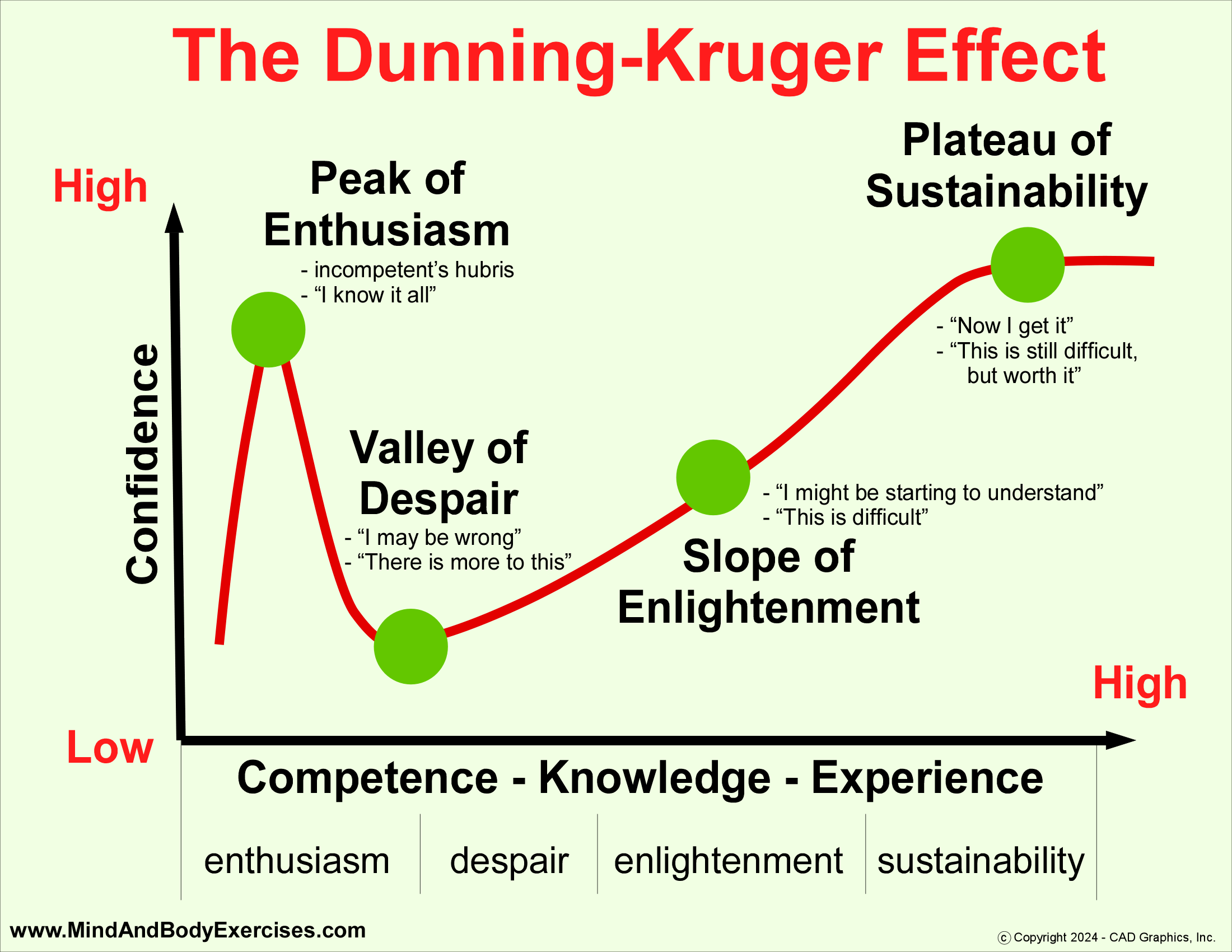
Another crucial factor is the Dunning-Kruger Effect, where individuals with limited knowledge overestimate their competence. This is particularly problematic in fields where professionals receive superficial training in a subject yet assume they have mastered it. A healthcare provider who attends a weekend seminar on tai chi, for example, may believe they fully grasp its principles and applications, despite lacking the years of rigorous training required for true expertise. This misplaced confidence can lead them to misrepresent tai chi, endorse incorrect practices, or dismiss criticisms from those with deeper knowledge.
Example: A university offers a “Tai Chi for Rehabilitation” certification, but the course is taught by individuals with no connection to lineage-based tai chi. Students accept the curriculum as valid because it comes from an academic institution.
3. Cognitive Dissonance and The Need to Justify Investment
Cognitive dissonance occurs when individuals experience psychological discomfort due to conflicting beliefs. Rather than admit they were misled, they will often rationalize their choices.
Example: A doctor who has been teaching “tai chi” to patients later discovers that what they learned has no real connection to tai chi principles. Instead of acknowledging the error, they convince themselves that what they teach is “good enough” because patients seem to benefit from it.
The greater the investment, whether in time, money, or personal reputation, the harder it becomes to admit fault.
4. Loss of Agency and The Illusion of Knowledge
Loss of agency happens when people rely too much on external validation rather than personal research. Many professionals believe that because they are educated, they are immune to deception, a form of bias of overconfidence.
Example: A physical therapist learns tai chi from a single continuing education course and assumes they now “know” tai chi. They never think to seek a lineage-based teacher because they believe their credentials alone make them competent.
This illusion of knowledge creates a false sense of expertise, making individuals less likely to seek out authentic sources.
5. The Hawthorne Effect and Operant Conditioning
The Hawthorne Effect refers to people modifying their behavior when they know they are being observed, often leading them to reinforce whatever system they are operating within. When professionals receive positive feedback for their work, they are more likely to continue it, even if it is flawed.
Example: A wellness instructor receives praise and recognition for teaching “tai chi” to seniors. Even if they later realize that what they are teaching lacks real tai chi principles, they continue anyway because the system rewards them for it.
Similarly, operant conditioning reinforces behaviors through rewards (career advancement, financial incentives, social approval), making individuals hesitant to challenge the status quo.
6. Professional Bias and Status Quo Thinking
Many educated professionals believe they are too intelligent to be misled, ironically making them more vulnerable to deception. They assume that because they have degrees or certifications, they are automatically capable of discerning truth from falsehood. This leads to status quo bias where established norms are favored, even when evidence suggests a better alternative.
Example: A medical board endorses a “tai chi” program without verifying its authenticity. Because it is institutionally approved, healthcare professionals continue promoting it even if they suspect it is inaccurate.
The Responsibility of Professionals to Seek Truth
Highly educated individuals, especially those who interact with the public, must be held to a higher standard of due diligence. Their decisions impact patients, students, and clients, and therefore, they have an ethical obligation to verify the accuracy of what they promote.
While many professionals fall for misinformation unintentionally, willful ignorance is not an excuse. In an era where information is readily available, professionals should be expected to:
- Question the validity of institutional endorsements.
- Seek primary sources and traditional lineages when applicable.
- Acknowledge and correct misinformation rather than doubling down on errors.
Failure to do so not only undermine their credibility but also erodes public trust in education, healthcare, and martial arts traditions.
Conclusion: A Call for Intellectual Integrity
Deception in martial arts, healthcare, and other fields is not just an individual issue. It is a systemic problem rooted in cognitive biases, institutional authority, and social conditioning. By understanding the psychological mechanisms behind why professionals fall for misinformation, we can begin to challenge these patterns and restore integrity to our disciplines.
Education should not be about blind acceptance, but rather it should be about critical inquiry, truth-seeking, and personal responsibility. Those who pride themselves on knowledge must be willing to go beyond surface-level expertise and seek the depth that true mastery requires.

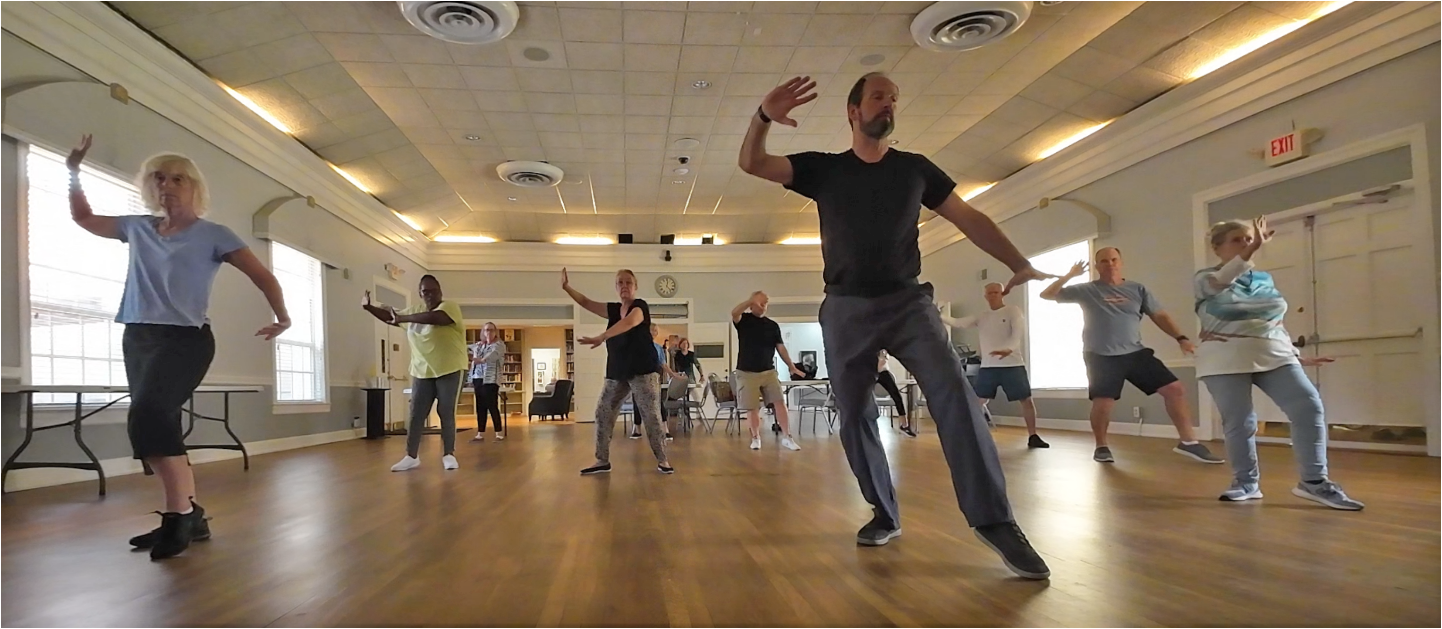

I look forward to further sharing more of my message by partnering with hospitals, wellness centers, VA centers, schools on all levels, businesses, and individuals who see the value in building a stronger nation through building a healthier population.
I also have hundreds of FREE education video classes, lectures, and seminars available on my YouTube channel at:
https://www.youtube.com/c/MindandBodyExercises
Many of my publications can be found on Amazon at:
http://www.Amazon.com/author/jimmoltzan
My holistic health blog is available at:
https://mindandbodyexercises.wordpress.com/
http://www.MindAndBodyExercises.com
Mind and Body Exercises on Google: https://posts.gle/aD47Qo
Jim Moltzan
407-234-0119
 United Martial Arts Association