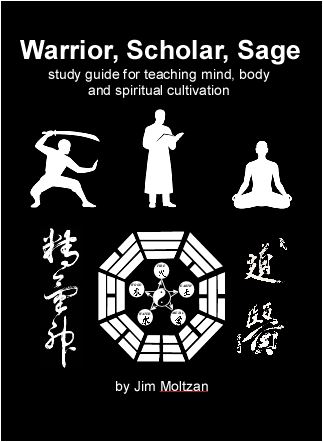
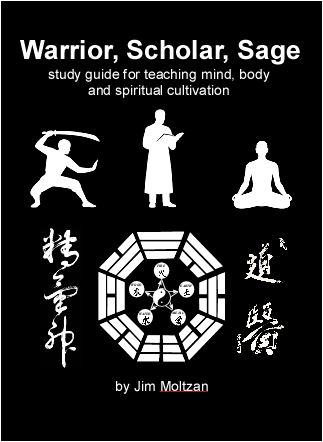
In Warrior, Scholar, Sage, I invite you into a living tradition where martial arts, personal growth, and ancient philosophy merge to awaken the fullest human potential. Drawing from over 40 years of training, teaching, and holistic wellness practice, this book offers a unique blend of physical methodology, mental resilience, and spiritual reflection.
More than a manual of movements, this is a guide to living with awareness and integrity. You’ll explore Eastern martial traditions and Western psychological insights, from archetypes and ethical codes to energetic cultivation, posture work, and the moral responsibility of the modern-day warrior.
Through better understanding of dynamic tension exercises or stances (isometrics), proverbs, stories, and personal reflection, I equip readers to move with intention, teach with clarity, and live with purpose.
Whether you’re a martial artist, instructor, healer, or seeker of truth, Warrior, Scholar & Sage is your compass on the lifelong journey of strength, wisdom, and inner peace.
In a world flooded with noise, speed, and disconnection, this book offers a path back to equilibrium, through movement, breath, and discipline. It supports the development of the complete individual, what I have come to know as the integrated warrior-scholar-sage.
We’re not just training the body. We are refining the mind, expanding awareness, and aligning with higher values. The goal is not combat, but character. Not dominance, but discipline. Not conquest, but connection.
I invite you to read, reflect, and most importantly apply these teachings. Let this guide accompany you on your path to mastery not just in martial arts, but in life.
I look forward to further sharing more of my message by partnering with hospitals, wellness centers, VA centers, schools on all levels, businesses, and individuals who see the value in building a stronger nation through building a healthier population.
I also have hundreds of FREE education video classes, lectures, and seminars available on my YouTube channel at:
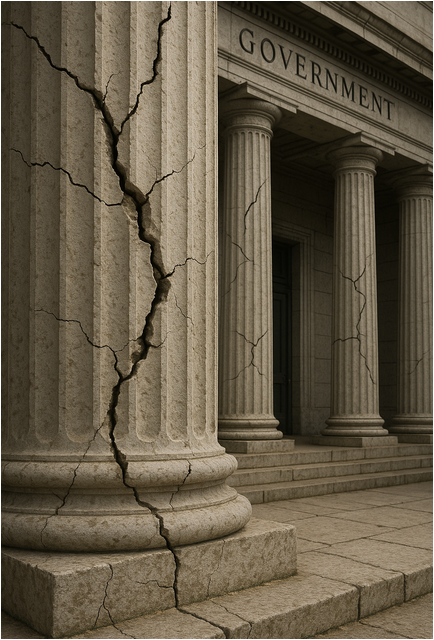
In recent decades, there has been growing debate and public dissatisfaction surrounding the effectiveness of major U.S. government agencies such as the National Institutes of Health (NIH), Centers for Disease Control and Prevention (CDC), Food and Drug Administration (FDA), Environmental Protection Agency (EPA), and Department of Education (DOE). From a holistic health and wellness standpoint, the concerns raised are not only legitimate but crucial for the future well-being of American society.
Despite the enormous budgets allocated to these institutions, many key indicators of national health and environmental quality have not improved and in some cases, have greatly worsened. Rates of chronic diseases, such as obesity, diabetes, and autoimmune disorders, have surged over the past several decades (FaST FaCTs: Health and Economic Costs of Chronic Conditions, 2024). American food products are heavily processed and laden with additives, while issues such as polluted drinking water continue to affect vulnerable populations (Environmental Protection Agency [EPA], 2023). Meanwhile, the pharmaceutical industry’s extensive influence over agencies like the FDA and CDC has raised serious ethical questions about regulatory capture and conflicts of interest (Abbott & Dukes, 2009).
The educational sector is similarly troubled. Despite increased federal involvement, American students have shown declining scores in key academic areas compared to previous generations (National Center for Education Statistics, 2024). From a systems thinking perspective central to holistic health, these problems are interconnected. Poor nutrition, environmental toxicity, and weakened educational outcomes contribute collectively to the degradation of overall societal wellness.
If these agencies operated within the private sector, the level of dysfunction witnessed would likely result in significant consequences for leadership, including firings, lawsuits, or even criminal prosecutions. Companies that consistently fail their customers typically lose credibility and cease to exist. However, because these government organizations are taxpayer-funded and politically shielded, they continue to operate with limited accountability.
The principle of accountability is foundational to any healthy democracy. Citizens not only have the right but the responsibility to demand reforms when institutions fail to serve the public interest. As political theorist John Locke emphasized, government derives its legitimacy from the consent of the governed, and when it ceases to act for the public good, reform becomes necessary (Locke, 1988).
There is significant evidence that Americans are not being adequately protected or served in key areas of health, environment, and education, which are all pillars of a thriving and holistic society. It would therefore not be wrong, but entirely appropriate and vital, for citizens to call for drastic reforms or even overhauls of these agencies. From a holistic health perspective, reform is not simply a political preference; it is a matter of survival and future flourishing.
Holistic wellness emphasizes balance, responsibility, interconnectedness, and long-term thinking. If the government institutions designed to protect health, the environment, and education are misaligned with these principles, it is imperative that we, as a society committed to holistic well-being, advocate for transformative change. Without public awareness and pressure, the existing system will continue to perpetuate dysfunction to the detriment of both current and future generations.
I look forward to further sharing more of my message by partnering with hospitals, wellness centers, VA centers, schools on all levels, businesses, and individuals who see the value in building a stronger nation through building a healthier population.
I also have hundreds of FREE education video classes, lectures, and seminars available on my YouTube channel at:
Rewiring the Nervous System: Ancient Practices for Modern Resilience
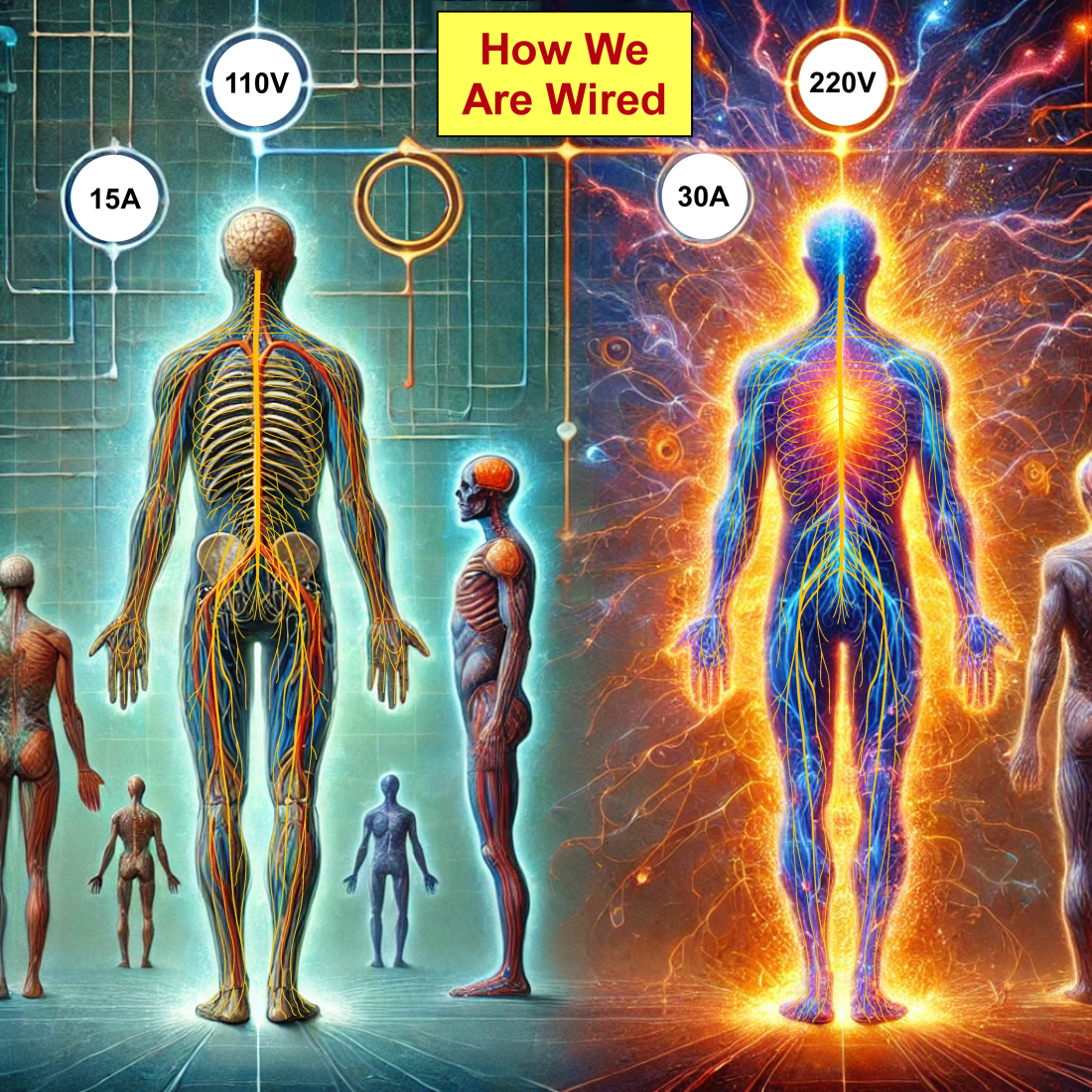
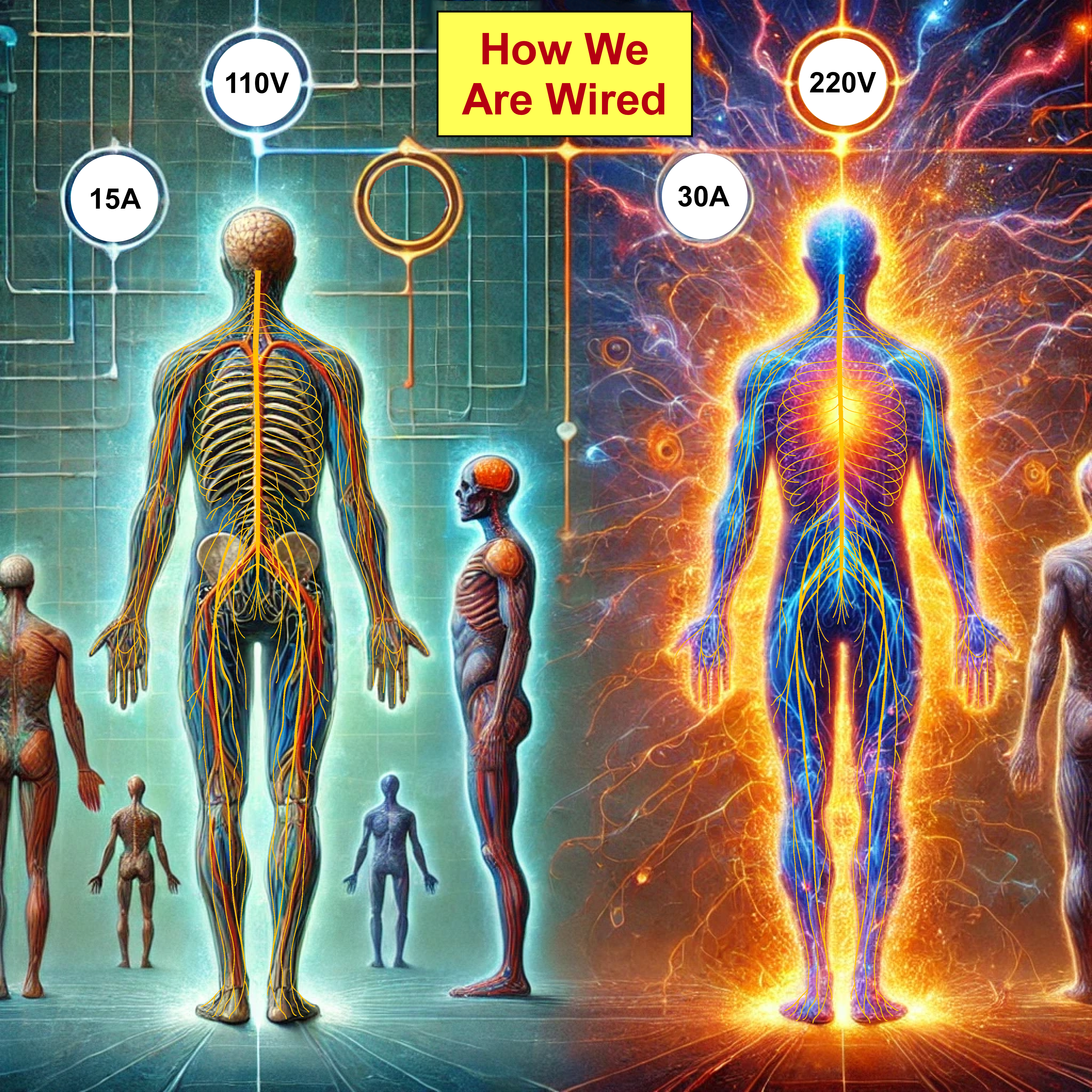
The human nervous system can be likened to an electrical system designed for specific voltage and amperage. Traditionally, it is assumed that most individuals are wired for 110 volts and 15 amps. However, contemporary society necessitates functioning at 220 volts and 30 amps, far exceeding the capacity originally intended by our biology. This increased “voltage” manifests as chronic stress, anxiety, burnout, and various physical ailments.
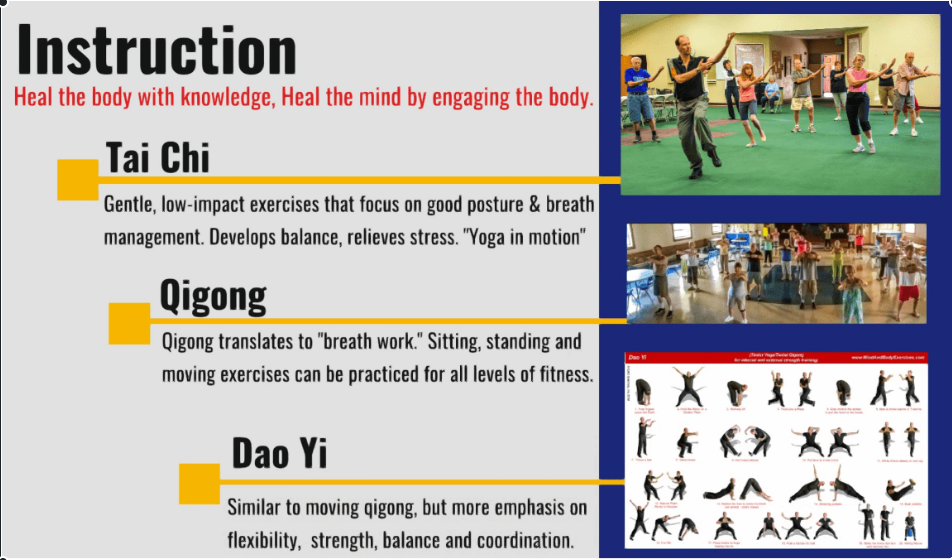
Nevertheless, just as an electrical system can be rewired to handle greater loads, the human nervous system can also be trained to adapt. Ancient practices such as martial arts, qigong, Dao Yin (Taoist yoga), yoga, and breathwork serve as effective interventions. These time-tested methods bridge the gap between the body’s inherent capabilities and the demands of modern life, enabling the nervous system to withstand higher levels of stress without succumbing to being overwhelmed.
The Role of Stance Training and Controlled Stress
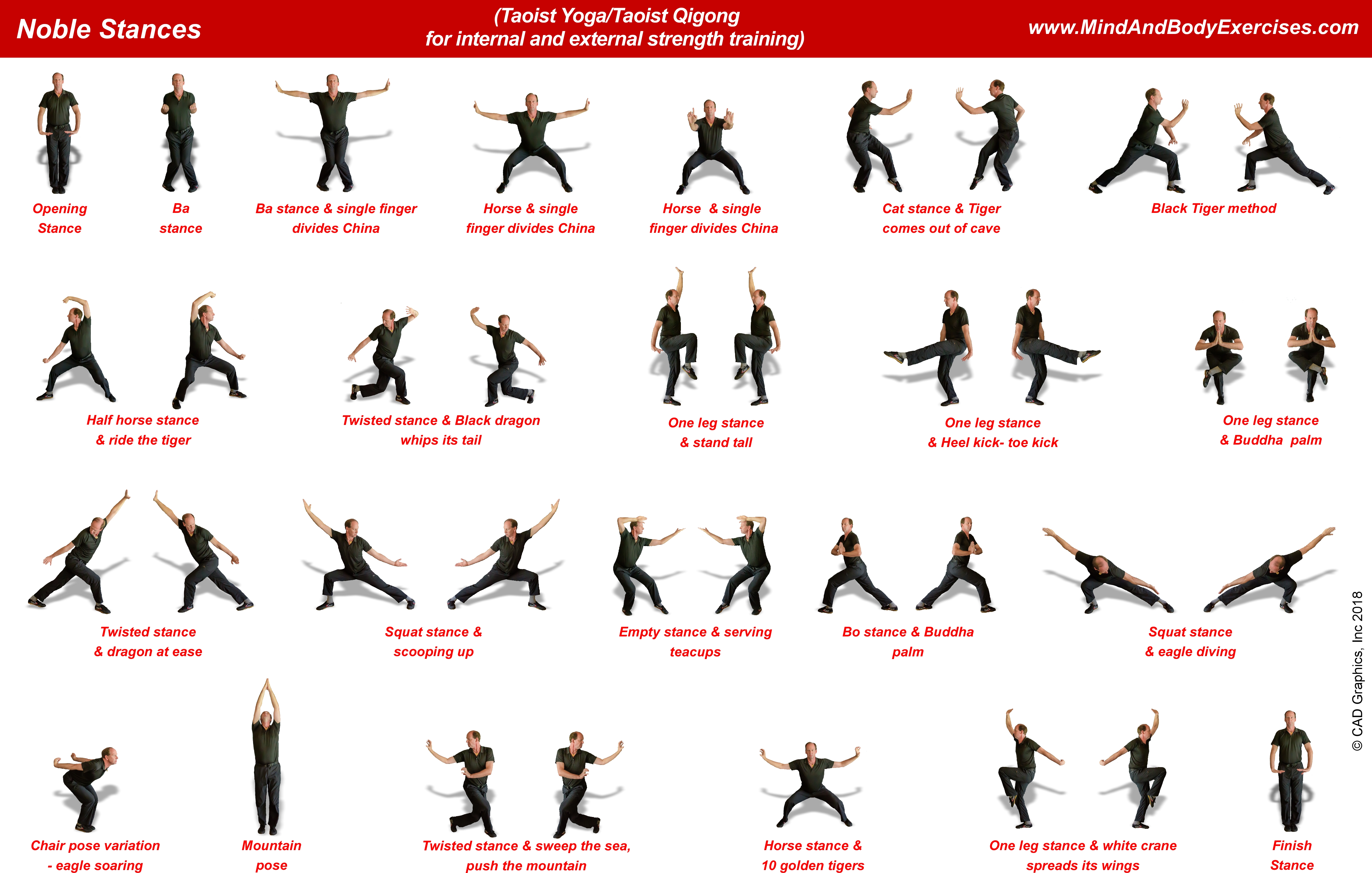
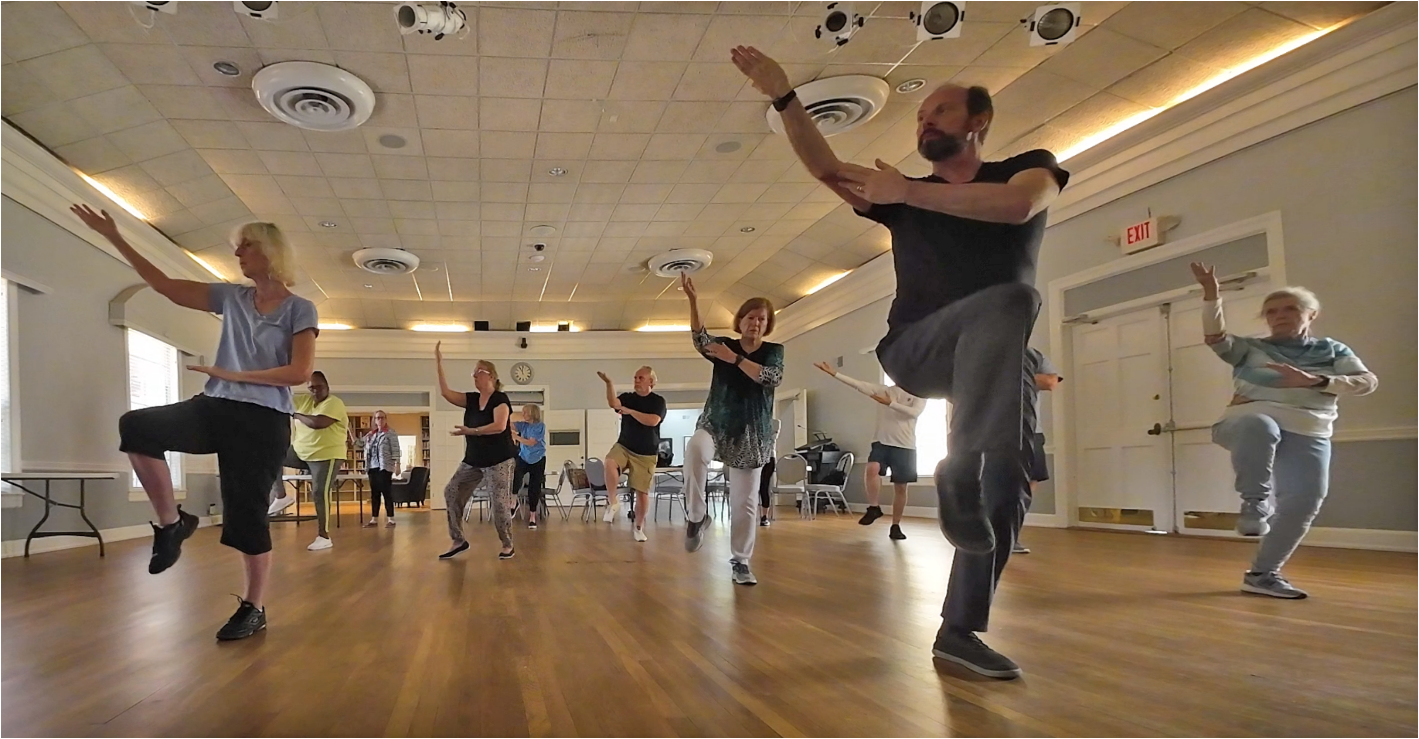
With over 45 years of experience in martial arts, qigong, Dao Yin, and yoga, it has been observed that certain methods can effectively enhance the nervous system. One such method is stance training, which involves holding postures for specific durations while integrating breath control.
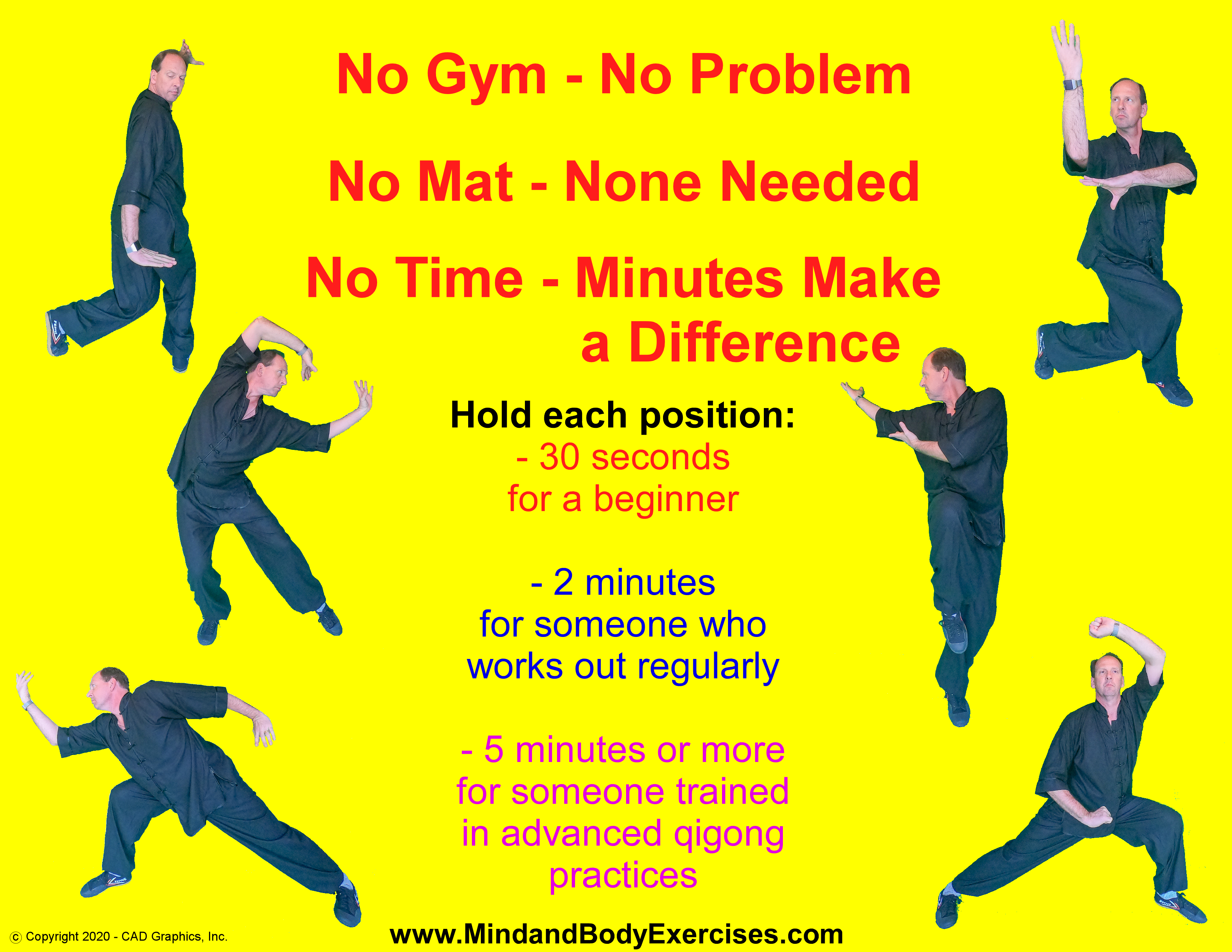
For beginners, basic stances are introduced in succession, initially without prolonged holds. As they progress, duration gradually increases. Once students can hold each stance for 30 seconds, controlled breathing is incorporated, typically three breaths per 30 seconds. With consistent practice, the duration is extended to one-minute holds, adjusting breath cycles to around four to six respirations per minute.
This approach serves multiple purposes. On a physical level, it strengthens the legs, core, and other stabilizing muscles. On a neurological level, it encourages the nervous system to adapt to discomfort, fostering resilience, endurance, and focus. On an energetic level, it stimulates the body’s internal pathways, potentially leading to enhanced vitality and internal balance.
The Science Behind the Training: The Anterior Midcingulate Cortex (aMCC)
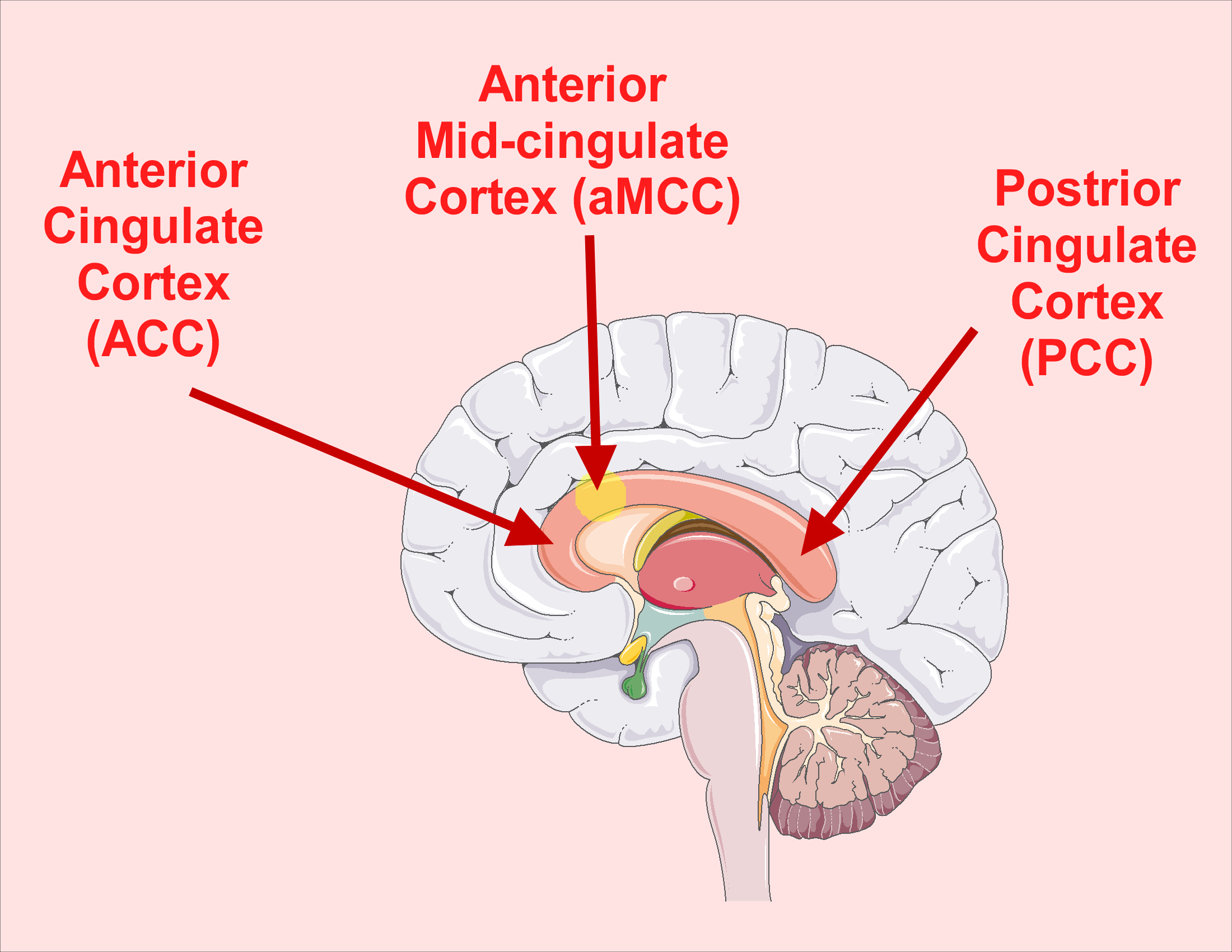
While these practices have been in use for centuries, contemporary neuroscience provides insight into their effectiveness. A critical region of the brain implicated in resilience is the anterior midcingulate cortex (aMCC).
The aMCC is responsible for effortful control, emotional regulation, and persistence in the face of challenges. Research indicates that engaging in controlled stress, such as maintaining difficult stances, regulating breath, or training under discomfort, strengthens and enlarges the aMCC. Consequently, individuals who practice these methods may enhance their ability to manage stress more effectively, increase mental toughness, and maintain composure under pressure.
In essence, deliberate training can augment our capacity to handle life’s challenges, analogous to how lifting heavier weights strengthens muscles. This concept is consistent with the principle of progressive overload, which is well-established in strength training and equally applicable to the nervous system and mental resilience.
“Burning the Chong Mai” – The Energetic Dimension
Beyond the physical and neurological aspects, these practices have deep roots in Taoist and Traditional Chinese Medicine (TCM). An important concept in energetic cultivation is “burning the Chong Mai.”
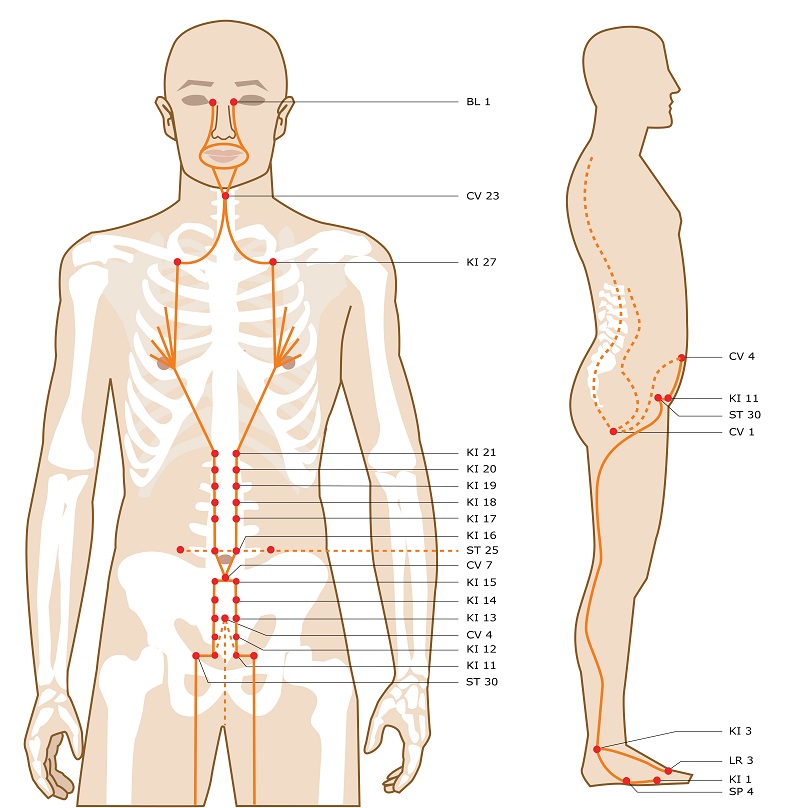
Chong Mai
The Chong Mai (penetrating or thrusting Vessel) is one of the eight extraordinary meridians in TCM. It serves as a primary channel for deep energy reserves, influencing the body’s overall energy flow. When stance work and controlled breathing are practiced regularly, this meridian can be activated, which may allow for greater energy circulation through the other seven extraordinary vessels and the twelve main meridians.
This process can be compared to upgrading a power grid. By increasing the capacity of the Chong Mai, the entire energetic system can become more efficient, stable, and resilient. This observation might explain why long-term practitioners of qigong, Dao Yin, and martial arts often report higher energy levels, improved focus, and a significant sense of internal strength.
Resilience Through Discomfort: The Path to Transformation
The old adage “That which does not kill us makes us stronger” perfectly encapsulates the philosophy behind these training methods. Rather than avoiding stress, we use it as a tool for growth.
Physically, stance training builds strength, endurance, and structural integrity.
Mentally, breath control and effortful posture-holding train the nervous system to remain calm under pressure.
Neurologically, the aMCC adapts and strengthens, improving stress management and persistence.
Energetically, activating the Chong Mai and meridian system enhances internal power and resilience.
Instead of being overwhelmed by modern life’s “220 volts,” we can upgrade our own internal wiring, ensuring that we remain grounded, adaptive, and powerful in an ever-changing world.
For those seeking true strength, not just physically, but mentally and spiritually- these ancient methods offer a proven path to transformation. The keys are consistency, patience, and a willingness to embrace discomfort as a gateway to resilience.
I look forward to further sharing more of my message by partnering with hospitals, wellness centers, VA centers, schools on all levels, businesses, and individuals who see the value in building a stronger nation through building a healthier population.
I also have hundreds of FREE education video classes, lectures, and seminars available on my YouTube channel at:
In studying world events, we often discover that things are not always as they appear on the surface. A powerful example of this is found in John Perkins’ revealing book, Confessions of an Economic Hit Man (Perkins, 2004). Perkins shares his firsthand experiences of how the United States, through corporations, banks, and covert operations, orchestrated financial and political control over many developing nations, often in the name of “helping” them.
According to Perkins (2004), the system worked as follows: economic consultants would persuade leaders of developing nations to accept massive loans for infrastructure projects. These loans, however, rarely benefited the local population. Instead, they flowed to large U.S. corporations like Bechtel, Halliburton, and Stone & Webster to build projects that made countries dependent rather than independent. When nations inevitably struggled to repay their debts, the U.S. could then leverage their vulnerability, gaining access to natural resources, securing military bases, or influencing critical political decisions (Perkins, 2004).
(Lobe, 2024)
If leaders resisted, covert operations and sometimes violent regime changes would often follow. Historical cases such as the overthrow of Mohammad Mossadegh in Iran, the assassination of Omar Torrijos in Panama, and the toppling of Salvador Allende in Chile exemplify this pattern (Kinzer, 2007; Blum, 2003).
Institutions involved in this system included not just private corporations, but also public agencies like the World Bank, the International Monetary Fund (IMF), USAID, and even parts of the NSA and CIA (Perkins, 2004). While many Americans believed and still believe that their country acts as a global force for good, many people around the world have a very different perspective. For them, U.S. involvement often meant debt, exploitation, lost sovereignty, and prolonged suffering under authoritarian regimes supported by external powers (Blum, 2003).
What This Means for Our Own Lives
It’s easy to become deeply engaged, even consumed by the pursuit of truth when uncovering these hidden histories. Indeed, understanding the deeper truths about global affairs can be empowering and necessary for conscious living. However, there is an essential balance we must maintain:
We must not let the pursuit of external truth eclipse the internal truth of caring for ourselves.
Chronic anger, outrage, and obsession can cause significant damage:
Persistent stress weakens the immune system (Segerstrom & Miller, 2004).
Excessive media consumption contributes to mental exhaustion and emotional burnout
Neglect of physical well-being sleep, exercise, nutrition, etc. can diminish vitality and resilience.
In the end, truth-seeking should not come at the cost of self-care. When we are physically strong, mentally clear, and emotionally stable, we are in a far better position to discern information, resist manipulation, and lead by quiet example rather than reactive outrage.
A Healthier Path Forward
History will always be complex, layered with contradictions, hidden motives, and competing interests. Yet we do not serve ourselves or the greater good by burning out or losing our health in pursuit of endless investigation.
Instead, we can:
Practice daily mental hygiene: mindfulness, conscious breathing, time away from media noise.
Maintain physical vitality: nourishing the body through good food, movement, and rest.
Build emotional resilience: cultivating gratitude, perspective, and compassionate boundaries.
By doing so, we remain rooted and strong and able to perceive global injustices without being consumed by them. Global interventions and economic manipulations have been supported by leaders from both major U.S. political parties. Historical evidence shows that Democratic and Republican administrations alike have engaged in coups, economic coercion, military interventions, and covert operations , often justified as protecting “freedom” or “democracy,” but usually serving corporate and strategic interests.
Wellness means seeing clearly. Falling into the trap of blind loyalty to any party can cause mental fatigue, emotional burnout, and chronic frustration. True sovereignty begins with personal health and clear-minded observation, not blind allegiance.
Cultivate awareness. Stay grounded. Care for your own body, mind, and spirit first.
In conclusion, understanding global systems of influence can awaken us. But maintaining personal sovereignty of our own body, mind, and spirit is what ultimately allows us to thrive, think clearly, and live freely.
Awareness without health is a hollow victory. Health without awareness is a shallow peace. Both together create a life of strength, clarity, and purpose.
Perkins, J. (2004). Confessions of an economic hit man. Berrett-Koehler Publishers.
Segerstrom, S. C., & Miller, G. E. (2004). Psychological stress and the human immune system: A meta-analytic study of 30 years of inquiry. Psychological Bulletin, 130(4), 601–630. https://doi.org/10.1037/0033-2909.130.4.601
I look forward to further sharing more of my message by partnering with hospitals, wellness centers, VA centers, schools on all levels, businesses, and individuals who see the value in building a stronger nation through building a healthier population.
I also have hundreds of FREE education video classes, lectures, and seminars available on my YouTube channel at:









 United Martial Arts Association