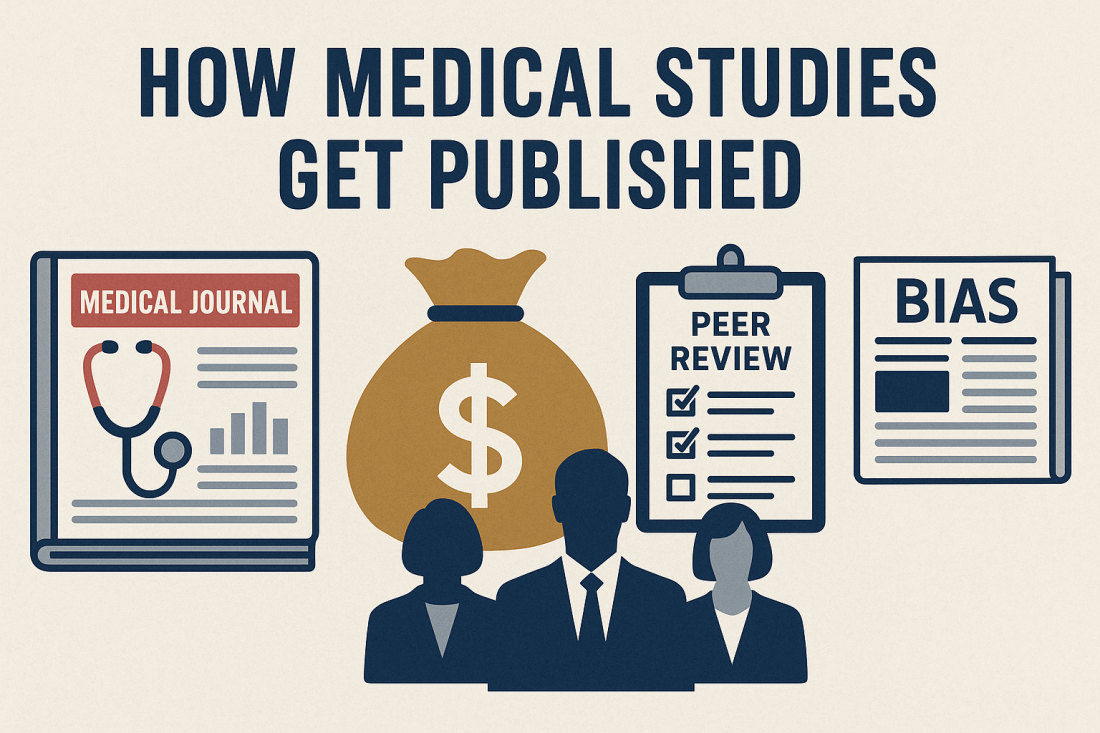
How Medical Studies Get Published and Why It Matters

In the age of evidence-based medicine, published research is often viewed as the gold standard for guiding health decisions. However, behind the polished language of medical journals lies a complex web of funding, publication bias, and editorial politics. While many researchers uphold high standards, recent investigations reveal systemic vulnerabilities in how medical studies are published, even in the world’s most respected journals.
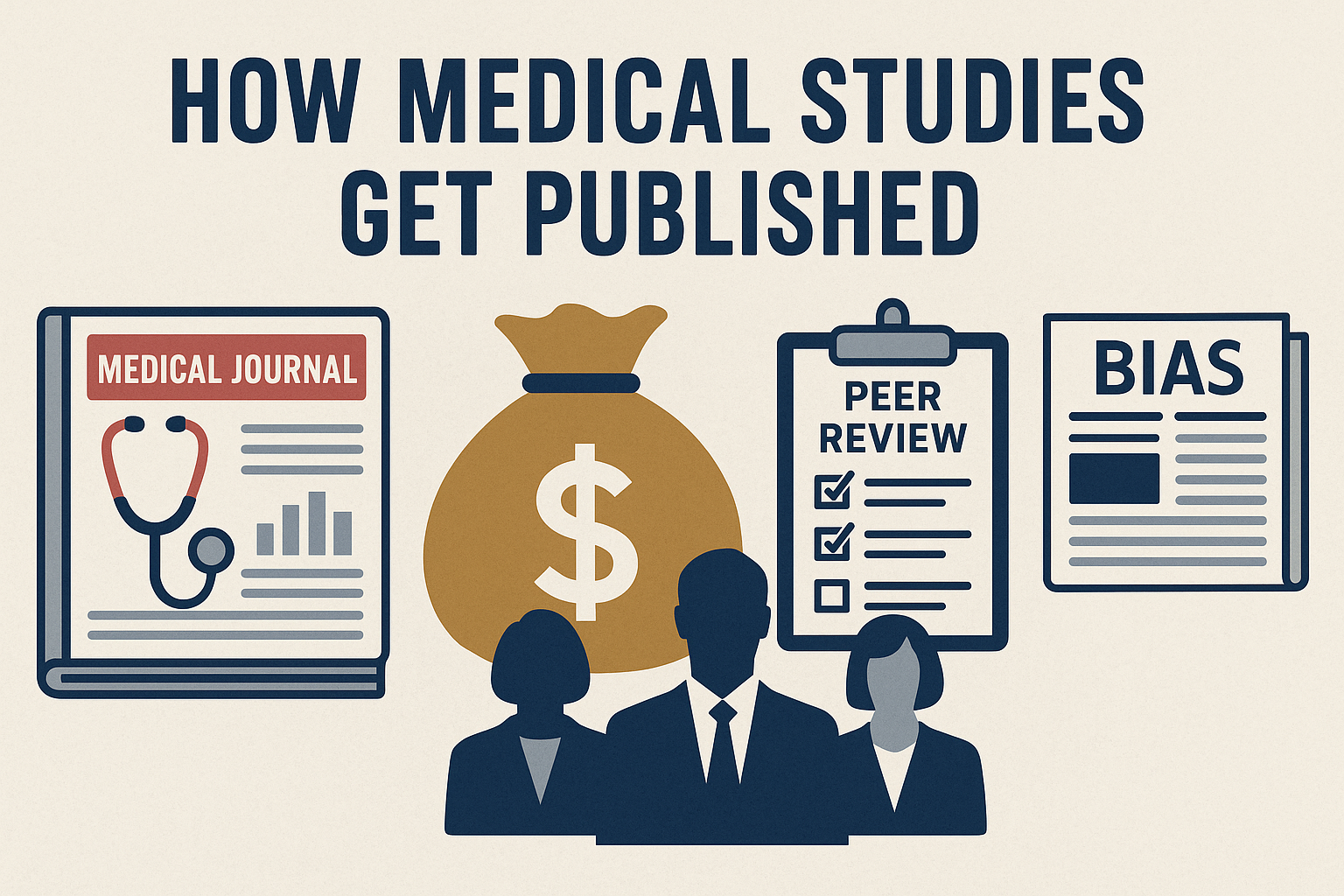
The Traditional Path to Publication

Medical studies generally follow a structured path to publication. Researchers begin by designing their study, obtaining ethical approval (e.g., IRB approval), and collecting data. A manuscript is then submitted to a peer-reviewed journal, where it undergoes scrutiny by field experts who evaluate its methodology, novelty, and clarity. The editorial team, taking reviewer feedback into account, decides whether the paper will be accepted, revised, or rejected.

This peer-review process is intended to serve as a quality filter. However, peer reviewers are unpaid, overburdened, and not always able to detect fraudulent or misleading work, especially in fields outside their specialty (Smith, 2006).

The Cost of Getting Published

One of the less visible aspects of medical publishing is the cost. While traditional journals may publish accepted articles without charge, many newer or open-access journals charge “article processing charges” (APCs) that range from $1,500 to over $5,000 per article (Solomon & Björk, 2012). These fees are often covered by research grants or institutional funding, but they can also create barriers for independent researchers and incentivize some journals to accept more articles, compromising rigor for revenue.

Moreover, the push toward open-access publishing has led to the rise of predatory journals, where publications charge authors but lack credible peer review. This has flooded the academic ecosystem with poorly vetted studies that masquerade as legitimate science.

Politics and Prestige in Editorial Decisions

Studies have shown that research from prestigious universities is more likely to be accepted for publication, a phenomenon known as the “Matthew Effect” (Merton, 1968). Additionally, journals tend to favor studies with statistically significant or “positive” results, leading to a well-documented “publication bias” (Dwan et al., 2013). Negative findings, though scientifically valuable, are less likely to be published, skewing the evidence base.

Even more concerning, high-impact journals have been shown to favor topics that align with social trends or commercial interests. For instance, an investigation by The Wall Street Journal in 2005 exposed how pharmaceutical companies employed ghostwriters to author studies that promoted their drugs, later assigning authorship to respected academics to add legitimacy (Armstrong, 2005). This practice, while not universally accepted, was alarmingly common at the time.

The Paper Mill Problem

In 2024, The Wall Street Journal released another bombshell: a flood of fraudulent research papers had forced the publisher Wiley to retract over 11,000 articles and shut down 19 academic journals (Marcus & Overland, 2024). These papers were often generated by “paper mills” which are organizations that produce fake scientific studies for a fee. Some even used AI to generate content that mimicked legitimate science, exposing deep vulnerabilities in the peer-review and editorial process.

This was not an isolated incident. Other publishers, including Elsevier and Taylor & Francis, have faced similar challenges, revealing how even major journals can be infiltrated by illegitimate science when editorial oversight fails.

The Problem with “Trust the Science”

In recent years, the phrase “trust the science” has become a cultural catchphrase used by media, governments, and institutions to affirm confidence in scientific guidance. While well-intentioned, this phrase can be misleading. It implies that science is monolithic and settled, when in fact it is a dynamic process subject to debate, revision, and crucially, accessibility. Not all valid scientific perspectives make it to publication. Financial constraints, editorial preferences, and publication bias mean that some high-quality studies are never seen by the public or professionals. This selective visibility creates an illusion of consensus, when in reality many opposing findings may have been filtered out of the mainstream conversation (Dwan et al., 2013). Thus, trusting “the science” too literally can obscure the fact that what gets published is only a portion of what is known or could be known on any given topic.

A Historical Case: Vioxx and the NEJM

Concerns over editorial bias are not new. In 2006, The Wall Street Journal reported on how the New England Journal of Medicine failed to detect misleading data about the arthritis drug Vioxx, which was later withdrawn from the market due to cardiovascular risks (Martinez & Winslow, 2006). Critics argued that key risk data were omitted from published studies, undermining public safety.

This case became a turning point in the debate over transparency, conflict of interest, and pharmaceutical influence in academic publishing.

Navigating the Landscape: A Call for Awareness

For health-conscious individuals and practitioners in holistic wellness, the takeaway is not to reject scientific research, but to read it critically. The peer-reviewed system has value, but it is not infallible. Consider the funding source, author affiliations, and whether the journal itself is reputable and transparent about its processes.

Advocates for scientific reform are pushing for stronger peer-review standards, post-publication review systems, and the full disclosure of data and conflicts of interest. Platforms like Retraction Watch, PubPeer, and preprint servers like medRxiv offer tools for transparency.

–  Retraction Watch

–  PubPeer

–  MedRxiv

–  PLOS ONE Publication Criteria

–  WSJ science reporting

References:

Armstrong, D. (2005, December 13). At medical journals, writers paid by industry play big role. The Wall Street Journal. https://www.wsj.com/articles/SB113443606745420770

Dwan, K., Gamble, C., Williamson, P. R., & Kirkham, J. J. (2013). Systematic review of the empirical evidence of study publication bias and outcome reporting bias—An updated review. PLOS ONE, 8(7), e66844. https://doi.org/10.1371/journal.pone.0066844

Marcus, A., & Overland, C. (2024, February 22). Flood of fake science forces multiple journal closures. The Wall Street Journal. https://www.wsj.com/science/academic-studies-research-paper-mills-journals-publishing-f5a3d4bc

Martinez, B., & Winslow, R. (2006, May 18). How the New England Journal missed warning signs on Vioxx. The Wall Street Journal. https://www.wsj.com/articles/SB114765430315252591

Merton, R. K. (1968). The Matthew effect in science: The reward and communication systems of science are considered. Science, 159(3810), 56–63. https://doi.org/10.1126/science.159.3810.56

Smith, R. (2006). Peer review: A flawed process at the heart of science and journals. Journal of the Royal Society of Medicine, 99(4), 178–182. https://doi.org/10.1258/jrsm.99.4.178

Solomon, D. J., & Björk, B. C. (2012). A study of open access journals using article processing charges. Journal of the American Society for Information Science and Technology, 63(8), 1485–1495. https://doi.org/10.1002/asi.22673

Options for Managing Chronic Pain #1

Recently I presented a 3-session discussion of managing chronic pain and various health conditions without relying heavily on pharmaceuticals. Drawing on over four decades of experience in fitness, wellness, and martial arts, I shared practical alternatives for alleviating chronic pain, enhancing overall health, and addressing root causes of illness through natural and holistic methods. The presentation emphasizes lifestyle changes such as regular exercise, proper nutrition, adequate sleep, positive mindset, and maintaining good posture. In addition to physical activity, I introduced various therapies from traditional Chinese medicine like acupuncture, cupping, and herbal treatments, alongside modern tools such as massage guns, acupressure blankets, TENS units, and topical applications like Biofreeze and herbal extracts and oils.

This talk also highlights the important role of breathing techniques and managing thoughts and emotions to influence bodily health, noting the body-mind connection reflected in how emotions such as fear and anger affect organ function. I stressed the importance of building health-supportive habits, acknowledged the challenge of post-traumatic growth, and discussed the nuanced use of heat and cold therapies. Practical advice on selecting and safely using equipment and topical treatments is interwoven with cautions about chemical ingredients and the need for professional guidance when appropriate.

Traditional Chinese medicine explanations include the theory of meridians and fascia as pathways for energy and healing, while acknowledgment of the placebo effect underscores individual variability in treatment success. The presentation culminates with a discussion on herbal remedies and CBD products, encouraging personal experimentation with proper research and awareness of one’s unique constitution. Finally, I outlined future classes focusing on exercises for specific pain areas, breathing techniques, and addressing common ailments such as headaches.

Highlights

  • 🌿 Emphasis on managing chronic pain naturally through lifestyle changes and holistic methods.
  • 🧘‍♂️ Importance of regular exercise, stretching, and posture correction to alleviate joint and muscle pain.
  • 🌞 Balanced exposure to sunlight recommended for overall health despite skin cancer concerns.
  • 🌬️ Deep, nasal breathing techniques help regulate hormones and reduce stress.
  • 💆‍♀️ Overview of traditional Chinese medicine therapies such as acupuncture, cupping, and reflexology.
  • ⚡ Introduction of modern tools like massage guns and TENS units for targeted pain relief.
  • 🌱 Discussion of herbal remedies and CBD products with a focus on personal research and safety.

Key Insights

  • 🌟 Holistic Approach to Chronic Pain Management: The presentation advocates a multi-faceted strategy that goes beyond drugs, focusing on physical activity, nutrition, sleep, mental health, and social connection. Chronic pain is not treated solely as a symptom requiring pills but as a condition that benefits from addressing root causes like posture, mobility, and emotional well-being.

  • 💪 Exercise as a Foundation of Health: Regular, thoughtful exercise not only builds strength and flexibility but also aids in maintaining joint integrity and reducing inflammation. Tailored rehabilitation exercises for injury-prone areas such as knees and back show how specific movements can promote healing and prevent surgery, underscoring the preventive value of physical training.

  • 🌞 Sunlight’s Dual Role: Despite warnings about sun exposure, moderate sunlight early in the day is beneficial for vitamin D synthesis and overall well-being. This nuanced advice counters extreme avoidance and highlights how balanced choices support immune function and energy metabolism.

  • 🧠 Mind-Body Connection Through Thought and Emotion: The concept that emotions influence physical health is grounded in both traditional Asian medicine and modern science. Chronic fear, anger, and depression affect hormone and nervous system balance, which in turn impacts organ health and pain perception. Cultivating positive attitudes is presented as an essential part of holistic health care.

  • 🧘 Breathing as a Regulatory Tool: Emphasizing nasal breathing, I explained its biological effects on the nervous system’s fight-or-flight response and hormone regulation. It’s a simple, often overlooked method to enhance relaxation, improve circulation, and support natural healing processes by shifting the body into a rest-and-digest state.

  • 🌿 Traditional Chinese Medicine and Modern Integration: The explanation of meridian theory in relation to fascia and connective tissue bridges ancient concepts with current anatomical understanding. Techniques like acupuncture, cupping, and acupressure stimulate circulation and nervous system responses, and while their scientific basis is still debated, many find them effective. The placebo effect is recognized as a legitimate contributor to therapeutic outcomes.

  • ⚙️ Safe and Informed Use of Therapeutic Tools and Topicals: Modern devices like massage guns and TENS units can provide effective relief when used properly, but self-education and professional guidance are critical to avoid injury. Similarly, topical treatments like Biofreeze and traditional herbal liniments are recommended with caveats regarding chemical content and appropriate application to prevent adverse reactions.

  • 🌱 Individual Variability and Habit Formation: Chronic pain management is highly personalized. What works for one person might not work for another, which places importance on trying different methods and establishing consistent habits to evaluate effectiveness. The 21-day habit-building model is cited to encourage persistence and gradual lifestyle change.

  • 🌿 Herbal Medicine and CBD’s Mixed Efficacy: Herbal remedies such as ashwagandha and valerian root, alongside emerging treatments like CBD oil, show promise but require careful individual assessment and research. The overlap with placebo effects means patients must remain open-minded yet discerning, guided by their body’s responses and external advice.

  • 🩺 Discerning Between Muscle and Nerve Pain: Understanding the distinction between muscular discomfort and nerve-related pain is key to selecting appropriate therapies. For example, nerve pain may radiate and be treated with different techniques compared to localized muscle soreness, necessitating professional diagnosis to optimize treatment choices.

  • 🔥 Heat vs. Cold Therapy Nuances: The presentation challenges simplistic views on hot and cold treatment by discussing recent medical perspectives on risks and timing. Cold is beneficial immediately post-injury to reduce inflammation but can cause cell damage if prolonged, while heat aids recovery after inflammation subsides, supporting personalized and time-sensitive application.

  • 🌱 Post-Traumatic Growth Emphasized Over Syndrome: Rather than dwelling on trauma as a limiting factor, I frame it as an opportunity for growth. Adopting this mindset fosters resilience, encouraging individuals to engage in rehabilitation, self-care, and lifestyle changes despite past injuries or stressors contributing to chronic pain.

  • 🤝 Value of Social Connection and Mental Health Support: Being part of a supportive community, such as a health class or social network, can distract from pain and enhance feelings of well-being. This social support acts synergistically with physical treatment and mental health practices to bolster overall recovery and health maintenance.

In conclusion, my video offers a rich and practical resource for anyone seeking alternatives or complements to pharmaceutical pain management. It integrates ancient wisdom with contemporary tools and scientific insights, advocating for an active, informed, and individualized approach to chronic pain and health challenges. The emphasis on self-care, preventive habits, and understanding the body-mind interplay positions viewers to take more control of their well-being without over-dependence on medication.

The Evolution of Luohan Qigong and Shaolin Martial Arts: Bodhidharma’s Legacy in Physical and Spiritual Cultivation

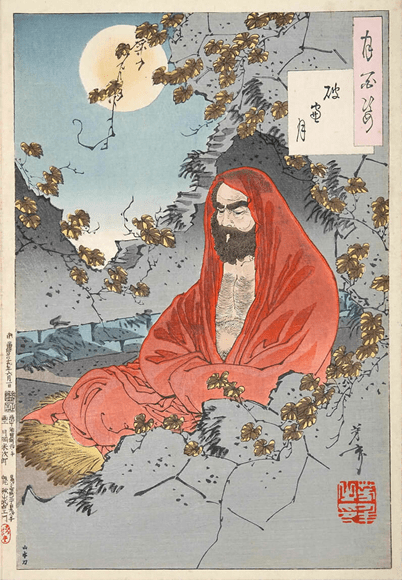
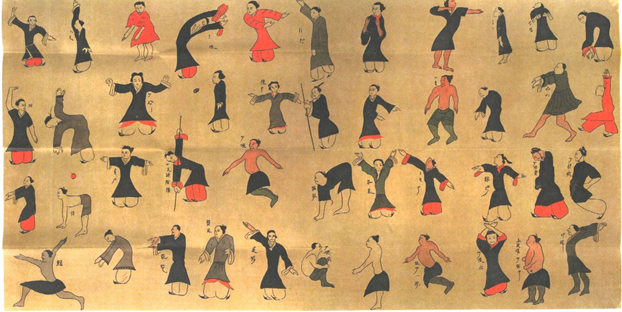
The historical narrative of martial arts in China is deeply interwoven with spiritual cultivation, particularly through the legendary influence of Bodhidharma (Damo), the Indian monk credited with introducing Chan (Zen) Buddhism to the Shaolin Temple. His teachings are widely regarded as the seed of Shaolin martial arts, combining meditative discipline with physical conditioning through systems such as the YiJin Jing (Muscle-Tendon Changing Classic) and the 18 Luohan Hands. These practices, over centuries, evolved into the sophisticated combat and wellness system now known as Shaolin Kung Fu.

Bodhidharma’s Contributions

Bodhidharma’s arrival at the Shaolin Monastery in roughly the 5th or 6th century CE introduced transformative practices focused on both internal and external cultivation. He is traditionally credited with teaching three major systems:

Chan meditation – promoted inner stillness and enlightenment through direct experience and introspection (Red Pine, 1987)

YiJin Jing (Muscle and Tendon Changing) and Xisui Jing (Marrow Cleansing Classic).  Which the two were physical regimens aimed at strengthening the body, improving Qi circulation, and preparing monks for long periods of seated meditation (Shahar, 2008).

YiJin Jing: Conditioning the Body for Higher Purpose

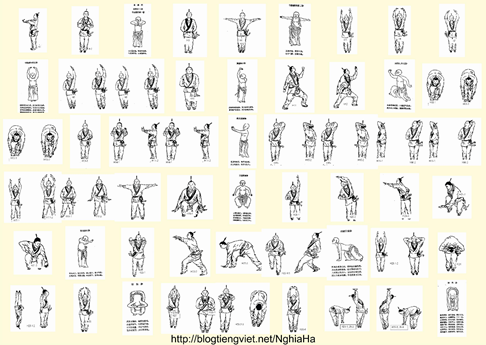
The YiJin Jing consists of dynamic tension exercises that train the musculature, tendons, and fascia, preparing the body not only for martial use but also for maintaining vitality and structural integrity. These exercises, according to tradition, were prescribed by Bodhidharma to enhance the monks’ endurance and resistance to fatigue and essential for rigorous spiritual practices (Henning, 1999). Movements from YiJin Jing later evolved into practical combat sequences, emphasizing controlled breathing, rooted stances, and explosive force, characteristics now central to Shaolin martial arts.

YiJin Jing (Muscle & Tendon Changing)

18 Luohan Hands: The Proto-Forms of Shaolin Kung Fu

The 18 Luohan Hands are a set of Qigong-like movements, traditionally considered the earliest structured exercises linking health cultivation and martial efficacy. These forms included basic palm strikes, circular motions, and integrated breath control. These elements would later become foundational for Shaolin fighting systems. Over time, they were elaborated into more complex forms such as Luohanquan (Arhat Fist), a style known for its precise, direct strikes and meditative underpinnings (Shahar, 2008).

13 Luohan Qigong: Bridging Internal and External

A related tradition, 13 Luohan Qigong, comprises a sequence of exercises that further integrates internal energy development with martial readiness. Each of the 13 movements targets specific energetic pathways and anatomical functions. For instance, “Luohan Draws the Bow” emphasizes lung expansion and Qi projection, while “Luohan Stands on One Leg” cultivates balance and stability. These movements not only reinforce martial mechanics but also nurture internal harmony, resonating with Taoist and Buddhist philosophies on health and enlightenment (Yang, 2010).

The Synthesis into Shaolin Martial Arts

The transition from static Qigong forms to combative martial art forms at Shaolin was catalyzed by the necessity of self-defense and discipline. The YiJin Jing provided the physiological robustness and tendon strength required for explosive movement, while the 18 Luohan Hands offered the basic motor patterns and coordination that could be adapted into fighting techniques. By combining these with Chan Buddhist principles and eventually incorporating external influences such as Chinese military tactics and folk styles, Shaolin monks developed a comprehensive martial system.

This system expanded into various forms and weapons styles, each integrating internal power (Nei Dan), structural integrity, and mental discipline. Notably, Luohanquan emerged as a canonical representation of these origins, continuing the legacy of the original Luohan exercises through its focus on both spirit and technique (Wong, 1996).

Conclusion

The legacy of Bodhidharma at Shaolin Temple is not only spiritual but deeply physical. Through systems such as YiJin Jing, 18 Luohan Hands, and 13 Luohan Qigong, he set in motion a lineage that would unite body, mind, and spirit into one of the world’s most enduring martial traditions. Today, practitioners of Shaolin arts continue to embody these principles, integrating ancient wisdom with modern discipline in the pursuit of balance, strength, and self-realization.

References:

Henning, S. E. (1999). Academia encounters the Chinese martial arts. China Review International, 6(2), 319–332. https://www.jstor.org/stable/23732172

Pine, R. (1987). THE ZEN TEACHING of Bodhidharma. In North Point Press (First). North Point Press. https://selfdefinition.org/zen/Zen-Teaching-of-Bodhidharma-trans-Red-Pine-clearscan.pdf

Shahar, M. (2008). The Shaolin Monastery: History, Religion, and the Chinese Martial Arts. University of Hawai‘i Press. http://www.jstor.org. https://www.jstor.org/stable/j.ctvvmxs5

Wong, Kiew Kit. (1996). The Art of Shaolin Kung Fu: The Secrets of Kung Fu for Self-Defense, Health, and Enlightenment. Tuttle Publishing.

Yang, Jwing-Ming. (2010). Qigong Meditation: Embryonic Breathing. YMAA Publication Center. https://ymaa.com/articles/qigong-meditation/embryonic-breathing

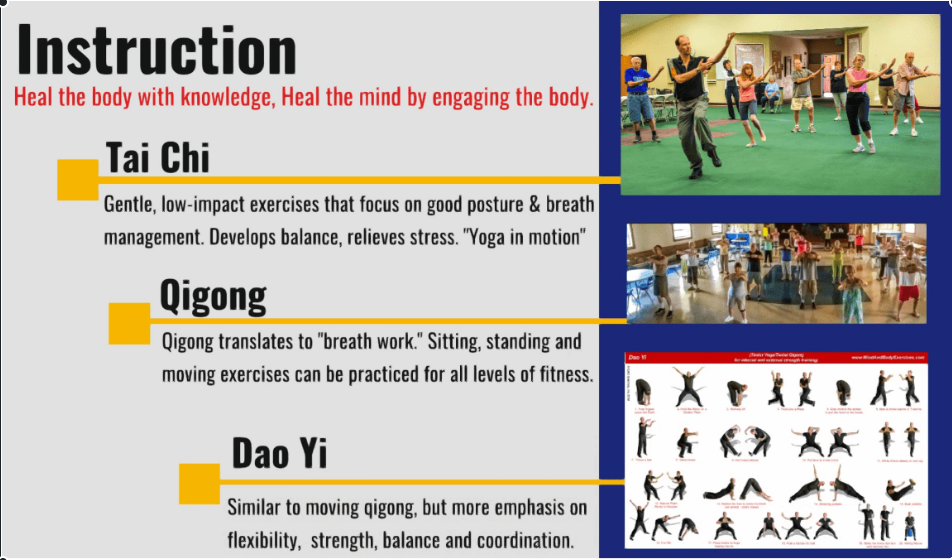
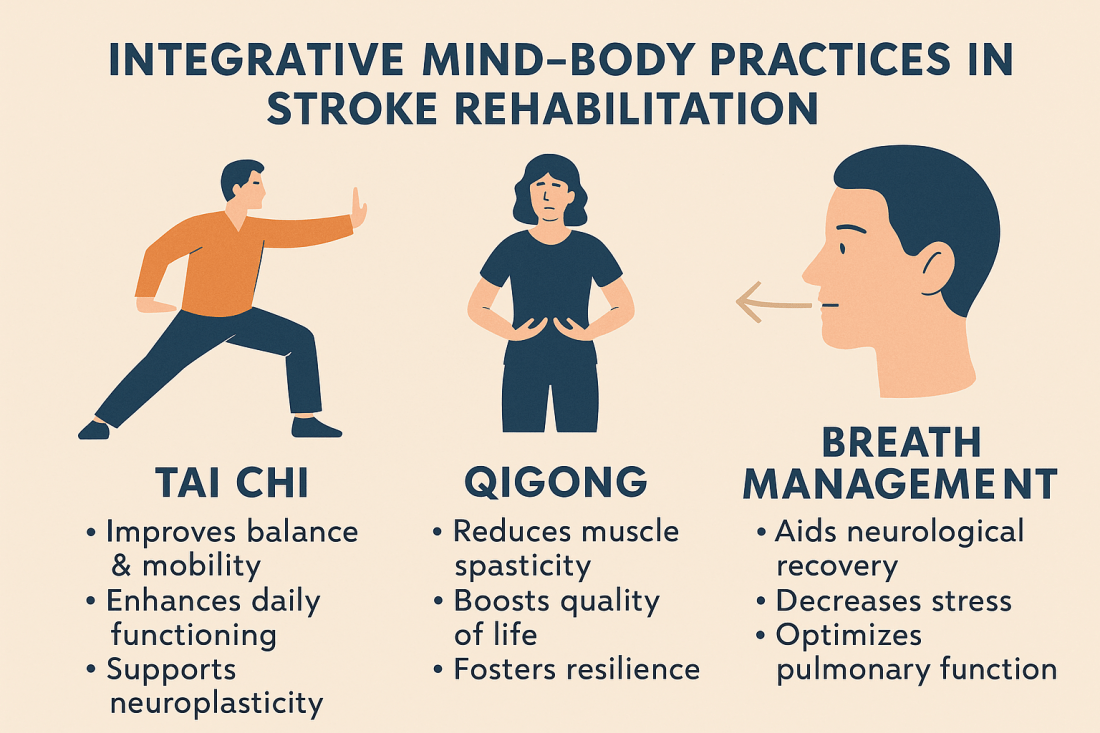
Integrative Mind-Body Practices in Stroke Rehabilitation: The Role of Tai Chi, Qigong, and Breath Management

Stroke is a major cause of long-term disability, affecting millions globally. Conventional rehabilitation methods focus primarily on physical and cognitive therapy. However, mind-body practices like Tai Chi, Qigong, and breath regulation have emerged as effective complementary interventions. This article explores the physiological and psychological benefits of these practices in post-stroke recovery, supported by peer-reviewed evidence and recent clinical studies.

A stroke occurs when blood flow to the brain is interrupted, leading to a range of impairments in movement, speech, memory, and emotional regulation. Recovery can be slow and incomplete, with many survivors experiencing long-term disability. While conventional stroke rehabilitation includes physical therapy, speech-language therapy, and occupational therapy, integrating holistic practices like Tai Chi, Qigong, and breathwork has been researched and may significantly enhance outcomes (Li et al., 2012; Wang et al., 2022).

Tai Chi for Stroke Recovery

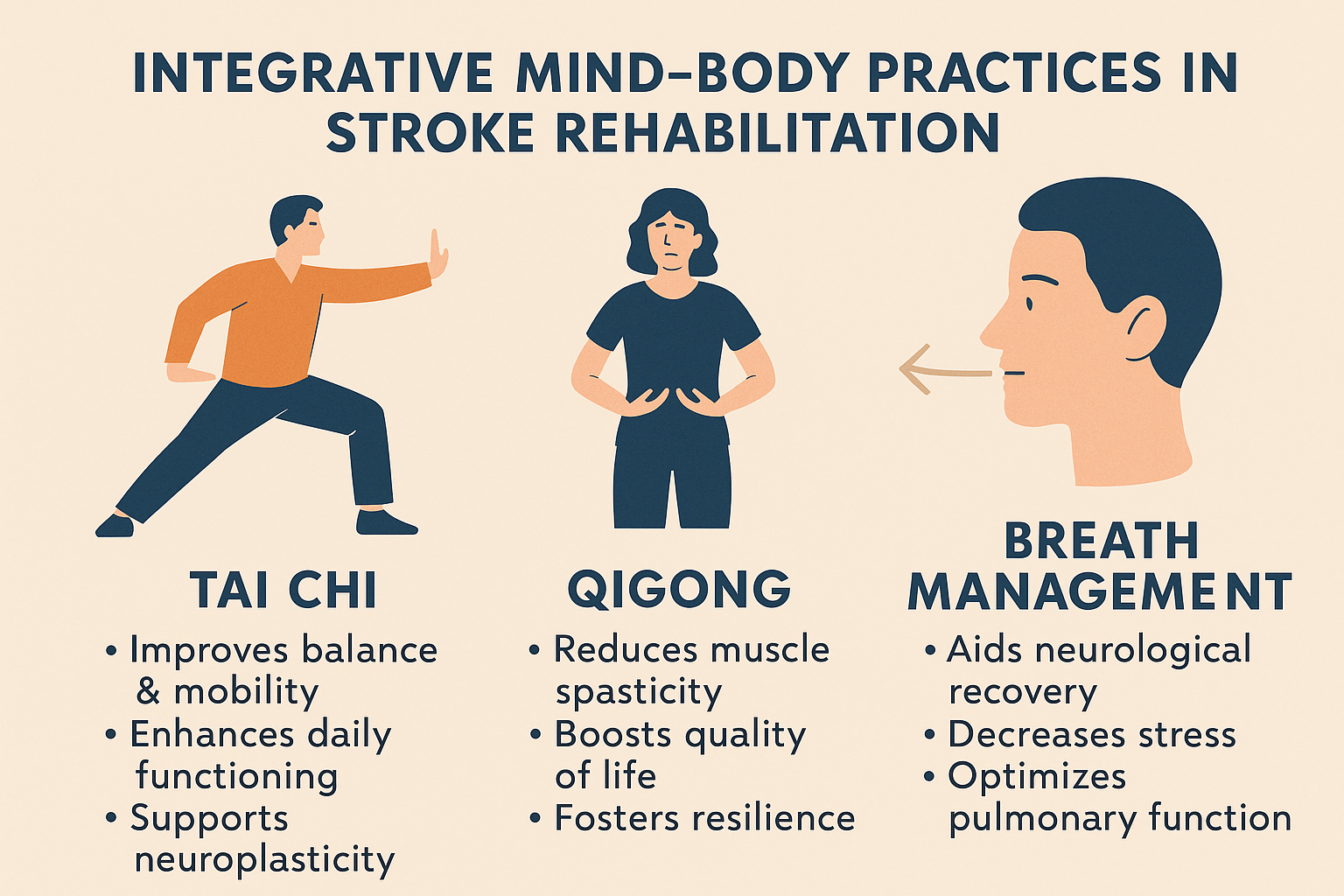
Tai Chi is a low-impact, meditative exercise rooted in Chinese martial arts, consisting of slow, flowing movements coordinated with breath and focused attention. Studies indicate Tai Chi is safe and beneficial for stroke survivors, particularly for improving balance, mobility, and activities of daily living (ADLs) (Park et al., 2022).

In a meta-analysis of 27 randomized controlled trials involving 1,919 stroke survivors, Tai Chi was found to significantly improve dynamic balance (Hedges’ g = 1.04), walking ability (Hedges’ g = 0.81), and ADL performance (Hedges’ g = 0.43) (Park et al., 2022). Additionally, seated Tai Chi adaptations demonstrated improved upper-limb function and mental health, making it ideal for those with limited mobility (American Heart Association [AHA], 2022).

Furthermore, Tai Chi supports postural control by engaging both the musculoskeletal and nervous systems, promoting neuroplasticity, an essential component in recovery after stroke-induced brain damage (Li et al., 2012).

Qigong as a Therapeutic Modality

Qigong integrates movement, breathing, and mental focus to cultivate “qi” or vital life energy. Like Tai Chi, it is accessible, adaptable, and especially effective in promoting both physical and psychological healing in stroke patients (Wang et al., 2022).

Qigong has been shown to reduce muscle spasticity, improve upper and lower limb function, and enhance the quality of life in stroke survivors. Moreover, it fosters mental resilience, helping to reduce depression and anxiety, two common post-stroke complications (Wang et al., 2022).

To substantiate the claim about the adaptability of Qigong for individuals at all recovery stages, you can refer to the study by Wang et al. (2022), which highlights Qigong’s effectiveness in promoting physical and psychological healing for stroke patients. This research emphasizes Qigong’s versatility, as it can be practiced in various postures of standing, seated, or lying down, making it suitable for diverse mobility levels.

Breath Management Techniques

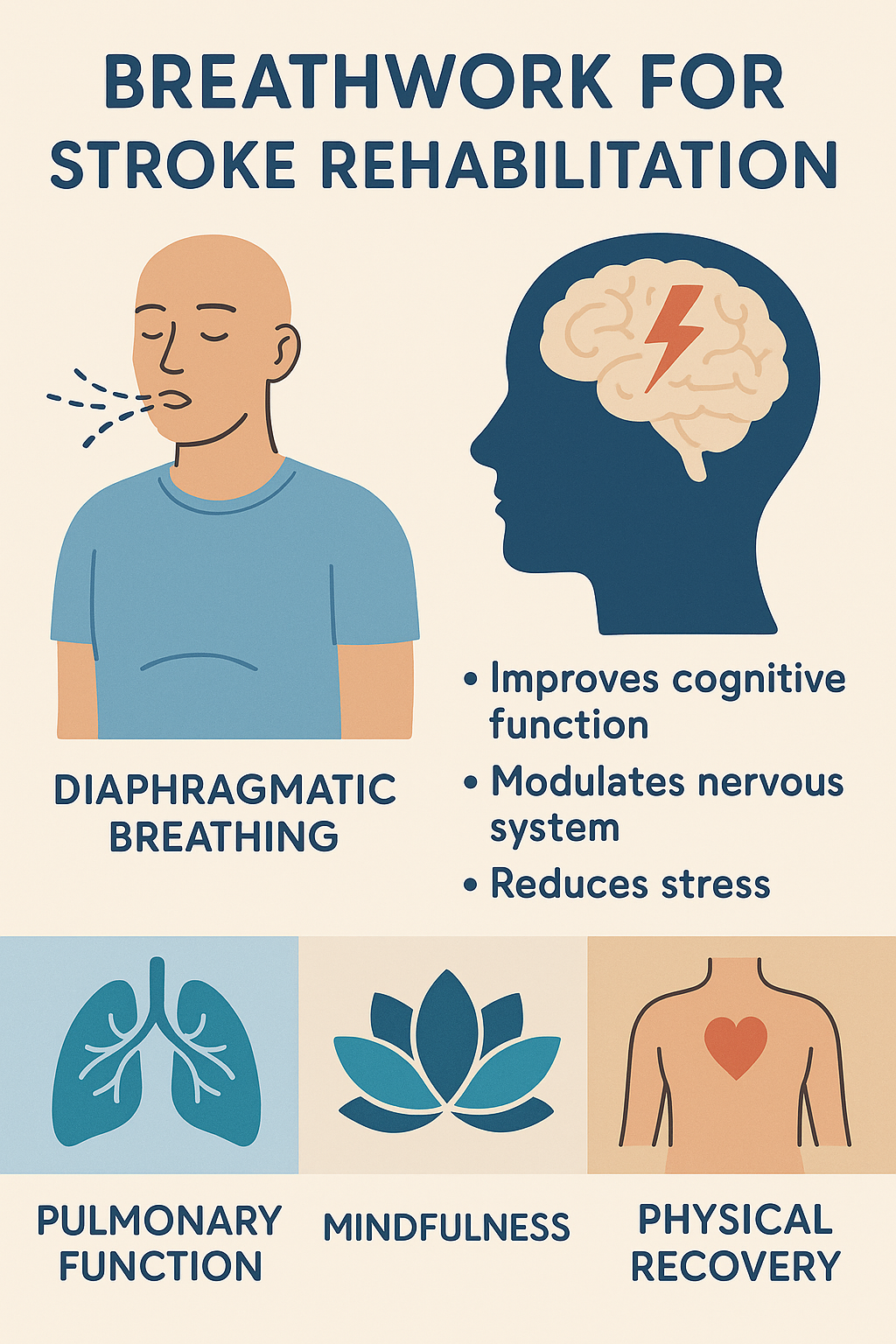
Breath control plays a foundational role in both Tai Chi and Qigong, but it also serves as a stand-alone therapy in stroke rehabilitation. Breathing exercises like diaphragmatic breathing, pursed-lip breathing, and alternate nostril breathing improve pulmonary function, reduce stress, and enhance neurological recovery (Kang et al., 2022)

A recent review by Kang (2022) found that stroke patients engaging in structured breathwork showed measurable improvements in cognitive function and mental alertness. Controlled breathing can modulate the autonomic nervous system, reduce sympathetic arousal, and improve oxygen delivery to brain tissue. These are crucial factors for healing post-stroke.

Another meta-analysis found that respiratory muscle training significantly improved walking ability, respiratory strength, and vital capacity in stroke survivors (Liu et al., 2024). Breath regulation also fosters mindfulness and can reduce stress-induced cortisol levels, which otherwise impair cognitive and physical recovery.

Clinical Integration and Application

The integration of Tai Chi, Qigong, and breath management into stroke rehabilitation offers a complementary model that addresses the whole person: body, mind, and spirit. These practices are particularly suited for long-term maintenance and chronic stroke management because they are low-cost, non-invasive, and patient-empowering.

Rehabilitation professionals can incorporate these practices as part of a tiered recovery program. For instance, seated Qigong or Tai Chi can be introduced early, with progression toward standing forms as the patient’s balance and strength improve. Breath training may be applied across all stages, helping regulate mood and improve mental clarity from the onset (Wang et al., 2022).

Instructor certification and training should be considered when implementing these practices in clinical settings to ensure safety and efficacy. Additionally, ongoing research is warranted to explore the neurological mechanisms by which these practices influence post-stroke plasticity and rehabilitation outcomes.

Conclusion

Tai Chi, Qigong, and breath management represent powerful, evidence-based adjuncts to conventional stroke rehabilitation. These mind-body practices enhance physical recovery, cognitive function, emotional well-being, and spiritual resilience. By fostering neuroplasticity, emotional regulation, and functional independence, they provide a holistic and empowering pathway for stroke survivors. Integrating these modalities into clinical care can support a more complete and compassionate recovery journey.

Check out my revised book of Reflexology & Exercises for Stroke Side-effects, available on Amazon https://a.co/d/25q40Hd:

References

American Heart Association. (2022, April 7). Seated form of tai chi might boost stroke recovery. https://www.heart.org/en/news/2022/04/07/seated-form-of-tai-chi-might-boost-stroke-recovery

Li, F., Harmer, P., Fitzgerald, K., Eckstrom, E., Stock, R., Galver, J., Maddalozzo, G., & Batya, S. S. (2012). Tai Chi and postural stability in patients with Parkinson’s disease. New England Journal of Medicine, 366(6), 511–519. https://doi.org/10.1056/NEJMoa1107911

Liu, Y., Liu, X., Liu, Y., Zhang, L., Zhang, L., Wang, J., Shi, Y., & Xie, Q. (2024). Effects of respiratory muscle training on post-stroke rehabilitation: A systematic review and meta-analysis. World Journal of Clinical Cases, 12(20), 4289–4300. https://doi.org/10.12998/wjcc.v12.i20.4289

Park, M., Song, R., Ju, K., Seo, J., Fan, X., Ryu, A., Li, L., & Kim, J. (2022). Effects of Tai Chi and Qigong on the mobility of stroke survivors: A systematic review and meta-analysis of randomized trials. PLOS ONE, 17(11), e0277541. https://doi.org/10.1371/journal.pone.0277541

Wang, Y., Zhang, Q., Li, F., Li, Q., & Jin, Y. (2022). Effects of tai chi and Qigong on cognition in neurological disorders: A systematic review and meta-analysis. Geriatric Nursing, 46, 166–177. https://doi.org/10.1016/j.gerinurse.2022.05.014

Yang, H., Li, B., Feng, L., Zhang, Z., & Liu, X. (2023). Effects of health Qigong exercise on upper extremity muscle activity, balance function, and quality of life in stroke patients. Frontiers in Neuroscience, 17, 1208554. https://doi.org/10.3389/fnins.2023.1208554

Kang, E. S., Yook, J. S., & Ha, M. S. (2022). Breathing Exercises for Improving Cognitive Function in Patients with Stroke. Journal of clinical medicine, 11(10), 2888. https://doi.org/10.3390/jcm11102888