Korean Superstitions: Ancient Beliefs in Modern Life

Every culture has its own set of superstitions, or unwritten rules and quiet rituals that shape daily habits and social behavior. In Korea, these beliefs reflect a blend of Shamanism, Confucian ethics, Buddhism, and folk wisdom, passed down through generations. While some appear quirky to outsiders, they often carry symbolic meaning, revealing how Koreans have historically sought to maintain harmony with ancestors, nature, and unseen forces. I was first introduced to many of these rules through my firsthand experiences within my Korean martial arts lineage many decades ago. Some of these rituals were fairly open and on display to students, whereas others were taught only to higher ranking students and instructors (too much culture shock for some I guess). Whether these rituals were relative to martial arts training, is a discussion for another day. However, I was exposed to some different aspects of Korean superstitions, which have helped me to expand my understanding of Eastern cultures.

This article explores a wide collection of Korean superstitions, ranging from everyday habits to ritual practices, while unpacking their origins and cultural significance. These are based upon my own personal communications of folklore” or “unpublished oral traditions” that I draw from my field knowledge and/or community memory.
Writing Names in Red Ink
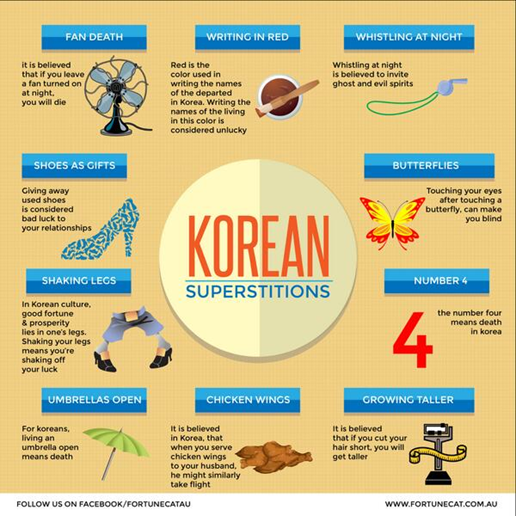
In Korea, writing a living person’s name in red is taboo. Red ink was traditionally reserved for death registers and tomb inscriptions, marking separation from the living. To this day, writing someone’s name in red is thought to invite misfortune.

Chopsticks Upright in Rice
Placing chopsticks vertically in a bowl of rice mimics ancestral death offerings made during rituals (jesa). Doing this at the table is considered deeply disrespectful and ominous.

Fan Death
One of Korea’s most famous modern beliefs is that sleeping in a closed room with an electric fan can cause death by suffocation or hypothermia. Popularized in the 1970s during energy-saving campaigns, this superstition persists even today, many fans sold in Korea include auto-off timers (Reuters, 2007).

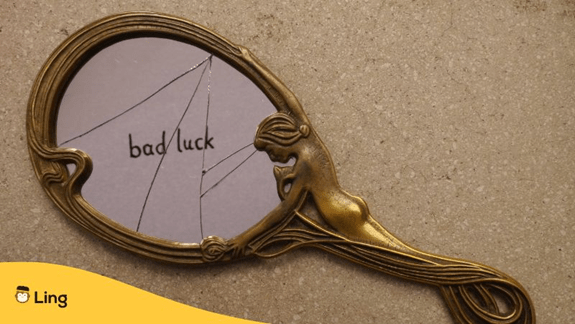
Broken Mirrors
A broken mirror is considered dangerous. In older traditions, the edges were coated with dog feces and then discarded into running water. Mirrors were believed to act as portals; this ritual sealed the gateway and washed misfortune away.
Salt After Funerals
Throwing salt over one’s shoulders and toward the east, after attending a funeral purifies and prevents lingering spirits from following home. The east, symbolizing sunrise, represents life and renewal.

Salting a Room
Another ritual purification involves sprinkling salt around the perimeter of a room, especially in the corners where spirits are believed to hide. Salt is a powerful purifier in Korean Shamanism, banishing negativity and restoring balance.

The Number Four
The word “four” sounds like death (sa) in Sino-Korean pronunciation. As a result, hospitals and apartments may skip the 4th floor or label it “F”

Moving on Inauspicious Days
Before moving house or opening a business, many families consult a fortune teller(saju) or lunar calendar to avoid unlucky dates.

“Nail Days
A lesser-known belief uses the calendar, where a folk astrological system is tied to geomantic principles. Count two days for each cardinal direction, and the ninth day is auspicious for beginning projects, conceiving children, or planting crops. The “nail” refers to construction of whatever project.

Bed Facing North
In Korean funerary customs, the deceased are laid with their heads pointing north. For this reason, it is considered inauspicious to sleep with the head of the bed in that direction.

Right Foot First
Stepping into a new building with the right foot ensures luck and prosperity, symbolically “putting your best foot forward.”

Man Entering First on the First Day of the Month
On the first of the month, it is considered good fortune if a man enters a home or business first, reflecting the auspicious, initiating power of yang energy.

Don’t Cut Corners

Try not to pass or hand objects over a corner of desk or table, so as not to bring bad luck by “cutting corners.”

Whistling at Night
Whistling in the dark is said to attract snakes or wandering spirits. In Shamanic belief, sound could summon unseen entities.

Giving Shoes as a Gift
Shoes symbolize departure, so gifting them may cause the recipient to “walk away” from the relationship. To avoid this, it is customary for the receiver to return a small coin as a symbolic purchase.

Noodles for Birthdays
Long, uncut noodles symbolize longevity and smooth life paths. On birthdays, Koreans often eat janchi guksu (banquet noodles), similar to “longevity noodles” in China.

Seaweed Soup Before Exams
While seaweed soup (miyeokguk) is eaten on birthdays for health, it is avoided before exams. Its slipperiness symbolizes knowledge slipping away.

Meal Offerings for Spirits
A portion of each dish may be removed and discarded outside as an offering to wandering spirits or guardian deities. This small sacrifice ensures spirits are appeased and do not cause harm (Kendall, 2009).

No Garbage After Sunset
Throwing trash away at night risks attracting negative spirits, as dusk belongs to the yin realm, associated with ghosts and misfortune.

Matchsticks on the Roof
Tossing burnt matchsticks onto the roof is believed to protect the household, using the symbolic power of fire to ward off evil.

Birds on Greeting Cards
Birds symbolize flight and departure. Placing bird imagery on cards, especially for celebrations, is avoided, as it could suggest the recipient “flying away.”

While many Koreans today may not follow these superstitions strictly, they remain woven into cultural consciousness. From avoiding red ink to serving long noodles, these practices reveal how Koreans have historically balanced the worlds of the living and the spiritual. Even as Korea modernizes, superstitions serve as a reminder that life is guided not only by logic, but by respect for unseen forces and ancestral wisdom.

References:

Fortune Cat on X: “Check out this infographic about KOREAN SUPERSTITIONS! #korean #goodluck #fortunecat #superstitions http://t.co/Up2HDEXNvI” / X. (n.d.). X (Formerly Twitter). https://x.com/FortuneCatAu/status/438563313266335744

Kendall, L. (2009). Shamans, housewives, and other restless spirits: Women in Korean ritual life. University of Hawaii Press. https://archive.org/details/shamanshousewive0000kend

Reuters. (2007, July 9). Electric fans and South Koreans: a deadly mix? Reuters. https://www.reuters.com/article/world/electric-fans-and-south-koreans-a-deadly-mix-idUSSEO210261/?utm_source=chatgpt.com

Ancient Paths, Modern Peace: The Many Names of Enlightenment

In today’s evolving conversation around holistic health, enlightenment is resurfacing-not just as an esoteric ideal, but as a practical and deep personal milestone within the journey toward total well-being. While often associated with mystics and monks, the essence of enlightenment has long been embedded across spiritual and philosophical traditions. It speaks to a universal longing: to understand oneself and one’s place in the world, to live with clarity, and to experience inner peace.

Holistic health recognizes that true wellness includes not only the body but also the mind and spirit. When we explore enlightenment through this lens, it becomes less about dogma and more about the integration of awareness, connection, and personal transformation.

The Ancient Roots of Enlightenment: A Chronological Perspective

Across time and culture, humanity has reached for a transcendent state of wisdom and peace. Below is a historical look at how various traditions have been understood and named this experience:

Moksha refers to liberation from the cycle of rebirth (samsara) and the realization of one’s oneness with the Absolute (Brahman). It emphasizes self-discipline, devotion, and philosophical inquiry-principles that resonate with today’s holistic approaches to mindfulness and self-mastery.

Devekut means “cleaving to God.” It reflects an intense spiritual attachment and connection to the Divine, often nurtured through prayer, meditation on sacred texts, and acts of compassion. This mirrors modern interests in sacred ritual and spiritual intimacy within daily life.

Wu Wei, or “effortless action,” describes harmony with the Tao, or the natural order of the universe. It aligns beautifully with holistic living that promotes flow, simplicity, and balance through nature-based rhythms and minimalism.

Nirvana is the extinguishing of suffering, ignorance, and attachment. It is the ultimate liberation, discovered through the practice of mindfulness, ethical living, and meditative insight. Bodhi, or awakening, describes the experiential realization that leads to this state.

Illumination refers to the inner light that arises from divine communion. Practices like contemplative prayer, solitude, and service are paths to this inner radiance-echoing today’s focus on stillness, presence, and soul care.

Fana means the annihilation of the ego in the presence of God. In Sufi mysticism, it represents a deep surrender to divine love and truth-concepts that are increasingly embraced in emotional healing and ego work in holistic circles.

Mukti signifies liberation from illusion and ego, and union with the Divine. It emphasizes selfless service, devotion, and equality principles foundational to both spiritual growth and community wellness.

Awakening / Self-Realization are the modern synthesis of East and West view of enlightenment as awakening to one’s true nature. It often includes energy healing, intuitive development, and psychological integration-key aspects of the modern wellness movement.

Enlightenment and Holistic Wellness Today

In the context of holistic health, enlightenment is not about escaping the world. It’s about engaging more deeply with it-intentionally, mindfully, and compassionately. Whether it’s through yoga, mindful breathing, journaling, plant-based living, or spiritual inquiry, modern seekers are finding meaning in small, integrative practices that support mental clarity, emotional balance, and spiritual peace.

Importantly, enlightenment today is rarely seen as a final destination. Instead, it is a living process-a series of ongoing realizations and subtle shifts in consciousness. As individuals become more aware of their thoughts, behaviors, and purpose, they naturally align with states once reserved for sages and saints.

Why This Matters

In a time marked by information overload, stress, and disconnection, the timeless quest for enlightenment reminds us to return to our core. Holistic health is not just about the absence of disease-it is about the presence of meaning, clarity, compassion, and connection. Enlightenment, in all its cultural forms, is a call back to wholeness.

Whether you name it nirvana, moksha, awakening, or simply inner peace, the pursuit of higher awareness remains one of humanity’s most enduring and necessary journeys.

I teach and offer lectures about holistic health, physical fitness, stress management, human behavior, meditation, phytotherapy (herbs), music for healing, self-massage (acupressure), Daoyin (yoga), qigong, tai chi, and baguazhang.

Please contact me if you, your business, organization, or group, might be interested in hosting me to speak on a wide spectrum of topics relative to better health, fitness, and well-being.

I look forward to further sharing more of my message by partnering with hospitals, wellness centers, VA centers, schools on all levels, businesses, and individuals who see the value in building a stronger nation through building a healthier population.

I also have hundreds of FREE education video classes, lectures, and seminars available on my YouTube channel at:

https://www.youtube.com/c/MindandBodyExercises

Many of my publications can be found on Amazon at:

http://www.Amazon.com/author/jimmoltzan

My holistic health blog is available at:

https://mindandbodyexercises.wordpress.com/

http://www.MindAndBodyExercises.com

Mind and Body Exercises on Google: https://posts.gle/aD47Qo

Jim Moltzan

407-234-0119

The Upside-Down King: A Lesson in Humility, Wisdom, and True Power

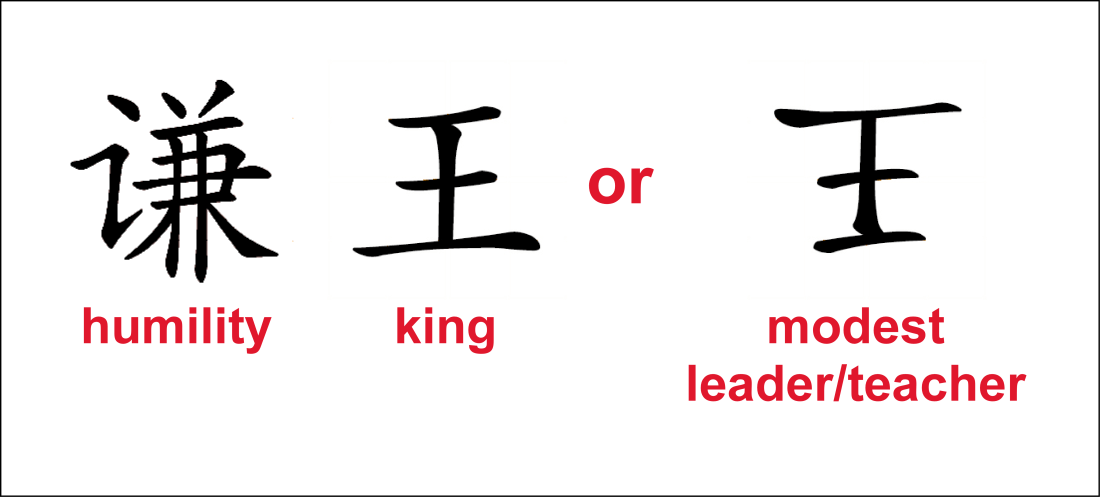
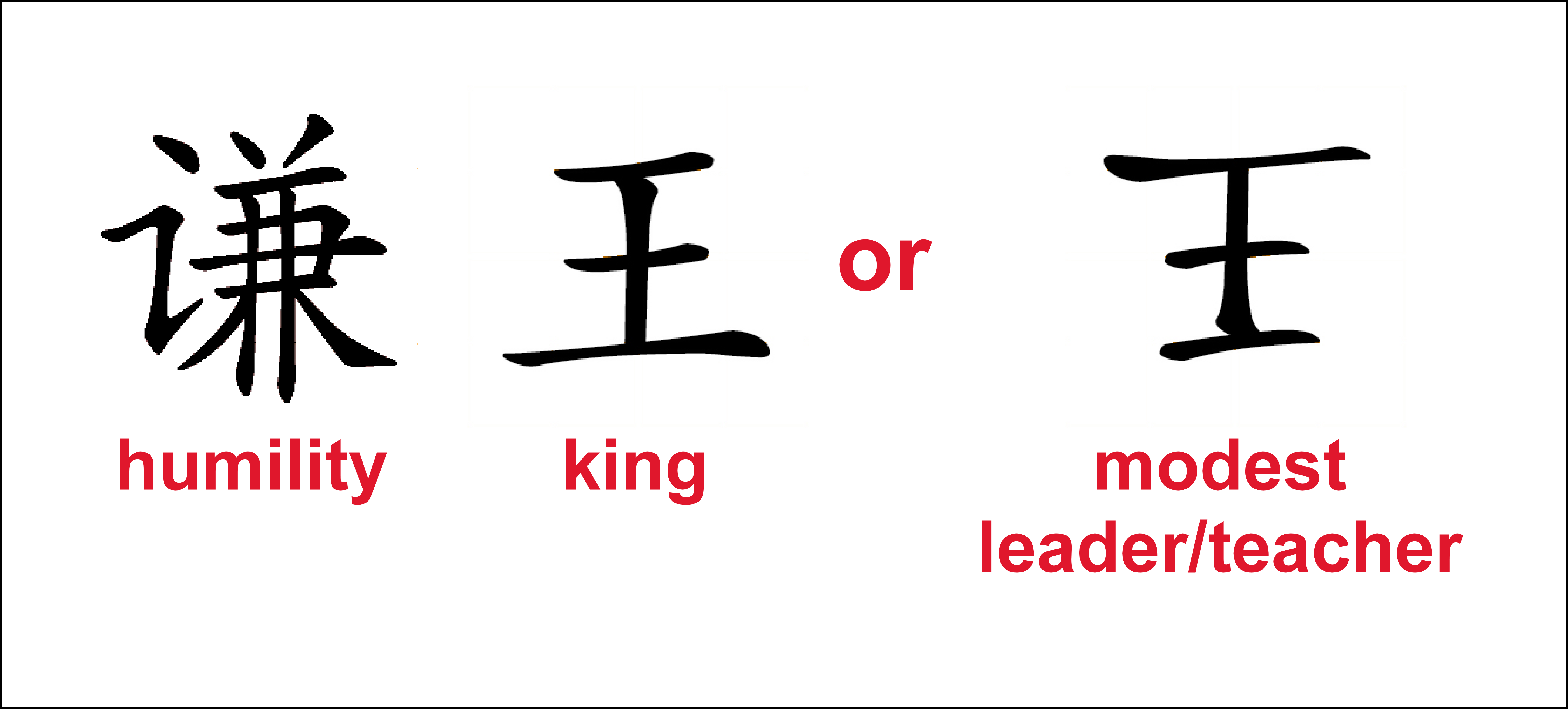
The Chinese character for humility is 谦 (qiān). The character for a king (or ruler) is 王 (wáng), but when flipped, it can be associated with something reversed, such as a reversed position, or lack of power. Combining these, one could interpret 谦王 (qiān wáng) as “humble ruler” or “modest king”, representing a ruler who is both powerful and humble.

In a time long ago, a great king ruled over a vast and prosperous land. Despite his power, he felt something was missing. Perhaps an imbalance in the heart of his kingdom and perhaps within himself. Recognizing the limits of his own understanding, the king invited a wise man to help restore harmony to his realm.

The wise man accepted the invitation, bringing with him not armies or gold, but clarity, insight, and timeless wisdom. Through thoughtful guidance, he realigned the kingdom’s priorities. Not by conquering enemies, but by restoring balance between the people and their values. He offered no lectures on dominance or strategy, but instead taught the king to listen more, act less, and lead from within. And then, without asking for any reward or recognition, the wise man quietly departed.

The king was stunned. He had expected a request for treasure or title. Instead, the king was left with only the echo of wisdom that had shifted the foundation of his being. He was no longer the same man. In honor of this transformative experience, the king ordered the Chinese character for “king” () to be turned upside down wherever it appeared in his palace.

This symbolic act was not a rejection of power, but rather a redefinition of it. By inverting the symbol of his own authority, the king declared a new truth:

The Deeper Meaning

While the tale may not be part of the classic canon of Chinese folklore, its message is deeply rooted in Eastern philosophy and holistic wisdom traditions.

In Taoist thought, the greatest rulers are often those who lead without force. The sage governs by aligning with the Tao or natural order, practicing wu wei or effortless action, and allowing things to unfold organically.

In Confucian ethics, the moral character of the ruler sets the tone for the nation. A wise and virtuous leader brings peace not through decrees but by embodying righteousness.

In Buddhist teachings, detachment from ego and recognition of impermanence guide the wise. Like the sage in the story, the Bodhisattva acts for the benefit of others without seeking personal gain.

The upside-down character becomes a living reminder: true power lies not in domination, but in service, awareness, and the willingness to learn.

A Reflection for Our Times

In today’s world, where leadership is often equated with control, and success with status, the Upside-Down King offers us a timeless teaching:

This story reminds us that holistic well-being begins with humility, whether we are leading others, caring for our health, or walking the path of self-discovery. The body may follow orders, but the soul responds to truth. And in the realm of wellness, just as in the kingdom of the wise king, balance is restored when wisdom reigns over ego.

I look forward to further sharing more of my message by partnering with hospitals, wellness centers, VA centers, schools on all levels, businesses, and individuals who see the value in building a stronger nation through building a healthier population.

I also have hundreds of FREE education video classes, lectures, and seminars available on my YouTube channel at:

https://www.youtube.com/c/MindandBodyExercises

Many of my publications can be found on Amazon at:

http://www.Amazon.com/author/jimmoltzan

My holistic health blog is available at:

https://mindandbodyexercises.wordpress.com/

http://www.MindAndBodyExercises.com

Mind and Body Exercises on Google: https://posts.gle/aD47Qo

Jim Moltzan

407-234-0119