Blog

Spiritual Currents in Europe and Asia (800–1800 CE)

The spiritual histories of Europe and Asia between the ninth and eighteenth centuries reveal both stark contrasts and surprising parallels. While the Holy Roman Empire represented a distinctly Christian civilization in Europe, Asia contained a vast spiritual mosaic shaped by Buddhism, Hinduism, Daoism, Confucianism, and emerging new traditions. Examining them side by side highlights not only their differences, but also their shared struggles with orthodoxy, reform, and the search for direct spiritual experience.

Early Medieval Period (800–1000 CE)

In Europe, the coronation of Charlemagne in 800 marked the symbolic beginning of the Holy Roman Empire, embedding Christianity as the unifying spiritual and political authority. Benedictine monasteries flourished, emphasizing discipline, prayer, and scholarship (McKitterick, 2008). Missionaries spread Christianity into Central and Northern Europe, solidifying the Church’s cultural dominance.

At the same time, Asia was undergoing significant transformations. In India, the philosopher Śaṅkara refined Advaita Vedānta, a non-dualistic vision of ultimate reality that would remain influential for centuries (Deutsch, 1988). Buddhism continued to flourish in China and Tibet, with Chan (Zen) Buddhism emphasizing meditation and direct awakening (Faure, 1993). In Japan, esoteric Buddhist schools such as Shingon and Tendai were introduced, while in Tibet royal patronage ensured Buddhism’s lasting establishment (Kapstein, 2006).

High Medieval Period (1000–1200 CE)

The Holy Roman Empire entered the high medieval period with expanding papal authority and the rise of scholastic theology. Thinkers such as Anselm of Canterbury laid the groundwork for reasoned approaches to faith (Southern, 1990). The First Crusade (1095) demonstrated the deeply spiritual yet militant expression of medieval Christianity, as the Church sought to extend its influence beyond Europe (Tyerman, 2005).

Across Asia, parallel movements of spiritual renewal were unfolding. In India, devotional currents of the Bhakti movement began to emerge, stressing heartfelt devotion over ritual and caste (Hawley, 2015). In China’s Song dynasty, Neo-Confucianism was synthesized by Zhu Xi, blending moral philosophy with metaphysics (De Bary, 1981). In Japan, Pure Land Buddhism spread among commoners, offering salvation through simple faith, while Zen Buddhism began its ascent (Suzuki, 1996). Korea’s Goryeo dynasty witnessed the maturation of Seon (Zen) Buddhism, and in Tibet, the Kagyu and Sakya schools gained structure and prestige (Samuel, 2012).

Later Medieval Period (1200–1400 CE)

By the thirteenth century, scholasticism reached its height in Europe with Thomas Aquinas, while Gothic cathedrals symbolized the union of beauty, architecture, and faith (Le Goff, 1988). Alongside official orthodoxy, Christian mystics such as Meister Eckhart and Hildegard of Bingen emphasized direct union with God, reflecting a deep hunger for personal spiritual experience (McGinn, 2006). At the same time, inquisitorial structures were established to guard orthodoxy and suppress deviation.

In Asia, spiritual life was equally dynamic. India witnessed the flowering of Bhakti poets such as Kabir, who challenged caste divisions and stressed unity with the divine (Hawley & Juergensmeyer, 1988). Chan Buddhism continued in China, alongside Daoist inner alchemy (neidan), which cultivated the transformation of essence, energy, and spirit (Robinet, 1993). In Japan’s Kamakura period, Zen influenced art, poetry, and even the martial discipline of the samurai (Addiss, 1989). Korea maintained its Buddhist culture, while Tibet received Mongol patronage that elevated the Sakya school to prominence (Kapstein, 2006).

Early Modern Period (1400–1600 CE)

Europe’s spiritual climate shifted dramatically between the fifteenth and sixteenth centuries. The Renaissance revived humanist inquiry, while the Protestant Reformation, beginning with Martin Luther’s theses in 1517, fractured Catholic unity across the Holy Roman Empire (MacCulloch, 2003). Wars of Religion ensued, and the Catholic Counter-Reformation sought to reclaim spiritual authority through renewed discipline, missionary zeal, and the Jesuit order (O’Malley, 1993).

In Asia, this same era was one of remarkable religious synthesis and renewal. In India, the Bhakti movement expanded further, and Sikhism was founded by Guru Nanak, offering a new synthesis of devotion and ethical practice (McLeod, 2009). In Ming China, Neo-Confucianism became the dominant ideology, though often blended with Buddhist and Daoist practices (Angle & Tiwald, 2017). Japan’s Zen traditions flourished in art, gardening, and tea ceremony, intermingling with Shinto rituals (Suzuki, 1996). Korea’s Joseon dynasty elevated Neo-Confucianism as state orthodoxy, though Buddhism persisted among common people (Deuchler, 1992). Tibet saw the rise of the Gelug school, and the institution of the Dalai Lama emerged as both spiritual and political authority (Samuel, 2012). Across Southeast Asia, Theravāda Buddhism spread and took firm root as the primary spiritual framework (Skilling, 2024).

Late Early Modern Period (1600–1800 CE)

In the Holy Roman Empire’s final centuries, the Thirty Years’ War (1618–1648) devastated Central Europe and redefined the balance between faith and politics. The Enlightenment further challenged ecclesiastical authority by placing reason and empirical science above dogma (Israel, 2001). By 1806, the Holy Roman Empire had dissolved, marking the end of a millennium of Christian-imperial identity.

Meanwhile, Asia entered an age of spiritual consolidation. In Mughal India, Emperor Akbar experimented with religious syncretism, while Sikhism solidified into a distinct faith (Eaton, 2019). In Qing China, Confucian orthodoxy reigned, but Jesuit missionaries introduced Christianity and Western science, leading to cultural exchanges and tensions (Brockey, 2007). Japan’s Edo period tightly regulated Buddhism but saw a revival of Shinto and Neo-Confucian ethics (Najita, 1987). Korea remained staunchly Confucian while underground Catholicism began to spread (Grayson, 2013). Tibet’s Gelug school solidified its control under successive Dalai Lamas, while Theravāda monasteries remained the heart of spiritual life in Southeast Asia (Skilling, 2024).

Each bar represents the approximate centuries during which each spiritual or philosophical system was prominent:

  • Christianity throughout the entire Holy Roman Empire period.
  • Advaita Vedānta, Buddhism, and Neo-Confucianism maintained long continuous influence.
  • The Bhakti and Zen movements arose in the middle centuries.
  • Sikhism appeared later in the 15th century.
  • Theravāda Buddhism spread widely across Southeast Asia beginning around the 12th century.

Epilogue: Why This Historical Comparison Matters Today

Understanding the spiritual evolution of Europe and Asia between 800 and 1800 CE is not just an academic exercise; it is a mirror reflecting the origins of our modern worldviews, ethical systems, and inner struggles. The lessons drawn from these historical traditions are profoundly relevant to the 21st century in several ways.

1. Revealing the Roots of Modern Ethics and Culture

The Holy Roman Empire’s Christian moral codes and Asia’s pluralistic philosophies, Confucianism, Daoism, Hinduism, and Buddhism, remain embedded in global culture today. Western concepts of justice, duty, and conscience evolved from medieval Christian theology, while Asian societies continue to be guided by Confucian filial values and Buddhist compassion. These differing spiritual foundations still influence how nations prioritize community, governance, and moral responsibility (Wei-ming, 1996). By tracing these roots, we better understand the moral diversity that defines global civilization.

2. Recognizing Cycles of Reform and Awakening

Every civilization has faced moments when inherited belief systems no longer sufficed. Europe’s Protestant Reformation and Enlightenment paralleled Asia’s Bhakti, Zen, and Neo-Confucian renewals, each reasserting inner experience over rigid dogma. In today’s world, the modern wellness movement, mindfulness training, and the integration of Eastern practices into Western medicine echo these cycles of rediscovery (Wallace, 2011). History shows that when spirituality grows stale, humanity instinctively turns inward for renewal.

3. Encouraging Cross-Cultural Understanding

Globalization has brought humanity into daily contact with belief systems that once evolved in isolation. Knowing how religions and philosophies once intersected through the Silk Road, the Jesuit missions, and early global trade, builds empathy and intercultural awareness (Said, 2001). In an era of cultural polarization, this understanding promotes tolerance and cooperation. Recognizing that different civilizations have wrestled with the same existential questions, of identity, morality, and transcendence, reminds us of our shared human story.

4. Balancing Science and Spirituality

The Enlightenment’s elevation of reason and Asia’s cultivation of experiential wisdom represent complementary, not conflicting, pathways to truth. Modern neuroscience’s validation of meditation, quantum physics’ exploration of interconnectivity, and psychology’s adoption of mindfulness bridge these once-divided worlds. Revisiting their historical interplay invites a more integrated model of consciousness, one where empirical knowledge and inner experience are seen as allies in understanding human potential (Wallace, 2011).

5. Guiding Personal and Collective Transformation

From Christian mystics and Zen monks to Confucian scholars and yogic sages, these traditions emphasized transformation through discipline, awareness, and service. The same principles now inform stress reduction, leadership development, and modern psychotherapy (Kabat-Zinn, 2013). Their enduring message is that the path to mastery of body, mind, and soul, requires both inner stillness and outer effort. As in the past, growth today demands the integration of reflection with action, intellect with humility, and spirituality with practicality.

Conclusion

The parallel journeys of the Holy Roman Empire and the diverse spiritual traditions of Asia reveal the ongoing dance between order and enlightenment, faith and reason, structure and spontaneity. Both East and West pursued truth through different means, yet their destinies converged in one universal search: to refine the human being.
By studying these epochs, we rediscover not only where humanity has been but also where it might go next, a synthesis of ancient wisdom and modern understanding, offering hope for a more conscious, compassionate, and balanced future.

Europe (Holy Roman Empire) vs. Asia (800–1800 CE)

Time PeriodEurope (Holy Roman Empire)Asia (India, China, Japan, Korea, Tibet, SE Asia)
800–1000 CECharlemagne crowned (800); Christianity consolidated as imperial identity; Benedictine monasticism thrives; missionary expansion across Europe.India: Advaita Vedānta refined by Śaṅkara; China: Chan (Zen) Buddhism develops; Japan: Shingon & Tendai introduced; Tibet: royal patronage of Buddhism.
1000–1200 CEGrowth of papal authority; Gregorian reforms; rise of scholastic theology (Anselm); First Crusade (1095).India: Bhakti movement emerging; China (Song): Neo-Confucianism (Zhu Xi); Japan: Pure Land & early Zen; Korea: Seon Buddhism develops; Tibet: Kagyu and Sakya schools form.
1200–1400 CEScholasticism peaks (Aquinas); Gothic cathedrals as symbols of faith; Christian mystics (Hildegard, Eckhart); Inquisition enforces orthodoxy.India: Bhakti poets (Kabir); China: Chan Buddhism and Daoist Neidan (alchemy); Japan (Kamakura): Zen shapes arts and samurai culture; Korea: Buddhist texts, Seon tradition strong; Tibet: Sakya dominance under Mongol patronage.
1400–1600 CERenaissance humanism; Protestant Reformation (1517); Wars of Religion; Catholic Counter-Reformation (Jesuits, Council of Trent).India: Bhakti expands; Sikhism founded (Guru Nanak); China (Ming): Neo-Confucian orthodoxy; Japan: Zen aesthetics (tea, gardens), Shinto-Buddhist syncretism; Korea (Joseon): Neo-Confucian state ideology; Tibet: Gelug school rises, Dalai Lama institution begins; SE Asia: Theravāda Buddhism dominant.
1600–1800 CEThirty Years’ War (1618–1648); Enlightenment challenges Church authority; decline and dissolution of Holy Roman Empire (1806).India: Mughal syncretism (Akbar); Sikhism consolidates; China (Qing): Confucian orthodoxy, Jesuit missions; Japan (Edo): Buddhism regulated, Neo-Confucian and Shinto revival; Korea: Confucian dominance, underground Catholicism; Tibet: Gelug Dalai Lama authority; SE Asia: Theravāda monastic centers central to society.

References:

Addiss, S. (1989). The art of Zen: Paintings and calligraphy by Japanese monks 1600–1925. Abrams.

Angle, S., & Tiwald, J. (2017). Neo-Confucianism: A philosophical introduction. Polity Press.

Brockey, L. M. (2007). Journey to the East: The Jesuit Mission to China, 1579–1724. Harvard University Press. https://doi.org/10.2307/j.ctv1pncnfv

De Bary, W. T. (1981). Neo-Confucian orthodoxy and the learning of the mind-and-heart. Columbia University Press.

Deutsch, E. (1988). Advaita Vedānta: A philosophical reconstruction. University of Hawaii Press.

Deuchler, M. (1992). The Confucian Transformation of Korea: A Study of Society and Ideology (1st ed., Vol. 36). Harvard University Asia Center. https://doi.org/10.2307/j.ctt1dnn8zj

Eaton, R. M. (2019). India in the Persianate age, 1000–1765. University of California Press.

Faure, B. (1993). Chan insights and oversights: An epistemological critique of the Chan tradition. Princeton University Press. https://archive.org/details/chaninsightsover0000faur/page/n5/mode/2up

Grayson, J. (2013). Korea – A Religious History (1st ed.). Taylor and Francis. Retrieved from https://www.perlego.com/book/1507541/korea-a-religious-history-pdf

Hawley, J. S. (2015). A storm of songs: India and the idea of the Bhakti movement. Harvard University Press.

Hawley, J. S., & Juergensmeyer, M. (1988). Songs of the saints of India. Oxford University Press. https://archive.org/details/songsofsaintsofi0000unse

Israel, J. I. (2001). Radical Enlightenment. https://doi.org/10.1093/acprof:oso/9780198206088.001.0001.

Kabat-Zinn, J. (2013). Full catastrophe living: Using the wisdom of your body and mind to face stress, pain, and illness (Rev. ed.). Bantam.

Kapstein, M. T. (2006). The Tibetans. Blackwell.

Le Goff, J. (1988). The medieval imagination. University of Chicago Press.

MacCulloch, D. (2003). The Reformation: A history. Viking.

McGinn, B. (2006). The essential writings of Christian mysticism. Modern Library.

McKitterick, R. (2008). Charlemagne: The formation of a European identity. Cambridge University Press. https://doi.org/10.1017/CBO9780511803314

McLeod, W. H. (2009). Sikhism. Penguin.

Najita, T. (1987). Visions of virtue in Tokugawa Japan: The Kaitokudō merchant academy of Osaka. University of Chicago Press. https://archive.org/details/visionsofvirtuei0000naji

O’malley, J. (1993) The First Jesuits. In: . Cambridge, Mass., Harvard University Press: 457. Loyola eCommons, Ignatian Pedagogy Books, https://ecommons.luc.edu/ignatianpedagogy_books/73

Robinet, I. (1993). Taoist meditation: The Mao-shan tradition of Great Purity. State University of New York Press.

Said, E. W. (2001). Reflections on exile and other essays. Harvard University Press. https://archive.org/details/reflectionsonexi00said

Samuel, G. (2012). Introducing Tibetan Buddhism. Routledge.

Skilling. (2024, September 25). Theravāda in history. The Open Buddhist University. https://buddhistuniversity.net/content/articles/theravada-in-history_skilling

Southern, R. W. (1990). St. Anselm: A portrait in a landscape. Cambridge University Press. https://archive.org/details/saintanselmportr0000sout

Suzuki, D. T. (1996). Zen Buddhism: Selected writings of D. T. Suzuki. Doubleday.

Wei-ming, T. (1996). Confucian Traditions in East Asian Modernity. Bulletin of the American Academy of Arts and Sciences, 50(2), 12–39. https://doi.org/10.2307/3824246

Tyerman, C. (2005). God’s war: A new history of the Crusades. Harvard University Press. https://archive.org/details/godswarnewhistor00tyer

Wallace, B. A. (2011). Minding closely: The four applications of mindfulness. Snow Lion Publications. https://archive.org/details/mindingcloselyfo0000wall

What Is Autogenic Therapy? A Self-Directed Path to Deep Relaxation

In today’s fast-paced world, stress-related conditions are on the rise. Autogenic therapy, also known as autogenic training, offers a powerful way to counterbalance modern stress through a simple, structured set of mental exercises. Developed by German psychiatrist Johannes Heinrich Schultz and coined the term in 1928, this self-regulation technique continues to help people worldwide regain calm, reduce anxiety, and improve overall well-being.

What Is Autogenic Therapy?

Autogenic therapy is a relaxation technique that uses self-suggestions to bring about physical and emotional calmness. The practice involves six standardized exercises focusing on sensations like:

  • Heaviness and lightness in the limbs
  • Warmth
  • Heartbeat regulation
  • Breathing awareness
  • Abdominal warmth
  • Forehead cooling (Luthe & Schultz, 1969)

These exercises promote a shift in the autonomic nervous system toward the parasympathetic or “rest and digest” mode, reducing the physiological effects of stress.

Although not usually classified as meditation, autogenic therapy shares similar traits with meditative and mindfulness-based practices:

  • Present-moment awareness
  • Regulation of breath and heart rate
  • Promotion of internal balance and nervous system calm (Melnikov, 2021)

What’s especially fascinating is that autogenic therapy aligns with ancient mind–body traditions found in:

  • Tai Chi
  • Qigong
  • Yoga
  • Martial Arts

These disciplines often guide practitioners to cultivate bodily sensations that echo those used in autogenic training:

  • Feelings of lightness or heaviness in the limbs
  • Generating internal warmth (often associated with breath or energy flow)
  • Focusing on the heartbeat or breath rhythm
  • Stimulating abdominal heat (known in some traditions as dantian activation)
  • Creating a sense of coolness or spaciousness in the head or forehead

These parallels suggest that human self-regulation, through structured inner awareness, is a timeless and cross-cultural approach to stress relief, energy balance, and health.

When practiced consistently, autogenic therapy has been shown to:

  • Reduce anxiety and stress
  • Improve sleep quality
  • Lower blood pressure
  • Enhance emotional and nervous system resilience
  • Relieve headaches, muscle tension, and chronic fatigue (Stetter & Kupper, 2002)

Its simplicity and accessibility make it a popular choice for those looking for holistic, non-invasive ways to manage daily pressures and improve health.

Each autogenic session involves repeating mental phrases such as, “my arms are heavy and warm,” while reclining or sitting in a quiet space. The mind’s focus on these specific body cues leads to a measurable shift in physiology, lowering stress hormones, heart rate, and muscle tension (Luthe & Schultz, 1969; Stetter & Kupper, 2002).

Many people practice autogenic training independently, with audio guidance, or under the supervision of a certified therapist.

While autogenic therapy is safe for most individuals, it may not be appropriate for people with psychotic disorders, such as schizophrenia or bipolar disorder with psychotic features (Fletcher, 2023. Here’s why:

1. Exacerbation of Symptoms

The use of self-suggestion and imagery can potentially worsen hallucinations or delusional thinking in vulnerable individuals (Kanji, 2006; Stetter & Kupper, 2002).

2. Potential for Dissociation

The deep relaxation states achieved may induce altered consciousness or dissociation, which can be unsettling or unsafe for those with psychotic tendencies.

3. Difficulty in Reality Testing

Psychotic conditions often impair one’s ability to distinguish between internal experience and external reality. Autogenic training might blur these lines further (Stetter & Kupper, 2002).

4. Medication Disruption Risk

Some individuals may believe that relaxation practices can replace essential medication, potentially leading to non-compliance and relapses (Mueser & Jeste, 2008).

Because of these risks, it’s essential that individuals with psychotic disorders engage in any form of relaxation training only under professional medical supervision. More recent research has suggested that autogenic therapy may actually help those suffering from schizophrenia (Breznoscakova et al., 2023).

Autogenic therapy offers a safe, evidence-based, and self-directed method to reduce stress and promote relaxation. Its emphasis on internal sensations such as warmth, breath, heartbeat, and mental stillness, places it in harmony with long-standing Eastern practices like tai chi, yoga, and qigong.

For most people, autogenic therapy can serve as a cornerstone of a healthy lifestyle, but those with complex mental health conditions should consult with trained professionals to ensure it is suitable.

References:

Breznoscakova, D., Kovanicova, M., Sedlakova, E., & Pallayova, M. (2023). Autogenic Training in Mental Disorders: What Can We Expect? International Journal of Environmental Research and Public Health, 20(5), 4344. https://doi.org/10.3390/ijerph20054344

Fletcher, J. (2023, August 17). Autogenic training: Benefits, limitations, and how to do it. https://www.medicalnewstoday.com/articles/autogenic-training#how-to-do-it

Luthe, W., & Schultz, J. H. (1969). Autogenic therapy (Vol. 1–6). New York: Grune & Stratton.

Mueser, K. T., & Jeste, D. V. (2008). Clinical handbook of schizophrenia. New York: Guilford Press.

Melnikov, M. Y. (2021). The Current Evidence Levels for Biofeedback and Neurofeedback Interventions in Treating Depression: A Narrative review. Neural Plasticity, 2021, 1–31. https://doi.org/10.1155/2021/8878857

Stetter, F., & Kupper, S. (2002). Autogenic training: a meta-analysis of clinical outcome studies. Applied Psychophysiology and Biofeedback, 27(1), 45–98. https://doi.org/10.1023/a:1014576505223

VA Office of Patient Centered Care and Cultural Transformation. (n.d.). AUTOGENIC TRAINING. In VA Office of Patient Centered Care and Cultural Transformation (pp. 1–3). https://www.va.gov/WHOLEHEALTHLIBRARY/docs/Autogenic-Training.pdf

I teach and offer lectures about holistic health, physical fitness, stress management, human behavior, meditation, phytotherapy (herbs), music for healing, self-massage (acupressure), Daoyin (yoga), qigong, tai chi, and baguazhang.

Please contact me if you, your business, organization, or group, might be interested in hosting me to speak on a wide spectrum of topics relative to better health, fitness, and well-being.

I look forward to further sharing more of my message by partnering with hospitals, wellness centers, VA centers, schools on all levels, businesses, and individuals who see the value in building a stronger nation through building a healthier population.

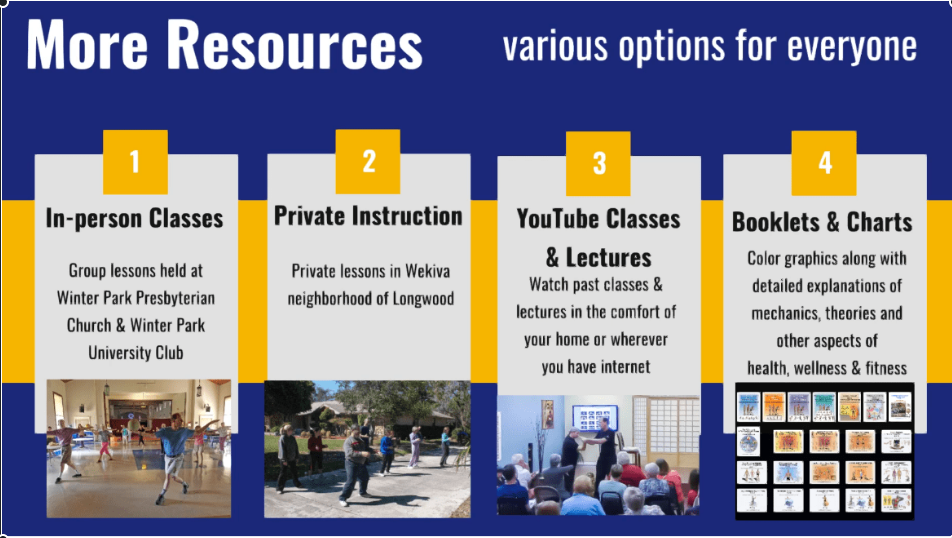
I also have hundreds of FREE education video classes, lectures, and seminars available on my YouTube channel at:

https://www.youtube.com/c/MindandBodyExercises

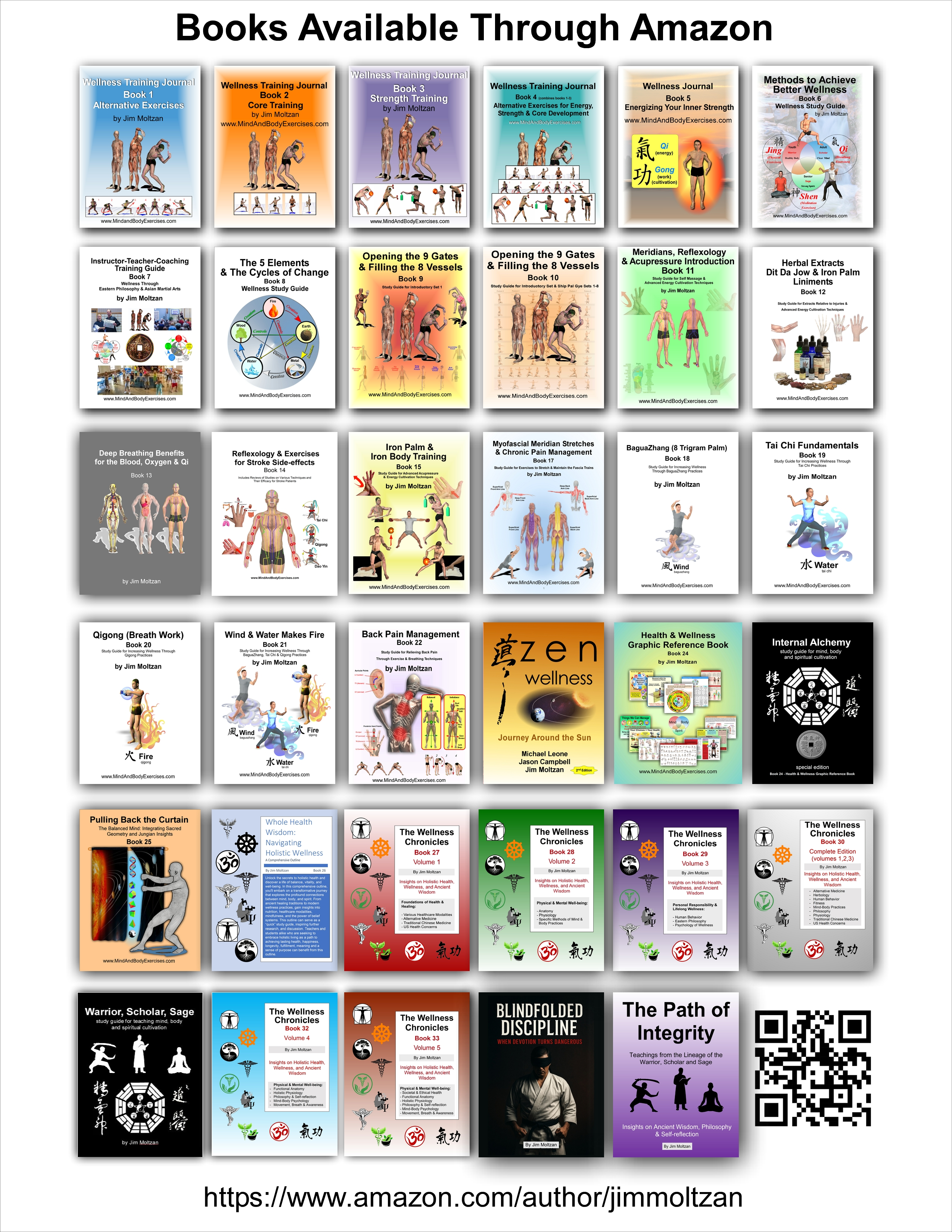
Many of my publications can be found on Amazon at:

http://www.Amazon.com/author/jimmoltzan

My holistic health blog is available at:

https://mindandbodyexercises.wordpress.com/

http://www.MindAndBodyExercises.com

Mind and Body Exercises on Google: https://posts.gle/aD47Qo

Jim Moltzan

407-234-0119

Restoring Hand Vitality – Jing Well Acupressure

My Traditional Approach to Acupressure, Massage, and Herbal Therapy

As both a long-time practitioner and teacher of holistic wellness, martial arts, and Traditional Chinese Medicine (TCM), I have found that the health of our hands is often underestimated. Our hands connect us to the world, allowing us to create, heal, and express, but they are also vulnerable to stiffness, poor circulation, and overuse injuries, especially in our modern, screen-driven culture.

In my lecture and video presentation, I shared a traditional system of hand conditioning that I have personally practiced and taught for many years. This unique approach integrates acupressure, therapeutic trauma, herbal therapy, breathing techniques, and mindful movement. All designed to restore vitality, enhance flexibility, and promote whole-body energy flow.

A Philosophy of Health, Not Hardness

In the martial arts world, hand conditioning is often associated with building hardened fists and thick calluses. I take a different view.

The method I teach is not about brute strength or desensitization. It is about stimulating circulation, promoting healing, and enhancing energy (Qi) flow throughout the entire body.

Using bean-filled bags (I recommend soybeans, mung beans, or chickpeas), we create strategic trauma or gentle, controlled impacts that trigger the body’s natural healing response. This principle, rooted in ancient wisdom, leverages micro-trauma to increase blood flow, strengthen tissues, and support overall wellness (Zhou, 2009).

Hands as Microcosms of the Body

In my lineage or martial arts system, the hands are viewed as a map of the entire body, a concept validated by reflexology and TCM meridian theory.

  • We focus on stimulating Jing-well points located on the fingertips—powerful gateways for regulating energy flow (Deadman & Al-Khafaji, 2007).
  • I also reference Japanese and Korean reflexology maps, which beautifully illustrate how the fingers and palms correspond to internal organs and bodily systems (Ang et al., 2021).
  • When we work the hands with mindful techniques, we influence not just the hands themselves, but the entire body and mind.

Breathing: The Missing Link

A key element in my lineage is Qigong (breath work), a deep, nasal breathing pattern combined with proper tongue positioning on the upper palate.

This breathing technique activates the parasympathetic nervous system, promoting relaxation, improving circulation, and harmonizing Qi flow (Sancier, 2001).

When combined with hand exercises, this breathwork turns a simple routine into a powerful integrative practice that nourishes body, mind, and spirit.

The Practice in Action

During my presentation, I guided participants through a progressive series of hand conditioning techniques, including:

  • Pinching, clapping, and crab-finger movements to stimulate circulation and flexibility.
  • Percussion on bean bags to activate Jing-well points and trigger micro-trauma healing.
  • Twisting, stretching, and massage for the palms, knuckles, thumbs, and wrists.
  • External application of herbal tinctures, which I personally formulate using apple cider vinegar, frankincense, and traditional Chinese herbs, to reduce inflammation and enhance post-exercise recovery (Xu et al., 2013). (Note: these tinctures are for external use only and should not be ingested.)

Real-World Applications

One of the most exciting aspects of this practice is its practical value:

  • Certain finger acupressure points can be used to help revive a fainted person; a technique I demonstrate and encourage students to learn.
  • Regular practice can reduce symptoms of arthritis, improve joint mobility, and enhance overall hand resilience, making it valuable not just for martial artists, but for anyone seeking greater hand health and functional longevity (Kim et al., 2015).

Balance Is Key

In my teaching, I stress the importance of balance and recovery:

  • Do not overdo the hitting exercises! Allow at least one day of rest between sessions.
  • Always follow with herbal application to soothe the tissues and prevent over-inflammation.
  • Listen to your body. This is a lifelong practice, not a race for quick results.

This approach embodies the philosophy I teach in all of my wellness work: true progress comes from harmonizing stimulation with restoration.

Closing Thoughts

For me, this hand conditioning system is much more than an exercise routine. It is a gateway to whole-body vitality and a deeper connection with the subtle currents of energy that animate us.

By combining traditional acupressure, mindful breathwork, herbal therapy, and thoughtful movement, we can restore the natural vitality of the hands, which in turn enhances our overall health, energy balance, and functional well-being.

I encourage you to explore this practice with patience, mindfulness, and care. Your hands and your entire body will thank you.

References:

Deadman, P., & Al-Khafaji, M. (2007). A Manual of Acupuncture. Eastland Press.

Ang, L., Song, E., Lee, H., & Lee, M. (2021). Acupressure for Managing Osteoarthritis: A Systematic Review and Meta-Analysis. Applied Sciences, 11(10), 4457. https://doi.org/10.3390/app11104457

Sancier, K. M. (2001). Search for Medical Applications of Qigong with the Qigong DatabaseTM. The Journal of Alternative and Complementary Medicine, 7(1), 93–95. https://doi.org/10.1089/107555301300004574

Starr, P. (2020). Authentic Iron Palm: The Complete Training Manual. Blue Snake Books.

Xu, Q., Bauer, R., Hendry, B. M., Fan, T., Zhao, Z., Duez, P., Simmonds, M. S., Witt, C. M., Lu, A., Robinson, N., Guo, D., & Hylands, P. J. (2013). The quest for modernisation of traditional Chinese medicine. BMC Complementary and Alternative Medicine, 13(1). https://doi.org/10.1186/1472-6882-13-132

Flu Season? Or Lack of Sunlight, and Eat Sugar Season!!

Winter, Immunity, and the Unsustainable Model of Modern Healthcare. Why Lifestyle Medicine Must Become the First Line of Defense

Winter has long been recognized as a season of heightened illness, commonly referred to as “flu season.” This pattern has existed for thousands of years, shaped by environmental conditions, reduced sunlight, behavioral changes, and altered activity patterns. Yet despite humanity’s long-standing awareness of these seasonal rhythms, modern healthcare systems, particularly in the United States, continue to respond with a predominantly pharmaceutical-centered model. Vaccines and medications are promoted as the primary line of defense, while foundational health behaviors such as nutrition, movement, sunlight exposure, sleep, and stress regulation receive comparatively little emphasis.

You can watch my short video on this topic at:

This strategy is proving unsustainable. The United States now faces a continuous decline in both physical and mental health, rising chronic disease burden, escalating healthcare costs, and worsening quality of life indicators. The growing reliance on pharmaceutical intervention without addressing underlying behavioral and environmental contributors has created a reactive, symptom-focused system rather than a proactive, resilience-based model of health. This essay argues that a fundamental reorientation toward lifestyle medicine as the primary foundation of public health is not only logical, but essential for reversing current health trajectories.

The Predictable Nature of Winter Illness

Seasonal illness is not random. Respiratory infections, influenza, and other viral illnesses consistently peak during winter months due to a convergence of physiological, behavioral, and environmental factors. These include increased indoor crowding, reduced physical activity, poorer dietary habits, higher alcohol consumption, disrupted sleep, and reduced exposure to sunlight (Eccles, 2002; Dowell & Ho, 2004).

Human physiology evolved in close relationship with seasonal rhythms. Historically, winter was a period of reduced food availability, lower caloric intake, and continued physical labor. In contrast, modern winter behavior is characterized by caloric excess, sedentary lifestyles, and prolonged indoor confinement, conditions that directly suppress immune function and metabolic health (Booth et al., 2012).

The seasonal rise in illness is therefore not an unavoidable biological fate, but a predictable consequence of modern lifestyle patterns layered onto ancient physiology.

Vitamin D Deficiency: A Global and Seasonal Crisis

One of the most significant contributors to winter immune vulnerability is widespread vitamin D deficiency. Vitamin D synthesis is dependent on ultraviolet B (UVB) radiation from sunlight, which is largely absent during winter months in northern latitudes. As a result, deficiency rates increase dramatically during this season.

Globally, over one billion people are estimated to be vitamin D deficient (Holick, 2007). In the United States, approximately 40–60% of adults have insufficient levels during winter months (Forrest & Stuhldreher, 2011). Vitamin D plays a central role in immune regulation, influencing innate immunity, T-cell function, and inflammatory control (Aranow, 2011).

Low vitamin D levels are associated with increased risk of respiratory infections, influenza, autoimmune disease, and poorer outcomes in viral illness (Martineau et al., 2017; Gombart et al., 2020). Yet despite this robust evidence base, vitamin D status is rarely assessed or addressed in routine clinical care.

Physical Inactivity and Immune Suppression

Physical activity is one of the most powerful modulators of immune function. Regular movement enhances immune surveillance, improves lymphatic circulation, reduces chronic inflammation, and improves metabolic health (Nieman & Wentz, 2019).

Conversely, physical inactivity, now widespread in industrialized nations, has been shown to increase susceptibility to infection, worsen vaccine response, and promote chronic low-grade inflammation (Booth et al., 2012; Hamer et al., 2020). Winter months exacerbate sedentary behavior, as colder temperatures and shorter daylight hours reduce outdoor activity.

The modern human body, designed for daily movement, now spends most of its time in chairs, cars, and climate-controlled environments. This mismatch between evolutionary design and modern behavior contributes directly to immune dysfunction and chronic disease.

Ultra-Processed Food and Immune Dysfunction

Diet quality is another central determinant of immune health. Modern winter diets are often dominated by ultra-processed foods high in refined carbohydrates, industrial seed oils, additives, preservatives, and sugar. These foods disrupt gut microbiota, promote insulin resistance, increase systemic inflammation, and impair immune signaling (Monteiro et al., 2018; Zinöcker & Lindseth, 2018).

The gut microbiome plays a critical role in immune regulation, with approximately 70% of immune cells residing in gut-associated lymphoid tissue (Belkaid & Hand, 2014). Diets rich in whole foods, vegetables, fruits, legumes, lean proteins, and healthy fats, support microbial diversity and immune resilience, while ultra-processed foods degrade this vital ecosystem.

The widespread replacement of traditional diets with industrial food products represents one of the most profound biological experiments in human history, and its results are increasingly evident in rising rates of obesity, diabetes, autoimmune disease, depression, and cardiovascular illness.

Mental Health Decline and Immune Consequences

The decline in mental health over recent decades parallels the deterioration of physical health. Rates of anxiety, depression, substance abuse, and suicide have risen sharply in the United States (Twenge et al., 2019; CDC, 2023). Chronic psychological stress suppresses immune function through dysregulation of the hypothalamic-pituitary-adrenal (HPA) axis and increased cortisol exposure (Glaser & Kiecolt-Glaser, 2005).

Social isolation, now increasingly common further compounds this effect. Loneliness has been shown to increase inflammatory signaling and reduce antiviral immune responses (Hawkley & Cacioppo, 2010). Winter confinement and digital substitution for human connection intensify this problem.

The modern epidemic of loneliness, combined with chronic stress and digital overexposure, represents a silent immune suppressant operating year-round.

The Reactive Model of Modern Healthcare

The current healthcare system in the United States is primarily structured around disease management rather than health creation. Physicians receive minimal training in nutrition, exercise physiology, sleep science, or behavioral change counseling (Adams et al., 2010; Devries et al., 2019). As a result, clinical encounters are dominated by diagnostics, pharmacology, and procedural intervention.

This model is highly effective for acute trauma and infectious disease management. However, it is poorly suited for addressing chronic, lifestyle-driven illnesses. The system is financially incentivized to treat disease after it develops rather than prevent it from occurring.

Vaccines and medications are promoted as population-level solutions because they can be standardized, deployed rapidly, and measured easily. Lifestyle change, by contrast, requires time, education, accountability, and cultural transformation.

The result is a healthcare system that waits for illness to emerge rather than building resilient physiology in advance.

The Unsustainable Trajectory of U.S. Health

Despite spending more on healthcare than any nation in the world, the United States ranks poorly in life expectancy, chronic disease burden, and quality-of-life metrics (Tikkanen & Abrams, 2020). Obesity rates exceed 40%, diabetes affects over 11% of adults, and cardiovascular disease remains the leading cause of death (CDC, 2023).

Mental health outcomes have deteriorated alongside physical health. The pharmaceutical expansion has not reversed these trends. Instead, the nation now consumes more prescription medications per capita than any other country while continuing to grow sicker.

This trajectory is not sustainable economically, biologically, or socially.

Reclaiming the Logical Hierarchy of Health

Human physiology evolved in an environment defined by:

  • Daily physical labor
  • Seasonal sunlight exposure
  • Whole-food nutrition
  • Natural circadian rhythms
  • Social cooperation
  • Environmental challenge

Modern life has inverted these conditions. The logical hierarchy of health must be restored:

  1. Nutrition quality
  2. Physical movement
  3. Sleep hygiene
  4. Sunlight exposure
  5. Stress regulation
  6. Social connection
  7. Medical intervention when necessary

Pharmaceuticals should function as supportive tools—not the foundation of human health.

This integrative model does not reject medicine. It restores medicine to its proper role.

Winter illness is not merely a seasonal inconvenience, it is a symptom of a broader systemic failure to align modern life with human biology. The current healthcare model, built on pharmaceutical intervention rather than physiological resilience, is incapable of reversing the ongoing decline in physical and mental health.

Encouraging better nutrition, more movement, adequate sunlight exposure, sufficient sleep, stress regulation, and social connection is not alternative medicine. It is foundational medicine.

Without a return to these biological essentials, no number of pharmaceuticals will reverse the trajectory of modern disease. The future of healthcare must shift from managing illness to cultivating health. Only then can winter become a season of resilience rather than vulnerability.

References:

Adams, K. M., Kohlmeier, M., Powell, M., & Zeisel, S. H. (2010). Nutrition in medicine: nutrition education for medical students and residents. Nutrition in clinical practice : official publication of the American Society for Parenteral and Enteral Nutrition, 25(5), 471–480. https://doi.org/10.1177/0884533610379606

Aranow, C. (2011). Vitamin D and the immune system. Journal of Investigative Medicine, 59(6), 881–886. https://doi.org/10.2310/JIM.0b013e31821b8755

Belkaid, Y., & Hand, T. W. (2014). Role of the microbiota in immunity and inflammation. Cell, 157(1), 121–141. https://doi.org/10.1016/j.cell.2014.03.011

Booth, F. W., Roberts, C. K., & Laye, M. J. (2012). Lack of exercise is a major cause of chronic diseases. Comprehensive Physiology, 2(2), 1143–1211. https://doi.org/10.1002/cphy.c110025

Centers for Disease Control and Prevention. (2023). Chronic disease indicators and mental health statistics. https://www.cdc.gov

Devries, S., Dalen, J. E., Eisenberg, D. M., Maizes, V., Ornish, D., Prasad, A., Sierpina, V., Weil, A. T., & Willett, W. (2014). A deficiency of nutrition education in medical training. The American journal of medicine, 127(9), 804–806. https://doi.org/10.1016/j.amjmed.2014.04.003

Dowell, S. F., & Ho, M. S. (2004). Seasonality of infectious diseases and severe acute respiratory syndrome—What we don’t know can hurt us. The Lancet Infectious Diseases, 4(11), 704–708. https://doi.org/10.1016/S1473-3099(04)01177-6

Eccles, R. (2002). An explanation for the seasonality of acute upper respiratory tract viral infections. Acta Oto-Laryngologica, 122(2), 183–191. https://doi.org/10.1080/00016480252814207

Forrest, K. Y. Z., & Stuhldreher, W. L. (2011). Prevalence and correlates of vitamin D deficiency in US adults. Nutrition Research, 31(1), 48–54. https://doi.org/10.1016/j.nutres.2010.12.001

Glaser, R., & Kiecolt-Glaser, J. K. (2005). Stress-induced immune dysfunction. Nature Reviews Immunology, 5(3), 243–251. https://doi.org/10.1038/nri1571

Gombart, A. F., Pierre, A., & Maggini, S. (2020). A review of micronutrients and the immune system. Nutrients, 12(1), 236. https://doi.org/10.3390/nu12010236

Hamer, M., Kivimäki, M., Gale, C. R., & Batty, G. D. (2020). Lifestyle risk factors, inflammatory mechanisms, and COVID-19 hospitalization: A community-based cohort study of 387,109 adults in UK. Brain, behavior, and immunity, 87, 184–187. https://doi.org/10.1016/j.bbi.2020.05.059

Hawkley, L. C., & Cacioppo, J. T. (2010). Loneliness matters: a theoretical and empirical review of consequences and mechanisms. Annals of behavioral medicine : a publication of the Society of Behavioral Medicine, 40(2), 218–227. https://doi.org/10.1007/s12160-010-9210-8

Holick, M. F. (2007). Vitamin D deficiency. New England Journal of Medicine, 357(3), 266–281. https://doi.org/10.1056/NEJMra070553

Martineau, A. R., et al. (2017). Vitamin D supplementation to prevent acute respiratory tract infections. BMJ, 356, i6583. https://doi.org/10.1136/bmj.i6583

Monteiro, C. A., Cannon, G., Moubarac, J. C., Levy, R. B., Louzada, M. L. C., & Jaime, P. C. (2018, January 1). The un Decade of Nutrition, the NOVA food classification and the trouble with ultra-processing. Public Health Nutrition. Cambridge University Press. https://doi.org/10.1017/S1368980017000234

Nieman, D. C., & Wentz, L. M. (2019). The compelling link between physical activity and the body’s defense system. Journal of sport and health science, 8(3), 201–217. https://doi.org/10.1016/j.jshs.2018.09.009

Tikkanen, R., Abrams, M. K., & The Commonwealth Fund. (2020). U.S. Health Care from a Global Perspective, 2019: Higher Spending, Worse Outcomes? In Data Brief. https://www.commonwealthfund.org/sites/default/files/2020-01/Tikkanen_US_hlt_care_global_perspective_2019_OECD_db_v2.pdf

Twenge, J. M., Cooper, A. B., Joiner, T. E., Duffy, M. E., & Binau, S. G. (2019). Age, period, and cohort trends in mood disorder indicators and suicide-related outcomes in a nationally representative dataset, 2005-2017. Journal of abnormal psychology, 128(3), 185–199. https://doi.org/10.1037/abn0000410

Zinöcker, M. K., & Lindseth, I. A. (2018). The Western Diet-Microbiome-Host Interaction and Its Role in Metabolic Disease. Nutrients, 10(3), 365. https://doi.org/10.3390/nu10030365

Understanding Your Inner and Outer Senses: A Holistic Guide to Interoception, Exteroception, and Proprioception

In the world of holistic health, awareness is everything. Cultivating mindfulness and tuning into both the body and the environment are foundational to wellness. But did you know that your body has specialized ways of sensing the world within and around you? Also, not just through the classic five senses, but through internal systems of perception that guide how you feel, move, and connect with life.

Let’s explore three vital sensory systems that shape our well-being: interoception, exteroception, and proprioception—along with kinesthesia, a close ally in movement awareness.

Interoception is your body’s ability to sense what’s happening inside. It’s how you know when you’re hungry, thirsty, full, tired, or anxious. It’s the feeling of your heart pounding during stress, or the warmth of calm spreading through your chest after deep breathing.

Wellness Tip: Enhancing interoception through practices like breathwork, mindful eating, or body scans can improve emotional regulation, reduce anxiety, and deepen your self-awareness.

This is your ability to sense the external environment through sight, sound, smell, touch, and taste. It’s how you hear music, feel the breeze on your skin, or taste your morning tea.

Wellness Tip: Mindful sensory experiences such as walking barefoot in nature or savoring a meal, can ground you in the present and relieve over-stimulation from digital overload.

Proprioception is your sense of body position and movement without needing to look. It lets you touch your nose with eyes closed or maintain balance on one foot.

Wellness Tip: Proprioception is sharpened through methods such as yoga, tai chi, martial arts, and balance exercises. It’s essential for preventing falls, improving posture, and developing fluid movement.

Closely related to proprioception, kinesthesia is your ability to sense the motion of your body parts. While proprioception tells you where your limbs are, kinesthesia tells you how they’re moving. It’s the awareness that lets dancers glide, athletes react, and everyday movements flow with grace.

Wellness Tip: Kinesthetic awareness grows through conscious movement with practices like qigong, dance, or somatic movement therapy awaken this sense and re-pattern the nervous system for ease and flow.

In today’s fast-paced world, many people are “cut off” from their bodies and living mostly in their heads, overwhelmed by information, and physically stagnant. Reconnecting with these sensory systems isn’t just about moving better; it’s about living better.

  • Interoception helps us feel more emotionally in tune.
  • Exteroception draws us into the richness of the moment.
  • Proprioception keeps us balanced and safe.
  • Kinesthesia invites freedom and fluidity into our movement.

When we train these senses through stillness, movement, reflection, and sensation we reclaim our full human experience.

Wellness is not just about what we do, but about how deeply we sense and experience ourselves while doing it. By developing these subtle yet powerful senses, we become more grounded, responsive, and resilient—physically, mentally, and spiritually.

I teach and offer lectures about holistic health, physical fitness, stress management, human behavior, meditation, phytotherapy (herbs), music for healing, self-massage (acupressure), Daoyin (yoga), qigong, tai chi, and baguazhang.

Please contact me if you, your business, organization, or group, might be interested in hosting me to speak on a wide spectrum of topics relative to better health, fitness, and well-being.

I look forward to further sharing more of my message by partnering with hospitals, wellness centers, VA centers, schools on all levels, businesses, and individuals who see the value in building a stronger nation through building a healthier population.

I also have hundreds of FREE education video classes, lectures, and seminars available on my YouTube channel at:

https://www.youtube.com/c/MindandBodyExercises

Many of my publications can be found on Amazon at:

http://www.Amazon.com/author/jimmoltzan

My holistic health blog is available at:

https://mindandbodyexercises.wordpress.com/

http://www.MindAndBodyExercises.com

Mind and Body Exercises on Google: https://posts.gle/aD47Qo

Jim Moltzan

407-234-0119