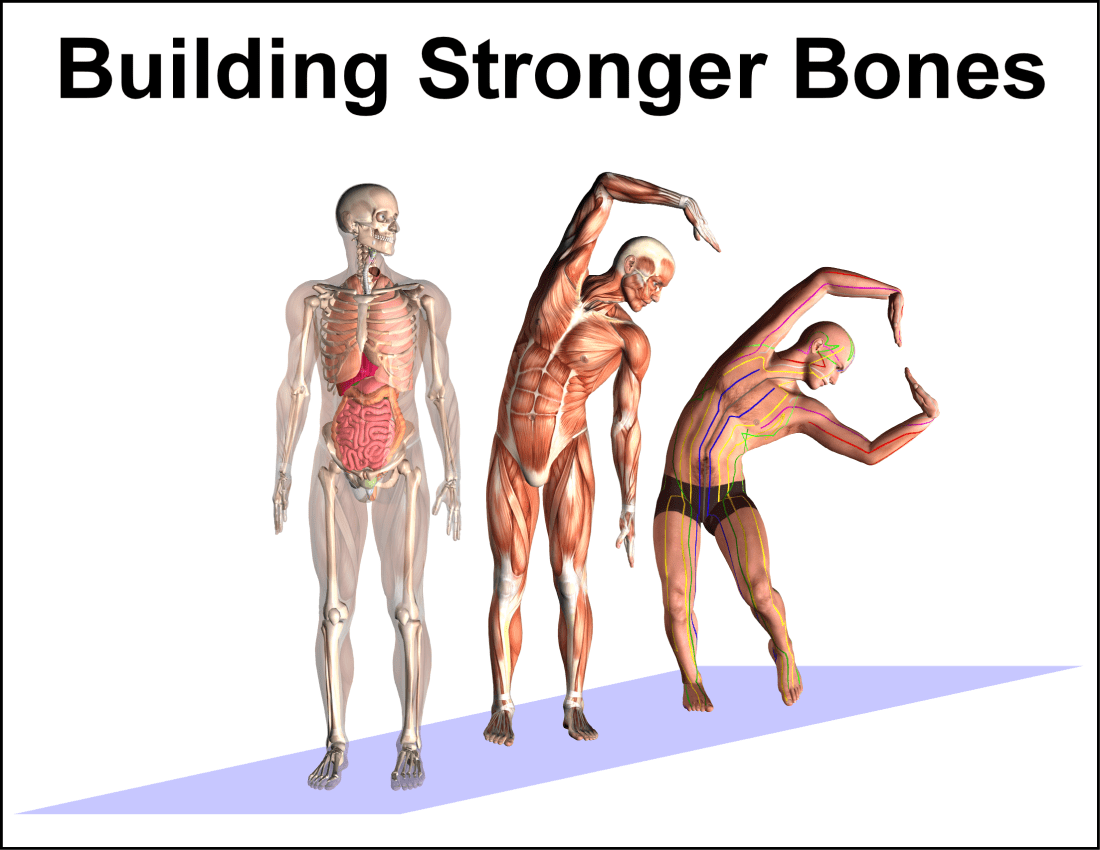
Building Stronger Bones

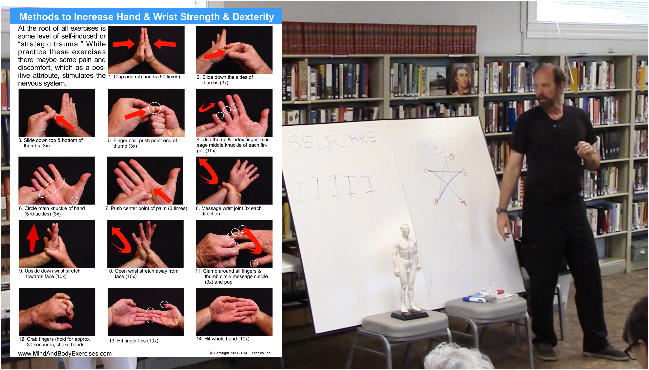
This month I wrapped up my series of 6 discussions regarding “self-care.”

Specific topics addressed were that of:

what is holistic health?

– management of hands and wrists using acupressure/reflexology

– management of various types of stress and headaches

– understanding how the vestibular balance systems work

– how to breathe deeper and more efficiently affecting

– why is bone density a serious issue and how to improve it

I have many more topics to discuss regarding better physical health, mental wellness, and having meaning/purpose in our lives. Tai chi and qigong are a big part of my curriculum, but I also earned a BS degree in holistic health in addition to my over 40 years of “hands-on” learning, practicing, and teaching. Contact me if you are interested in me speaking at your place of business, group, or other public setting.

All 6 discussions can be found on my YouTube page, by clicking on the image below.

Here is a summary of the topics I discussed regarding osteopenia and osteoporosis, which are conditions related to bone density and strength, which affect millions of people, particularly as they age. Here’s a detailed breakdown:

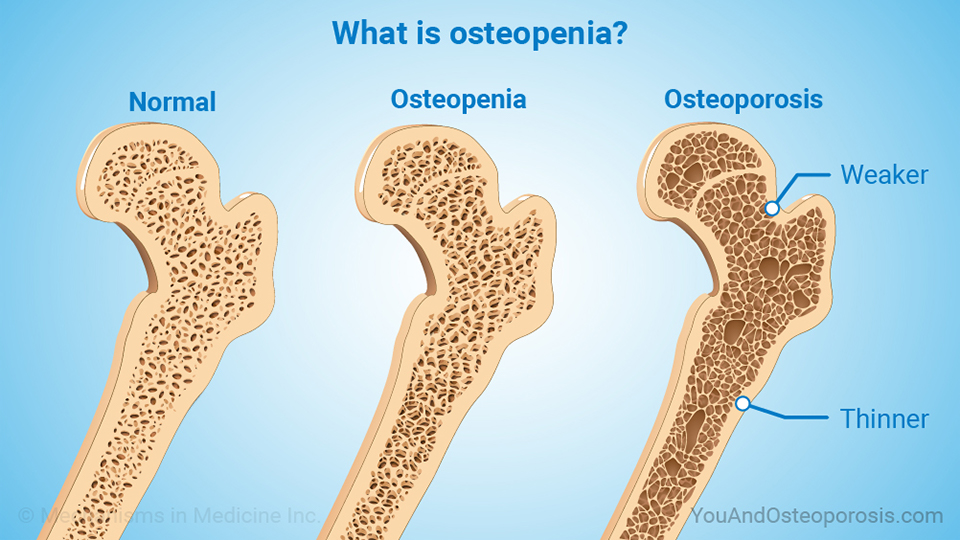
  • Osteopenia: This is the early stage of bone loss, where bone mineral density (BMD) is lower than normal but not low enough to be classified as osteoporosis. It is often a precursor to osteoporosis and indicates weakening bones.
  • Osteoporosis: This is a more severe bone condition characterized by significant bone loss, making bones brittle and more susceptible to fractures. In osteoporosis, bones become porous, with decreased density and structural integrity.

Both osteopenia and osteoporosis are caused by an imbalance between bone resorption (the process of bone breakdown) and bone formation. Factors contributing to this include:

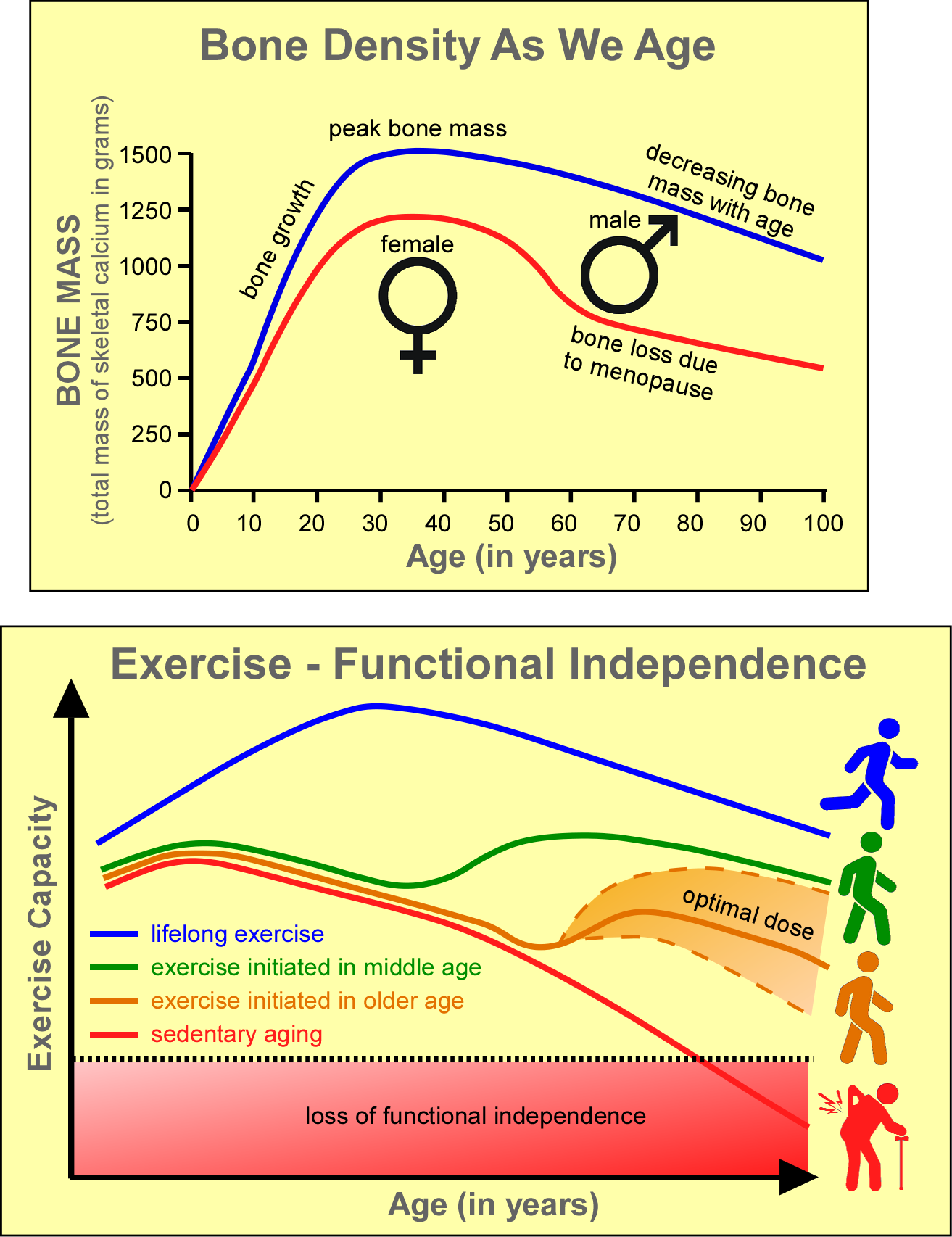
  • Aging: Bone mass typically peaks in a person’s 20s or 30s and declines with age, particularly in postmenopausal women due to decreased estrogen levels.
  • Hormonal changes: Lowered levels of hormones such as estrogen in women and testosterone in men can contribute to decreased bone density.
  • Genetics: A family history of osteoporosis can increase the risk.
  • Sedentary lifestyle: Lack of physical activity, particularly weight-bearing and resistance exercises, can contribute to weaker bones.
  • Poor nutrition: Low intake of calcium, vitamin D, and other nutrients crucial for bone health can lead to bone density loss.
  • Smoking and excessive alcohol consumption: Both are associated with decreased bone density.
  • Certain medications: Long-term use of corticosteroids and some other medications may contribute to bone loss.
  • Fractures: The most serious consequence, particularly in the hips, spine, and wrists, can result in decreased mobility and increased mortality in older adults.
  • Height loss: Often due to fractures in the vertebrae leading to compression.
  • Back pain: Resulting from collapsed or fractured vertebrae.
  • Kyphosis (spinal curvature): In severe cases of osteoporosis, the spine may curve forward.
  • Weight-bearing exercises: These include activities like walking, jogging, dancing, and stair climbing. They help stimulate bone formation by putting stress on the bones.
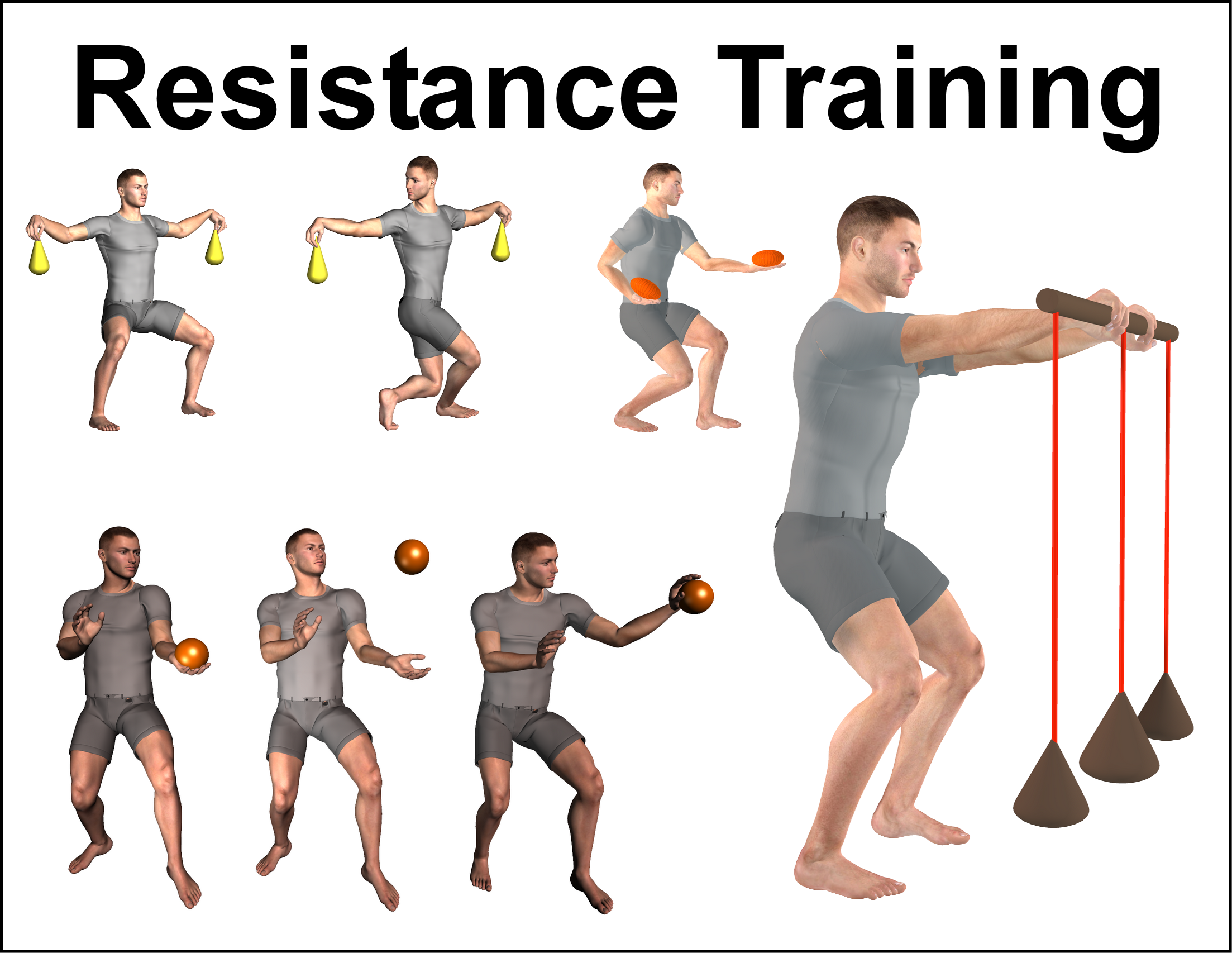
  • Resistance training: Lifting weights or using resistance bands helps build muscle mass and improves bone density. Exercises targeting the hips, spine, and wrists are particularly beneficial for bone health.
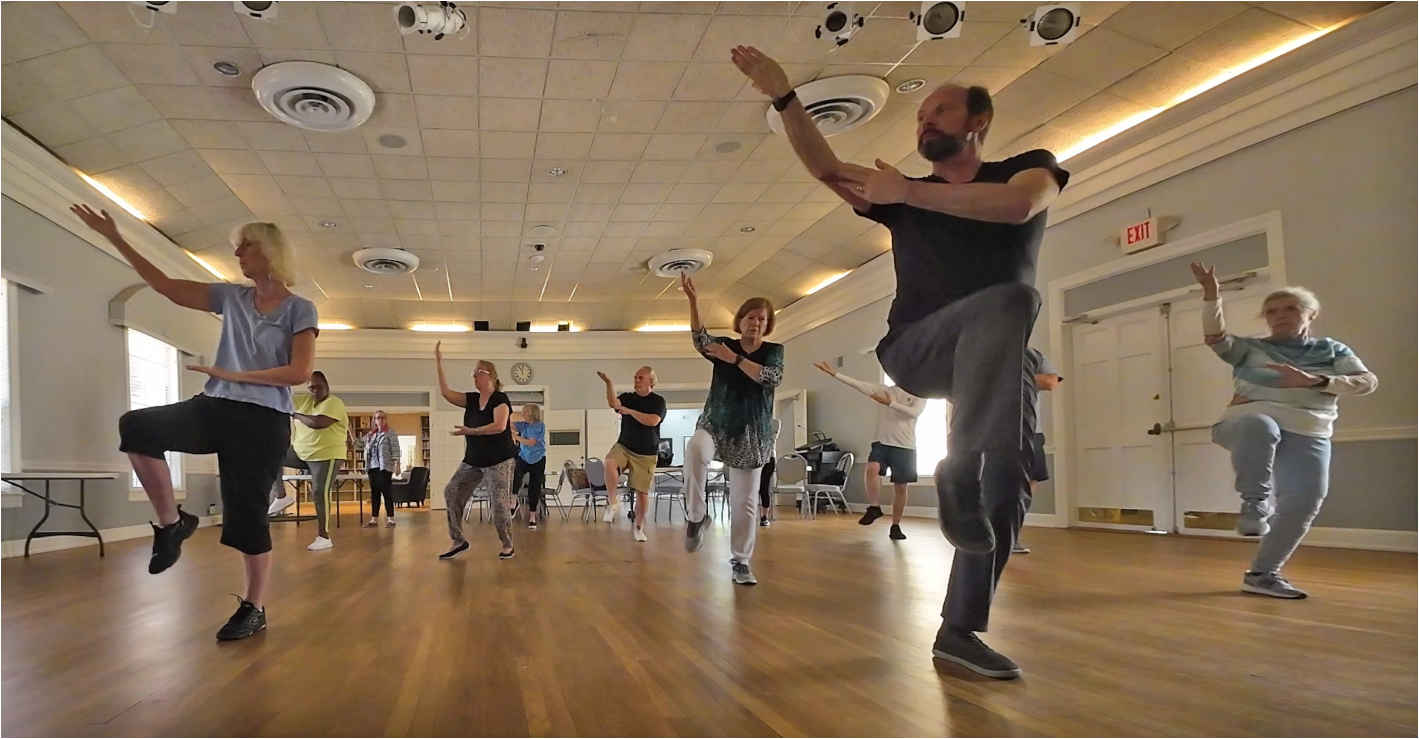
  • Balance training: Tai chi, yoga, and Pilates are excellent for improving balance and flexibility, reducing the risk of falls that can lead to fractures.
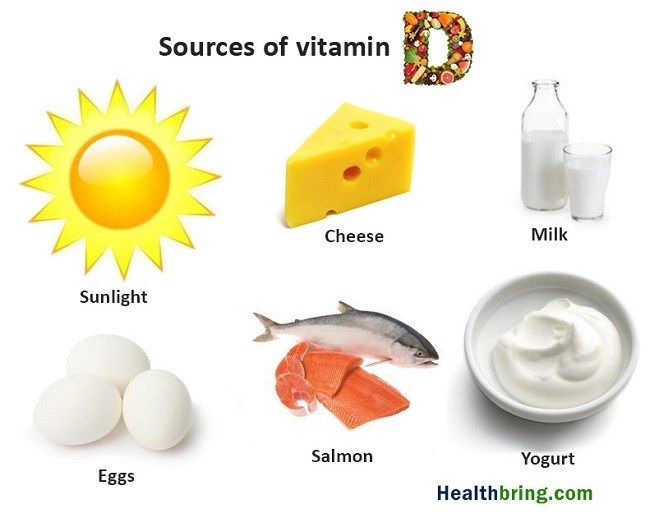
  • Vitamin D: Essential for calcium absorption, vitamin D can be synthesized through exposure to sunlight. About 15-30 minutes of sun exposure several times a week on the face, arms, or legs (without sunscreen) is often enough, depending on skin type, location, and weather.
  • Supplementation: In cases where adequate sun exposure is not possible, supplements are often recommended. The typical dosage is around 600-800 IU per day for adults, though higher doses may be needed for those with deficiencies.
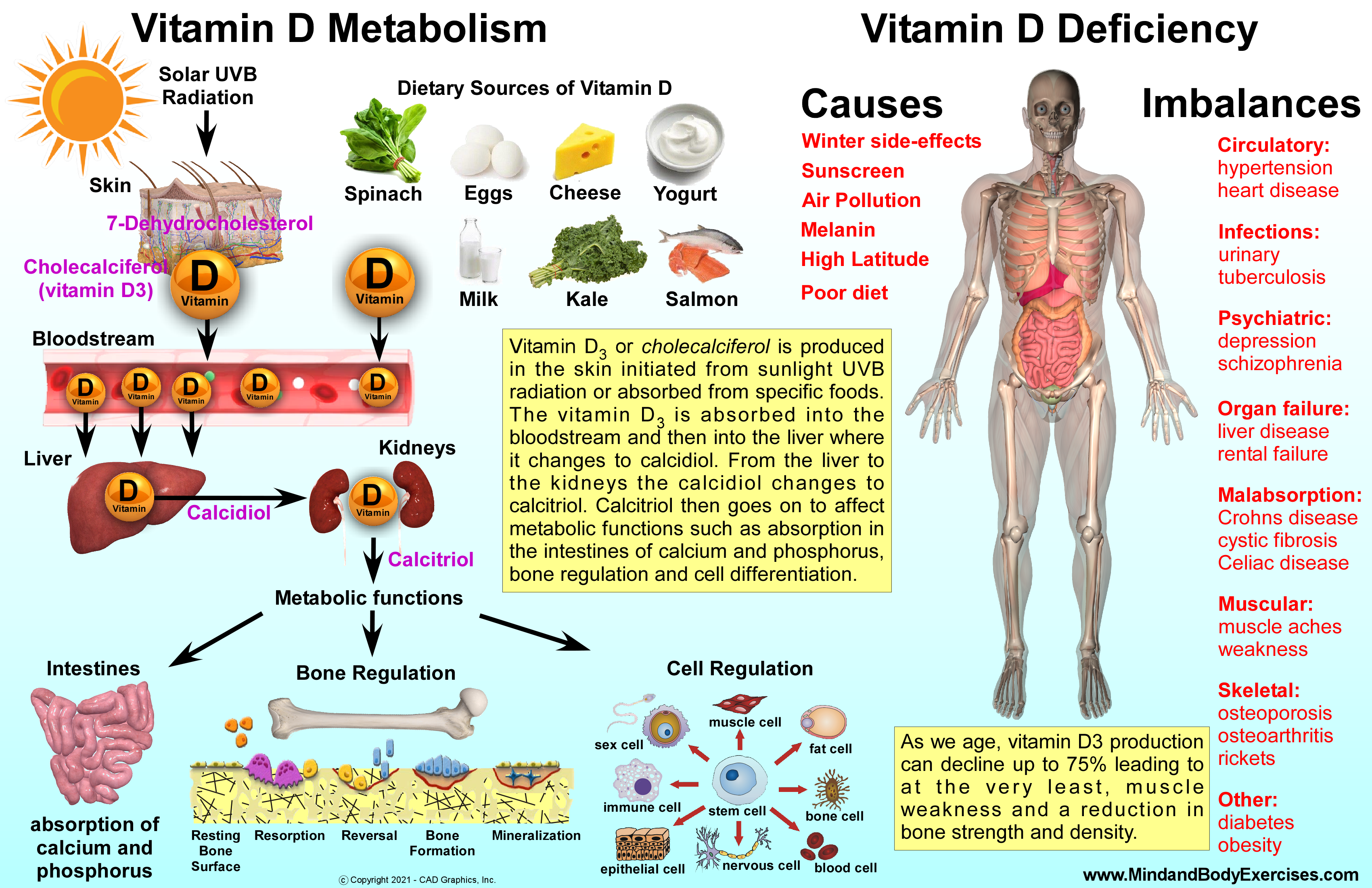
  • Calcium: Adequate calcium intake is crucial for maintaining bone density. The recommended intake is about 1,000-1,200 mg per day, depending on age and gender. Calcium-rich foods include dairy products (milk, cheese, yogurt), leafy greens (kale, broccoli), almonds, tofu, and fortified foods.
  • Magnesium: Magnesium helps convert vitamin D into its active form, allowing for better calcium absorption. Sources include nuts, seeds, legumes, and whole grains.
  • Protein: Adequate protein intake is essential for bone and muscle health. High-protein diets have been associated with improved bone density.
  • Other Nutrients:
    • Vitamin K: Found in leafy greens, helps regulate calcium and promotes bone health.
    • Omega-3 Fatty Acids: Found in fish like salmon and flaxseeds, these can help reduce bone loss.
  • Bisphosphonates: These drugs slow down bone resorption and help to maintain or increase bone density.
  • Hormone Therapy: Estrogen replacement therapy can be beneficial for postmenopausal women to slow bone loss.
  • Denosumab: A monoclonal antibody that reduces bone resorption.
  • Calcitonin: A hormone that helps regulate calcium levels and bone metabolism.
  • Parathyroid hormone analogs: These can help stimulate bone formation in severe cases of osteoporosis.
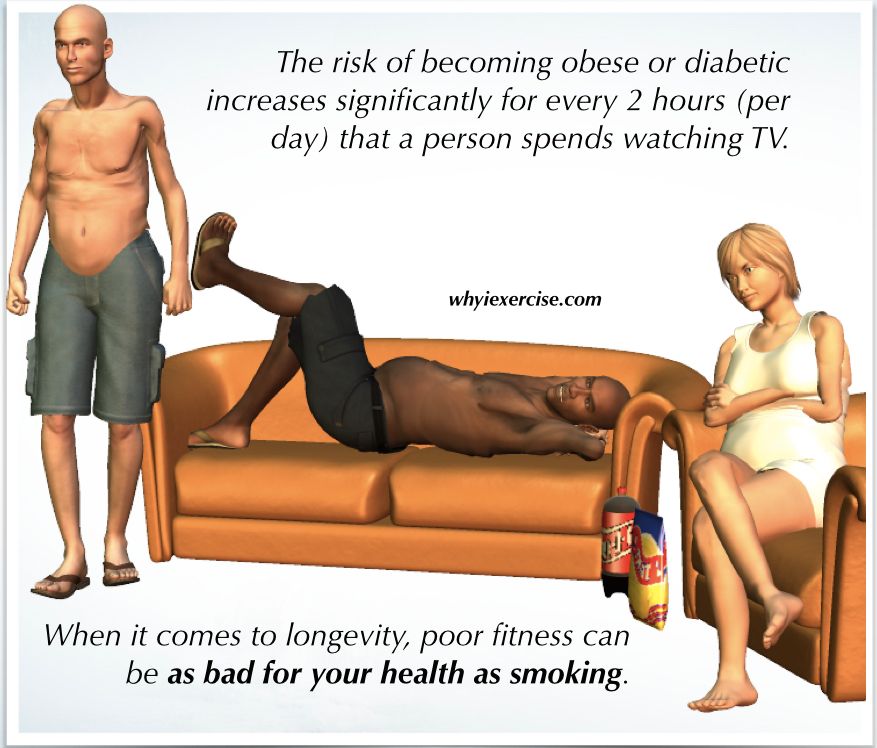
  • Quit smoking: Smoking accelerates bone loss, so quitting is important for bone health.
  • Limit alcohol: Excessive alcohol interferes with calcium balance and bone formation.
  • Fall prevention: Maintaining good balance and a safe living environment can help prevent falls that might lead to fractures.
  • Bone density scans: These scans can help monitor your bone health and assess your risk of fractures.
  • Regular medical check-ups: Consult your doctor for personalized advice and to discuss any concerns.

Osteopenia and osteoporosis are conditions that reflect the progressive weakening of bones, leading to increased risk of fractures. Managing these conditions involves a combination of strength training, resistance exercises, adequate sun exposure, proper nutrition (especially with calcium and vitamin D), and sometimes medication. Regular physical activity, especially weight-bearing and resistance exercises, can help strengthen bones, while proper diet and lifestyle choices support bone health and overall well-being.

I teach and offer lectures about holistic health, physical fitness, stress management, human behavior, meditation, phytotherapy (herbs), music for healing, self-massage (acupressure), Daoyin (yoga), qigong, tai chi, and baguazhang.

Please contact me if you, your business, organization, or group, might be interested in hosting me to speak on a wide spectrum of topics relative to better health, fitness, and well-being.

I look forward to further sharing more of my message by partnering with hospitals, wellness centers, VA centers, schools on all levels, businesses, and individuals who see the value in building a stronger nation through building a healthier population.

I also have hundreds of FREE education video classes, lectures, and seminars available on my YouTube channel at:

https://www.youtube.com/c/MindandBodyExercises

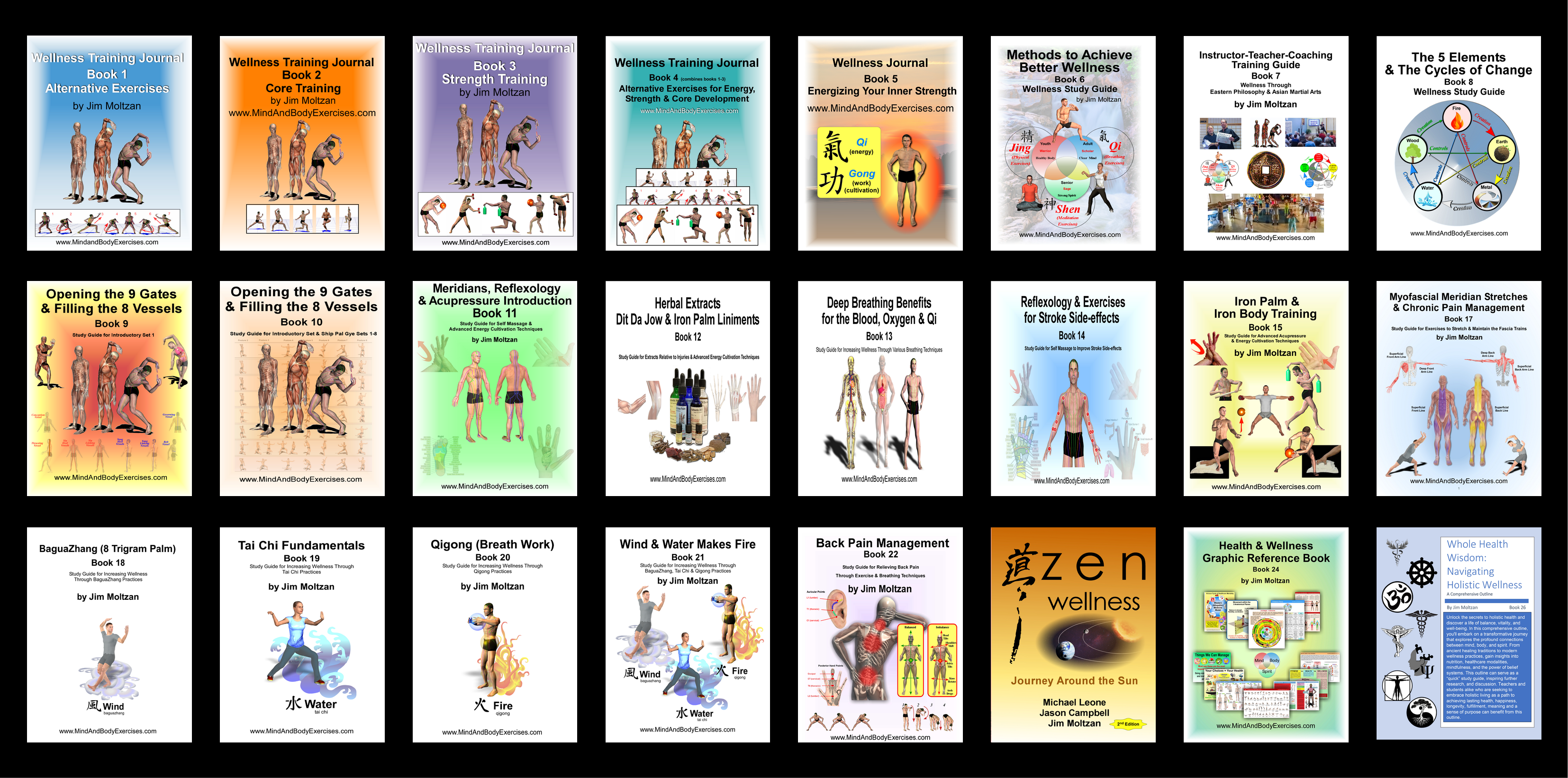
Many of my publications can be found on Amazon at:

http://www.Amazon.com/author/jimmoltzan

My holistic health blog is available at:

https://mindandbodyexercises.wordpress.com/

http://www.MindAndBodyExercises.com

Mind and Body Exercises on Google: https://posts.gle/aD47Qo

Jim Moltzan

407-234-0119

Reiki and its Acceptance in the US Healthcare System

American culture and society have greatly become more polarized on many issues. I see there is much more of a divide over the last 40 years between religions, spirituality, and secular practices. Reiki is a Japanese energy-based healing technique that uses an individual’s energy force to help reduce stress, and anxiety and encourage relaxation not only for themselves but also for others. The method uses gentle touch and placement for healing and tries to improve balance in the body. Reiki has become more accepted and understood in some regions in recent years and consequently, more hospitals in the US. I found a few sources that indicated that Reiki is more accepted and offered in more progressive areas of the US, such as New England (Miles, 2019) the West Coast, and New York (McKnight, 2023).  In other areas such as the Midwest, the Rust Belt, and the South, not so much. There is much more work and education that needs to transpire before Reiki will be truly accepted as mainstream by the US population.

However, Reiki practice for some that are religious, may make sense and coincide with their belief in the power of prayer. For those who are spiritual, Reiki offers a non-religious option to connect to the divine or something greater than the self. For the secular, the basic premise of self-regulation through meditation and modulation of the nervous system (Miles, 2008) through managed breath control makes sense when applied to the Reiki concepts. With more studies, exposure, and education all three of these groups may embrace Reiki more in years to come.

I live in Orlando, Florida which has been typically labeled as being in the so-called “Bible-belt.” This is a bit of an issue in that there are many people here, moving to or retiring here specifically to engage in the religious resources of many churches located throughout Florida. Not too much of a coincidence is that one of the largest healthcare providers in the US is Advent Health, which is a Seventh-day Adventist non-profit healthcare system headquartered in Central Florida. This particular religion does not support Eastern philosophy (Roman & Roman, 2022), making it extremely difficult to offer yoga, tai chi, qigong, Reiki, and other methods to its patients and the general public. I have tried hard over the last 30 years to work with their community outreach and senior wellness departments, where I have provided some lectures on bone health, balance, and stress management. I was instructed to keep my presentations on tai chi and qigong, within the guidelines of exercise and mindfulness breathing exercises. Administrators preferred for me not to get into spirituality, religion, or metaphysical concepts that may not coincide with the corporation’s Christian mission, shared vision, or common values. When these healthcare providers do offer yoga or tai chi classes, they are usually just teaching physical exercises. From what I have found, Reiki is not offered much in Orlando except through private practitioners. This may change in years to come as I plan to become more involved in teaching holistic health seminars, for which Reiki will be a topic of my discussions.

Most people are aware that allopathic medicine is a very powerful and profit-driven model that generates about 4.1 trillion dollars per year in products, services, and employment (American Medical Association & American Medical Association, 2024). Anything that is free to learn/practice or empowers the individual to take control of their own health, is often labeled as pseudo-science or alternative, regardless of if other cultures have seen the benefits as legitimate, safe, and effective for thousands of years. “Safe and effective” often has a different meaning in the US where politics and profits often determine safety and efficacy. As the US continues to be more diverse in its assimilation of other cultures, we will continue to see more traditional healthcare practices come to be accepted in the US. Look how long it has taken for acupuncture, yoga, massage, Pilates, and other methods to achieve acceptance in the US. True knowledge lives on regardless of the day-to-day, year-to-year flippancy of a nation’s viewpoints.  If Reiki continues to offer benefits, studies will continue forward and hopefully eventually align with allopathic medicine, which would greatly broaden the acceptance within the general population.

One area of my concern with the potential for healing through Reiki practices is the potential karmic implications that may come about while attempting to help others. If someone is trying to heal by serving as a conduit to the Reiki energy, this is somewhat different than attempting to heal as a source of energy instead. It is my understanding from my own practices and study of Eastern cultures that often peoples’ ailments, whether mental or physical, are manifestations of their own actions and circumstances.  As a healer, one needs to be aware that many life lessons are meant to be learned, experienced, solved, and mastered firsthand. If not for the individual’s own life lessons, but so as not to diminish the energy of other people. An example of this type of scenario is seen typically in the healthcare or first responder professions, where an individual may have good intent in helping another person, but that person often does not change their behavior or circumstances to avoid ailments or events, only to repeat them over and over again. The healer, helper, supporter, etc., often drains themselves physically, mentally, and spiritually while the patient, victim, or person in need becomes somewhat of an energy vampire consuming others’ energy and good intentions.

References:

Miles, P. (2019, September 16). Reiki in hospitals: An update by Pamela Miles, medical reiki master. https://reikiinmedicine.org/. https://reikiinmedicine.org/clinical-practice/reiki-in-hospitals-an-update/

McKnight, J. (2023, April 1). Full list of hospitals that use Reiki in the US. Planet Meditate. https://planetmeditate.com/full-list-hospitals-that-use-reiki-us/

Miles, (2008). (p.198) Reiki, A Comprehensive Guide, Penguin Publishing Group. Kindle Edition. Roman, A., & Roman, A. (2022, February 24). Yoga, Zumba, Les Mills, Te Fiti the Goddess of Creation, Disney Magic and the New 8 Laws of Health are all part of AdventHealth | Advent Messenger. Advent Messenger. http://adventmessenger.org/yoga-zumba-les-mills-te-fiti-the-goddess-of-creation-disney-magic-and-the-new-8-laws-of-health-are-all-part-of-adventhealth/

American Medical Association & American Medical Association. (2024, April 25). Trends in health care spending. American Medical Association. https://www.ama-assn.org/about/research/trends-health-care-spending

I teach and offer lectures about holistic health, physical fitness, stress management, human behavior, meditation, phytotherapy (herbs), music for healing, self-massage (acupressure), Daoyin (yoga), qigong, tai chi, and baguazhang.

Please contact me if you, your business, organization, or group, might be interested in hosting me to speak on a wide spectrum of topics relative to better health, fitness, and well-being.

I look forward to further sharing more of my message by partnering with hospitals, wellness centers, VA centers, schools on all levels, businesses, and individuals who see the value in building a stronger nation through building a healthier population.

I also have hundreds of FREE education video classes, lectures, and seminars available on my YouTube channel at:

https://www.youtube.com/c/MindandBodyExercises

Many of my publications can be found on Amazon at:

www.Amazon.com/author/jimmoltzan

My holistic health blog is available at:

https://mindandbodyexercises.wordpress.com/

www.MindAndBodyExercises.com

Mind and Body Exercises on Google: https://posts.gle/aD47Qo

Jim Moltzan

Metabolic Dysfunction and Concerns over Processed Food, Endocrine-Disrupting Chemicals (EDCs), and Toxins

People in the US are experiencing many mental and physical diseases, ailments, and chronic conditions that were not nearly as prominent in years past. Some experts believe there is a definite link between chemicals and the state of poor health in the US.

Metabolic Dysfunction Statistics: 93.2% of Americans have at least one marker of metabolic dysfunction according to a study published in the Journal of the American College of Cardiology. The study analyzed health data from over 55,000 Americans and found that only 6.8% were metabolically healthy. This alarming statistic highlights widespread issues like insulin resistance, high cholesterol, and high blood pressure, all linked to poor diet and lifestyle choices​. The study concluded that U.S. cardiometabolic health has been poor and worsening between 1999 and 2000 and 2017 and 2018, with only 6.8% of adults having optimal cardiometabolic health.

Processed Foods: Their concerns about the impact of ultra-processed foods are backed by extensive research in nutritional science. A 2019 study published in The BMJ found that higher consumption of ultra-processed foods was associated with an increased risk of all-cause mortality. Ultra-processed foods are often rich in refined sugars, unhealthy fats, and chemical additives, which have been linked to insulin resistance and chronic inflammation—key drivers of metabolic syndrome. The study concluded that “higher consumption of ultra-processed foods (>4 servings daily) was independently associated with a 62% relatively increased hazard for all-cause mortality. For each additional serving of ultra-processed food, all-cause mortality increased by 18%.”

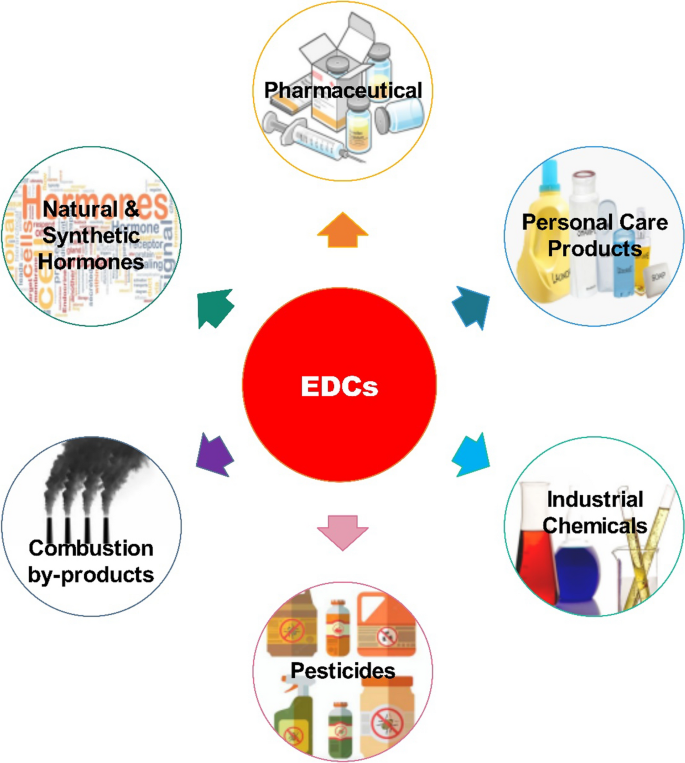
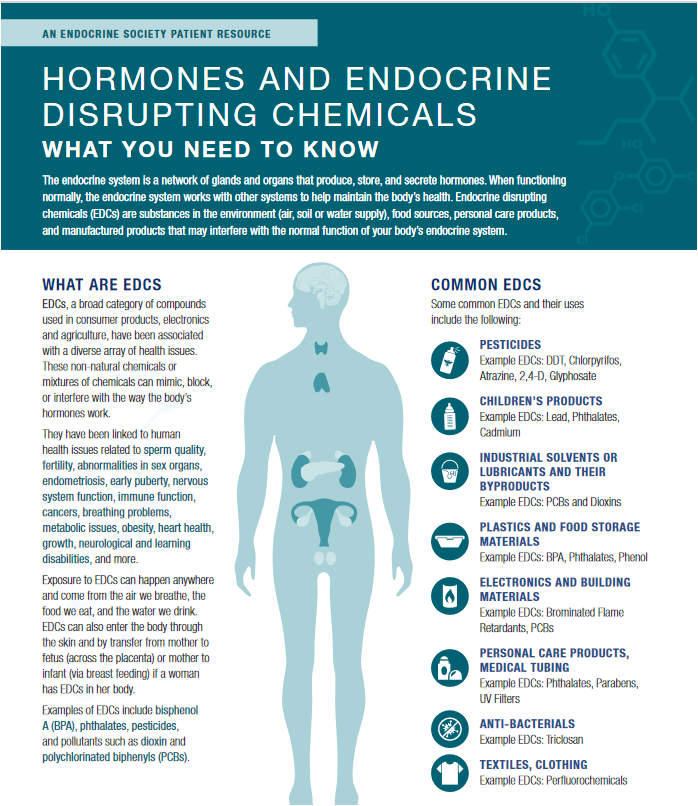
Endocrine-Disrupting Chemicals (EDCs): The risks associated with chemicals like BPA and phthalates are well-documented. The Endocrine Review has published multiple position papers discussing how EDCs interfere with the body’s hormonal systems, contributing to obesity, diabetes, and reproductive health issues. The thyroid’s hormone signaling plays a critical role in metabolism, growth, and development. EDCs impact endocrine disruptors, from chemicals like bisphenol A (BPA), phthalates, and industrial pollutants like polychlorinated biphenyls (PCBs) and polybrominated diphenyl ethers (PBDEs). These substances, along with herbicides and pesticides like atrazine and DDT, can interfere with thyroid function, leading to various health issues.

Environmental Toxins: Heavy metals, pesticides, and airborne pollutants have been linked to numerous health issues, including mitochondrial dysfunction. A 2014 review in Environmental Research connected chronic exposure to environmental toxins like arsenic, lead, mercury, cadmium, chromium, aluminum, iron, and pesticides to metabolic diseases through their detrimental effects on mitochondrial function and oxidative stress. Failure to better manage the exposure of heavy metals will ultimately result in severe complications in the future, due to the adverse effects imposed by these elements and relative substances.

(Society, 2022)

References:

Metabolic Dysfunction Statistics:

  • O’Hearn, M., Lauren, B. N., Wong, J. B., Kim, D. D., & Mozaffarian, D. (2022). Trends and Disparities in Cardiometabolic Health among U.S. adults, 1999-2018. Journal of the American College of Cardiology, 80(2), 138–151. https://doi.org/10.1016/j.jacc.2022.04.046

Processed Foods:

  • Rico-Campà, A., Martínez-González, M. A., Alvarez-Alvarez, I., De Deus Mendonça, R., De La Fuente-Arrillaga, C., Gómez-Donoso, C., & Bes-Rastrollo, M. (2019). Association between consumption of ultra-processed foods and all cause mortality: SUN prospective cohort study. BMJ, l1949. https://doi.org/10.1136/bmj.l1949

Endocrine-Disrupting Chemicals (EDCs):

Environmental Toxins:

  • Jaishankar, M., Tseten, T., Anbalagan, N., Mathew, B. B., & Beeregowda, K. N. (2014). Toxicity, mechanism and health effects of some heavy metals. Interdisciplinary Toxicology, 7(2), 60–72. https://doi.org/10.2478/intox-2014-0009

I teach and offer lectures about holistic health, physical fitness, stress management, human behavior, meditation, phytotherapy (herbs), music for healing, self-massage (acupressure), Daoyin (yoga), qigong, tai chi, and baguazhang.

Please contact me if you, your business, organization, or group might be interested in hosting me to speak on a wide range of topics related to better health, fitness, and well-being.

I look forward to further sharing my message by partnering with hospitals, wellness centers, VA centers, schools on all levels, businesses, and individuals who see the value in building a stronger nation through a healthier population.

I also have hundreds of FREE education video classes, lectures, and seminars available on my YouTube channel at:

https://www.youtube.com/c/MindandBodyExercises

Many of my publications can be found on Amazon at:

http://www.Amazon.com/author/jimmoltzan

My holistic health blog is available at:

https://mindandbodyexercises.wordpress.com/

http://www.MindAndBodyExercises.com

Mind and Body Exercises on Google: https://posts.gle/aD47Qo

Jim Moltzan

407-234-0119
Benefits of Nose-breathing

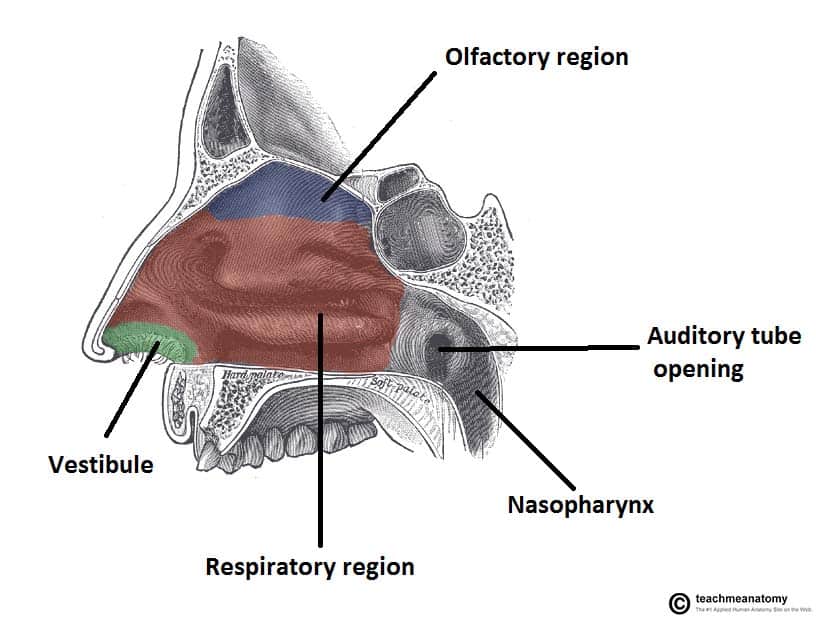
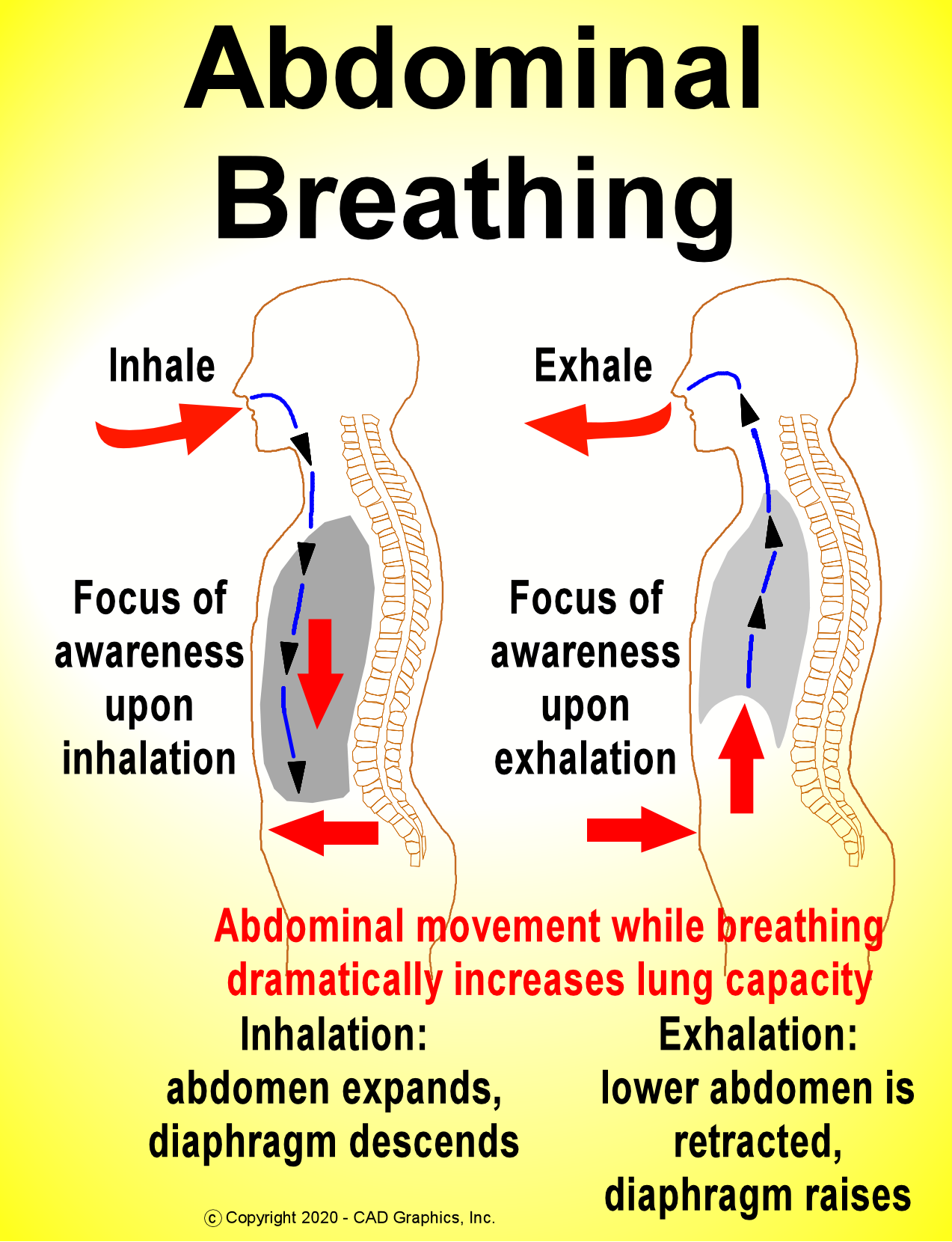
Breathing through the nose (nasal breathing) is a scientifically proven coping mechanism that helps to manage stress and has many other physiological benefits. Nasal breathing promotes more effective diaphragm engagement than mouth breathing. Nasal breathing encourages diaphragmatic breathing by allowing a slower, deeper breath, which supports the downward movement of the diaphragm. This type of breathing activates the lower part of the lungs, which have a higher blood flow and oxygen exchange concentration, resulting in more efficient oxygen delivery throughout the whole body.

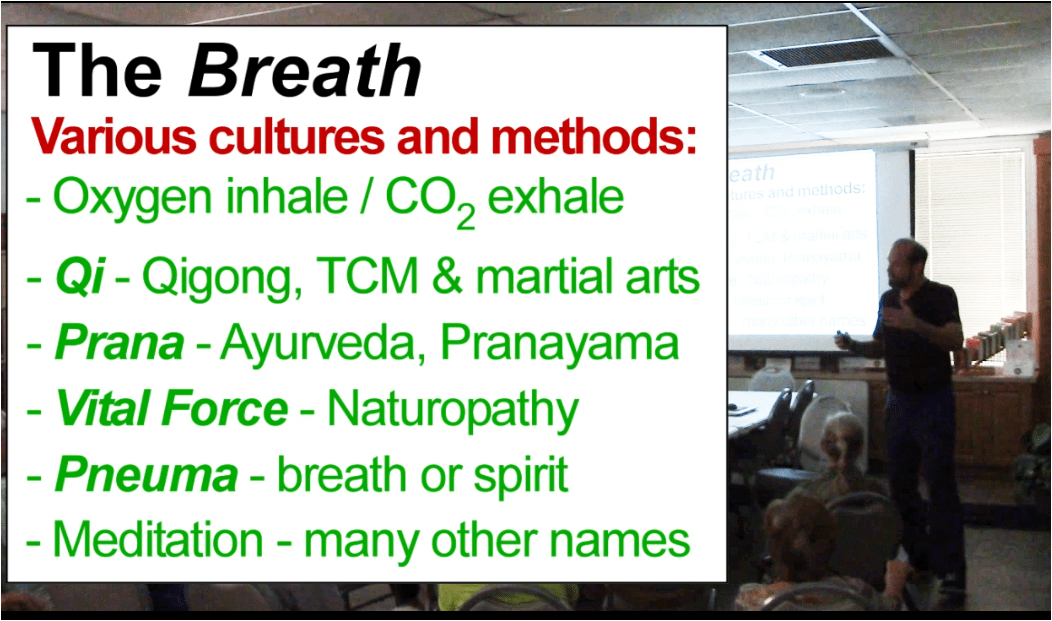
I led a discussion on this topic and better breathing methods last week at the University Club of Winter Park. View the full hour-long talk here at: https://youtu.be/C9xL2k-Eosk?si=9At8PXiV8nXQutPR

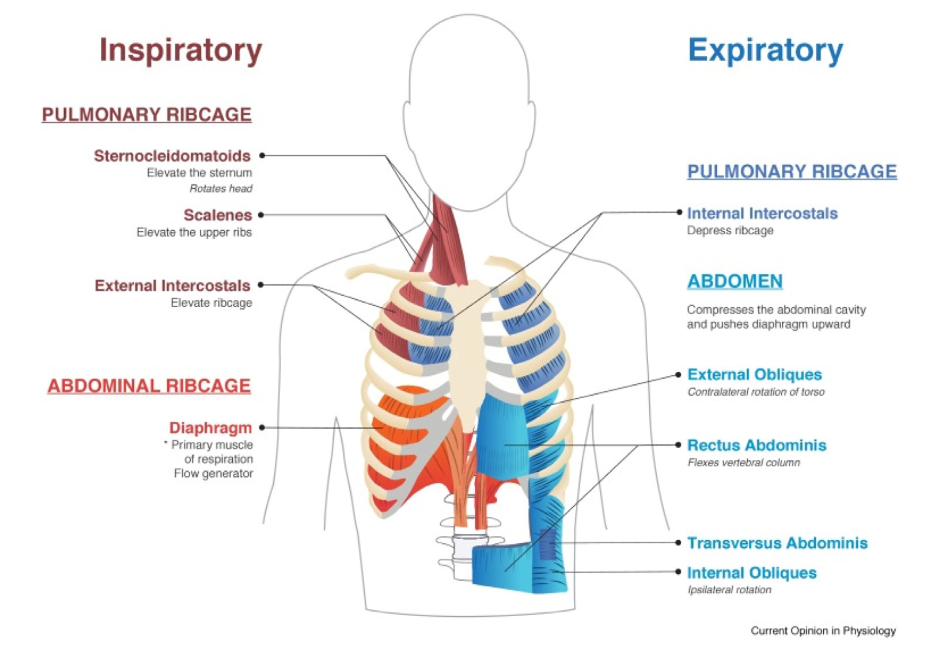
When you breathe through the nose, other respiratory muscles are also engaged more fully, helping to maintain core stability and improve posture. Nasal breathing encourages parasympathetic (rest and digest) activity, which can help to reduce stress, promotes relaxation and natural healing.

Breathing through the nose has a wide range of additional physiological benefits:

  • Air Filtration and Humidification: The nasal passages filter out pollen, allergens, dust, and other particles, while also humidifying and warming the air prior to it reaching the lungs. This mechanism reduces respiratory tract irritation and keeps lung tissues moist and better protected against environmental irritants.
  • Nitric Oxide Production: Nasal breathing produces nitric oxide (NO), a messenger molecule that has powerful vasodilating effects, which means that it helps dilate blood vessels and improve circulation. This in turn, allows for more efficient oxygen delivery throughout the body, supporting cardiovascular health and enhancing physical endurance.

  • Increased Lung Capacity and Respiratory Efficiency: Nasal breathing helps to promote a slower, more regulated intake of air, which can improve respiratory efficiency and lung capacity over time. This action enables the lungs to expand more fully, contributing to a better exchange of oxygen and carbon dioxide, thus promoting more effective overall oxygenation.
  • Increased Diaphragmatic Muscle Tone: Nasal breathing exercises the diaphragm, improving respiratory efficiency and also stabilizing core muscles. This can improve posture and reduce the occurrence of back and neck tension, as the diaphragm works in tandem with abdominal and pelvic floor muscles.

  • Lowered Stress and Anxiety Levels: Breathing through the nose activates the parasympathetic nervous system, which helps to reduce stress. Deeper, slower breathing stimulates the vagus nerve, associated with calming the body, by lowering heart rate and cortisol (stress hormone) levels.

  • Improved Sleep Quality: Breathing through the nose helps regulate a more consistent breathing rhythm and encourages higher oxygen levels during sleep, reducing the risk of sleep disorders such as snoring and sleep apnea.

Understanding how these mechanisms operate can be highly beneficial for health, fitness, and well-being, as consistent nasal breathing can bring about both short-term benefits such as relaxation, long-term respiratory efficiency and cardiovascular health.

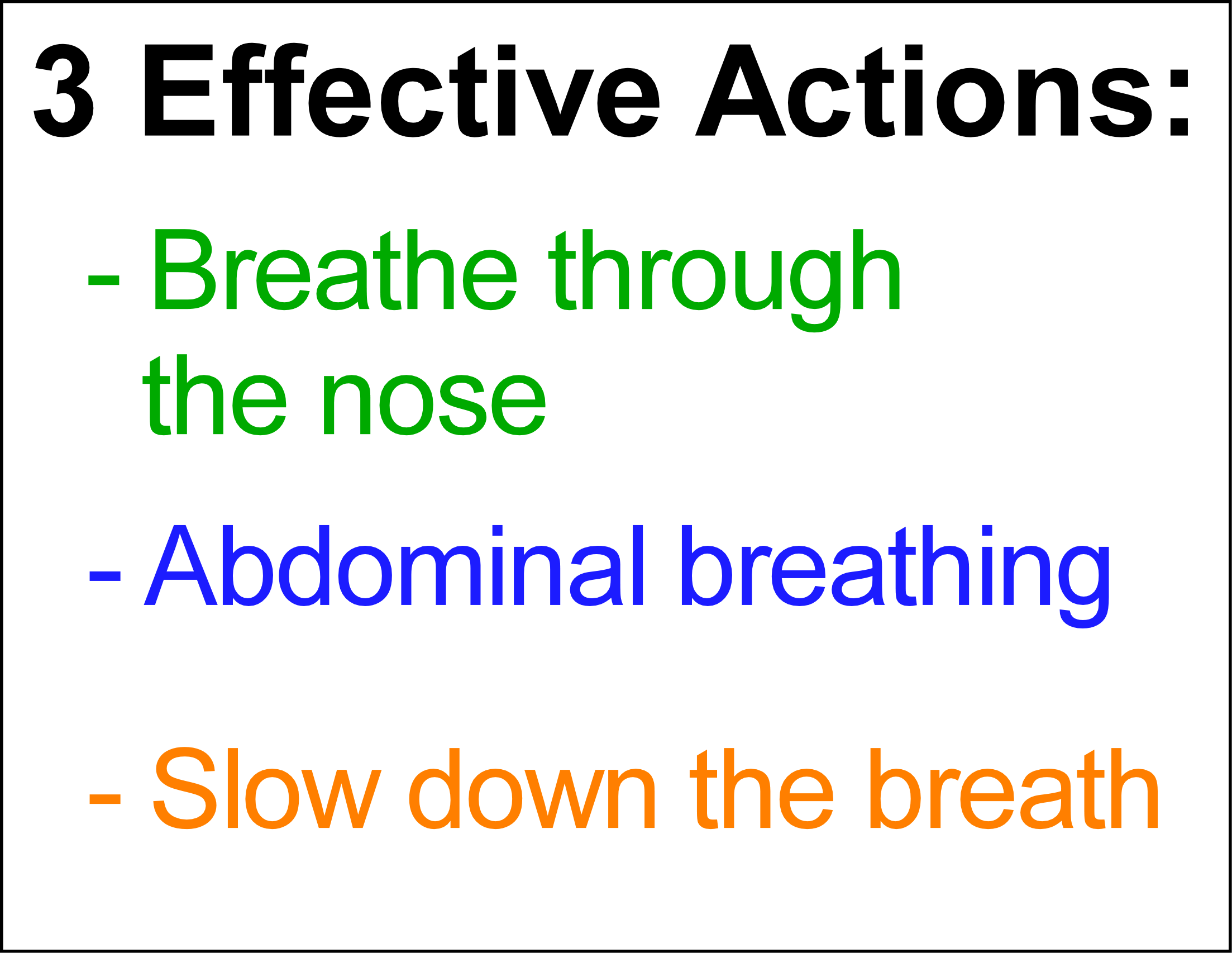
Three effective methods to breathe more efficiently:

  • Breathe through the nose
  • Breathe deeper by moving the abdominal area to engage the diaphragm
  • Become mindful of your breathing rate or breaths per minute (BPM)

I teach and offer lectures about holistic health, physical fitness, stress management, human behavior, meditation, phytotherapy (herbs), music for healing, self-massage (acupressure), Daoyin (yoga), qigong, tai chi, and baguazhang.

Please contact me if you, your business, organization, or group might be interested in hosting me to speak on a wide range of topics related to better health, fitness, and well-being.

I look forward to further sharing my message by partnering with hospitals, wellness centers, VA centers, schools on all levels, businesses, and individuals who see the value in building a stronger nation through a healthier population.

I also have hundreds of FREE education video classes, lectures, and seminars available on my YouTube channel at:

https://www.youtube.com/c/MindandBodyExercises

Many of my publications can be found on Amazon at:

http://www.Amazon.com/author/jimmoltzan

My holistic health blog is available at:

https://mindandbodyexercises.wordpress.com/

http://www.MindAndBodyExercises.com

Mind and Body Exercises on Google: https://posts.gle/aD47Qo

Jim Moltzan

Health and Wellness Issues Have Worsened in Recent Decades

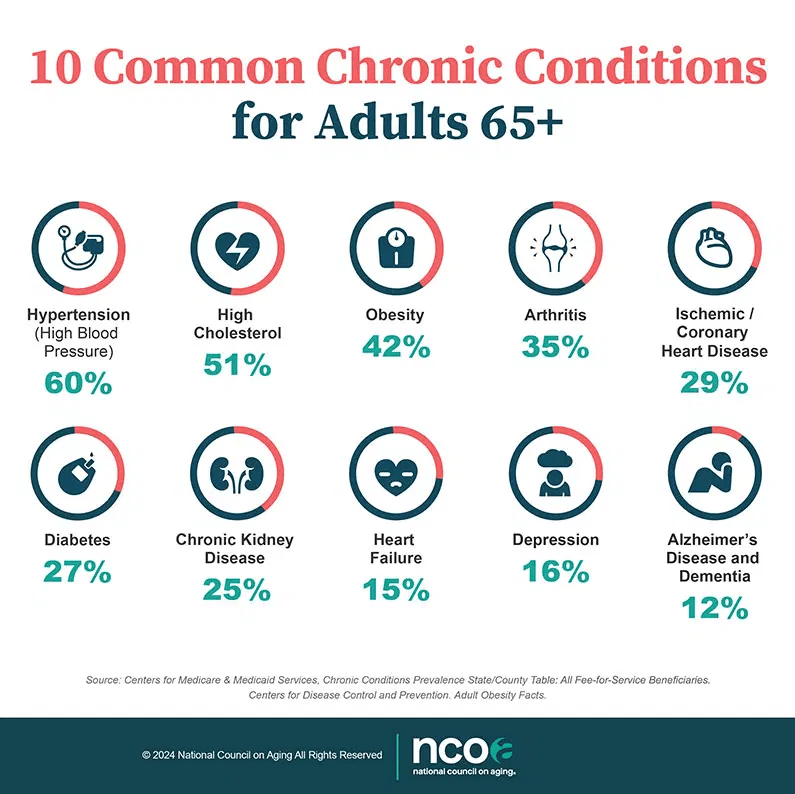
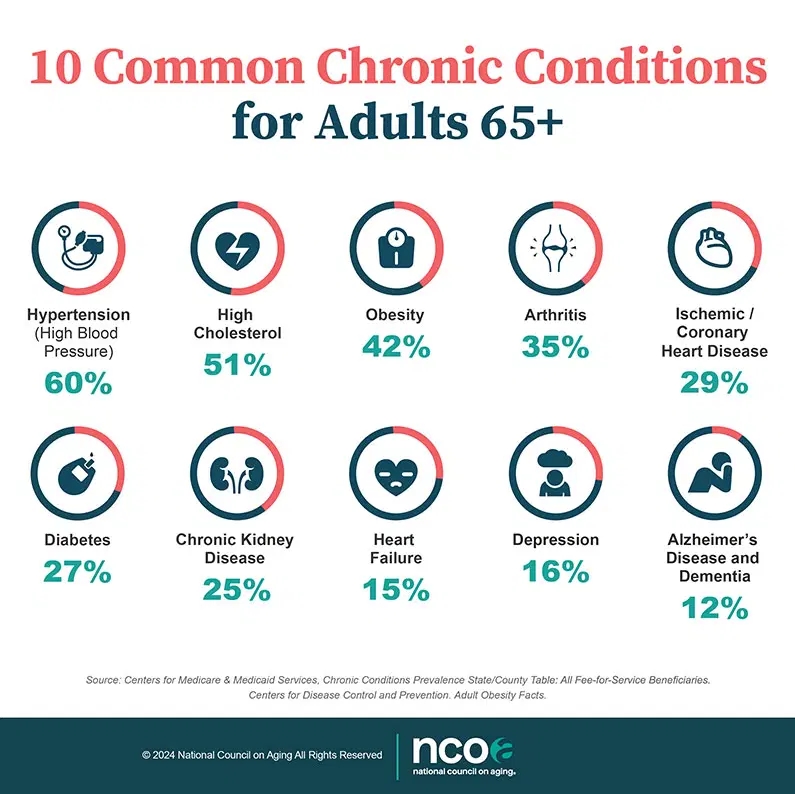
People in the US are experiencing many mental and physical diseases, ailments, and chronic conditions that were not nearly as prominent in years past. Many diseases and issues previously experienced by adults, are now seen in children. Some experts believe there is a definite link between our food, lack of physical activity, chemicals, other lifestyle choices, and the state of poor health in the US.

https://www.ncoa.org/article/the-top-10-most-common-chronic-conditions-in-older-adults/

General Prevalence:

  • Approximately 60 million adults (23.08%) in the U.S. experienced a mental illness in the past year, and nearly 13 million adults (5.04%) reported serious thoughts of suicide ​NAMIMental Health America.
  • Among youth aged 12-17, one in five experienced at least one major depressive episode, with over 56% not receiving any treatment ​Mental Health America.

Specific Disorders:

  • Anxiety Disorders: Affect 19.1% of U.S. adults ​NAMI.
  • Major Depressive Disorder: Approximately 8.3% of adults experience a major depressive episode ​NAMI.
  • Bipolar Disorder: Affects about 2.8% of the population ​NAMI.
  • Substance Use Disorders:
  • Over 45 million adults (17.82%) and 2.3 million youth (8.95%) are experiencing substance use disorders Mental Health America.

Barriers to Treatment:

  • The ratio of people to mental health providers is concerning, with around 340 individuals for every provider in many areas ​Mental Health America.
  1. Chronic Conditions:
    • Obesity: Over 42% of U.S. adults are classified as obese​ National Institute of Mental Health. This condition is linked to various other health issues, including diabetes and heart disease.
    • Cardiovascular Diseases: Conditions like hypertension and heart disease remain prevalent, contributing to high morbidity and mortality rates ​National Institute of Mental Health.
  2. Diabetes:
  3. Respiratory Conditions:
  4. Musculoskeletal Disorders:
  1. Prevalence of Mental Health Conditions:
    • Approximately 1 in 5 children (19%) aged 3-17 years has a diagnosed mental, emotional, or behavioral disorder ​CDCNAMI.
    • Mental health issues, including anxiety and depression, are particularly prominent, with anxiety disorders affecting 9.4% and major depressive episodes affecting 7.8% of this age group​PediatricsAmerican Psychological Association.
    • Developmental Disorders: Conditions such as ADHD and autism spectrum disorder are becoming more commonly diagnosed. Approximately 9.4% of children aged 2-17 have been diagnosed with ADHD, while around 1 in 36 children are diagnosed with autism​ HHS.govCDC.
  2. Suicidal Thoughts and Behaviors:
    • In 2023, 29% of high school students reported experiencing persistent feelings of sadness or hopelessness, and 14% reported seriously considering suicide​ CDCPediatrics.
    • Among LGBTQ+ youth, rates of suicidal ideation are alarmingly high, with 20% having attempted suicide ​CDCAmerican Psychological Association.
  3. Impact of Socioeconomic Factors:
    • Factors such as food insecurity, housing instability, and exposure to community violence contribute significantly to mental health challenges ​PediatricsAmerican Psychological Association. Structural racism also plays a critical role, particularly affecting Indigenous and Black children, who face higher rates of mental health issues and trauma ​Pediatrics.
  4. Access to Treatment:
    • Despite the high prevalence of mental health conditions, many children lack access to necessary care. For instance, 50.6% of youth aged 6-17 with mental health disorders received treatment​NAMI. There are significant disparities based on socioeconomic status and race​ PediatricsAmerican Psychological Association.
  5. Improvements and Challenges:
    • Some improvements have been noted recently, such as a decrease in persistent sadness among students overall, but increases in experiences of bullying and school safety concerns have been observed ​CDC. The ongoing challenges underscore the need for more comprehensive support systems in schools and communities ​PediatricsNAMI.
  1. Obesity: Childhood obesity is a significant concern, affecting approximately 19.7% of children aged 2 to 19 years as of 2020. This prevalence is higher among Hispanic (26.2%) and Black (24.8%) children compared to their White (16.6%) and Asian (9.0%) counterparts​ CDC. The annual medical costs related to obesity for U.S. children is estimated to be $1.3 billion CDC.
  2. Asthma: Approximately 7.5% of children in the U.S. have asthma, making it one of the most common chronic respiratory diseases. Asthma rates have been shown to vary with socioeconomic status, with children from lower-income families more likely to be affected​ CDC.
  3. Allergies: Allergic conditions, including food allergies and allergic rhinitis (hay fever), are prevalent among children. It’s estimated that 8% of children have food allergies, with increases seen in recent years​ CDC.
  4. Diabetes: The prevalence of diagnosed diabetes (both Type 1 and Type 2) among children is around 1.5%. There has been a notable increase in Type 2 diabetes, attributed to rising obesity rates​ CDC.
  5. Sleep Disorders: Conditions such as sleep apnea affect an estimated 2% to 5% of children, often linked to obesity and resulting in various physical and mental health issues​ CDC.
  6. Vision and Hearing Impairments: Around 5% of children have some form of visual impairment, while 1.4% experience hearing loss​ CDC.
  7. Injuries: Unintentional injuries remain a leading cause of morbidity among children, with thousands of emergency department visits annually related to accidents​ CDC.

The combined rise in mental health issues and chronic physical conditions points to a pressing health crisis in the U.S. The COVID-19 pandemic has exacerbated these challenges, leading to increased stress, anxiety, and social isolation, which further complicate access to care and treatment​

Mental Health America. It’s crucial for healthcare systems and policymakers to address these issues, focusing on improving access to mental health resources and integrating physical health strategies to support overall well-being.

I teach and offer lectures about holistic health, physical fitness, stress management, human behavior, meditation, phytotherapy (herbs), music for healing, self-massage (acupressure), Daoyin (yoga), qigong, tai chi, and baguazhang.

Please contact me if you, your business, organization, or group might be interested in hosting me to speak on a wide range of topics related to better health, fitness, and well-being.

I look forward to further sharing my message by partnering with hospitals, wellness centers, VA centers, schools on all levels, businesses, and individuals who see the value in building a stronger nation through a healthier population.

I also have hundreds of FREE education video classes, lectures, and seminars available on my YouTube channel at:

https://www.youtube.com/c/MindandBodyExercises

Many of my publications can be found on Amazon at:

http://www.Amazon.com/author/jimmoltzan

My holistic health blog is available at:

https://mindandbodyexercises.wordpress.com/

http://www.MindAndBodyExercises.com

Mind and Body Exercises on Google: https://posts.gle/aD47Qo

Jim Moltzan