Deception in Education and Practice: Why Even Highly Educated Professionals Fall for Misinformation

As someone who has spent over four decades practicing, studying, and teaching martial arts and holistic health, I have witnessed firsthand the gradual erosion of authenticity and deception in traditional practices, particularly in the United States. With a Bachelor of Science in Holistic Health and formal studies in psychology, sociology, PTSD, physiopsychology, religion, philosophy, Eastern thought, and the U.S. healthcare system, I have sought to understand why deception in professional and educational settings is so prevalent.

Beyond martial arts, my experience includes 20 years at a high level within a highly insular, strongly hierarchical, and ideologically rigid organization that fostered a deeply immersive and echo-chamber environment. Within this structure, dogmatic teachings were reinforced, and critical inquiry was often discouraged. These insights have given me firsthand exposure to the power of groupthink, social conditioning, and blind trust in authority, leading me to question why even highly educated professionals, those who pride themselves on knowledge and integrity, can fall for deceptive practices, sometimes unknowingly, sometimes willingly.

The answer lies in a mix of psychological phenomena, social conditioning, and systemic complacency, all of which contribute to the uncritical acceptance of misinformation and misrepresented traditions.

How Deception Manifests in Professional Circles

The Bait-and-Switch Model

A classic example of deception is called the “bait-and-switch” model, orthe practice of marketing one thing while delivering something entirely different.

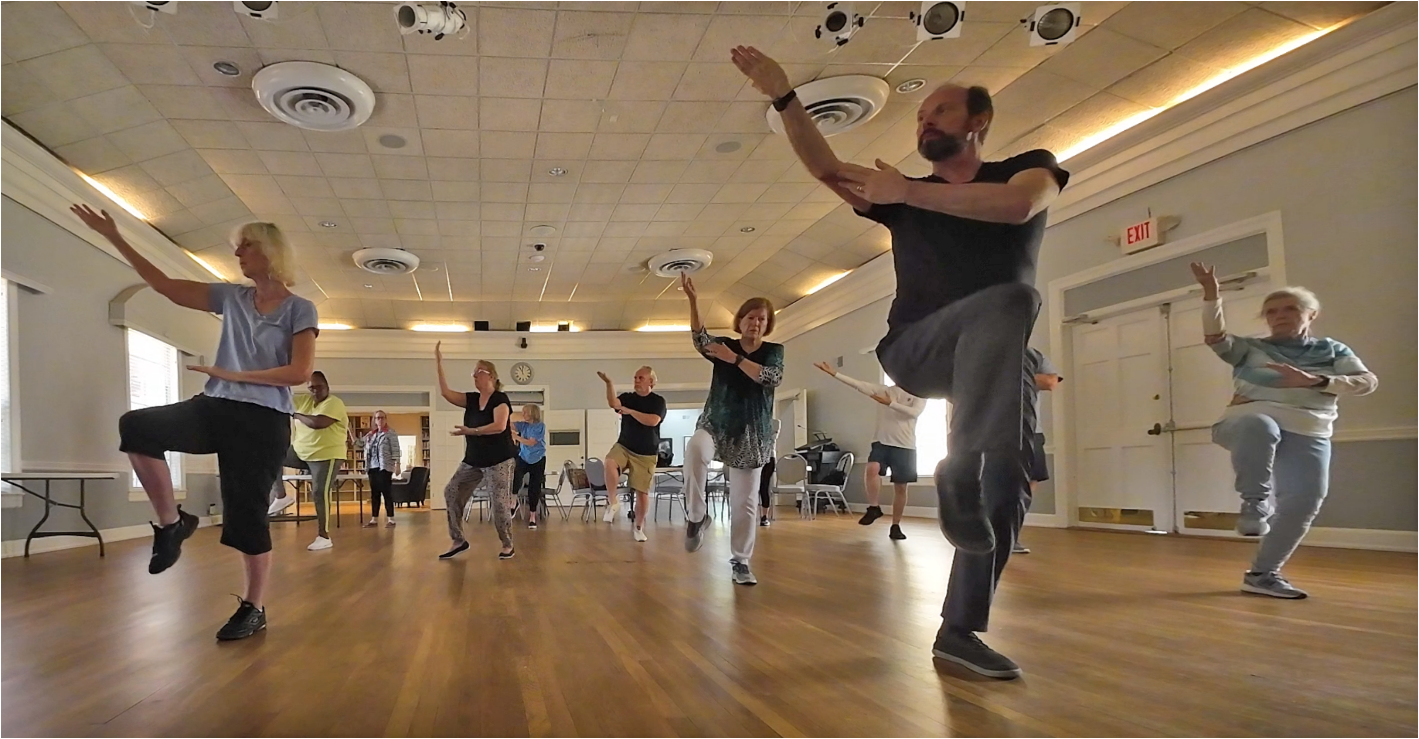
In martial arts, particularly tai chi, many instructors advertise lineage-based training but actually teach a mix of simplified qigong movements that lack the biomechanical structure, martial application, and philosophical depth of true tai chi. This bait-and-switch is not always done with malice, sometimes, these instructors were themselves misled.

The same pattern occurs in healthcare, education, and professional training programs. A wellness coach may be certified in “tai chi” after a weekend workshop that teaches nothing more than generic breathing exercises. A doctor might recommend a therapeutic method without investigating its legitimacy, relying solely on institutional backing.

Why does this happen? Because highly educated individuals are just as susceptible to deception as anyone else, sometimes even more so.

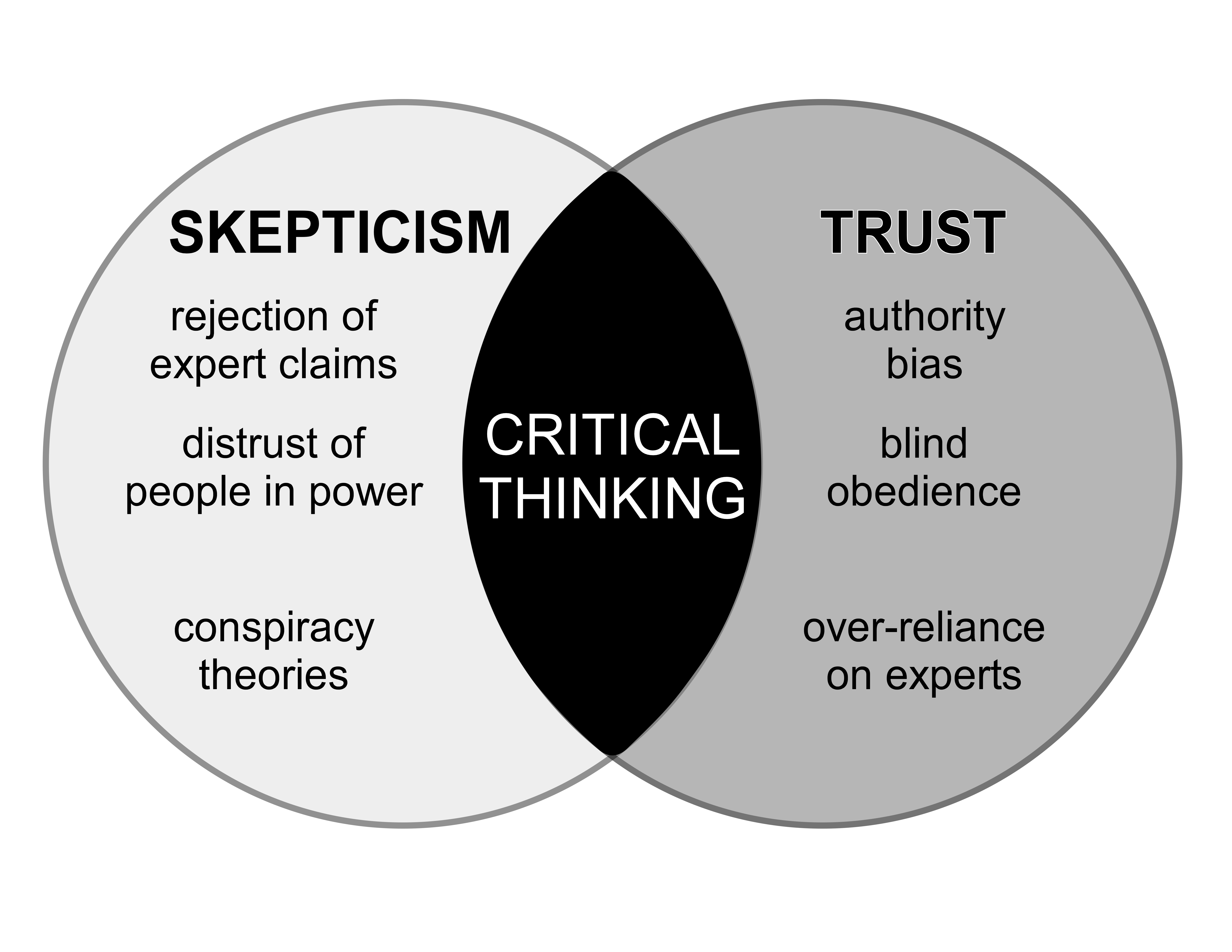
Understanding how misinformation spreads among professionals requires a closer examination of the psychological mechanisms at play. Many assume that education alone is enough to safeguard against deception, but the reality is more complex. The intersection of cognitive biases, institutional structures, and social pressures creates an environment where even well-meaning professionals may unknowingly perpetuate falsehoods.
Psychological Mechanisms That Enable Deception

1. Groupthink and Echo Chambers

Groupthink occurs when individuals prioritize group cohesion over critical thinking. In professional circles, questioning widely accepted practices can be socially and professionally risky. If an institution, hospital, or wellness center endorses a particular method, many professionals will blindly accept it rather than challenge its legitimacy.

Similarly, echo chambers are where people are only exposed to information that reinforces their beliefs, creating an illusion of consensus. In other words, if “everyone” in the field is saying something is true, then it must be, right?

Example: A hospital integrates “tai chi” into patient care, but what they are actually promoting is a set of disconnected qigong exercises. Because multiple institutions endorse the same program, no one questions its authenticity.

2. Compliance and Institutional Authority

Many professionals trust authority figures and institutions over personal investigation. If a method is backed by a well-known organization, it is often assumed to be legitimate. Compliance within hierarchical structures, such as hospitals, universities, or corporate training programs, discourages critical inquiry.

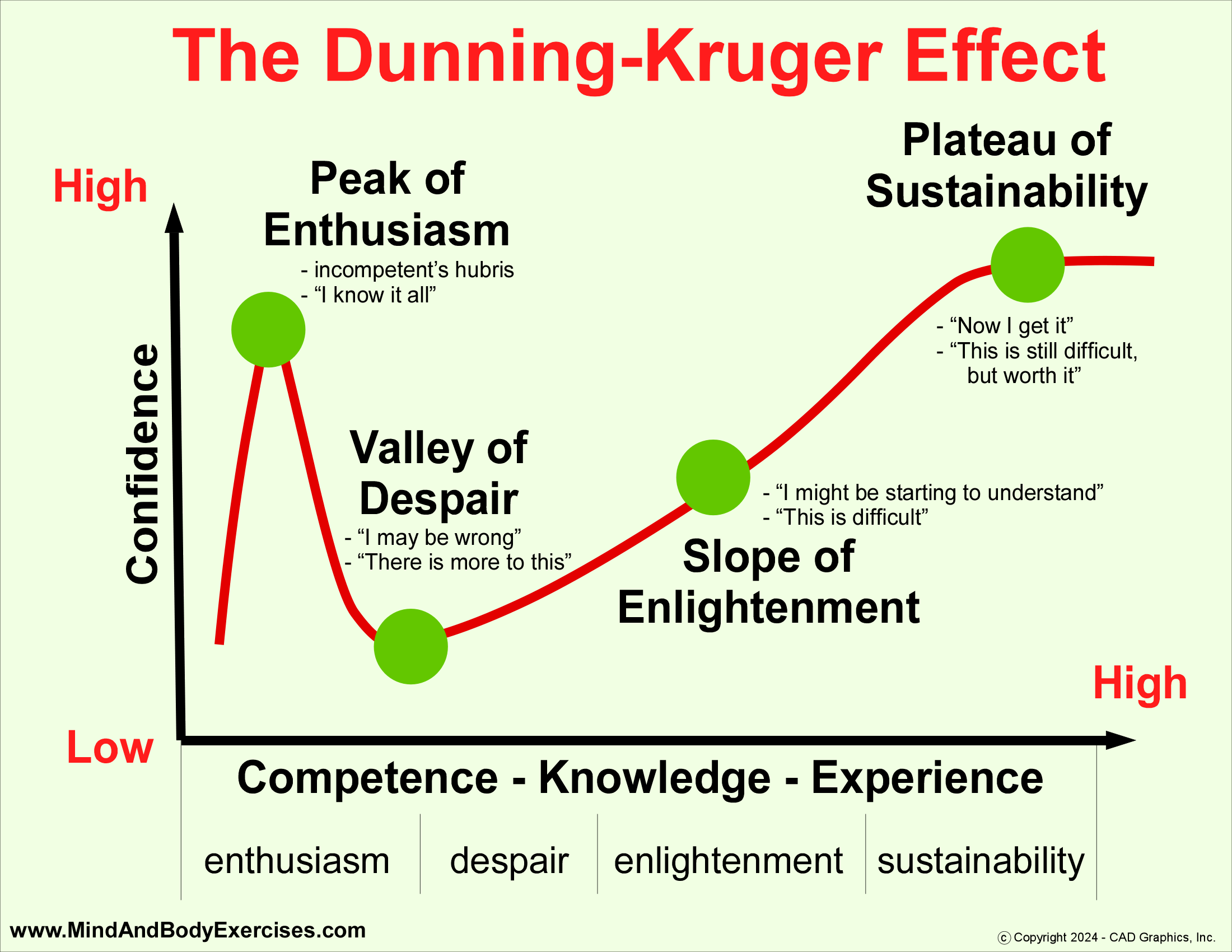
Another crucial factor is the Dunning-Kruger Effect, where individuals with limited knowledge overestimate their competence. This is particularly problematic in fields where professionals receive superficial training in a subject yet assume they have mastered it. A healthcare provider who attends a weekend seminar on tai chi, for example, may believe they fully grasp its principles and applications, despite lacking the years of rigorous training required for true expertise. This misplaced confidence can lead them to misrepresent tai chi, endorse incorrect practices, or dismiss criticisms from those with deeper knowledge.

Example: A university offers a “Tai Chi for Rehabilitation” certification, but the course is taught by individuals with no connection to lineage-based tai chi. Students accept the curriculum as valid because it comes from an academic institution.
3. Cognitive Dissonance and The Need to Justify Investment

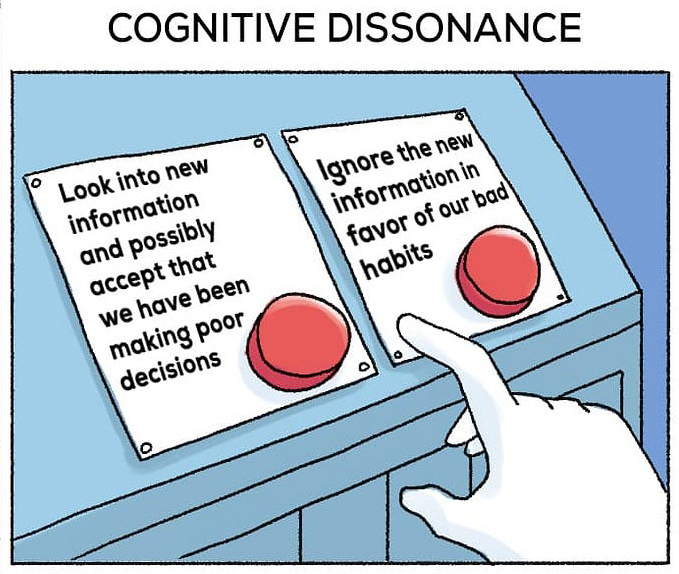
Cognitive dissonance occurs when individuals experience psychological discomfort due to conflicting beliefs. Rather than admit they were misled, they will often rationalize their choices.

Example: A doctor who has been teaching “tai chi” to patients later discovers that what they learned has no real connection to tai chi principles. Instead of acknowledging the error, they convince themselves that what they teach is “good enough” because patients seem to benefit from it.

The greater the investment, whether in time, money, or personal reputation, the harder it becomes to admit fault.

4. Loss of Agency and The Illusion of Knowledge

Loss of agency happens when people rely too much on external validation rather than personal research. Many professionals believe that because they are educated, they are immune to deception, a form of bias of overconfidence.

Example: A physical therapist learns tai chi from a single continuing education course and assumes they now “know” tai chi. They never think to seek a lineage-based teacher because they believe their credentials alone make them competent.

This illusion of knowledge creates a false sense of expertise, making individuals less likely to seek out authentic sources.

5. The Hawthorne Effect and Operant Conditioning

The Hawthorne Effect refers to people modifying their behavior when they know they are being observed, often leading them to reinforce whatever system they are operating within. When professionals receive positive feedback for their work, they are more likely to continue it, even if it is flawed.

Example: A wellness instructor receives praise and recognition for teaching “tai chi” to seniors. Even if they later realize that what they are teaching lacks real tai chi principles, they continue anyway because the system rewards them for it.

Similarly, operant conditioning reinforces behaviors through rewards (career advancement, financial incentives, social approval), making individuals hesitant to challenge the status quo.

6. Professional Bias and Status Quo Thinking

Many educated professionals believe they are too intelligent to be misled, ironically making them more vulnerable to deception. They assume that because they have degrees or certifications, they are automatically capable of discerning truth from falsehood. This leads to status quo bias where established norms are favored, even when evidence suggests a better alternative.

Example: A medical board endorses a “tai chi” program without verifying its authenticity. Because it is institutionally approved, healthcare professionals continue promoting it even if they suspect it is inaccurate.

The Responsibility of Professionals to Seek Truth

Highly educated individuals, especially those who interact with the public, must be held to a higher standard of due diligence. Their decisions impact patients, students, and clients, and therefore, they have an ethical obligation to verify the accuracy of what they promote.

While many professionals fall for misinformation unintentionally, willful ignorance is not an excuse. In an era where information is readily available, professionals should be expected to:

  • Question the validity of institutional endorsements.
  • Seek primary sources and traditional lineages when applicable.
  • Acknowledge and correct misinformation rather than doubling down on errors.

Failure to do so not only undermine their credibility but also erodes public trust in education, healthcare, and martial arts traditions.

Conclusion: A Call for Intellectual Integrity

Deception in martial arts, healthcare, and other fields is not just an individual issue. It is a systemic problem rooted in cognitive biases, institutional authority, and social conditioning. By understanding the psychological mechanisms behind why professionals fall for misinformation, we can begin to challenge these patterns and restore integrity to our disciplines.

Education should not be about blind acceptance, but rather it should be about critical inquiry, truth-seeking, and personal responsibility. Those who pride themselves on knowledge must be willing to go beyond surface-level expertise and seek the depth that true mastery requires.

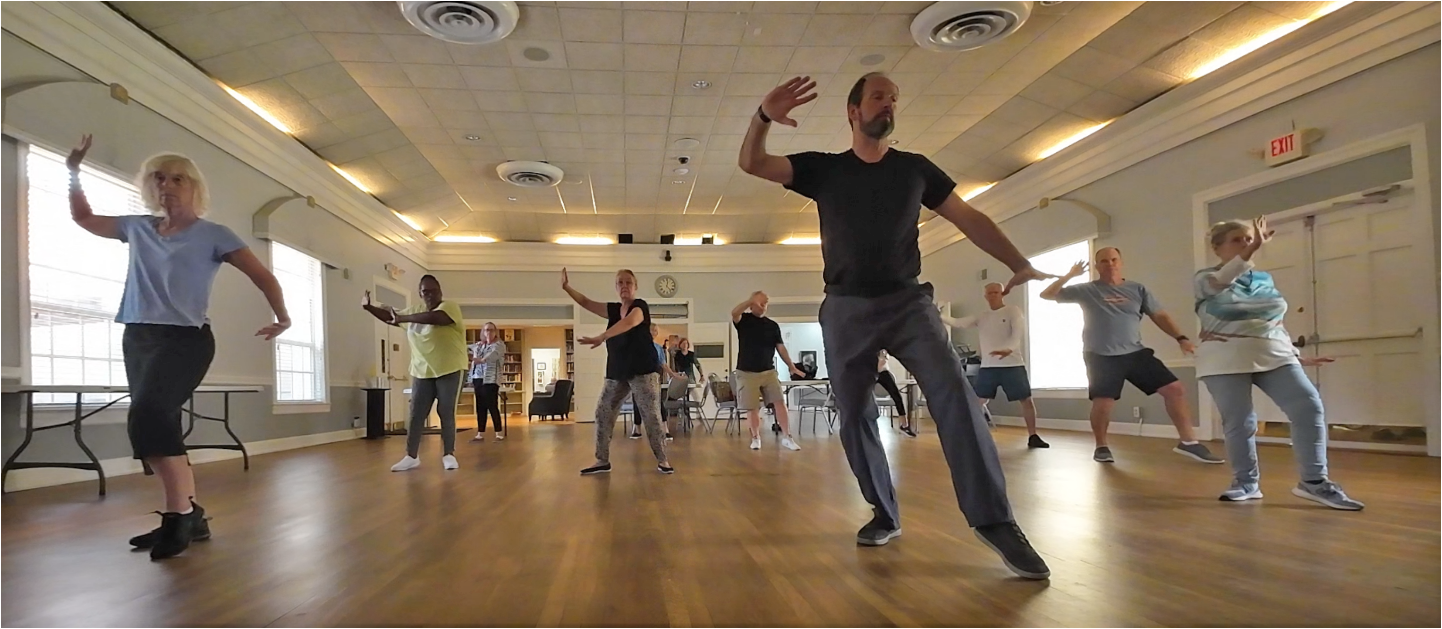
I look forward to further sharing more of my message by partnering with hospitals, wellness centers, VA centers, schools on all levels, businesses, and individuals who see the value in building a stronger nation through building a healthier population.

I also have hundreds of FREE education video classes, lectures, and seminars available on my YouTube channel at:

https://www.youtube.com/c/MindandBodyExercises

Many of my publications can be found on Amazon at:

http://www.Amazon.com/author/jimmoltzan

My holistic health blog is available at:

https://mindandbodyexercises.wordpress.com/

http://www.MindAndBodyExercises.com

Mind and Body Exercises on Google: https://posts.gle/aD47Qo

Jim Moltzan

407-234-0119

The Great American Contradiction: Why We Say One Thing and Do Another

My posts are mostly about holistic health, wellness, and various methods to achieve balance in our lives. Human behavior or psychology are subjects I have delved deeper into, as our behavior dramatically affects our mental, physical, and spiritual well-being.

The United States is a nation built on ideals of freedom, opportunity, and justice, but beneath these principles lies a web of contradictions. Many Americans know systemic issues, broken systems, and political dysfunction, yet they often feel powerless to enact meaningful change. Some believe they have no viable alternatives, while others simply don’t care as long as the consequences don’t affect them directly. Lack of agency (ability to act and make choices independently) and lack of control (exerting power or influence over others or outcomes) can have deep psychological effects, leading to many chronic cognitive ailments such as depression, anxiety, insecurity, and others. It’s time for a collective reckoning. Perhaps it’s time to ask not just, “Are we part of the problem?” but also, “What can we do to be part of the solution?”

Here’s a closer look at some of the most glaring contradictions or cognitive dissonance (the discomfort of holding conflicting beliefs or values) in American society, grouped by their interrelated themes:


1. Term Limits vs. Career Politicians

There is widespread support for imposing term limits on politicians, yet career politicians dominate Washington. Many Americans believe fresh perspectives would benefit governance, but efforts to enforce limits consistently stall. Voters complain about corruption but continue re-electing the same people.


2. Politicians and Insider Trading vs. Public Trust

Most Americans believe politicians should not benefit from insider trading, yet cases of elected officials profiting from privileged information persist. Despite this, the same politicians often get re-elected. We claim to detest corruption but keep endorsing those who abuse their positions.


3. Foreign Wars vs. Public Opinion

A large portion of the population opposes foreign military interventions, yet the U.S. remains entangled in conflicts worldwide. Public sentiment rarely translates into policy changes, highlighting the disconnect between the will of the people and government actions.


4. Perceived Misuse of Tax Dollars vs. Continued Compliance

Taxpayers express frustration over how their money is spent, with glaring examples of inefficiency and corruption. For instance, California spent $24 billion to address homelessness, yet the crisis has only worsened. In November 2024, the Pentagon failed to pass its annual audit, meaning that it wasn’t able to fully account for how its $824 billion budget was used. This was the 7th failed audit in a row, since the Department of Defense became required to undergo yearly audits in 2018. Despite this, people continue paying taxes while feeling powerless to demand accountability.


5. Daylight Saving Time vs. Public Opinion

Twice a year, Americans grumble about the disruption caused by changing the clocks. Studies show that daylight saving time may increase health risks and reduce productivity, yet it persists. Despite widespread dissatisfaction, legislative inertia keeps the practice alive.


6. Limited Political Choices vs. Frustration with the Two-Party System

Americans lament the lack of political diversity and the stranglehold of the two-party system, yet alternative parties remain marginalized. Even though many feel disillusioned, they continue to choose between the “lesser of two evils.” Real change remains elusive because the system favors the status quo.


7. Support for Public Education vs. Private School Enrollment

Public education is hailed as the cornerstone of equal opportunity, yet families who can afford it often opt for private schooling. This creates a disconnect between advocating for public education and personal choices that contribute to inequality.


8. Supporting Local Businesses vs. Shopping Online

We talk about the importance of supporting local businesses, yet giants like Amazon, Walmart, and Starbucks continue to dominate, often putting small businesses out of business. Convenience, competitive pricing, and free shipping lure consumers away from their local economies.


9. Income Inequality vs. Celebrity Worship

While many decry income inequality and the wealth gap, America remains obsessed with celebrity culture and extravagant lifestyles. This fascination with the ultra-wealthy perpetuates distorted perceptions of success and value.


10. Perceived Value vs. Price Sensitivity

Consumers often complain about the declining quality of goods and services but continue purchasing cheap, mass-produced items instead of supporting higher-quality alternatives. The desire for instant gratification and low prices outweighs long-term sustainability.


11. Fast Food Consumption vs. Health Awareness

We know fast food is unhealthy. Obesity, diabetes, and other ailments continue to soar, yet fast-food chains thrive. Parents claim they care about their children’s health but often default to convenience, feeding them processed foods while allowing endless hours of screen time. Nutrition takes a backseat to ease, and the consequences are generational.


12. Sedentary Lifestyles vs. Advocacy for Healthy Living

We advocate for fitness, movement, and healthy living, yet modern lifestyles promote sedentary habits such as long hours at desks, excessive screen time, and minimal physical activity. Knowledge doesn’t always translate to action.


13. Healthcare System Criticism vs. Reliance on It

Americans recognize that the healthcare system is broken, yet they remain reliant on it. Pharmaceutical companies flood the media with advertisements, influencing consumers and doctors alike. Few healthcare professionals advocate for changes in lifestyle, diet, and exercise favoring “a pill for every ill.” The system favors profits over people, but viable alternatives are scarce, leaving many trapped in a cycle of dependency.


14. Body Positivity vs. Unrealistic Beauty Standards

The body positivity movement advocates for acceptance and inclusivity, but media, advertising, and Hollywood continue to promote unrealistic beauty standards. Thinness, youth, and perfection remain the ideal, perpetuating negative body image and self-esteem issues.


15. Desire for Work-Life Balance vs. Overworking Culture

Many Americans yearn for a better work-life balance, yet the culture of overwork persists. Long hours, limited vacation time, and a “hustle mentality” lead to burnout and mental health struggles. We value personal well-being in theory but often sacrifice it in practice.


16. Environmental Awareness vs. Consumerism

Many Americans express concern about climate change and environmental degradation but continue consuming at unsustainable levels. Convenience, affordability, and habit often override sustainable choices. The “Not in My Backyard” (NIMBY) mentality prevails, as people want solutions without altering their lifestyles.


17. Recycling Rhetoric vs. Minimal Action

Americans advocate for recycling and environmental protection, yet most recycling programs are underutilized or ineffective. Many items placed in recycling bins end up in landfills, and people often lack awareness of proper recycling practices.


18. Privacy Concerns vs. Social Media Addiction

Many express concerns over privacy and data security in the digital age, yet millions willingly share intimate details of their lives on platforms that harvest personal data. We fear surveillance but continue scrolling, liking, and posting. Convenience and entertainment often outweigh the fear of losing control over our private information.


19. Spam, Telemarketers, and Privacy Violations vs. Acceptance of Invasions

Americans complain about the relentless onslaught of spam calls, telemarketers, and digital intrusions, yet many accept these invasions as a normal part of modern life. We express frustration over privacy violations but rarely take steps to secure our information or demand accountability from corporations that exploit personal data.


20. Community Engagement vs. Social Isolation

Americans value community engagement and connection, yet the rise of digital communication and urbanization has led to increased social isolation. We crave connection but often retreat into virtual worlds, losing the sense of belonging that real communities provide. We see electronic devices as babysitters for children and adults alike, and then wonder why so many are depressed, anxious, and unable to be comfortable in real-life social settings.


21. Mistrust of Big Tech vs. Dependence on It

Americans frequently express mistrust of big tech companies, citing concerns about monopolies, privacy, and censorship. Yet, dependence on platforms like Google, Facebook, and Amazon remains pervasive. We resent their power but rely on their convenience.


22. Human Rights Advocacy vs. Selective Outrage

Many advocate for human rights and justice but remain selective in their outrage, often influenced by political affiliations or cultural biases. Genuine concern for equality should transcend partisanship, yet inconsistencies persist.


23. Religious Values vs. Material Pursuits

America prides itself on being a nation of faith, yet materialism and consumerism often overshadow spiritual values. Many profess religious beliefs but prioritize wealth, status, and success over moral and ethical principles.


24. Public Demand for Change vs. Fear of Disruption

Perhaps the most significant contradiction is that while Americans express a desire for change, they also fear the disruption that change may bring. Breaking free from familiar systems requires effort, sacrifice, and discomfort—something many are unwilling to endure.


25. The Forgotten Victims: Native Americans and Historical Amnesia

America celebrates its history of freedom and democracy while ignoring the ongoing consequences of genocide and displacement inflicted on Native American communities. Treaties were broken, lands were stolen, and entire cultures were nearly erased. Yet, mainstream narratives often gloss over these atrocities, perpetuating historical amnesia. The plight of Native Americans remains a footnote in history books, even as they continue to face systemic inequalities.


26. Advocacy for Social Justice vs. Ignoring Indigenous Struggles

While advocating for social justice and equality, many overlook the ongoing struggles of indigenous communities. Issues such as land sovereignty, environmental degradation, and broken treaties remain unresolved, highlighting a glaring inconsistency in America’s commitment to justice.


America’s contradictions are not just individual dilemmas—they reflect the collective psyche of a nation grappling with competing values and desires. To move forward, we must confront these inconsistencies with honesty and courage. True change starts not just by acknowledging these contradictions but by taking deliberate action to align our values with our behavior. “Change the world!” “Fix the system!”

I look forward to further sharing more of my message by partnering with hospitals, wellness centers, VA centers, schools on all levels, businesses, and individuals who see the value in building a stronger nation through building a healthier population.

I also have hundreds of FREE education video classes, lectures, and seminars available on my YouTube channel at:

https://www.youtube.com/c/MindandBodyExercises

Many of my publications can be found on Amazon at:

http://www.Amazon.com/author/jimmoltzan

My holistic health blog is available at:

https://mindandbodyexercises.wordpress.com/

http://www.MindAndBodyExercises.com

Mind and Body Exercises on Google: https://posts.gle/aD47Qo

Jim Moltzan

407-234-0119
“True words are seldom kind. Kind words are seldom true”

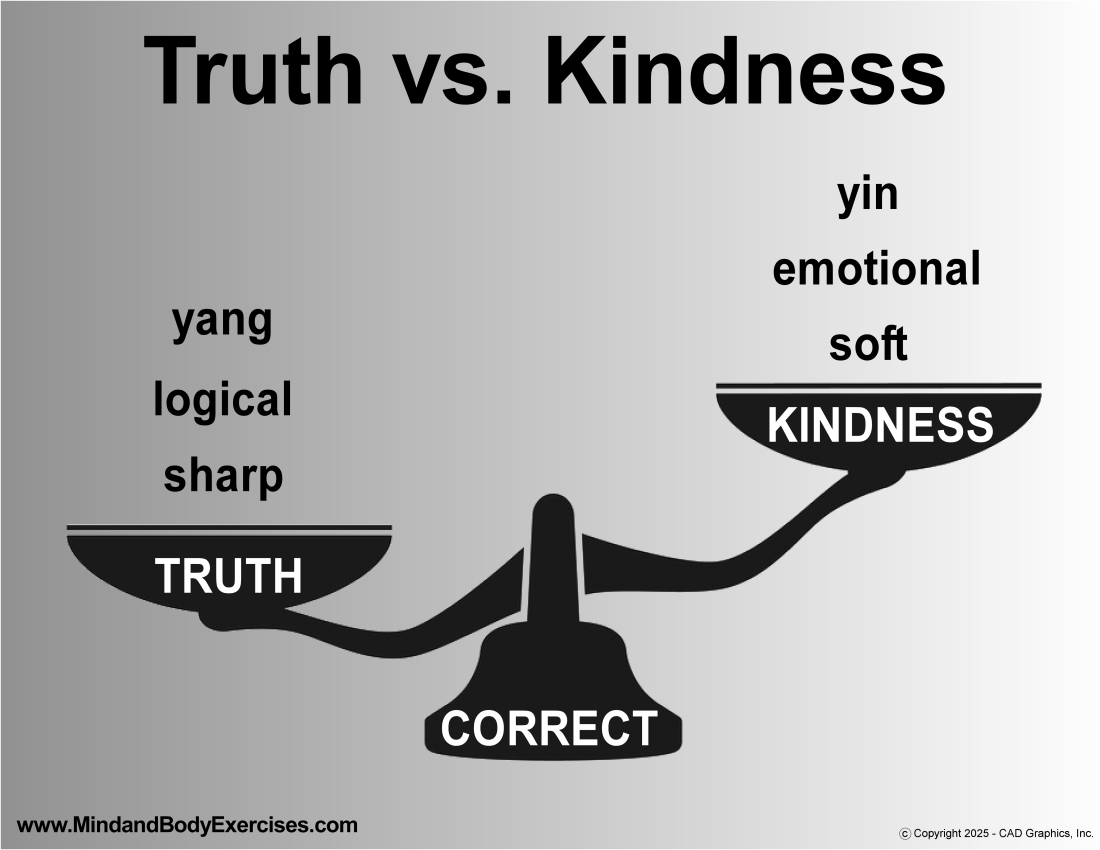
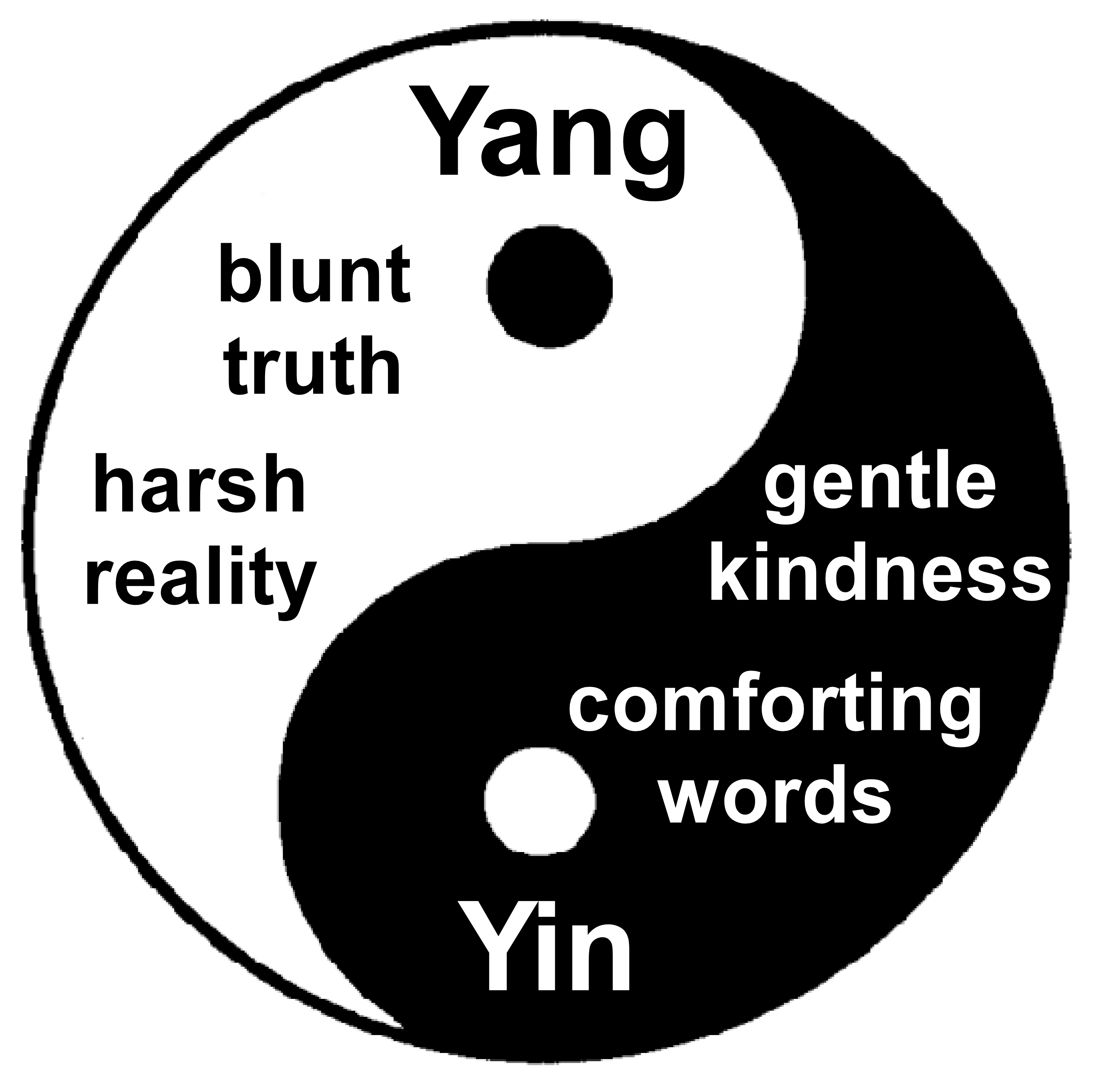
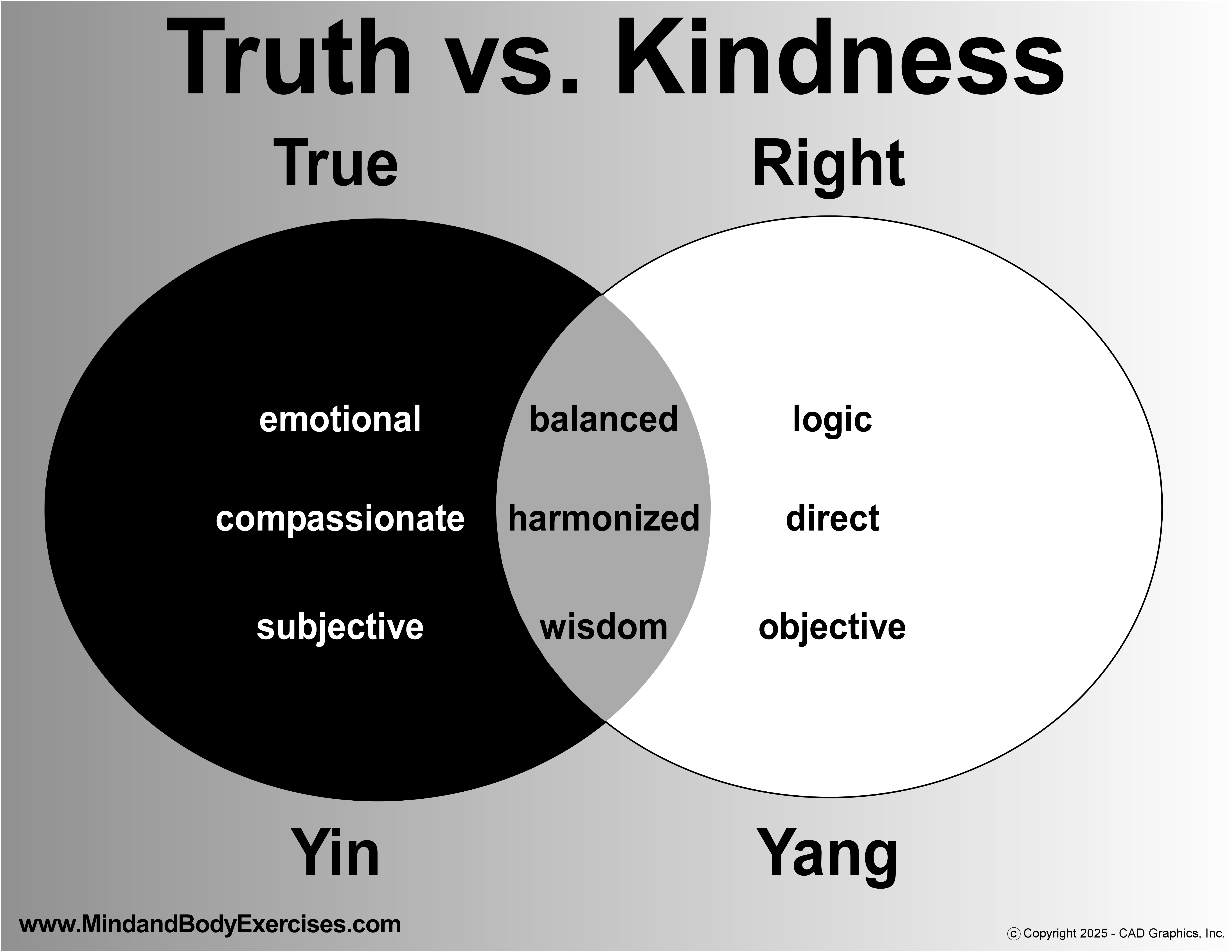
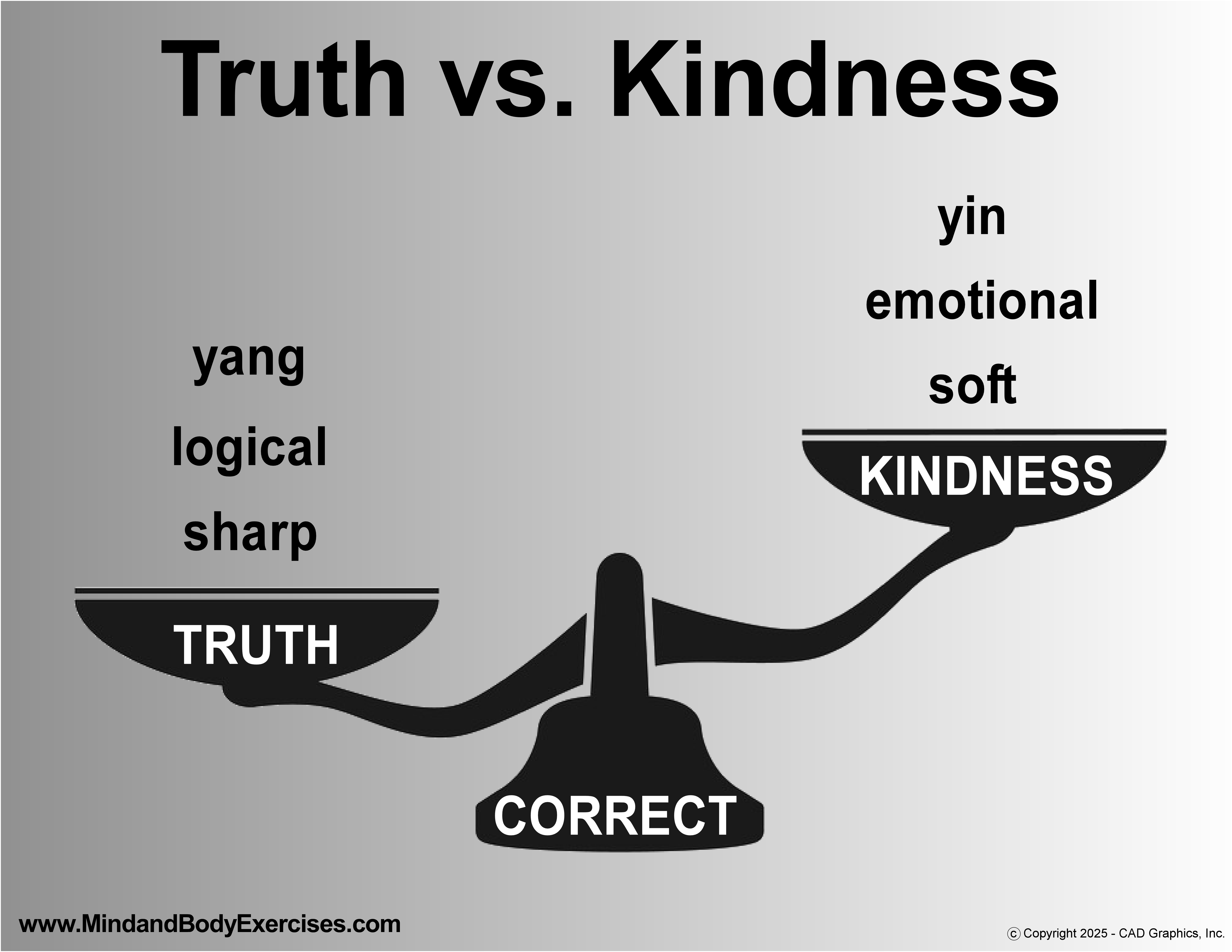
The statement, “True words are seldom kind. Kind words are seldom true,” reflects the dynamic interplay of yin and yang, as well as the balance between truth (emotion) and rightness (logic), with correctness emerging as their synthesis.

Yin and Yang in Truth and Kindness

  • Truth (Yang – Hard, Objective, Direct): Truth is clear and straightforward, focusing on facts rather than perceptions. It aligns with the logical aspect of “rightness,” emphasizing what is accurate over emotional considerations. Similar to yang, truth clarifies reality without prioritizing comfort.
  • Kindness (Yin – Soft, Subjective, Nurturing): Kindness is based on empathy and the emotional aspect of interactions. It often aims to soften the impact of truth to maintain harmony and relationships. This relates to the emotional side of “truthfulness,” focusing on how something feels rather than its factual accuracy. Similar to yin, kindness nurtures and soothes, sometimes prioritizing comfort over complete disclosure.

Correctness as Balance

Neither extreme of blunt truth nor gentle avoidance leads to effective communication. The optimal form of communication balances emotional sensitivity and logical correctness. Wisdom involves knowing when to emphasize accuracy, when to offer empathy, and how to integrate both aspects. Similar to how yin and yang transform under specific conditions, truth can be softened by kindness without compromising its integrity, while kindness can convey truth without becoming misleading. The skill of achieving balance lies in articulating what is true appropriately, ensuring it is both logically accurate and emotionally resonant.

Real-Life Examples of Truth vs. Kindness

Balanced (Correct – Yin-Yang): “I see your potential, and I think with some focused effort in these areas, you could perform at a higher level. I’d love to help you get there.”

Health & Well-Being:

Pure Truth (Yang): A doctor bluntly tells a patient, “You are dangerously overweight, and you need to lose weight immediately, or you risk serious health issues.”

Pure Kindness (Yin): “You’re perfect just the way you are. Don’t worry about your weight.”

Balanced (Correct – Yin-Yang): “Your health is important, and I want to support you in making changes that will help you feel better and live longer.”

Relationships & Personal Growth:

Pure Truth (Yang): A friend tells another, “Your behavior is selfish, and that’s why people distance themselves from you.”

Pure Kindness (Yin): “You’re wonderful just as you are. Everyone should accept you without question.”

Balanced (Correct – Yin-Yang): “I value you as a friend, and I’ve noticed that some of your actions push people away. Would you be open to talking about ways to strengthen your relationships?”

Work & Professional Feedback:

Pure Truth (Yang): A boss tells an employee, “Your work is subpar, and you might not last here if you don’t improve.”

Pure Kindness (Yin): “You’re doing just fine, no worries!” (even when the work needs improvement).

Balanced (Correct – Yin-Yang): “I see your potential, and I think with some focused effort in these areas, you could perform at a higher level. I’d love to help you get there.”

I look forward to further sharing more of my message by partnering with hospitals, wellness centers, VA centers, schools on all levels, businesses, and individuals who see the value in building a stronger nation through building a healthier population.

I also have hundreds of FREE education video classes, lectures, and seminars available on my YouTube channel at:

https://www.youtube.com/c/MindandBodyExercises

Many of my publications can be found on Amazon at:

http://www.Amazon.com/author/jimmoltzan

My holistic health blog is available at:

https://mindandbodyexercises.wordpress.com/

http://www.MindAndBodyExercises.com

Mind and Body Exercises on Google: https://posts.gle/aD47Qo

Jim Moltzan

407-234-0119
Science, Skepticism, and Self-Care: Navigating Modern Medicine

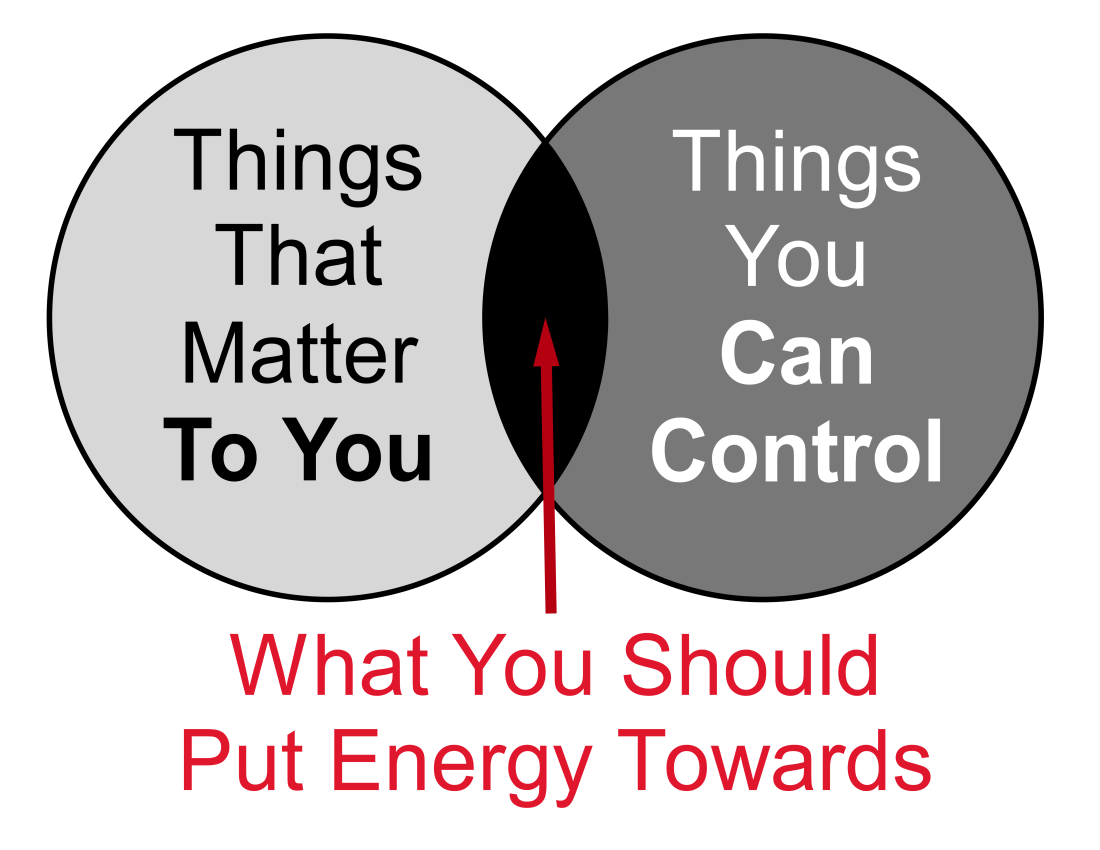
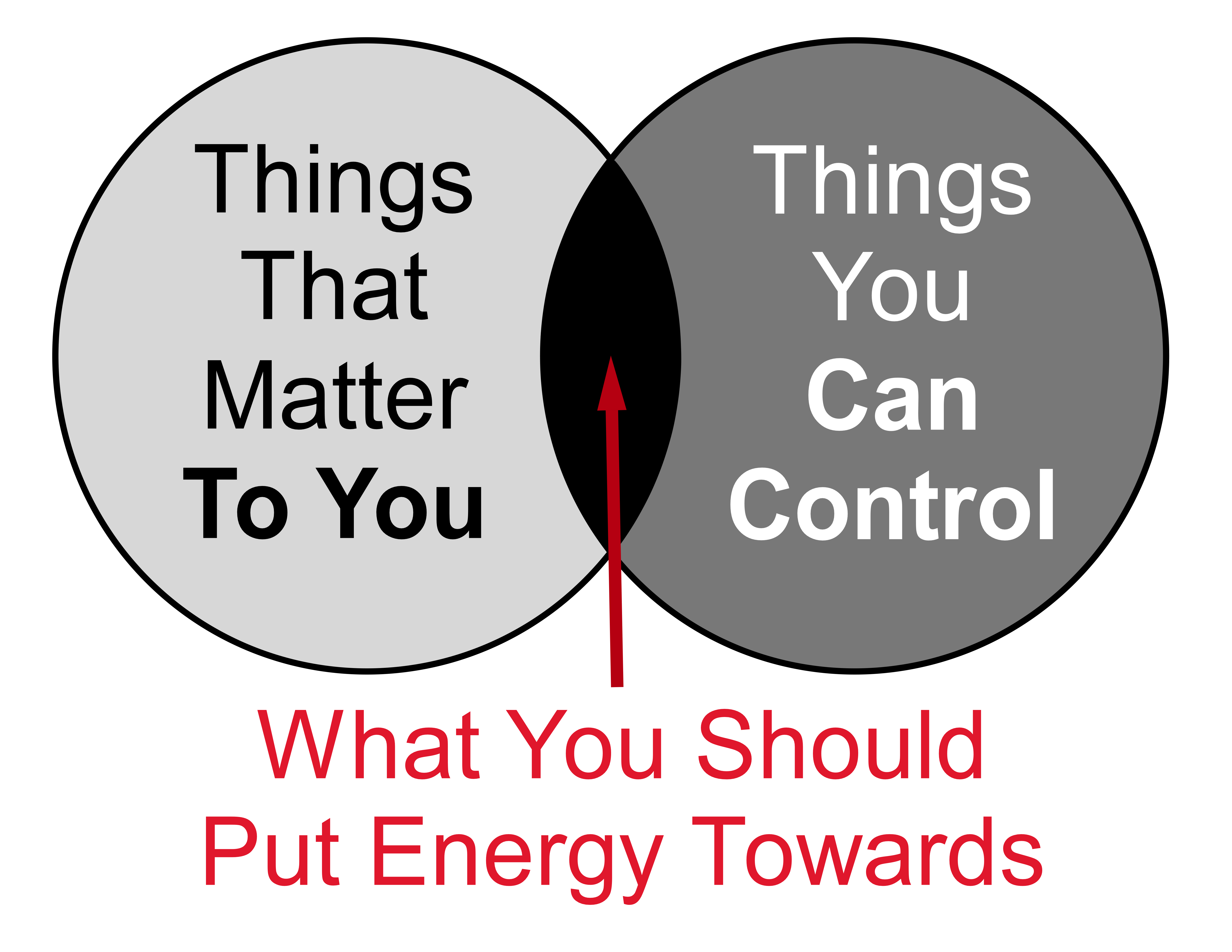
“Change what you can, don’t sweat what you can’t control.”

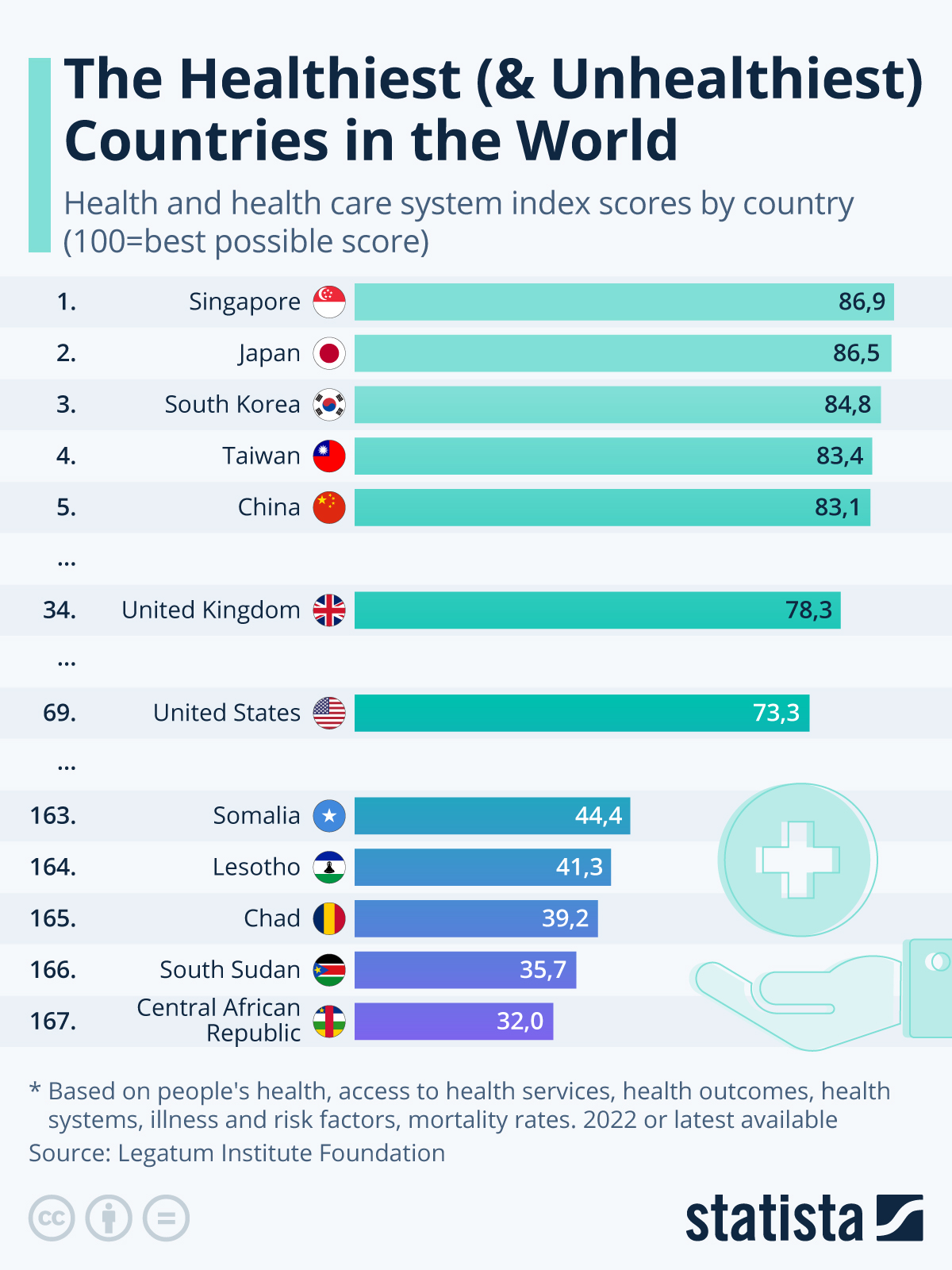
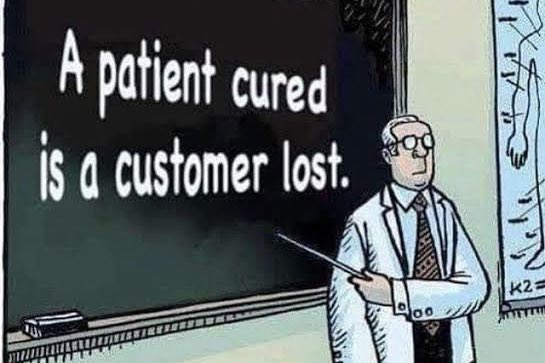
In contemporary society, the credibility of the healthcare system is frequently called into question. Despite significant investment in U.S. healthcare, exceeding $4 trillion annually, the system often prioritizes profit over prevention and wellness. This profit-driven approach, heavily influenced by pharmaceutical companies, insurance corporations, and healthcare systems, has resulted in patients being viewed as long-term customers rather than individuals empowered to manage their own health. Although emergency and acute care services in the U.S. are commendable, there is a concerning trend regarding the prevention of chronic diseases and the maintenance of long-term well-being (Hurley et al., 2024).

The Role of Trust in Healthcare

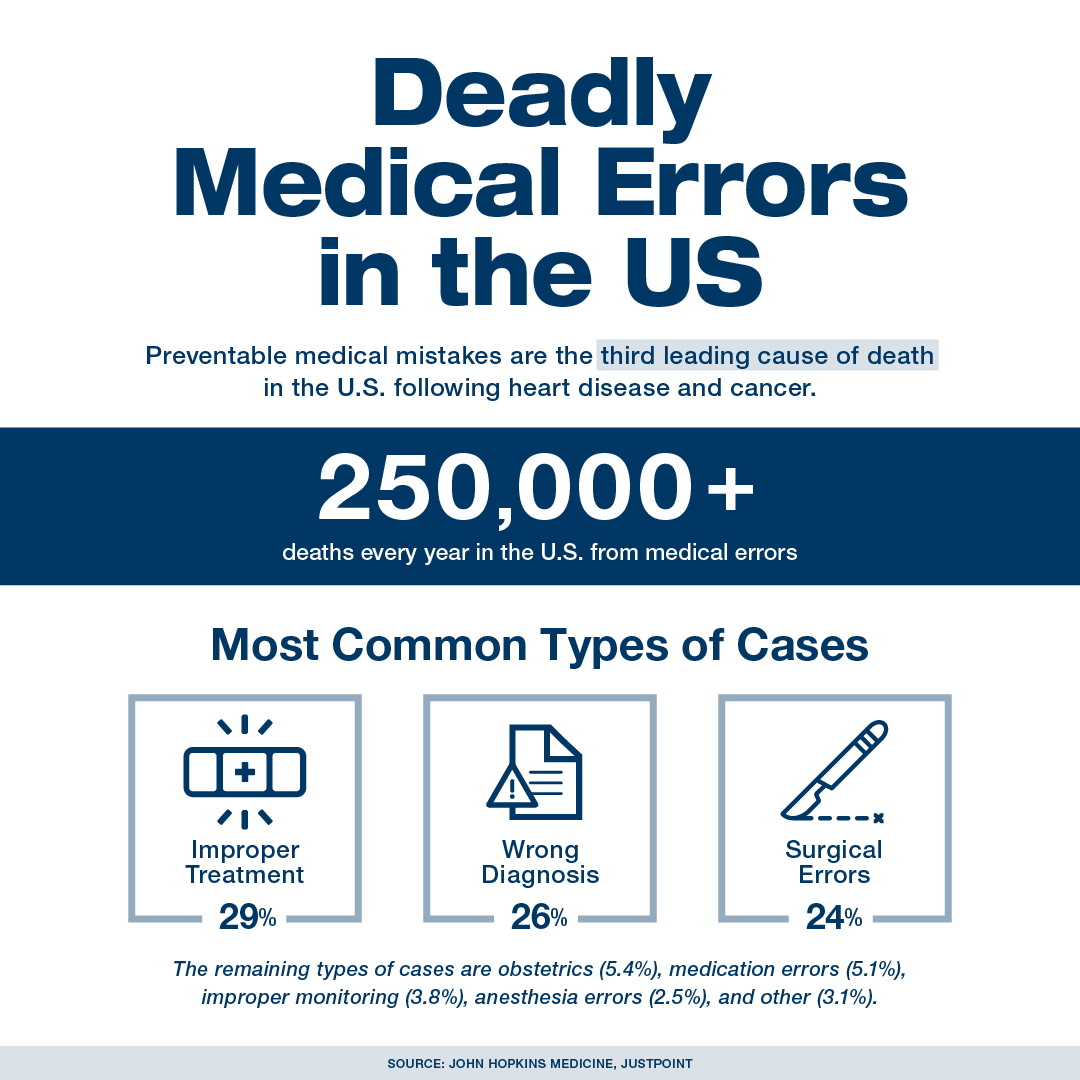
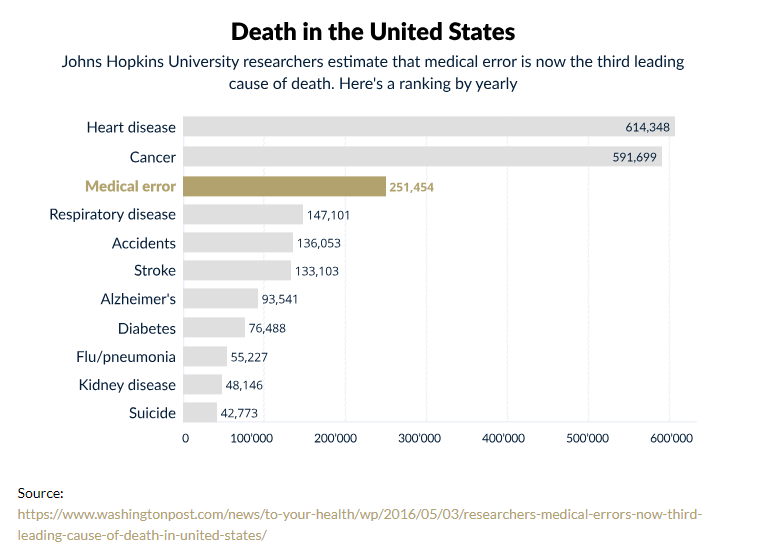
Skepticism regarding healthcare is understandable when one examines the statistics. For instance, the U.S. experiences a concerning 250,000 to 400,000 iatrogenic deaths annually, those resulting from medical intervention (Makary & Daniel, 2016). However, this represents only one perspective. The other perspective highlights that despite significant healthcare expenditure, the system performs poorly in terms of life expectancy and chronic disease management compared to other affluent nations (Health at a Glance 2019, 2019). Numerous factors contribute to this issue, including an over-reliance on medications and surgeries, which frequently result in complications rather than the prevention of diseases (Sackett, 2000).

Medical Dissent and the Cost of Speaking Out

Historically, medical professionals who question prevailing narratives have frequently encountered scrutiny, censorship, and professional consequences. Recently, numerous highly esteemed doctors and scientists have expressed concerns regarding public health policies, vaccine mandates, and the influence of pharmaceutical companies only to face discreditation or suppression.

While healthcare professionals with solid credentials have raised concerns about the current state of medicine, many have encountered backlash. Distinguished doctors such as Dr. Daniel Neides have questioned the safety and efficacy of certain medical interventions (Dyer, 2017), and Dr. Peter McCullough despite being one of the most published cardiologists in the world, had his medical board certifications challenged due to him expressing his concerns regarding the medical industry’s response to the COVID-19 pandemic (Hulscher et al., 2023). Despite their efforts to initiate important discussions, these professionals often experience a loss of credibility among the public and their peers, being labeled as outliers or conspiracy theorists (Hoffman et al., 2021).

Dr. Robert Malone, a scientist important in developing mRNA vaccine technology, has raised concerns about the safety and long-term effects of these vaccines. Despite his contributions, Malone was de-platformed from major social media platforms after questioning the COVID-19 vaccine rollout and advocating for caution (In-Depth: Did Robert Malone Invent mRNA Vaccines in San Diego? 2022). His case highlights the issue of scientists facing professional ostracization when their views diverge from mainstream policies.

Dr. Mary Talley Bowden, a specialist in ear, nose, and throat medicine, became involved in controversy due to her public support for alternative early treatments and her criticism of vaccine mandates. Consequently, she was suspended from Houston Methodist Hospital. Undeterred, she established her own independent practice, where she continues to treat patients based on her medical observations and research (Bowden, 2022). Her experience highlights the increasing divide between institutional medicine and the physicians who advocate for personalized care.

Dr. Alex Cole, a medical researcher and clinician, has expressed concerns about the transparency of vaccine safety data. He has emphasized the importance of open scientific debate and the inclusion of alternative viewpoints. The key issue is whether medical professionals should experience professional consequences for participating in legitimate scientific discussions (Professional, 2024).

Other doctors, including Dr. Pierre Kory, a critical care specialist, and Dr. Paul Marik, an intensive care expert, have discussed the perceived limitations of the mainstream approach to COVID-19 treatments. They have supported the use of repurposed drugs and alternative treatment protocols, which resulted in professional examination and debate. Dr. Kory and Dr. Marik encountered resistance when promoting these alternative COVID-19 treatment strategies (Marik et al., 2020).

These cases highlight a trend in modern medicine where differing opinions, even those from individuals with significant experience and expertise, are often dismissed rather than discussed. Scientific progress relies on thorough discussion and analysis, yet the current environment frequently favors conformity over inquiry. Regardless of individual perspectives on these particular matters, the marginalization of seasoned professionals poses ethical and scientific questions about transparency, accountability, and the impact of influential industries on medical dialogue.

The Case for Personal Responsibility in Health

With the system seemingly failing at times, many individuals are choosing to take responsibility for their own health. Rejecting the mainstream “sick care” model, which often prioritizes a “pill for every ill,” people are turning to alternative practices that emphasize prevention, self-care, and holistic wellness. Taking responsibility for one’s own health through practices like tai chi, qigong (VA Office of Patient Centered Care and Transformation, n.d.), martial arts, yoga, meditation, and even weight training have become powerful ways for individuals to manage stress, improve physical fitness, and maintain mental clarity.

For me, personally, the approach is clear: read labels, carefully monitor what goes in, on, and around the body, practice daily exercises to strengthen the body, and employ stress management techniques for the mind and soul. I limit my mental intake by reducing exposure to the news and social media, focusing instead on the bigger picture. While I cannot change the world, I know I can change myself and influence those around me in a positive way.

The Need for Change

Moving toward a preventative and holistic healthcare approach is crucial, despite challenges in a profit-driven system. The influence of pharmaceutical companies, insurance, and large healthcare interests often overlooks patient well-being (Dickinson, 2014). A shift to a system that rewards prevention, empowers individuals, and values overall well-being over chronic condition management is needed.

However, comprehensive change may be challenging to achieve at the national level. At the individual level, however, transformation is feasible. By taking personal responsibility for our health instead of solely relying on a system that may prioritize profit over care, we make an empowering choice. Engaging in alternative and preventive practices, such as tai chi, qigong, yoga, resistance training, or daily meditation, enables us to regain control over our wellness incrementally.

References

Bowden, M. T. (2022, March 6). Fighting Methodist Hospital — BREATHEMD | Optimal Airway Health. BREATHEmd | Optimal Airway Health. https://breathemd.org/blog/2022/2/27/the-story-behind-why-im-suing-the-hospital-who-suspended-me-for-prescribing-ivermectin

Dickinson, J. (2014, April 1). Deadly medicines and organised crime: How big pharma has corrupted healthcare. https://pmc.ncbi.nlm.nih.gov/articles/PMC4046551/

Dyer, O. (2017). Cleveland Clinic to re-evaluate its Wellness Institute after director questions vaccines. BMJ, j253. https://doi.org/10.1136/bmj.j253

Fleck, A. (2023, July 5). The healthiest (& unhealthiest) countries in the world. Statista Daily Data. https://www.statista.com/chart/30313/health-and-healthcare-systems-index-scores/

Health At a Glance 2019. (2019, November 7). OECD. https://www.oecd.org/en/publications/health-at-a-glance-2019_4dd50c09-en.html

Hoffman, D., Stewart, A., Breznay, J., Simpson, K., & Crane, J. (2021). Vaccine hesitancy narratives. Voices in Bioethics, 7. https://doi.org/10.52214/vib.v7i.8789

Hulscher, N., Procter, B. C., Wynn, C., & McCullough, P. A. (2023). Clinical Approach to Post-acute Sequelae After COVID-19 Infection and Vaccination. Cureus, 15(11), e49204. https://doi.org/10.7759/cureus.49204

Hurley, B., Lovett, S., D’Urso, J., & Smith, E. (2024, December 14). Three medical bills that show true cost of America’s ‘broken’ healthcare. The Times. https://www.thetimes.com/world/us-world/article/us-healthcare-insurance-companies-ceo-shooting-z597qlq2n?utm_source=chatgpt.com®ion=global

In-Depth: Did Robert Malone invent mRNA vaccines in San Diego? (2022, January 27). UC Irvine News. https://news.uci.edu/2022/01/27/in-depth-did-robert-malone-invent-mrna-vaccines-in-san-diego/

Makary, M. A., & Daniel, M. (2016). Medical error—the third leading cause of death in the U.S. BMJ, 353, i2139. https://doi.org/10.1136/bmj.i2139

Marik, P. E., Kory, P., Varon, J., Iglesias, J., & Meduri, G. U. (2020). MATH+ protocol for the treatment of SARS-CoV-2 infection: the scientific rationale. Expert Review of Anti-infective Therapy, 19(2), 129–135. https://doi.org/10.1080/14787210.2020.1808462

Professional, C. C. M. (2024, December 4). Informed consent. Cleveland Clinic. https://my.clevelandclinic.org/health/articles/24268-informed-consent

Sacket, D. (2000) Evidence-based medicine : how to practice and teach EBM : Free Download, Borrow, and Streaming : Internet Archive. (2000). Internet Archive. https://archive.org/details/evidencebasedmed00davi/mode/2up?q=reliance

VA Office of Patient Centered Care and Transformation. (n.d.). TAI CHI AND QI GONG. In VA Office of Patient Centered Care and Cultural Transformation (pp. 1–7). https://www.va.gov/WHOLEHEALTHLIBRARY/docs/Tai-Chi-and-Qi-Gong.pdf

I look forward to further sharing more of my message by partnering with hospitals, wellness centers, VA centers, schools on all levels, businesses, and individuals who see the value in building a stronger nation through building a healthier population.

I also have hundreds of FREE education video classes, lectures, and seminars available on my YouTube channel at:

https://www.youtube.com/c/MindandBodyExercises

Many of my publications can be found on Amazon at:

http://www.Amazon.com/author/jimmoltzan

My holistic health blog is available at:

https://mindandbodyexercises.wordpress.com/

http://www.MindAndBodyExercises.com

Mind and Body Exercises on Google: https://posts.gle/aD47Qo

Jim Moltzan

407-234-0119
Media Hysteria vs. Medical Reality: The Overlooked Crisis of Iatrogenic Injuries

Public health discussions often concentrate on contagious diseases such as measles, especially in light of recent outbreaks. In early 2025, the passing of a 6-year-old girl in Seminole, Texas, represented the first measles-related death in the United States in a decade (Bartlett, 2025). This event rekindled debates concerning vaccination and disease prevention strategies. Nonetheless, the significant focus on measles, despite its relatively low mortality rate, starkly contrasts with the limited dialogue surrounding iatrogenic injuries, which result in a substantial number of roughly 250,000 fatalities each year.

The Scope of the Issue: Measles vs. Iatrogenic Injuries

Measles: A Preventable Yet Overemphasized Disease

Measles, a highly contagious viral disease, was declared eliminated in the U.S. in 2000 but has resurfaced in communities with low vaccination rates. The recent Texas case highlighted the risks associated with vaccine hesitancy (Bartlett, 2025). Allopathic medical professionals consider measles preventable through the MMR (Measles, Mumps, and Rubella) vaccine, which is reported as 97% effective with two doses (CDC, 2025). However, concerns over vaccine safety and accountability persist. In 1986, Congress and President Reagan enacted the National Childhood Vaccine Injury Act (NCVIA), which created a system for compensating individuals harmed by vaccines while granting pharmaceutical companies immunity from lawsuits related to vaccine injuries. This legislation has led to debates about vaccine mandates, corporate accountability, and public trust in immunization programs. Many feel that if the vaccines are safe and effective, why should a multi-billion dollar industry not be held accountable for their products?

Iatrogenic Injuries: A Silent Epidemic

  • 12,000 from unnecessary surgery
  • 7,000 from medication errors in hospitals
  • 20,000 from other hospital errors
  • 80,000 from hospital-acquired infections
  • 106,000 from adverse drug effects when taken as prescribed (Starfield, 2000).

Despite these alarming figures, public awareness and policy efforts remain disproportionately low compared to diseases like measles.

Why the Disparity in Media and Political Attention?

1. Media Sensationalism and Public Perception

Media outlets prioritize stories that generate fear and engagement. “If it bleeds, it leads” has been a media mission statement for decades. Measles outbreaks with their visible symptoms and high contagion make for dramatic headlines, while iatrogenic injuries occur behind hospital doors, lacking visual appeal for mass media (Bartlett, 2025).

2. Political and Public Health Priorities

Governments focus on highly contagious diseases like measles because they can cause widespread outbreaks. Vaccination campaigns offer a clear solution (WHO, 2024), whereas fixing medical errors needs systemic healthcare reforms, which are less appealing politically.

3. Institutional Interests and Liability

Acknowledging the extent of iatrogenic injuries necessitates systemic accountability from hospitals, pharmaceutical companies, and regulatory agencies, potentially resulting in legal implications and diminished public trust. Conversely, messaging regarding measles often supports pharmaceutical and public health objectives by promoting vaccination initiatives (WHO, 2024).

4. Public vs. Private Accountability

Measles outbreaks are often presented as a matter of public responsibility, with an emphasis on vaccine compliance. Conversely, iatrogenic injuries tend to be regarded as individual incidents rather than indicative of systemic issues, thus enabling healthcare institutions to evade thorough scrutiny (James, 2013).

5. Psychological Bias and Fear Appeal

Individuals tend to exhibit greater fear towards external, unpredictable threats, such as infectious diseases, compared to systemic risks, including medical errors. When measles is presented as an imminent crisis, it triggers a heightened fear response. In contrast, despite their significant impact, medical errors are frequently understated (Slovic, 2000).

The Need for a Balanced Approach

While any death is unfortunate, addressing measles outbreaks is vital. However, the focus on these outbreaks compared to iatrogenic injuries highlights an imbalance in public health priorities. Increasing transparency, implementing patient safety protocols, and facilitating discussions about medical errors are essential to reduce deaths and restore confidence in the US healthcare system.

The significant number of fatalities resulting from iatrogenic injuries highlights the critical need for enhanced patient safety protocols. A robust healthcare strategy must encompass both external health threats and internal systemic deficiencies to ensure better protection of patients’ lives.

References

Bartlett, T. (2025, March 11). His daughter was America’s first measles death in a decade. The Atlantic. https://www.theatlantic.com/health/archive/2025/03/texas-measles-outbreak-death-family/681985/

Centers for Disease Control and Prevention (CDC). (2025, March 7). Measles cases and outbreaks. https://www.cdc.gov/measles/data-research/index.html

H.R.5546 – 99th Congress (1985-1986): National Childhood Vaccine Injury Act of 1986. (n.d.). Congress.gov | Library of Congress. https://www.congress.gov/bill/99th-congress/house-bill/5546

James, J. T. (2013). A new, evidence-based estimate of patient harms associated with hospital care. Journal of Patient Safety, 9(3), 122-128. https://doi.org/10.1097/PTS.0b013e3182948a69

Makary, M. A., & Daniel, M. (2016). Medical error—the third leading cause of death in the US. BMJ, 353, i2139. https://doi.org/10.1136/bmj.i2139

Starfield, B. (2000). Is US health really the best in the world? JAMA, 284(4), 483-485. https://doi.org/10.1001/jama.284.4.483

Slovic, P. (2000). The perception of risk. Earthscan Publications.

World Health Organization (WHO). (2024, November 14). Measles fact sheet. https://www.who.int/news-room/fact-sheets/detail/measles

I look forward to further sharing more of my message by partnering with hospitals, wellness centers, VA centers, schools on all levels, businesses, and individuals who see the value in building a stronger nation through building a healthier population.

I also have hundreds of FREE education video classes, lectures, and seminars available on my YouTube channel at:

https://www.youtube.com/c/MindandBodyExercises

Many of my publications can be found on Amazon at:

http://www.Amazon.com/author/jimmoltzan

My holistic health blog is available at:

https://mindandbodyexercises.wordpress.com/

http://www.MindAndBodyExercises.com

Mind and Body Exercises on Google: https://posts.gle/aD47Qo

Jim Moltzan

407-234-0119