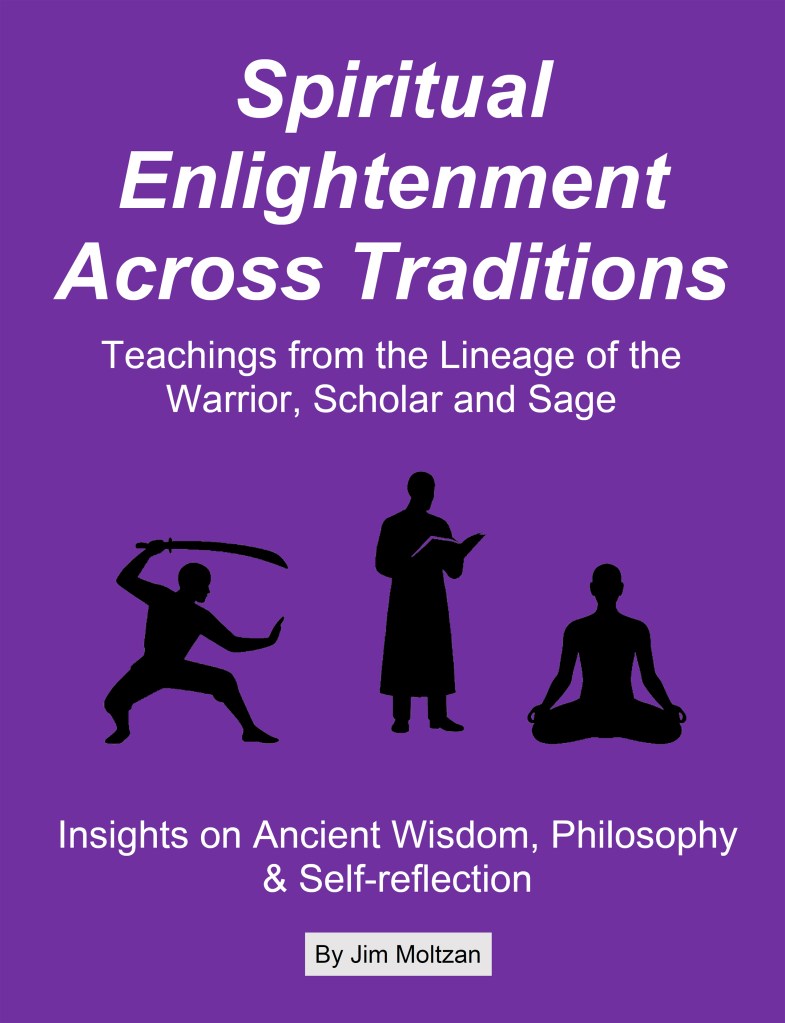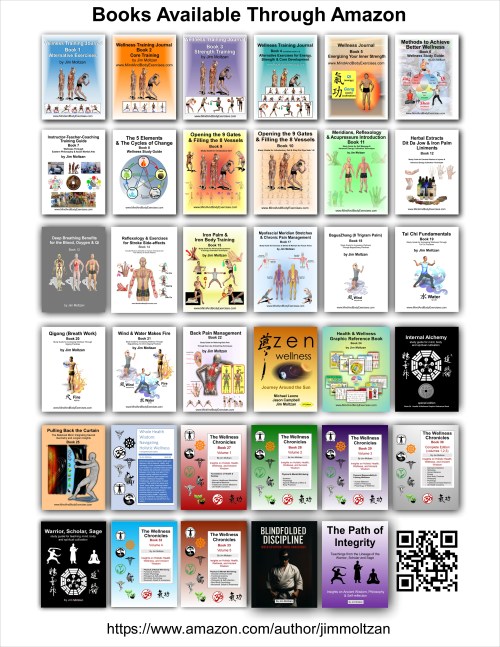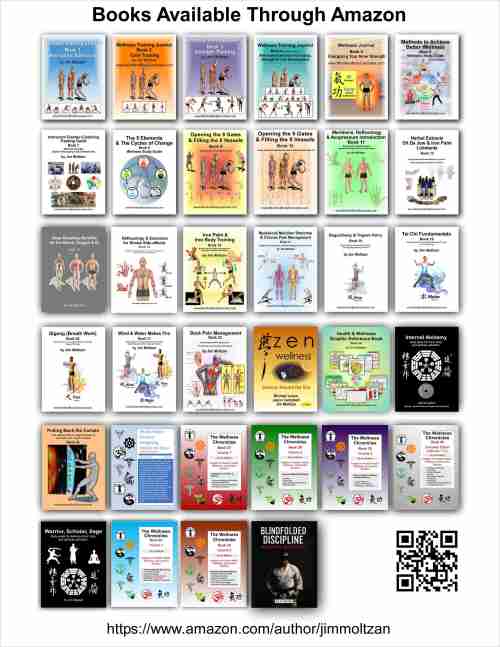
I am excited to present The Wellness Chronicles, a culmination of insights gathered from my many years of writing on holistic health. These books distill key concepts from hundreds of my articles, offering a practical and thought-provoking guide to achieving well-being through a balanced approach to life.
In today’s fast-paced world, where stress and pharmaceutical dependency often overshadow self-care and preventative health, The Wellness Chronicles serves as a beacon for those seeking a deeper understanding of the mind-body-spirit connection. Each volume explores a broad spectrum of topics, including nutrition, physiology, healthcare modalities, meditation, psychology, and philosophy, all with an underlying focus on empowering individuals to take charge of their own well-being.
Readers will discover time-honored healing traditions such as Traditional Chinese Medicine (TCM) and Ayurveda alongside modern holistic approaches emphasizing balance and harmony. These books encourage self-awareness and practical application, addressing injuries and ailments through natural, non-pharmaceutical solutions while advocating for movement, breathwork, and mindfulness as essential tools for health.
Beyond physical well-being, The Wellness Chronicles delves into the intricate connections between the mind and body, and how emotions, thought patterns, and beliefs influence our nervous system, stress responses, and overall vitality. These principles are supported by both ancient wisdom and contemporary insights, illustrating the profound interplay between psychology, philosophy, and personal transformation.
As a visual complement to these insights, I have included many of my original graphics throughout these books. These illustrations highlight self-regulation techniques, eclectic exercises, and Eastern methodologies, demonstrating how the intentional control of breath (wind), circulation (water), and mental focus can cultivate resilience, restore balance, and increase vitality (fire)—a reflection of the Taoist concept that “wind and water create fire.”
The Wellness Chronicles are more than just a guide; they are an invitation to reflect, explore, and apply holistic principles in everyday life. My hope is that this book serves as both a resource and an inspiration, encouraging deeper inquiry into the art of living well.
Thank you for your engagement with this work. I am eager to share this journey with you and contribute to the collective pursuit of enduring health, happiness, and fulfillment.
Thus far, I have volumes 1, 2 & 3, which are available individually or currently as one complete edition of all 3 in one book. Additional volumes may be added as I compose more content. Books are available at: https://www.amazon.com/dp/B0DYPFZ46F?binding=hardcover&searchxofy=true
The Wellness Chronicles is a comprehensive exploration of holistic health, offering practical insights into achieving balance in mind, body, and spirit.
Volume 1: Foundations of Health & Vitality – Dive into the history and principle of allopathic medicine, Traditional Chinese Medicine, Ayurveda, and other methods for a truly integrative approach to wellness.(177 pages)
Volume 2: Physical & Mental Well-being – Discover how anatomy, physiology and essential principles of movement, breathwork, and natural healing to restore balance and enhance well-being. Explore the deep connection between thoughts, emotions, and the nervous system, with techniques to manage stress and cultivate resilience. (236 pages)
Volume 3: Personal Responsibility & Lifelong Wellness – Explores the psychology of mental and physical well-being, emphasizing personal agency for stress management, mindfulness, and the role of emotions in health. (133 pages)
Complete Edition: The Definitive Guide – All three volumes combined in one masterwork, providing a full-spectrum resource for lifelong health and transformation. (515 pages)
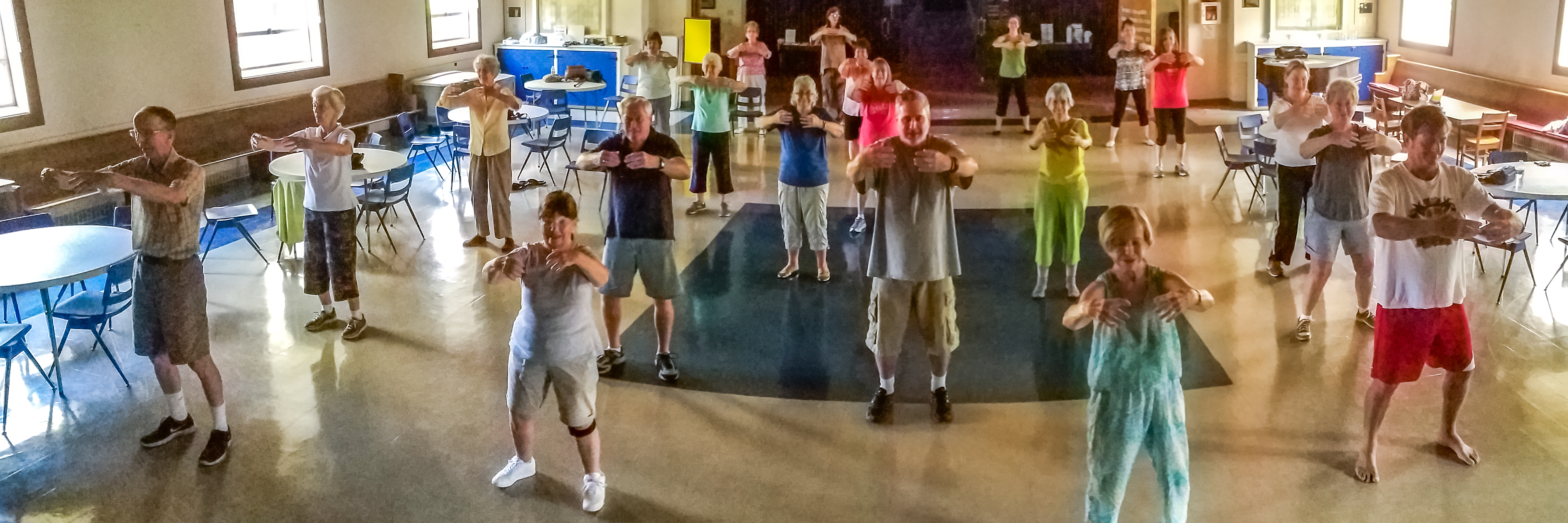
I teach and offer lectures about holistic health, physical fitness, stress management, human behavior, meditation, phytotherapy (herbs), music for healing, self-massage (acupressure), Daoyin (yoga), qigong, tai chi, and baguazhang.
Please contact me if you, your business, organization, or group, might be interested in hosting me to speak on a wide spectrum of topics relative to better health, fitness, and well-being.
I look forward to further sharing more of my message by partnering with hospitals, wellness centers, VA centers, schools on all levels, businesses, and individuals who see the value in building a stronger nation through building a healthier population.
I also have hundreds of FREE education video classes, lectures, and seminars available on my YouTube channel at:
The termGong De Wei Shen (功德为神) could loosely be interpreted as “acquiring karmic merit for spiritual elevation or connection to the divine.” It’s a phrase that might not appear in ancient texts directly but captures the concept of dedicating good deeds or spiritual work to elevate one’s spiritual state, aligning with Chinese philosophies of moral virtue influencing one’s spiritual development. Gong De Wei Shen is indeed rooted in Chinese philosophical and spiritual traditions, though the exact expression isn’t commonly cited. I will break it down to the best of my understanding:
Gong (功): This translates to merit, achievement, accomplishment, or work.
Gong de (功德): This translates to “merit” or “karmic merit” or virtuous deeds as used in Buddhist and Taoist traditions in the sense of virtue accumulated through good deeds and moral actions of generosity and compassion towards others. In traditional Chinese thought and in Buddhism, gong de is the spiritual merit or positive karma gained through altruistic actions, spiritual practice, and moral conduct. These merits are believed to contribute to spiritual growth and favorable outcomes in this life or future lives
Wei (为): This can mean “for” or “as” in this context, often used to imply that the merit serves or benefits something.
Shen神 : This translates to “spirit” or “divine” and can suggest a higher spiritual state or connection with the divine.
While gong de wei shen itself isn’t a phrase widely cited in ancient texts, some numerous classical works and studies delve into the related concepts of gong de (karmic merit), the role of shen (spirit or divine), and the accumulation of spiritual merit through virtuous actions. Here are some references that explore these themes:
Dao De Jing (Tao Te Ching) by Lao Tzui: One of the foundational texts of Daoism, the Dao De Jing discusses concepts of virtue (de, 德) and alignment with the Dao (道) as a path to spiritual harmony. While it may not explicitly use gong de, it emphasizes the moral conduct and inner qualities that create harmony with the universe.
The Avatamsaka Sutra (Huayan Sutra): In Mahayana Buddhism, which has heavily influenced Chinese thought, the Avatamsaka Sutra (华严经, Huayan Jing) explores the concept of merit (功德, gong de) in spiritual practice and its effect on one’s path toward enlightenment. This text connects good deeds and moral actions with spiritual progression.
The Book of Changes (I Ching): Though more symbolic, the I Ching reflects on the harmony between human actions and spiritual forces, suggesting that righteous behavior impacts one’s fate and connection with higher powers.
Zhuangzi: This Daoist text, attributed to the philosopher Zhuang Zhou, explores spiritual transformation and the concept of shen as something cultivated through inner clarity and virtue.
The concepts of 功德 (gong de, karmic merit) and 神修 (shen xiu, spiritual cultivation) are deeply relevant to everyday life, even for those who don’t actively follow Taoist or Buddhist traditions. Here’s why they can be important:
1. Actions Shape Our Lives and Mindset
Every small act of kindness, generosity, or ethical behavior accumulates gong de not just in a spiritual sense but in how it influences your relationships, reputation, and self-perception. Helping a friend, being honest in business, or treating people with respect builds trust and goodwill, which can often return in unexpected ways.
2. Inner Peace Comes from Spiritual Awareness
Spiritual cultivation (shen xiu) isn’t about being religious, but rather developing self-awareness, clarity, and emotional balance. In daily life, this may be practiced as:
Pausing before reacting negatively in a stressful situation.
Practicing mindfulness or gratitude to reduce anxiety.
Seeking wisdom in challenges rather than reacting impulsively.
3. Good Energy Attracts Good Outcomes
Many people unconsciously follow the idea of karma or energetic reciprocity. When you consistently act with integrity and positive intention, life tends to reflect that back. We sometimes call this “what goes around, comes around.” This is why some who choose to cultivate gong de often experience more fulfilling relationships, career success, and personal growth.
4. Resilience in Hard Times
Practicing gong de and shen xiu helps you build inner strength. When facing setbacks, those who have cultivated patience, kindness, and wisdom may be better equipped to manage challenges with grace, rather than feeling like a victim of circumstances.
5. A Sense of Purpose
Beyond material success, many people seek meaning in their daily lives. Spiritual cultivation (shen xiu) can provide a sense of meaning or purpose, whether through meditation, learning, creative expression, or simply striving to be a better person.
In Summary
These aren’t just ancient ideas, but rather practical tools for striving to live a more peaceful, balanced, and fulfilling life. By cultivating merit (gong de) and refining your inner spirit (shen xiu), one may naturally create a more harmonious life, both for themselves and those around them.
I teach and offer lectures about holistic health, physical fitness, stress management, human behavior, meditation, phytotherapy (herbs), music for healing, self-massage (acupressure), Daoyin (yoga), qigong, tai chi, and baguazhang.
Please contact me if you, your business, organization, or group, might be interested in hosting me to speak on a wide spectrum of topics relative to better health, fitness, and well-being.
I look forward to further sharing more of my message by partnering with hospitals, wellness centers, VA centers, schools on all levels, businesses, and individuals who see the value in building a stronger nation through building a healthier population.
I also have hundreds of FREE education video classes, lectures, and seminars available on my YouTube channel at:
“The Fourth Turning” by William Strauss and Neil Howe articulates a generational theory of history. The authors posit that societies undergo recurring cycles, referred to as “turnings,” approximately every 80-100 years. These cycles consist of four distinct generational archetypes of the Prophet, the Nomad, the Hero, and the Artist. Each archetype plays a significant role in shaping and responding to historical events in predictable patterns.
The four turnings are:
The High – A period of societal rebuilding after a crisis, characterized by strong institutions, collective unity, and optimism (e.g., post-WWII boom in the U.S.).
The Awakening – A cultural period where individuals challenge established norms, emphasizing personal and spiritual values over conformity (e.g., the 1960s counterculture movement).
The Unraveling – Institutions weaken, individualism increases, and trust in government and societal structures declines (e.g., 1980s-2000s in the U.S.).
The Crisis (Fourth Turning) – Significant upheaval, such as war, economic downturns, or revolution, that forces society to reconstruct itself (e.g., the Great Depression and WWII).
According to their theory, the U.S. is currently in a Fourth Turning (beginning around 2008), indicating we’re in a period of crisis and transformation that will likely peak in the 2020s before leading into a new High. William Strauss and Neil Howe’s generational theory primarily focuses on Western historical cycles. They did not explicitly incorporate Eastern philosophies like Taoism or the Wu Xing (Five Elements) into their framework. Their analysis centers on patterns observed in Anglo-American history, detailing a recurring cycle of four generational archetypes where the Prophet, Nomad, Hero, and Artist, each influence societal moods and events over approximately 80-100 years.,
The Wu Xing in Taoist philosophy describes five interrelated elements of Wood, Fire, Earth, Metal, and Water, each associated with specific seasons, times of day, and life phases. This system emphasizes balance and the dynamic interactions between elements, reflecting the cyclical nature of the universe.
While both frameworks recognize cyclical patterns, their foundations differ: the Wu Xing is rooted in natural elements and their interactions, whereas the Strauss-Howe theory is based on generational dynamics and historical events. There isn’t direct evidence that Strauss and Howe studied or integrated Eastern philosophies into their work.
Carl Jung, a Swiss psychiatrist and psychoanalyst, introduced the idea of psychological archetypes and was significantly influenced by his study of Eastern philosophies. Jung’s incorporation of concepts from Taoism, Buddhism, and other Eastern traditions into his work on the collective unconscious and archetypes predated the Strauss-Howe generational theory by decades. While Strauss and Howe developed their own unique framework focused on historical and generational patterns, the notion of archetypes they used resonates with the broader tradition of exploring recurring patterns in human behavior and culture.
Carl Yung’s Archetypes
However, the concept of cyclical patterns is present in many cultural philosophies, suggesting a universal human inclination to find order and predictability in history and nature. While the specifics of the cycles differ between the Wu Xing and the Strauss-Howe generational theory, both offer perspectives on understanding the rhythms and transformations inherent in societies.
“Hard times create strong men. Strong men create good times. Good times create weak men. And, weak men create hard times.”
Each framework describes a repeating sequence of phases, with distinct yet interrelated roles:
Strauss & Howe’s Fourth Turning follows a four-phase generational cycle (~80-100 years), where societal moods shift from stability (High) to questioning (Awakening), fragmentation (Unraveling), and renewal through crisis (Crisis).
Wu Xing (Five Elements) describes a five-phase natural cycle (Wood, Fire, Earth, Metal, Water), applied to time, seasons, and human life. Taoism sees a person’s lifespan in ~25-year segments:
0-8 (Spring) – sprouting of one’s identity
8-33 (Summer) – flowering of one’s vitality
33-58 (Late Summer) – fruition of what has been achieved
58-83 (Autumn) – cutting away what is not needed
83-108 (Winter) – transformation and rebirth
All phases closely mirror The Fourth Turning’s phases.
Jungian Archetypes reflect psychological transformations across an individual’s life and history. His concepts of Hero, Wise Old Man, Shadow, and Rebirth mirror the rise, crisis, and renewal patterns seen in the other two theories. Jung, influenced by Taoism and the I Ching, recognized life as a process of individuation—balancing opposing forces (Yin-Yang, conscious-unconscious), much like the generational and elemental cycles.
Key Takeaways:
Generational, Natural, and Psychological Patterns Are Interwoven Each theory observes cyclical phases that repeat over time, whether in history (Fourth Turning), nature (Wu Xing), or the psyche (Jungian archetypes).
Crisis and renewal are fundamental to change, whether societal, elemental, or personal.
Strauss & Howe’s Generational Theory May Unconsciously Reflect Jungian Archetypes The Fourth Turning’s generational archetypes (Prophet, Nomad, Hero, Artist) resemble Jung’s archetypal roles.
Jung, who studied Taoism and Eastern philosophy, recognized cycles of transformation, much like Wu Xing’s elemental shifts.
Taoism’s Wu Xing and Jung’s Individuation Both Emphasize Balance Wu Xing describes the dynamic interplay of elements, where excess in one leads to transformation into another.
Jung’s individuation process requires integrating all aspects of the psyche, much like how Taoist balance ensures harmony.
Crisis is a Necessary Stage for Renewal Fourth Turning: Each crisis (e.g., WWII) paves the way for societal rebirth.
Wu Xing: Death and decay (Metal & Water) are necessary before new life (Wood). Jung: Transformation only occurs when the individual faces their Shadow and integrates unconscious aspects. Though emerging from different traditions, these three theories reveal a shared truth: transformation occurs through cyclical forces, shaping societies, nature, and individuals alike. Whether through generational change, elemental shifts, or psychological evolution, the rhythm of crisis and renewal is an eternal pattern in human experience.
I teach and offer lectures about holistic health, physical fitness, stress management, human behavior, meditation, phytotherapy (herbs), music for healing, self-massage (acupressure), Daoyin (yoga), qigong, tai chi, and baguazhang.
Please contact me if you, your business, organization, or group, might be interested in hosting me to speak on a wide spectrum of topics relative to better health, fitness, and well-being.
I look forward to further sharing more of my message by partnering with hospitals, wellness centers, VA centers, schools on all levels, businesses, and individuals who see the value in building a stronger nation through building a healthier population.
I also have hundreds of FREE education video classes, lectures, and seminars available on my YouTube channel at:
Social media has become an integral part of modern life, offering a platform for self-expression, networking, and information sharing. However, when individuals, especially those with professional careers, use social media to constantly post their political and social views, it can lead to unintended consequences. This behavior, particularly when it involves posting dozens of times a day with little engagement, can be polarizing and may negatively impact both personal and professional relationships. Beyond the social and professional risks, this kind of behavior can also have significant psychological and physiological effects, including stress, cortisol imbalances, and even obsessive-compulsive tendencies.
One of the most immediate detriments of excessive posting of polarizing views is the potential harm to one’s professional reputation. For individuals with established careers, social media often extends their professional identity. When their online presence is dominated by divisive political or social commentary, it can overshadow their expertise and accomplishments. Colleagues, clients, or professional networks with differing views may feel alienated, leading to strained relationships or missed opportunities. In extreme cases, this behavior can even result in job loss or damage to one’s career trajectory, as employers increasingly scrutinize employees’ online activity.
Engagement and Feedback
Another notable issue is the lack of engagement these posts often receive. When individuals post frequently and assertively, framing their views as absolute truths, it can discourage others from responding. People may find the content unrelatable, exhausting, or confrontational, leading to a lack of meaningful dialogue. Over time, this can create an echo chamber where the individual only hears their own voice, further entrenching their beliefs and isolating them from diverse perspectives. This lack of engagement can also be a sign that their approach is counterproductive, as it fails to foster the kind of constructive conversations that could lead to mutual understanding.
In the past, before the advent of social media, people often engaged in face-to-face conversations where curiosity about others’ perspectives was more common. There was a natural inclination to ask questions, listen, and seek to understand differing viewpoints. Social media, however, has fundamentally altered this dynamic. Today, we are freely able and often inundated with the thoughts and opinions of others, sometimes to the point of oversaturation. While this transparency can foster connection, it can also lead to fatigue, especially when those opinions are expressed aggressively or excessively. The mystery and curiosity that once fueled meaningful dialogue are often replaced by a sense of overexposure, where the sheer volume of content can make it difficult to engage thoughtfully.
Psychological and Emotional Impact
The psychological and emotional toll of this behavior cannot be overlooked. Constantly posting polarizing content may stem from a deep-seated need for validation or a desire to influence others. However, when these posts go unnoticed or unacknowledged, it can lead to feelings of frustration, inadequacy, or even anger. Over time, this cycle can contribute to heightened stress levels and emotional exhaustion. Moreover, the act of repeatedly sharing strong opinions can become compulsive, resembling obsessive-compulsive tendencies. The individual may feel an uncontrollable urge to post, even when it no longer serves a constructive purpose. If someone has the time, effort, and energy to blame others for all of the world’s ills, they also have the time to reflect and focus on becoming a better version of themselves. Rather than dwelling on external problems, shifting some of that energy toward self-improvement could yield far more positive and constructive outcomes.
Respecting Passion Without Sharing It
It’s worth noting that while someone’s efforts to advocate for a cause may appear noble or well-intentioned, not everyone will share their passion or agree with their methods. Social media often amplifies the visibility of these efforts, making it seem as though everyone should be equally invested. However, it’s important to recognize that people have different priorities, values, and capacities for engagement. What one person sees as a critical issue worthy of relentless advocacy, another may view as less pressing or outside their sphere of interest. This disconnect doesn’t diminish the value of the cause itself, but it highlights the importance of respecting boundaries and understanding that not everyone will share the same level of enthusiasm or commitment.
Physiological Effects: Stress, Cortisol, and Chemical Imbalances
The psychological stress associated with excessive social media use can also manifest physiologically. Chronic stress triggers the release of cortisol, a hormone that, in excess, can disrupt the body’s natural balance. Elevated cortisol levels have been linked to a range of health issues, including anxiety, depression, sleep disturbances, and weakened immune function. For individuals who are constantly engaged in online debates or who feel compelled to post frequently, this stress response can become a persistent state, leading to long-term health consequences.
Additionally, the dopamine-driven nature of social media can exacerbate these issues. The anticipation of likes, shares, or comments triggers dopamine release, reinforcing a habit loop. Over time, this can contribute to compulsive posting, as individuals seek continued validation through online interactions. This chemical imbalance can make it difficult for individuals to step away from social media, even when they recognize its negative impact on their lives.
Constructive Approaches for Change
For individuals who find themselves caught in this cycle, there are steps they can take to create a healthier and more balanced online presence. First, they might consider diversifying their content to include professional achievements, personal interests, or neutral topics that encourage broader engagement. Framing opinions in a way that invites dialogue—such as asking, “What are your thoughts on this?”—can also foster more respectful and productive conversations. Additionally, limiting the frequency of posts and focusing on quality over quantity can help reduce the compulsive urge to share and create a more thoughtful online presence.
For Observers: Setting Boundaries and Offering Support
For those who are on the receiving end of this behavior, it’s important to set boundaries. If the constant stream of polarizing posts becomes overwhelming, muting or unfollowing the individual on social media can help maintain mental well-being while preserving professional relationships. It’s also helpful to remember that their behavior is likely a reflection of their own experiences and beliefs, not a personal attack. In some cases, offering constructive feedback—if the relationship allows—can encourage them to reflect on their approach and its impact on others.
Conclusion
While social media offers a powerful platform for self-expression, its misuse can have far-reaching consequences. For individuals who post their political and social views excessively, the risks include professional alienation, strained relationships, and psychological and physiological harm. By adopting a more balanced and thoughtful approach to social media, individuals can mitigate these detriments and create a more positive and productive online presence. For observers, setting boundaries and offering support can help navigate these challenging dynamics. Ultimately, social media is a tool, and its impact depends on how it is used. By using social media intentionally—fostering meaningful discussions rather than divisive debates—we can create a digital space that informs rather than isolates.
Brown, V. R., & Vaughn, E. D. (2011). The writing on the (Facebook) wall: The use of social networking sites in hiring decisions. Journal of Business and Psychology, 26(2), 219-225.
This study explores how employers evaluate candidates’ social media presence and the potential impact of polarizing content.
Echo Chambers and Engagement Issues
Pariser, E. (2011). The Filter Bubble: What the Internet Is Hiding from You. Penguin Press.
Discusses how social media algorithms reinforce pre-existing beliefs and limit exposure to diverse perspectives.
Psychological and Emotional Effects of Social Media Overuse
Twenge, J. M., Joiner, T. E., Rogers, M. L., & Martin, G. N. (2017). Increases in depressive Symptoms, Suicide-Related Outcomes, and suicide rates among U.S. adolescents after 2010 and links to increased new media screen time. Clinical Psychological Science, 6(1), 3–17. https://doi.org/10.1177/2167702617723376
Examines how excessive screen time and social media use contribute to stress, anxiety, and depression.
Physiological Impact: Stress, Cortisol, and Dopamine
Sapolsky, R. M. (2004). Why Zebras Don’t Get Ulcers. Holt Paperbacks.
Explains how chronic stress and elevated cortisol levels affect mental and physical health.
Montag, C., & Reuter, M. (2017). Internet Addiction: Neuroscientific Approaches and Therapeutical Implications Including Smartphone Addiction. Springer.
Discusses dopamine-driven social media addiction and its effect on brain function.
I teach and offer lectures about holistic health, physical fitness, stress management, human behavior, meditation, phytotherapy (herbs), music for healing, self-massage (acupressure), Daoyin (yoga), qigong, tai chi, and baguazhang.
Please contact me if you, your business, organization, or group, might be interested in hosting me to speak on a wide spectrum of topics relative to better health, fitness, and well-being.
I look forward to further sharing more of my message by partnering with hospitals, wellness centers, VA centers, schools on all levels, businesses, and individuals who see the value in building a stronger nation through building a healthier population.
I also have hundreds of FREE education video classes, lectures, and seminars available on my YouTube channel at:
My new book Pulling Back the Curtain is now available through Amazon (https://a.co/d/09malCv). I offer a color reference guide for Sacred Geometry, Carl Jung’s theories, and their relevance to human behavior and symbolism. If you practice yoga, tai chi, qigong, BaguaZhang, other mind-body methods or are just looking to expand your understanding of our reality, my new bookwill help you organize all seemingly complex concepts.
Throughout human history, profound truths about the universe and our place within it have been explored and expressed through archetypes, geometry, psychology and philosophy. From the earliest cave drawings to the intricate mandalas of Eastern traditions, humanity has sought to map the intangible forces that shape our existence. These universal patterns reveal not only the structures of the cosmos but also the dynamics of our own inner worlds. It is this interplay between the external and internal, the visible and invisible, that this book illuminates. My intent for this book is to provide a graphical study guide that summarizes complex concepts for those already familiar with these topics, while offering an introduction for those just beginning to pursue this type of information.
The Taoist concept of yin and yang further underscores the dynamic dualities that shape our world: light and shadow, masculine and feminine, chaos and order. This dance of opposites, echoed in Jung’s theories, reminds us that life’s challenges and joys are part of a larger, harmonious whole. At the heart of these inquiries lies the work of Carl Jung, whose pioneering insights into the collective unconscious provide a framework for understanding the interconnectedness of all things. Jung’s exploration of archetypes and opposites, including the balance of yin and yang, offers profound guidance for navigating the complexities of modern life. His fascination with symbols, geometry, and universal patterns serves as a bridge between ancient wisdom and contemporary thought.
Similarly, the Platonic solids – those perfect, symmetrical forms revered by both philosophers and mystics, stand as metaphors for the foundational elements of existence. These shapes, deeply intertwined with sacred geometry, reflect the harmony and order inherent in nature. Their significance transcends mere mathematics, inviting us to ponder the deeper truths they represent. Sacred geometry ties these threads together, offering a visual language of the divine. Found in the spirals of galaxies, the structure of DNA, and the design of ancient temples, sacred geometry is both a scientific marvel and a spiritual guide. It reminds us that beauty and meaning exist not only in grand cosmic designs but also in the smallest details of our daily lives. Furthermore, sacred geometry finds profound expression in the realm of mind-body practices such as yoga, tai chi, qigong and even martial arts. These disciplines incorporate geometric principles in their movements and postures, fostering harmony within the body and between the individual and the universe. The exploration of these practices and their connection to sacred geometry will reveal how these ancient systems of movement and mindfulness embody universal truths.
This book invites you to journey into these interconnected realms, where the principles of psychology, philosophy, geometry, and physical movement converge. It explores how these timeless ideas remain relevant, offering practical insights for finding balance, purpose, and connection in a world that often feels fragmented. As you delve into these pages, may you uncover the patterns that shape your own existence. May you find not only knowledge but also inspiration to integrate these timeless truths into your everyday life, creating harmony within and around you.
My books are comprehensive, deeply researched, and feature original, high-quality illustrations. I have invested over 40 years of learning, practicing, and illustrating these topics myself. providing full-color printing, detailed graphics, and specialized knowledge require premium pricing. Most of my publications offer rare insights not found elsewhere, justifying their premium nature. I have specifically designed my books for serious practitioners and scholars, while also offering information for beginners to get acquainted with complex topics and concepts. Each book contains a lifetime of experience condensed into each volume. These books are for those who seek authentic, high-quality study materials rather than mass-market books.
I teach and offer lectures about holistic health, physical fitness, stress management, human behavior, meditation, phytotherapy (herbs), music for healing, self-massage (acupressure), Daoyin (yoga), qigong, tai chi, and baguazhang.
Please contact me if you, your business, organization, or group, might be interested in hosting me to speak on a wide spectrum of topics relative to better health, fitness, and well-being.
I look forward to further sharing more of my message by partnering with hospitals, wellness centers, VA centers, schools on all levels, businesses, and individuals who see the value in building a stronger nation through building a healthier population.
I also have hundreds of FREE education video classes, lectures, and seminars available on my YouTube channel at: