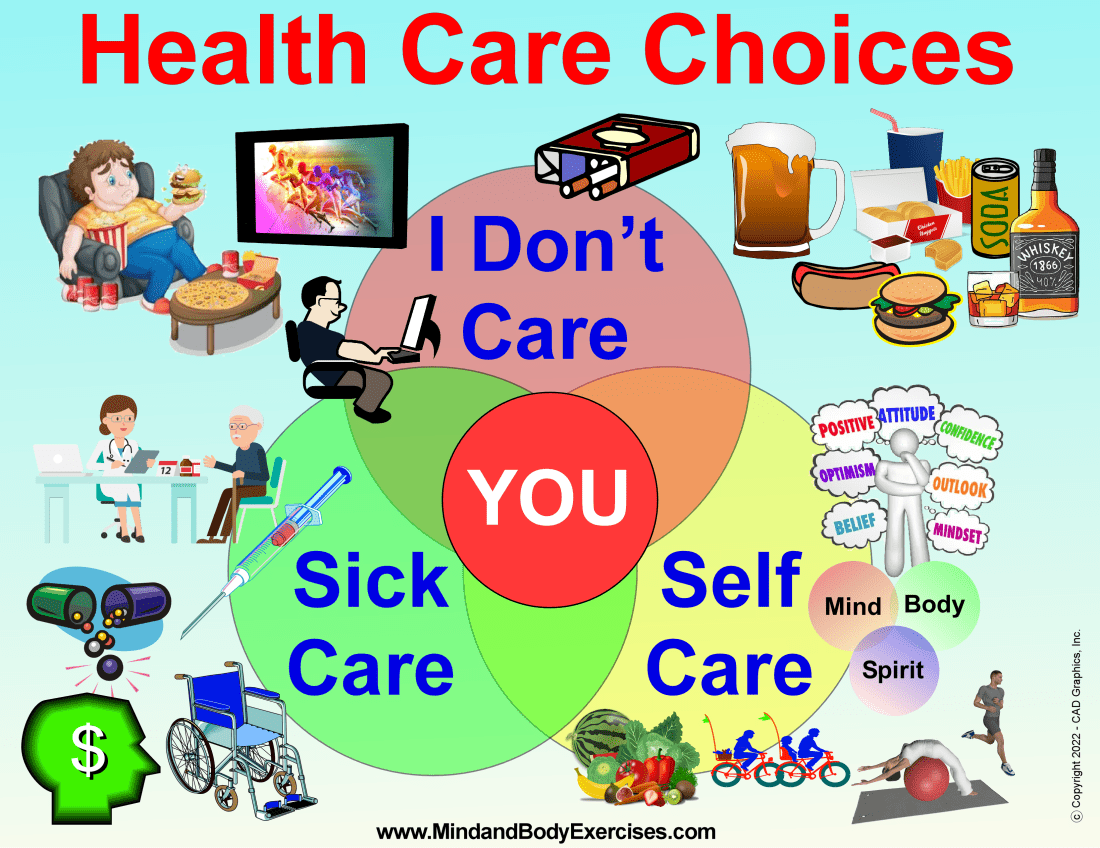
The predominant medical system in the US is the allopathic model. I have found from personal experience that this system works usually quite well for diagnostics, trauma, conditions requiring surgical intervention, as well as treatments for prolonging life.
Where I feel our allopathic model falls short is encouraging prevention of illnesses and avoidable conditions, treating certain types of chronic conditions, and providing quality of life in spite of prolonging it. A wise doctor I visited once told me that a way to make a decision to have or not have a procedure, was to determine if you have more good days or more bad days, within a particular time frame. His next question was, are you willing to live with the outcome if the results are not 100% successful and possibly giving side-effects that are worse than the original issues?
I think many people put all of their trust and faith into their doctor’s opinions or suggestions without doing much research of their own. Therefore, they lack the information to better determine what is best for their individual conditions. When confronted with a serious condition, they feel they lack medical knowledge and therefore options beyond what their doctor might suggest. When things don’t go well with the treatments, procedures, surgeries, etc., they can’t always understand that doctors are human and don’t always make the best decisions in spite of trying their best to do so.
I think if people would take more responsibility towards their knowledge of healthcare and their own health status prior to finding themselves in critical situations, we would have a much different healthcare system. The CDC reported the top causes of death in the US as of 2019 were heart disease, cancer, and unintended injuries1. Overall, the risks of the top 10 causes of death all can be lowered with lifestyle choices of diet, exercise, and management of stress. A John Hopkins report of 2018 reported that medical errors was the 3rd highest cause of death in the US2. My point in noting these statistics is that if the total number of these illnesses and errors was much less, then there would be less people having to deal with these critical types of decisions with or without their doctor’s input. I am aware that this is really an unrealistic expectation as the numbers go up every year. However, if doctors are to be held to such a high standard of perfection, why shouldn’t the individual have similar accountability for their own level of self-care?
Obviously, some situations warrant a decision at the moment, regardless of how the person got to the point of immediate concern. In this type of event, I would hope that the healthcare professionals involved would have much relative knowledge and medical experience at this point to exercise wisdom in making the correct decisions. From there the patient needs to decide whether to trust in what they know to be true and accurate and/or to have faith in what is unknown and unseen.
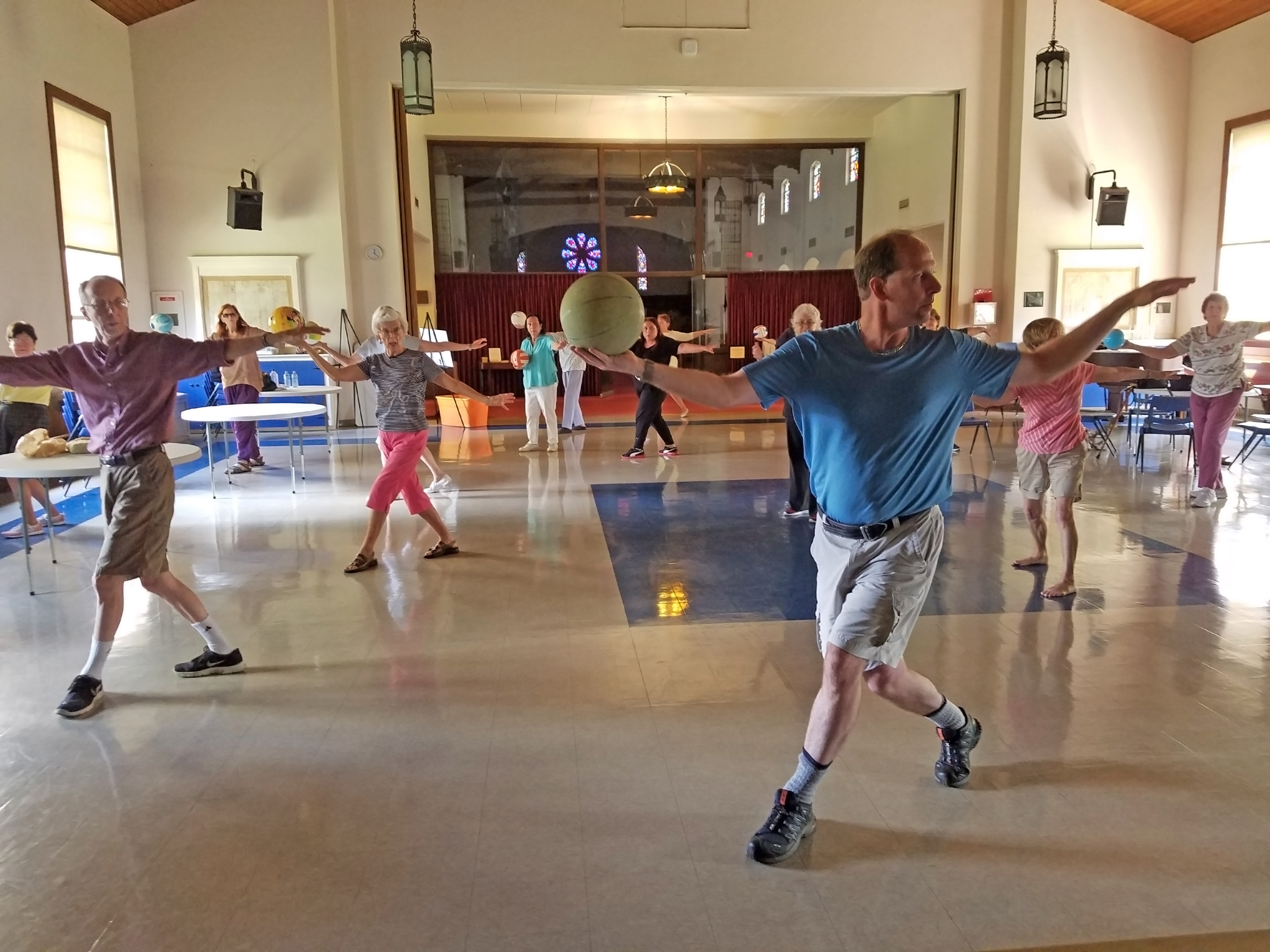
I write often about topics that affect our health and well-being. Additionally, I teach and offer lecture about qigong, tai chi, baguazhang, and yoga. I also have hundreds of FREE education video classes, lectures and seminars available on my YouTube channel at:https://www.youtube.com/c/MindandBodyExercisesMind and Body Exercises on Google: https://posts.gle/aD47Qo
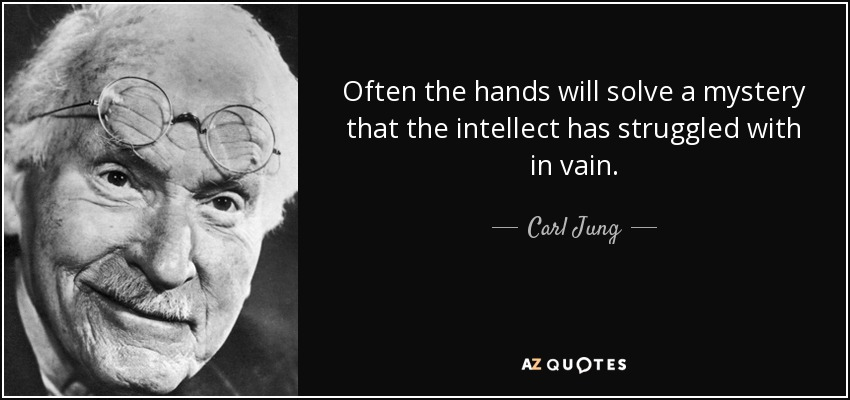
Often the hands will solve a mystery that the intellect has struggled with in vain.
– Carl Jung
Our culture is broken. Out of balance. Many feel traumatized. So many people suffering. So much stress, depression, and anxiety. The solution is not always in pharmaceuticals, therapy, alcohol or recreational drugs. Exercising regularly can help and it is often FREE if you commit to the time and effort.
Physical exercise is one of the single most beneficial mental and physical activities that we can do for ourselves on a regular basis. When we exercise, our brain produces many chemicals (hormones and neurotransmitters) that manage stress and counteract the sympathetic nervous response. If you are not currently exercising regularly, try to start by simply taking a walk around your block and build up from there. 5 minutes here and there throughout your day adds up cumulatively. One does not need to exercise for hours a day to gain the benefits. Walk, run , swim, stretch, weight train, or my preferences of qigong, tai chi and yoga. This is the “do something,” that will actually affect you and consequently those in your life.
And we as a nation have been consistently reducing the importance of physical exercise to our youth, as many schools nationwide have greatly reduced and even eliminated physical education within schools on all levels. Perhaps this is why teenage depression, anxiety, ADHD, OCD and other ailments have been contributing to the spike in youth suicides over the last few decades. Broken children grow into broken adults. Plant good seeds and harvest a good yield. Plant with rotten seeds and the crop produced will be rotten. This is ancient knowledge that seems to have been forgotten in current times.
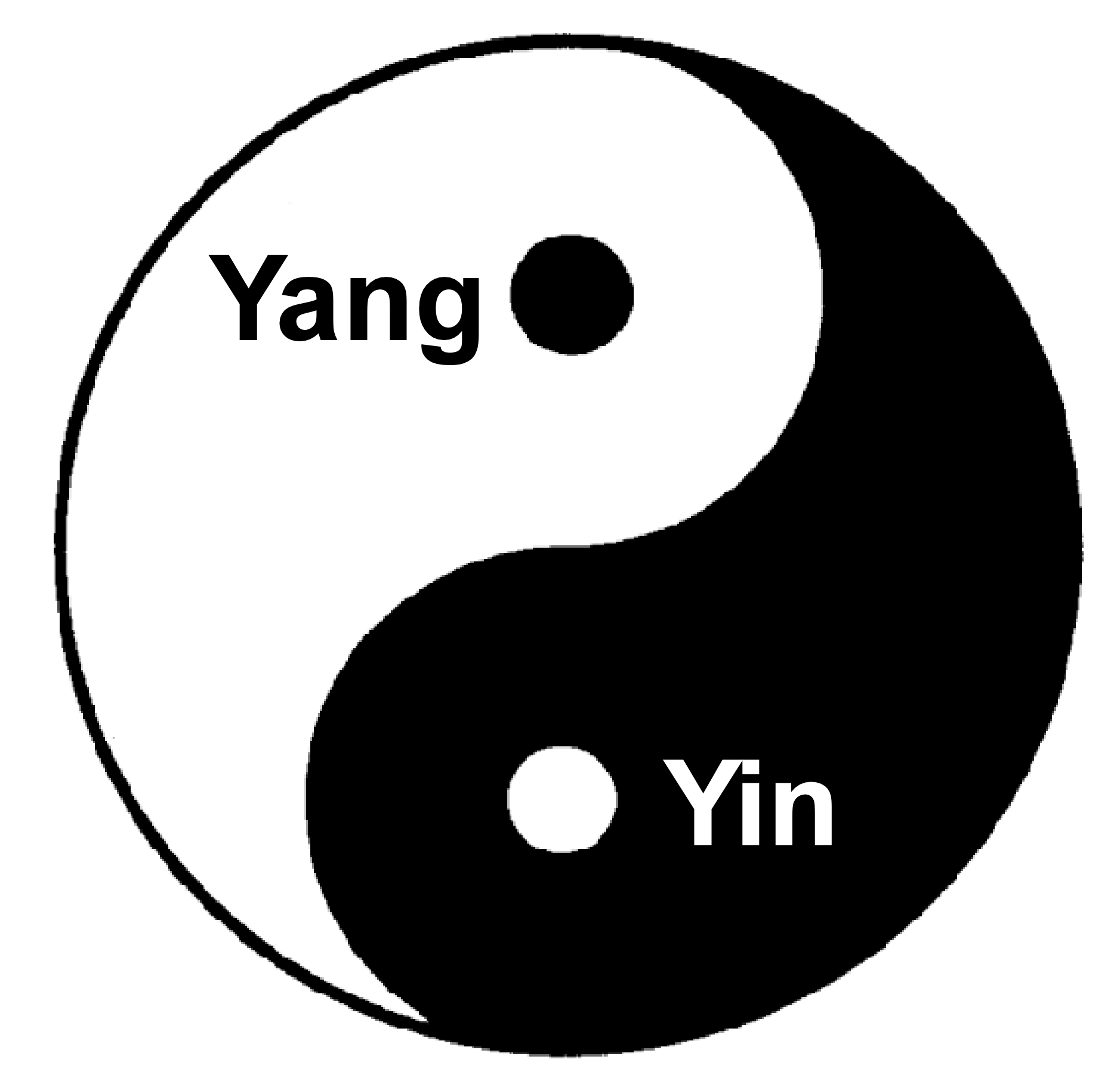
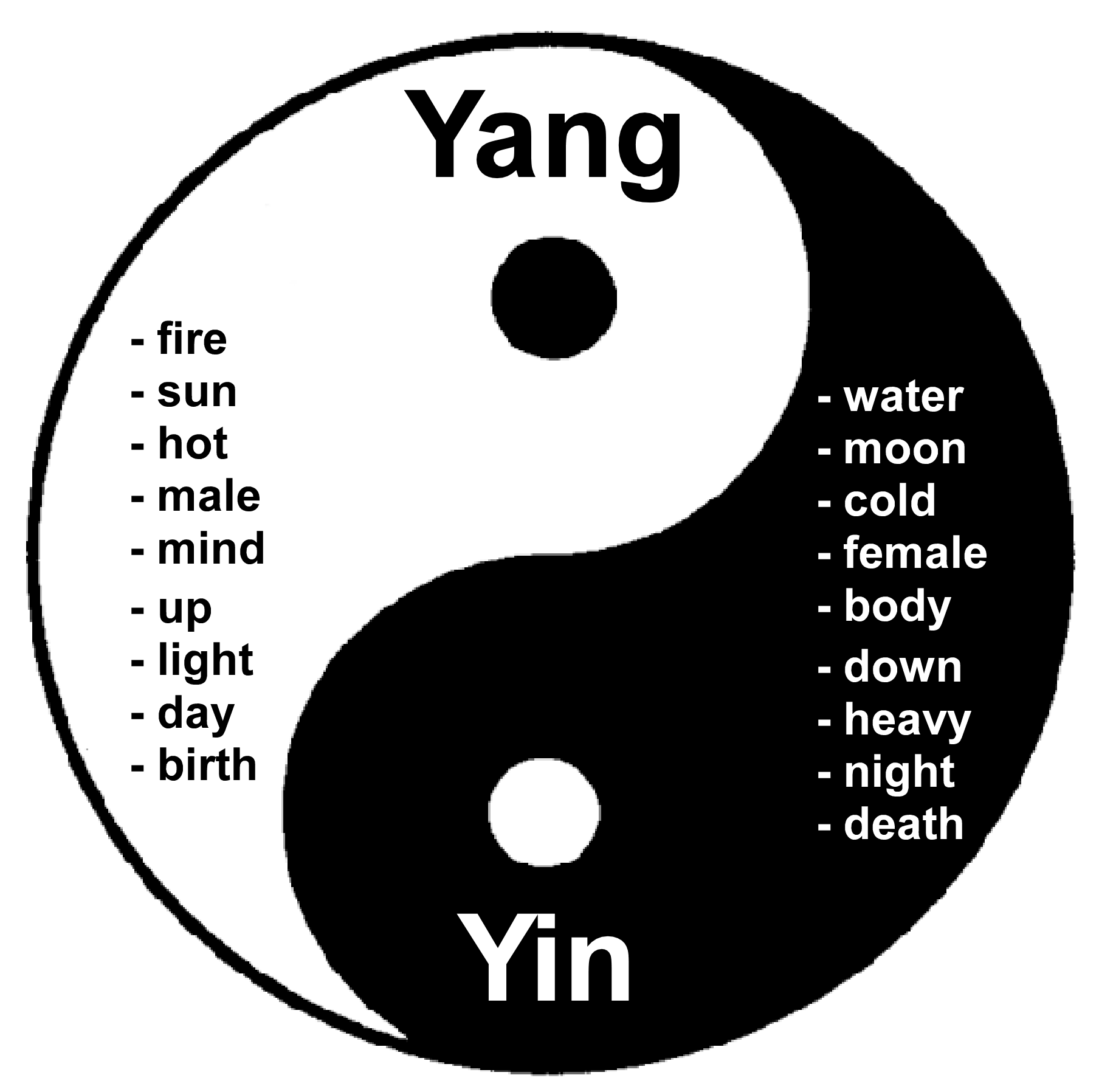
Yin & Yang are relative terms, in relation to content and context. In the concept of Yin & Yang, nothing is permanent nor absolute. Opposites are complementary. Many philosophers and scholars view Yin & Yang as the motive force for the start, change and end of life. Traditional Chinese Medicine (TCM) is based upon the belief that the existence of the universe is due to the result of the interactions between Yin & Yang.
Everyday Uses of Yin & Yang Theory:
Traditional Chinese Medicine (TCM)
Philosophy (Taoism & Confucianism)
Science (Chinese)
Meditation
Feng Shui
Spirituality
As a Trending Fad
Martial Arts
Qigong and Energy Movement
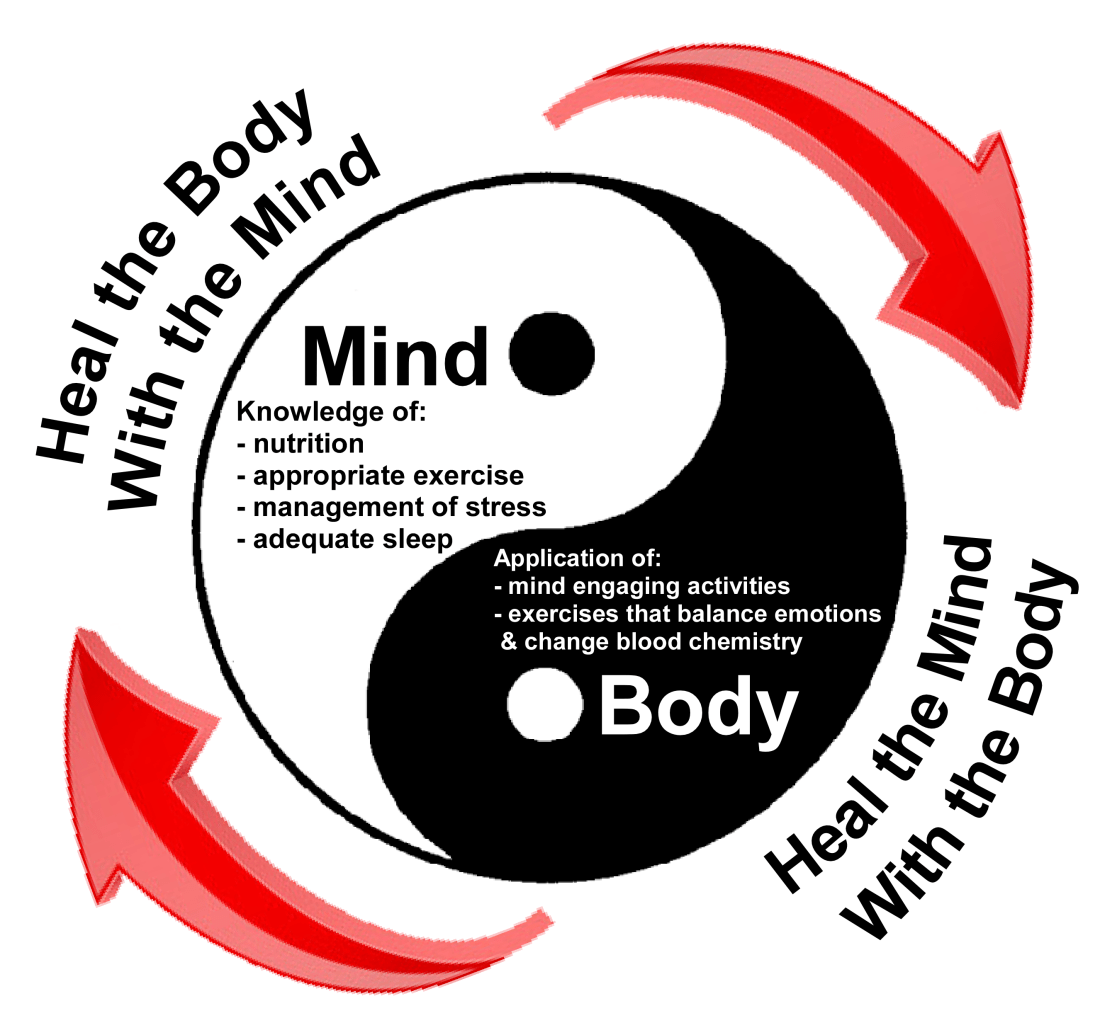
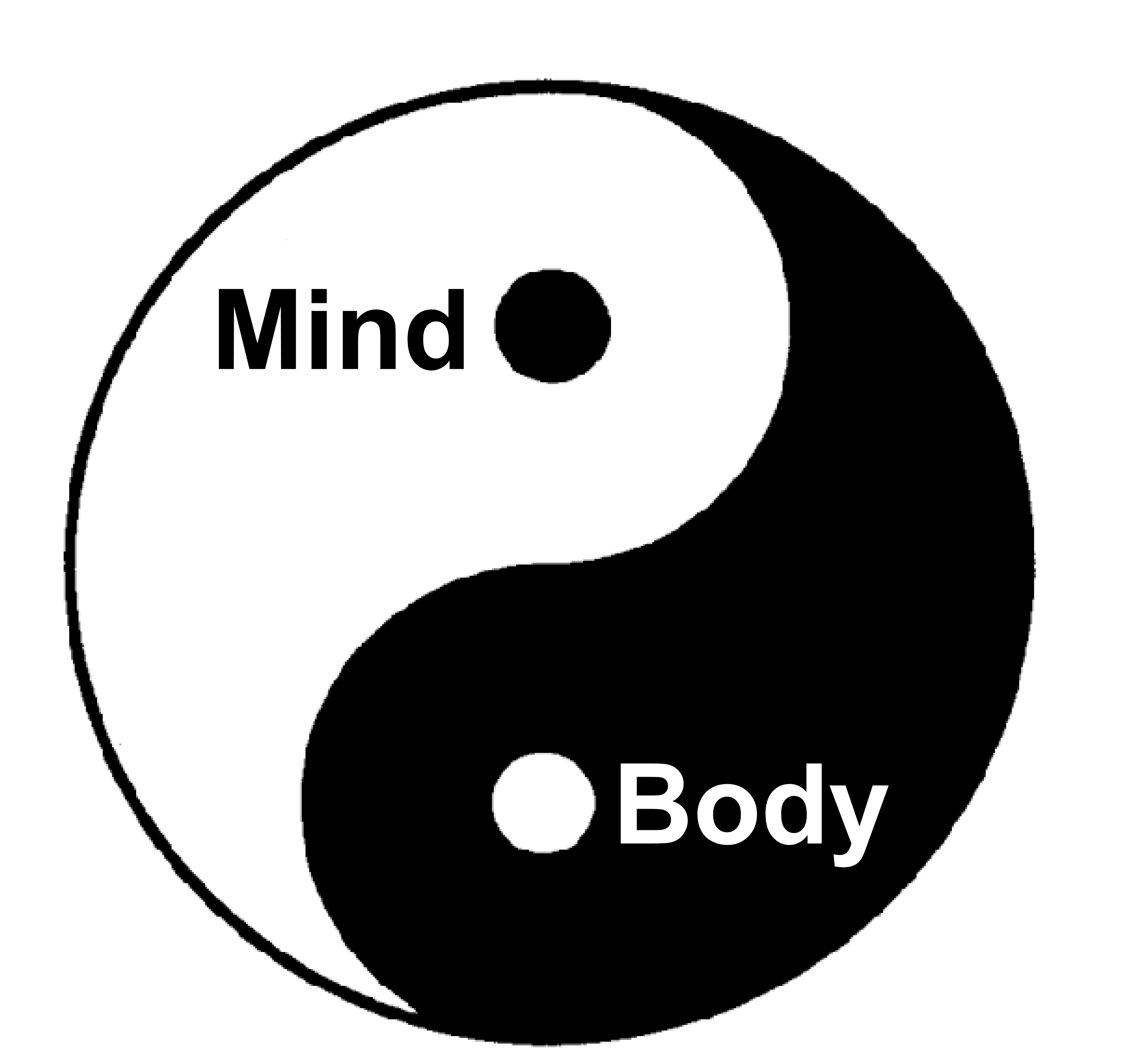
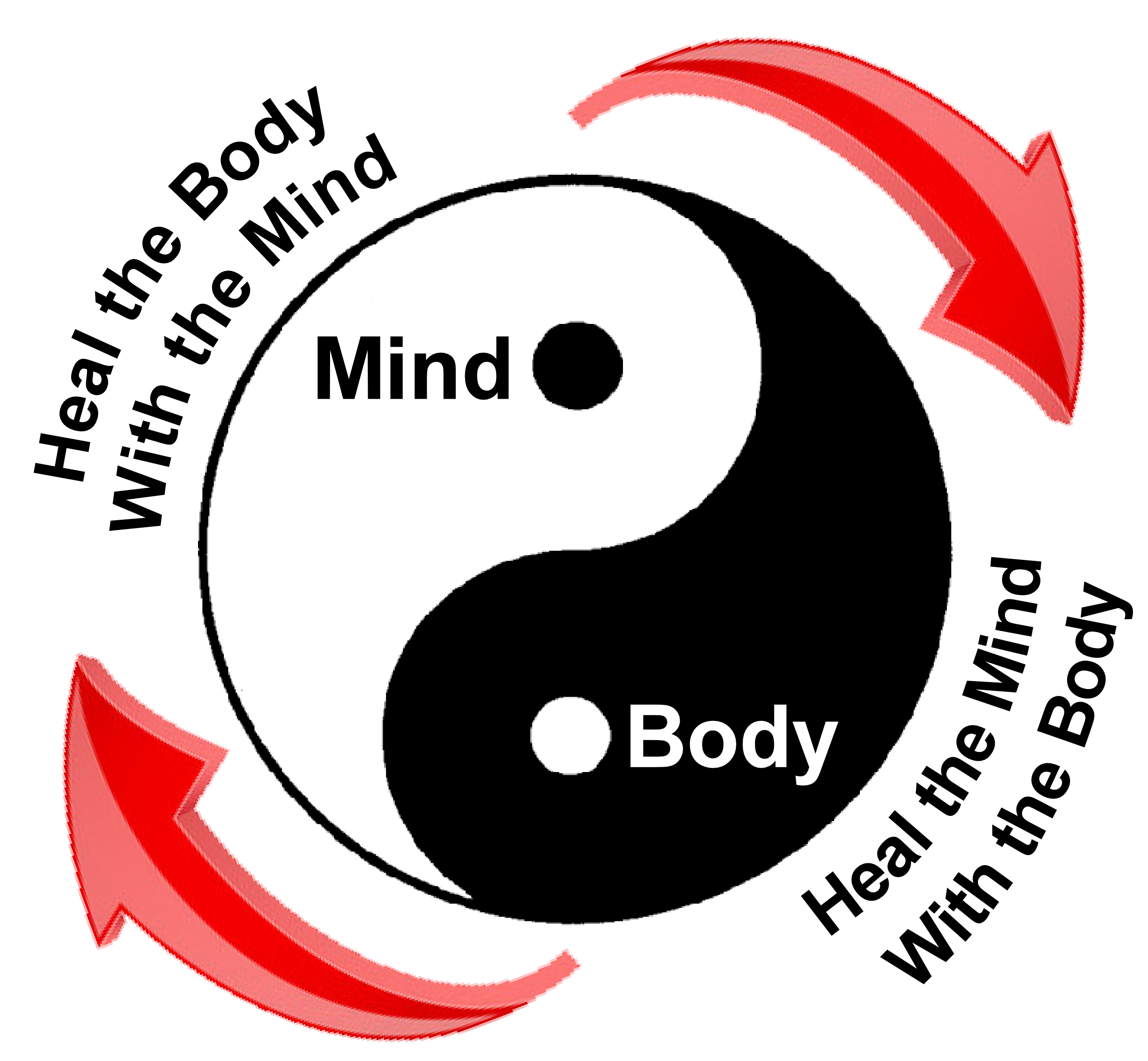
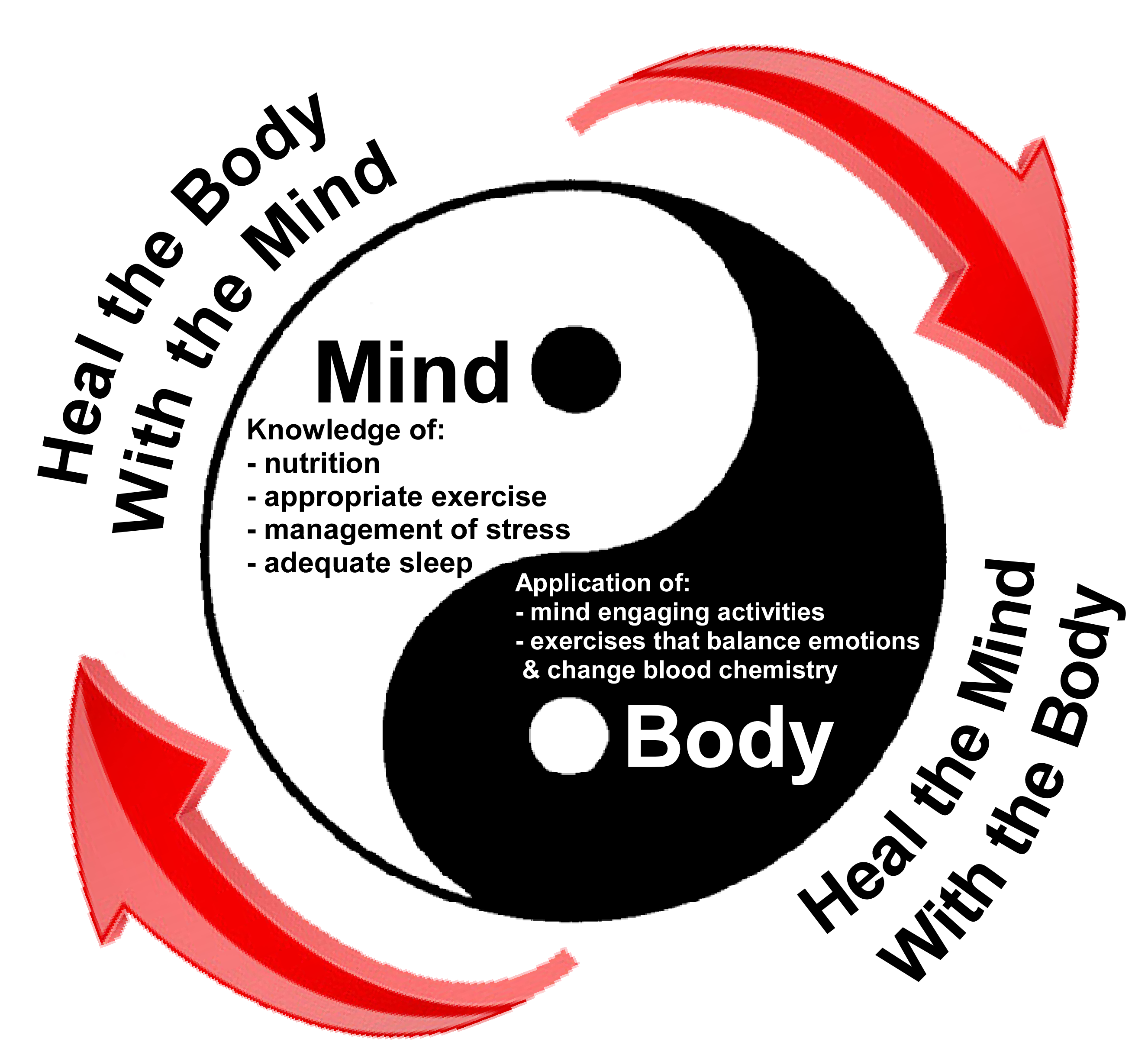
Mind and body – most agree that our mind and body are important and there exists a balance and harmony between the two. Just because someone can repeat the words of “mind and body” does not necessarily mean they have an understanding of this relationship. How do we achieve this beyond just the mere words of “mind” and “body?’ We need to actually use our mind to manage and regulate not only our physical bodies but our thoughts and relative emotions. We need to truly engage our physical body in movement, physical activities and exercises in order to engage our cognitive brain functions. This is how we can link the mind and body together to achieve higher levels of both self-awareness, mental and physical health as well. Self-cultivation is not free in any sense of this understanding. This takes time, effort and often sacrifice of other things we deem as important.
It is usually much easier to train our body, than it is to train our minds. By becoming aware of our body positions, alignments and movements, we train our minds by using our bodies. When we position our toes, our knees, the hips, the spine, the shoulders, and especially our breathing rhythm, we are disciplining our body into correct alignments that manifest into muscle and bone strength, increased blood and energy circulation and most specifically the change in the hormones within the blood chemistry that not only regulates organ function, but balances out emotional ups and downs.
We can use the knowledge within our thoughts to help to heal our damaged body. Knowledge such as nutrition, appropriate exercise, management of sleep and healthy social relationships. So why is is such as stretch to consider that our body holds the keys to managing mental ailments linked to emotions of anxiety, depression, anger, grief and others?
I write often about topics that affect our health and well-being. Additionally, I teach and offer lecture about qigong, tai chi, baguazhang, and yoga. I also have hundreds of FREE education video classes, lectures and seminars available on my YouTube channel at:
We have probably all meet people who when walking into a room, drain the energy of all in their company. Or conversely, the person who comes in and brings up everyone energy and puts a smile on everyone’s’ face. Yin and yang in all things!
Perform a bit of self-reflection. When you walk into a room, do you bring in your positive energy and personality that can lift others up?
Energy Sun
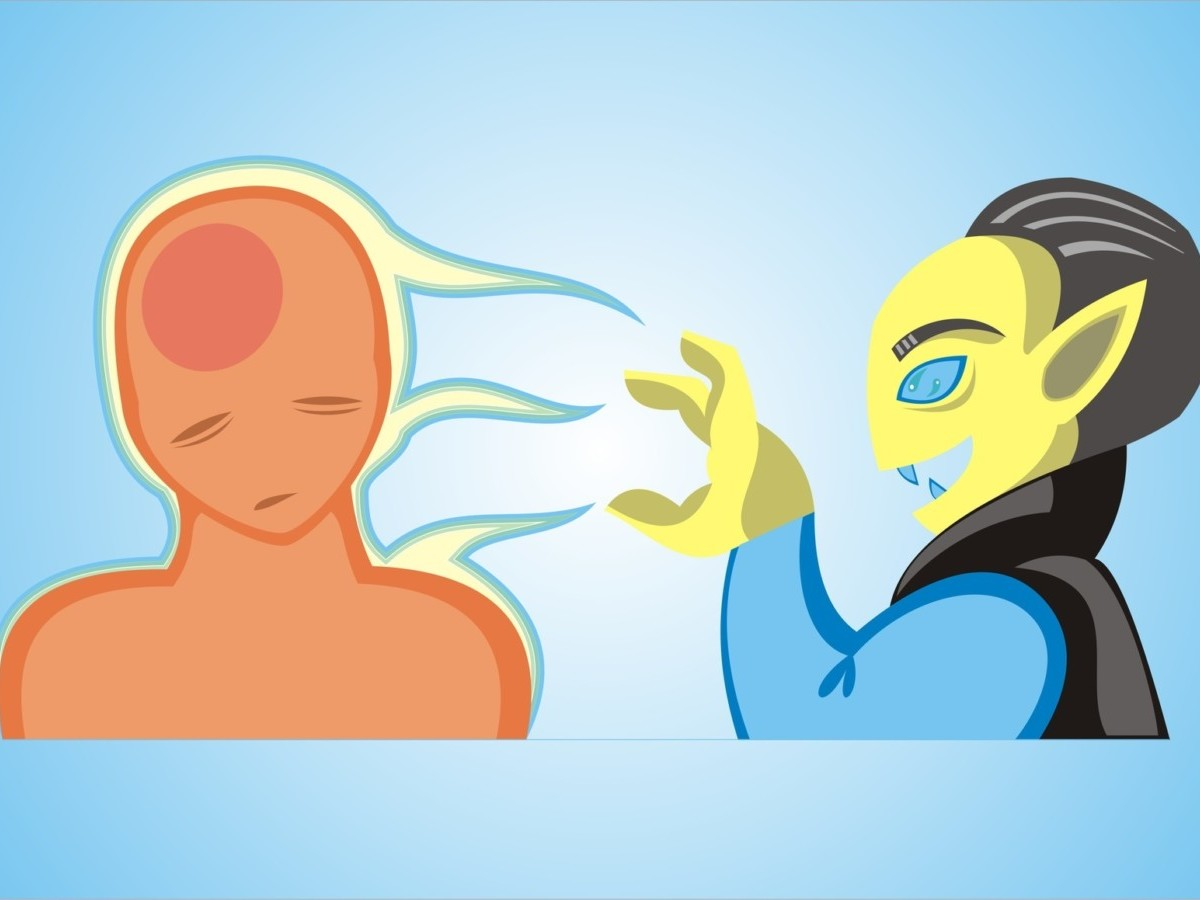
Or do you do the exact opposite by bringing everyone down with your negativity and pessimism?
Energy Vampire
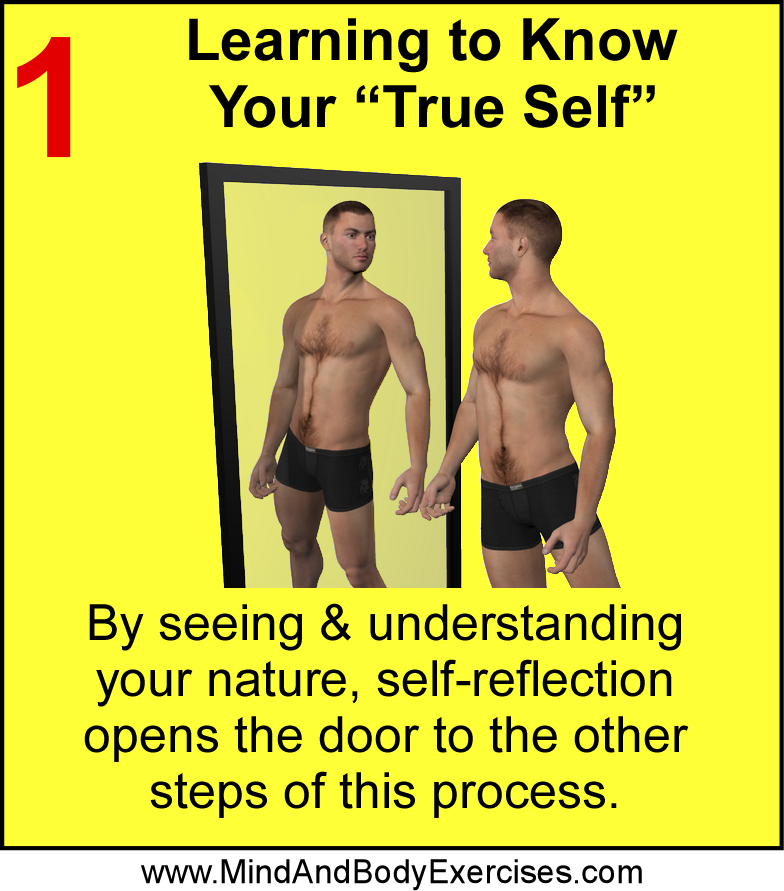
None of us are perfect, but should be doing our best to bring more optimism, compassion and empathy into the world? So many people claim to want to change and/or save the world, when they can’t even change themselves for the better. Make your own bed. Check your own backyard. Clean your own house, before you pontificate about others should or shouldn’t do. This is how we can make the world a better place. Start in your own home, looking in your own mirror.
Be well, become healthy, be wise.
I write often about topics that affect our health and well-being. Additionally, I teach and offer lecture about qigong, tai chi, baguazhang, and yoga. I also have hundreds of FREE education video classes, lectures and seminars available on my YouTube channel at:
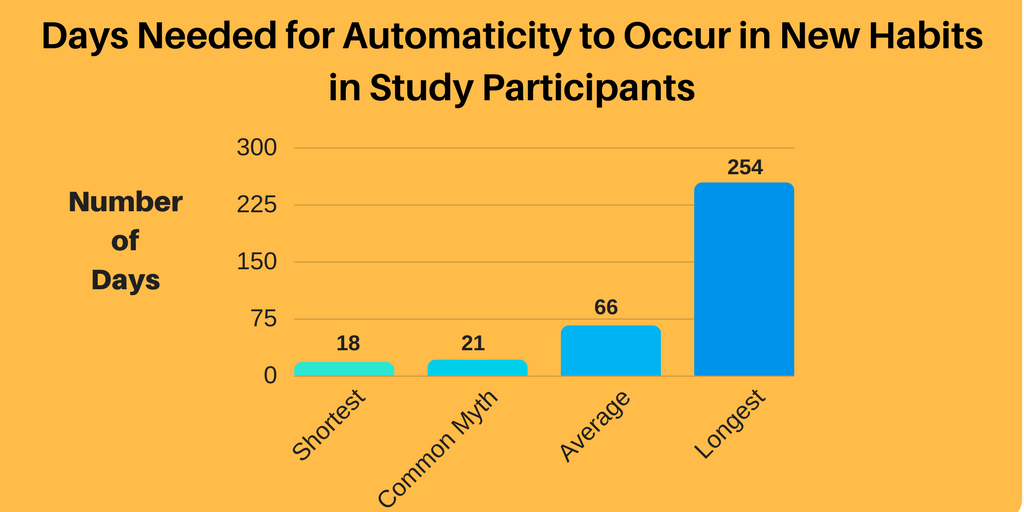
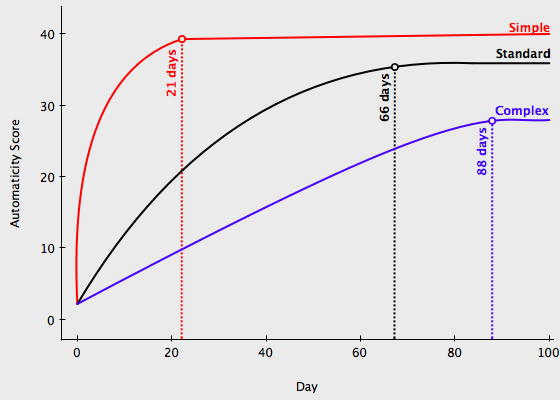
Our personal happiness has very much to do with having good health, adequate nutrition, positive social interactions, and other resources often not that of wealth, fame, or celebrity. Happiness comes from within an individual, as an inner state of awareness. We can cultivate our happiness. One way is to form a habit to practice deliberate mental exercises. Simple behavior tasks can take about 21 days of repletion to become a habit, whereas more complex or difficult behavior adjustments may take 66-88 days to master, depending upon the individual and their particular circumstances (Morris, 2022).
This first practice helps us to focus on what is most important in our life. Focus on your maximum net worth, what is most valuable to you – the people in your life, your health and well-being. When you are feeling depressed and your self-esteem is low, think of the people who care about you. This can help bring you back to place where your happiness comes from within and those around you. If you don’t have many or anyone in your life that you feel care about you, realize that you exist by means of something greater than you or anyone around or not around you. What do you think about upon waking up from your sleep? How long does it take for your mind to begin to wander after you wake up? How long do you allow your mind to wander before focusing in on what you need to do in order to get your day started. Now, try this exercise first thing when you wake up before even getting out of your bed. Think about five people in your life that you are grateful for. Lay with your eyes closed while performing this practice. Focus upon the first person in your life you want to be grateful for. Contemplate the various ways this person has impacted your life. Send your silent gratitude to this person. Then focus on a second person. Look deep into this person’s eyes and see the color of their irises. Then send this person your silent gratitude. Now focus upon a third person. Try to see your first memory of this person and then send your silent gratitude to them. Onto the fourth person and see this individual as being very content and joyful wherever that person is at right now. Send them your silent gratitude. Try to think back to a time when you were in grade school and try to see yourself as you were at that time. Draw from your memory of how you looked, the clothes you wore, the things that made you happy. Now send silent gratitude to your younger self. Finally, think about someone close to you who has passed away. See yourself embracing this individual and sending them your love. Send your silent gratitude to this individual. Open your eyes when you feel you are complete and satisfied. If you need a reminder to do this practice, take a Post-It note and write “gratitude” on it and place it to your bathroom mirror. Upon waking up, if you forget this exercise, you will eventually find yourself in the bathroom. See your Post-It reminder and go back to bed and start over. This is how you can make it a habit.
A second deliberate mental practice is to treat your loved ones as if you have not seen them for days. The saying of “familiarity breeds contempt” is directly relative to becoming so comfortable with one’s family, that they become bored and begin to look for faults and imperfections, in one another. For at least the first few minutes of encountering your loved ones, treat them with the same novelty that you would, if you were reunited a family member or friend that you have not seen in years – but do this on a daily basis. Become genuinely interested in what is of interest to them, while finding praise, rather than trying to judge or improve somebody’s shortcomings.
The third practice takes literally a few seconds. Look at the world in a way we want the world to look at us. When we meet a stranger, an acquaintance, a co-worker, a service provider, a doctor, a police officer, etc. and we look at one another, in an instant we choose whether to engage with them or not. Is this person trustworthy? Can I trust them with my safety, my health, my family, my house? We develop a judgmental awareness where we begin to make internal judgments about this person’s appearance and character. It takes a mere 30 milliseconds for us to decide if someone is trustworthy or not. 30 milliseconds, before we even begin to know who this person is. However, we all have so much in common in the way of having the same neural predispositions.
We all spend a lot of time with our minds wandering.
We all tend to focus on threats and imperfections.
We all carry negativity bias.
We all try to adapt to be positive.
When we see people and before our mind begins to judge others, try for the first few seconds, to embrace your heart with theirs and send them a silent “I wish you well.” “I wish hope upon you.” “I wish you healing and happiness.” This is how we can improve our world by silently wishing each other well. We don’t need to say it aloud but rather say internally as our private intention. What transpires is that our whole engagement with the world changes. Our threat perception goes down. Let’s not be naive and assume that everyone we encounter is free of executing violence and malfeasance towards others. Start in a time and location where it feels safe.
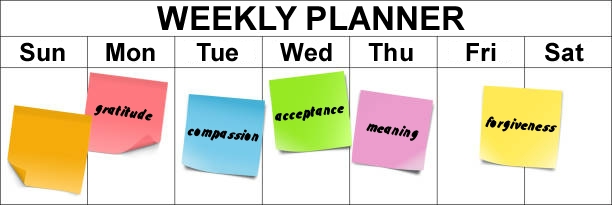
Once our attention is in our own control, we can take on the fourth practice where we re-frame life’s challenges into higher principles. The five principles of:
gratitude
compassion
acceptance
meaning
forgiveness
Take each day of the week and attach a theme to focus upon suing these principles.
Monday is the day for gratitude or what came before us and what will come after us.
Tuesday is the day for compassion and to be kind to others.
Wednesday is the day for acceptance. Will issues today really matter years from now?
Thursday is the day for seeking higher meaning and purpose.
Friday is the day for forgiveness; not necessarily to forget but to forgive and let go.
This is what we and our children need, to be grateful, to be compassionate, to be accepting, to live our life with meaning and have forgiveness, and by doing so we can create a better world for all of us and future generations.
I teach classes, seminars, and private instruction focusing on methods of wellness from Traditional Chinese Medicine, Tai Chi, Qigong, acupressure and exercises from martial arts for fitness and improved health. 407-234-0119.
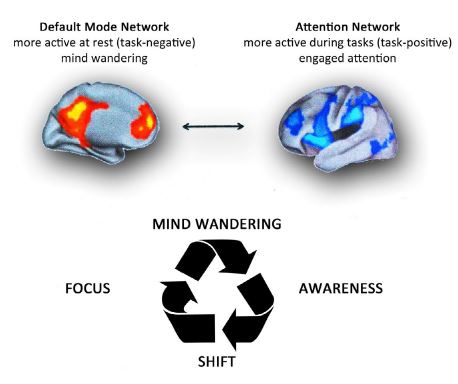
The human brain functions as an expansive network of roughly 86 to 90 billion neurons. This network contains two distinct modes of the awake brain, to engage in thought processes. The first mode of the brain is the task positive network (TPN) or focused mode (Dal Lin et al., 2015). Focused mode is engaged when we are actively paying attention, in the present moment, or concentrating upon tasks using short-term memory, as the brain processes information deemed as very important, interesting, or even sometimes dangerous. For example, if you are engaged in an interesting movie, you may not notice time passing by because your thoughts are focused on what is happening in the movie. If one’s life was to be threatened by a venomous snake, they might become extremely focused upon not moving too quickly, while also keeping their focus on the movement of that snake. Playing a musical instrument, riding a bike, taking a test, or using a knife while cooking are other examples of using this first mode of the brain – focused mode. We often enjoying being in this mode, in spite of not spending the majority of our time here. However, too much time in focus mode left unchecked, can often lead to stress and relative psychological and physiological disorders.
Lin, Carlo & Poretto, Anna & Scodro, Marta & Marra, Martina & Iliceto, Sabino & Tona, Francesco. (2015). Coronary microvascular and endothelial function regulation: Crossroads of psychoneuroendocrine immunitary signals and quantum physics [Part C]. Journal of Integrative Cardiology. 1. 10.15761/JIC.1000137.
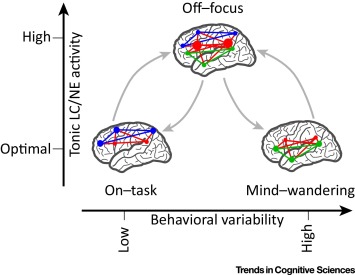
The second mode of the brain is called the default mode network (DMN), the turbid mind or sometimes it is referred to as the “monkey mind”. In this mode we occupy 50-80 percent of our time with this wandering attention, juggling about 150 undone tasks at any particular time. When we perform mundane tasks, such as getting dressed, taking a shower, brushing our teeth, driving to work, or maybe jogging around the block, our mind is often wandering elsewhere. Our brain is not really focusing much on the physical task at hand but rather thinking of other issues or events elsewhere. We sometimes refer to this as multitasking. Our mind is constantly wandering in and out of the past, present, and future. Becoming and staying focused on specific tasks is a large challenge for the human brain.
Humans have a neural predisposition for our mind to wander. Research studies have shown that the more time we spend in the default mode of wandering thoughts, the greater our risk of psychological disorders such as depression, anxiety, attention deficiency, dementia, and many others. We constantly toggle between the wandering and focus modes all day long. A major challenge for us, is not to focus solely on negative aspects. We have a tendency to get complacent with the positive aspects within our lives, and then start to focus on more negative thoughts (negativity bias) of safety, survival and imperfections in ourselves and those around us. If we are mainly focused upon negative thoughts, our brain will continue to evolve mostly around these as a means to bring us peace, comfort, and happiness, in spite of being rooted in stressful thoughts. However, we can deliberately control our mind-wandering. When the brain utilizes a particular neural network, it can become stronger. If we spend a certain amount of time practicing on focusing our thoughts on the present moment, this action may become a habit. People can change how they behave and how they think, as a method to decrease harmful mind-wandering. In the clinical setting, this is called cognitive behavioral therapy and can be quite helpful for managing anxiety, depression, and other disorders.
Our personal happiness has very much to do with having good health, adequate nutrition, positive social interactions, and other resources often not that of wealth, fame, or celebrity. Happiness comes from within an individual, as an inner state of awareness. We can cultivate our happiness. One way is to form a habit to practice deliberate mental exercises. Simple behavior tasks can take about 21 days of repletion to become a habit, whereas more complex or difficult behavior adjustments may take 66-88 days to master, depending upon the individual and their particular circumstances (Morris, 2022).
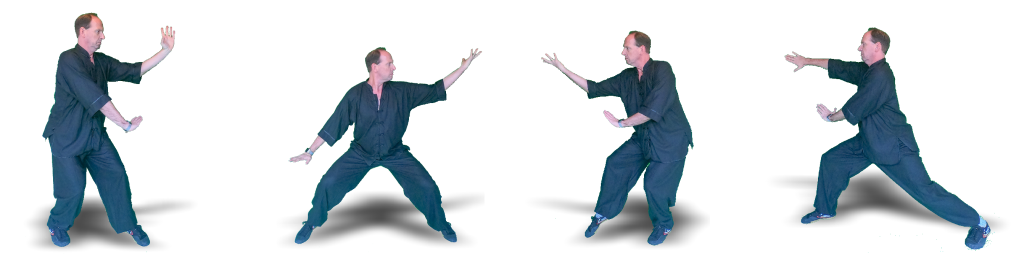
Tai chi, qigong and yoga are all methods that specifically focus upon mindfulness and the switching from the default network mode (DNM) to that of the task positive (focused) mode.
References:
Dal Lin, C., Poretto, A., Scodro, M., Perazzolo Marra, M., Iliceto, S., & Tona, F. (2015). Coronary microvascular and endothelial function regulation: Crossroads of psychoneuroendocrine immunitary signals and quantum physics [Part C]. Journal of Integrative Cardiology, 1(5). https://doi.org/10.15761/jic.1000137
I write often about topics that affect our health and well-being. Additionally, I teach and offer lecture about qigong, tai chi, baguazhang, and yoga. I also have hundreds of FREE education video classes, lectures and seminars available on my YouTube channel at:






 United Martial Arts Association