Kung – Mudo – Budo

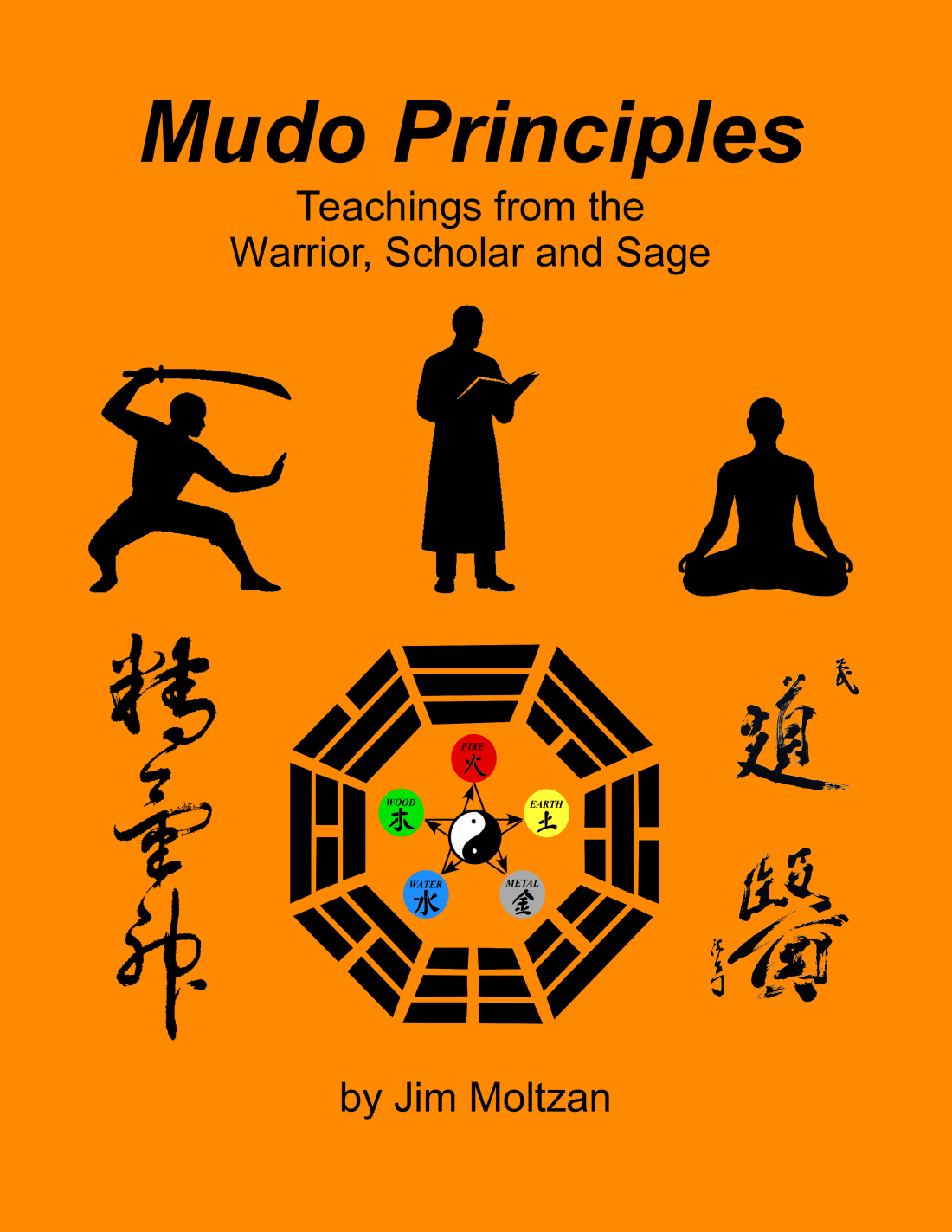
Three Martial Worlds, One Shared Philosophy

Across East Asia, the martial arts are far more than systems of combat. In their deepest form, they are paths of personal transformation that unify physical skill, mental discipline, and moral responsibility. While each culture frames this idea differently, the underlying message is consistent: mastery of technique is inseparable from mastery of self.

In China, this idea finds expression in the concept of Kung (功), the refined skill and capability gained through sustained effort, whether in martial arts or any other discipline. Kung is not simply physical power; it is the culmination of patient, deliberate cultivation of mind and body over years or decades.

In Korea, the term Mudo (무도), literally “The Martial Way,” places emphasis on the journey of training. It describes a life lived according to the values and discipline of martial practice, with skill as the natural outcome of a moral and dedicated path.

In Japan, Budo (武道), also “The Martial Way,” draws from Bushido, Zen, and Shinto traditions. It frames martial training as a lifelong spiritual and ethical endeavor, where combat proficiency is a vehicle for self-perfection and service to others.

While the terminology and historical contexts differ, Kung, Mudo, and Budo all hold to a shared truth: martial arts are not solely about defeating an opponent, but about shaping character, nurturing wisdom, and aligning one’s actions with a higher ethical standard.

Kung (功) in the Chinese Context

In Kung Fu: History, Philosophy and Technique, (Chow, 1978) Kung (功) refers to skill acquired through hard, disciplined effort, especially in the martial arts.

In this context, it’s about the internal and external mastery that results from persistent training, including moral discipline, mental focus, and physical conditioning.

While it’s rooted in Chinese martial culture, it’s not limited to combat; Kung can apply to any art or craft perfected over years of dedicated practice.

It emphasizes process and cultivation, not just end results.

Mudo (무도) in the Korean Context

Mudo literally means “Martial Way” (武道) — mu (무, 武) = martial/military; do (도, 道) = path/way.

It is a broader ethical and philosophical concept, referring to martial practice as a path of personal development, much like Budo in Japan.

Mudo includes:

  • Physical discipline (techniques, forms, application)
  • Moral integrity (using skill responsibly, respect for life)
  • Character development (patience, humility, perseverance)

In Korean martial traditions (Hapkido, Taekwondo, traditional sword arts), Mudo is both a lifestyle and a moral code.

Budo (武道) in the Japanese Context

Budo literally means “Martial Way” — bu (武) = martial/warrior; do (道) = path/way.

It represents the unification of martial training with moral character and spiritual refinement, drawing from the traditions of Bushido, Zen, and Shinto philosophy.

Budo includes:

  • Mastery of martial technique (kenjutsu, judo, aikido, kendo, karate, and others)
  • Ethical conduct (honor, integrity, respect for life)
  • Personal growth and self-discipline as lifelong endeavors

In Japanese tradition, budo is as much about cultivating the spirit and serving society as it is about combat skill. It treats martial practice as a lifelong path toward self-perfection.

Where They Overlap

Kung, Mudo, and Budo each frame martial arts as a lifelong practice that refines mind, body, and spirit.

All three require ethical restraint, or the principle that skill is to be used justly, never recklessly.

All three value internal development as much as technical proficiency, seeing martial arts as a vehicle for character formation as well as self-defense.

In practice, a master of Kung, a practitioner living by Mudo, and a devotee of Budo would share similar daily disciplines, values, and moral outlooks.

Key Differences

  • Kung emphasizes effort and skill mastery as the result of disciplined training.
  • Mudo emphasizes the path and philosophy as a journey of living according to martial ethics.
  • Budo emphasizes harmonizing martial skills with moral character as the way of the warrior in service to self and others.

Kung is what a practitioner has after years of training.
Mudo is how a practitioner lives while they train.
Budo is how a practitioner walks the path, using martial skill to perfect the self and serve a greater purpose.

The following chart explores the philosophical, linguistic, and cultural parallels between these three concepts, revealing their unique nuances and shared spirit.

Side-by-Side Cultural Comparison: Kung – Mudo – Budo

AspectKung (功, China)Mudo (무도, Korea)Budo (武道, Japan)
Literal MeaningAchievement/skill through effort; “work” or “merit”Martial Way (Mu = martial, Do = way/path)Martial Way (Bu = martial/warrior, Do = way/path)
Cultural RootChinese martial arts & philosophyKorean martial arts & Confucian/Buddhist/Taoist influenceJapanese martial arts & Zen/Shinto/Bushido influence
Core FocusMastery of skill through disciplined training; balance of internal (Yin) & external (Yang)Moral/ethical cultivation through martial practice; path of personal growthSelf-perfection, discipline, and moral living through martial training
ScopeCan apply beyond martial arts to any discipline mastered over timePrimarily martial arts but also a life philosophyPrimarily martial arts but with deep ethical, spiritual, and cultural elements
EmphasisThe result of sustained effort and cultivationThe journey of training and living ethicallyThe way of the warrior — combining martial skill with spiritual growth
Internal vs ExternalExplicit balance of Yin/soft/internal and Yang/hard/externalOften integrated, with emphasis on discipline and form as gateways to internal growthOften integrated, but with clear philosophical codification (e.g., Zen influence)
Ethical FoundationRooted in Taoist balance, Confucian ethics, and Shaolin moral disciplineRooted in Confucian ethics and Korean cultural valuesRooted in Bushido, Zen, and Shinto moral codes
Symbolic GoalHarmonizing mind, body, and spirit to achieve exceptional skill and moral integrityLiving the martial path as a means of becoming a better personWalking the martial path to embody honor, discipline, and self-control
Training ViewSkill as proof of effort; mastery is the culminationMartial art as a continuous personal journeyMartial art as a lifelong path to enlightenment and service

References:

“Kung Fu” in Chinese martial arts. (n.d.). Wikipedia. Retrieved from https://en.wikipedia.org/wiki/Chinese_martial_arts Wikipedia

Cynarski, W. J. (2022). New concepts of budo internalised as a philosophy of life. Philosophies (MDPI). MDPI

Japanese martial arts. (n.d.). Wikipedia. Retrieved from https://en.wikipedia.org/wiki/Japanese_martial_arts Wikipedia+1

Hirose, A. (2022). Budo (martial arts). mc craftsmanship. MASTER CRAFTSMANSHIP

Sasaki, T. (2008). Budo (the Martial Arts) as Japanese Culture – The outlook on the techniques and the outlook on the human being. ARCH BUDO. archbudo.com

Moenig, U., Kim, M., & Choi, H. M. (2023). Traditional martial arts versus martial sports: The philosophical and historical academic discourse. Revista de Artes Marciales Asiáticas (RAMA), 18(1), 41–58. ResearchGate

Holt, J. (2023). Physical philosophy: Martial arts as embodied wisdom. Philosophies (MDPI). MDPI

Holistic Health & Wellness Discussions

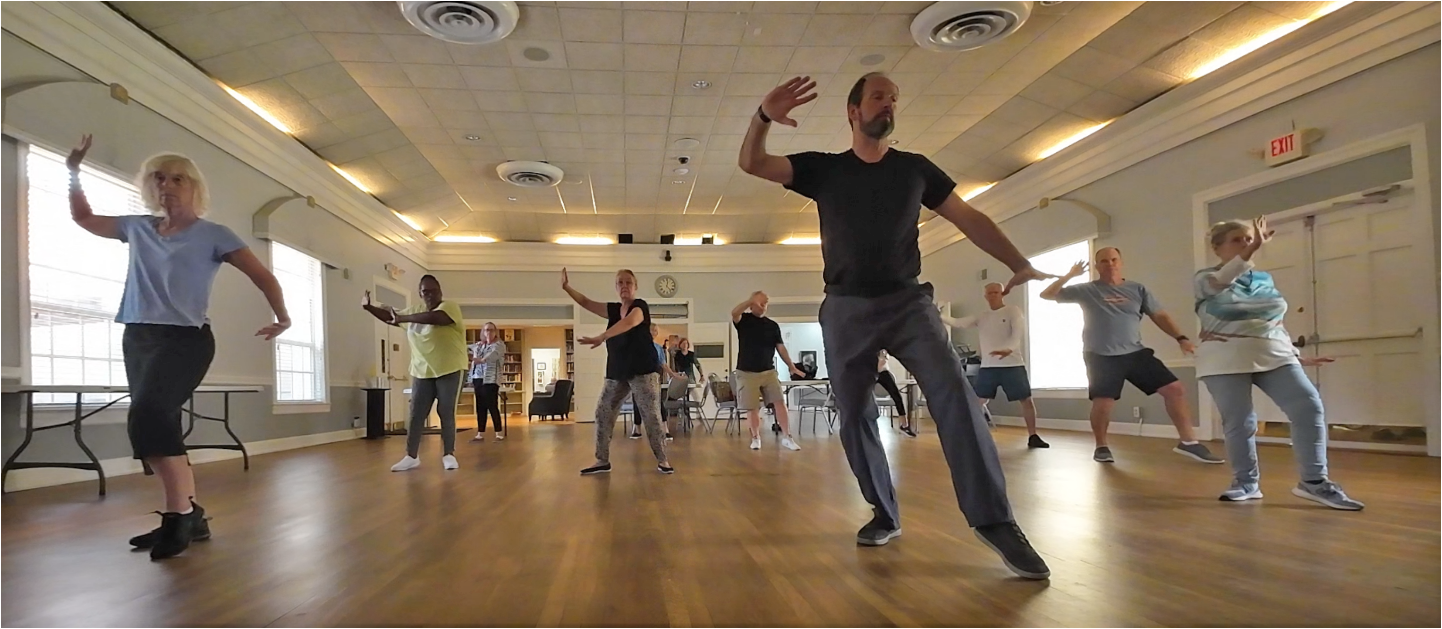
I have been learning, practicing and studying health and wellness for 45 years, teaching and sharing for 42 years. I feel that I have a lot to share that can benefit the mind, body & spirit. Watch my video of various venues that I have held holistic health discussions.

Contact me to discuss options for you, your business, your group, etc. Good health and wellness are a journey that doesn’t happen overnight. We will all experience some pain and suffering throughout our lives. Learn how to manage it before it comes it comes knocking at your door.

Jim Moltzan – 407-234-0119 or info@MindAndBodyExercises.com

The Dynamics of Kung

Essence, Training, and Mastery

Kung is the essential concentrated force, both mental and physical, that underlies all Chinese martial arts, particularly Kung Fu. It is not mere muscular power, but a highly focused and potent concentration of will, attention, and energy that amplifies every physical technique. Without Kung, even the most refined martial skills remain incomplete; with it, a practitioner achieves exceptional power, resilience, and mastery.

The information presented here is an overview of traditional Kung concepts and techniques as described in Kung Fu: History, Philosophy and Technique (Chow, 1978). While these methods are part of historical martial arts culture, they range from well-documented conditioning practices to legendary or symbolic feats.

Internal and External Kung

Kung manifests in two primary forms:

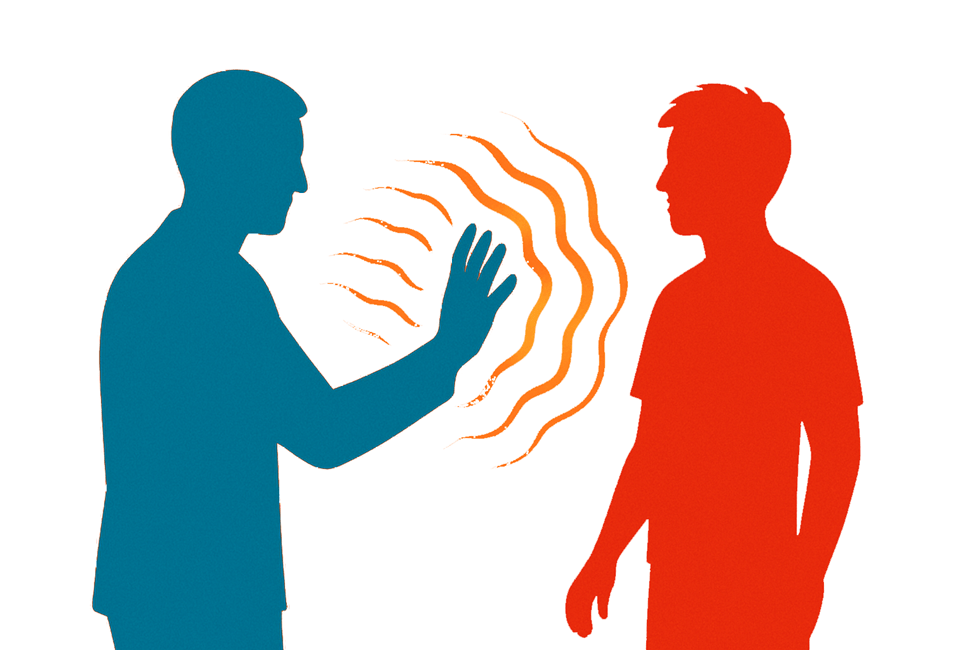
  • Internal Kung (Yin or Negative Kung) emphasizes the cultivation of Qi (ch’i, chi, ki, gi) the vital life-breath through breathing, meditation, and calm concentration. It often favors subtlety and passive defense, enabling the practitioner to mentally subdue an opponent without direct physical contact. Its effects may be invisible, yet profound.
  • External Kung (Yang or Positive Kung) focuses on physical strength and conditioning, with energy flowing outward through the body. It subdivides into Soft Kung (Yin) and Hard Kung (Yang):
    • Soft Kung is difficult to master, emphasizing invisibility, precision, and mental control, but is sometimes viewed with suspicion for its potential unethical use.
    • Hard Kung is overtly physical, conditioning muscles and nerves to withstand and counter heavy blows or weapon strikes.

A well-rounded martial artist seeks balance between these forms, harmonizing Yin and Yang according to Taoist principles.

Discipline and Moral Foundation

Kung is as much a moral and spiritual discipline as it is a physical one. Practitioners must adhere to behavioral and emotional codes designed to preserve vital energy and mental clarity:

  • Five Restrictions to avoid:
    • Frivolity
    • Conceit
    • Impatience
    • Negligence
    • Lasciviousness
  • Seven Detriments:
    • Fornication (energy depletion)
    • Anger (breathing harm)
    • Worry (mental numbness)
    • Over trust (emotional vulnerability)
    • Overdrinking (blood dilution)
    • Laziness (muscular weakness)
    • Tenseness (weak bones).

Violating these principles disrupts energy flow and undermines training. The Shaolin tradition stresses purification of spirit, breath regulation, and ethical conduct using Kung only for defense or just causes, never for malicious harm. Misuse inevitably leads to personal ruin.

Stages of Training

Mastery requires patience, persistence, and often decades of disciplined practice. Training typically progresses through:

  1. Skin and Muscle Stimulation – Vigorous rubbing to improve circulation and tone.
  2. Tendon Conditioning – Stretching and calisthenics to enhance elasticity and force transmission.
  3. Joint Strengthening – Weight training and impact drills for endurance and striking power.
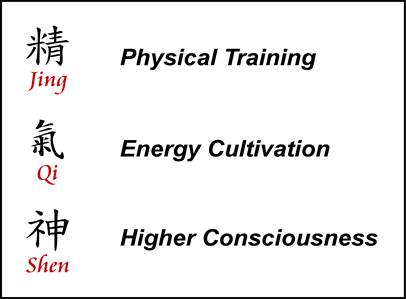
  4. Qi Development – Meditation and breath control to cultivate and store vital energy, directing it for specific purposes.

This gradual progression ensures the body and mind are prepared for advanced techniques without risk of injury.

Qi: The Power Source of Kung

Qi transforms raw physical ability into directed, dynamic force. Concentrating Qi in specific body parts creates specialized capabilities, such as an iron abdomen, immovable stance, or penetrating strike. Its development must be patient and natural; forcing the process is ineffective and potentially harmful. In rare cases, Qi manifests spontaneously in emergencies, hinting at latent human potential.

Extraordinary Kung Techniques

Through disciplined training, practitioners can achieve remarkable feats, some practical, others legendary in reputation. These include:

  • Red Sand Palm – Yin Kung capable of inflicting damage without physical contact, developed through progressive conditioning from fine sand to heavy objects.
  • One Finger Kung – Focused finger strikes that can move heavy objects or extinguish flames from a distance.
  • Dragon Claw Kung – Grip strength and joint control using progressive resistance, applied to immobilize opponents.
  • Water Dividing Kung – Palm and arm strength sufficient to part rigid bamboo poles.
  • Hing Kung (Lightness Kung) – Ability to move silently and lightly, even on fragile surfaces.
  • Speed Running Kung – Leg and eyesight conditioning for swift, sustained movement.
  • Leaping Kung – Explosive leg power built by jumping from progressively deeper trenches or with added weights.
  • Wall Climbing Kung – Vertical and horizontal wall movement using elbows and heels.
  • Tsien Yin Kung – Qi-based internal protection of vital areas.
  • Bag Kung – Abdominal conditioning to absorb and redirect strikes.
  • Iron Forearm Kung, Fist Kung, Sandbag Kung – Impact conditioning for devastating strikes and multi-angle attack defense.
  • Iron Broom Kung – Powerful sweeping kicks to fell opponents or break obstacles.
  • Jade Belt Kung – Crushing arm strength developed through tree hugging and stone lifting.
  • Head Kung – Progressive hardening of the skull for safe head strikes.

Many of these require 10–15 years of committed training and precise energy control to master.

Health, Longevity, and Mental Clarity

Beyond combat, Kung offers profound physical and mental benefits. Long-term practice strengthens circulation, tendons, joints, and immunity; enhances concentration and calmness; and may contribute to longevity. It is both a martial art and a holistic health system.

Modern Rarity and Preservation

In ancient times, Kung masters devoted decades to perfection, often beginning in childhood. Today, the demands of modern life, coupled with the secrecy of true training, make genuine mastery rare. Most authentic techniques are still transmitted privately to protect their integrity. Demonstrations by skilled masters, such as generating heat without contact, bending steel, or breaking stone, attest to the enduring power of these methods.

Anyone interested in studying these skills should understand that:

  • Authentic instruction is rare. Many of these methods require years of careful, incremental training under a knowledgeable teacher who understands both the physical and internal aspects.
  • Improper training can cause harm. Without correct supervision, certain conditioning practices can lead to serious injury, long-term health problems, or mental strain.
  • Ethics matter. True Kung training is rooted in discipline, self-control, and moral conduct. Any instruction that promotes reckless aggression, neglects safety, or bypasses ethical principles should be avoided.
  • Due diligence is essential. Seek a reputable teacher with verifiable lineage, recognized skill, and a proven track record of developing students safely. Research the school’s philosophy, teaching methods, and student experiences before committing.
  • Respect your limits. Not every method is appropriate for every individual. Health conditions, age, and personal goals should all factor into how one approaches training.

Approaching Kung with patience, humility, and discernment will help ensure that the art becomes a source of growth and empowerment, not injury or disillusionment.

Conclusion

The Dynamics of Kung reveal that true Kung Fu mastery transcends physical fighting skill. It is a lifelong path of self-cultivation, uniting body, mind, and spirit through disciplined practice, ethical conduct, and the harmonious balance of internal and external forces. The extraordinary abilities it promises—whether practical, legendary, or symbolic—stand as testimony to the heights of human potential when effort, patience, and moral purpose are perfectly aligned.

Reference:

Chow, D., & Spangler, R. (1978). Kung Fu: history, philosophy and techniques. Lulu.com. https://archive.org/details/kungfuhistoryphi0000chow

“Do-chi” and Delusion

A Cross-Cultural and Linguistic Analysis

Language encodes cultural experience, shaping the ways in which human emotion, perception, and cognition are described and interpreted. The Korean term do-chi or dochwi offers a compelling example of how metaphorical language conveys emotional states. Typically translated as “intoxication” or “to be drunk on,” the word describes a form of deep emotional or aesthetic absorption. In contrast, the English term delusion signifies a fixed, pathological belief that diverges from reality and resists correction (American Psychiatric Association [APA], 2013). Though both terms involve altered perception, they represent profoundly different cultural and psychological concepts. This essay explores the meaning of do-chi, contrasts it with the clinical construct of delusion, and considers their nuanced intersection in terms of distorted perception.

The Korean Concept of Do-chi

The term Do-chi derives from Sino-Korean roots: to, meaning pottery or transformation, and chwi, meaning intoxication. Its metaphorical sense emphasizes being “intoxicated” or “enraptured” by something positive, such as music, art, beauty, or triumph. In everyday Korean usage, one might hear “to be intoxicated by victory,” or “to be drunk on nature.” In both cases, the speaker describes an overwhelming emotional or sensory experience that elevates one’s state of being.

Importantly, do-chi is not regarded as pathological. Instead, it is often framed positively as immersion, joy, or aesthetic rapture. While the metaphor of intoxication implies a temporary loosening of rational control, the concept remains firmly grounded in human experience and emotional expression. Korean poetry and literature frequently employ do-chi to describe states of heightened awareness, creativity, or transcendence. Thus, the term embodies a culturally sanctioned and even celebrated condition of altered perception.

The English Concept of Delusion

By contrast, delusion is a term situated within psychiatry and clinical psychology. According to the Diagnostic and Statistical Manual of Mental Disorders (DSM-5), a delusion is defined as a “fixed belief that is not amenable to change in light of conflicting evidence” (2013, p. 87). Classical psychiatrist Karl Jaspers (1963) emphasized three criteria for delusions: (1) absolute certainty, (2) incorrigibility, and (3) falsity. Unlike do-chi, which describes temporary and often beneficial immersion, delusions are pathological, interfering with functioning and perception of reality.

Delusions occur across a spectrum of psychiatric disorders, including schizophrenia, delusional disorders, and mood disorders with psychotic features (Freeman, 2007). They can take many forms, such as persecutory delusions (“I am being watched”), grandiose delusions (“I am a prophet”), or somatic delusions (“My organs are rotting”). In every case, the defining element is a belief system disconnected from reality, impervious to logical refutation, and often impairing to social or occupational functioning.

Comparing Do-chi and Delusion

Although both do-chi and delusion involve altered states of perception, their similarities are superficial. Do-chi represents a metaphorical intoxication, a poetic description of being overwhelmed by positive effects. Delusion, in contrast, represents a clinical disorder of cognition, characterized by irrationality and resistance to evidence. The following table highlights these distinctions:

FeatureDo-chiDelusion
NatureMetaphorical, emotional intoxicationClinical, pathological false belief
Relation to realityGrounded in heightened but real experiencesDetached from reality, impervious to logic
DurationTemporary, situationalPersistent, often chronic
ValencePositive, celebratory, aestheticNegative, impairing, or distressing
Cultural contextPoetic, every day, literaryMedical, psychiatric, diagnostic

This comparison underscores the cultural gap between the terms. In Korean, do-chi enriches emotional vocabulary by describing states of absorption that bring joy and meaning. In English, delusion restricts the term to pathology, connoting impairment and danger.

Points of Convergence: Distorted Perception

Despite their differences, both terms share a loose thematic connection: the alteration of normal perception. To be do-chi is to lose oneself in joy, art, or triumph, such that ordinary reality fades into the background. Similarly, delusion involves the loss of alignment with consensual reality, though in a maladaptive way. Both reflect the human susceptibility to experiences that reshape perception and cognition. The divergence lies in whether this alteration is culturally celebrated (do-chi) or clinically condemned (delusion).

Conclusion

I have personally known and participated in groups that could be perceived as immersed in their own version of do-chi, intoxicated by their ideals to the point of losing touch with reality. Within such circles, members often became tone-deaf not only to the experiences of those inside the group but also to the perspectives of the wider public. In some cases, these groups even sought to rewrite history, clinging to their own narratives as though they were unassailable truths (Hobsbawm & Ranger, 1983; Janis, 1982). Yet, just because a group collectively sustains a belief does not require others to accept it as fact, especially when credible evidence proves otherwise.

The Korean term do-chi and the English concept of delusion illuminate how language and culture frame altered states of perception. Do-chi signifies a positive, aesthetic intoxication, celebrated in literature and daily speech as evidence of deep human feelings. Delusion, by contrast, describes a psychiatric symptom of false, fixed beliefs that resist correction and impairs functioning. While both terms capture the human capacity to move beyond ordinary perception, their meanings diverge sharply in cultural value and psychological consequence. Understanding these differences underscores the importance of cultural and linguistic nuance in interpreting states of mind across traditions.

References:

American Psychiatric Association, DSM-5 Task Force. (2013). Diagnostic and statistical manual of mental disorders: DSM-5™ (5th ed.). American Psychiatric Publishing, Inc.. https://doi.org/10.1176/appi.books.9780890425596

Freeman, D. (2007). Suspicious minds: The psychology of persecutory delusions. Clinical Psychology Review, 27(4), 425–457. https://doi.org/10.1016/j.cpr.2006.10.004

Hobsbawm E, Ranger T, eds. The Invention of Tradition. Cambridge University Press; 2012.

Janis, I. L. (1982). Groupthink Psychological Studies of Policy Decisions and Fiascos. Boston Houghton Mifflin. – References – Scientific Research Publishing. (n.d.). https://www.scirp.org/reference/referencespapers?referenceid=2122583

Jaspers, K. (1963). General psychopathology (J. Hoenig & M. W. Hamilton, Trans.). University of Chicago Press. (Original work published 1913). https://archive.org/details/generalpsychopat0000unse/page/n7/mode/2up

National Institute of Korean Language (국립국어원). (n.d.). Korean-English Learners’ Dictionary. Retrieved from https://krdict.korean.go.kr/eng/

Beyond Critical Thinking: The True, Right, and Correct Framework

In an age dominated by speed, data, and polarization, the need for wise decision-making has never been greater. While traditional critical thinking focuses on logic and evidence, it often omits other dimensions of human understanding, such as authenticity, ethics, and contextual appropriateness. The “True, Right, Correct” framework expands critical thinking into a multidimensional model that integrates intellectual rigor with moral clarity and practical wisdom.

This model draws from philosophical reasoning, spiritual awareness, and functional discernment to offer a more holistic approach to evaluating choices, actions, and beliefs.

Expanding Critical Thinking: A Holistic Triad

Critical thinking is often defined as the ability to analyze, evaluate, and synthesize information in order to form reasoned judgments. It relies on logic, evidence, skepticism, and reasoning. However, while these tools are necessary, they are not always sufficient.

The “True, Right, Correct” framework offers a layered upgrade to conventional critical thinking:

AspectConventional Critical ThinkingTrue-Right-Correct Framework
LogicEssentialIntegrated within “Right”
EthicsOptional or minimalCentral under “True”
AuthenticityRarely addressedEssential under “True”
Intuition/ConscienceOften ignoredEmbraced within “True” and “Right”
Functional AptnessSometimes includedCore under “Correct”

Overview of the Two-lens Model

The framework is visualized as a Venn diagram with two intersecting circles and the portion that overlaps to form a third zone:

  • TRUE – Inner authenticity and alignment with reality
  • RIGHT – Moral integrity and ethical discernment
  • CORRECT – Balance of technical soundness and contextual precision

Where these two elements intersect is the “zone of wise action.”

1. TRUE: Alignment with Reality and Authenticity

  • Definition: What aligns with one’s inner values, lived experience, or observable truth
  • Includes: Self-awareness, factual clarity, personal integrity, intuitive knowing
  • Example: Expressing a difficult truth even when it’s unpopular

Critical Thinking Link: Encourages self-honesty and questions personal assumptions

Reflection Questions:

  • Am I being honest with myself and others?
  • Is this based on what is real or what is assumed?
  • Does this reflect my core values and lived experiences?

2. RIGHT: Moral and Ethical Discernment

  • Definition: What is just, compassionate, and beneficial from a moral perspective
  • Includes: Fairness, empathy, justice, long-term benefit to others
  • Example: Choosing not to exploit a legal loophole because it harms others

Critical Thinking Link: Adds an ethical filter to decisions that might otherwise be purely strategic

Reflection Questions:

  • Is this action fair and just?
  • Would I consider this acceptable if done to me?
  • Does this honor both the letter and spirit of the greater good?

3. CORRECT: The Balance of Functional Precision and Situational Appropriateness

  • Definition: What is technically accurate, logically coherent, and situationally effective
  • Includes: Evidence-based reasoning, timing, execution, contextual fit
  • Example: Using the correct communication method for sensitive feedback

Critical Thinking Link: Embeds the core tools of analysis, logic, and evidence evaluation

Reflection Questions:

  • Is this the best balance between true and right, that can serve the most involved?
  • Is this method sound and supported by facts?
  • Am I choosing the most effective way to act or express this?
  • Is it appropriate for this time, place, and audience?

Applications in Teaching and Practice This framework serves as a compass for ethical leadership, personal reflection, and integrative education:

  • In classrooms: Pairing logic with ethics and introspection
  • In leadership: Building trust through aligned, values-driven decisions
  • In personal growth: Assessing decisions using a whole-self model
  • In debate and conflict: Seeking understanding through multiple lenses

Teaching Module Activities

  1. Case Study Analysis – Analyze real-world dilemmas from all three perspectives
  2. Personal Journaling – Reflect on a difficult decision using the lens of true, right, and correct
  3. Group Debates – Discuss how outcomes shift when one element is missing
  4. Visual Mapping – Place actions on a Venn diagram to assess alignment

Conclusion The “True, Right, Correct” framework expands critical thinking into a richer, more human-centered process. It challenges individuals not just to think better, but to live and act more wisely through authenticity, ethical clarity, and contextual intelligence. In doing so, it reclaims critical thinking not only as a cognitive skill, but as a moral and spiritual practice.