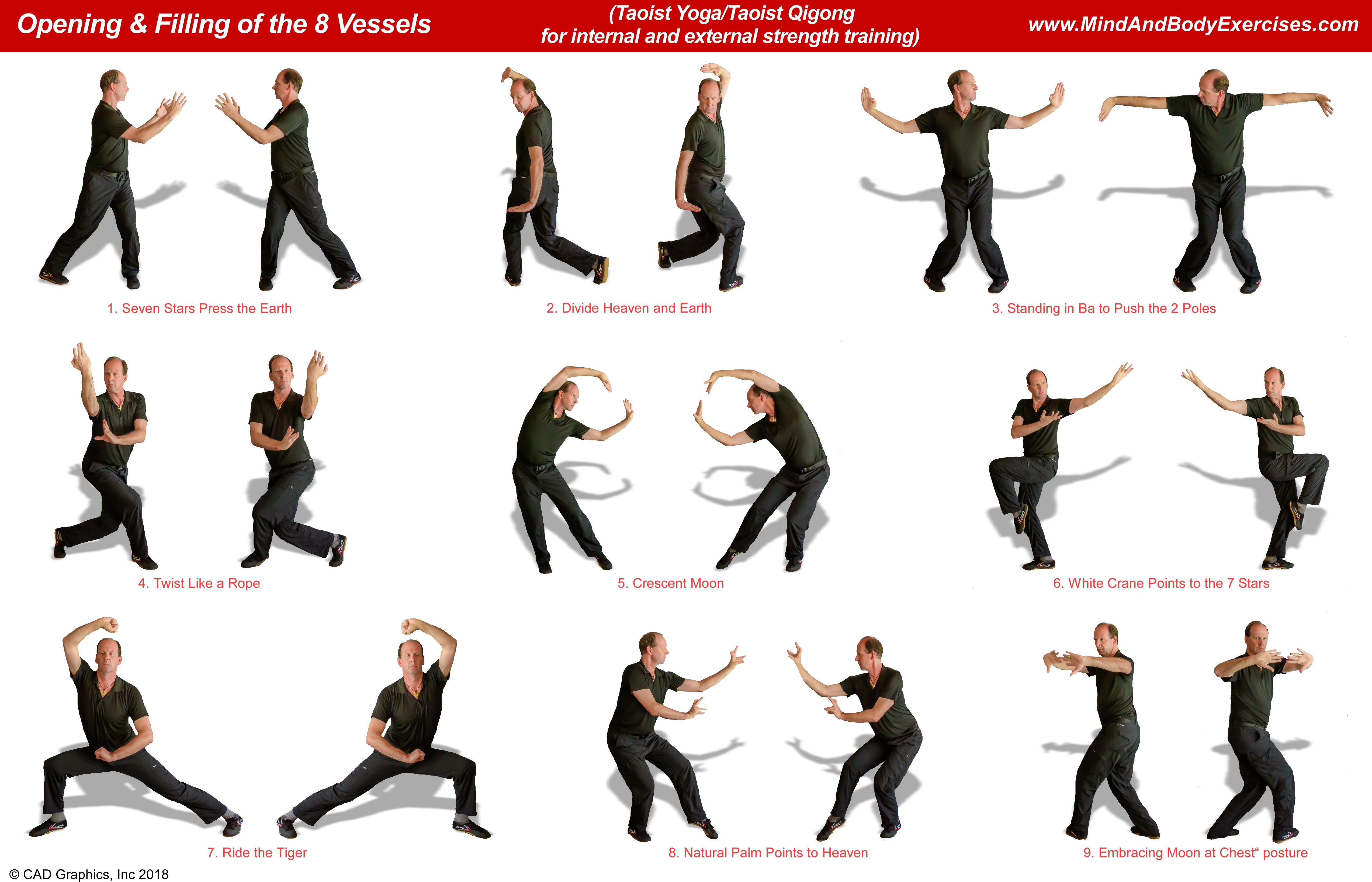
The concept of “Man divides Heaven and Earth” is a fundamental idea in Chinese philosophy, particularly in Daoism and Confucian thought. It relates to the idea that humanity serves as a bridge between Heaven (天, Tiān) and Earth (地, Dì)—two fundamental cosmic forces.
Key Aspects of the Concept:
The Triad of Heaven, Earth, and Man
Heaven represents the formless, the celestial, the spiritual, and the governing natural laws.
Earth represents the material, the manifested, the physical world, and stability.
Man is the mediator, possessing both spiritual (Heaven) and physical (Earth) aspects.
Humans impose order, create divisions, and establish structures to align with the Dao.
Humanity as the Harmonizer
Humans have the unique ability to observe natural rhythms (from Heaven) and adapt them to earthly existence.
Through philosophy, morality, and governance, humans bring order, such as dividing time into calendars, measuring space, and establishing social structures.
Yin-Yang and Five Elements Influence
This idea ties into yin-yang theory because man, in the middle, balances opposing forces.
It also aligns with the Five Elements (or Phases) (Wu Xing) since humans categorize and interact with nature based on these elemental relationships.
Practical Applications
In Confucianism, it applies to ethics, social roles, and proper conduct.
In Daoism, it relates to aligning human actions with the Dao and achieving balance.
In traditional Chinese medicine (TCM), it explains the body’s role as a microcosm of the universe.
I look forward to further sharing more of my message by partnering with hospitals, wellness centers, VA centers, schools on all levels, businesses, and individuals who see the value in building a stronger nation through building a healthier population.
I also have hundreds of FREE education video classes, lectures, and seminars available on my YouTube channel at:
Blindfolded Discipline: When Devotion Becomes Exploitative is more than a personal story. It is a case study in resilience, moral clarity, and the capacity for self-reinvention after prolonged exposure to a high-control environment. For two decades, I navigated the intricate and often coercive dynamics of an insular martial arts organization, balancing loyalty, ambition, and self-doubt. Through personal transformation, I emerged not as a victim, but as a self-aware survivor who redefined mastery on my own terms.
From a psychological standpoint, this journey reveals the subtle mechanisms of indoctrination. From incremental increases in commitment to the blurring of personal boundaries, and the complex interplay of group identity, authority, and self-concept. It also shows how two people can share the same environment yet walk away with vastly different interpretations, shaped by personal values, resilience, and readiness for change.
Drawing on over 45 years of experience, including two decades immersed in a closed, hierarchical group and 25 years exploring more open martial arts communities, I offer an unflinching look at the signs of control and the steps we can take to reclaim our autonomy. My insights are grounded in formal study in holistic health, interviews with high-level practitioners across styles, and extensive research into psychology and group dynamics.
This book is both a cautionary tale and a guide to recognizing unhealthy environments, fostering integrity, and building communities that nurture true growth. What makes this journey powerful is its balance between self-accountability and systemic critique. I openly acknowledge the personal choices that kept me in the group while also dissecting the structures that perpetuated control. This blend of honesty and analysis makes the story relatable to anyone who has wrestled with loyalty, ambition, or the fear of leaving a close-knit, high-control, insular system.
Ultimately, Blindfolded Discipline is about transformation, not just leaving a harmful environment, but building a life of integrity, autonomy, and purpose afterward. It offers valuable insights for anyone seeking to understand the psychology of high-control groups, the nature of commitment, and the process of reclaiming one’s own voice.
No Amount of Wealth, Status, or Celebrity Can Take the Place of a Neglected Mind and Body
In an age where wealth, fame, and social standing are glorified as the pinnacle of success, it is easy to forget that the most valuable assets we possess are not in our bank accounts or in our résumés. Rather they are the state of our minds and the vitality of our bodies. Material fortune and public recognition can buy influence, open doors, and offer fleeting pleasures, but they cannot reverse years of physical neglect or restore a mind dulled by stress, apathy, or overindulgence. The truth is simple: when the mind and body are compromised, the currency of wealth and the applause of the crowd lose their meaning.
The Illusion of Substitution
Society often promotes the illusion that money, influence, or fame can make up for a lack of health. We see celebrities celebrated despite visible physical decline, business leaders pushing themselves past the brink of exhaustion, and influencers curating glamorous online lives while privately battling anxiety, burnout, and chronic illness. This image of “success” hides a grim reality. No amount of financial or social power can purchase a new nervous system, undo the damage of decades of poor lifestyle habits, or replace the inner peace that comes from a well-cared-for mind.
Wealth can buy advanced medical treatment, but it cannot buy resilience built from consistent exercise, balanced nutrition, and quality rest. It can hire therapists and coaches, but it cannot magically instill mental clarity, discipline, or emotional stability in a person unwilling to nurture them. It can provide luxury and comfort, but it cannot offer the satisfaction of living in a body and mind that are strong, agile, and alert.
The Human Cost of Neglect
Neglect of the body often begins subtly. Skipped workouts, poor sleep, diets based on convenience rather than nutrition and other issues emerge as seemingly harmless lapses. Over time, this neglect compounds where muscles and bones weaken, cardiovascular endurance drops, weight accumulates, and chronic conditions take root. The body, once ignored, demands attention in ways that money alone cannot silence. Arthritis cannot be bribed. A failing heart cannot be impressed by prestige. The slow erosion of mobility and vitality spares no one.
Similarly, the neglected mind suffers in ways that wealth cannot mend. Without continuous learning, mental challenges, and emotional self-regulation, the mind becomes less adaptable. Stress becomes more overwhelming, decision-making more erratic, and creativity more stagnant. Intellectual and emotional atrophy often occur long before physical decline becomes visible, robbing life of richness and depth.
Real Wealth: Mind-Body Integrity
The most enduring form of success comes from balance: a mind that remains curious, clear, and resilient, and a body that can carry us through life’s challenges with strength and endurance. This integrity cannot be purchased, but rather it must be cultivated through daily choices. Physical exercise strengthens not just the body but also mental health, reducing anxiety and improving cognitive function. Mindful practices such as meditation, reflection, and deliberate learning sharpen awareness and emotional stability. Proper nutrition fuels both the brain and the muscles, enabling them to function at their best.
True prestige comes from being able to meet each day’s demands with clarity of thought, steadiness of emotion, and physical capability. A billionaire confined by illness envies the healthy freedom of someone who can walk without pain. A public figure struggling with depression or mental exhaustion would trade their followers for peace of mind. In the end, health is the foundation upon which all other forms of success are built.
Good Health is Wealth.
Lessons from History and Life
History offers countless examples of individuals whose material success could not shield them from the consequences of neglect. Famous industrialists, politicians, and entertainers have succumbed to preventable diseases, addictions, and burnout. Some reached the heights of their careers only to spend their later years consumed by medical treatments or emotional turmoil. On the other hand, there are those of modest means who lived into old age with vibrant energy and mental clarity, not because they had wealth or fame, but because they respected and maintained their inner and outer well-being.
Conclusion: The Non-Negotiable Priority
In the end, the message is clear: a neglected mind and body will undermine every other achievement. Wealth and status are fleeting. The body and mind are the constant companions that shape every moment of experience. Taking care of them is not an optional luxury. A strong and healthy mind, as well as physical body are the foundation for a life well-lived. The most successful person is not necessarily the one with the most accolades or the largest bank account, but the one who can wake each day with the energy to act, the clarity to think, and the inner peace to enjoy the journey.
No title, no fortune, no spotlight can take the place of that.
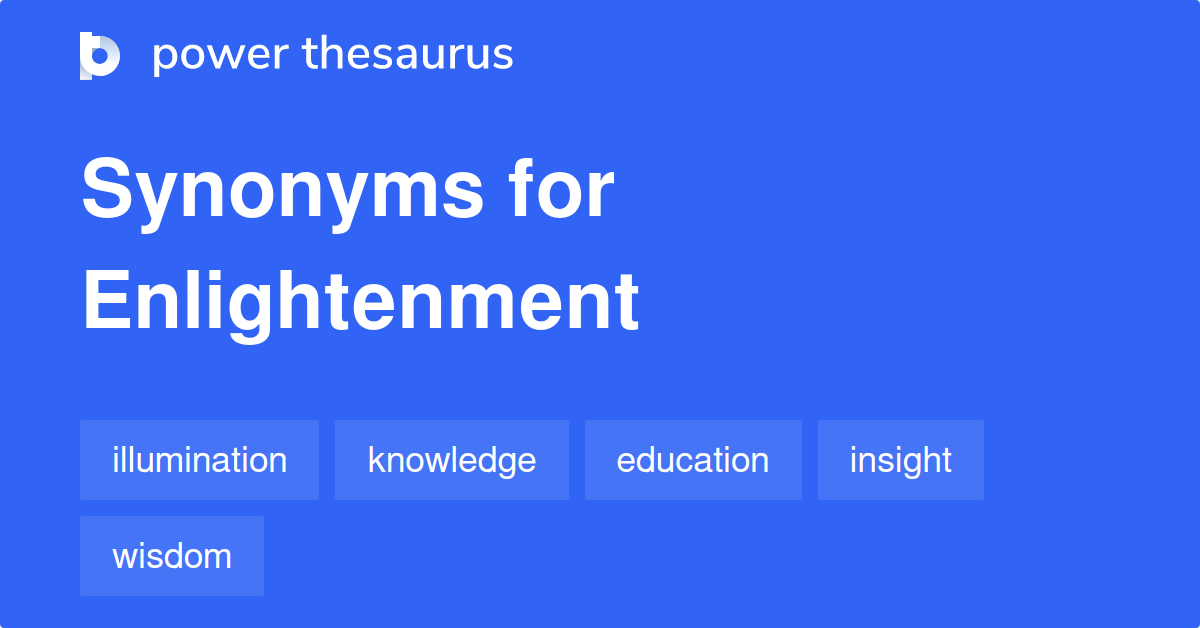
In my book, Spiritual Enlightenment Across Traditions: Teachings from the Lineage of the Warrior, Scholar and Sage, I share the insights I’ve gathered over more than four decades of walking a path that weaves together holistic health, martial arts, and spiritual philosophy. This work is both deeply personal and broadly comparative, a look at how different cultures and traditions have understood and lived the experience we call “enlightenment.”
Why I Wrote This Book
I’ve met many seekers, teachers, and wanderers on this road. I’ve seen genuine awakening and I’ve also seen premature or false claims of it. I wanted to write something that cuts through the noise, honoring the diversity of spiritual traditions while pointing to the shared essence they all reflect: a transformation beyond ego, a liberation from suffering, and a deepening of compassion.
What Enlightenment Means to Me
For me, enlightenment is not an abstract ideal. It is an intimate shift in how we see and engage with life. A moment when the boundaries of the self dissolve, and we know, not as an idea but as a direct experience, that we are inseparable from the whole. Buddhists call it emptiness; Christians call it union with God; Sufis call it the annihilation of self in the Divine; Hindus call it self-realization. These words may differ, but the lived reality they point to is strikingly similar.
Traveling Through Many Traditions
In this book, I explore enlightenment as it’s understood in:
Buddhism — from the discipline of Theravāda to the spontaneous recognition of Dzogchen to achieve nirvana.
Hinduism — devotion, self-inquiry, and the pursuit of liberation (moksha).
Christianity — theosis, spiritual marriage, and the mystics’ union with God.
Sufism — the journey through fanā’ into baqā’, dying to the ego and living in the Divine.
Judaism and other mystical traditions — where awakening is as much about ethical living as it is about inner vision.
I also reflect on contemporary teachers, such as Ramana Maharshi, Jiddu Krishnamurti, Eckhart Tolle, who frame enlightenment in ways that make sense in today’s secular, globalized world.
The Question of Authenticity
Over the years, I’ve learned that authentic awakening requires more than self-claim. In many traditions, enlightenment is confirmed through lineage, acknowledged by respected teachers, and recognized by a community, not only for mystical insight but for how a person lives. Humility, compassion, and ethical conduct are the truest signs. Without them, even the most dazzling “spiritual experiences” can be little more than ego in disguise.
Enlightenment in Daily Life
One of the most important lessons I’ve learned is that enlightenment isn’t about escaping the world. It’s about engaging with it more fully. Zen calls it “returning to the marketplace.” Hinduism calls it lokasangraha or working for the welfare of the world. In my own life, this has meant teaching, serving, and trying to embody what I have learned, not just in meditation halls, but in everyday interactions.
A Unique Practice: Chamsa Meditation
In my exploration, I also share Chamsa meditation, a Korean-Taoist practice that blends Taoist inner alchemy, Seon Buddhism, and Korean shamanic elements. It’s a stage-based method of self-inquiry that dissolves identity and returns awareness to its original, formless nature. To me, it’s a living example of how traditions can blend to create powerful paths to awakening.
Awakening as a Lifelong Journey
Some people think enlightenment is a single, dramatic moment. My experience and the testimony of many traditions says otherwise. Awakening deepens over time. Insight grows. Compassion expands. And presence becomes more natural. Even science is beginning to confirm this: neuroscience now observes brain changes in long-term meditators, hinting at a bridge between spiritual experience and measurable transformation.
An Invitation to Seekers
I wrote this book to serve as both a map and a mirror. It offers a map of the many authentic paths, and a mirror to help you see where you are on your own. My advice is simple:
Commit to your practice.
Seek authentic teachers and communities.
Be patient, as real transformation takes time.
Live your insights in the world, not just in private.
In the end, enlightenment is not about becoming something extraordinary. It’s about becoming fully human, being present, compassionate, and free in this very life, wherever you are. I believe it’s possible for anyone who walks the path with sincerity, discipline, and an open heart.
At its heart, The Path of Integrity is both a philosophical treatise and a psychological guide. A rare combination that bridges ancient wisdom traditions with contemporary understandings of human growth, resilience, and meaning-making.
From a psychological perspective, the manuscript reflects a humanistic foundation, echoing thinkers like Carl Rogers and Abraham Maslow in its focus on authenticity, self-knowledge, and the pursuit of a life aligned with core values. The text moves beyond prescriptive “self-help” to address the deeper internal architecture of the self in the mind, body, spirit, and relational being and how each must be cultivated in balance.
The book also engages with existential psychology, confronting questions of purpose, mortality, and moral responsibility. By drawing parallels between the “Path of Integrity” and the “Way of Dissonance,” it frames life as a series of choices that either bring us into alignment with our highest potential or lead us away from it. This dichotomy functions as a form of cognitive re-framing, helping readers see their daily decisions in a broader, values-driven context.
Importantly, the manuscript explores post-traumatic growth, not as an abstract theory but as a lived reality. It acknowledges that adversity, when met with awareness and intention, can deepen resilience, empathy, and wisdom. This theme is woven throughout personal reflections, martial philosophy, and spiritual principles to create a layered and authentic approach to transformation.
The emphasis on discipline, self-awareness, and service aligns closely with self-determination theory, which holds that autonomy, competence, and relatedness are essential to psychological well-being. The book’s integration of martial arts principles, such as inner guarding, patience, and strategic action, translates these abstract needs into concrete practices.
The style is psycho-educational, offering not only insight but also practical steps, from developing mental clarity and setting energetic boundaries to cultivating stillness as a tool for decision-making. This pedagogical approach makes it equally relevant to martial artists, spiritual seekers, and those navigating the complexities of modern life.
Psychologically, The Path of Integrity stands out because it addresses both the inner terrain (belief systems, emotional regulation, moral reasoning) and the outer application (relationships, teaching, leadership, legacy). This dual focus ensures that readers do not merely reflect but act, integrating new perspectives into daily living.
Ultimately, the book’s psychological message is clear. Integrity is not an abstract ideal. It is a lived state of alignment that requires ongoing attention, honest self-evaluation, and the courage to choose what is right over what is easy. By walking this path, we move beyond survival into a life of grounded purpose, resilience, and contribution.