“Do-chi” and Delusion

A Cross-Cultural and Linguistic Analysis

Language encodes cultural experience, shaping the ways in which human emotion, perception, and cognition are described and interpreted. The Korean term do-chi or dochwi offers a compelling example of how metaphorical language conveys emotional states. Typically translated as “intoxication” or “to be drunk on,” the word describes a form of deep emotional or aesthetic absorption. In contrast, the English term delusion signifies a fixed, pathological belief that diverges from reality and resists correction (American Psychiatric Association [APA], 2013). Though both terms involve altered perception, they represent profoundly different cultural and psychological concepts. This essay explores the meaning of do-chi, contrasts it with the clinical construct of delusion, and considers their nuanced intersection in terms of distorted perception.

The Korean Concept of Do-chi

The term Do-chi derives from Sino-Korean roots: to, meaning pottery or transformation, and chwi, meaning intoxication. Its metaphorical sense emphasizes being “intoxicated” or “enraptured” by something positive, such as music, art, beauty, or triumph. In everyday Korean usage, one might hear “to be intoxicated by victory,” or “to be drunk on nature.” In both cases, the speaker describes an overwhelming emotional or sensory experience that elevates one’s state of being.

Importantly, do-chi is not regarded as pathological. Instead, it is often framed positively as immersion, joy, or aesthetic rapture. While the metaphor of intoxication implies a temporary loosening of rational control, the concept remains firmly grounded in human experience and emotional expression. Korean poetry and literature frequently employ do-chi to describe states of heightened awareness, creativity, or transcendence. Thus, the term embodies a culturally sanctioned and even celebrated condition of altered perception.
The English Concept of Delusion

By contrast, delusion is a term situated within psychiatry and clinical psychology. According to the Diagnostic and Statistical Manual of Mental Disorders (DSM-5), a delusion is defined as a “fixed belief that is not amenable to change in light of conflicting evidence” (2013, p. 87). Classical psychiatrist Karl Jaspers (1963) emphasized three criteria for delusions: (1) absolute certainty, (2) incorrigibility, and (3) falsity. Unlike do-chi, which describes temporary and often beneficial immersion, delusions are pathological, interfering with functioning and perception of reality.

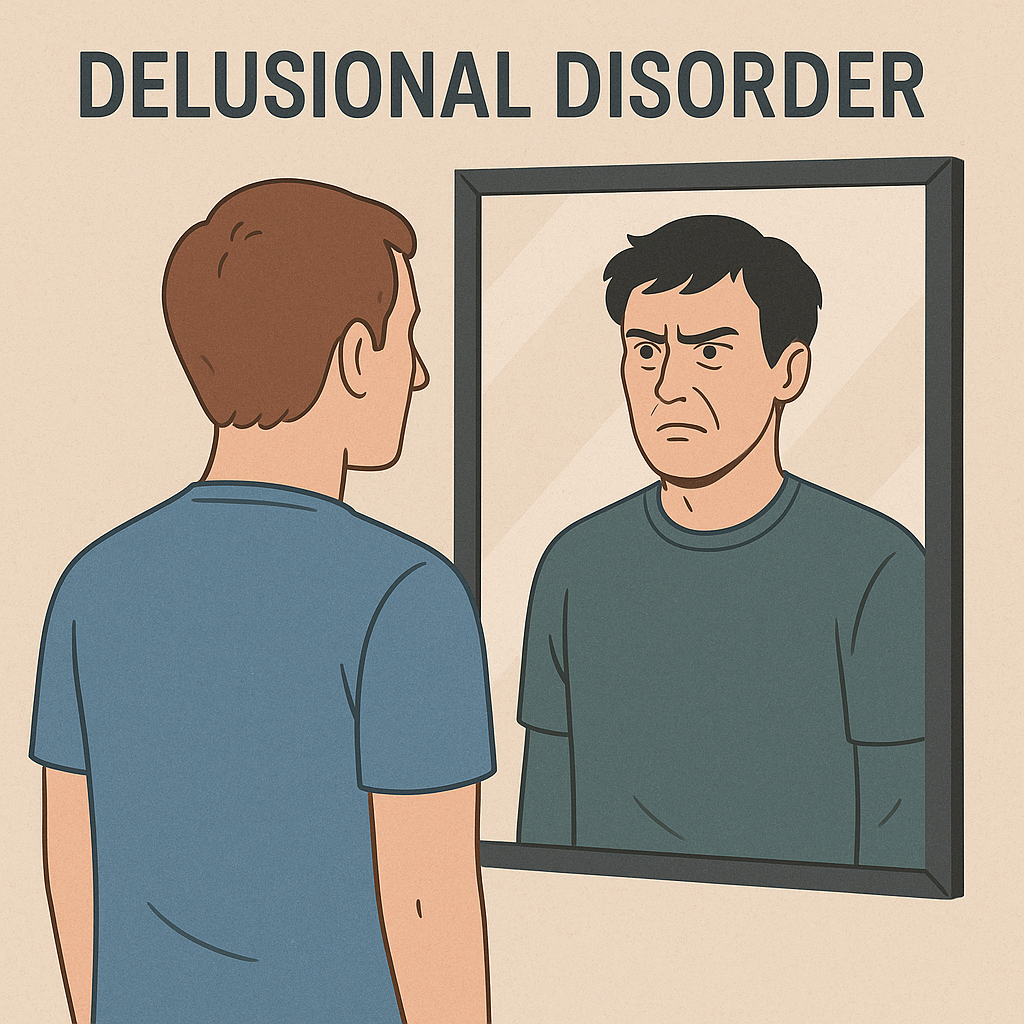
Delusions occur across a spectrum of psychiatric disorders, including schizophrenia, delusional disorders, and mood disorders with psychotic features (Freeman, 2007). They can take many forms, such as persecutory delusions (“I am being watched”), grandiose delusions (“I am a prophet”), or somatic delusions (“My organs are rotting”). In every case, the defining element is a belief system disconnected from reality, impervious to logical refutation, and often impairing to social or occupational functioning.

Comparing Do-chi and Delusion

Although both do-chi and delusion involve altered states of perception, their similarities are superficial. Do-chi represents a metaphorical intoxication, a poetic description of being overwhelmed by positive effects. Delusion, in contrast, represents a clinical disorder of cognition, characterized by irrationality and resistance to evidence. The following table highlights these distinctions:

FeatureDo-chiDelusion
NatureMetaphorical, emotional intoxicationClinical, pathological false belief
Relation to realityGrounded in heightened but real experiencesDetached from reality, impervious to logic
DurationTemporary, situationalPersistent, often chronic
ValencePositive, celebratory, aestheticNegative, impairing, or distressing
Cultural contextPoetic, every day, literaryMedical, psychiatric, diagnostic

This comparison underscores the cultural gap between the terms. In Korean, do-chi enriches emotional vocabulary by describing states of absorption that bring joy and meaning. In English, delusion restricts the term to pathology, connoting impairment and danger.

Points of Convergence: Distorted Perception

Despite their differences, both terms share a loose thematic connection: the alteration of normal perception. To be do-chi is to lose oneself in joy, art, or triumph, such that ordinary reality fades into the background. Similarly, delusion involves the loss of alignment with consensual reality, though in a maladaptive way. Both reflect the human susceptibility to experiences that reshape perception and cognition. The divergence lies in whether this alteration is culturally celebrated (do-chi) or clinically condemned (delusion).

Conclusion

I have personally known and participated in groups that could be perceived as immersed in their own version of do-chi, intoxicated by their ideals to the point of losing touch with reality. Within such circles, members often became tone-deaf not only to the experiences of those inside the group but also to the perspectives of the wider public. In some cases, these groups even sought to rewrite history, clinging to their own narratives as though they were unassailable truths (Hobsbawm & Ranger, 1983; Janis, 1982). Yet, just because a group collectively sustains a belief does not require others to accept it as fact, especially when credible evidence proves otherwise.

The Korean term do-chi and the English concept of delusion illuminate how language and culture frame altered states of perception. Do-chi signifies a positive, aesthetic intoxication, celebrated in literature and daily speech as evidence of deep human feelings. Delusion, by contrast, describes a psychiatric symptom of false, fixed beliefs that resist correction and impairs functioning. While both terms capture the human capacity to move beyond ordinary perception, their meanings diverge sharply in cultural value and psychological consequence. Understanding these differences underscores the importance of cultural and linguistic nuance in interpreting states of mind across traditions.

References:

American Psychiatric Association, DSM-5 Task Force. (2013). Diagnostic and statistical manual of mental disorders: DSM-5™ (5th ed.). American Psychiatric Publishing, Inc.. https://doi.org/10.1176/appi.books.9780890425596

Freeman, D. (2007). Suspicious minds: The psychology of persecutory delusions. Clinical Psychology Review, 27(4), 425–457. https://doi.org/10.1016/j.cpr.2006.10.004

Hobsbawm E, Ranger T, eds. The Invention of Tradition. Cambridge University Press; 2012.

Janis, I. L. (1982). Groupthink Psychological Studies of Policy Decisions and Fiascos. Boston Houghton Mifflin. – References – Scientific Research Publishing. (n.d.). https://www.scirp.org/reference/referencespapers?referenceid=2122583

Jaspers, K. (1963). General psychopathology (J. Hoenig & M. W. Hamilton, Trans.). University of Chicago Press. (Original work published 1913). https://archive.org/details/generalpsychopat0000unse/page/n7/mode/2up

National Institute of Korean Language (국립국어원). (n.d.). Korean-English Learners’ Dictionary. Retrieved from https://krdict.korean.go.kr/eng/

Beyond Critical Thinking: The True, Right, and Correct Framework

In an age dominated by speed, data, and polarization, the need for wise decision-making has never been greater. While traditional critical thinking focuses on logic and evidence, it often omits other dimensions of human understanding, such as authenticity, ethics, and contextual appropriateness. The “True, Right, Correct” framework expands critical thinking into a multidimensional model that integrates intellectual rigor with moral clarity and practical wisdom.

This model draws from philosophical reasoning, spiritual awareness, and functional discernment to offer a more holistic approach to evaluating choices, actions, and beliefs.

Expanding Critical Thinking: A Holistic Triad

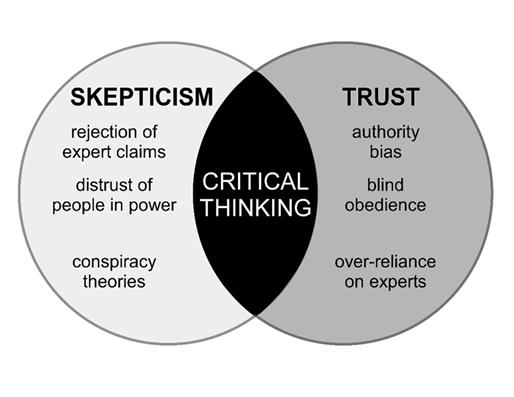
Critical thinking is often defined as the ability to analyze, evaluate, and synthesize information in order to form reasoned judgments. It relies on logic, evidence, skepticism, and reasoning. However, while these tools are necessary, they are not always sufficient.

The “True, Right, Correct” framework offers a layered upgrade to conventional critical thinking:

AspectConventional Critical ThinkingTrue-Right-Correct Framework
LogicEssentialIntegrated within “Right”
EthicsOptional or minimalCentral under “True”
AuthenticityRarely addressedEssential under “True”
Intuition/ConscienceOften ignoredEmbraced within “True” and “Right”
Functional AptnessSometimes includedCore under “Correct”

Overview of the Two-lens Model

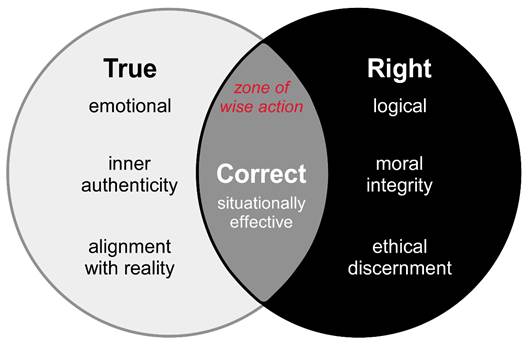
The framework is visualized as a Venn diagram with two intersecting circles and the portion that overlaps to form a third zone:

  • TRUE – Inner authenticity and alignment with reality
  • RIGHT – Moral integrity and ethical discernment
  • CORRECT – Balance of technical soundness and contextual precision

Where these two elements intersect is the “zone of wise action.”

1. TRUE: Alignment with Reality and Authenticity

  • Definition: What aligns with one’s inner values, lived experience, or observable truth
  • Includes: Self-awareness, factual clarity, personal integrity, intuitive knowing
  • Example: Expressing a difficult truth even when it’s unpopular

Critical Thinking Link: Encourages self-honesty and questions personal assumptions

Reflection Questions:

  • Am I being honest with myself and others?
  • Is this based on what is real or what is assumed?
  • Does this reflect my core values and lived experiences?

2. RIGHT: Moral and Ethical Discernment

  • Definition: What is just, compassionate, and beneficial from a moral perspective
  • Includes: Fairness, empathy, justice, long-term benefit to others
  • Example: Choosing not to exploit a legal loophole because it harms others

Critical Thinking Link: Adds an ethical filter to decisions that might otherwise be purely strategic

Reflection Questions:

  • Is this action fair and just?
  • Would I consider this acceptable if done to me?
  • Does this honor both the letter and spirit of the greater good?

3. CORRECT: The Balance of Functional Precision and Situational Appropriateness

  • Definition: What is technically accurate, logically coherent, and situationally effective
  • Includes: Evidence-based reasoning, timing, execution, contextual fit
  • Example: Using the correct communication method for sensitive feedback

Critical Thinking Link: Embeds the core tools of analysis, logic, and evidence evaluation

Reflection Questions:

  • Is this the best balance between true and right, that can serve the most involved?
  • Is this method sound and supported by facts?
  • Am I choosing the most effective way to act or express this?
  • Is it appropriate for this time, place, and audience?

Applications in Teaching and Practice This framework serves as a compass for ethical leadership, personal reflection, and integrative education:

  • In classrooms: Pairing logic with ethics and introspection
  • In leadership: Building trust through aligned, values-driven decisions
  • In personal growth: Assessing decisions using a whole-self model
  • In debate and conflict: Seeking understanding through multiple lenses

Teaching Module Activities

  1. Case Study Analysis – Analyze real-world dilemmas from all three perspectives
  2. Personal Journaling – Reflect on a difficult decision using the lens of true, right, and correct
  3. Group Debates – Discuss how outcomes shift when one element is missing
  4. Visual Mapping – Place actions on a Venn diagram to assess alignment

Conclusion The “True, Right, Correct” framework expands critical thinking into a richer, more human-centered process. It challenges individuals not just to think better, but to live and act more wisely through authenticity, ethical clarity, and contextual intelligence. In doing so, it reclaims critical thinking not only as a cognitive skill, but as a moral and spiritual practice.

“Man Divides Heaven and Earth”

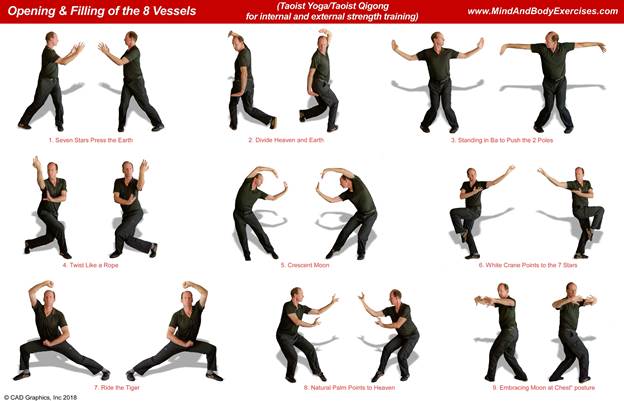
The concept of “Man divides Heaven and Earth” is a fundamental idea in Chinese philosophy, particularly in Daoism and Confucian thought. It relates to the idea that humanity serves as a bridge between Heaven (天, Tiān) and Earth (地, Dì)—two fundamental cosmic forces.

Key Aspects of the Concept:

  1. The Triad of Heaven, Earth, and Man
    • Heaven represents the formless, the celestial, the spiritual, and the governing natural laws.
    • Earth represents the material, the manifested, the physical world, and stability.
    • Man is the mediator, possessing both spiritual (Heaven) and physical (Earth) aspects.
    • Humans impose order, create divisions, and establish structures to align with the Dao.
  2. Humanity as the Harmonizer
    • Humans have the unique ability to observe natural rhythms (from Heaven) and adapt them to earthly existence.
    • Through philosophy, morality, and governance, humans bring order, such as dividing time into calendars, measuring space, and establishing social structures.
  3. Yin-Yang and Five Elements Influence
    • This idea ties into yin-yang theory because man, in the middle, balances opposing forces.
    • It also aligns with the Five Elements (or Phases) (Wu Xing) since humans categorize and interact with nature based on these elemental relationships.
  4. Practical Applications
    • In Confucianism, it applies to ethics, social roles, and proper conduct.
    • In Daoism, it relates to aligning human actions with the Dao and achieving balance.
    • In traditional Chinese medicine (TCM), it explains the body’s role as a microcosm of the universe.

I look forward to further sharing more of my message by partnering with hospitals, wellness centers, VA centers, schools on all levels, businesses, and individuals who see the value in building a stronger nation through building a healthier population.

I also have hundreds of FREE education video classes, lectures, and seminars available on my YouTube channel at:

https://www.youtube.com/c/MindandBodyExercises

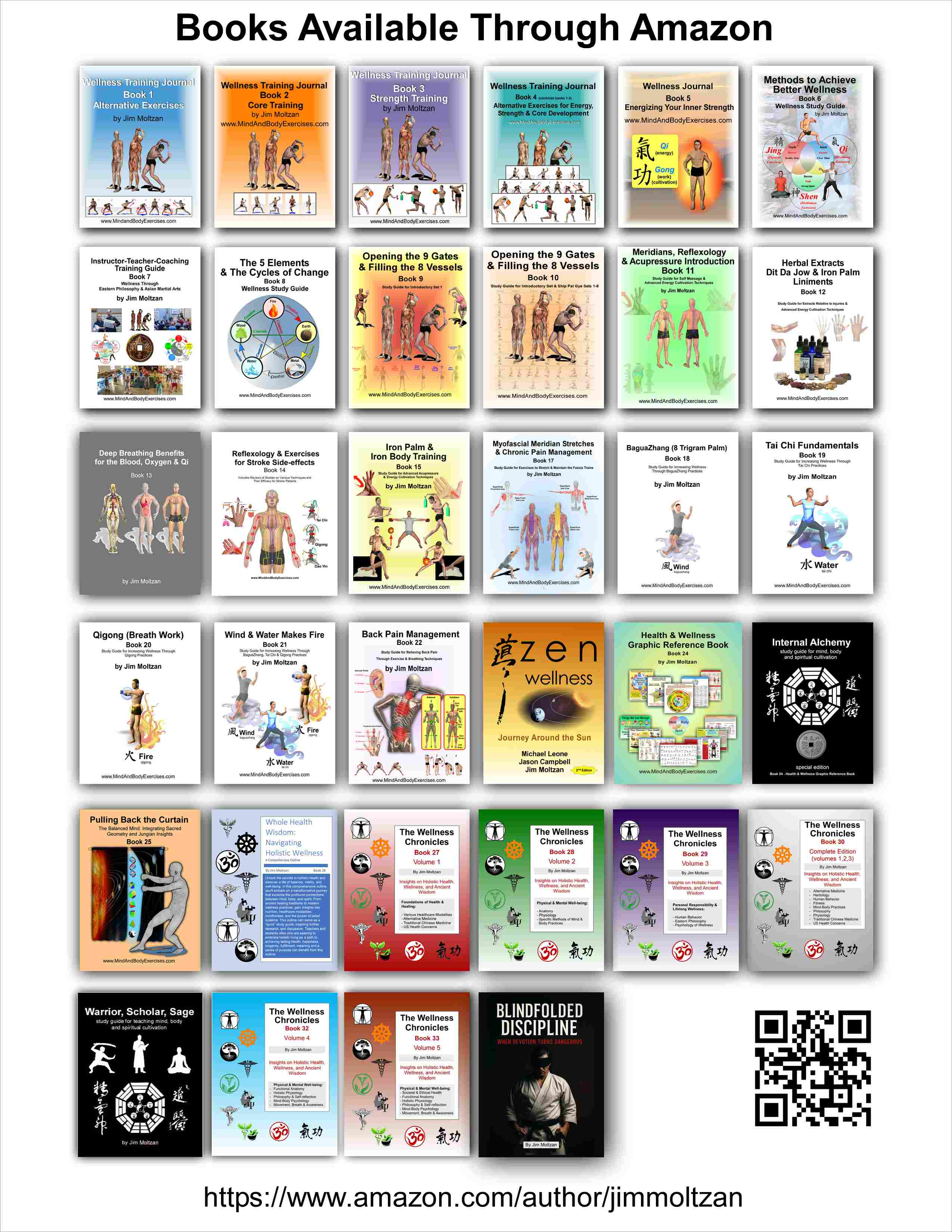
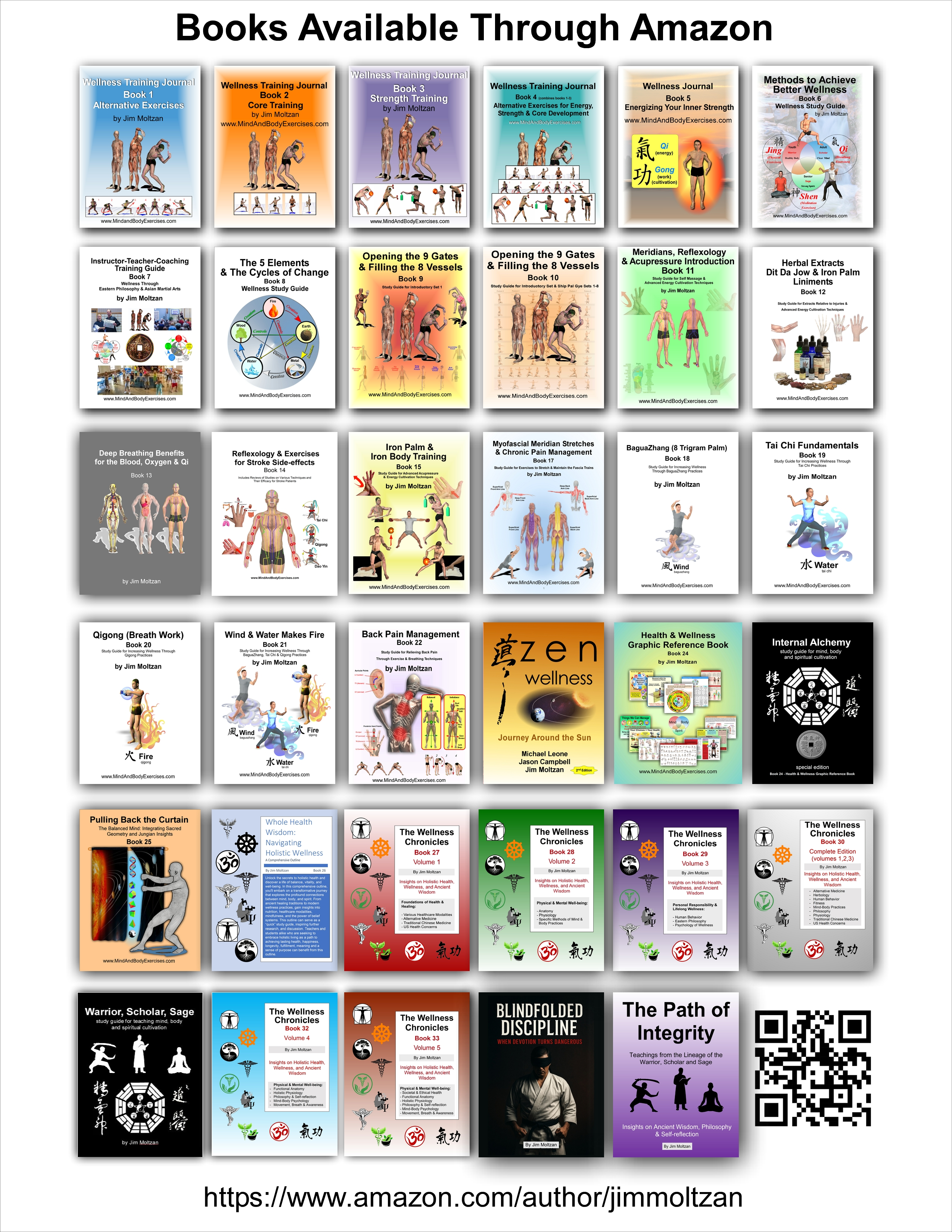
Many of my publications can be found on Amazon at:

http://www.Amazon.com/author/jimmoltzan

My holistic health blog is available at:

https://mindandbodyexercises.wordpress.com/

http://www.MindAndBodyExercises.com

Mind and Body Exercises on Google: https://posts.gle/aD47Qo

Jim Moltzan

407-234-0119

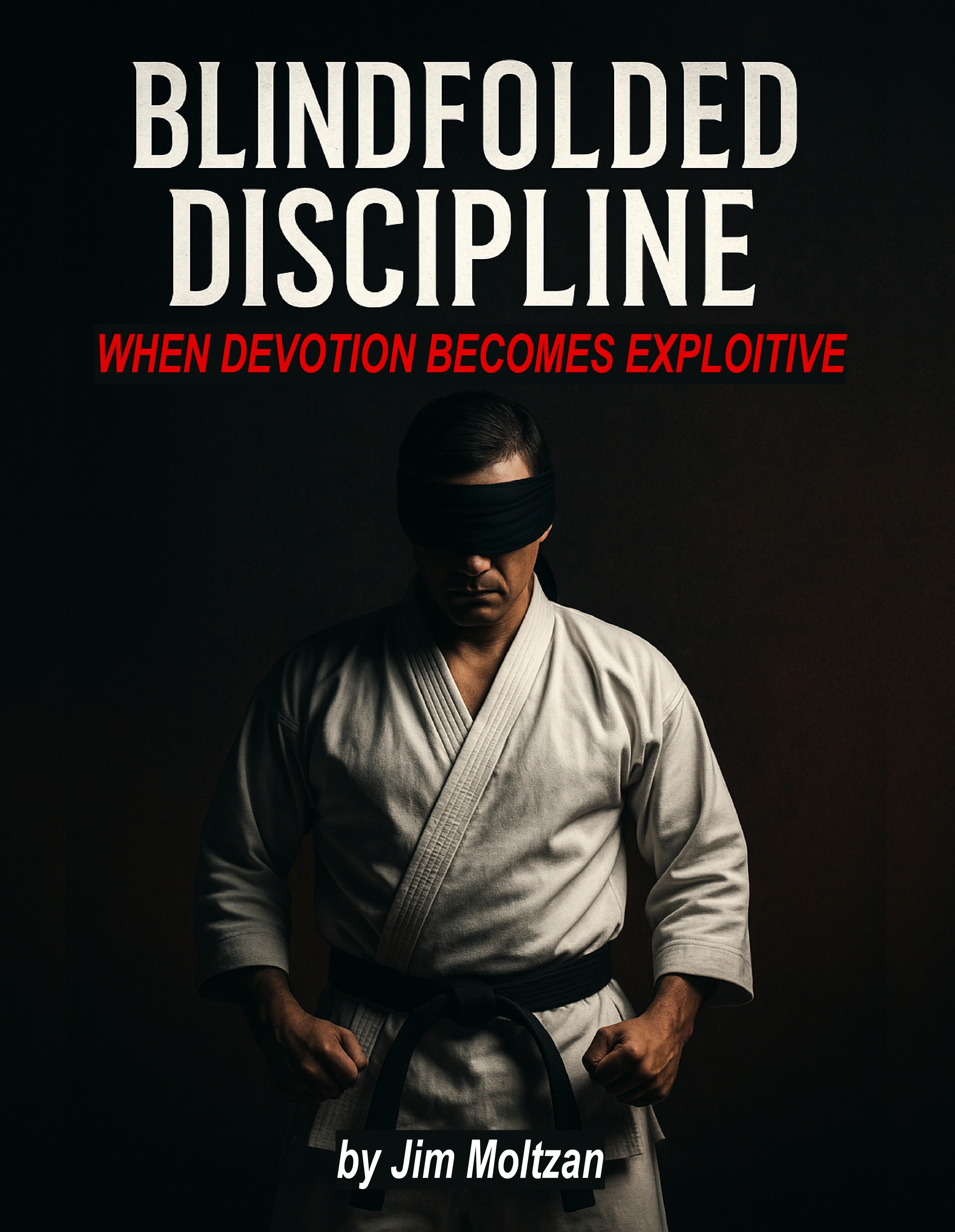
Blindfolded Discipline: When Devotion Becomes Exploitative

Blindfolded Discipline: When Devotion Becomes Exploitative is more than a personal story. It is a case study in resilience, moral clarity, and the capacity for self-reinvention after prolonged exposure to a high-control environment. For two decades, I navigated the intricate and often coercive dynamics of an insular martial arts organization, balancing loyalty, ambition, and self-doubt. Through personal transformation, I emerged not as a victim, but as a self-aware survivor who redefined mastery on my own terms.

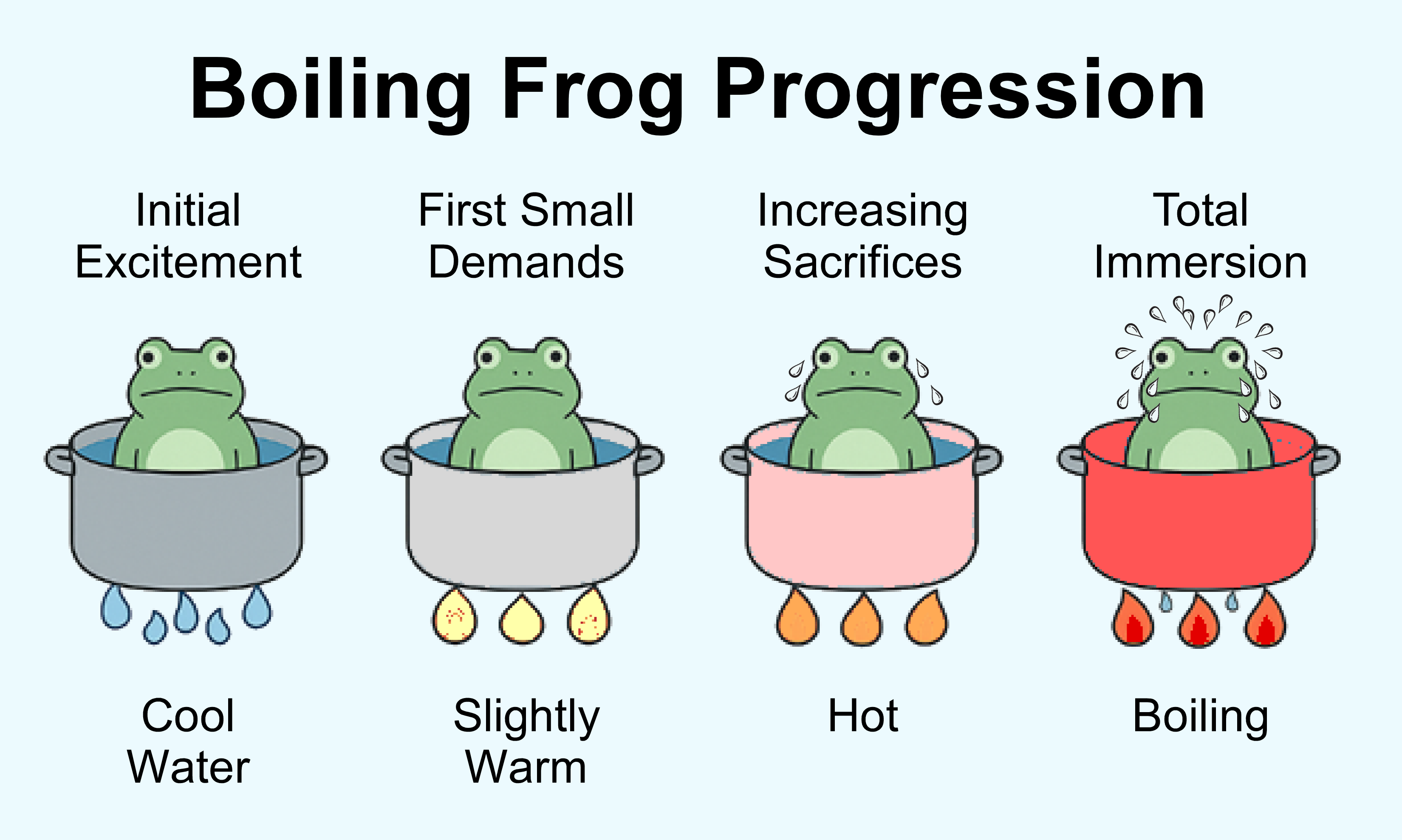
From a psychological standpoint, this journey reveals the subtle mechanisms of indoctrination. From incremental increases in commitment to the blurring of personal boundaries, and the complex interplay of group identity, authority, and self-concept. It also shows how two people can share the same environment yet walk away with vastly different interpretations, shaped by personal values, resilience, and readiness for change.

Drawing on over 45 years of experience, including two decades immersed in a closed, hierarchical group and 25 years exploring more open martial arts communities, I offer an unflinching look at the signs of control and the steps we can take to reclaim our autonomy. My insights are grounded in formal study in holistic health, interviews with high-level practitioners across styles, and extensive research into psychology and group dynamics.

This book is both a cautionary tale and a guide to recognizing unhealthy environments, fostering integrity, and building communities that nurture true growth. What makes this journey powerful is its balance between self-accountability and systemic critique. I openly acknowledge the personal choices that kept me in the group while also dissecting the structures that perpetuated control. This blend of honesty and analysis makes the story relatable to anyone who has wrestled with loyalty, ambition, or the fear of leaving a close-knit, high-control, insular system.

Ultimately, Blindfolded Discipline is about transformation, not just leaving a harmful environment, but building a life of integrity, autonomy, and purpose afterward. It offers valuable insights for anyone seeking to understand the psychology of high-control groups, the nature of commitment, and the process of reclaiming one’s own voice.

Available on Amazon at: https://a.co/d/cre1dT9

Wealth Without Wellness is Poverty in Disguise

In an age where wealth, fame, and social standing are glorified as the pinnacle of success, it is easy to forget that the most valuable assets we possess are not in our bank accounts or in our résumés. Rather they are the state of our minds and the vitality of our bodies. Material fortune and public recognition can buy influence, open doors, and offer fleeting pleasures, but they cannot reverse years of physical neglect or restore a mind dulled by stress, apathy, or overindulgence. The truth is simple: when the mind and body are compromised, the currency of wealth and the applause of the crowd lose their meaning.

The Illusion of Substitution

Society often promotes the illusion that money, influence, or fame can make up for a lack of health. We see celebrities celebrated despite visible physical decline, business leaders pushing themselves past the brink of exhaustion, and influencers curating glamorous online lives while privately battling anxiety, burnout, and chronic illness. This image of “success” hides a grim reality. No amount of financial or social power can purchase a new nervous system, undo the damage of decades of poor lifestyle habits, or replace the inner peace that comes from a well-cared-for mind.

Wealth can buy advanced medical treatment, but it cannot buy resilience built from consistent exercise, balanced nutrition, and quality rest. It can hire therapists and coaches, but it cannot magically instill mental clarity, discipline, or emotional stability in a person unwilling to nurture them. It can provide luxury and comfort, but it cannot offer the satisfaction of living in a body and mind that are strong, agile, and alert.

The Human Cost of Neglect

Neglect of the body often begins subtly. Skipped workouts, poor sleep, diets based on convenience rather than nutrition and other issues emerge as seemingly harmless lapses. Over time, this neglect compounds where muscles and bones weaken, cardiovascular endurance drops, weight accumulates, and chronic conditions take root. The body, once ignored, demands attention in ways that money alone cannot silence. Arthritis cannot be bribed. A failing heart cannot be impressed by prestige. The slow erosion of mobility and vitality spares no one.

Similarly, the neglected mind suffers in ways that wealth cannot mend. Without continuous learning, mental challenges, and emotional self-regulation, the mind becomes less adaptable. Stress becomes more overwhelming, decision-making more erratic, and creativity more stagnant. Intellectual and emotional atrophy often occur long before physical decline becomes visible, robbing life of richness and depth.

Real Wealth: Mind-Body Integrity

The most enduring form of success comes from balance: a mind that remains curious, clear, and resilient, and a body that can carry us through life’s challenges with strength and endurance. This integrity cannot be purchased, but rather it must be cultivated through daily choices. Physical exercise strengthens not just the body but also mental health, reducing anxiety and improving cognitive function. Mindful practices such as meditation, reflection, and deliberate learning sharpen awareness and emotional stability. Proper nutrition fuels both the brain and the muscles, enabling them to function at their best.

True prestige comes from being able to meet each day’s demands with clarity of thought, steadiness of emotion, and physical capability. A billionaire confined by illness envies the healthy freedom of someone who can walk without pain. A public figure struggling with depression or mental exhaustion would trade their followers for peace of mind. In the end, health is the foundation upon which all other forms of success are built.

Lessons from History and Life

History offers countless examples of individuals whose material success could not shield them from the consequences of neglect. Famous industrialists, politicians, and entertainers have succumbed to preventable diseases, addictions, and burnout. Some reached the heights of their careers only to spend their later years consumed by medical treatments or emotional turmoil. On the other hand, there are those of modest means who lived into old age with vibrant energy and mental clarity, not because they had wealth or fame, but because they respected and maintained their inner and outer well-being.

Conclusion: The Non-Negotiable Priority

In the end, the message is clear: a neglected mind and body will undermine every other achievement. Wealth and status are fleeting. The body and mind are the constant companions that shape every moment of experience. Taking care of them is not an optional luxury. A strong and healthy mind, as well as physical body are the foundation for a life well-lived. The most successful person is not necessarily the one with the most accolades or the largest bank account, but the one who can wake each day with the energy to act, the clarity to think, and the inner peace to enjoy the journey.

No title, no fortune, no spotlight can take the place of that.