The Great American Contradiction: Why We Say One Thing and Do Another

My posts are mostly about holistic health, wellness, and various methods to achieve balance in our lives. Human behavior or psychology are subjects I have delved deeper into, as our behavior dramatically affects our mental, physical, and spiritual well-being.

The United States is a nation built on ideals of freedom, opportunity, and justice, but beneath these principles lies a web of contradictions. Many Americans know systemic issues, broken systems, and political dysfunction, yet they often feel powerless to enact meaningful change. Some believe they have no viable alternatives, while others simply don’t care as long as the consequences don’t affect them directly. Lack of agency (ability to act and make choices independently) and lack of control (exerting power or influence over others or outcomes) can have deep psychological effects, leading to many chronic cognitive ailments such as depression, anxiety, insecurity, and others. It’s time for a collective reckoning. Perhaps it’s time to ask not just, “Are we part of the problem?” but also, “What can we do to be part of the solution?”
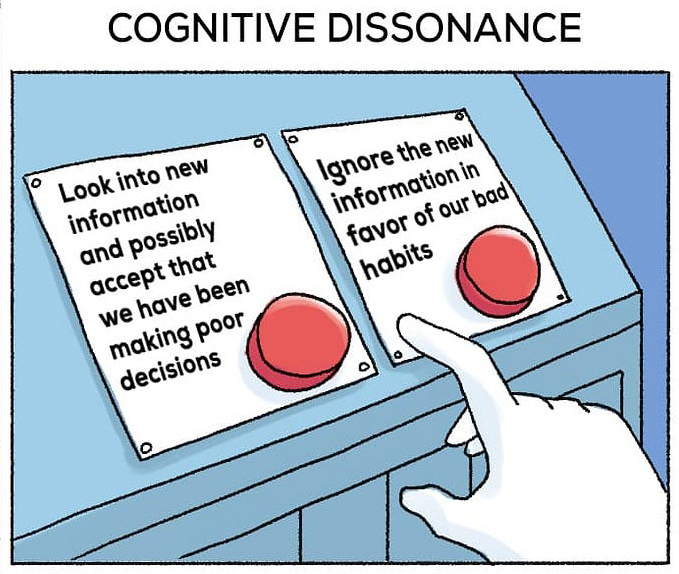
Here’s a closer look at some of the most glaring contradictions or cognitive dissonance (the discomfort of holding conflicting beliefs or values) in American society, grouped by their interrelated themes:


1. Term Limits vs. Career Politicians

There is widespread support for imposing term limits on politicians, yet career politicians dominate Washington. Many Americans believe fresh perspectives would benefit governance, but efforts to enforce limits consistently stall. Voters complain about corruption but continue re-electing the same people.


2. Politicians and Insider Trading vs. Public Trust

Most Americans believe politicians should not benefit from insider trading, yet cases of elected officials profiting from privileged information persist. Despite this, the same politicians often get re-elected. We claim to detest corruption but keep endorsing those who abuse their positions.


3. Foreign Wars vs. Public Opinion

A large portion of the population opposes foreign military interventions, yet the U.S. remains entangled in conflicts worldwide. Public sentiment rarely translates into policy changes, highlighting the disconnect between the will of the people and government actions.


4. Perceived Misuse of Tax Dollars vs. Continued Compliance

Taxpayers express frustration over how their money is spent, with glaring examples of inefficiency and corruption. For instance, California spent $24 billion to address homelessness, yet the crisis has only worsened. In November 2024, the Pentagon failed to pass its annual audit, meaning that it wasn’t able to fully account for how its $824 billion budget was used. This was the 7th failed audit in a row, since the Department of Defense became required to undergo yearly audits in 2018. Despite this, people continue paying taxes while feeling powerless to demand accountability.


5. Daylight Saving Time vs. Public Opinion

Twice a year, Americans grumble about the disruption caused by changing the clocks. Studies show that daylight saving time may increase health risks and reduce productivity, yet it persists. Despite widespread dissatisfaction, legislative inertia keeps the practice alive.


6. Limited Political Choices vs. Frustration with the Two-Party System

Americans lament the lack of political diversity and the stranglehold of the two-party system, yet alternative parties remain marginalized. Even though many feel disillusioned, they continue to choose between the “lesser of two evils.” Real change remains elusive because the system favors the status quo.


7. Support for Public Education vs. Private School Enrollment

Public education is hailed as the cornerstone of equal opportunity, yet families who can afford it often opt for private schooling. This creates a disconnect between advocating for public education and personal choices that contribute to inequality.


8. Supporting Local Businesses vs. Shopping Online

We talk about the importance of supporting local businesses, yet giants like Amazon, Walmart, and Starbucks continue to dominate, often putting small businesses out of business. Convenience, competitive pricing, and free shipping lure consumers away from their local economies.


9. Income Inequality vs. Celebrity Worship

While many decry income inequality and the wealth gap, America remains obsessed with celebrity culture and extravagant lifestyles. This fascination with the ultra-wealthy perpetuates distorted perceptions of success and value.


10. Perceived Value vs. Price Sensitivity

Consumers often complain about the declining quality of goods and services but continue purchasing cheap, mass-produced items instead of supporting higher-quality alternatives. The desire for instant gratification and low prices outweighs long-term sustainability.


11. Fast Food Consumption vs. Health Awareness

We know fast food is unhealthy. Obesity, diabetes, and other ailments continue to soar, yet fast-food chains thrive. Parents claim they care about their children’s health but often default to convenience, feeding them processed foods while allowing endless hours of screen time. Nutrition takes a backseat to ease, and the consequences are generational.


12. Sedentary Lifestyles vs. Advocacy for Healthy Living

We advocate for fitness, movement, and healthy living, yet modern lifestyles promote sedentary habits such as long hours at desks, excessive screen time, and minimal physical activity. Knowledge doesn’t always translate to action.


13. Healthcare System Criticism vs. Reliance on It

Americans recognize that the healthcare system is broken, yet they remain reliant on it. Pharmaceutical companies flood the media with advertisements, influencing consumers and doctors alike. Few healthcare professionals advocate for changes in lifestyle, diet, and exercise favoring “a pill for every ill.” The system favors profits over people, but viable alternatives are scarce, leaving many trapped in a cycle of dependency.


14. Body Positivity vs. Unrealistic Beauty Standards

The body positivity movement advocates for acceptance and inclusivity, but media, advertising, and Hollywood continue to promote unrealistic beauty standards. Thinness, youth, and perfection remain the ideal, perpetuating negative body image and self-esteem issues.


15. Desire for Work-Life Balance vs. Overworking Culture

Many Americans yearn for a better work-life balance, yet the culture of overwork persists. Long hours, limited vacation time, and a “hustle mentality” lead to burnout and mental health struggles. We value personal well-being in theory but often sacrifice it in practice.


16. Environmental Awareness vs. Consumerism

Many Americans express concern about climate change and environmental degradation but continue consuming at unsustainable levels. Convenience, affordability, and habit often override sustainable choices. The “Not in My Backyard” (NIMBY) mentality prevails, as people want solutions without altering their lifestyles.


17. Recycling Rhetoric vs. Minimal Action

Americans advocate for recycling and environmental protection, yet most recycling programs are underutilized or ineffective. Many items placed in recycling bins end up in landfills, and people often lack awareness of proper recycling practices.


18. Privacy Concerns vs. Social Media Addiction

Many express concerns over privacy and data security in the digital age, yet millions willingly share intimate details of their lives on platforms that harvest personal data. We fear surveillance but continue scrolling, liking, and posting. Convenience and entertainment often outweigh the fear of losing control over our private information.


19. Spam, Telemarketers, and Privacy Violations vs. Acceptance of Invasions

Americans complain about the relentless onslaught of spam calls, telemarketers, and digital intrusions, yet many accept these invasions as a normal part of modern life. We express frustration over privacy violations but rarely take steps to secure our information or demand accountability from corporations that exploit personal data.


20. Community Engagement vs. Social Isolation

Americans value community engagement and connection, yet the rise of digital communication and urbanization has led to increased social isolation. We crave connection but often retreat into virtual worlds, losing the sense of belonging that real communities provide. We see electronic devices as babysitters for children and adults alike, and then wonder why so many are depressed, anxious, and unable to be comfortable in real-life social settings.


21. Mistrust of Big Tech vs. Dependence on It

Americans frequently express mistrust of big tech companies, citing concerns about monopolies, privacy, and censorship. Yet, dependence on platforms like Google, Facebook, and Amazon remains pervasive. We resent their power but rely on their convenience.


22. Human Rights Advocacy vs. Selective Outrage

Many advocate for human rights and justice but remain selective in their outrage, often influenced by political affiliations or cultural biases. Genuine concern for equality should transcend partisanship, yet inconsistencies persist.


23. Religious Values vs. Material Pursuits

America prides itself on being a nation of faith, yet materialism and consumerism often overshadow spiritual values. Many profess religious beliefs but prioritize wealth, status, and success over moral and ethical principles.


24. Public Demand for Change vs. Fear of Disruption

Perhaps the most significant contradiction is that while Americans express a desire for change, they also fear the disruption that change may bring. Breaking free from familiar systems requires effort, sacrifice, and discomfort—something many are unwilling to endure.


25. The Forgotten Victims: Native Americans and Historical Amnesia

America celebrates its history of freedom and democracy while ignoring the ongoing consequences of genocide and displacement inflicted on Native American communities. Treaties were broken, lands were stolen, and entire cultures were nearly erased. Yet, mainstream narratives often gloss over these atrocities, perpetuating historical amnesia. The plight of Native Americans remains a footnote in history books, even as they continue to face systemic inequalities.


26. Advocacy for Social Justice vs. Ignoring Indigenous Struggles

While advocating for social justice and equality, many overlook the ongoing struggles of indigenous communities. Issues such as land sovereignty, environmental degradation, and broken treaties remain unresolved, highlighting a glaring inconsistency in America’s commitment to justice.


America’s contradictions are not just individual dilemmas—they reflect the collective psyche of a nation grappling with competing values and desires. To move forward, we must confront these inconsistencies with honesty and courage. True change starts not just by acknowledging these contradictions but by taking deliberate action to align our values with our behavior. “Change the world!” “Fix the system!”

I look forward to further sharing more of my message by partnering with hospitals, wellness centers, VA centers, schools on all levels, businesses, and individuals who see the value in building a stronger nation through building a healthier population.

I also have hundreds of FREE education video classes, lectures, and seminars available on my YouTube channel at:

https://www.youtube.com/c/MindandBodyExercises

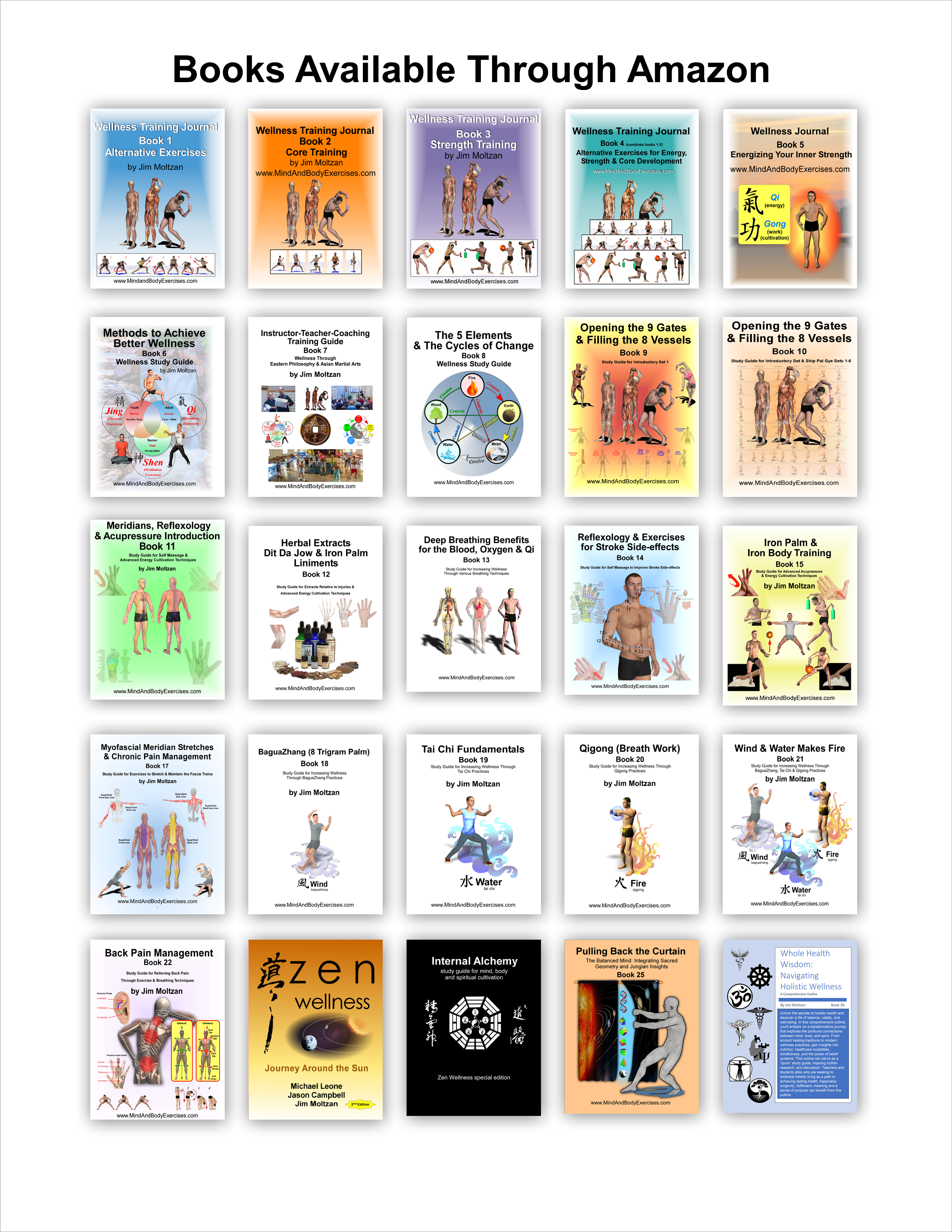
Many of my publications can be found on Amazon at:

http://www.Amazon.com/author/jimmoltzan

My holistic health blog is available at:

https://mindandbodyexercises.wordpress.com/

http://www.MindAndBodyExercises.com

Mind and Body Exercises on Google: https://posts.gle/aD47Qo

Jim Moltzan

407-234-0119

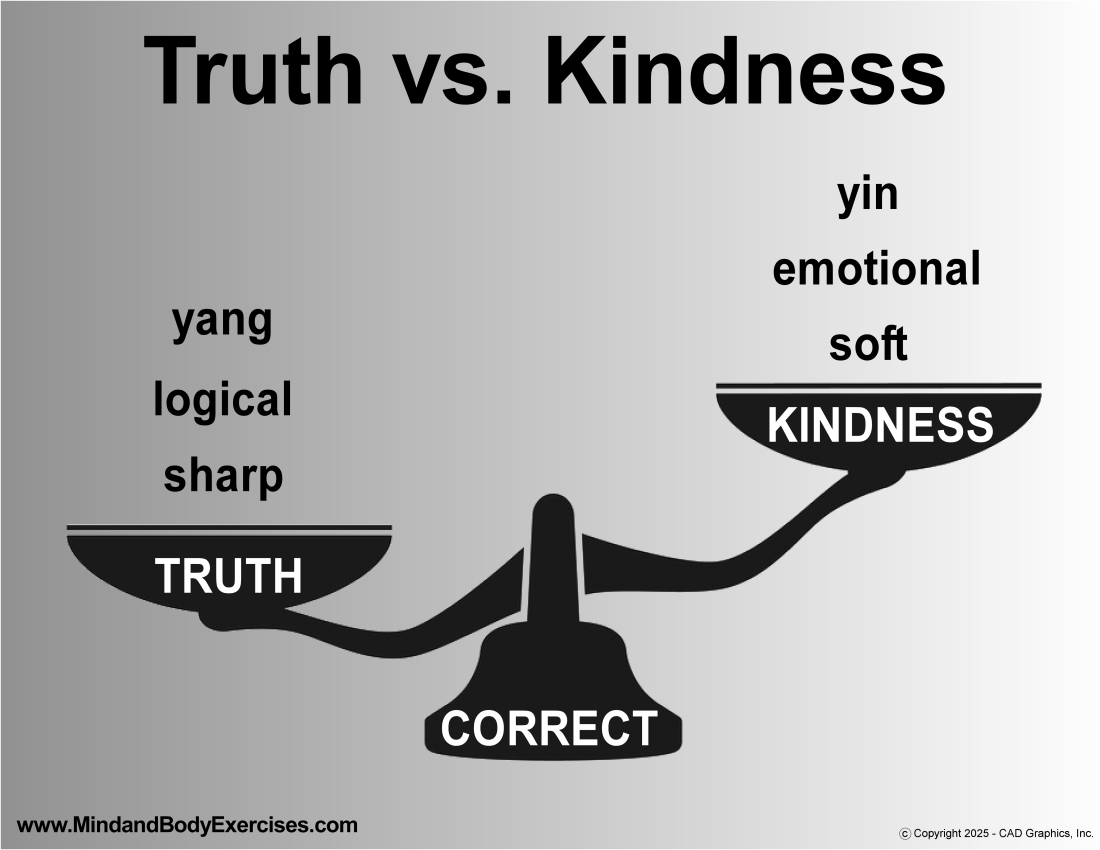
“True words are seldom kind. Kind words are seldom true”

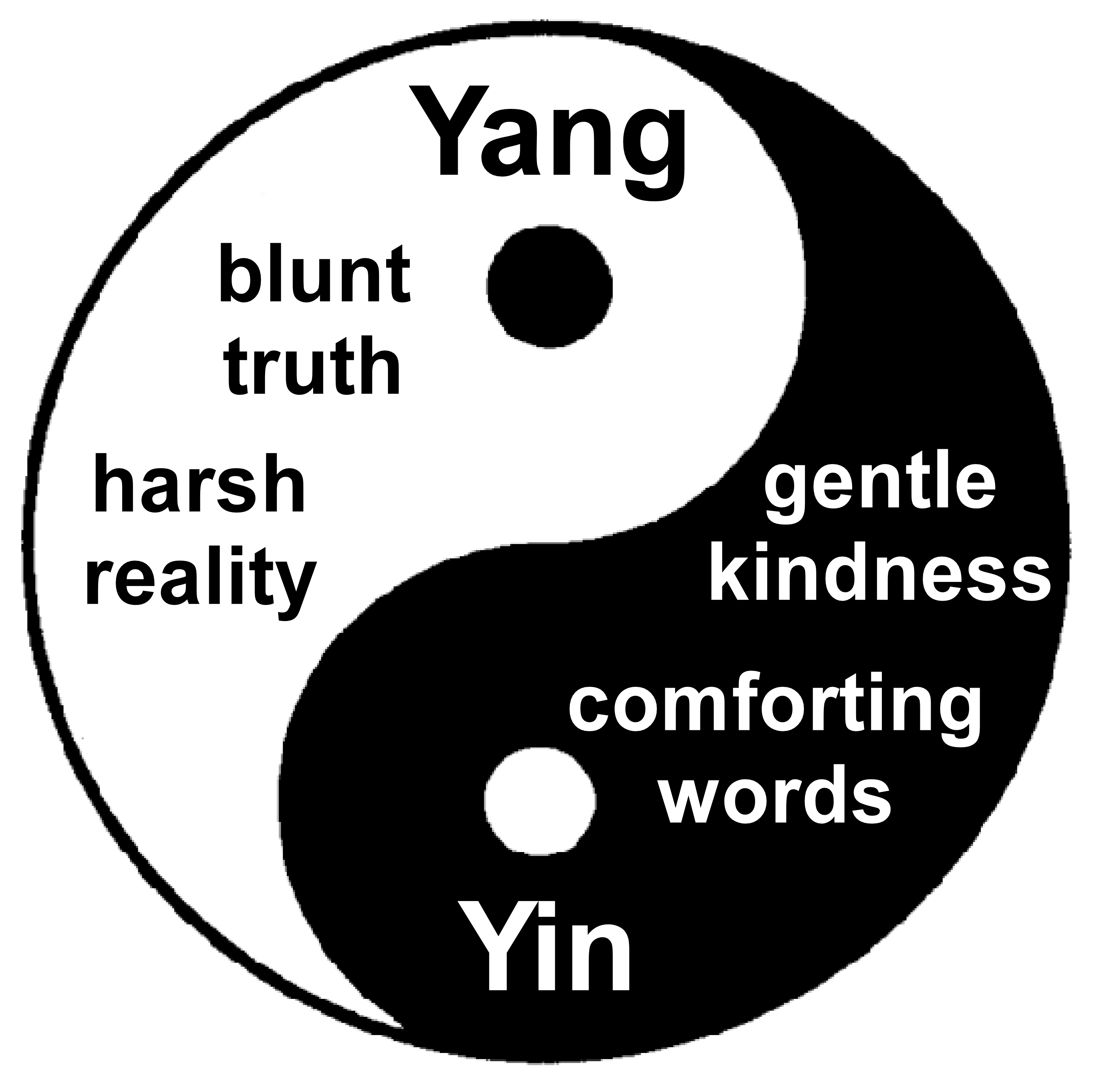
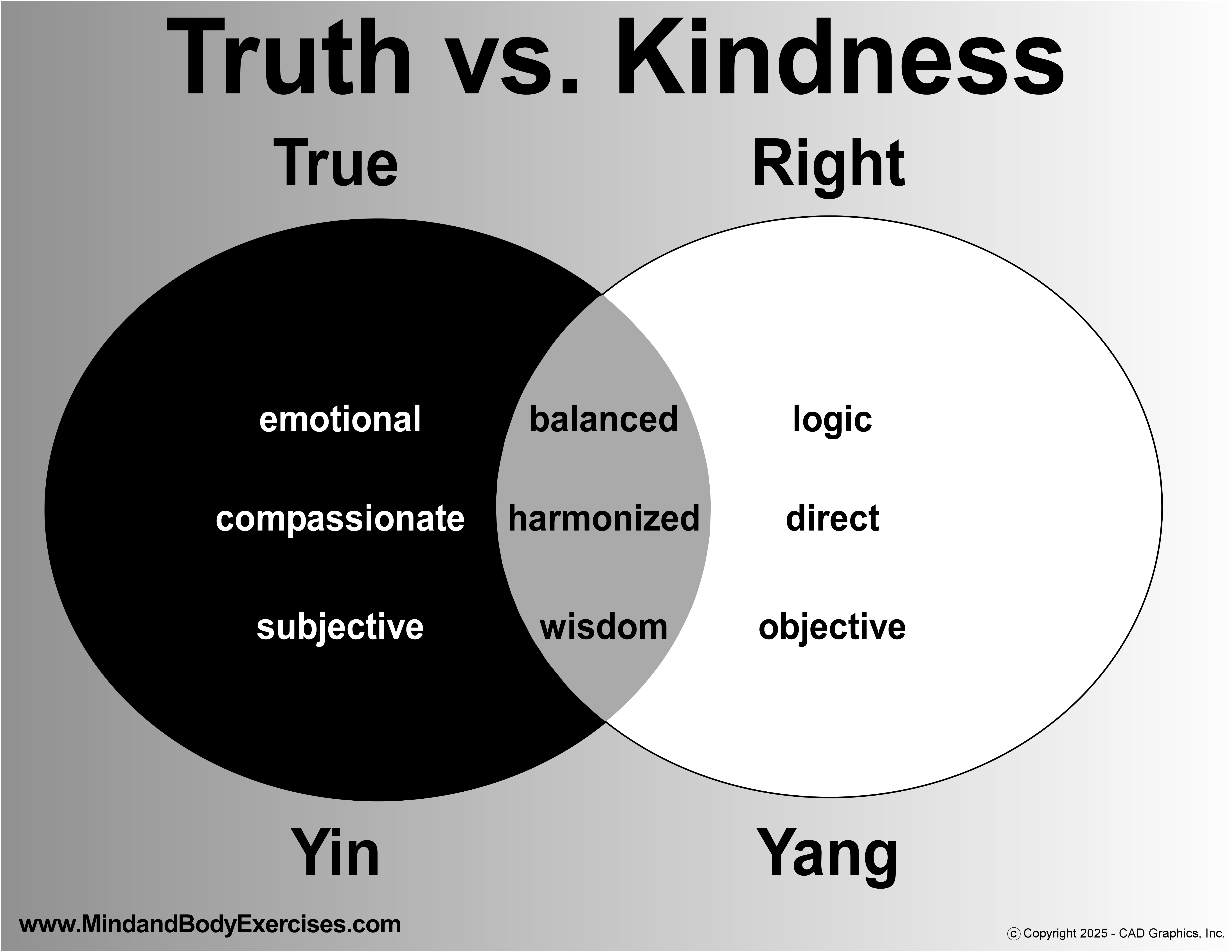
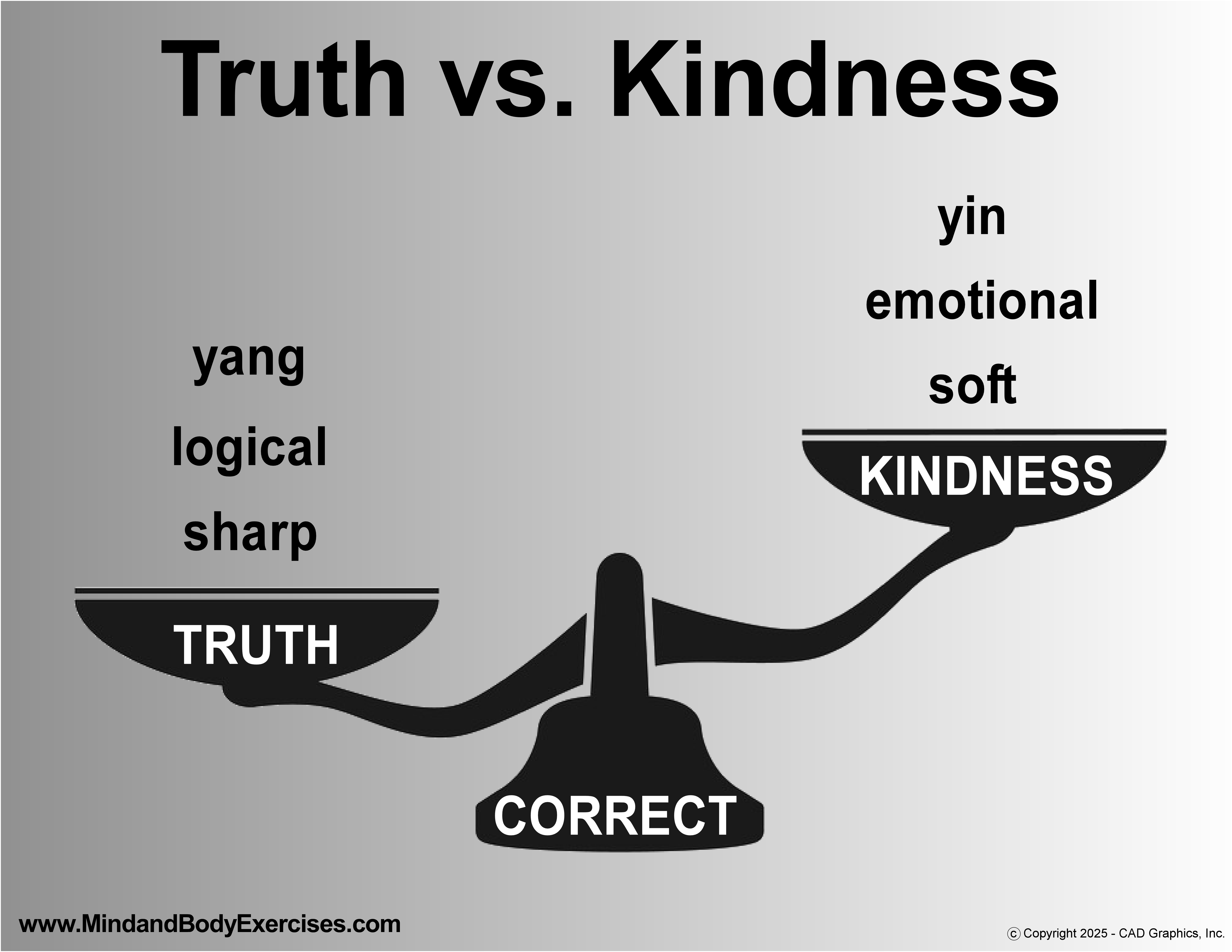
The statement, “True words are seldom kind. Kind words are seldom true,” reflects the dynamic interplay of yin and yang, as well as the balance between truth (emotion) and rightness (logic), with correctness emerging as their synthesis.

Yin and Yang in Truth and Kindness

  • Truth (Yang – Hard, Objective, Direct): Truth is clear and straightforward, focusing on facts rather than perceptions. It aligns with the logical aspect of “rightness,” emphasizing what is accurate over emotional considerations. Similar to yang, truth clarifies reality without prioritizing comfort.
  • Kindness (Yin – Soft, Subjective, Nurturing): Kindness is based on empathy and the emotional aspect of interactions. It often aims to soften the impact of truth to maintain harmony and relationships. This relates to the emotional side of “truthfulness,” focusing on how something feels rather than its factual accuracy. Similar to yin, kindness nurtures and soothes, sometimes prioritizing comfort over complete disclosure.

Correctness as Balance

Neither extreme of blunt truth nor gentle avoidance leads to effective communication. The optimal form of communication balances emotional sensitivity and logical correctness. Wisdom involves knowing when to emphasize accuracy, when to offer empathy, and how to integrate both aspects. Similar to how yin and yang transform under specific conditions, truth can be softened by kindness without compromising its integrity, while kindness can convey truth without becoming misleading. The skill of achieving balance lies in articulating what is true appropriately, ensuring it is both logically accurate and emotionally resonant.

Real-Life Examples of Truth vs. Kindness

Balanced (Correct – Yin-Yang): “I see your potential, and I think with some focused effort in these areas, you could perform at a higher level. I’d love to help you get there.”

Health & Well-Being:

Pure Truth (Yang): A doctor bluntly tells a patient, “You are dangerously overweight, and you need to lose weight immediately, or you risk serious health issues.”

Pure Kindness (Yin): “You’re perfect just the way you are. Don’t worry about your weight.”

Balanced (Correct – Yin-Yang): “Your health is important, and I want to support you in making changes that will help you feel better and live longer.”

Relationships & Personal Growth:

Pure Truth (Yang): A friend tells another, “Your behavior is selfish, and that’s why people distance themselves from you.”

Pure Kindness (Yin): “You’re wonderful just as you are. Everyone should accept you without question.”

Balanced (Correct – Yin-Yang): “I value you as a friend, and I’ve noticed that some of your actions push people away. Would you be open to talking about ways to strengthen your relationships?”

Work & Professional Feedback:

Pure Truth (Yang): A boss tells an employee, “Your work is subpar, and you might not last here if you don’t improve.”

Pure Kindness (Yin): “You’re doing just fine, no worries!” (even when the work needs improvement).

Balanced (Correct – Yin-Yang): “I see your potential, and I think with some focused effort in these areas, you could perform at a higher level. I’d love to help you get there.”

I look forward to further sharing more of my message by partnering with hospitals, wellness centers, VA centers, schools on all levels, businesses, and individuals who see the value in building a stronger nation through building a healthier population.

I also have hundreds of FREE education video classes, lectures, and seminars available on my YouTube channel at:

https://www.youtube.com/c/MindandBodyExercises

Many of my publications can be found on Amazon at:

http://www.Amazon.com/author/jimmoltzan

My holistic health blog is available at:

https://mindandbodyexercises.wordpress.com/

http://www.MindAndBodyExercises.com

Mind and Body Exercises on Google: https://posts.gle/aD47Qo

Jim Moltzan

407-234-0119
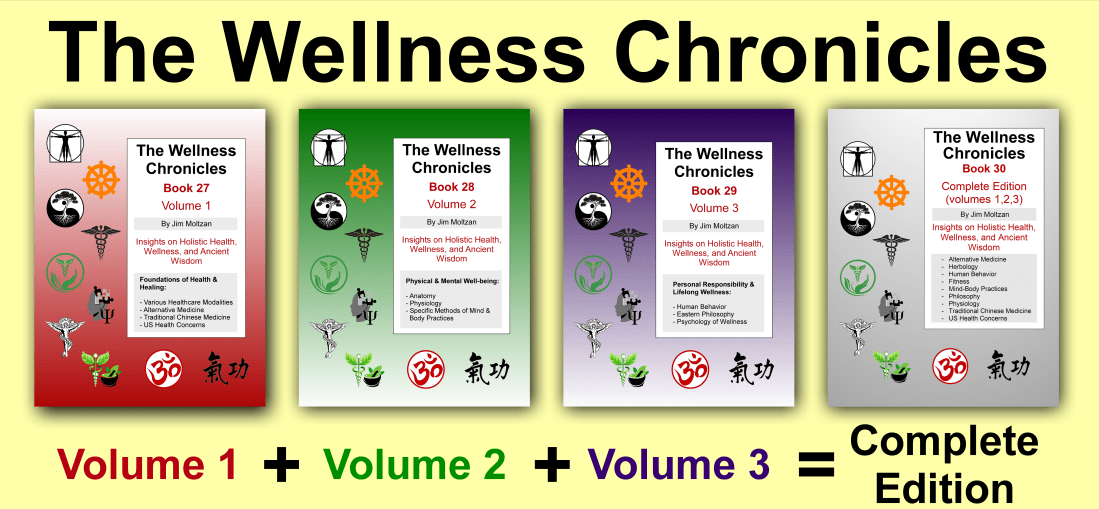
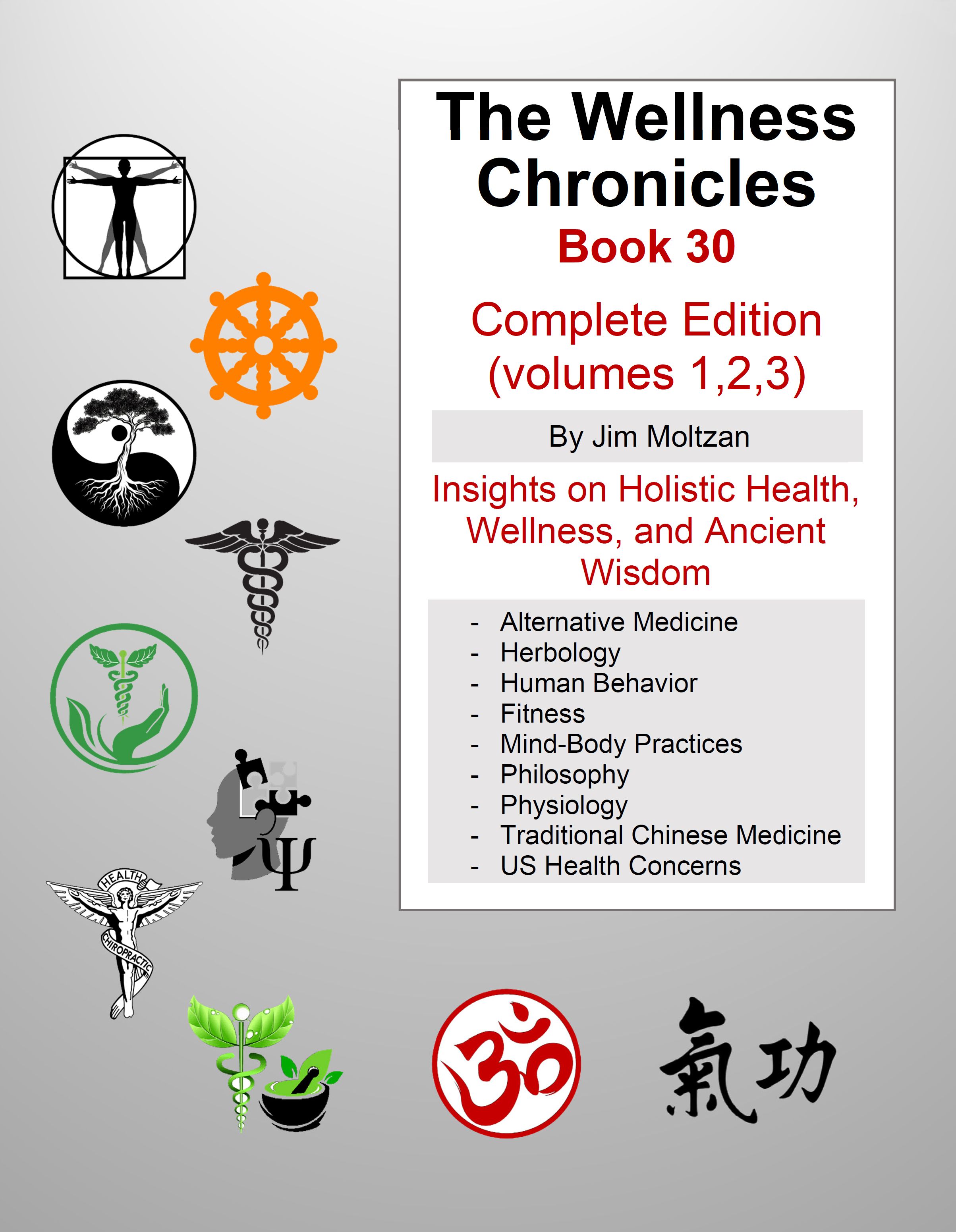
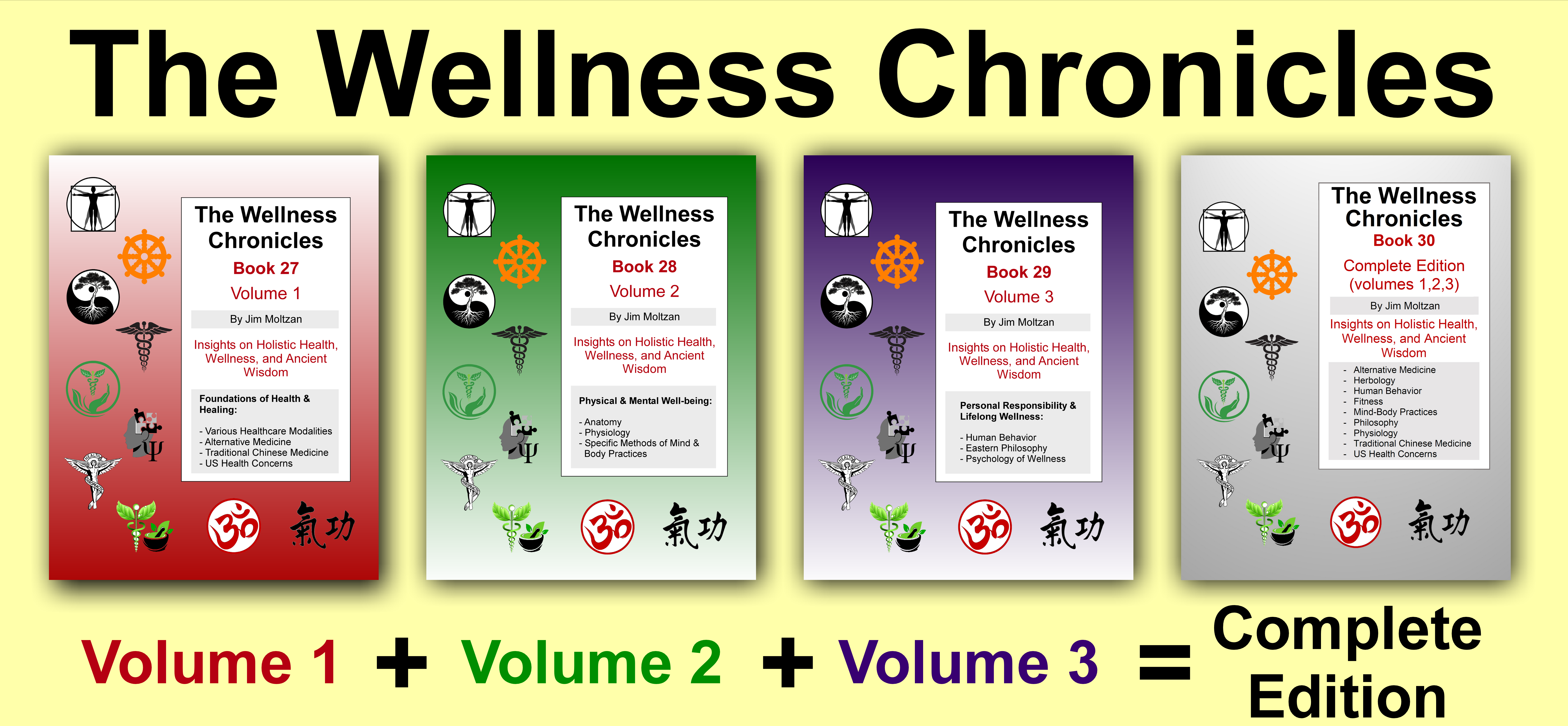
The Wellness Chronicles

I am excited to present The Wellness Chronicles, a culmination of insights gathered from my many years of writing on holistic health. These books distill key concepts from hundreds of my articles, offering a practical and thought-provoking guide to achieving well-being through a balanced approach to life.

In today’s fast-paced world, where stress and pharmaceutical dependency often overshadow self-care and preventative health, The Wellness Chronicles serves as a beacon for those seeking a deeper understanding of the mind-body-spirit connection. Each volume explores a broad spectrum of topics, including nutrition, physiology, healthcare modalities, meditation, psychology, and philosophy, all with an underlying focus on empowering individuals to take charge of their own well-being.

Readers will discover time-honored healing traditions such as Traditional Chinese Medicine (TCM) and Ayurveda alongside modern holistic approaches emphasizing balance and harmony. These books encourage self-awareness and practical application, addressing injuries and ailments through natural, non-pharmaceutical solutions while advocating for movement, breathwork, and mindfulness as essential tools for health.

Beyond physical well-being, The Wellness Chronicles delves into the intricate connections between the mind and body, and how emotions, thought patterns, and beliefs influence our nervous system, stress responses, and overall vitality. These principles are supported by both ancient wisdom and contemporary insights, illustrating the profound interplay between psychology, philosophy, and personal transformation.

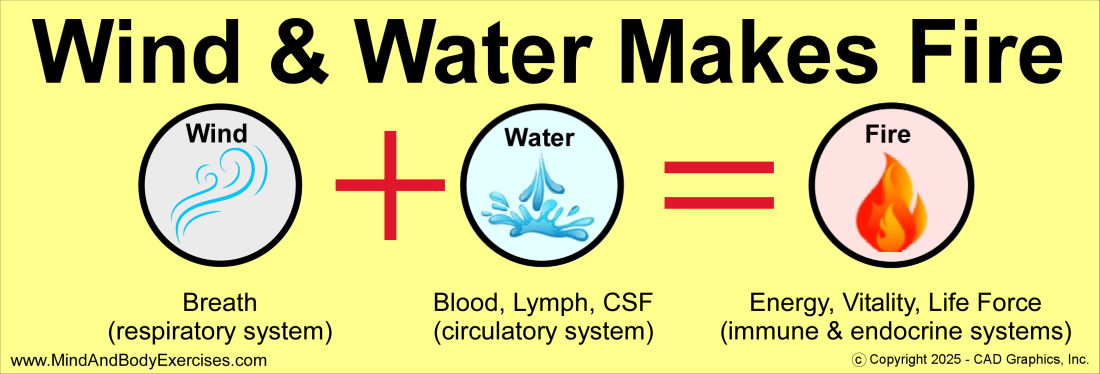
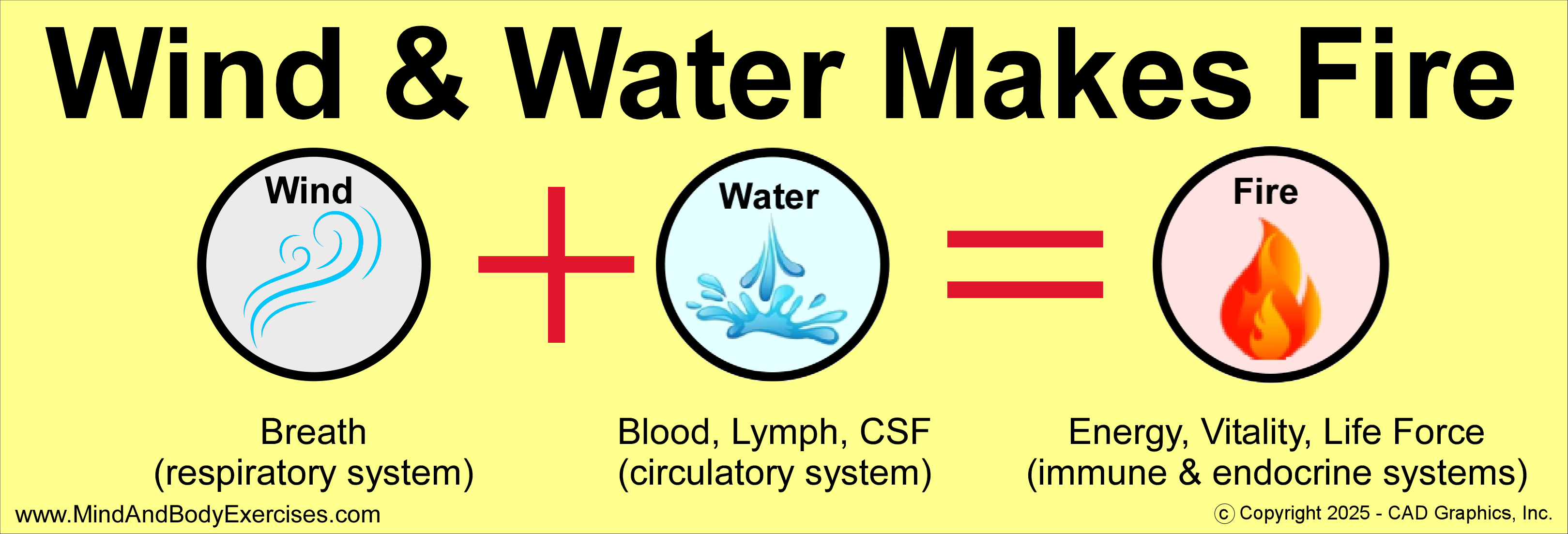
As a visual complement to these insights, I have included many of my original graphics throughout these books. These illustrations highlight self-regulation techniques, eclectic exercises, and Eastern methodologies, demonstrating how the intentional control of breath (wind), circulation (water), and mental focus can cultivate resilience, restore balance, and increase vitality (fire)—a reflection of the Taoist concept that “wind and water create fire.”

The Wellness Chronicles are more than just a guide; they are an invitation to reflect, explore, and apply holistic principles in everyday life. My hope is that this book serves as both a resource and an inspiration, encouraging deeper inquiry into the art of living well.

Thank you for your engagement with this work. I am eager to share this journey with you and contribute to the collective pursuit of enduring health, happiness, and fulfillment.

Thus far, I have volumes 1, 2 & 3, which are available individually or currently as one complete edition of all 3 in one book. Additional volumes may be added as I compose more content. Books are available at: https://www.amazon.com/dp/B0DYPFZ46F?binding=hardcover&searchxofy=true

The Wellness Chronicles is a comprehensive exploration of holistic health, offering practical insights into achieving balance in mind, body, and spirit.

Complete Edition: The Definitive Guide – All three volumes combined in one masterwork, providing a full-spectrum resource for lifelong health and transformation. (515 pages)

I teach and offer lectures about holistic health, physical fitness, stress management, human behavior, meditation, phytotherapy (herbs), music for healing, self-massage (acupressure), Daoyin (yoga), qigong, tai chi, and baguazhang.

Please contact me if you, your business, organization, or group, might be interested in hosting me to speak on a wide spectrum of topics relative to better health, fitness, and well-being.

I look forward to further sharing more of my message by partnering with hospitals, wellness centers, VA centers, schools on all levels, businesses, and individuals who see the value in building a stronger nation through building a healthier population.

I also have hundreds of FREE education video classes, lectures, and seminars available on my YouTube channel at:

https://www.youtube.com/c/MindandBodyExercises

Many of my publications can be found on Amazon at:

http://www.Amazon.com/author/jimmoltzan

My holistic health blog is available at:

https://mindandbodyexercises.wordpress.com/

http://www.MindAndBodyExercises.com

Mind and Body Exercises on Google: https://posts.gle/aD47Qo

Jim Moltzan

407-234-0119
Gong De Wei Shen

The term Gong De Wei Shen (功德为神) could loosely be interpreted as “acquiring karmic merit for spiritual elevation or connection to the divine.” It’s a phrase that might not appear in ancient texts directly but captures the concept of dedicating good deeds or spiritual work to elevate one’s spiritual state, aligning with Chinese philosophies of moral virtue influencing one’s spiritual development. Gong De Wei Shen is indeed rooted in Chinese philosophical and spiritual traditions, though the exact expression isn’t commonly cited. I will break it down to the best of my understanding:

  1. Gong (功): This translates to merit, achievement, accomplishment, or work.
  2. Gong de (功德): This translates to “merit” or “karmic merit” or virtuous deeds as used in Buddhist and Taoist traditions in the sense of virtue accumulated through good deeds and moral actions of generosity and compassion towards others. In traditional Chinese thought and in Buddhism, gong de is the spiritual merit or positive karma gained through altruistic actions, spiritual practice, and moral conduct. These merits are believed to contribute to spiritual growth and favorable outcomes in this life or future lives
  3. Wei (为): This can mean “for” or “as” in this context, often used to imply that the merit serves or benefits something.
  4. Shen 神 : This translates to “spirit” or “divine” and can suggest a higher spiritual state or connection with the divine.

While gong de wei shen itself isn’t a phrase widely cited in ancient texts, some numerous classical works and studies delve into the related concepts of gong de (karmic merit), the role of shen (spirit or divine), and the accumulation of spiritual merit through virtuous actions. Here are some references that explore these themes:

  1. Dao De Jing (Tao Te Ching) by Lao Tzui: One of the foundational texts of Daoism, the Dao De Jing discusses concepts of virtue (de, 德) and alignment with the Dao (道) as a path to spiritual harmony. While it may not explicitly use gong de, it emphasizes the moral conduct and inner qualities that create harmony with the universe.
  2. The Avatamsaka Sutra (Huayan Sutra): In Mahayana Buddhism, which has heavily influenced Chinese thought, the Avatamsaka Sutra (华严经, Huayan Jing) explores the concept of merit (功德, gong de) in spiritual practice and its effect on one’s path toward enlightenment. This text connects good deeds and moral actions with spiritual progression.
  3. The Book of Changes (I Ching): Though more symbolic, the I Ching reflects on the harmony between human actions and spiritual forces, suggesting that righteous behavior impacts one’s fate and connection with higher powers.
  4. Zhuangzi: This Daoist text, attributed to the philosopher Zhuang Zhou, explores spiritual transformation and the concept of shen as something cultivated through inner clarity and virtue.

The concepts of 功德 (gong de, karmic merit) and 神修 (shen xiu, spiritual cultivation) are deeply relevant to everyday life, even for those who don’t actively follow Taoist or Buddhist traditions. Here’s why they can be important:

1. Actions Shape Our Lives and Mindset

Every small act of kindness, generosity, or ethical behavior accumulates gong de not just in a spiritual sense but in how it influences your relationships, reputation, and self-perception. Helping a friend, being honest in business, or treating people with respect builds trust and goodwill, which can often return in unexpected ways.

2. Inner Peace Comes from Spiritual Awareness

Spiritual cultivation (shen xiu) isn’t about being religious, but rather developing self-awareness, clarity, and emotional balance. In daily life, this may be practiced as:

  • Pausing before reacting negatively in a stressful situation.
  • Practicing mindfulness or gratitude to reduce anxiety.
  • Seeking wisdom in challenges rather than reacting impulsively.

3. Good Energy Attracts Good Outcomes

Many people unconsciously follow the idea of karma or energetic reciprocity. When you consistently act with integrity and positive intention, life tends to reflect that back. We sometimes call this “what goes around, comes around.” This is why some who choose to cultivate gong de often experience more fulfilling relationships, career success, and personal growth.

4. Resilience in Hard Times

Practicing gong de and shen xiu helps you build inner strength. When facing setbacks, those who have cultivated patience, kindness, and wisdom may be better equipped to manage challenges with grace, rather than feeling like a victim of circumstances.

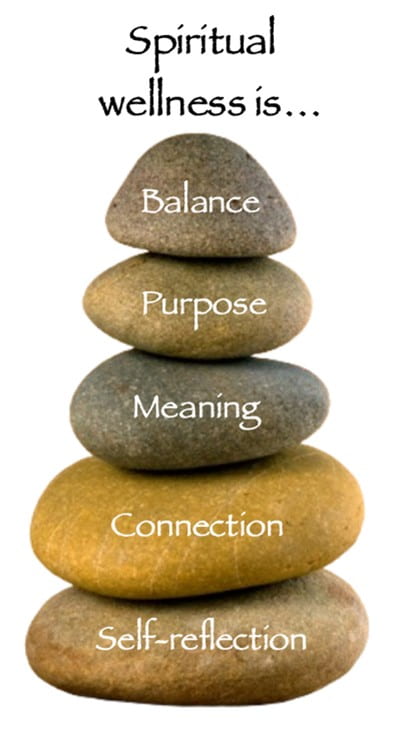
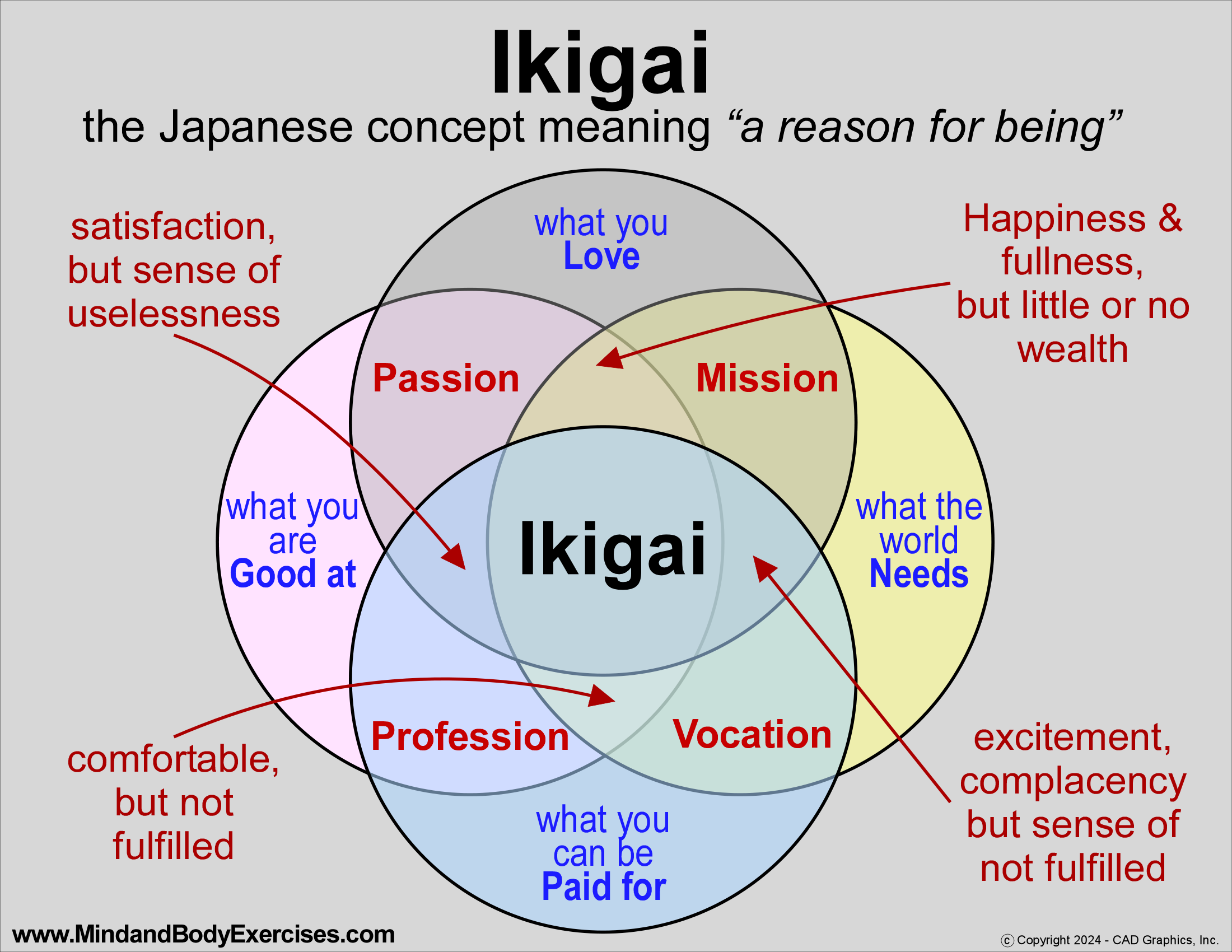
5. A Sense of Purpose

Beyond material success, many people seek meaning in their daily lives. Spiritual cultivation (shen xiu) can provide a sense of meaning or purpose, whether through meditation, learning, creative expression, or simply striving to be a better person.

In Summary

These aren’t just ancient ideas, but rather practical tools for striving to live a more peaceful, balanced, and fulfilling life. By cultivating merit (gong de) and refining your inner spirit (shen xiu), one may naturally create a more harmonious life, both for themselves and those around them.

I teach and offer lectures about holistic health, physical fitness, stress management, human behavior, meditation, phytotherapy (herbs), music for healing, self-massage (acupressure), Daoyin (yoga), qigong, tai chi, and baguazhang.

Please contact me if you, your business, organization, or group, might be interested in hosting me to speak on a wide spectrum of topics relative to better health, fitness, and well-being.

I look forward to further sharing more of my message by partnering with hospitals, wellness centers, VA centers, schools on all levels, businesses, and individuals who see the value in building a stronger nation through building a healthier population.

I also have hundreds of FREE education video classes, lectures, and seminars available on my YouTube channel at:

https://www.youtube.com/c/MindandBodyExercises

Many of my publications can be found on Amazon at:

http://www.Amazon.com/author/jimmoltzan

My holistic health blog is available at:

https://mindandbodyexercises.wordpress.com/

http://www.MindAndBodyExercises.com

Mind and Body Exercises on Google: https://posts.gle/aD47Qo

Jim Moltzan

407-234-0119
Wind and Water, Makes Fire

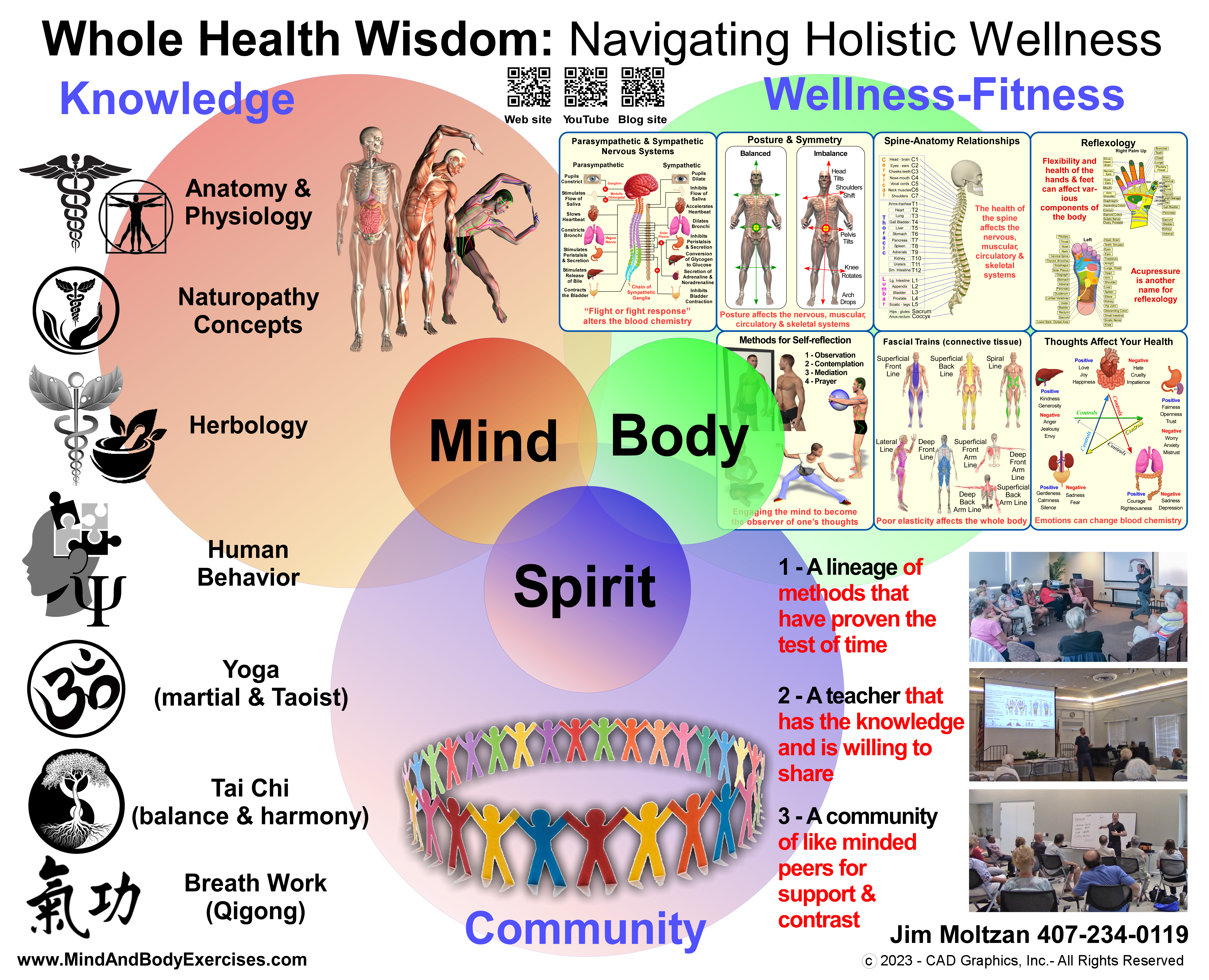
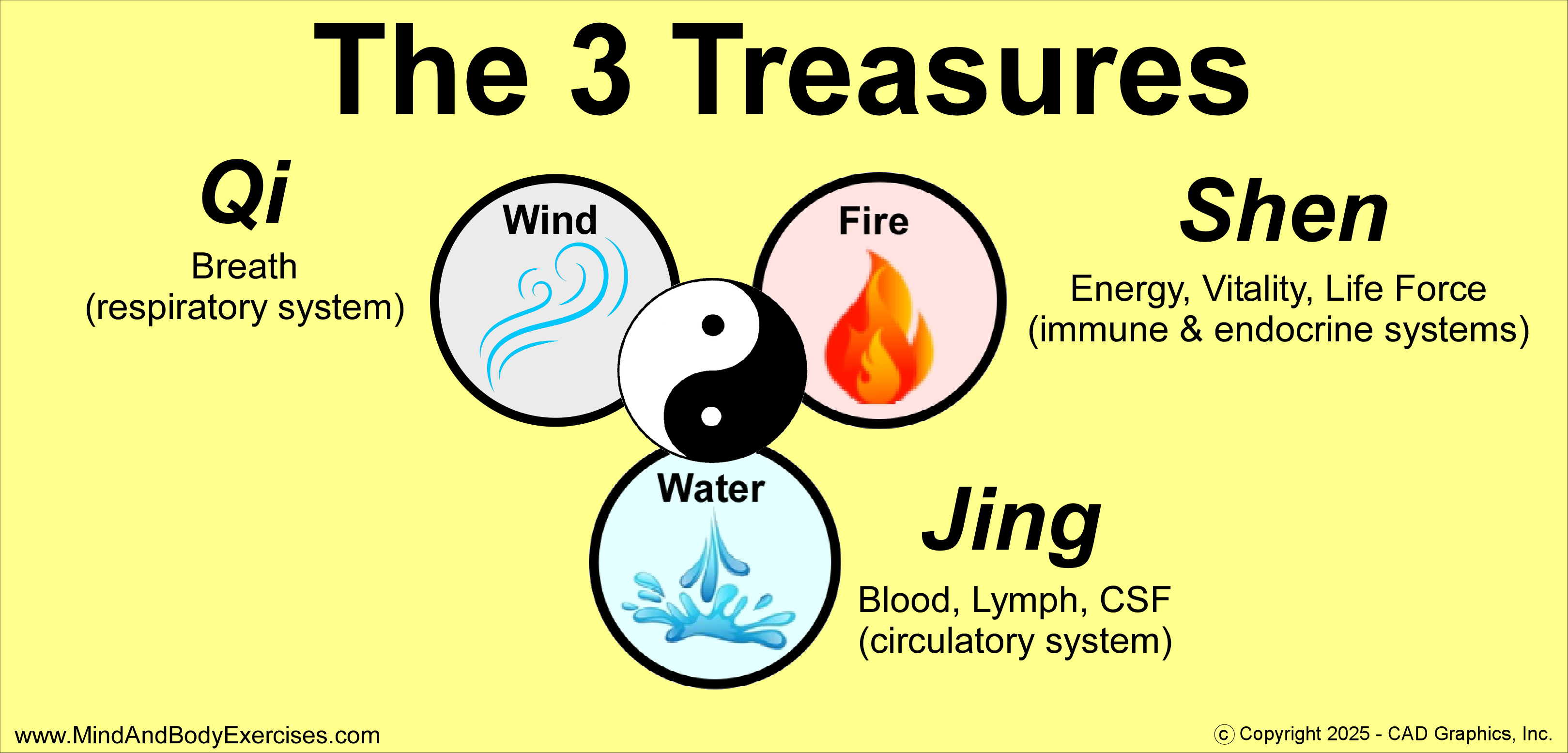
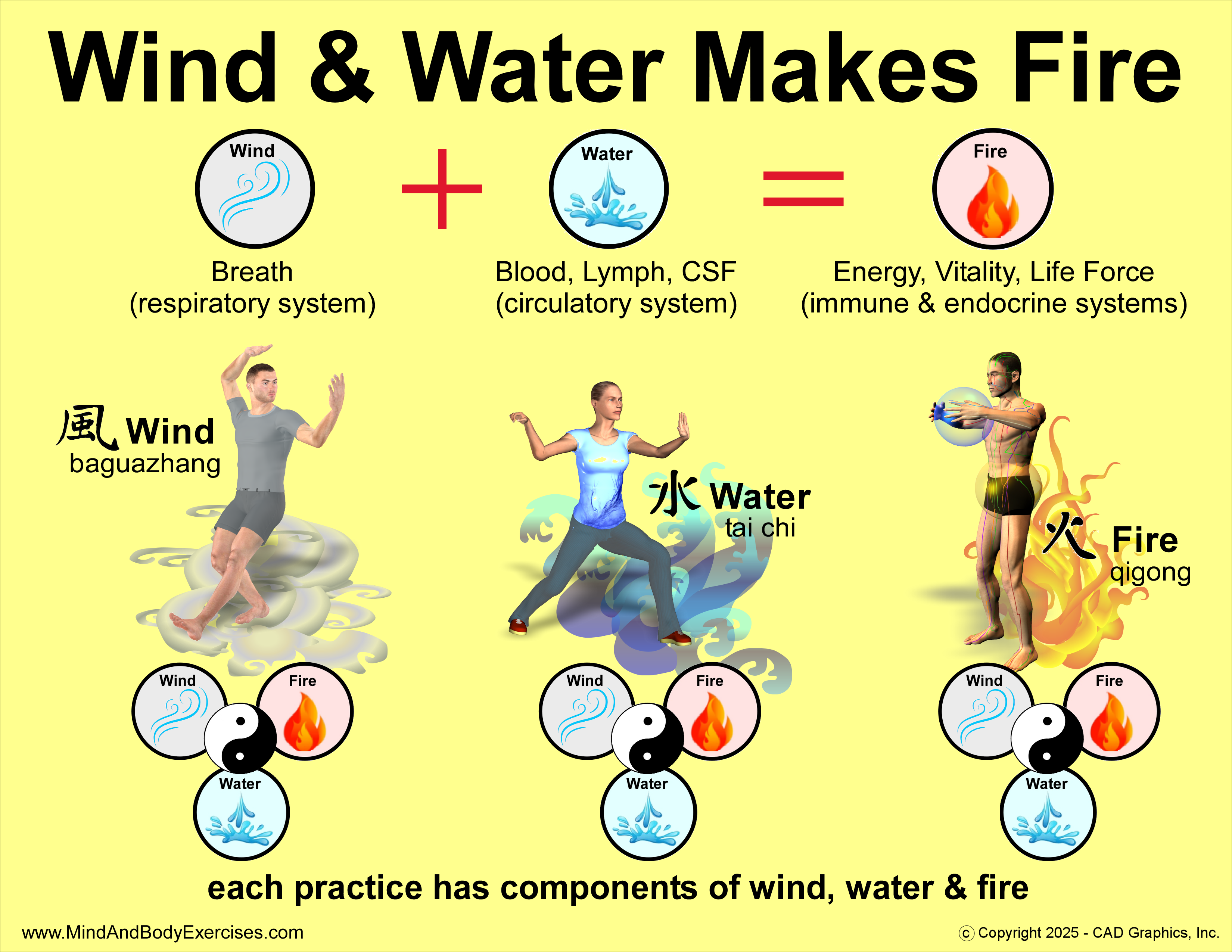
The human mind and body are integral parts of nature, constantly interacting with its energies. There is a direct correlation between the systems of nature and those of the body, with three key elements of wind, fire, and water, serving as points of connection.

  • Wind corresponds to the respiratory system, as the air we breathe sustains life.
  • Fire represents body temperature, which plays a vital role in all physiological functions.
  • Water relates to the circulatory system, essential for vitality and well-being.

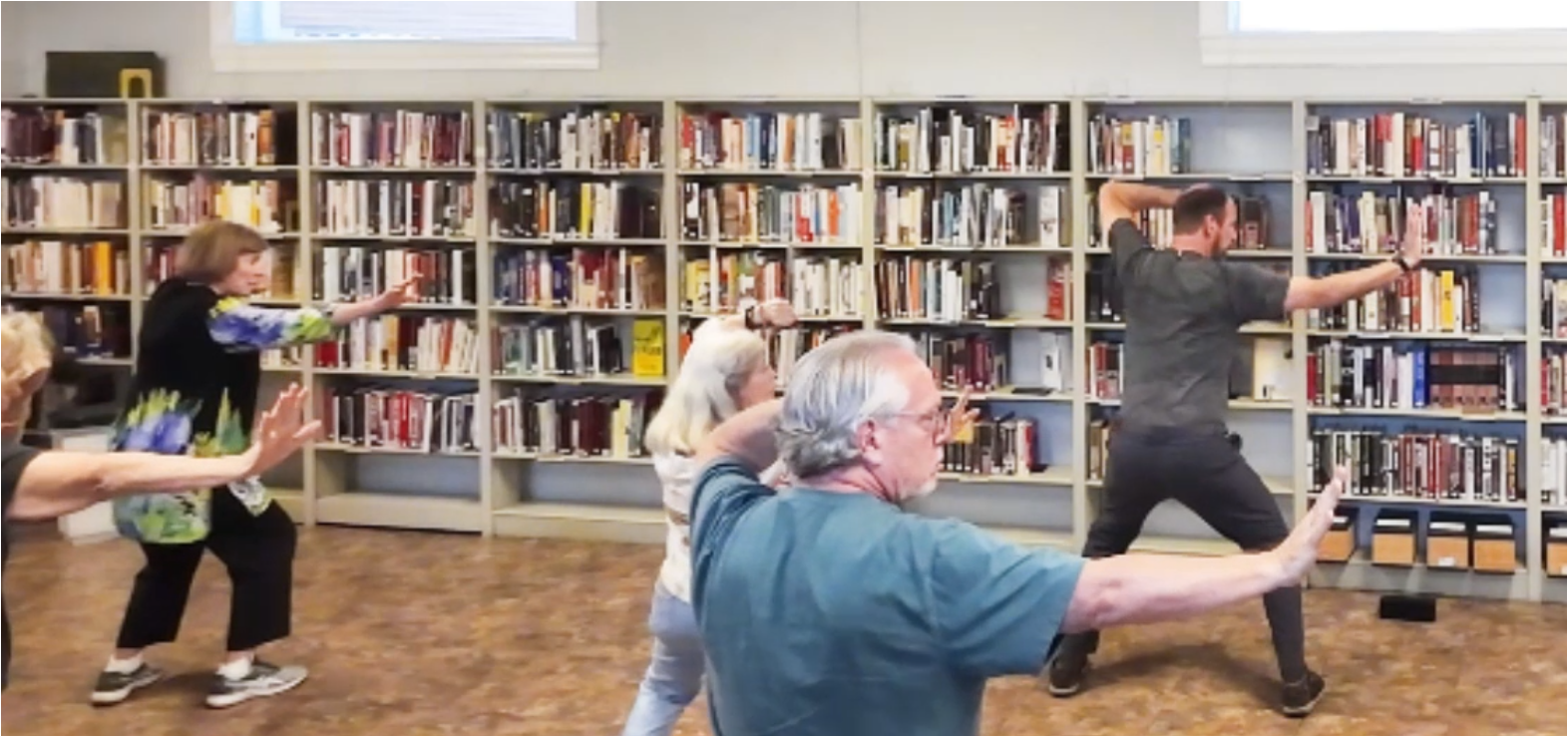
Practices such as Tai Chi, Qigong, and Bagua Zhang profoundly influence the body, impacting the organs, joints, and muscles at a deep level. In Taoist alchemy, the philosophical phrase “wind and water make fire” metaphorically represents the dynamic interactions of the Five Elements (Wu Xing) and the internal processes of self-cultivation.

Here’s a breakdown of how this concept fits into Taoist thought:

  1. Five Elements Correspondence:
    • Wind (Feng, 风) is often associated with Wood (Mu, 木), which represents growth, movement, and expansion.
    • Water (Shui, 水) corresponds to the Kidneys and the essence (Jing), which serves as the foundation for transformation.
    • Fire (Huo, 火) corresponds to Yang energy, warmth, and spirit (Shen).
    • The idea is that the interaction of movement (Wind/Wood) and nourishment (Water) can generate Fire (Yang energy, transformation).
  2. Neidan (Internal Alchemy) Interpretation:
    • Wind (Wood) and Water represent Qi and Jing, respectively.
    • Their controlled interaction through breathwork, meditation, and energy circulation can generate the internal “alchemy fire” needed to refine essence into Qi and Qi into Shen.
    • This fire is not literal but the internal warmth and energetic transformation that happens in deep meditation or Qigong.
  3. Martial & Qigong Perspective:
    • In advanced Qigong and martial arts, regulated breath (Wind) and internal fluid movement (Water) manifest into internal heat (Fire), leading to refined power and vitality.
    • This aligns with practices of Tai Chi, Qigong and BaguaZhang, where breath, body movement, and mind-intent cultivate the internal fire for vitality and martial efficiency.

I teach and offer lectures about holistic health, physical fitness, stress management, human behavior, meditation, phytotherapy (herbs), music for healing, self-massage (acupressure), Daoyin (yoga), qigong, tai chi, and baguazhang.

Please contact me if you, your business, organization, or group, might be interested in hosting me to speak on a wide spectrum of topics relative to better health, fitness, and well-being.

I look forward to further sharing more of my message by partnering with hospitals, wellness centers, VA centers, schools on all levels, businesses, and individuals who see the value in building a stronger nation through building a healthier population.

I also have hundreds of FREE education video classes, lectures, and seminars available on my YouTube channel at:

https://www.youtube.com/c/MindandBodyExercises

Many of my publications can be found on Amazon at:

http://www.Amazon.com/author/jimmoltzan

My holistic health blog is available at:

https://mindandbodyexercises.wordpress.com/

http://www.MindAndBodyExercises.com

Mind and Body Exercises on Google: https://posts.gle/aD47Qo

Jim Moltzan

407-234-0119