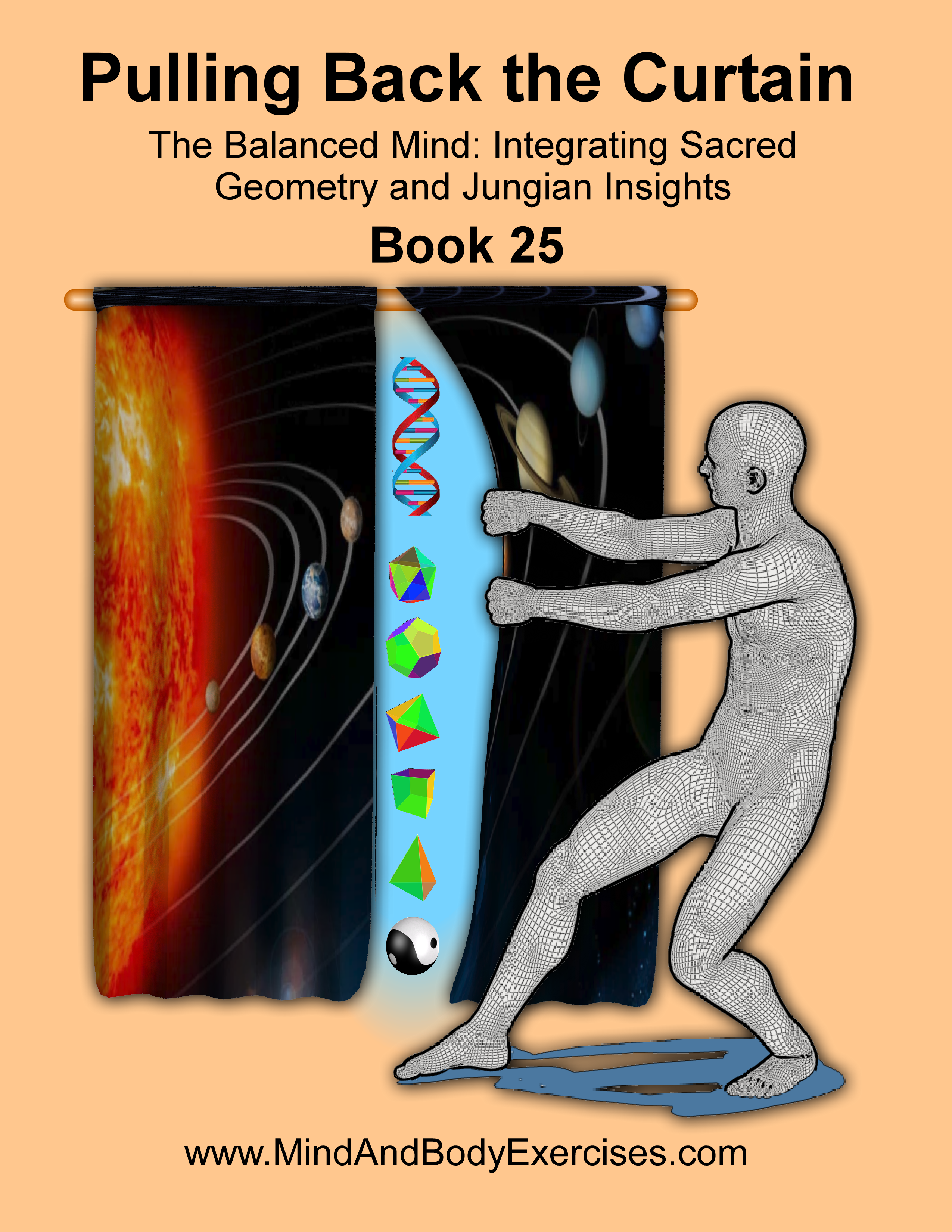
Pulling Back the Curtain

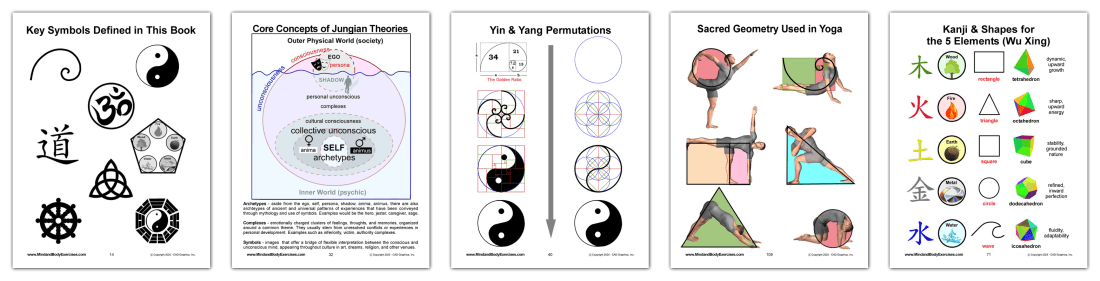
My new book Pulling Back the Curtain is now available through Amazon (https://a.co/d/09malCv). I offer a color reference guide for Sacred Geometry, Carl Jung’s theories, and their relevance to human behavior and symbolism. If you practice yoga, tai chi, qigong, BaguaZhang, other mind-body methods or are just looking to expand your understanding of our reality, my new book will help you organize all seemingly complex concepts.


Throughout human history, profound truths about the universe and our place within it have been explored and expressed through archetypes, geometry, psychology and philosophy. From the earliest cave drawings to the intricate mandalas of Eastern traditions, humanity has sought to map the intangible forces that shape our existence. These universal patterns reveal not only the structures of the cosmos but also the dynamics of our own inner worlds. It is this interplay between the external and internal, the visible and invisible, that this book illuminates. My intent for this book is to provide a graphical study guide that summarizes complex concepts for those already familiar with these topics, while offering an introduction for those just beginning to pursue this type of information.


The Taoist concept of yin and yang further underscores the dynamic dualities that shape our world: light and shadow, masculine and feminine, chaos and order. This dance of opposites, echoed in Jung’s theories, reminds us that life’s challenges and joys are part of a larger, harmonious whole. At the heart of these inquiries lies the work of Carl Jung, whose pioneering insights into the collective unconscious provide a framework for understanding the interconnectedness of all things. Jung’s exploration of archetypes and opposites, including the balance of yin and yang, offers profound guidance for navigating the complexities of modern life. His fascination with symbols, geometry, and universal patterns serves as a bridge between ancient wisdom and contemporary thought.


Similarly, the Platonic solids – those perfect, symmetrical forms revered by both philosophers and mystics, stand as metaphors for the foundational elements of existence. These shapes, deeply intertwined with sacred geometry, reflect the harmony and order inherent in nature. Their significance transcends mere mathematics, inviting us to ponder the deeper truths they represent. Sacred geometry ties these threads together, offering a visual language of the divine. Found in the spirals of galaxies, the structure of DNA, and the design of ancient temples, sacred geometry is both a scientific marvel and a spiritual guide. It reminds us that beauty and meaning exist not only in grand cosmic designs but also in the smallest details of our daily lives. Furthermore, sacred geometry finds profound expression in the realm of mind-body practices such as yoga, tai chi, qigong and even martial arts. These disciplines incorporate geometric principles in their movements and postures, fostering harmony within the body and between the individual and the universe. The exploration of these practices and their connection to sacred geometry will reveal how these ancient systems of movement and mindfulness embody universal truths.

This book invites you to journey into these interconnected realms, where the principles of psychology, philosophy, geometry, and physical movement converge. It explores how these timeless ideas remain relevant, offering practical insights for finding balance, purpose, and connection in a world that often feels fragmented. As you delve into these pages, may you uncover the patterns that shape your own existence. May you find not only knowledge but also inspiration to integrate these timeless truths into your everyday life, creating harmony within and around you.

My books are comprehensive, deeply researched, and feature original, high-quality illustrations. I have invested over 40 years of learning, practicing, and illustrating these topics myself. providing full-color printing, detailed graphics, and specialized knowledge require premium pricing. Most of my publications offer rare insights not found elsewhere, justifying their premium nature. I have specifically designed my books for serious practitioners and scholars, while also offering information for beginners to get acquainted with complex topics and concepts. Each book contains a lifetime of experience condensed into each volume. These books are for those who seek authentic, high-quality study materials rather than mass-market books.
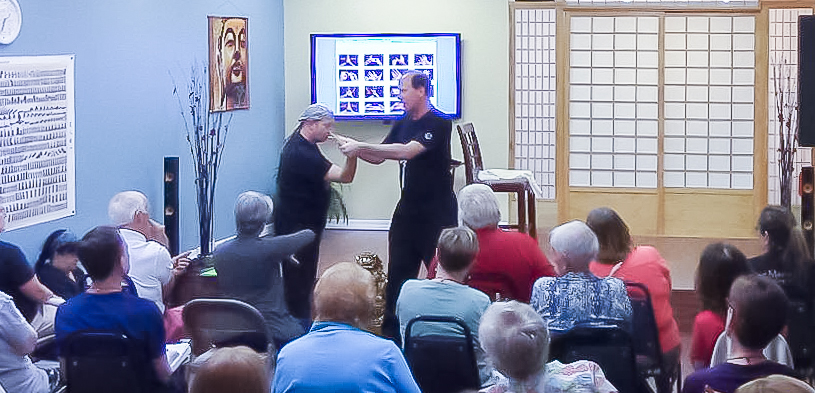
I teach and offer lectures about holistic health, physical fitness, stress management, human behavior, meditation, phytotherapy (herbs), music for healing, self-massage (acupressure), Daoyin (yoga), qigong, tai chi, and baguazhang.

Please contact me if you, your business, organization, or group, might be interested in hosting me to speak on a wide spectrum of topics relative to better health, fitness, and well-being.

I look forward to further sharing more of my message by partnering with hospitals, wellness centers, VA centers, schools on all levels, businesses, and individuals who see the value in building a stronger nation through building a healthier population.

I also have hundreds of FREE education video classes, lectures, and seminars available on my YouTube channel at:

https://www.youtube.com/c/MindandBodyExercises

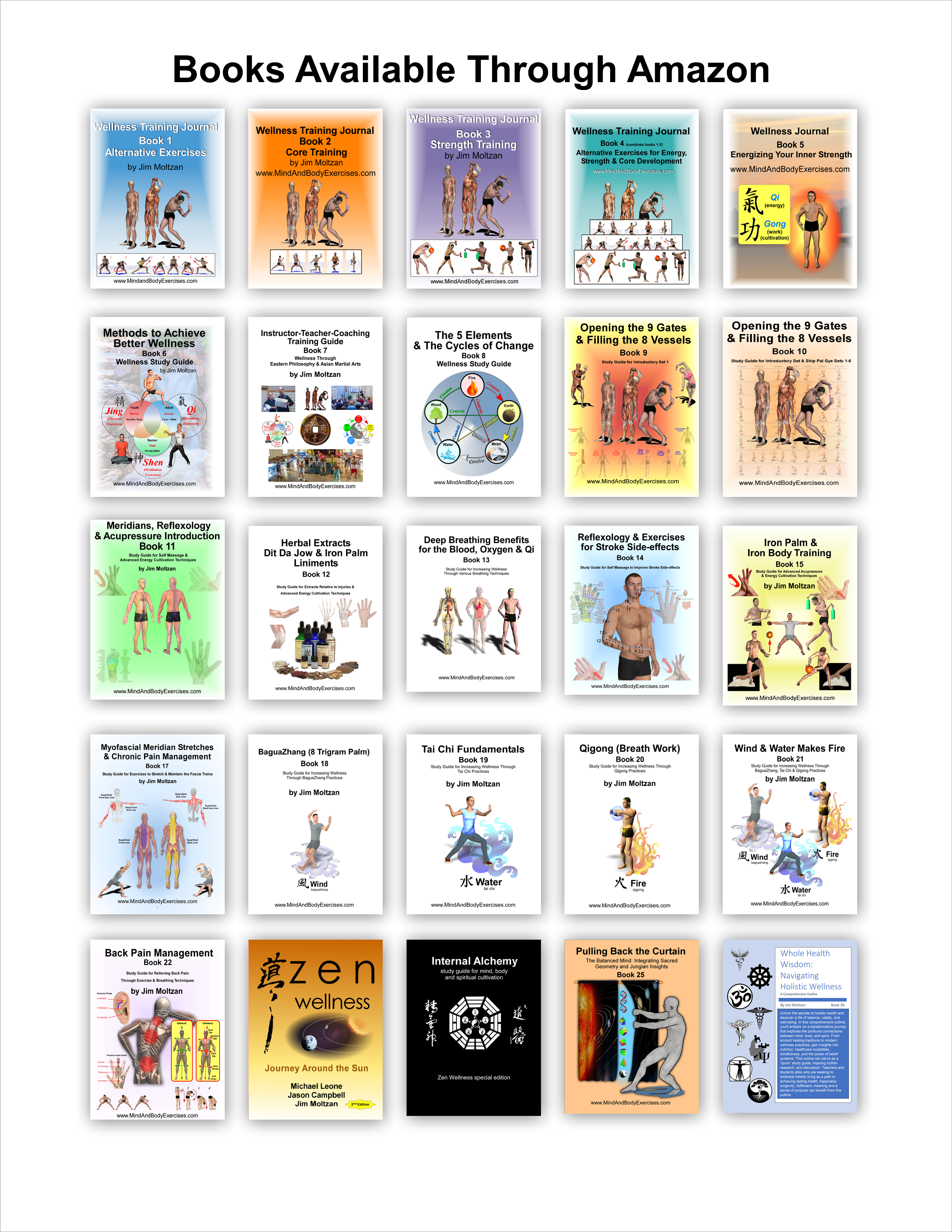
Many of my publications can be found on Amazon at:

http://www.Amazon.com/author/jimmoltzan

My holistic health blog is available at:

https://mindandbodyexercises.wordpress.com/

http://www.MindAndBodyExercises.com

Mind and Body Exercises on Google: https://posts.gle/aD47Qo

Jim Moltzan

407-234-0119

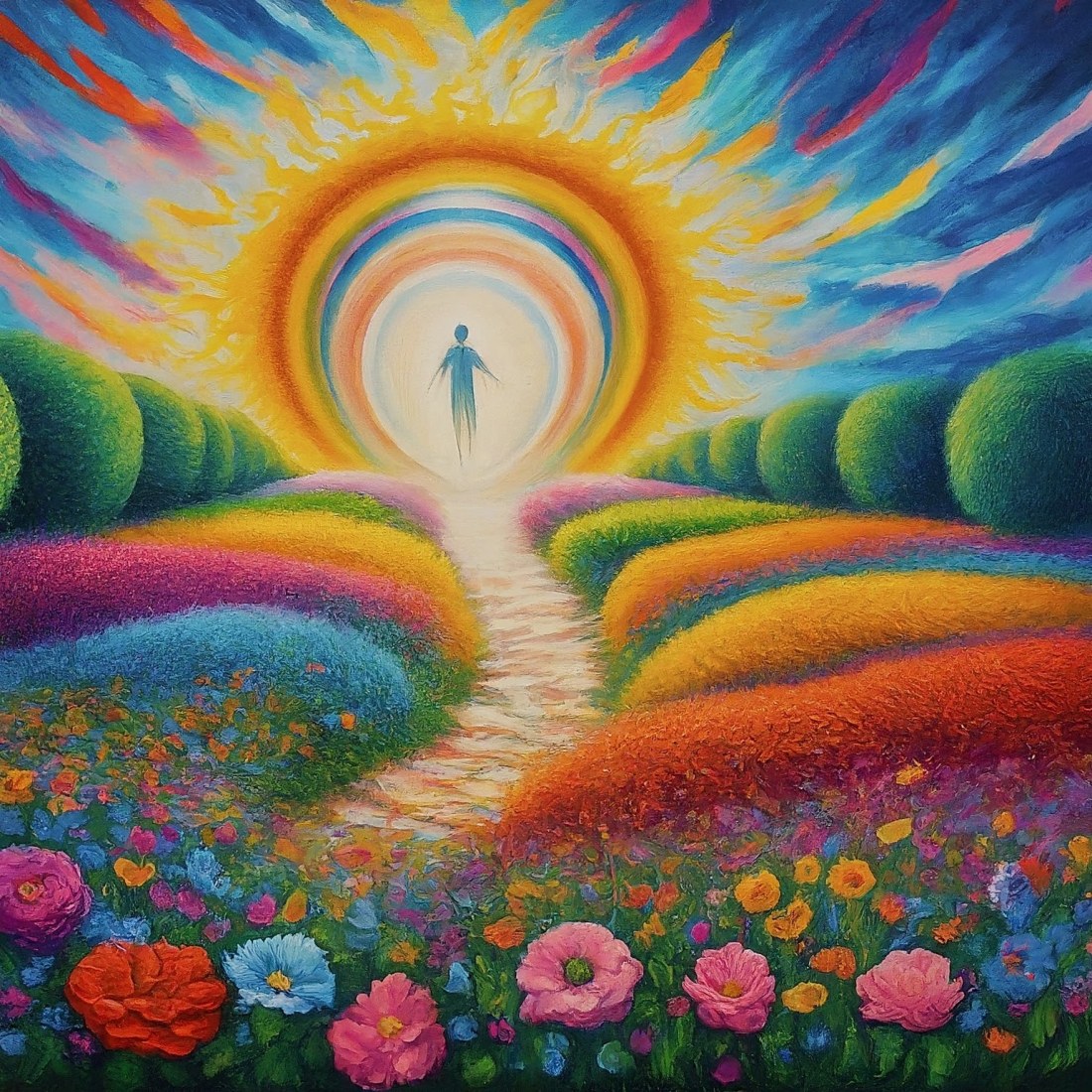
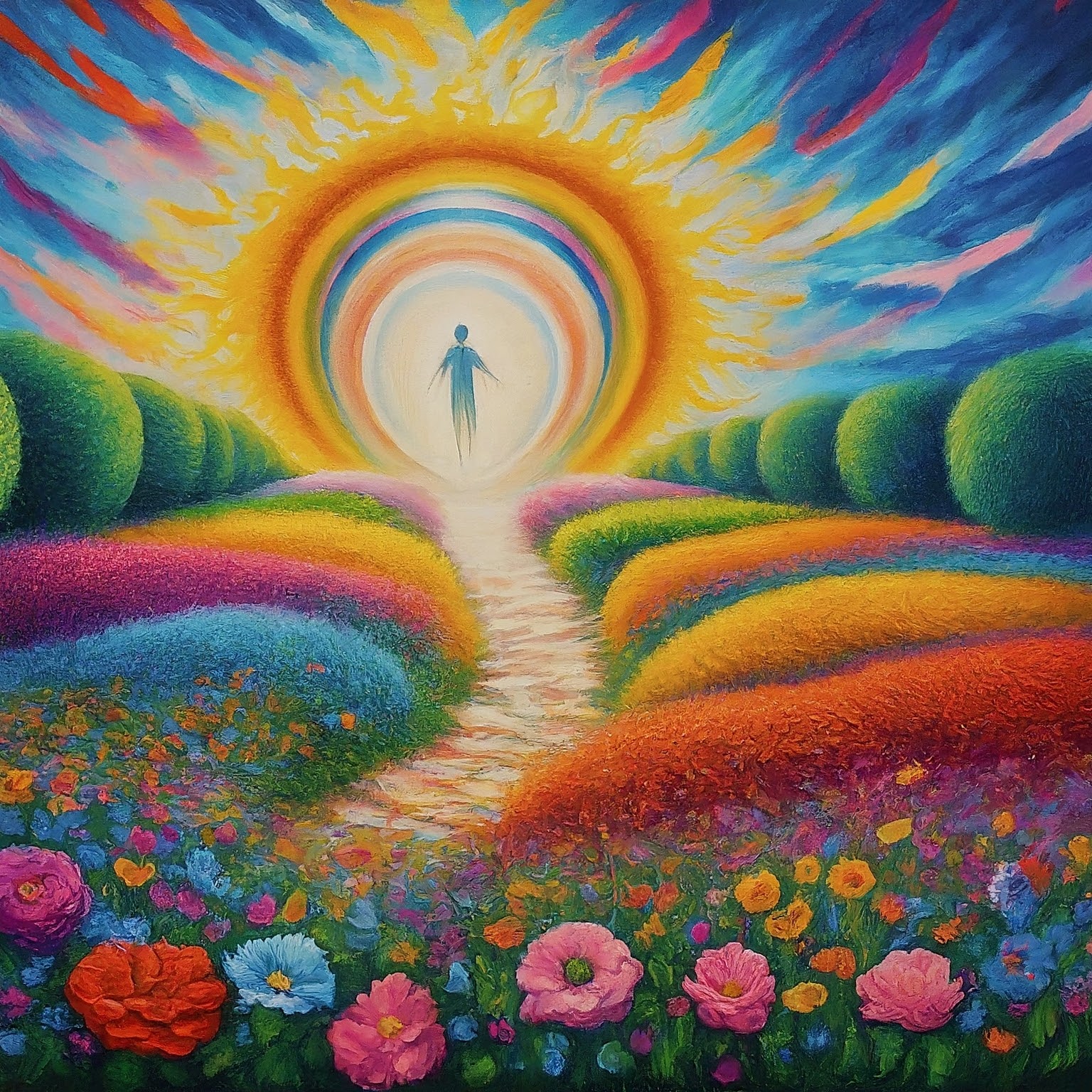
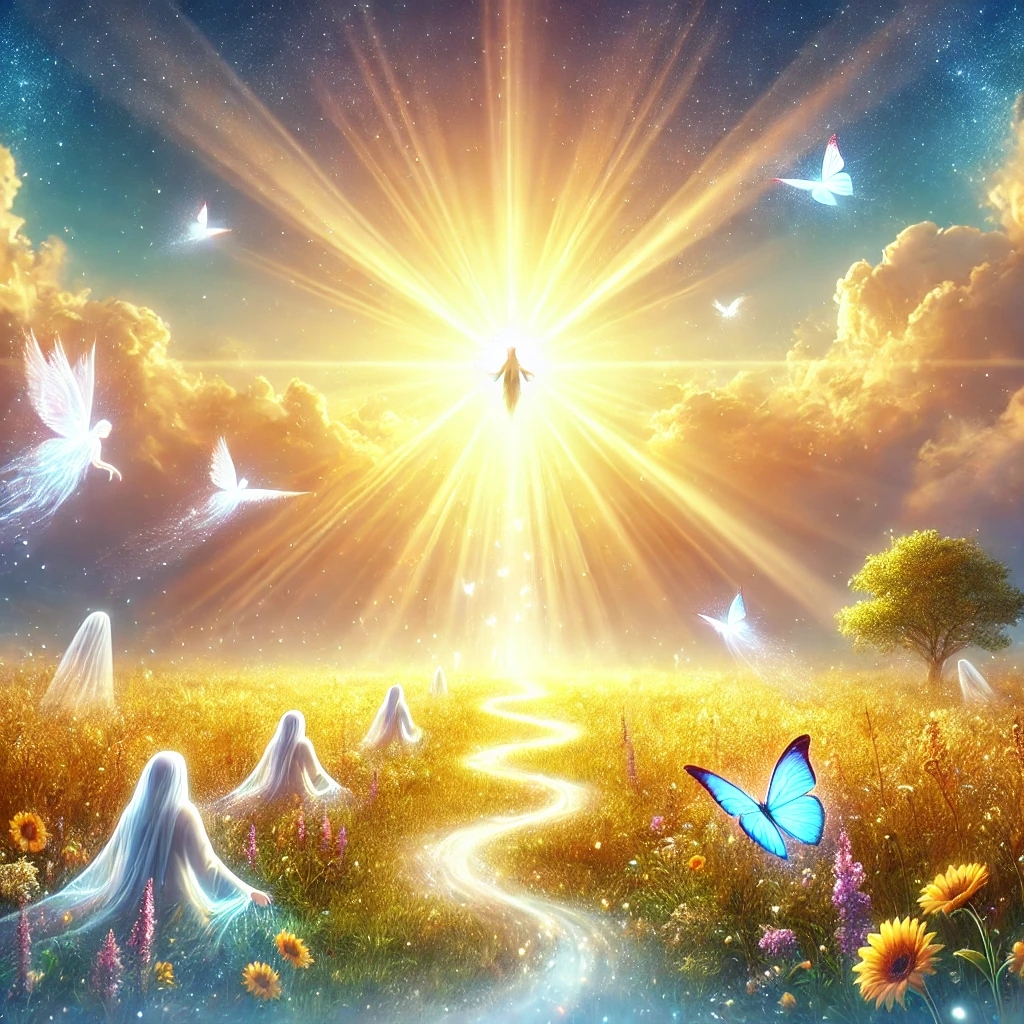
Dreams and Death, is There a Correlation?

Have you ever suddenly awoken from an intense dream where you questioned if it was just an abstract experience or one that may have a deeper and more profound meaning? Or maybe a repeat of another dream that seems to reoccur? Maybe even where deceased individuals close to you come to “visit” to offer words of support, closure, or invaluable insights?

The dream event is indicative of a momentary state of diminished faculties. It may be quite possible that dreams involving the deceased may be symptomatic of grief, however, this explanation may not hold true for all dream visitations. It is believed that the dream state allows a separation from our senses. Sleep can be viewed as a way of quieting the senses, so that nothing is conveyed to the heart, allowing the veil of the afterlife to be raised up (Kovelant, 2007).

Some may view a visitation dream as a component of the grieving process but diminishing the experience of the dreamer as possibly being temporarily not normal due to a tragedy. Religions such as Islam and more specifically Sufism, the esoteric form of Islam, have quite different viewpoints on dreams. Dreams come from a spiritual or mystical belief. Sufism sees that some dreams, specifically “visitation dreams” are where the dead seem to return or appear in dreams, to interact with us. Whether the perceived visitation of the deceased that appears in one’s dreams is produced by the dreamer, the deceased, both, or neither, remains yet to be determined (Kovelant, 2007).

In many various Indigenous cultures, dreams are seen as a bridge between the physical and spiritual worlds. Among some Native American tribes, dreams are perceived as a conduit through which the spirits of ancestors can communicate with the living. These dreams are not simply symbolic but are thought to carry messages and guidance from the deceased, who may still remain connected to the physical lives of their loved ones even after passing on to the next phase of spiritual existence.

Día de los Muertos (Day of the Dead), is a celebration that is believed in Mexican culture to be a time when the spirits of the deceased can return to the world of the living. The celebration itself can be seen as a conscious invitation for these spirits to visit. Dreams experienced during this period are often interpreted as actual interactions with the deceased. These dreams are often interpreted as guidance, blessings, support or comfort, and reassurance from those who have passed on.

Chinese culture believes that dreams including the deceased can offer other insights. Recurring dreams might highlight unresolved issues or a need to engage in specific rituals to help the deceased rest in peace. Their belief is that the deceased might appear to the living in dreams to help resolve unfinished tasks or to provide guidance to their living relatives.

Western cultures often seem to approach dreams with a more psychological perspective. Psychologists Sigmund Freud and Carl Jung offered insights into dreams in the early and mid-1900s, where the deceased are often seen as manifestations of an individual’s unconscious mind. From this perspective, dreams where the deceased comes to visit, might represent the dreamer’s inner thoughts and emotions as opposed to an actual spiritual encounter. Within this framework, many people may find meaning in these dreams. Some may see these types of dreams as a method to process grief and continue a connection with loved ones who have since passed away.

I have experienced visitation dreams a few times, where close family members or dear friends came to me in my dreams shortly after their passing. I might have attributed these events to coping mechanisms or coincidences in dealing with death and the grieving process. However, I don’t believe this to be the case due to my finding out that other living family or friends had experienced very similar dreams at almost the same time, from the same deceased individuals.

Reference:

Kovelant, K. (2007). Peering through the Veil: Death, Dreams and the Afterlife in Sufi Thought. Journal of Spirituality & Paranormal Studies30, 148–156.

I teach and offer lectures about holistic health, physical fitness, stress management, human behavior, meditation, phytotherapy (herbs), music for healing, self-massage (acupressure), Daoyin (yoga), qigong, tai chi, and baguazhang.

Please contact me if you, your business, organization, or group, might be interested in hosting me to speak on a wide spectrum of topics relative to better health, fitness, and well-being.

I look forward to further sharing more of my message by partnering with hospitals, wellness centers, VA centers, schools on all levels, businesses, and individuals who see the value in building a stronger nation through building a healthier population.

I also have hundreds of FREE education video classes, lectures, and seminars available on my YouTube channel at:

https://www.youtube.com/c/MindandBodyExercises

Many of my publications can be found on Amazon at:

http://www.Amazon.com/author/jimmoltzan

My holistic health blog is available at:

https://mindandbodyexercises.wordpress.com/

http://www.MindAndBodyExercises.com

Mind and Body Exercises on Google: https://posts.gle/aD47Qo

Jim Moltzan

407-234-0119

“Ikigai” – A Reason for Getting Out of Bed Each Day

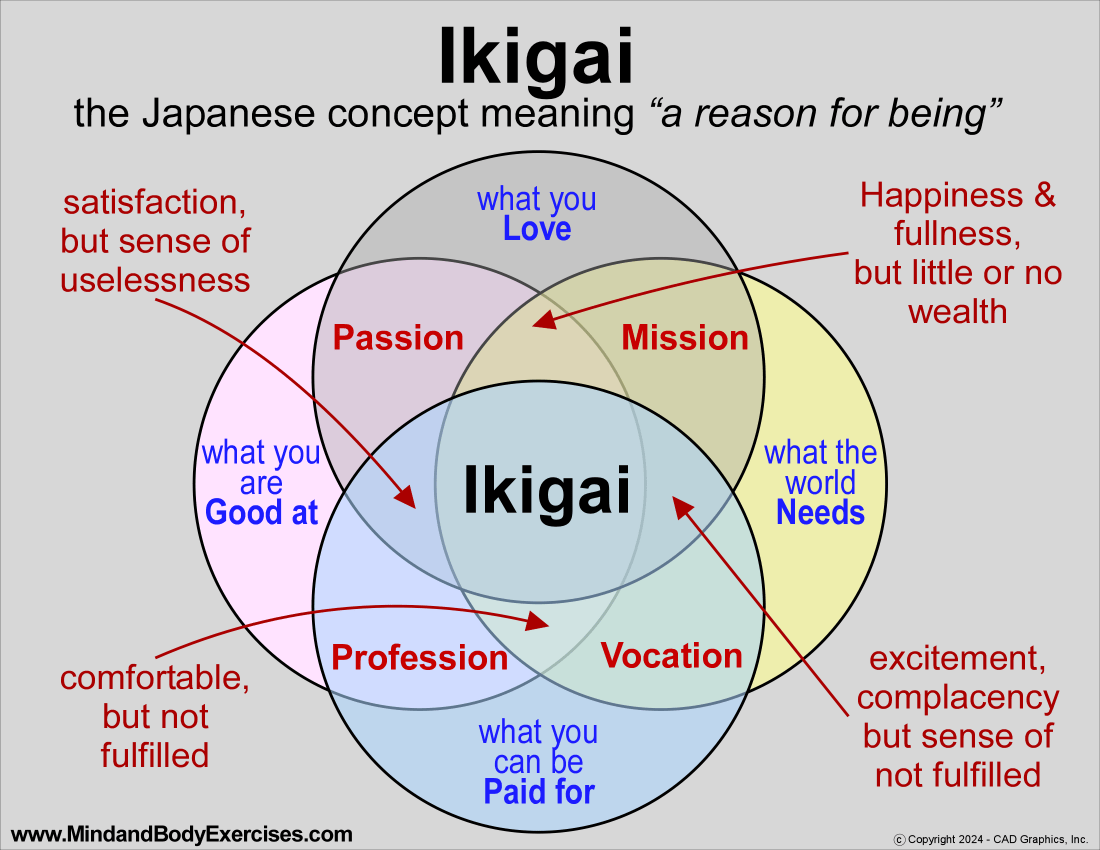
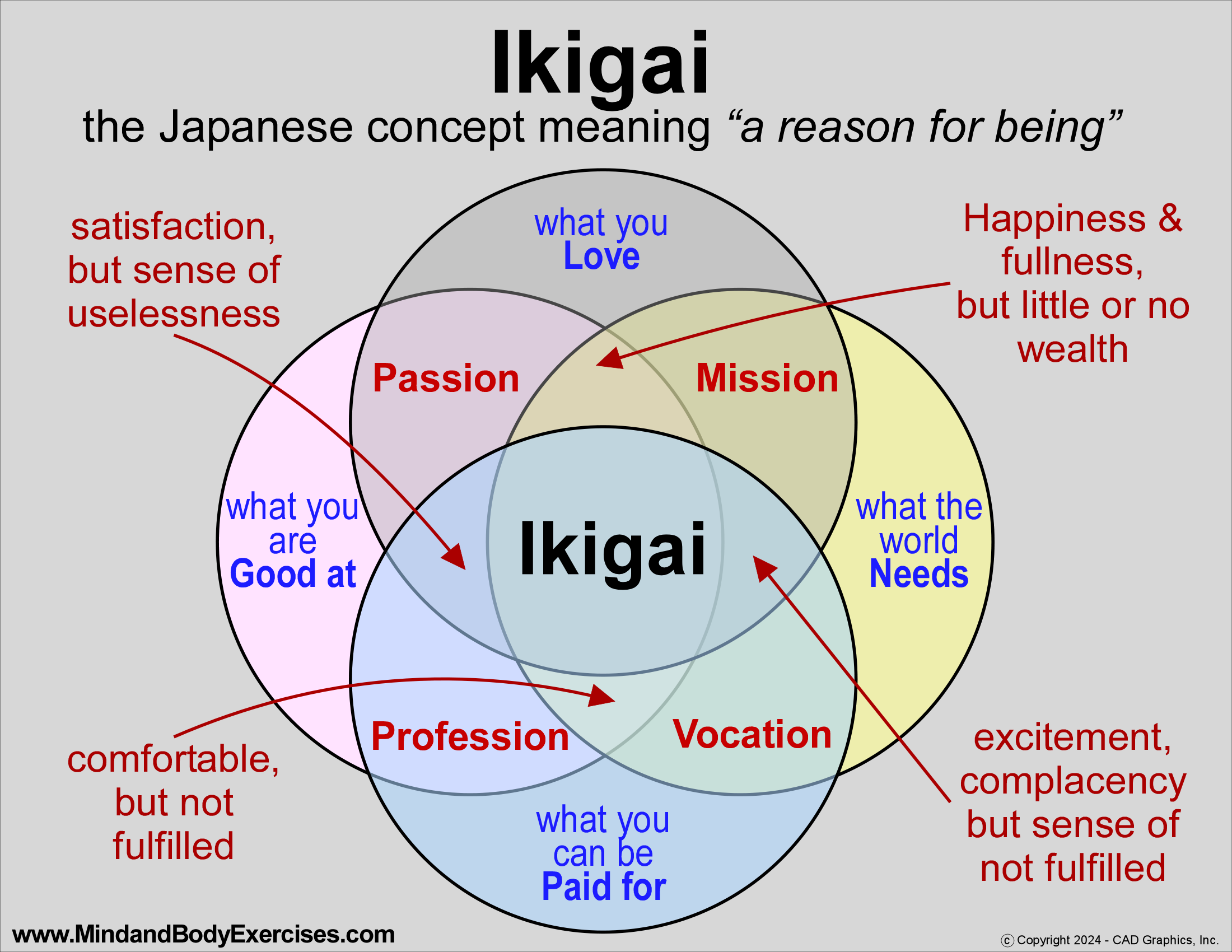
Ikigai is a Japanese concept representing the pursuit of balance among purpose, meaning, self-awareness, and self-realization (PMSS). It’s the harmony of these elements that leads to a fulfilling life, especially when one’s work aligns with them. Often referred to as finding one’s bliss, calling, or “inner genius,” the four elements of PMSS are interrelated yet unique. Together, they give us a reason to get out of bed each day, guiding our lives and enriching our connections to others. Without these components, people often face a life of confusion, chaos, pain, and even a sense of emptiness and perhaps suffering.

Historically, career choice has often shaped a person’s identity, with individuals feeling invisible or inadequate when career titles are lost, changed, or remain unachieved. This pressure is intensified in American culture, where respect is frequently tied to socioeconomic status, adding to the struggle of those who may feel disconnected from their purpose. Many Americans experience a lack of purpose and meaning, often heightened in later life stages. Retirees, for instance, may struggle to redefine themselves when they leave careers that once framed their identities, impacting their sense of place at home and in family life. Similarly, losing a spouse or loved one can erode this sense of purpose. For some, volunteering or public service becomes a way to revive their meaning and direction.

I remember many of my martial arts mentors speaking of the importance of understanding that we “earn” our lives through service to others. Demanding respect through fear or gaining recognition without earning, does not produce true meaning or purpose. Participation trophies usually don’t help to pay the bills. We earn the life we till, seed, and harvest. What can be considered as a higher calling other than helping, teaching, and nurturing others to become better versions of themselves? To take this concept to another level of meaning and purpose in terms of spirituality, I have learned the term gong dao wei shen (功德为神) which is rooted in Chinese philosophical and spiritual traditions. However, the exact expression isn’t commonly cited. I can attempt to break it down:

  1. 功德 (gong de) — This translates to “merit” or “karmic merit” in the sense of virtue accumulated through good deeds and moral actions. In traditional Chinese thought and in Buddhism, gong de is the spiritual merit or positive karma gained through altruistic actions, spiritual practice, and moral conduct.
  2. 为 (wei) — This can mean “for” or “as” in this context, often used to imply that the merit serves or benefits something.
  3. 神 (shen) — This translates to “spirit” or “divine” and can imply a higher spiritual state or connection with the divine.

功德 为 神

Consequently, gong dao wei shen could be loosely interpreted as “acquiring karmic merit for spiritual elevation or connection to the divine.” This phrase might not appear in ancient texts directly but reflects the concept of dedicating good deeds or spiritual work to elevate one’s spiritual state, aligning with Chinese philosophies of moral virtue impacting one’s spiritual development.

Grasping these aspects of PMSS early on benefits not only individuals but also communities and society as a whole. However, finding this balance isn’t something that can be bought or easily read about; it takes time, life experiences, a genuine desire, and self-reflection to develop. In this way, one’s personal sense of ikigai or PMSS truly takes shape through a lifelong journey of discovery and growth.

I teach and offer lectures about holistic health, physical fitness, stress management, human behavior, meditation, phytotherapy (herbs), music for healing, self-massage (acupressure), Daoyin (yoga), qigong, tai chi, and baguazhang.

Please contact me if you, your business, organization, or group might be interested in hosting me to speak on a wide range of topics related to better health, fitness, and well-being.

I look forward to further sharing my message by partnering with hospitals, wellness centers, VA centers, schools on all levels, businesses, and individuals who see the value in building a stronger nation through a healthier population.

I also have hundreds of FREE education video classes, lectures, and seminars available on my YouTube channel at:

https://www.youtube.com/c/MindandBodyExercises

Many of my publications can be found on Amazon at:

http://www.Amazon.com/author/jimmoltzan

My holistic health blog is available at:

https://mindandbodyexercises.wordpress.com/

http://www.MindAndBodyExercises.com

Mind and Body Exercises on Google: https://posts.gle/aD47Qo

Jim Moltzan

Is Joseph Cambell’s “Hero’s Journey” Relative Today?

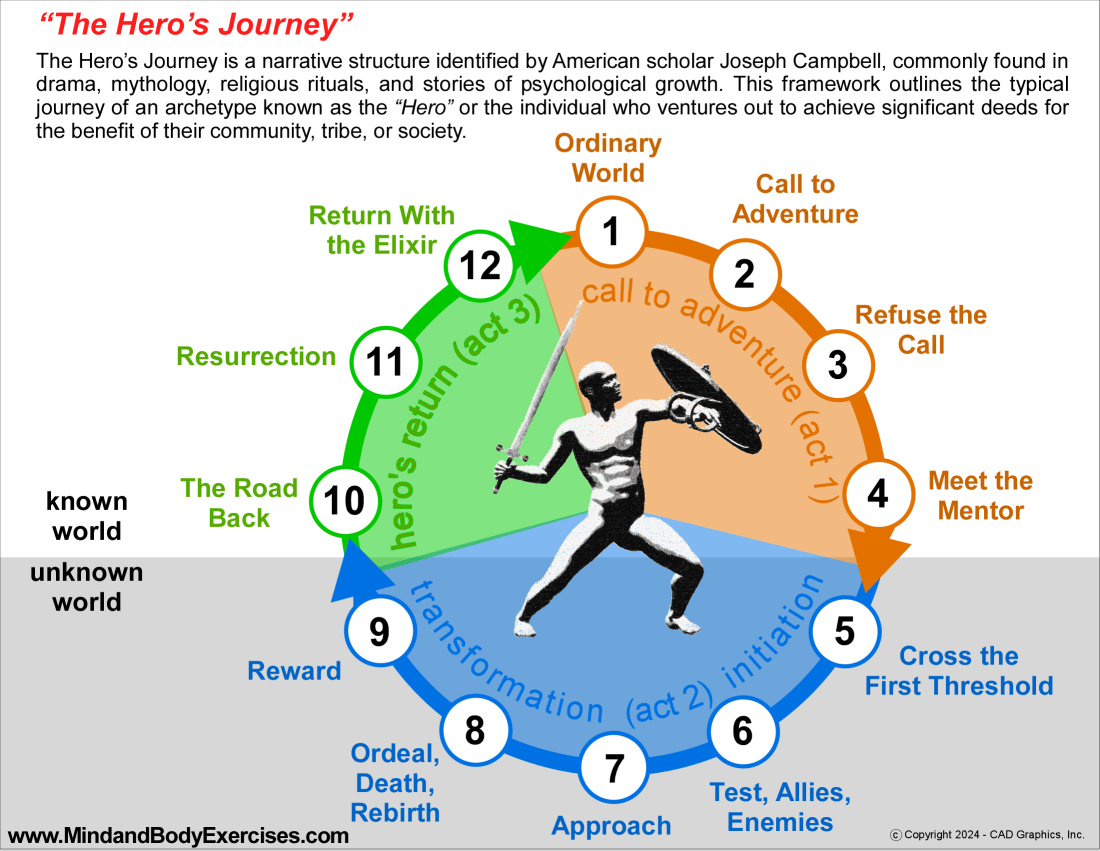
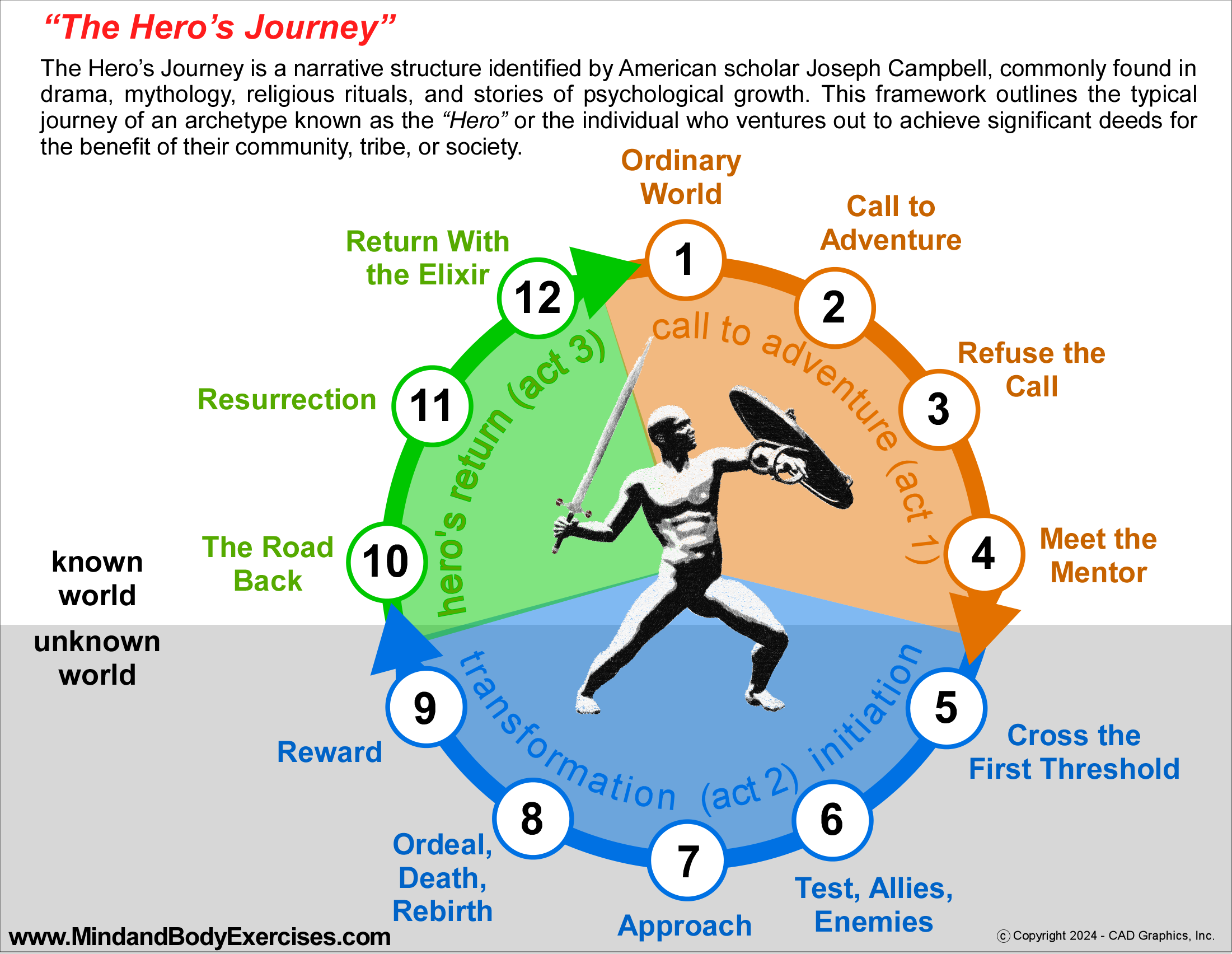
The Hero’s Journey outline can apply to the average person’s life by representing the various stages of growth and transformation that almost everyone experiences. In our own personal journeys, we may all experience different circumstances or perceptions. There is only one truth, but infinite perceptions for any particular event. In real life, this journey could look like facing major life changes, pursuing personal goals, or overcoming significant mental, physical, and even spiritual challenges.

Here’s how it might play out in the life of an everyday person:

The steps of the “Hero’s Journey” include:

1- THE ORDINARY WORLD: The hero is often unaware, uneasy, or facing internal conflict, is introduced in a relatable way, allowing the audience to connect with their personal situation or struggle. The hero’s background of environment, family, and personal history, is established, revealing a feeling of opposing forces that pull the hero in different directions, creating mental and physical tension. (REAL WORLD APPLICATION: We might feel dissatisfied or unsure about something but aren’t yet driven to make a change)

2 – THE CALL TO ADVENTURE: A change is introduced to the not-yet hero, either through external forces or an internal realization, which compels the hero to confront an initial shift in their life. Something happens that urges us to change—a new job offer, a health issue, a relationship shift, or simply a sense of restlessness pushing us to grow. (REAL WORLD APPLICATION: Something happens that urges us to change such as a new job offer, a health issue, a relationship shift, or simply a sense of restlessness pushing us to grow.)

3 – REFUSAL OF THE CALL: The hero initially resists the journey, feeling uncertainty, fear of the unknown or a desire to turn away. In some cases, another 3rd party character may voice these fears and the risks involved. (REAL WORLD APPLICATION: Most often, our first reaction is resistance. We might feel afraid, overwhelmed, or doubt if we’re capable of taking on the new challenge.)

4 – MEETING WITH THE MENTOR: The hero encounters an experienced guide who provides knowledge, wisdom, training, resources, or crucial advice for the journey ahead. The hero is forced or accepts to look inward to find courage and inner wisdom. (REAL WORLD APPLICATION: In real life, mentors come in many forms like family members, friends, a teacher, a therapist, or even an inspiring book or experience that gives us insight or guidance.)


5 – CROSSING THE THRESHOLD: At the end of the first act, the hero commits to leaving behind the “ordinary world” and stepping into a new realm, filled with unknown rules and values. (REAL WORLD APPLICATION: This is the moment we commit to the journey, stepping out of our comfort zone. It could be moving to somewhere else, leaving a job, or simply deciding to make a big life change.)


6 – TESTS, ALLIES, AND ENEMIES: The hero faces various challenges, cultivates alliances, and identifies challenges and adversaries in the new world. (REAL WORLD APPLICATION: On our journey forward, we may encounter challenges and discover who supports or hinders us. We might face setbacks, doubts or obstacles while finding allies who encourage us.)


7 – APPROACH: With newly forged alliances, the hero prepares for a major trial or challenge within this unfamiliar world. (REAL WORLD APPLICATION: As we get closer to our goal, we prepare for a major challenge. This could mean making a big presentation, taking a final exam, or confronting an important fear.)


8 – THE ORDEAL: Near the story’s midpoint, the hero reaches a pivotal moment in the “unknown world,” confronting injury, death or their deepest fear. This moment of confrontation brings about a form of transformation, rebirth or renewal. (REAL WORLD APPLICATION: This is the peak moment where we face a major hurdle, fear or obstacle, like overcoming a health crisis, finally letting go of a limiting belief, or facing a major confrontation. It feels like a personal “death and rebirth,” as we emerge stronger and changed.)


9 – THE REWARD: The hero claims the reward or treasure that results from facing their challenges. There may be a celebration, though there is often still a risk of losing the reward. (REAL WORLD APPLICATION: Having faced our ordeal, we gain something valuable like greater confidence, resilience, insight, or a concrete achievement that represents our growth.)


10 – THE ROAD BACK: Around two-thirds into the story, the hero is driven to finish the adventure, returning from the unknown world to ensure the reward makes it home. Sometimes a chase scene highlights the mission’s urgency and very possibly danger. (REAL WORLD APPLICATION: With new insight or skills, we may be driven to bring our growth back to our everyday lives, sometimes facing new challenges as we try to integrate our journey’s rewards.)


11 – THE RESURRECTION: At the story’s climax, the hero undergoes a final, intense test as they approach home. They are transformed by a last act of defying death, embracing rebirth, or a sacrifice of some major merit, reaching a higher state of completion. Through the hero’s actions, the initial conflicts find resolution. (REAL WORLD APPLICATION: Before fully returning to our “normal” life, we’re often tested again, reinforcing our inner transformation. This could mean facing a problem like the one we just faced before but responding differently due to our growth.)

12 – RETURN WITH THE ELIXIR: The hero returns or continues the journey, now possessing a reward, treasure (or elixir) with transformative power, both for the hero and for the world they return to. (REAL WORLD APPLICATION: Finally, we bring valuable aspects to our daily life, whether it’s wisdom, resilience, or a new perspective. Our journey may not only transform us, but often positively impacts those around us.)

In our real life, these stages might be less dramatic and more cohesive, and maybe even more blended together. The Hero’s Journey reminds us that life is a series of growth cycles, and each challenge we face can lead to transformation, making us more resilient, self-aware, and capable.


Balancing Mind, Body & Spirit Awareness – a graphical presentation

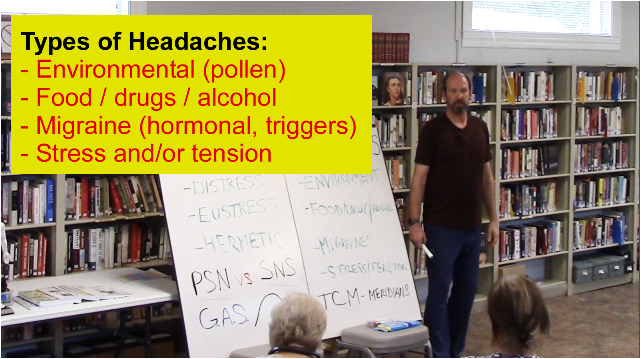
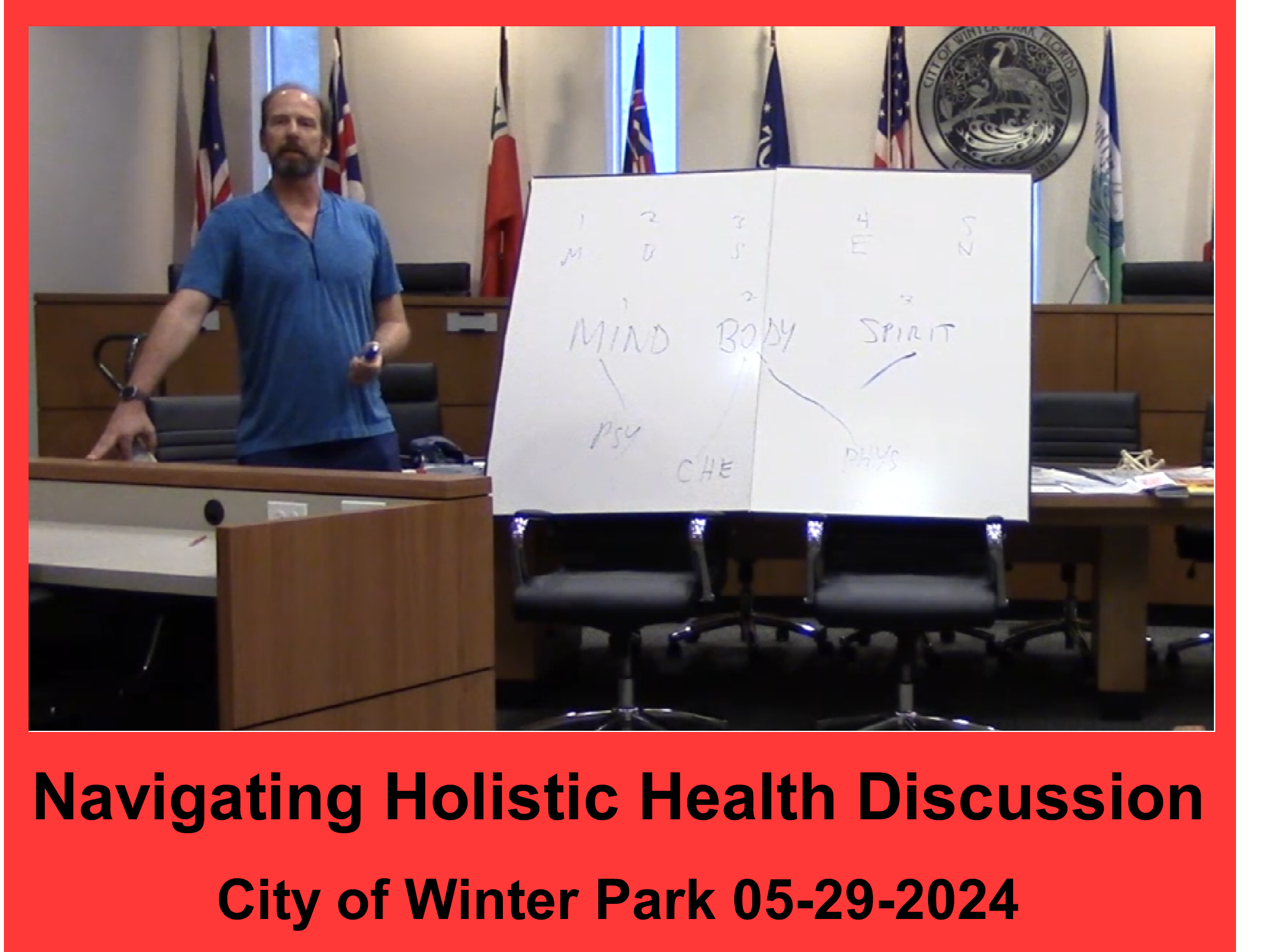
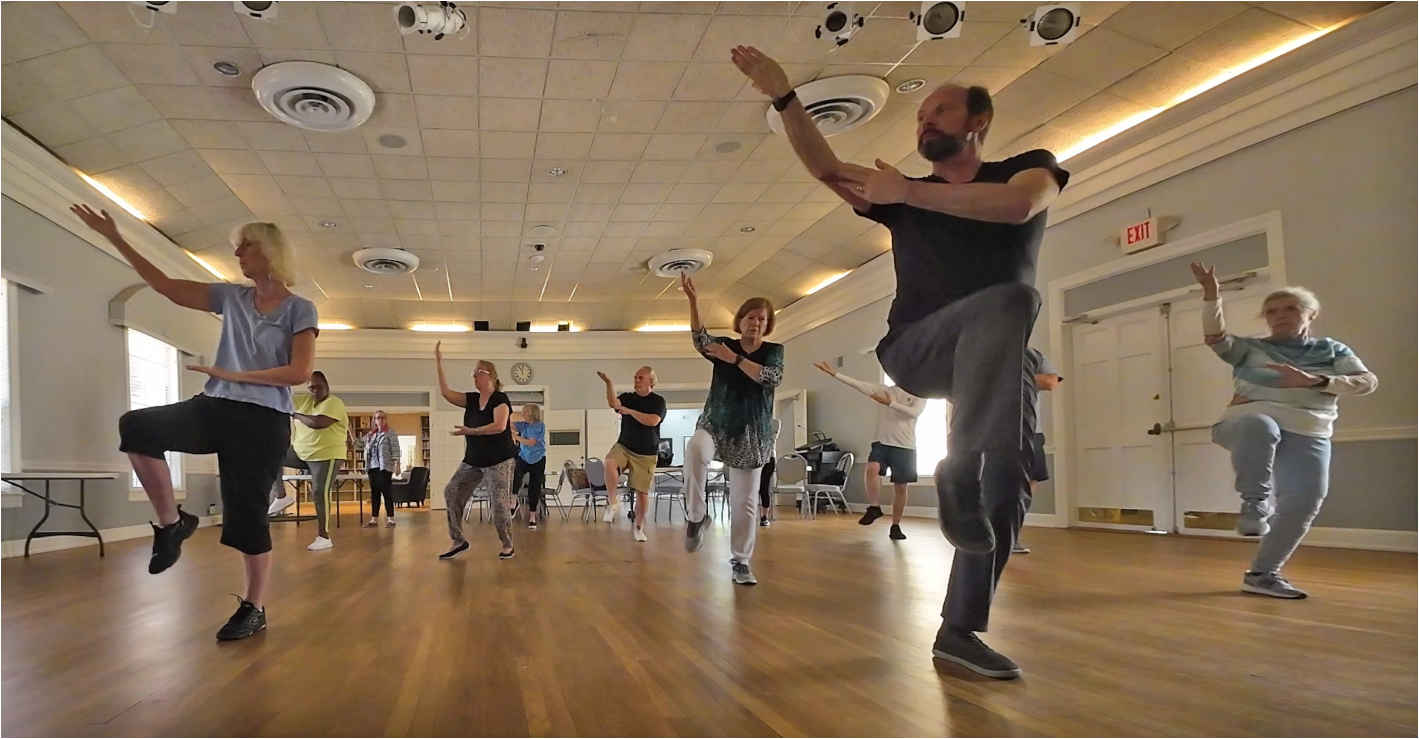
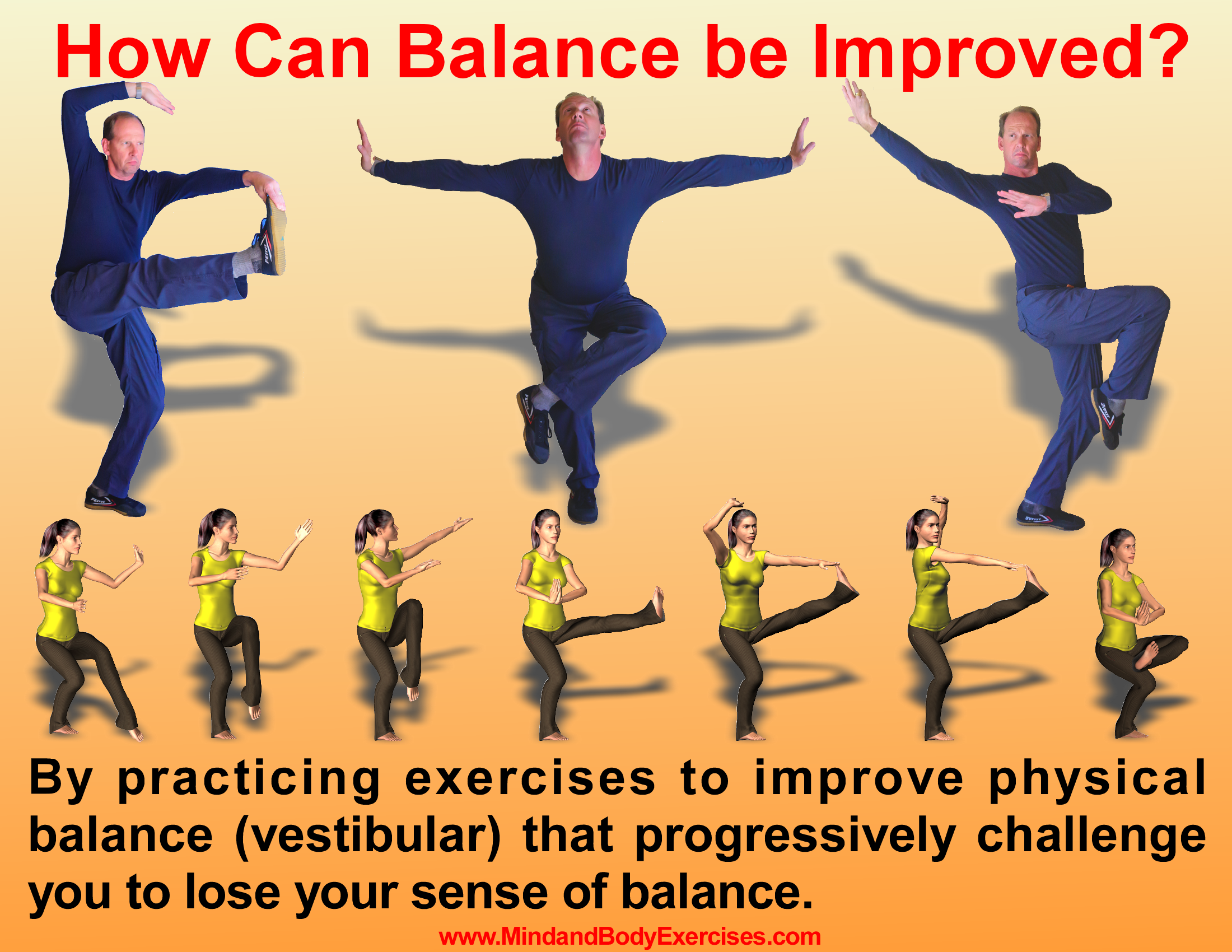
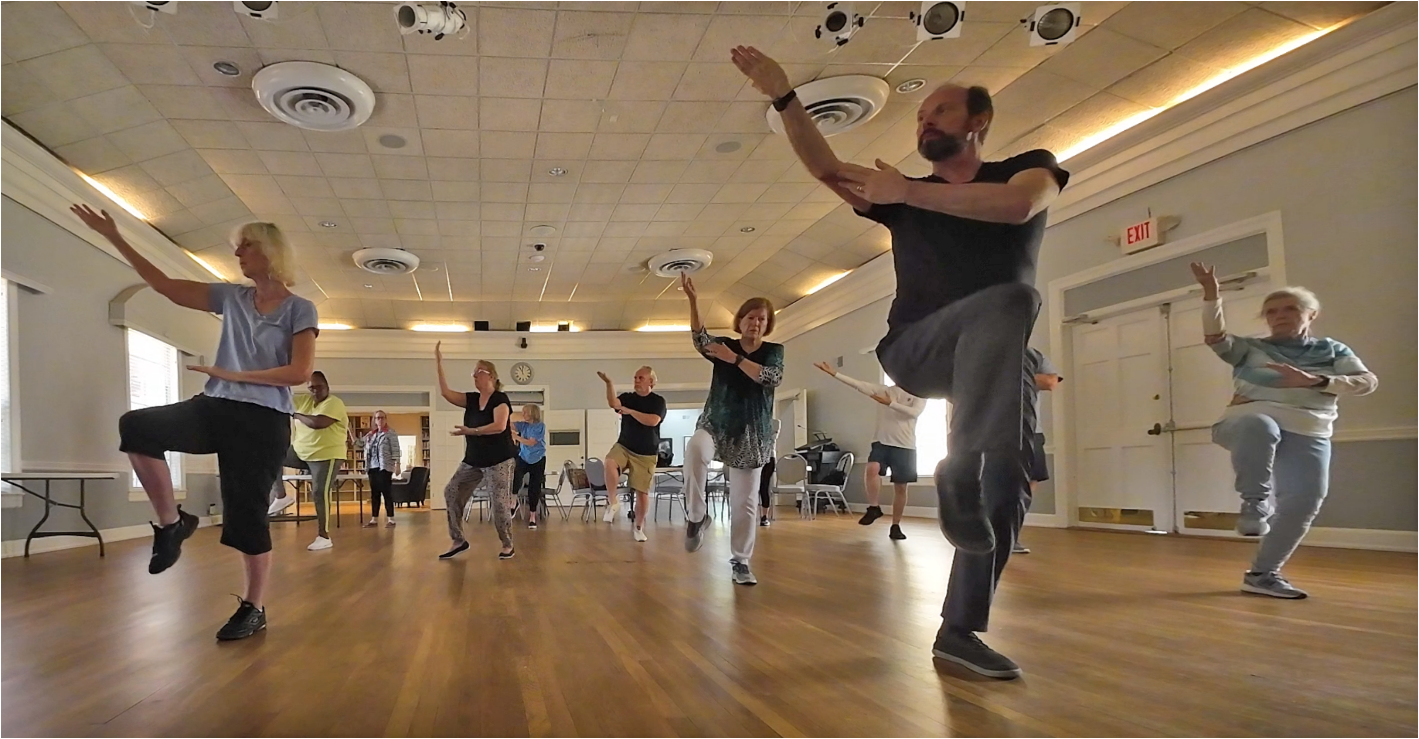
This is a graphical summary of my recent public discussion emphasizing the interconnectedness of physical, mental, and spiritual health in maintaining balance. A large portion of my discussion touched upon vestibular balance and how to prevent falls not just by cleaning up your walkways, but by increasing one’s ability to manage their center of gravity, increase leg strength, improving range of motion and the need to become more self-aware of one’s attention, one’s physical body as well as surrounding envirnment.

The role of knowledge, intelligence, and cognitive processes in balance.

The connection between beliefs, morals, values, and spiritual awareness.

The impact of mental health and emotional well-being on balance.

The concept of “deep roots” and their connection to physical balance.

The influence of diet, medications, and lifestyle choices on balance.

The potential negative effects of recreational drug use.

The importance of environmental factors and injury prevention.    

The relationship between the feet and overall health, including the concept of “death begins in the big toe.”

The importance of sleep hygiene and quality sleep for overall health.

The use of technology, such as LED lights, and its potential impact on sleep and well-being.

The role of the feet in overall balance and stability.

The impact of injuries and falls on balance, particularly the “fracture cascade.”

The importance of maintaining physical fitness and strength for balance.

Engaging in regular physical activity, such as tai chi or yoga.

Improving posture and body alignment.

Being mindful of surroundings and potential hazards.

Practicing deep breathing exercises to regulate the nervous system.

Use “3 points of contact” when standing, sitting, climbing, hiking, etc. for a more stable structure.

Understand that the human body is very similar to a tree with roots (lower body), trunk (middle or core), and branches and leaves (arms and hands).

Become more self-aware that you have a purpose, a calling, bliss or “ikigai,” a Japanese term for a sense of purpose and meaning that can affect others beyond the self.

One has to put in the time and effort to achieve anything of value. One can be non-active, proactive, or reactive, depending upon their attitude, goals, and resources. Physical exercises to improve balance can consist of a combination of static, dynamic, and locomotive movements and methods.

I teach and offer lectures about holistic health, physical fitness, stress management, human behavior, meditation, phytotherapy (herbs), music for healing, self-massage (acupressure), Daoyin (yoga), qigong, tai chi, and baguazhang.

Please contact me if you, your business, organization, or group, might be interested in hosting me to speak on a wide spectrum of topics relative to better health, fitness, and well-being.

I look forward to further sharing more of my message by partnering with hospitals, wellness centers, VA centers, schools on all levels, businesses, and individuals who see the value in building a stronger nation through building a healthier population.

I also have hundreds of FREE education video classes, lectures, and seminars available on my YouTube channel at:

https://www.youtube.com/c/MindandBodyExercises

Many of my publications can be found on Amazon at:

www.Amazon.com/author/jimmoltzan

My holistic health blog is available at:

https://mindandbodyexercises.wordpress.com/

www.MindAndBodyExercises.com

Mind and Body Exercises on Google: https://posts.gle/aD47Qo

Jim Moltzan