Spiritual Currents in Europe and Asia (800–1800 CE)

The spiritual histories of Europe and Asia between the ninth and eighteenth centuries reveal both stark contrasts and surprising parallels. While the Holy Roman Empire represented a distinctly Christian civilization in Europe, Asia contained a vast spiritual mosaic shaped by Buddhism, Hinduism, Daoism, Confucianism, and emerging new traditions. Examining them side by side highlights not only their differences, but also their shared struggles with orthodoxy, reform, and the search for direct spiritual experience.

Early Medieval Period (800–1000 CE)

In Europe, the coronation of Charlemagne in 800 marked the symbolic beginning of the Holy Roman Empire, embedding Christianity as the unifying spiritual and political authority. Benedictine monasteries flourished, emphasizing discipline, prayer, and scholarship (McKitterick, 2008). Missionaries spread Christianity into Central and Northern Europe, solidifying the Church’s cultural dominance.

At the same time, Asia was undergoing significant transformations. In India, the philosopher Śaṅkara refined Advaita Vedānta, a non-dualistic vision of ultimate reality that would remain influential for centuries (Deutsch, 1988). Buddhism continued to flourish in China and Tibet, with Chan (Zen) Buddhism emphasizing meditation and direct awakening (Faure, 1993). In Japan, esoteric Buddhist schools such as Shingon and Tendai were introduced, while in Tibet royal patronage ensured Buddhism’s lasting establishment (Kapstein, 2006).

High Medieval Period (1000–1200 CE)

The Holy Roman Empire entered the high medieval period with expanding papal authority and the rise of scholastic theology. Thinkers such as Anselm of Canterbury laid the groundwork for reasoned approaches to faith (Southern, 1990). The First Crusade (1095) demonstrated the deeply spiritual yet militant expression of medieval Christianity, as the Church sought to extend its influence beyond Europe (Tyerman, 2005).

Across Asia, parallel movements of spiritual renewal were unfolding. In India, devotional currents of the Bhakti movement began to emerge, stressing heartfelt devotion over ritual and caste (Hawley, 2015). In China’s Song dynasty, Neo-Confucianism was synthesized by Zhu Xi, blending moral philosophy with metaphysics (De Bary, 1981). In Japan, Pure Land Buddhism spread among commoners, offering salvation through simple faith, while Zen Buddhism began its ascent (Suzuki, 1996). Korea’s Goryeo dynasty witnessed the maturation of Seon (Zen) Buddhism, and in Tibet, the Kagyu and Sakya schools gained structure and prestige (Samuel, 2012).

Later Medieval Period (1200–1400 CE)

By the thirteenth century, scholasticism reached its height in Europe with Thomas Aquinas, while Gothic cathedrals symbolized the union of beauty, architecture, and faith (Le Goff, 1988). Alongside official orthodoxy, Christian mystics such as Meister Eckhart and Hildegard of Bingen emphasized direct union with God, reflecting a deep hunger for personal spiritual experience (McGinn, 2006). At the same time, inquisitorial structures were established to guard orthodoxy and suppress deviation.

In Asia, spiritual life was equally dynamic. India witnessed the flowering of Bhakti poets such as Kabir, who challenged caste divisions and stressed unity with the divine (Hawley & Juergensmeyer, 1988). Chan Buddhism continued in China, alongside Daoist inner alchemy (neidan), which cultivated the transformation of essence, energy, and spirit (Robinet, 1993). In Japan’s Kamakura period, Zen influenced art, poetry, and even the martial discipline of the samurai (Addiss, 1989). Korea maintained its Buddhist culture, while Tibet received Mongol patronage that elevated the Sakya school to prominence (Kapstein, 2006).

Early Modern Period (1400–1600 CE)

Europe’s spiritual climate shifted dramatically between the fifteenth and sixteenth centuries. The Renaissance revived humanist inquiry, while the Protestant Reformation, beginning with Martin Luther’s theses in 1517, fractured Catholic unity across the Holy Roman Empire (MacCulloch, 2003). Wars of Religion ensued, and the Catholic Counter-Reformation sought to reclaim spiritual authority through renewed discipline, missionary zeal, and the Jesuit order (O’Malley, 1993).

In Asia, this same era was one of remarkable religious synthesis and renewal. In India, the Bhakti movement expanded further, and Sikhism was founded by Guru Nanak, offering a new synthesis of devotion and ethical practice (McLeod, 2009). In Ming China, Neo-Confucianism became the dominant ideology, though often blended with Buddhist and Daoist practices (Angle & Tiwald, 2017). Japan’s Zen traditions flourished in art, gardening, and tea ceremony, intermingling with Shinto rituals (Suzuki, 1996). Korea’s Joseon dynasty elevated Neo-Confucianism as state orthodoxy, though Buddhism persisted among common people (Deuchler, 1992). Tibet saw the rise of the Gelug school, and the institution of the Dalai Lama emerged as both spiritual and political authority (Samuel, 2012). Across Southeast Asia, Theravāda Buddhism spread and took firm root as the primary spiritual framework (Skilling, 2024).

Late Early Modern Period (1600–1800 CE)

In the Holy Roman Empire’s final centuries, the Thirty Years’ War (1618–1648) devastated Central Europe and redefined the balance between faith and politics. The Enlightenment further challenged ecclesiastical authority by placing reason and empirical science above dogma (Israel, 2001). By 1806, the Holy Roman Empire had dissolved, marking the end of a millennium of Christian-imperial identity.

Meanwhile, Asia entered an age of spiritual consolidation. In Mughal India, Emperor Akbar experimented with religious syncretism, while Sikhism solidified into a distinct faith (Eaton, 2019). In Qing China, Confucian orthodoxy reigned, but Jesuit missionaries introduced Christianity and Western science, leading to cultural exchanges and tensions (Brockey, 2007). Japan’s Edo period tightly regulated Buddhism but saw a revival of Shinto and Neo-Confucian ethics (Najita, 1987). Korea remained staunchly Confucian while underground Catholicism began to spread (Grayson, 2013). Tibet’s Gelug school solidified its control under successive Dalai Lamas, while Theravāda monasteries remained the heart of spiritual life in Southeast Asia (Skilling, 2024).
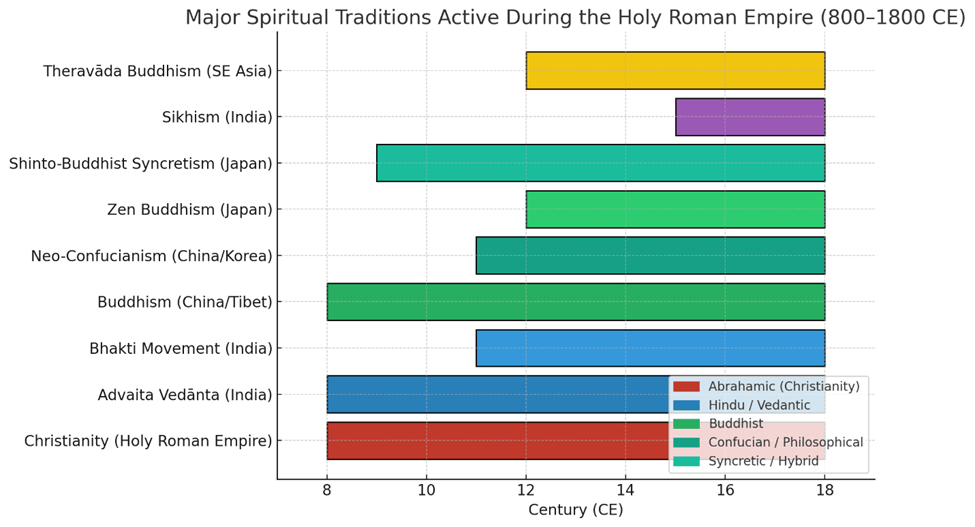
Each bar represents the approximate centuries during which each spiritual or philosophical system was prominent:

  • Christianity throughout the entire Holy Roman Empire period.
  • Advaita Vedānta, Buddhism, and Neo-Confucianism maintained long continuous influence.
  • The Bhakti and Zen movements arose in the middle centuries.
  • Sikhism appeared later in the 15th century.
  • Theravāda Buddhism spread widely across Southeast Asia beginning around the 12th century.

Epilogue: Why This Historical Comparison Matters Today

Understanding the spiritual evolution of Europe and Asia between 800 and 1800 CE is not just an academic exercise; it is a mirror reflecting the origins of our modern worldviews, ethical systems, and inner struggles. The lessons drawn from these historical traditions are profoundly relevant to the 21st century in several ways.

1. Revealing the Roots of Modern Ethics and Culture

The Holy Roman Empire’s Christian moral codes and Asia’s pluralistic philosophies, Confucianism, Daoism, Hinduism, and Buddhism, remain embedded in global culture today. Western concepts of justice, duty, and conscience evolved from medieval Christian theology, while Asian societies continue to be guided by Confucian filial values and Buddhist compassion. These differing spiritual foundations still influence how nations prioritize community, governance, and moral responsibility (Wei-ming, 1996). By tracing these roots, we better understand the moral diversity that defines global civilization.

2. Recognizing Cycles of Reform and Awakening

Every civilization has faced moments when inherited belief systems no longer sufficed. Europe’s Protestant Reformation and Enlightenment paralleled Asia’s Bhakti, Zen, and Neo-Confucian renewals, each reasserting inner experience over rigid dogma. In today’s world, the modern wellness movement, mindfulness training, and the integration of Eastern practices into Western medicine echo these cycles of rediscovery (Wallace, 2011). History shows that when spirituality grows stale, humanity instinctively turns inward for renewal.

3. Encouraging Cross-Cultural Understanding

Globalization has brought humanity into daily contact with belief systems that once evolved in isolation. Knowing how religions and philosophies once intersected through the Silk Road, the Jesuit missions, and early global trade, builds empathy and intercultural awareness (Said, 2001). In an era of cultural polarization, this understanding promotes tolerance and cooperation. Recognizing that different civilizations have wrestled with the same existential questions, of identity, morality, and transcendence, reminds us of our shared human story.

4. Balancing Science and Spirituality

The Enlightenment’s elevation of reason and Asia’s cultivation of experiential wisdom represent complementary, not conflicting, pathways to truth. Modern neuroscience’s validation of meditation, quantum physics’ exploration of interconnectivity, and psychology’s adoption of mindfulness bridge these once-divided worlds. Revisiting their historical interplay invites a more integrated model of consciousness, one where empirical knowledge and inner experience are seen as allies in understanding human potential (Wallace, 2011).

5. Guiding Personal and Collective Transformation

From Christian mystics and Zen monks to Confucian scholars and yogic sages, these traditions emphasized transformation through discipline, awareness, and service. The same principles now inform stress reduction, leadership development, and modern psychotherapy (Kabat-Zinn, 2013). Their enduring message is that the path to mastery of body, mind, and soul, requires both inner stillness and outer effort. As in the past, growth today demands the integration of reflection with action, intellect with humility, and spirituality with practicality.

Conclusion

The parallel journeys of the Holy Roman Empire and the diverse spiritual traditions of Asia reveal the ongoing dance between order and enlightenment, faith and reason, structure and spontaneity. Both East and West pursued truth through different means, yet their destinies converged in one universal search: to refine the human being.
By studying these epochs, we rediscover not only where humanity has been but also where it might go next, a synthesis of ancient wisdom and modern understanding, offering hope for a more conscious, compassionate, and balanced future.

Europe (Holy Roman Empire) vs. Asia (800–1800 CE)

Time PeriodEurope (Holy Roman Empire)Asia (India, China, Japan, Korea, Tibet, SE Asia)
800–1000 CECharlemagne crowned (800); Christianity consolidated as imperial identity; Benedictine monasticism thrives; missionary expansion across Europe.India: Advaita Vedānta refined by Śaṅkara; China: Chan (Zen) Buddhism develops; Japan: Shingon & Tendai introduced; Tibet: royal patronage of Buddhism.
1000–1200 CEGrowth of papal authority; Gregorian reforms; rise of scholastic theology (Anselm); First Crusade (1095).India: Bhakti movement emerging; China (Song): Neo-Confucianism (Zhu Xi); Japan: Pure Land & early Zen; Korea: Seon Buddhism develops; Tibet: Kagyu and Sakya schools form.
1200–1400 CEScholasticism peaks (Aquinas); Gothic cathedrals as symbols of faith; Christian mystics (Hildegard, Eckhart); Inquisition enforces orthodoxy.India: Bhakti poets (Kabir); China: Chan Buddhism and Daoist Neidan (alchemy); Japan (Kamakura): Zen shapes arts and samurai culture; Korea: Buddhist texts, Seon tradition strong; Tibet: Sakya dominance under Mongol patronage.
1400–1600 CERenaissance humanism; Protestant Reformation (1517); Wars of Religion; Catholic Counter-Reformation (Jesuits, Council of Trent).India: Bhakti expands; Sikhism founded (Guru Nanak); China (Ming): Neo-Confucian orthodoxy; Japan: Zen aesthetics (tea, gardens), Shinto-Buddhist syncretism; Korea (Joseon): Neo-Confucian state ideology; Tibet: Gelug school rises, Dalai Lama institution begins; SE Asia: Theravāda Buddhism dominant.
1600–1800 CEThirty Years’ War (1618–1648); Enlightenment challenges Church authority; decline and dissolution of Holy Roman Empire (1806).India: Mughal syncretism (Akbar); Sikhism consolidates; China (Qing): Confucian orthodoxy, Jesuit missions; Japan (Edo): Buddhism regulated, Neo-Confucian and Shinto revival; Korea: Confucian dominance, underground Catholicism; Tibet: Gelug Dalai Lama authority; SE Asia: Theravāda monastic centers central to society.

References:

Addiss, S. (1989). The art of Zen: Paintings and calligraphy by Japanese monks 1600–1925. Abrams.

Angle, S., & Tiwald, J. (2017). Neo-Confucianism: A philosophical introduction. Polity Press.

Brockey, L. M. (2007). Journey to the East: The Jesuit Mission to China, 1579–1724. Harvard University Press. https://doi.org/10.2307/j.ctv1pncnfv

De Bary, W. T. (1981). Neo-Confucian orthodoxy and the learning of the mind-and-heart. Columbia University Press.

Deutsch, E. (1988). Advaita Vedānta: A philosophical reconstruction. University of Hawaii Press.

Deuchler, M. (1992). The Confucian Transformation of Korea: A Study of Society and Ideology (1st ed., Vol. 36). Harvard University Asia Center. https://doi.org/10.2307/j.ctt1dnn8zj

Eaton, R. M. (2019). India in the Persianate age, 1000–1765. University of California Press.

Faure, B. (1993). Chan insights and oversights: An epistemological critique of the Chan tradition. Princeton University Press. https://archive.org/details/chaninsightsover0000faur/page/n5/mode/2up

Grayson, J. (2013). Korea – A Religious History (1st ed.). Taylor and Francis. Retrieved from https://www.perlego.com/book/1507541/korea-a-religious-history-pdf

Hawley, J. S. (2015). A storm of songs: India and the idea of the Bhakti movement. Harvard University Press.

Hawley, J. S., & Juergensmeyer, M. (1988). Songs of the saints of India. Oxford University Press. https://archive.org/details/songsofsaintsofi0000unse

Israel, J. I. (2001). Radical Enlightenment. https://doi.org/10.1093/acprof:oso/9780198206088.001.0001.

Kabat-Zinn, J. (2013). Full catastrophe living: Using the wisdom of your body and mind to face stress, pain, and illness (Rev. ed.). Bantam.

Kapstein, M. T. (2006). The Tibetans. Blackwell.

Le Goff, J. (1988). The medieval imagination. University of Chicago Press.

MacCulloch, D. (2003). The Reformation: A history. Viking.

McGinn, B. (2006). The essential writings of Christian mysticism. Modern Library.

McKitterick, R. (2008). Charlemagne: The formation of a European identity. Cambridge University Press. https://doi.org/10.1017/CBO9780511803314

McLeod, W. H. (2009). Sikhism. Penguin.

Najita, T. (1987). Visions of virtue in Tokugawa Japan: The Kaitokudō merchant academy of Osaka. University of Chicago Press. https://archive.org/details/visionsofvirtuei0000naji

O’malley, J. (1993) The First Jesuits. In: . Cambridge, Mass., Harvard University Press: 457. Loyola eCommons, Ignatian Pedagogy Books, https://ecommons.luc.edu/ignatianpedagogy_books/73

Robinet, I. (1993). Taoist meditation: The Mao-shan tradition of Great Purity. State University of New York Press.

Said, E. W. (2001). Reflections on exile and other essays. Harvard University Press. https://archive.org/details/reflectionsonexi00said

Samuel, G. (2012). Introducing Tibetan Buddhism. Routledge.

Skilling. (2024, September 25). Theravāda in history. The Open Buddhist University. https://buddhistuniversity.net/content/articles/theravada-in-history_skilling

Southern, R. W. (1990). St. Anselm: A portrait in a landscape. Cambridge University Press. https://archive.org/details/saintanselmportr0000sout

Suzuki, D. T. (1996). Zen Buddhism: Selected writings of D. T. Suzuki. Doubleday.

Wei-ming, T. (1996). Confucian Traditions in East Asian Modernity. Bulletin of the American Academy of Arts and Sciences, 50(2), 12–39. https://doi.org/10.2307/3824246

Tyerman, C. (2005). God’s war: A new history of the Crusades. Harvard University Press. https://archive.org/details/godswarnewhistor00tyer

Wallace, B. A. (2011). Minding closely: The four applications of mindfulness. Snow Lion Publications. https://archive.org/details/mindingcloselyfo0000wall

Modern Takeaways on Life, Success, and Choice

Every day we face choices, big and small. Avoiding decisions or “sitting on the fence” might feel safe, but it’s actually a form of failure. If you don’t choose, life chooses for you and that often leads to regret. Whether in business, relationships, or personal goals, progress only happens when you commit to a direction.

It’s easy to measure success by visible achievements such as money, titles, and recognition. But these are only part of the story. Invisible success is equally important: having integrity, living by values, and maintaining peace of mind. Without these, material gains feel hollow.

Our own judgment often leans toward what feels convenient or self-serving. But right and wrong aren’t just about personal opinion, they’re tied to principles that exist beyond us. Checking decisions against values like honesty, fairness, and responsibility keeps us from rationalizing bad choices.

You can fool others with appearances, but not yourself. Guilt, stress, and dissatisfaction linger when actions don’t align with your values. Owning your choices, whether good or bad is what builds integrity.

The biggest battle is internal. Self-doubt, ego, fear, and procrastination are often greater obstacles than outside competition. True success means overcoming your own limitations, staying disciplined, and not letting emotions or outside influences cloud your judgment.

Losing connection to your true self, by conforming blindly, chasing only money, or being swayed by others, is the greatest failure. Material setbacks can be rebuilt, but losing authenticity and self-respect is harder to recover.

Defeating others is external victory. But lasting fulfillment comes from internal success in discipline, self-awareness, and growth. The ultimate win is not over others but over your own weaknesses.

Shintō to Buddhism

Reinventing Religious Identity in Korea After Liberation

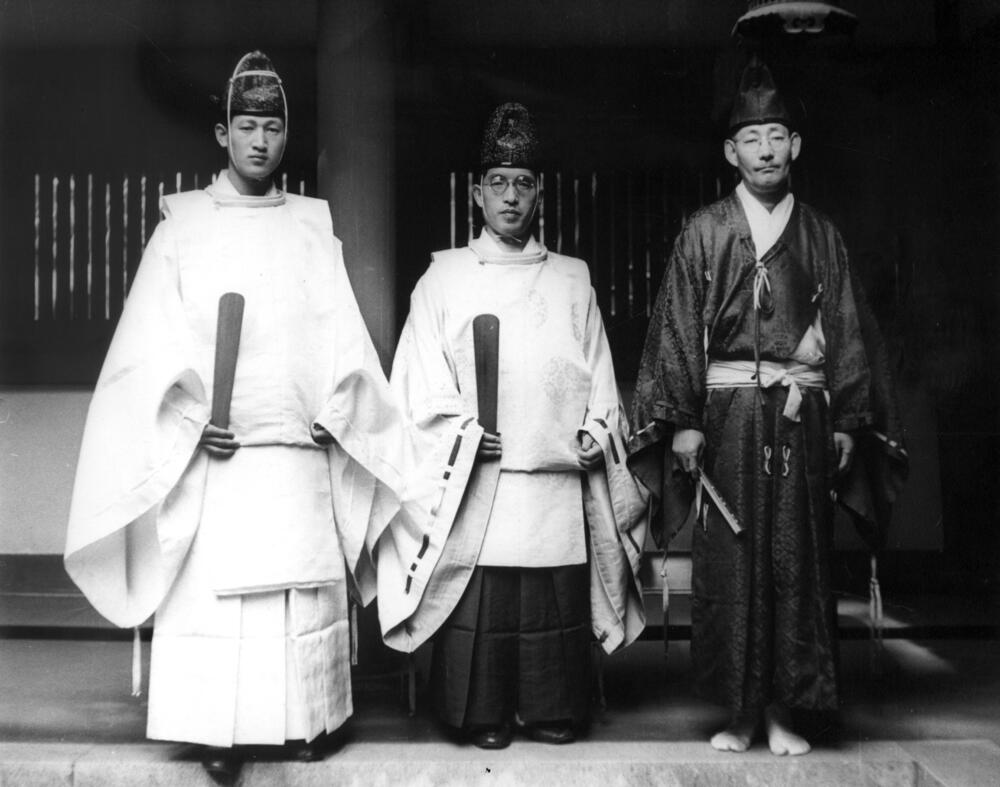
During Japan’s colonization of Korea (1910–1945), State Shintō was forcibly introduced through the establishment of shrines and enforced participation in rituals, particularly by students and government workers (Grayson; Chōsen Shrine required attendance as a political act). This widespread imposition made Shintō highly associated with colonial authority and ideological control. In contrast, Buddhism had been part of Korean heritage for centuries and carried no stigma of foreign imposition.

After liberation in 1945, Shintō was widely rejected in Korea, while Buddhism was viewed as part of the national cultural and religious identity.

Political and Social Pressures

Shintō clergy or anyone linked to Shintō were at risk of being labeled collaborators with the Japanese colonial regime. Such stigma could lead to social ostracism or worse. By contrast, those associated with Buddhism were viewed as culturally legitimate and spiritually benevolent, making Buddhist identity a favorable alternative.

Cultural Perception and Misidentification

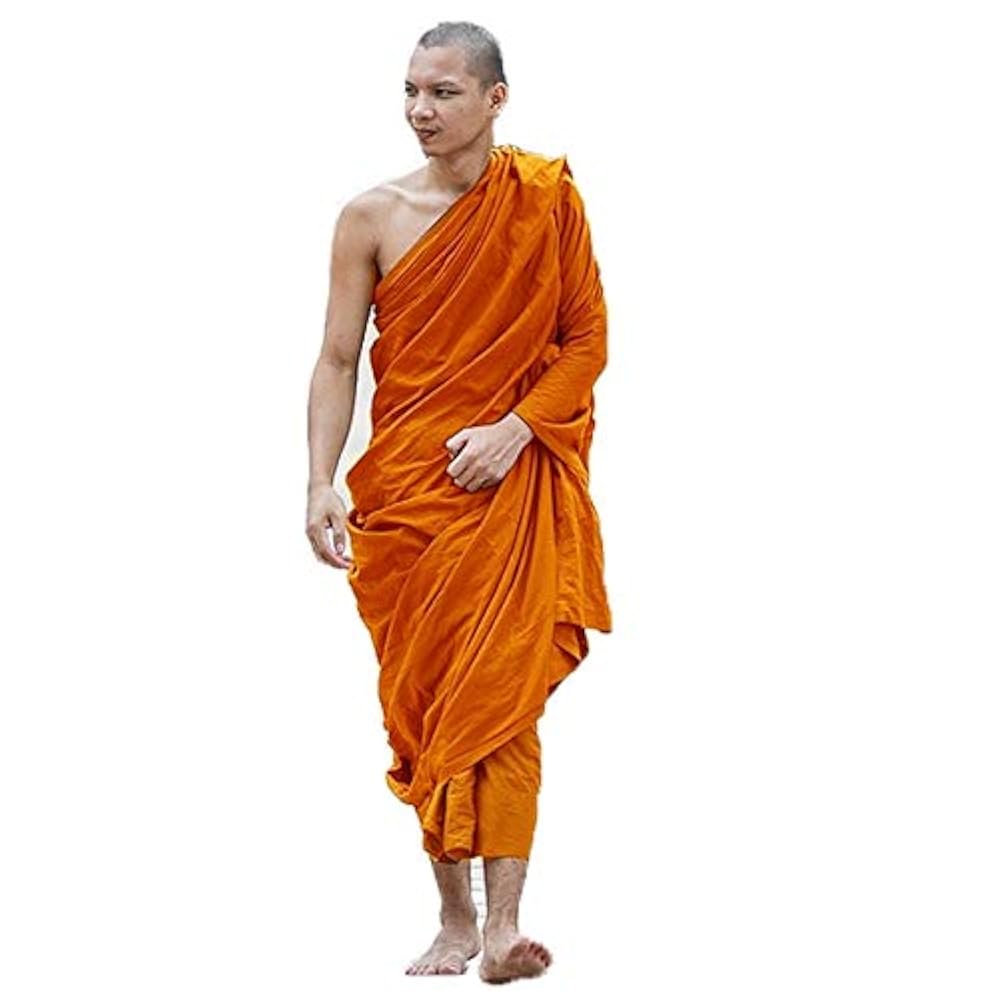
To the general public unfamiliar with Japanese religious garb, the distinction between Shintō ceremonial attire and Buddhist robes might have been unclear. Therefore, presenting oneself as a Buddhist monk was a practical way to avoid the stigma attached to Shintō affiliation, especially in a period when religious symbols had strong political meanings.

Strategic Reinvention

In post-war Korea’s rapidly changing climate, recasting one’s religious identity was a means of social survival. Claiming Buddhist identity provided continued spiritual or communal authority without colonial taint. It was both a personal and political strategy to remain relevant and respected.

Comparative Tables

Table 1: Public Perception in Post-War Korea (circa 1945–1950)

AspectShintō PriestBuddhist Monk
Political AssociationLinked to Japanese colonialismRooted in Korean tradition
Public ReputationViewed as collaboratorRespected spiritual figure
Cultural LegitimacyForeign-imposed, often rejectedIndigenous, normative
Social RiskHigh (stigmatized)Low (broad acceptance)
OpportunitiesSeverely limitedAvailable through religious leadership

Table 2: Religious Signifiers and Public Perception

FeatureShintō PriestBuddhist Monk
AttireLayered robes with formal pattern or cutPlain, functionally simple robes
HeadgearBlack cap or crownShaved head (no headwear)
Ritual ObjectsWooden baton (shaku), paper streamersPrayer beads, staff, sutra scroll
Symbolic SettingShrine with sacred rope, torii gatesTemple with Buddha statues, incense
Cultural RoleRepresentative of Japanese ideologySpiritual and moral guide within Korean tradition

Conclusion

After Korea’s liberation, religious identity was both symbolic and strategic. In a time when Shintō was equated with colonial oppression, claiming to be a Buddhist monk offered not just spiritual cover but also cultural rehabilitation. This reframing allowed individuals to retain authority, social standing, and moral legitimacy in a society eager to distance itself from Japan’s colonial legacy.

References:

Kim, Y. T. (2025). The common ground between Japanese and Korean Buddhism in the early modern period: changes in the perception of the mechanism of the State–Buddhist relationship. Religions, 16(4), 419. https://doi.org/10.3390/rel16040419

Grisafi, J. G. (2016). Shintō in Colonial Korea: A Broadening Narrative of Imperial era Shintō. Upenn. https://www.academia.edu/28557377/Shint%C5%8D_in_Colonial_Korea_A_Broadening_Narrative_of_Imperial_Era_Shint%C5%8D?utm_source=chatgpt.com

Shinto in Korea. (2025). In Wikipedia. Retrieved from Wikipedia database. https://en.wikipedia.org/wiki/Shinto_in_Korea?utm_source=chatgpt.com

Chōsen Shrine. (2025). In Wikipedia. Retrieved from Wikipedia database. https://en.wikipedia.org/wiki/Ch%C5%8Dsen_Shrine?utm_source=chatgpt.com

Korean Buddhism. (2025). In Wikipedia. Retrieved from Wikipedia database. https://en.wikipedia.org/wiki/Korean_Buddhism?utm_source=chatgpt.com

All on the Same River – Aging, Suffering, and the Quiet Call to Connect

Now in my sixties, I find myself reflecting on observations that began much earlier in life. Since my teenage years, I have paid close attention to how people behave, how they relate to themselves, and how they interact with others. Over time, certain patterns become difficult to ignore. Pain and suffering, both physical and psychological, are not rare events that suddenly appear in old age. They are present throughout life. I witnessed them early on among relatives, friends, and associates struggling with health issues, emotional burdens, addiction, isolation, and loss.

What strikes me most now is that, as I enter what society often calls the “golden years,” I see many of the very same issues playing out again. They are now appearing not only in those around me, but also within my own body, my own relationships, and my own reflections. Aging does not introduce suffering so much as it reveals what has been quietly accumulating all along.

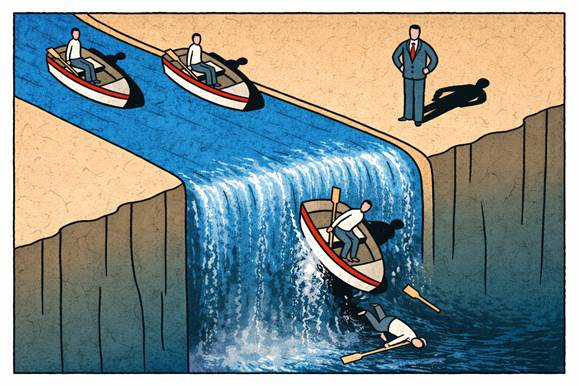
A metaphor that often comes to mind is that of individual boats floating on a river. Each of us is in our own vessel, shaped by our experiences, injuries, beliefs, habits, and fears. And yet we are all on the same river. We know where it leads. The waterfall at the end is not a secret. Mortality is not the surprise. What is surprising is how passively many of us drift toward it, aware of the direction, yet doing little to slow, redirect, or meaningfully engage with the journey itself.

Through decades of study and practice in martial arts, fitness, wellness, and character development, I have seen that much physical pain and mental suffering are not inevitable in the way we often assume. Aging brings change, yes, but deterioration is frequently accelerated by inactivity, isolation, and disengagement. This is where frustration sometimes arises for me. Not because people suffer, but because so many appear unwilling or unable to consider ways of reducing that suffering, even when those ways are accessible and humane.

To engage in practices that promote health, connection, or growth quietly implies that something can be done. Psychological research helps explain why this implication can feel empowering to some and threatening to others. Self-efficacy theory emphasizes the importance of a person’s belief in their ability to influence outcomes through their own actions (Bandura, 1997). When individuals no longer believe that their efforts will make a difference, withdrawal, avoidance, and resignation become understandable responses. From this perspective, resistance to change is not stubbornness or apathy, but a protective response to the fear that trying will only confirm one’s limitations.

This resistance is rarely about a dislike of movement, wellness, or community. More often, it reflects years of diminished confidence, repeated disappointment, or environments that subtly reinforce helplessness. When effort feels futile, suffering becomes something to endure rather than address. Familiar discomfort can begin to feel safer than uncertain improvement.

At the same time, I recognize a tension within myself. When I speak openly about movement, connection, and intentional living, I worry about coming across as preachy, mystical, or overly insistent. I am not a pastor. I am not promoting religion, nor am I suggesting that people join a cult or subscribe to a belief system. I am not even saying that everyone should practice tai chi, qigong, or martial arts. When I refrain from speaking, however, I feel that I am withholding something valuable. I feel that I am not fully honoring the experiences, insights, and responsibilities that come with a lifetime of observation and practice.

This tension is not about convincing or converting others. It is about witnessing. With time, some people naturally step into the role of observer, elder, or quiet guide. Not because they have all the answers, but because they have watched patterns repeat long enough to recognize their consequences. The challenge is learning how to share those observations without turning them into judgements or prescriptions.

One thing I have come to believe deeply is that human beings are not meant to regulate, heal, or make meaning entirely on their own. Loneliness is not simply an emotional state. It is a physiological stressor that affects mood, immune function, and overall health. Prolonged inactivity is not merely a lack of motivation. It contributes to neurological, metabolic, and emotional decline. These are not moral failings. They are relational failures, often reinforced by cultural norms that normalize isolation and passivity, especially in later life.

As people grow older, many intuitively sense the importance of connection, yet they often seek it in indirect or diluted ways. Simply getting out of the house becomes a strategy in itself. Some look for brief interactions at grocery stores, shopping malls, parks, or other public places. Others join social gatherings at churches, recreation centers, or community programs, playing chess, cards, or other games. Many find comfort and companionship in caring for pets, which offer unconditional presence and emotional soothing. These choices are understandable, and they can provide genuine relief from isolation.

However, an important question remains. While these activities offer contact, do they consistently provide the depth of connection and sense of purpose that many people seek as they age? Casual interactions, routine social exposure, or even well-intentioned group activities can still leave an underlying sense of emptiness if they lack shared meaning, mutual growth, or authentic engagement. Being around people is not the same as being with people in a way that nourishes identity, contribution, and belonging.

From a psychological perspective, this distinction matters. Self-determination theory emphasizes that relatedness is not simply about proximity to others, but about experiencing connection that feels mutual, valued, and purposeful (Deci & Ryan, 2000). Likewise, self-efficacy is strengthened not merely through activity, but through participation that allows individuals to feel useful, capable, and seen (Bandura, 1997). Without these elements, social contact can become another form of distraction rather than a source of restoration.

Meaningful connection often emerges where people share interests, challenges, values, or practices that invite participation rather than passive attendance. Whether through movement, learning, service, discussion, or creative expression, deeper connection tends to form when individuals feel they are contributing to something larger than themselves, while still being accepted as they are. In this way, connection becomes not just a buffer against loneliness, but a pathway toward purpose, resilience, and continued growth later in life.

Self-determination theory offers further insight into this pattern by identifying three basic psychological needs that support motivation and well-being: autonomy, competence, and relatedness (Deci & Ryan, 2000). When people feel they have little choice over their circumstances, when they no longer feel capable in their bodies or minds, and when meaningful social connection fades, motivation naturally erodes. In such conditions, disengagement is not a character flaw. It is an adaptive response to unmet psychological needs.

I see far too many people sitting alone in front of their televisions, day after day, in physical pain from lack of movement and mental suffering from loneliness. Many of them do not describe themselves as lonely. They describe themselves as introverted, tired, bored, anxious, or resigned. Yet beneath these labels is often a quiet grief and a sense of disconnection that no amount of passive entertainment can resolve.

Life is remarkably short. This truth is easy to intellectualize and difficult to feel until much later than we would like. By the time many people recognize the cost of years spent disengaged, rebuilding strength, relationships, and purpose, it all feels overwhelming. And so, the river carries them onward.

Despite our separate boats, we are not truly alone on this river. We move together, influenced by the same currents of aging, cultural distraction, and social fragmentation. This is why individual solutions, while important, are not sufficient on their own. Exercise matters, but so does shared experience. Reflection matters, but so does conversation. Discipline matters, but so does belonging. Environments that emphasize choice, encouragement, and shared participation help restore both self-efficacy and intrinsic motivation by allowing people to experience small successes within supportive social contexts (Bandura, 1997; Deci & Ryan, 2000).

When I speak about wellness, connection, and engagement, I try to do so from observation rather than instruction. I speak from my own struggles, not from a place of authority. I talk about what has helped me manage pain, stress, and meaning, rather than what others should do. I ask questions instead of offering conclusions. I trust that those who are ready will hear what resonates and leave the rest.

I have also come to accept a sobering but liberating truth. Not everyone wants to reduce their suffering. And that is not something I can change. But those who do want to suffer less are often quietly searching for examples, not sermons. They are looking for people who embody coherence, engagement, and a willingness to remain active in life, physically and relationally.

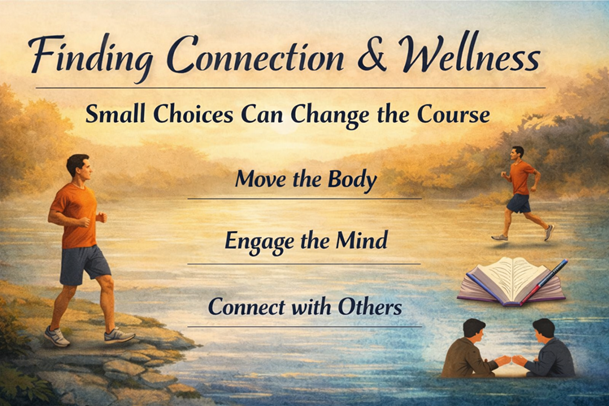
Perhaps the most honest role I can play is not that of teacher or promoter, but of a participant. Someone who keeps paddling, not frantically, but deliberately. Someone who remains available, curious, and open to connection. Someone who extends invitations rather than demands. Whether that invitation takes the form of a class, a walk, a conversation, or a shared interest matters less than the spirit in which it is offered.

If tai chi or qigong resonates, wonderful. If not, there are countless other ways to engage. Art, music, volunteering, discussion groups, gardening, learning, mentoring, movement of any kind. What matters is not the activity itself, but the willingness to participate in life rather than observe it from the sidelines.

We are all on the same river. The current is real. The waterfall is inevitable. But how we travel, whom we travel with, and whether we choose to paddle at all remain within our influence. If sharing that perspective helps even a few people lift their eyes from the screen, move their bodies, or reach out to another human being, then speaking is not preaching. It is simply responding, honestly, to what a lifetime of observation has revealed.

As we age, the question often shifts from how to stay occupied to how to stay meaningfully engaged, with ourselves, with others, and with life itself.

If these reflections resonate with you, you are not alone. Meaningful connection often begins simply by reaching out. I welcome conversations about creating small, supportive gatherings, whether through discussion, movement, shared practice, or reflection, that explore mind, body, and consciousness as integrated aspects of human life. Sometimes the most important step is just finding others willing to paddle alongside us.

References:

Bandura, A. (1997). Self-efficacy: The exercise of control. W. H. Freeman and Company.

Deci, E. L., & Ryan, R. M. (2000). The “what” and “why” of goal pursuits: Human needs and the self-determination of behavior. Psychological Inquiry, 11(4), 227–268. https://doi.org/10.1207/S15327965PLI1104_01

Somatic Calibration, Iterative Self-cultivation, and Transmutation

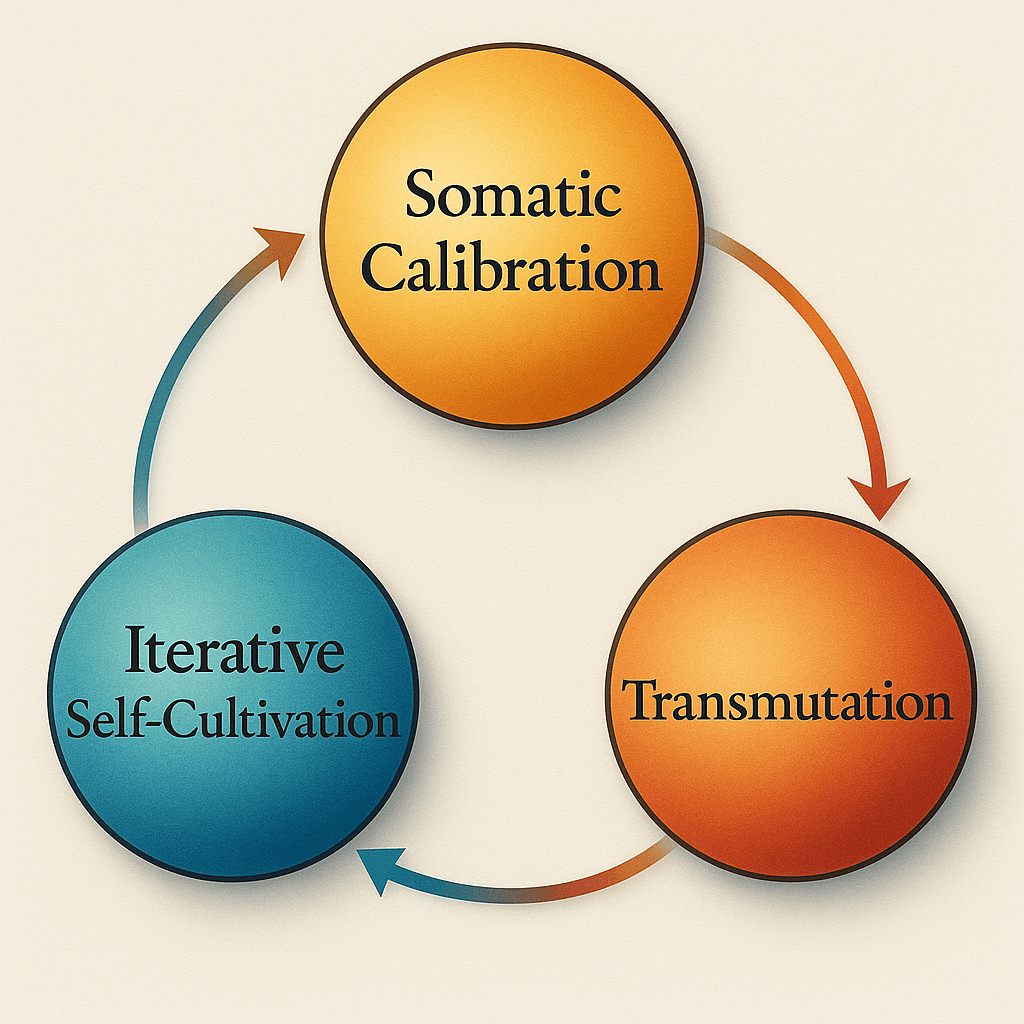
Somatic Calibration

Somatic calibration is the foundational process of aligning body awareness with inner regulation. It involves refining the nervous system’s perception of tension, balance, and breath so the individual can consciously adjust posture, movement, and energetic flow. Through repeated sensory feedback, such as the proprioceptive and interoceptive signals used in qigong, tai chi, or dao yin, the practitioner learns to listen to the body and respond with precision. This phase trains one’s sensitivity and coherence: the capacity to detect micro-imbalances before they manifest as dysfunction.

In neurophysiological terms, this process strengthens the communication between the insula, anterior cingulate cortex, and prefrontal regions, the areas responsible for awareness, regulation, and decision-making (Khalsa et al., 2018). In Taoist and martial frameworks, this is the stage of refining jing or the raw essence, by bringing unconscious patterns into conscious alignment.

Iterative Self-Cultivation

Once somatic awareness becomes stable, iterative self-cultivation begins. “Iterative” means cyclical—one polishes the self repeatedly through mindful practice, reflection, and correction. In martial and meditative traditions, this is the ongoing cycle of practice → feedback → adjustment → integration. Each repetition deepens skill while gradually refining the character, much like tempering a sword through alternating heat and cooling.

This process embodies the principle of gongfu (功夫), the disciplined accumulation of effort over time. As the practitioner works through layers of physical, emotional, and cognitive conditioning, they develop what Confucian and Daoist classics call de (virtue or cultivated power). Modern psychology parallels this with neuroplastic adaptation—deliberate repetition that rewires synaptic pathways for stability, emotional regulation, and self-mastery (Davidson & McEwen, 2012).

Transmutation

Transmutation represents the culmination of these iterative refinements, the conversion of base tendencies into higher expression. In Taoist alchemy (neidan), it is the transformation of jing → qi → shen—essence into energy into spirit. Through calibrated awareness and continuous self-cultivation, internal friction and limitation become fuel for illumination.

In practical terms, transmutation is both psychological and energetic. It’s the capacity to metabolize fear into courage, pain into empathy, or adversity into wisdom. Physiologically, such transformation parallels shifts in endocrine and autonomic balance, where once-stressful stimuli now trigger coherence rather than reactivity. Spiritually, it marks the emergence of authenticity and radiant presence, the “light that guides others.”

Interconnection of the Three

  • Somatic calibration refines awareness and alignment.
  • Iterative self-cultivation builds discipline and stability.
  • Transmutation realizes integration and illumination.

Together, they form a living spiral rather than a straight line: each turn of cultivation enhances sensitivity (calibration), which allows deeper refinement (iteration), which in turn fuels higher transformation (transmutation). The cycle never ends, but rather it simply ascends toward subtler planes of being.

References:

Davidson, R. J., & McEwen, B. S. (2012). Social influences on neuroplasticity: Stress and interventions to promote well-being. Nature Neuroscience, 15(5), 689–695. https://doi.org/10.1038/nn.3093

Khalsa, S. S., Rudrauf, D., Damasio, A. R., & Davidson, R. J. (2018). Interoceptive awareness and its relationship to anxiety, depression, and well-being. Philosophical Transactions of the Royal Society B, 373(1741), 20170163. https://doi.org/10.1098/rstb.2017.0163