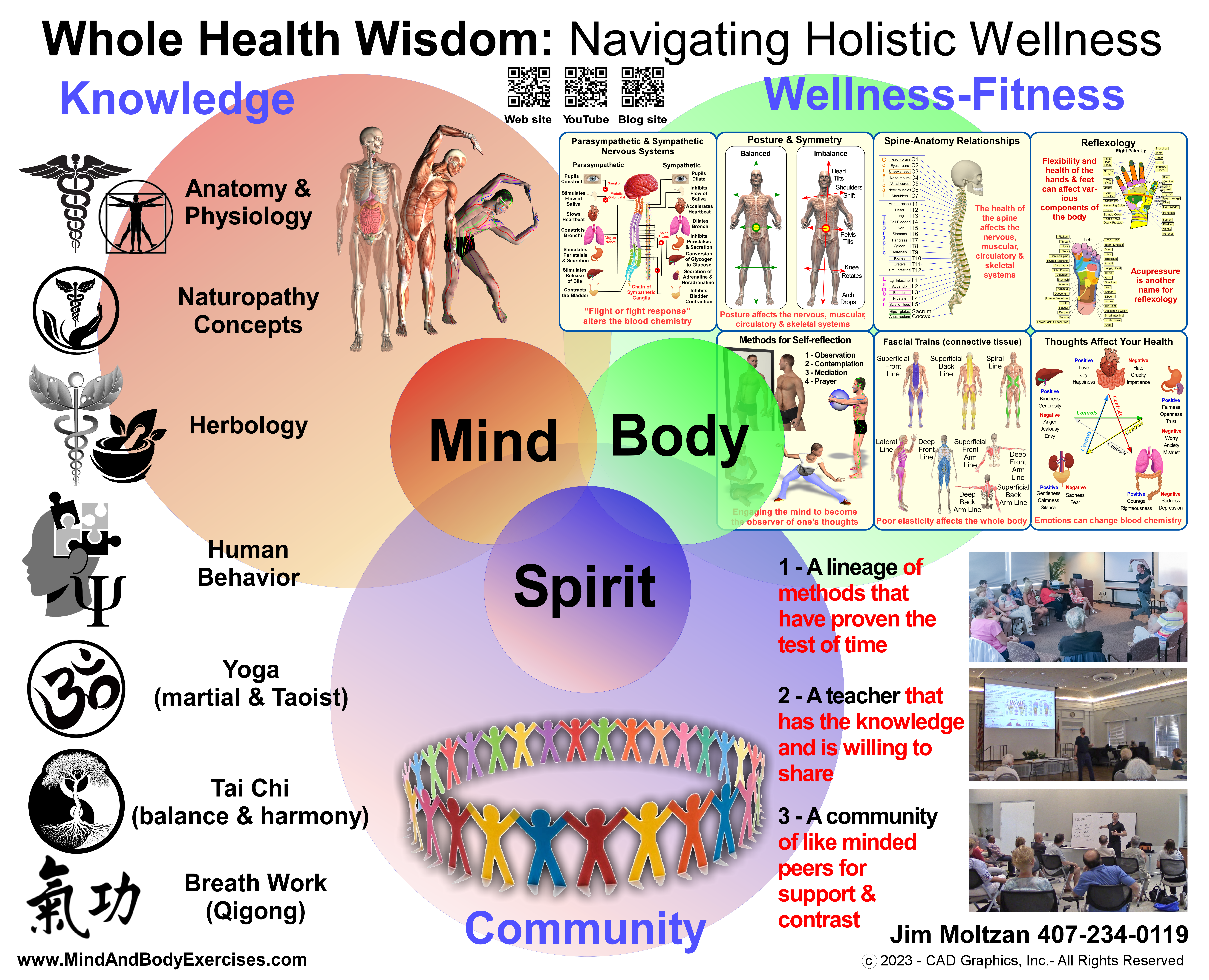
Vicious Cycle of Poor Posture

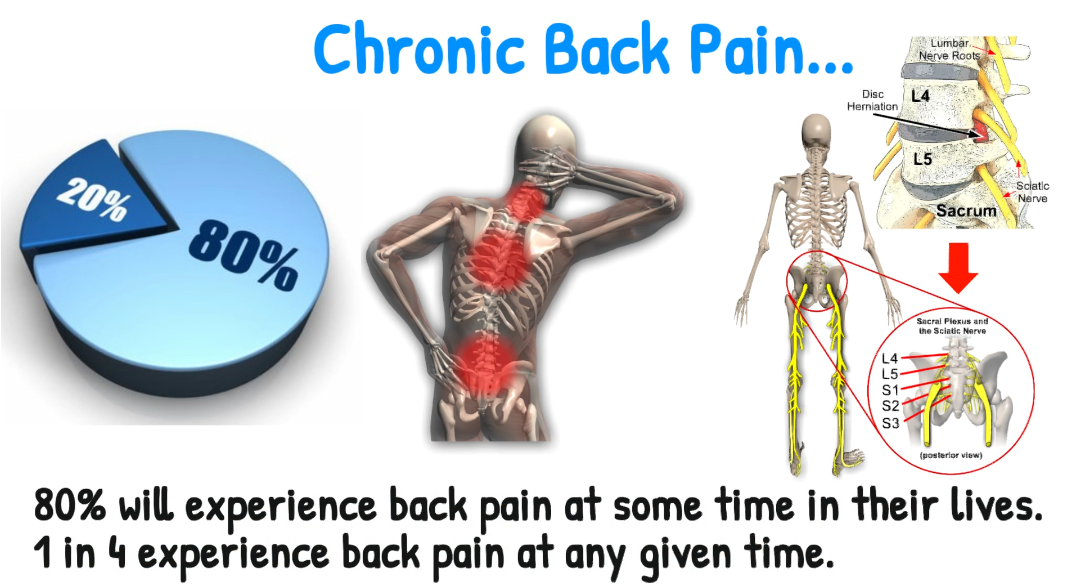
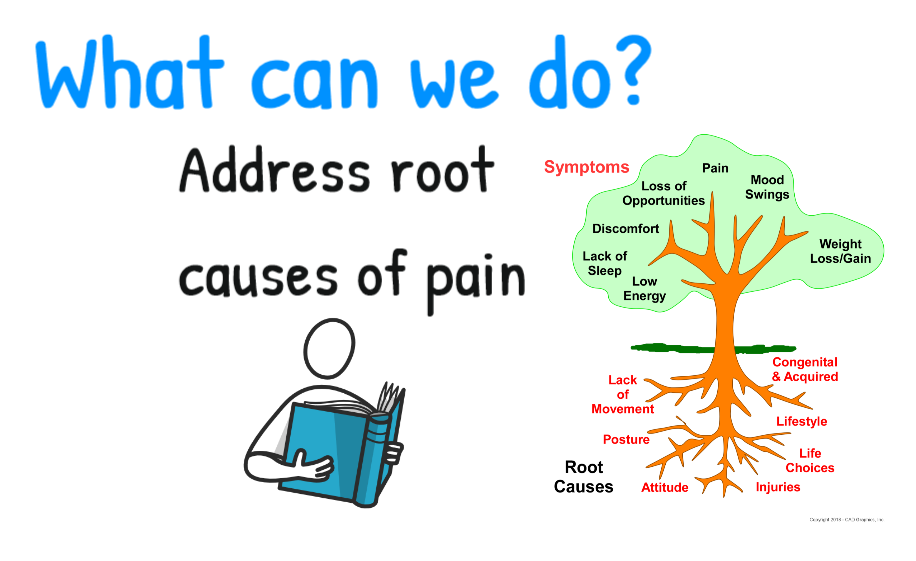
Poor posture and relative lifestyle habits are a topic I write about often, as these are such integral components in avoiding chronic pain. Chronic ailments can often escalate to other mental and physical health issues. Coping with chronic pain eventually takes its toll on the individual and those around them.

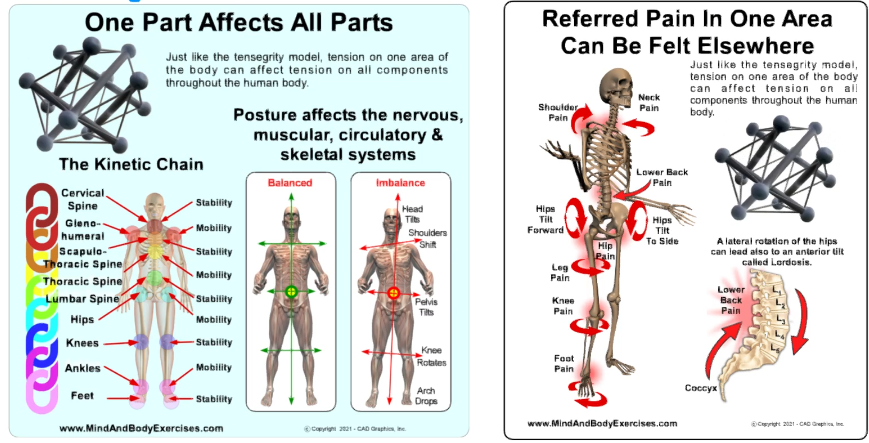
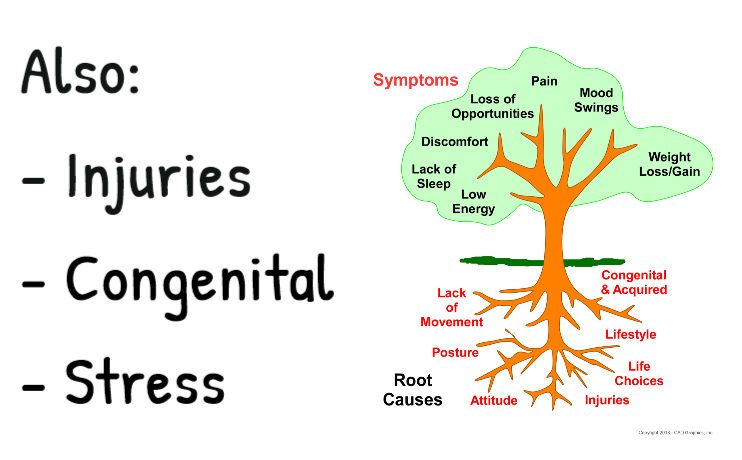
Posture is the relative placement of the human body and its components such as, but not confined to, the spine and limbs. Many people in the United States experience some type of chronic pain at some time in their lives. Causes of pain can vary depending upon the individual and their circumstances. Poor posture can be responsible for many ailments ranging from ankle, knee, hip and back pain. A spinal misalignment, due to improper posture, an injury, hereditary or even congenital conditions, can have an eventual ripple effect throughout the human body. A shift of .375″ (13mm) can cause the many ailments. A simple habitual tilt of the head or shift in the body weight over time, changes the alignment of the spine. This re-alignment begins to effect the muscles, tendons, ligaments and nerves causing a total imbalance within these body systems. An injured ankle or knee can become the spark that cause a ripple effect literally from head to toe.

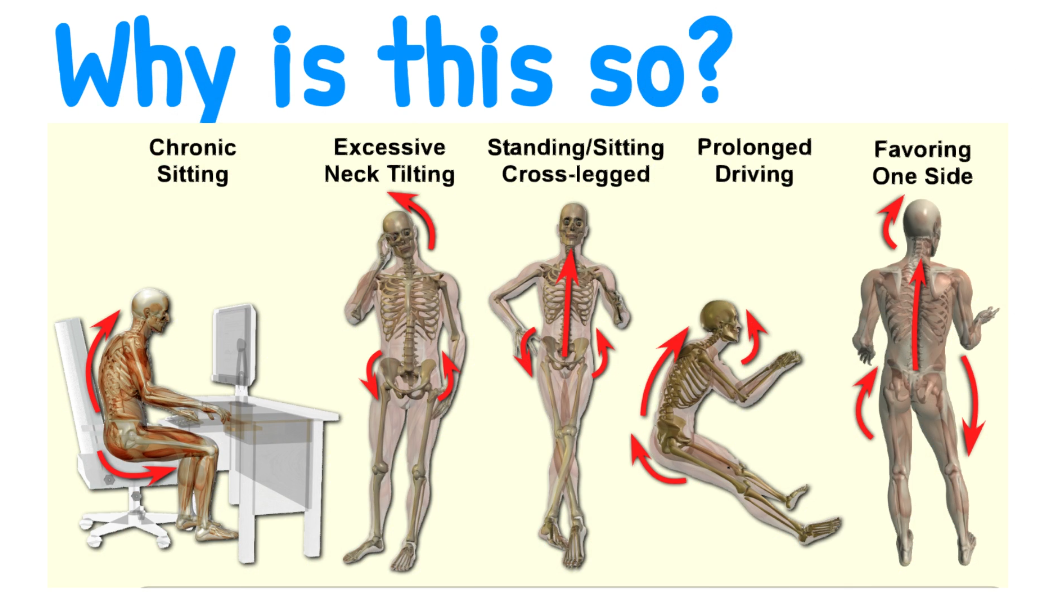
Common causes of poor posture:

  • Poor standing habits
  • Driving with one arm forward, back hunched, knees higher than hips
  • Head and shoulder pinching together to hold telephone
  • Sitting or standing cross legged
  • Short leg syndrome
  • Lack of muscle tone and core strength
  • No regular exercise schedule

NOTE: Occasional execution of the a fore mentioned practices, doesn’t necessarily lead to pain and other problems. It is the repetitive and accumulative effect over years that seem to cause the dysfunction.

Straining the neck forward to see closer, puts strain on the neck and upper back. This leads to hunching forward of the spine and a gradual realignment of the 3 natural curves (cervical, thoracic & lumbar).

Poor posture, combined with long hours sitting stagnant in a chair working or driving, can cause muscles within the legs to shorten and tighten over time. These muscles, specifically the hamstrings, cause the pelvis to tilt the tailbone forward. Or the quadriceps can tighten causing the tailbone to tilt backward and the lumbar spine to arch even more forward.

Habits of stress on the cervical spine caused by posture and position of the head, specifically an increase in forward head position. This increases the weight on the cervical spine especially in the C-7 to T-1 vertebrae. Addition bone mass is accumulated in this area to compensate for the extra strain on the muscles, tendons and ligaments within the neck.

Anterior head position can cause permanent damage resulting in:
– Back, neck, shoulder arm pain
– Decrease in spinal curves
– Gastrointestinal problems
– Headaches
– Lung capacity decreased
– Muscle damage
– Nerve damage
– Spinal disc compression
– Spinal disc herniation

What is the solution to these issues?

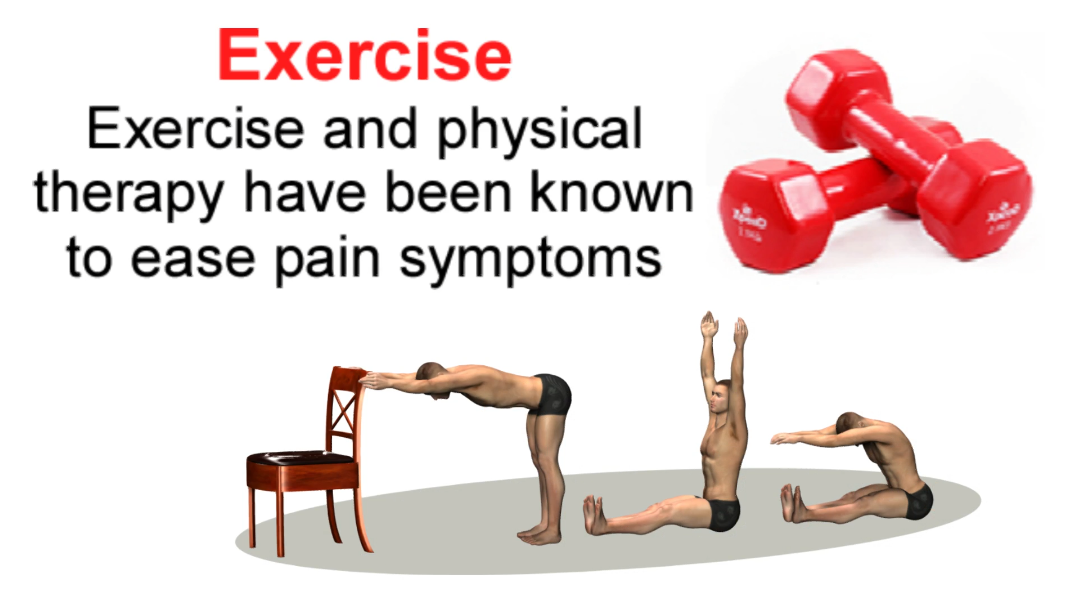
  • get up out of the chair more often
  • become more active
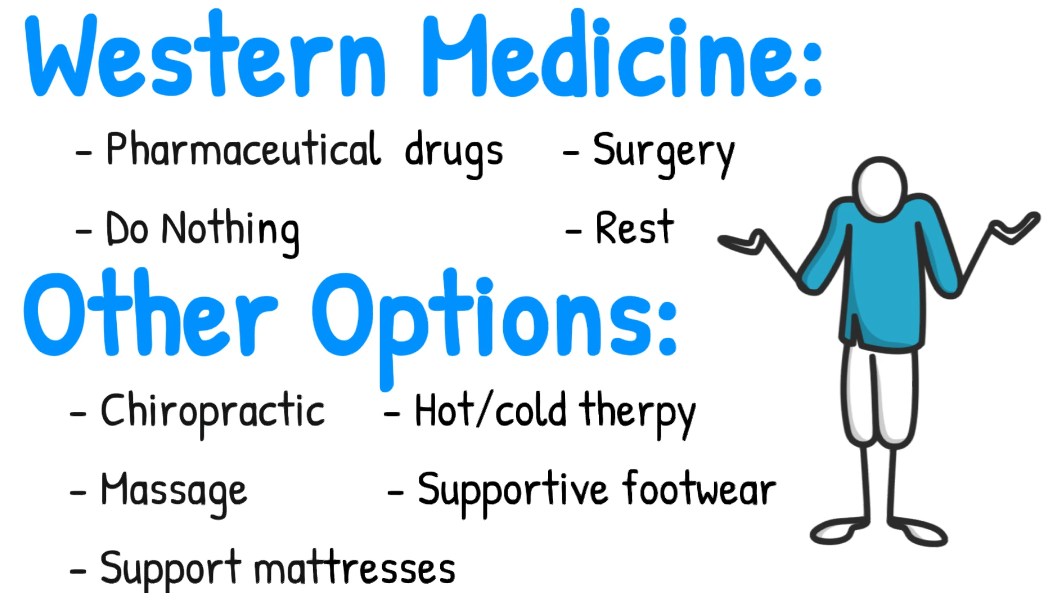
  • consult with your physician or chiropractor
  • have your posture checked
  • stretch regularly
  • perform non-specific symmetrical exercises
  • inspect footwear for uneven wear patterns
  • evaluate poor posture habits and adjust
  • review career choices if necessary
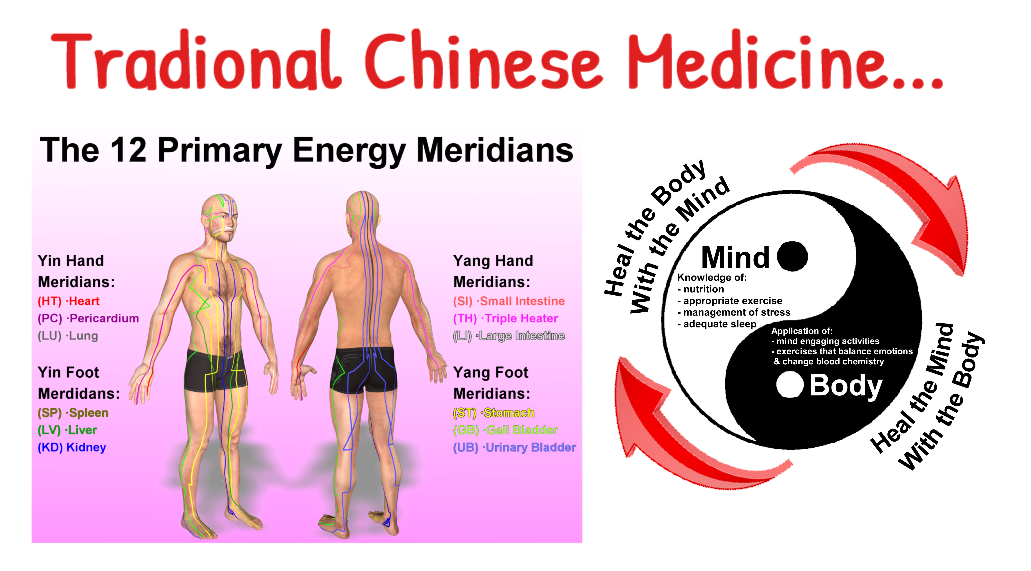
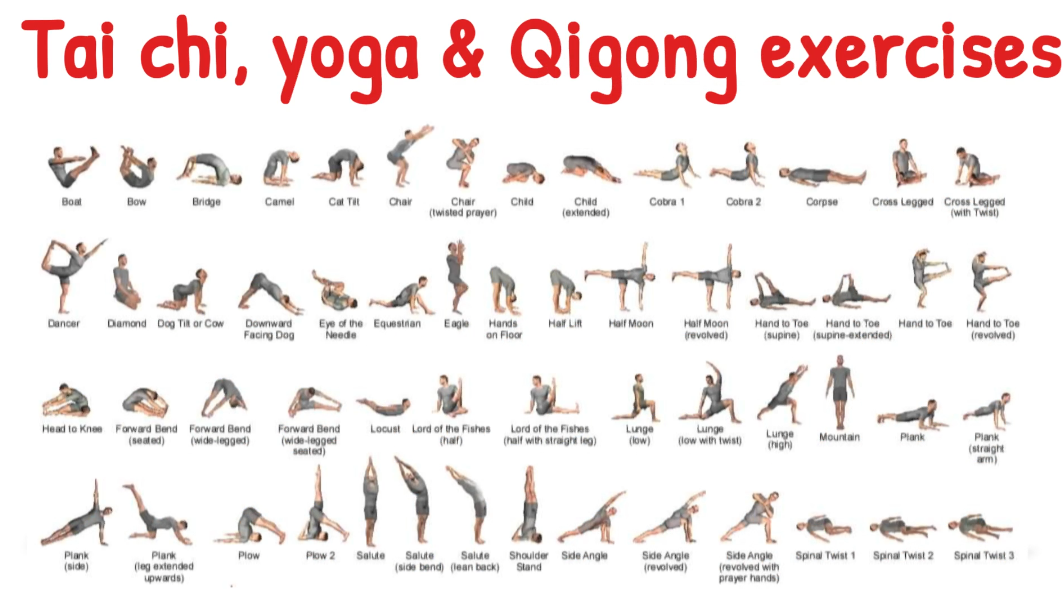
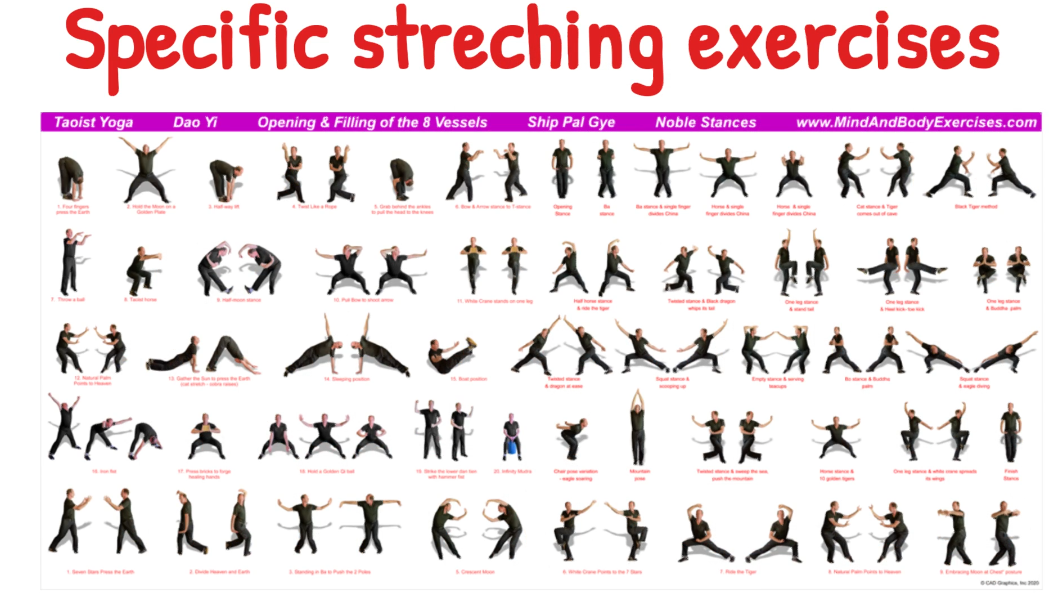
  • exercises from tai chi, yoga and qigong offer methods that specifically focus on balancing poor postural habits.

______________

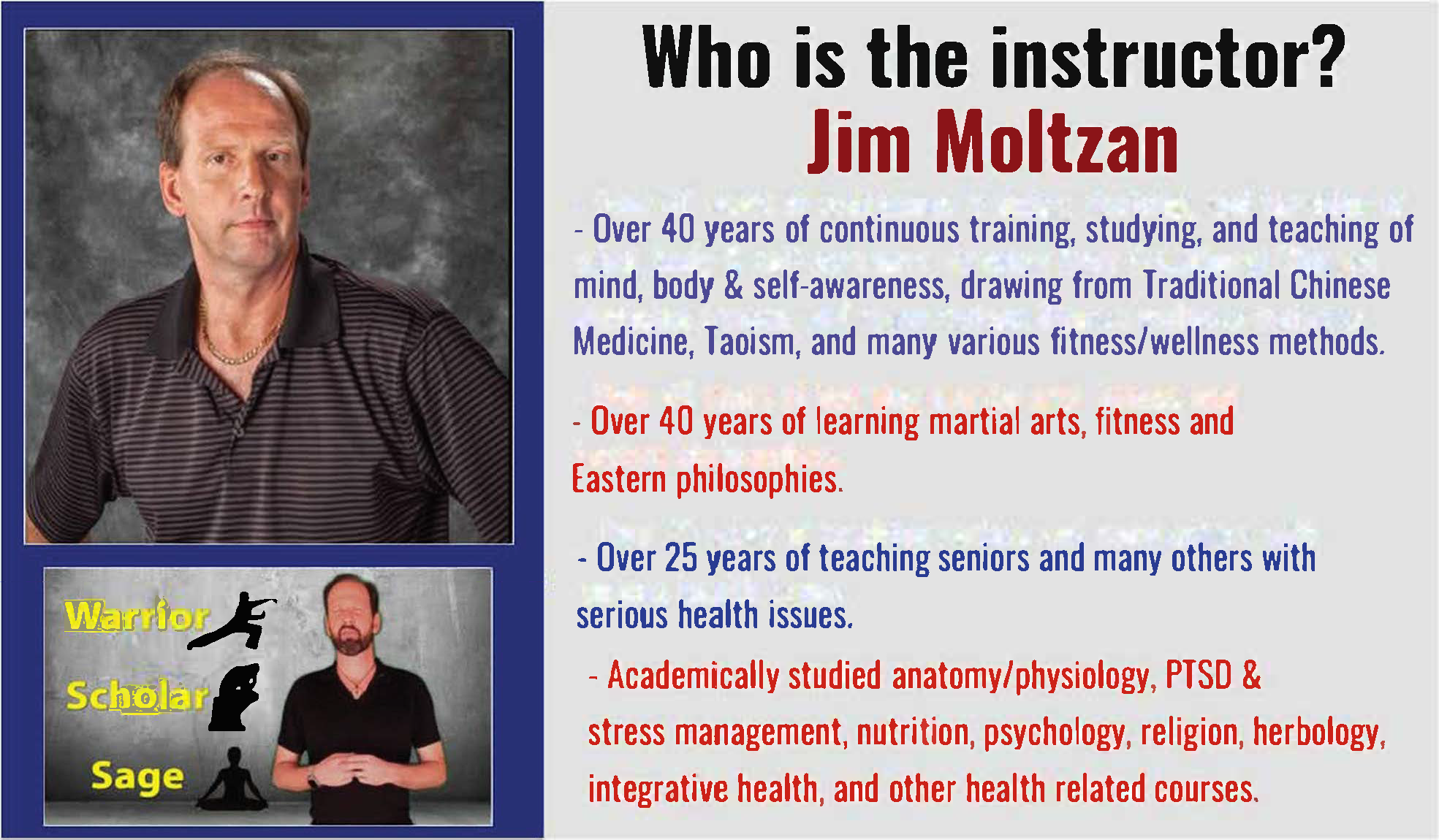
I write often about topics that affect our health and well-being. Additionally, I teach and offer lectures about qigong, tai chi, baguazhang, and yoga.

For more info, contact Jim Moltzan at info@mindandbodyexercises.com, 407-234-0119 or through my site at http://www.mindandbodyexercises.com

Americans are Severely Vitamin D Deficient

Vitamin D Deficiency at Epidemic Levels

The US, and many of the world, have been facing an epidemic of vitamin D deficiency for many years, especially in areas lacking consistent daily sunlight such as the northern states of US. This trend is also seen in areas with much sunlight where people cover up their whole bodies from sun exposure. Now exacerbated by pandemic lock-downs and less outside physical activity over the last few years. Most people are unaware or care to ignore how vital vitamin D is to the immune system and overall health.

From the National Library of Medicine of May, 2022:

Vitamin D deficiency is a global public health issue. About 1 billion people worldwide have vitamin D deficiency, while 50% of the population has vitamin D insufficiency.[1] The prevalence of patients with vitamin D deficiency is highest in the elderly, obese patients, nursing home residents, and hospitalized patients. The prevalence of vitamin D deficiency was 35% higher in obese subjects irrespective of latitude and age.[7] In the United States, about 50% to 60% of nursing home residents and hospitalized patients had vitamin D deficiency. [8][9] Vitamin D deficiency may be related to populations who have higher skin melanin content and who use extensive skin coverage, particularly in Middle Eastern countries. In the United States, 47% of African American infants and 56% of Caucasian infants have vitamin D deficiency, while over 90% of infants in Iran, Turkey, and India have vitamin D deficiency. In the adult population, 35% of adults in the United States are vitamin D deficient whereas over 80% of adults in Pakistan, India, and Bangladesh are Vitamin D deficient. In the United States, 61% of the elderly population is vitamin D deficient whereas 90% in Turkey, 96% in India, 72% in Pakistan, and 67% in Iran were vitamin D deficient Sizar & et al, 2022).

This epidemic of deficiency stems from misinformation surrounding the fear of sun exposure, use of toxic sunscreens, and poor dosing recommendations that neglect the critical role that vitamin D plays in protecting against nearly every chronic disease on Earth. Mainstream experts still express fear about taking too much vitamin D, in spite of very few people ever reaching “toxic” blood levels. as well as even less people experiencing side effects from too much vitamin D (Micozzi 2018). Let us be informed that sunscreen sales in the US for 2022 are forecast at $1.83 billion (Statista, 2021) and vitamin D supplement sales spiked to $544 million in 2020 (Grebow, 2021).

Vitamin D3, also known as cholecalciferol, is produced in the skin initiated from sunlight UVB radiation or absorbed from particular foods. Vitamin D3 is then absorbed into the bloodstream and then metabolized in the liver transforming into calcidiol. From here calcidiol, travels from the liver to the kidneys and changes to calcitriol. Calcitriol then proceeds to affect metabolic functions like absorption in the intestines of calcium and phosphorus, bone regulation and cell regulation. After the age of 50, aging causes vitamin D3 production to decrease up to 75% and causing muscle weakness and a loss in bone strength and density.
Vitamin D Deficiency

Causes:

  • Winter side-effects (less sun exposure)
  • Sunscreen
  • Air pollution
  • High altitude
  • Poor diet

Imbalances:

  • Hypertension
  • Heart disease
  • Urinary infections
  • Tuberculosis
  • Depression
  • Schizophrenia
  • Liver disease
  • Rental failure
  • Crohn’s disease
  • Cystic fibrosis
  • Celiac disease
  • Muscular aches & weakness
  • Osteoporosis
  • Osteoarthritis
  • Rickets
  • Diabetes
  • Obesity

Solutions:

  • Sunlight on skin
  • Diet
  • Vitamin supplements
  • Weight-bearing exercises

(Charoenngam & Holick, 2020)

What can you do to prevent vitamin D deficiency – become educated, be more aware of your own health, get outside during the morning or late afternoon when sunlight is less intense, and get your body moving to engage your muscles and bones to tell your nervous system that you are still alive and need your body to maintain homeostasis through good health and lifestyle practices.

Get started with these three simple steps:

  1. Consult with your doctor to manage your vitamin D levels twice a year — at the end of winter and again at the end of summer. Ask for a simple blood test called the 25(OH)D (25-hydroxy vitamin D) test. (Optimal blood levels are between 50 and 75 nanomoles/Liter.)
  2. Commit to being in the sun 15 minutes a day without sunscreen. When planning on being outside longer, add some protective clothing, a hat, and sunglasses.
  3. Supplement with 10,000 IU of vitamin D3 daily. This dose in a convenient, highly-absorbable liquid form together with the potent marine carotenoid, astaxanthin, for added benefits (Micozzi, 2018).

References:

Sizar O, Khare S, Goyal A, et al. Vitamin D Deficiency. [Updated 2022 May 1]. In: StatPearls [Internet]. Treasure Island (FL): StatPearls Publishing; 2022 Jan-. Available from: https://www.ncbi.nlm.nih.gov/books/NBK532266/

Statista. (2021). Sun Protection – United States. https://www.statista.com/outlook/cmo/beauty-personal-care/skin-care/sun-protection/united-states

Grebow, J. (2021, February 19). Vitamin D made headlines over COVID-19 studies last year. Sales of vitamin D were also up in 2020. What will 2021 look like? 2021 Ingredient trends to watch for food, drinks, and dietary supplements. Nutritional Outlook. https://www.nutritionaloutlook.com/view/vitamin-d-made-headlines-over-covid-19-studies-last-year-sales-of-vitamin-d-were-also-up-in-2020-what-will-2021-look-like-2021-ingredient-trends-to-watch-for-food-drinks-and-dietary-supplements

Charoenngam, Nipith & Holick, Michael. (2020). Immunologic Effects of Vitamin D on Human Health and Disease. Nutrients. 12. 2097. 10.3390/nu12072097.

Micozzi. (2018, September 13). Are you dangerously deficient in this key nutrient? Dr. Marc Micozzi. https://drmicozzi.com/are-you-dangerously-deficient-in-this-key-nutrient

Micozzi. (2018a, June 21). Six reasons why you’re still vitamin D deficient. Dr. Marc Micozzi. https://drmicozzi.com/six-reasons-why-youre-still-vitamin-d-deficient

Alfredsson L, Armstrong BK, Butterfield DA, Chowdhury R, de Gruijl FR, Feelisch M, Garland CF, Hart PH, Hoel DG, Jacobsen R, Lindqvist PG, Llewellyn DJ, Tiemeier H, Weller RB, Young AR. Insufficient Sun Exposure Has Become a Real Public Health Problem. International Journal of Environmental Research and Public Health. 2020; 17(14):5014. https://doi.org/10.3390/ijerph17145014

_________

I have learned, studied, practiced and teach literally hundreds of various low-impact exercises that can build stronger bones, muscles and joints. Private, small or group instruction.

Control the body with the mind. Manage the mind by disciplining the body, through physical activity. Learn to be more active, eat healthier, sleep better, stress less – these are the key components to maintaining a strong mind, body, immune system, and outlook on life.

I am currently offering wellness lectures and classes for group, small group & private instruction in Wekiva, Longwood and Winter Park.

Mind and Body Exercises on Google: https://posts.gle/aD47Qo

Jim Moltzan

407-234-0119

http://www.MindAndBodyExercises.com

https://www.facebook.com/MindAndBodyExercises/

https://www.youtube.com/c/MindandBodyExercises

https://mindandbodyexercises.wordpress.com/

Masters Council

The Fascia Trains (connective tissue)

The human body consists of trillions of cells, all surrounded by a somewhat fluid network of connective tissue called fascia. Fascia is a sticky yet stretchy fabric that both holds us firmly together, yet constantly a adjusts to accommodate our every movement. Fascia consist of collagen, elastin fibers, fluid and proteins. This tissue is crystalline in nature, and formed into extremely tiny microtubules which carry fluid. This allows the microtubules to conduct energy and carry information throughout the body. The term myofascial refers to the unit composed of muscle and connective tissue.

The standard bio-mechanical theory is that the musculoskeletal system and its muscles attach to bones via tendons that cross the joints and pull bones toward each other. Ligaments connect bone to bone. However, all of these anatomical terms and the separations they imply, are somewhat false. No ligaments exist on their own. Instead they become part of the periosteum-vascular connective tissue that serves as wrapping around the bones, surrounding muscles and fascia trains.

There are 12 major fascial trains:
1) Superficial back line — starts at the bottom of the feet and continues up and over the top of the head and ends at the brow ridge

2) Superficial front line — starts on the top of the feet at the toes and ends behind the ear at the mastoid process (the area where the jaw connects to the skull)


3 & 4) Lateral line (2 sides) — runs along the lateral portion of the lower body, hips, and obliques

5) Spiral line — The Spiral Line (SL) winds through the three cardinal lines, looping around the trunk in a helix, with another loop in the legs from hip to arch and back again.

6) Deep front line — The Deep Front Line (DFL) forms a complex core volume from the inner arch of the foot, up the inseam of the leg, into the pelvis and up the front of the spine to the bottom of the skull and the jaw.


7 & 8) Superficial front & back arm line — The four Arm Lines run from the front and back of the axial torso to the tips of the fingers.

9 & 10) Deep front & back arm line — The four Arm Lines run from the front and back of the axial torso to the tips of the fingers.

11 & 12) Functional Lines — (front & back) The two Functional

The Superficial Back Line consists of a line of fascia that starts at the plantar surface (bottom) of the foot. It travels up the entire posterior (back) side of the body, moving up over the head and finishes at the brow bone. It is the longest of the 12 facial trains. They are also lines of “pull”. These lines transmit movement as well as strain through the body’s myofasciae within the body. Researchers have found evidence indicating that chronic low back pain may be radiating from the connective tissues, rather than musculature, bone or cartilage. The multitude of low back pain was found not to correlate with the multitude of disc displacement. Evidence indicating that low back pain may be due to inflammation in the lumbar fascia tissue. Further research has indicated perispinal ligamentous tissues and lumbar fascia as common causes of low back pain. There is the theory that the fascia might be the physical substrate referred to as the energy meridian network within Traditional Chinese Medicine (TCM). The anatomy of the fascial network within the human body, is somewhat consistent with the classic view of the meridian network. Acupuncture has been shown to rely on interactions with the fascia. It may be that neurogenic inflammation in fasciae may manifest into blockages of the energy (Qi) flow. If the fascia network within the body is the physical substrate of the energy meridians, there are important clinical and research connections. If evidence continues to prove in support of this theory, the fasciae should receive greater scrutiny in diagnostics and subsequent treatments. This view is a more holistic approach to health care, in which the whole body’s interrelationships, interconnections and interactions are to be examined.

Recent research has found links in form and function between the interactions of the fascial network and acupuncture. Research by health and fitness researchers have discovered that connective tissue, along with collagen fibers and fibroblasts wraps around the end of the acupuncture needle when it is rotated in place. There effects have been seen at up to 4cm away from the site of needle insertion. Researchers have surmised that acupuncture energy meridians may follow the intermuscular or intramuscular myofascial lines. The myofascial meridians do not follow the precise lines of the Chinese energy meridians, which are an energetic connection rather than physical. However, there is some definite overlap. The unrestricted movement, taught in the Chinese internal martial arts, involves free flow of Qi and aligning the myofascial lines.

The Tai Chi, Gigong and Yoga connection to the facial trains – Physical (and mental) training within Chinese internal martial arts, Qigong and Yoga focus on training the mind and body to move as a whole unit. The traditional Western understanding of muscles and bones functioning separately and mechanically is not very useful within these practices. However, understanding basic anatomy is useful when these known components are seen as encased by the connective tissue making the myofascial lines become apparent. When muscles are seen as floating in bundles or bands of connective tissue, all movements and all components are possible only through the interaction of the contracting muscles with the connecting tissue. Each bone, muscle and organ might exist independently, but the fascia spreads throughout the entire body connecting all of these body components in a network of webbing.

Another component of the fascial network is a gelatin-like web of mucus. All of the fluid circulation in your body has to pass through these fibrous and mucus webs. The denser the fibers and the drier the mucus, makes the fascial web less able to allow molecules to flow through it. Nourishment goes in one direction while waste comes out another. Tai Chi, Gigong and Yoga types of exercise helps stretch, ease and hydrate the fibrous webbing, making it more permeable.

Cells are never more than four-deep from your capillaries, which transport food, oxygen and more. Tension in your body, such as constantly rounding the back while sitting activates the fibroblasts to make more fibers that will arrange themselves along the line of stress. These accumulated fascial fibers form blockages that will impede capillary-sourced food from reaching the body’s cells. The mucus that completes your fluid fascial network also becomes denser impeding the flow to your cells. Within a denser fascial network, the exchange of nutrients and waste from capillaries to cells can trap toxins causing even more energy blockages.

Tai Chi, Gigong and Yoga types of exercise offer deep strengthening and stretching of the fascial network similar to the way you would wring out a wet towel. The nutrients, oxygen and waste products that were trapped in the mucus mesh, rush in to the capillaries and into the bloodstream. Often times practitioners of these exercise methods feel somewhat ill, after the release of the deeply held tension. The liver must work extra to process the toxins squeezed from the tissues. With consistent practice over time, fascial fibers blockages will slowly thin out and become un-adhered. The mucus webbing can change to a more liquid state in minutes, allowing more sliding, less resistance and therefore less pain.

_______________

Control the body with the mind. Manage the mind by disciplining the body, through physical activity. Learn to be more active, eat healthier, sleep better, stress less – these are the key components to maintaining a strong mind, body, immune system, and outlook on life.

I am currently offering wellness lectures and classes for group, small group & private instruction in Wekiva, Longwood and Winter Park.

Mind and Body Exercises on Google: https://posts.gle/aD47Qo

Jim Moltzan

407-234-0119

www.MindAndBodyExercises.com

____________

I write often about topics that affect our health and well-being. Additionally, I teach and offer lecture about qigong, tai chi, baguazhang, and yoga.

For more info, contact Jim Moltzan at info@mindandbodyexercises.com, 407-234-0119 or through my site at http://www.mindandbodyexercises.com

Osteoporosis (bone mass loss) – What You Can Do About It

Last years of 2020 & 2021 were pretty rough year for most of the world population regarding health and wellness. While some people fared ok, many took many steps backward in being healthy and well. The exact measures many people have been taking to stay safe, have actually been contributing to them becoming less healthy. Staying inside dramatically affected positive social interactions, options to exercise and staying active, fresh air intake as well as less sunlight on the skin to help synthesize vitamin D. Vitamin D is a key component to maintaining innate (natural immunity) and bone health. This issue alone, will contribute to an increase in osteoporosis.

Osteoporosis or low bone mass, is a disease that causes bones to become thin, brittle and weak, making bones more likely to break, most often from a minor fall. The most common bones that are affected are the spine, wrist or hip. Osteoporosis is often called a “silent disease.” You can’t feel or see your bones getting thinner. Many people do not even know that they have thin bones until a bone breaks. Most people with this issue don’t die from osteoporosis, but rather from complications that follow from falling or breaking brittle bones while out and about.

Osteoporosis is a major public health issue with an estimated 44 million Americans, or for more than half of those 50 or older. In the United States, almost 1 out of 2 Caucasian or Asian women over 50 will experience a broken bone due to osteoporosis. 24 percent of hip fracture patients age 50 and over die in the year following the fracture. Six months after a hip fracture, only 15 percent of patients can walk across a room unaided.

Things you can do to prevent loss of bone mass:

  • A bone mineral density (BMD) test can diagnose osteoporosis.
  • Eat a variety of healthy (nutrient-rich) foods every day.
  • Get the calcium you need.
  • Get the recommended amount of vitamin D.
  • Get some sunlight on your body everyday (helps the body synthesize vitamin D)
  • Don’t smoke
  • Limit alcohol.
  • Take action to prevent falls
  • Exercise regularly with appropriate methods for your personal situation, limits and expectations

Being physically active can help prevent bone loss leading to osteoporosis. Your bones get stronger and denser when you make them work. Walking, climbing stairs, and dancing are impact (or weight-bearing) exercises that strengthen your bones by moving your body against gravity when you are upright. Resistance exercises, such as lifting weights or using exercise bands, strengthen your bones as well as your muscles.

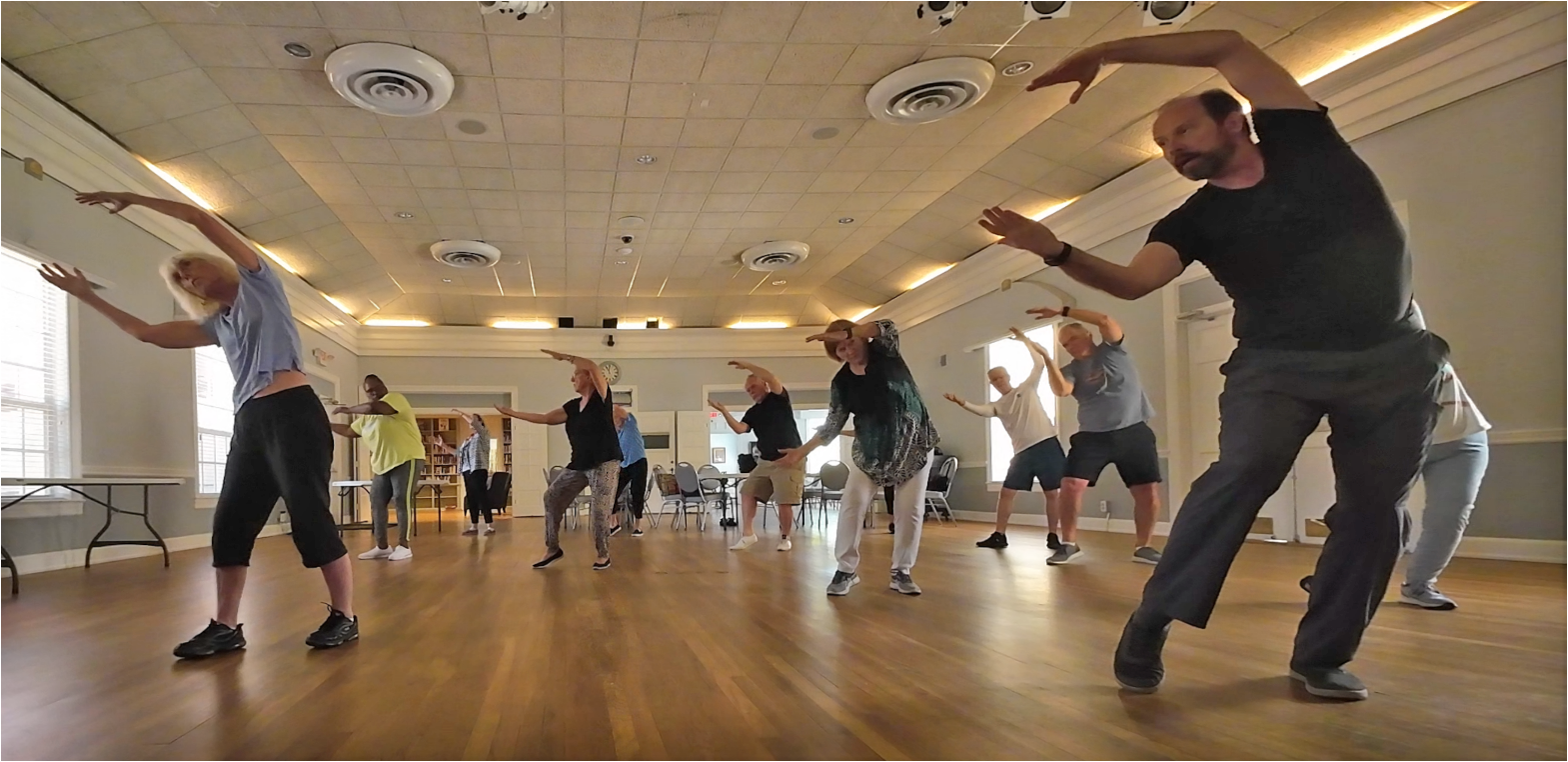
Tai Chi and qigong like in this video are perfect examples of physical activity that improves posture and balance to help decrease your risk for falls and fractures. Tai chi can also strengthen the bones themselves by reacting to the tension that exercise puts on the muscles and consequently the bones.  If the bones are not engaged in everyday use, osteoporosis can find its way into the body. Exercise can be easy; try 10 minutes at a time, adding up the minutes to reach your goal.

I offer instruction in qigong, Taoist yoga, tai chi, martial arts, ship pal gye, hapkido, fitness, wellness and many other avenues to improve health and well-being.

I am currently accepting new clients for group, small group & private instruction.

Mind and Body Exercises on Google: https://posts.gle/aD47Qo

Be well!

Jim Moltzan

407-234-0119

www.MindAndBodyExercises.com

https://www.facebook.com/MindAndBodyExercises/

https://www.youtube.com/c/MindandBodyExercises

https://mindandbodyexercises.wordpress.com/

https://umareg.com/masters-council/

Our Breath is the Link to the Mind-Body Connection

Our Breath is the Link to the Mind-Body Connection

Our mental, physical and spiritual health – all comes down to the quality of our breath. Most people see their breath as an involuntary physiological process that they have little or no control over. While it is the first thing our bodies do when we are born and the last action before our physical body dies, there is a whole life of breathing in between. Every emotion affects the breath, just as managing breaths can affect the emotions, yin and yang in all things. Every respiration affects the body chemistry with hormones that are regulated by the “fight or flight” (sympathetic nervous system) and “rest and digest” (parasympathetic nervous system) mechanisms. Spending too much time in one zone or the other affects the balance of the nervous system, which affects organ functions, affecting the quality of life. Life is all about the breath and quality of it.

“Breath-work” is the new buzzword for mindful management of the breathing mechanism. Actually, breath-work has been practiced for thousands of years in methods from Yoga as Pranayama and its branches of qigong, as practiced through Traditional Chinese Medicine, tai chi and other martial arts.

Yogis and Buddhist practitioners of pranayama have long understood that our breath is an especially appropriate object of focus for meditation. The usage of the breath over other possible options came about, presumably because respiration offers a readily available object to focus upon. Additionally, specific aspects of respiration can be observed as the breath adjusts in particular ways relative to emotions and attention (Wager & Cox, 2009). There are various types of Yogic breathing techniques of Pranayama, each offering differing benefits and goals. A few types would include long deep breathing, individual/alternating nostril breathing, and fast breathing.

With managed and regulated breathing practices (such as pranayama, qigong and others), there is evidence that these practices creates air oscillations which can increase nitric oxide (NO) through the rise in exchange of air between the nasal cavity and the paranasal sinuses. The paranasal sinuses can then produce larger amounts of nitric oxide which increase oxygen uptake. Nitric oxide aids in nonspecific host defense against infections stemming from bacteria, viruses, fungi, and parasites (Trivedi & Saboo, 2021). Nitric oxide was discovered in 1998 by Dr Robert F. Furchgott, Louis J. Ignarro and Ferid Murad for which they were awarded a Nobel prize. Nitric Oxide (NO) is a molecule that is produced in the nose naturally, as well as throughout the human body. NO has anti-inflammatory, antiviral, antibacterial effects. NO is a very strong vasodilator that causes blood vessels to dilate (widen) while also stimulating the certain hormones to be released, such as human growth hormone and insulin. Nitric oxide is also used as a pharmacological inhalant as well for various other ailments (India, 2020).

Our breath is the driving force of the spirit. People get caught up on the word “spirit” and often gravitate towards it being religious in its meaning. I understand (and teach) spirit as being ones self-awareness and further, the awareness that we are not our thoughts but rather the observer to our thoughts. Monitoring and observing our breath allows the individual into the window of their thoughts. Often people will say that they are mad, sad, happy or other emotional states. Really, they are none of these things but rather experiencing anger, sadness, happiness, etc. An example would be when we see something disturbing come about and we can take a few slow deep breaths and then consciously engage our thoughts to think, “NO I’m not going to engage in negative thoughts.” Maybe we change up the environment or conversation thereby making it upbeat and positive. We can consciously change are thought patterns.

The breathwork can be addressed on the physiology level too, to get the conversation away from the religious or metaphysical aspects of being spiritual. In this narrative we can understand that the monitoring and regulating of the breath affects the thoughts which can affect our emotions, which affects the autonomic nervous system and thereby adjusts the blood chemistry and internal organs and their functions, which circles back to affecting our moods and thoughts once again. So really spirit (or self-awareness) can come down to chemistry and how we can use it as a tool to reach our goals, whether of physical, mental or spiritually based.

References:

Wager, K., & Cox, S. (2009). Auricular Acupuncture and Addiction. Elsevier Gezondheidszorg.

Trivedi, G. Y., & Saboo, B. (2021). Bhramari Pranayama – A simple lifestyle intervention to reduce heart rate, enhance the lung function and immunity. Journal of Ayurveda and Integrative Medicine, 12(3), 562–564. https://doi-org.northernvermont.idm.oclc.org/10.1016/j.jaim.2021.07.004

India, D. T. (2020, October 29). Nitric Oxide- the Nobel prize winning molecule, can play . . . Dental Tribune India. https://in.dental-tribune.com/news/nitric-oxide-the-nobel-prize-winning-molecule-can-play-a-critical-role-in-the-covid-19-cure-2/

_______________

I write often about topics that affect our health and well-being. Additionally, I teach and offer lecture about qigong, tai chi, baguazhang, and yoga.

For more info, contact Jim Moltzan at info@mindandbodyexercises.com, 407-234-0119 or through my site at http://www.mindandbodyexercises.com