Vitamin D Metabolism & Deficiency

Vitamin D Metabolism

Vitamin D3 or cholecalciferol is produced in the skin initiated from sunlight UVB radiation or absorbed from specific foods. The vitamin D3 is absorbed into the bloodstream and then into the liver where it changes to calcidiol. From the liver to the kidneys the calcidiol changes to calcitriol. Calcitriol then goes on to affect metabolic functions such as absorption in the intestines of calcium and phosphorus, bone regulation and cell regulation. As we age, vitamin D3 production can decline up to 75% leading to at the very least, muscle weakness and a reduction in bone strength and density.

Vitamin D Deficiency

Causes:

  • Winter side-effects (less sun exposure)
  • Sunscreen
  • Air pollution
  • High altitude
  • Poor diet

Imbalances:

  • Hypertension
  • Heart disease
  • Urinary infections
  • Tuberculosis
  • Depression
  • Schizophrenia
  • Liver disease
  • Rental failure
  • Crohn’s disease
  • Cystic fibrosis
  • Celiac disease
  • Muscular aches & weakness
  • Osteoporosis
  • Osteoarthritis
  • Rickets
  • Diabetes
  • Obesity

Solutions:

  • Sunlight on skin
  • Diet
  • Vitamin supplements

I have learned, studied, practiced and teach literally hundreds of various low-impact exercises that can build stronger bones, muscles and joints. Private, small or group instruction.

Be well!

Jim Moltzan

407-234-0119
http://www.MindAndBodyExercises.com

https://www.facebook.com/MindAndBodyExercises/

https://www.youtube.com/c/MindandBodyExercises

https://mindandbodyexercises.wordpress.com/

Masters Council

The Effects of Exercise on Joint & Bone Strength

The Effects of Exercise on Joint & Bone Strength

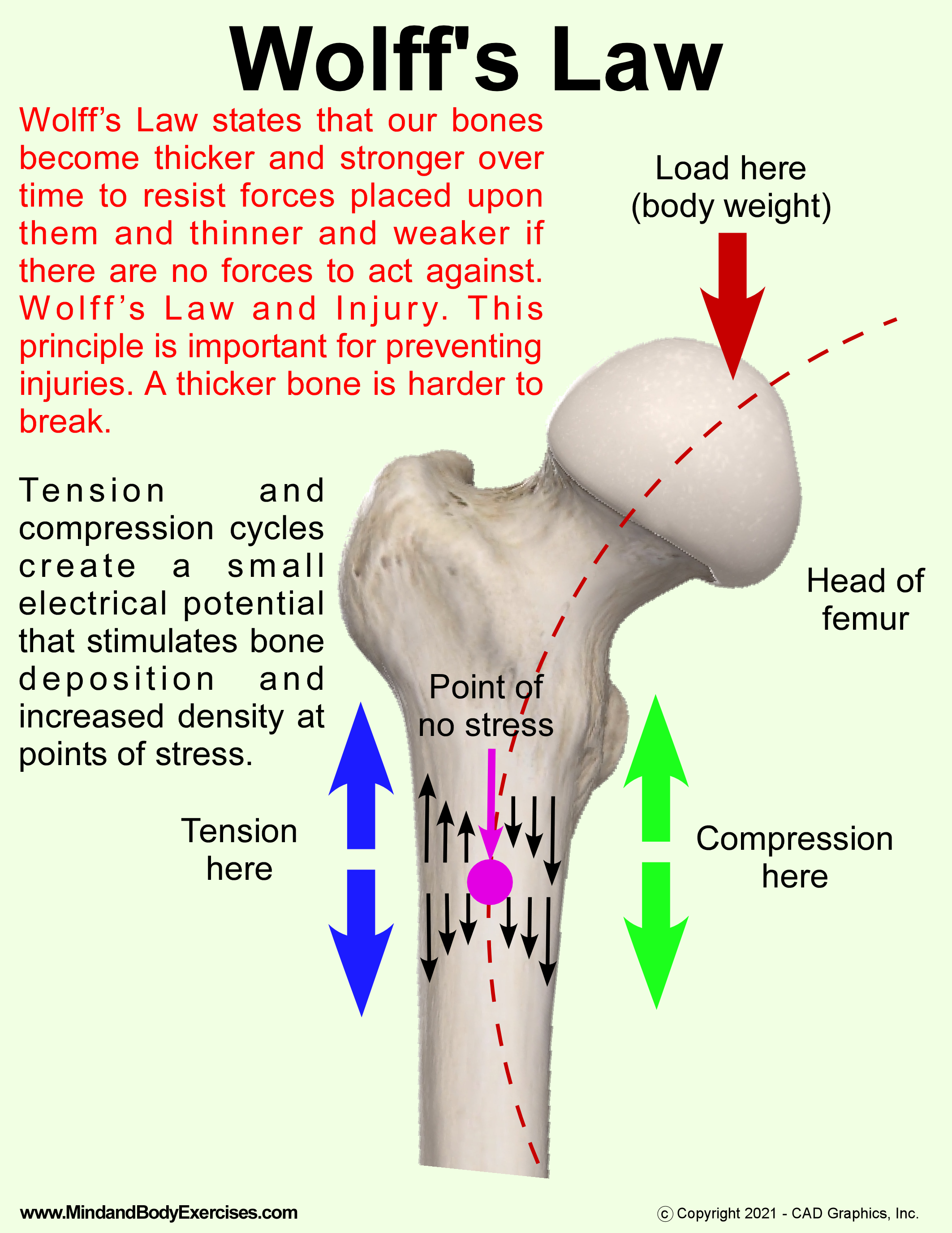
The joints of our body are composed of two or more bones joining together, along with the muscles, tendons, cartilage, synovium and ligaments that hold the whole structure together. The shape of our bones reflect the forces applied to them. For example, small bumps, ridges and other features on the surface of our bones are the attachment sites for tendons. When muscles are put under more load through activities, stress or exercises, the corresponding attachment sites enlarge to withstand the increased forces. Bones that are under more stress become thicker and stronger, while in contrast bones that are not subjected to ordinary stresses tend to become weaker, thin and more brittle. Wolff’s law, developed by anatomist & surgeon Julius Wolff in the 19th century, states that “bone in a healthy person or animal will adapt to the loads under which it is placed.”

Regular weight-bearing exercise is an important component for maintaining healthy bone structure. Avid weight lifters often have thick bones with very prominent ridges. Non-athletes or those who have little to moderate amounts of physical activity will find weight-bearing activities are imperative for stimulating normal bone metabolism of maintenance as well as maintaining bone strength.

Changes in bones of the skeleton can take place in relatively short periods of inactivity. For example, someone uses crutches to take weight off an injured leg while they wear a cast. Within a few weeks, the unstressed bones can lose up to a third of their mass. When normal weight loading resume the bones rebuild. However, it takes longer to rebuild bone than to lose bone density. The removal of calcium salts can be a serious health hazard for long-term bedridden patients or paralyzed individuals who cannot put normal stress on their skeleton.

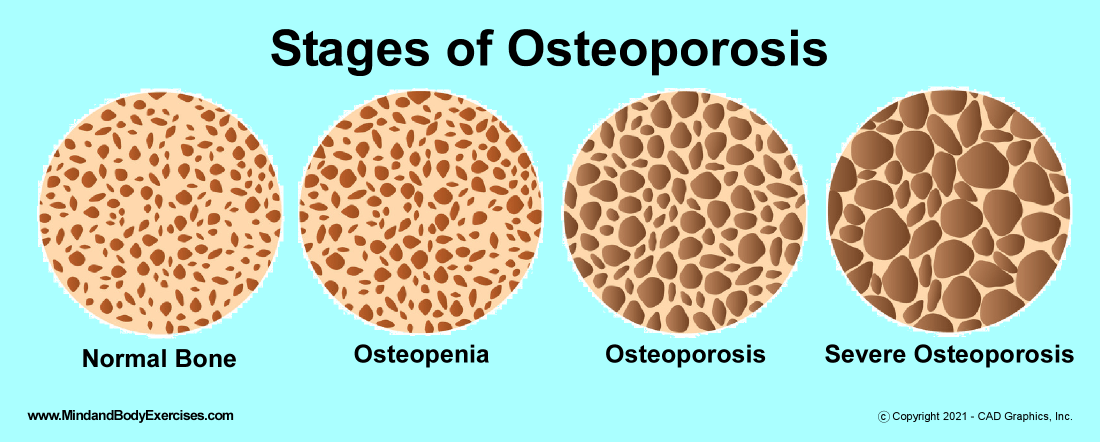
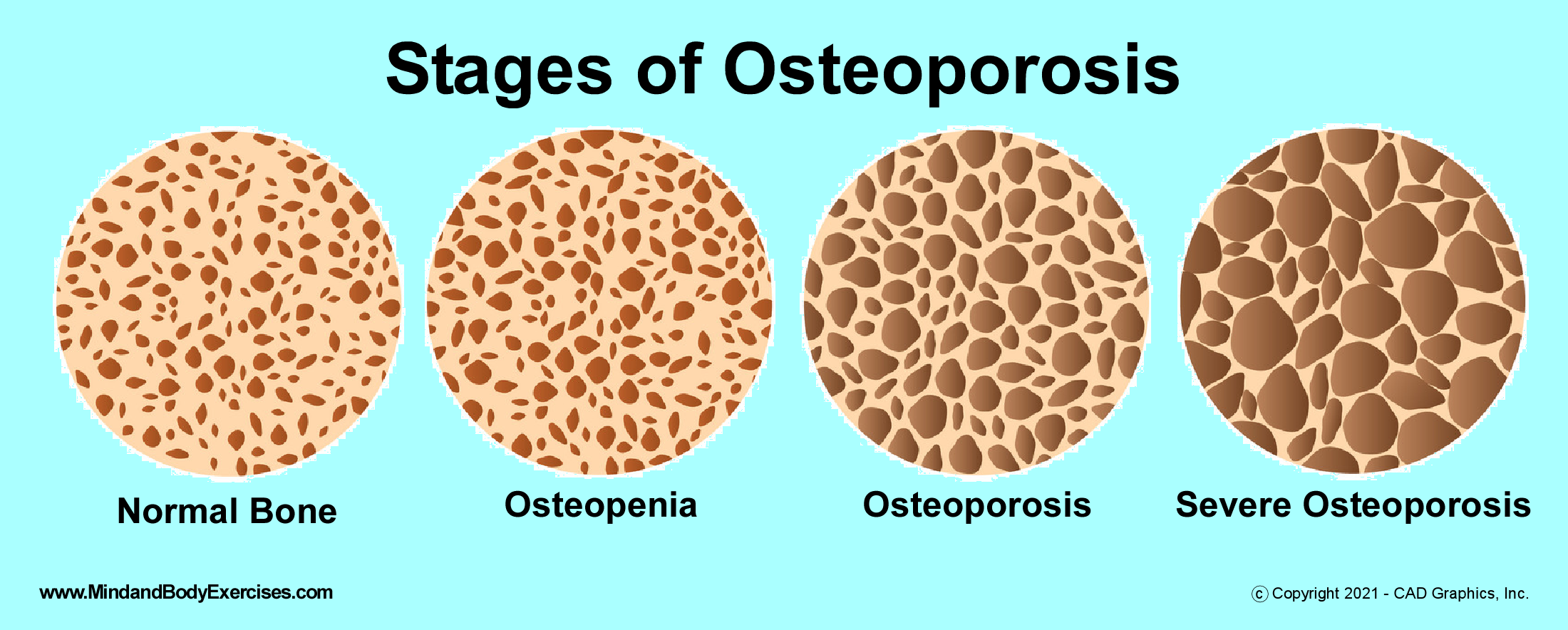
Bones of the skeleton become thinner and weaker as a normal part of the human aging process. Inadequate ossification is called osteopenia. Everyone of us usually become slightly osteopenic as we age. Bone mass reduction begins between ages 30 and 40. Around this age, osteoblast (bone building) activity begins to decline, while osteoclast (bone breakdown) activity continues at the previous level. Women tend to lose about 8 percent of their bone mass every decade. Men often lose less, but around 3 percent per decade. The epiphyses or ends of the long bones, the vertebrae of the spine, and our jaws lose more bone mass than other locations. Side effects of low bone mass are more fragile limbs, loss in height, and sometimes the loss of teeth.

Osteoporosis is the further reduction in bone mass that inhibits normal functions. Bones become fragile and brittle making them more likely to break when exposed to stresses that healthier individuals could easily adjust to. This can be seen when an elderly person can suffer a hip fracture when simply attempting to sit or stand. A loss of mobility, independence and consequently self-confidence can occur when fractures result in older individuals leading to further weakening of the skeleton as they become less active and fearful of future injuries.

Hormonal balances are important in maintaining bone deposition. If and when hormone levels decline, bone mass also declines. After age 45, about 29 percent of women and 18 percent of men will develop osteoporosis. With women the condition increases after menopause, from a decrease in estrogen production. Men in the same age group tend to have less severe osteoporosis due to continued production of testosterone into their later years of life.

Osteoporosis can sometimes develop into the secondary effect of many cancers. Cancers within the bone marrow, breast cancer, and other tissues release a chemical called osteoclast-activating factor. This chemical increases the number and activity of osteoclasts and produces severe osteoporosis.

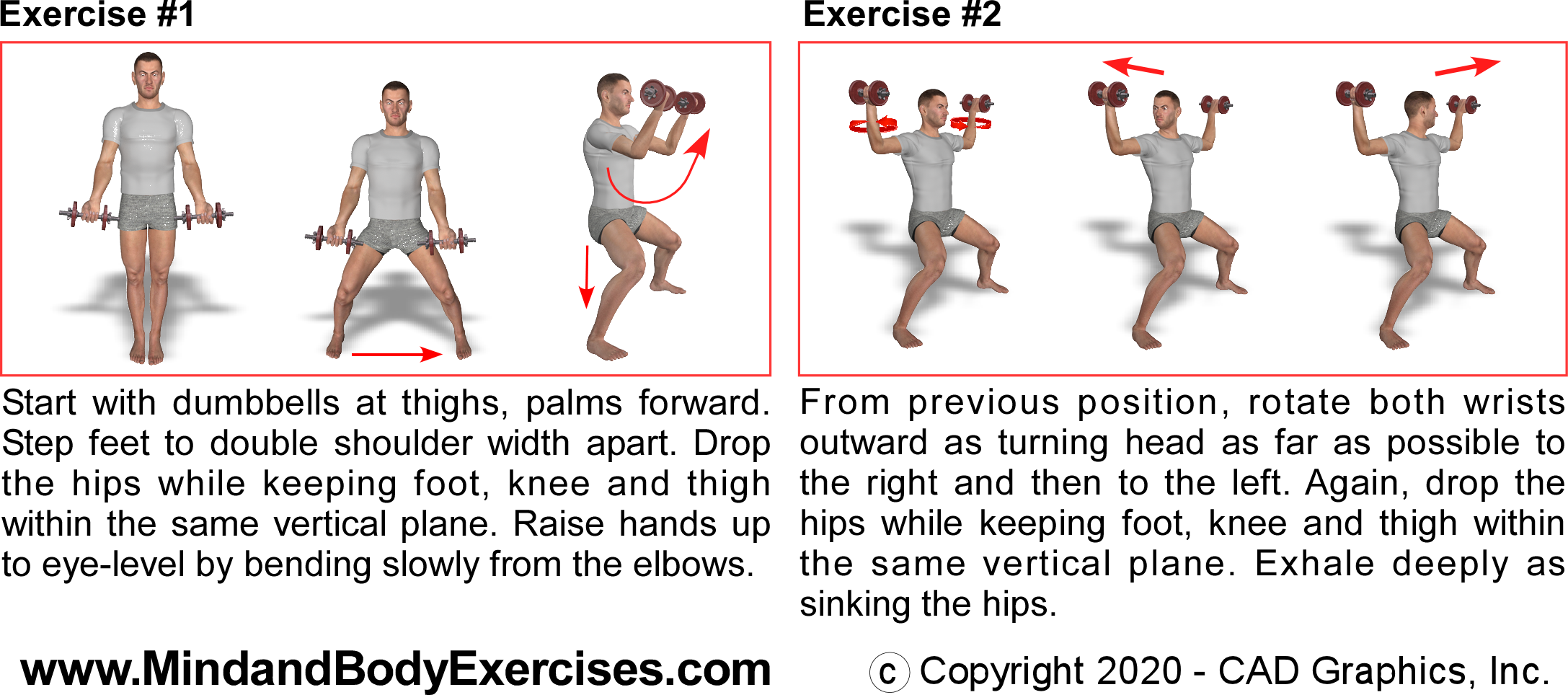
By engaging our bones with strategic trauma exercise methods (or specific stress without injury) that can be regulated by the individual to make bones stronger and prevent osteopenia and/or osteoporosis. These types of exercises fall into 3 different categories of tension, impact and vibration exercises. Ironically, while some of these methods improve bone and muscular strength, they sometimes can cause pain and injury to the same joints that the individual might be trying to strengthen. Fox example, jumping rope, hiking and tennis might cause more injury to a 60+ than the benefits that might be gained from these practices.

Tension Exercises:

  • Dancing
  • Elastic Bands
  • Qigong (Chi Kung)
  • Pilates
  • Stair-Step machine
  • Tai Chi
  • Treadmill
  • Weights
  • Yard Work
  • Yoga

Impact:

  • Aerobics
  • Hiking
  • Jump rope
  • Running
  • Stair climbing
  • Tennis
  • Walking – brisk

Vibration:

  • Machine therapy
  • Tapping methods

Reference(s):

1. Martini, F., Nath, J. L., Bartholomew, E. F., Ober, W. C., Ober, C. E., Welch, K., & Hutchings, R. T. (2018). Fundamentals of anatomy & physiology. New York: Pearson Education.

————-

I have learned, studied, practiced and teach literally hundreds of various low-impact exercises that can build stronger bones, muscles and joints. Private, small or group instruction.

Be well!

Jim Moltzan

407-234-0119
http://www.MindAndBodyExercises.com

https://www.facebook.com/MindAndBodyExercises/

https://www.youtube.com/c/MindandBodyExercises

https://mindandbodyexercises.wordpress.com/

Masters Council

Can You Easily Stand on One Leg?

Can you easily stand on one leg? Why would you even care to do this?

If you can easily stand and balance on one leg for more than a few seconds, chances are you can balance even better on two legs where you spend time standing, walking, running, etc. From my research, most people do not exercise or train themselves to improve or maintain balance until an event presents itself of where the individual loses their physical balance, stumbles, and/or falls and becomes injured. Then the search begins for them to find ways to improve their balance: physical therapy, medications or even refraining from activities that are now hazardous to the individual. The following is information I have gained from my own practicing and studying of martial arts and wellness methods spanning almost 40 years. Hopefully this will put readers on a path to achieving and maintaining better balance.

The human body contains many examples of balance. We have exterior symmetry in having 2 arms, 2 legs, 2 eyes, etc. We have interior symmetry within our bodies in the way of the muscular and skeletal systems being mostly equal from left to right sides. The external body protects the internal organs, while the organs provide for the exterior. The mind governs the body while the body protects the mind. Vestibular balance is what most people think of as our spatial positioning and equilibrium in relation to standing, walking and general movement.

Let’s go into some basic anatomy and physiology relative to what allows the human body to not fall over with every movement we may execute.

Body Components Connected to Balance

Brain – the brain processes the signals from the eyes, inner ear and the sensory systems (skin, joints, muscles, nerves) of the human body.

Eyes – the eyes relate information to the brain such as spatial orientation and environmental conditions.

Inner Ear – the inner ear and the Vestibular system, regulates equilibrium while providing directional information to the brain to process.

Sensory Receptors -nerves in the joints called proprioceptors, sense vibrations that flow through joints, muscles and skin sending the information to the brain to process.

Skeletal Muscles – the muscular system provides strength and stability to the skeletal systems, while maintaining flexibility in movement.

Joints – healthy joints help form a strong foundation for the body to navigate daily activities. Vibrations in movement are transferred through the bones and muscles to the brain to process.

Factors in Maintaining Balance

Awareness – understanding where ones center of gravity sits, greatly helps to become more sensitive to correct body positioning. Also, being more observant of environmental changes such as lighting, weather, terrain, etc. can prevent loss of balance.

Focus – keeping the eyes steady, helps keep the mind focused to be able to better control the bodies fine tuning of muscle control and body positioning leading to better balance.

Muscular Strength – maintaining muscle tone contributes to having stability whether the body is in motion or stationary.

Range of Motion (flexibility) – when the limbs, muscles and joints are free to move,
it is much easier to adjust ones center of gravity to a more balanced position.

I have found and studied 2 types of balance exercises, being dynamic and static.

Dynamic Balance – maintaining stability with ones center of gravity situated outside an axis of vertical rotation, with body movement or the body in motion.

Static Balance – maintaining stability with ones center of gravity situated on an axis of vertical rotation, with little or no body movement.

Be well, stay healthy, be wise.

I can help. I have almost 40 years worth of experience in practicing and teaching others to take control of their health and well-being.

Wellness lectures, classes, study guides & booklets.For more information, contact Jim Moltzan at 407-234-0119 or www.MindAndBodyExercises.com

https://www.facebook.com/MindAndBodyExercises/

https://www.youtube.com/c/MindandBodyExercises

https://mindandbodyexercises.wordpress.com

/https://umareg.com/masters-council/

Protect Your Bones With Tai Chi

As people continue to stay indoors more, many are becoming less active and also more susceptible to vitamin D3 deficiency from lack of sunlight. Both issues can lead to loss of the bone density (osteopenia) and eventually osteoporosis (porous & brittle bones). Bones are not just for structure but also stores minerals and produce blood cells. We need healthy bones!

Click on the image below to read a more detailed explanation of tai chi and bone health, from Harvard Medical School.

https://www.health.harvard.edu/womens-health/protect-your-bones-with-tai-chi
Bone Disease – Osteoporosis

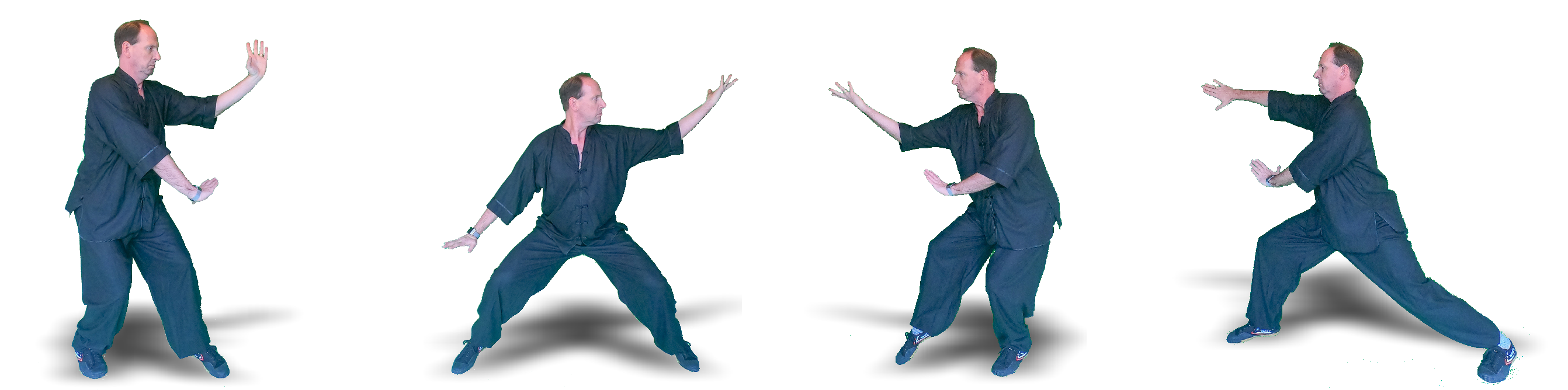
Tai chi and qigong are my recommendations as they provide weight-bearing exercises that are low-impact on the joints. Plus, you can practice outside (or almost anywhere) and get some sunlight. Regardless of how you exercise – stay active, get some sun and fresh air everyday.

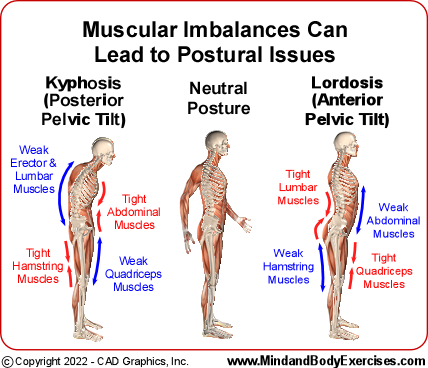
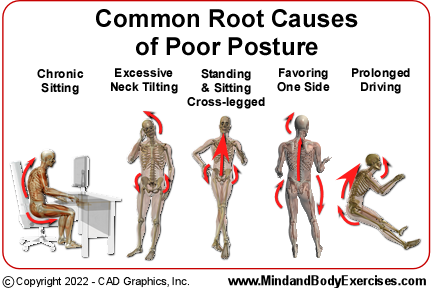
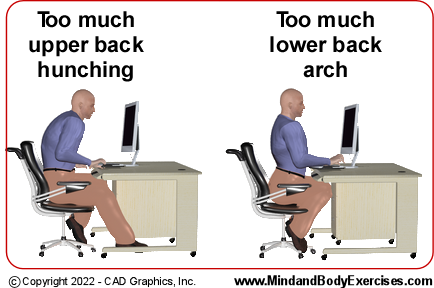
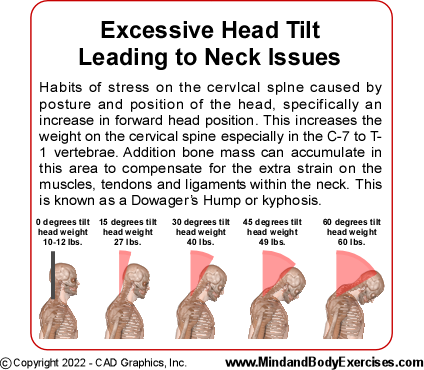
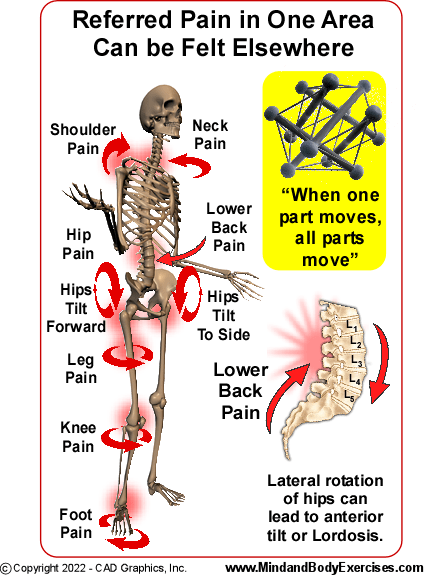
Weak bones affect body posture, leading to other chronic issues.


If you need help getting started, contact me through http://www.MindandBodyExercises.com or 407-234-0119.

Be well, stay healthy, be wise!

Jim Moltzan

407-234-0119
www.MindAndBodyExercises.com

https://www.facebook.comMindAndBodyExercises

https://www.youtube.com/c/MindandBodyExercises

https://mindandbodyexercises.wordpress.com/

Osteoporosis and Osteopenia (bone porosity & bone loss)

Osteoporosis and Osteopenia (bone porosity & bone loss)

Are you age 40 or older? If so, you might want to make sure you stay active as you continue to age. After 40 or so, the average woman losses 8% of their bone mass; men loss about 3% per decade. So, by 70 a woman can lose 25%; a man 18%. Bones can become more porous and weaker, usually starting to increase after age 45.

Wow, not good!

Consistent (and appropriate) exercise puts strain on the muscles, joints and bones, causing the bones cells to stay active and continue to remodel, often until the end of life. (Wolff’s Law)Appropriate exercise as we all age depends upon the individual. However, Tai chi, yoga and qigong are all low-impact and can be practiced by most people regardless of age and health issues.

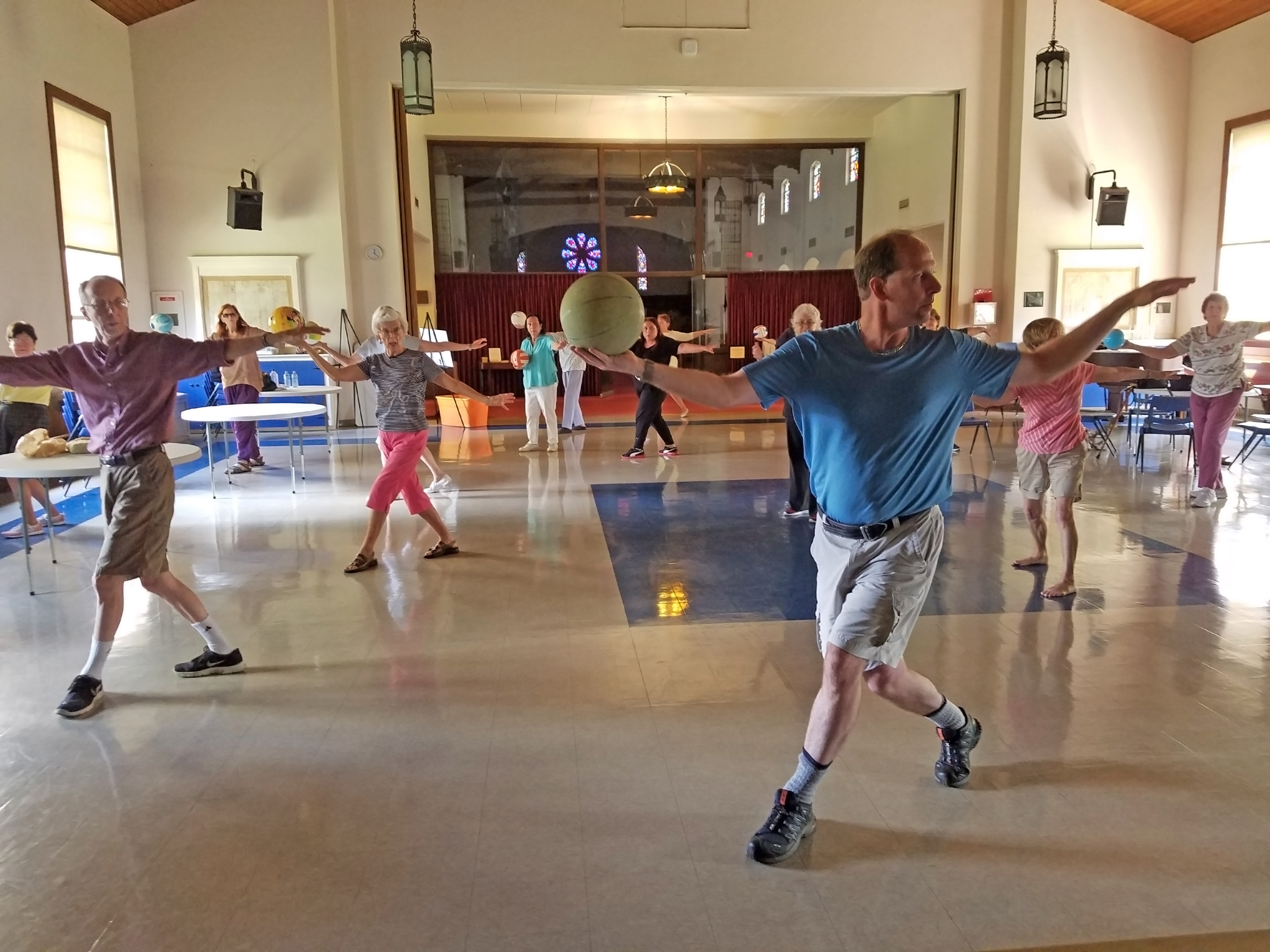
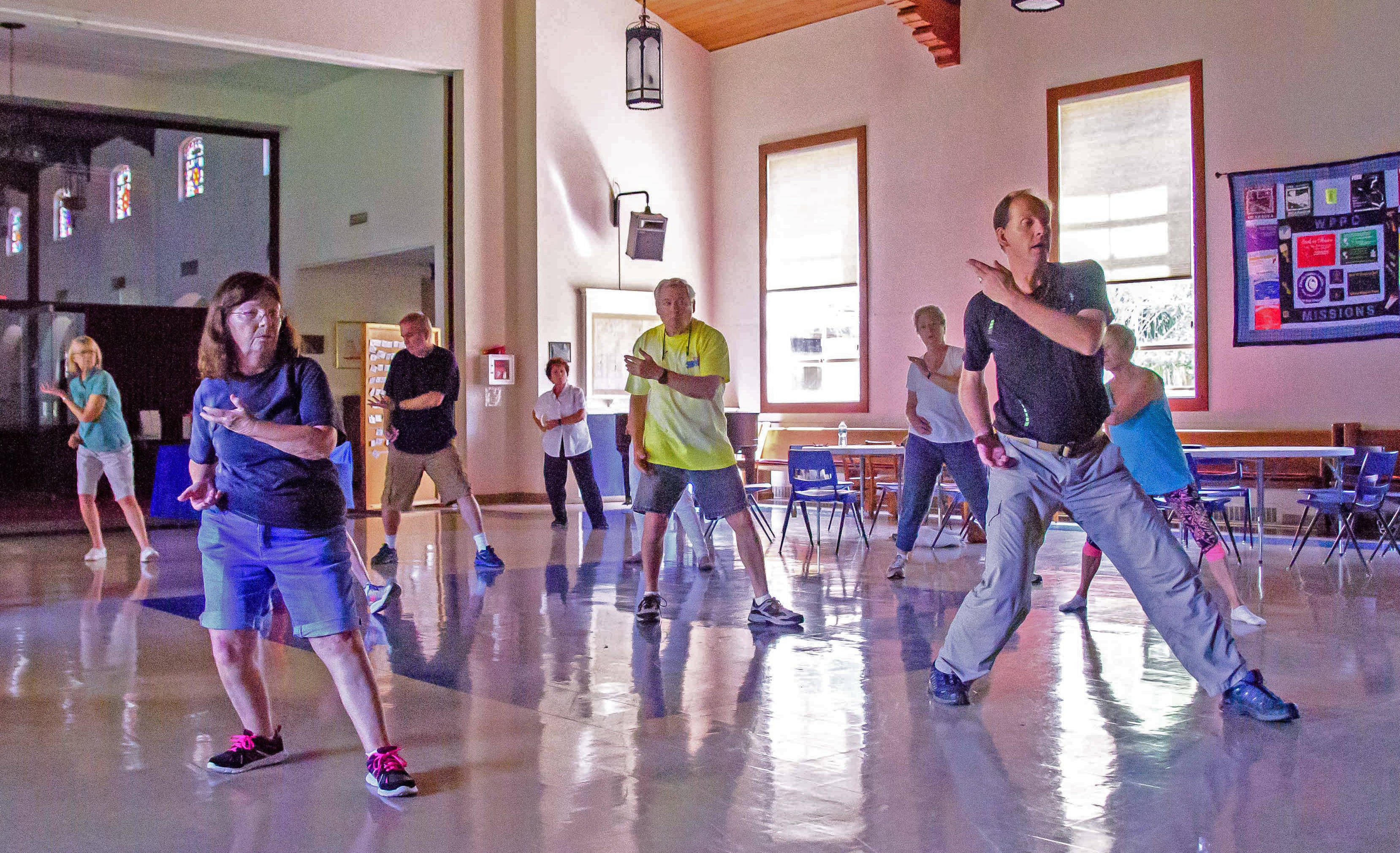
I offer private lessons in Wekiva and weekly group classes at Winter Park Presbyterian Church.

Jim Moltzan407-234-0119 www.MindAndBodyExercises.comhttps://www.facebook.com/MindAndBodyExercises/https://www.youtube.com/c/MindandBodyExerciseshttps://mindandbodyexercises.wordpress.com/https://umareg.com/masters-council/