
Vitamin D Deficiency at Epidemic Levels
The US, and many of the world, have been facing an epidemic of vitamin D deficiency for many years, especially in areas lacking consistent daily sunlight such as the northern states of US. This trend is also seen in areas with much sunlight where people cover up their whole bodies from sun exposure. Now exacerbated by pandemic lock-downs and less outside physical activity over the last few years. Most people are unaware or care to ignore how vital vitamin D is to the immune system and overall health.
From the National Library of Medicine of May, 2022:
Vitamin D deficiency is a global public health issue. About 1 billion people worldwide have vitamin D deficiency, while 50% of the population has vitamin D insufficiency.[1] The prevalence of patients with vitamin D deficiency is highest in the elderly, obese patients, nursing home residents, and hospitalized patients. The prevalence of vitamin D deficiency was 35% higher in obese subjects irrespective of latitude and age.[7] In the United States, about 50% to 60% of nursing home residents and hospitalized patients had vitamin D deficiency. [8][9] Vitamin D deficiency may be related to populations who have higher skin melanin content and who use extensive skin coverage, particularly in Middle Eastern countries. In the United States, 47% of African American infants and 56% of Caucasian infants have vitamin D deficiency, while over 90% of infants in Iran, Turkey, and India have vitamin D deficiency. In the adult population, 35% of adults in the United States are vitamin D deficient whereas over 80% of adults in Pakistan, India, and Bangladesh are Vitamin D deficient. In the United States, 61% of the elderly population is vitamin D deficient whereas 90% in Turkey, 96% in India, 72% in Pakistan, and 67% in Iran were vitamin D deficient Sizar & et al, 2022).
This epidemic of deficiency stems from misinformation surrounding the fear of sun exposure, use of toxic sunscreens, and poor dosing recommendations that neglect the critical role that vitamin D plays in protecting against nearly every chronic disease on Earth. Mainstream experts still express fear about taking too much vitamin D, in spite of very few people ever reaching “toxic” blood levels. as well as even less people experiencing side effects from too much vitamin D (Micozzi 2018). Let us be informed that sunscreen sales in the US for 2022 are forecast at $1.83 billion (Statista, 2021) and vitamin D supplement sales spiked to $544 million in 2020 (Grebow, 2021).

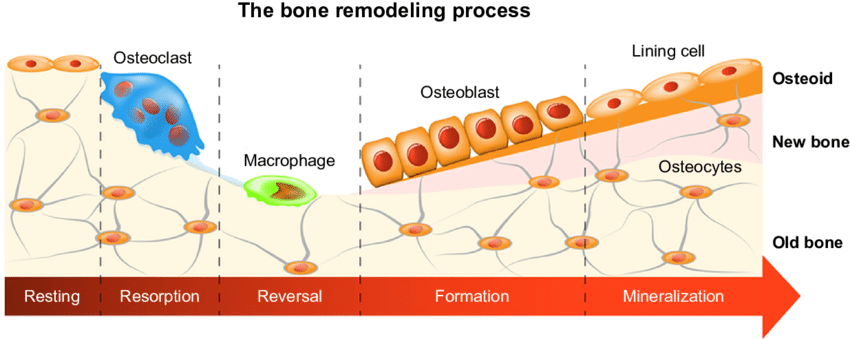
Vitamin D3, also known as cholecalciferol, is produced in the skin initiated from sunlight UVB radiation or absorbed from particular foods. Vitamin D3 is then absorbed into the bloodstream and then metabolized in the liver transforming into calcidiol. From here calcidiol, travels from the liver to the kidneys and changes to calcitriol. Calcitriol then proceeds to affect metabolic functions like absorption in the intestines of calcium and phosphorus, bone regulation and cell regulation. After the age of 50, aging causes vitamin D3 production to decrease up to 75% and causing muscle weakness and a loss in bone strength and density.

Vitamin D Deficiency
Causes:
- Winter side-effects (less sun exposure)
- Sunscreen
- Air pollution
- High altitude
- Poor diet
Imbalances:
- Hypertension
- Heart disease
- Urinary infections
- Tuberculosis
- Depression
- Schizophrenia
- Liver disease
- Rental failure
- Crohn’s disease
- Cystic fibrosis
- Celiac disease
- Muscular aches & weakness
- Osteoporosis
- Osteoarthritis
- Rickets
- Diabetes
- Obesity
Solutions:
- Sunlight on skin
- Diet
- Vitamin supplements
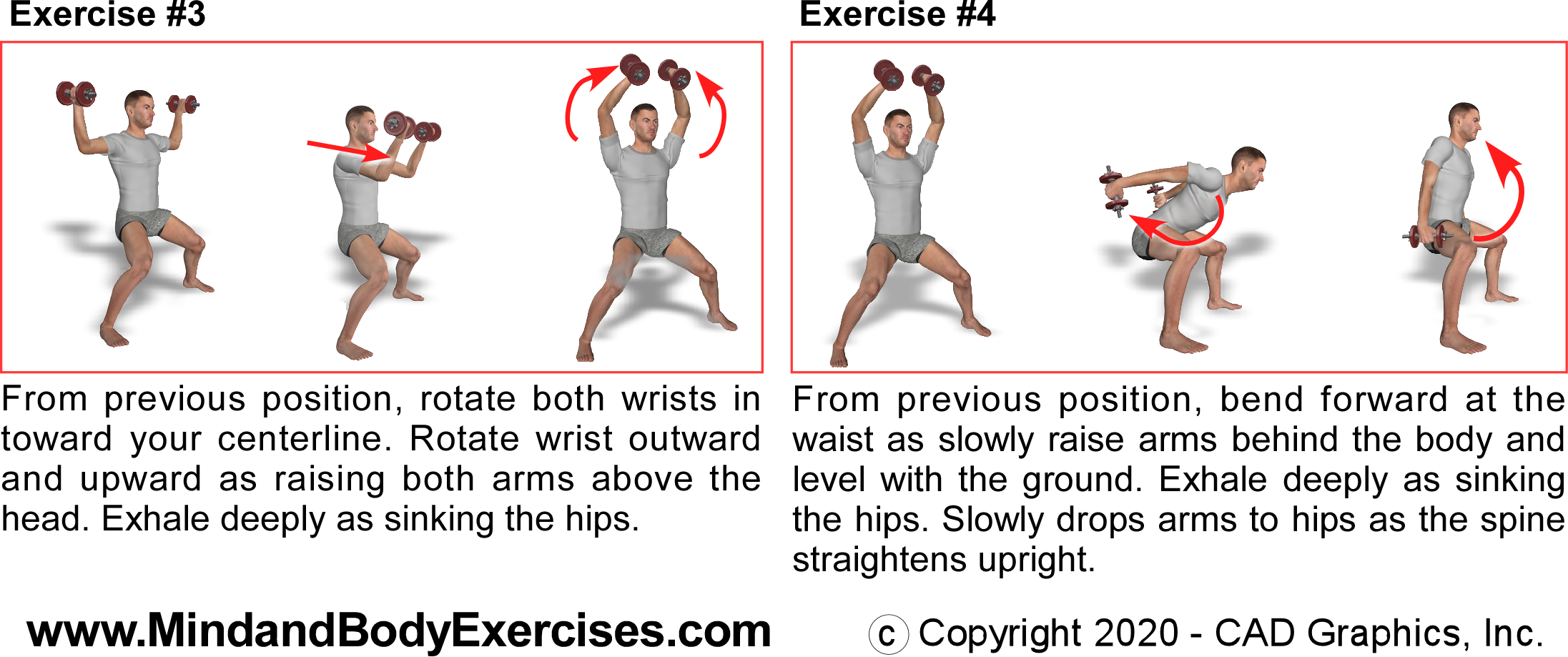
- Weight-bearing exercises
(Charoenngam & Holick, 2020)
What can you do to prevent vitamin D deficiency – become educated, be more aware of your own health, get outside during the morning or late afternoon when sunlight is less intense, and get your body moving to engage your muscles and bones to tell your nervous system that you are still alive and need your body to maintain homeostasis through good health and lifestyle practices.
Get started with these three simple steps:
- Consult with your doctor to manage your vitamin D levels twice a year — at the end of winter and again at the end of summer. Ask for a simple blood test called the 25(OH)D (25-hydroxy vitamin D) test. (Optimal blood levels are between 50 and 75 nanomoles/Liter.)
- Commit to being in the sun 15 minutes a day without sunscreen. When planning on being outside longer, add some protective clothing, a hat, and sunglasses.
- Supplement with 10,000 IU of vitamin D3 daily. This dose in a convenient, highly-absorbable liquid form together with the potent marine carotenoid, astaxanthin, for added benefits (Micozzi, 2018).
References:
Sizar O, Khare S, Goyal A, et al. Vitamin D Deficiency. [Updated 2022 May 1]. In: StatPearls [Internet]. Treasure Island (FL): StatPearls Publishing; 2022 Jan-. Available from: https://www.ncbi.nlm.nih.gov/books/NBK532266/
Statista. (2021). Sun Protection – United States. https://www.statista.com/outlook/cmo/beauty-personal-care/skin-care/sun-protection/united-states
Grebow, J. (2021, February 19). Vitamin D made headlines over COVID-19 studies last year. Sales of vitamin D were also up in 2020. What will 2021 look like? 2021 Ingredient trends to watch for food, drinks, and dietary supplements. Nutritional Outlook. https://www.nutritionaloutlook.com/view/vitamin-d-made-headlines-over-covid-19-studies-last-year-sales-of-vitamin-d-were-also-up-in-2020-what-will-2021-look-like-2021-ingredient-trends-to-watch-for-food-drinks-and-dietary-supplements
Charoenngam, Nipith & Holick, Michael. (2020). Immunologic Effects of Vitamin D on Human Health and Disease. Nutrients. 12. 2097. 10.3390/nu12072097.
Micozzi. (2018, September 13). Are you dangerously deficient in this key nutrient? Dr. Marc Micozzi. https://drmicozzi.com/are-you-dangerously-deficient-in-this-key-nutrient
Micozzi. (2018a, June 21). Six reasons why you’re still vitamin D deficient. Dr. Marc Micozzi. https://drmicozzi.com/six-reasons-why-youre-still-vitamin-d-deficient
Alfredsson L, Armstrong BK, Butterfield DA, Chowdhury R, de Gruijl FR, Feelisch M, Garland CF, Hart PH, Hoel DG, Jacobsen R, Lindqvist PG, Llewellyn DJ, Tiemeier H, Weller RB, Young AR. Insufficient Sun Exposure Has Become a Real Public Health Problem. International Journal of Environmental Research and Public Health. 2020; 17(14):5014. https://doi.org/10.3390/ijerph17145014
_________
I have learned, studied, practiced and teach literally hundreds of various low-impact exercises that can build stronger bones, muscles and joints. Private, small or group instruction.
Control the body with the mind. Manage the mind by disciplining the body, through physical activity. Learn to be more active, eat healthier, sleep better, stress less – these are the key components to maintaining a strong mind, body, immune system, and outlook on life.
I am currently offering wellness lectures and classes for group, small group & private instruction in Wekiva, Longwood and Winter Park.
Mind and Body Exercises on Google: https://posts.gle/aD47Qo
Jim Moltzan
407-234-0119
http://www.MindAndBodyExercises.com
https://www.facebook.com/MindAndBodyExercises/
https://www.youtube.com/c/MindandBodyExercises
https://mindandbodyexercises.wordpress.com/











 United Martial Arts Association