Remember the Indiana Jones films, when Indiana discovers his father’s diary containing clues to the Holy Grail? The book itself was knowledge. Wisdom came from applying that knowledge through experience. Without knowledge and lived practice, wisdom is difficult to cultivate.
For over 40 years, I have been on my own search for a “Holy Grail” of health, wellness, fitness, and self-awareness. Along that journey, I have created a series of books and study guides that visually and conceptually map what I believe to be the essential components of a healthy, balanced, and meaningful life.
My books are comprehensive, deeply researched, and feature original, full-color illustrations designed to make complex ideas clear and accessible. Each volume reflects decades of firsthand learning, practice, teaching, and illustration across disciplines including holistic health, fitness, psychology, Traditional Chinese Medicine, qigong, martial arts, and yoga philosophy. These are not mass-market publications. They are intentionally crafted for thoughtful readers, practitioners, and lifelong learners who value depth, clarity, and authenticity.
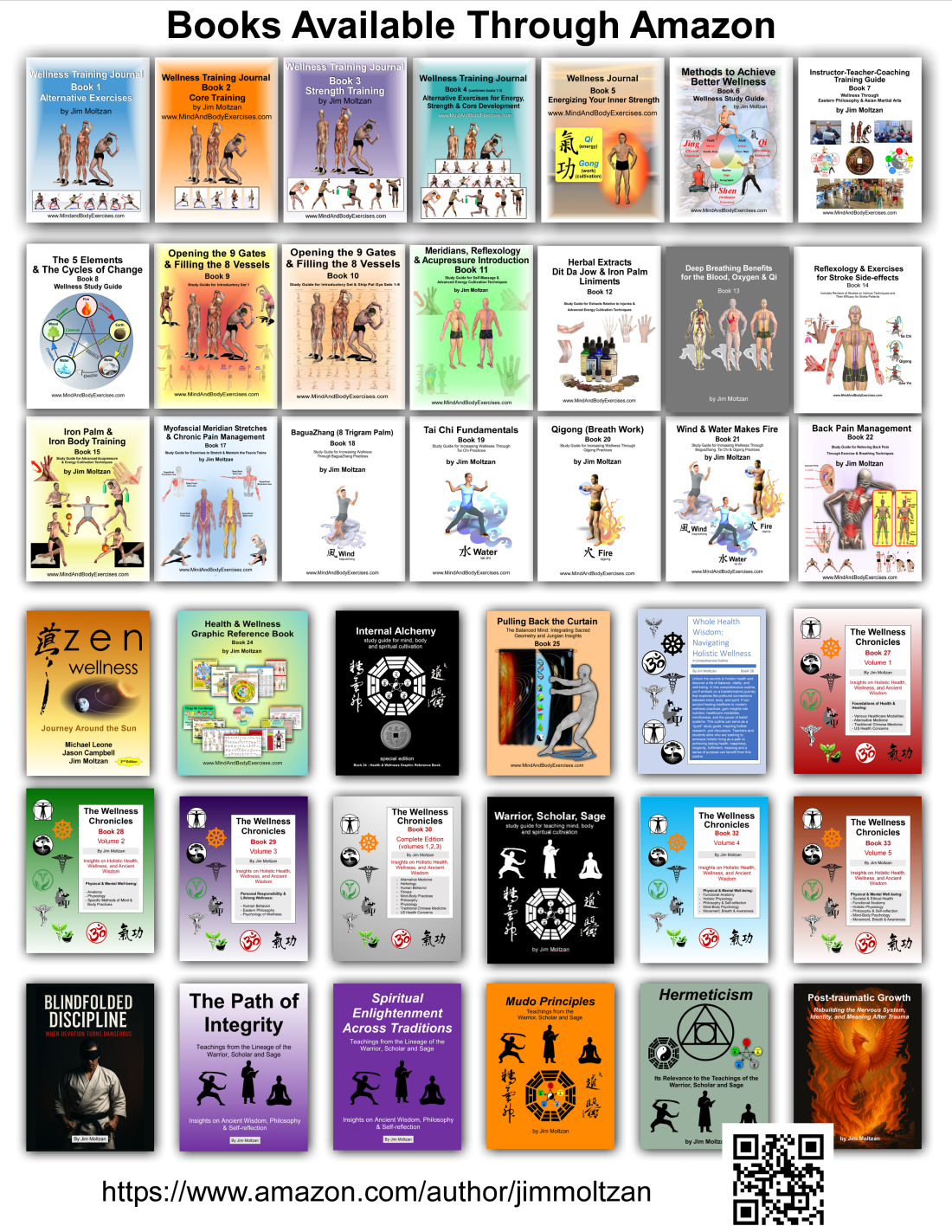
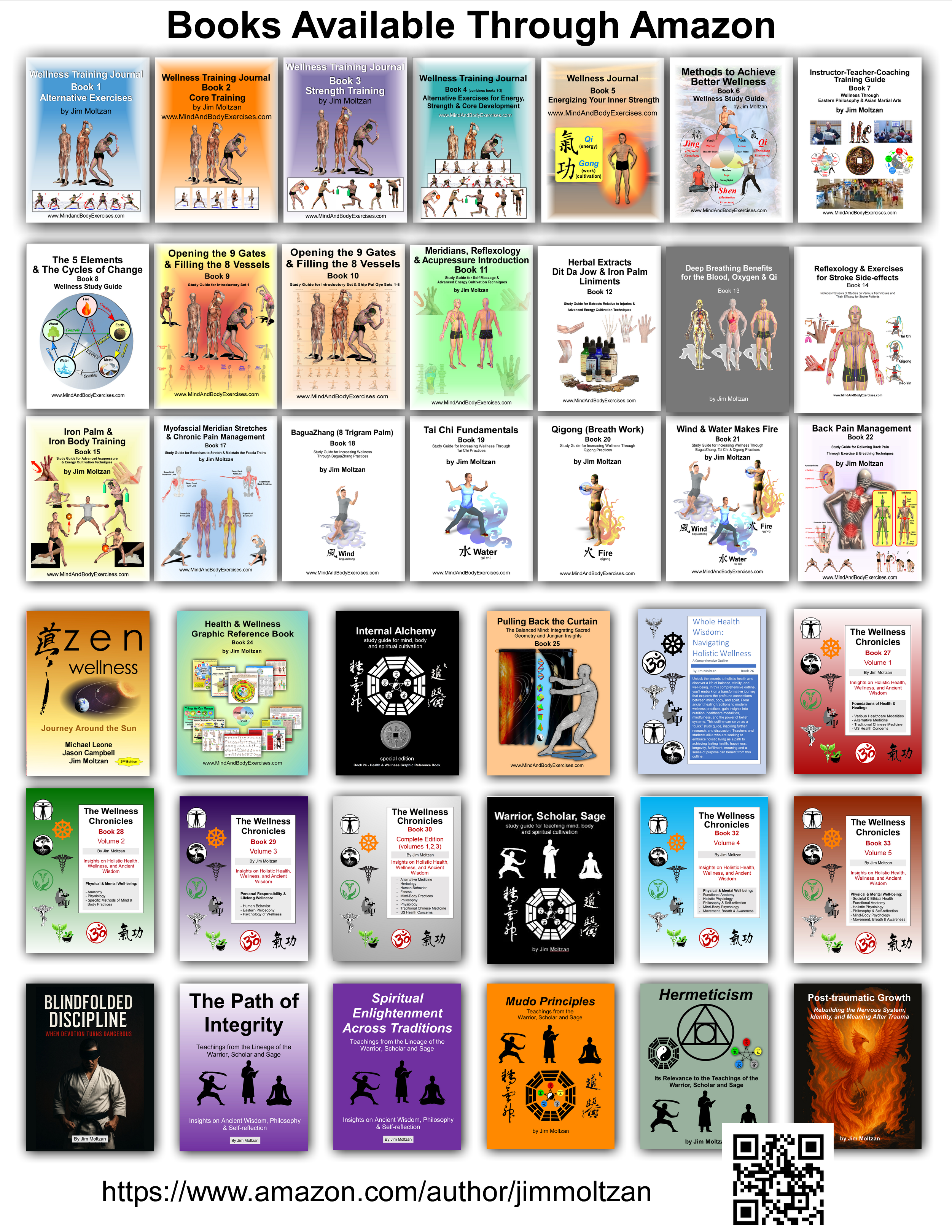
To date, I have published 39 books and study guides on Amazon. Some are primarily visual references that distill complex systems into clear graphic formats. Others explore theories of human development, psychology, movement, breathwork, rehabilitation, longevity, and overall quality of life. Many include practical exercise sets designed to support recovery, resilience, and long-term well-being.
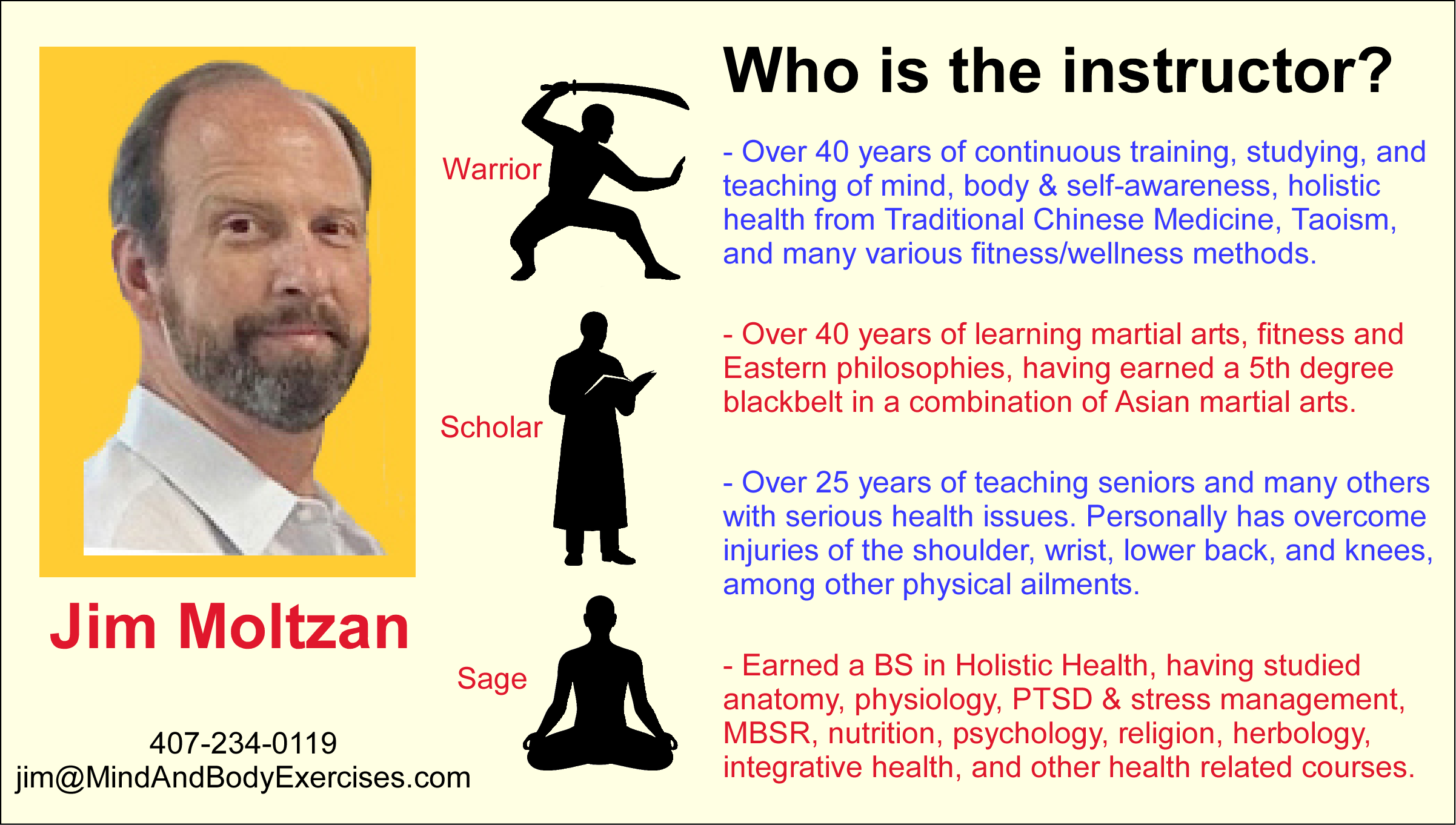
These works represent the summation of more than four decades of training, education, teaching, and public speaking. Much of the qigong and breathing work draws from Chinese Kung Fu and Korean Dong Han medical qigong lineages, alongside extensive study with Traditional Chinese Medicine practitioners and martial arts masters. My background also includes acupressure, acupuncture principles, moxibustion, herbal preparation, and medical qigong, as well as formal academic training culminating in a Bachelor of Science degree in Holistic Health.
Similar in concept to Quick Study or PermaCharts, these guides are designed to “cut to the chase,” minimizing the time spent searching through dense textbooks while preserving the essential root knowledge of each subject. This format serves both beginners seeking a solid foundation and experienced practitioners looking for concise, high-quality reference materials.
If you are looking for a meaningful gift, one that supports health, awareness, and lifelong learning, these books are intended to be resources that grow with the reader over time.
“When the waters settle, the reflection is clear; when stirred, the light is scattered.” – Taoist proverb
The human mind can be likened to a Christmas snow globe. When resting in stillness, it is calm and transparent, revealing its contents clearly. When shaken, the glittering particles obscure the view until motion ceases and calm returns. In much the same way, the human mind loses clarity when it is agitated by thought, emotion, or distraction. Yet, when stillness is restored, insight becomes visible again.
This analogy is ancient in spirit though modern in form. Taoist, Buddhist, and contemplative traditions have long taught that the unsettled mind is filled with “ten thousand thoughts” and is like muddy water that cannot reflect the sky. When the water is left alone, sediment sinks and the surface becomes clear, mirroring reality without distortion. Neuroscience has since confirmed that mental agitation disrupts attentional networks and self-regulation, whereas calm awareness engages prefrontal regions that enhance clarity and emotional balance (Vago & Silbersweig, 2016).
Agitation, Clarity, and the Nature of Mind
Just as the snowflakes in a globe swirl when shaken, so do thoughts and emotions when the mind is disturbed by stress, fear, or overstimulation. The more one reacts, the longer the “flakes” take to settle. Mindfulness teacher Jillian Pransky (2023) uses this same metaphor to describe how meditation allows the inner “snow” to fall to rest and thus revealing stillness and depth beneath the surface.
In a similar vein, meditation research shows that repeated exposure to calm awareness enhances the brain’s ability to disengage from habitual thinking and recover from agitation (Fox et al., 2016). Thus, stillness is not passivity; it is active regulation, a physiological return to balance. This capacity for returning to center is what Tai Chi and Qigong practitioners seek to cultivate daily.
The Snow Globe and the Internal Arts
In Qigong and Tai Chi, movement arises from stillness and returns to it. Between each form lies a subtle pause or an internal settling. When agitation arises, practitioners are taught to “let the mind sink to the dantian,” mirroring how snow settles to the bottom of the globe. Breath slows, the nervous system calms, and the clarity of awareness expands.
Daoist classics such as the Qingjing Jing emphasize this principle: “If the mind is pure and still, all things will become clear of themselves” (Li, 1981). Stillness (jing) is not an absence of life but the foundation for transformation. Without it, internal energy (qi) becomes scattered, and consciousness (shen) clouded. With it, harmony between body, breath, and mind is restored, a concept echoed in modern psychophysiology as “parasympathetic dominance,” when calm awareness stabilizes physiological rhythms (Mayo Clinic, 2023).
From this lens, the snow globe becomes a teaching instrument:
The glass represents the body—transparent but containing.
The water symbolizes consciousness.
The flakes represent thoughts, memories, and emotions.
The base is the dantian—the center of gravity, both physical and spiritual. When the practitioner “shakes” with stress or emotion, the particles rise and obscure vision. When stillness returns, the scene or the true nature of mind becomes visible once again.
Table: Mind States vs. Snow-Globe States
Aspect
Snow Globe State
Mind State Equivalent
Practical Cultivation Method
Unsettled
Shaken; snow whirling chaotically
Agitated thoughts, anxiety, scattered focus
Pause; deep diaphragmatic breathing; grounding awareness in body
Settling
Flakes gradually fall
Thoughts subside; awareness re-centers
Gentle movement; slow Qigong; rhythmic breathing
Still
Water clear and unmoving
Calm mind; perceptual clarity; inner balance
Meditation; standing post; mindful observation
Re-agitated
Globe shaken again
Emotional disturbance or overstimulation
Recognize trigger; respond with patience and non-reactivity
Restored Clarity
Scene visible again
Insight, creativity, emotional regulation
Continued practice of calm-abiding (samatha) and mindful awareness
Embodied Awareness and the Settling of Qi
In Tai Chi, teachers often say, “Where the mind goes, qi follows.” When the mind is disturbed, the qi scatters; when the mind is calm, qi gathers. The settling of mental “snow” mirrors the condensation of energy within the body’s core. The nervous system reflects this change: heart rate variability improves, cortisol decreases, and attention stabilizes (Fox et al., 2016; Mayo Clinic, 2023).
This internal stillness is not a withdrawal from life, but rather it is refinement. It allows the practitioner to perceive without distortion and to respond without haste. It is what the Zen tradition calls mushin, “no-mind,” where thought does not vanish but becomes transparent and responsive rather than turbulent (Li, 1981). The snow globe thus offers a contemporary bridge between contemplative science and ancient practice, a visualization of how calm leads to wisdom.
Transmutation Through Stillness
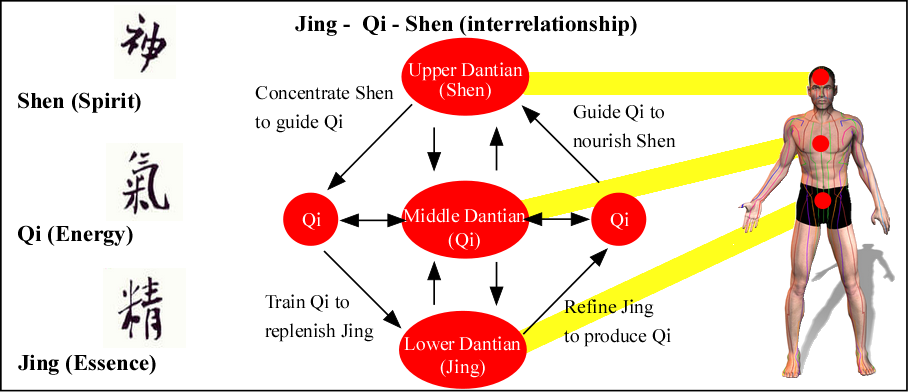
The deeper message of this metaphor lies in transformation. When one repeatedly allows the snow to settle, a new pattern of being forms. Neural pathways shift; emotional reactivity decreases; intuition sharpens. In Taoist alchemy, this is nei dan or the refinement of essence (jing) into energy (qi), and energy into spirit (shen). What begins as calming the surface mind evolves into inner transmutation or the awakening of clarity that is no longer dependent on circumstance.
Therefore, to train the mind is not to eliminate its contents but to see through them, to let every swirl of snow reveal rather than obscure. Through stillness, awareness refracts light instead of scattering it. Through daily practice, one learns to set down the globe and simply watch the snow fall.
“The mind once still is capable of reflecting heaven and earth.” – Zhuangzi
References:
Fox, K. C. R., Dixon, M. L., Nijeboer, S., Girn, M., Lifshitz, M., Ellamil, M., Sedlmeier, P., & Christoff, K. (2016). Functional neuroanatomy of meditation: A review and meta-analysis of 78 functional neuroimaging investigations. arXiv preprint arXiv:1603.06342. https://arxiv.org/abs/1603.06342
Fox, K. C. R., Kang, Y., Lifshitz, M., & Christoff, K. (2016). Increasing cognitive-emotional flexibility with meditation and hypnosis: The cognitive neuroscience of de-automatization. arXiv preprint arXiv:1605.03553. https://arxiv.org/abs/1605.03553
Vago, D. R., & Zeidan, F. (2016). The brain on silent: mind wandering, mindful awareness, and states of mental tranquility. Annals of the New York Academy of Sciences, 1373(1), 96–113. https://doi.org/10.1111/nyas.13171
Physiological, Psychological, and Spiritual Dimensions of a Classical Koan
The aphorism “Death begins in the big toe” is a deceptively simple statement drawn from the long tradition of Chinese medical wisdom and Zen contemplative practice. Like many koans and proverbial sayings from classical East Asian thought, its brevity conceals a depth of layered meaning. At the surface level, it speaks to the observable fact that physiological decline often begins at the extremities. On a subtler level, it gestures toward psychological processes of neglect and dissociation that accompany aging and decay. At its deepest level, the phrase serves as a spiritual teaching about impermanence, awareness, and the cyclic nature of existence.
In Taoist medicine and Chan Buddhist teaching alike, the body is seen as a microcosm of the cosmos, and every small detail reflects the whole. The “big toe” in this aphorism symbolizes more than just anatomy: it is the farthest reach of circulation from the heart, the starting or ending point of many meridians, and the first part of the body to meet the earth with each step. That death might begin there is not a literal prediction but a metaphor for the way life’s endings emerge subtly at the margins before manifesting at the center.
Historical Origins of the Koan
Although the precise origin of the saying is difficult to trace, its spirit can be found in early Chinese medical classics and Zen writings. The Huangdi Neijing (Yellow Emperor’s Inner Canon), compiled between the 2nd century BCE and 2nd century CE, repeatedly emphasizes that “illness arises in the extremities before it reaches the organs” and that “to know the distant is to protect the center” (Unschuld, 2003). Similarly, Taoist texts such as the Dao De Jing highlight the principle that great change arises from subtle beginnings: “A tree as great as a man’s embrace springs from a tiny sprout. A journey of a thousand miles begins beneath one’s feet” (Laozi, trans. Addiss & Lombardo, 1993).
In Chan Buddhism, koans often use ordinary body parts as metaphors for the process of awakening or decay. The Tang-era master Yunmen famously remarked, “The toe that touches earth is the whole universe touching earth” (Cleary, 1998), pointing to the subtlety with which the infinite is revealed in the infinitesimal. Over centuries, the saying “death begins in the big toe” entered the shared vocabulary of physicians, monks, and martial artists alike, a succinct reminder that mortality’s first signs are often peripheral and easily overlooked.
Physiological Interpretation: The Body’s Peripheral Messengers
Peripheral Circulation and Aging
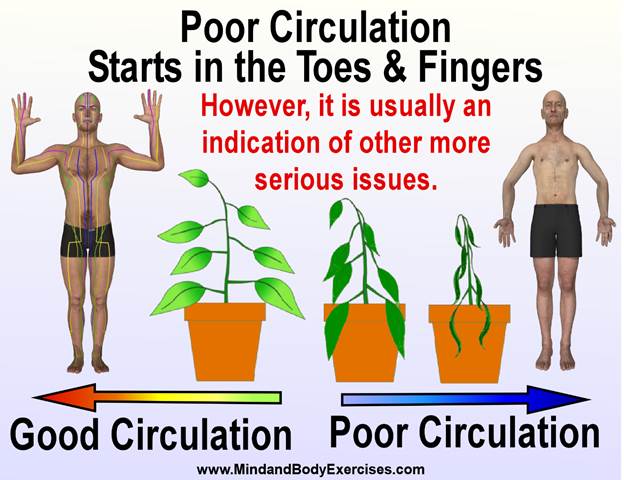
From a biomedical perspective, the big toe is not merely metaphorical. It is literally among the first regions to reveal systemic decline because it sits at the farthest point of the circulatory network. As the heart ages and vascular elasticity decreases, peripheral perfusion diminishes, often manifesting as cold, numb, or discolored toes long before symptoms appear elsewhere (Hamburg & Benjamin, 2009). Peripheral arterial disease, a common condition in older adults, often begins in the feet and toes and is associated with a significant increase in all-cause mortality (Criqui & Aboyans, 2015).
These physiological realities lend empirical support to the ancient observation. If “death” is defined as the progressive failure of the body’s regulatory systems, then it is indeed accurate to say that it begins in the places farthest from the heart and brain. The big toe, as the most distal point of the lower extremities, is the proverbial “canary in the coal mine” for vascular health.
Mobility, Balance, and Longevity
Mobility is another physiological dimension that links the toe to mortality. The toes and particularly the hallux, or great toe, play a crucial role in balance, propulsion, and gait. Degenerative changes, neuropathy, or muscular weakness that impair toe function can reduce walking speed, a biomarker strongly correlated with lifespan (Studenski et al., 2011). Gait speed below 0.8 m/s in older adults is associated with significantly increased risk of disability, hospitalization, and death (Abellan van Kan et al., 2009).
The simple ability to rise from a chair, stand on one’s toes, or walk briskly requires integrated function across multiple physiological systems of the musculoskeletal, nervous, and cardiovascular. Physical decline often first appears subtly in the toes and feet as reduced sensation, proprioception, or push-off strength. Once these diminish, the cascade toward frailty begins. As gerontologist Luigi Ferrucci observed, “Mobility is the most fundamental expression of independence, and its loss is the beginning of the end” (Ferrucci et al., 2016).
Meridians and Vital Energy Flow
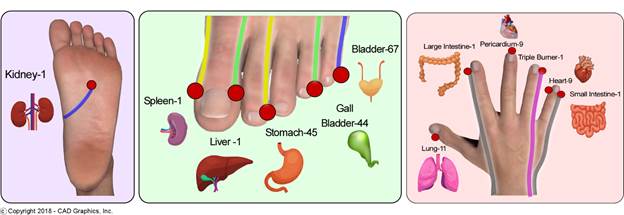
Traditional Chinese medicine (TCM) expresses similar insights through the language of qi (vital energy) and meridians. Several of the body’s primary channels, including the Liver, Spleen, Stomach, Kidney, and Bladder, either begin or end at the toes (Maciocia, 2015). These meridians govern vital processes such as digestion, reproduction, and detoxification. Disruption of flow at the periphery is believed to reverberate inward, creating systemic disharmony.
As the Lingshu Jing (a companion text to the Neijing) states, “When the qi of the extremities is blocked, the organs within will suffer” (trans. Wu, 2008). In this paradigm, coldness, stagnation, or numbness in the toes are not trivial complaints but early signs of declining vitality, the first whispers of death’s approach.
Psychological Interpretation: Awareness, Neglect, and the Periphery of Consciousness
While the physiological layer of the aphorism highlights the body’s peripheral signals as early indicators of decline, the psychological dimension explores how awareness, or lack thereof shapes that process. In this context, “death” represents not just physical decay but the gradual erosion of vitality, engagement, and responsiveness to life’s subtleties.
Dissociation and Embodiment
Modern psychology has increasingly recognized the importance of embodiment, the lived experience of inhabiting one’s physical body, as essential to mental health and cognitive function (Durt, et al (2017). Yet, in contemporary societies characterized by sedentary lifestyles and disembodied digital existence, many people lose sensitivity to their physical selves. The feet and toes, distant from the brain and often ignored, become metaphors for the neglected peripheries of awareness.
This dissociation is not benign. Studies have shown that reduced proprioception and interoception, the senses of bodily position and internal state, correlate with anxiety, depression, and diminished cognitive function (Khalsa et al., 2018). In Jungian psychology, the shadow represents the disowned or unconscious aspects of the self. In a similar way, the body’s extremities can symbolize the “shadow” of bodily awareness, parts of ourselves we rarely think about but that profoundly shape our experience. Neglecting them reflects a broader neglect of the unconscious and the subtle.
The Psychology of Small Beginnings
The aphorism also teaches that decline begins with small lapses in attention. Cognitive-behavioral theorists note that habits, both constructive and destructive can emerge gradually through repeated micro-decisions (Neal et al., 2012). In the same way, death “beginning” in the big toe symbolizes the cumulative effect of minor neglect. A blister ignored becomes an infection; a sedentary day becomes a sedentary year. The toe, seemingly insignificant, becomes the starting point of a larger process of decay.
Zen teachings mirror this concept. Master Dōgen wrote, “To neglect the small is to betray the great” (Shōbōgenzō, trans. Nishijima & Cross, 1994). Psychologically, the lesson is clear: by training awareness toward the smallest and most peripheral phenomena, the sensations in the toes, the first signs of imbalance, the whispers of discontent, one cultivates a capacity to intervene before decay becomes inevitable.
Spiritual Interpretation: Impermanence, Return, and the Subtle Path
At the spiritual level, “death begins in the big toe” is neither a physiological warning nor a psychological metaphor but a profound statement about impermanence and the nature of life itself.
Impermanence and the Gradual Approach of Death
Buddhist philosophy emphasizes that impermanence (anicca) is the fundamental characteristic of all conditioned phenomena. Life does not end abruptly but is a continuous unfolding of change, a river flowing toward the ocean of dissolution. Just as the body’s vitality wanes first at its extremities, so too does the soul’s departure begin subtly in the smallest changes of breath, the faintest shifts in sensation.
The Diamond Sutra reminds practitioners that “All conditioned things are like a dream, an illusion, a bubble, a shadow” (Red Pine, 2001). The big toe, as the furthest point from the body’s “center,” becomes a symbol of these subtle transitions. Death is not a singular event but a process that begins long before the final breath and the wise cultivate awareness of this process without fear.
The Circle of Return
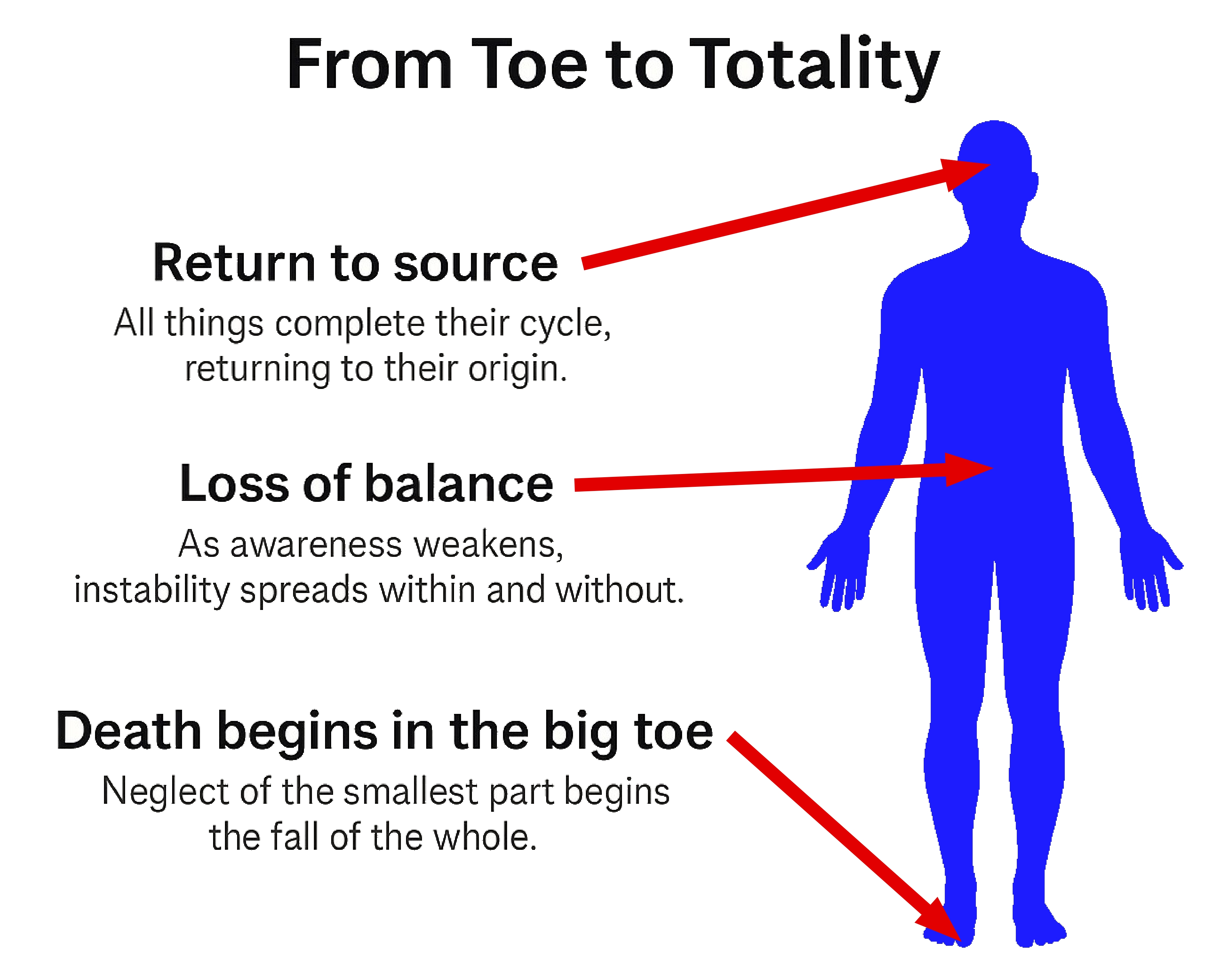
Taoist cosmology frames death not as an end but as a return to the source. “Returning is the motion of the Dao,” Laozi wrote (Tao Te Ching, trans. Addiss & Lombardo, 1993). In this framework, the toe is the starting point of walking while also becoming the place where the journey ends. The path that began with the first step returns to the same ground.
This cyclical vision is echoed in many traditional arts. In Taijiquan, for example, practitioners speak of “returning to the root” where physical, energetic, and spiritual processes are symbolized by grounding through the feet. As the root weakens with age, the spirit begins its return to the Dao. “Death begins in the big toe” thus becomes a poetic recognition of the natural rhythm of return: from periphery to center, from earth to heaven, from form to formlessness.
Integrative Perspective: Caring for the Small to Preserve the Whole
Across all three dimensions. physiological, psychological, and spiritual, a single principle emerges: the state of the whole is revealed in the condition of the periphery. The big toe, distant from the heart and often neglected, becomes both a literal and metaphorical early warning system. It tells us about the integrity of our circulation, the sharpness of our awareness, and the depth of our spiritual understanding.
In preventive medicine, this principle underlies the emphasis on foot care in diabetic patients, where early interventions at the level of the toes can prevent systemic complications (Boulton et al., 2005). In psychology, mindfulness practices that cultivate awareness of the body from the ground up improve interoception and reduce emotional dysregulation (Mehling et al., 2011). In spiritual disciplines, practices like walking meditation (baguazhang), standing meditation (zhanzhuang), and barefoot qigong remind practitioners to anchor their consciousness in the humblest and forgotten parts of the body.
To say that “death begins in the big toe” is therefore to issue a call for radical attentiveness — to the smallest sensations, the earliest signs of imbalance, and the often-ignored peripheries of our existence. It is a koan not about death, but about life: a reminder that to live fully is to remain awake even to the faintest signals of change.
Big Toe as a Symbol of Decline and Awareness Across Three Dimensions
Dimension
Meaning of “Death Begins in the Big Toe”
Key Insights & Applications
Physiological
Early signs of systemic decline often appear first in the extremities (coldness, numbness, circulation issues, mobility loss).
– Toe and foot health reflect cardiovascular and neurological function. – Loss of gait speed or balance predicts mortality. – Meridians begin/end at the toes, blockages here affect the entire body. – Preventive care (mobility, balance, circulation) can slow aging.
Psychological
Neglect and dissociation often begin with the smallest, least noticed aspects of the self – the “periphery” of awareness.
– Reduced body awareness correlates with anxiety, depression, and cognitive decline. – Small acts of neglect accumulate into larger patterns of decay. – Training awareness of subtle sensations builds mindfulness and resilience. – Attention to the “shadow” parts of the self, fosters wholeness.
Spiritual
Death is a gradual return to source, beginning subtly and symbolically at the periphery – a process to be observed, not feared.
– Impermanence is revealed in subtle transitions. – The journey that begins with the first step returns to the same ground. – Awareness of small changes leads to acceptance of life’s cycles. – Practices like walking meditation and grounding cultivate spiritual presence.
Conclusion
The Chinese saying “death begins in the big toe” is more than a quaint proverb. It is a concise expression of a deep and timeless truth: that decline, decay, and death all begin subtly, in places and ways we are least likely to notice. Physiologically, the toe is the frontier where circulatory weakness, neuropathy, and frailty first manifest. Psychologically, it symbolizes the peripheries of awareness, where neglect and dissociation take root. Spiritually, it represents the cosmic rhythm of impermanence, where the journey back to the source begins in the smallest steps.
Ultimately, the koan invites us to approach life with a heightened sensitivity, to honor the periphery as we do the center, to care for the small as we do the great. It teaches that the path to vitality, wisdom, and even enlightenment often begins not with dramatic gestures but with the humble act of noticing what is happening beneath our feet.
References:
Abellan van Kan, G., Rolland, Y., Andrieu, S., Bauer, J., Beauchet, O., Bonnefoy, M., Cesari, M., Donini, L. M., Gillette Guyonnet, S., Inzitari, M., Nourhashemi, F., Onder, G., Ritz, P., Salva, A., Visser, M., & Vellas, B. (2009). Gait speed at usual pace as a predictor of adverse outcomes in community-dwelling older people an International Academy on Nutrition and Aging (IANA) Task Force. The journal of nutrition, health & aging, 13(10), 881–889. https://doi.org/10.1007/s12603-009-0246-z
Addiss, S., & Lombardo, S. (Trans.). (1993). Tao Te Ching. Hackett.
Boulton, A. J. M., Armstrong, D. G., Albert, S. F., Frykberg, R. G., Hellman, R., Kirkman, M. S., … & Sanders, L. J. (2005). Comprehensive foot examination and risk assessment: A report of the task force of the foot care interest group of the American Diabetes Association. Diabetes Care, 31(8), 1679–1685. https://doi.org/10.2337/dc08-9021
Cleary, T. (1998). Zen Essence: The Science of Freedom. Shambhala.
Ferrucci, L., Cooper, R., Shardell, M., Simonsick, E. M., Schrack, J. A., & Kuh, D. (2016). Age-Related Change in Mobility: Perspectives From Life Course Epidemiology and Geroscience. The journals of gerontology. Series A, Biological sciences and medical sciences, 71(9), 1184–1194. https://doi.org/10.1093/gerona/glw043
Hamburg, N. M., & Benjamin, E. J. (2009). Assessment of endothelial function using digital pulse amplitude tonometry. Trends in cardiovascular medicine, 19(1), 6–11. https://doi.org/10.1016/j.tcm.2009.03.001
Khalsa, S. S., Adolphs, R., Cameron, O. G., Critchley, H. D., Davenport, P. W., Feinstein, J. S., … & Zucker, N. (2018). Interoception and mental health: A roadmap. Biological Psychiatry: Cognitive Neuroscience and Neuroimaging, 3(6), 501–513. https://doi.org/10.1016/j.bpsc.2017.12.004
Maciocia, G. (2015). The Foundations of Chinese Medicine: A Comprehensive Text for Acupuncturists and Herbalists (3rd ed.). Elsevier.
Mehling, W. E., Wrubel, J., Daubenmier, J. J., Price, C. J., Kerr, C. E., Silow, T., Gopisetty, V., & Stewart, A. L. (2011). Body Awareness: a phenomenological inquiry into the common ground of mind-body therapies. Philosophy, ethics, and humanities in medicine : PEHM, 6, 6. https://doi.org/10.1186/1747-5341-6-6
From Nobel Prize Recognition to Modern Reassessment
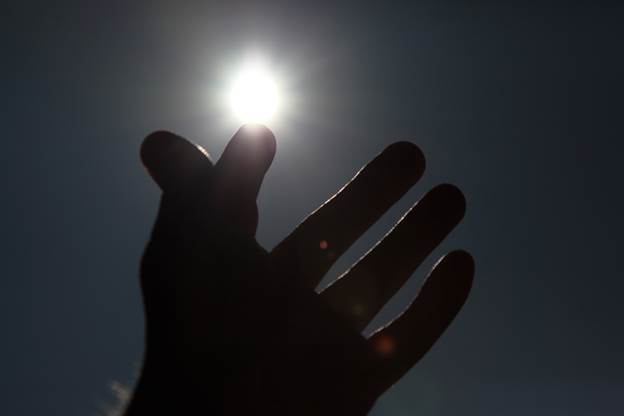
The therapeutic use of sunlight, also known as heliotherapy, has roots in ancient medicine. Cultures such as the Egyptians, Greeks, and Romans prescribed sun exposure for health and vitality, believing it could improve physical and spiritual well-being (Holick, 2016). By the 19th and early 20th centuries, heliotherapy became widely adopted in Europe and North America as a treatment for conditions like rickets, skin diseases, and tuberculosis, particularly in sanatoria where sunlight and fresh air were emphasized (Sunlight, Outdoor Light, and Light Therapy in Disease Management, n.d.).
Nobel Prize Recognition
The scientific validation of light therapy was established through the work of Niels Ryberg Finsen. Finsen demonstrated that concentrated light, particularly ultraviolet rays, could be used to treat lupus vulgaris, a severe cutaneous form of tuberculosis. For this innovation, he was awarded the 1903 Nobel Prize in Physiology or Medicine “in recognition of his contribution to the treatment of diseases, especially lupus vulgaris, with concentrated light radiation” (Nobel Prize, 1903/2024). His research marked a pivotal moment in medical science, as it represented one of the earliest successful applications of light as a therapeutic modality (Grzybowski et al., 2016).
Decline of Traditional Sun Therapy
Despite its early success, enthusiasm for heliotherapy declined in the mid-20th century. The discovery of antibiotics, such as streptomycin in the 1940s, rendered heliotherapy obsolete for treating tuberculosis (Daniel, 2006). Furthermore, as scientific understanding of ultraviolet radiation advanced, physicians began to recognize the dangers of excessive sun exposure, including premature aging of the skin, immune suppression, and increased risk of skin cancers (Narayanan et al., 2010). Public health messages shifted from promoting unregulated sun exposure to encouraging cautious, limited exposure combined with sun protection.
Contemporary Perspectives
Today, sunlight is still acknowledged as vital for vitamin D synthesis, which is critical for bone health, immune regulation, and overall wellness (Holick, 2007). Modern medicine has also refined phototherapy, using specific wavelengths of artificial light for targeted conditions such as psoriasis, vitiligo, neonatal jaundice, and seasonal affective disorder (Roelandts, 2002). This demonstrates how the legacy of heliotherapy has evolved from generalized “sun cures” to scientifically controlled light-based treatments.
However, in modern times, a global trend of sun avoidance has contributed to widespread vitamin D deficiency. Public health campaigns emphasizing sun protection, urbanized lifestyles, and increased time spent indoors have led many individuals to receive insufficient sunlight exposure. Vitamin D deficiency is now recognized as a global public health issue, affecting over one billion people worldwide (Holick, 2007; Cashman et al., 2016). Consequences include increased risk for osteoporosis, impaired immune function, cardiovascular disease, and even mood disorders. Ironically, in moving away from the risks of excessive sunlight, societies have created new health challenges associated with inadequate sun exposure.
Conclusion
Sun therapy reflects a fascinating chapter in medical history where natural elements were harnessed as medicine, validated by a Nobel Prize, and later re-evaluated in light of modern science. While traditional heliotherapy is no longer widely practiced, its influence persists in contemporary phototherapy, offering safe and effective treatments under controlled conditions. The story of sun therapy underscores the evolving nature of medical practice, where initial enthusiasm, scientific innovation, and later risk assessment converge to shape how therapies are applied in modern healthcare.
References:
Cashman, K. D., Dowling, K. G., Škrabáková, Z., Gonzalez-Gross, M., Valtueña, J., De Henauw, S., … Kiely, M. (2016). Vitamin D deficiency in Europe: Pandemic? The American Journal of Clinical Nutrition, 103(4), 1033–1044. https://doi.org/10.3945/ajcn.115.120873
Holick, M. F. (2016). Biological effects of sunlight, ultraviolet radiation, visible light, infrared radiation and vitamin D for health. Anticancer Research, 36(3), 1345–1356. https://ar.iiarjournals.org/content/36/3/1345
Roelandts, R. (2002). The history of phototherapy: Something new under the sun? Journal of the American Academy of Dermatology, 46(6), 926–930. https://doi.org/10.1067/mjd.2002.121354
Narayanan, D. L., Saladi, R. N., & Fox, J. L. (2010). Ultraviolet radiation and skin cancer. International Journal of Dermatology, 49(9), 978–986. https://doi.org/10.1111/j.1365-4632.2010.04474.x
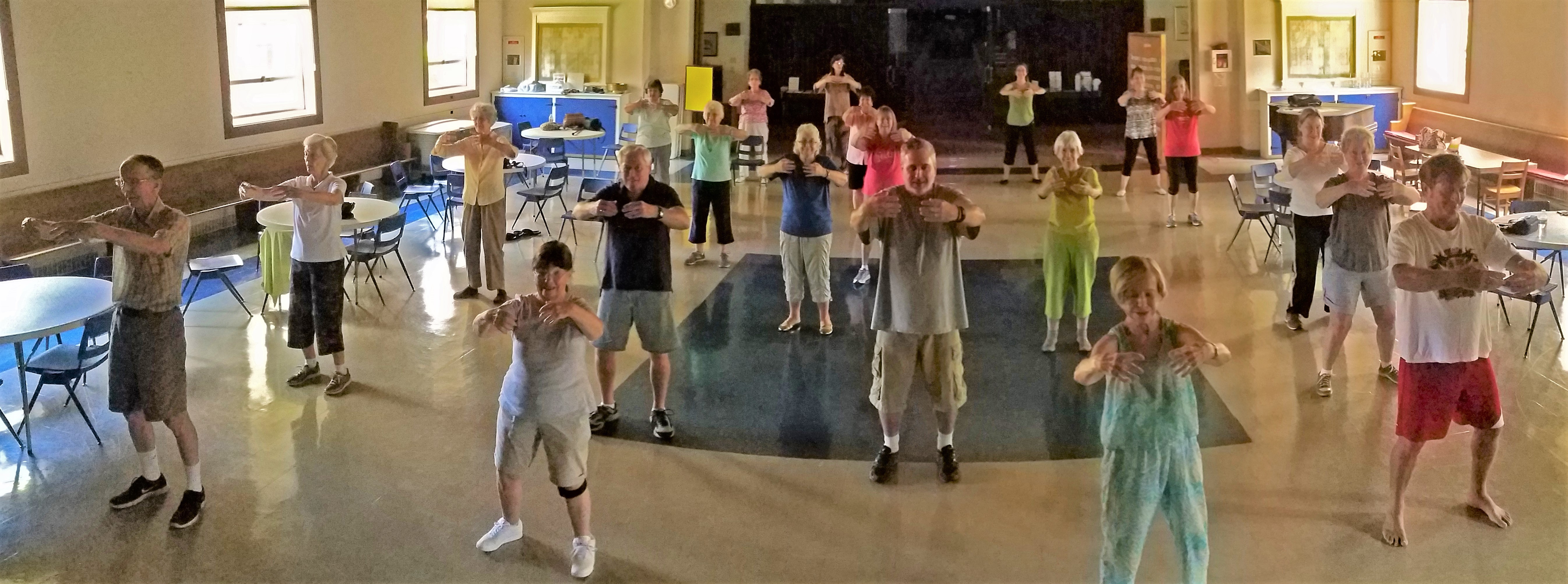
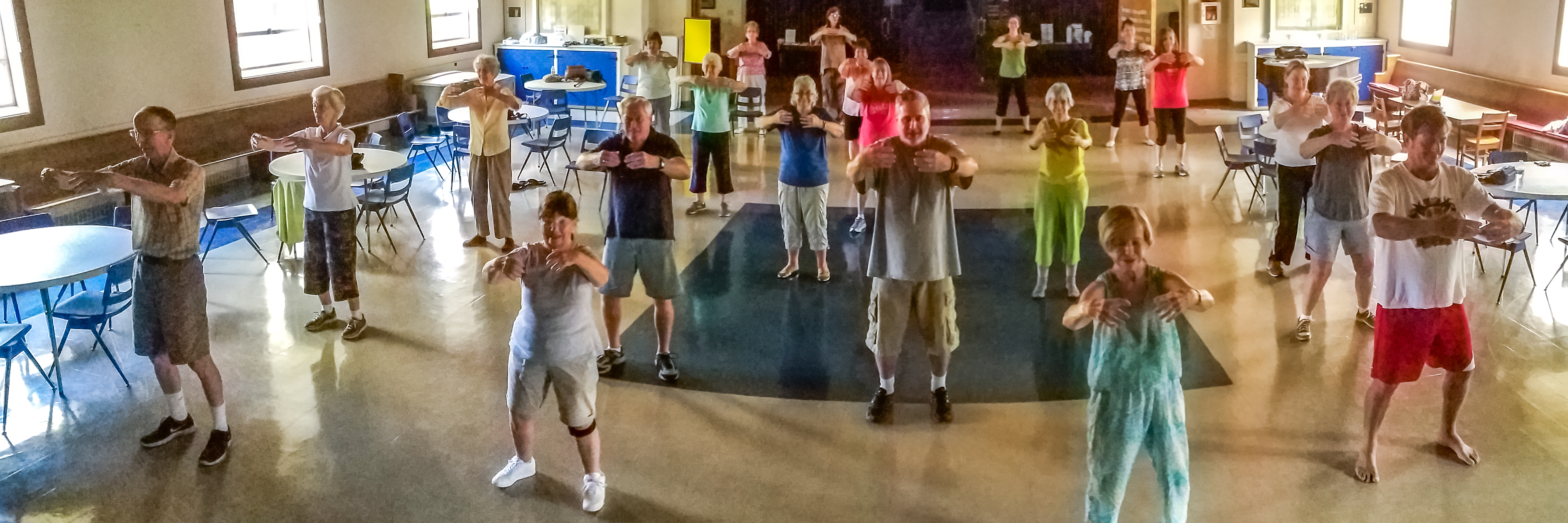
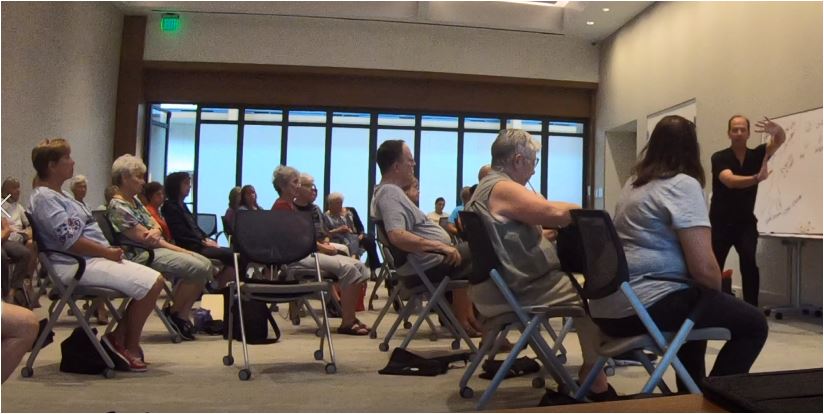
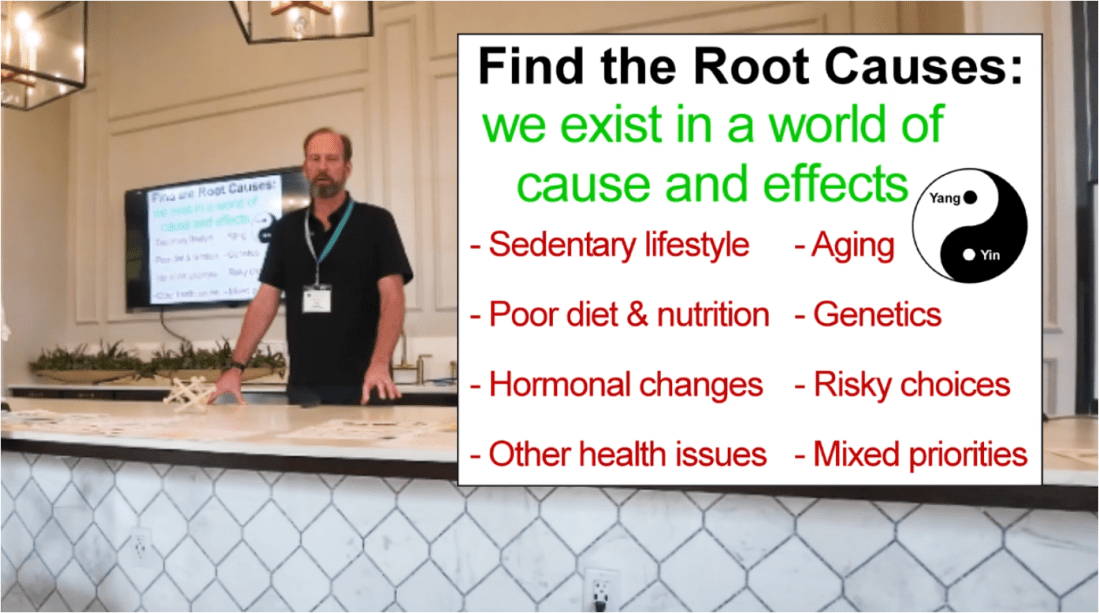
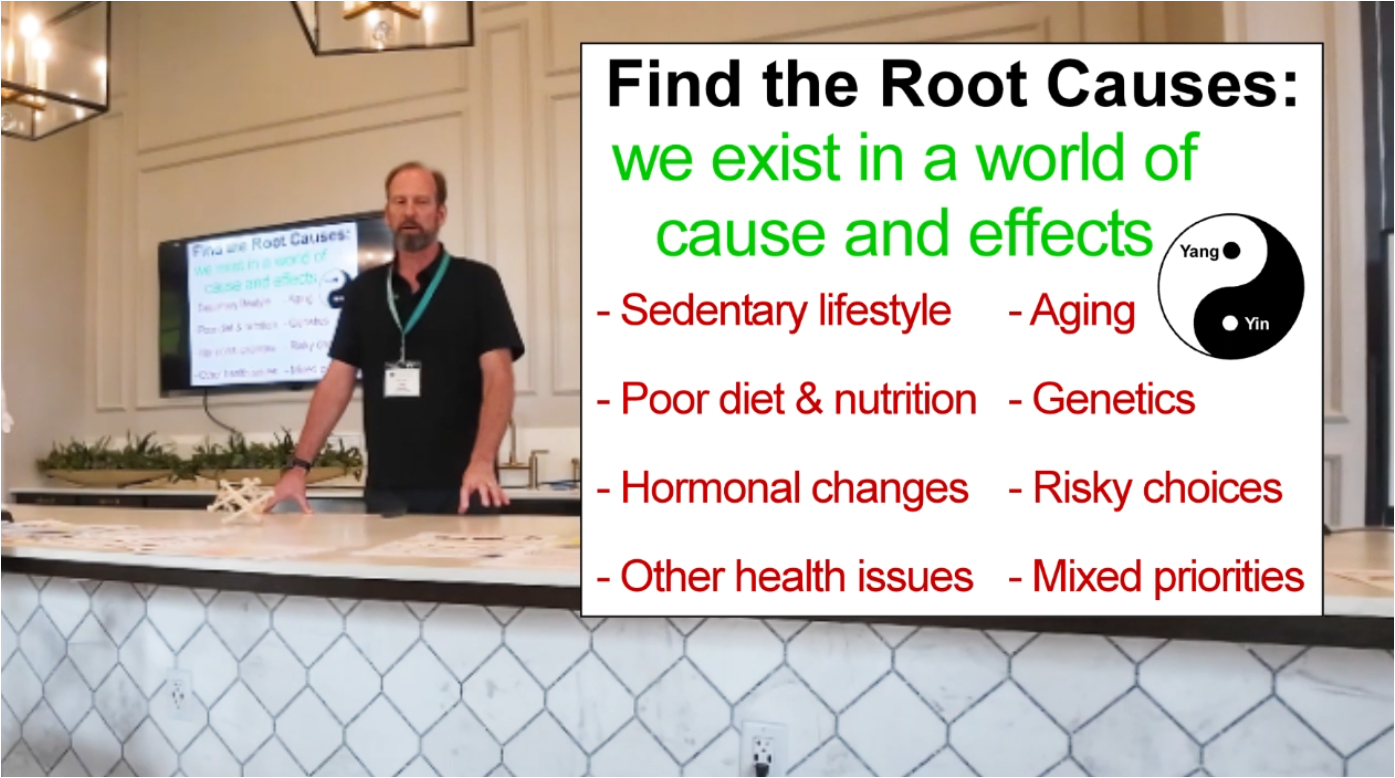
I have been learning, practicing and studying health and wellness for 45 years, teaching and sharing for 42 years. I feel that I have a lot to share that can benefit the mind, body & spirit. Watch my video of various venues that I have held holistic health discussions.
Contact me to discuss options for you, your business, your group, etc. Good health and wellness are a journey that doesn’t happen overnight. We will all experience some pain and suffering throughout our lives. Learn how to manage it before it comes it comes knocking at your door.
Jim Moltzan – 407-234-0119 or info@MindAndBodyExercises.com













 United Martial Arts Association