Health and Wellness Issues Have Worsened in Recent Decades

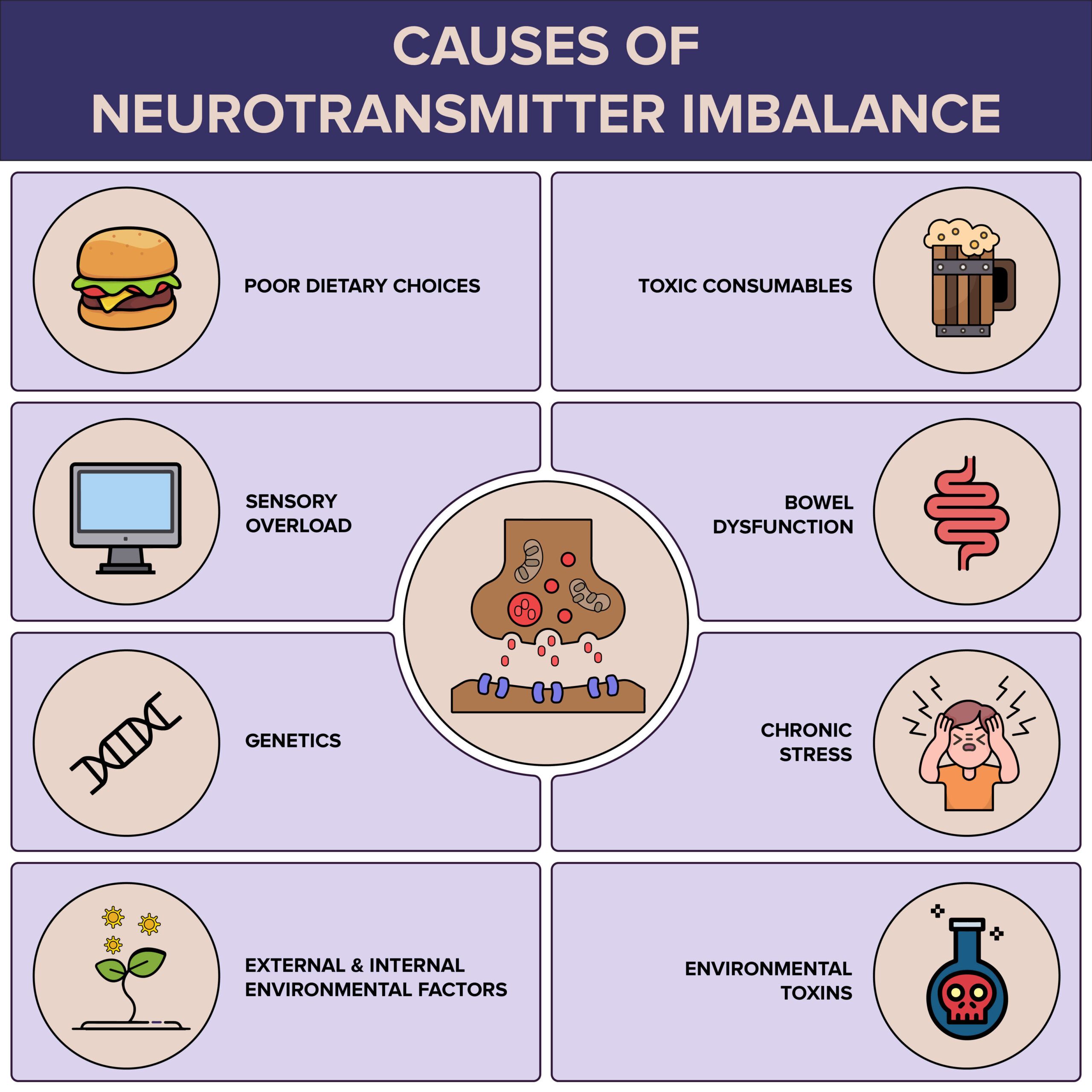
People in the US are experiencing many mental and physical diseases, ailments, and chronic conditions that were not nearly as prominent in years past. Many diseases and issues previously experienced by adults, are now seen in children. Some experts believe there is a definite link between our food, lack of physical activity, chemicals, other lifestyle choices, and the state of poor health in the US.

https://www.ncoa.org/article/the-top-10-most-common-chronic-conditions-in-older-adults/

General Prevalence:

  • Approximately 60 million adults (23.08%) in the U.S. experienced a mental illness in the past year, and nearly 13 million adults (5.04%) reported serious thoughts of suicide ​NAMIMental Health America.
  • Among youth aged 12-17, one in five experienced at least one major depressive episode, with over 56% not receiving any treatment ​Mental Health America.

Specific Disorders:

  • Anxiety Disorders: Affect 19.1% of U.S. adults ​NAMI.
  • Major Depressive Disorder: Approximately 8.3% of adults experience a major depressive episode ​NAMI.
  • Bipolar Disorder: Affects about 2.8% of the population ​NAMI.
  • Substance Use Disorders:
  • Over 45 million adults (17.82%) and 2.3 million youth (8.95%) are experiencing substance use disorders Mental Health America.

Barriers to Treatment:

  • The ratio of people to mental health providers is concerning, with around 340 individuals for every provider in many areas ​Mental Health America.
  1. Chronic Conditions:
    • Obesity: Over 42% of U.S. adults are classified as obese​ National Institute of Mental Health. This condition is linked to various other health issues, including diabetes and heart disease.
    • Cardiovascular Diseases: Conditions like hypertension and heart disease remain prevalent, contributing to high morbidity and mortality rates ​National Institute of Mental Health.
  2. Diabetes:
  3. Respiratory Conditions:
  4. Musculoskeletal Disorders:
  1. Prevalence of Mental Health Conditions:
    • Approximately 1 in 5 children (19%) aged 3-17 years has a diagnosed mental, emotional, or behavioral disorder ​CDCNAMI.
    • Mental health issues, including anxiety and depression, are particularly prominent, with anxiety disorders affecting 9.4% and major depressive episodes affecting 7.8% of this age group​PediatricsAmerican Psychological Association.
    • Developmental Disorders: Conditions such as ADHD and autism spectrum disorder are becoming more commonly diagnosed. Approximately 9.4% of children aged 2-17 have been diagnosed with ADHD, while around 1 in 36 children are diagnosed with autism​ HHS.govCDC.
  2. Suicidal Thoughts and Behaviors:
    • In 2023, 29% of high school students reported experiencing persistent feelings of sadness or hopelessness, and 14% reported seriously considering suicide​ CDCPediatrics.
    • Among LGBTQ+ youth, rates of suicidal ideation are alarmingly high, with 20% having attempted suicide ​CDCAmerican Psychological Association.
  3. Impact of Socioeconomic Factors:
    • Factors such as food insecurity, housing instability, and exposure to community violence contribute significantly to mental health challenges ​PediatricsAmerican Psychological Association. Structural racism also plays a critical role, particularly affecting Indigenous and Black children, who face higher rates of mental health issues and trauma ​Pediatrics.
  4. Access to Treatment:
    • Despite the high prevalence of mental health conditions, many children lack access to necessary care. For instance, 50.6% of youth aged 6-17 with mental health disorders received treatment​NAMI. There are significant disparities based on socioeconomic status and race​ PediatricsAmerican Psychological Association.
  5. Improvements and Challenges:
    • Some improvements have been noted recently, such as a decrease in persistent sadness among students overall, but increases in experiences of bullying and school safety concerns have been observed ​CDC. The ongoing challenges underscore the need for more comprehensive support systems in schools and communities ​PediatricsNAMI.
  1. Obesity: Childhood obesity is a significant concern, affecting approximately 19.7% of children aged 2 to 19 years as of 2020. This prevalence is higher among Hispanic (26.2%) and Black (24.8%) children compared to their White (16.6%) and Asian (9.0%) counterparts​ CDC. The annual medical costs related to obesity for U.S. children is estimated to be $1.3 billion CDC.
  2. Asthma: Approximately 7.5% of children in the U.S. have asthma, making it one of the most common chronic respiratory diseases. Asthma rates have been shown to vary with socioeconomic status, with children from lower-income families more likely to be affected​ CDC.
  3. Allergies: Allergic conditions, including food allergies and allergic rhinitis (hay fever), are prevalent among children. It’s estimated that 8% of children have food allergies, with increases seen in recent years​ CDC.
  4. Diabetes: The prevalence of diagnosed diabetes (both Type 1 and Type 2) among children is around 1.5%. There has been a notable increase in Type 2 diabetes, attributed to rising obesity rates​ CDC.
  5. Sleep Disorders: Conditions such as sleep apnea affect an estimated 2% to 5% of children, often linked to obesity and resulting in various physical and mental health issues​ CDC.
  6. Vision and Hearing Impairments: Around 5% of children have some form of visual impairment, while 1.4% experience hearing loss​ CDC.
  7. Injuries: Unintentional injuries remain a leading cause of morbidity among children, with thousands of emergency department visits annually related to accidents​ CDC.

The combined rise in mental health issues and chronic physical conditions points to a pressing health crisis in the U.S. The COVID-19 pandemic has exacerbated these challenges, leading to increased stress, anxiety, and social isolation, which further complicate access to care and treatment​

Mental Health America. It’s crucial for healthcare systems and policymakers to address these issues, focusing on improving access to mental health resources and integrating physical health strategies to support overall well-being.

I teach and offer lectures about holistic health, physical fitness, stress management, human behavior, meditation, phytotherapy (herbs), music for healing, self-massage (acupressure), Daoyin (yoga), qigong, tai chi, and baguazhang.

Please contact me if you, your business, organization, or group might be interested in hosting me to speak on a wide range of topics related to better health, fitness, and well-being.

I look forward to further sharing my message by partnering with hospitals, wellness centers, VA centers, schools on all levels, businesses, and individuals who see the value in building a stronger nation through a healthier population.

I also have hundreds of FREE education video classes, lectures, and seminars available on my YouTube channel at:

https://www.youtube.com/c/MindandBodyExercises

Many of my publications can be found on Amazon at:

http://www.Amazon.com/author/jimmoltzan

My holistic health blog is available at:

https://mindandbodyexercises.wordpress.com/

http://www.MindAndBodyExercises.com

Mind and Body Exercises on Google: https://posts.gle/aD47Qo

Jim Moltzan

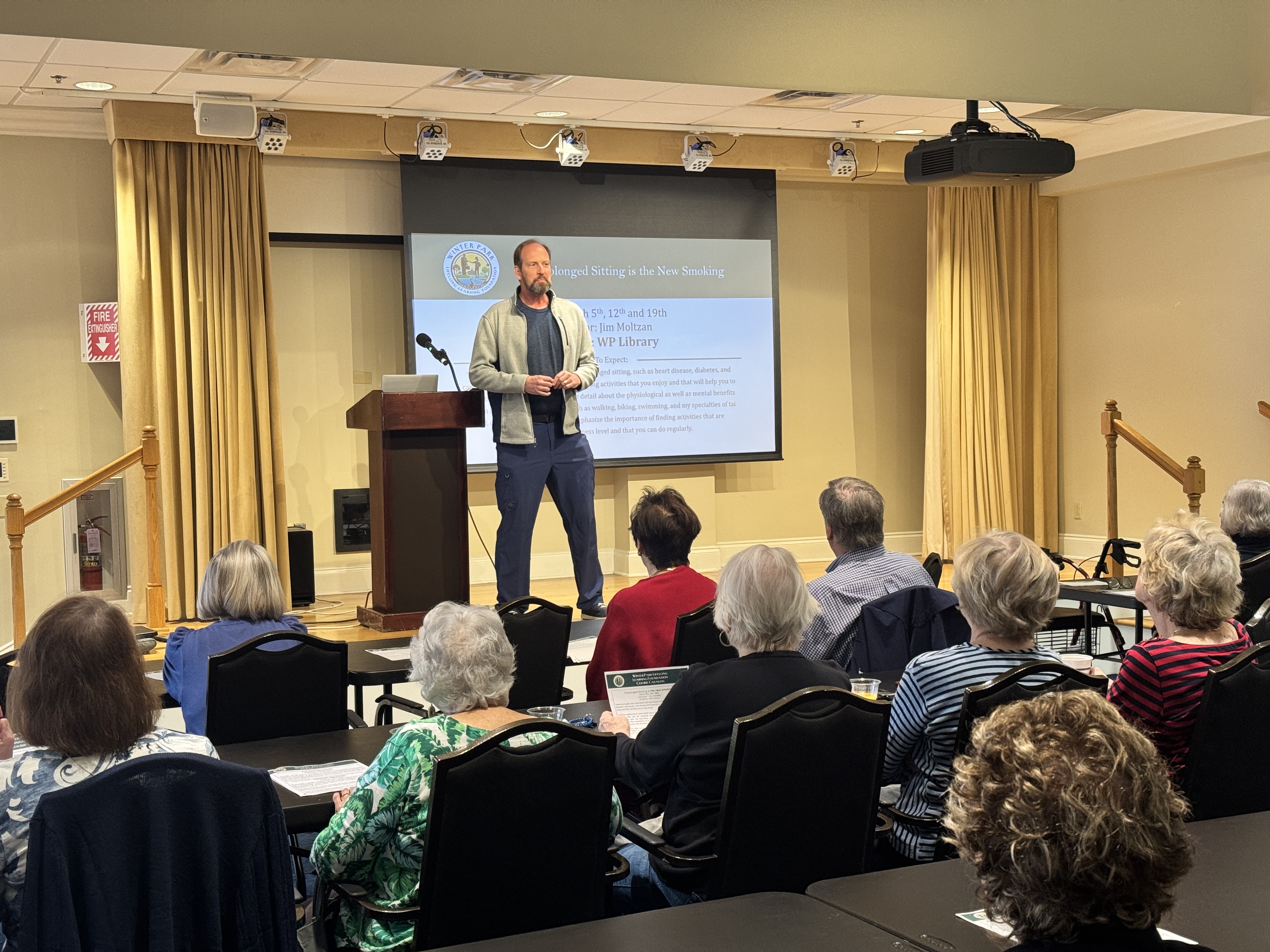
Prolonged Sitting is the “New Smoking”

View my recent discussion on the detrimental effects of prolonged sitting. I detail the health risks associated with prolonged sitting, such as heart disease, diabetes, and cancer. I also talked about the importance of finding activities that you enjoy and that will help you to stay active.

Health risks associated with prolonged sitting:

  • Heart disease: Prolonged sitting can lead to several cardiovascular problems, including high blood pressure, high cholesterol, and heart disease.
  • Diabetes: Prolonged sitting can increase your risk of developing type 2 diabetes.
  • Cancer: Prolonged sitting has been linked to an increased risk of several types of cancer, including colon cancer and breast cancer.
  • Prolonged sitting can also lead to several other health problems, such as obesity, back pain, and depression.

I suggest several activities, such as walking, biking, swimming, tai chi, qigong, and yoga. I also emphasize the importance of finding activities that are appropriate for your fitness level and that you can do regularly.

Finally, I offered some tips on how to reduce the amount of time you spend sitting. These tips include getting up and moving around every 30 minutes, taking the stairs instead of the elevator, and using a standing desk.

I teach and offer lectures about holistic health, physical fitness, stress management, human behavior, meditation, phytotherapy (herbs), music for healing, self-massage (acupressure), Daoyin (yoga), qigong, tai chi, and baguazhang.

Please contact me if you, your business, organization, or group, might be interested in hosting me to speak on a wide spectrum of topics relative to better health, fitness, and well-being.

I look forward to further sharing more of my message by partnering with hospitals, wellness centers, VA centers, schools on all levels, businesses, and individuals who see the value in building a stronger nation through building a healthier population.

I also have hundreds of FREE education video classes, lectures, and seminars available on my YouTube channel at:

https://www.youtube.com/c/MindandBodyExercises

Many of my publications can be found on Amazon at:

www.Amazon.com/author/jimmoltzan

My holistic health blog is available at:

https://mindandbodyexercises.wordpress.com/

www.MindAndBodyExercises.com

Mind and Body Exercises on Google: https://posts.gle/aD47Qo

Jim Moltzan

Balancing Mind, Body & Spirit Awareness – a graphical presentation

This is a graphical summary of my recent public discussion emphasizing the interconnectedness of physical, mental, and spiritual health in maintaining balance. A large portion of my discussion touched upon vestibular balance and how to prevent falls not just by cleaning up your walkways, but by increasing one’s ability to manage their center of gravity, increase leg strength, improving range of motion and the need to become more self-aware of one’s attention, one’s physical body as well as surrounding envirnment.

The role of knowledge, intelligence, and cognitive processes in balance.

The connection between beliefs, morals, values, and spiritual awareness.

The impact of mental health and emotional well-being on balance.

The concept of “deep roots” and their connection to physical balance.

The influence of diet, medications, and lifestyle choices on balance.

The potential negative effects of recreational drug use.

The importance of environmental factors and injury prevention.    

The relationship between the feet and overall health, including the concept of “death begins in the big toe.”

The importance of sleep hygiene and quality sleep for overall health.

The use of technology, such as LED lights, and its potential impact on sleep and well-being.

The role of the feet in overall balance and stability.

The impact of injuries and falls on balance, particularly the “fracture cascade.”

The importance of maintaining physical fitness and strength for balance.

Engaging in regular physical activity, such as tai chi or yoga.

Improving posture and body alignment.

Being mindful of surroundings and potential hazards.

Practicing deep breathing exercises to regulate the nervous system.

Use “3 points of contact” when standing, sitting, climbing, hiking, etc. for a more stable structure.

Understand that the human body is very similar to a tree with roots (lower body), trunk (middle or core), and branches and leaves (arms and hands).

Become more self-aware that you have a purpose, a calling, bliss or “ikigai,” a Japanese term for a sense of purpose and meaning that can affect others beyond the self.

One has to put in the time and effort to achieve anything of value. One can be non-active, proactive, or reactive, depending upon their attitude, goals, and resources. Physical exercises to improve balance can consist of a combination of static, dynamic, and locomotive movements and methods.

I teach and offer lectures about holistic health, physical fitness, stress management, human behavior, meditation, phytotherapy (herbs), music for healing, self-massage (acupressure), Daoyin (yoga), qigong, tai chi, and baguazhang.

Please contact me if you, your business, organization, or group, might be interested in hosting me to speak on a wide spectrum of topics relative to better health, fitness, and well-being.

I look forward to further sharing more of my message by partnering with hospitals, wellness centers, VA centers, schools on all levels, businesses, and individuals who see the value in building a stronger nation through building a healthier population.

I also have hundreds of FREE education video classes, lectures, and seminars available on my YouTube channel at:

https://www.youtube.com/c/MindandBodyExercises

Many of my publications can be found on Amazon at:

www.Amazon.com/author/jimmoltzan

My holistic health blog is available at:

https://mindandbodyexercises.wordpress.com/

www.MindAndBodyExercises.com

Mind and Body Exercises on Google: https://posts.gle/aD47Qo

Jim Moltzan

Balancing Mind, Body & Spirit

Last week I led a discussion on improving balance (mental, physical, and spiritual awareness) at the University Club of Winter Park, I would gladly speak again at other locations if anyone cares to reach out to me. Below is a brief summary of the topics that were discussed.

https://youtu.be/ayivzXu-TKI?si=9iD0vtEUf1KoCbTr

This video was a discussion about holistic health, which is a way of looking at the whole person, including the physical, mental, and spiritual aspects. Harmony is achieved when the physical, mental, and spiritual aspects are in balance. These components are all deeply interconnected. If you are physically balanced, you are more likely to feel mentally balanced. If you are mentally balanced, you are more likely to be able to connect with your spirituality.

The following main components of balance:

  • Physical balance: This refers to the ability to maintain your equilibrium. It is important for many activities, such as walking, running, and playing sports.
  • Mental balance: This refers to the ability to manage your thoughts and emotions. It is important for your overall well-being and for your ability to cope with stress.
  • Spiritual balance: This refers to your sense of connection to something larger than yourself. It can be a connection to nature, to other people, or to a higher power.

I offered some tips on how to improve balance. These tips include:

  • Doing balance exercises regularly. There are many different balance exercises that you can do, such as practicing tai chi, qigong, yoga, pilates, standing on one leg, or even walking on uneven surfaces.
  • Practicing mindfulness. Mindfulness is the practice of paying attention to the present moment without judgment. It can help you to reduce stress and improve your mental balance.  

____________

I teach and offer lectures about holistic health, physical fitness, stress management, human behavior, meditation, phytotherapy (herbs), music for healing, self-massage (acupressure), Daoyin (yoga), qigong, tai chi, and baguazhang.

Please contact me if you, your business, organization, or group, might be interested in hosting me to speak on a wide spectrum of topics relative to better health, fitness, and well-being.

I look forward to further sharing more of my message by partnering with hospitals, wellness centers, VA centers, schools on all levels, businesses, and individuals who see the value in building a stronger nation through building a healthier population.

I also have hundreds of FREE education video classes, lectures, and seminars available on my YouTube channel at:

https://www.youtube.com/c/MindandBodyExercises

Many of my publications can be found on Amazon at:

www.Amazon.com/author/jimmoltzan

My holistic health blog is available at:

https://mindandbodyexercises.wordpress.com/

www.MindAndBodyExercises.com

Mind and Body Exercises on Google: https://posts.gle/aD47Qo

Jim Moltzan

Earn a Good Night’s Rest – Sleep Hygiene (part 2)

(Part 2 of 2)

The quality of your sleep can affect your health and well-being. Habits and practices can either promote or hinder quality sleep. By better understanding the implementation of specific sleep hygiene practices, one can improve overall sleep quality and relative health and well-being. The American Academy of Sleep Medicine and the Sleep Research Society recommend that adults should get 7 hours of sleep per night, while children and teens require more. A third of US adults report that they usually get less than the recommended amount of sleep. Lack of sleep has been
associated with the development and management of several chronic diseases and ailments such as obesity, depression, diabetes, and cardiovascular diseases (Sleep and Sleep Disorders, 2023).

I have studied and practiced many sleep methods/behaviors and their relationship with exercise, meditation, and other mind/body practices. What we do or don’t do during our waking hours can determine the quality of our sleep at night. Conversely, how well we sleep, and duration can affect the quality of our waking hours also. Practicing stress relieving exercises and behaviors during the day such as yoga, mindful breathing, meditation, and tai chi, (A Prescription for Tai Chi? A UCLA Researcher Works to Position This Ancient Mind-body Practice Into Mainstream Medicine Nationwide. – Document – Gale General OneFile, 2024) and many other physical exercise methods, can help the mind and body to better process information and rejuvenate during the sleep stages. Mental output and activity often become stressful when we try to work, manage family duties, solve finances, and manage hundreds of other daily tasks. A good night’s rest is most often earned by what we eat, what we think, and what types of physical activity/exercise we practice throughout the day. This is what I have learned and experienced from my own anecdotal experiences.

Diabetes – Studies show that poor sleep is associated with an increased risk of type 2 diabetes. Sleep duration and quality are predictors for levels of Hemoglobin A1c, an important marker for blood sugar control. Research posits that sleep duration and quality may be important factors in improving blood sugar control for those with type 2 diabetes.

Obesity – Research shows that short sleep duration results in metabolic changes that may be associated with obesity. Other studies have also reported a link between excess body weight and short sleep duration. This link has been seen in all age groups and is particularly pronounced in children. It is suggested that sleep quality in childhood and adolescence is very important for brain development. Lack of sleep in children may affect the hypothalamus, which modulates appetite and the utilization of energy.

Cardiovascular Disease – Those suffering from sleep apnea are at increased risk for cardiovascular diseases. Stroke, irregular heartbeat, hypertension, and coronary heart disease are thought to be more common for persons with sleep disorders. Also sleep apnea and hardening of the arteries seem to share common physiological characteristics, whereas sleep apnea may be another predictor of cardiovascular disease.

Depression – Poor sleep quality has been known to be a symptom of depression. Research shows that depressive
symptoms may diminish once sleep apnea has been treated where appropriate sleep is restored. The association between sleep and depression posits that it is important for those with depression to be aware of sleep disorders, as those persons with sleep disorders need to be observed for issues with depression (Sleep and Chronic Disease, 2022).

Key Sleep Disorders:

  • Insomnia
  • Narcolepsy
  • Sleep Apnea
  • Restless Leg Syndrome

I found this topic of sleep hygiene to be very expansive. I have listed below behaviors that can be implemented to help ensure more sleep duration and better quality.

  • Refrain from eating or drinking much within 3 hours before bedtime.
  • Reduce consuming caffeinated or alcoholic drinks later in the day.
  • Eliminate afternoon naps after 3 p.m. if you usually sleep well during the night.
  • Perform some type of exercise every day.
  • Exercise or physical activity engaged close to bedtime can make it more difficult for some to fall asleep.
  • Follow a consistent schedule to help relax before sleep; shower, bathe, listen to music, read, etc.
  • Go to sleep when you are tired and try to rise at the same time each morning.
  • Reduce viewing lighted screens, such as TV, computer, or smartphone before going to bed.
  • Keep the bedroom quiet, cool, and dark.
  • Use a sleeping mask, earplugs, or a fan, to block light and reduce sounds.
  • Keep stimulus away from you and your bed. Accessing your phone, TV, or food while in bed can make it more difficult to fall asleep while in bed (Sleep and Your Health | Office on Women’s Health, n.d.)

References:

A Prescription for Tai Chi? A UCLA researcher works to position this ancient mind-body practice into mainstream medicine nationwide. (2024, March). Healthy Years, 21(3), 1+. https://link.gale.com/apps/doc/A783577598/ITOF?u=vol_vsc&sid=bookmark-ITOF&xid=07847cf8

Module 6. Improving your Sleep and Alertness, Create a Good Sleep Environment (Continued) | NIOSH | CDC. (n.d.). https://www.cdc.gov/niosh/work-hour-training-for-nurses/longhours/mod6/03.html

Sleep for a good cause. (2022, July 28). Centers for Disease Control and Prevention. https://www.cdc.gov/diabetes/library/features/diabetes-sleep.html

Sleep and sleep disorders. (2023, March 23). Centers for Disease Control and Prevention. https://www.cdc.gov/sleep/index.html

Sleep and your health | Office on Women’s Health. (n.d.). https://www.womenshealth.gov/mental-health/good-mental-health/sleep-and-your-health

I teach and offer lectures about holistic health, physical fitness, stress management, human behavior, meditation, phytotherapy (herbs), music for healing, self-massage (acupressure), Daoyin (yoga), qigong, tai chi, and baguazhang.

Please contact me if you, your business, organization, or group, might be interested in hosting me to speak on a wide spectrum of topics relative to better health, fitness, and well-being.

I look forward to further sharing more of my message by partnering with hospitals, wellness centers, VA centers, schools on all levels, businesses, and individuals who see the value in building a stronger nation through building a healthier population.

I also have hundreds of FREE education video classes, lectures, and seminars available on my YouTube channel at:

https://www.youtube.com/c/MindandBodyExercises

Many of my publications can be found on Amazon at:

http://www.Amazon.com/author/jimmoltzan

My holistic health blog is available at:

https://mindandbodyexercises.wordpress.com/

http://www.MindAndBodyExercises.com

Mind and Body Exercises on Google: https://posts.gle/aD47Qo

Jim Moltzan

407-234-0119