
The Mechanics of Breathing: An In-Depth Look at Respiratory Muscles
Breathing involves various muscles throughout the body, working together to facilitate the intake of oxygen and the expulsion of carbon dioxide. This process is orchestrated by different muscle groups that support both relaxed respiration and the increased demands of exercise or stress. This article examines the primary and accessory muscles involved in breathing, including the diaphragm, neck, and chest muscles, and analyzes their contribution to respiratory efficiency and posture.
Primary Muscles of Respiration
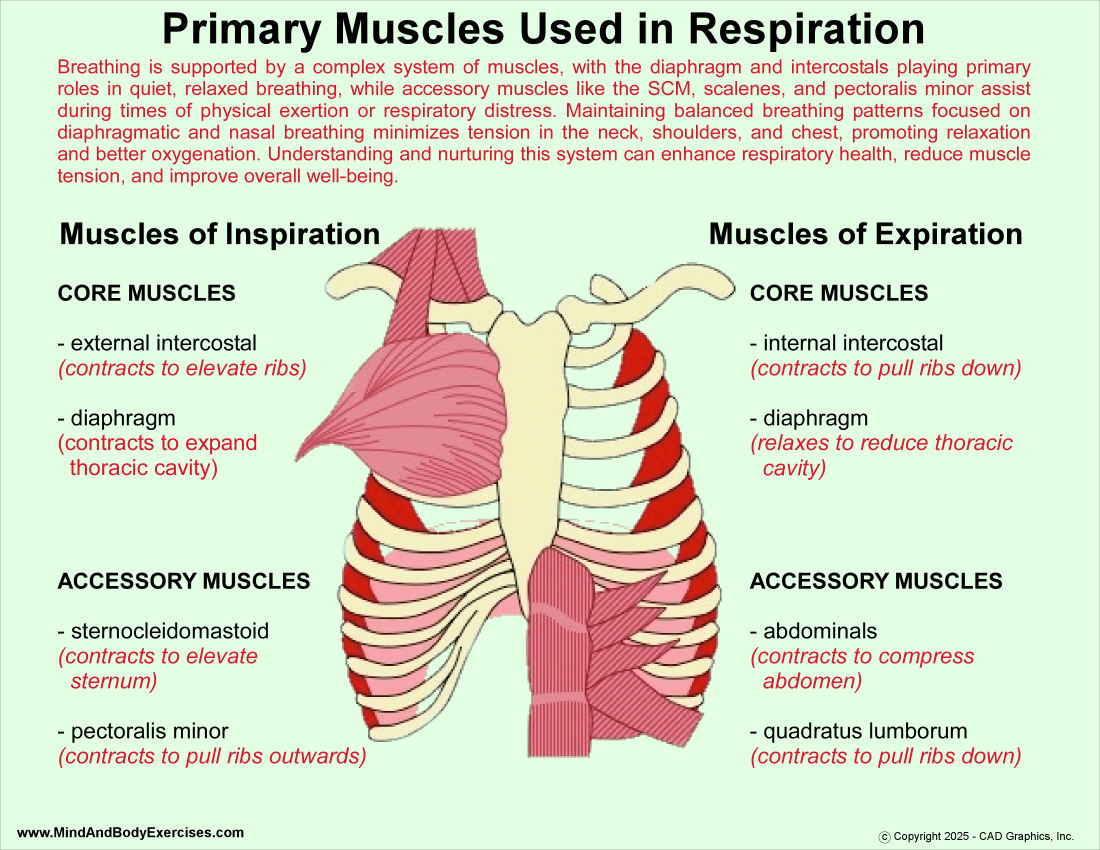
The diaphragm plays a crucial role in respiration, accounting for approximately 75% of the effort during relaxed or “tidal” breathing. Situated below the lungs and above the abdominal cavity, this dome-shaped muscle contracts and flattens downward with each inhalation, creating negative pressure within the thoracic cavity and allowing air to enter the lungs. Upon exhalation, the diaphragm relaxes and returns to its dome shape, gently pushing air out as the lungs recoil. Efficient diaphragmatic function is essential for relaxed breathing and overall respiratory health, particularly when breathing through the nose.
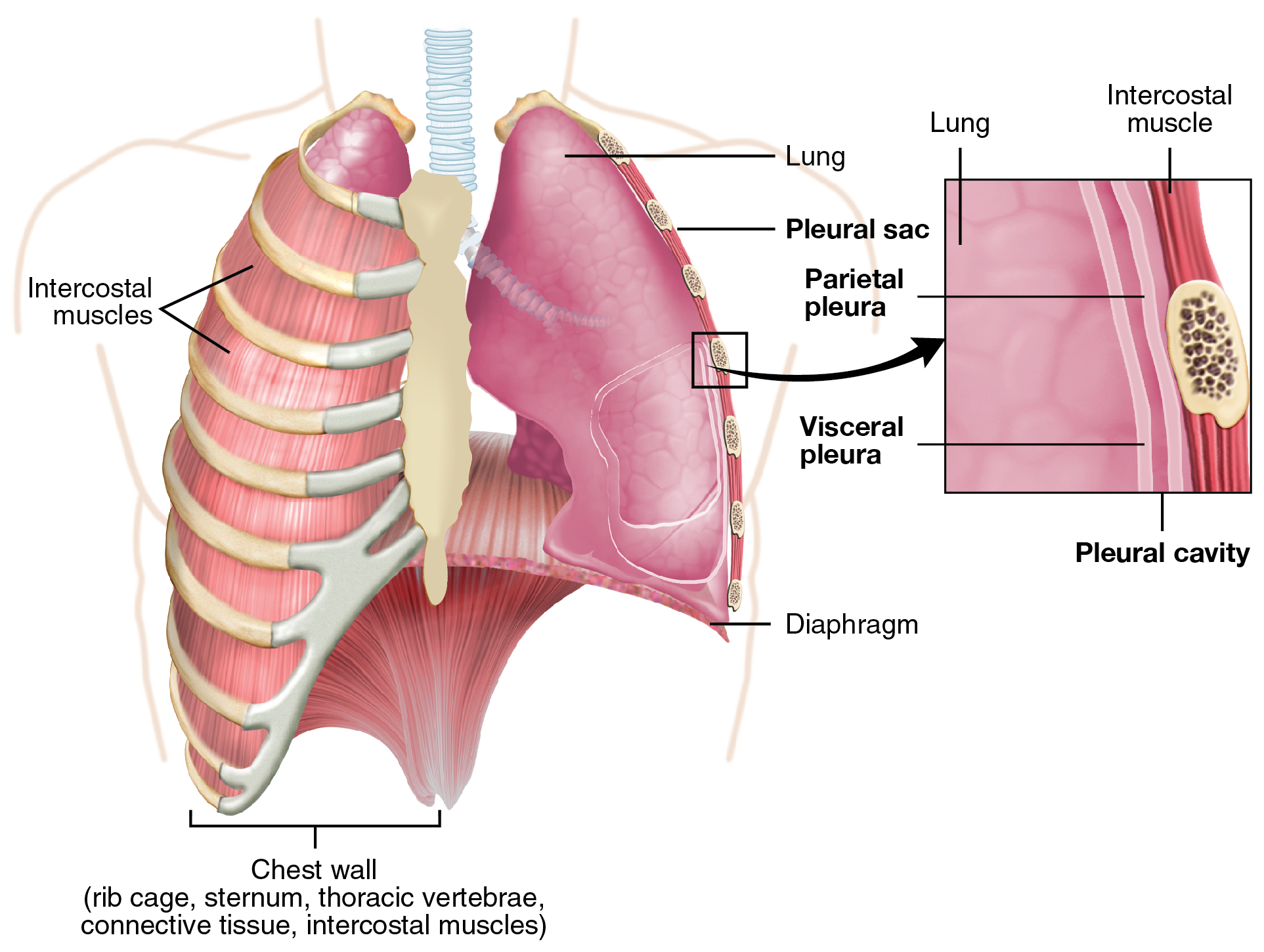
The intercostal muscles work in conjunction with the diaphragm to expand and contract the rib cage, supporting respiration. Located between the ribs, these muscles are divided into two groups:
- External intercostals, which are primarily active during inhalation, lift the rib cage up and outward, expanding the chest cavity and allowing more air into the lungs.
- Internal intercostals, which are mainly involved during forced exhalation, pull the rib cage down and inward, compressing the chest to expel air forcefully.
Together, the diaphragm and intercostals comprise the primary muscles of breathing, efficiently managing inhalation and exhalation during quiet respiration without requiring assistance from other muscles. The costovertebral joints and sternocostal joints are important for respiration by enabling the movement of the rib cage during breathing.
- Costovertebral Joints: These are the articulations between the ribs and the thoracic vertebrae. Each rib connects to the vertebral column at two points—the costovertebral joint (where the rib meets the vertebral body) and the costotransverse joint (where the rib meets the transverse process of the vertebra). These joints allow the ribs to move in a pump-handle (expanding the chest upward) and bucket-handle (widening the chest laterally) motion, which increases the volume of the thoracic cavity during inhalation.
- Sternocostal Joints: These are the connections between the ribs and the sternum. The first rib forms a direct synchondrosis (cartilaginous joint) with the sternum, while ribs 2–7 have synovial joints that allow for slight gliding movements. These joints enable the sternum to elevate and expand along with rib movement, assisting in lung expansion.
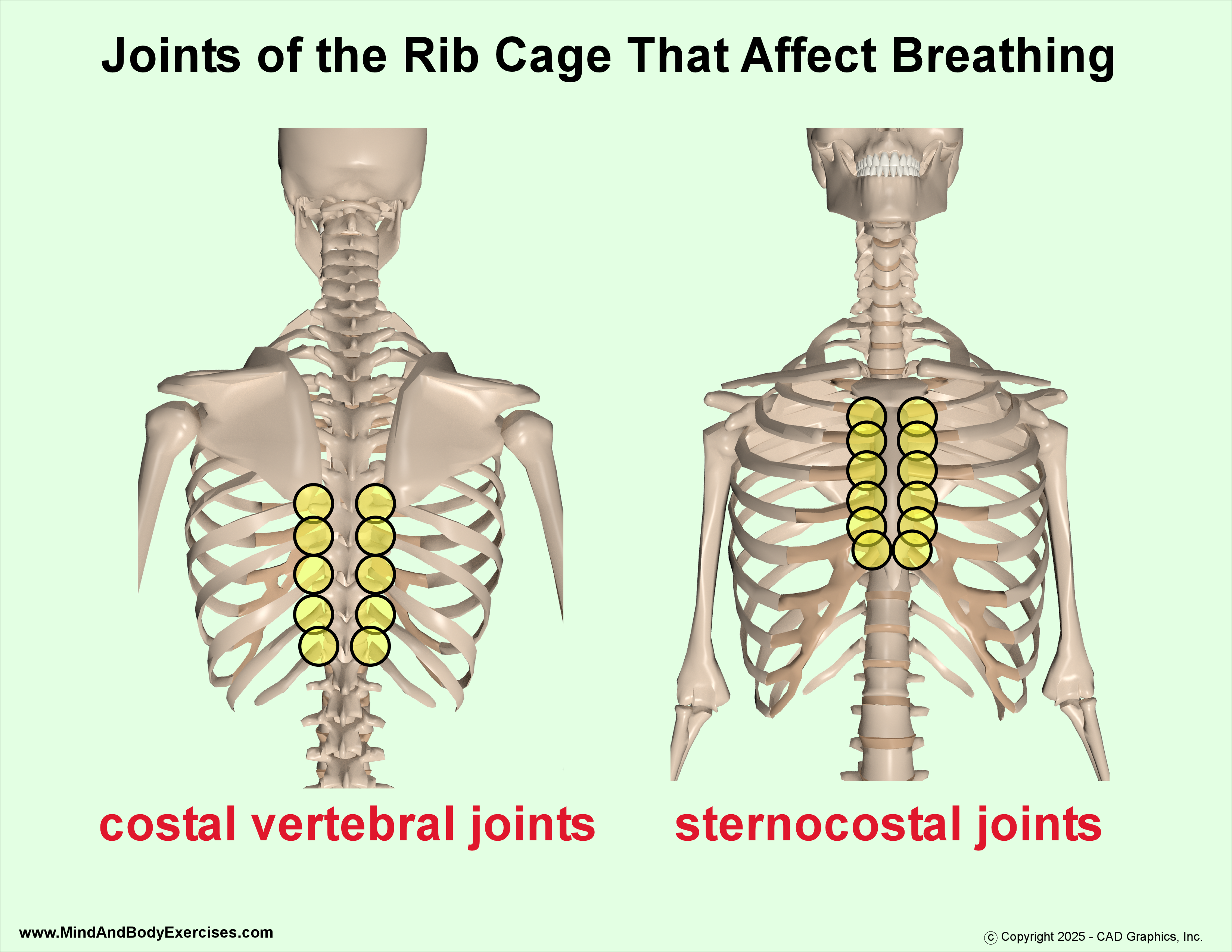
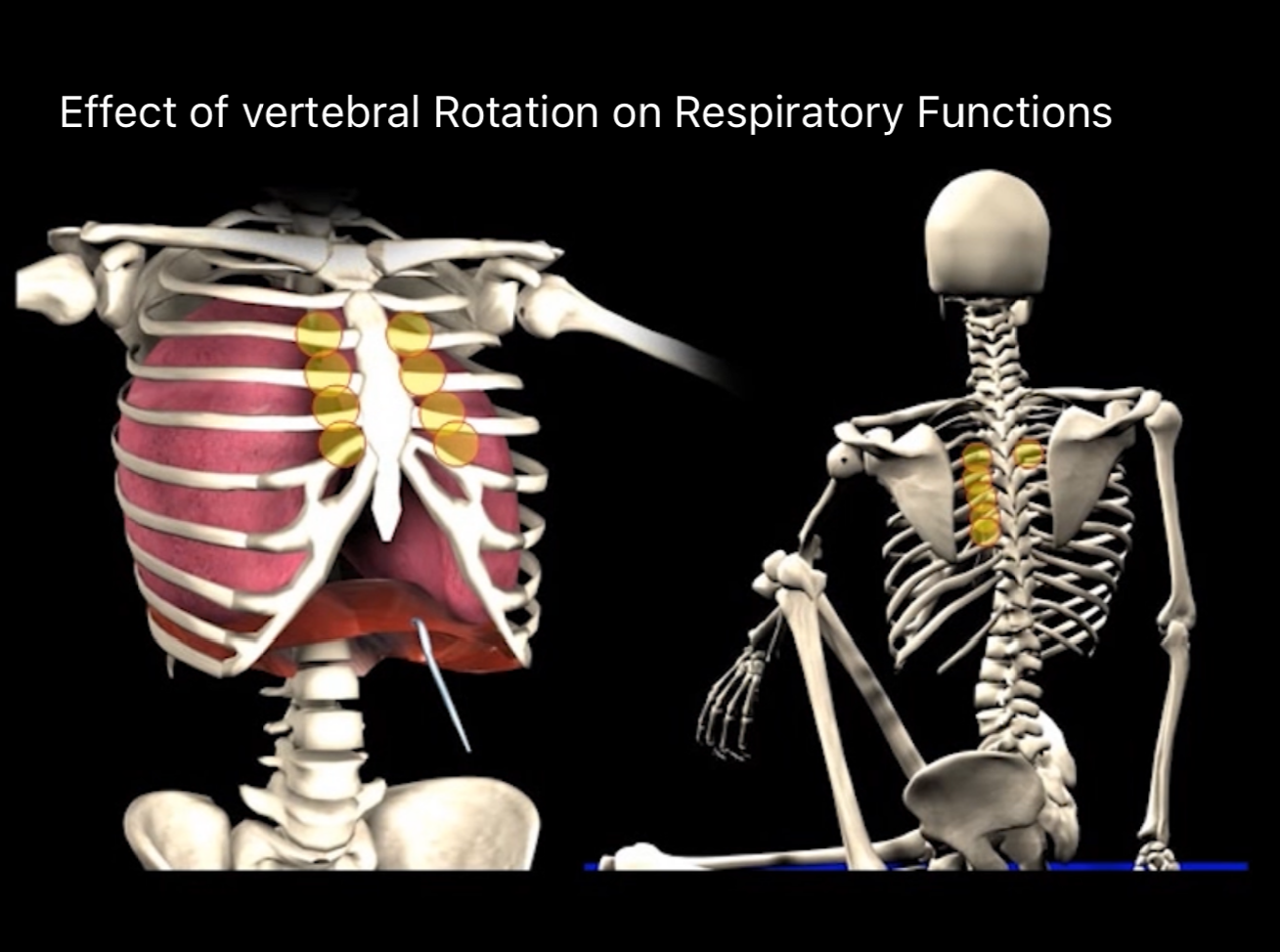
Together, these joints provide flexibility and stability to the rib cage, supporting efficient breathing by accommodating the expansion and contraction required for proper lung function. Issues or stiffness in these joints can restrict breathing efficiency and contribute to postural problems.
The Role of Accessory Muscles in Breathing
During labored breathing, such as physical exertion, illness, or stress, additional muscles assist the diaphragm and intercostals in expanding and contracting the rib cage and chest. These accessory muscles of respiration include:
- Sternocleidomastoid (SCM) and scalene muscles in the neck are particularly important accessory muscles. The SCM connects the base of the skull to the sternum and clavicle, helping lift the sternum and clavicle during inhalation to expand the upper chest. Similarly, the scalenes (anterior, middle, and posterior) attach from the cervical vertebrae to the first two ribs, assisting in lifting the upper chest and creating additional space in the lungs. During high-effort breathing, these muscles help maximize airflow but can lead to neck tension if overused, especially in those with shallow breathing patterns.
- The pectoralis minor, located beneath the larger pectoralis major in the upper chest, attaches from the ribs to the scapula (shoulder blade). During forced inhalation, it helps lift the upper ribs, expanding the chest cavity.
- The serratus anterior also supports respiration, particularly during heavy breathing. Attached to the ribs and scapula, it stabilizes the upper chest, allowing greater lung expansion. While effective in aiding respiration, overuse of the pectoralis minor and serratus anterior can cause tightness in the chest and shoulders, contributing to poor posture and reduced respiratory efficiency.
Other accessory muscles include the levator scapulae and upper trapezius, which elevate and stabilize the shoulders and engage in upper chest breathing in response to stress or poor posture. Although not intended specifically for breathing, these muscles often become involved when the diaphragm is not fully engaged, potentially leading to chronic tension in the neck and upper back.
The Role of Abdominal Muscles and Core Stabilizers
The abdominal muscles, including the rectus abdominis, transversus abdominis, and obliques, play essential roles in forceful exhalation by increasing abdominal pressure and pushing the diaphragm up, expelling air during activities such as coughing, singing, or exercising. While these muscles do not contribute to inhalation during quiet breathing, strong abdominal muscles support core stability and posture, indirectly promoting efficient diaphragm function.
Smaller, deeper muscles like the multifidus and deep cervical flexors support posture and spinal alignment, ensuring that the rib cage can expand without restriction. These muscles indirectly contribute to breathing by maintaining good posture, reducing unnecessary tension, and keeping the airway open.
Implications of Respiratory Muscle Engagement on Health and Posture
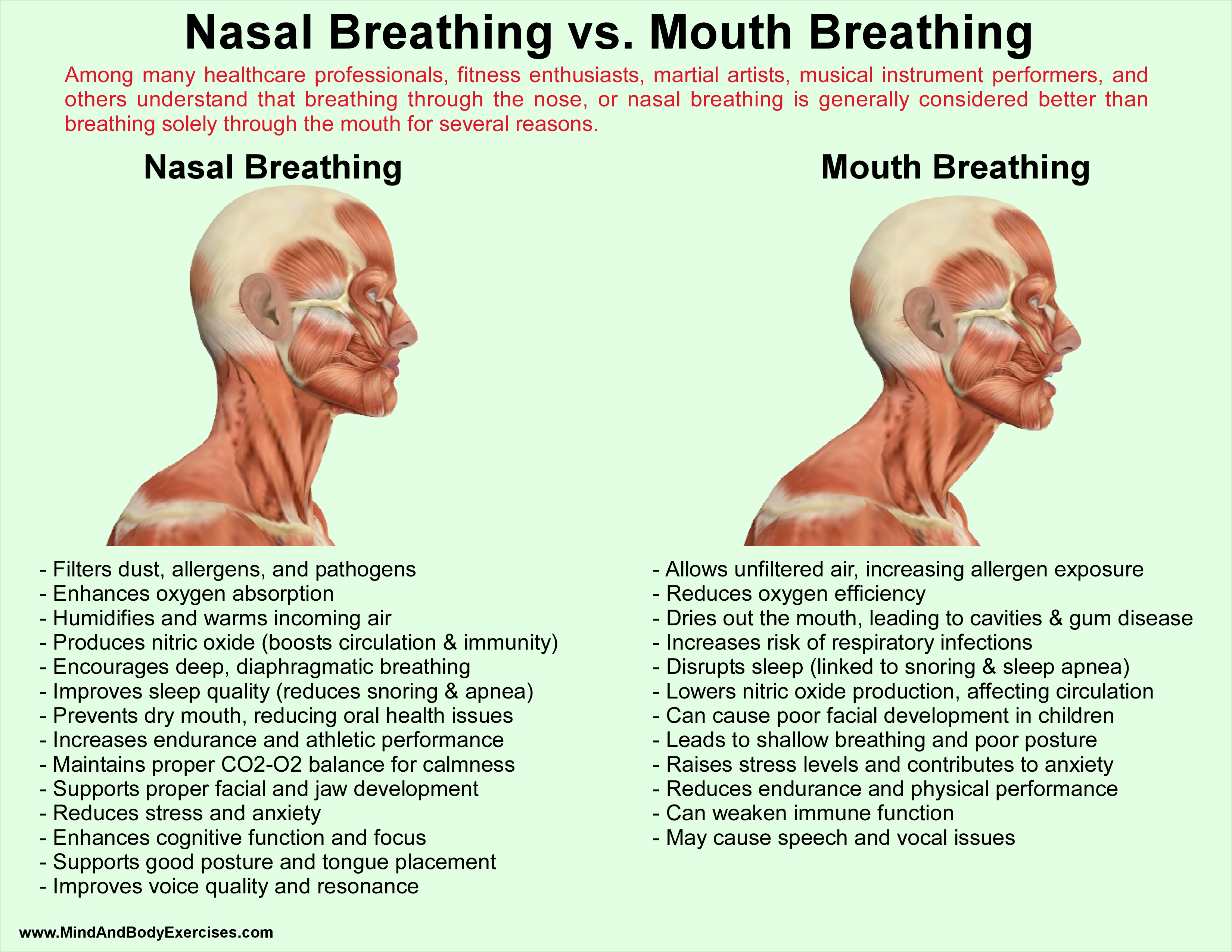
Efficient breathing relies on primary respiratory muscles, with the diaphragm and intercostals as key players. When these muscles are effectively engaged, the body maintains a relaxed, steady respiratory rhythm, promoting effective oxygenation and minimizing muscle tension in the neck and shoulders. Nasal breathing encourages diaphragmatic engagement, stimulating the parasympathetic nervous system and promoting relaxation.
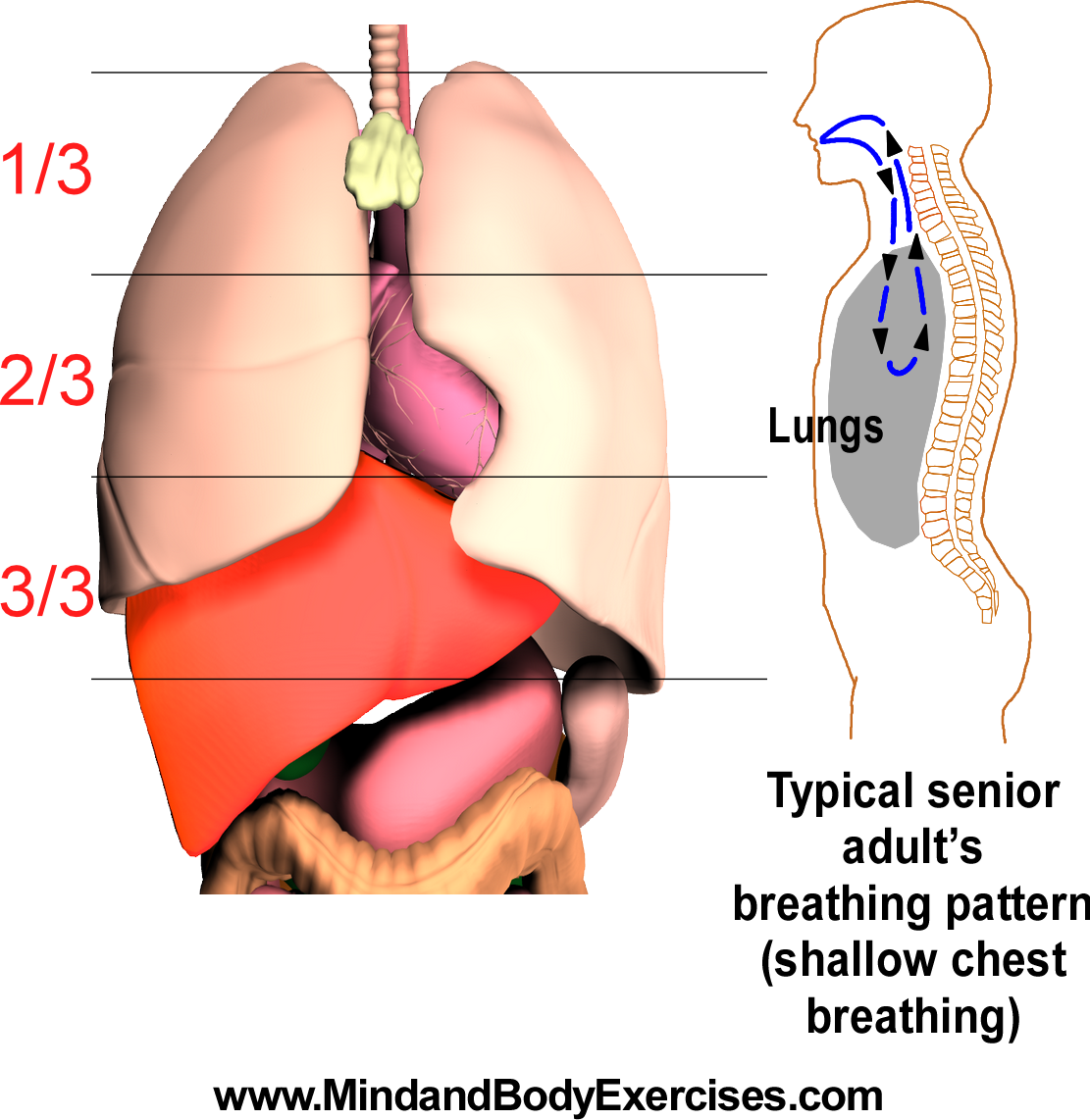
However, many individuals develop shallow, chest-driven breathing patterns due to stress, poor posture, or habits like mouth breathing, which lead to over-reliance on accessory muscles and result in chronic neck, shoulder, and upper chest tension. Shallow breathing also activates the sympathetic nervous system, exacerbating stress and creating a cycle of inefficient respiration and muscular strain.
The Influence of Breath-Centered Movement Practices
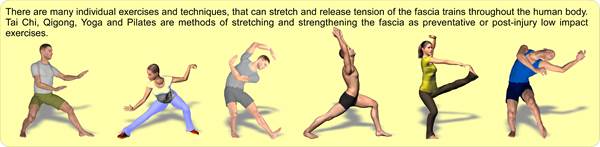
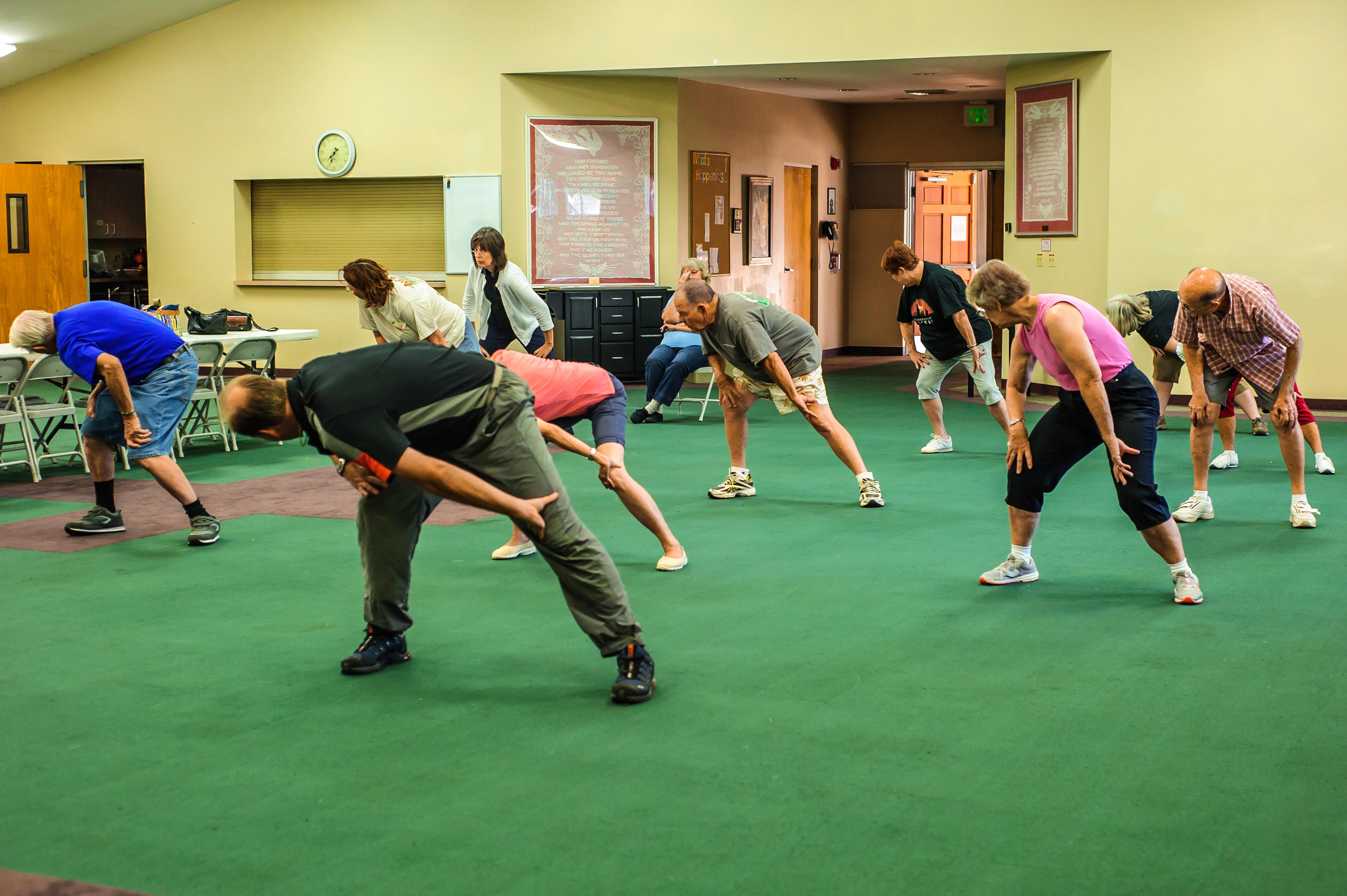
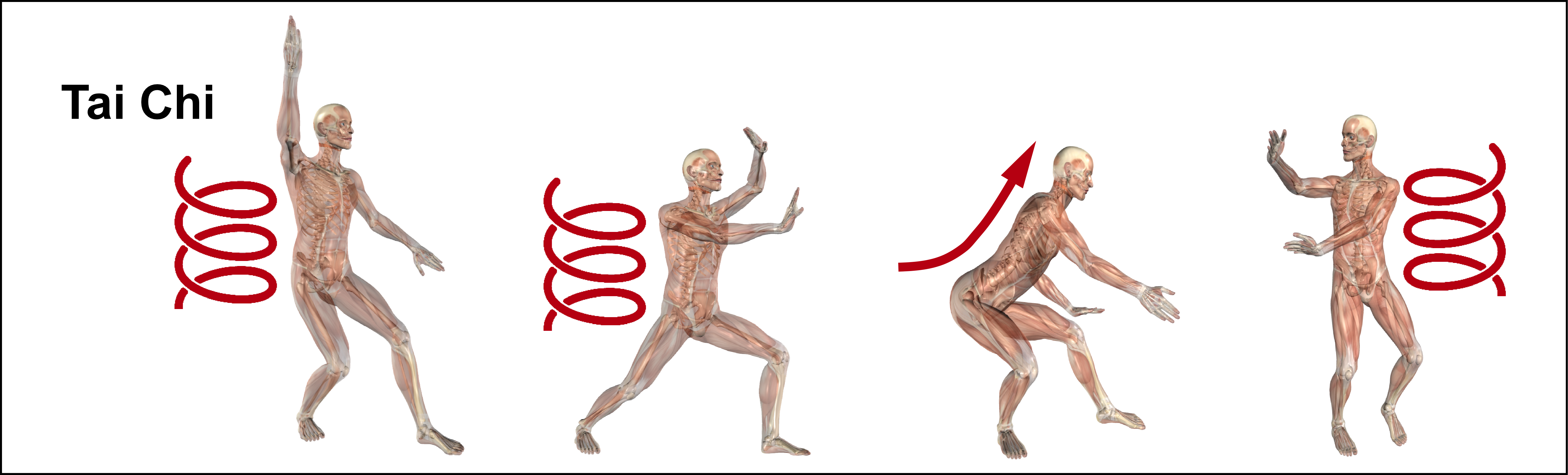
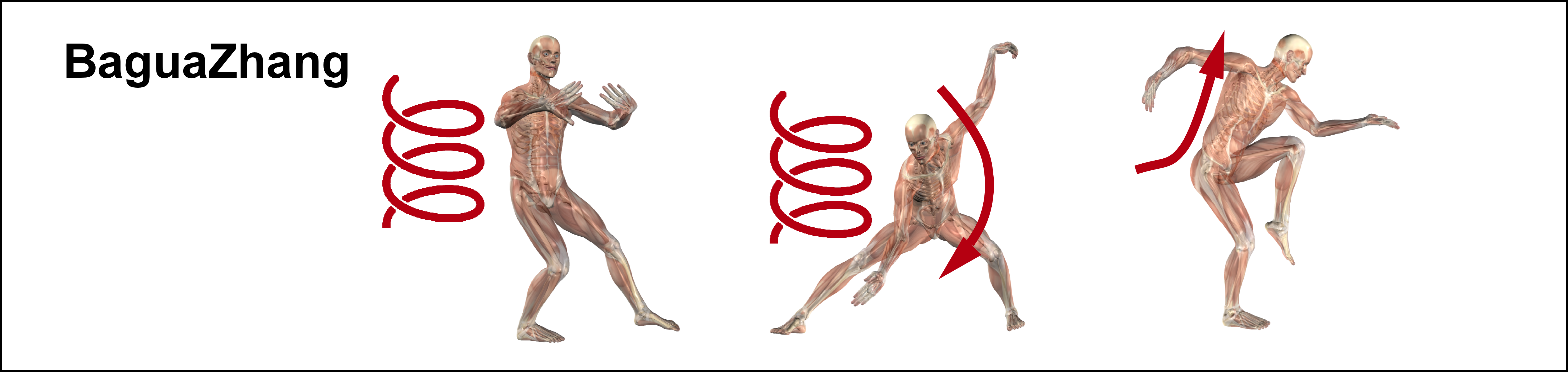
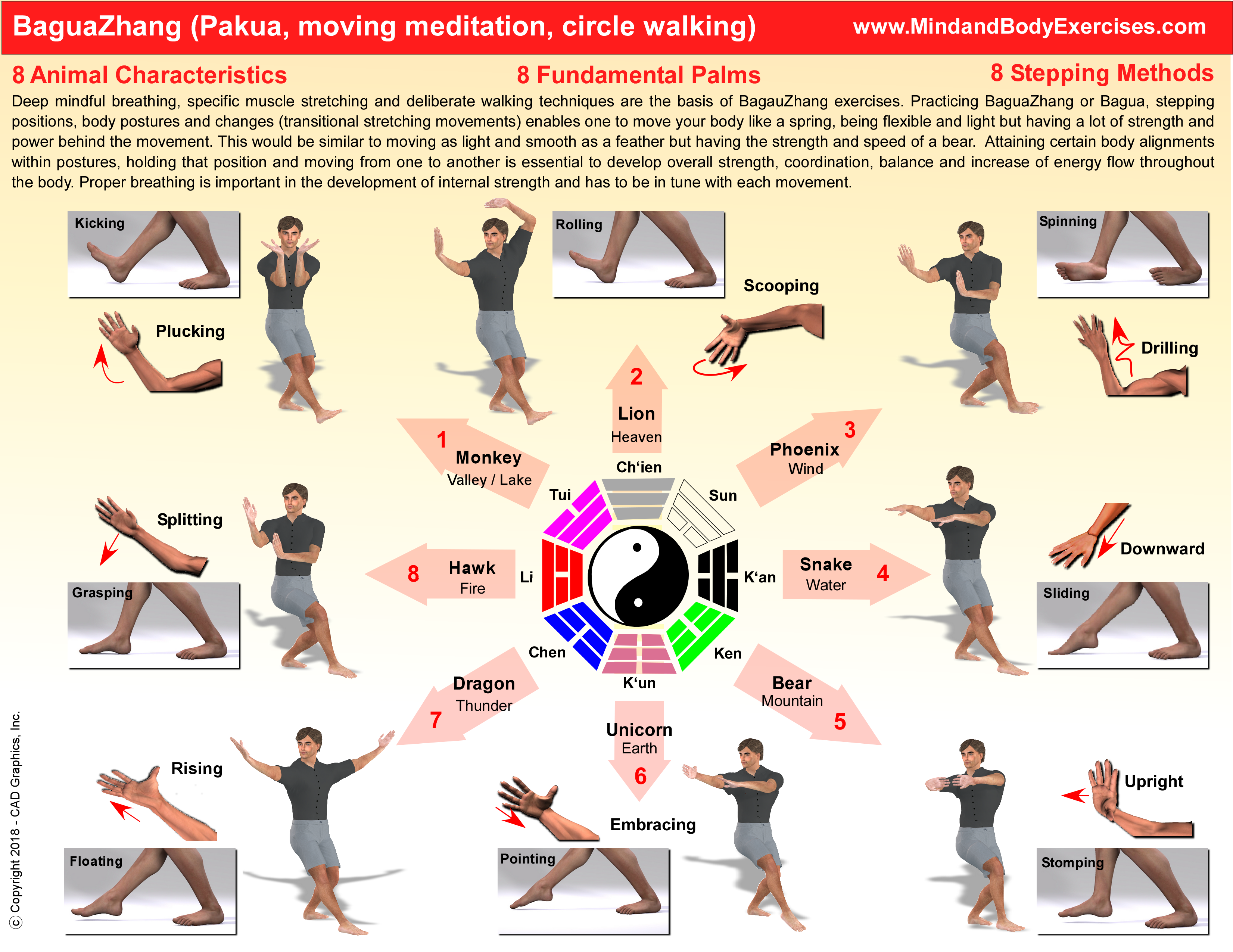
Exercise methods like yoga, tai chi, qigong, and martial arts use breathing techniques to optimize respiration and lung function. They focus on deep diaphragmatic breathing paired with slow, controlled movements, such as torso twists, to stretch the intercostal and oblique muscles, expand lung capacity, and fully engage the diaphragm. Practitioners often report increased energy or transformation, with physiological benefits including optimized oxygen intake, reduced tension, and improved respiratory efficiency. These practices promote nasal breathing, effective diaphragm engagement, and a balanced autonomic nervous system, leading to better respiratory health and less stress.

Conclusion
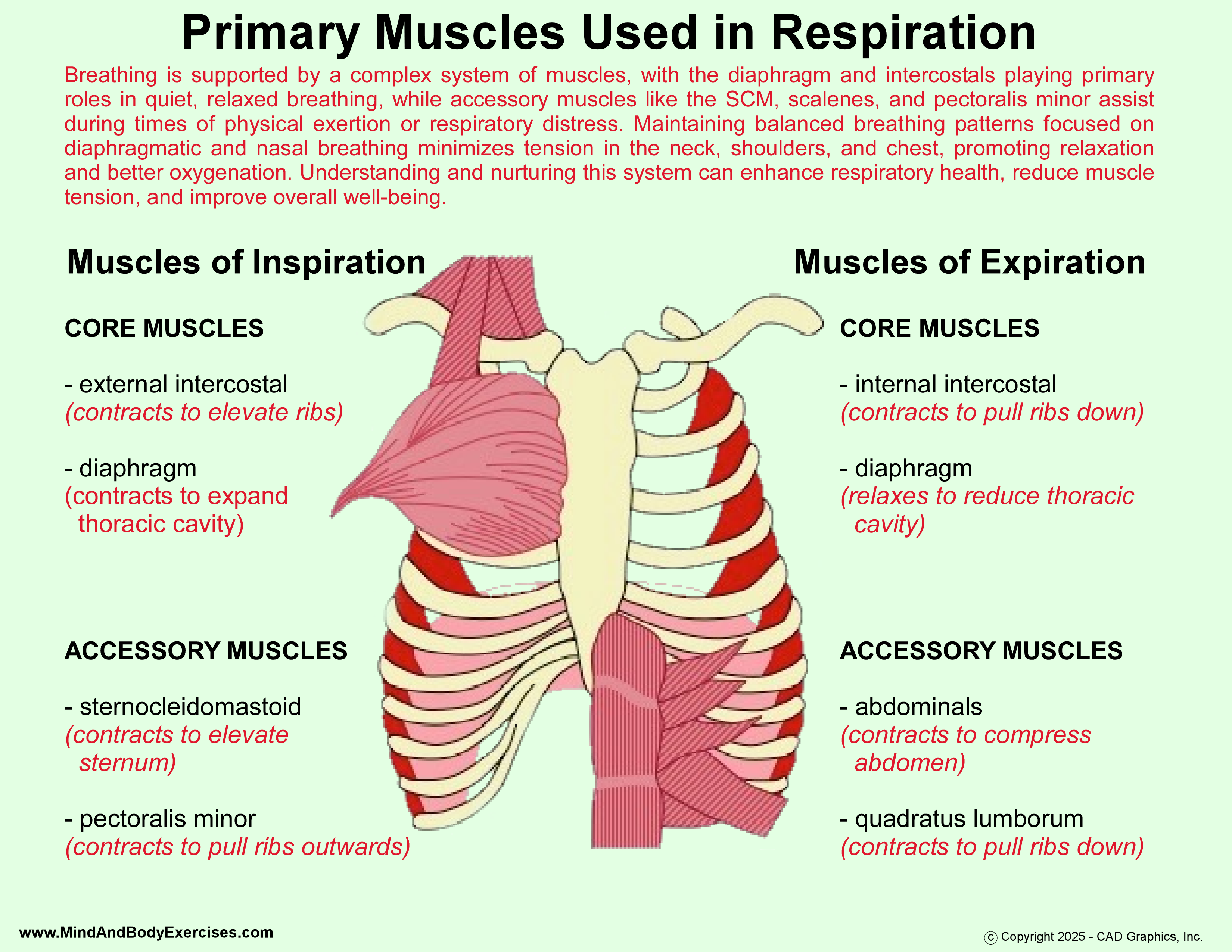
Breathing is supported by a complex system of muscles, with the diaphragm and intercostals playing primary roles in quiet, relaxed breathing, while accessory muscles like the SCM, scalenes, and pectoralis minor assist during times of physical exertion or respiratory distress. Maintaining balanced breathing patterns focused on diaphragmatic and nasal breathing minimizes tension in the neck, shoulders, and chest, promoting relaxation and better oxygenation. Understanding and nurturing this system can enhance respiratory health, reduce muscle tension, and improve overall well-being.
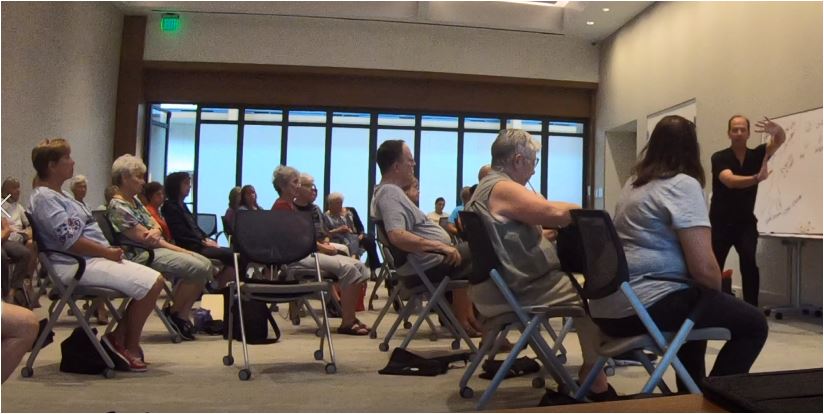
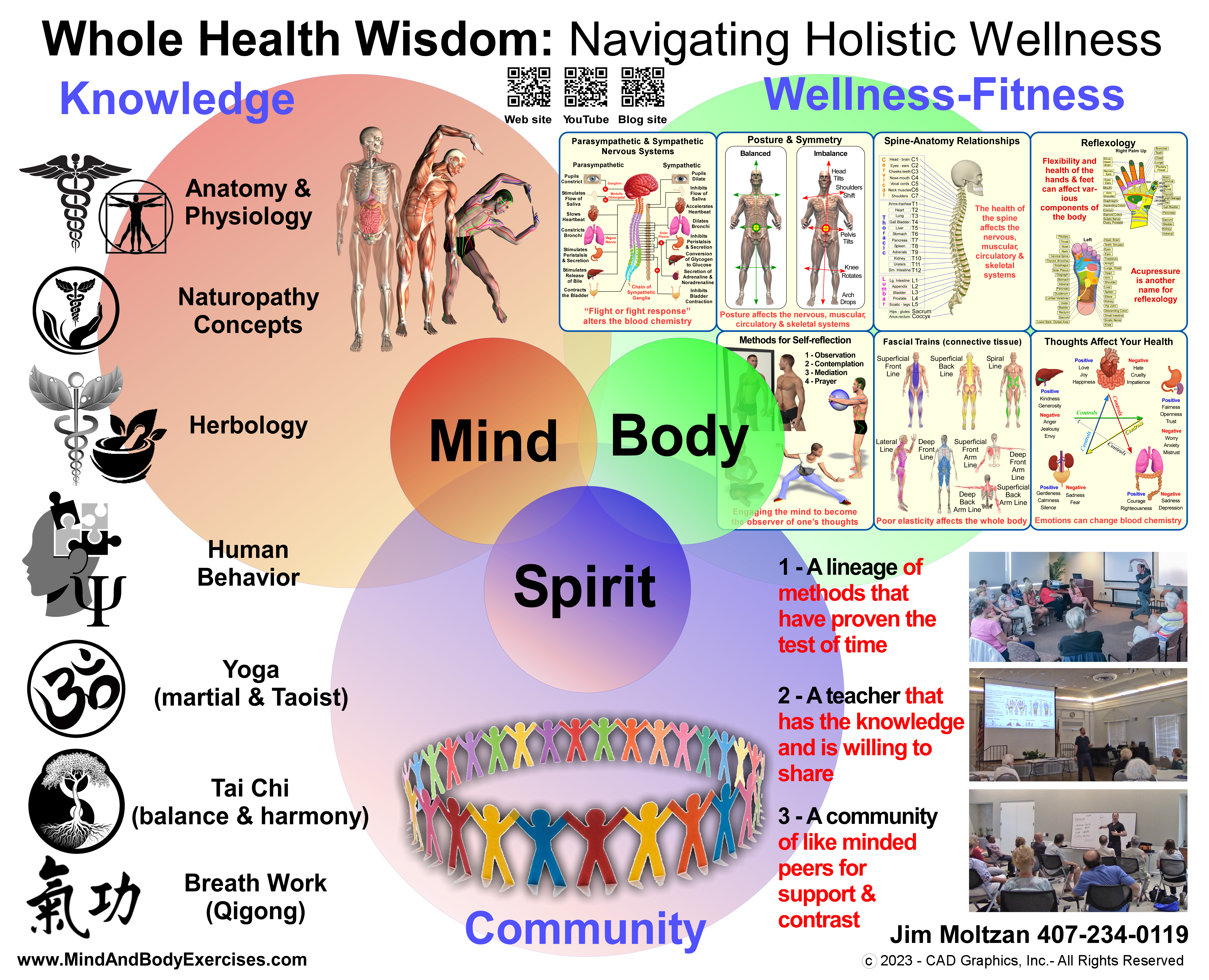
I teach and offer lectures about holistic health, physical fitness, stress management, human behavior, meditation, phytotherapy (herbs), music for healing, self-massage (acupressure), Daoyin (yoga), qigong, tai chi, and baguazhang.
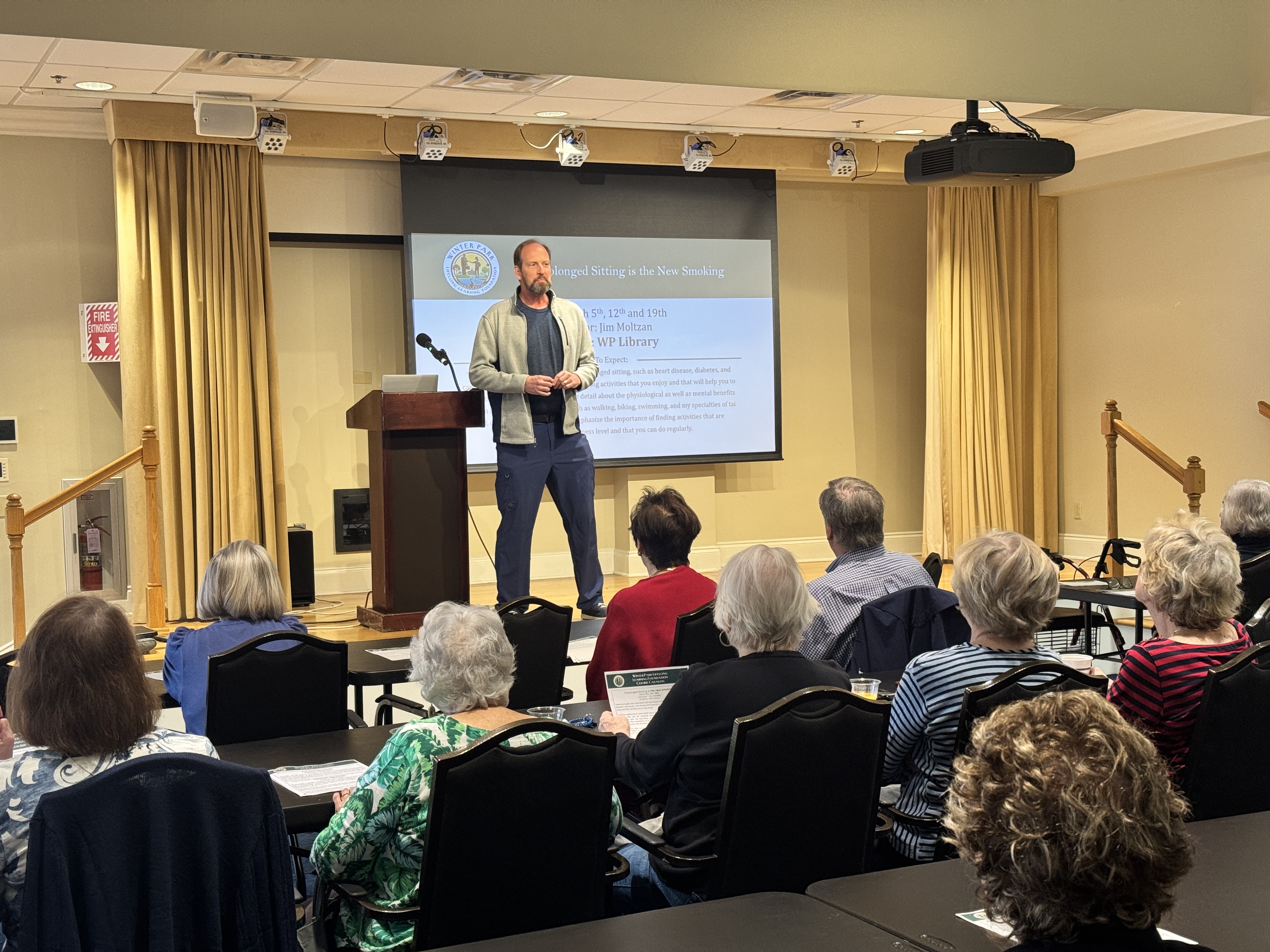
Please contact me if you, your business, organization, or group, might be interested in hosting me to speak on a wide spectrum of topics relative to better health, fitness, and well-being.
I look forward to further sharing more of my message by partnering with hospitals, wellness centers, VA centers, schools on all levels, businesses, and individuals who see the value in building a stronger nation through building a healthier population.
I also have hundreds of FREE education video classes, lectures, and seminars available on my YouTube channel at:
https://www.youtube.com/c/MindandBodyExercises
Many of my publications can be found on Amazon at:
http://www.Amazon.com/author/jimmoltzan
My holistic health blog is available at:
https://mindandbodyexercises.wordpress.com/
http://www.MindAndBodyExercises.com
Mind and Body Exercises on Google: https://posts.gle/aD47Qo
Jim Moltzan
407-234-0119











 United Martial Arts Association
