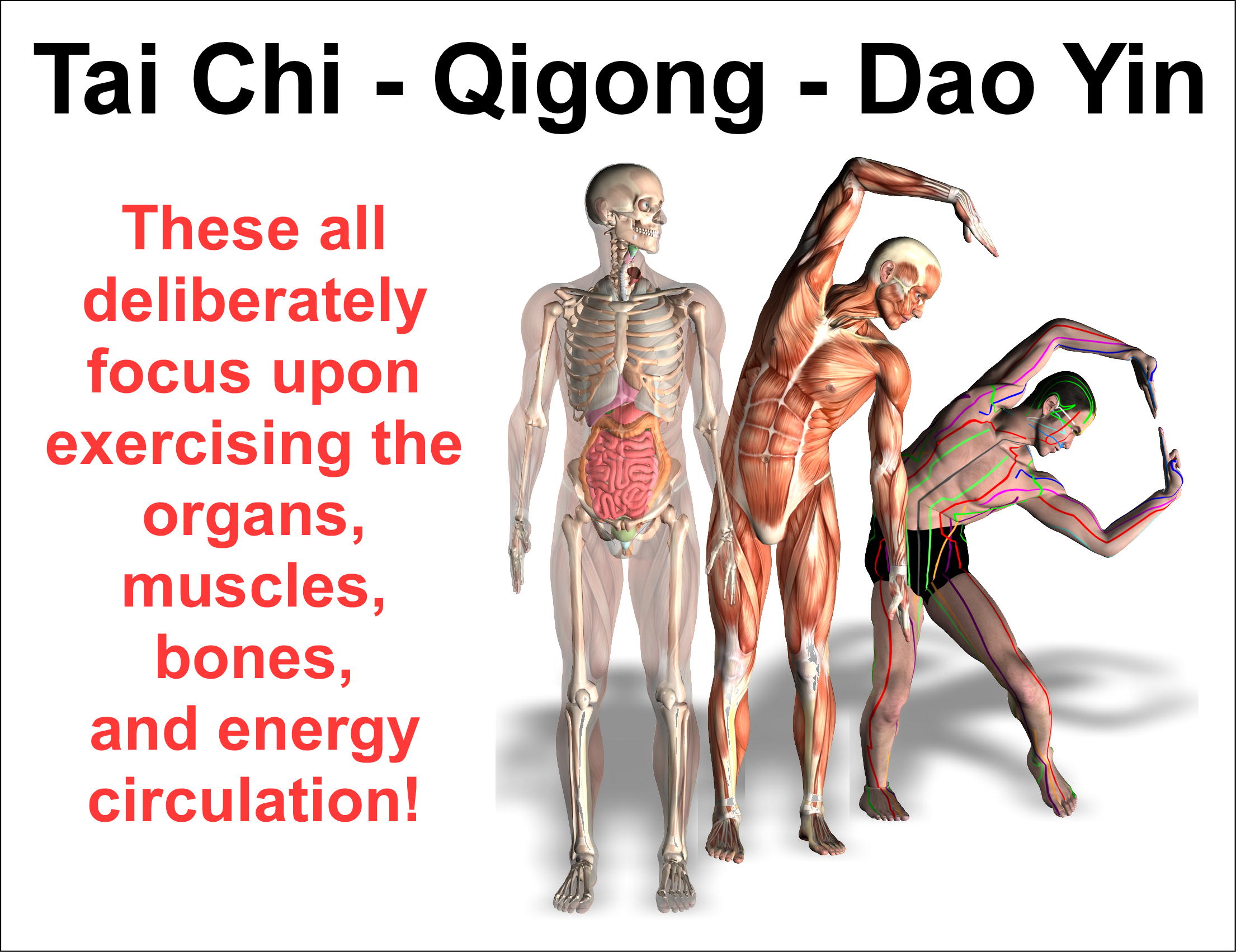
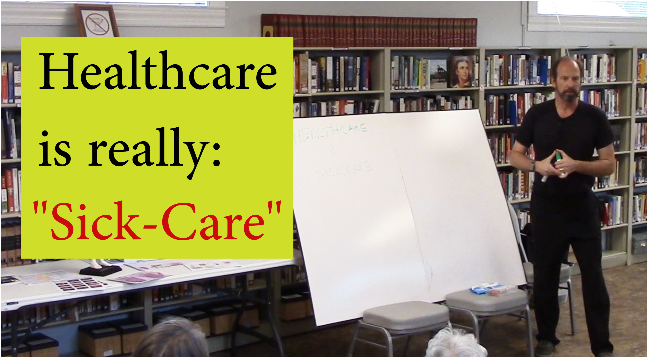
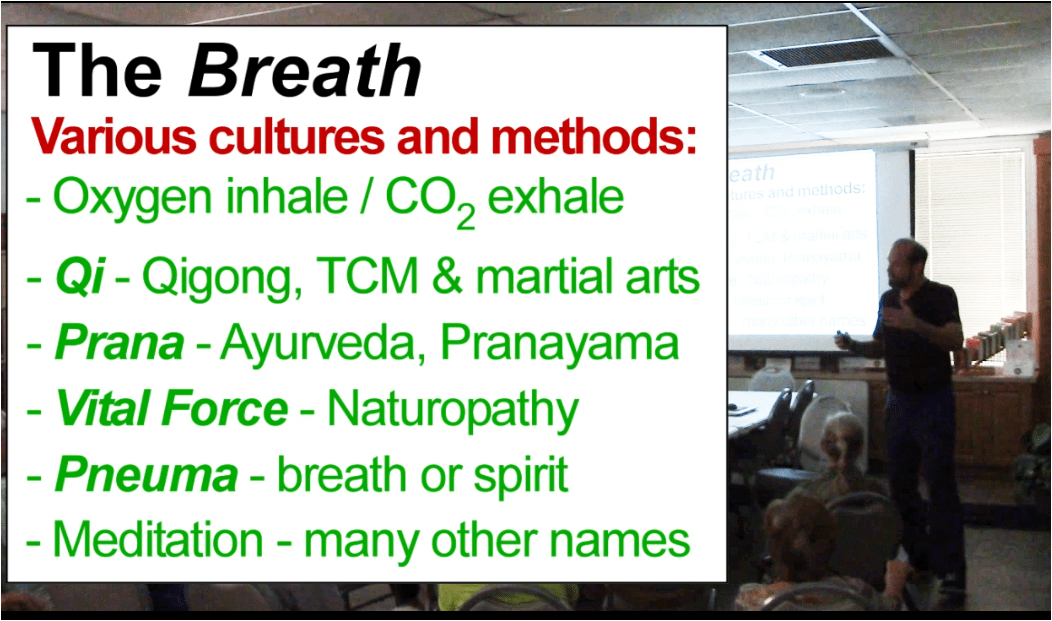
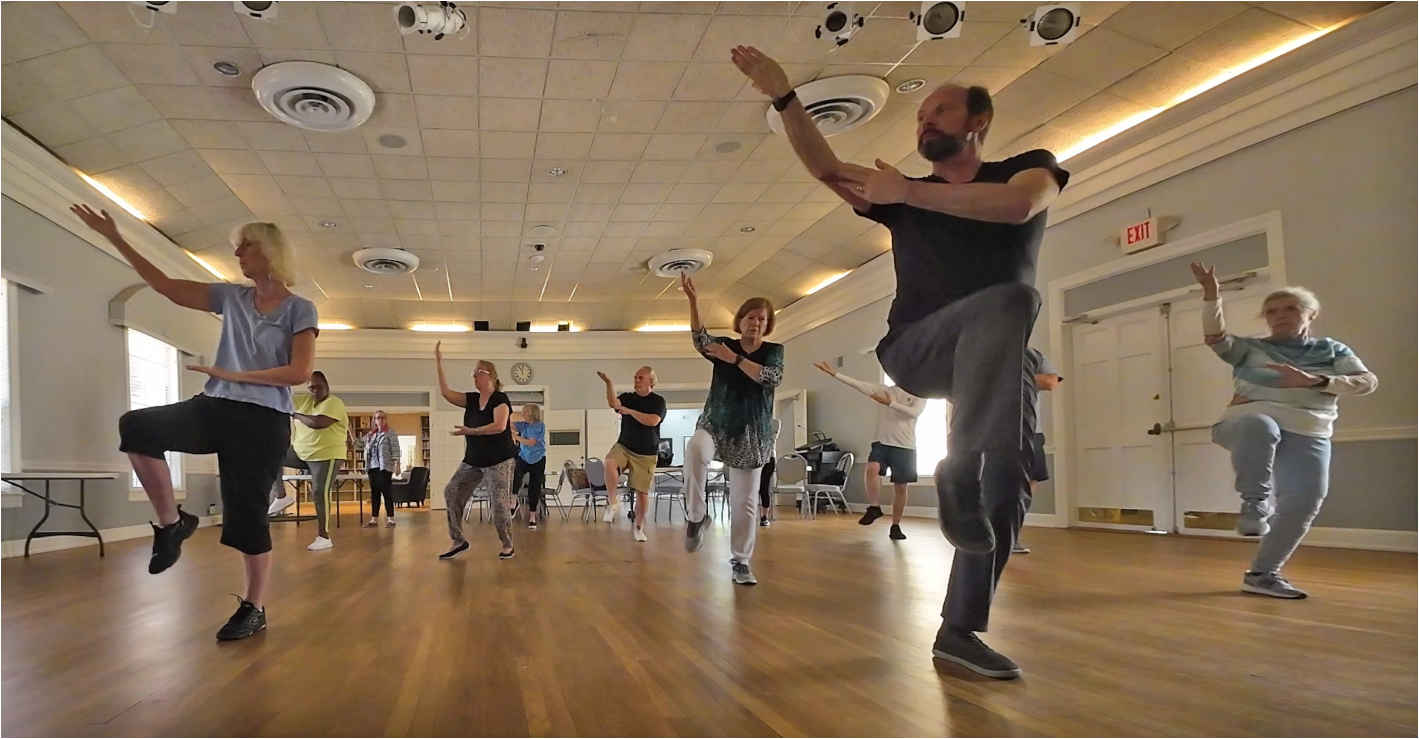
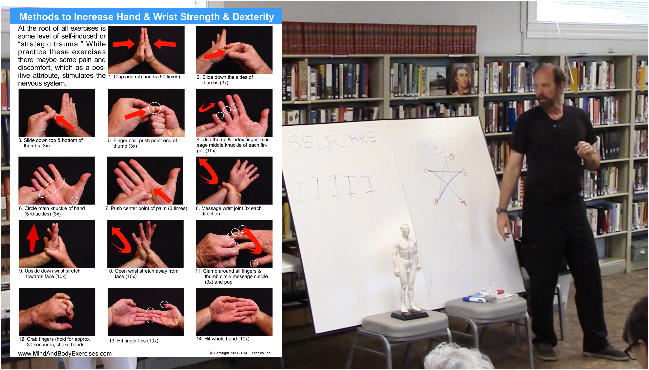
View my public discussion last week at the University Club of Winter Park.
This discussion covered many topics, such as:
– healthcare vs. “sick-care”
– specific exercises for the fingers, hands, and wrists, for increased grip strength as well as better blood circulation in these areas
– reflexology (acupressure)
– the Three Treasures of mind, body, and spirit
– 3, 5, 7 pillars of health
– yin & yang concepts of balance & harmony
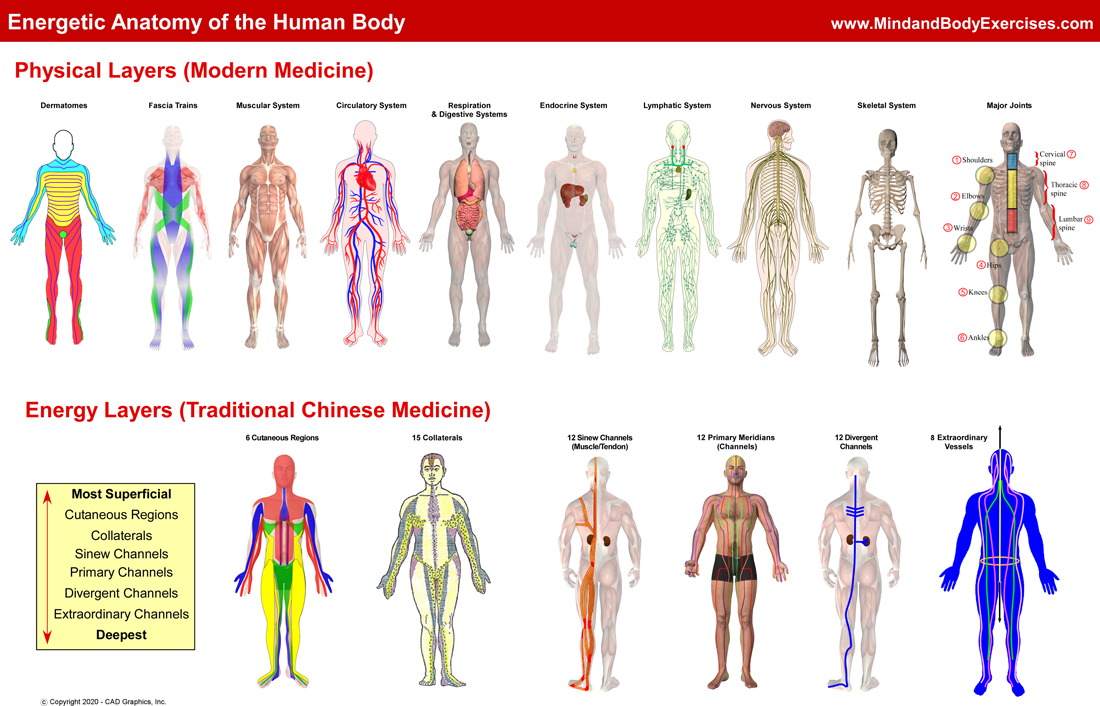
– Traditional Chinese Medicine (TCM), the 5 elements & organ functions
– cross crawl theory and how it affects neural plasticity
– blood “shunting” during exercise and rest
My goal is to present an education for holistic health to increase longevity and quality of life (heathspan), that brings awareness to these time-proven methods. With an intent to de-mystify and simplify explanations, hopefully, more people can come to realize that we are all accountable for our own well-being.
Contact me at info@mindandbodyexercises.com to schedule an event at your location.
Having difficulty getting started on a fitness routine? No local gyms? No money in the budget for managing your health, fitness, and overall wellness?
How about adding more walking into your day? Walk your neighborhood. Hike in the woods or local parks, or try “nature bathing,” a topic for another post. Climb stairs in your home, apartment, or at nearby malls, offices, and other businesses. The options are abundant if one is motivated. Other types of exercise might offer more benefits than walking and are perhaps more appropriate for specific body types and issues. However, walking is the most available form of exercise that most people are already doing daily, to some degree. Walking can be therapeutic for some as a way to manage stress and anxiety, a much-needed tool in our current hectic society.
Here is a step-by-step method that offers some of the psychological mechanisms that can help someone to become motivated to get started with a fitness routine. By implementing the Self-Efficacy Theory (SET) I encourage any individual’s belief in their ability to perform specific behaviors relative to personal fitness and well-being. With the goal of increasing an individual’s health (young and old alike) through physical activities, I suggest expounding upon this goal by using appropriate, safe, and effective methods, such as walking. Why not implement more walking into your day? Consistent walking has many potential health benefits. Walking can help to increase overall physical health and mental well-being, as can be seen in adults of all ages who walk regularly. Some communities offer organized group walks where people can join and see others in similar health being able to engage in regular physical activity.
Once an individual becomes engaged in more simple and easily obtainable goals of walking activities, they can begin tracking and recording walking sessions on a daily basis. As the person increases their consistency of walking, they can gradually increase the distance and/or amount of time walking. As the individual sees their own progress increase through self-recording, they can further increase their own goals and consequently begin to achieve mastery in their own ability to maintain their health. Later they may invest in a fitness tracker, which could encourage more self-mastery of the individual’s health goals. Fitness trackers like Fitbit or Apple Watch can offer the person other ways to track not only their walking but also heart rate and calories burned in the process of walking. By acknowledging and celebrating their own achievements of specific goals, the individual again is receiving a feeling of mastery in their own achievements helping to instill their confidence and determination to continue further with their program of walking.
After some amount of time walking regularly, an individual will most likely begin to feel and experience somatic or emotional responses as they may feel less emotional stress after walking. They may even begin to feel the “runners’ high” where endorphins are released into their bloodstream, thus giving them a sense of temporary euphoria. By adding in some additional activities such as gentle stretching or warmup exercises at the beginning and/or end of each walking session, an individual may be able to better manage physical soreness, muscle tightness, or even emotional stress. As a person improves their own health, loved ones may offer emotional and maybe physical support if needed. An individual then may also begin to feel that others do indeed care about their health and well-being. This can further help them to become more intrinsically motivated to continue their exercise program knowing and believing that they can do it on their own but have more support if necessary. I think that all of the constructs that I discussed from SET and also with the self-determination theory (SDT), will give an individual over a short amount of time, the tools that they need to have more self-control, agency, and autonomy over their own health and well-being.
The Physiology of Walking for Fitness
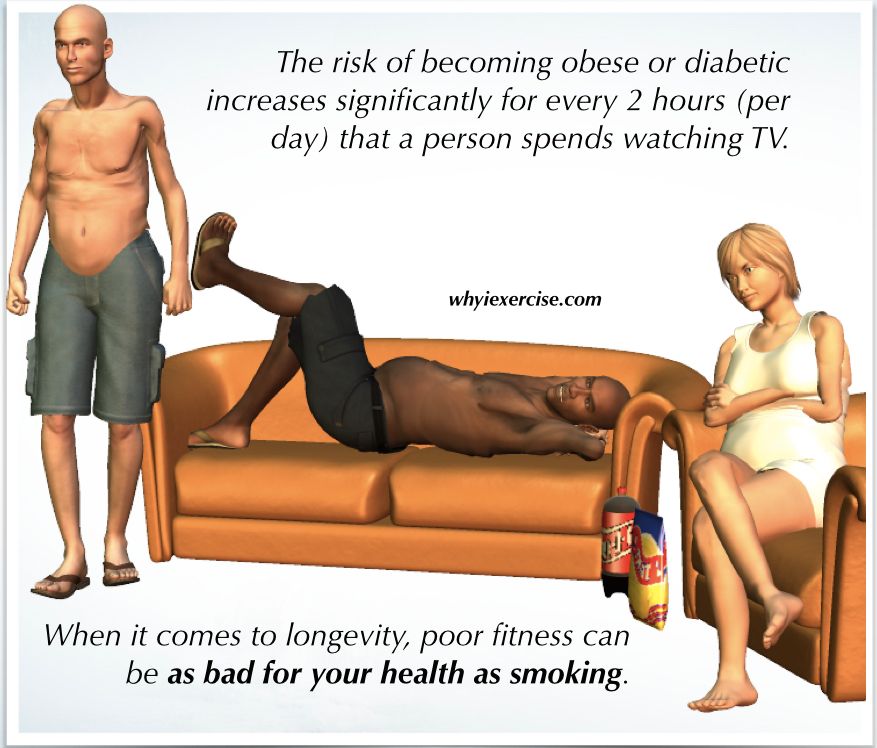
Walking and other weight-bearing activities that engage the muscles in the feet, calves, and thighs illicit a pumping effect that aids in moving blood back to the heart. Rhythmic patterns of relaxation and contraction of these muscles, in addition to the movement of the ankle and toe joints, help to increase venous return and help prevent blood pooling in the lower extremities. Lack of physical movement such as walking and an increase in sitting within our modern American sedentary lifestyle, are major factors that are contributing to the drastic decline in physical and mental wellness of our population within the last decades. More sitting for hours on end at work, behind computer screens, playing video games, and engaging with social media are the norm now. In past years physical activity was more prevalent whether from occupations, recreation, social interactions, or other reasons. A return to a more active lifestyle is what is necessary to get our nation back on track for better health and wellness, instead of harsh pharmaceuticals for all that ails us (a pill for every ill), and pursuing living a life without consequences. We are the architects of our own well-being and relative health and happiness.
The venous plantar plexus of the foot, the venous pump of the calf, and the thigh muscle pump all work together as part of the venous return mechanism, which sends blood back to the heart. The venous pump of the calf, also referred to as the calf muscle pump, is a very important component of this whole mechanism involving the relaxation and contraction of the calf and foot muscles during specific activities such as walking, climbing, exercising, and others. The primary muscles of the calf muscle pump are the gastrocnemius and soleus. This engagement of the calf muscles compresses the veins and pushes blood upwards against gravity. The venous plantar plexus is a bundle of veins found in the sole of the foot, having a primary function of collecting deoxygenated blood from tissues within the foot and moving it back upwards towards the heart. Other muscles in the foot, such as the flexor hallucis brevis, flexor digitorum brevis, and lumbrical muscles, influence toe flexion and extension and consequently help with increasing blood circulation. Both of these mechanisms within the calves and feet contribute to providing efficient blood circulation back up to the heart, as well as preventing blood pooling (edema) in the lower extremities.
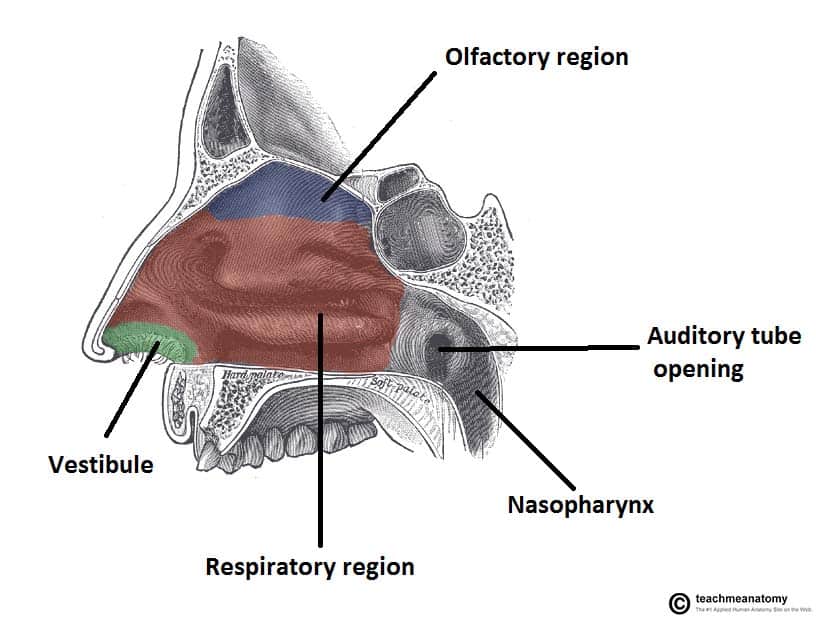
Nose-breathing while walking also helps the body to produce nitric oxide (NO) a now well-known messenger molecule that is produced in the nasal cavity and other tissues throughout the body and more specifically in the veins as arteries. NO increases blood flow through dilation of the veins and arteries.
References:
Parts of the figure were drawn by using pictures from Servier Medical Art. Servier Medical Art by Servier is licensed under a Creative Commons Attribution 3.0 Unported License (https://creativecommons.org/licenses/by/3.0/).
___________
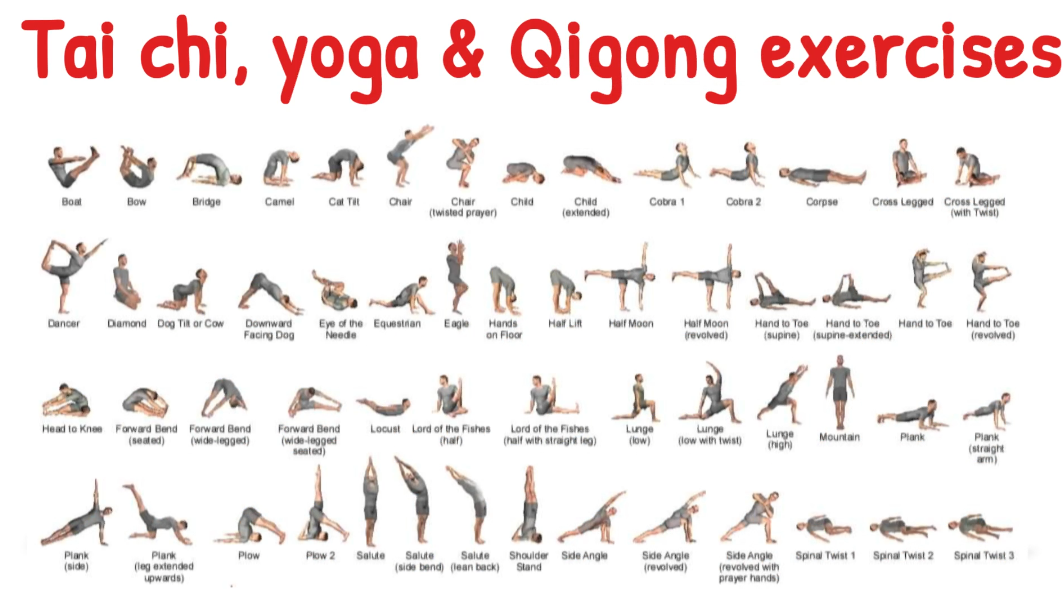
I teach and offer lectures about holistic health, stress management, qigong, tai chi, baguazhang, meditation, phytotherapy (herbs), music for healing, self-massage, and Daoyin (yoga).
I look forward to further sharing more of my message by partnering with hospitals, wellness centers, VA centers, schools on all levels, businesses and individuals that see the value in building a stronger nation through building a healthier population. I also have hundreds of FREE education video classes, lectures and seminars available on my YouTube channel at:
I don’t believe that it is possible to not have any stressors, whether from mental circumstances or acute/chronic pain, as these are part of life. Good stress (eustress) and bad stress (distress) are what offers us contrast between suffering and happiness (Zabat-Zinn, pg. 303, 2013). It is highly important that we all have a means to minimize or release our inner suffering from internal and external stressors. Yoga and other meditative breathing practices that engage the mind and body are truly profound in being able to not only help reduce pain in the body through strengthening and stretching it, but also simultaneously modulate the nervous system and relative responses to that pain.
Physical pain in our bodies can cause not only the regional discomfort, but also associated emotional pain. I am certain that almost everyone has experienced some type of physical injury, where shortly afterwards they may not be the most pleasant person to be around. In contrast, when we exercise, we often get sore muscles and some relative pain and/or discomfort. So, in both cases of injury and exercise, we can only do so much to alleviate the physical pain. However, we can make a decision as to how much emotional suffering we attach to our physical pain. As Jon Kabat-Zinn states that we can realize that we often have a range of options for managing physical pain, even very intense pain, other than only being automatically overwhelmed by the pain (Zabat-Zinn, pg. 361, 2013).
As life experience accumulates, we are able to better determine what pain in our body is telling us, whether it is a response to physical trauma, disease, illness, and other circumstances such as work and exercise. I think as we age, most people will have quite a buffet of physical pains that will be experienced. I personally have dealt with lower back pain off and on for many years. In spite of my discomfort, I usually would not share this with others around me preferring to keep my ailments and relative issues to myself (aversion). In hindsight, keeping my pain to myself probably manifested into some level of mental stress. I do think though, that whatever emotional pain from physical stressor I may have had, it was possibly cancelled out or minimized from the joy or sense of purpose from being with others at the time. Even though I had back pain, I would still be practicing sports and activities with my two kids. It is quite amazing what we can do and accomplish even with much pain, when we set our priorities and goals beyond ourselves.
Reference:
Kabat-Zinn, Jon. (2013) Full Catastrophe Living (Revised Edition) (p. 361). Random House Publishing Group. Kindle Edition.
_______________
I teach and offer lectures about holistic health, stress management, qigong, tai chi, baguazhang, meditation, phytotherapy (herbs), music for healing, self-massage, and Daoyin (yoga).
I look forward to further sharing more of my message by partnering with hospitals, wellness centers, VA centers, schools on all levels, businesses and individuals that see the value in building a stronger nation through building a healthier population. I also have hundreds of FREE education video classes, lectures and seminars available on my YouTube channel at:
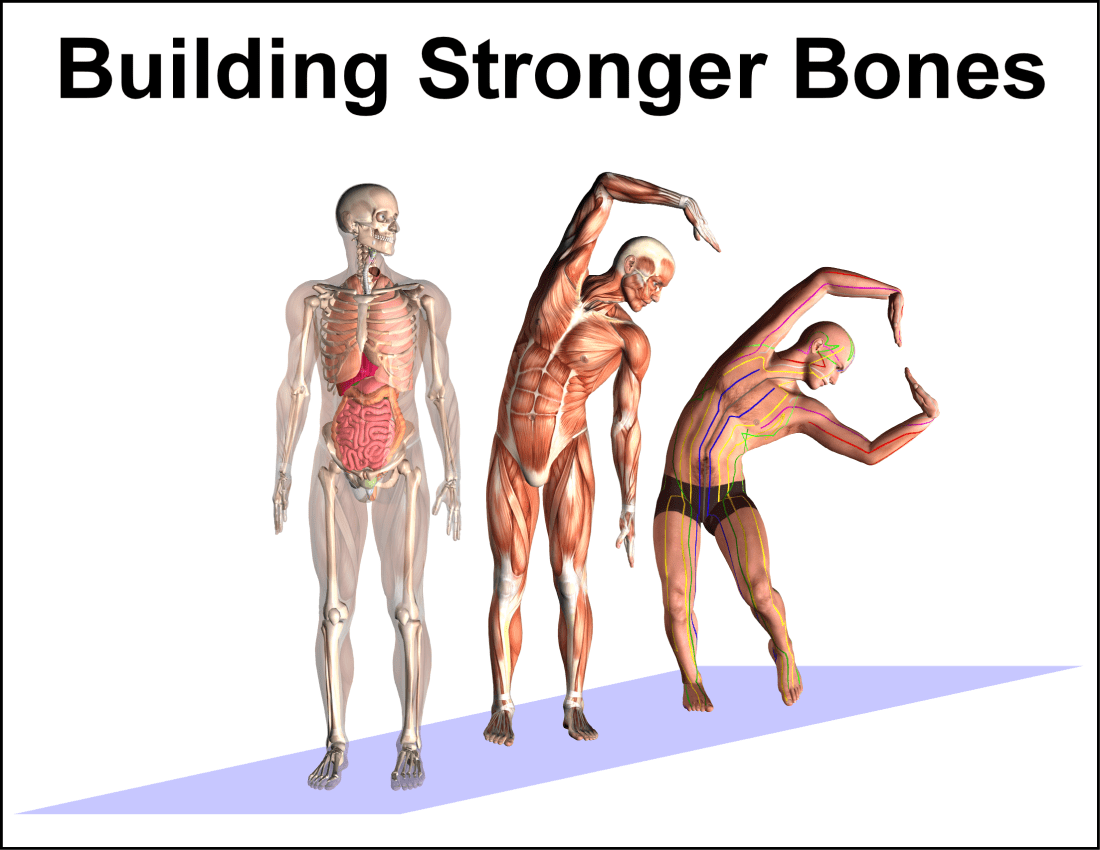
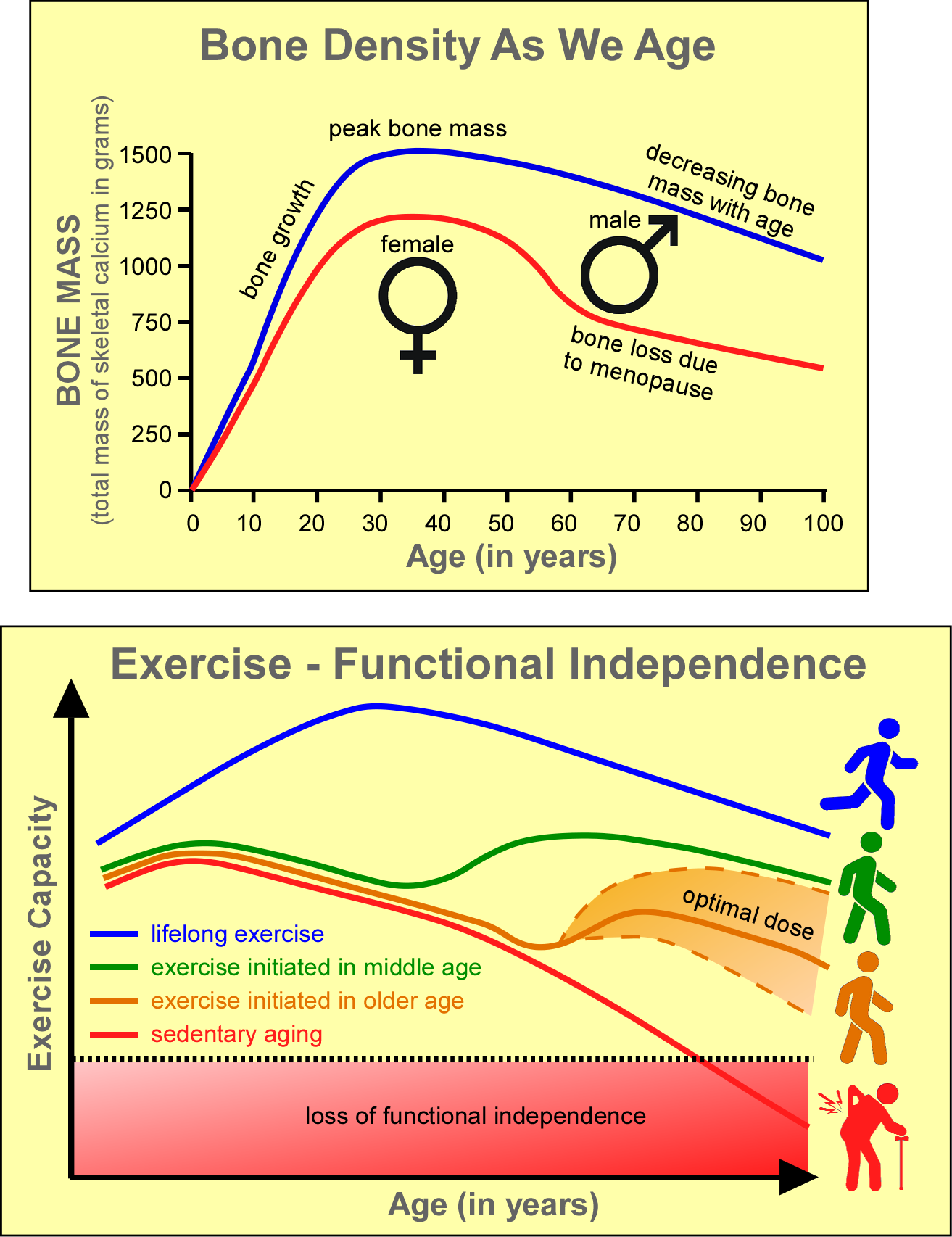
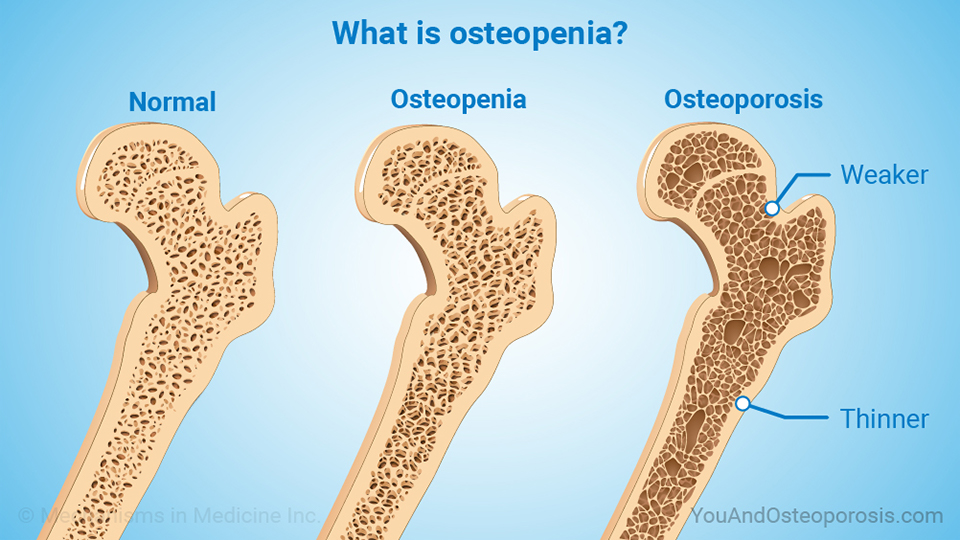
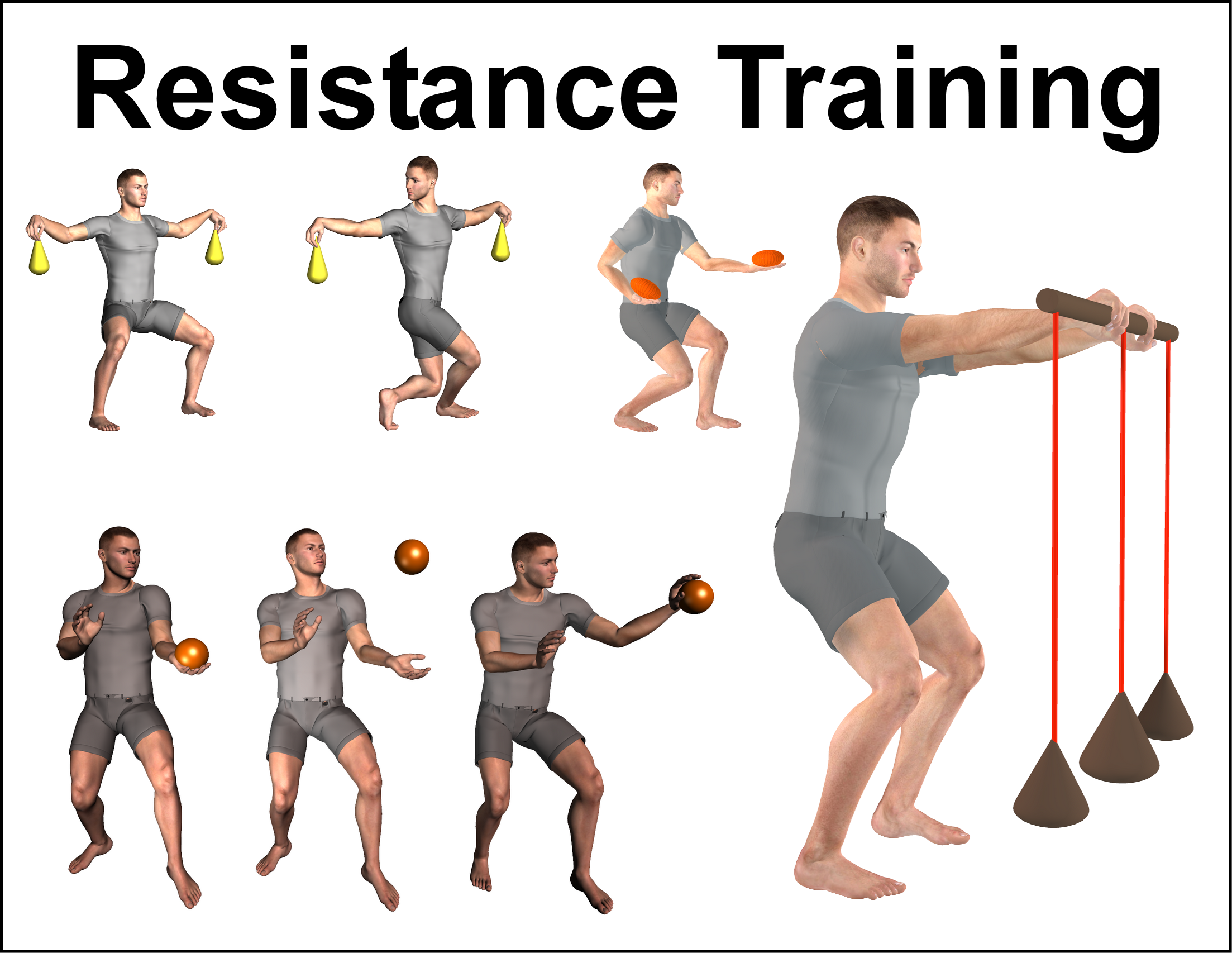
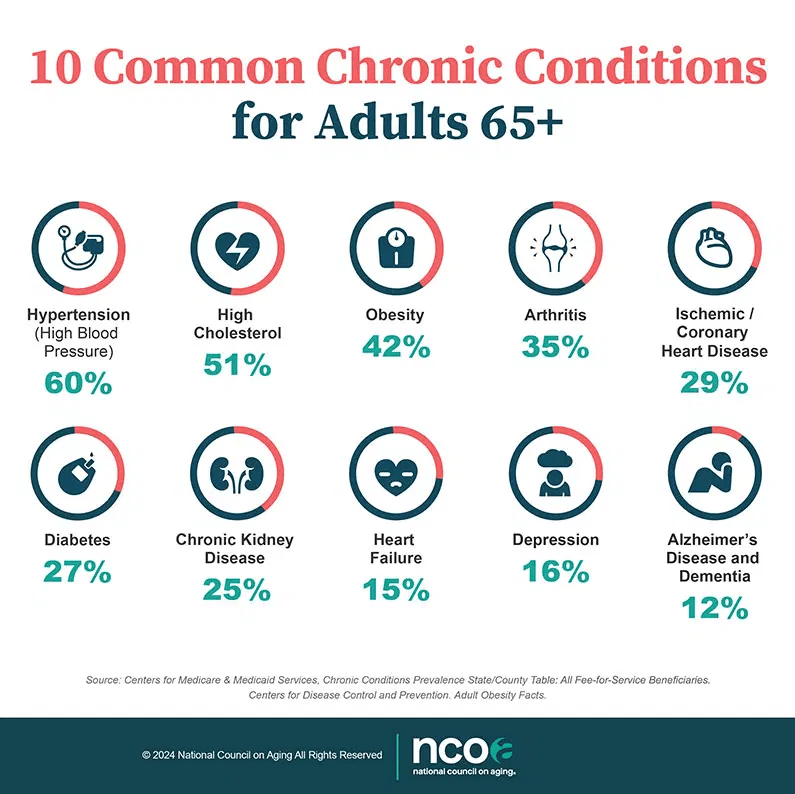
A “fracture cascade” refers to bones and ailments such as osteoporosis, where a person experiences multiple fractures in a sequence, often initiated by a single initial fracture. Falling is a major reason leading to such circumstances. When bones weaken due to poor nutrition, inactivity and age, osteopenia and osteoporosis can grow into serious medical conditions. Herein bones become less dense and more porous, which can make bones more prone to fractures. This “fracture cascade” highlights the possibility of a domino effect that can manifest in individuals with osteoporosis. Falling and landing on one’s hand, can cause fractures to the fingers, wrist, bones in the forearm (ulna and radius) and the bones that comprise the shoulder joint. Additionally, when someone falls, they may injure their knees, hip joints (head of the femur) as well as injuries to the spinal vertebrae. Having a physical exercise plan that not only increases bone strength, but helps to improve balance, and flexibility as well as strength of the muscles. Grip strength becomes more important as we age and sometimes need to grab on to solid structures to avoid falling. Weight training, yoga, tai chi and Pilates are all appropriate methods to achieve these goals.
Practicing exercises that challenge one’s balance is a key component to prevent falling, while increasing leg strength and flexibility to navigate falls.
These images show the various hand and wrist positioning that are common when people accidentally fall onto, while trying to mitigate falls.
A fracture cascade might occur from the following circumstances:
Initial fracture – A person with osteoporosis experiences an initial fracture, often as a result of some level of impact, stress or trauma on particular weakened bone(s).
Modified or influenced body mechanics – After the first fracture, body mechanics during physical movement may be influenced reducing mobility, pain and changes in gait.
Increased risk of falling – Modified mechanics and reduced mobility leads to an increased risk of losing sense of balance, which is often elevated in individuals with osteoporosis.
Future fractures – Minor physical trauma, stumbles or minor to major falls can lead to a ripple (cascade) effect of additional fractures in other bones throughout the body.
Compromised Functionality: With each additional fracture, an individual’s freedom to move and function unimpaired can be at further jeopardy, making them even more prone to future falls and fractures.
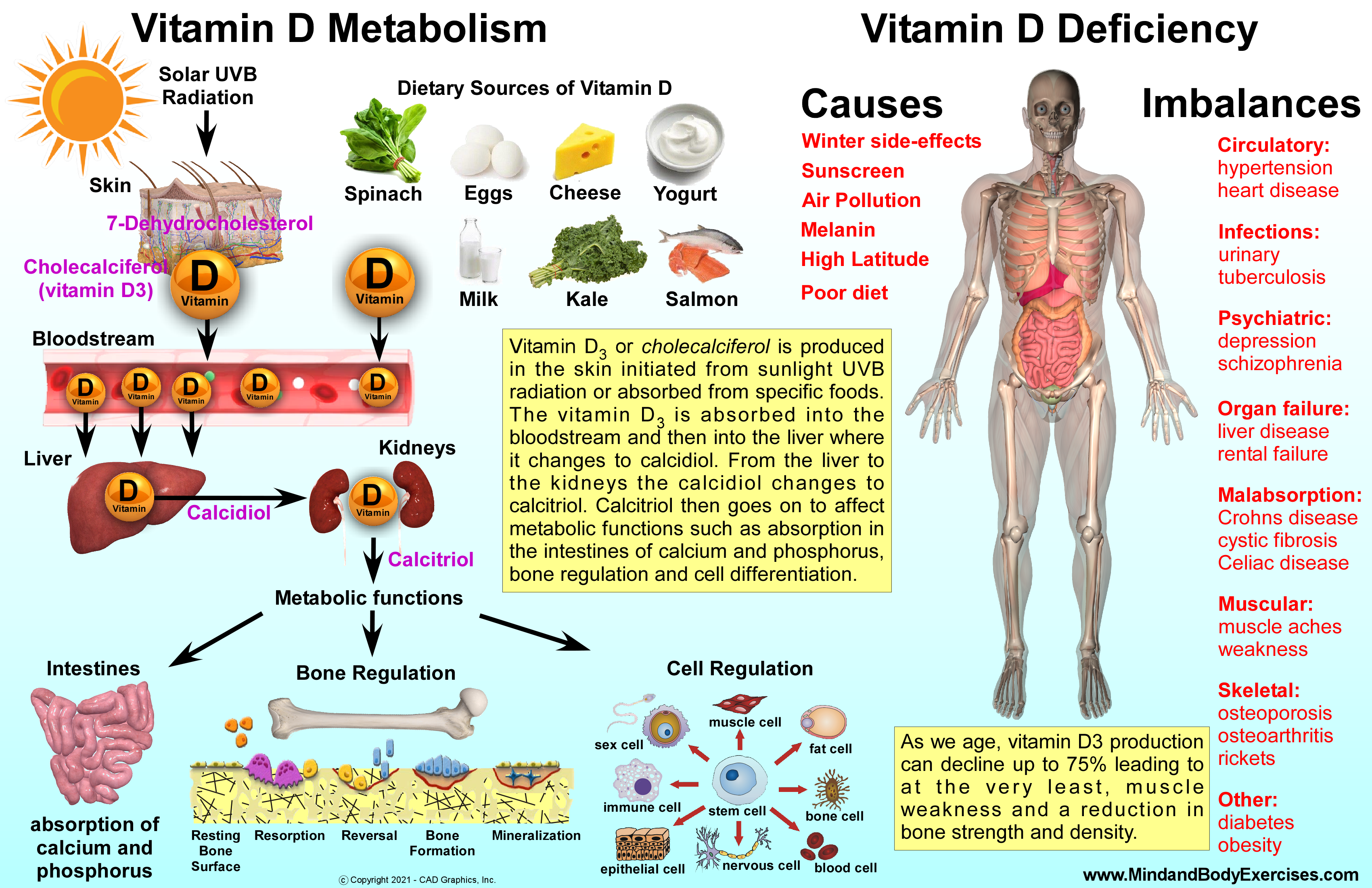
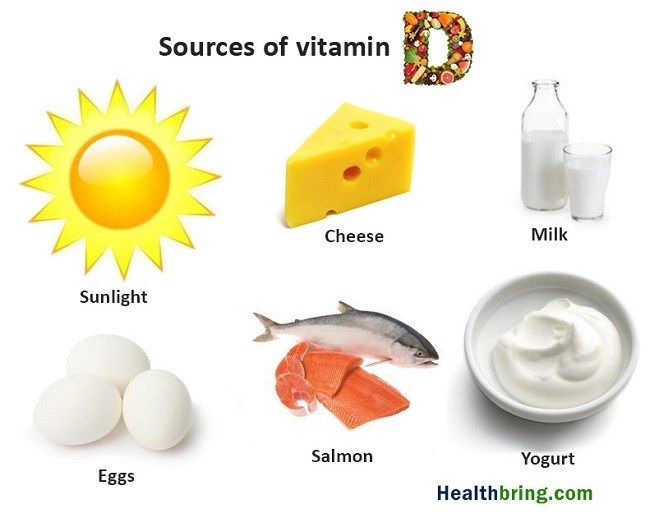
This cycle of decline can contribute to compromised overall health and thereby quality of life for those with osteoporosis. Management strategies for osteoporosis should involve prevention through lifestyle modifications, dietary awareness (rich in calcium and vitamin D), weight-bearing exercises and activities. If necessary, there are pharmaceuticals intended to improve bone density and reduce fracture risk. However, almost all medications have side-effect that needed to be weighed against their benefits. It is highly important that individuals at risk with osteopenia/osteoporosis seek healthcare professionals as well as fitness and wellness advocates to pursue a comprehensive plan for bone health.
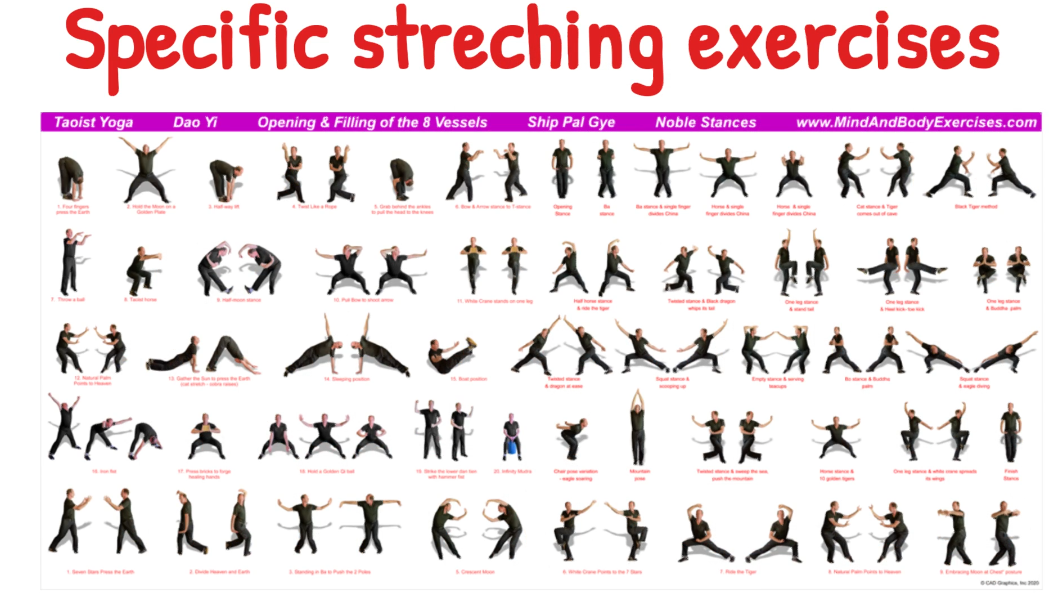
This graphic details various exercises to help increase strength, flexibility, and dexterity of the wrists, hands and fingers. One can practice these exercises as a form of preventive maintenance.
______________
I teach and offer lectures about holistic health, stress management, qigong, tai chi, baguazhang, meditation, phytotherapy (herbs), music for healing, self-massage, and Daoyin (yoga).
I look forward to further sharing more of my message by partnering with hospitals, wellness centers, VA centers, schools on all levels, businesses and individuals that see the value in building a stronger nation through building a healthier population. I also have hundreds of FREE education video classes, lectures and seminars available on my YouTube channel at:
Walking and other weight-bearing activities that engage the muscles in the feet, calves and thighs illicit a pumping effect that aids in moving blood back to the heart. Rhythmic patterns of relaxation and contraction of these muscles, in addition to the movement of the ankle and toe joints, help to increase venous return and help to prevent blood pooling in the lower extremities. Lack of physical movement such as walking and an increase in sitting within our modern American sedentary lifestyle, are major factors that are contributing to the drastic decline in physical and mental wellness of our population within the last decades. More sitting for hours on end at work, behind computer screens, playing video games and engagement with social media are the norm now. In past years physical activity was more prevalent whether from occupations, recreation, social interactions and other reasons. A return to a more active lifestyle is what is necessary to get our nation back on a track of better health and wellness, in lieu of harsh pharmaceuticals for all that ails us, and pursuing living a life without consequences. We are the architects of our own well-being and relative health and happiness.
The venous plantar plexus of the foot, the venous pump of the calf and the thigh muscle pump all work together as part of the venous return mechanism, which sends blood back to the heart. The venous pump of the calf, also referred to as the calf muscle pump, is a very important component of this whole mechanism involving the relaxation and contraction of calf and foot muscles during specific activities such as walking, climbing, exercising and others. The primary muscles of the calf muscle pump are the gastrocnemius and soleus. This engagement of the calf muscles compresses the veins and pushing blood upwards against gravity. The venous plantar plexus is a bundle of veins found in the sole of the foot, having a primary function of collecting de-oxygenated blood from tissues within the foot and moving it back upwards towards the heart. Other muscles in the foot, such as the flexor hallucis brevis, flexor digitorum brevis, and lumbrical muscles, influence toe flexion and extension and consequently help with increasing blood circulation. Both of these mechanisms within the calves and feet contribute to providing efficient blood circulation back up to the heart, as well as preventing blood pooling (edema) in the lower extremities.
I have been practicing for over 40 years a type of moving meditation called BaguaZhang or 8-trigram palm, which is a walking meditation with various feet, hands, arms, and body positioning. When practiced with rapid (or sometimes slow) breathing and circular walking or stepping patterns, a great amount of qi (the Chinese word for life force) or prana (in Ayurveda), is accumulated within the body for martial, fitness or wellness applications. Conversely, the same methods can be practiced with a slower respiration rate of 6-10 BPM or even slower for more health and spiritual focused practices. I have received many benefits from these practices on mental, physical, and spiritual levels. Mentally, I feel more aware, alert, and calm throughout my day after a 20-minute session of practice. Physically, my whole body is stronger as the exercises engage many more muscle groups than conventional exercise. Spiritually, I am much more self-aware, as well as feeling more connected to nature and the energy or universal consciousness that we have access to. In today’s current norm of many coping with stress, anxiety, depression and many other psychological and physical issues, many types of exercise can be a much-needed option in lieu of pharmaceuticals or other invasive treatments. Basic walking is a great means of maintaining wellness, while advanced methods of walking such as BaguaZhang can offer benefits on many levels beyond locomotion. Studies on BaguaZhang have shown that these types of exercises were able to significantly affect the delicate balance of autonomic control, by way of increasing parasympathetic regulation while decreasing sympathetic nerve activity. Also reported were decreased were levels in serum glucose, cholesterol, body mass index and systolic blood pressure. Lastly, innate and adaptive immunity improved, as well as increased in physical fitness and physical strength for those who participated in a 10-week study (Tai, Chou, Tzeng, Wei, Su, Liu, & Kung, 2018).
References:
Parts of the figure were drawn by using pictures from Servier Medical Art. Servier Medical Art by Servier is licensed under a Creative Commons Attribution 3.0 Unported License (https://creativecommons.org/licenses/by/3.0/).
Tai, H.-C., Chou, Y.-S., Tzeng, I.-S., Wei, C.-Y., Su, C.-H., Liu, W.-C., & Kung, W.-M. (2018). Effect of Tai Chi Synergy T1 Exercise on Autonomic Function, Metabolism, and Physical Fitness of Healthy Individuals. Evidence-Based Complementary & Alternative Medicine (ECAM), 2018, 1–7. https://doi-org.northernvermont.idm.oclc.org/10.1155/2018/6351938
___________
I teach and offer lectures about holistic health, stress management, qigong, tai chi, baguazhang, meditation, phytotherapy (herbs), music for healing, self-massage, and Daoyin (yoga).
I look forward to further sharing more of my message by partnering with hospitals, wellness centers, VA centers, schools on all levels, businesses and individuals that see the value in building a stronger nation through building a healthier population. I also have hundreds of FREE education video classes, lectures and seminars available on my YouTube channel at: