We Have More Than 5 Senses

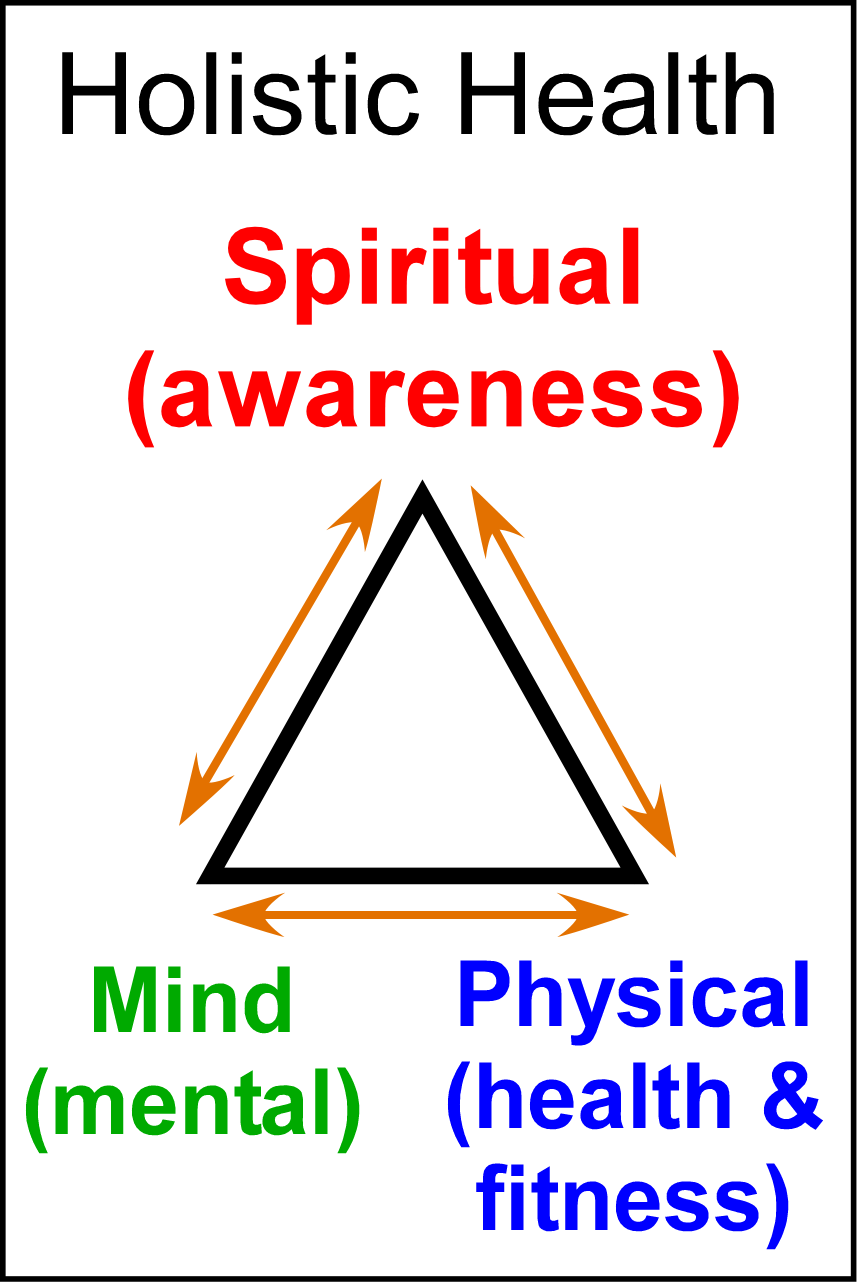
The more we understand how our mind and body function physiologically, the better we can manage our own health, fitness and well-being.

Most of us grew up learning that we have 5 basic senses of vision, hearing smell, taste and touch. Some may have learned of the 6th sense of intuition or other abilities of sensory perception that exist beyond the basic five. Years ago these “extra” senses were looked upon as fake, coincidence or maybe even a figment of someone’s imagination. However, there is much current research and information regarding humans indeed having more than 5 basic senses (Macpherson, 2011).

Life and the experiences that it offers, is constantly changing and evolving for all that exist. Our senses are continuously receiving and interpreting stimulus to determine what is good or bad for our survival. Consequently, this input often manifests into what we call stress. We deal with stress through our thoughts and emotions. Our emotions directly affect how our brain processes information that affects all of our physiological mechanism and organ functions through the autonomic nervous and endocrine systems. Basically, thoughts and emotions affect our health and well-being whether with positive or negative outcomes.

Some of the senses most people don’t think about:

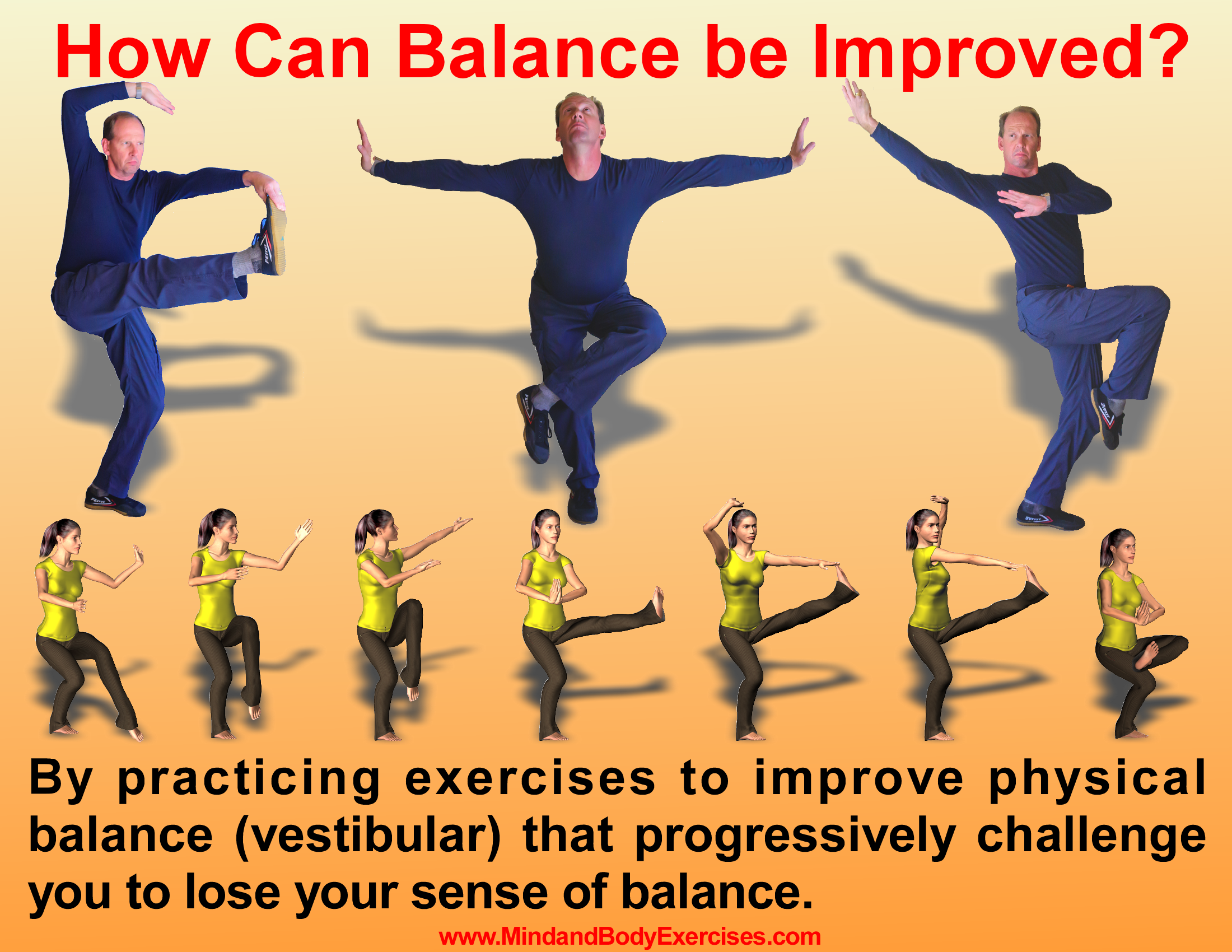
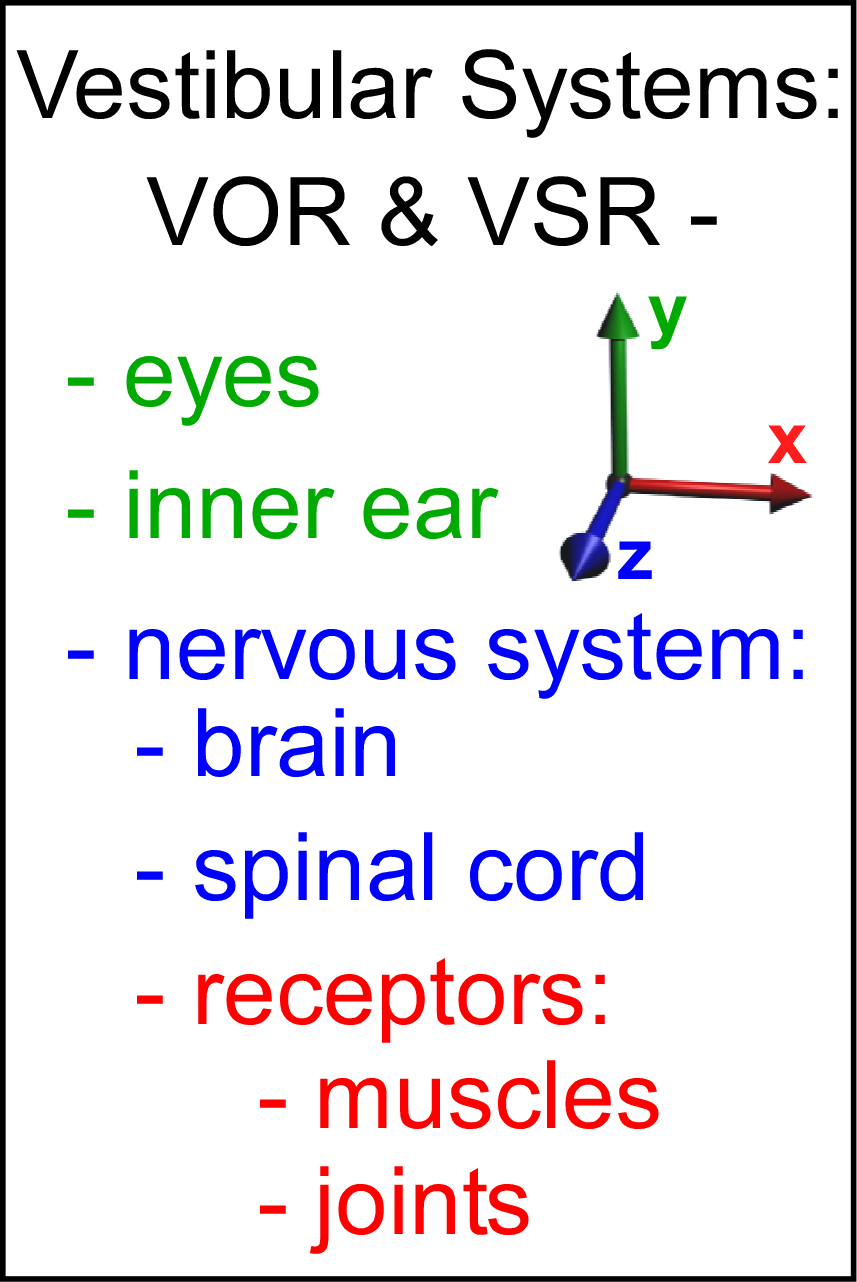
Equilibrioception or vestibular – a sense of balance. This is what keeps us upright, and helps us make our way around without getting hurt.

Proprioception – knowing which parts of your body are where without looking. It’s how we can type without looking at the keyboard, for instance, or walk around without having to watch our feet.

Kinaesthesia – awareness of the position and movement of the parts of the body by means of sensory organs.

Thermoception – we know whether our environment is too cold or too hot. Being able to sense the temperature around us helps keep us alive and well.

Nociception – the ability to feel pain.

Chronoception – how we sense the passing of time.

Interoception – the ability to have sense of awareness relative to the status or function of our internal organs. We sense when we are thirsty, hunger, the need to urinate, an upset stomach, a rapid heartbeat, arousal and others.

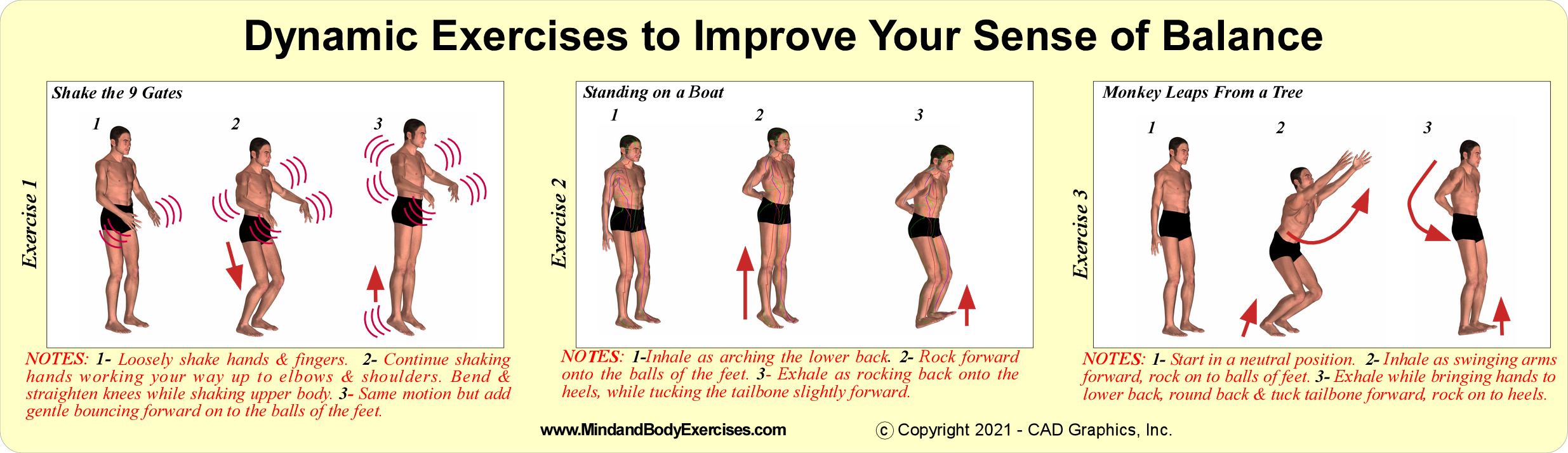
We do have the ability to consciously control and manage our own life and relative stress. whether through lifestyle choices, diet & nutrition, physical activity and attitude. An awareness of our senses and how they work, can help us to better manage what stimuli we allow ourselves to be exposed to. If seeing bright lights gives us headaches, we can maybe adjust beforehand. When our stomach is gurgling, we know it it time to eat. If we are lacking good stability and balance, we can learn exercises to improve this sense.

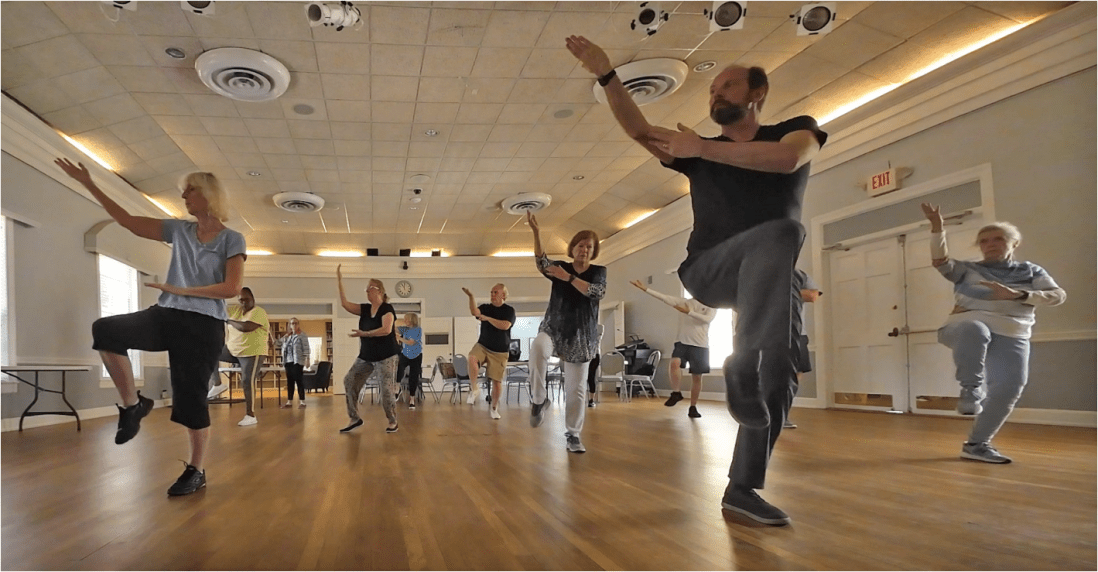
A key component of managing stress is managing the parasympathetic (rest & digest) and sympathetic (fight or flight) nervous system through consistent regulation of our breathing frequency and relative volume of each breath. This is a topic addressed in many of my other posts. Yoga, tai chi, qigong, meditation, martial arts and other methods have been proven to help to proactively manage stress and relative cortisol levels.

Manage your breath, manage your stress, manage your health and well-being.

Be well!

References:

https://www.weforum.org/agenda/2017/01/humans-have-more-than-5-senses/

Fiona Macpherson. (2011). The Senses : Classic and Contemporary Philosophical Perspectives. Oxford University Press.

____________

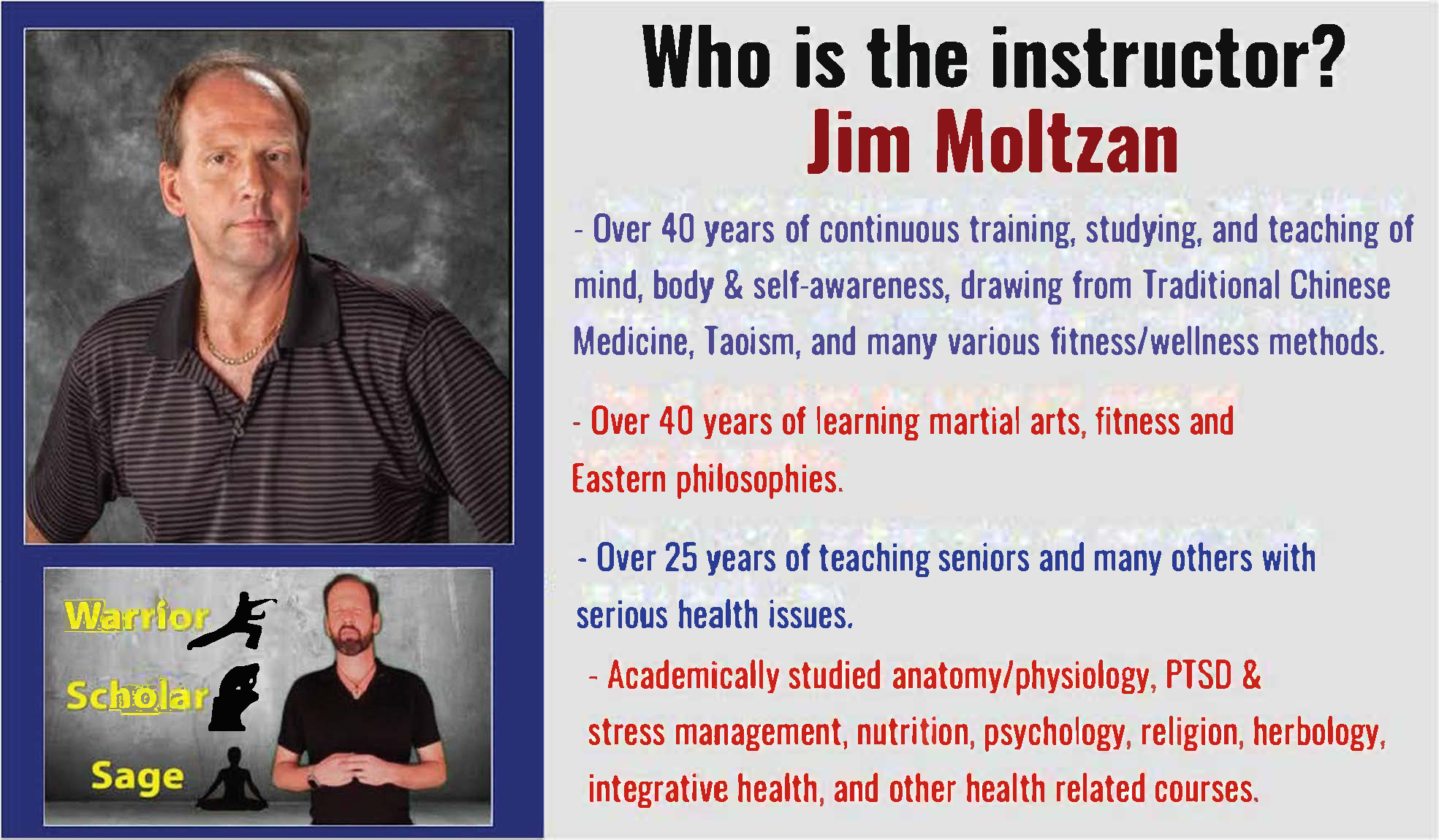
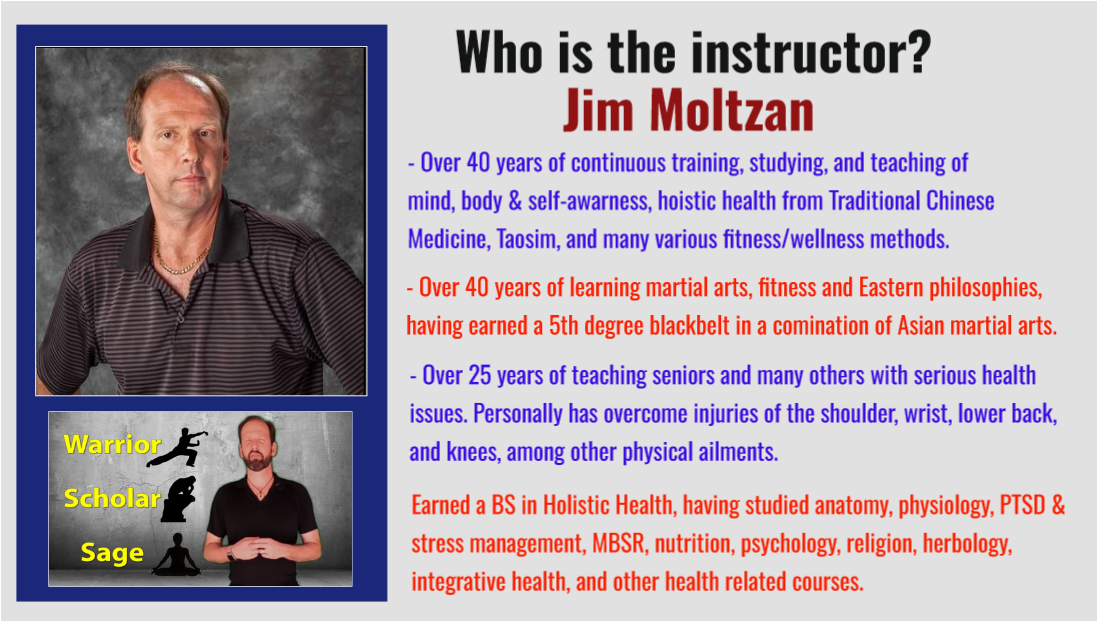
I write often about topics that affect our health and well-being. Additionally, I teach and offer lecture about qigong, tai chi, baguazhang, and yoga.

For more info, contact Jim Moltzan at info@mindandbodyexercises.com, 407-234-0119 or through my site at http://www.mindandbodyexercises.com

www.Amazon.com/author/jimmoltzan

The Kinetic Chain – How Referred Pain Comes About

If not having disease nor illness is our goal, we need to focus on being fit, well & healthy. Good health usually comes at a cost of time, effort, sacrifice and resources, or a combination of the prior. Most people don’t care to make the investment into taking care of themselves until after they are injured. even then, most people with health issues often choose pain medicines or sometimes surgery over exercise or lifestyle changes that can improve their situation. Traumatic injuries are often best treated with emergency surgery and that is really not the topic of this post.

What is kinetic linking?
The kinetic link principle describes how the human body can be considered in terms of a series of interrelated links or segments. Movement of one segment affects segments both proximal and distal to the first segment.

Like a machine, it’s made up of otherwise fixed segments given mobility by joints. A kinetic chain is the notion that these joints and segments have an effect on one another during movement. When one is in motion, it creates a chain of events that affects the movement of neighboring joints and segments.

“When one part moves, all parts move”

“When one part is affected, all parts are affected”

Instinctively, as humans we try to center our head directly above our physical center of gravity. Poor posture, short leg
syndrome, injuries or habitual body movements can cause remodeling of the muscular, skeletal and nervous system.
These root problems can be the cause of many chronic ailments. A difference in leg length by 7mm or 0.275″ can be enough to throw an individual’s spine out of “calibration”.

Shoulder pain can occur when ones side of the body is higher or lower than the opposite side.

Neck pain and headaches can occur when one side of the neck has more tension than the opposite.

Knee, hip and iliotibial band pain can occur when ones body weight is unevenly distributed between the two legs.

Knee pain can occur when ones body weight is unevenly distributed between the two legs.

Ankle pain can occur when ones side of the body is favored due to chronic pain

In 2019, 20.4% of adults had chronic pain and 7.4% of adults had chronic pain that frequently limited life or work activities (referred to as high impact chronic pain) in the past 3 months.

Chronic pain and high-impact chronic pain both increased with age and were highest among adults aged 65 and over.

Non-Hispanic white adults (23.6%) were more likely to have chronic pain compared with non-Hispanic black (19.3%), Hispanic (13.0%), and non-Hispanic Asian (6.8%) adults.

Source: https://www.cdc.gov/nchs/products/databriefs/db390.htm

From my experience of over 40 years of martial arts, fitness and wellness training and teaching, I have seen some amazing benefits coming from qigong (yoga), tai chi any many other methods that are considered as “alternative”. For those in fairly good shape, one can develop an amazing amount of strength through out the whole body, but in particular the wrists, forearms, shoulders, lower back and the legs. I have also trained individuals that have had more serious issues such as cerebral palsy, knee injuries, severe trauma to the spine and hip and other ailments that have shown great improvement.

Kinetic linking is a widely known concept, not only relative to health and injuries but also for sports, athletics, martial arts and others. When a cowboy cracks a whip, kinetic linking is what makes the whip crack. Kinetic linking is what allows a baseball pitcher to deliver a 90 mph pitch, where kinetic linking allows the batter to hit the ball out of the park. In martial arts, it is this concept that lets a much smaller and seemingly weaker individual to defend themselves effectively against a much stronger opponent. An example of this would be in hitting someone in the nose with an open hand, while sitting at a table, versus the same person standing up and taking two steps forward while winding up their arm. Then stepping forward while extending their arm, like that whip to the aggressors nose.

_____________

Be more active, eat healthier, sleep better, stress less these are the key components to maintaining a strong immune system.

I am currently offering lectures and classes for group, small group & private instruction in Wekiva, Longwood and Winter Park.Mind and Body Exercises on Google: https://posts.gle/aD47Qo

I also have hundreds of FREE education video classes, lectures and seminars available on my YouTube channel at: https://www.youtube.com/c/MindandBodyExercises

Mind and Body Exercises on Google: https://posts.gle/aD47Qo

Jim Moltzan

407-234-0119

www.MindAndBodyExercises.com

www.Amazon.com/author/jimmoltzan

Breathe Through Your Nose

The Importance of Nose Breathing

There is evidence that breathing through the nose, creates air oscillations which can increase nitric oxide (NO) through the rise in exchange of air between the nasal cavity and the paranasal sinuses. The paranasal sinuses can then produce larger amounts of nitric oxide which increase oxygen uptake. Nitric oxide is a powerful and potent vasodialator. Pulmonary Vascular Resistance (PVR) was shown in research studies to be reduced during nasal breathing when compared to mouth breathing. Additionally, nitric oxide aids in nonspecific host defense against infections stemming from bacteria, viruses, fungi, and parasites (Trivedi & Saboo, 2021).

anterior view of ethmoid bone and sinus cavity

In 1988, the Nobel Prize in Physiology was awared to Robert F. Furchgott of the State University of New York Health Science Center in Brooklyn, Ferid Murad of the University of Texas Medical School in Houston, and Louis J. Ignarro of the University of California School of Medicine in Los Angeles. The award was for their discoveries regarding nitric oxide as a signalling molecule in the cardiovascular system.

Furchgott had previously discovered that endothelial cells that line the interior blood vessels, produce this signaling molecule of nitric oxide (NO). NO makes nearby muscles to relax and consequently help to regulate blood pressure. More recently, scientists have discovered that the enzymes with which cells make the short-lived gas, play a role in activities as such as immunity, memory formation, and tumor suppression. Some brain cells also send messages using NO. Immune cells release bursts of nitric oxide to kill infectious organisms and cancer cells. Doctors are also researching the effects of nitric oxide with premature infants to stimulate blood flow to their underdeveloped lungs (Travis, 1998).

Yoga (qigong), tai chi, meditation, martial arts and other methods often put a major emphasis on regulated breathing through the nose.

References:

Trivedi, G. Y., & Saboo, B. (2021). Bhramari Pranayama – A simple lifestyle intervention to reduce heart rate, enhance the lung function and immunity. Journal of Ayurveda and Integrative Medicine, 12(3), 562–564. https://doi-org.northernvermont.idm.oclc.org/10.1016/j.jaim.2021.07.004

Travis, J. (1998, October 17). Medical Nobel prize says yes to NO. (nitric oxide research honored)(Brief Article). Science Newsv154(n16), p246.

YOU’VE BEEN BREATHING ALL WRONG: Hey mouth-breathers! Use your nose to boost immunity–and mood.(SCIENCE). (2020, July 1). Maclean’s133(6), 76.

SETTERGREN, ANGDIN, ASTUDILLO, GELINDER, LISKA, LUNDBERG, WEITZBERG, & Settergren, G. (1998). Decreased pulmonary vascular resistance during nasal breathing: modulation by endogenous nitric oxide from the paranasal sinuses. Acta Physiologica Scandinavica163(3), 235–239.

Struben, V. M. D., Wieringa, M. H., Mantingh, C. J., Bruinsma, S. M., de Jongste, J. C., & Feenstra, L. (2005). Silent and humming nasal NO measurements in adults aged 18–70 years. European Journal of Clinical Investigation35(10), 653–657. https://doi-org.northernvermont.idm.oclc.org/10.1111/j.1365-2362.2005.01559.x

Ethmoid Bone – Location – Structure – Relationships. (2020, December 5). TeachMeAnatomy. https://teachmeanatomy.info/head/osteology/ethmoid-bone/

______________

Be more active, eat healthier, sleep better, stress less these are the key components to maintaining a strong immune system.

I am currently offering lectures and classes for group, small group & private instruction in Wekiva, Longwood and Winter Park.Mind and Body Exercises on Google: https://posts.gle/aD47Qo

I also have hundreds of FREE education video classes, lectures and seminars available on my YouTube channel at: https://www.youtube.com/c/MindandBodyExercises

Mind and Body Exercises on Google: https://posts.gle/aD47Qo

Jim Moltzan

407-234-0119
www.MindAndBodyExercises.com

www.Amazon.com/author/jimmoltzan

Nitric Oxide – a Vital Key Messenger Molecule

Nitric oxide (NO) is a vital key messenger molecule produced in the endothelium found inside our blood vessels. As a vasodilator NO modulates vascular tone, which enhances healthy blood flow and circulation, and is a key to overall physiological organ function. NO affects blood pressure, vitality, and nutrient absorption which impacts many aspects of health. As blood vessels dilate, blood flow increases to improved exercise performance and improved brain function. The nasal sinuses provide a very large reservoir of nitric oxide (NO). Nasal breathing stimulates nitric oxide production improving oxygen levels throughout the body.

Yoga (qigong), tai chi, meditation, martial arts and other methods often put a major emphasis on regulated breathing through the nose.

_____________

Be more active, eat healthier, sleep better, stress less these are the key components to maintaining a strong immune system.

I am currently offering lectures and classes for group, small group & private instruction in Wekiva, Longwood and Winter Park.Mind and Body Exercises on Google: https://posts.gle/aD47Qo

I also have hundreds of FREE education video classes, lectures and seminars available on my YouTube channel at: https://www.youtube.com/c/MindandBodyExercises

Mind and Body Exercises on Google: https://posts.gle/aD47Qo

Jim Moltzan

407-234-0119
www.MindAndBodyExercises.com

www.Amazon.com/author/jimmoltzan

How to Build Strong Bones

Often people seek Western medicine (also known as allopathic or biomedicine) and its strong usage of pharmaceuticals to manage bone density and relative ailments of osteopenia and osteoporosis. I have discussed in other posts about the link to how the autonomic nervous system manages stress, blood chemistry and relative physiological organ functions. However, this post will address more on how a root cause of all types of disease and illness, being the lack of physical weight-bearing activities.

The joints of our body are composed of two or more bones joining together, along with the muscles, tendons, cartilage, synovium and ligaments that hold the whole structure together. The shape of our bones reflect the forces applied to them. For example, small bumps, ridges and other features on the surface of our bones are the attachment sites for tendons. When muscles are put under more load through activities, stress or exercises, the corresponding attachment sites enlarge to withstand the increased forces. Bones that are under more stress become thicker and stronger, while in contrast bones that are not subjected to ordinary stresses tend to become weaker, thin and more brittle. Wolff’s law, developed by anatomist & surgeon Julius Wolff in the 19th century, states that “bone in a healthy person or animal will adapt to the loads under which it is placed.”

By engaging our bones with strategic trauma exercise methods (or specific stress without injury) that can be regulated by the individual to make bones stronger and prevent osteopenia and/or osteoporosis. These types of exercises fall into 3 different categories of tension, impact and vibration exercises. Ironically, while some of these methods improve bone and muscular strength, they sometimes can cause pain and injury to the same joints that the individual might be trying to strengthen. Fox example, jumping rope, hiking and tennis might cause more injury to a 60+ than the benefits that might be gained from these practices.

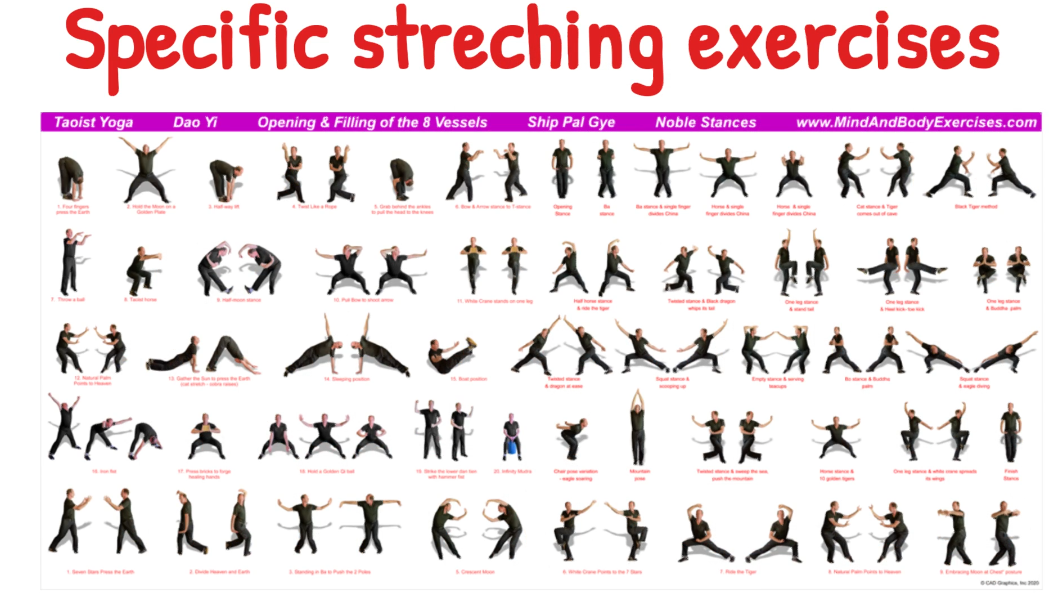
Regular weight-bearing exercise is an important component for maintaining healthy bone structure. Avid weight lifters often have thick bones with very prominent ridges. Non-athletes or those who have little to moderate amounts of physical activity will find weight-bearing activities are imperative for stimulating normal bone metabolism of maintenance as well as maintaining bone strength. Below are some examples of weight-bearing exercises that require very little equipment beyond ones own body weight. Proper instruction is recommended over learning from a graphic, book or video. Contact me for further information.

_______________

Be more active, eat healthier, sleep better, stress less these are the key components to maintaining a strong immune system.

I am currently offering lectures and classes for group, small group & private instruction in Wekiva, Longwood and Winter Park.Mind and Body Exercises on Google: https://posts.gle/aD47Qo

I also have hundreds of FREE education video classes, lectures and seminars available on my YouTube channel at: https://www.youtube.com/c/MindandBodyExercises

Mind and Body Exercises on Google: https://posts.gle/aD47Qo

Jim Moltzan

407-234-0119
www.MindAndBodyExercises.com

www.Amazon.com/author/jimmoltzan