Still Looking for Gifts for Others?

Maybe consider giving a gift of knowledge.

Remember the Indiana Jones films, when Indiana discovers his father’s diary containing clues to the Holy Grail? The book itself was knowledge. Wisdom came from applying that knowledge through experience. Without knowledge and lived practice, wisdom is difficult to cultivate.

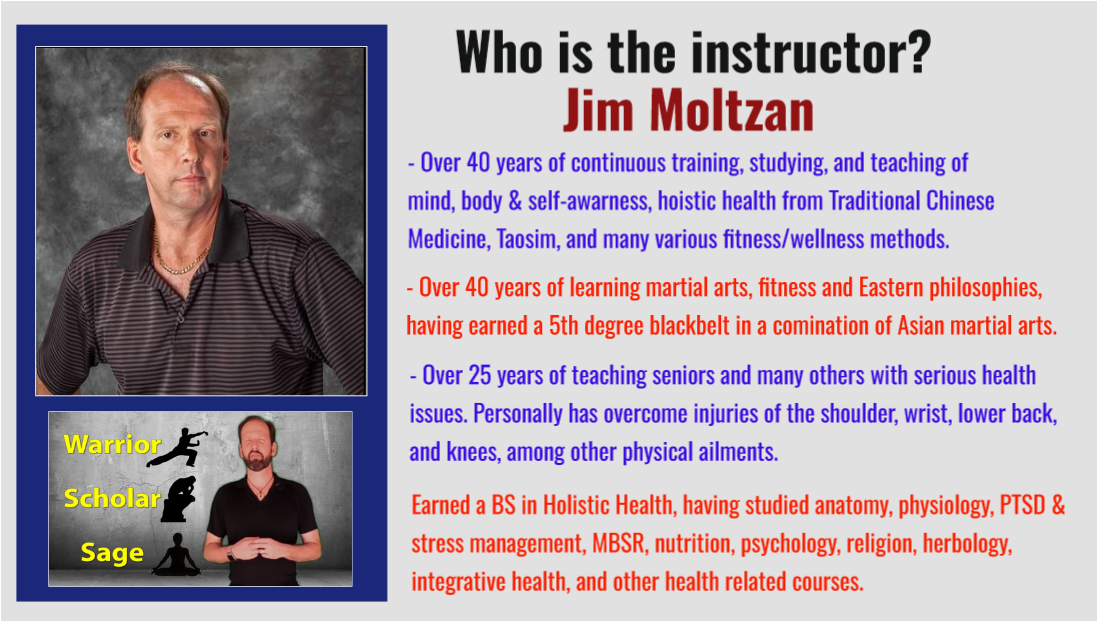
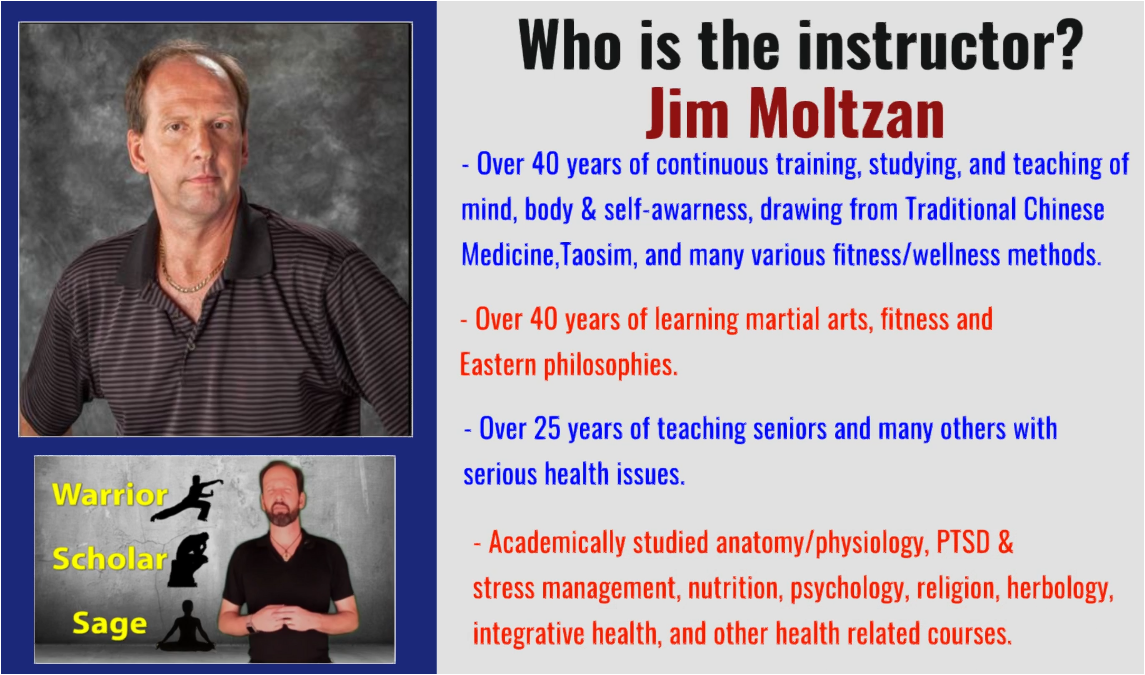
For over 40 years, I have been on my own search for a “Holy Grail” of health, wellness, fitness, and self-awareness. Along that journey, I have created a series of books and study guides that visually and conceptually map what I believe to be the essential components of a healthy, balanced, and meaningful life.

My books are comprehensive, deeply researched, and feature original, full-color illustrations designed to make complex ideas clear and accessible. Each volume reflects decades of firsthand learning, practice, teaching, and illustration across disciplines including holistic health, fitness, psychology, Traditional Chinese Medicine, qigong, martial arts, and yoga philosophy. These are not mass-market publications. They are intentionally crafted for thoughtful readers, practitioners, and lifelong learners who value depth, clarity, and authenticity.

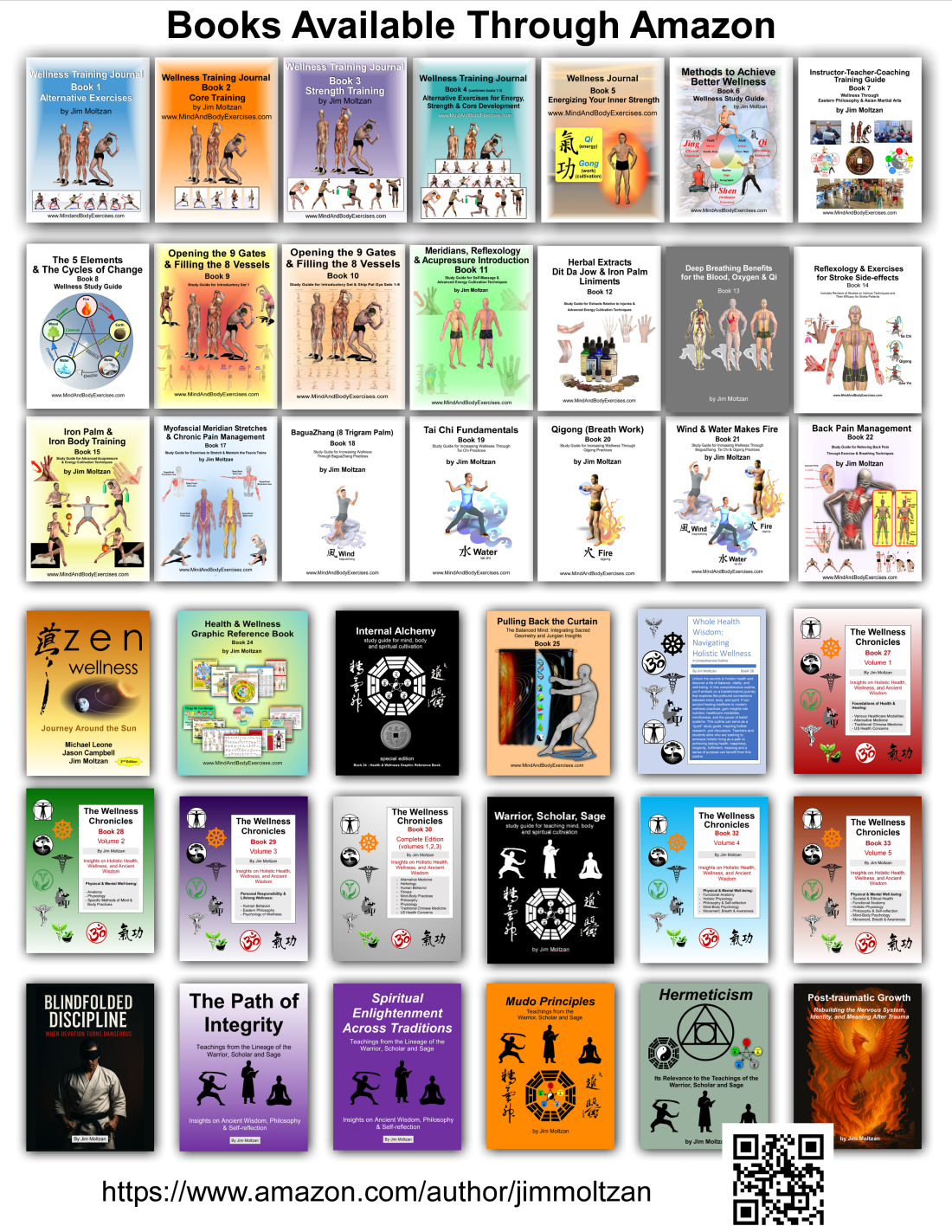
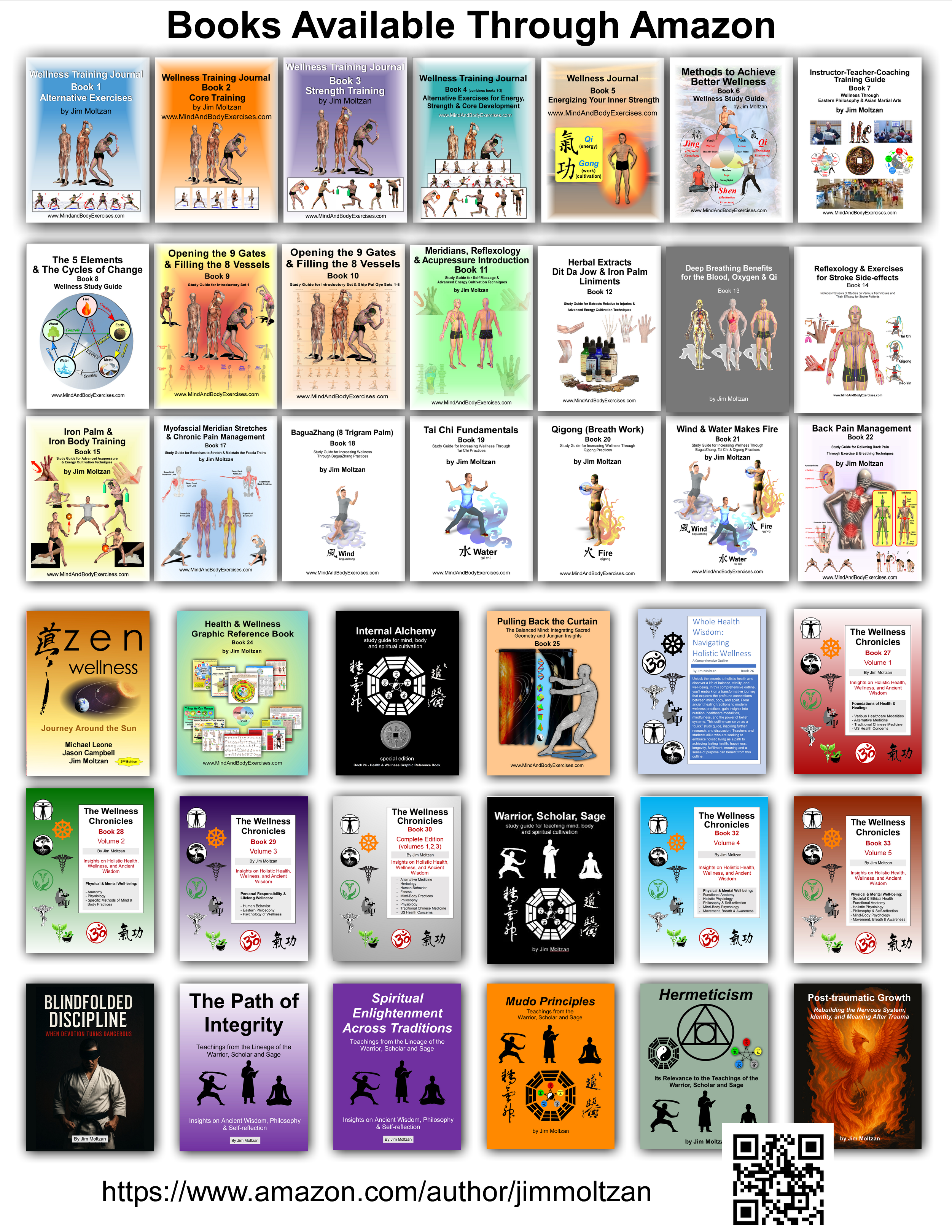
To date, I have published 39 books and study guides on Amazon. Some are primarily visual references that distill complex systems into clear graphic formats. Others explore theories of human development, psychology, movement, breathwork, rehabilitation, longevity, and overall quality of life. Many include practical exercise sets designed to support recovery, resilience, and long-term well-being.

These works represent the summation of more than four decades of training, education, teaching, and public speaking. Much of the qigong and breathing work draws from Chinese Kung Fu and Korean Dong Han medical qigong lineages, alongside extensive study with Traditional Chinese Medicine practitioners and martial arts masters. My background also includes acupressure, acupuncture principles, moxibustion, herbal preparation, and medical qigong, as well as formal academic training culminating in a Bachelor of Science degree in Holistic Health.

Similar in concept to Quick Study or PermaCharts, these guides are designed to “cut to the chase,” minimizing the time spent searching through dense textbooks while preserving the essential root knowledge of each subject. This format serves both beginners seeking a solid foundation and experienced practitioners looking for concise, high-quality reference materials.

If you are looking for a meaningful gift, one that supports health, awareness, and lifelong learning, these books are intended to be resources that grow with the reader over time.

My titles are available on Amazon at: https://www.amazon.com/author/jimmoltzan

My titles are available on Amazon at: https://www.amazon.com/author/jimmoltzan

Book 1 – Alternative Exercises

Book 2 – Core Training

Book 3 – Strength Training

Book 4 – Combo of 1-3

Book 5 – Energizing Your Inner Strength

Book 6 – Methods to Achieve Better Wellness

Book 7 – Coaching & Instructor Training Guide

Book 8 – The 5 Elements & the Cycles of Change

Book 9 – Opening the 9 Gates & Filling 8 Vessels-Intro Set 1

Book 10 – Opening the 9 Gates & Filling 8 Vessels-sets 1 to 8

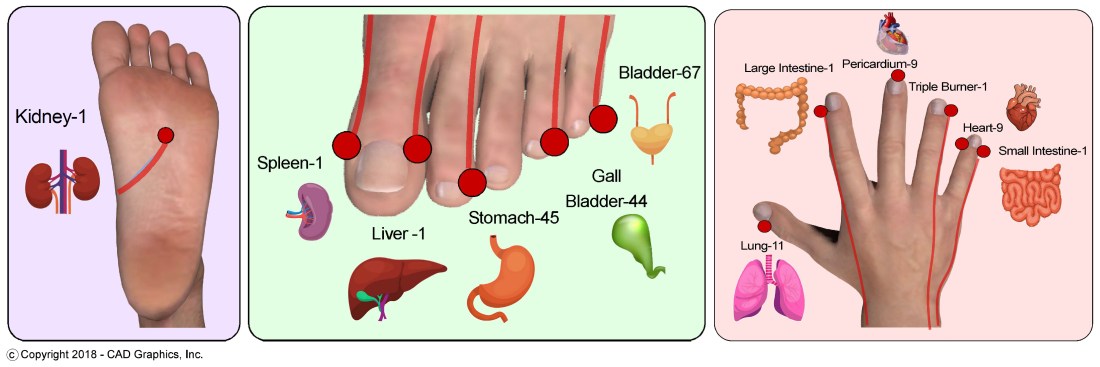
Book 11 – Meridians, Reflexology & Acupressure

Book 12 – Herbal Extracts, Dit Da Jow & Iron Palm Liniments

Book 13 – Deep Breathing Benefits for the Blood, Oxygen & Qi

Book 14 – Reflexology for Stroke Side Effects:

Book 15 – Iron Body & Iron Palm

Book 17 – Fascial Train Stretches & Chronic Pain Management

Book 18 – BaguaZhang

Book 19 – Tai Chi Fundamentals

Book 20 – Qigong (breath-work)

Book 21 – Wind & Water Make Fire

Book 22 – Back Pain Management

Book 23 – Journey Around the Sun-2nd Edition

Book 24 – Graphic Reference Book

Book 25 – Pulling Back the Curtain

Book 26 – Whole Health Wisdom: Navigating Holistic Wellness

Book 27 – The Wellness Chronicles (volume 1) 

Book 28 – The Wellness Chronicles (volume 2)

Book 29 – The Wellness Chronicles (volume 3)

Book 30 – The Wellness Chronicles (complete edition, volumes 1-3)

Book 31 – Warrior, Scholar, Sage

Book 32 – The Wellness Chronicles (volume 4)

Book 33 – The Wellness Chronicles (volume 5)

Book 34 – Blindfolded Discipline

Book 35 – The Path of Integrity

Book 36 – Spiritual Enlightenment Across Traditions

Book 37 – Mudo Principles: Teachings from the Warrior, Scholar, and Sage

Book 38 – Hermeticism: Its Relevance to the Teachings of the Warrior, Scholar and Sage

Book 39 – Post-traumatic Growth


Options for Managing Chronic Pain #1

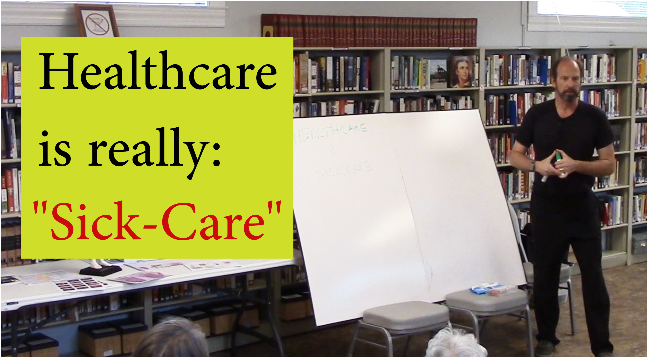
Recently I presented a 3-session discussion of managing chronic pain and various health conditions without relying heavily on pharmaceuticals. Drawing on over four decades of experience in fitness, wellness, and martial arts, I shared practical alternatives for alleviating chronic pain, enhancing overall health, and addressing root causes of illness through natural and holistic methods. The presentation emphasizes lifestyle changes such as regular exercise, proper nutrition, adequate sleep, positive mindset, and maintaining good posture. In addition to physical activity, I introduced various therapies from traditional Chinese medicine like acupuncture, cupping, and herbal treatments, alongside modern tools such as massage guns, acupressure blankets, TENS units, and topical applications like Biofreeze and herbal extracts and oils.

This talk also highlights the important role of breathing techniques and managing thoughts and emotions to influence bodily health, noting the body-mind connection reflected in how emotions such as fear and anger affect organ function. I stressed the importance of building health-supportive habits, acknowledged the challenge of post-traumatic growth, and discussed the nuanced use of heat and cold therapies. Practical advice on selecting and safely using equipment and topical treatments is interwoven with cautions about chemical ingredients and the need for professional guidance when appropriate.

Traditional Chinese medicine explanations include the theory of meridians and fascia as pathways for energy and healing, while acknowledgment of the placebo effect underscores individual variability in treatment success. The presentation culminates with a discussion on herbal remedies and CBD products, encouraging personal experimentation with proper research and awareness of one’s unique constitution. Finally, I outlined future classes focusing on exercises for specific pain areas, breathing techniques, and addressing common ailments such as headaches.

Highlights

  • 🌿 Emphasis on managing chronic pain naturally through lifestyle changes and holistic methods.
  • 🧘‍♂️ Importance of regular exercise, stretching, and posture correction to alleviate joint and muscle pain.
  • 🌞 Balanced exposure to sunlight recommended for overall health despite skin cancer concerns.
  • 🌬️ Deep, nasal breathing techniques help regulate hormones and reduce stress.
  • 💆‍♀️ Overview of traditional Chinese medicine therapies such as acupuncture, cupping, and reflexology.
  • ⚡ Introduction of modern tools like massage guns and TENS units for targeted pain relief.
  • 🌱 Discussion of herbal remedies and CBD products with a focus on personal research and safety.

Key Insights

  • 🌟 Holistic Approach to Chronic Pain Management: The presentation advocates a multi-faceted strategy that goes beyond drugs, focusing on physical activity, nutrition, sleep, mental health, and social connection. Chronic pain is not treated solely as a symptom requiring pills but as a condition that benefits from addressing root causes like posture, mobility, and emotional well-being.

  • 💪 Exercise as a Foundation of Health: Regular, thoughtful exercise not only builds strength and flexibility but also aids in maintaining joint integrity and reducing inflammation. Tailored rehabilitation exercises for injury-prone areas such as knees and back show how specific movements can promote healing and prevent surgery, underscoring the preventive value of physical training.

  • 🌞 Sunlight’s Dual Role: Despite warnings about sun exposure, moderate sunlight early in the day is beneficial for vitamin D synthesis and overall well-being. This nuanced advice counters extreme avoidance and highlights how balanced choices support immune function and energy metabolism.

  • 🧠 Mind-Body Connection Through Thought and Emotion: The concept that emotions influence physical health is grounded in both traditional Asian medicine and modern science. Chronic fear, anger, and depression affect hormone and nervous system balance, which in turn impacts organ health and pain perception. Cultivating positive attitudes is presented as an essential part of holistic health care.

  • 🧘 Breathing as a Regulatory Tool: Emphasizing nasal breathing, I explained its biological effects on the nervous system’s fight-or-flight response and hormone regulation. It’s a simple, often overlooked method to enhance relaxation, improve circulation, and support natural healing processes by shifting the body into a rest-and-digest state.

  • 🌿 Traditional Chinese Medicine and Modern Integration: The explanation of meridian theory in relation to fascia and connective tissue bridges ancient concepts with current anatomical understanding. Techniques like acupuncture, cupping, and acupressure stimulate circulation and nervous system responses, and while their scientific basis is still debated, many find them effective. The placebo effect is recognized as a legitimate contributor to therapeutic outcomes.

  • ⚙️ Safe and Informed Use of Therapeutic Tools and Topicals: Modern devices like massage guns and TENS units can provide effective relief when used properly, but self-education and professional guidance are critical to avoid injury. Similarly, topical treatments like Biofreeze and traditional herbal liniments are recommended with caveats regarding chemical content and appropriate application to prevent adverse reactions.

  • 🌱 Individual Variability and Habit Formation: Chronic pain management is highly personalized. What works for one person might not work for another, which places importance on trying different methods and establishing consistent habits to evaluate effectiveness. The 21-day habit-building model is cited to encourage persistence and gradual lifestyle change.

  • 🌿 Herbal Medicine and CBD’s Mixed Efficacy: Herbal remedies such as ashwagandha and valerian root, alongside emerging treatments like CBD oil, show promise but require careful individual assessment and research. The overlap with placebo effects means patients must remain open-minded yet discerning, guided by their body’s responses and external advice.

  • 🩺 Discerning Between Muscle and Nerve Pain: Understanding the distinction between muscular discomfort and nerve-related pain is key to selecting appropriate therapies. For example, nerve pain may radiate and be treated with different techniques compared to localized muscle soreness, necessitating professional diagnosis to optimize treatment choices.

  • 🔥 Heat vs. Cold Therapy Nuances: The presentation challenges simplistic views on hot and cold treatment by discussing recent medical perspectives on risks and timing. Cold is beneficial immediately post-injury to reduce inflammation but can cause cell damage if prolonged, while heat aids recovery after inflammation subsides, supporting personalized and time-sensitive application.

  • 🌱 Post-Traumatic Growth Emphasized Over Syndrome: Rather than dwelling on trauma as a limiting factor, I frame it as an opportunity for growth. Adopting this mindset fosters resilience, encouraging individuals to engage in rehabilitation, self-care, and lifestyle changes despite past injuries or stressors contributing to chronic pain.

  • 🤝 Value of Social Connection and Mental Health Support: Being part of a supportive community, such as a health class or social network, can distract from pain and enhance feelings of well-being. This social support acts synergistically with physical treatment and mental health practices to bolster overall recovery and health maintenance.

In conclusion, my video offers a rich and practical resource for anyone seeking alternatives or complements to pharmaceutical pain management. It integrates ancient wisdom with contemporary tools and scientific insights, advocating for an active, informed, and individualized approach to chronic pain and health challenges. The emphasis on self-care, preventive habits, and understanding the body-mind interplay positions viewers to take more control of their well-being without over-dependence on medication.

Stress & Headache Management – University Club Holistic Health Discussion

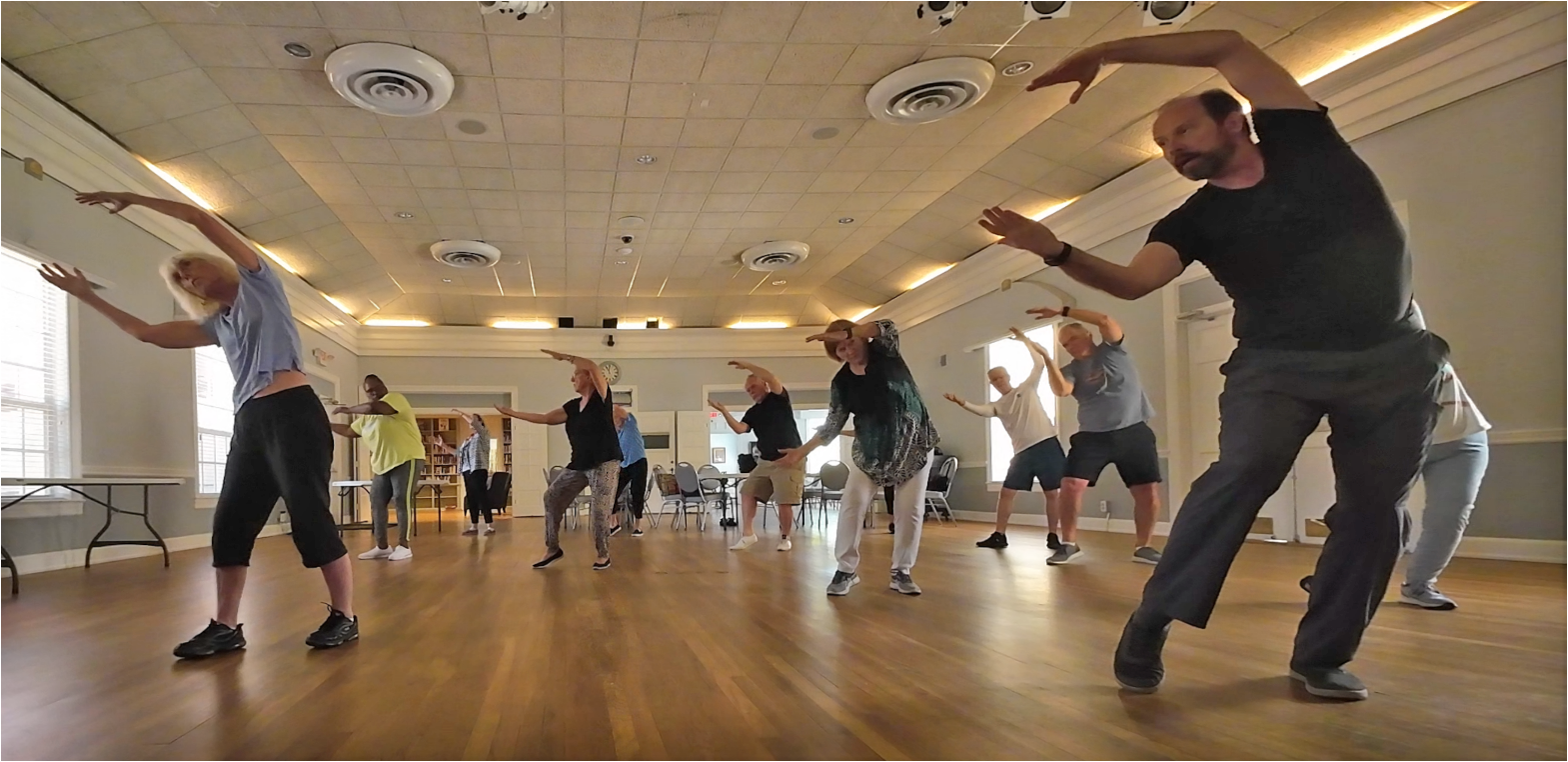
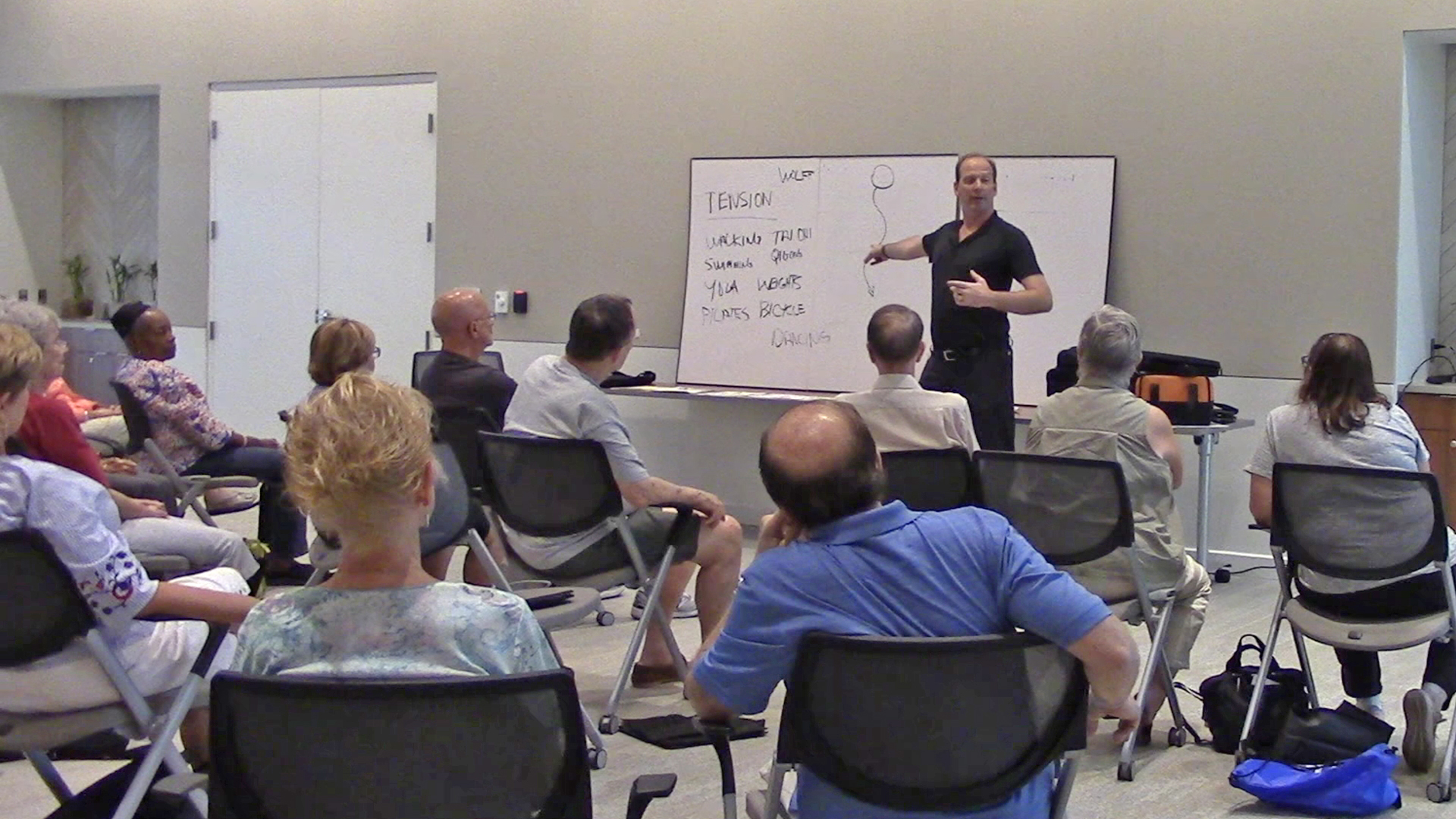
My classes and discussions go way beyond the teaching of tai chi and qigong alone. My last public discussion at the University Club of Winter Park covered many topics, such as:

– types of stress

– strategic trauma

– parasympathetic and sympathetic nervous systems

– general adaption syndrome (GAS)

coping mechanisms

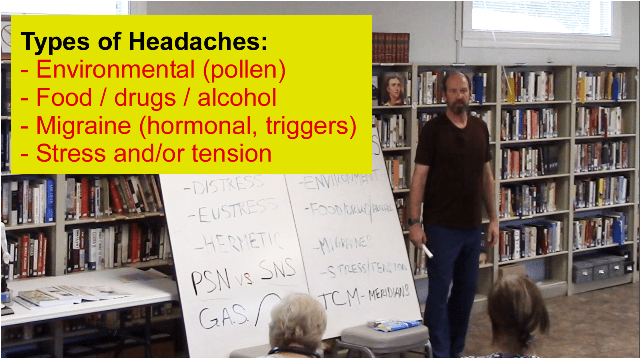
– types of headaches

– herbs for managing sinus headaches

– methods to manage specific types of headaches

– the 12 primary energy meridians

– various acupressure techniques for managing stress and headaches

My 1-hour discussion can be viewed at:

My goal is to present an education for holistic health to increase longevity and quality of life (heathspan), that brings awareness to these time-proven methods. With an intent to de-mystify and simplify explanations, hopefully, more people can come to realize that we are all accountable for our own well-being.

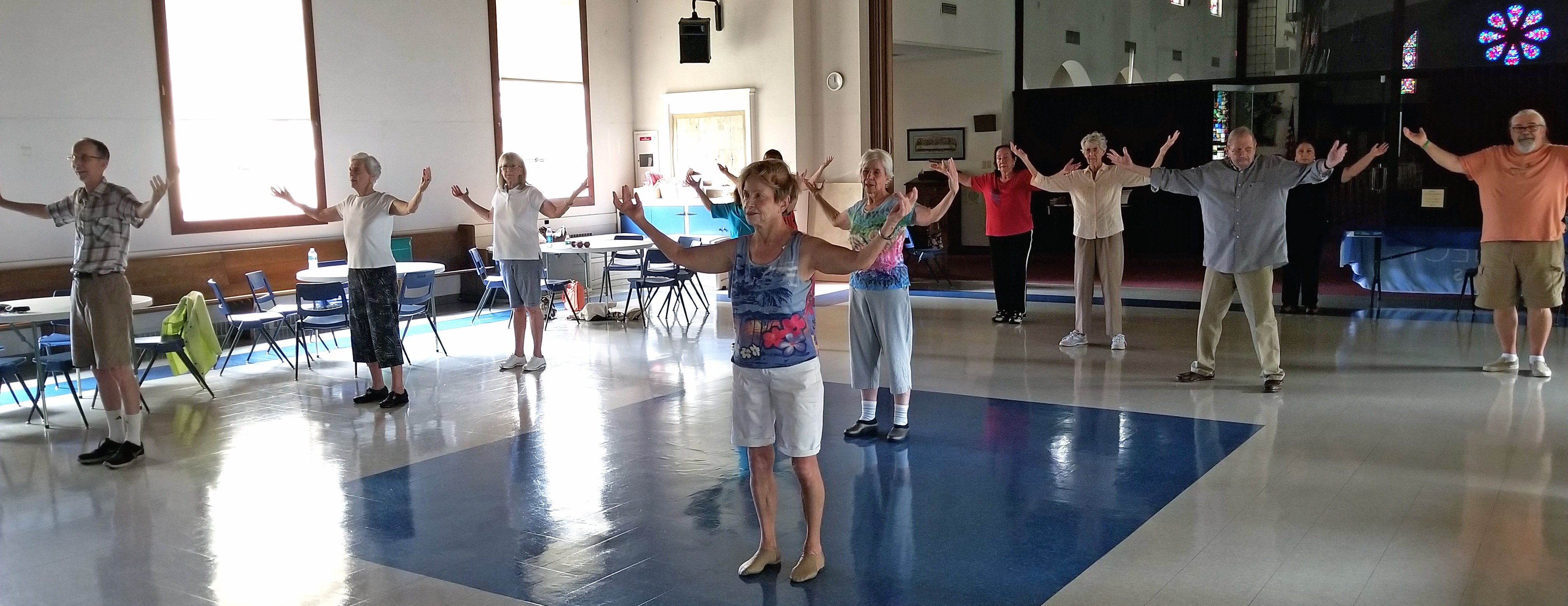
I teach and offer lectures about holistic health, physical fitness, stress management, human behavior, meditation, phytotherapy (herbs), music for healing, self-massage (acupressure), Daoyin (yoga), qigong, tai chi, and baguazhang.

Please contact me if you, your business, organization, or group, might be interested in hosting me to speak on a wide spectrum of topics relative to better health, fitness, and well-being.

I look forward to further sharing more of my message by partnering with hospitals, wellness centers, VA centers, schools on all levels, businesses, and individuals who see the value in building a stronger nation through building a healthier population.

I also have hundreds of FREE education video classes, lectures, and seminars available on my YouTube channel at:

https://www.youtube.com/c/MindandBodyExercises

Many of my publications can be found on Amazon at:

www.Amazon.com/author/jimmoltzan

My holistic health blog is available at:

https://mindandbodyexercises.wordpress.com/

www.MindAndBodyExercises.com

Mind and Body Exercises on Google: https://posts.gle/aD47Qo

Ayahuasca, Literally Means “the vine of death”

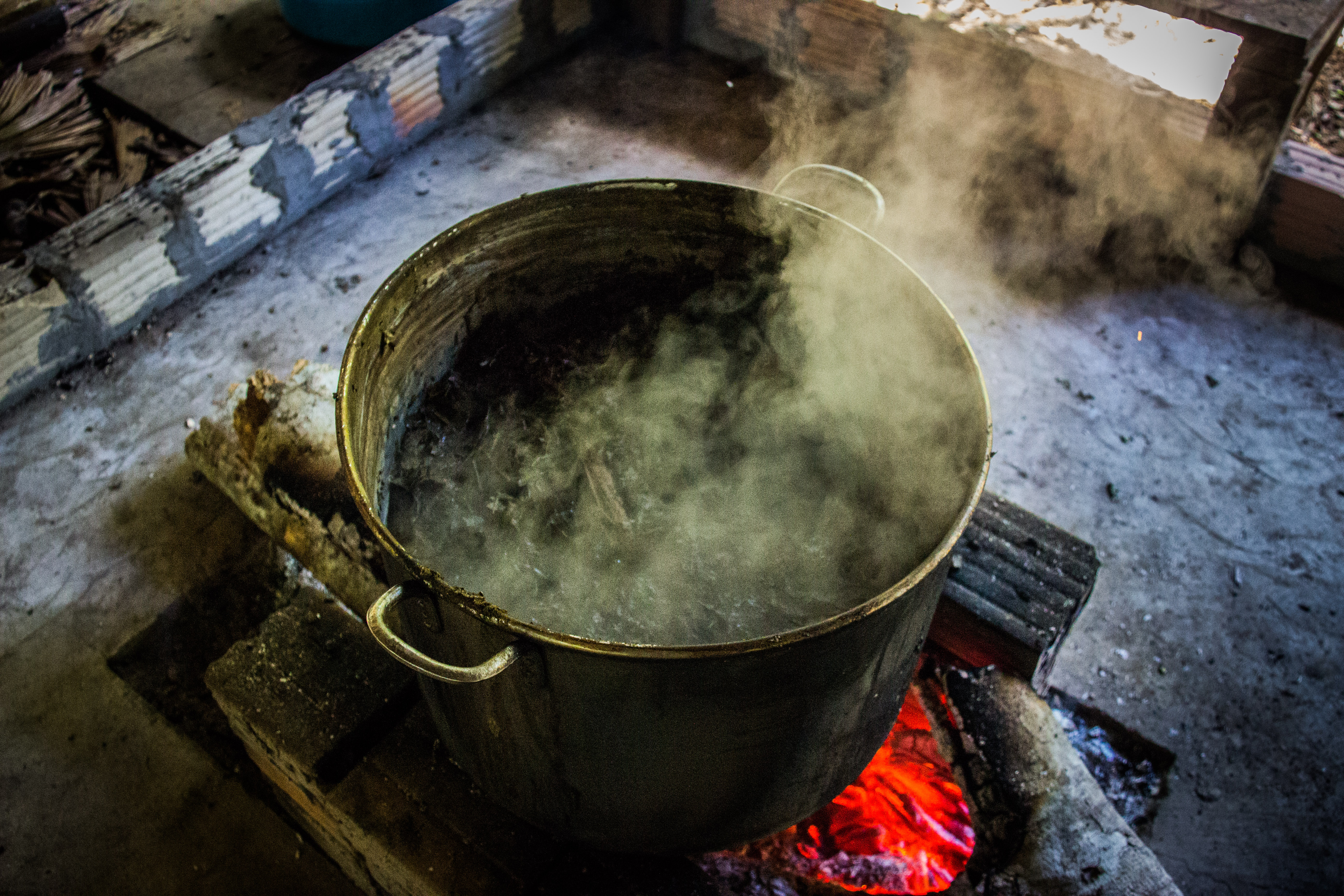
Ayahuasca usage in Amazonian cultures as a method of healing, has been more widely documented in more recent years. Ayahuasca has been very popular and widespread among indigenous people in South America, having much usage among Amazonian cultures as a way to promote community bonds within interethnic festivals, serving as an initiation or rite of passage from childhood to adulthood, as a religious sacrament, and also as a spiritual teacher plant to increase self-awareness. Various traditional medicines that include plants containing psychoactive constituents, such as Ayahuasca, are becoming more popular throughout the world. Ayahuasca, whose name means “the vine of death” contains N-dimethyltryptamine or DMT (Santos-Longhurst, 2022). This is an appropriate name, due to indigenous people’s use of Ayahuasca in order to achieve spiritual awakening where in the ritualistic ceremony. A participant may face in their mind the loss of everything that they consider important, such as their identity, their body, their health, their loved ones and perhaps even their old belief systems. How they were supposed to be, supposed to live, who they were supposed to love, and how they were supposed to forgive one another, all may become more apparent as the participant’s mind and body process the powerful psychedelic. This ceremony has three important components with the first being the setting, such as within the Amazon Rainforest, the second being the shaman master conducting the ceremony and third the ayahuasca plant and other relative constituents of the concoction to be consumed (Collective Awakening, 2017b).

While the documentary, Collective Awakening talks mostly about the positive aspects of Ayahuasca, I feel it is important to comment on other issues relative to its use. I have found other research on my part that warrants more discussion. Thousands of Westerners (I personally know a few) travel to Amazonian regions every year to pursue spiritual enlightenment and healing of physical as well as psychological ailments. With the more recent globalization of Ayahuasca, there has been a growing assimilation of the ritualistic settings, where the ceremony used to be more respective of its original context. As traditional healing methods grow in popularity, novelty and consequently more integration into Western culture, I feel there needs to be more intense scrutiny into the distribution, use and possible regulation within the US and other countries. This has already been occurring, as more scientists have been increasing their study of Ayahuasca for its potential therapeutic and long-term effects and benefits for fields of neuropsychiatric and neuropharmacology. Research has found encouraging results for mental health issues such as depression, grief, post-traumatic stress disorder, drug dependency, and eating disorders (Bouso & Sanchez-Aviles, 2020).

Living here in Orlando, Florida makes me a bit more sensitive to this topic of Ayahuasca usage going mainstream. A few years back there was a death here, related to a seemingly “alternative church ceremony” and its use and administering of Ayahuasca. The church was not held as legally liable for the death of a 22-year-old man who was a participant (Ray, 2019). My concern is that the ceremony, its meaning, and its purity will become diluted as all of these factors often come into play with the Westernization of traditional medicine modalities.

References:

Collective Awakening. (2017, February 8). Amazonia – Ayahuasca Documentary [Video]. YouTube. https://www.youtube.com/watch?v=XC1fcMplVWc

Bouso, J. C., & Sanchez-Aviles, C. (2020). Traditional Healing Practices Involving Psychoactive Plants and the Global Mental Health Agenda: Opportunities, Pitfalls, and Challenges in the “Right to Science” Framework. Health and Human Rights, 22(1), 145–150. https://www.jstor.org/stable/26923481

Santos-Longhurst, A. (2022, July 13). Everything You Need to Know About DMT, the ‘Spirit Molecule.’ Healthline. https://www.healthline.com/health/what-is-dmt

Ray, K. (2019, November 23). No charges after death investigation at ayahuasca church. WFTV. https://www.wftv.com/news/9-investigates/no-charges-after-death-investigation-at-ayahuasca-church/852255976/

______________________

I teach and offer lectures about holistic health, stress management, qigong, tai chi, baguazhang, meditation, phytotherapy (herbs), music for healing, self-massage, and Daoyin (yoga).

I look forward to further sharing more of my message by partnering with hospitals, wellness centers, VA centers, schools on all levels, businesses and individuals that see the value in building a stronger nation through building a healthier population. I also have hundreds of FREE education video classes, lectures and seminars available on my YouTube channel at:

https://www.youtube.com/c/MindandBodyExercises

www.MindAndBodyExercises.com

www.Amazon.com/author/jimmoltzan

Mind and Body Exercises on Google: https://posts.gle/aD47Qo

Jim Moltzan

407-234-0119

What is this Frankincense Stuff Anyway?

The 3 Wise Men or Maji were said to have brought Jesus three gifts with spiritual meaning, being gold, frankincense and myrrh. Gold was a symbol of kingship on earth. Myrrh (an embalming oil) was a symbol of death. Frankincense (an incense) was a symbol of deity. This post is my detailed review of frankincense.

Herbal Monograph – Boswellia (Frankincense)

Overview:

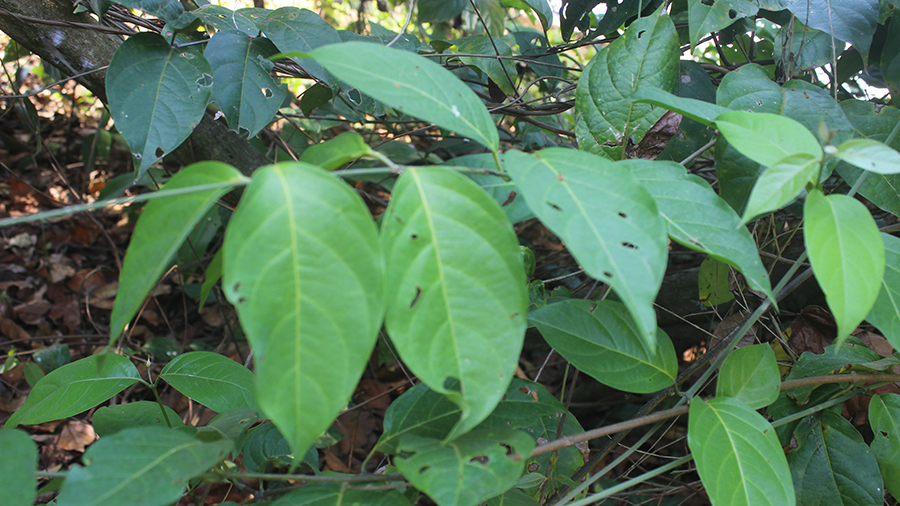
Boswellia serrata also known as Boswellia sacra, Indian frankincense, Indian olibanum, or the botanical synonym of Boswellia glabra Roxb. Boswellia is a small tree or shrub belonging to the Burseraceae category of gum trees that also include myrrh. Boswellia is native to the dry tropics of Africa, particularly in the northeast countries of Ethiopia, Somalia, Yemen, and Oman. Another version originates from a gum tree that grows in India and South Asia. Boswellia is commonly used as an ingredient in many herbal preparations, having immune effects similar to corticosteroid anti-inflammatory drugs, however having none of the side effects. It is often used for osteoarthritis to relieve pain (Micozzi, 2018).

Fig.1

Boswellia serrata Roxb. ex Colebr.

(Raffaelli, 2005)

Boswellia has been used for quite some time within Ayurveda (known as Salai guggal) as a pain reliever due to its anti-inflammatory properties. The fragrant resins from many varieties of Boswellia have also been used as incense as well as embalming liquids. Boswellia serrata has been more recently tested in clinical studies for a varied spectrum of inflammatory ailments (Bone & Mills, 2013).

The Boswellia serrata resin seems to be closely related to the biblical frankincense (B. carterii) which was known, along with gold and myrrh, gifts from the 3 Maji to Christ upon birth (What Is the Significance of the Three Wise Men and Their Gifts? 2020). Based upon this, it would appear that its benefits and usage has been known for at least a few thousand years. If Boswellia was indeed one of the traditional gifts introduced from the wise Magi traveling for thousands of miles, it might be surmised that they knew something about joint pain. As Boswellia and its acids are known to have remarkable anti-inflammatory, complement-inhibitory and analgesic properties. Many years later, the famous Germanic (Frankish) crusader Frederick Barbarossa, also known as “Red Beard, is thought to have brought Boswellia into Europe, thereby coining the common name “frank incense,” or frankincense (Micozzi, 2018).

Fig. 2

Boswellia serrata Roxb. resin

(Anjum, A., Tabssum, K., & Siddiqui, A. (2019). Kundur (Boswellia serrata Roxb) Resin)

Medicinal Uses:

In the traditional medicine modality of Ayurveda, the Boswellia resin, is most often administered externally as an anti-inflammatory agent and astringent applied topically or as an expectorant and stimulant when taken internally (Bone & Mills, 2013). Ayurveda also uses Boswellia as therapy for gastrointestinal diseases, gynecological issues, and diseases of the nervous system (Dohling, 2008).

Western medicine and pharmacology recognize its use as an analgesic (pain-reliever), anti-inflammatory, anti-arthritic, anti-atherosclerotic (anti-coronary plaque), hepatoprotective (protects the liver), and anti-hyperlipidemic (controls blood lipids) (Siddiqui, 2011). Medicinal applications would include diarrhea, gonorrhea, syphilis, dysmenorrhea, chronic pulmonary diseases, rheumatic disorders, dysentery, hemorrhoids, liver disorders, general weakness, and loss of appetite. Clinical trials support Boswellia usage as an anti-inflammatory agent for inflammatory bowel diseases such as Crohn’s and ulcerative colitis, rheumatoid arthritis, and asthma. Other ailments treated would be those with associated with elevated levels of leukotrienes would include allergic rhinitis, multiple sclerosis, lupus, urticaria, cystic fibrosis, psoriasis, chronic smoking, gout, liver cirrhosis and significant anti-tumor activity. Boswellia may be a major factor in the prevention of Alzheimer’s disease, due to its anti-inflammatory properties and ability to cross the blood-brain barrier (Bone & Mills, 2013).

External uses of Boswellia include inflammatory diseases of the skin, such as psoriasis or atopic dermatitis (Dohling, 2008). Research exists into usage of sports creams with ingredients such as Boswellia and ginger to reduce pain in the neck and shoulders of athletes. Significant improvement in pain and stiffness, was obtained with a reduction in need for rescue medication when Boswellia products were used (Obesity, Fitness & Wellness Week, 2020).

Pharmacodynamics:

Boswellia’s seems to have an effect across a varied range of inflammatory diseases, although its clinical anti-inflammatory mechanisms are not well understood. Research indicates that Boswellic acid may prevent the formation of leukotrienes in the body. Leukotrienes are molecules that are understood to cause inflammation. Previous research, reports that Boswellic acids notably reduced the stimulated release of leukotrienes from undamaged human neutrophils, with Acetyl-11-keto-β-Boswellic acid (AKBA) being the most potent. Boswellia also reduced the formation of leukotrienes by obstructing the enzyme 5-lipoxygenase in vitro. Boswellic acids appear to produce a particular in vitro inhibitory effect on 5-lipoxygenase, with minimal effect on 12-lipoxygenase or cyclo-oxygenase (which produces prostaglandins). This mechanism of action is consequently unique when compared to conventional NSAIDs, which obstruct prostaglandin production. Compounds that inhibit 5-lipoxygenase typically do this because they are antioxidants. The activity of the Boswellic acids does not depend upon on antioxidant properties. The research concluded that Boswellia used in treatment of leukotriene-mediated inflammation and hypersensitivity-based disorders, could be beneficial (Bone & Mills, 2013).

Pharmacokinetics:

Boswellic acids have demonstrated the ability to cross the blood-brain barrier in rats. Studies on the permeation of Boswellia extract within the in vitro Caco-2 model of intestinal absorption, found moderate absorption of 11-keto-β-Boswellic acid (KBA and low permeability for Acetyl-11-keto-β-Boswellic acid (AKBA), with most of these compounds being retained in the Caco-2 monolayer. In the liver microsomes and hepatocytes of rats, and also in human liver microsomes, KBA but not AKBA, encountered substantial phase I metabolism. This was confirmed in vivo, where KBA encounters substantial first-pass metabolism however, AKBA does not. Therefore, metabolism is not mainly responsible for the notably poor bioavailability of AKBA. Boswellic acids bioavailability in humans, has been established in many pharmacokinetic studies, indicating that beta-Boswellic acid demonstrates increased bioavailability, then that of KBA and AKBA. These studies and their results indicated that Boswellia is recommended to be taken orally every 6 hours and consequently achieving steady-state plasma levels following roughly 30 hours (Bone & Mills, 2013).

Dosage and Administration:

The Boswellia tree produces the Oleo gum-resin which is tapped from an incision made on the trunk of the tree. The resin is then stored in a special bamboo basket for extraction of the oil content and solidification of the resin. Once processed, the gum-resin is then graded according to its size, shape, color, and flavor (Siddiqui, 2011). Boswellia as a resin, demands a 90% content of alcohol for extraction. Consequently, Boswellia is more easily offered as a capsule or tablet as opposed to a tincture, due to the relatively high doses required (Bone & Mills, 2013). Boswellia is also taken using the bark in a decoction to be consumed orally. The recommended dosage is based on relative clinical trials and historical practice. Currently it is not certain what the optimal dose is in order to balance efficacy as well as safety. Standardization of the manufacturing of Boswellia products is challenging as one product and its ingredients can be quite different from another (Siddiqui, 2011).

The recommended dosage for Boswellia is 200-400mg of extract, taken three times a day, and ingested with meals. Boswellia extract is usually standardized to contain a Boswellic acid content of 60-70% where the dose is relative to an equivalent resin intake of 2.4-4.8g (Bone & Mills, 2013).

Contraindications:

No known contraindications. However, from an Ayurveda viewpoint, Boswellia is not recommended for during pregnancy or while nursing. Additionally, for those with a weakened digestive system, it may be potentially unbalancing (Pole, 2006). Patients with known allergic tendencies should use caution when using Boswellia, as it is known to produce varied allergic reactions (Bone & Mills, 2013).

Toxicity:

Toxicity studies have normally indicated that Boswellic acids contain exceptionally low acute toxicity and cause no negative effects after administration. The oral and intraperitoneal LD50 (median lethal dose) was greater than 2 g/kg in rats and mice. No notable changes presented in general behavior, nor in pathological, clinical, biochemical, or hematological data after chronic oral administration for 10 days. A Boswellia extract containing added 30% AKBA exhibited an oral LD50 > 5 g/kg in rats and was categorized as being a non-irritant to the skin. A study for subacute toxicity, with the same extract spanning 90 days at up to 2.5% of feed presented no negative effects. A study with mice that were given experimentally induced colitis, discovered hepatotoxic effects for a methanolic extract at 1% of feed spanning 21 days, which was additionally supported by in vitro data (Bone & Mills, 2013).

Side effects:

Side effects might include skin rash, nausea, stomach pain or discomfort, diarrhea, skin burning, acid reflux, and feelings of fullness in the stomach (Side Effects and Interactions of Boswellia, 2020). Boswellia has known to produce side effects of contact dermatitis. Boswellia used for the treatment of rheumatoid arthritis and Crohn’s disease was well tolerated in clinical trials, however mild side effects of hives (urticaria) and diarrhea were reported (Bone & Mills, 2013).

Drug Interactions:

No known drug interactions have been reported with the use of Boswellia. However, there is the possibility that Boswellia use might enhance or reduce the effects or toxicity of particular medications, such as some anticancer drugs, Singulair (a medication used for treating asthma), cholesterol-lowering drugs and antifungal drugs. Boswellia may also decrease the efficacy of some anti-inflammatory pain relievers like aspirin. ibuprofen, and naproxen. Boswellia may interact with some herbs and dietary supplements that might have anti-cancer properties like mistletoe (Viscum album), anti-fungal agents like tea tree oil (Melaleuca alternifolia), supplements used to manage joint diseases like glucosamine (chondroitin) and cholesterol-lowering supplements like Allium sativum (Side Effects and Interactions of Boswellia, 2020)

Clinical Reviews/Evidence:

A clinical trial composed by Raychaudhuri and her co-workers from 2008, in India reported that Boswellia serrata extract, reduces pain and significantly improves knee-joint functions, offering relief within seven days. Raychaudhuri and her co-workers believe that their study was the first to analyze the efficacy of an extract containing a form of Boswellic acid for treating osteoarthritis (Siddiqui, 2011).

A study published in 2019 with the intent of investigating the effects of 4 weeks of Boswellia consumption on explicit motor memory and serum brain-derived neurotrophic factor (BDNF) in the elderly. Twenty elderly men with a mean age of 60.2 ± 1.7 years, were randomly divided into two groups of an experimental group (n = 12) and a placebo group (n = 8). Both groups engaged in a 4-week exercise program, using a protocol in order to exercise motor memory. During the 4-week period the experimental group consumed 500mg of Boswellia pills, two times a day. At the end of the 4 weeks, the results showed that Boswellia had a substantial effect on the acquisition and retention of explicit motor memory with older men with moderate mental status. However, there was no difference observed in the serum BDNF between the experimental and placebo groups (Asadi, et al., 2019).

Osteoarthritis (OA) is the most common type of inflammatory joint disease. Boswellia serrata is known as a potent anti-arthritic, analgesic, and anti-inflammatory agent that may be used to treat OA. A research article published with BMC Complementary Medicine and Therapies in 2020. Reported in the article was a systematic review and meta-analysis which included seven random controlled trials (RCTs) to analyze the safety and efficacy of Boswellia extract for OA. A total of 545 participants engaged in the trials. Boswellia extract demonstrated that it may offer relief from pain and stiffness while also improving joint function. Determined from the reported evidence was that pain, stiffness, and joint function began to show improvement following 4 weeks of sustained consumption of 100-250mg of Boswellia extract. This should be interpreted with discretion due to the uncertain considerable risk of bias for reporting bias (selective reporting), bias for selection bias (allocation concealment and random sequence generation), attrition bias (incomplete outcome data), and the relatively small amount of participants that were all noted in the article (Yu, et al., 2020).

A 2021 study reported on the use of Boswellia for Gulf War Illness (GWI). GWI is a chronic, multi-symptom condition with unknown etiology. Symptoms are wide and varied for those with GWI, such as respiratory difficulties, pain, gastrointestinal issues, fatigue, cognitive dysfunction, and dermatological ailments leading researchers to believe that GWI is a neuroimmune condition engaging systemic inflammation. The study was a pseudo-randomized, placebo-controlled, crossover clinical trial to evaluate the effects of nine separate anti-inflammatory botanical compounds for symptoms of GWI. 39 Participants were eligible for the study based upon screening criteria at the time. Boswellia was not any more effective than a placebo at decreasing GWI symptoms at either the lower (p = 0.726) or higher (p = 0.869) dosages (Donovan, et al., 2021). The evidence from this study warrants the need for more research into this ailment and treatments of it.

The Indian Journal of Forensic Medicine & Toxicology posted an article in 2021, regarding research into the antibacterial activity of Boswellia serrata Extract for inhibition of oral pathogenic bacteria. Samples were collected at the Faculty of Dentistry, University of Kufa, from twenty periodontitis patients. For this research, Boswellia serrata extract was assessed for antimicrobial activity with the results showing excellent anti-growth intervention against the tested isolates. The results offered promise into the use of natural remedies as a source to address the issue of antibiotic resistance. Boswellia extract demonstrated notable action against Streptococcus orails at 250 and 500mg/ml concentrations and Gemella morbillorum that being affected by the extract at 500mg/ml. Boswellia and its bioactive components, has the potential to offer treatment options for oral bacterial infections (Salman, et al., 2021).

A study from January of 2022 evaluated the efficacy of herbal extracts from curcumin and Boswellia (as Curcumin Boswellia Phytosome, CBP) and Low FODMAP’s diet (LFD) for relief of abdominal bloating in association with irritable bowel syndrome (IBS). Sixty-seven participants with IBS with small bowel dysbiosis were recruited. The intervention group of 33 subjects showed a notable decrease (p < 0.0001) in abdominal pain, bloating and indican values by the end of the study, compared with the control group of 34 subjects. The subjects within the intervention group experienced a notably better (p < 0.0001) global assessment of efficacy (GAE) when compared to the control group. Participants with IBS and small bowel dysbiosis, and abdominal bloating can successfully reduce symptoms with supplementation of CBP and LFD (Giacosa, et al., 2022).

From these various case studies there is seemingly much evidence of the medicinal health benefits that can be gained from use of Boswellia. However, in spite of its long history of usage dating back over thousands of years, more current research is necessary for Boswellia to be used within current Western allopathic medicine.

References:

Anjum, A., Tabssum, K., & Siddiqui, A. (2019). Kundur (Boswellia serrata Roxb) Resin [Photograph]. Semantic Scholar. https://www.semanticscholar.org/paper/Kundur-(Boswellia-serrata-Roxb)-A-boon-of-nature-in-Anjum-Tabassum/6839fa4fe83f654c8471c06b1e5a120f5b11bd12

Asadi, E., Shahabı Kaseb, M. R., Zeıdabadı, R., & Hamedınıa, M. R. (2019). Effect of 4 weeks of frankincense consumption on explicit motor memory and serum BDNF in elderly men. Turkish Journal of Medical Sciences, 49(4), 1033–1040. https://doi-org.northernvermont.idm.oclc.org/10.3906/sag-1810-204

Bone, Kerry; Mills, Simon, (2013), Principles and Practice of Phytotherapy. Elsevier Health Sciences. Kindle Edition.

Dohling, Carsten. “Boswellia serrata (Frankincense) – from traditional Indian medicine (Ayurveda) to evidence-based medicine.” Phytomedicine: International Journal of Phytotherapy & Phytopharmacology, vol. 15, no. 6-7, June 2008, p. 540. Gale Academic OneFile, link.gale.com/apps/doc/A184613211/AONE?u=vol_l99n&sid=ebsco&xid=2ce2ada6. Accessed 25 Apr. 2022.

Donovan, E. K., Kekes-Szabo, S., Lin, J. C., Massey, R. L., Cobb, J. D., Hodgin, K. S., Ness, T. J., Hangee-Bauer, C., & Younger, J. W. (2021). A Placebo-Controlled, Pseudo-Randomized, Crossover Trial of Botanical Agents for Gulf War Illness: Curcumin (Curcuma longa), Boswellia (Boswellia serrata), and French Maritime Pine Bark (Pinus pinaster). International journal of environmental research and public health, 18(5), 2468. https://doi-org.northernvermont.idm.oclc.org/10.3390/ijerph18052468

Giacosa, A., Riva, A., Petrangolini, G., Allegrini, P., Fazia, T., Bernardinelli, L., Peroni, G., & Rondanelli, M. (2022). Beneficial Effects on Abdominal Bloating with an Innovative Food-Grade Formulation of Curcuma longa and Boswellia serrata Extracts in Subjects with Irritable Bowel Syndrome and Small Bowel Dysbiosis. Nutrients, 14(3), 416. https://doi-org.northernvermont.idm.oclc.org/10.3390/nu14030416

Micozzi, Marc S. Fundamentals of Complementary, Alternative, and Integrative Medicine – E-Book (2018). Elsevier Health Sciences. Kindle Edition.

Pole, Sebastian. Ayurvedic Herbs: The Principles of Traditional Practice. Churchill Livingstone, 2006. (pg. 179)

Raffaelli, M. (2005). Boswellia-Dowkah-2.jpg [Photograph]. Wikimedia Commons. https://commons.wikimedia.org/wiki/File:Boswellia-Dowkah-2.JPG

Recent Findings from Chieti-Pescara University Provide New Insights into Shoulder Pain [A sport cream (Harpago-Boswellia-ginger-escin) for localized neck/shoulder pain]. (2020). Obesity, Fitness & Wellness Week, 4029. https://link.gale.com/apps/doc/A635320954/AONE?u=vol_l99n&sid=ebsco&xid=e8a293e7

Salman, K. A., Jawad, S. M., & Abbas, S. H. (2021). Evaluation of Antibacterial Activity of Boswellia serrata Extract Against some of the Oral Pathogenic Bacteria. Indian Journal of Forensic Medicine & Toxicology, 15(3), 3371–3376. https://doi-org.northernvermont.idm.oclc.org/10.37506/ijfmt.v15i3.15822

Siddiqui M. Z. (2011). Boswellia serrata, a potential antiinflammatory agent: an overview. Indian journal of pharmaceutical sciences, 73(3), 255–261. https://doi.org/10.4103/0250-474X.93507

Side Effects and Interactions of Boswellia. (2020, September 22). Chinese Herbs. https://www.chinese-herbs.org/boswellia/boswellia-side-effects-and-interactions.html

What Is the Significance of the Three Wise Men and Their Gifts? (2020, December 1). Christianity.Com. Retrieved February 13, 2022, from https://www.christianity.com/wiki/holidays/significance-of-the-three-wise-men-and-their-gifts.html (Links to an external site.)

Yu, G., Xiang, W., Zhang, T., Zeng, L., Yang, K., & Li, J. (2020). Effectiveness of Boswellia and Boswellia extract for osteoarthritis patients: a systematic review and meta-analysis. BMC Complementary Medicine and Therapies, 20(1), NA. https://link.gale.com/apps/doc/A631896548/AONE?u=vol_l99n&sid=bookmark-AONE&xid=6e6a7f49

_______________

I teach classes, seminars, and private instruction focusing on methods of wellness from Traditional Chinese Medicine, Tai Chi, Qigong, acupressure and exercises from martial arts for fitness and improved health. 407-234-0119.

More education products can be found at:

https://www.mindandbodyexercises.com/f825576692

________

I write often about topics that affect our health and well-being. Additionally, I teach and offer lecture about qigong, tai chi, baguazhang, and yoga.

For more info, contact Jim Moltzan at info@mindandbodyexercises.com, 407-234-0119 or through my site at http://www.mindandbodyexercises.com

www.Amazon.com/author/jimmoltzan