
Feeling stressed out?
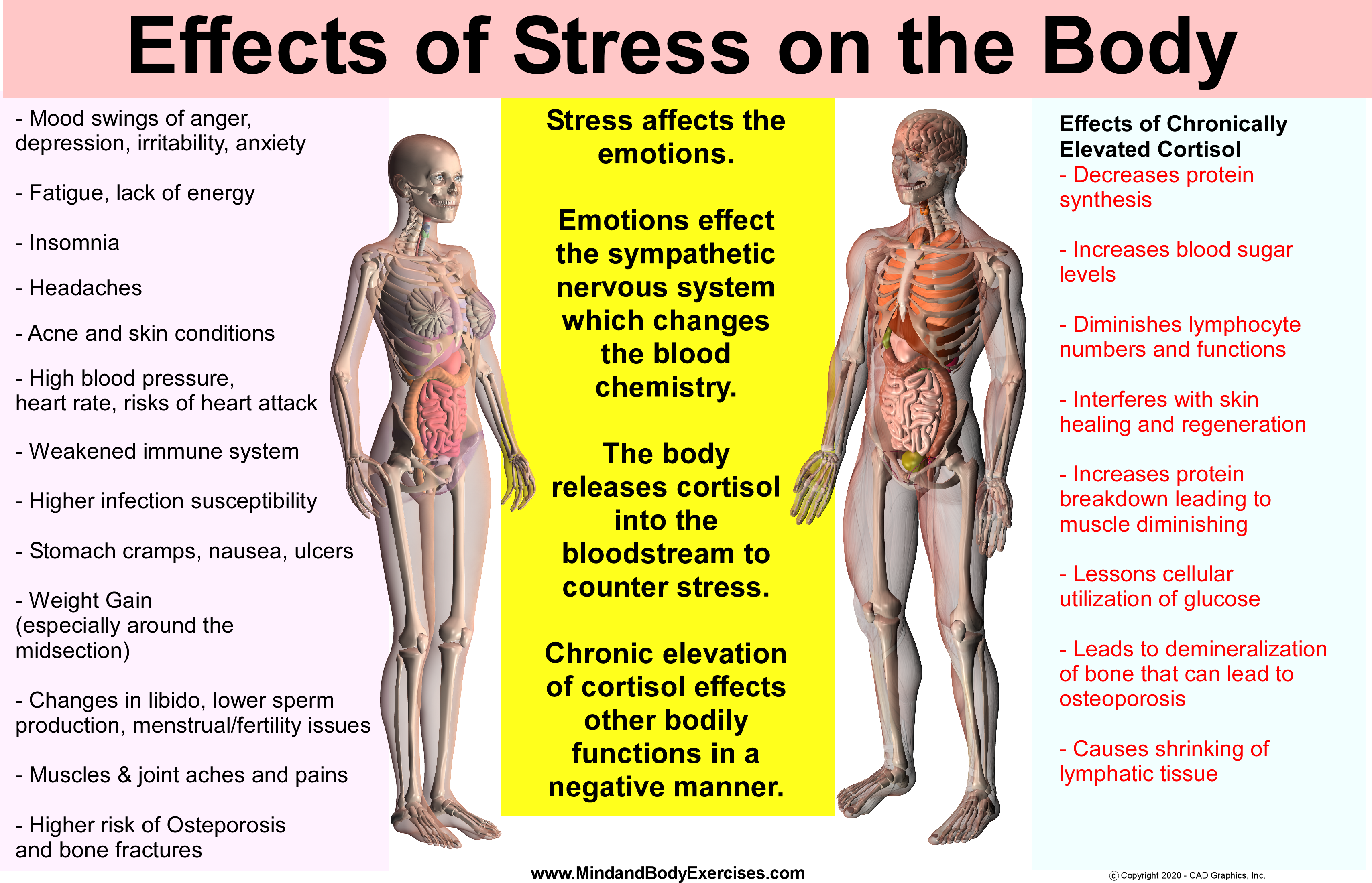
We are living in what some people feel, is the most stressful time in their lifetimes. I find it quite ironic that for much of the modernized world, people are no longer living with past daily stressors due to being chased or bitten by wild animals while in their quest for food, or having to find components to build their own shelter while enduring the heat or cold, but still ending up dying from stress related illnesses. Most people are no longer being attacked by a neighboring kingdom, tribe or clan, also in pursuit of more food or better living conditions, but live with daily stress regardless.. However, many people live constantly with other modern day stressors of relative to crime, violence, public healthcare, politics, job security, social issues and most recently – stress from engaging with social media and its various outlets.
Everyone experiences both negative as well as positive stressors. Regardless, of the source of stress, the human body’s autonomic nervous system responds to stressors, initially to defend the physical body, but after prolonged stress, eventually fatigues leading to disease and illness. Think of having the A/C or heat running all day, every day with no downtime. Eventually, the physical components will degrade and breakdown, if not properly checked and maintained before catastrophic failure occurs.

The General Adaptation Syndrome
General Adaptation Syndrome (GAS) is the continual physiological response to stressors. There are three stages of biological responses. Hans Selye first recognized this concept in 1936, GAS is seen as a modern biological formulation of stress. Understanding the physiology behind GAS, including how it is triggered, can help manage or reduce stress.


1. Alarm
A person’s ability to resist any type of stressor is lowered by the need to deal with the stressor, whether it is a scrape, a loss, a fear, a broken bone, the loss of a loved one, or the loss of a job.
Body’s immediate response to stress:
- DHEA increases
- Cortisol increases
Symptoms typical for this portion of the General Adaptation Syndrome alarm stage:
- Rapid breathing
- Low blood glucose levels
- Heightened senses
- Trembling
- Tissue catabolism
- Gastrointestinal erosion
- Sleep issues
- Dilated pupils
- Increased heart rate
- Pale or flushed skin
2. Resistance
The body responds and adapts to the sustained existence of the stressor by making more epinephrine which raises blood pressure, increases alertness, suppresses the immune system, and tenses muscles. lf interactions with the stressor become long-term, the ability to resist becomes reduced.
This stage is in place when cortisol is made at the expense of DHEA to sustain adaptability:
- Cortisol increase
- DHEA decreases
- Epinephrine may increase to help maintain energy and blood sugar levels
Symptoms typical for this portion of the General Adaptation Syndrome stage:
- Sleeplessness due to high cortisol level
- Bowel issues
- Headaches
- Irritability
- Sadness
- Frustration
- Poor concentration
- Some individuals may remain in this phase for a lifetime, while others further deteriorate
3. Exhaustion
When the ability to respond and resist is decreased, the individual may become ill. Prolonged months or years of strain and stress may be present before the body’s resistance is exhausted. DIesease and illness may not manifest until long after the initial interaction occurs with the stressor.
The body loses the capacity to adapt as the body deteriorates from constant stress:
- Cortisol level is low
- DHEA level is low
- Epinephrine level is low
Symptoms typical for this portion of the General Adaptation Syndrome stage:
- Severe fatigue
- Feelings of “burnout”
- Inability to sleep well through the night
- Salt cravings
- Allergies
- Decreased tolerance of stress
Management
Everyone needs an outlet for regulating their stress. If there is no outlet and the stress stays internalized, eventually the physiological responses will take their toll by manifesting in disease, illness and even more stress, creating an endless vicious circle of pain and suffering. Stress management methods can help one to cope with stress and consequently, General Adaption Syndrome. Examples of some methods include:
- Physical activity
- Diaphragmatic breathing
- Progressive muscle relaxation
- Guided imagery
- Mindfulness
- Limiting exposure to triggers
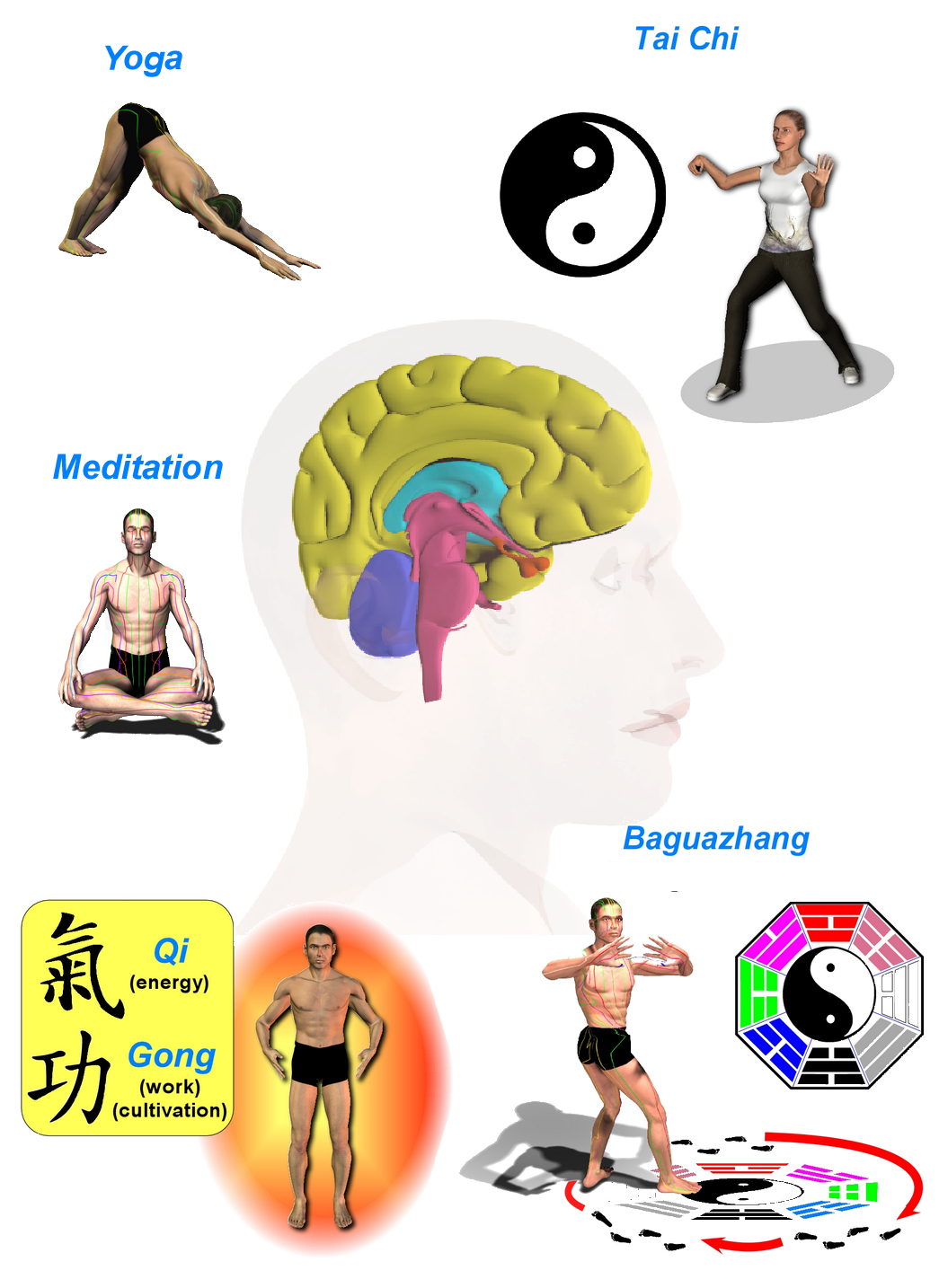
- Mind and body exercises such as yoga, qigong and tai chi
References:
Edlin, G., & Golanty, E. (2018). Health & Wellness (13th ed.). Jones & Bartlett Learning.
http://www.sanescohealth.com/blog/general-adaptation-syndrome-stages/
https://www.verywellhealth.com/general-adaptation-syndrome-overview-5198270
Be well, get healthy, be wise.
I am currently available for health and wellness lectures and classes for group, & private instruction in the Orlando, Florida area. Mind and Body Exercises on Google: https://posts.gle/aD47Qo
Jim Moltzan
407-234-0119
https://www.facebook.com/MindAndBodyExercises/
https://www.youtube.com/c/MindandBodyExercises



 United Martial Arts Association