Why is Spinal Movement Important for CSF Circulation?

The brain and spinal cord use a specialized fluid known as cerebrospinal fluid (CSF) to transport nutrients, remove waste, and offer protection. Unlike blood, which the heart actively pumps, CSF circulation relies on movement, respiration, and sleep-related brain activity. Maintaining adequate CSF flow is important for brain health, detoxification, and reducing the risk of neurological conditions such as Alzheimer’s, Parkinson’s, and cognitive decline.

This article examines the enhancement of cerebrospinal fluid circulation and activation of the brain’s glymphatic system, the body’s inherent “brain cleansing” process, through spinal movement, breathwork, and quality sleep.

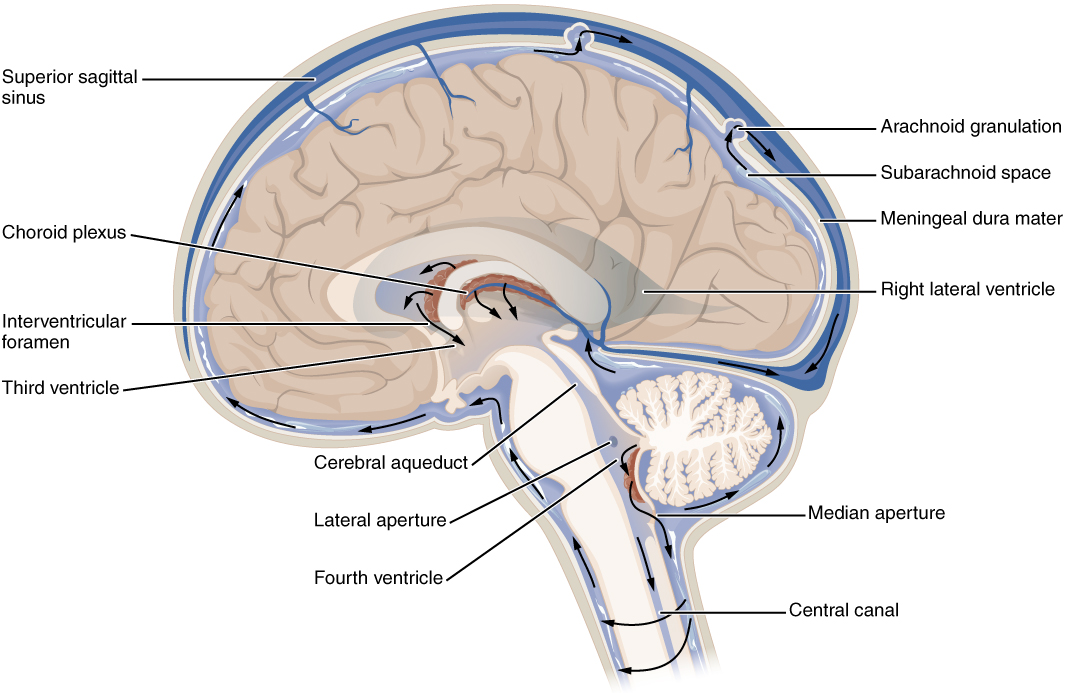
Cerebrospinal fluid (CSF) is produced by the choroid plexuses within the brain’s ventricles and circulates through the ventricular system before entering the subarachnoid space, which envelops both the brain and spinal cord. This circulation adheres to a defined pathway:

From the Brain to the Spinal Cord – CSF proceeds down the spinal canal, reaching the lumbar cistern near the sacral region.

Return Flow to the Brain – CSF is ultimately reabsorbed into the venous system via arachnoid granulations located in the superior sagittal sinus.

In the absence of a dedicated pump for CSF, its circulation depends on spinal movement, respiratory mechanics, and sleep-related pressure fluctuations.

The spine houses the spinal cord and dural tube, and movement of the spine serves as a natural pump for CSF circulation. Restricted mobility, due to factors such as sedentary lifestyles, poor posture, or aging, can contribute to stagnant CSF flow, which may affect waste clearance from the brain.

Holistic movement practices such as yoga, qigong, tai chi and BaguaZhang, are particularly effective in promoting CSF flow. Key spinal movements include:

  1. Flexion and Extension (Forward & Backward Bending)
    • Cat-Cow Pose (Yoga): Alternating between spinal flexion and extension helps mobilize CSF.
    • Spinal Rocking (Qigong): Gentle rocking movements from the pelvis stimulate lumbar and sacral CSF flow.
  2. Rotation and Twisting Movements
    • Seated Spinal Twists: Compresses and releases different regions of the spinal column, enhancing CSF dynamics.
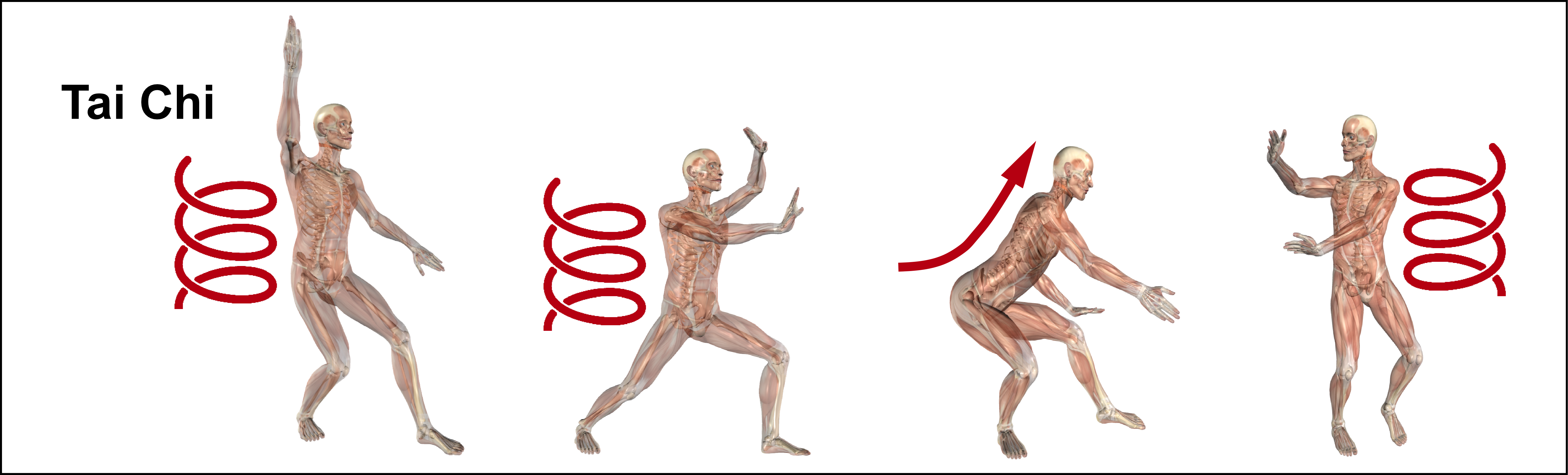
    • Dragon Whips Its Tail (Tai Chi): A controlled twisting motion that supports fluid movement in the spine.
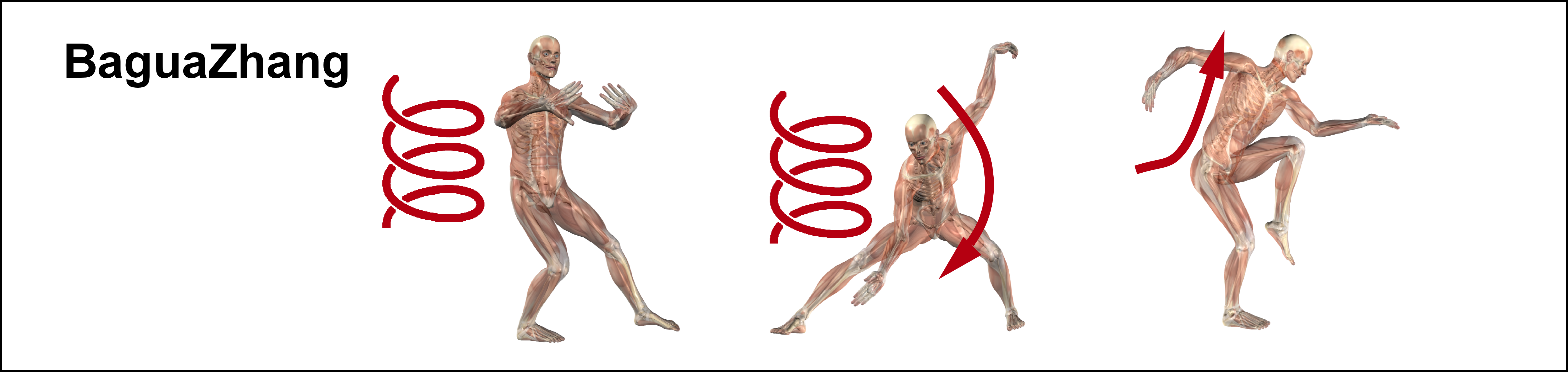
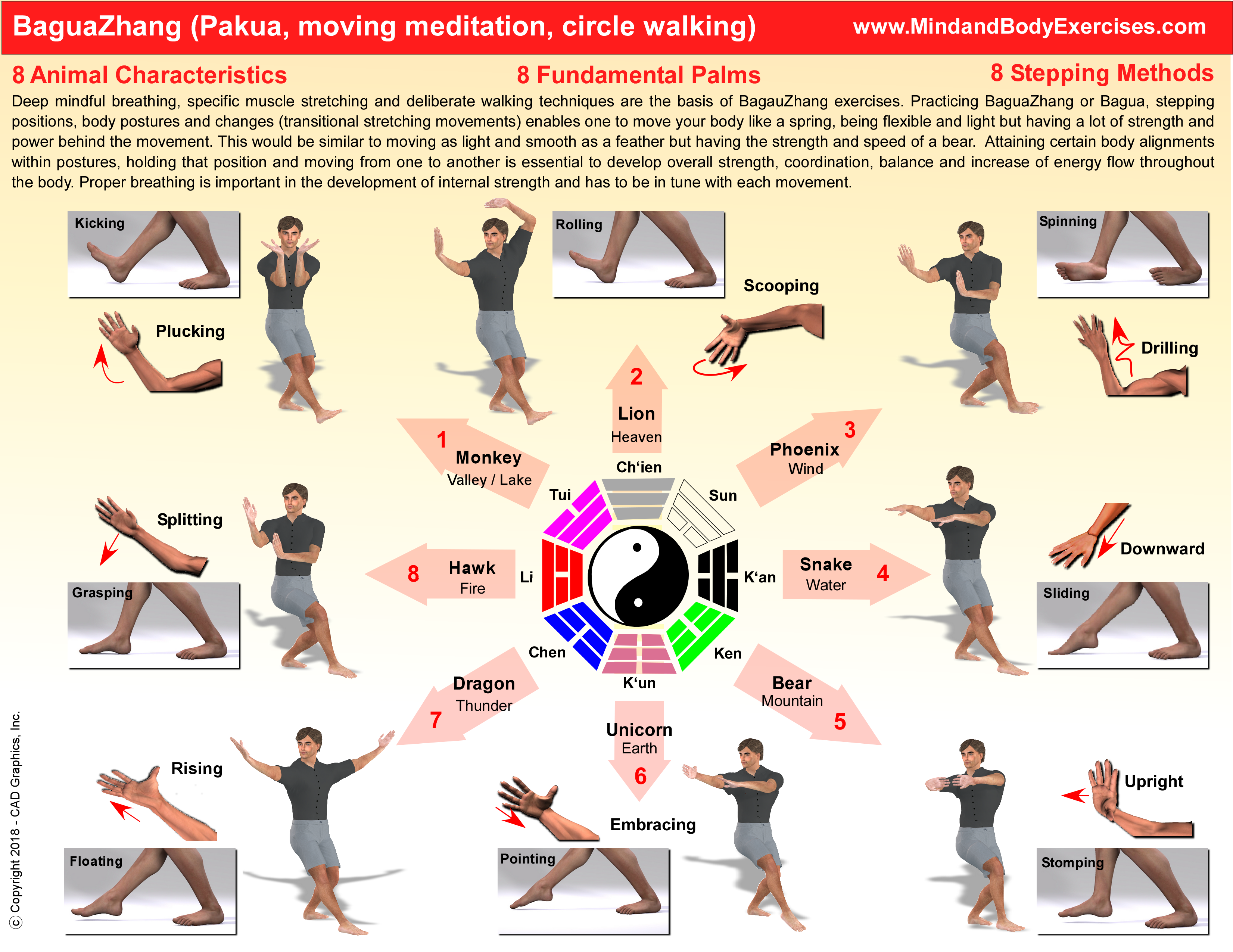
    • BaguaZhang: The whole mind and body martial art practice is based upon the coiling and spiraling of the waist, spine and upper extremities.
  3. Inversions and Gravity-Assisted Flow
    • Downward Dog (Yoga): Allows gravity to assist CSF movement back toward the brain.
    • Rebounding (Mini-Trampoline Exercise): Rhythmic spinal compression enhances CSF pulsation.

These movements maintain the openness of the spinal canal, alleviate tension within the dura mater, and promote proper cerebrospinal fluid circulation, thereby optimizing the functioning of the brain and nervous system.

One of the most critical aspects of CSF circulation occurs during sleep, when the glymphatic system, the brain’s built-in waste removal process, becomes highly active.
Why Does the Glymphatic System Work Best During Sleep?

  1. Brain Cell Shrinkage Increases CSF Flow
    • During deep sleep (slow-wave sleep), brain cells shrink by up to 60%, increasing the space between them.
    • This expansion allows CSF to flow more freely, flushing out toxic waste, including beta-amyloid plaques, which are linked to Alzheimer’s disease.
  2. Reduced Sympathetic Nervous System Activity
    • While awake, the sympathetic nervous system (fight-or-flight mode) restricts CSF flow.
    • During deep sleep, the parasympathetic nervous system takes over, allowing CSF to circulate more efficiently.
  3. Slow-Wave Brain Activity Acts as a CSF Pump
    • Research shows that slow-wave brain activity (delta waves) coincides with pulses of CSF flow, helping clear waste from the brain.
  4. Melatonin Enhances Glymphatic Function
    • The sleep hormone melatonin has been linked to increased glymphatic activity and improved beta-amyloid clearance.

As the glymphatic system becomes fully active only during sleep, insufficient sleep can result in the accumulation of toxins in the brain. This increases the risk of several conditions, including:

  • Alzheimer’s and Parkinson’s diseases
  • Cognitive decline and memory impairment
  • Mental fatigue and reduced clarity of thought

Breathing directly influences intracranial and spinal pressure, aiding in the movement of cerebrospinal fluid (CSF). Intentional breathwork practices may support brain detoxification and enhance relaxation, facilitating glymphatic function.

Diaphragmatic Breathing (Dantien Breathing in Qigong/Tai Chi/BaguaZhang): Deep, slow abdominal breathing creates rhythmic pressure changes that affect CSF flow.

Alternate Nostril Breathing (Pranayama, Yoga): May help regulate intracranial pressure and improve brain function.

Box Breathing (4-4-4-4 pattern): A structured breath cycle that can enhance CSF pulsation and balance the nervous system.

To ensure efficient CSF flow, glymphatic activation, and brain detoxification, incorporate the following habits:

Prioritize deep sleep – Aim for 7-9 hours of quality sleep each night.


Move your spine daily – Engage in yoga, qigong, tai chi, BaguaZhang or other spinal exercises to keep CSF circulating.


Sleep on your side – Studies suggest the lateral sleeping position improves glymphatic drainage.


Practice breathwork – Deep breathing techniques help regulate CSF dynamics and nervous system function.


Stay hydrated – Proper hydration supports CSF production and circulation.

In summary, spinal movement, proper breathing, and deep sleep are important for maintaining brain and nervous system health. By incorporating holistic movement practices and optimizing sleep quality, it is possible to enhance CSF circulation, support the glymphatic system, and reduce the risk of neurological disease.

A healthy spine, mindful breath, and restful sleep contribute to a clearer, healthier mind.

Contact me if you’d like a detailed movement and breathwork routine designed to enhance CSF circulation and brain detox.

References:

Xu, Q., Shao, C., Zhang, Y., Zhang, Y., Liu, C., Chen, Y., Wang, X., Chi, Y., Yu, S., & Sui, H. (2021). Head-nodding: a driving force for the circulation of cerebrospinal fluid. Scientific Reports, 11(1). https://doi.org/10.1038/s41598-021-93767-8

Xu, Q., Yu, S., Zheng, N., Yuan, X., Chi, Y., Liu, C., Wang, X., Lin, X., & Sui, H. (2016). Head movement, an important contributor to human cerebrospinal fluid circulation. Scientific Reports, 6(1). https://doi.org/10.1038/srep31787

Wichmann, T. O., Damkier, H. H., & Pedersen, M. (2022). A brief overview of the cerebrospinal fluid system and its implications for brain and spinal cord diseases. Frontiers in Human Neuroscience, 15. https://doi.org/10.3389/fnhum.2021.737217

Yogic breathing affects cerebrospinal fluid dynamics during breathing practice. (n.d.). NCCIH. https://www.nccih.nih.gov/research/research-results/yogic-breathing-affects-cerebrospinal-fluid-dynamics-during-breathing-practice?utm_source=chatgpt.com

Cui, L., Yin, H., Lyu, S., Shen, Q., Wang, Y., Li, X., Li, J., Li, Y., & Zhu, L. (2019). Tai Chi Chuan vs General Aerobic Exercise in Brain Plasticity: A Multimodal MRI Study. Scientific Reports, 9(1). https://doi.org/10.1038/s41598-019-53731-z

I look forward to further sharing more of my message by partnering with hospitals, wellness centers, VA centers, schools on all levels, businesses, and individuals who see the value in building a stronger nation through building a healthier population.

I also have hundreds of FREE education video classes, lectures, and seminars available on my YouTube channel at:

https://www.youtube.com/c/MindandBodyExercises

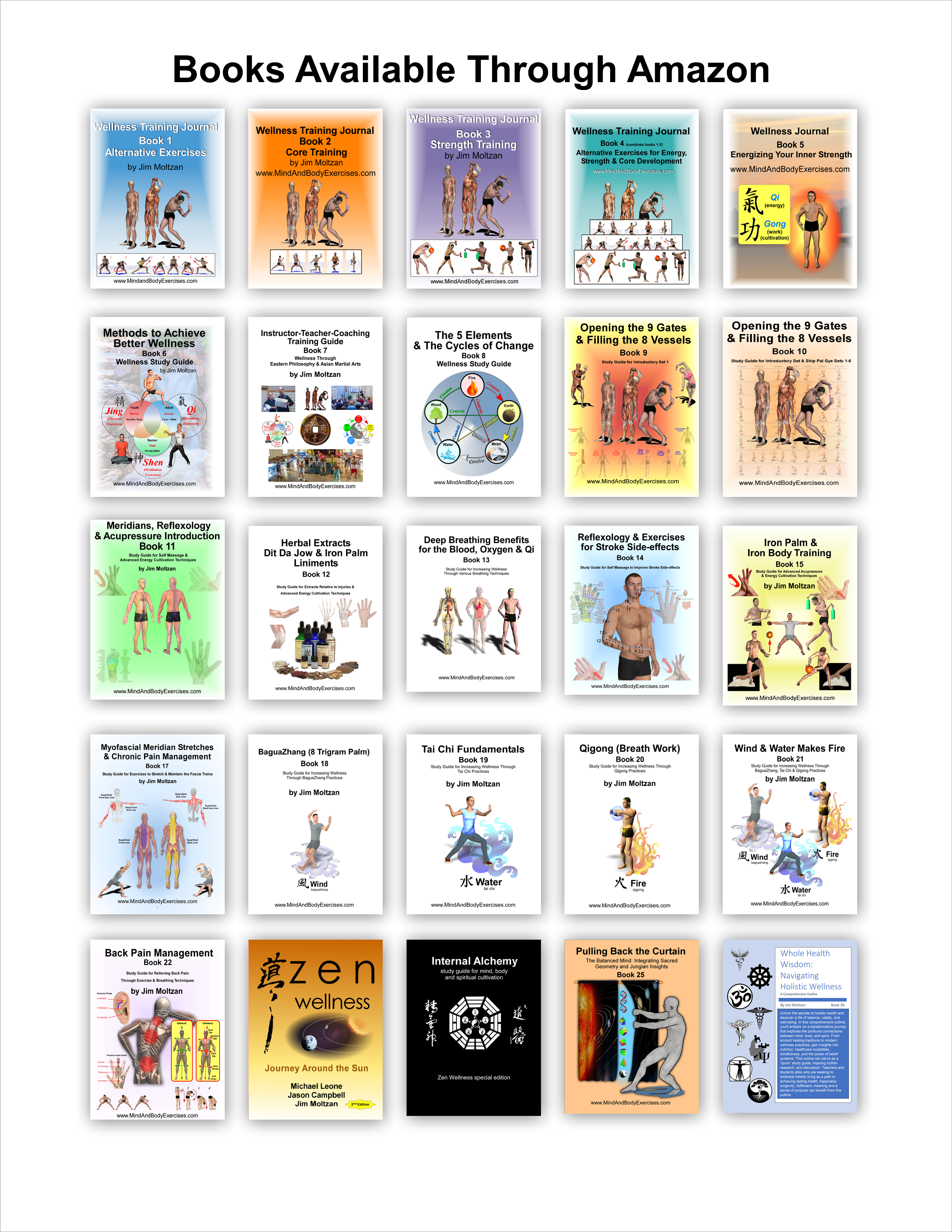
Many of my publications can be found on Amazon at:

http://www.Amazon.com/author/jimmoltzan

My holistic health blog is available at:

https://mindandbodyexercises.wordpress.com/

http://www.MindAndBodyExercises.com

Mind and Body Exercises on Google: https://posts.gle/aD47Qo

Jim Moltzan

407-234-0119

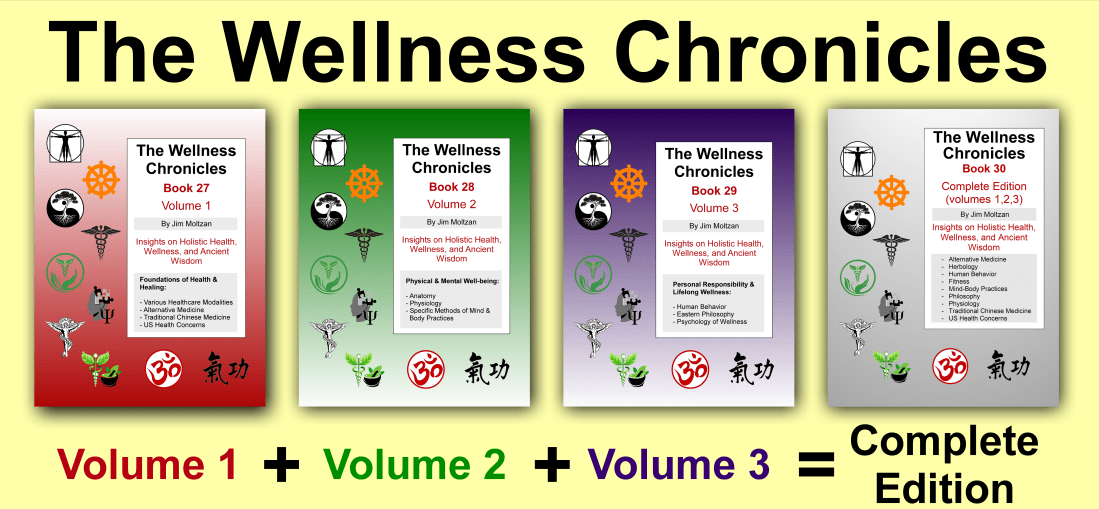
The Wellness Chronicles

I am excited to present The Wellness Chronicles, a culmination of insights gathered from my many years of writing on holistic health. These books distill key concepts from hundreds of my articles, offering a practical and thought-provoking guide to achieving well-being through a balanced approach to life.

In today’s fast-paced world, where stress and pharmaceutical dependency often overshadow self-care and preventative health, The Wellness Chronicles serves as a beacon for those seeking a deeper understanding of the mind-body-spirit connection. Each volume explores a broad spectrum of topics, including nutrition, physiology, healthcare modalities, meditation, psychology, and philosophy, all with an underlying focus on empowering individuals to take charge of their own well-being.

Readers will discover time-honored healing traditions such as Traditional Chinese Medicine (TCM) and Ayurveda alongside modern holistic approaches emphasizing balance and harmony. These books encourage self-awareness and practical application, addressing injuries and ailments through natural, non-pharmaceutical solutions while advocating for movement, breathwork, and mindfulness as essential tools for health.

Beyond physical well-being, The Wellness Chronicles delves into the intricate connections between the mind and body, and how emotions, thought patterns, and beliefs influence our nervous system, stress responses, and overall vitality. These principles are supported by both ancient wisdom and contemporary insights, illustrating the profound interplay between psychology, philosophy, and personal transformation.

As a visual complement to these insights, I have included many of my original graphics throughout these books. These illustrations highlight self-regulation techniques, eclectic exercises, and Eastern methodologies, demonstrating how the intentional control of breath (wind), circulation (water), and mental focus can cultivate resilience, restore balance, and increase vitality (fire)—a reflection of the Taoist concept that “wind and water create fire.”

The Wellness Chronicles are more than just a guide; they are an invitation to reflect, explore, and apply holistic principles in everyday life. My hope is that this book serves as both a resource and an inspiration, encouraging deeper inquiry into the art of living well.

Thank you for your engagement with this work. I am eager to share this journey with you and contribute to the collective pursuit of enduring health, happiness, and fulfillment.

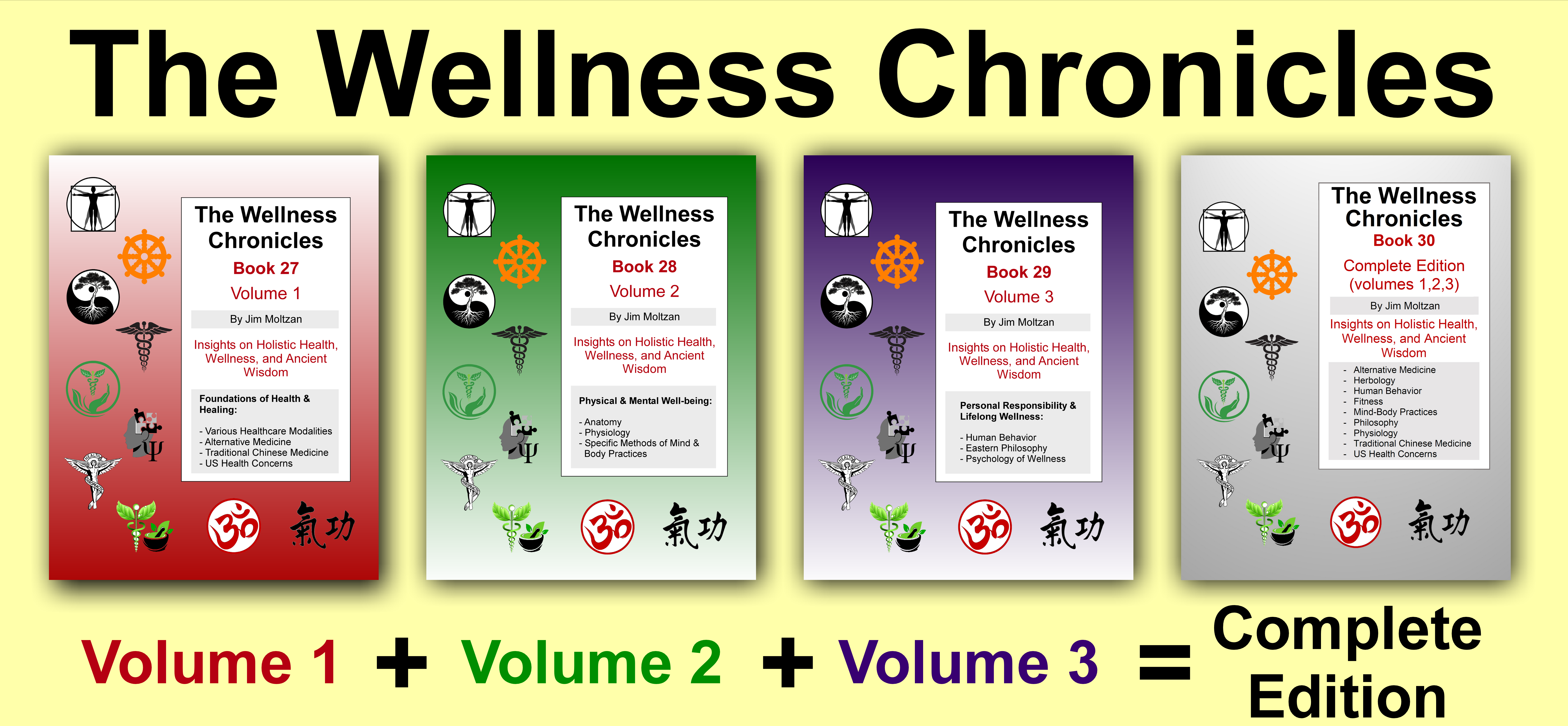
Thus far, I have volumes 1, 2 & 3, which are available individually or currently as one complete edition of all 3 in one book. Additional volumes may be added as I compose more content. Books are available at: https://www.amazon.com/dp/B0DYPFZ46F?binding=hardcover&searchxofy=true

The Wellness Chronicles is a comprehensive exploration of holistic health, offering practical insights into achieving balance in mind, body, and spirit.

Complete Edition: The Definitive Guide – All three volumes combined in one masterwork, providing a full-spectrum resource for lifelong health and transformation. (515 pages)

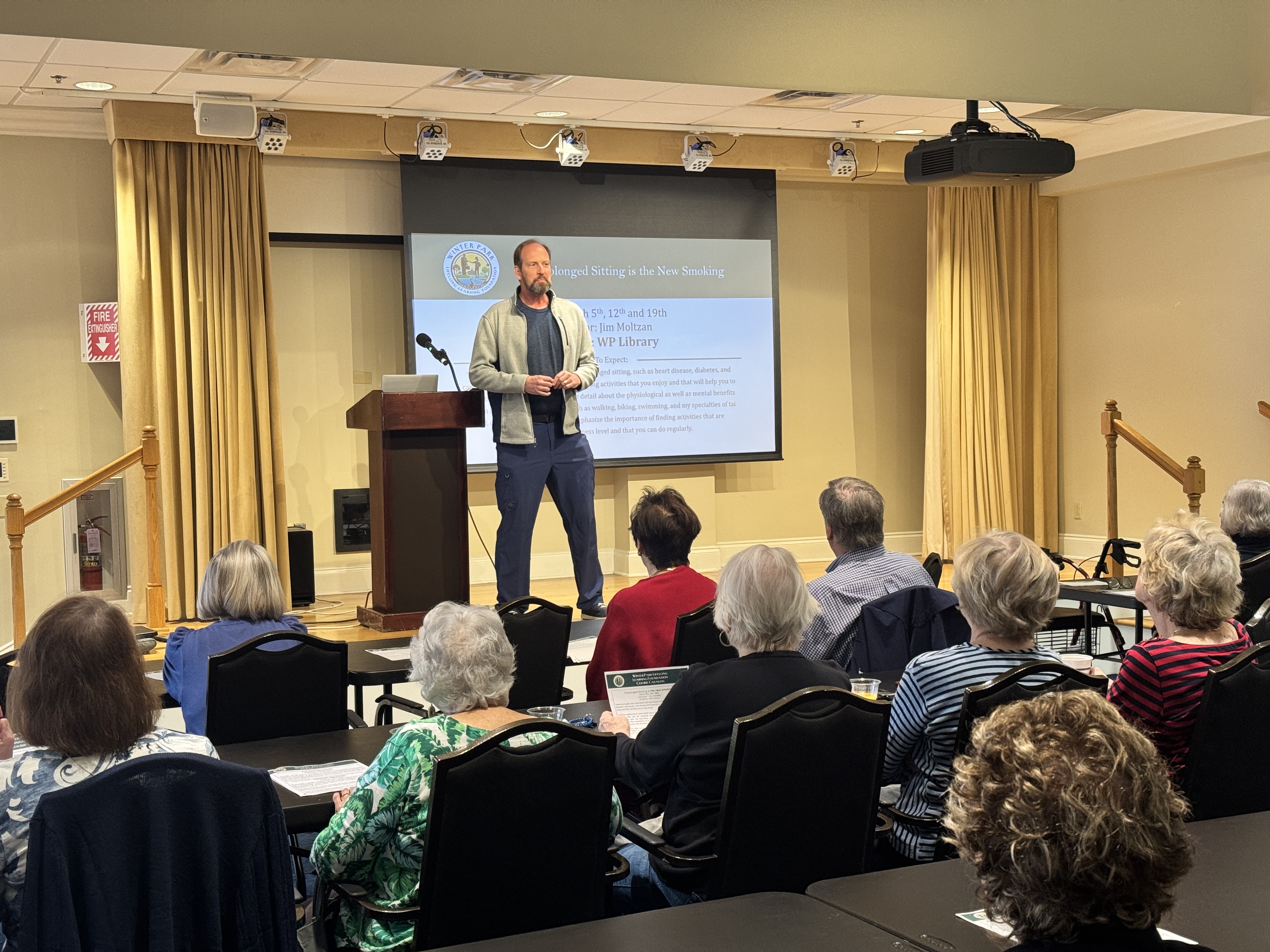
I teach and offer lectures about holistic health, physical fitness, stress management, human behavior, meditation, phytotherapy (herbs), music for healing, self-massage (acupressure), Daoyin (yoga), qigong, tai chi, and baguazhang.

Please contact me if you, your business, organization, or group, might be interested in hosting me to speak on a wide spectrum of topics relative to better health, fitness, and well-being.

I look forward to further sharing more of my message by partnering with hospitals, wellness centers, VA centers, schools on all levels, businesses, and individuals who see the value in building a stronger nation through building a healthier population.

I also have hundreds of FREE education video classes, lectures, and seminars available on my YouTube channel at:

https://www.youtube.com/c/MindandBodyExercises

Many of my publications can be found on Amazon at:

http://www.Amazon.com/author/jimmoltzan

My holistic health blog is available at:

https://mindandbodyexercises.wordpress.com/

http://www.MindAndBodyExercises.com

Mind and Body Exercises on Google: https://posts.gle/aD47Qo

Jim Moltzan

407-234-0119
Pulling Back the Curtain

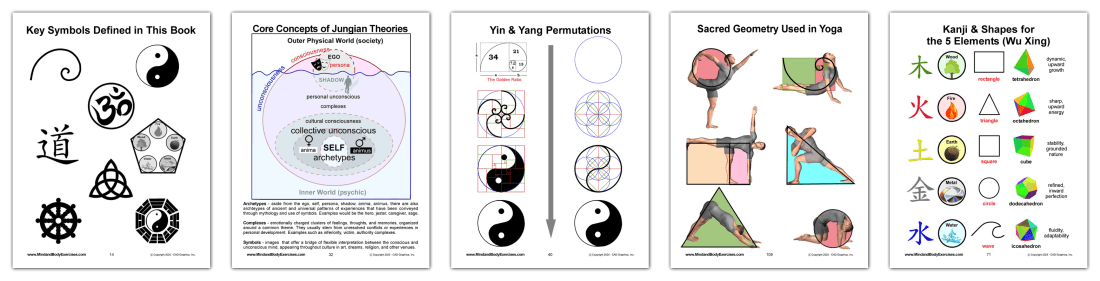
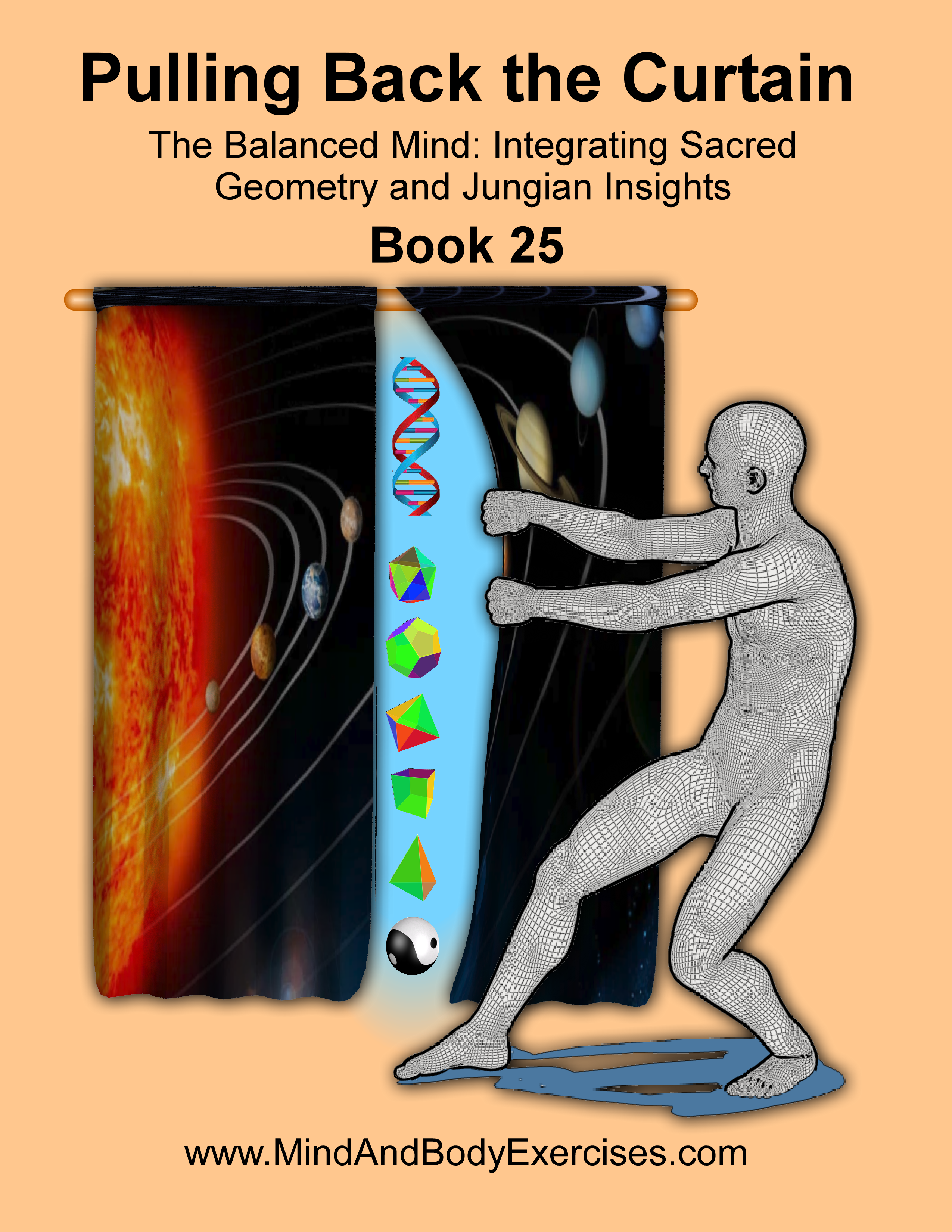
My new book Pulling Back the Curtain is now available through Amazon (https://a.co/d/09malCv). I offer a color reference guide for Sacred Geometry, Carl Jung’s theories, and their relevance to human behavior and symbolism. If you practice yoga, tai chi, qigong, BaguaZhang, other mind-body methods or are just looking to expand your understanding of our reality, my new book will help you organize all seemingly complex concepts.


Throughout human history, profound truths about the universe and our place within it have been explored and expressed through archetypes, geometry, psychology and philosophy. From the earliest cave drawings to the intricate mandalas of Eastern traditions, humanity has sought to map the intangible forces that shape our existence. These universal patterns reveal not only the structures of the cosmos but also the dynamics of our own inner worlds. It is this interplay between the external and internal, the visible and invisible, that this book illuminates. My intent for this book is to provide a graphical study guide that summarizes complex concepts for those already familiar with these topics, while offering an introduction for those just beginning to pursue this type of information.


The Taoist concept of yin and yang further underscores the dynamic dualities that shape our world: light and shadow, masculine and feminine, chaos and order. This dance of opposites, echoed in Jung’s theories, reminds us that life’s challenges and joys are part of a larger, harmonious whole. At the heart of these inquiries lies the work of Carl Jung, whose pioneering insights into the collective unconscious provide a framework for understanding the interconnectedness of all things. Jung’s exploration of archetypes and opposites, including the balance of yin and yang, offers profound guidance for navigating the complexities of modern life. His fascination with symbols, geometry, and universal patterns serves as a bridge between ancient wisdom and contemporary thought.


Similarly, the Platonic solids – those perfect, symmetrical forms revered by both philosophers and mystics, stand as metaphors for the foundational elements of existence. These shapes, deeply intertwined with sacred geometry, reflect the harmony and order inherent in nature. Their significance transcends mere mathematics, inviting us to ponder the deeper truths they represent. Sacred geometry ties these threads together, offering a visual language of the divine. Found in the spirals of galaxies, the structure of DNA, and the design of ancient temples, sacred geometry is both a scientific marvel and a spiritual guide. It reminds us that beauty and meaning exist not only in grand cosmic designs but also in the smallest details of our daily lives. Furthermore, sacred geometry finds profound expression in the realm of mind-body practices such as yoga, tai chi, qigong and even martial arts. These disciplines incorporate geometric principles in their movements and postures, fostering harmony within the body and between the individual and the universe. The exploration of these practices and their connection to sacred geometry will reveal how these ancient systems of movement and mindfulness embody universal truths.

This book invites you to journey into these interconnected realms, where the principles of psychology, philosophy, geometry, and physical movement converge. It explores how these timeless ideas remain relevant, offering practical insights for finding balance, purpose, and connection in a world that often feels fragmented. As you delve into these pages, may you uncover the patterns that shape your own existence. May you find not only knowledge but also inspiration to integrate these timeless truths into your everyday life, creating harmony within and around you.

My books are comprehensive, deeply researched, and feature original, high-quality illustrations. I have invested over 40 years of learning, practicing, and illustrating these topics myself. providing full-color printing, detailed graphics, and specialized knowledge require premium pricing. Most of my publications offer rare insights not found elsewhere, justifying their premium nature. I have specifically designed my books for serious practitioners and scholars, while also offering information for beginners to get acquainted with complex topics and concepts. Each book contains a lifetime of experience condensed into each volume. These books are for those who seek authentic, high-quality study materials rather than mass-market books.

I teach and offer lectures about holistic health, physical fitness, stress management, human behavior, meditation, phytotherapy (herbs), music for healing, self-massage (acupressure), Daoyin (yoga), qigong, tai chi, and baguazhang.

Please contact me if you, your business, organization, or group, might be interested in hosting me to speak on a wide spectrum of topics relative to better health, fitness, and well-being.

I look forward to further sharing more of my message by partnering with hospitals, wellness centers, VA centers, schools on all levels, businesses, and individuals who see the value in building a stronger nation through building a healthier population.

I also have hundreds of FREE education video classes, lectures, and seminars available on my YouTube channel at:

https://www.youtube.com/c/MindandBodyExercises

Many of my publications can be found on Amazon at:

http://www.Amazon.com/author/jimmoltzan

My holistic health blog is available at:

https://mindandbodyexercises.wordpress.com/

http://www.MindAndBodyExercises.com

Mind and Body Exercises on Google: https://posts.gle/aD47Qo

Jim Moltzan

407-234-0119

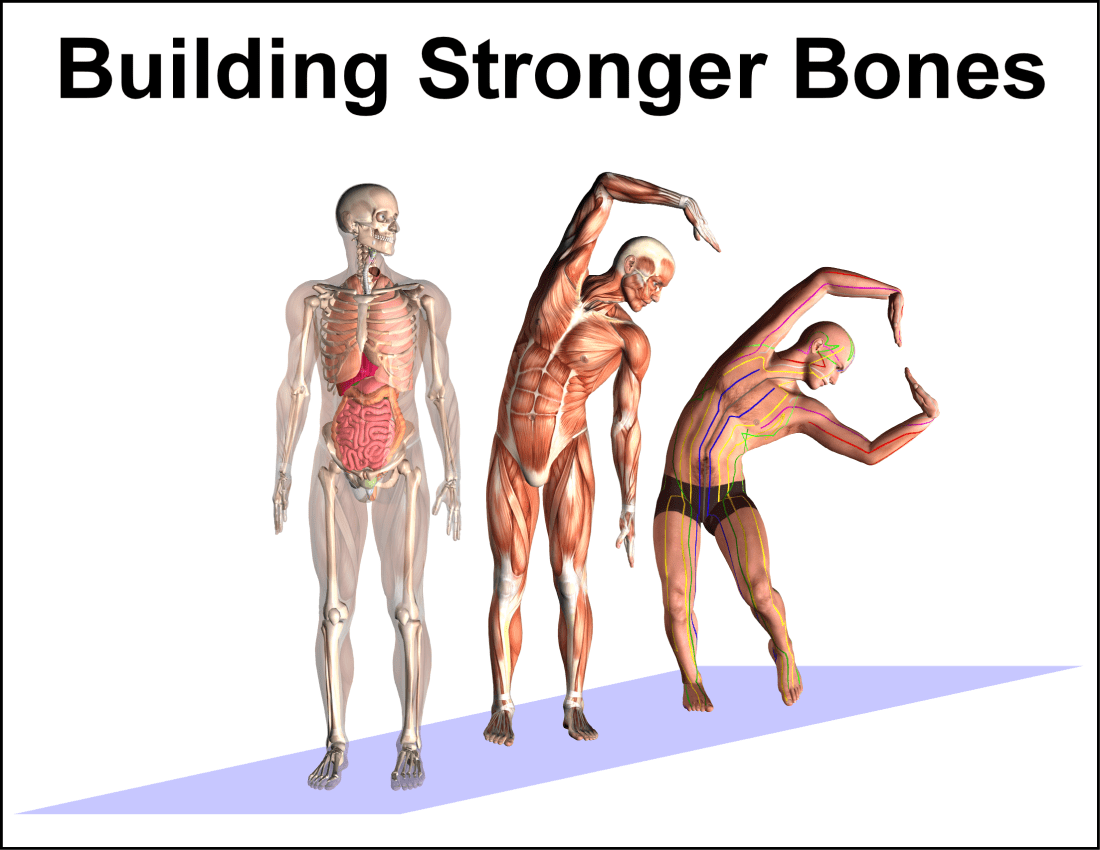
Building Stronger Bones

This month I wrapped up my series of 6 discussions regarding “self-care.”

Specific topics addressed were that of:

what is holistic health?

– management of hands and wrists using acupressure/reflexology

– management of various types of stress and headaches

– understanding how the vestibular balance systems work

– how to breathe deeper and more efficiently affecting

– why is bone density a serious issue and how to improve it

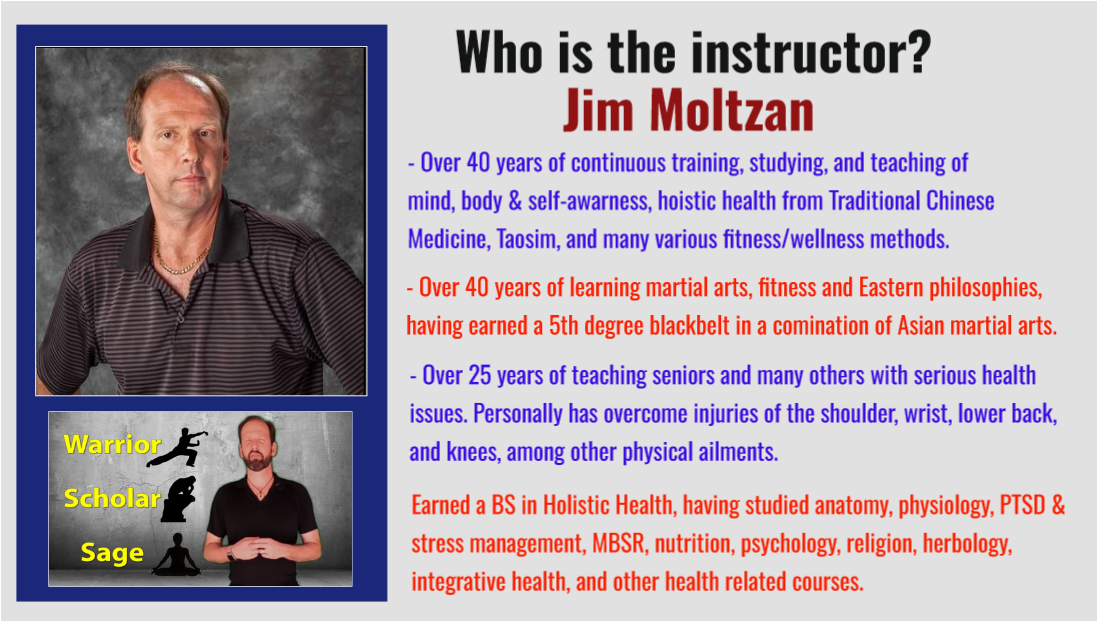
I have many more topics to discuss regarding better physical health, mental wellness, and having meaning/purpose in our lives. Tai chi and qigong are a big part of my curriculum, but I also earned a BS degree in holistic health in addition to my over 40 years of “hands-on” learning, practicing, and teaching. Contact me if you are interested in me speaking at your place of business, group, or other public setting.

All 6 discussions can be found on my YouTube page, by clicking on the image below.

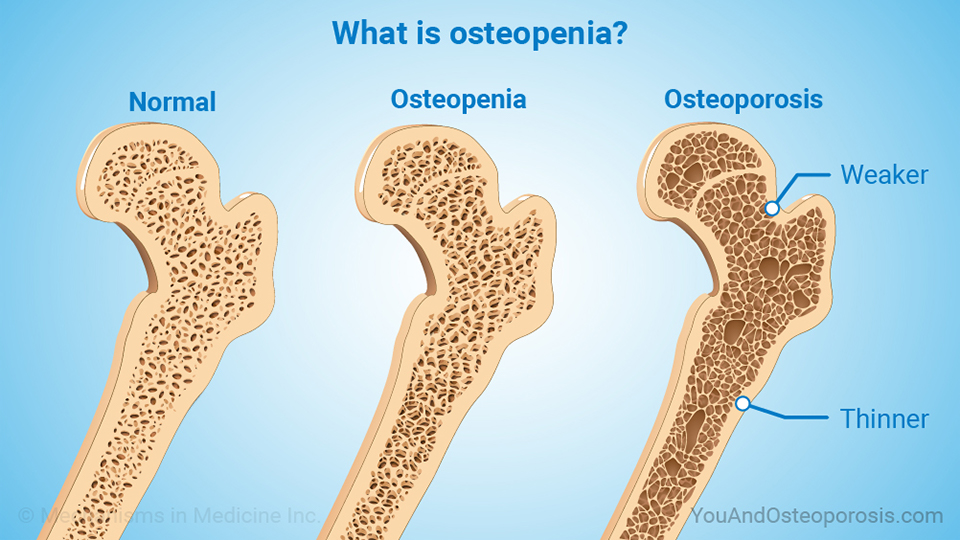
Here is a summary of the topics I discussed regarding osteopenia and osteoporosis, which are conditions related to bone density and strength, which affect millions of people, particularly as they age. Here’s a detailed breakdown:

  • Osteopenia: This is the early stage of bone loss, where bone mineral density (BMD) is lower than normal but not low enough to be classified as osteoporosis. It is often a precursor to osteoporosis and indicates weakening bones.
  • Osteoporosis: This is a more severe bone condition characterized by significant bone loss, making bones brittle and more susceptible to fractures. In osteoporosis, bones become porous, with decreased density and structural integrity.

Both osteopenia and osteoporosis are caused by an imbalance between bone resorption (the process of bone breakdown) and bone formation. Factors contributing to this include:

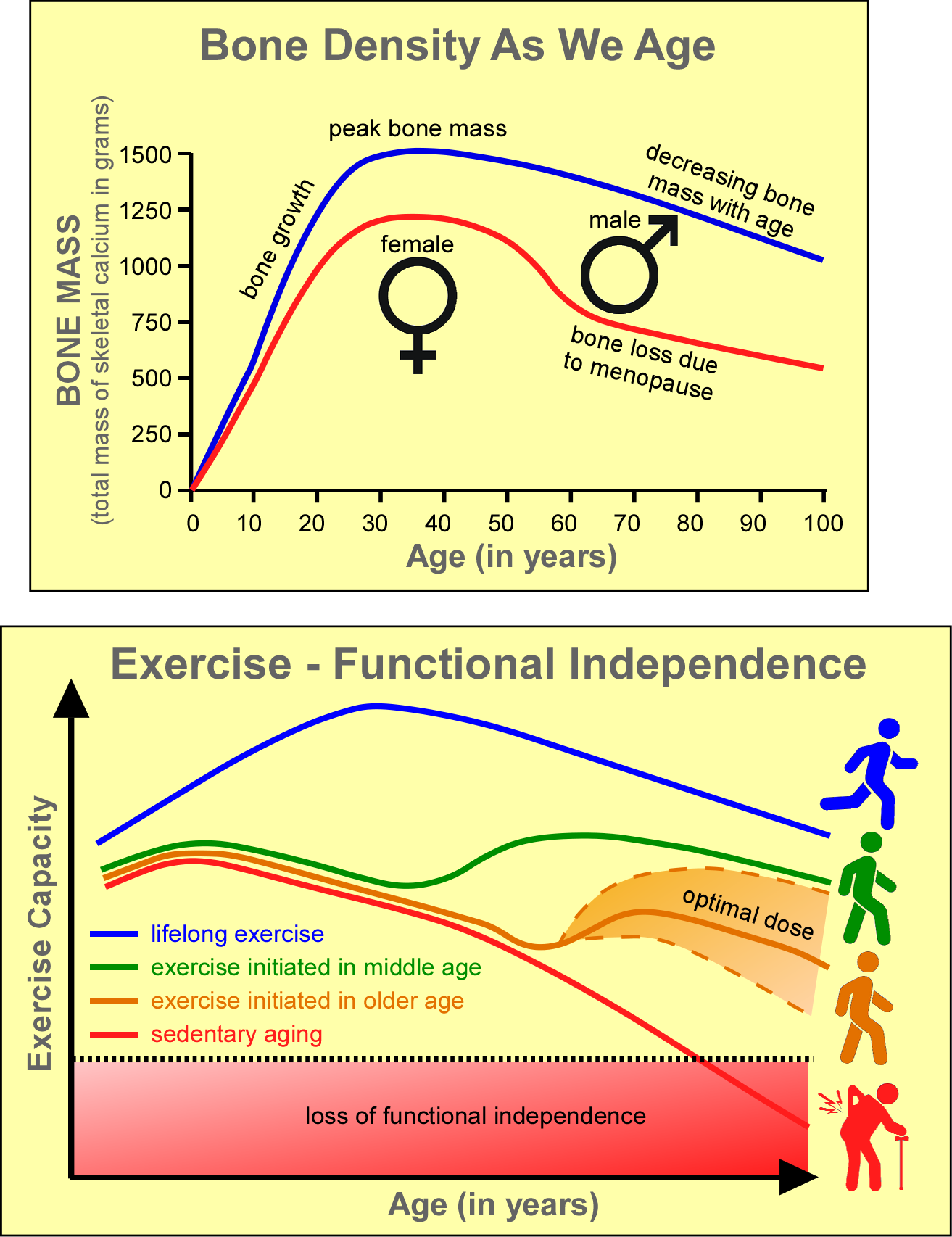
  • Aging: Bone mass typically peaks in a person’s 20s or 30s and declines with age, particularly in postmenopausal women due to decreased estrogen levels.
  • Hormonal changes: Lowered levels of hormones such as estrogen in women and testosterone in men can contribute to decreased bone density.
  • Genetics: A family history of osteoporosis can increase the risk.
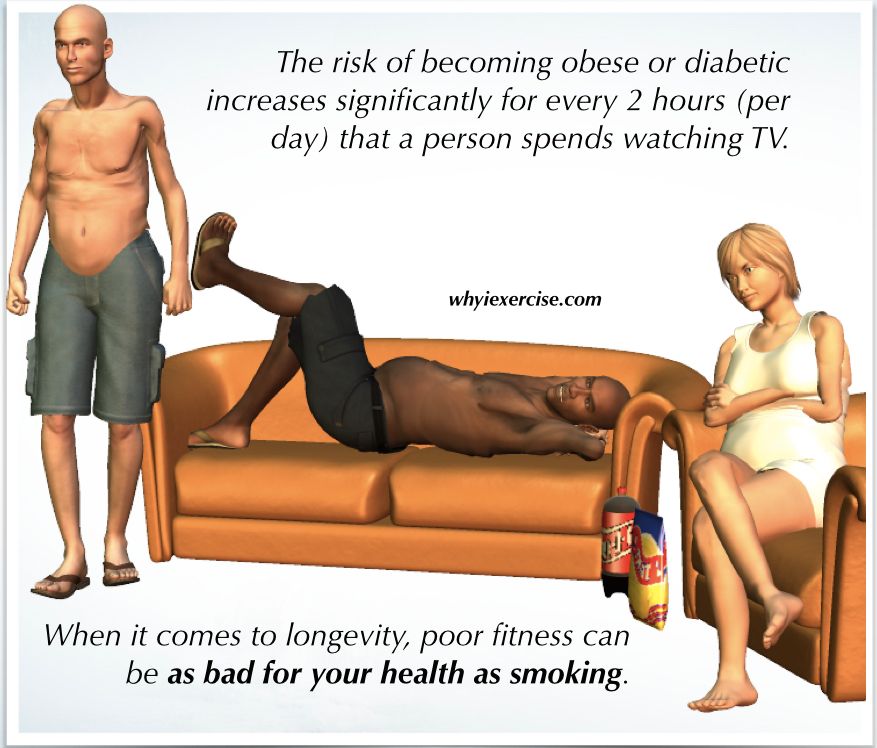
  • Sedentary lifestyle: Lack of physical activity, particularly weight-bearing and resistance exercises, can contribute to weaker bones.
  • Poor nutrition: Low intake of calcium, vitamin D, and other nutrients crucial for bone health can lead to bone density loss.
  • Smoking and excessive alcohol consumption: Both are associated with decreased bone density.
  • Certain medications: Long-term use of corticosteroids and some other medications may contribute to bone loss.
  • Fractures: The most serious consequence, particularly in the hips, spine, and wrists, can result in decreased mobility and increased mortality in older adults.
  • Height loss: Often due to fractures in the vertebrae leading to compression.
  • Back pain: Resulting from collapsed or fractured vertebrae.
  • Kyphosis (spinal curvature): In severe cases of osteoporosis, the spine may curve forward.
  • Weight-bearing exercises: These include activities like walking, jogging, dancing, and stair climbing. They help stimulate bone formation by putting stress on the bones.
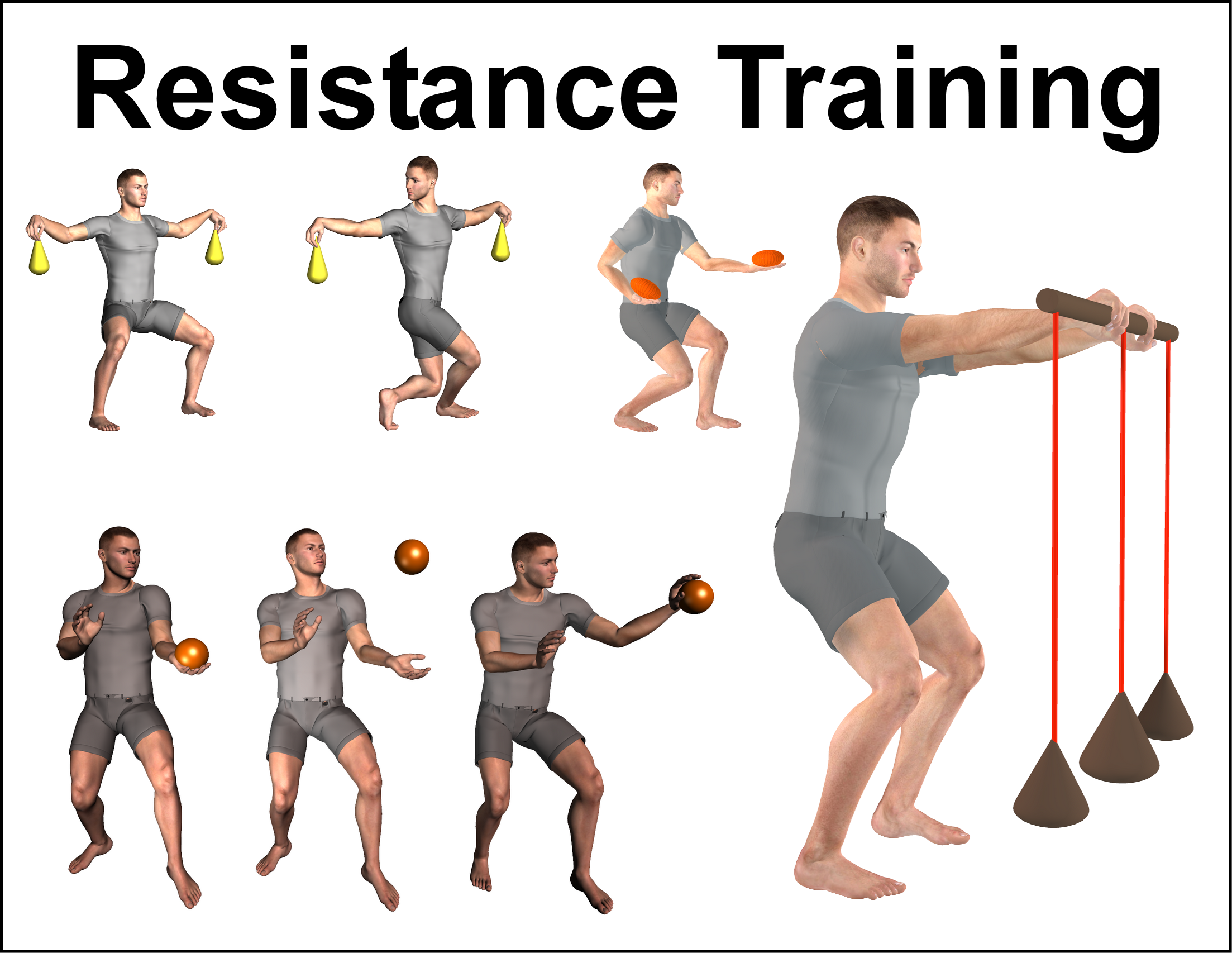
  • Resistance training: Lifting weights or using resistance bands helps build muscle mass and improves bone density. Exercises targeting the hips, spine, and wrists are particularly beneficial for bone health.
  • Balance training: Tai chi, yoga, and Pilates are excellent for improving balance and flexibility, reducing the risk of falls that can lead to fractures.
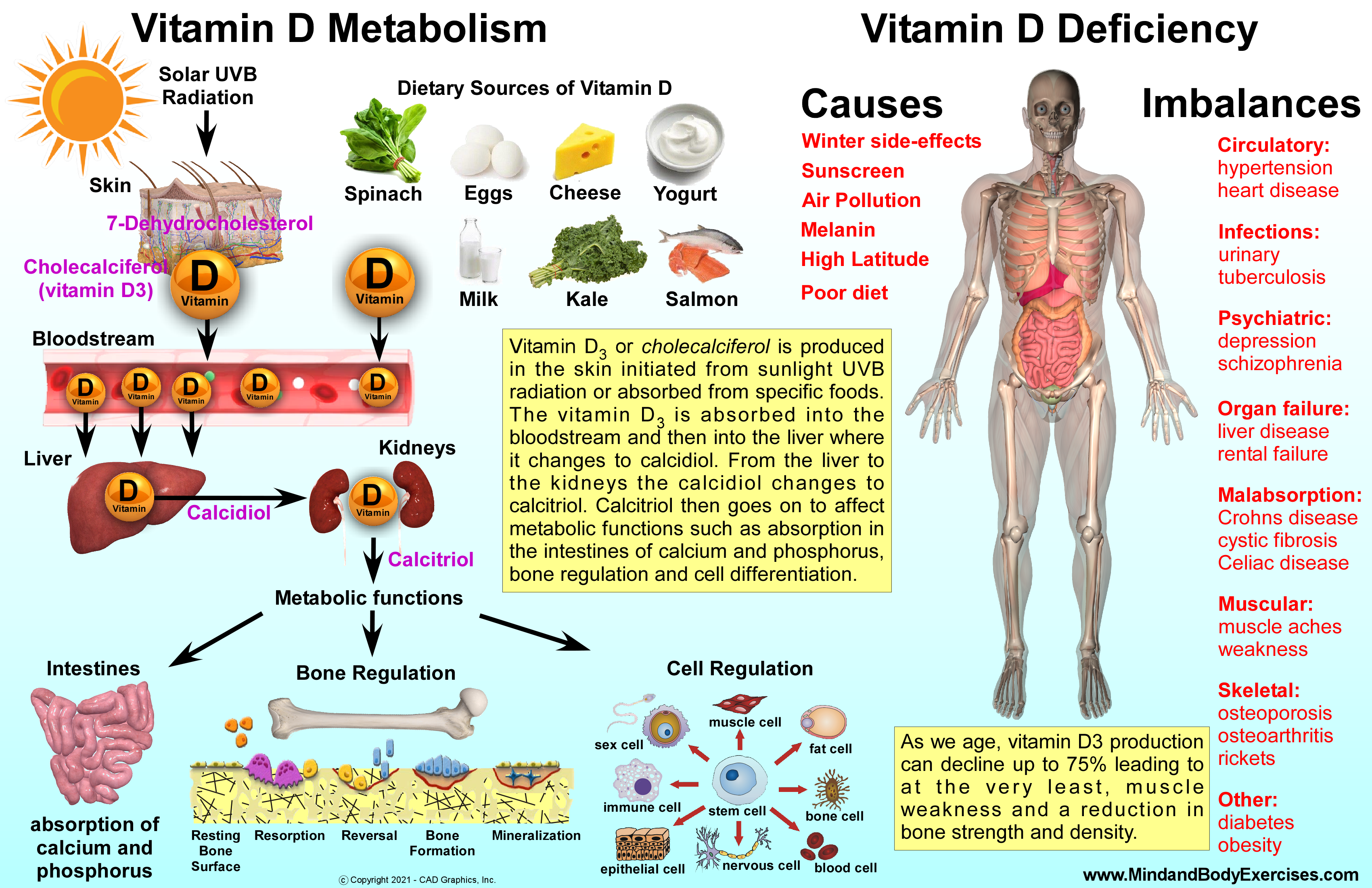
  • Vitamin D: Essential for calcium absorption, vitamin D can be synthesized through exposure to sunlight. About 15-30 minutes of sun exposure several times a week on the face, arms, or legs (without sunscreen) is often enough, depending on skin type, location, and weather.
  • Supplementation: In cases where adequate sun exposure is not possible, supplements are often recommended. The typical dosage is around 600-800 IU per day for adults, though higher doses may be needed for those with deficiencies.
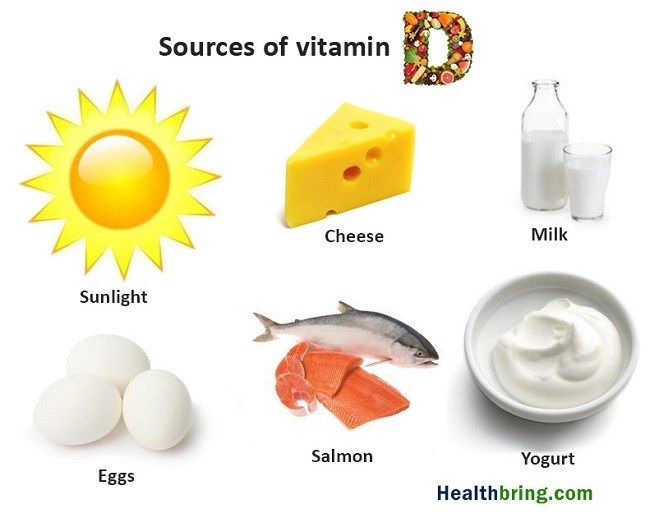
  • Calcium: Adequate calcium intake is crucial for maintaining bone density. The recommended intake is about 1,000-1,200 mg per day, depending on age and gender. Calcium-rich foods include dairy products (milk, cheese, yogurt), leafy greens (kale, broccoli), almonds, tofu, and fortified foods.
  • Magnesium: Magnesium helps convert vitamin D into its active form, allowing for better calcium absorption. Sources include nuts, seeds, legumes, and whole grains.
  • Protein: Adequate protein intake is essential for bone and muscle health. High-protein diets have been associated with improved bone density.
  • Other Nutrients:
    • Vitamin K: Found in leafy greens, helps regulate calcium and promotes bone health.
    • Omega-3 Fatty Acids: Found in fish like salmon and flaxseeds, these can help reduce bone loss.
  • Bisphosphonates: These drugs slow down bone resorption and help to maintain or increase bone density.
  • Hormone Therapy: Estrogen replacement therapy can be beneficial for postmenopausal women to slow bone loss.
  • Denosumab: A monoclonal antibody that reduces bone resorption.
  • Calcitonin: A hormone that helps regulate calcium levels and bone metabolism.
  • Parathyroid hormone analogs: These can help stimulate bone formation in severe cases of osteoporosis.
  • Quit smoking: Smoking accelerates bone loss, so quitting is important for bone health.
  • Limit alcohol: Excessive alcohol interferes with calcium balance and bone formation.
  • Fall prevention: Maintaining good balance and a safe living environment can help prevent falls that might lead to fractures.
  • Bone density scans: These scans can help monitor your bone health and assess your risk of fractures.
  • Regular medical check-ups: Consult your doctor for personalized advice and to discuss any concerns.

Osteopenia and osteoporosis are conditions that reflect the progressive weakening of bones, leading to increased risk of fractures. Managing these conditions involves a combination of strength training, resistance exercises, adequate sun exposure, proper nutrition (especially with calcium and vitamin D), and sometimes medication. Regular physical activity, especially weight-bearing and resistance exercises, can help strengthen bones, while proper diet and lifestyle choices support bone health and overall well-being.

I teach and offer lectures about holistic health, physical fitness, stress management, human behavior, meditation, phytotherapy (herbs), music for healing, self-massage (acupressure), Daoyin (yoga), qigong, tai chi, and baguazhang.

Please contact me if you, your business, organization, or group, might be interested in hosting me to speak on a wide spectrum of topics relative to better health, fitness, and well-being.

I look forward to further sharing more of my message by partnering with hospitals, wellness centers, VA centers, schools on all levels, businesses, and individuals who see the value in building a stronger nation through building a healthier population.

I also have hundreds of FREE education video classes, lectures, and seminars available on my YouTube channel at:

https://www.youtube.com/c/MindandBodyExercises

Many of my publications can be found on Amazon at:

http://www.Amazon.com/author/jimmoltzan

My holistic health blog is available at:

https://mindandbodyexercises.wordpress.com/

http://www.MindAndBodyExercises.com

Mind and Body Exercises on Google: https://posts.gle/aD47Qo

Jim Moltzan

407-234-0119
Reiki and its Acceptance in the US Healthcare System

American culture and society have greatly become more polarized on many issues. I see there is much more of a divide over the last 40 years between religions, spirituality, and secular practices. Reiki is a Japanese energy-based healing technique that uses an individual’s energy force to help reduce stress, and anxiety and encourage relaxation not only for themselves but also for others. The method uses gentle touch and placement for healing and tries to improve balance in the body. Reiki has become more accepted and understood in some regions in recent years and consequently, more hospitals in the US. I found a few sources that indicated that Reiki is more accepted and offered in more progressive areas of the US, such as New England (Miles, 2019) the West Coast, and New York (McKnight, 2023).  In other areas such as the Midwest, the Rust Belt, and the South, not so much. There is much more work and education that needs to transpire before Reiki will be truly accepted as mainstream by the US population.

However, Reiki practice for some that are religious, may make sense and coincide with their belief in the power of prayer. For those who are spiritual, Reiki offers a non-religious option to connect to the divine or something greater than the self. For the secular, the basic premise of self-regulation through meditation and modulation of the nervous system (Miles, 2008) through managed breath control makes sense when applied to the Reiki concepts. With more studies, exposure, and education all three of these groups may embrace Reiki more in years to come.

I live in Orlando, Florida which has been typically labeled as being in the so-called “Bible-belt.” This is a bit of an issue in that there are many people here, moving to or retiring here specifically to engage in the religious resources of many churches located throughout Florida. Not too much of a coincidence is that one of the largest healthcare providers in the US is Advent Health, which is a Seventh-day Adventist non-profit healthcare system headquartered in Central Florida. This particular religion does not support Eastern philosophy (Roman & Roman, 2022), making it extremely difficult to offer yoga, tai chi, qigong, Reiki, and other methods to its patients and the general public. I have tried hard over the last 30 years to work with their community outreach and senior wellness departments, where I have provided some lectures on bone health, balance, and stress management. I was instructed to keep my presentations on tai chi and qigong, within the guidelines of exercise and mindfulness breathing exercises. Administrators preferred for me not to get into spirituality, religion, or metaphysical concepts that may not coincide with the corporation’s Christian mission, shared vision, or common values. When these healthcare providers do offer yoga or tai chi classes, they are usually just teaching physical exercises. From what I have found, Reiki is not offered much in Orlando except through private practitioners. This may change in years to come as I plan to become more involved in teaching holistic health seminars, for which Reiki will be a topic of my discussions.

Most people are aware that allopathic medicine is a very powerful and profit-driven model that generates about 4.1 trillion dollars per year in products, services, and employment (American Medical Association & American Medical Association, 2024). Anything that is free to learn/practice or empowers the individual to take control of their own health, is often labeled as pseudo-science or alternative, regardless of if other cultures have seen the benefits as legitimate, safe, and effective for thousands of years. “Safe and effective” often has a different meaning in the US where politics and profits often determine safety and efficacy. As the US continues to be more diverse in its assimilation of other cultures, we will continue to see more traditional healthcare practices come to be accepted in the US. Look how long it has taken for acupuncture, yoga, massage, Pilates, and other methods to achieve acceptance in the US. True knowledge lives on regardless of the day-to-day, year-to-year flippancy of a nation’s viewpoints.  If Reiki continues to offer benefits, studies will continue forward and hopefully eventually align with allopathic medicine, which would greatly broaden the acceptance within the general population.

One area of my concern with the potential for healing through Reiki practices is the potential karmic implications that may come about while attempting to help others. If someone is trying to heal by serving as a conduit to the Reiki energy, this is somewhat different than attempting to heal as a source of energy instead. It is my understanding from my own practices and study of Eastern cultures that often peoples’ ailments, whether mental or physical, are manifestations of their own actions and circumstances.  As a healer, one needs to be aware that many life lessons are meant to be learned, experienced, solved, and mastered firsthand. If not for the individual’s own life lessons, but so as not to diminish the energy of other people. An example of this type of scenario is seen typically in the healthcare or first responder professions, where an individual may have good intent in helping another person, but that person often does not change their behavior or circumstances to avoid ailments or events, only to repeat them over and over again. The healer, helper, supporter, etc., often drains themselves physically, mentally, and spiritually while the patient, victim, or person in need becomes somewhat of an energy vampire consuming others’ energy and good intentions.

References:

Miles, P. (2019, September 16). Reiki in hospitals: An update by Pamela Miles, medical reiki master. https://reikiinmedicine.org/. https://reikiinmedicine.org/clinical-practice/reiki-in-hospitals-an-update/

McKnight, J. (2023, April 1). Full list of hospitals that use Reiki in the US. Planet Meditate. https://planetmeditate.com/full-list-hospitals-that-use-reiki-us/

Miles, (2008). (p.198) Reiki, A Comprehensive Guide, Penguin Publishing Group. Kindle Edition. Roman, A., & Roman, A. (2022, February 24). Yoga, Zumba, Les Mills, Te Fiti the Goddess of Creation, Disney Magic and the New 8 Laws of Health are all part of AdventHealth | Advent Messenger. Advent Messenger. http://adventmessenger.org/yoga-zumba-les-mills-te-fiti-the-goddess-of-creation-disney-magic-and-the-new-8-laws-of-health-are-all-part-of-adventhealth/

American Medical Association & American Medical Association. (2024, April 25). Trends in health care spending. American Medical Association. https://www.ama-assn.org/about/research/trends-health-care-spending

I teach and offer lectures about holistic health, physical fitness, stress management, human behavior, meditation, phytotherapy (herbs), music for healing, self-massage (acupressure), Daoyin (yoga), qigong, tai chi, and baguazhang.

Please contact me if you, your business, organization, or group, might be interested in hosting me to speak on a wide spectrum of topics relative to better health, fitness, and well-being.

I look forward to further sharing more of my message by partnering with hospitals, wellness centers, VA centers, schools on all levels, businesses, and individuals who see the value in building a stronger nation through building a healthier population.

I also have hundreds of FREE education video classes, lectures, and seminars available on my YouTube channel at:

https://www.youtube.com/c/MindandBodyExercises

Many of my publications can be found on Amazon at:

www.Amazon.com/author/jimmoltzan

My holistic health blog is available at:

https://mindandbodyexercises.wordpress.com/

www.MindAndBodyExercises.com

Mind and Body Exercises on Google: https://posts.gle/aD47Qo

Jim Moltzan