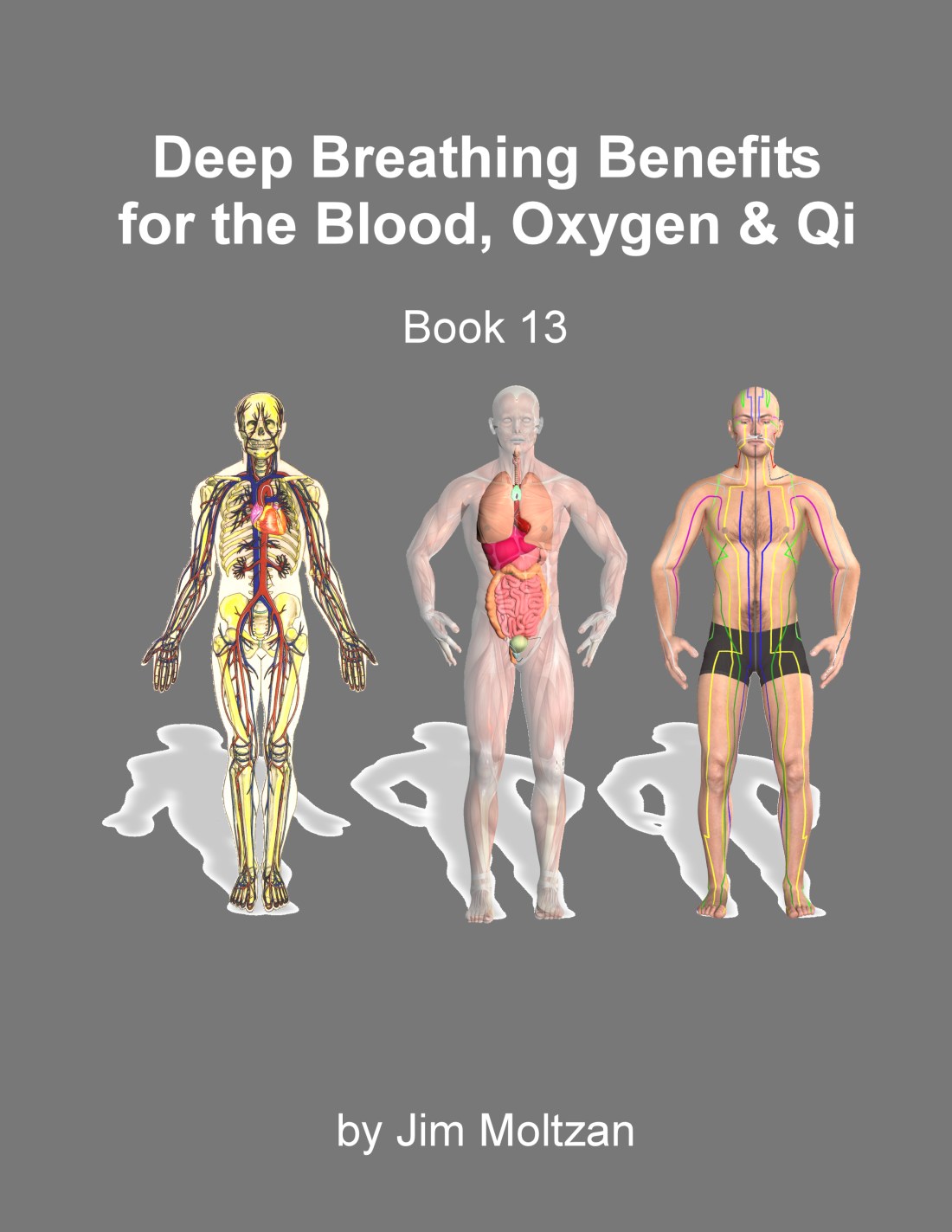
My latest book is the result of more than four decades of study, practice, healing, teaching, and reflection. It has been shaped through a lifetime of learning, from the grind of physical training to the quiet revelations of stillness. I’ve experienced injury and recovery, frustration and discovery, disillusionment and renewal. I’ve worked with athletes and seniors, martial artists and skeptics, students in pain and seekers of peace. And in all of this, I’ve come to a clear and powerful truth: how we breathe determines how we live.
Breath is our most intimate connection to life. It is the first thing we do when we are born and the last act of the physical body before death. In between, we take tens of thousands of breaths each day yet few of us are ever taught how to breathe well. Breath is assumed, automatic, and too often ignored until it becomes impaired. But for those who learn to pay attention, the breath is also a teacher, a tool, and a gateway to better health, greater awareness, and inner strength.
Available on Aamzon
From physiology to philosophy, Eastern medicine to Western science, every tradition I’ve explored acknowledges the power of breath. What this book offers is a bridge between those worlds. It is not just a technical manual or a philosophical essay, it is a lived map. It charts what I’ve seen work, what I’ve tested, and what I’ve returned to again and again, both for myself and my students.
This book is also a response to a culture that too often seeks complex fixes while ignoring the fundamentals. We have machines that track every heartbeat, yet people feel exhausted. Medications suppress symptoms but rarely resolve the cause. In contrast, breathing with awareness costs nothing, requires no equipment, and is available to you at any moment. It can regulate blood pressure, balance hormones, release chronic tension, improve digestion, enhance mental clarity, and restore emotional balance. It can return you to yourself.
Whether you’re new to breathwork or a seasoned practitioner, this book is designed to meet you where you are. It begins with the body, your physiology and posture, then moves through traditional practices, energetic systems, and meditative tools. By the end, you’ll understand not just how to breathe better, but why doing so changes everything.
My hope in writing this is not just to inform, but to awaken, to stir in you a sense of curiosity, empowerment, and agency. You do not need to be a guru, athlete, or mystic to reclaim your breath. You only need to begin. Each chapter in this book is an invitation to return to that beginning again, more skillfully each time.
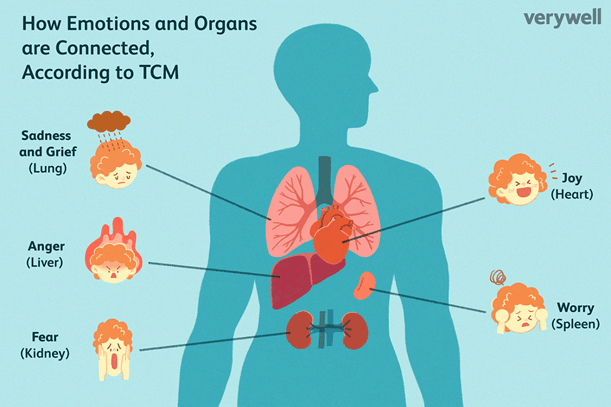
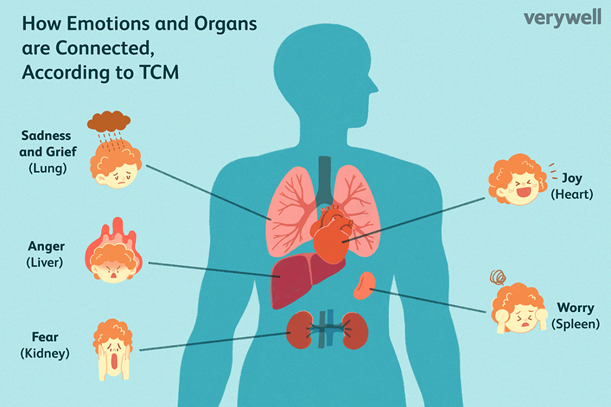
In Traditional Chinese Medicine (TCM), the human body is seen not merely as a collection of parts but as an interconnected system of energy, spirit, emotion, and function. One of the most profound concepts in TCM is that each major organ system is linked to a particular emotion. Among these, the Heart is associated with the season of summer and the emotion of Joy, a connection that is both beautiful and cautionary.
(Vanbuskirk, 2024)
The Heart: Emperor of the Organ Systems
According to classical TCM, the Heart is not just a mechanical pump. It is the “Emperor” of the body’s organ systems. It governs the blood and blood vessels, controls the tongue, and most significantly, houses theShen the mind or spirit.
Heart Correspondences:
Element: Fire
Season: Summer
Color: Red
Flavor: Bitter
Tissue: Blood vessels
Sense Organ: Tongue
Emotion: Joy
Spirit: Shen (Mind/Spirit)
When the Heart is balanced, we experience mental clarity, restful sleep, appropriate excitement, and the capacity for deep connection with others.
Joy: The Nourishing Emotion
In appropriate doses, joy is a deeply nourishing force. Joy:
Soothes the nervous system and eases emotional tension
Promotes circulatory warmth and a sense of connection
Lifts the Shen, resulting in laughter, optimism, and creativity
It is vital to a healthy spiritual life
Joy reflects the expansive nature of the Fire element. Like the sun in summer, it radiates outward, illuminating relationships and animating the spirit.
When Joy Becomes Excessive
Paradoxically, the very emotion that nourishes the Heart can also harm it when excessive or poorly regulated. In TCM, “excess joy” includes:
Overexcitement, mania, or hysteria
Hyperactivity, constant stimulation
Overindulgence in pleasure or celebration
Physiological Consequences of Excess Joy:
Scattering of the Shen: The mind becomes ungrounded or erratic.
Heart Qi disruption: Can result in palpitations, insomnia, anxiety.
In modern terms, this may resemble bipolar mania, panic disorder, or emotional exhaustion. Prolonged joy without rest can overheat the system, especially in individuals already constitutionally “hot” or deficient in Yin.
The Importance of Emotional Balance in TCM
TCM recognizes no emotion as inherently negative. Emotions are considered physiological energies that must move freely, but in balance.
Emotion
Organ System
In Balance
In Excess
Joy
Heart
Warmth, clarity, connection
Scattered mind, insomnia, palpitations
Anger
Liver
Motivation, assertiveness
Irritability, tension, high blood pressure
Worry
Spleen
Compassion, thoughtfulness
Obsession, overthinking, fatigue
Grief
Lung
Reverence, release
Depression, breathlessness
Fear
Kidney
Caution, intuition
Panic, low back pain, adrenal fatigue
All five emotions (and their corresponding organ systems) influence one another. For example, chronic over-stimulation (excess joy) may weaken the Heart and eventually impact on the Kidneys (fear) or the Spleen (overthinking), leading to broader emotional and physical disharmony.
Recognizing Heart-Shen Imbalance
Signs that joy has turned from nourishing to disruptive may include:
Insomnia or difficulty falling asleep
Restlessness or excessive chatter
Palpitations or fluttering heartbeat
Red tip of the tongue (Heart Fire sign)
Vivid or disturbing dreams
Uncontrollable laughter or emotional outbursts
Practitioners aim to calm the Shen, clear Heart Fire, and nourish Heart Yin with techniques such as:
Acupuncture (e.g., Heart 7, Pericardium 6)
Herbal formulas (e.g., Tian Wang Bu Xin Dan)
Meditation and breathwork
Avoidance of overstimulation, especially in summer
A Holistic Reflection
In the West, joy is often pursued as a goal in itself. But TCM offers a subtle reminder: true wellness lies not in constant happiness but in dynamic balance. Joy, like fire, is beautiful but unchecked, it can burn.
Instead of constant excitement, TCM encourages us to cultivate:
Contentment
Presence
Inner peace
By anchoring our joy in stillness, we allow the Shen to rest peacefully in the Heart, just as the sun sets each day to allow the body to restore.
References
Kaptchuk, T. J. (2000). The Web That Has No Weaver: Understanding Chinese Medicine. McGraw-Hill.
I look forward to further sharing more of my message by partnering with hospitals, wellness centers, VA centers, schools on all levels, businesses, and individuals who see the value in building a stronger nation through building a healthier population.
I also have hundreds of FREE education video classes, lectures, and seminars available on my YouTube channel at:
Rewiring the Nervous System: Ancient Practices for Modern Resilience
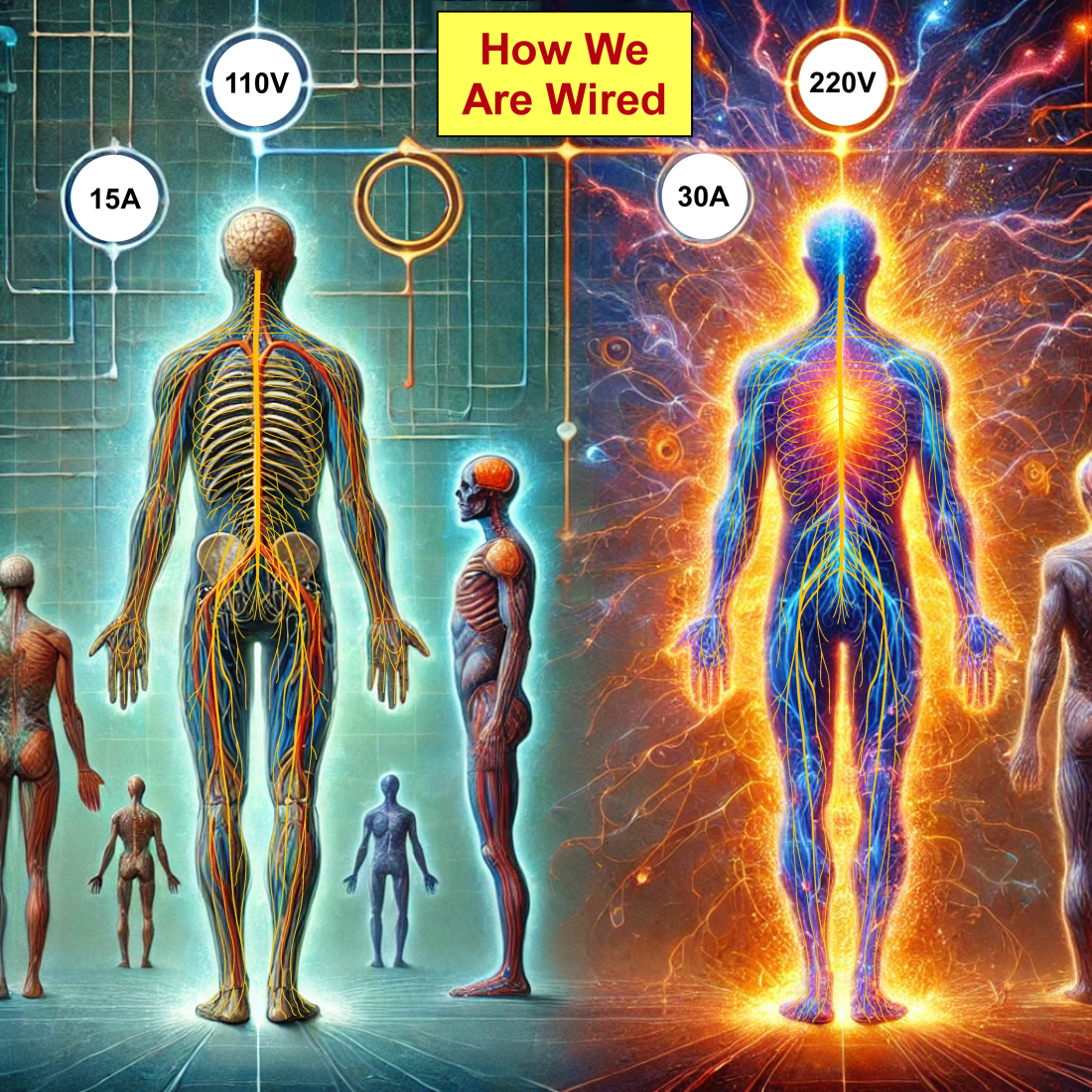
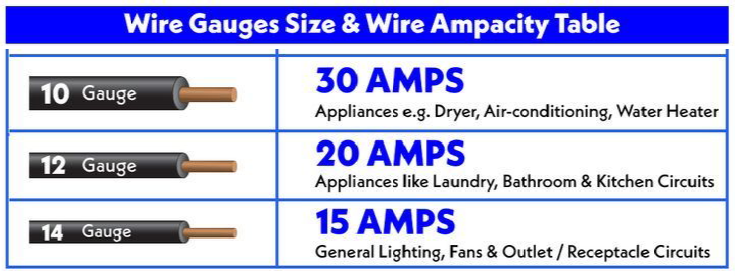
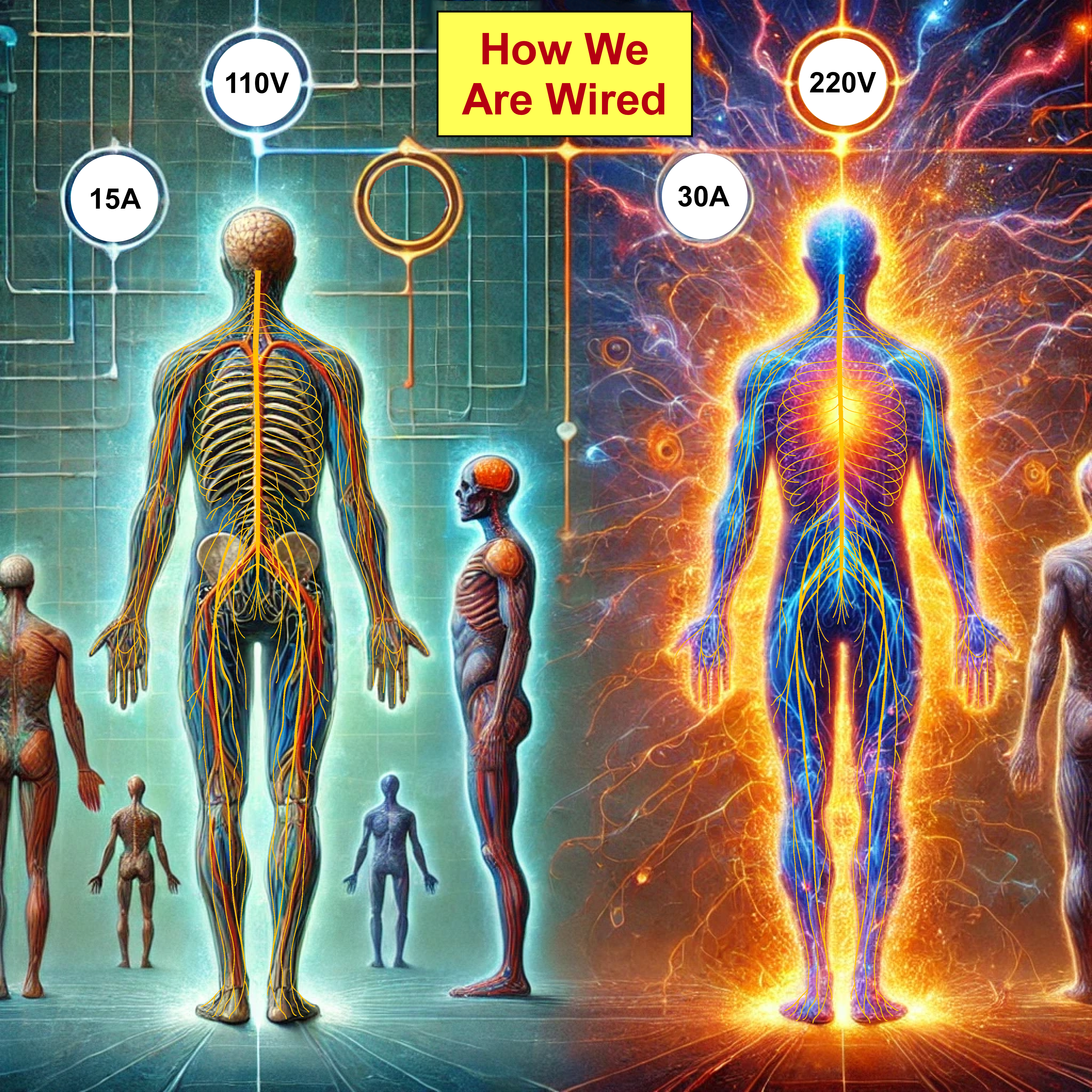
The human nervous system can be likened to an electrical system designed for specific voltage and amperage. Traditionally, it is assumed that most individuals are wired for 110 volts and 15 amps. However, contemporary society necessitates functioning at 220 volts and 30 amps, far exceeding the capacity originally intended by our biology. This increased “voltage” manifests as chronic stress, anxiety, burnout, and various physical ailments.
Nevertheless, just as an electrical system can be rewired to handle greater loads, the human nervous system can also be trained to adapt. Ancient practices such as martial arts, qigong, Dao Yin (Taoist yoga), yoga, and breathwork serve as effective interventions. These time-tested methods bridge the gap between the body’s inherent capabilities and the demands of modern life, enabling the nervous system to withstand higher levels of stress without succumbing to being overwhelmed.
The Role of Stance Training and Controlled Stress
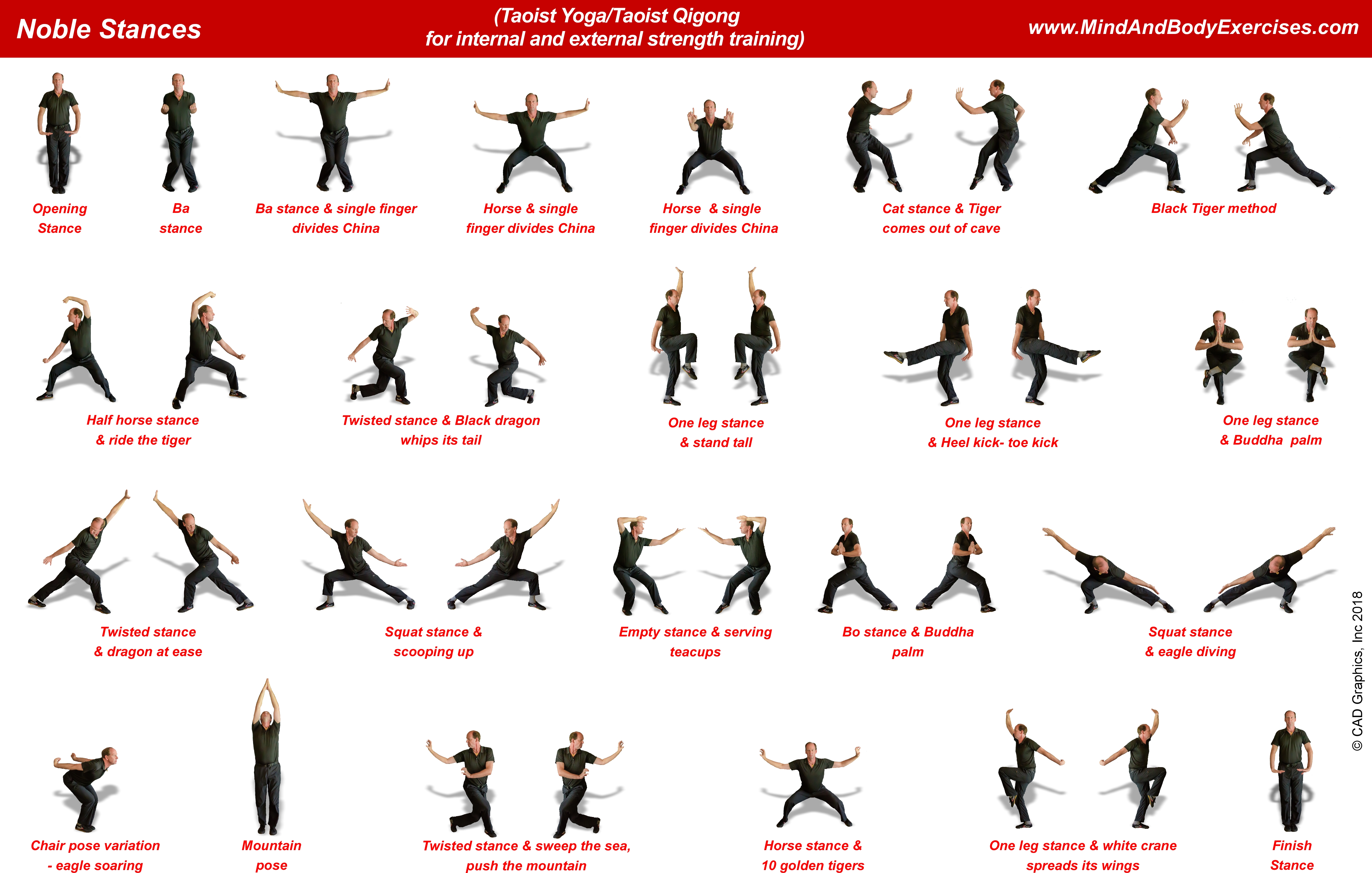
With over 45 years of experience in martial arts, qigong, Dao Yin, and yoga, it has been observed that certain methods can effectively enhance the nervous system. One such method is stance training, which involves holding postures for specific durations while integrating breath control.
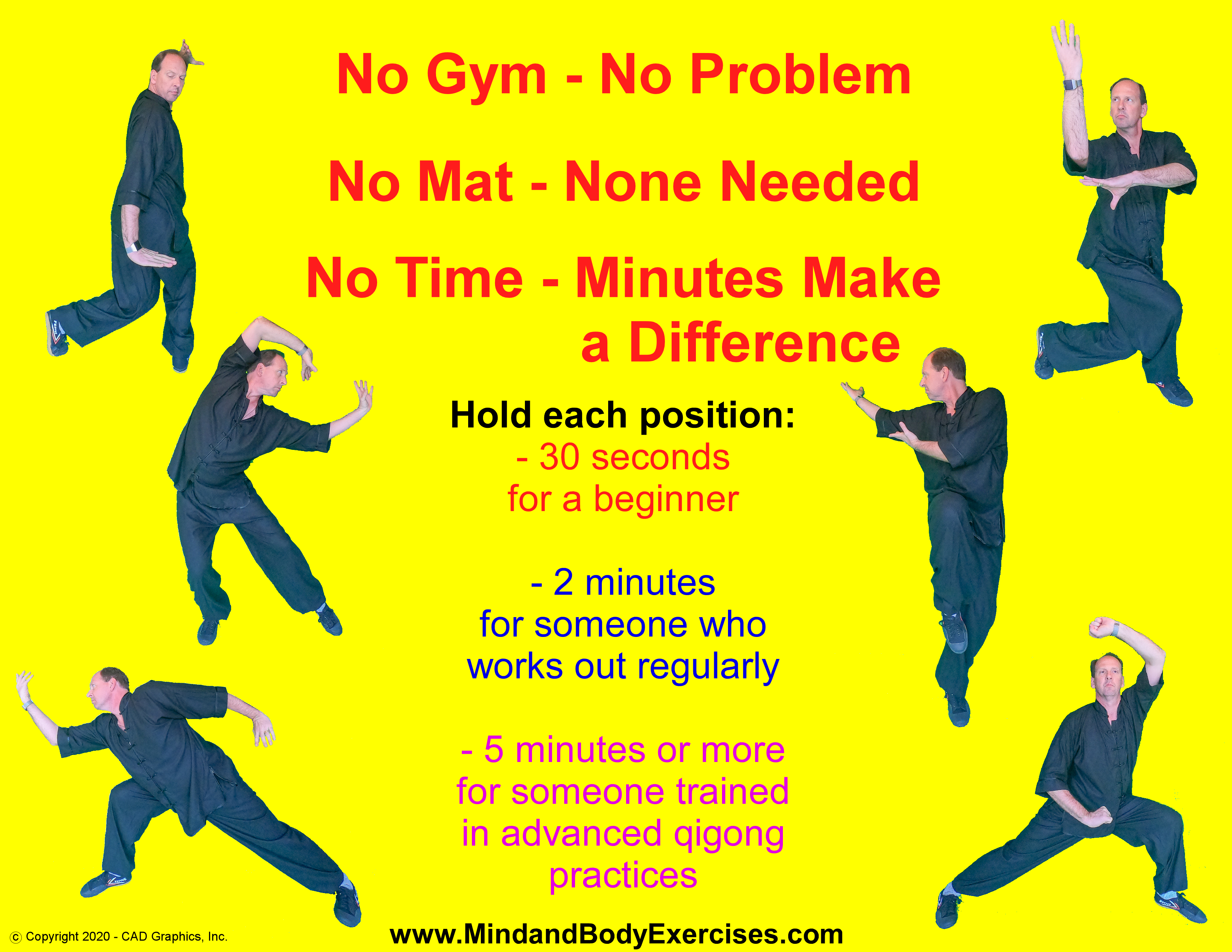
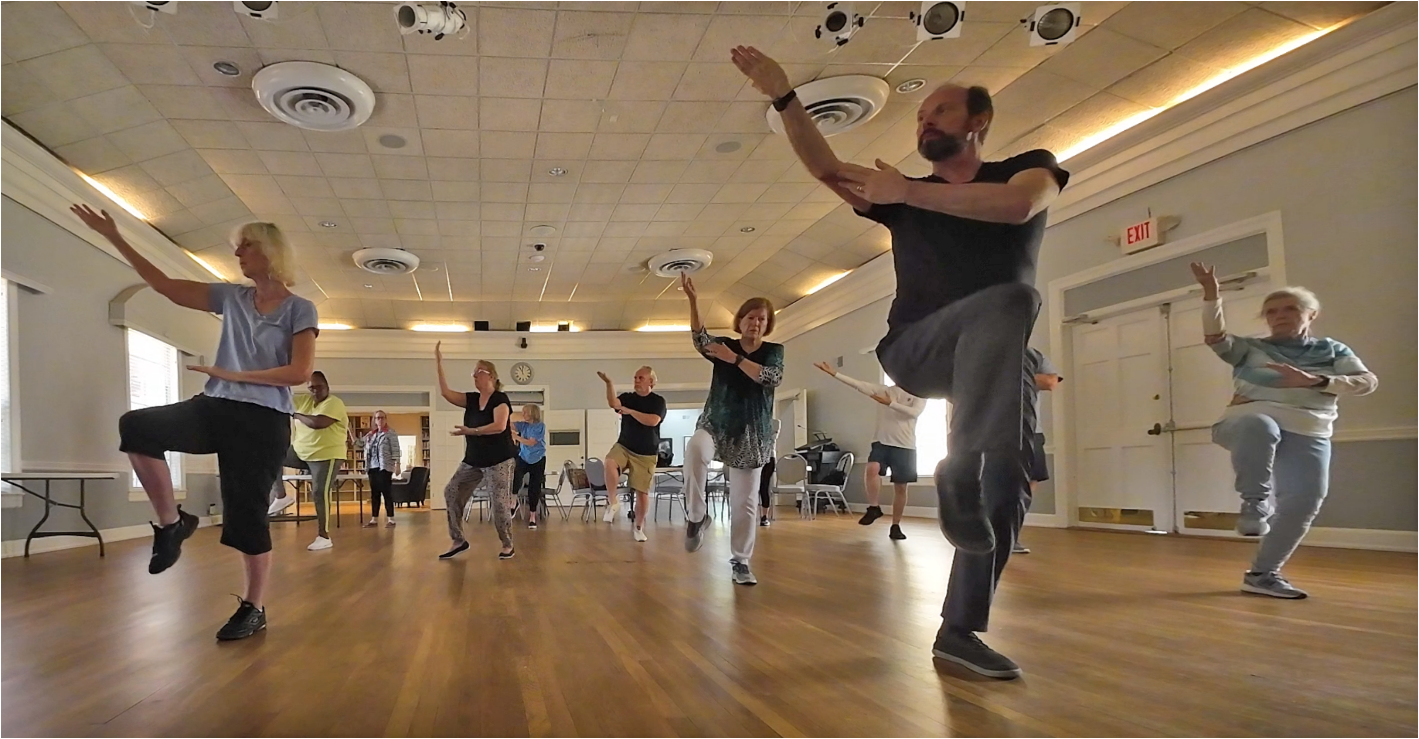
For beginners, basic stances are introduced in succession, initially without prolonged holds. As they progress, duration gradually increases. Once students can hold each stance for 30 seconds, controlled breathing is incorporated, typically three breaths per 30 seconds. With consistent practice, the duration is extended to one-minute holds, adjusting breath cycles to around four to six respirations per minute.
This approach serves multiple purposes. On a physical level, it strengthens the legs, core, and other stabilizing muscles. On a neurological level, it encourages the nervous system to adapt to discomfort, fostering resilience, endurance, and focus. On an energetic level, it stimulates the body’s internal pathways, potentially leading to enhanced vitality and internal balance.
The Science Behind the Training: The Anterior Midcingulate Cortex (aMCC)
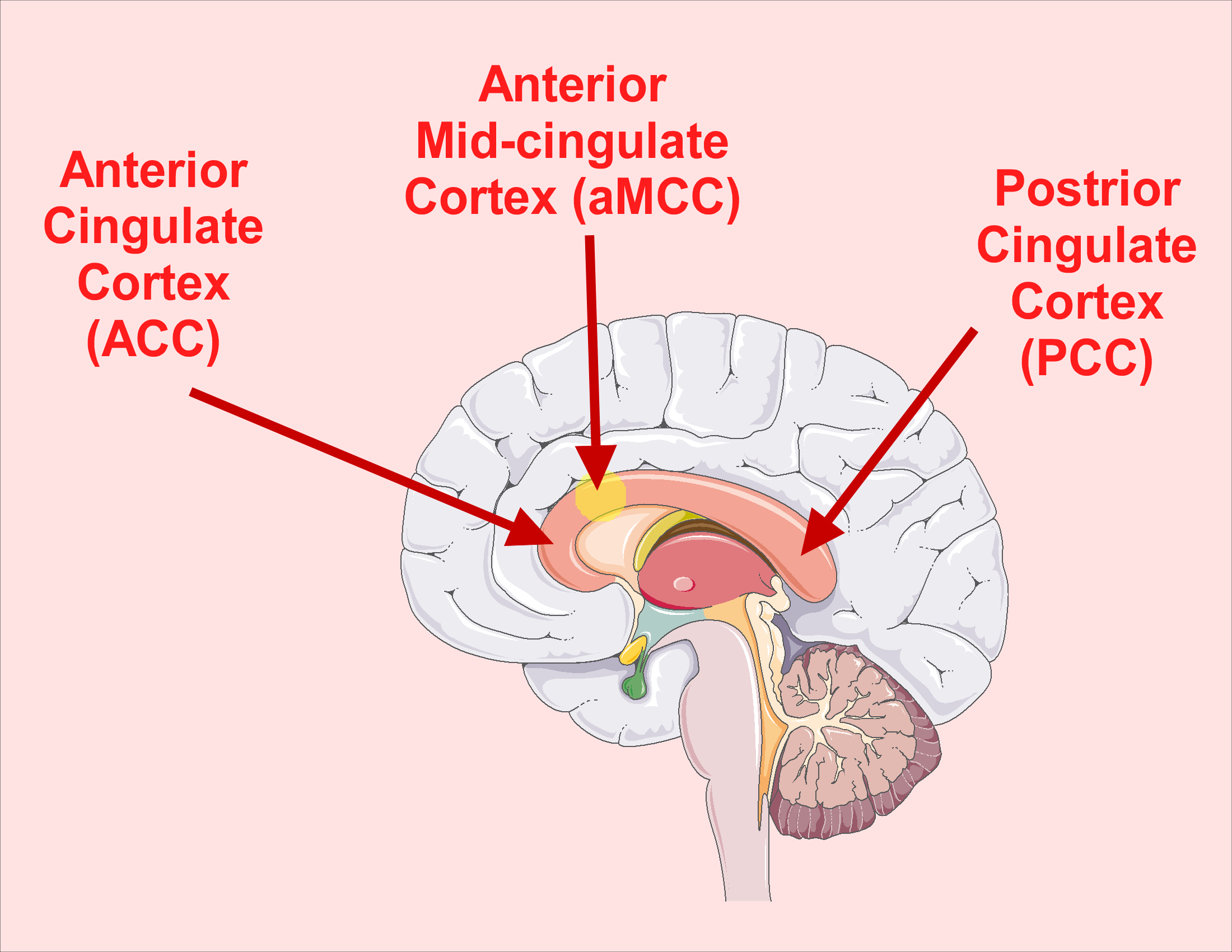
While these practices have been in use for centuries, contemporary neuroscience provides insight into their effectiveness. A critical region of the brain implicated in resilience is the anterior midcingulate cortex (aMCC).
The aMCC is responsible for effortful control, emotional regulation, and persistence in the face of challenges. Research indicates that engaging in controlled stress, such as maintaining difficult stances, regulating breath, or training under discomfort, strengthens and enlarges the aMCC. Consequently, individuals who practice these methods may enhance their ability to manage stress more effectively, increase mental toughness, and maintain composure under pressure.
In essence, deliberate training can augment our capacity to handle life’s challenges, analogous to how lifting heavier weights strengthens muscles. This concept is consistent with the principle of progressive overload, which is well-established in strength training and equally applicable to the nervous system and mental resilience.
“Burning the Chong Mai” – The Energetic Dimension
Beyond the physical and neurological aspects, these practices have deep roots in Taoist and Traditional Chinese Medicine (TCM). An important concept in energetic cultivation is “burning the Chong Mai.”
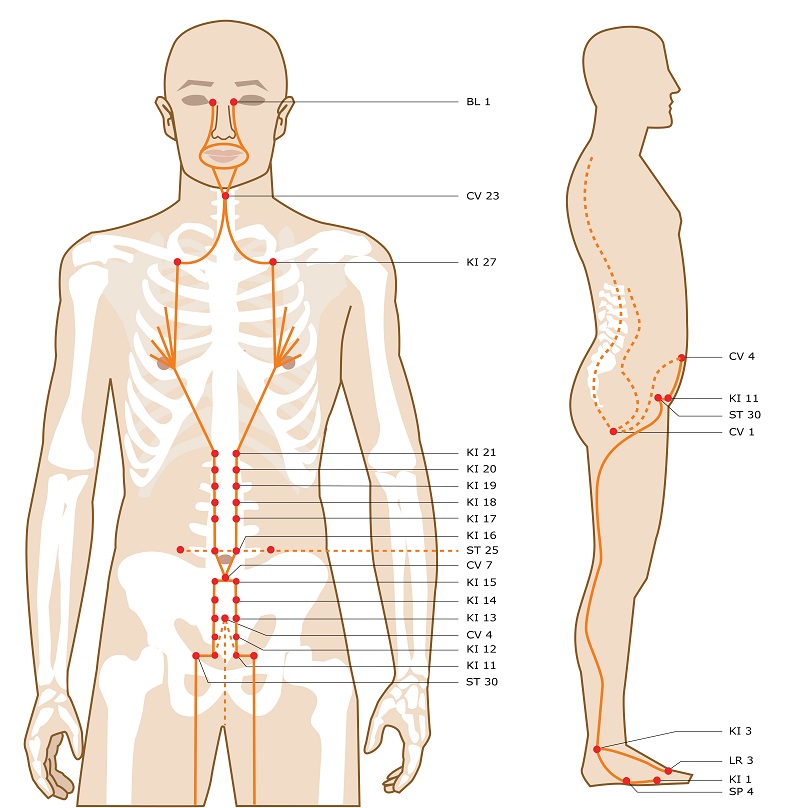
Chong Mai
The Chong Mai (penetrating or thrusting Vessel) is one of the eight extraordinary meridians in TCM. It serves as a primary channel for deep energy reserves, influencing the body’s overall energy flow. When stance work and controlled breathing are practiced regularly, this meridian can be activated, which may allow for greater energy circulation through the other seven extraordinary vessels and the twelve main meridians.
This process can be compared to upgrading a power grid. By increasing the capacity of the Chong Mai, the entire energetic system can become more efficient, stable, and resilient. This observation might explain why long-term practitioners of qigong, Dao Yin, and martial arts often report higher energy levels, improved focus, and a significant sense of internal strength.
Resilience Through Discomfort: The Path to Transformation
The old adage “That which does not kill us makes us stronger” perfectly encapsulates the philosophy behind these training methods. Rather than avoiding stress, we use it as a tool for growth.
Physically, stance training builds strength, endurance, and structural integrity.
Mentally, breath control and effortful posture-holding train the nervous system to remain calm under pressure.
Neurologically, the aMCC adapts and strengthens, improving stress management and persistence.
Energetically, activating the Chong Mai and meridian system enhances internal power and resilience.
Instead of being overwhelmed by modern life’s “220 volts,” we can upgrade our own internal wiring, ensuring that we remain grounded, adaptive, and powerful in an ever-changing world.
For those seeking true strength, not just physically, but mentally and spiritually- these ancient methods offer a proven path to transformation. The keys are consistency, patience, and a willingness to embrace discomfort as a gateway to resilience.
I look forward to further sharing more of my message by partnering with hospitals, wellness centers, VA centers, schools on all levels, businesses, and individuals who see the value in building a stronger nation through building a healthier population.
I also have hundreds of FREE education video classes, lectures, and seminars available on my YouTube channel at:
After decades of study, practice, and teaching, I’ve come to a simple but powerful truth: personal transformation is possible. through committed effort, self-reflection, and time-proven methods that honor both the body and the spirit.
For over 40 years, I’ve dedicated my life to exploring and sharing the profound wisdom of holistic health, qigong, tai chi, martial arts, and traditional Eastern systems of healing and self-realization. These practices were once dismissed as esoteric or somewhat “out there,” but have never been more relevant. In a culture dominated by distraction, disconnection, and stress, they offer a lifeline back to balance, clarity, strength, and peace.
Today, I’m excited to share something new. A step forward in expanding the reach of this message.
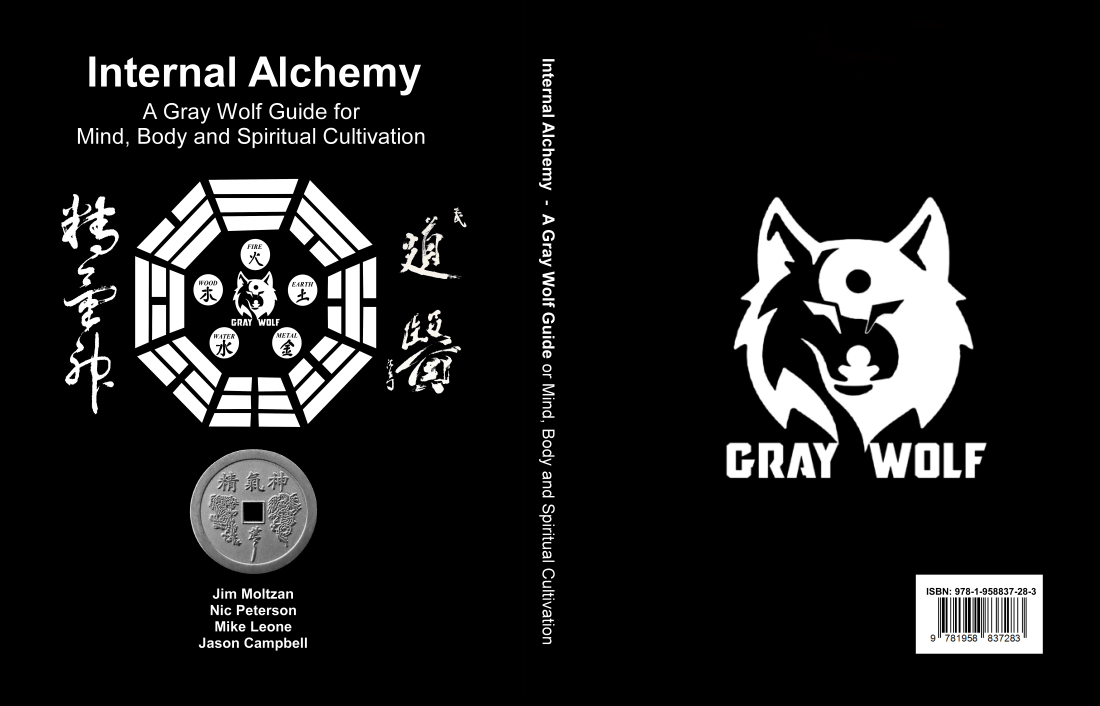
I’m partnering with Nic Peterson (https:/www.nicpeterson.com/) a respected lineage holder of the Gray Wolf Clan, whose commitment to mastery, stewardship, and the preservation of traditional wisdom deeply aligns with my own. Nic recently wrote a powerful foreword for a private-label edition of one of my foundational works, newly titled Internal Alchemy: The Gray Wolf Guide to Body, Mind, and Consciousness. His contribution reflects the values we both hold dear of humility in teaching, discipline in practice, and the profound responsibility that comes with authentic knowledge.
We come from a warrior–scholar–sage tradition. Our masters are healers and fighters, philosophers and practitioners. They are as capable of restoring life as they are of taking it. Many other masters and grandmasters, though unnamed, have left their mark here too. That’s the nature of a true lineage: the teachings carry many hands, many voices.
Internal Alchemy is not a light read. It is a manual that is quite dense, and a deliberate reference that can (and should) be returned to time and again. Each page could be unpacked over days of study. It’s not meant to be skimmed; it’s meant to be integrated.
Alongside Nic, I am also honored to acknowledge the contributions of two remarkable individuals:
Michael Leone, my friend, peer, and sometimes teacher, a doctor of Chinese medicine, and a true warrior-scholar-sage, has been the wellspring of much of the knowledge this book is built upon. His insight into internal energetics, martial arts, and the healing systems of the East has deeply shaped my own understanding and practice. His teachings live within every page of Internal Alchemy, and his guidance continues to inform and inspire everything I share. Michael can be reached at: https://zenwellness.com/
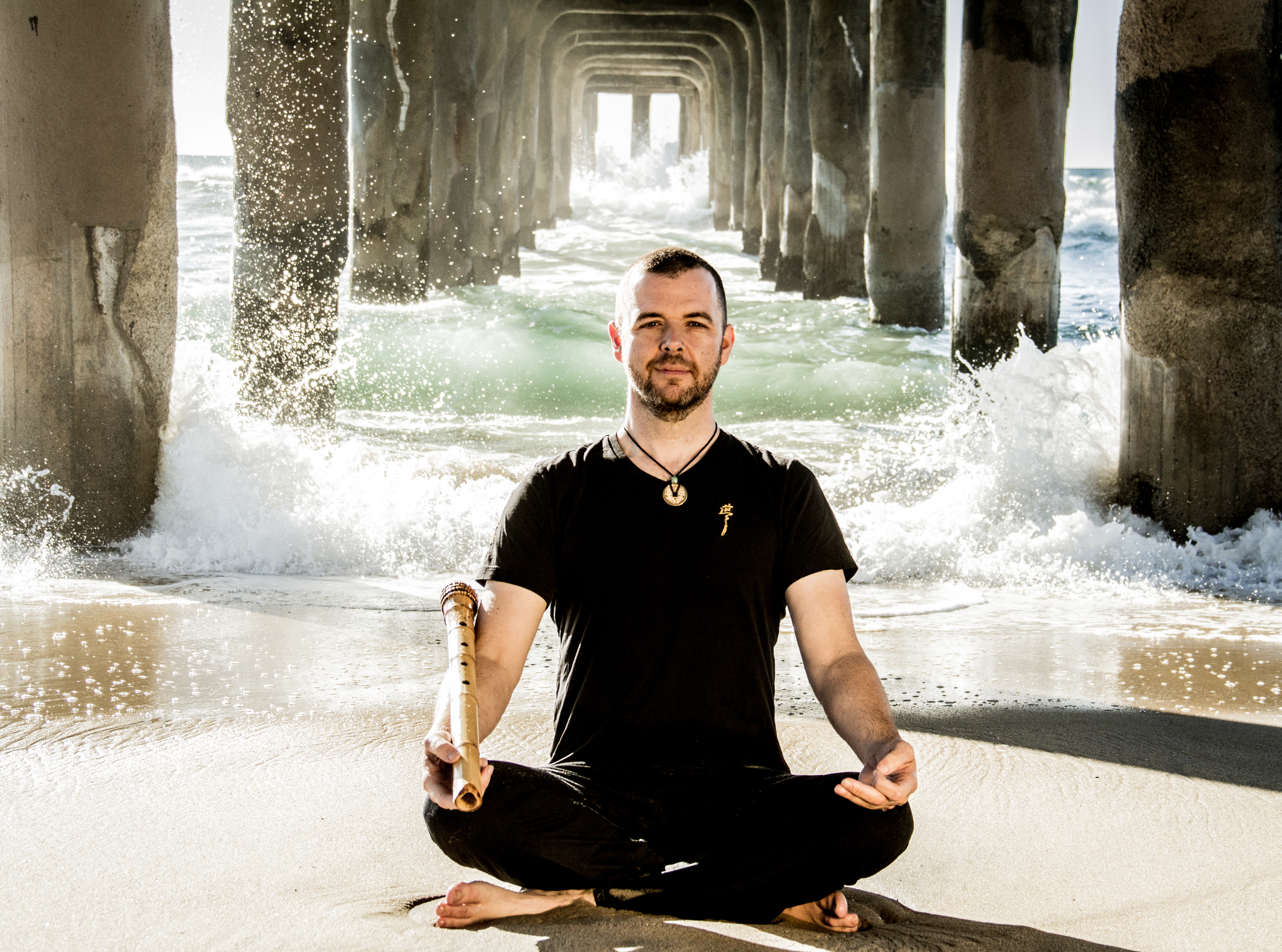
Jason Campbell, a highly recognized teacher, musician, and meditation guide, adds a profound layer to this collaboration. His work bridges the gap between ancient practices and modern lives, using sound, rhythm, and stillness to create doorways into deeper awareness. His presence in this effort expands our ability to reach those seeking peace not just in body and mind, but also in spirit and daily life. Jason’s works can be found at: https://www.jasoncampbellmusic.com/
Together, we represent a community of practitioners who believe that ancient knowledge must be preserved, respected, and made relevant in the modern age. Our collaboration is a commitment to serving the global community of seekers who value depth over trends, practice over theory, and legacy over ego.
Internal Alchemy is more than a book. It’s a living transmission of teachings designed to support your path toward self-mastery and inner freedom. Whether you are a beginner or a lifelong practitioner, we invite you to join us on this journey.
If you feel the call to the mountain, to the stillness, to something deeper within, you’re already on the path.
To learning, growing, and giving back.
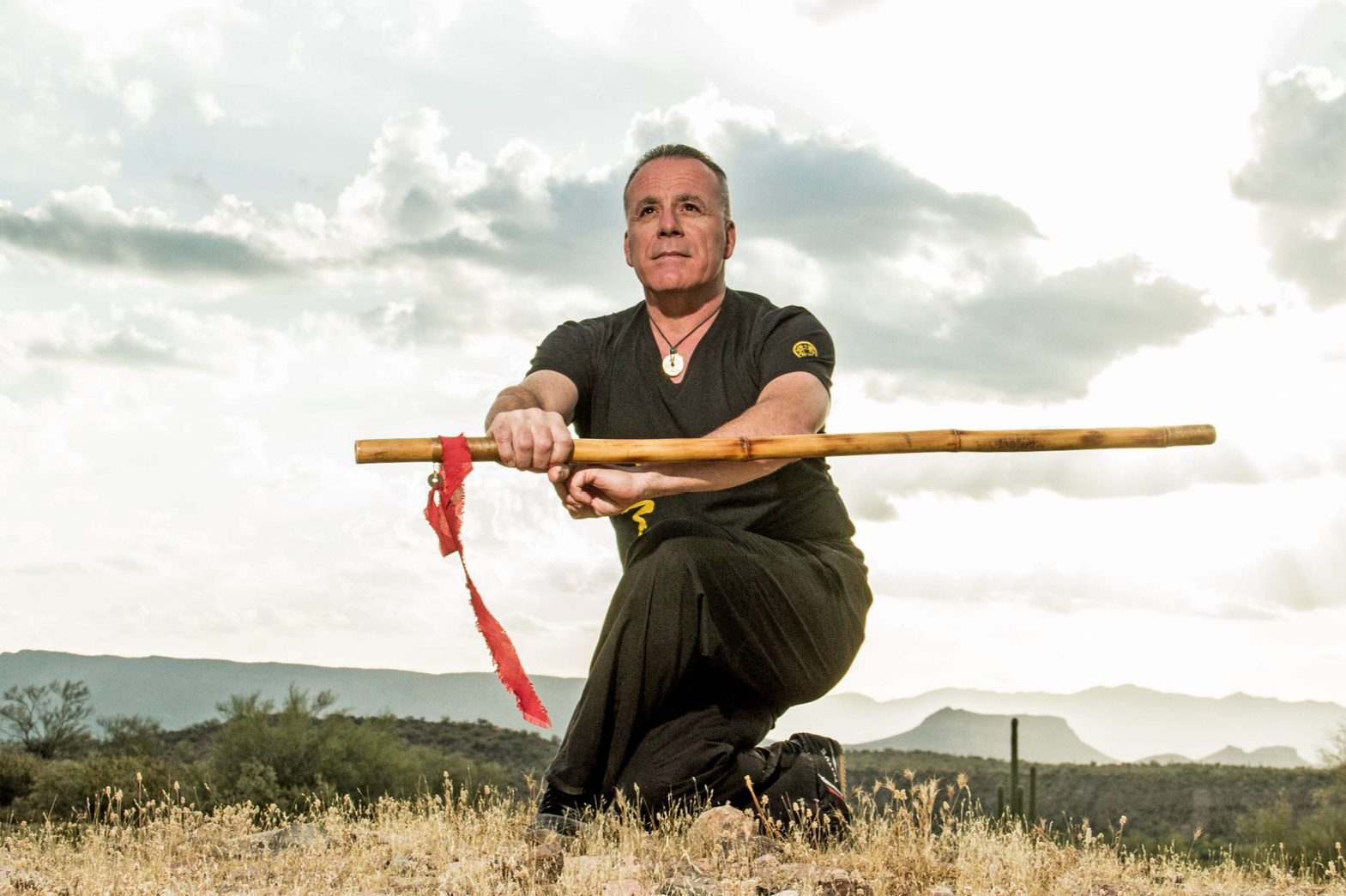
Jim Moltzan Author, Educator, Practitioner
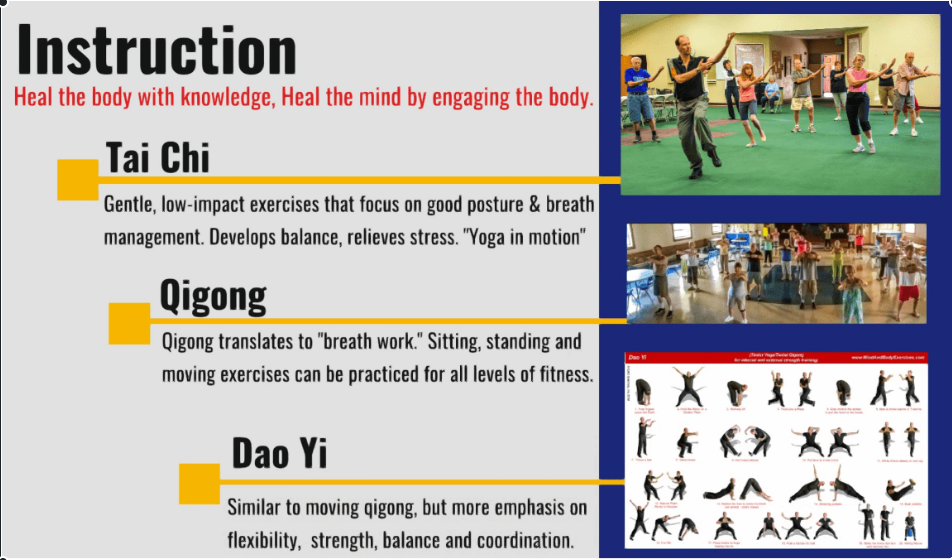
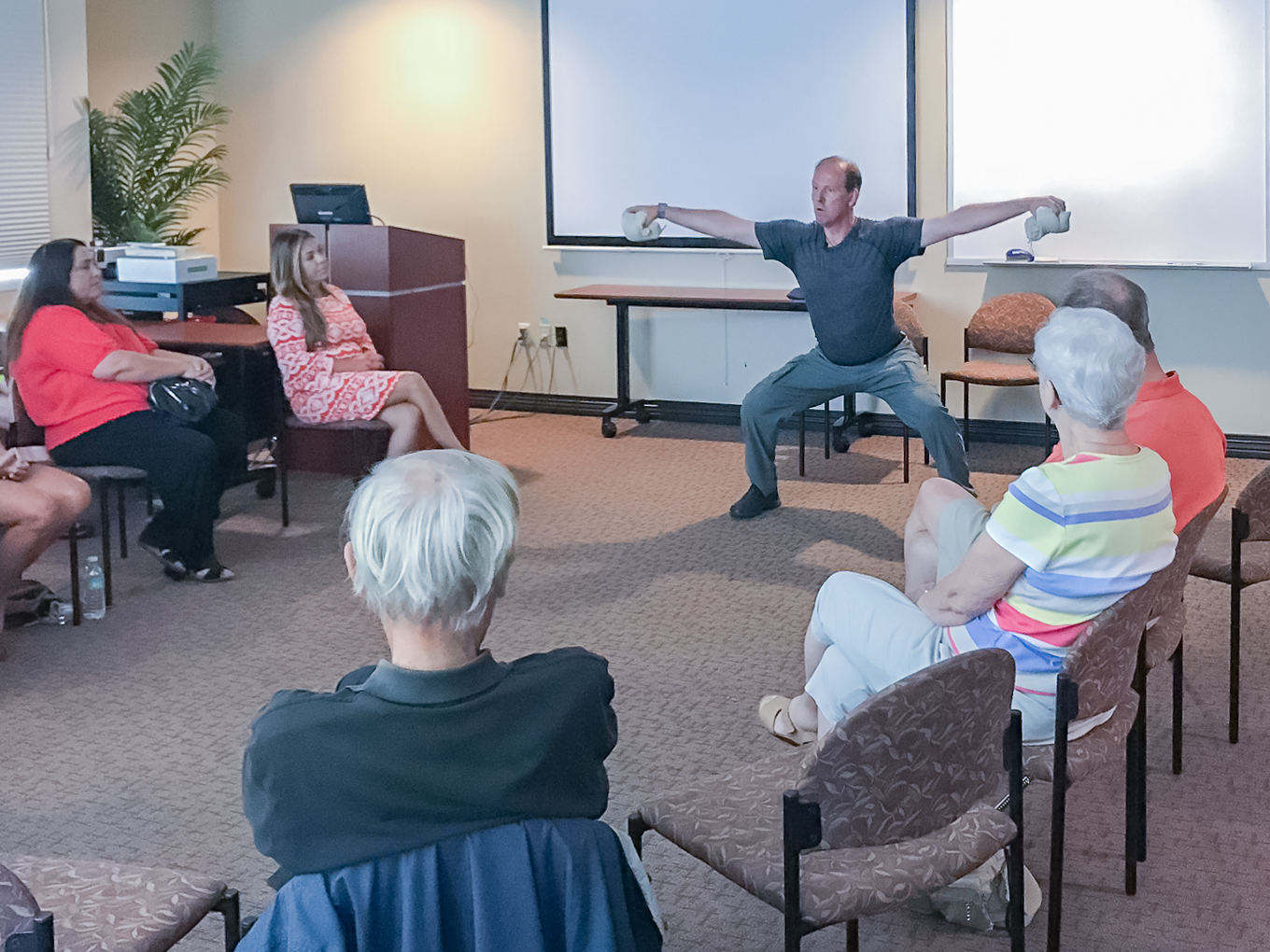
I teach and offer lectures about holistic health, physical fitness, stress management, human behavior, meditation, phytotherapy (herbs), music for healing, self-massage (acupressure), Daoyin (yoga), qigong, tai chi, and baguazhang.
Please contact me if you, your business, organization, or group, might be interested in hosting me to speak on a wide spectrum of topics relative to better health, fitness, and well-being.
I look forward to further sharing more of my message by partnering with hospitals, wellness centers, VA centers, schools on all levels, businesses, and individuals who see the value in building a stronger nation through building a healthier population.
I also have hundreds of FREE education video classes, lectures, and seminars available on my YouTube channel at:
“Knowing others is intelligence; Knowing yourself is true wisdom. Mastering others is strength; Mastering yourself is true power.” ― Lao Tzu, Tao Te Ching
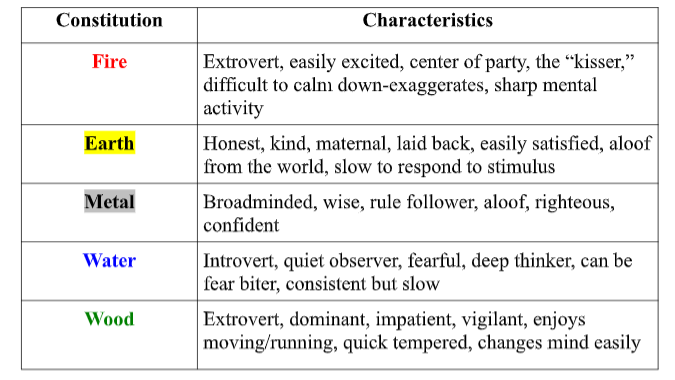
Knowing one’s own constitution, as well as others in their life can help to better understand how and why people behave the way they do under certain situations. Some may see this concept as somewhat controversial or as a version of “profiling.” However, this concept has been used for over thousands of years in various cultures across the world, such as with Traditional Chinese Medicine (the 5 Elements), Hippocratic & Greco-Roman Medicine (the Four Humors), Jungian Psychology, Tibetan Medicine (Sowa Rigpa), Western Biopsychological Models (Sheldon’s Somatotypes). Ayurveda (Indian “study of life”) and indigenous peoples across the globe.
The Wood Element in Traditional Chinese Medicine
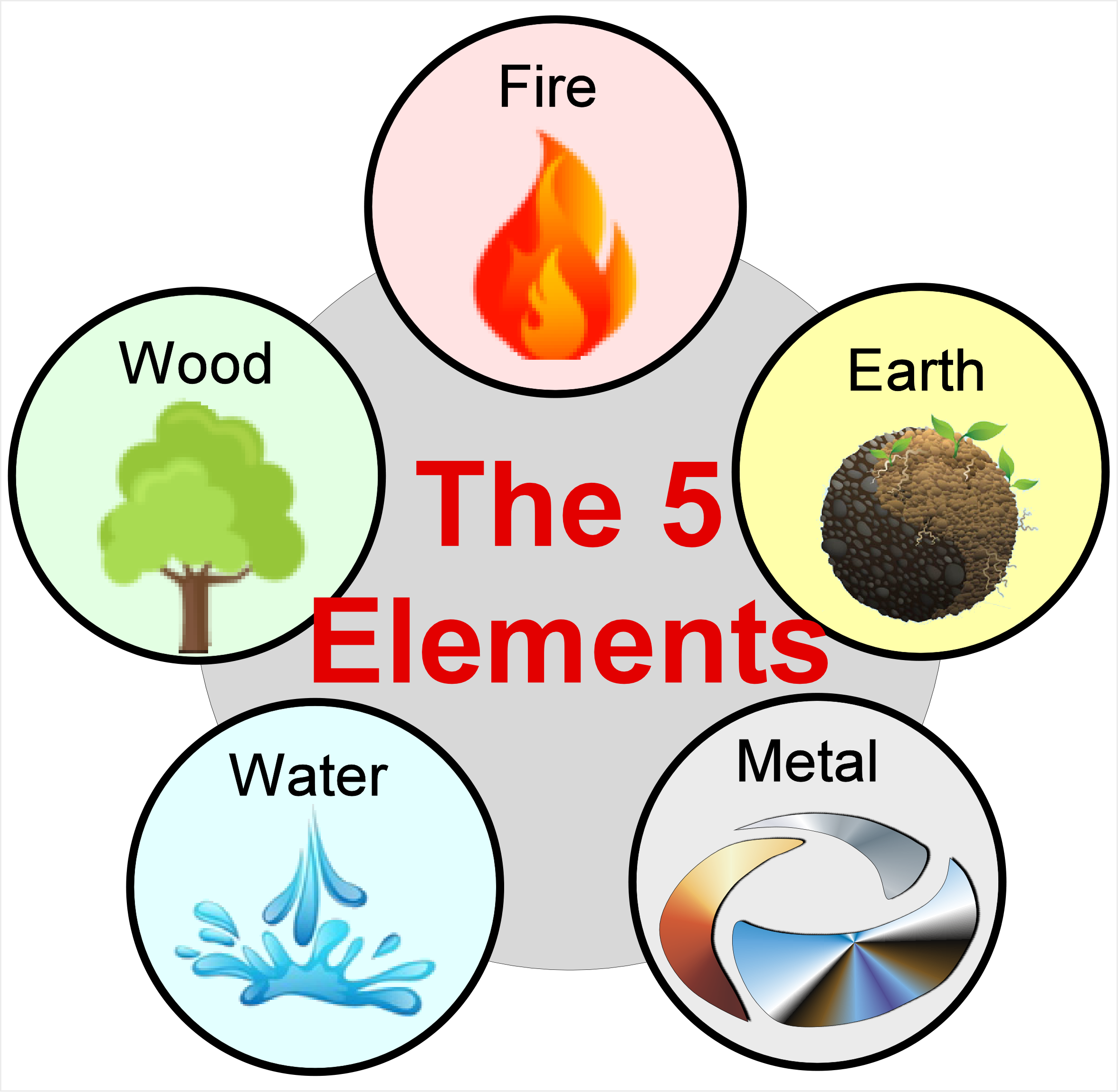
In Traditional Chinese Medicine (TCM), the Wood Element is one of the five fundamental forces in the Five Element Theory, which explains the interconnection between natural phenomena and human life. Each element of Wood, Fire, Earth, Metal, and Water, corresponds to specific seasons of the year, organs, emotions, and physiological processes. Wood, in particular, is linked to the season of spring, the liver and gallbladder, shaping both physical and psychological characteristics in individuals with a “Wood constitution.” The Wood Element is characterized by physical movement, ambition, and outward energy. While Wood types are dynamic and goal-driven, they must cultivate mental and physical flexibility and adequate rest to prevent stress and stagnation.
1. Physical Traits of a Wood Constitution
Body Structure: Individuals influenced by the Wood Element typically have a sinewy, muscular build, often appearing strong and tall with an inherent sense of vitality.
Strength and Flexibility: They usually possess endurance and adaptability, both physically and mentally, with a natural propensity toward movement and expansion.
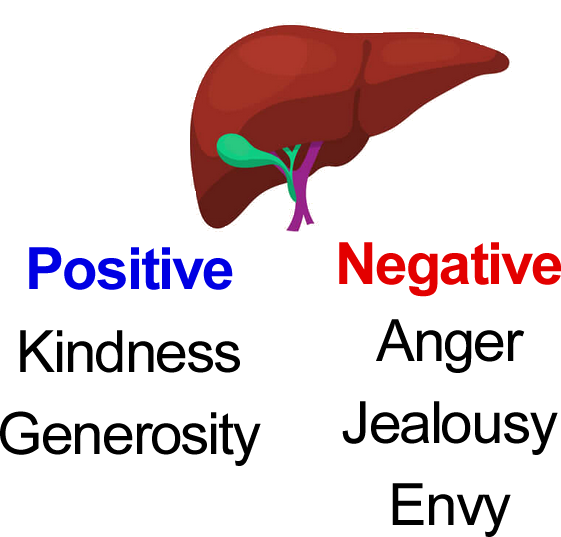
Common Health Challenges: Wood types may encounter liver and/or gallbladder-related concerns, including digestive disturbances, migraines, muscle and tendon stiffness, and detoxification difficulties. Liver Qi stagnation can also lead to menstrual irregularities or eye discomfort.
2. Mental and Emotional Aspects
Core Emotion: The primary emotion linked to Wood is anger. When balanced, Wood individuals express healthy assertiveness, confidence, and determination. However, an imbalance can lead to frustration, irritability or struggles with managing emotions.
Personality and Leadership: Wood types are often natural leaders, driven by vision, ambition, and a desire for growth. They excel in planning and organization, where they always seek progress.
Decision-Making: They tend to be quite decisive and pioneering, eager to initiate change.
Emotional Imbalances: When unbalanced, Wood individuals may become uptight, rigid, impatient, overly perfectionistic, and prone to burnout from excessive effort.
3. Spiritual Dimensions
Growth and Transformation: The Wood Element embodies expansion, renewal, and personal evolution. Wood constitution individuals are often goal-oriented and deeply invested in self-improvement.
Purpose and Mission: They often possess a deep connection to their life’s purpose, inspired by justice, creativity, or a desire to bring new ideas into the world.
Bond with Nature: Reflecting the qualities of trees and plants, Wood types people often feel extremely connected to the natural world, drawing vitality and inspiration from outdoor environments.
4. Maintaining Balance in the Wood Element
To maintain harmony within the Wood Element, it is essential to cultivate their physical, emotional, and spiritual well-being:
Physical Care: Regular body movement, stretching, and flexibility exercises help to support the liver and gallbladder. Regular consumption of liver-friendly foods like leafy greens also promotes internal balance.
Emotional Regulation: Journaling, meditation, mindfulness, and relaxation techniques can help process emotions and reduce stress. Cultivating adaptability and releasing rigid perfectionism contribute to emotional equilibrium.
Spiritual Nourishment: Making time to be present in nature, engaging in continuous learning, and setting personal growth goals can cultivate a sense of fulfillment and alignment.
I teach and offer lectures about holistic health, physical fitness, stress management, human behavior, meditation, phytotherapy (herbs), music for healing, self-massage (acupressure), Daoyin (yoga), qigong, tai chi, and baguazhang.
Please contact me if you, your business, organization, or group, might be interested in hosting me to speak on a wide spectrum of topics relative to better health, fitness, and well-being.
I look forward to further sharing more of my message by partnering with hospitals, wellness centers, VA centers, schools on all levels, businesses, and individuals who see the value in building a stronger nation through building a healthier population.
I also have hundreds of FREE education video classes, lectures, and seminars available on my YouTube channel at:











 United Martial Arts Association