The Circadian Rhythm Affects Physiological Functions

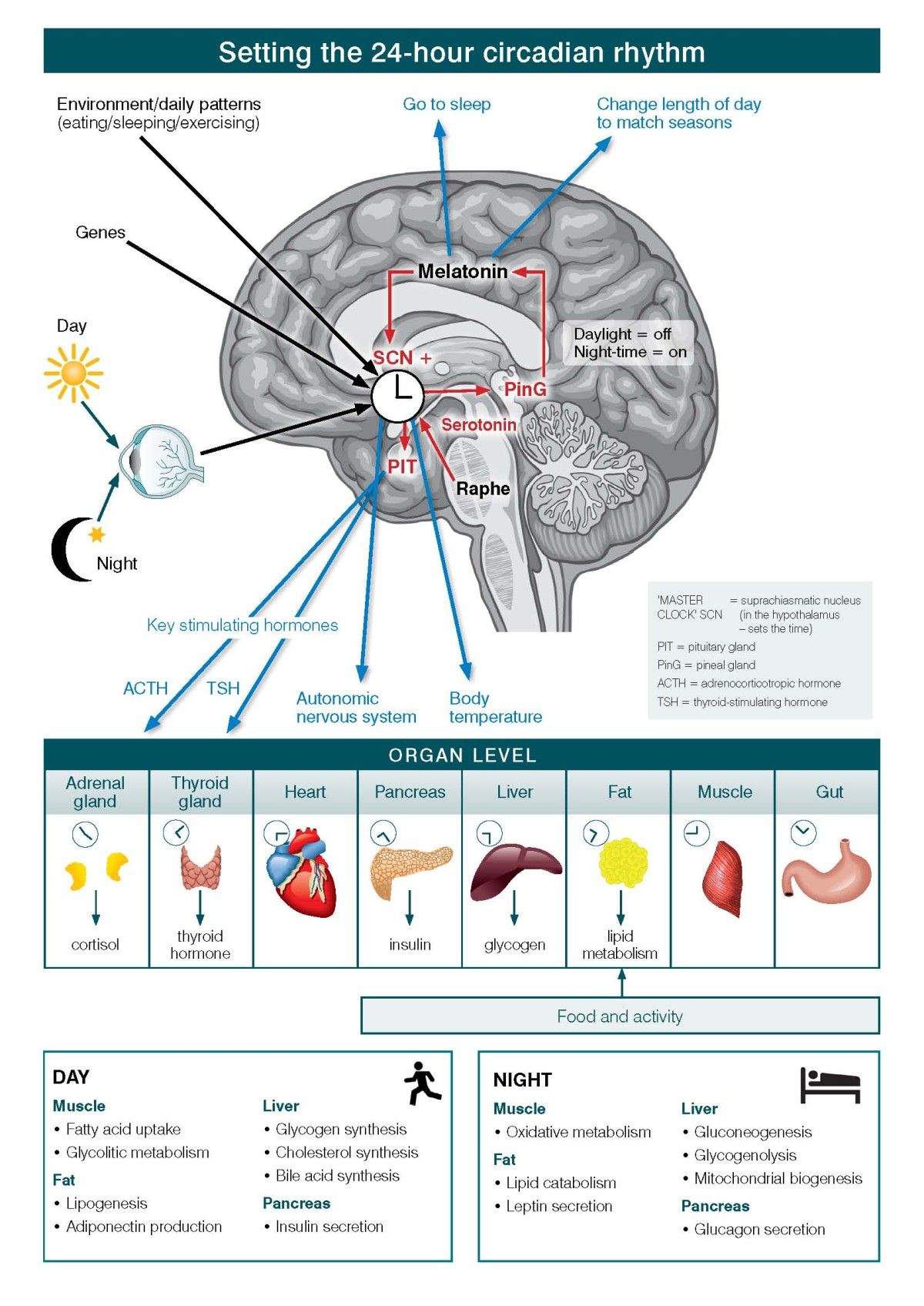
It is easy to see how the time of the day affects us. If you pay attention to it you will see the pattern. During a 24-hour period, our body, energy and emotions change. Knowing this pattern makes daily life much easier. This pattern is known as the Horary Cycle or Circadian Rhythm.

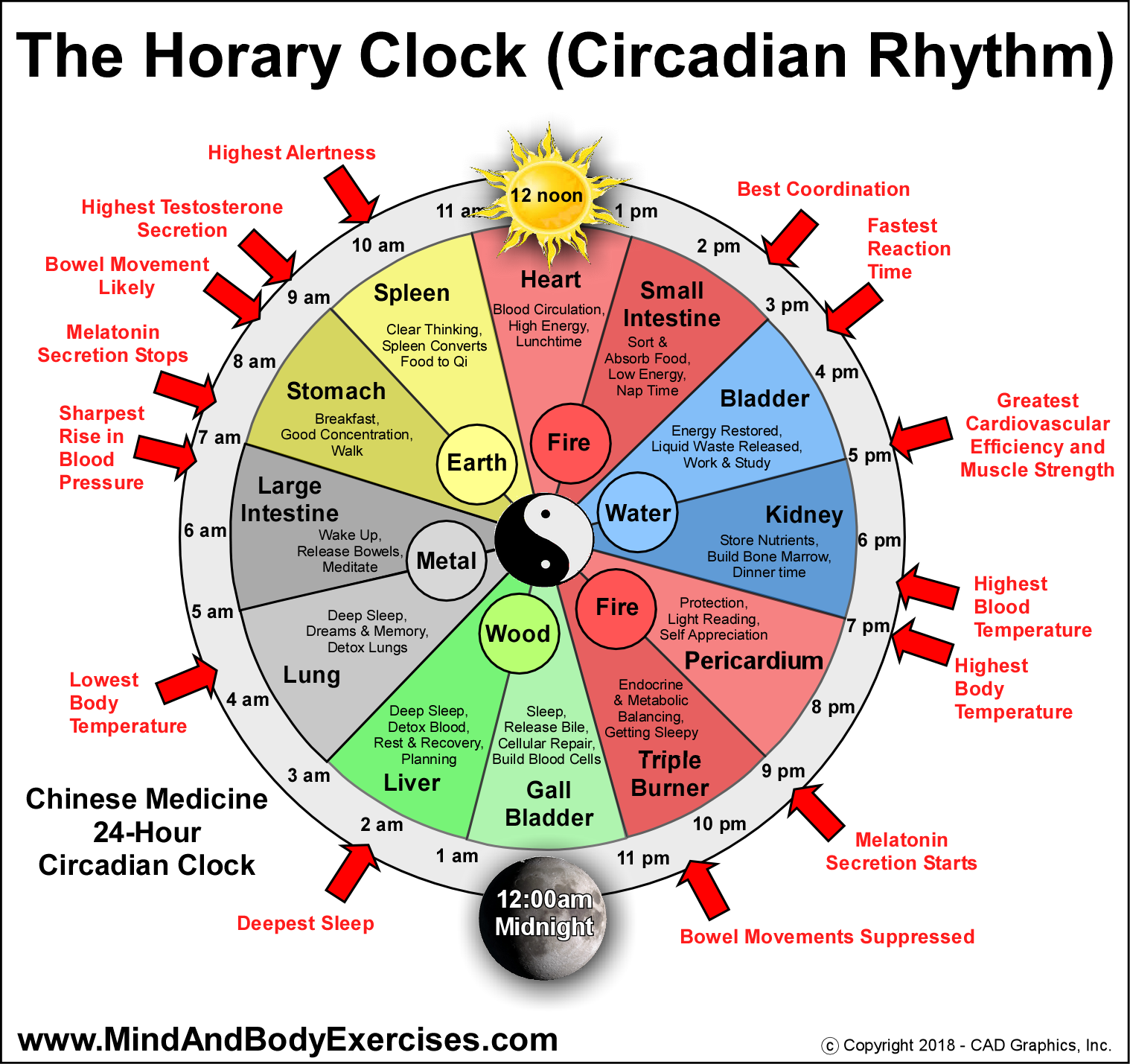
Harmonizing our habits with this cycle would look something like this… From 5-7am, the large intestine is most active. This is the time of the sharpest rise in blood pressure. It’s best to take a few deep breaths before rising out of bed. Once out of bed, evacuate our bowels and sit to meditate. From 7-9am, the stomach is most active. The melatonin secretion stops. This is a good time to eat breakfast, take a walk and digest the morning’s meal. From 9-11am, the spleen is most active. Highest testosterone secretion of the day. This is the best time for concentration and planning. By starting our day with this schedule we would maximize both our time and productivity.

Between the hours of 11am and 1pm, the heart is most active. The body is at its most coordinated by noon. This is the best time to exercise, work and to eat our main meal. From 1-3pm, the small intestine is active. This is a low energy time of the day. Absorbing nutrients, short nap and work is best. From 3-5pm, the bladder is most active. This is the fasted reaction time of the day. Walking, working and studying are most beneficial. The kidneys are most active between 5-7pm. This is when we enjoy the greatest cardiovascular efficiency and muscle strength, highest blood temperature and highest body temperature. Exercise, outdoor activities and a light meal is best. This schedule would regulate the energy throughout the day.

The evening should be reserved for rejuvenation and recovery from the day’s activities. From 7-9pm, the pericardium or ‘master of the heart’ is active. Light reading, massaging the feet and body. The Triple Burner or Triple Heater is at high tide from 9-11pm. The body begins to release melatonin and suppresses bowel movement. Calm socializing and relaxing with friends and family is best.

It is best to be fast asleep by 11pm. From 11pm to 1am, the gall bladder is most active. Releasing bile, cellular repair and blood cell renewal. From 1-3 am, the liver is most active. Deep sleep and liver/blood detox begins. From 3-5 am the lungs are most active. Deep sleep, dreams and lung detox. This is when most people tend to snore the most. Keeping to this schedule would ensure optimal health of the mind, body and spirit.

The Horary Clock (Circadian Rhythm) – 24 Hour Qi Flow Though the Meridians

Understanding how the human body works and interacts within nature, along with self-awareness are the basis of Traditional Chinese medicine.

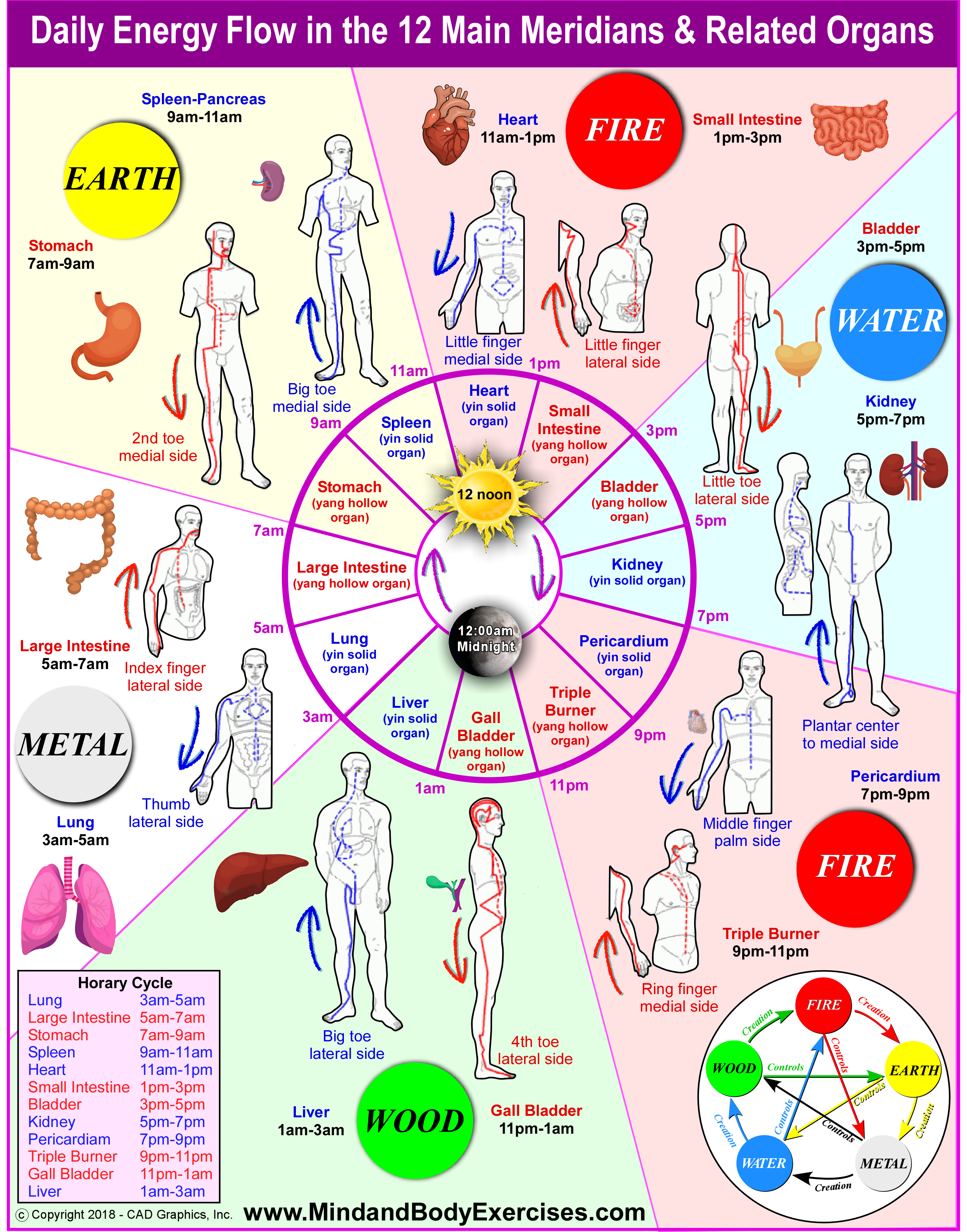
The graphic shows what is known as the Horary cycle or the Circadian Clock. As Qi (energy) makes its way through the meridians, each meridian in turn with its associated organ, has a two-hour period during which it is at maximum energy. The Horary Effect is recognizable by measurable increases of Qi within an organ system and meridian during its time of maximum energy.

Harmonizing Habits:
5-7am – Wake Up, Move Bowels, Meditate
7-9am – Sex, Breakfast, Walk, Digest
9-11am – Work, Best Concentration
11am-1pm – Eat Main Meal of Day, Walk
1-3pm – Absorb Food, Short Nap, Work
3-5pm – Work or Study

5-7pm – Exercise, Light Dinner
7-9pm – Light Reading, Massage Feet
9-11pm – Calm Socializing, Flirting, Sex
11pm-1am – Go to Sleep, Cellular Repair
1-3am – Deep Sleep, Detox Liver & Blood
3-5am – Deep Sleep, Detox Lungs

References:

Reddy, S. (2022, March 23). Why Permanent Daylight-Saving Time Is Bad for Your Health, Sleep Scientists Say. WSJ. https://www.wsj.com/articles/why-permanent-daylight-saving-time-is-bad-for-your-health-sleep-scientists-say-11648002326?mod=Searchresults_pos2&page=1

https://www.google.com/url?sa=i&url=https%3A%2F%2Fcommons.wikimedia.org%2Fwiki%2FFile%3AThe_master_circadian_clock_in_the_human_brain.jpg&psig=AOvVaw3TSBGxCBA6-sRuo0ptw5Nv&ust=1649364016576000&source=images&cd=vfe&ved=0CAoQjRxqFwoTCMio_falgPcCFQAAAAAdAAAAABAr

Leone, M., Campbell, J., & Moltzan, J. (2022, July 26). Journey Around the Sun-2nd Edition (Health and Wellness Study Guides Using Eastern Practices From Martial Arts, Yoga and Qigong). CAD Graphics.

___________

I write often about topics that affect our health and well-being. Additionally, I teach and offer lecture about qigong, tai chi, baguazhang, and yoga.

For more info, contact Jim Moltzan at info@mindandbodyexercises.com, 407-234-0119 or through my site at http://www.mindandbodyexercises.com

www.Amazon.com/author/jimmoltzan

Strengthen Your Mental Tolerance by Understanding the Energetic Structure of the 8 Extraordinary Vessels

The 8 Extraordinary Energy Meridians or Vessels

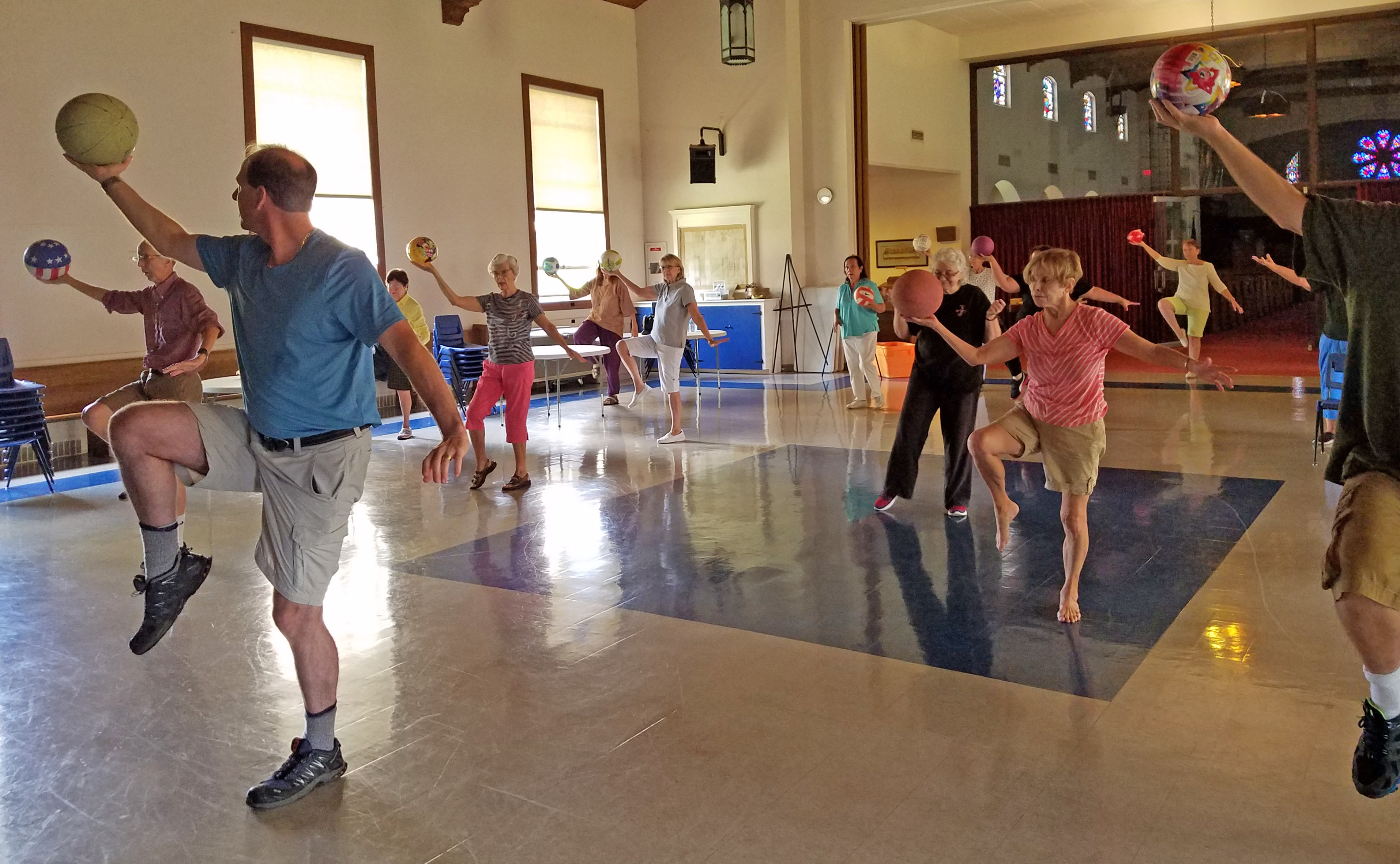
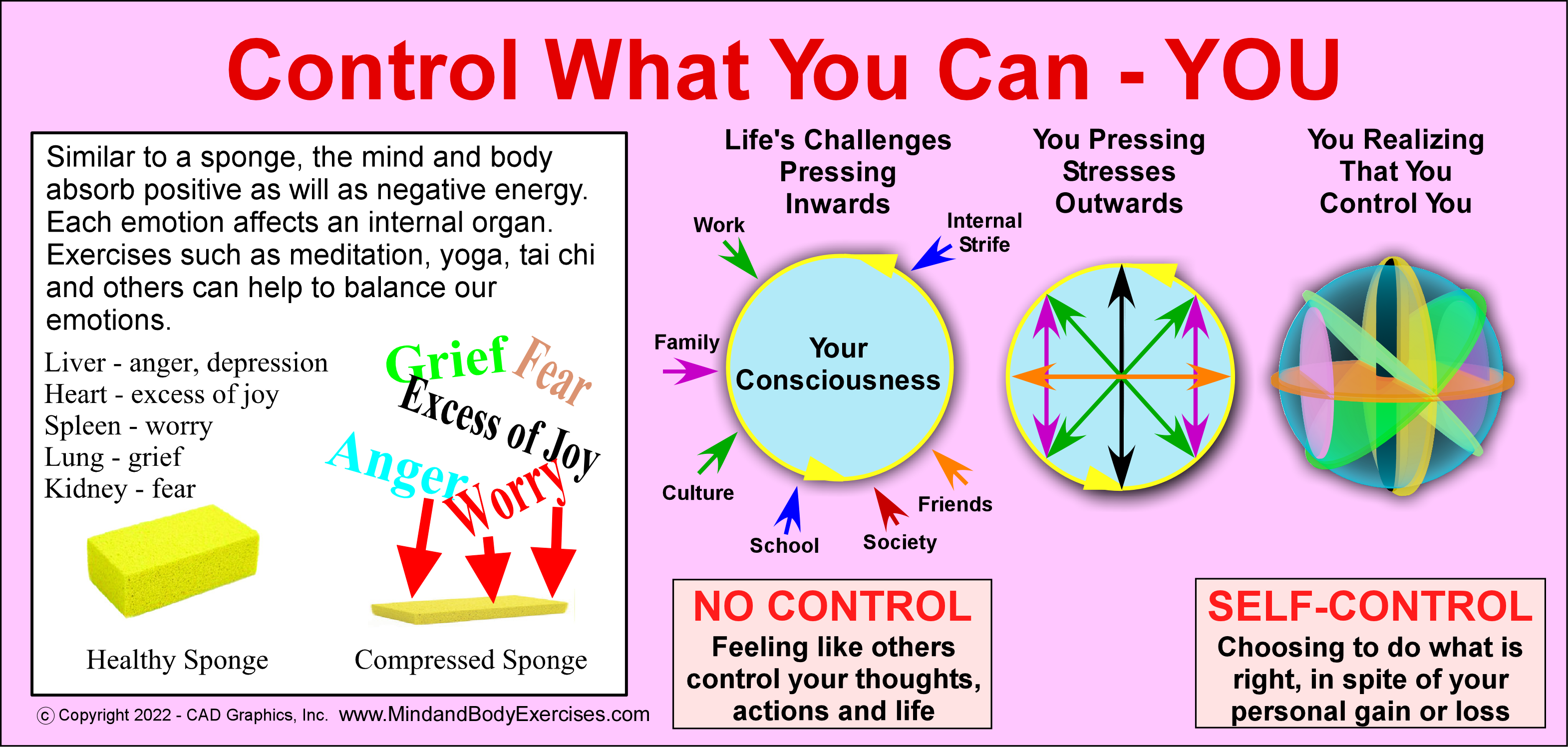
By strengthening the physical body through exercise – specific exercises such as yoga, tai chi, qigong, and others, are methods to develop self-disciple. By practicing self-induced strategic trauma (training) one can dramatically strengthen their nervous system and in turn, develop mental stress to better deal with the stress of daily trials and tribulations. By manifesting our own internal pressure (mind and body training), it is much easier to manage external pressure (stress) that constantly pushes into our personal space.

Managing ones physical body, thoughts and emotions all burn a tremendous amount of energy. The brain used 20% of the body’s overall energy expenditure, while only comprising 2% of our body weight.

Exercise and wellness methods and concepts like these have been known for centuries, but are considered new or “alternative” to modern western culture.

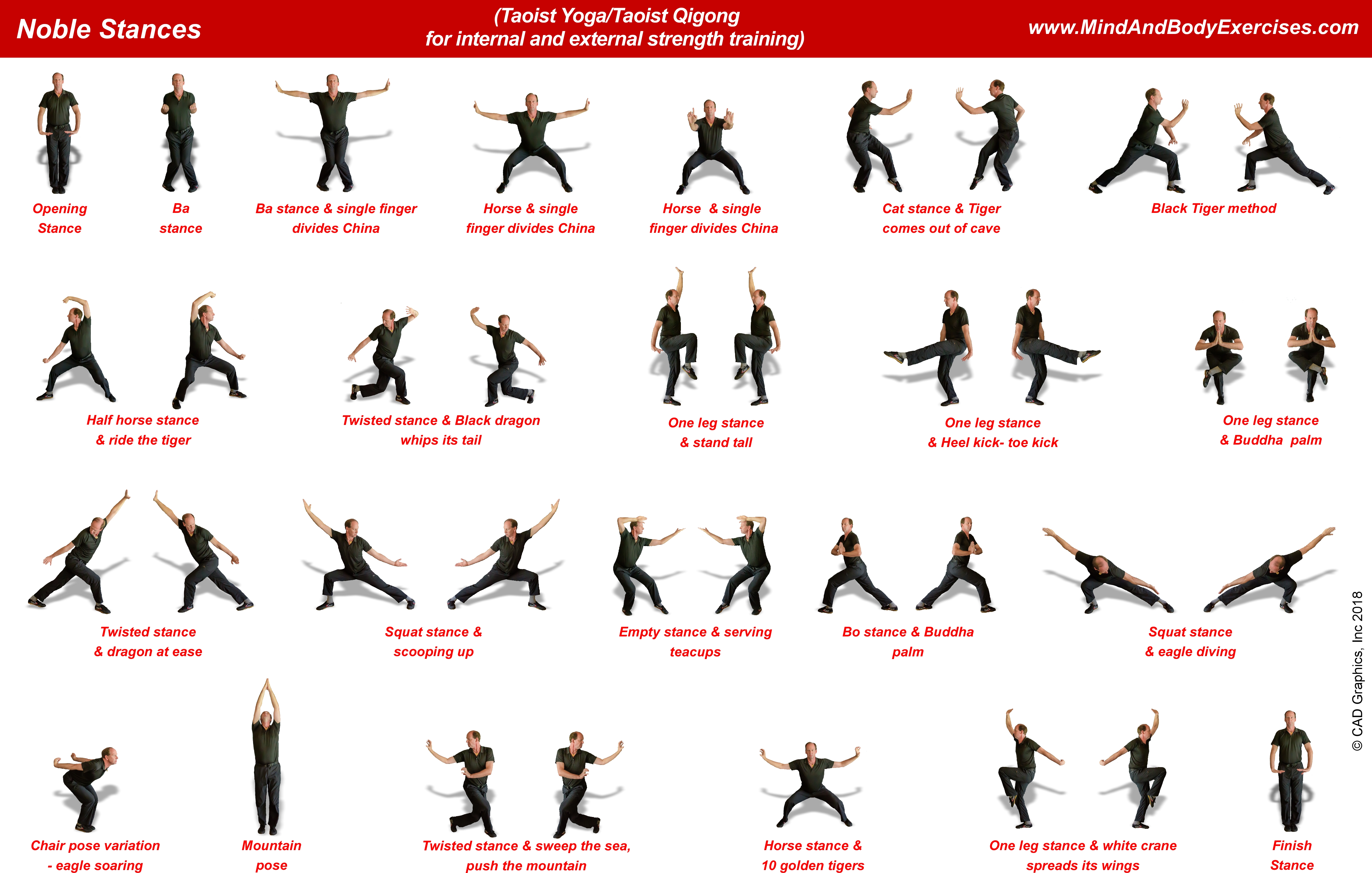
Building stronger muscles can lead to building stronger joints and bones. Additionally, by holding static postures, positions or exercises the nervous system is strengthened. Specific joint alignments engage the nervous system to endure more pain, stress and discomfort. Standing perfectly still for 1 minute can be challenging; 5 minutes of not moving might be considered self-torture for some. And that is just standing and not even trying to hold a difficult posture. Think of tempering steel in fire to strengthen the metal.

When engaging the muscles, tendons, bones and fascia, the 12 regular energy meridians are engaged plus the 8 extraordinary meridians (or vessels) are opened and filled as reservoirs to adjust the ebb and flow of energy throughout the body and thereby strengthening the immune system among other bodily functions. These meridians and vessels run throughout the body in a spider web-like pattern from head to toe, on the surface as well as deep into the internals of the human body.

Often times people will ask me, “where did you learn this?” Well…almost 40 years ago I began studying Korean kung fu, then Traditional Chinese Medicine, medical qigong, fitness, wellness and anatomy. It didn’t happen overnight or from a weekend seminar. It took me decades of learning, studying and teaching from and with high level masters and teachers. And I’m not done learning yet, are you?

The physical exercises are just part of this training in addition to breath control and the self-awareness of the energy flow within the body.

Read and follow my blog posts to learn more about major health issues and what you can do about it.

Be well, become healthy, be wise.

#mentalhealth #stressmanagement #depression

Jim Moltzan 

407-234-0119

www.MindAndBodyExercises.com

https://www.amazon.com/author/jimmoltzan
https://www.facebook.com/MindAndBodyExercises

https://www.youtube.com/c/MindandBodyExercises

https://mindandbodyexercises.wordpress.com/

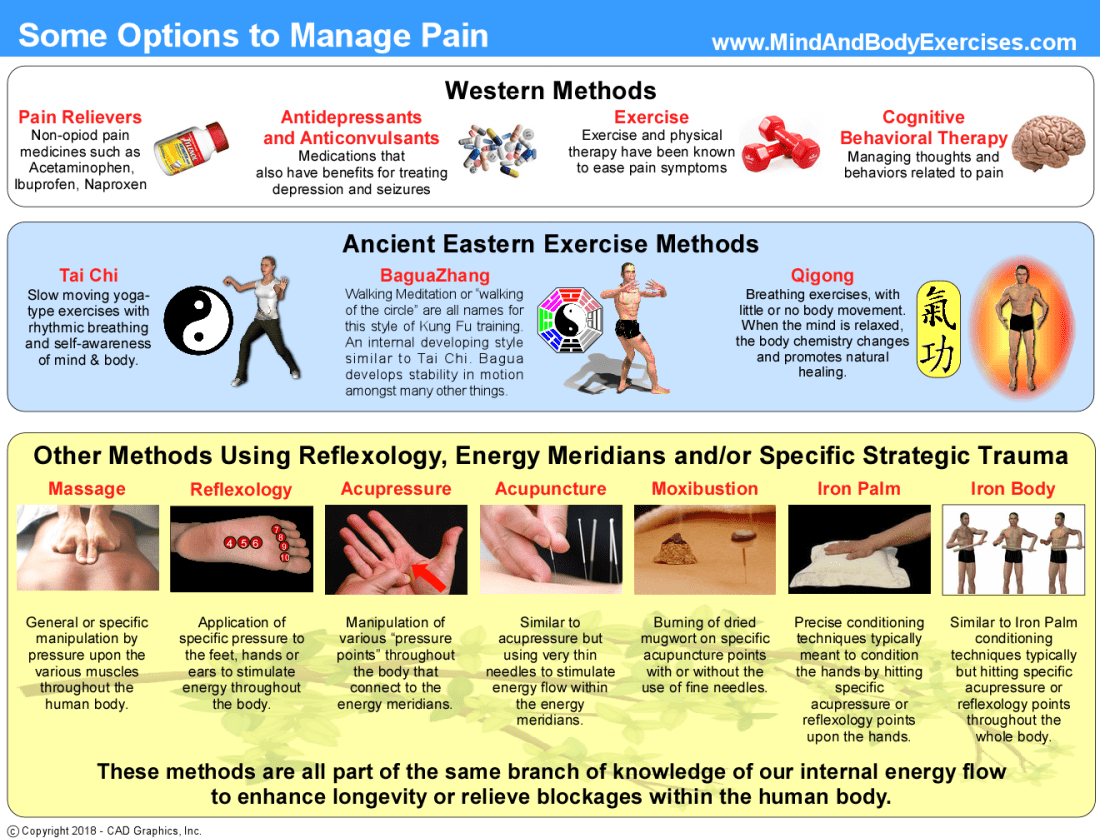
Moxibustion – Basic Theory

Traditional Chinese Medicine Method of Moxibustion

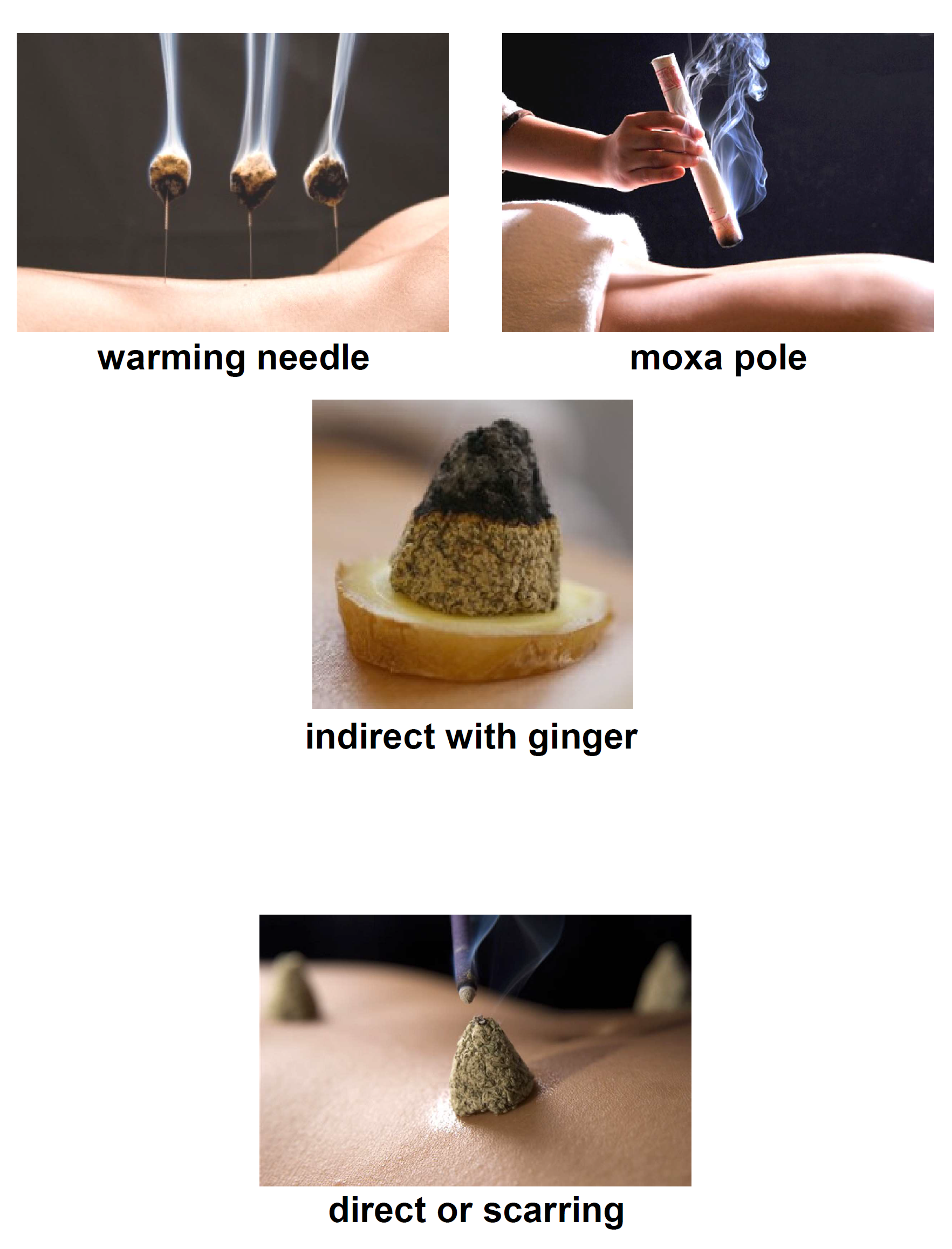
Moxibustion is the method of burning Mugwort (Ai Ye) or other herbs on, around, or above Acupuncture points. The leaves of the Moxa plant, as Mugwort is sometimes called, are usually dried in the sun, finely ground to a texture like wool or cotton, and then sifted until a fine, soft, and light green consistency is obtained. Moxa holds together well, burns evenly, and is relatively inexpensive. Moxa can be rolled into balls, shaped into cones, or purchased commercially in small or long rolls. The moxa balls and cones can be burned directly on the skin, or indirectly on a medium in between the Moxa and the skin. Small balls can also be used on the end of a needle as in the Warm needle techniques. Tiny pre-rolled Moxa or “Shish” Moxa can be purchased commercially, and is sometimes used at the end of a needle in place of loose Moxa. The longer moxa sticks, eight to ten (8-10) inch are usually used in a circular or “sparrow pecking” (rapidly moving the burning end near and far from the skin) motion around an Acupuncture point.

INDIRECT MOXIBUSTION
Practitioner places burning moxa wool on the top of the acupuncture needle. After the desired effect is achieved, the moxa is extinguished and the needle(s) removed. Indirect moxibustion is the more popular use of moxibustion because there is a much lower risk of pain or burning. Indirect moxa is probably the most commonly used as it can warm a greater area of the body with greater comfort. This too can be further broken down into the two most commonly used forms: warming needle and moxa pole. The moxa pole looks a lot like a cigar. It is lit at one end until it is smoldering hot, and then it is held over an acupuncture point or region of the body to warm it. In warming needle, an acupuncture needle is placed into a point on the body, and then a small ball of moxa is placed on the head of the needle. The moxa is then lit, so that the entire ball of moxa burns and smolders completely, thereby warming not only the surface of the skin below the moxa, but also the needle itself, and in turn the qi deep within the acupuncture point.

DIRECT MOXIBUSTION
A small, cone-shaped amount of moxa wool is placed on top of an acupuncture point and burned. Then it is extinguished or removed before it burns the skin. With direct moxibustion the patient will experience a pleasant heating sensation that penetrates deep into the skin, but should not experience any pain, blistering or scarring. Direct moxa means the moxa is applied directly onto the body. This is further broken down into what is called the scarring and the non-scarring methods. Most practitioners these days don’t perform scarring moxa anymore. It is very strong and quite effective! The non-scarring is the more common direct moxa method, and involves a small bunch of moxa being put onto the body, usually in the shape of cone, and burned down until the warmth is felt by the patient, and then removed. Many rounds of this would be done until a very strong sense of heat was felt at the point.

______________

I write often about topics that affect our health and well-being. Additionally, I teach and offer lectures about qigong, tai chi, baguazhang, and yoga.

For more info, contact Jim Moltzan at info@mindandbodyexercises.com, 407-234-0119 or through my site at http://www.mindandbodyexercises.com

Ayurvedic and Traditional Chinese Medicine (TCM) – Brief summary

Ayurveda and Traditional Chinese Medicine (TCM) are probably the two oldest systems of healthcare practiced throughout the world. Ayurveda has its origins in the Hindu religion within India from 5000 years ago. Traditional Chinese Medicine also has origins from thousands of years ago (475–221 BC) but in China. Both systems have been practiced widely throughout the world, with seemingly very little interest in the US when compared to Western allopathic or biomedicine practices. However, TCM has seemed to have gained more popularity in recent years in the US, maybe starting when President Nixon visited China back 1972.

Ayurveda and TCM philosophies believe that all things alive or not, are interconnected and have relationships on various levels with one another. When these relationships become out of balance disease can occur.

Ayurveda is based upon the 5 fundamental elements of space, air, fire, water and earth. Both of these systems use this understanding of the elements as a way to diagnose and treat disease and illness. Ayurveda uses the physical and well-being constitutions of vata, piita and kapha. Similarly, TCM has 5 constitutions of wood, fire, earth, metal and water. The human life force or breath is expressed as prana in Ayurveda and as qi in TCM. Both prana or qi flow within the body, are a key component in maintaining balance of the elements and an individual’s health in regard to their mind, body and spirit.

Both systems have components that include herbs, massage, and exercise in order to balance harmony of the mind, body and spirit.

I have and will continue to use TCM treatments and methods to help treat ailments as well as maintain better health and wellness. Less invasive methods as well as more natural ingredients are my main reasons for pursuing TCM methods. I am not opposed to Ayurveda if I had a condition that could be better treated through those methods.

Having a strong background in Korean and Chinese martial arts, which are deeply connected with TCM, I have been exposed to an education that has deep roots in thousands of years in Asian culture, science and practical practice. While some people may look at TCM as an alternative or new age approach to maintaining health, I see a time-proven system that has been practiced by probably millions of people over a very long period of time. When studied and researched thoroughly, I find the methods from TCM of acupuncture, cupping, tuina, qigong, auriculotherapy, herbology and others to make logical sense as to why these options are so beneficial. When looked at from a physiological perspective, I have found the following:

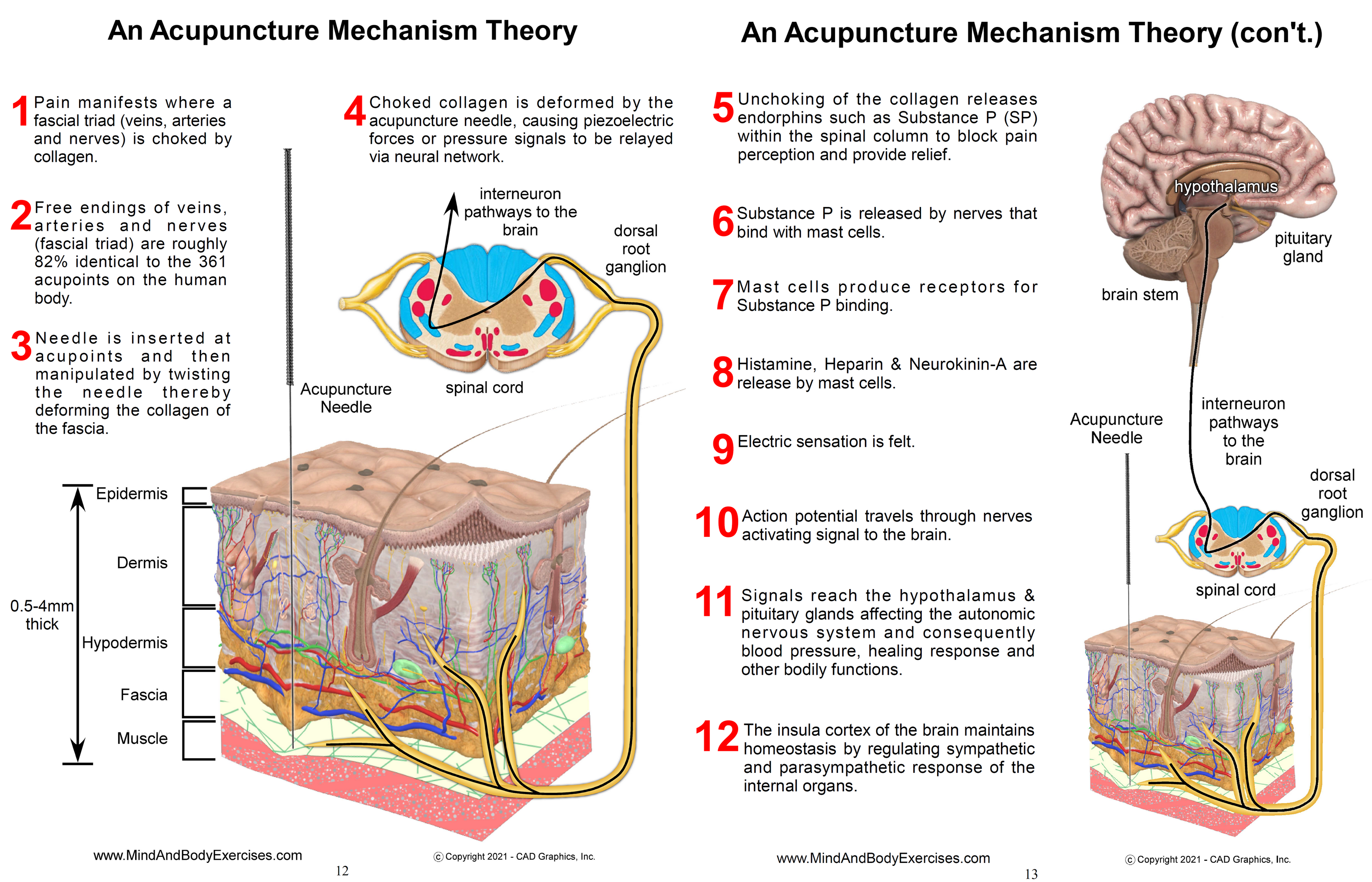
Acupuncture & Auriculotherapy – stimulates the healing response through regulation of the nervous system.

Cupping – increases blood and lymph circulation in localized areas.

Tuina – increases blood, lymph circulation and disperses adhesions in the fascia.

Qigong – regulates the autonomic nervous system through deliberate deep breathing patterns, as well as some styles offering flexibility, strengthening and vestibular balance exercises.

Herbology – helps to manage systemic organ function through naturally occur plants without use of pharmaceuticals.

Be well!

References:

“What is Ayurvedic Medicine?” National Center for Complementary and Alternative Medicine (2007). 30 August 2021.

Diamond, M.D., J. W. (2001). The Clinical Practice of Complementary, Alternative, and Western Medicine [E-book]. CRC Press.

____________

I write often about topics that affect our health and well-being. Additionally, I teach and offer lecture about qigong, tai chi, baguazhang, and yoga.

For more info, contact Jim Moltzan at info@mindandbodyexercises.com, 407-234-0119 or through my site at http://www.mindandbodyexercises.com
Acupressure for Common Ailments

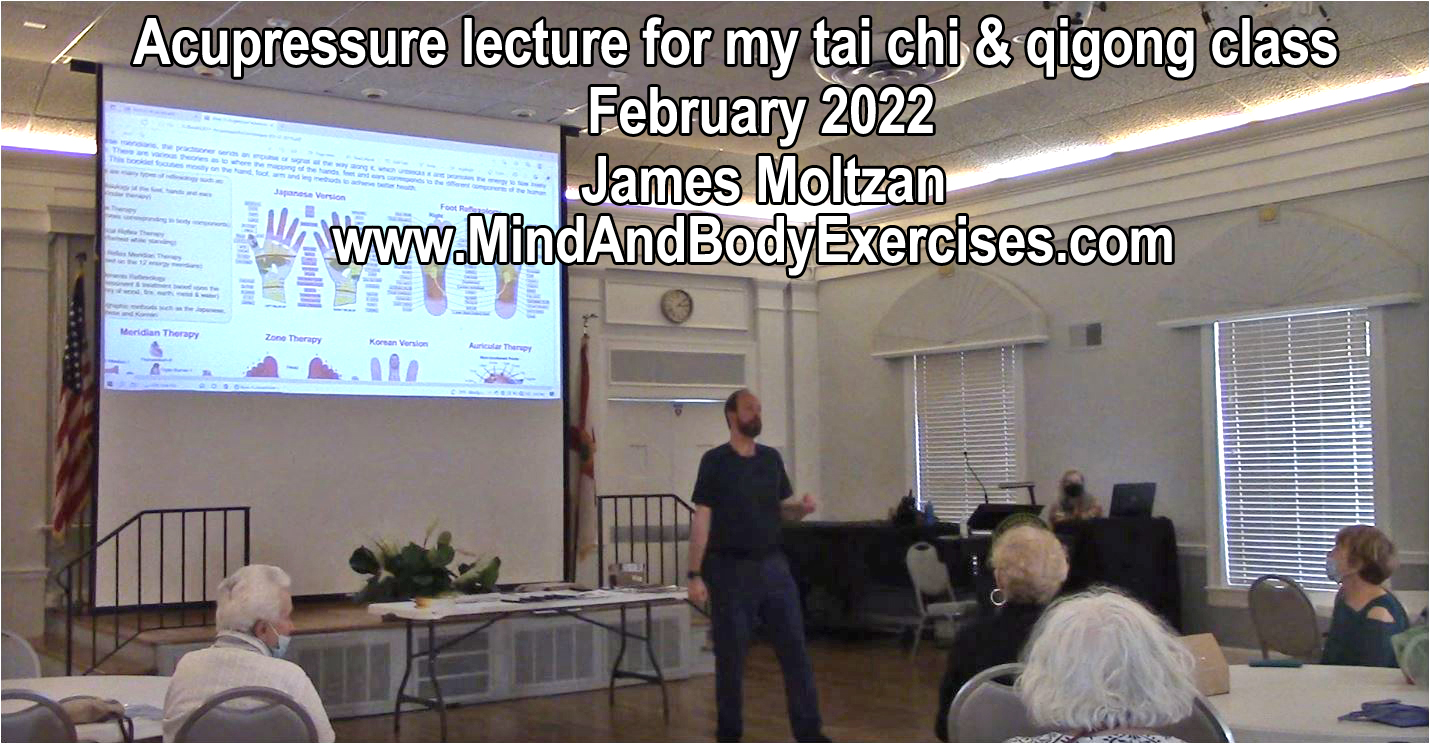
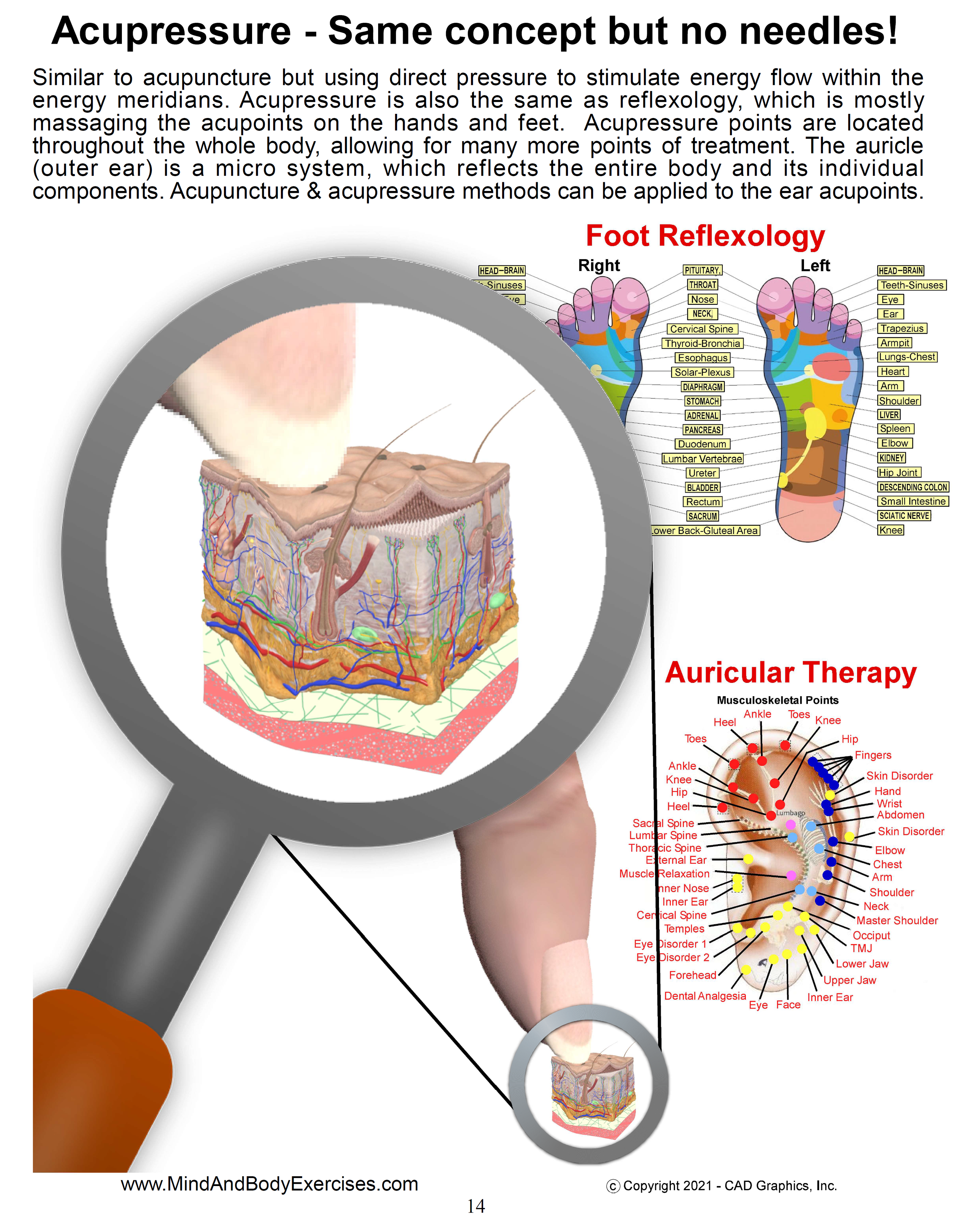
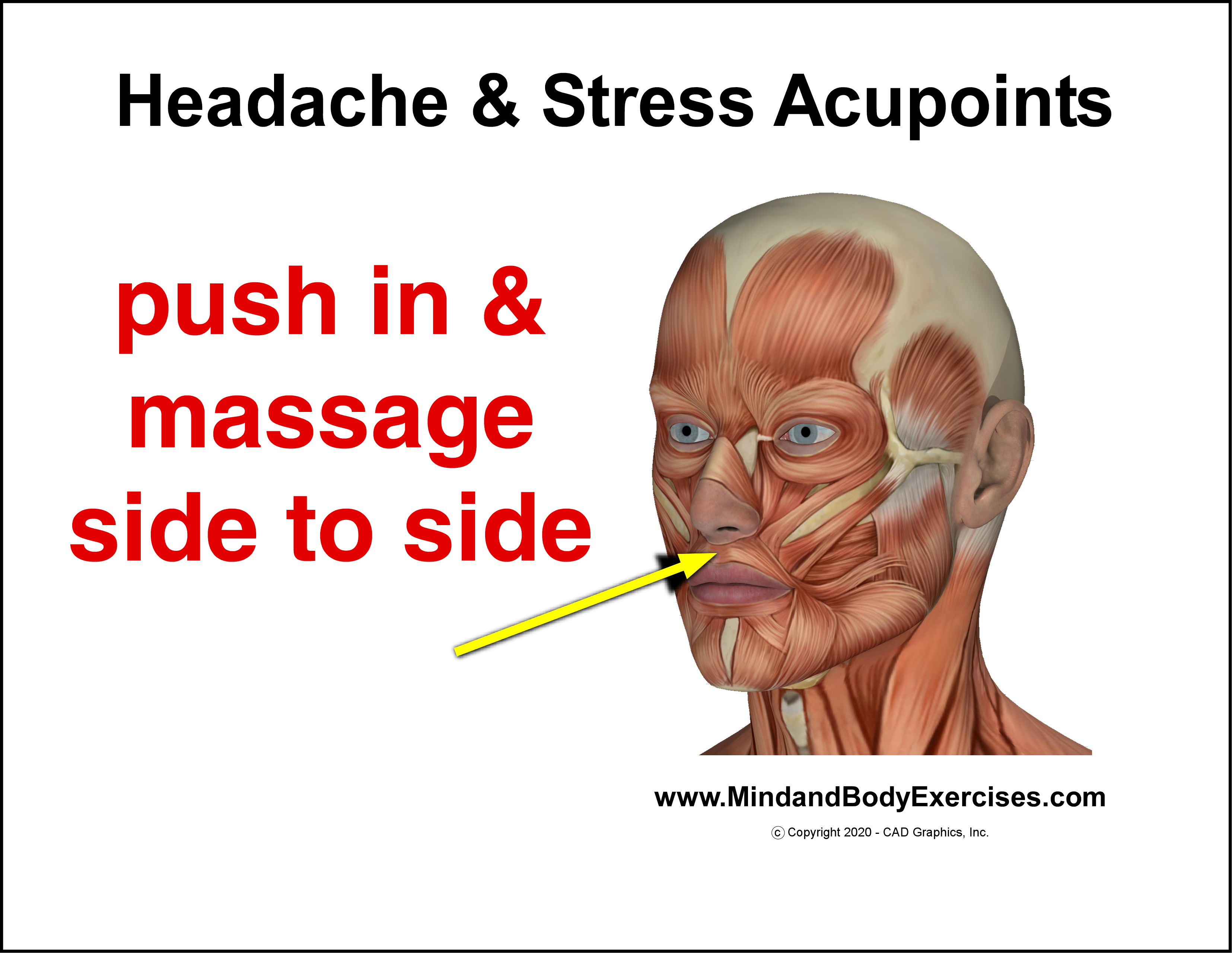
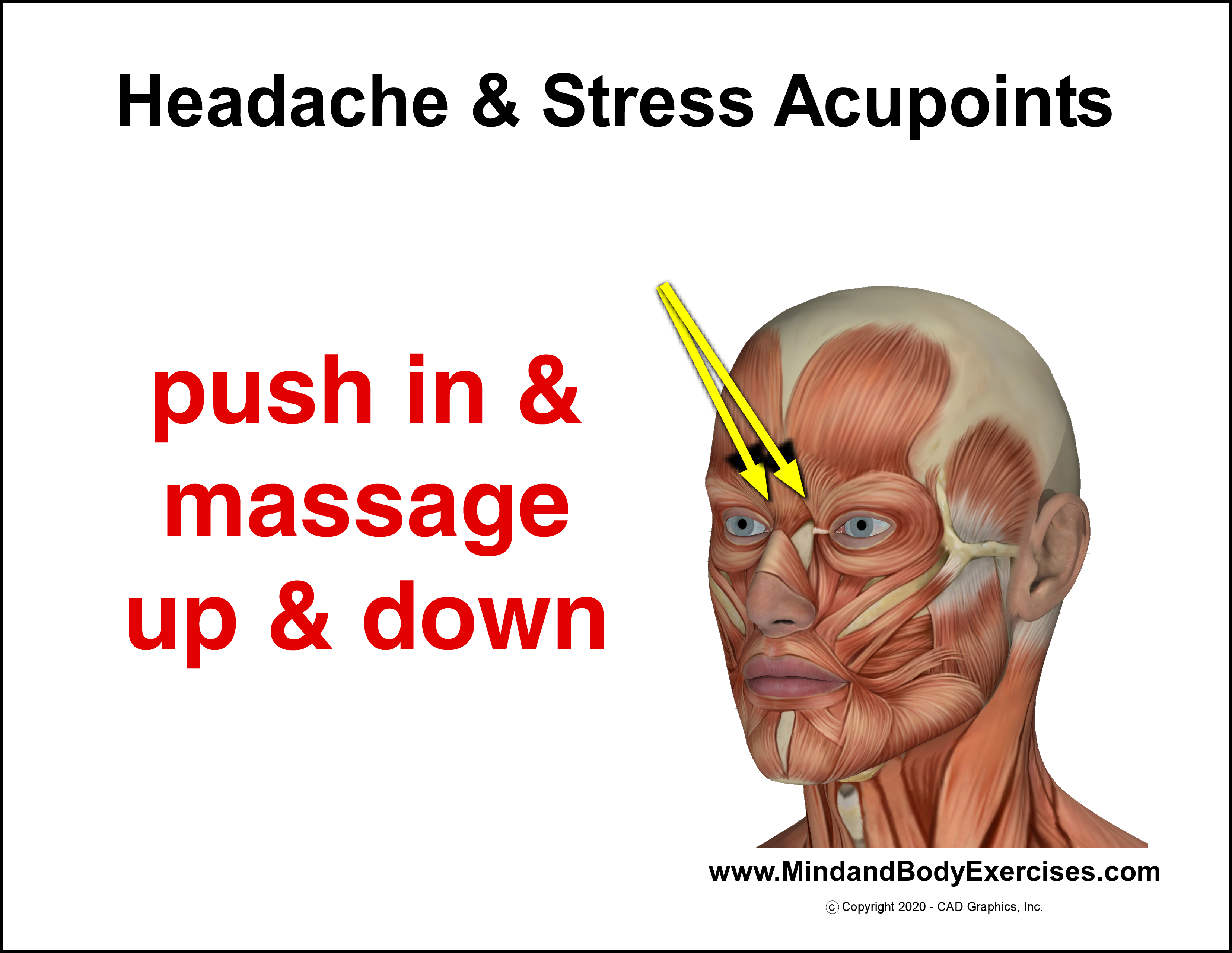
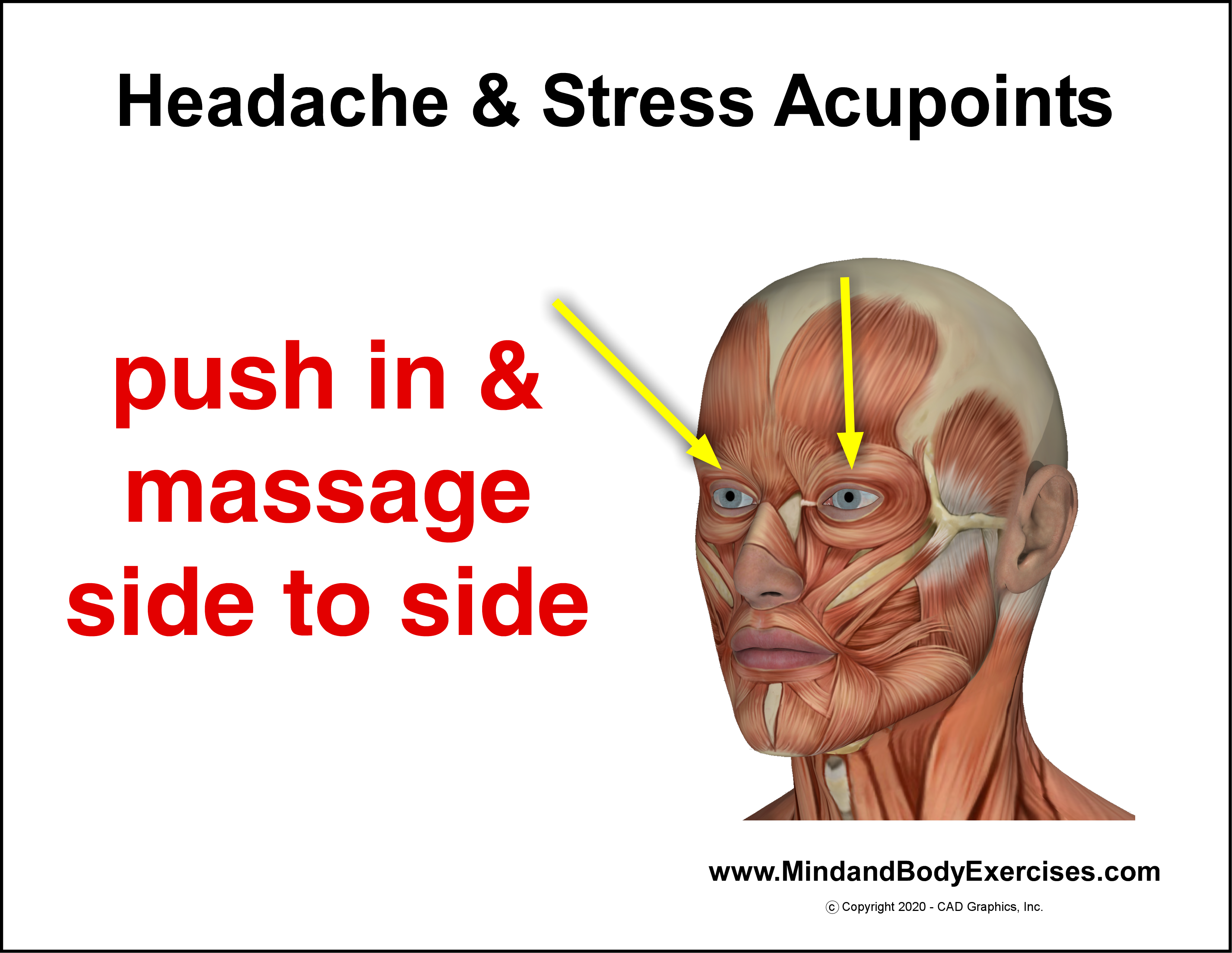
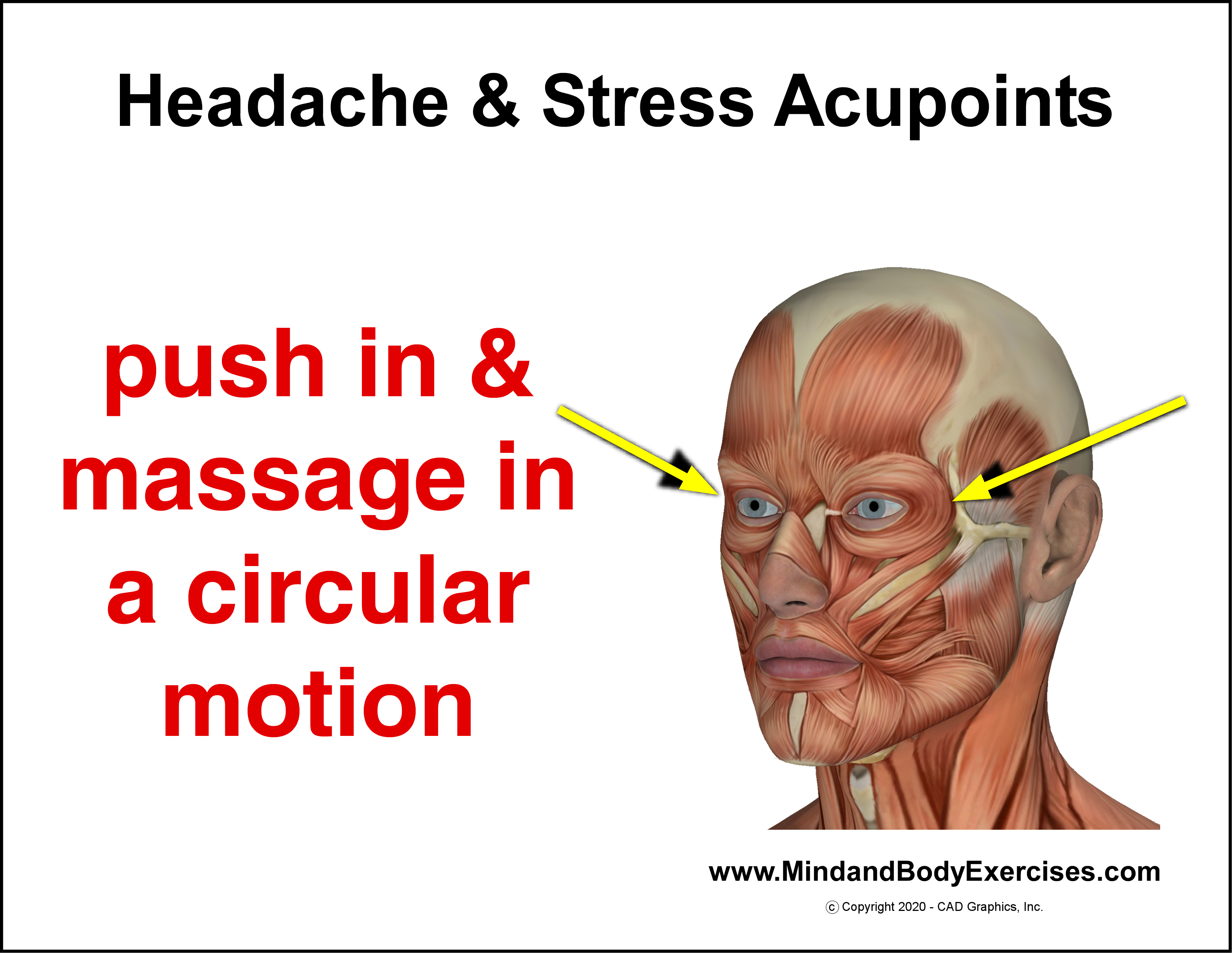
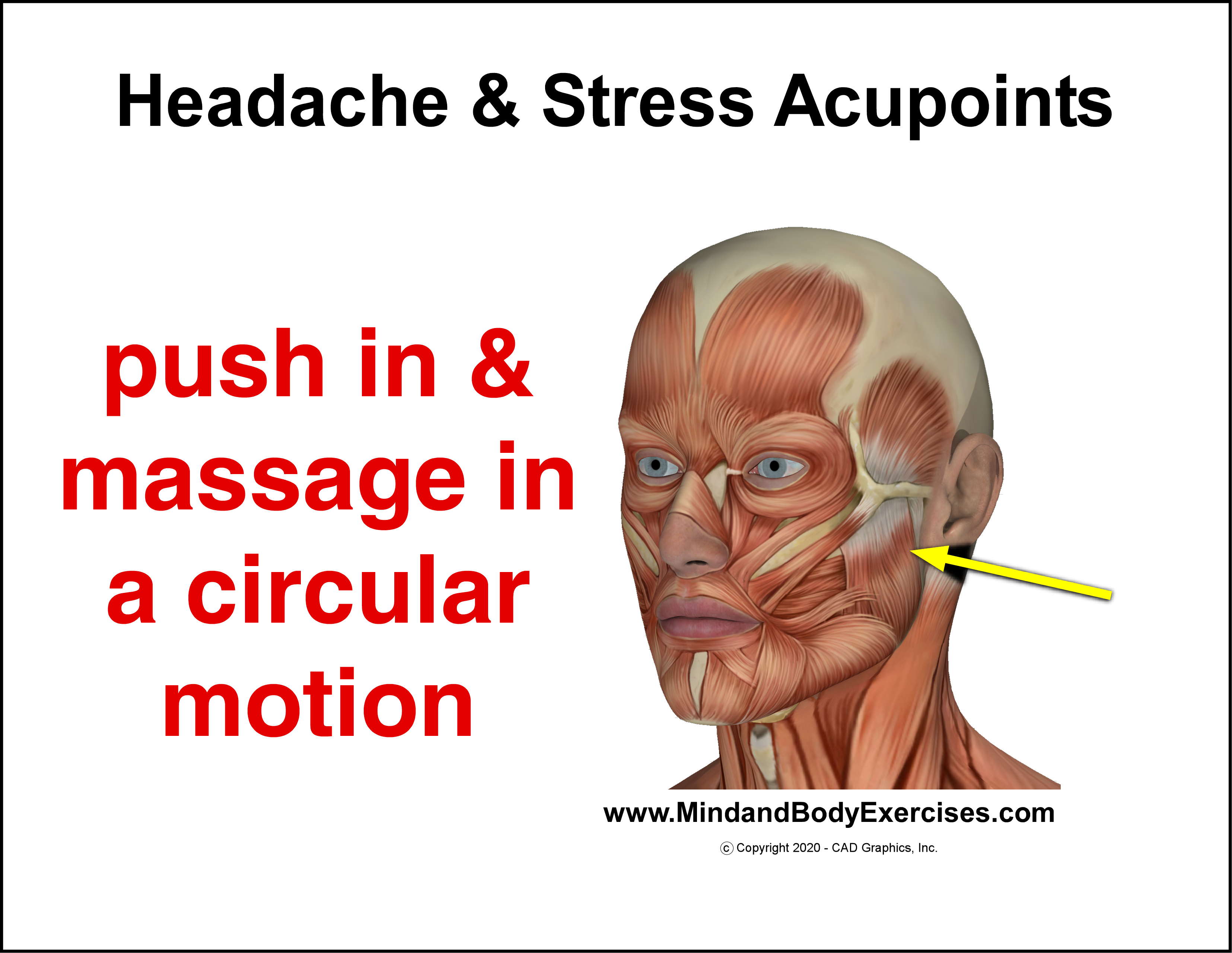
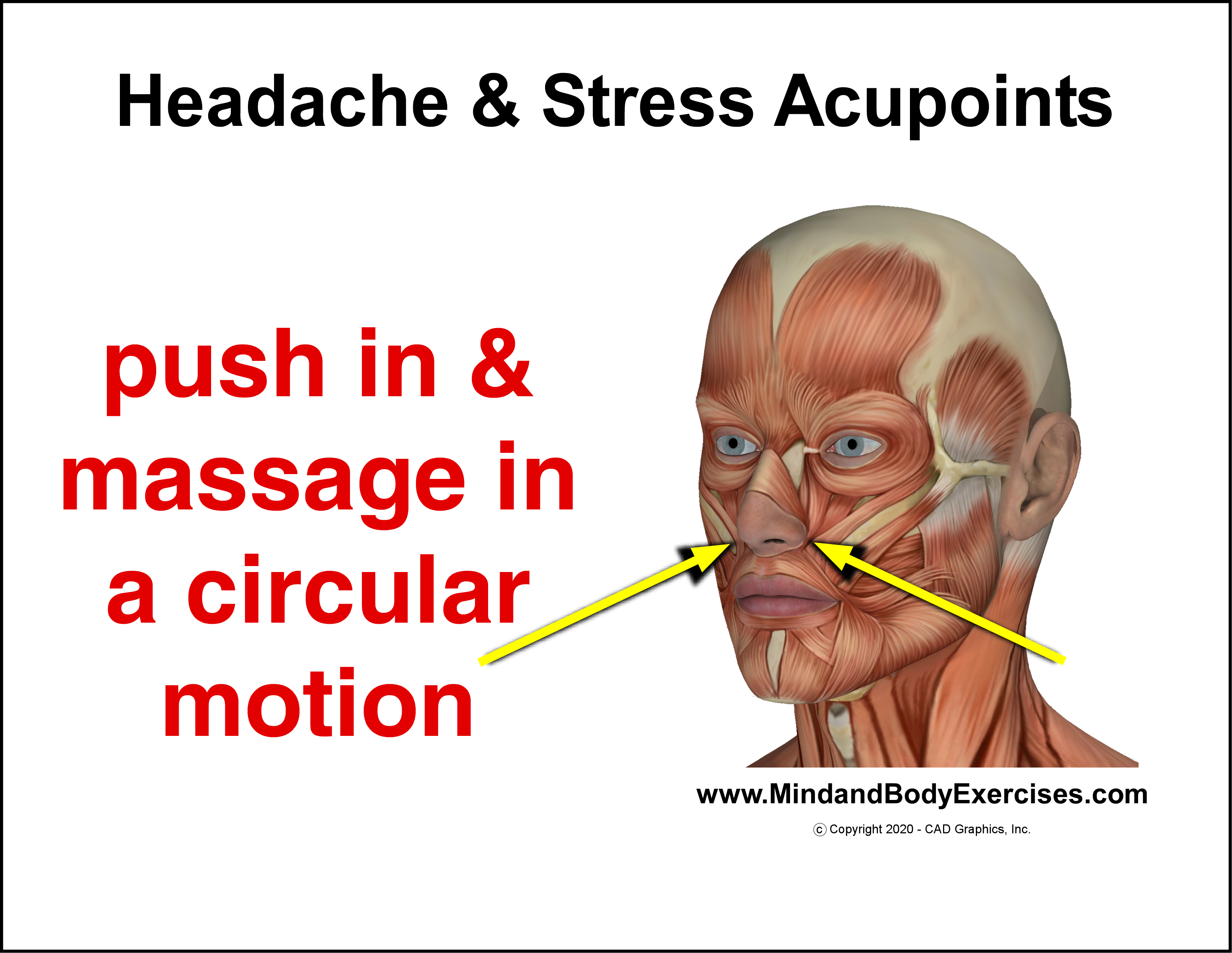
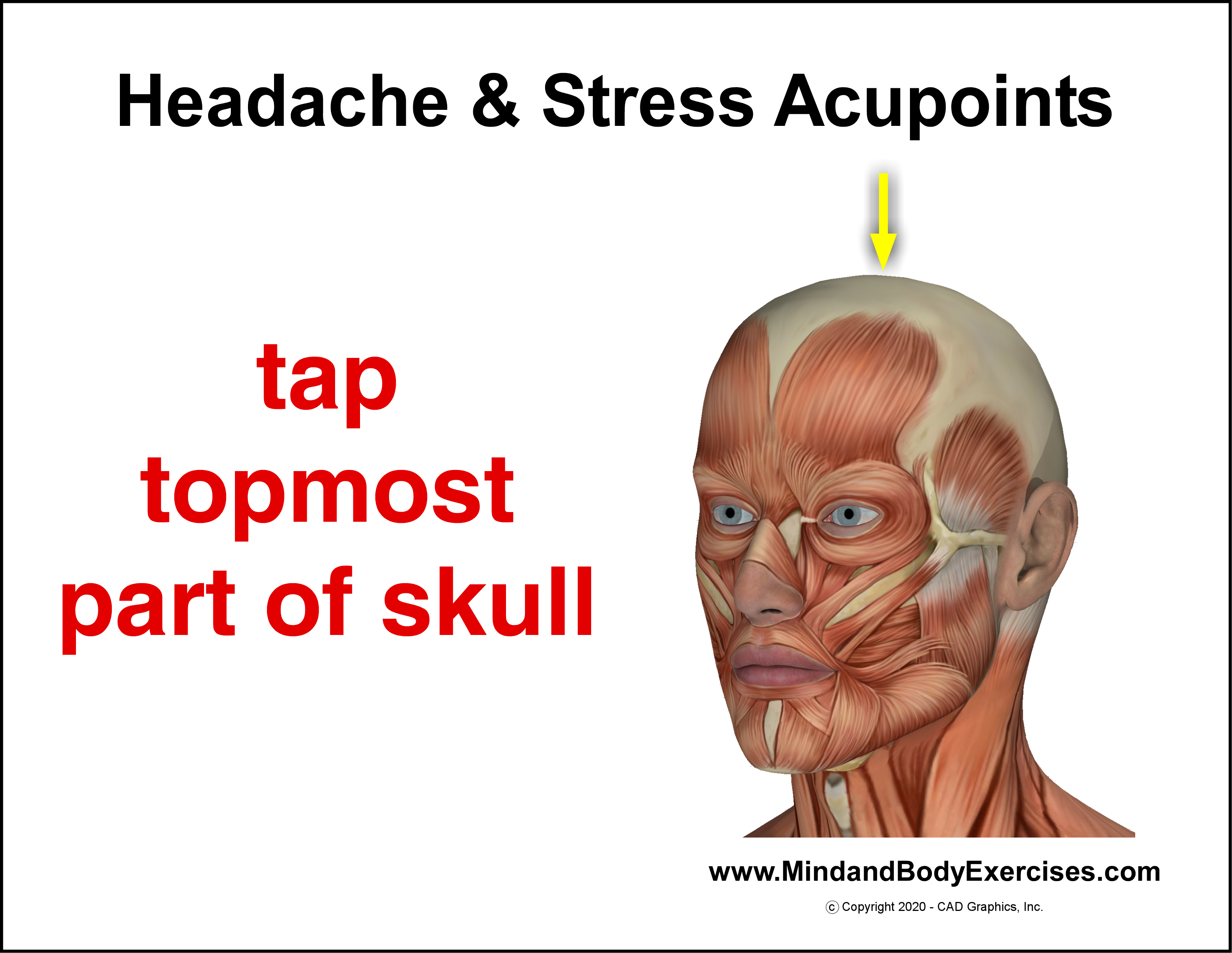
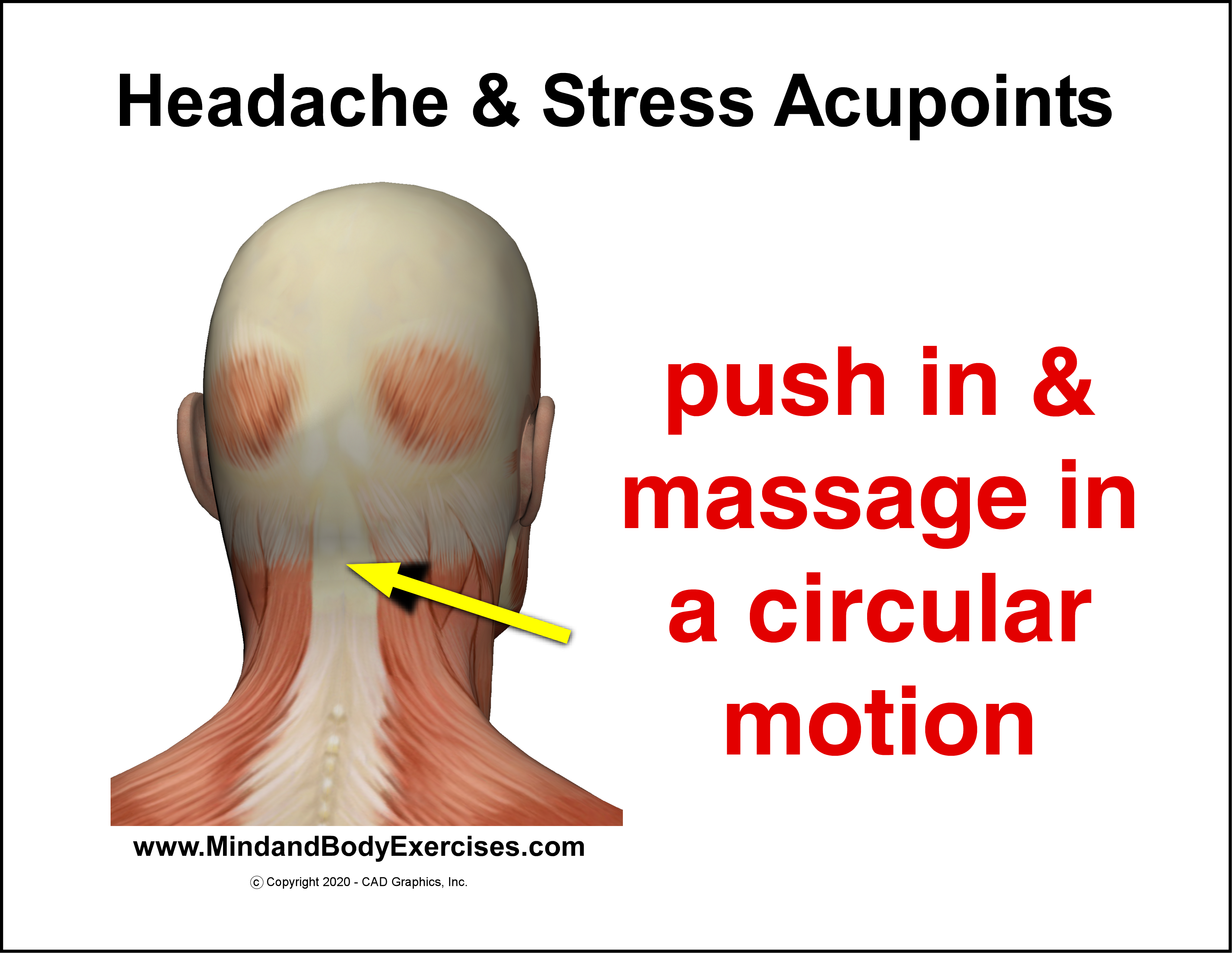
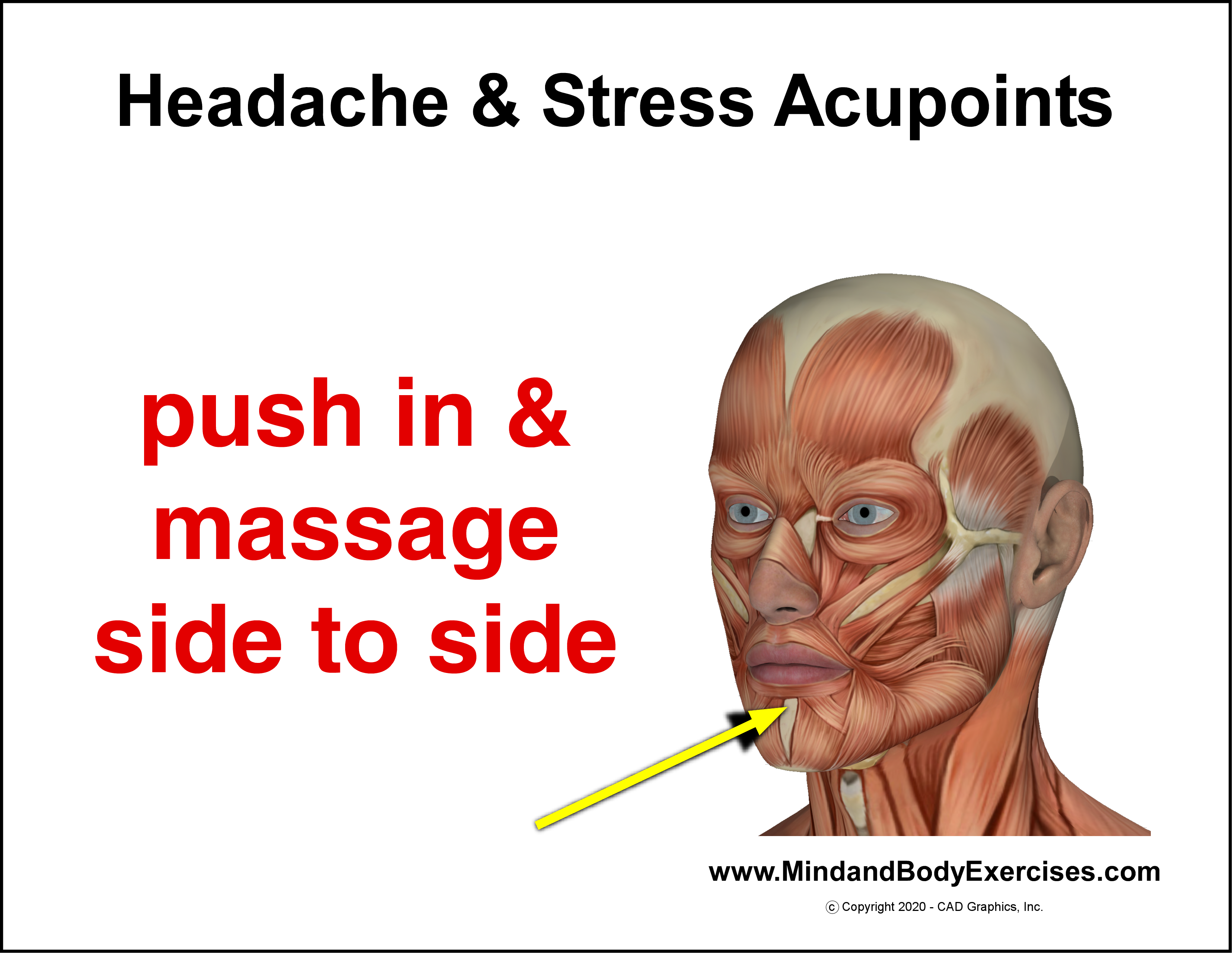
Acupressure (no needles) and its parent of acupuncture (needles) from Traditional Chinese medicine, has been around for a few thousand years. I have been leaning and practicing acupressure for almost 40 years with great results.

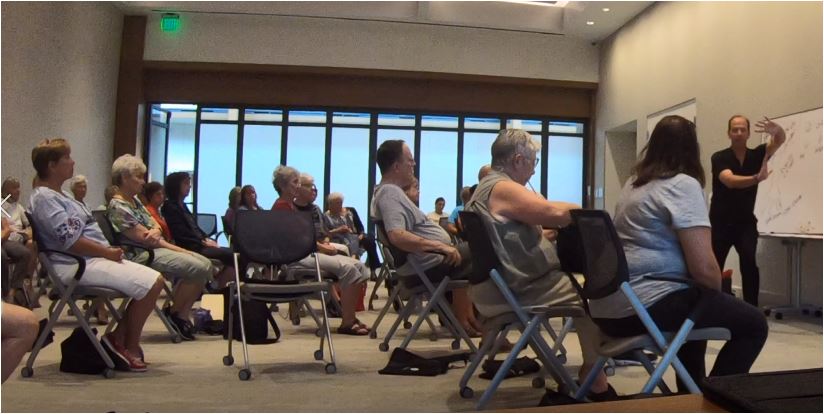
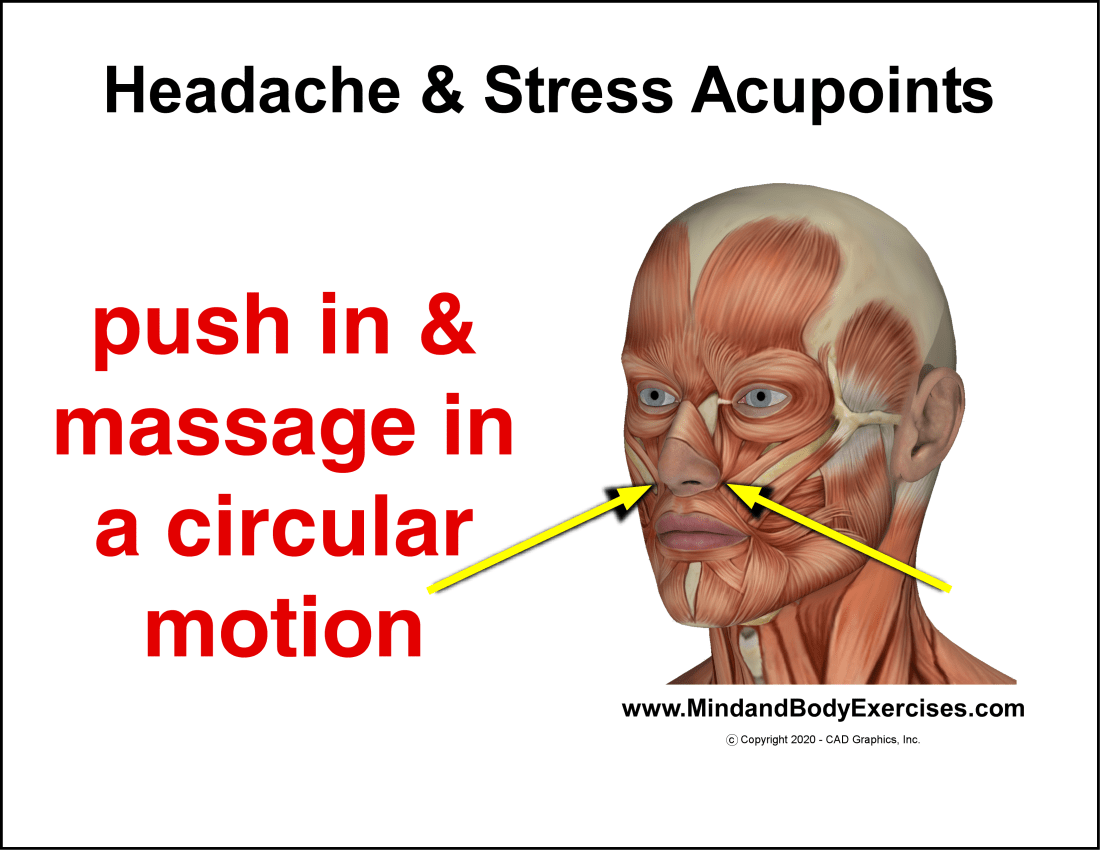
I will be speaking next week at the University Club of Winter Park, about the benefits of this type of self massage. Headaches, low energy, faintness, stress, general & specific pain, and restless leg syndrome are conditions that I will teach specific techniques to better manage.

If interested in attending this FREE event, please contact me at 407-234-0119 for more details. Class is limited so let me know as soon as possible if serious about joining us for an hour of learning.

University Park Club

841 N. Park Avenue, WP

2-3pm, January 13th

Be well, get healthy, be wise.

I am currently available for health and wellness lectures and classes for group, & private instruction in the Orlando, Florida area. Mind and Body Exercises on Google: https://posts.gle/aD47Qo

Jim Moltzan

407-234-0119

www.MindAndBodyExercises.com

https://www.facebook.com/MindAndBodyExercises/

https://www.youtube.com/c/MindandBodyExercises

https://mindandbodyexercises.wordpress.com/