Living in a Bubble

Understanding the Closed High-Control Environment

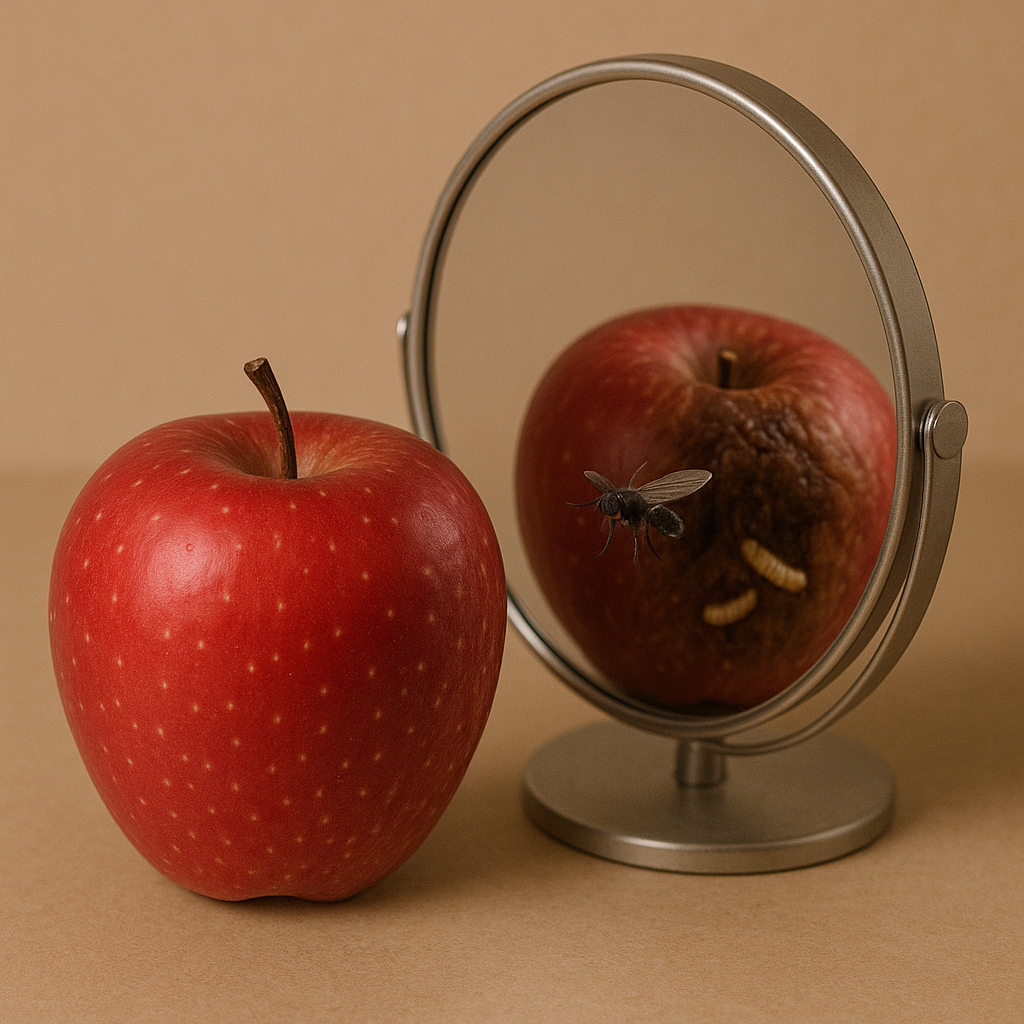
Working, playing, living, and existing in a high-control environment, whether ideological, organizational, or social, is analogous to living within a bubble. The bubble becomes both a boundary and a lens: it filters what individuals perceive as reality, limiting awareness of the outside world while reinforcing the values, language, and narratives within. Over time, the self becomes entangled with the group identity, and what is seen through the bubble’s translucent membrane feels complete, even if it is only a fragment of reality.

This essay explores the mechanisms that create such a bubble, how it maintains psychological and social control, and why emerging from it is a gradual and deeply transformative process that can take years to complete, if at all.
Formation of the Bubble: Structure and Psychology

The “bubble” metaphor aptly describes the environment of high-control systems, whether religious, corporate, political, or familial. Sociologist Janja Lalich (2004) identified this as a “bounded choice” system or an environment where individuals feel they are exercising free will, yet their decisions are constrained by an intricate web of ideology, social pressure, and authority. The boundaries of the bubble are maintained through charismatic authority, a closed belief system, and control of behavior and information (Lalich, 2004).

People often join or remain within such systems because they fulfill psychological needs for certainty, belonging, and meaning (Manstead, 2018). According to social identity theory, group membership provides emotional security and self-esteem, particularly in times of uncertainty or perceived chaos (Hogg, 2014). Within the bubble, structure and purpose replace ambiguity, creating a sense of safety that paradoxically relies on conformity.

In practical terms, the bubble’s formation relies on several mechanisms:

  1. Restricted external input – information from outside the group is censored or reframed to align with internal narratives (Bai et al., 2025).
  2. Filtered internal discourse – members adopt specialized language and redefinitions that shape thought patterns.
  3. Identity fusion – personal identity merges with the group, making independent thought feel like betrayal (Swann et al., 2012).
  4. Dependence on internal validation -acceptance, approval, and purpose come exclusively from within the system.

Thus, the bubble becomes self-reinforcing: the more one participates, the stronger its walls become, and the more alien the outside world appears.

Once established, the bubble governs perception, behavior, and emotion.

  1. Cognitive and Perceptual Narrowing

Members of high-control systems experience epistemic closure, meaning alternative viewpoints are systematically excluded (Lalich, 2004). Research on “identity bubble reinforcement” confirms that repetitive exposure to uniform perspectives narrows the ability to evaluate or accept new information (Bai et al., 2025). The mind begins to interpret all experience through the group’s ideology, a phenomenon sometimes called cognitive confinement.

2. Behavioral Regulation

Rules, rituals, and social hierarchies become omnipresent. Even leisure and play serve the system’s goals. Studies of humans in isolated or closed environments such as military units or analog space missions show how confinement fosters conformity and peer surveillance while diminishing autonomy and spontaneity (Landon et al., 2024). Similarly, within social or ideological bubbles, behavior is subtly or overtly regulated by reward, shame, and collective pressure.

3. Emotional Conditioning and Identity Fusion

The bubble shapes emotional experience as well. Joy, guilt, pride, and fear become linked to compliance and performance. Identity fusion is a deep merging of personal and group identity that creates extreme loyalty and self-sacrifice (Swann et al., 2012). Members may feel love for their peers yet fear ostracism for deviation. Over time, the bubble is no longer just an environment, but rather it becomes a psychological home.

4. Living Entirely Inside the Bubble

When one’s workplace, social life, belief system, and home all exist within the same controlled sphere, the boundary between personal and institutional identity collapses. The person’s worldview becomes totalistic. Every event, thought, or external challenge is interpreted through the bubble’s lens, reducing the ability to recognize manipulation or control (Lalich, 2004). What lies beyond becomes shadowy, threatening, or meaningless.

  1. The Initial Awakening

Awakening begins when cognitive dissonance cracks the bubble, through a contradiction, a loss of trust, or an encounter with external perspectives. Yet recognition alone rarely results in immediate liberation. As Lalich (2004) notes, even when individuals want to leave, “the system of meaning remains deeply internalized.” Awareness of the bubble does not dissolve it overnight; it simply begins the process of slowly deflating its illusions.

2. De-identification and Cognitive Reconstruction

The journey out of the bubble is not instantaneous. It is rarely a matter of days, weeks, or even months, but rather a multi-year process of rebuilding perception and selfhood. Research on post-cult recovery and identity reconstruction shows that the internal belief structures and emotional dependencies cultivated within such systems can persist for years (Langone, 2017). The mind must unlearn distorted thinking, while the nervous system recalibrates to tolerate ambiguity, autonomy, and uncertainty.

In psychological terms, this is a deconditioning process, or a gradual dismantling of internalized norms, often accompanied by grief, anger, and disorientation (Lalich, 2004). Even when one consciously chooses to “step outside,” subconscious habits of thought and emotional triggers may continue to pull them back toward the familiar confines of the bubble.

3. Emotional Healing and Re-socialization

Leaving the bubble involves emotional recovery as much as cognitive change. Isolation, fear, and identity loss are common. Former members often report difficulty trusting others, setting boundaries, or believing in their own judgment (Langone, 2017). Longitudinal studies of people emerging from high-control settings, such as isolated work bubbles or pandemic quarantine environments, show increased depression and anxiety due to disrupted social rhythms and restricted autonomy (Ely, 2023). The process of re-socialization requires patience, self-compassion, and often therapeutic support.

4. Integration and Perspective

Much like a person standing too close to a tree, those living within the bubble cannot see the whole of what surrounds them. When one’s view is pressed against the trunk, the details of bark, leaves, and branches may be clear, yet the entirety of the tree in its height, shape, and place within the forest, remains unseen. Only by stepping back and gaining distance can the full form come into view. Similarly, only by separating from the bubble can individuals begin to perceive the true scope of their environment and the reality that extends beyond it.
True recovery occurs when one learns to live outside the bubble without recreating its patterns elsewhere. This means cultivating critical thinking, autonomy, and a tolerance for complexity. As Lalich (2004) emphasizes, liberation is not merely external but internal. Freedom is achieved when the bounded choice system no longer defines one’s reality.

The individual must relearn to see the world directly, rather than through the distortive lens of collective ideology. This reintegration phase may take years of ongoing reflection, self-education, and experiential contrast with broader society. It represents a journey toward authenticity, where perception aligns with lived experience rather than imposed belief.

Conclusion

Living within a high-control environment is akin to existing inside a sealed bubble that dictates one’s thoughts, behaviors, and emotional reality. The bubble offers structure, belonging, and certainty but at the cost of autonomy and authentic perception. To truly see beyond it requires more than desire. It demands time, courage, and sustained self-work.

Emerging from such confinement is a long-term metamorphosis, not a quick awakening. One must slowly deconstruct internalized narratives, rebuild personal agency, and re-establish connection with a broader, more ambiguous world. Only through this extended process can individuals reclaim their full humanity and rediscover life beyond the bubble’s transparent walls.

Key Psychological and Sociological Terms

Autonomy.
The ability to think, decide, and act independently based on one’s own values and reasoning rather than imposed authority or group pressure (Manstead, 2018; Lalich, 2004).

Bounded Choice.
A term introduced by Janja Lalich (2004) to describe a system in which individuals appear to exercise free will, but their decisions are constrained by the group’s ideology, social structure, and internalized control mechanisms (Lalich, 2004).

Cognitive Confinement (Epistemic Closure).
A restriction of thought and perception in which alternative ideas are dismissed, and information is filtered through a rigid belief system, limiting one’s ability to view reality objectively (Bai et al., 2025; Lalich, 2004).

Cognitive Dissonance.
A psychological state of discomfort experienced when one’s beliefs, values, or actions conflict with one another, often leading to rationalization or justification to reduce internal tension (Rashiti, 2021).

De-identification.
The process of separating one’s personal identity from that of the controlling group or ideology that once defined it, often accompanied by confusion and emotional struggle (Langone, 2017).

Deconditioning.
The gradual process of unlearning habits, beliefs, and conditioned responses that were instilled by an authoritarian or high-control system (Lalich, 2004; Langone, 2017).

Emotional Conditioning.
The learned association of specific emotional responses—such as guilt, shame, fear, or pride—with compliance or disobedience to group norms (Langone, 2017).

Identity Fusion.
A psychological phenomenon where personal and group identities merge, creating strong emotional bonds and a willingness to prioritize the group over oneself (Swann et al., 2012).

Identity Reconstruction.
The rebuilding of an authentic, self-defined identity following departure from a high-control environment; involves reflection, self-awareness, and integration into a broader worldview (Langone, 2017).

Internalized Control.
A condition in which external authority or group expectations become self-enforced, causing individuals to monitor and regulate their own thoughts and behaviors according to imposed standards (Lalich, 2004).

Psychological Homeostasis.
The mind’s effort to maintain internal emotional stability. When disrupted—such as during deconstruction of old belief systems—temporary imbalance may occur before a new equilibrium forms (Manstead, 2018).

Re-socialization.
The process of relearning social norms, boundaries, and interpersonal trust after leaving a closed or controlling environment (Langone, 2017; Ely et al., 2023).

Social Identity Theory.
A framework that explains how individuals derive self-concept and meaning from group membership, promoting cohesion but also conformity and in-group bias (Hogg, 2014).

References:

Bai, X., Lian, S., Sun, X., & Niu, G. (2025). The relationship between information hoarding and selective exposure: The role of information overload, identity bubble reinforcement, and intolerance of uncertainty. BMC Psychology, 13(736). https://doi.org/10.1186/s40359-025-03062-8

Ely, G., Woodman, T., Roberts, R., Jones, E., Wedatilake, T., Sanders, P., & Peirce, N. (2023). The impact of living in a bio-secure bubble on mental health: An examination in elite cricket. Psychology of sport and exercise68, 102447. https://doi.org/10.1016/j.psychsport.2023.102447

Hogg, M. A. (2014). From Uncertainty to Extremism: Social Categorization and Identity Processes: Social Categorization and Identity Processes. Current Directions in Psychological Science, 23(5), 338-342. https://doi.org/10.1177/0963721414540168

Lalich, J. (2004). Bounded ChoiceTrue believers and charismatic cults. https://doi.org/10.1525/california/9780520231948.001.0001

Landon, L. B., Miller, J. C. W., Bell, S. T., & Roma, P. G. (2024). When people start getting real: The Group Living Skills Survey for extreme work environments. Frontiers in Psychology, 15, 1348119. https://doi.org/10.3389/fpsyg.2024.1348119

Langone, M. D. (2017). Recovery from cults: Help for victims of psychological and spiritual abuse. American Family Foundation Press.

Manstead, A. S. R. (2018). The psychology of social class: How socio-economic status influences identity, cognition, behaviour and health. British Journal of Social Psychology, 57(2), 267–291. https://doi.org/10.1111/bjso.12251

Rashiti, V. (2021, August 19). What are cognitive distortions and what to do about them? Youth Time Magazine: News That Inspires, Updates That Matter. https://youthtimemag.com/what-are-cognitive-distortions-and-what-to-do-about-them/

Swann, W. B., Jr., Gómez, Á., Seyle, D. C., Morales, J. F., & Huici, C. (2012). Identity fusion: The interplay of personal and social identities in extreme group behavior. Journal of Personality and Social Psychology, 96(5), 995–1011. https://doi.org/10.1037/a0013668
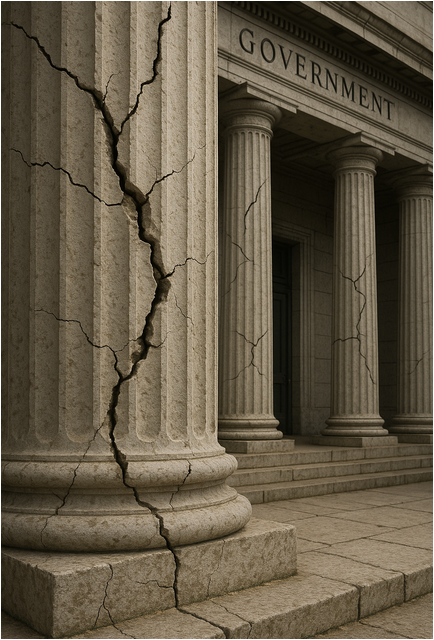
Are Our “Protectors” Harming Us? A Holistic Look at Government Dysfunction

In recent decades, there has been growing debate and public dissatisfaction surrounding the effectiveness of major U.S. government agencies such as the National Institutes of Health (NIH), Centers for Disease Control and Prevention (CDC), Food and Drug Administration (FDA), Environmental Protection Agency (EPA), and Department of Education (DOE). From a holistic health and wellness standpoint, the concerns raised are not only legitimate but crucial for the future well-being of American society.

Despite the enormous budgets allocated to these institutions, many key indicators of national health and environmental quality have not improved and in some cases, have greatly worsened. Rates of chronic diseases, such as obesity, diabetes, and autoimmune disorders, have surged over the past several decades (FaST FaCTs: Health and Economic Costs of Chronic Conditions, 2024). American food products are heavily processed and laden with additives, while issues such as polluted drinking water continue to affect vulnerable populations (Environmental Protection Agency [EPA], 2023). Meanwhile, the pharmaceutical industry’s extensive influence over agencies like the FDA and CDC has raised serious ethical questions about regulatory capture and conflicts of interest (Abbott & Dukes, 2009).

The educational sector is similarly troubled. Despite increased federal involvement, American students have shown declining scores in key academic areas compared to previous generations (National Center for Education Statistics, 2024). From a systems thinking perspective central to holistic health, these problems are interconnected. Poor nutrition, environmental toxicity, and weakened educational outcomes contribute collectively to the degradation of overall societal wellness.

If these agencies operated within the private sector, the level of dysfunction witnessed would likely result in significant consequences for leadership, including firings, lawsuits, or even criminal prosecutions. Companies that consistently fail their customers typically lose credibility and cease to exist. However, because these government organizations are taxpayer-funded and politically shielded, they continue to operate with limited accountability.

The principle of accountability is foundational to any healthy democracy. Citizens not only have the right but the responsibility to demand reforms when institutions fail to serve the public interest. As political theorist John Locke emphasized, government derives its legitimacy from the consent of the governed, and when it ceases to act for the public good, reform becomes necessary (Locke, 1988).

There is significant evidence that Americans are not being adequately protected or served in key areas of health, environment, and education, which are all pillars of a thriving and holistic society. It would therefore not be wrong, but entirely appropriate and vital, for citizens to call for drastic reforms or even overhauls of these agencies. From a holistic health perspective, reform is not simply a political preference; it is a matter of survival and future flourishing.

Holistic wellness emphasizes balance, responsibility, interconnectedness, and long-term thinking. If the government institutions designed to protect health, the environment, and education are misaligned with these principles, it is imperative that we, as a society committed to holistic well-being, advocate for transformative change. Without public awareness and pressure, the existing system will continue to perpetuate dysfunction to the detriment of both current and future generations.

References

Abbott, F. M., & Dukes, G. (2009). Global Pharmaceutical Policy. https://doi.org/10.4337/9781849801843

Environmental Protection Agency. (2023). Drinking water pollution and health risks. https://www.epa.gov/ground-water-and-drinking-water

FaST FaCTs: Health and economic costs of chronic conditions. (2024, July 12). Chronic Disease. https://www.cdc.gov/chronic-disease/data-research/facts-stats/index.html

Locke, J. (1988). John Locke Two treatises of government. In Cambridge University Press eBooks. https://doi.org/10.1017/cbo9780511810268

National Center for Education Statistics. (2024). The Nation’s Report Card | NAEP. https://nces.ed.gov/nationsreportcard/

I look forward to further sharing more of my message by partnering with hospitals, wellness centers, VA centers, schools on all levels, businesses, and individuals who see the value in building a stronger nation through building a healthier population.

I also have hundreds of FREE education video classes, lectures, and seminars available on my YouTube channel at:

https://www.youtube.com/c/MindandBodyExercises

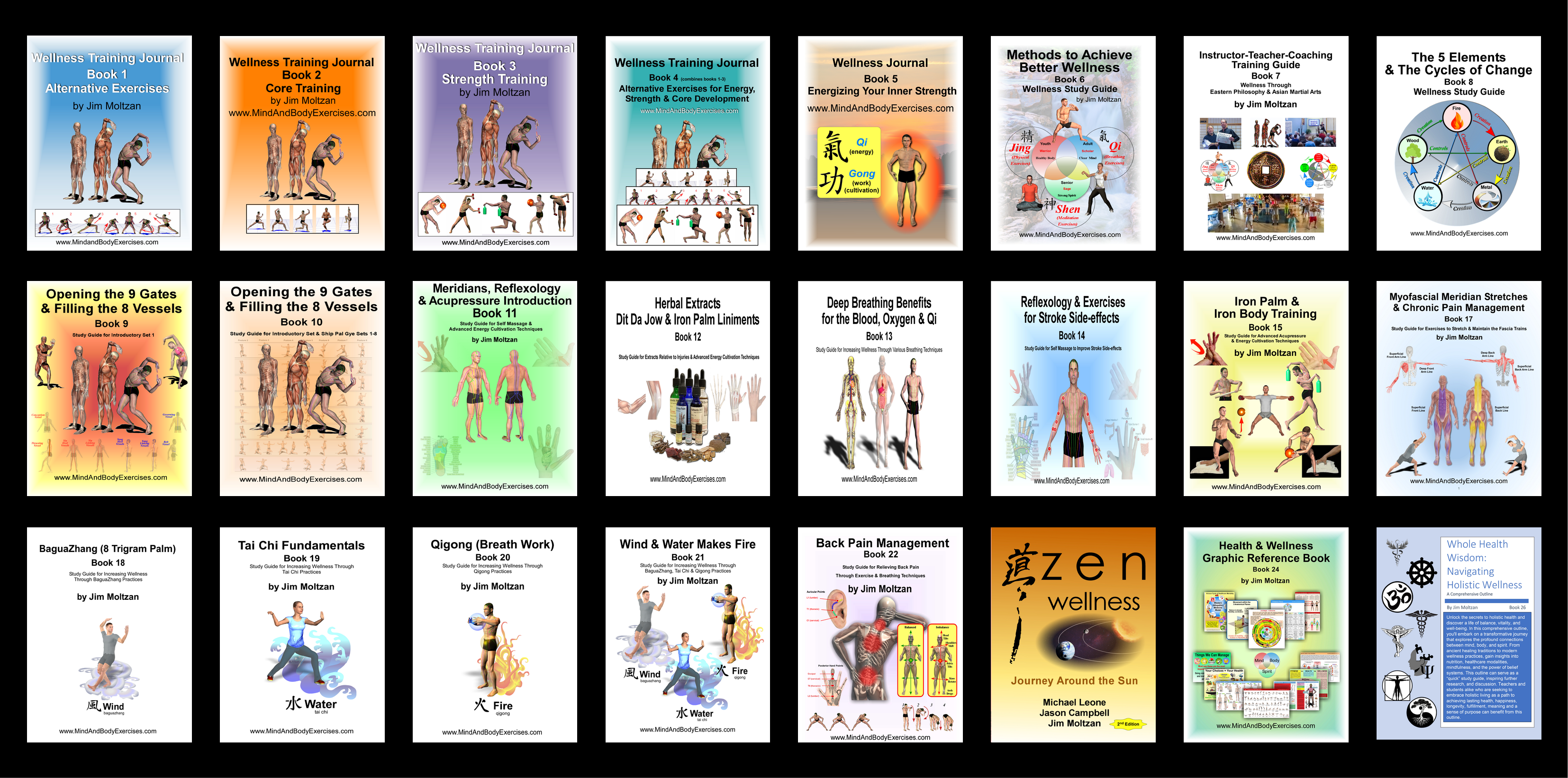
Many of my publications can be found on Amazon at:

http://www.Amazon.com/author/jimmoltzan

My holistic health blog is available at:

http://www.mindandbodyexercises.wordpress.com

http://www.MindAndBodyExercises.com

Mind and Body Exercises on Google: https://posts.gle/aD47Qo

Jim Moltzan

407-234-0119

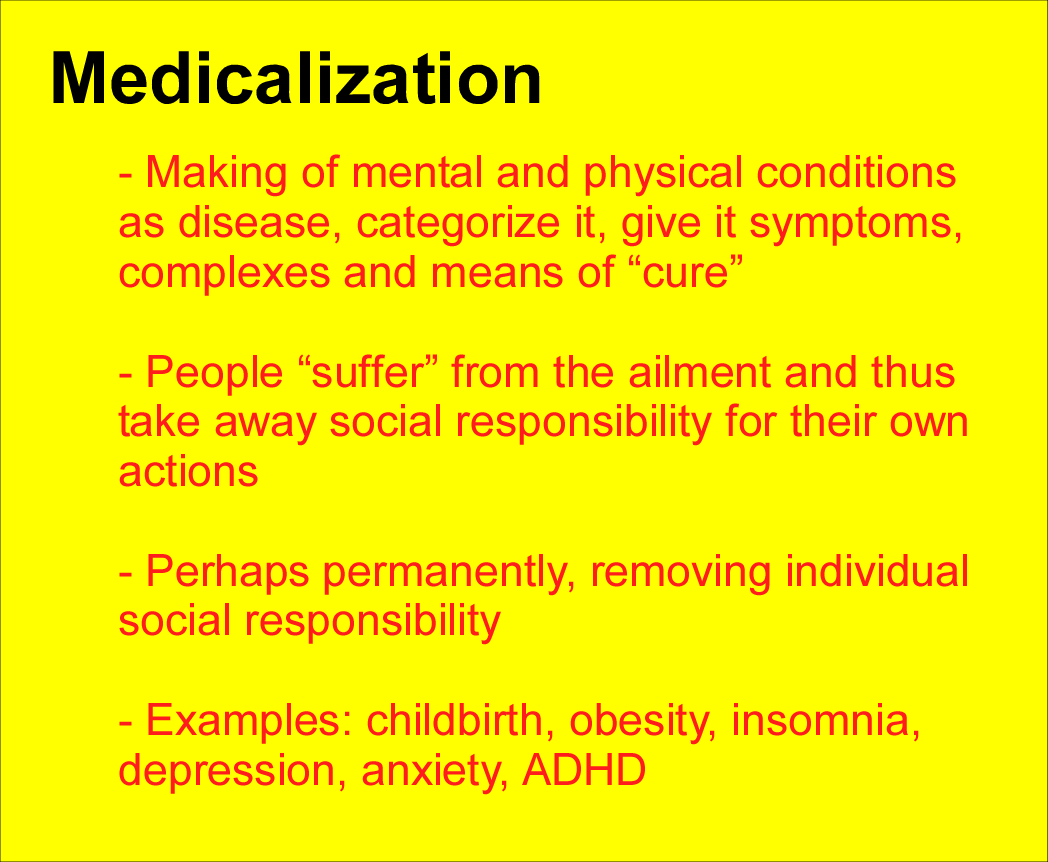
Medicalization of Health: A Pill for Every Ill

Infant Mortality: The U.S. infant mortality rate rose to 5.6 deaths per 1,000 live births in 2022, marking the first increase in two decades, up by approximately 3% from 2021. This trend varies across racial and ethnic groups, with significant increases noted among infants of American Indian and Alaska Native mothers​ CDCCDC Blogs.

Obesity: Among U.S. adults, obesity prevalence was last recorded at 41.9% by the CDC. This figure has seen a steady increase over the years and reflects long-term trends rather than recent spikes​.

Depression: The National Institute of Mental Health (NIMH) reports that 8.4% of U.S. adults experienced at least one major depressive episode in 2022. This aligns closely with your figure and indicates an increase in mental health issues, especially post-pandemic​.

ADHD: For children ages 3–17, ADHD prevalence remains close to 10%, with recent surveys indicating about 9.8% are diagnosed with ADHD. Your figure of 11.4% is slightly higher than the current average but within a plausible range, considering increases in diagnosis rates over the past few years​.

Anxiety: Anxiety disorders affect around 31% of U.S. adults at some point, according to the NIMH. This remains one of the most common mental health conditions, with prevalence rising, particularly among younger adults​.

Insomnia: Roughly 14.5% of adults report experiencing chronic sleep issues, including difficulty falling asleep most nights, a condition that is increasingly recognized as widespread in the U.S. population​.

References

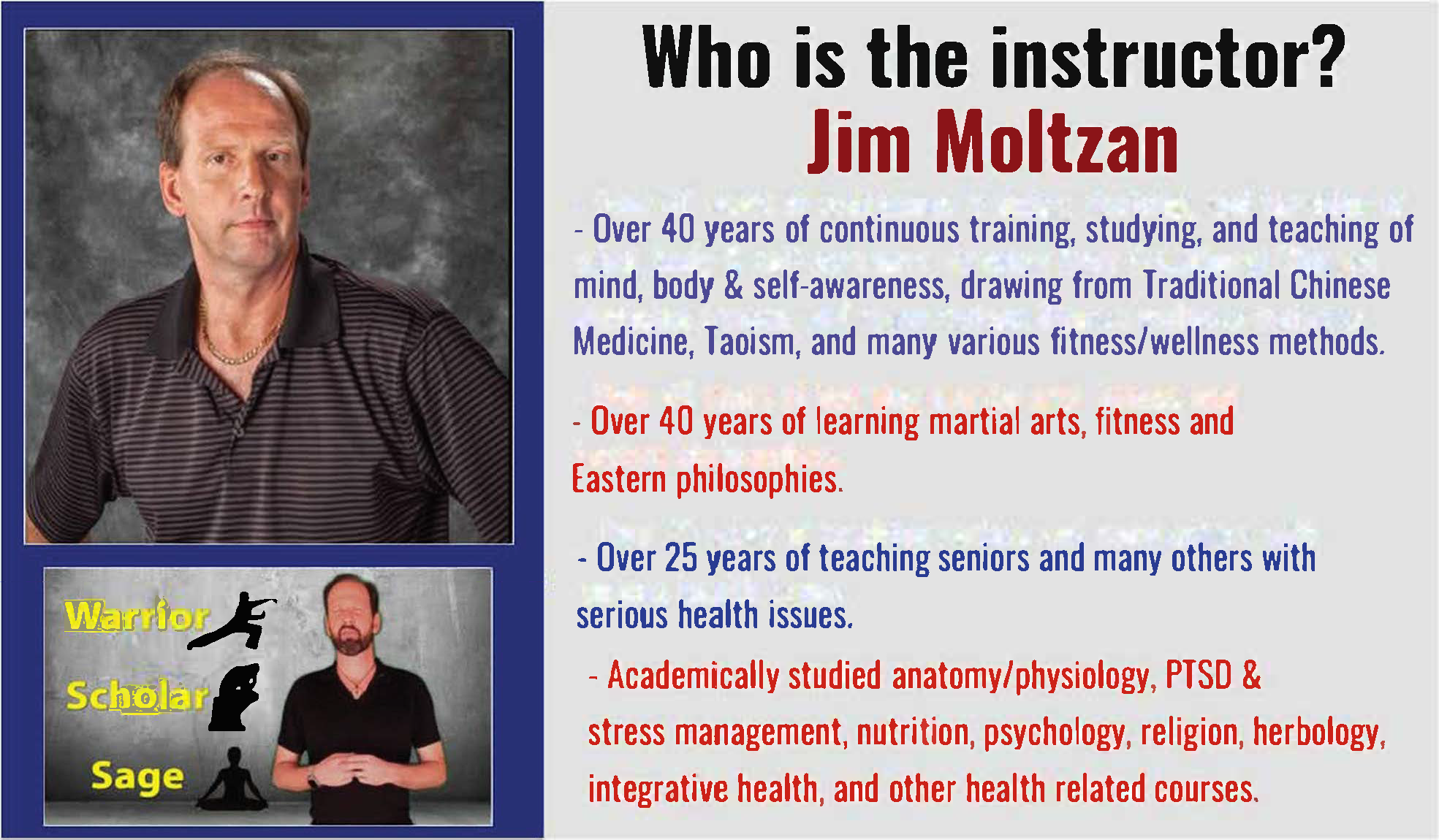
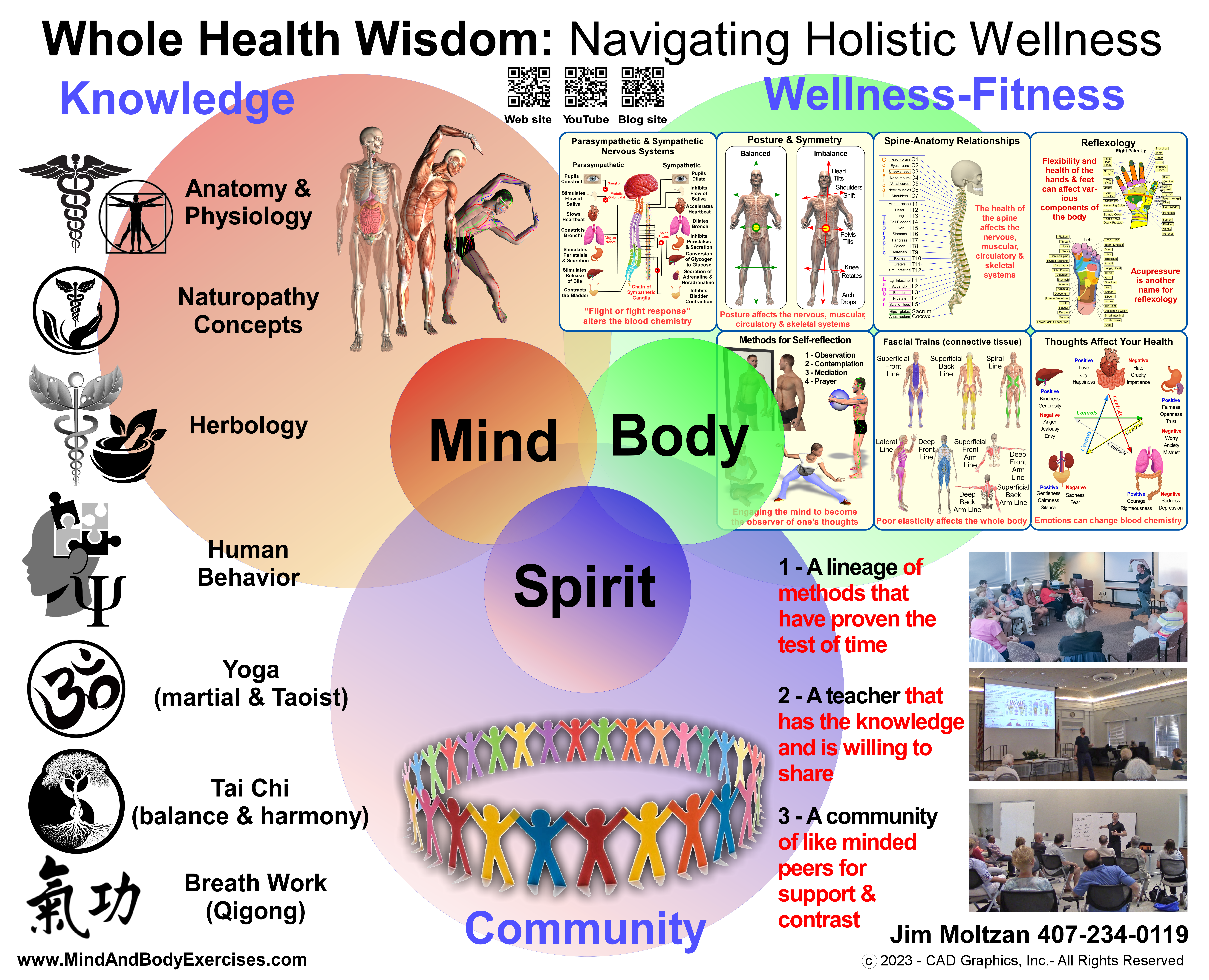
I teach and offer lectures about holistic health, physical fitness, stress management, human behavior, meditation, phytotherapy (herbs), music for healing, self-massage (acupressure), Daoyin (yoga), qigong, tai chi, and baguazhang.

Please contact me if you, your business, organization, or group might be interested in hosting me to speak on a wide range of topics related to better health, fitness, and well-being.

I look forward to further sharing my message by partnering with hospitals, wellness centers, VA centers, schools on all levels, businesses, and individuals who see the value in building a stronger nation through a healthier population.

I also have hundreds of FREE education video classes, lectures, and seminars available on my YouTube channel at:

https://www.youtube.com/c/MindandBodyExercises

Many of my publications can be found on Amazon at:

http://www.Amazon.com/author/jimmoltzan

My holistic health blog is available at:

https://mindandbodyexercises.wordpress.com/

http://www.MindAndBodyExercises.com

Mind and Body Exercises on Google: https://posts.gle/aD47Qo

Jim Moltzan

Tai Chi – Basic Background Information

The origin and roots of Tai Chi, are based on written information, oral interpretations, and word of mouth. Also, many of the practitioners often went by different names and spellings there of. This presented information is by no means complete nor precise but is offered as a basic understanding of the origin of these ancient methods.

Many history scholars and martial arts enthusiasts have spent much time and effort debating the details of the origins. While it might be interesting for some, it is suggested not to lose the meaning behind the knowledge and the practice methods. To become a walking encyclopedia of information, but having no true understanding of the methods can lead to a somewhat imbalanced understanding of Tai Chi. More in-depth understanding can come from actual physical practice, mental understanding, self-awareness as well as spiritual cultivation.

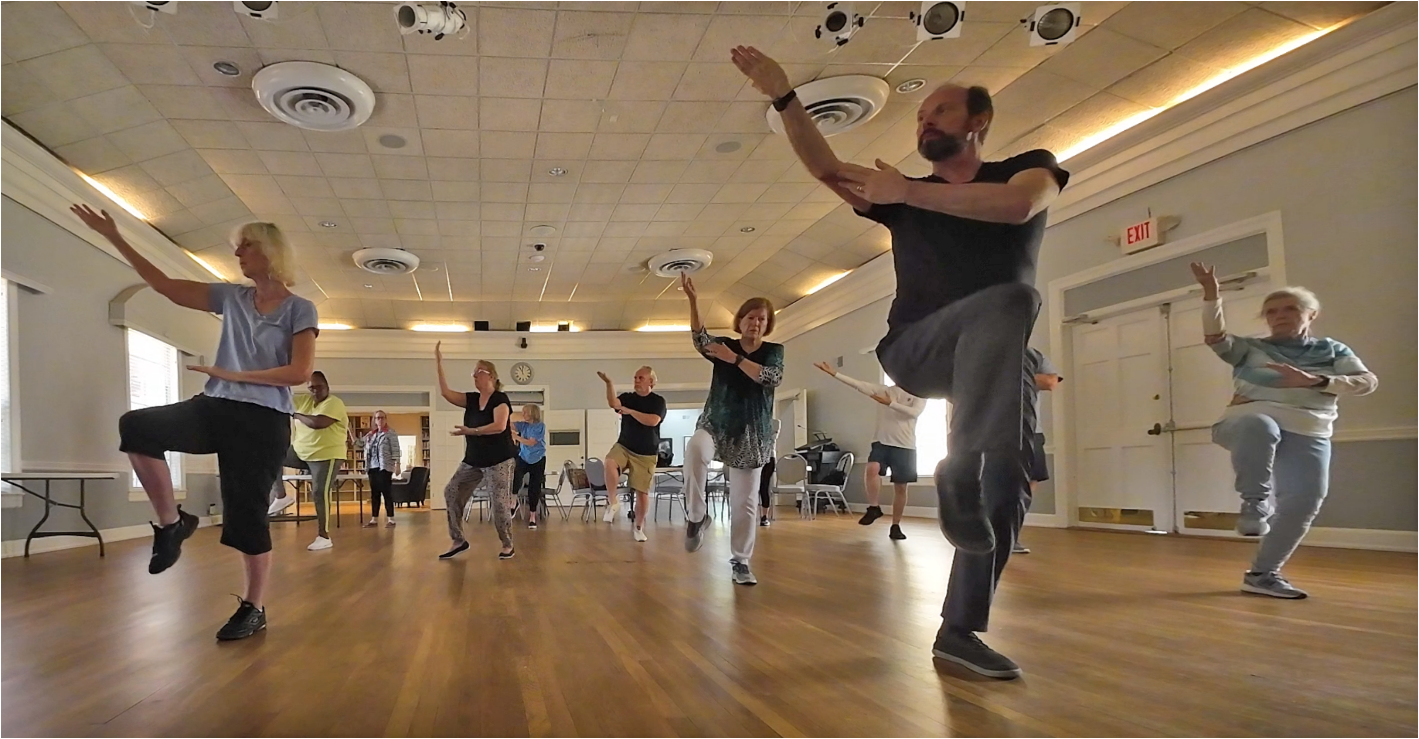
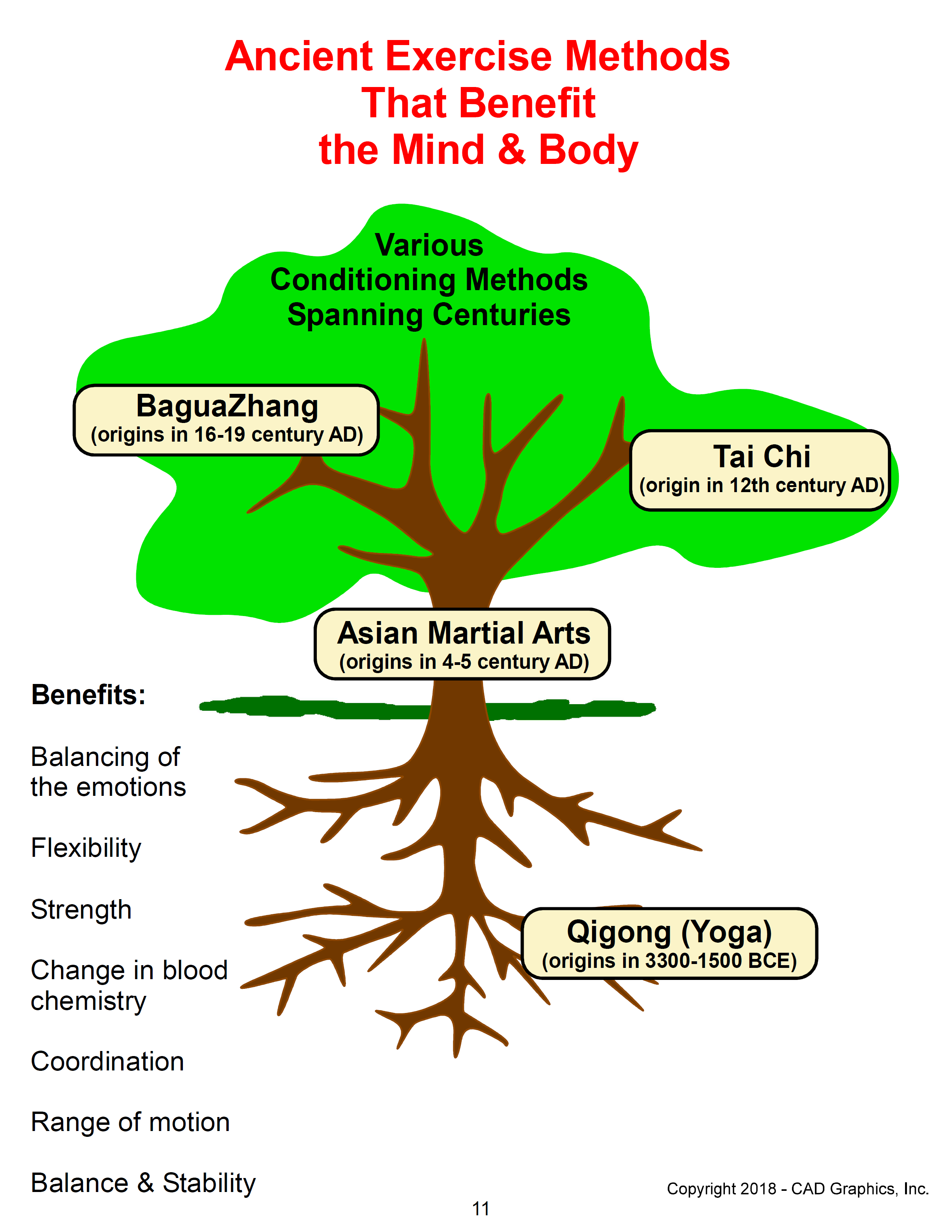
Tai Chi is an ancient Chinese martial art, that is practiced as a graceful form of martial arts, low-impact exercise, and moving meditation. It involves a series of movements performed in a slow, smooth, and focused manner with accompanied Qigong (mindful breathing exercises). Tai Chi, also called Taiji, Tai Chi Chuan or Taiji Quan, on the fitness level, is a self-paced system of gentle physical exercises and stretching. Each exercise or posture flows into the next without pausing, ensuring that the body is in constant motion. Tai chi is similar yet different from Yoga which is another type of meditative exercise and practice. Tai Chi and Yoga include various physical postures, deep breathing techniques, and often along with meditation. Tai Chi is sometime referred to as “Yoga in motion”.

Tai Chi has many different types or styles. Each style emphasizes various Tai Chi principles and methods. There are also variations within each style. Some styles or teachers focus more on health benefits, history, or philosophy, while others might focus on the martial arts aspects of Tai Chi.

History:
Chen, Yang, Wu, and other Tai Chi Styles
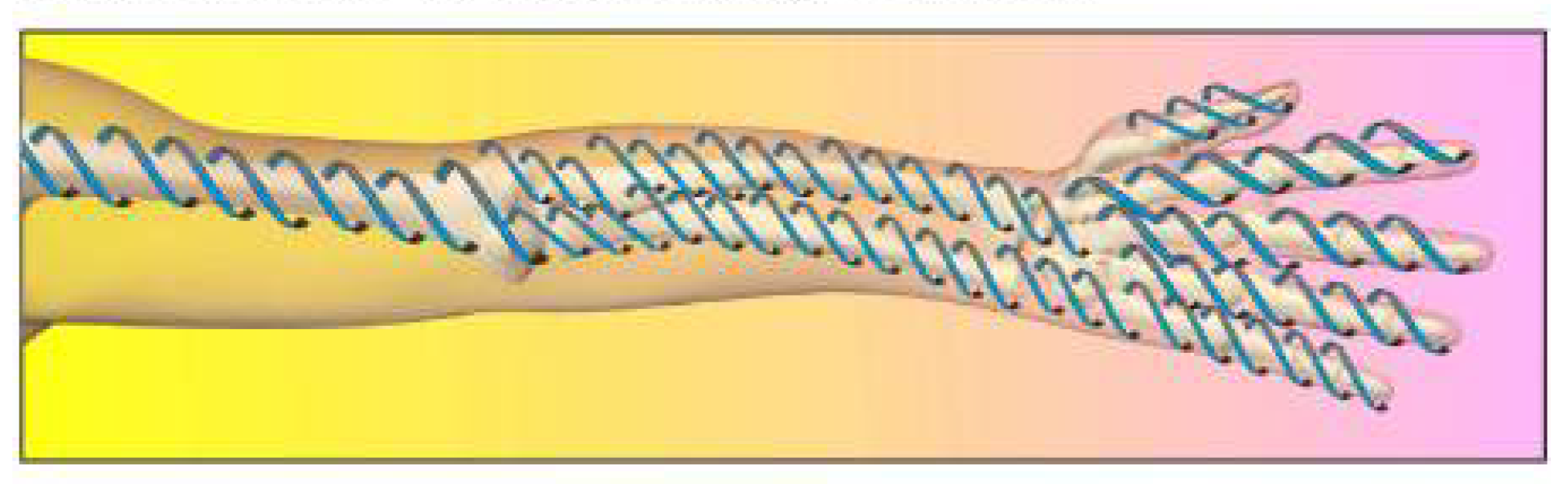
There are differing theories as to the true origins of Tai Chi. Tai chi is a type of moving qigong, which has roots in yoga. Some believe Chen Wangting to be the original founder of Tai Chi and the Chen style. Chen style is practiced typically with explosive movements including jumps, kicks, and strikes. Slow, graceful movements are alternated with quick, forceful ones. Low, strong stances develop strength, stability, and agility. Silk reeling is spiraling movements that flow from the feet to the hands, which is the foundation of Chen-style Tai Chi. Chen style can provide a good cardiovascular workout but requires more athleticism and physical coordination than some of the other styles of Tai Chi. All styles can be adjusted by the practitioner.

From the Chen Style came the most popular and practiced Yang style, with its founder Yang Lu Ch’an. It is thought that Yang learned his system from the Chen family while working as a servant in their village and secretly observing their training and practice routines. In 1850, the Imperial family hired Yang Lu Ch’an to teach his modified, less athletic adaptation to their elite palace guards. The Yang style improves flexibility by expanding and contracting the body using exaggerated movements and practices slowly and gracefully.


The Yang Style ultimately produced the Wu Style, another popular style of Tai Chi founded by Wu Ch’uan Yu. This military officer cadet trained under Yang Lu Ch’an, the founder of the Yang style and martial arts instructor of the Chinese Imperial Guards. Wu style is unique in its focus on the body leaning forward and backward rather than remaining centered, as one does in the other styles of Tai Chi. The back leg serves as a counterbalance, allowing for added extension without losing stability and balance. Wu style uses a medium stance, with movements being smaller and more compact than those used in Yang style.

Beyond these three original styles came others such as the Hao, Sun & Li styles. There are then the many variations or sub-styles that emanate from the original family styles. There is also the Wudang style from Wudang Mountain which is also thought to be the original style, originating from the Daoist monk Chang San Feng.

I teach and offer lectures about holistic health, stress management, qigong, tai chi, baguazhang, meditation, phytotherapy (herbs), music for healing, self-massage, and Daoyin (yoga).

I look forward to further sharing more of my message by partnering with hospitals, wellness centers, VA centers, schools on all levels, businesses and individuals that see the value in building a stronger nation through building a healthier population. I also have hundreds of FREE education video classes, lectures and seminars available on my YouTube channel at:

https://www.youtube.com/c/MindandBodyExercises

www.MindAndBodyExercises.com

www.Amazon.com/author/jimmoltzan

Mind and Body Exercises on Google: https://posts.gle/aD47Qo

Jim Moltzan

407-234-0119

What is Qi, Chi or Ki?

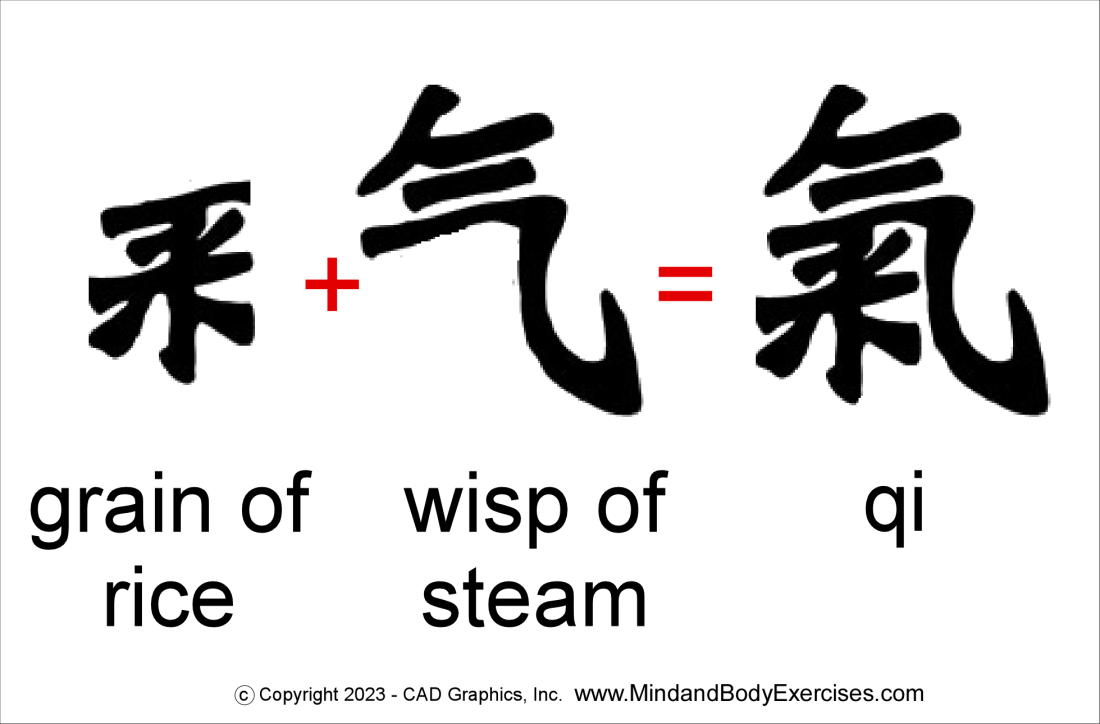
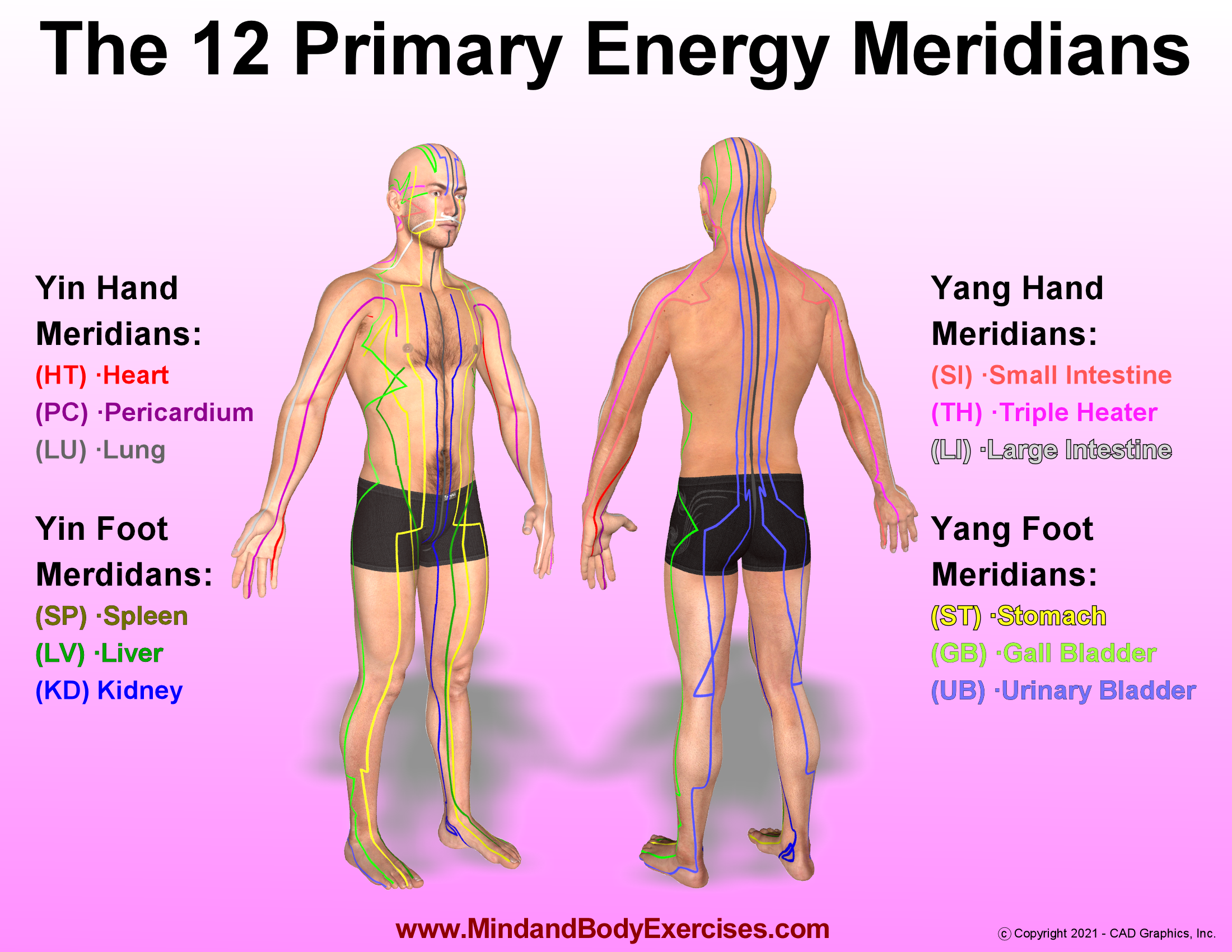
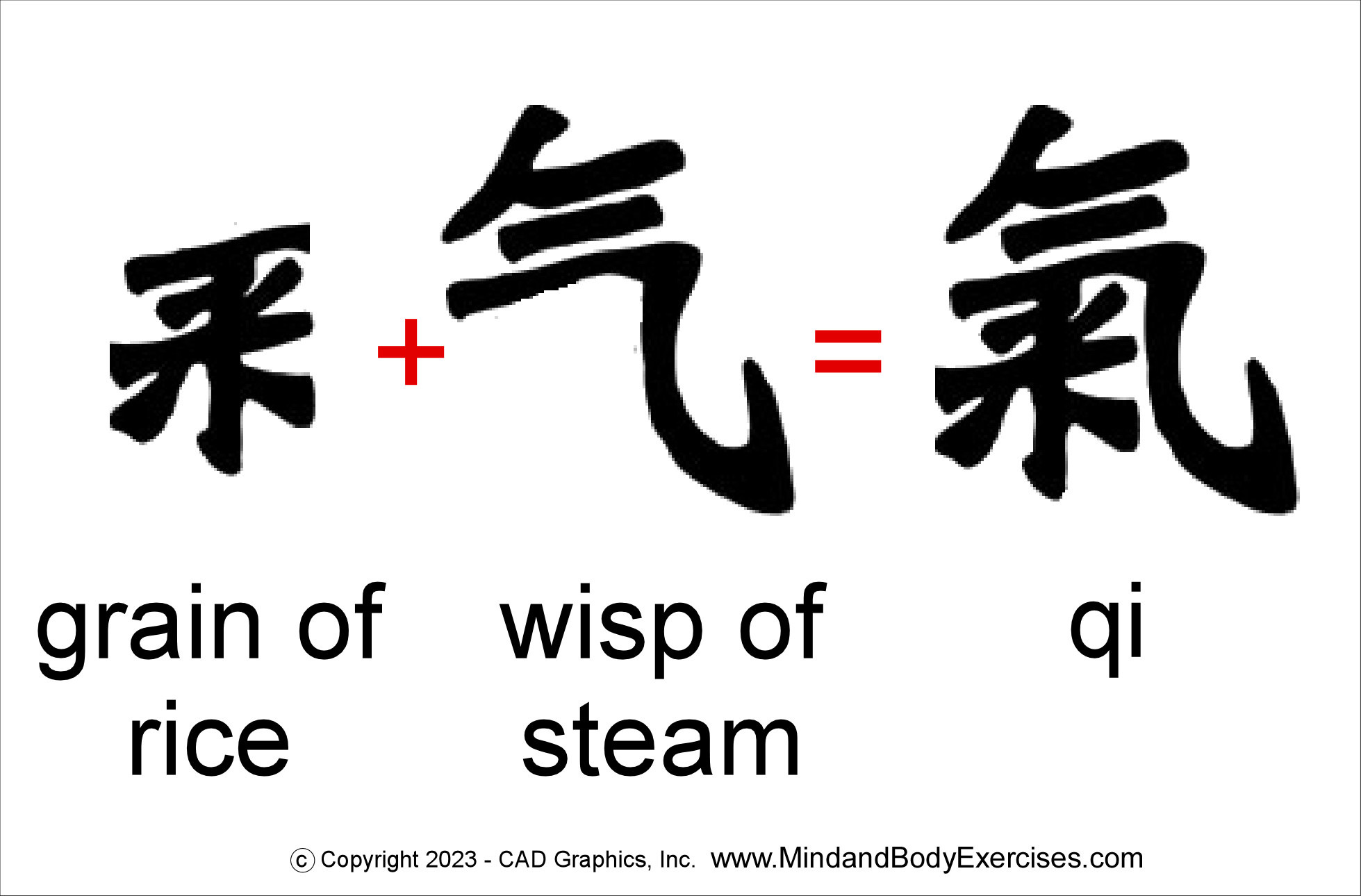
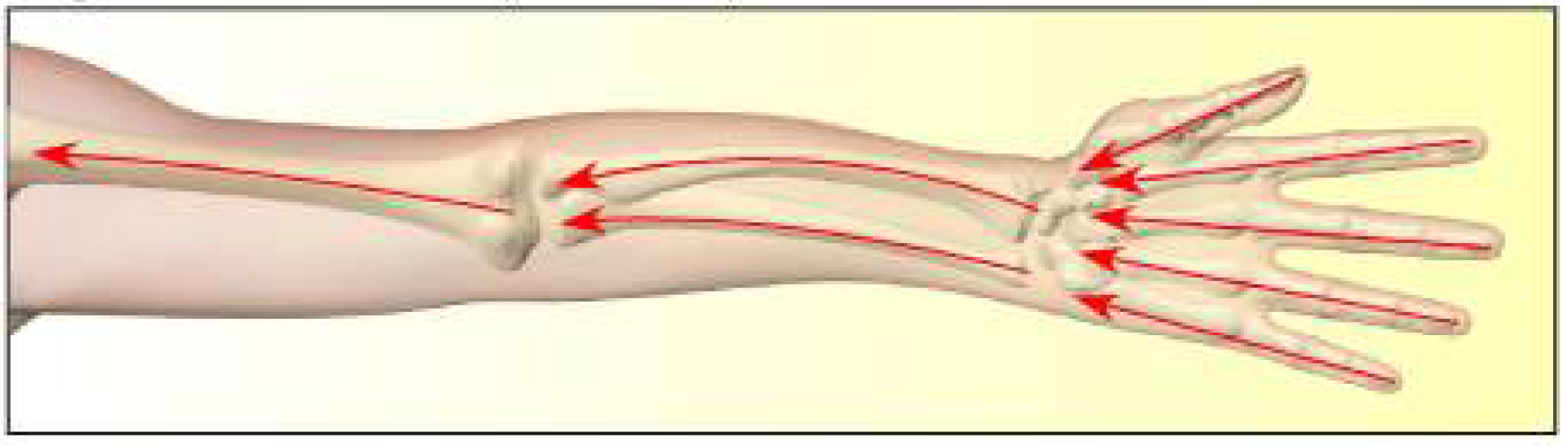
Chi or Qi (pronounced as “chee”) translates to mean “breath” in Chinese. Chi is the life energy that all living creatures require in order to exist. Different cultures call this energy, Ki (from Japanese), Gi (Korean) or Prana (Indian). Chi is a type of energy in the human body and circulates within the blood throughout. Chi flows in a specific pattern from the chest, down the front of the arms to the fingers. It then travels up the back of the arms to the head. The chi then travels down the back to the feet and back up the front of the body to the chest. It travels through meridians within the body that can be best described as something similar to the electrical lines on a printed circuit board. There are 12 main meridians and 8 extraordinary ones as well. There are points along these meridians that are known as “pressure points” or acupoints for acupressure and acupuncture.

Why is Chi important?

The amount of chi in one’s body and the quality of it determines whether an individual is generally healthy or prone to illness. There is a finite amount in our bodies and is gradually exhausted due to age and possible abuses. When it decreases so does the lifespan of the individual.

  • Prenatal chi comes from our parents.
  • Nutritional chi comes from the food we eat.
  • Air chi comes from the air we breathe.
  • Other types of chi are manifested from the previous three types to form others.

What types of chi are there?
Similar to how there can be many different types of plants for example, each having its own name and characteristics, there are various types of chi.

Prenatal, original or primary chi, are different names for the same type of chi that is inherited from the mother (and father) at the time of conception. At birth, the chi resides in and around the kidneys, eventually spreading throughout the rest of the organs and body. In order for the prenatal chi to be maintained, food, drink and air are required. Our health and quality of it are directly linked to the quality of these components. Even if someone’s prenatal chi is weak, it can still be properly nourished by proper diet, exercise and life style. Postnatal or nutritional chi and is derived from food and life style. Nutritional chi is responsible for producing the blood as well as providing the body with nourishment. Where the chi circulates, the blood will follow. The blood nourishes the chi; it is a synergistic relationship
just is yin and yang.

Pectoral or air chi is drawn into our lungs from the air we breathe. People lacking stamina, are known to be deficient in air chi. It enables the lungs to control respiratory functions and enables the heart to circulate blood, relying upon the arms and legs to circulate chi throughout the body.

Defensive or guardian chi (Wei Qi) circulates on the surface of the body, protecting it from outside influences and dangers. Originating from the food we eat, defensive chi is responsible for the operation of the skin’s pores, thereby regulating the body’s temperature and ability to provide moisture when needed.

Normal chi or Zangfu Zhi chi, is that which circulates through the organs.


Jing Luo Zhi chi is that which circulates through the meridians.

How do I keep what I have?
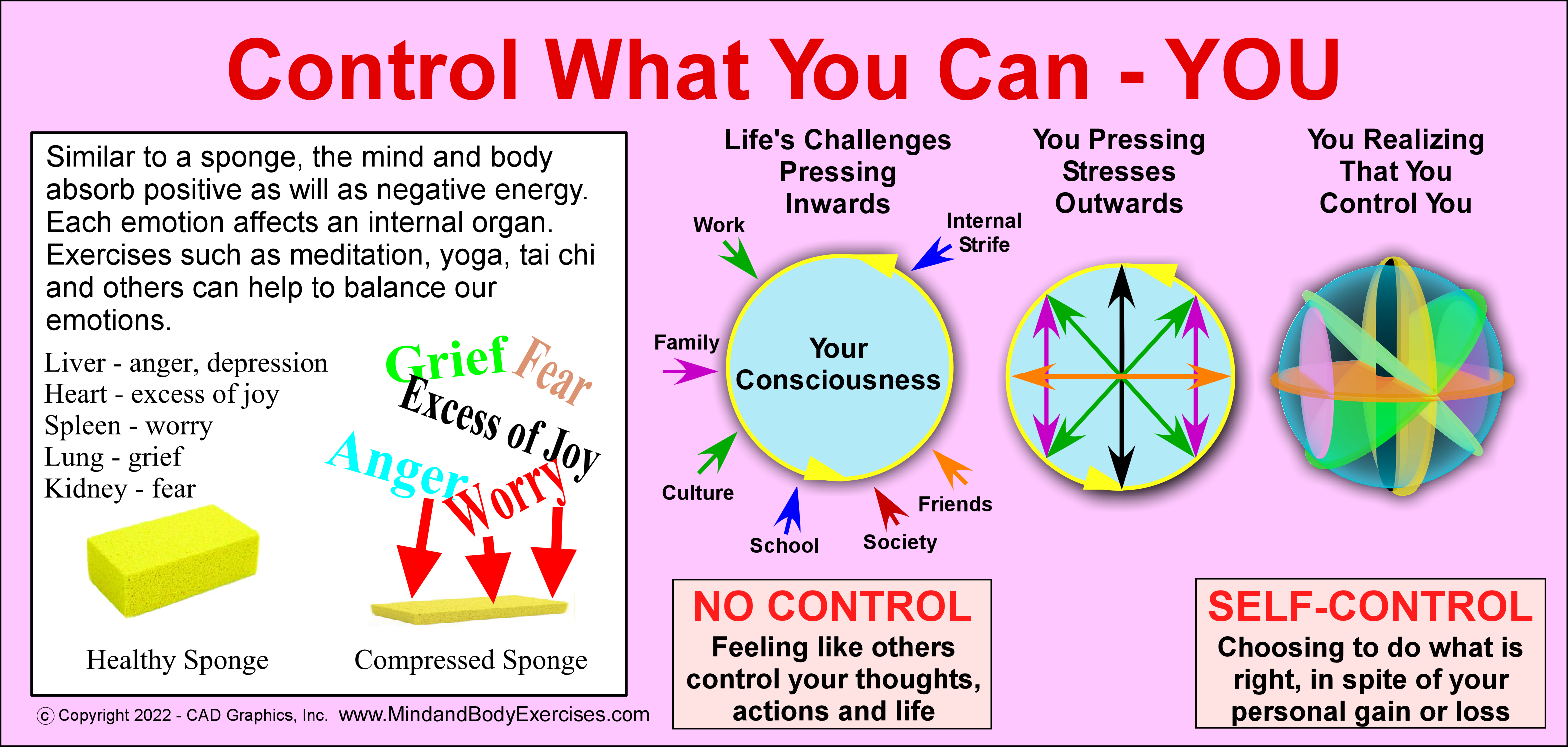
A proper balance of nutrition, exercise and a healthy lifestyle directly affect the quality and abundance of chi. Emotions and their balance or lack there of, affects the quality of an individual’s chi. The 7 emotions are Joy, Anger, Sadness, Grief, Pensiveness, Fear, and Fright. Energy (Chi) is regarded as one of the 3 Treasures or essential components of life, with essence (Jing) and spirit (Shen) being the other two. When energy, essence and spirit are in harmony with one another, the person finds himself or herself alert, healthy and vibrant. Or the opposite, if their treasures are in imbalance. If this harmonious flow is disrupted, illness occurs.

Can I get more?

  • Better quality food or herbs
  • Better quality of air we breathe
  • Deep breathing exercises such as Qigong
  • Other forms of internal martial arts training such as Tai Chi, Hsing Yi or BaguaZhang

What is Chi Kung, Qigong or Gi Gong?
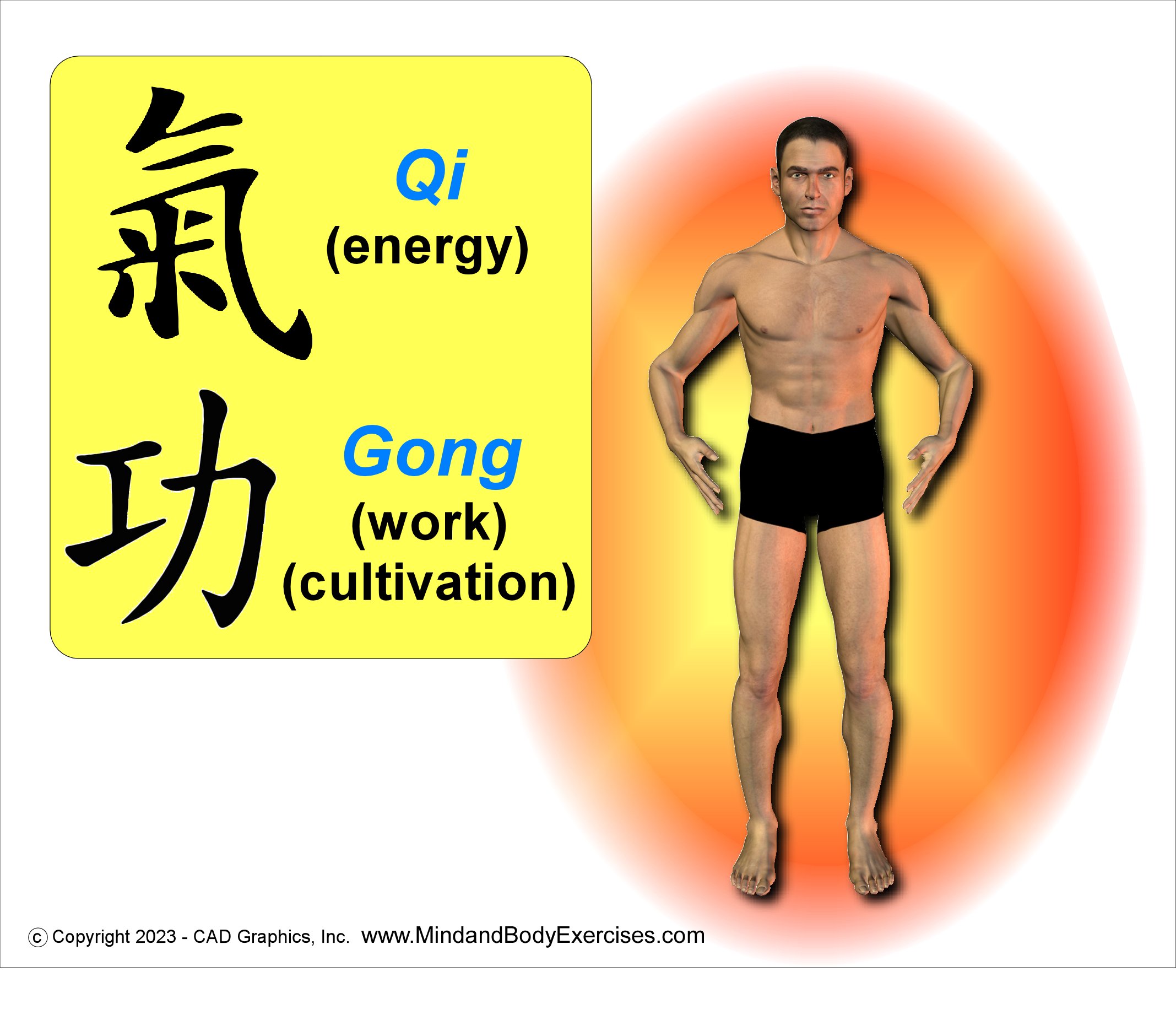
Exercises originating in India and China, for enhancing or “cultivating” chi. The above names reflect different spellings for the same concept. Cultivate is an appropriate word because, as living things require nourishment and nurturing to grow, chi must be nourished and encouraged to develop.

How do these exercises work?
By regulating one’s breath and rhythm of it, an individual can begin to affect the parasympathetic nervous system which slows their heart rate, lowers the blood pressure, relieves muscle tension and consequently changes their body chemistry. This is basically the same state of being one achieves while sleeping and is when the body rests, heals and recharges its energy levels.

What are the benefits of practicing these types of exercises?

  • Increased energy
  • Relief from chronic illnesses
  • Increased self awareness
  • Expansion of one’s thought process
  • Spiritual awareness
  • Increased longevity
  • Better control of emotions
  • Provides a release of one’s internal chatter

Can Qigong exercises really cure serious diseases and ailments?
It is important to note that the claim of practicing chi kung to overcome illness and promote health is based on countless testimonials of practical cases spanning centuries. If someone is physically impaired, this affects his or her emotions and mental state. Consequently, someone’s emotions can easily affect their health, for better or worse. If our psychological and physiological systems function as they should, illness should not occur. Illness occurs when one or more of the body’s systems fail in their functions. The specialty of chi kung is to restore and enhance harmonious energy flow, thereby overcoming illness.


What is the difference between Qigong and Nei Dan (Nae Gung)?
Qigong is exercises focusing on increasing one’s energy by regulating their breath. Nei Dan is somewhat more advanced in that one uses their thought and awareness to guide and increase their energy throughout the spine and bones within the body.


Why pursue these methods?
The American Health Care Crisis might not be as such if all Americans assumed more personal responsibility for their own health. Many spend small fortunes on doctor visits, medication, chiropractic adjustments, massage therapy, acupuncture and other forms of health care and pain relief. Chi kung is relatively cheap to learn, takes little space and only minutes a day to reap the benefits. The only side effects are positive and it doesn’t require a prescription from your doctor.


I teach and offer lectures about holistic health, stress management, qigong, tai chi, baguazhang, and yoga.

I also have hundreds of FREE education video classes, lectures and seminars available on my YouTube channel at:

https://www.youtube.com/c/MindandBodyExercises

Mind and Body Exercises on Google: https://posts.gle/aD47Qo

Jim Moltzan

407-234-0119

Contact for times, locations and costs.

www.MindAndBodyExercises.com

www.Amazon.com/author/jimmoltzan