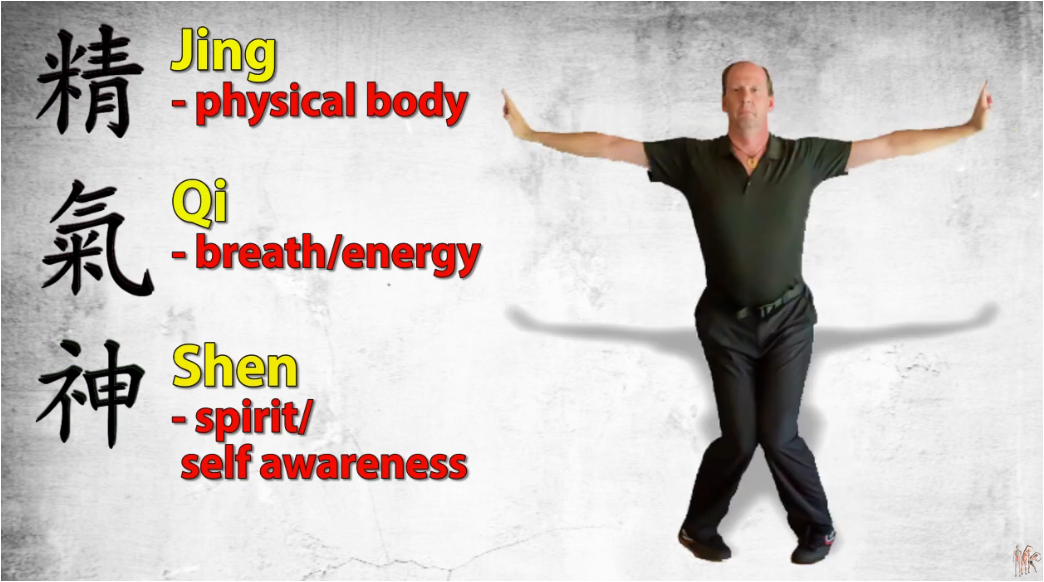
Meditation Practices – (the non-pharmaceutical pill you can take today, to ward off your illness of tomorrow)

I have some observations from practicing and teaching meditation methods from over my last 40 years. There has been much stigma in the US regarding meditation going back to when the Maharishi introduced it to the Beatles rock band from 1959 and into the 60’s, and consequently the whole American counterculture of “hippies” of that era. I was quite young at this time but remember how adults around me would comment on how meditation was religious, cultish, and maybe even related to drug use. Some of these factors may actually be true for some people but definitely don’t need to be. Meditation and its many, many various methods can stand alone from any of my previous mentioned groups. Once people become informed and more educated, then they can logically determine for themselves that meditation is more of a mental type of exercise than anything threatening or unusual. Once someone realizes that meditation can come in many ways other than sitting still for long periods of time, such as playing or listening to music, walking, hiking, cooking, walking, producing artwork and many other skillful means, meditation can become less weird, unusual, or threatening. Moving meditation through yoga, tai chi/qigong, dance, and some others are a great way to get away from the stationary methods of sitting and standing meditation. However, if someone is closed minded to the whole idea of learning and trying something new, then it doesn’t really matter how hard another tries to convince them.
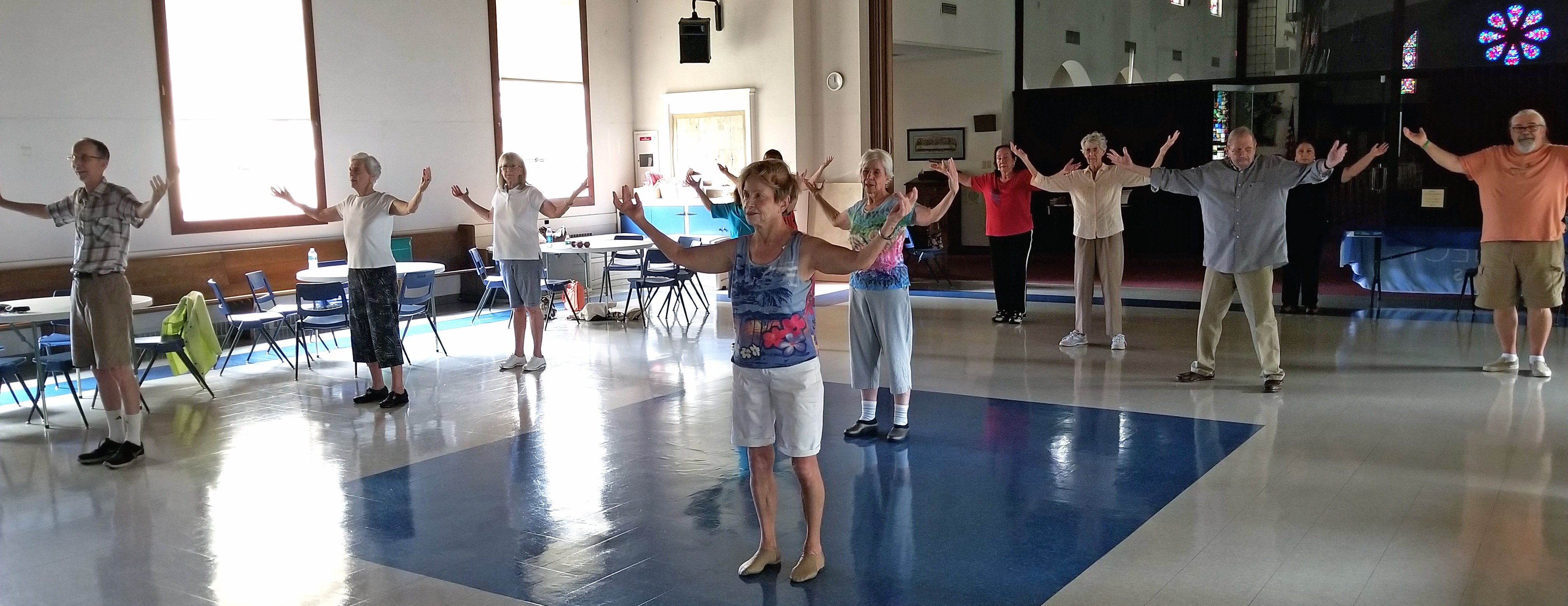
Time is another big deterrent to regular and consistent practice of meditation. Many people have the false assumption that if one is not sitting in the lotus position for hours on end, then they are not meditating or may not be doing it long enough to benefit. Studies have reported that some college students who practice mindfulness as part of their coursework, showed cognitive and wellbeing benefits, even when practicing for as little as five minutes twice a week, depending upon the type of mindfulness method implemented (O’Hare et al., 2023).

I have come to understand that it takes about 3 minutes of regulated slow breathing to engage the parasympathetic nervous system and its relative benefits of slower heart rate which affects metabolic functions, helping to induce stress relief, relaxation, and mental clarity. I have come to call the “foot in the door” approach seems to work best for beginners. This is when I suggest to someone with an interest in trying meditating, to start with using a timer set for 5 minutes. Almost everyone can agree that 5 minutes is quite easy to carve out and into one’s schedule. Often after the 5 minutes goes by relatively quicky and without incident, a beginner can easily add another 5 minutes, and then another of they feel better from the initial starting. Our mind has this interesting ability to adjust our perspectives on time and relative priorities as our thoughts and emotions level off to see what truly is more important.
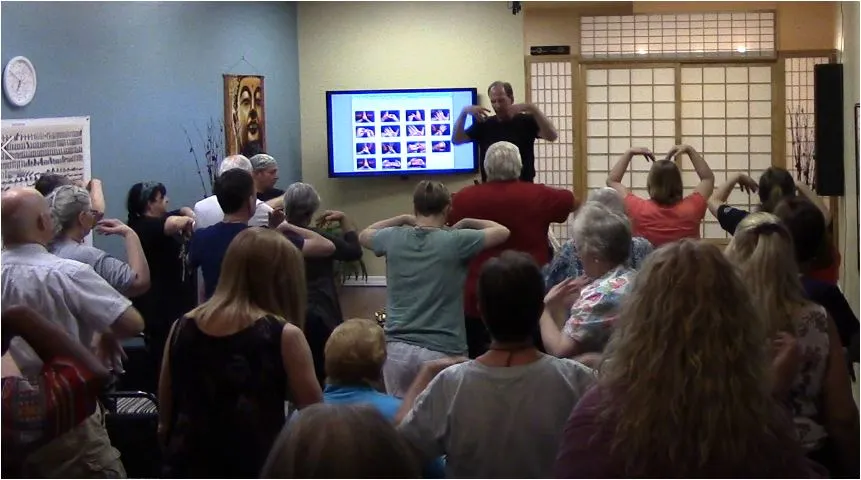
Other challenges that I have encountered either with myself or others are physical discomfort, inability to relax and/or quiet the mind, boredom and even some people become so relaxed that they fall asleep. Practice, practice and more practice. Meditation is a slow path to a greater reward, that will pay off over time of the effort is invested. If you were to eat a salad once a month, this will not make you healthy. Similarly, meditating once in a while will not yield much results. Slow and steady wins the game.

Reference:

O’Hare, A. J., & Gemelli, Z. T. (2023). The effects of short interventions of focused-attention vs. self-compassion mindfulness meditation on undergraduate students: Evidence from self-report, classroom performance, and ERPs. PLoS ONE, 17(1), 1–20. https://doi.org/10.1371/journal.pone.0278826

Some other tips regarding meditation:

Meditation can offer numerous benefits for mental, emotional, and even physical well-being, but it’s not always an easy practice to master. Common challenges people face with meditation include:

  1. Restlessness and Impatience: Many beginners struggle with restlessness and impatience, finding it difficult to sit still and quiet the mind.
  2. Monkey Mind: This refers to the constant stream of thoughts that can make it hard to concentrate or find a sense of calm during meditation.
  3. Physical Discomfort: Sitting in one position for an extended period can lead to discomfort or even pain, distracting from the meditation experience.
  4. Lack of Time: Finding time to meditate regularly can be a challenge in our busy lives, leading to inconsistency in the practice.
  5. High Expectations: Some people expect immediate results from meditation, leading to disappointment when the benefits don’t manifest right away.
  6. Doubt and Skepticism: It’s common to doubt the effectiveness of meditation, especially if the benefits aren’t immediately apparent.
  7. Boredom: Sitting in silence can sometimes lead to feelings of boredom, making it harder to stay engaged in the practice.
  8. Difficulty Focusing: People often struggle to maintain focus on a single point of attention, such as the breath or a mantra.

To overcome these challenges and improve your meditation practice, consider these recommendations:

  1. Start Small: Begin with shorter meditation sessions and gradually increase the duration as your focus and comfort improve. Even a few minutes of meditation can be beneficial.
  2. Be Patient: Understand that meditation is a skill that takes time to develop. Results may not be immediate, but consistent practice will yield benefits over time.
  3. Accept Thoughts: Instead of trying to forcefully push away thoughts, acknowledge them without judgment and gently bring your focus back to your chosen point of meditation (e.g., your breath).
  4. Use Guided Meditations: Guided meditations, available through apps or online, can provide structure and support, making it easier to stay focused.
  5. Experiment with Techniques: There are various meditation techniques (mindfulness, loving-kindness, body scan, etc.). Experiment with different techniques to find the one that resonates with you.
  6. Create a Routine: Set a regular meditation schedule. Consistency is key to reaping the benefits of meditation.
  7. Adjust Your Posture: If physical discomfort is an issue, try different sitting positions or consider practicing walking meditation to reduce the strain.
  8. Lower Expectations: Approach meditation with an open mind and without lofty expectations. Focus on the process rather than the outcome.
  9. Join a Group: Meditating with a group or participating in meditation classes can provide accountability and a sense of community.
  10. Cultivate Patience: Patience is crucial. Like any skill, meditation improves with time and practice. Be kind to yourself as you navigate the challenges.

Remember that meditation is a personal journey, and everyone’s experience is unique. It’s okay to face challenges along the way; these challenges are often opportunities for growth and learning.

________________

I teach and offer lectures about holistic health, qigong, tai chi, baguazhang, and yoga. I also have hundreds of FREE education video classes, lectures and seminars available on my YouTube channel at:

https://www.youtube.com/c/MindandBodyExercises

Mind and Body Exercises on Google: https://posts.gle/aD47Qo

Jim Moltzan

407-234-0119

Contact for times, locations and costs.

www.MindAndBodyExercises.com

www.Amazon.com/author/jimmoltzan
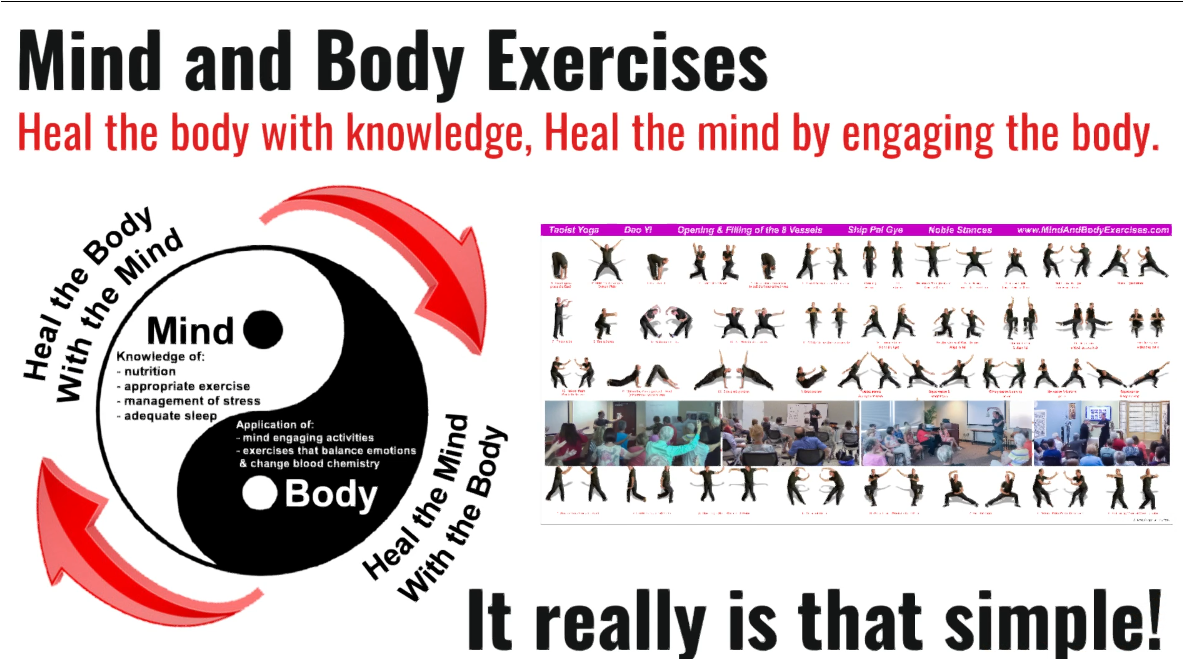
Mind and Body Exercises – It really is that simple!

I write often about topics that affect our health and well-being. Additionally, I teach and offer lecture about qigong, tai chi, baguazhang, and yoga. I also have hundreds of FREE education video classes, lectures and seminars available on my YouTube channel at:https://www.youtube.com/c/MindandBodyExercisesMind and Body Exercises on Google: https://posts.gle/aD47Qo

Jim Moltzan

407-234-0119

www.MindAndBodyExercises.comwww.Amazon.com/author/jimmoltzan
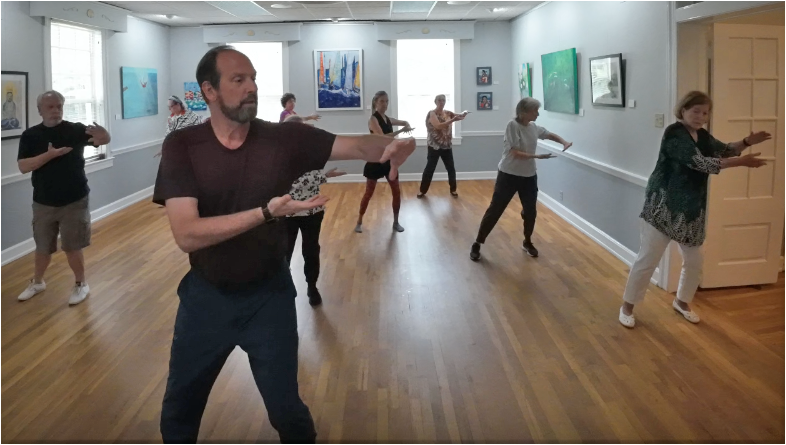
Qigong – Heal the Mind With the Body – Detailed Description

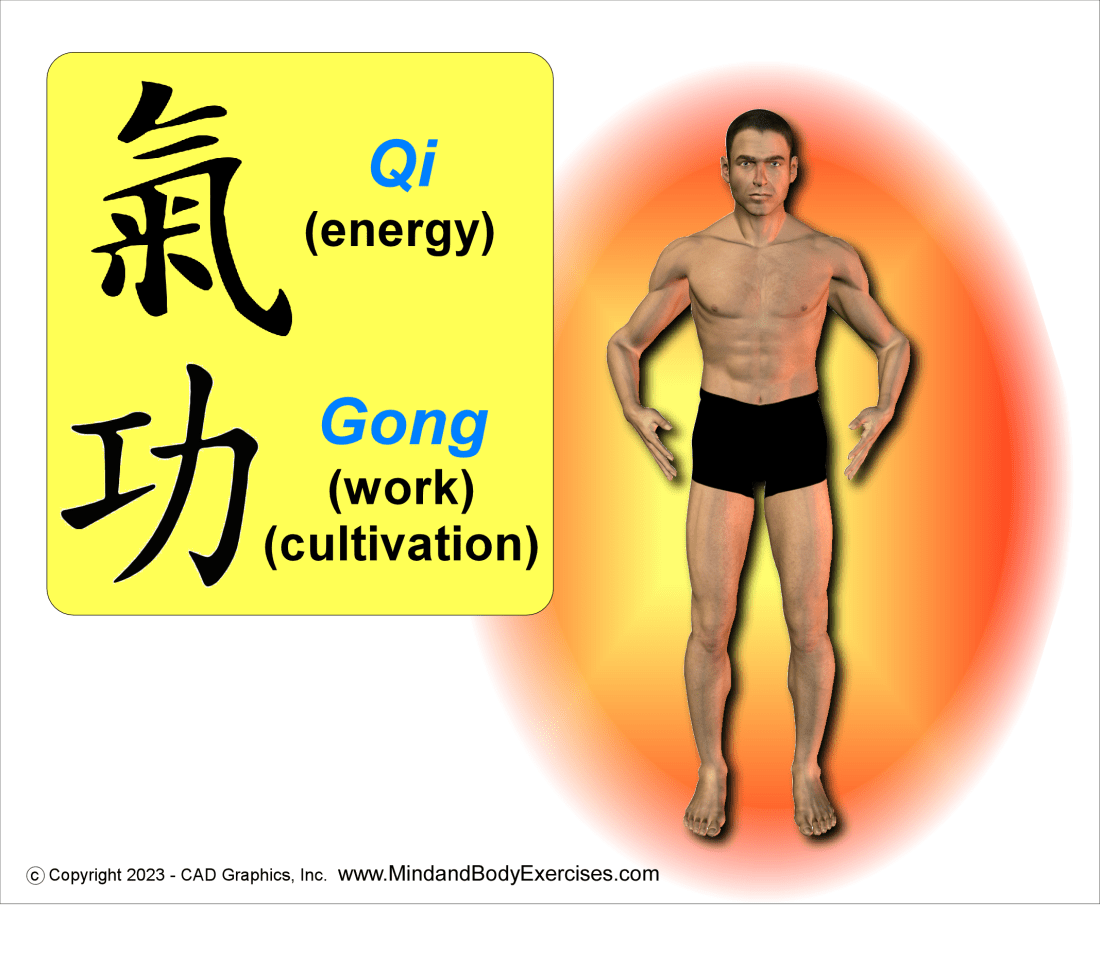
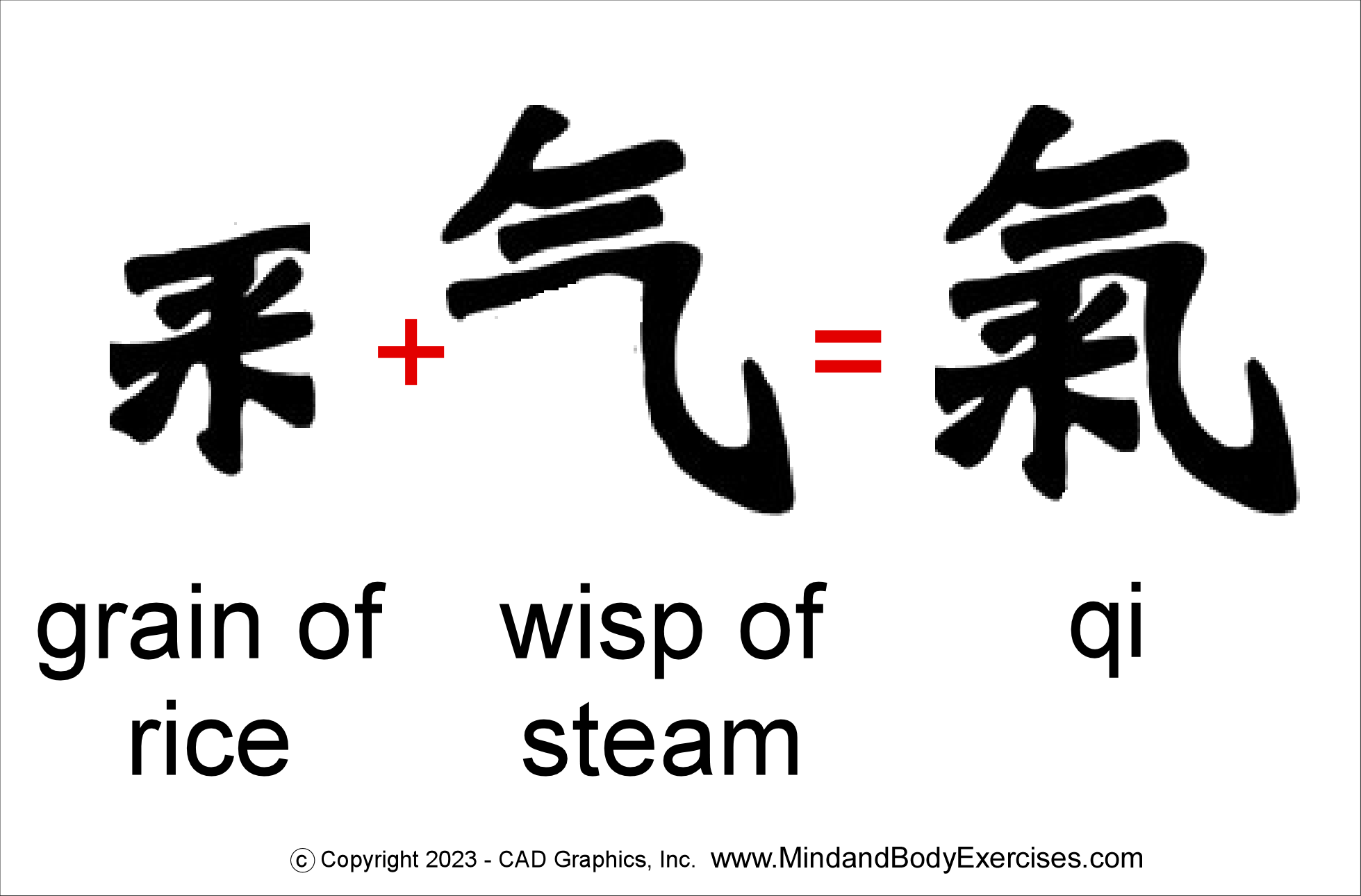
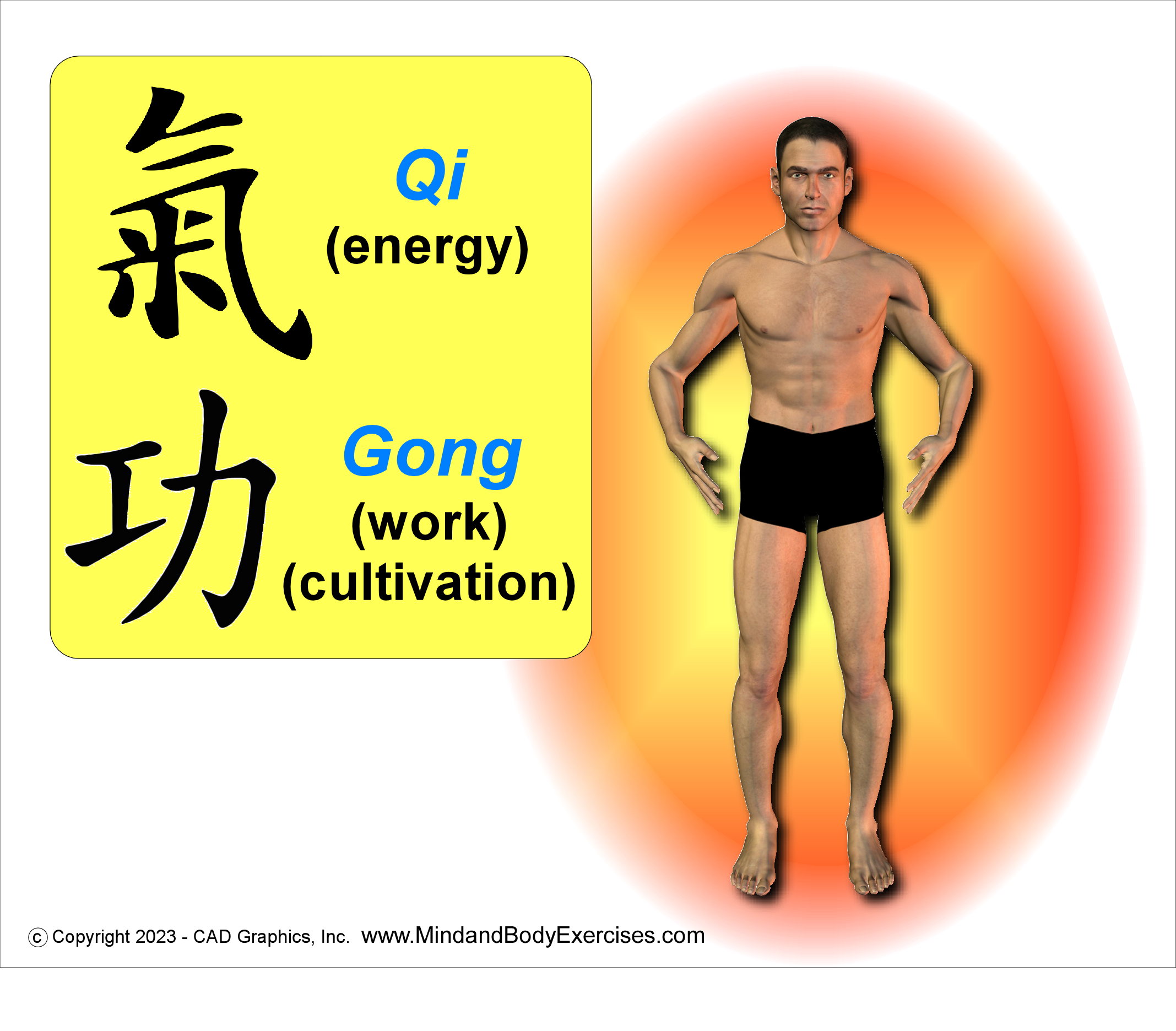
This is another post in my series of explaining qigong practices. Qi, Chi or Gi means air, energy or breath in Chinese and Korean. Gong or Kung means work. Qigong therefore translates to energy or breath work.

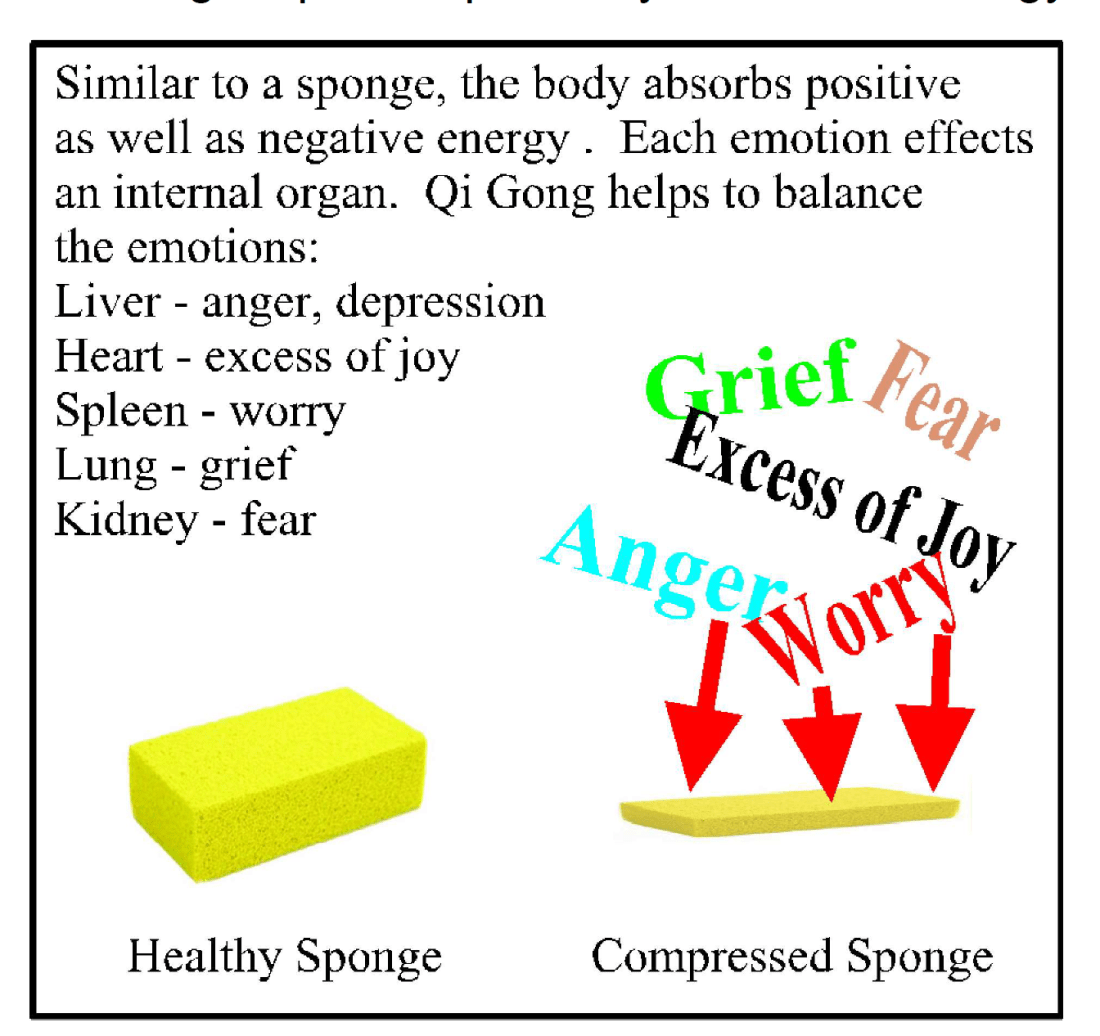
The human body is made up of bones, muscles, and organs amongst other components. Veins, arteries and capillaries carry blood and nutrients throughout to all of the systems and components. Additionally, 12 major energy meridians carry the body’s energy. “lifeforce” also known as “qi”. Ones qi is stored in the lower Dan Tien. Daily emotional imbalances accumulate tension and stress gradually affecting all of the body’s systems.Each discomfort, nuisance, irritation or grudge continues to tighten and squeeze the flow of the life force. This is where “dis-ease” claims its foothold.

Qigong breathing exercises can adjust the brainwaves to the Alpha state, where the mind is relaxed and the body chemistry changes and promotes natural healing. Relaxing of the deep skeletal muscles, and working outward as one tries to release tension accumulated within the muscles, organs and nerves. Whereas conventional physical exercise can deplete energy,Qi Gong helps to replenish your natural energy.

Our emotional state directly influences how we breathe. The emotions reveal themselves in the breathing patterns:

  • Anger, fear, anxiety – shallow breaths
  • Grief – spasmodic breathing
  • Guilt – restricted breathing
  • Boredom – shallow, lifeless breathing
  • Sadness/depression – under breathing


Furthermore:

Dwelling in the past – can produce any of the above breathing patterns


Worrying about the future – can produce any of the above breathing patterns


Present in the moment – The goal here is clarity and self awareness to slow and regulate the breath


Becoming present in the moment can happen in various ways such as:
1) Immediate trauma – Fear of injury or loss of life can put one into the moment quickly.


2) Practice of mindful exercises such as meditation, yoga, tai chi, qigong and other similar mind and body interactive practices.


3) Engaging in activities such as singing, painting, performing music, dancing, etc.

Qigong exercise can change brainwaves to the Alpha state:

  • Alpha – relaxed concentration, creative state
  • Beta – attentive, alert
  • Delta – unconscious
  • Theta – drowsy state of mind

Benefits of Qigong exercises:

  • Boosts the immune system
  • Reduces stress, anxiety, depression, mood swings
  • Lowers blood pressure
  • Increases the body’s natural healing process
  • Lungs increase their capacity
  • Promotes better respiration and circulation
  • Enhanced self-awareness
  • Helps to change the body’s chemistry for the better

Qigong utilizes regulated breathing, which calms emotions, which modulates the autonomic nervous system. This engages the parasympathetic nervous system that manages blood chemistry and relative hormones and neurotransmitters.. Blood chemistry affect organ function either in a positive or negative manner.


Best Times:

  • morning (calm, nature awakening)
  • evenings (calm, tranquil)
  • anytime (even a few minutes)

Best Locations to practice:

  • outside and peaceful
  • inside and uncluttered
  • anywhere possible

Qigong practice is a solution to the current health care crisis, where we have seen a drastic increase in diabetes, obesity, depression, anxiety, stress, suicide and so many other mental and physically related health issues.

Would it not be wise to at least consider preventing these ailments in the first place rather than using questionable pharmaceuticals and therapies after the fact? Folks, the horse has been out of the barn for many decades now. If government leaders, medical professionals, school boards and parents were to actually promote and encourage physical exercise, good nutrition, meditation and self-responsibility we might have a much different looking nation. Plant good seeds, no?

I write often about topics that affect our health and well-being. Additionally, I teach and offer lecture about qigong, tai chi, baguazhang, and yoga. I also have hundreds of FREE education video classes, lectures and seminars available on my YouTube channel at:

https://www.youtube.com/c/MindandBodyExercises

Mind and Body Exercises on Google: https://posts.gle/aD47Qo

Jim Moltzan

407-234-0119

www.MindAndBodyExercises.com

www.Amazon.com/author/jimmoltzan
Qigong – A Way to Heal the Mind, By Engaging the Body

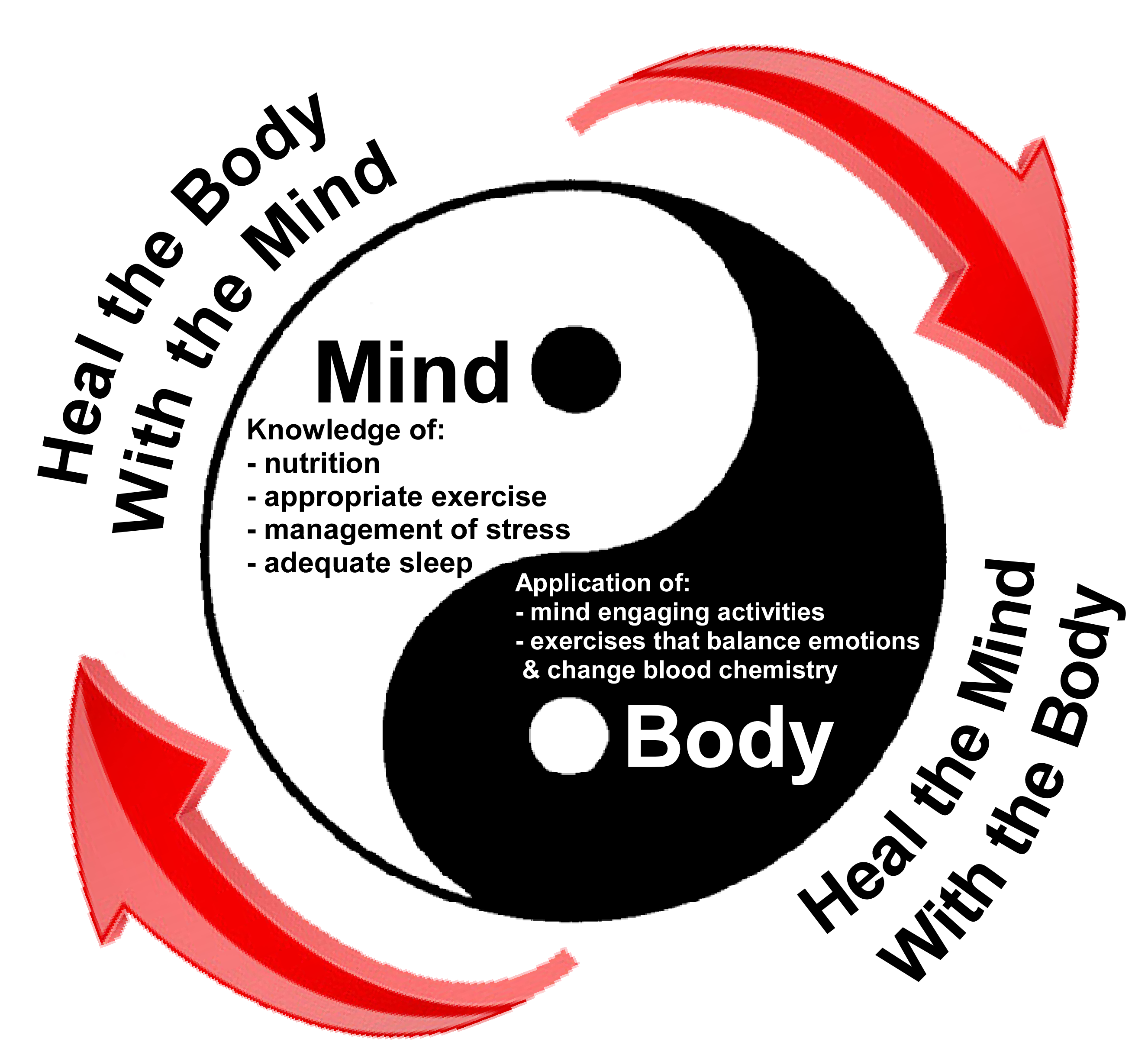
This is a continuation of my previous post of how we can use the knowledge within our thoughts to help to heal the ill, injured, damaged or traumatized human mind and body. Knowledge such as nutrition, appropriate exercise, management of sleep and healthy social relationships. This article delves in deeper on the practice of Qigong or breath work, in order to help heal our body by using knowledge, and conversely heal the mind by using physical exercises.

No need for a gym membership, a mat, special equipment nor special clothing. Just some time, effort and a willingness to learn something different. Qigong practice is a solution to the current health care crisis, where we have seen a drastic increase in diabetes, obesity, depression, anxiety, stress, suicide and so many other mental and physically related health issues. Would it not be wise to at least consider preventing these ailments in the first place rather than using questionable pharmaceuticals and therapies after the fact? Folks, the horse has been out of the barn for many decades now. If government leaders, medical professionals, school boards and parents were to actually promote and encourage physical exercise, good nutrition, meditation and self-responsibility we might have a much different looking nation. Plant good seeds, no? Of course there will be some that look at Eastern methods of healthcare such as yoga, tai chi, qigong and meditation as that “weird stuff” that they don’t want their kids exposed to. So be it. Then maybe they can “do something” to fix all that ails our once great country.

Qi, pronounced “chee,” means energy. You may see it spelled “Chi” or even “Ki” in Japanese, but they all carry the same meaning. Qi is the energy of the body, of the meridians, of food, of the universe. While it may seem a nebulous topic there are refined theories regarding the different types of Qi within the body, the creation and actions of Qi, and consequently, ways to determine where imbalances may arise. “Gong” or “Kung” means work or diligent effort. So qigong translates to “breath work.”

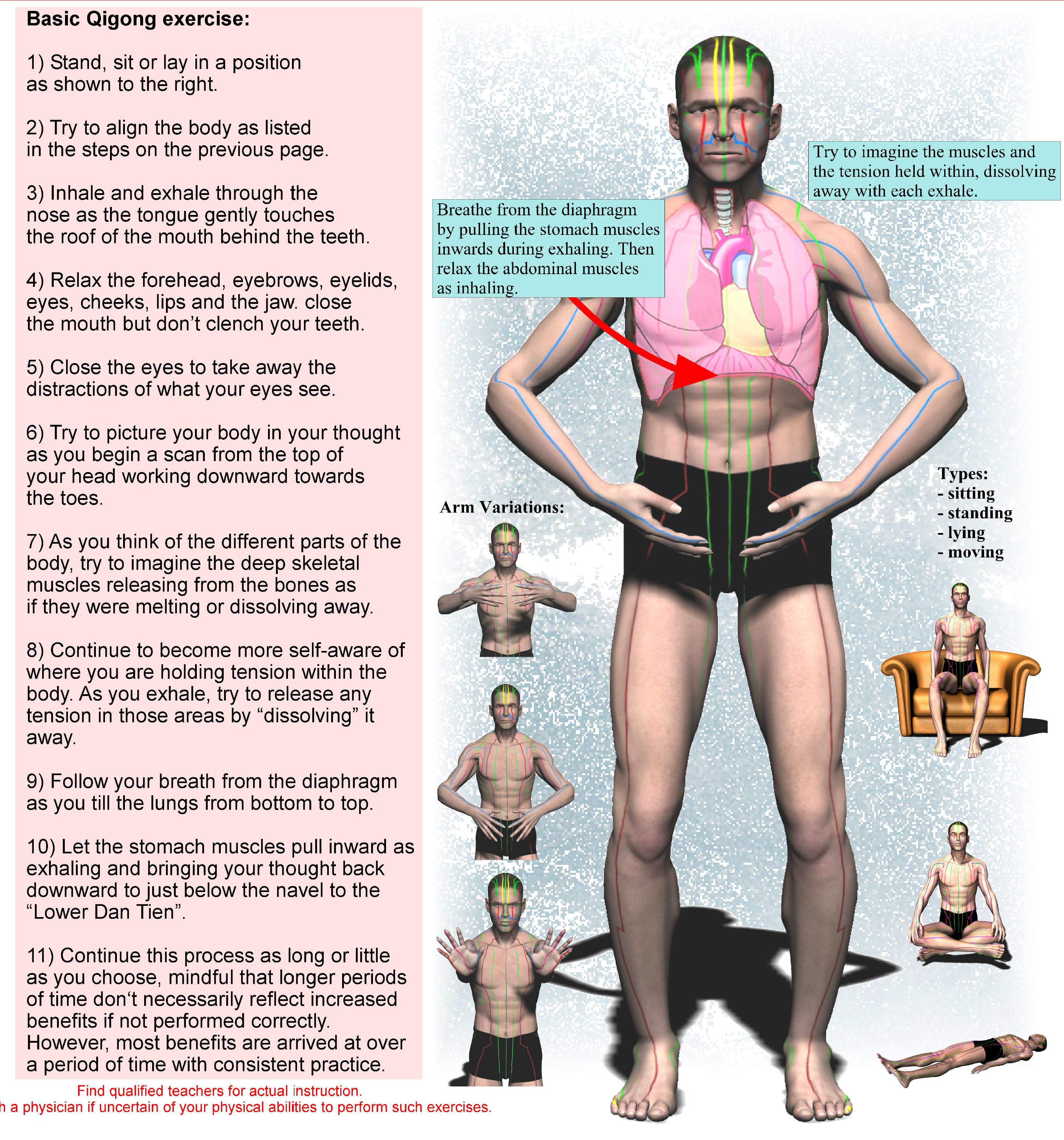
Qigong or Chi Kung is breathing exercises, with little or no body movement, can be practiced while sitting, standing or moving, Regulation of the breath can adjust the brain waves to the Alpha state. When the mind is relaxed, the body chemistry changes and promotes natural healing. With deliberate regulated breaths, one is able to relax the deep skeletal muscles working outward, while releasing tension accumulated within the muscles, organs and nerves. Whereas conventional physical exercise can deplete energy, Qigong helps to replenish your natural energy.

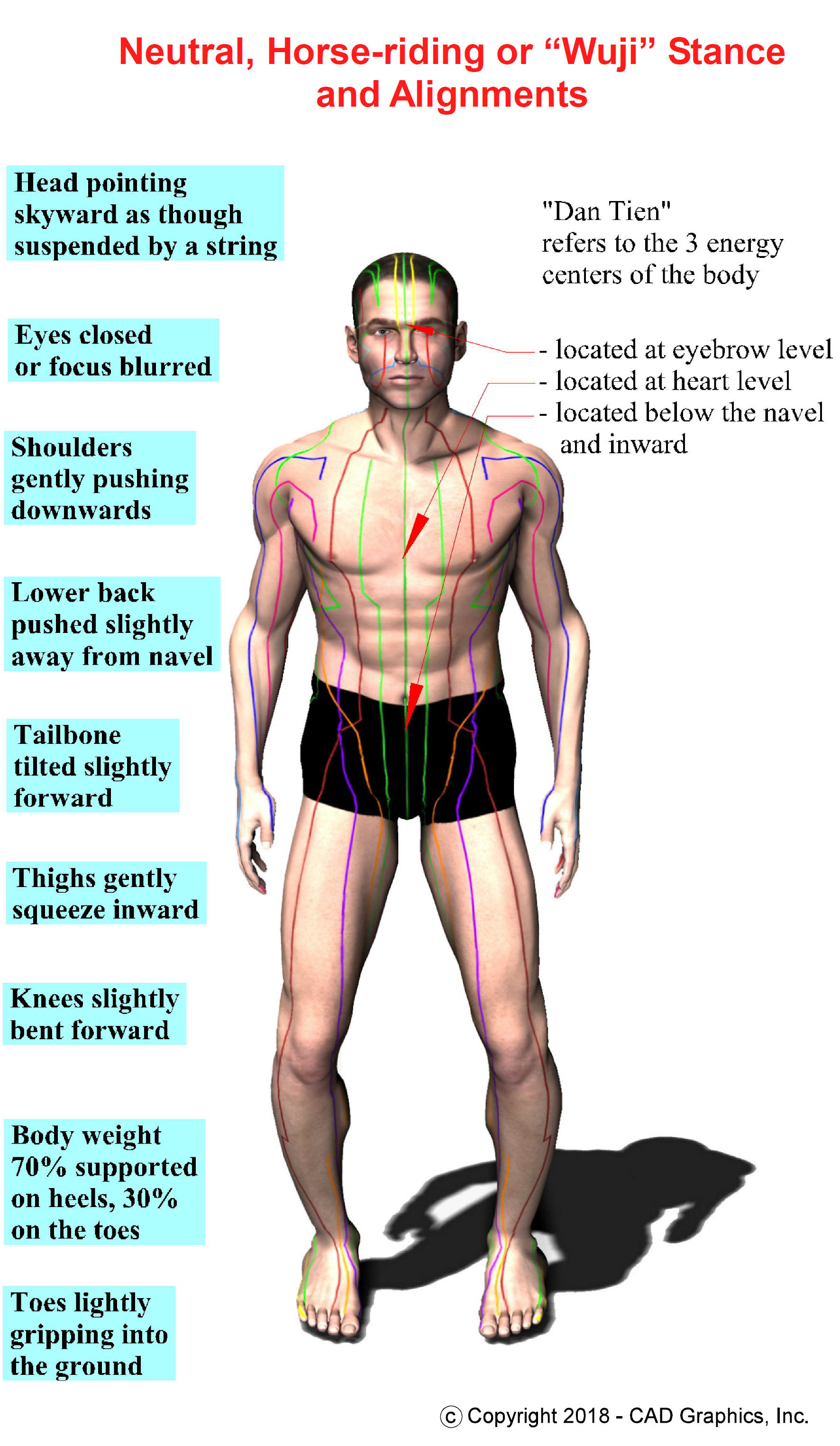
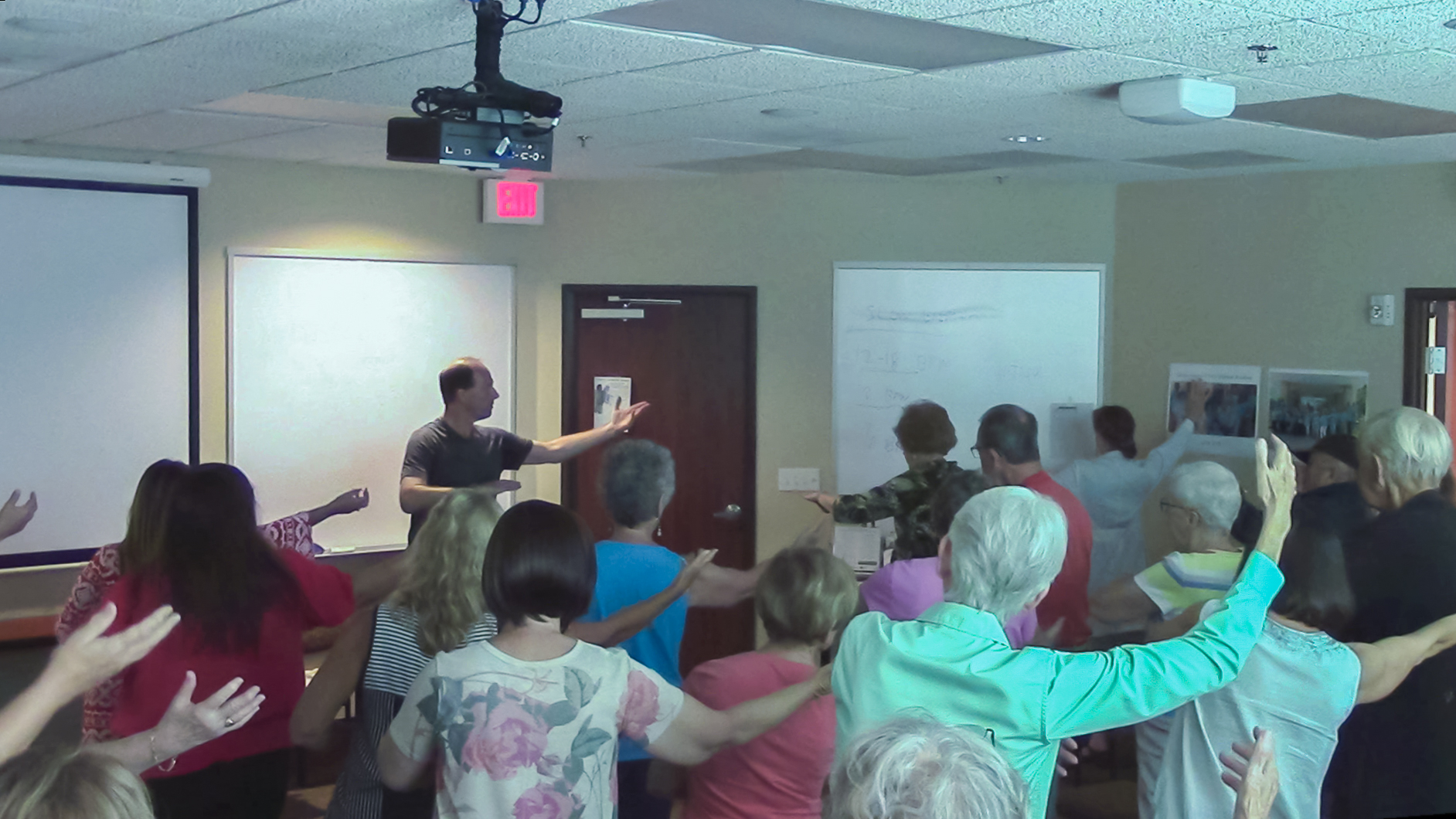
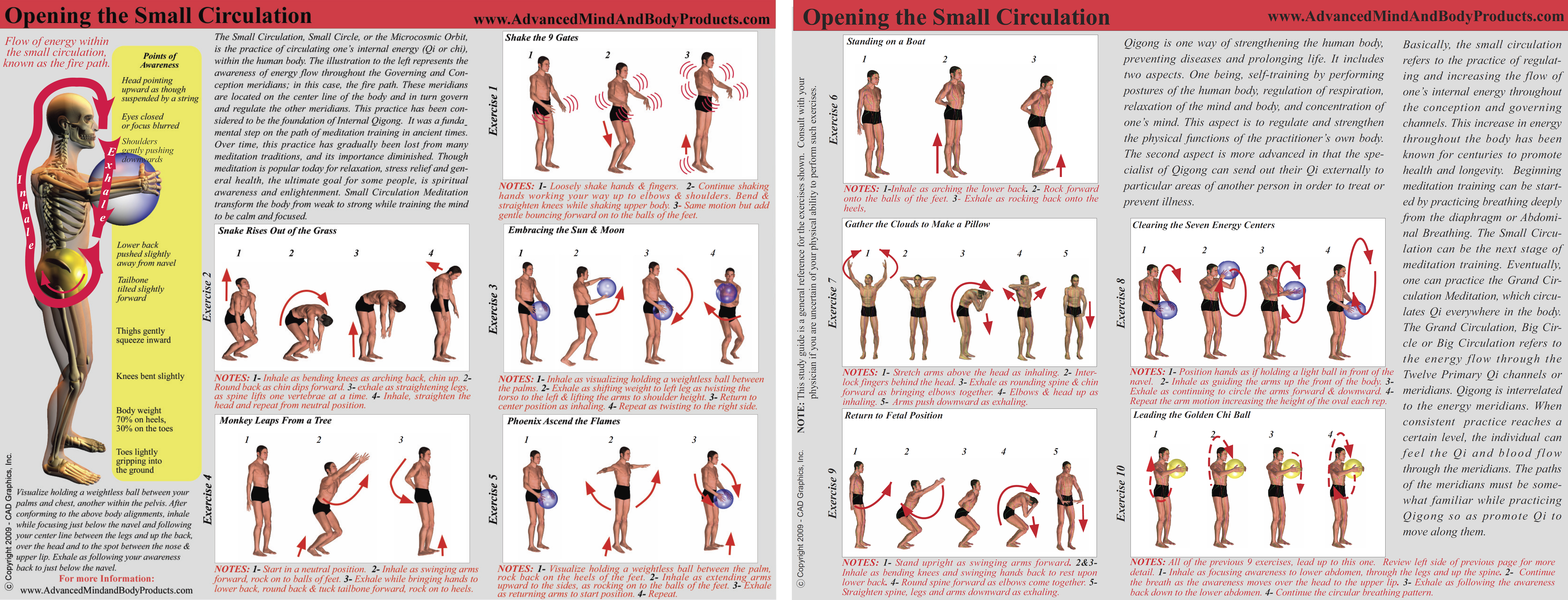
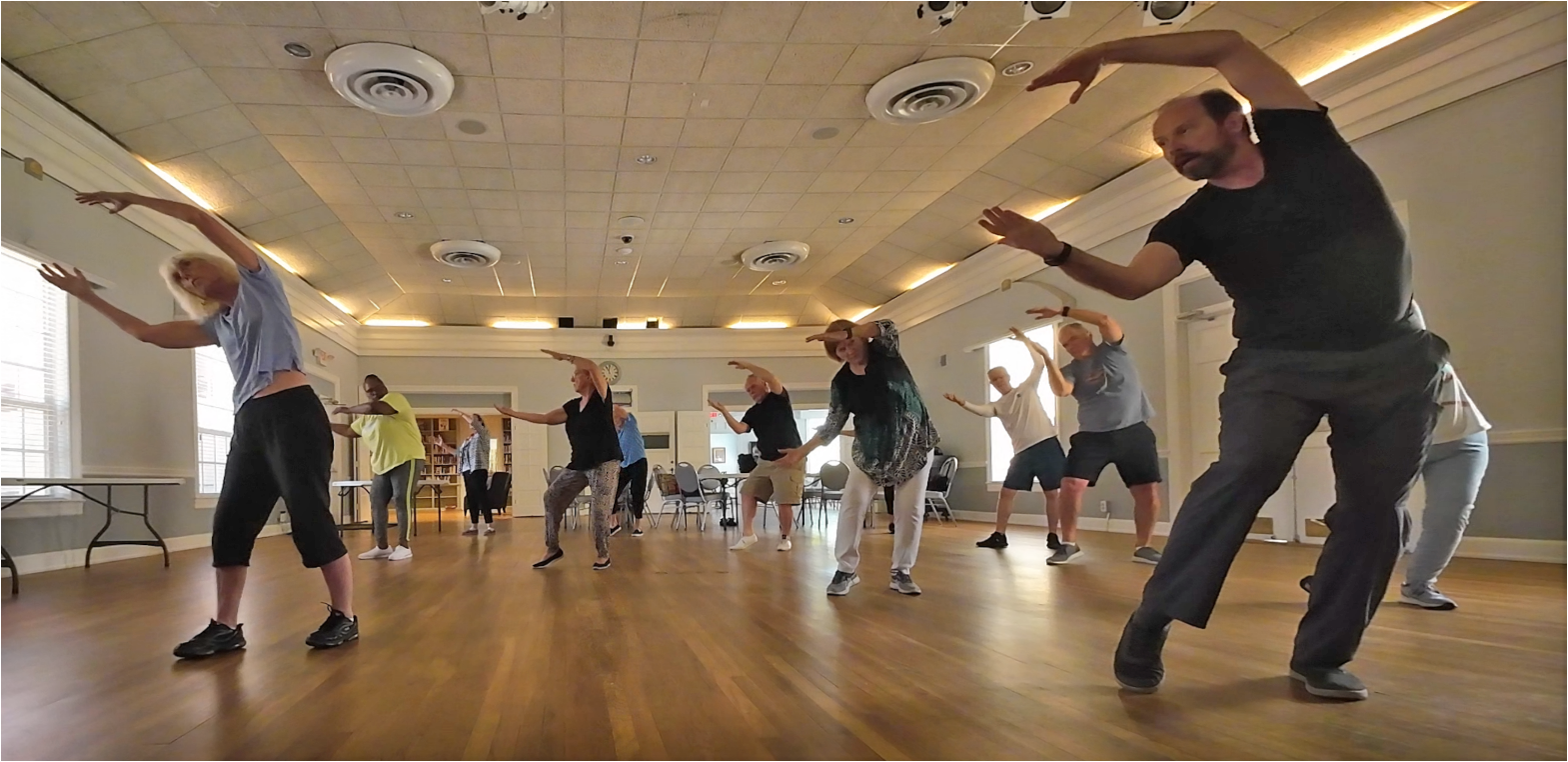
Qigong shares the same branch of origin as yoga. Both systems have sitting, standing and moving exercises with their respective curriculum. Both systems have a strong observance of the breathing mechanism and how it helps to balance out the mind, body and for some, spiritually and/or self-awareness. Qigong does have some exercises practiced like yoga on the ground, but curriculum really depends upon the teacher and intended participants. This curriculum is vast and holds many options and variations to help those that are injured, ill, disable and may have other limitations. The following graphics offer a window into what qigong exercises look like.

Knowledgeable and well experienced teachers of qigong and yoga, will drill down into the details and subtle nuances of these practices. The development is in the details. Trying to learn these methods and the many specifics can be as easy or difficult as the practitioner cares to engage. However, one of the main benefits of these practices is that by occupying one’s thoughts with the physical details, the mind becomes more engaged with the body. This is where the true healing begins when the breathing frequency is deliberately slowed down, the nervous system adjust the delicate blood chemistry which in turn positively affects organ function.

I write often about topics that affect our health and well-being. Additionally, I teach and offer lecture about qigong, tai chi, baguazhang, and yoga. I also have hundreds of FREE education video classes, lectures and seminars available on my YouTube channel at:

https://www.youtube.com/c/MindandBodyExercises

Mind and Body Exercises on Google: https://posts.gle/aD47Qo

Jim Moltzan

407-234-0119

www.MindAndBodyExercises.com

www.Amazon.com/author/jimmoltzan
Tummo, ‘inner fire’ meditation 

Many of the posts here have discussed some of the mental or spiritual benefits of Tibetan Meditations. If appears as there is quite a bit of research on the physical benefits as well. Advanced methods of meditation, such as Tummo, may open up options that will help to better treat stress-related illnesses.

There are events reported where Tibetan monks have demonstrated some very high levels of meditation where they can perform seemingly miraculous feats of the human body. For instance, at a Buddhist monastery in Northern India, a group of monks were lightly dressed and unaffected by the temperature of their surroundings of 40 degrees Fahrenheit. They were then covered with ice-cold, wet sheets of fabric. An average person would be shivering uncontrollably to try to stay warm, however the monks remain unfazed. The wet sheets began to steam after about 1 hour, eventually becoming completely dry. The monks had used a yoga technique known as Tummo, which literally means ‘inner fire‘.  This is an ancient meditation technique practiced by monks in Tibetan Buddhism. where a combination of breathing and visualization techniques are used to enter into a deep state of meditation. This method enabled them to significantly raise their body heat, as much as 17 degrees Fahrenheit in their fingers and toes.

Components of Tummo meditation that can lead to temperature increases are Vase breath and concentrative visualization. Vase breath is a particular breathing technique which causes thermogenesis, a process of heat production. Concentrative visualization is where the practitioner focuses on a mental image of flames along the spinal cord in order to prevent heat loss. Reports from scientists at Harvard University see this phenomenon as an amazing example of the mind’s ability to influence the body.

References:

Explained: How Tibetan Monks Use Meditation to Raise Their Body Temperature (buzzworthy.com)Links to an external site.

Tummo Meditation | Your Inner Fire and the Wim Hof MethodLinks to an external site.

http://35to65.com/meditation-sitting-snow-crazy-video-immune-function-tibetan-tummo-inner-heat-meditation/

_______________

Qigong, tai chi, baguazhang, and yoga are not the only methods that can be used within this formula but have proven the test of time as methods to cultivate harmony of the mind, body and spirit. These exercise practices offer a wide spectrum of physical wellness benefits, stress relief as well as means of self-awareness.  Not all teachers nor students practice these for the same goals.

I am currently offering wellness lectures and classes for group, small group & private instruction in Wekiva, Longwood and Winter Park.

For more info, contact Jim Moltzan at info@mindandbodyexercises.com, 407-234-0119 or through my site at http://www.mindandbodyexercises.com

http://www.Amazon.com/author/jimmoltzan