You should sit in meditation for twenty minutes every day unless you’re too busy. Then you should sit for an hour.” Or “If you have time to breathe, you have time to meditate.” These are great quotes to ponder but regardless, meditation is an active practice that will not happen if I (we) do not make it happen.
I think many people confuse religion with philosophy. My understanding of religion is that it is a belief system based upon faith or what cannot be seen. Whereas philosophy is generally a rational investigation of truths. With this being said, I don’t think I would even enter into the conversation of how meditation is not religion, but rather a tool that could enhance one’s religious beliefs or other aspects of their life, unless they had an openness to begin with. I have found that trying to convince someone of something usually doesn’t achieve the desired results.
Insight meditation is also known as Vipassana and is known to be the oldest of Buddhist meditation practices coming directly from the Satipatthana Sutta which is the “Discourse on the Establishing of Awareness” attributed to the Buddha himself. Vipassana meditation is a direct but gradual training of self-awareness or mindfulness usually over a period of years. During practice, a student’s attention is focused inward towards an intense contemplation of particular aspects of one’s existence. The meditator trains to be more and more self-aware of their own flowing life experience.
Put aside time on your schedule to practice Vipassana meditation. Find a quiet room or space within or near your home. Sit upright but comfortably and relaxed in a sturdy chair. Relax and clsoe your eyes. Make your breathing deeper and longer with a 4-second pause between each inhale an exhale. Move your attention away from your breathing and onto other observations of your thoughts. Relax your neck and shoulders and work your way down your torso using just enough muscular tension to hold your body upright. Experience going through a progression from physical awareness to mental awareness and then to an emotional release to become present in the moment. Once you are comfortable with the physical awareness of your body, move on to becoming aware of your senses and what is occurring in your immediate environment inside and out. Listen closely to maybe hear the A/C or heater turning off, bringing your focus maybe to the refrigerator now humming away in the background of your awareness. Each time a distraction presents itself, acknowledge it and then become aware of the next sound. If there is no sound, move onto feeling the touch of your body in the chair or your feet on the floor. Then another thought will appear, like how long have I been sitting here, the room is warm, or what time of day is it? All trivial thoughts within your inner dialogue that you can continue to acknowledge and then let fade away. Slowly open your eyes to the room appearing slightly brighter and sharper. You will feel refreshed and calm thereafter.
My definition of meditation is practices where an individual train their mind to achieve a mode of consciousness to realize benefits. Meditation does not necessarily need to be done in a lotus position nor, hours of sitting motionless. However, these are methods of meditation. So can walking, gardening, playing an instrument, drawing, painting, journraling, yoga, tai chi, qigong, archery, target shooting and many other methods can be used as meditative practices.
I may have had some second thoughts or skepticism when I first started to learn of meditation practices. However, I was 16 years old at the time and had very little life experience and not much wisdom at this point in my life. Eastern philosophy and meditation practices from martial arts, qigong, yoga and others were not widely accepted in the United States in the early 80’s and definitely not in Midwest suburbia of the Chicago area of Illinois. Martial arts schools at this time in the US were looked upon as being religious, cult-like, or at the very least a cultural-shock to my conservative upbringing.
When we are young, we can often be more influenced and possibly manipulated by others in order to see their viewpoints or beliefs in their personal agenda. I may have experienced some of these issues to some extent. However, in my case this turned out to not be a bad thing but rather a life-changing event that allowed me to gain benefits from meditation for decades forward.
Whatever reluctance I held at the time for these methods, soon diminished as I was able to see and feel the benefits of my training, while I saw my elders and peers’ health and well-being suffer from years of unregulated emotional stress and physical tension.
Meditation practices can offer so much in relation to cultivating the mind, body and spiritual harmony that many seek to achieve but really have no plan, method or goal as to where meditation can guide them to. I have been able to build and nurture (cultivate) a relationship with my mental thought process, my physical being and my spiritual awareness of something bigger and more profound than the mundane life we often possess and accept.
Meditation has offered me so much. Specifically, on the mental level I have been able to release mental stress and achieve consistent focus and clarity. On the physical level I have learned to be able to recognize and release muscular tension by slowing my breath rate, heart rate and blood pressure. On the spiritual level I have been able to enter into a deeper sense of self-awareness and realization that our life is a series of lessons to be learned to hopefully serve a greater purpose. We can go find religious or spiritual leaders to help guide us through this journey. Or we can venture inward and go direct to the source if this is where we choose to put our efforts. Meditation is not a replacement for one’s faith but rather a way to enhance and understand it. Meditation is a tool to be used for the benefit of the practitioner. Based upon these concepts, I feel that my meditation practices have much more to offer me in my next stages of life.
Be well, become healthier, be wiser.
________________
I write often about topics that affect our health and well-being. Additionally, I teach and offer lecture about qigong, tai chi, baguazhang, and yoga.
Managing High Blood Pressure Using Qigong Practices
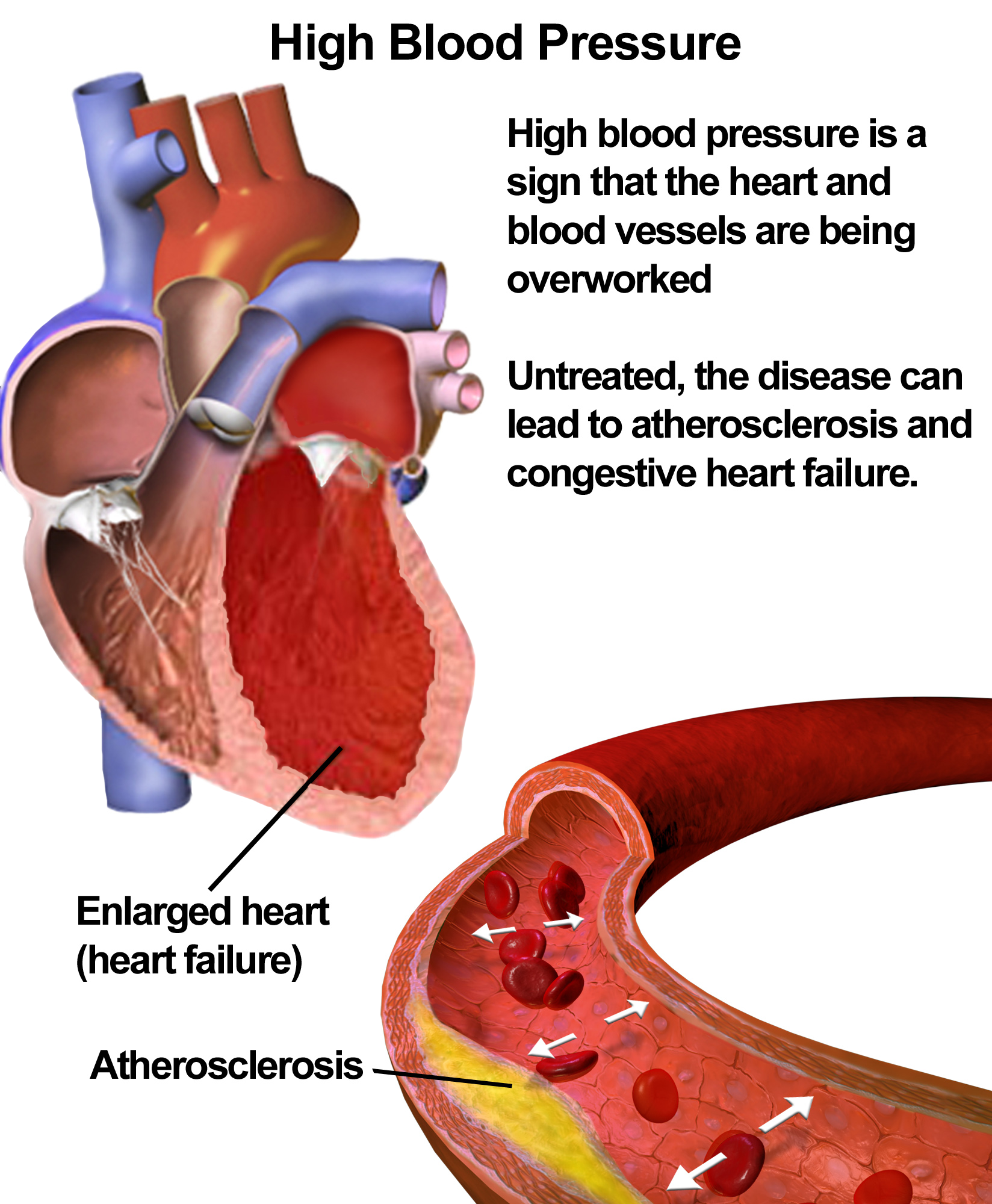
High blood pressure or hypertension (HTN) is a major public health issue affecting almost a billion people worldwide. HTN is often called a “silent killer” because while it has no obvious symptoms, untreated HTN can often lead to strokes, heart attacks and other health issues. As of 2015, an estimated 75 million adults in the U.S. had HTN.
Management of hypertension is typically addressed through lifestyle changes, diet and antihypertensive medications. A diet high in vegetables, fruits, and low-fat dairy type foods can help lower blood pressure among people having hypertension, as well as those without. Also, a diet low in sodium can also help to lower blood pressure across age, gender, race, weight, and physical activity subgroups. Other methods for lowering high blood pressure can include weight reduction if overweight or obese, increasing physical activity, and moderate alcohol consumption.1
High blood pressure or hypertension is a disease in itself but also a major risk factor for other diseases. Normal blood pressure is typically 120 systolic (maximum pressure during one heartbeat) over 80 diastolic (minimum pressure between two heartbeats). Systolic blood pressure over 115 mmHg is usually considered as higher than normal. An average and sustained blood pressure of 140/90 would be defined as hypertension and considered to put an individual at risk of specific health issues. Medical studies have shown that an increase of hypertension is connected to an increasing rate of cardiovascular issues such as heart failure, atrial fibrillation, stroke, myocardial infarction, and premature mortality.
Blood pressure over 180/110 mmHg, if left untreated can overcome normal microvascular autoregulation. This can often lead to severe damage to the body’s blood circulation within the smallest blood vessels (microcirculation) resulting in a syndrome of accelerated or malignant hypertension and possibly cerebral hemorrhage where there is bleeding in or around the brain, which can be immediate threats to one’s life.2
information from the Mayo Clinic lists various factors that can put someone at a higher risk of experiencing hypertension and its relative ailments:
Age. As people grow older, the risk of high blood pressure increases. Up until around age 64, hypertension is more common with men. Women after age 65, are at higher risk of having high blood pressure.
Race. Those of African heritage often acquire high blood pressure earlier in life and more often than other ethnicities. Serious complications related to hypertension such as heart attack, kidney failure and stroke are more common in those of African heritage.
Family history. High blood pressure has a tendency to be hereditary.
Obesity and overweight. The more someone weighs, the more oxygen and nutrients are needed to be transported through the blood to tissues. Increased blood flow increases the pressure on the blood vessel walls throughout the body.
Lack of physical activity. People who are more sedentary often have higher heart rates making the heart having to work more with each contraction. Less physical activity also contributes to the risk of being overweight or obese.
Smoking and tobacco use. Smoking or chewing tobacco can immediately raise blood pressure temporarily, while the chemicals in tobacco may cause damage to the lining of the artery walls.
High salt (sodium) diet. High sodium in your diet may cause the body to retain fluid, which leads to an increase in blood pressure.
Low potassium diet. Potassium helps keep the balance of the amount of sodium in the cells of our body. If there is not enough potassium in our diet, sodium can build up in the blood.
Excess alcohol consumption. Excessive drinking can cause damage to the heart. More than one drink per day for women and more than two drinks per day for men can affect blood pressure.
Stress. Stress left unchecked can cause a temporary increase in blood pressure. Habits related to stress like binge eating, tobacco use and excess alcohol can lead to further increases of blood pressure.
Chronic conditions. Certain chronic conditions can also increase risk of high blood pressure. These would include diabetes, kidney disease and sleep apnea.3
In recent years, news and media outlets have brought some attention to complementary alternative medicine (CAM) as options to use with or without pharmaceutical approaches to manage high blood pressure. Among these methods would be meditation, tai chi, qigong and its root origin of yoga. A research study conducted in 2015 titled Qigong for Hypertension: A Systematic Review, investigated the use of qigong practices for hypertension. It was widely distributed through various internet outlets such as PubMed, NCBI, Medicine, ResearchGate, Harvard Library and others.
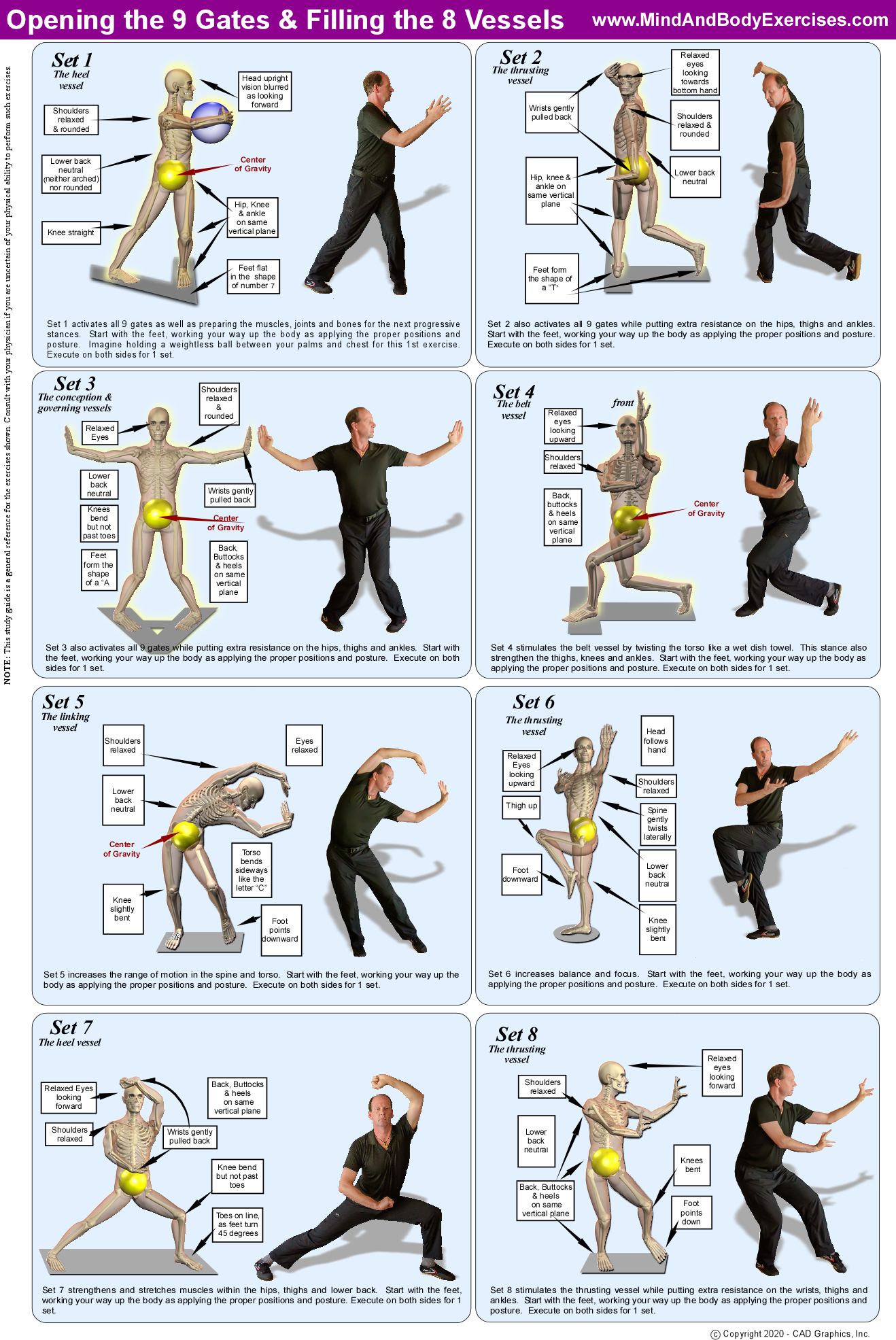
Qigong has its root origin in yoga. Tai chi and daoyin are types of qigong (or basically yoga) where the body is trained to perform “yoga in motion” where exercises are linked together to form sets of movements. While all of these methods have quite different names, they all share the same Eastern Indian origins and similar philosophy. All of these types of exercise use mindful breathing with deliberate body positioning. The mind is focused inward on one’s thoughts, breathing and posture. All have elements for mind, body & spiritual (or higher consciousness) development. These practices have been practiced for thousands of years (origins between 5000-1500 BC), and Tai Chi originated in the 12th century. The following is a basic translation of these methods:
Qi, chi or gi = air, energy, or breath
Gong or kung = work or effort
Qigong = energy or breath work
Daoyin = guide the qi, stretch the body (sometimes referred to as Taoist yoga)
Tai chi, taiji, tai chi chuan = supreme ultimate fist
Yoga = to join or unite
The systematic review of this study was conducted in coherence with the Preferred Reporting Items for Systematic Reviews and Meta-Analyses guidelines. Only RCTs investigating the effects of qigong on high blood pressure (hypertension) were included. The results from this meta-analysis study suggests that qigong is an effective therapy for hypertension.
At the time of this study in 2015, China had roughly 5% of its 1.3 billion population practicing qigong on a regular basis. They believe qigong to improve health, prevent illness, and extend life by addressing a wide range of ailments and conditions. These ailments would include hypertension, chronic pain, fatigue, stress, movement disorders, cancer, depression, anxiety, heart failure, coronary heart disease, cardiac rehabilitation, diabetes, metabolic syndrome, chronic obstructive pulmonary disease, immune function and to enhance the overall quality of life (QOL). Qigong here is widely practiced by middle-aged and elderly people, many who cannot engage in moderate-to-vigorous–intensity aerobic exercise. This makes qigong more appropriate for elderly patients, being a gentle alternative to intense physical activities. Static (non-moving) qigong can be practiced which has even lower physical demands.
The results from this meta-analysis study suggests that qigong is an effective therapy for hypertension. Qigong is better than no intervention but with antihypertensive drugs. However, it was found that qigong was inferior to exercise in lowering high blood pressure. Additionally, qigong used as a supplemental therapy to antihypertensive drugs, can significantly lower hypertension. Qigong could be recommended as a complementary intervention for hypertensive patients.
If other well-designed RCTs were to offer a high quality of methodology confirming that qigong is beneficial, it could be used as a recommended evidence-based complementary or alternative therapy for the management of high blood pressure on a global scale.
Due to inferior systematic quality of some of the included studies, further RCTs with strictly designed methods need to be pursued along with long-term follow-up focusing on definitive clinical outcomes are required in order to confirm the results. From here, a higher level of evidence could support qigong as an alternative to regular conventional exercise for elderly patients. In contrast, negative outcomes can challenge the clinical evidence supporting qigong.
A methodical search for literature was executed from 7 databases, from their respective inceptions up until April of 2014. These databases included PubMed, the Chinese National Knowledge Infrastructure, the Chinese Scientific Journal Database, the Cochrane Library, EMBASE, the Chinese Biomedical Literature Database, and the Wanfang database. Randomized controlled trials were a mixture identifying interventions of qigong as either practice alone (monotherapy) or adjunctive therapy with antihypertensive (high blood pressure lowering) drugs versus no intervention, exercise, or antihypertensive drugs for hypertension.
The controls included wait-list control, jogging, conventional exercises, no exercise, oryzanol, or antihypertensive drugs. Participants in the treatment group were given the same type and dosage of antihypertensive drugs, and with the same standard that was used for the control group. All studies were parallel-designed and single-centered.
A total of 2349 patients with hypertension were evaluated. Participants were of any age, gender, and ethnic origin, being clinically diagnosed as hypertensive in any stage, with at least 1 of the current or past guidelines or definitions of hypertension. Of the trials, 18 were held in China and 2 trials were conducted in South Korea. From data presented in the study, participant ages ranged from as young as 21 and as old as 84. The average age appeared to be in the mid 50’s. The data compiled in this study spanned from as early as 1959 up until 2014. The duration of qigong treatments ranged from 8 weeks to 12 months.
All studies showed qigong as either monotherapy or supplemental therapy to hypertension drugs in the treatment group. Two of the trials had a 3-group study design with 1 trial including jogging, qigong, and antihypertensive drugs groups, while the other trial included qigong plus antihypertensive drugs groups. Practice sessions for that practicing qigong, were usually at least 15 minutes long and sometimes up to 60 minutes. 1-2 practice sessions per day were reported in the data.4
I find it quite commendable that there was data compiled from over such a long period of time for this study. Qigong is so embedded within Asian culture for thousands of years, where in the United States it is relatively new to our country. I have found as usual with many of these medical studies regarding ancient Eastern methods, the researchers are careful to say that more research and investigation is required. Regardless of the research, these methods have been used for thousands of years by other cultures that look beyond the scientific data and see a strong correlation between the mind, body and spiritual connection affecting health and well-being.
I feel that qigong is a great method to reduce hypertension, having worked with hundreds of individuals over my 40 years of teaching these methods. Any methods that encourage mindful regulation of one’s breathing patterns, can have a profound positive effect on their autonomic nervous system. Management of the “fight or flight” response of the sympathetic nervous system or “rest and digest” response of the parasympathetic nervous system, is directly connected to the body’s autoregulation of the cardiovascular system and consequently high blood pressure.
References
1 Langford, A. T., Solid, C. A., Gann, L. C., Rabinowitz, E. P., Williams, S. K., & Seixas, A. A. (2018). Beliefs about the causes of hypertension and associations with pro-health behaviors. Health Psychology, 37(12), 1092–1101. https://doi-org.northernvermont.idm.oclc.org/10.1037/hea0000687
I offer instruction, lectures and seminars on qigong, Taoist yoga, tai chi, martial arts, ship pal gye, hapkido, fitness, wellness and many other avenues to improve health and well-being.
I am currently accepting new clients for group, small group & private instruction.
Yoga, Qigong & Tai Chi – share the same root origin.
Most people are not familiar with the origins of tai chi being from martial arts, and coming from qigong, which is basically yoga it its root. Yoga is often presented and taught with postures standing, lying down or positions in between. Qigong is often taught as standing static exercises with little or no body movement. However, both yoga and qigong have standing, sitting, lying, static and dynamic exercises; because they share the same root origin. Tai chi is basically yoga/qigong exercises in motion.
When I teach a new student or group, I try to simplify the explanation of tai chi to its basic components of gentle stretching/strengthening exercises, regulated mindful-breathing by way of engaged thought. A bit more involved is that tai chi/yoga/qigong are methods to regulate the nervous system modes of “fight or flight” and “rest and digest”. Beyond that, there are literally hours of discussion on theory and concepts of how and why it all works.
Many of you who have known me over the years, know me to be a bit passionate and meticulous about my studying, practicing and teaching of martial arts and various wellness methods. I can attribute my quest due to the following facets of diligent martial arts and mind/body/spirit training:
– Moving the body within the 3 anatomical planes (coronal, sagittal & transverse)
– Exercising the body’s 600+ muscles- Strengthening the body’s 200+ bones- Stretching of the 12 fascial lines
– Moving and strengthening the 33 vertebrae
– Getting the organs moving by engaging the core muscles
– Rehabilitation of injuries (knees, back, neck and shoulders)
– Boosting of the immune system- Relieving stress and anxiety
– Learning to see one’s self as others see me through mindful exercises engaging the mind, body and self-awareness
– and many more benefits.
Instruction in qigong, Taoist yoga, tai chi, martial arts, ship pal gye, hapkido, fitness, wellness and many other avenues to improve health and well-being.
I am currently accepting new clients for group, small group & private instruction. Mind and Body Exercises on Google: https://posts.gle/aD47Qo







 United Martial Arts Association